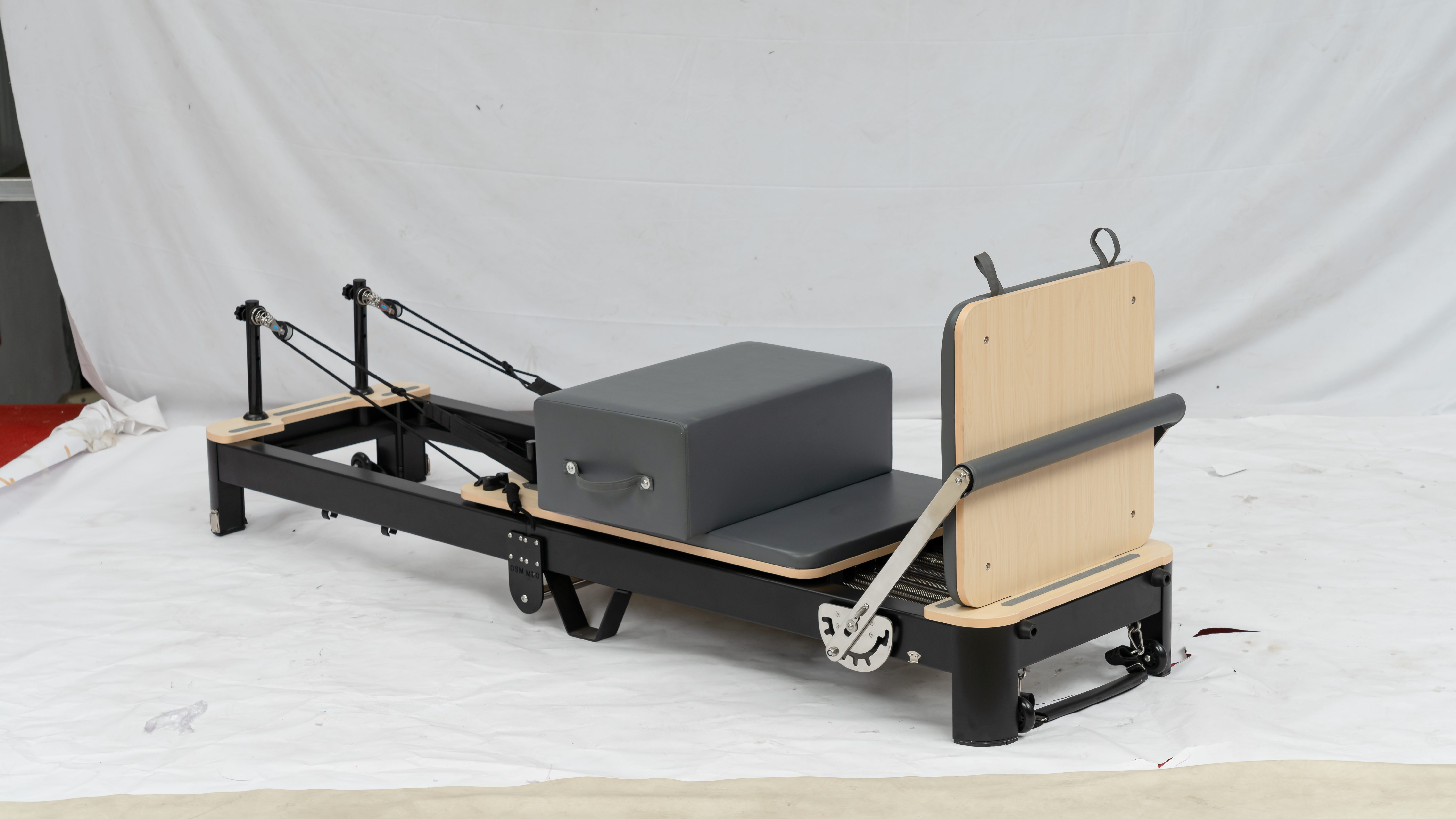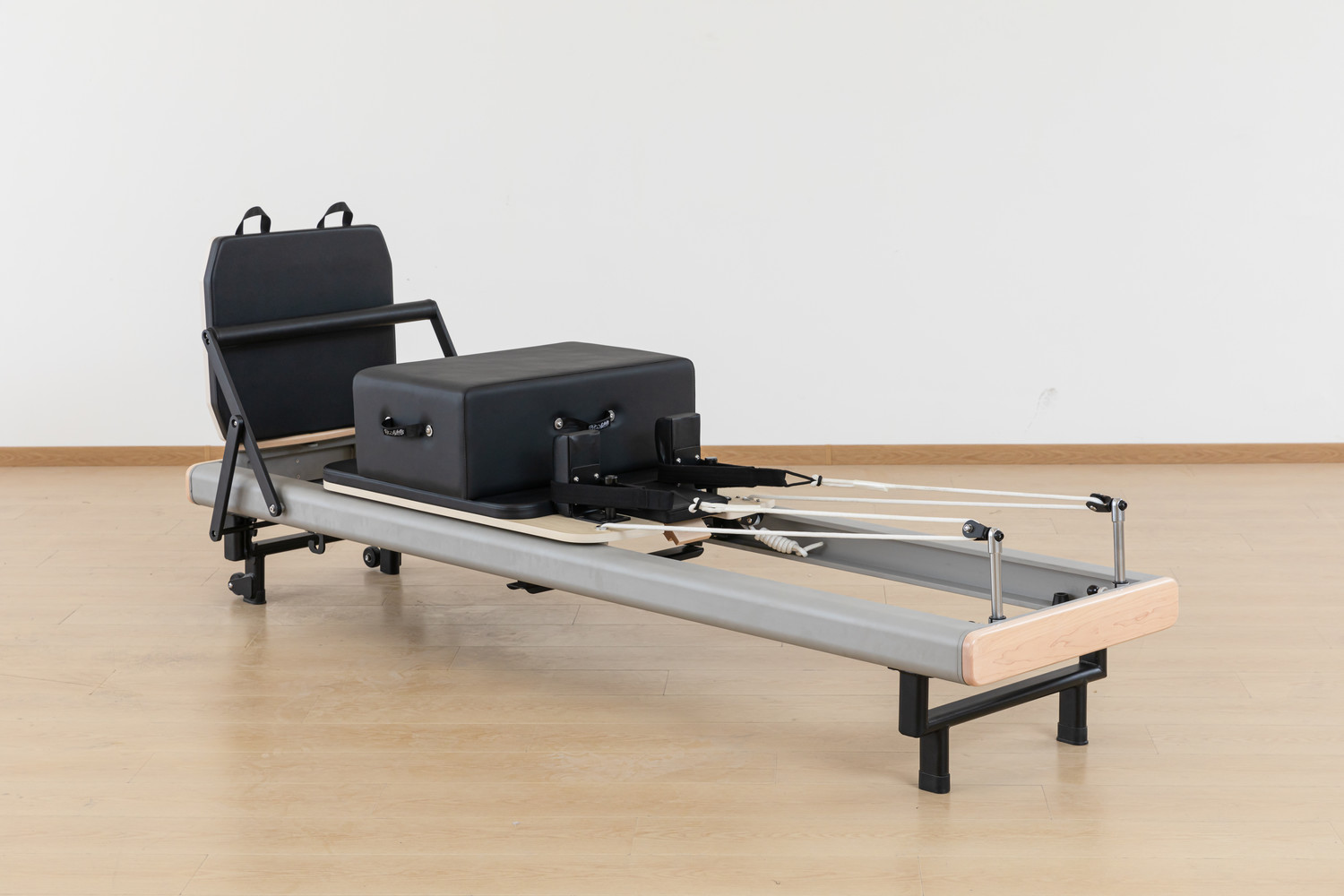
Profit Margin Planning for Distributors Reselling Commercial Pilates Reformers to Local Studios
For regional distributors supplying commercial Pilates reformers to local studio operators, healthy profit margins do not happen by accident. Many new resellers make the mistake of only marking up the factory wholesale price and overlooking import overhead, aftersales obligations, seasonal demand swings, and studio customer expectations. A structured margin plan balances competitive studio pricing, sustainable gross profit, and enough buffer to cover hidden operational costs. This guide breaks down the core planning framework for Pilates reformer distributors.
Start With Full Landed Cost Calculation
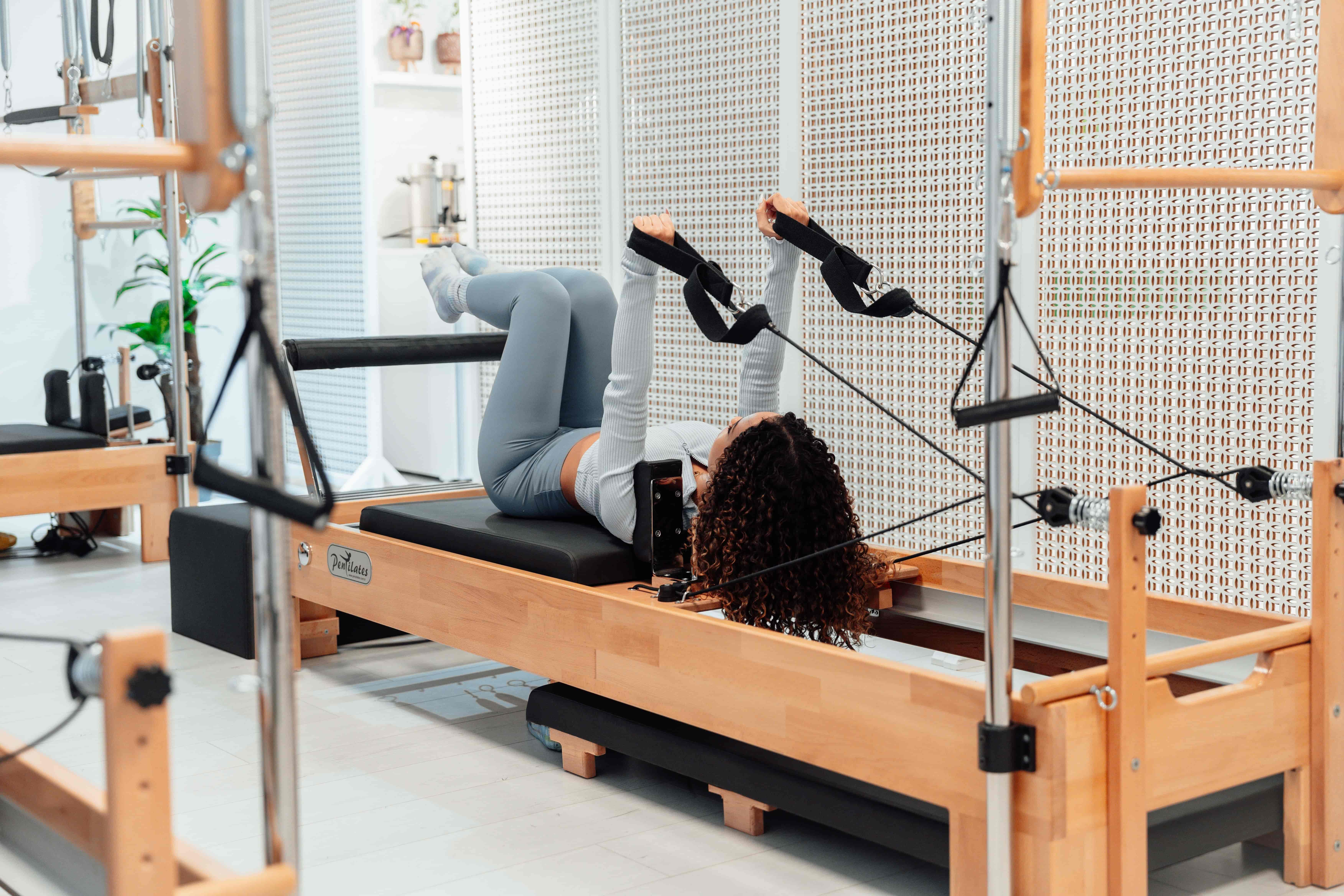
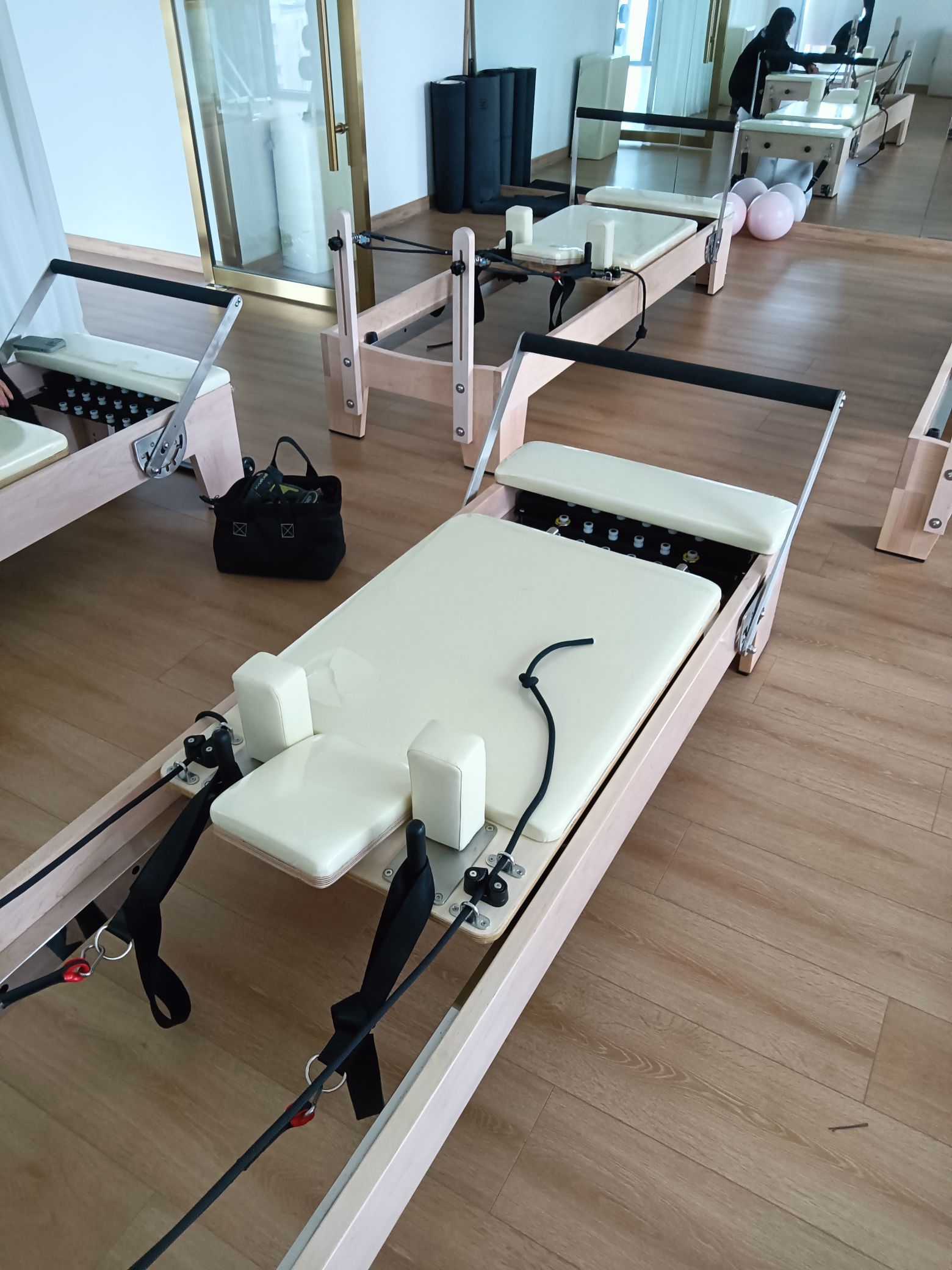
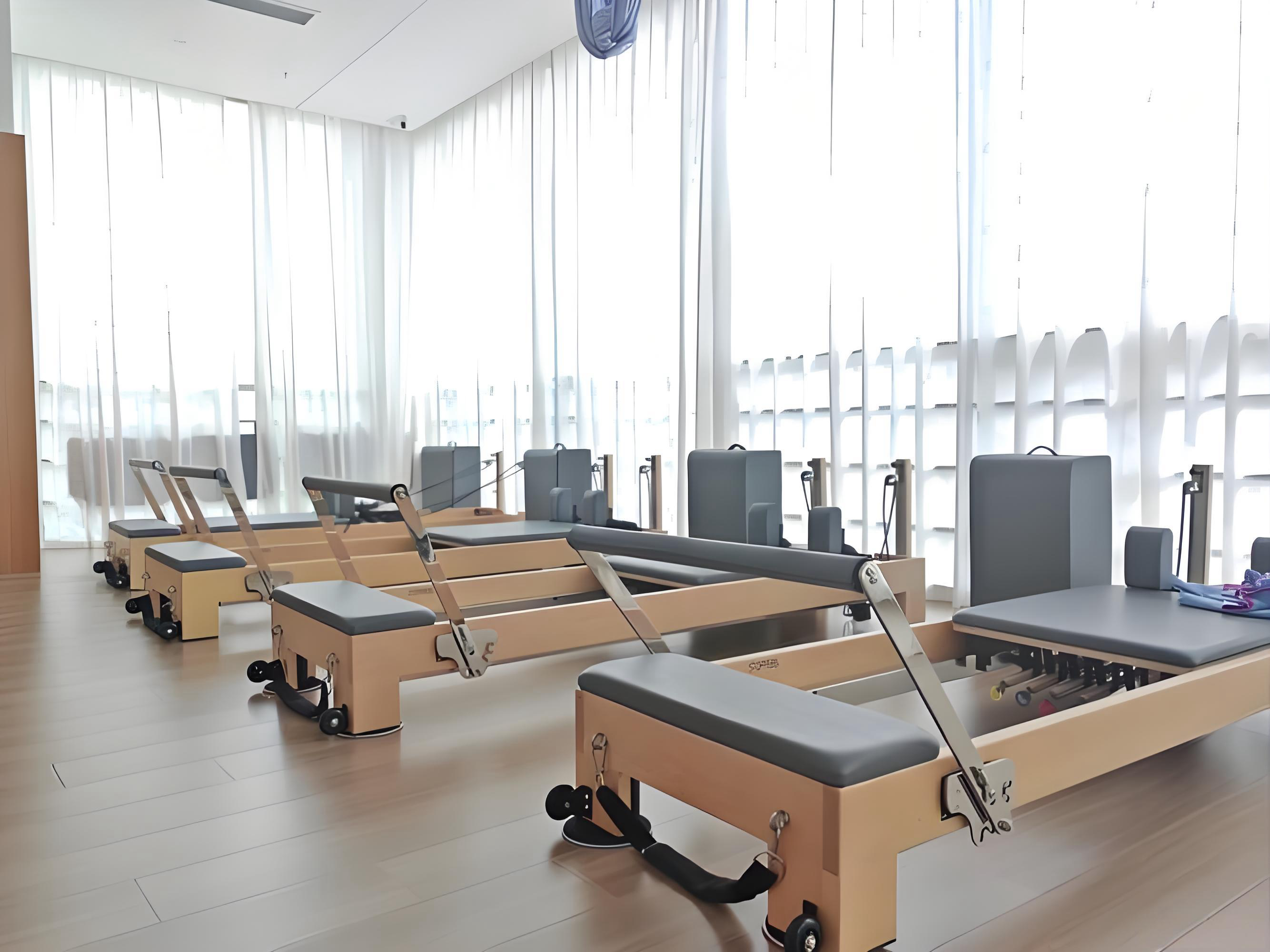
The foundation of reliable margin planning is calculating the complete landed cost per reformer, not just the manufacturer FOB price. Commercial Pilates reformers are bulky, heavy, and often shipped in mixed container loads alongside barrels, chairs and accessories.
Core cost components to itemize for every unit:
- Factory wholesale price, including custom upholstery, logo branding or optional upgrades
- Sea or air freight, container allocation, and local drayage to your warehouse
- Import duties, customs brokerage fees, ISPM 15 inspection charges and import compliance paperwork such as EU DoC or UKCA documentation
- Warehouse receiving, storage, palletizing and local last-mile delivery to studios
- Assembly labour if you offer pre-build or on-site installation service
- Credit card payment fees, currency exchange losses and insurance
Distributors who skip this step often set attractive upfront prices only to discover their net margin evaporates once delivery and compliance fees are settled. Gross margin percentage must be calculated against landed cost, not the factory invoice price.
Understand Realistic Margin Benchmarks for the Pilates Reformer Market
Commercial Pilates equipment is a premium niche, so margin structures differ sharply from mass-market gym gear. Established authorized distributors typically target a 30%–45% gross margin on standard reformer models sold to local studios, while master distributors with exclusive territory agreements can reach 40%–50% gross margin on volume orders. Net margin, after overhead and warranty support, usually lands between 12% and 20% for well-run regional resellers.
It is critical to tier your margin targets by customer type and order size:
- Small new studios ordering 2–4 reformers: Higher gross margin target, to compensate for higher per-unit delivery, admin and aftersales support work. These buyers also value training, spare parts access and flexible payment terms.
- Large studio rollouts ordering 10+ units: Lower per-unit gross margin, secured by volume rebates from your manufacturer. Profit comes from total order value plus recurring revenue from service packages and spare parts.
- Referral trades with local Pilates instructors: Mid-tier margin, often paired with smaller referral commissions instead of deep price cuts.
Avoid the trap of competing purely on the lowest reformer price. Studio buyers prioritize build quality, fast spare parts availability and local warranty support far more than a minor discount.
Build Tiered Pricing & Margin Guardrails
A tiered pricing model protects your overall margin while giving studios transparent incentives for larger orders. You can structure three core price bands:
- Standard retail price for single-unit sales: Highest margin, for studios replacing one broken reformer or private training professionals buying a single machine.
- Volume wholesale price for 3–8 reformers: Moderated margin, the most common order size for newly opening mid-sized Pilates studios.
- Project pricing for full studio fit-outs (10+): Slimmer per-unit margin, locked in with a formal quotation, lead time agreement and non-refundable deposit.
Add optional paid add-ons that boost overall order margin without heavy discounting on the reformer itself: extended warranty packages, pre-assembly, on-site installation, spare parts starter kits, spring replacement bundles and ongoing maintenance subscriptions. These high-margin add-ons are frequently overlooked by new distributors, yet they create recurring revenue long after the reformer sale closes.
Budget Margin Buffers for Warranty, Returns and Aftersales
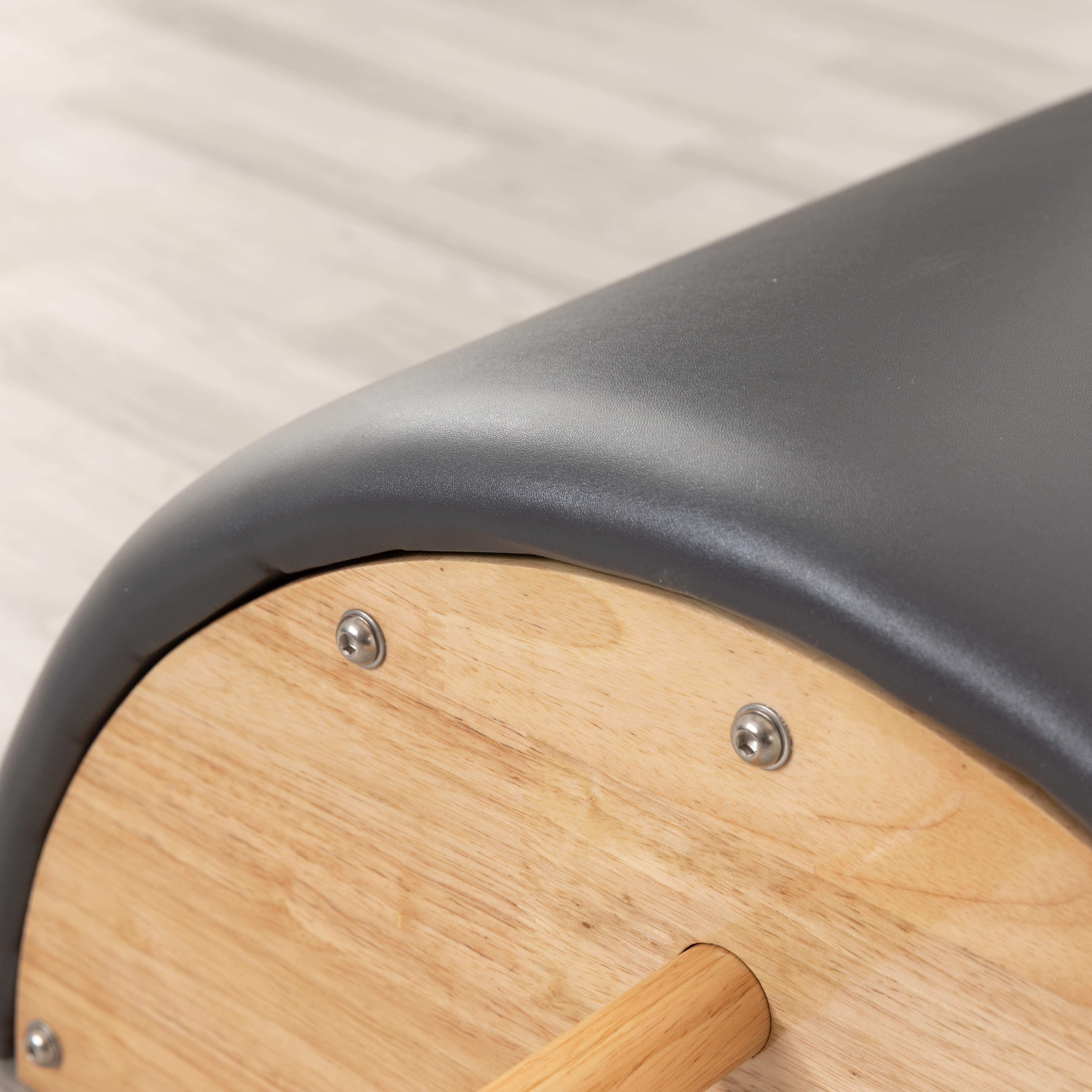
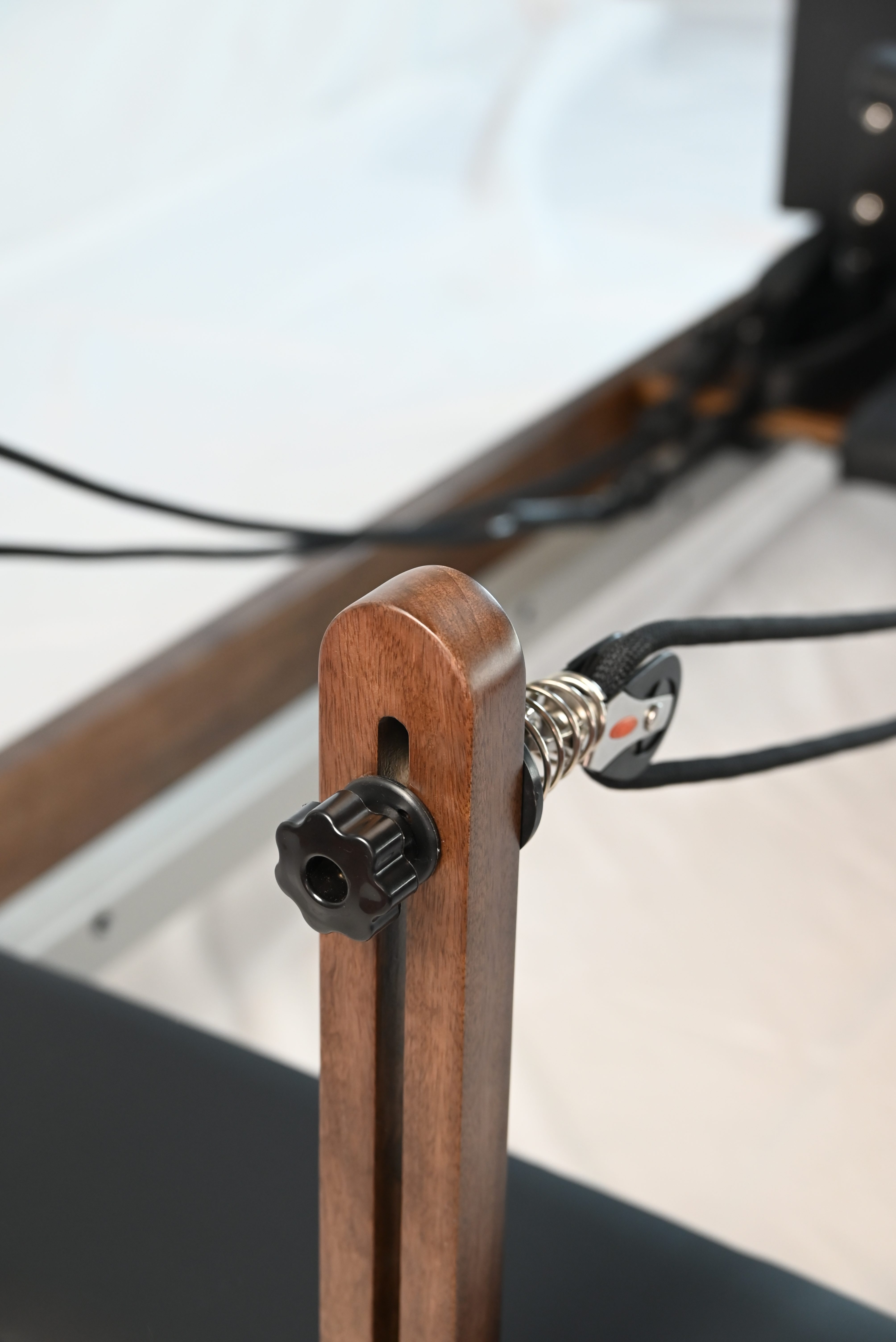
Commercial reformers have moving wear parts: springs, straps, foot straps, carriage rollers and upholstery. Even high-quality units require service within 1–3 years under daily studio use. Any margin plan must reserve a percentage of revenue for aftersales liabilities.
Set aside 4%–7% of gross revenue from each reformer sale to cover:
- Free warranty replacement of defective components
- Customer service labour to troubleshoot studio equipment issues
- Emergency shipping costs for urgent spare parts
- Rare product returns or damage claims during transit
Distributors who sell reformers without building this buffer often face a cash-flow crunch when a studio submits a warranty claim shortly after purchase. Clearly separate warranty coverage from wear-and-tear parts in your sales contract, so studios understand what is included and what parts are charged separately.
Negotiate Manufacturer Terms to Improve Your Margin Leverage
Your profit potential starts at the factory negotiation stage. Work with your Pilates equipment manufacturer to lock in terms that protect your margin plan:
- Volume rebates for hitting quarterly order targets
- Fixed pricing windows to hedge against raw material, foam and lumber price volatility
- Priority spare part allocation and discounted dealer pricing on replacement components
- Clear lead-time commitments so you avoid rush air freight surcharges that destroy margin
- Private label OEM terms if you want to build your own brand and reduce price comparison pressure
Many manufacturers will offer better rebate terms for distributors focused on studio project sales, rather than one-off small orders. Align your purchasing schedule with local studio opening cycles to smooth inventory costs and avoid overstocking slow-selling premium reformer variants.
Monitor, Adjust and Protect Long-Term Margins
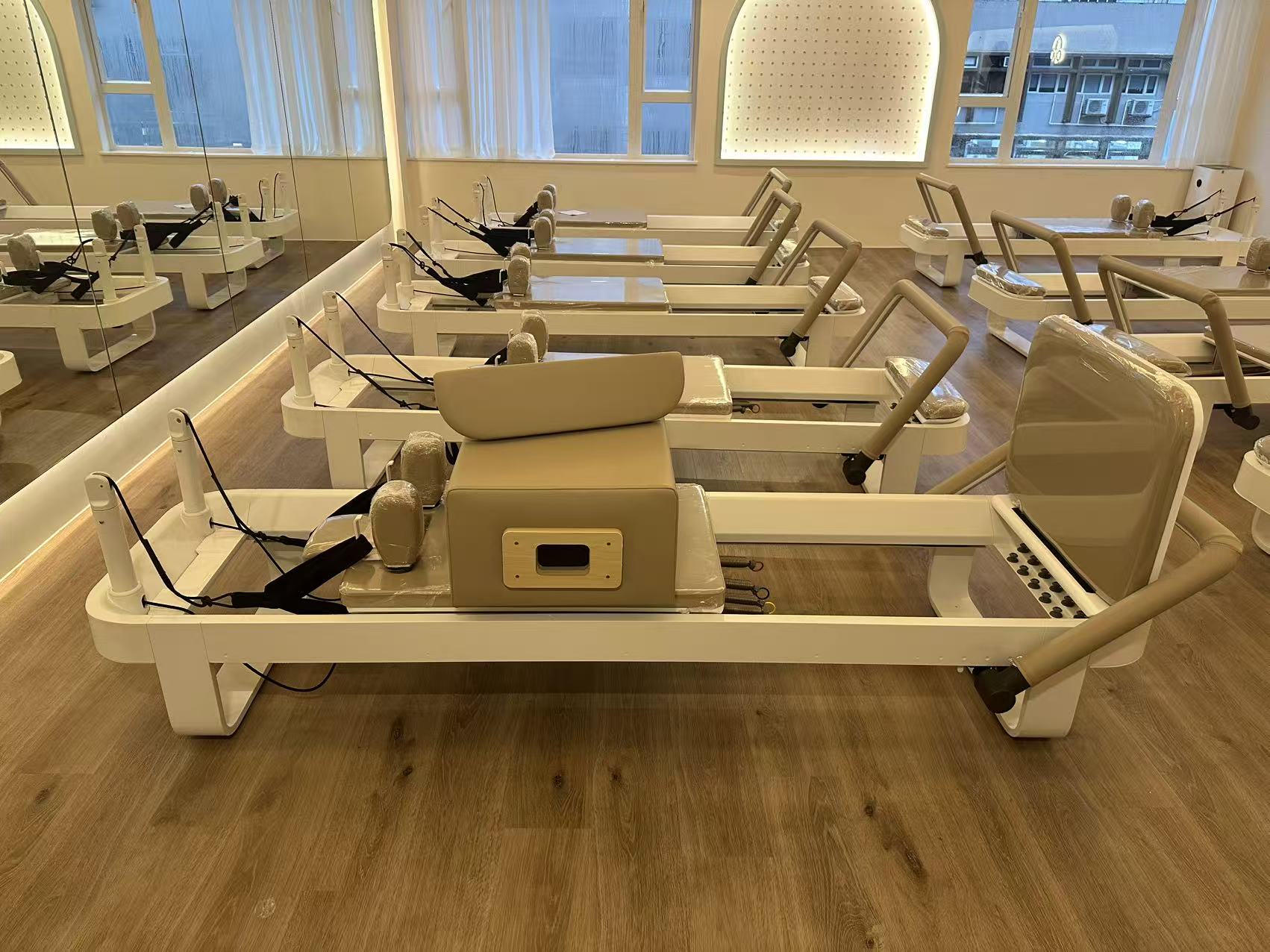
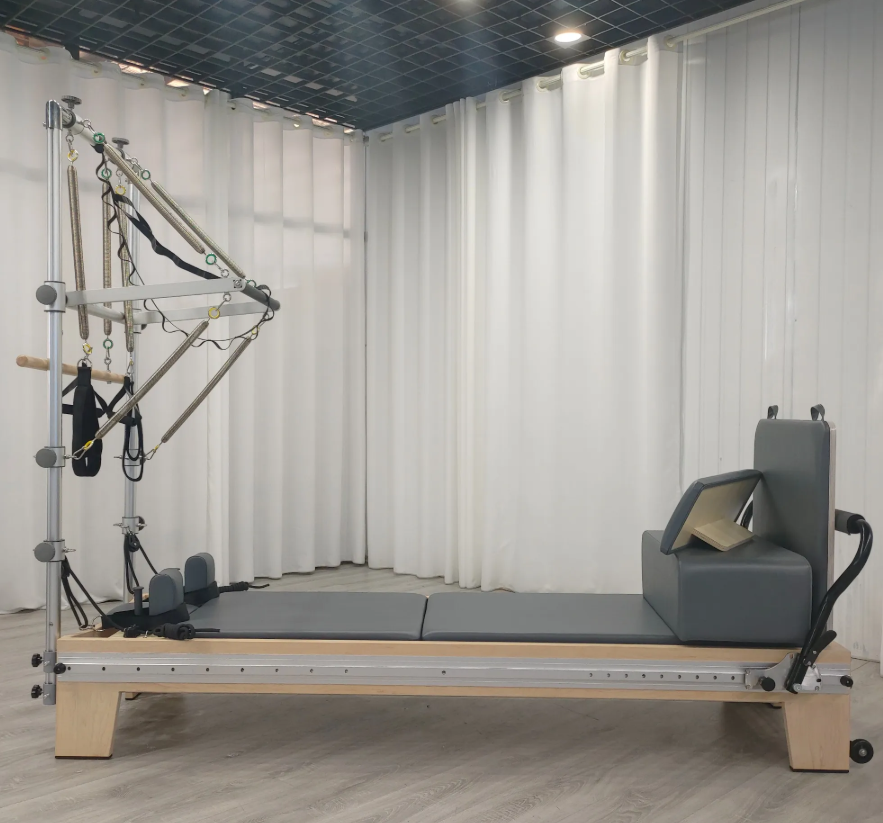
Pilates equipment demand is seasonal. New studio openings tend to peak in early spring and late autumn, while summer months often bring slower sales. Review your margin performance monthly and track metrics per model: folding reformers, aluminium tower reformers and solid wood commercial reformers each carry different cost structures and optimal margin targets.
Watch competitive pressure carefully. If competing local resellers slash prices, resist matching every discount. Instead, shift your value proposition: faster local delivery, in-stock spare parts, local technician support and extended service plans. Studios will pay a premium for a distributor who can fix a broken reformer within days instead of waiting weeks for overseas parts.
Final Takeaway
Successful margin planning for Pilates reformer distributors is not about chasing the highest possible markup on every machine. It is about building a predictable landed-cost model, tiered pricing for studio customers, reserved funds for aftersales, and supplementary recurring revenue from service and spare parts. Distributors who plan margins holistically can serve local Pilates studios reliably, build loyal long-term clients, and run a sustainable, profitable equipment resale business.