What Are the Differences Between Reformer, Cadillac, and Chair?
In the Pilates world, the Reformer, Cadillac, and Chair are the three most iconic apparatus. All designed by Joseph Pilates himself, each has a distinct design philosophy, training focus, and application scenario. Here is a comprehensive comparison across four dimensions: appearance and structure, functionality, training outcomes, and target users.
I. Reformer — The “Heart” of Pilates
Appearance & Structure
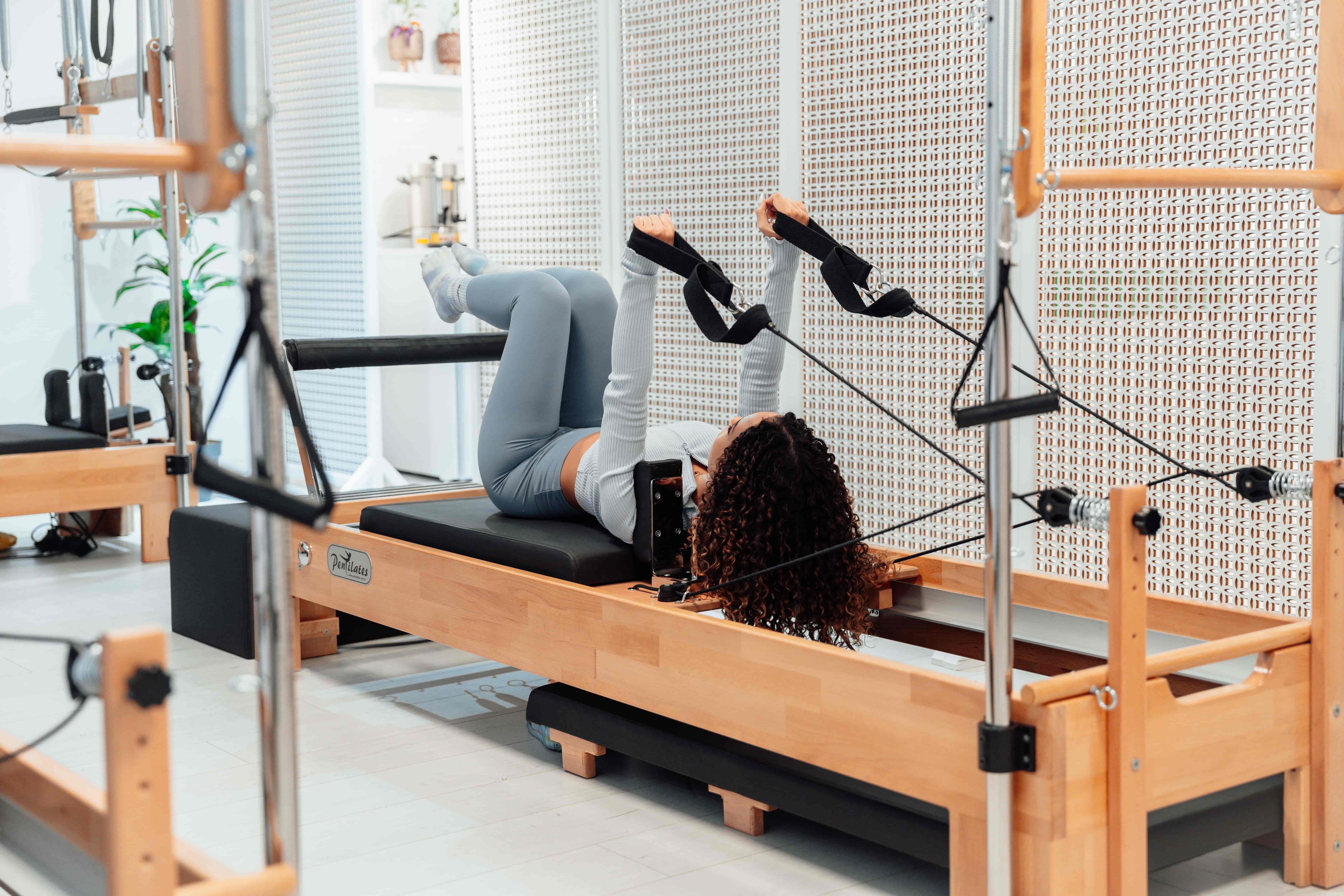
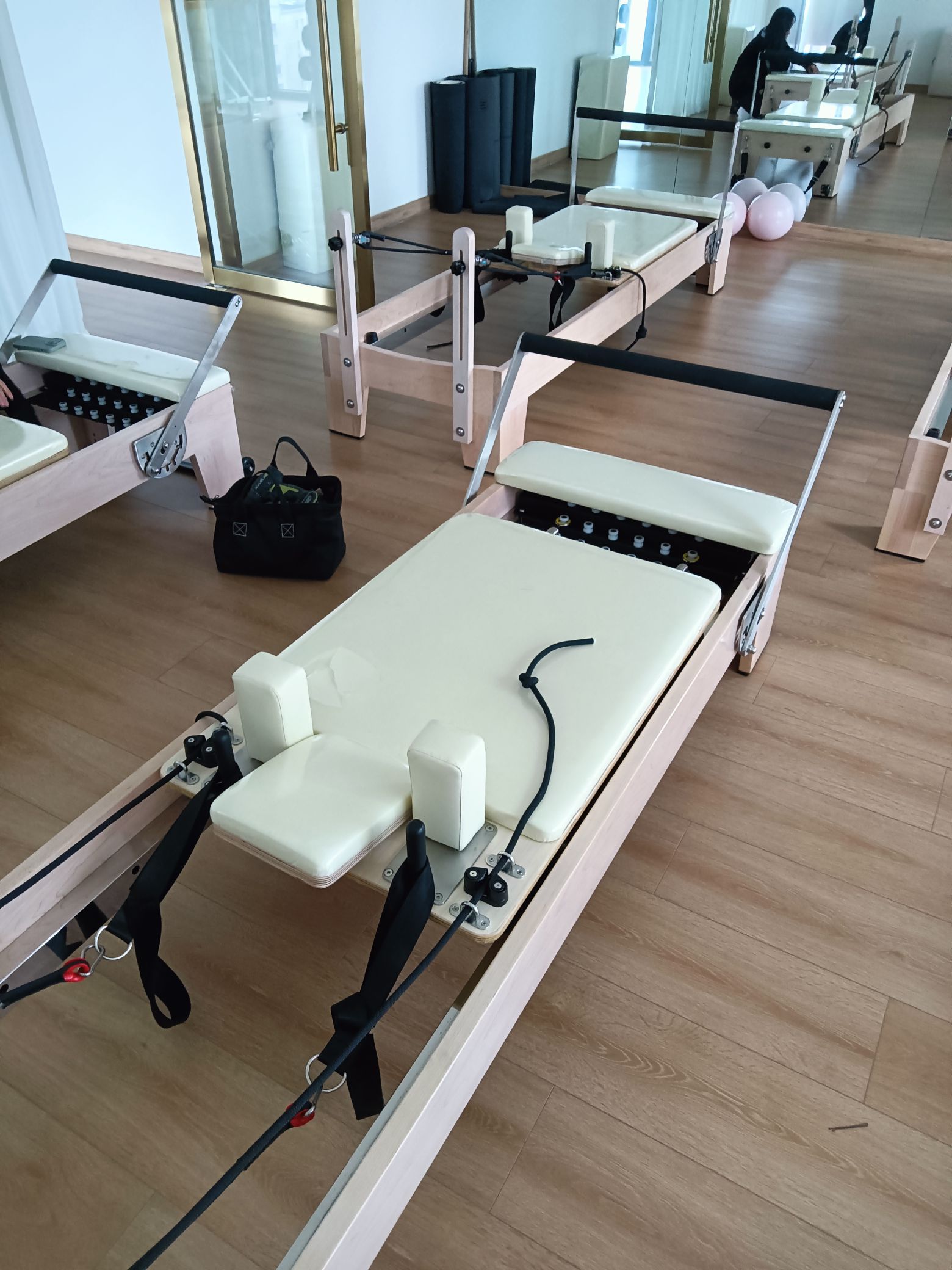
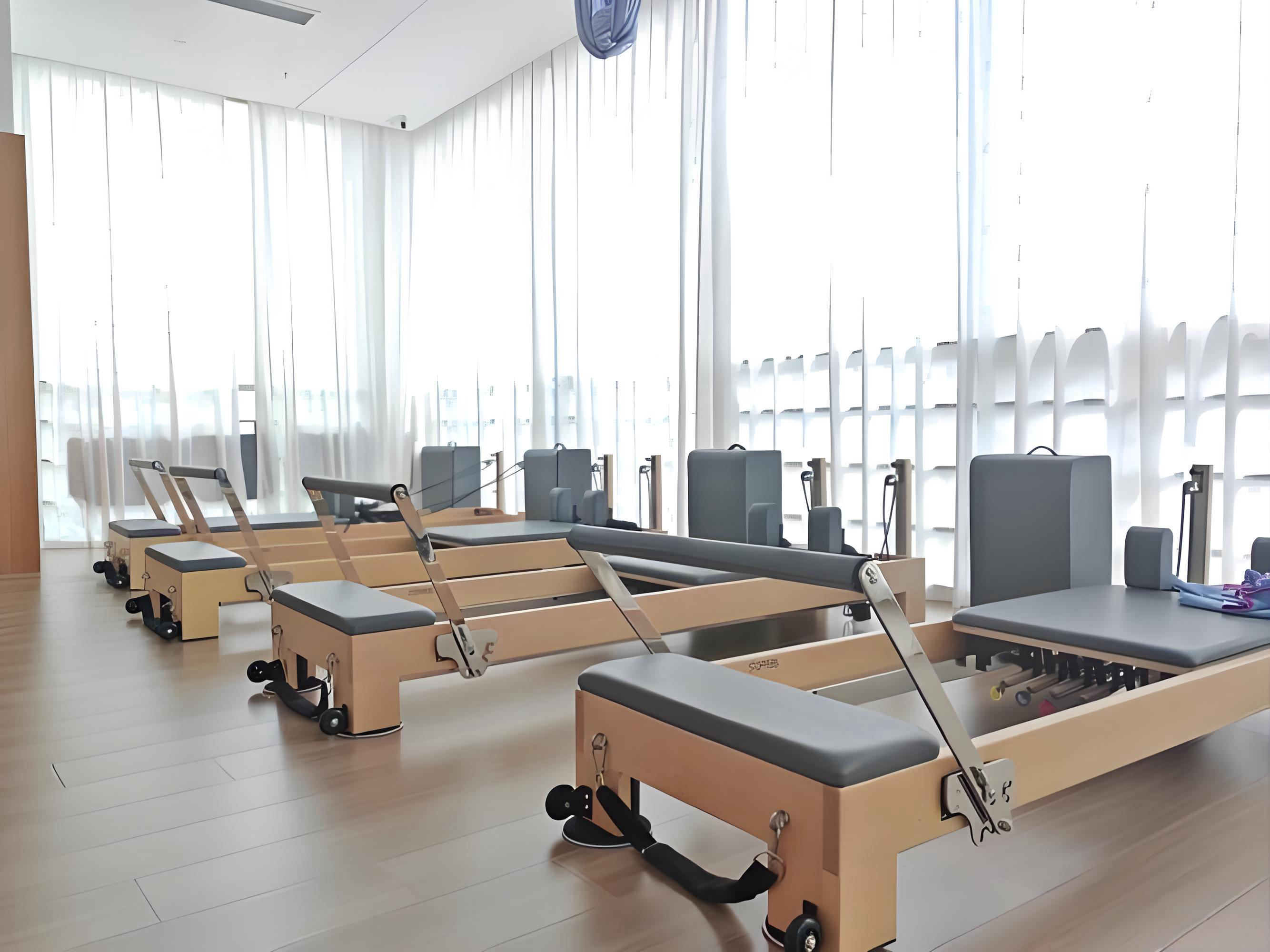
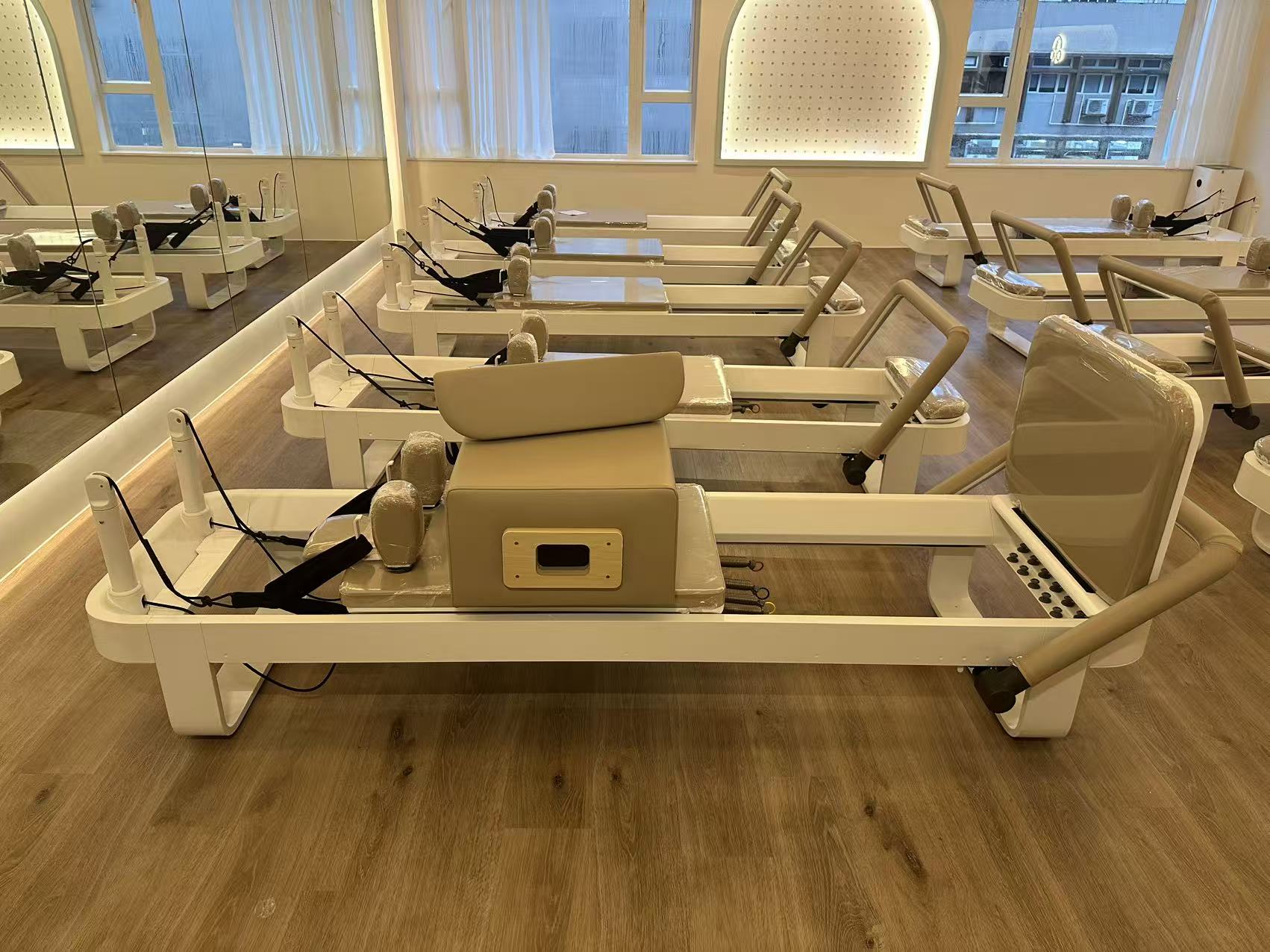
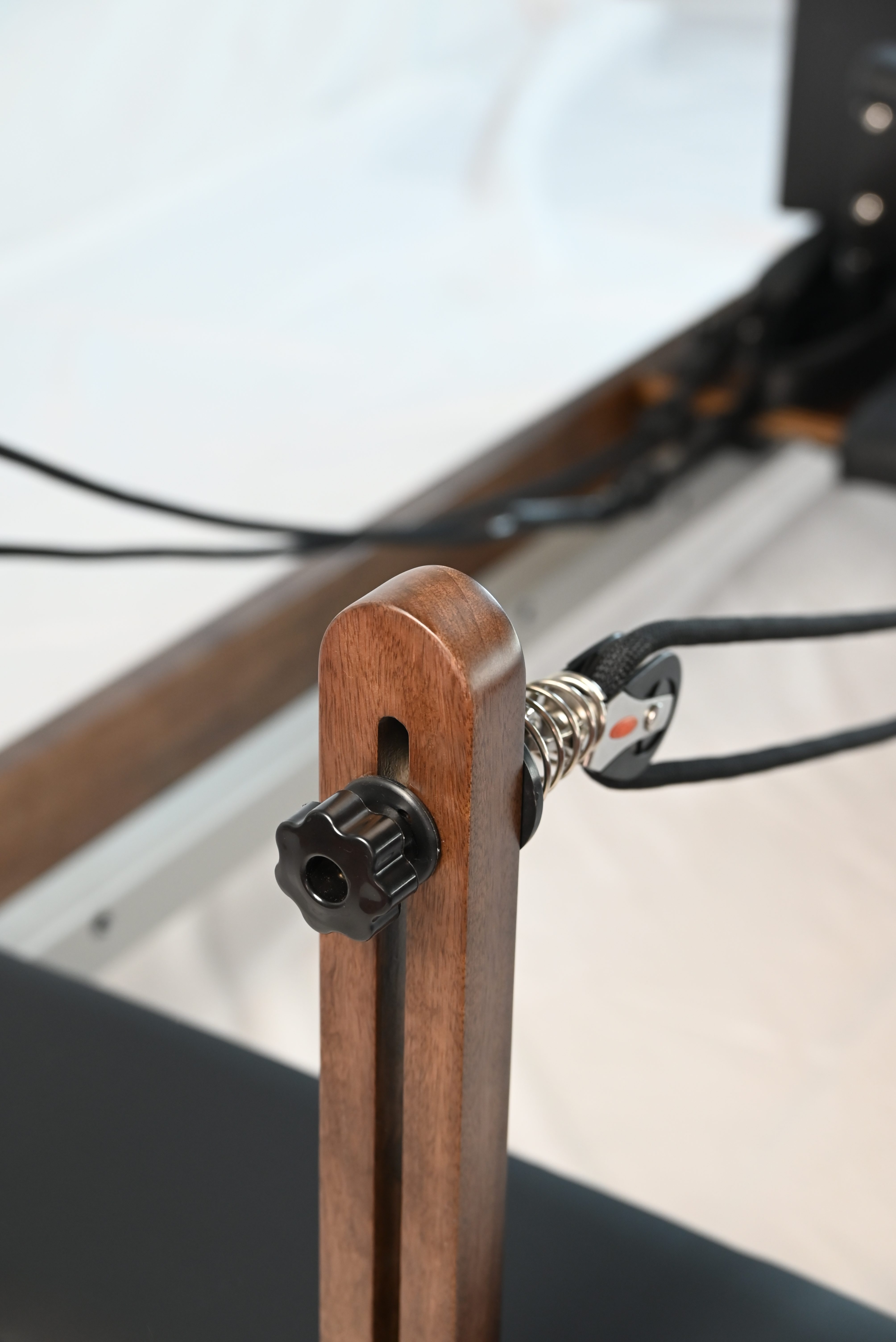
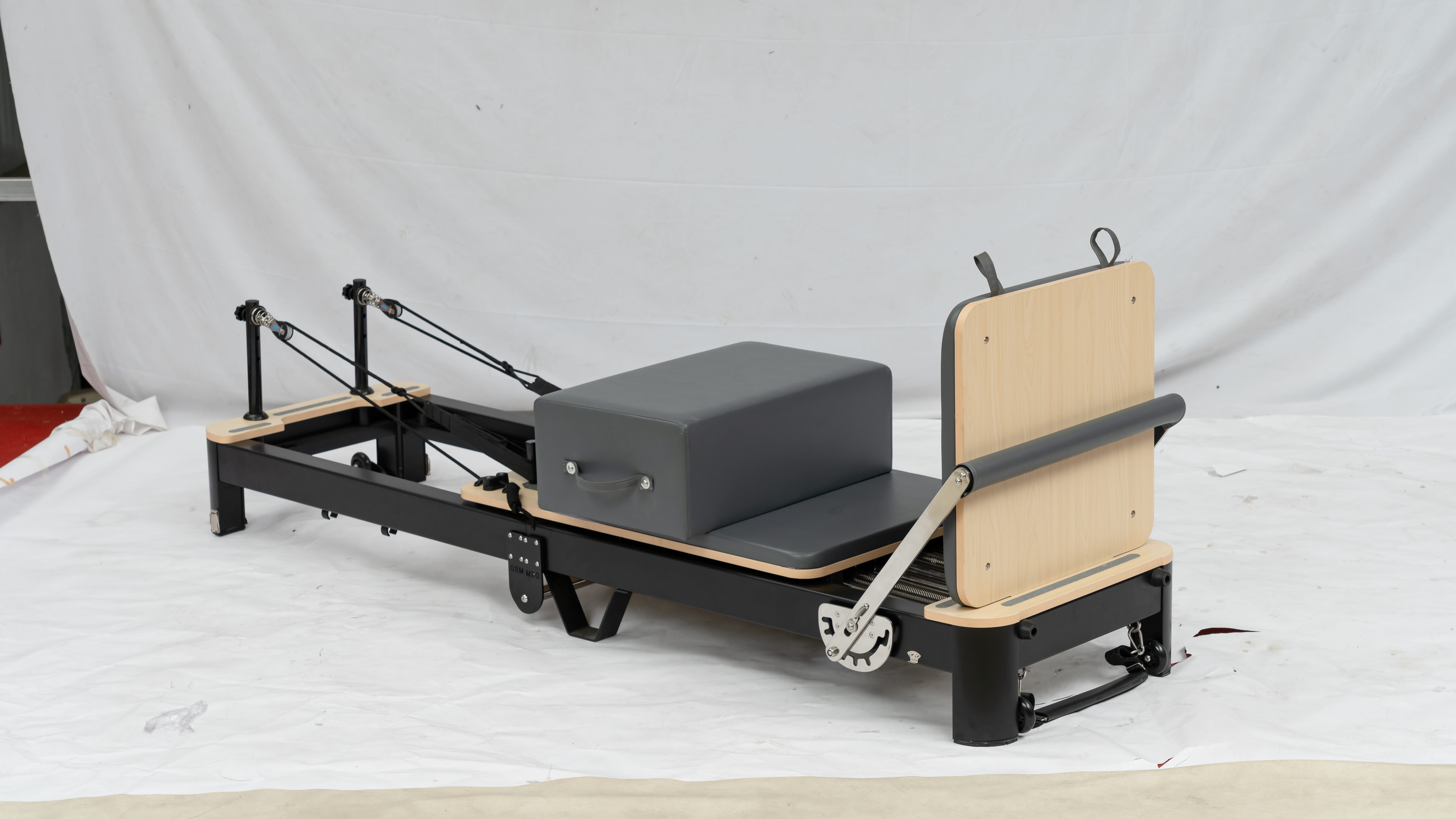
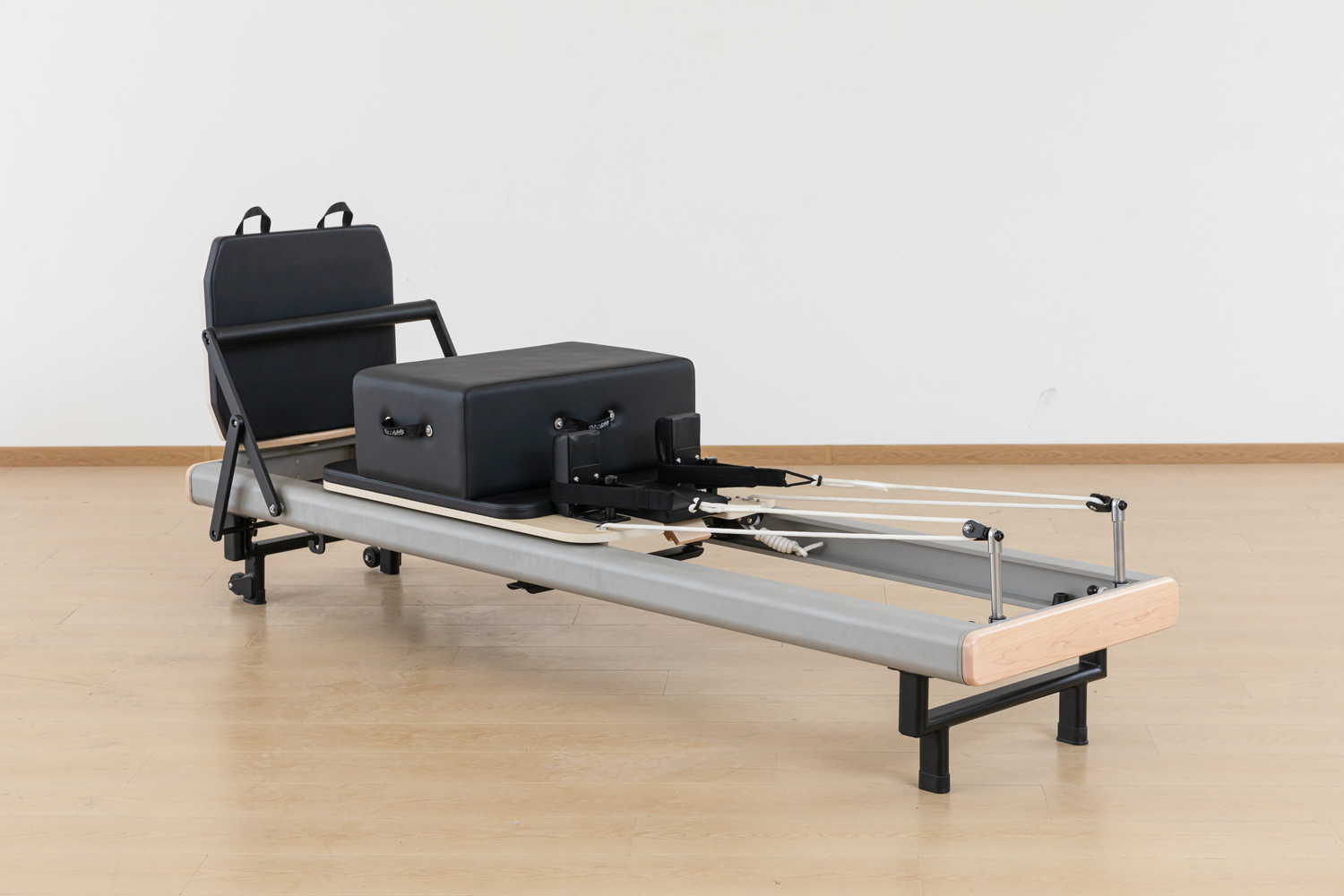
The Reformer resembles a bed-like frame with a sliding carriage, springs, straps, ropes, a footbar, and shoulder rests. The carriage slides along rails, and the springs provide adjustable resistance.
Features
The Reformer is the most iconic and widely used Pilates apparatus. By adjusting spring tension, hundreds of exercises are possible. Practitioners can perform exercises lying, sitting, kneeling, or standing.
·Dynamic resistance training: Spring resistance requires continuous control of movement acceleration and deceleration, demanding neuromuscular coordination and postural stability.
·Full-body integration: From core to limbs, virtually all muscle groups are engaged.
Training Outcomes
A 2026 study comparing the acute effects of Reformer, Cadillac, and Chair on sedentary middle-aged women found that: the Reformer produced significantly greater improvements in flexibility than both the Cadillac and Chair, and these gains were maintained at 40 minutes post-exercise.
Target Users
·Suitable for beginners to advanced practitioners
·Ideal for those seeking comprehensive improvement in strength, flexibility, and coordination
·The preferred first step into equipment-based Pilates
II. Cadillac — The “Swiss Army Knife” of Pilates
Appearance & Structure
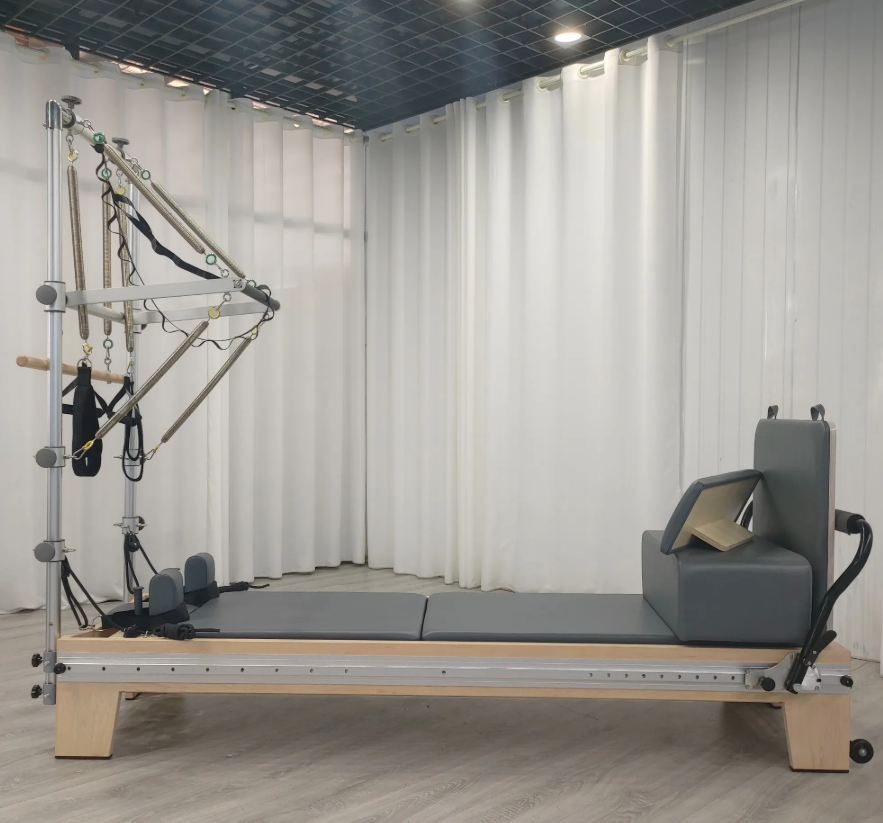
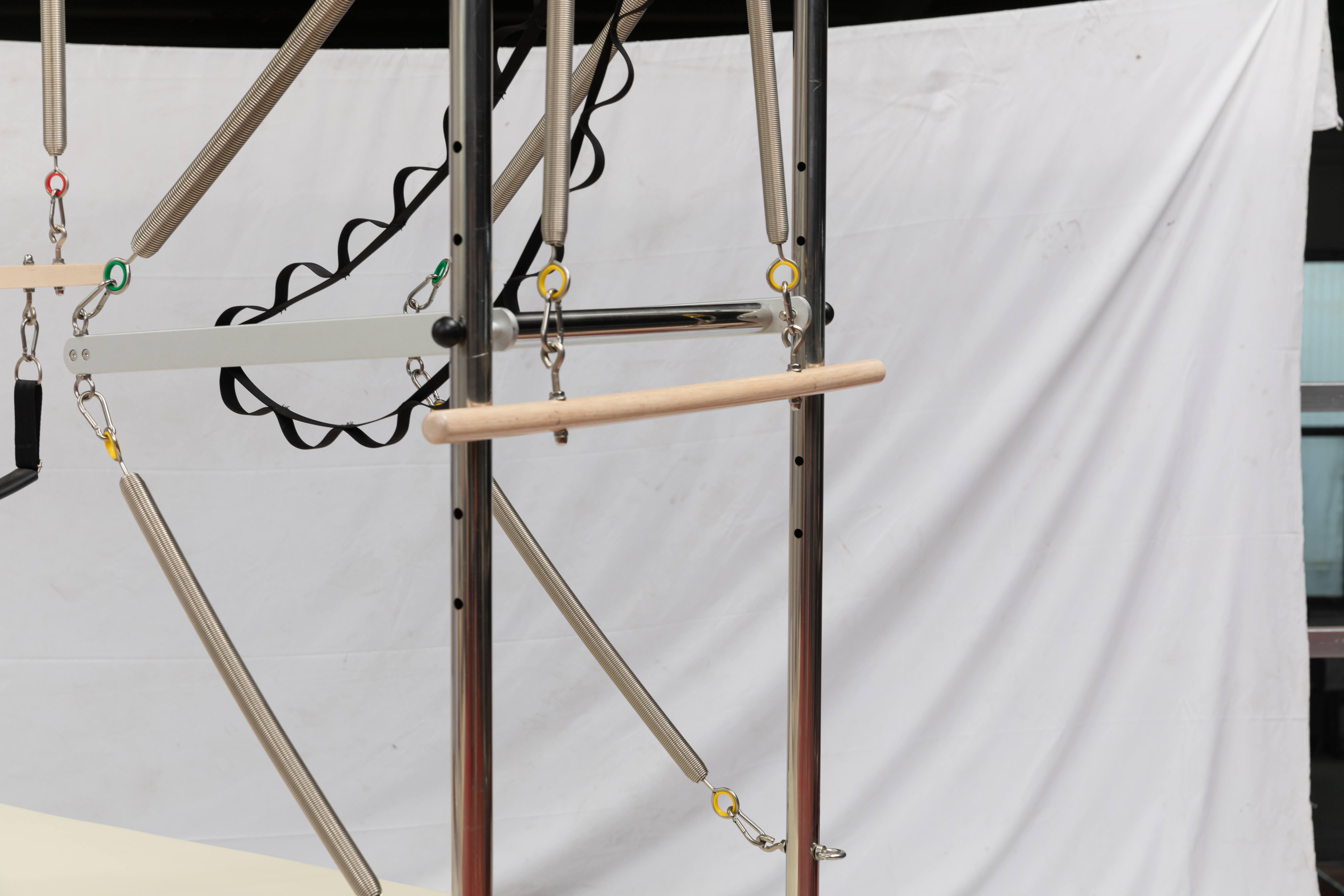
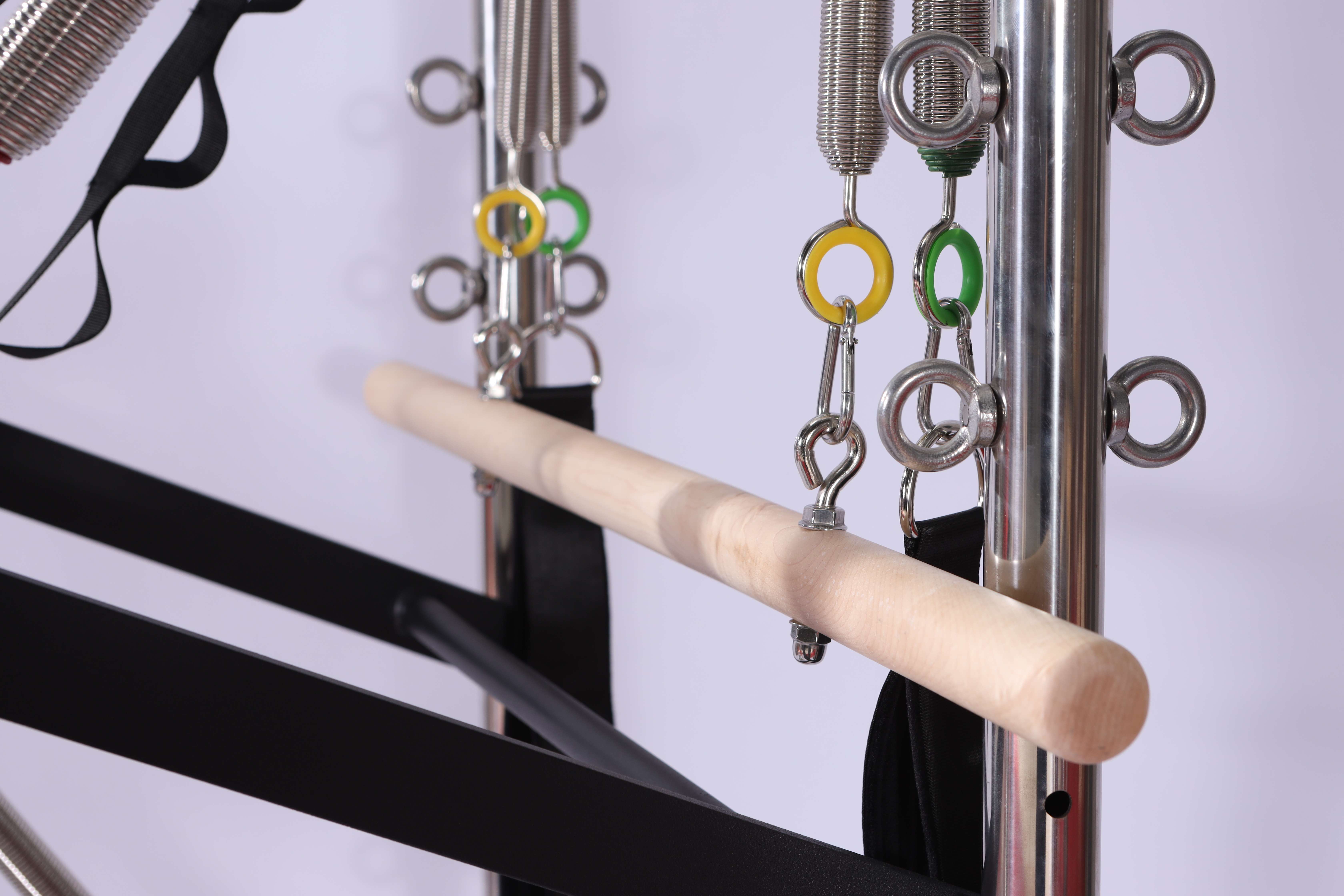
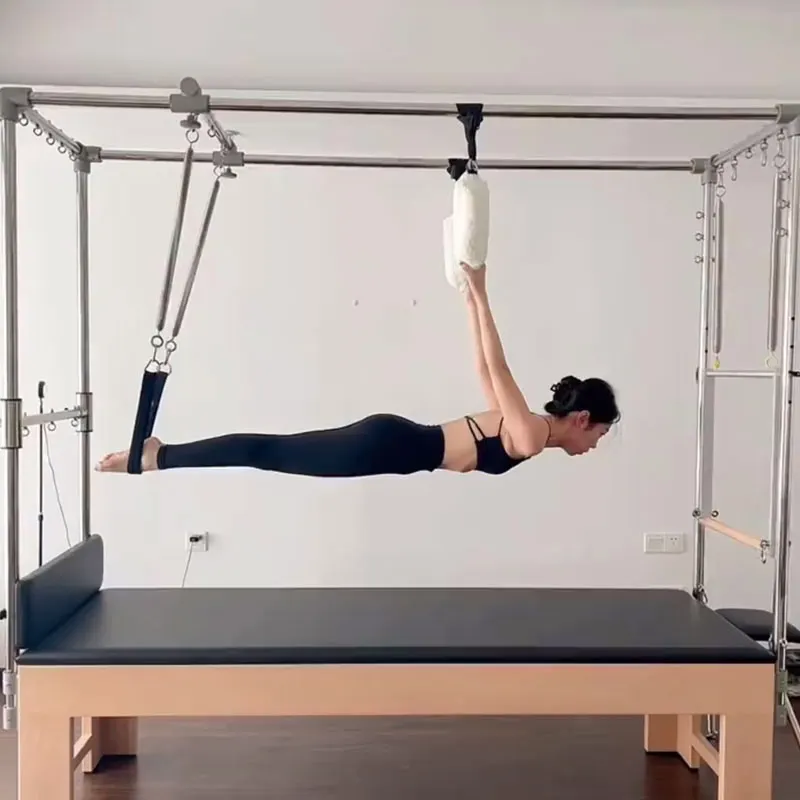
The Cadillac is the “giant” of Pilates apparatus, consisting of a raised platform bed, a metal frame, and attachments including a trapeze, push-through bar, roll-down bar, and various springs suspended from the frame. Often called the “Rolls-Royce” of Pilates beds for its comprehensive functionality.
Features
The Cadillac allows exercises in multiple planes of motion — lying, sitting, kneeling, standing, and even hanging.
·Support and assistance: The spring system can assist movements, lowering the entry barrier and making it suitable for rehabilitation.
·Extreme versatility: Different attachment combinations create endless exercise variations.
·Rehab-friendly: The raised platform makes it more accessible for those who struggle to get up and down from the ground.
Training Outcomes
Compared to the Reformer, the Cadillac focuses more on spinal mobility, joint range of motion, stretching, and rehabilitative exercises.
Target Users
·Those transitioning from physical therapy to advanced training
·Individuals with spinal stiffness, postural issues, or needing gentle rehabilitation support
·Advanced practitioners seeking more exercise variety than the Reformer
III. Chair (Wunda Chair) — Compact Powerhouse for Strength
Appearance & Structure
The Chair resembles a small bench or box with a spring-loaded pedal (or pedals) on one side. Traditional models have one long pedal; modern versions often have two independent pedals for greater exercise variety.
Features
The Chair is one of the most compact Pilates apparatus. Joseph Pilates originally designed it as “home gym equipment” for clients to use in domestic settings.
·Balance and stability challenge: The small support base demands high core control and body balance.
·Unilateral training: Independent pedals allow each leg to work separately, helping identify and correct asymmetries and weaknesses.
·High efficiency: The small contact area increases difficulty — significant results can be achieved in just a few reps.
Training Outcomes
The Chair is particularly effective for lower body strength, core stability, and coordination. It reveals subtle imbalances often missed on larger apparatus, enabling precise correction.
Target Users
·Home studios with limited space
·Practitioners with some Pilates experience seeking to refine control and precision
·Advanced users looking for efficient, challenging workouts
IV. How to Choose?
If you can only start with one: The Reformer is widely considered the best entry point. Its versatility and adaptability suit everyone from absolute beginners to advanced practitioners.
If rehabilitation or spinal health is a priority: The Cadillac’s support and multi-planar capabilities make it ideal — it serves as a bridge from physical therapy to Pilates training.
If space is limited or you want to refine control: The Chair is an excellent supplement. Though small, it is highly challenging and can precisely correct imbalances.
If you want a complete Pilates system: These three are not mutually exclusive — they are complementary. Many seasoned practitioners rotate between apparatus in different sessions or at different stages of training, keeping the body challenged and engaged across multiple dimensions.