Which Pilates Equipment Should Beginners Choose?
Walking into a Pilates studio for the first time can be intimidating, especially when you see machines with names that sound more like a cocktail menu than exercise equipment. If you're a beginner wondering where to start, this guide will help you understand the options and make the right choice.
Step One: Mat or Equipment?
Before discussing specific machines, there's a more fundamental question: Mat Pilates vs. Equipment-based Pilates.
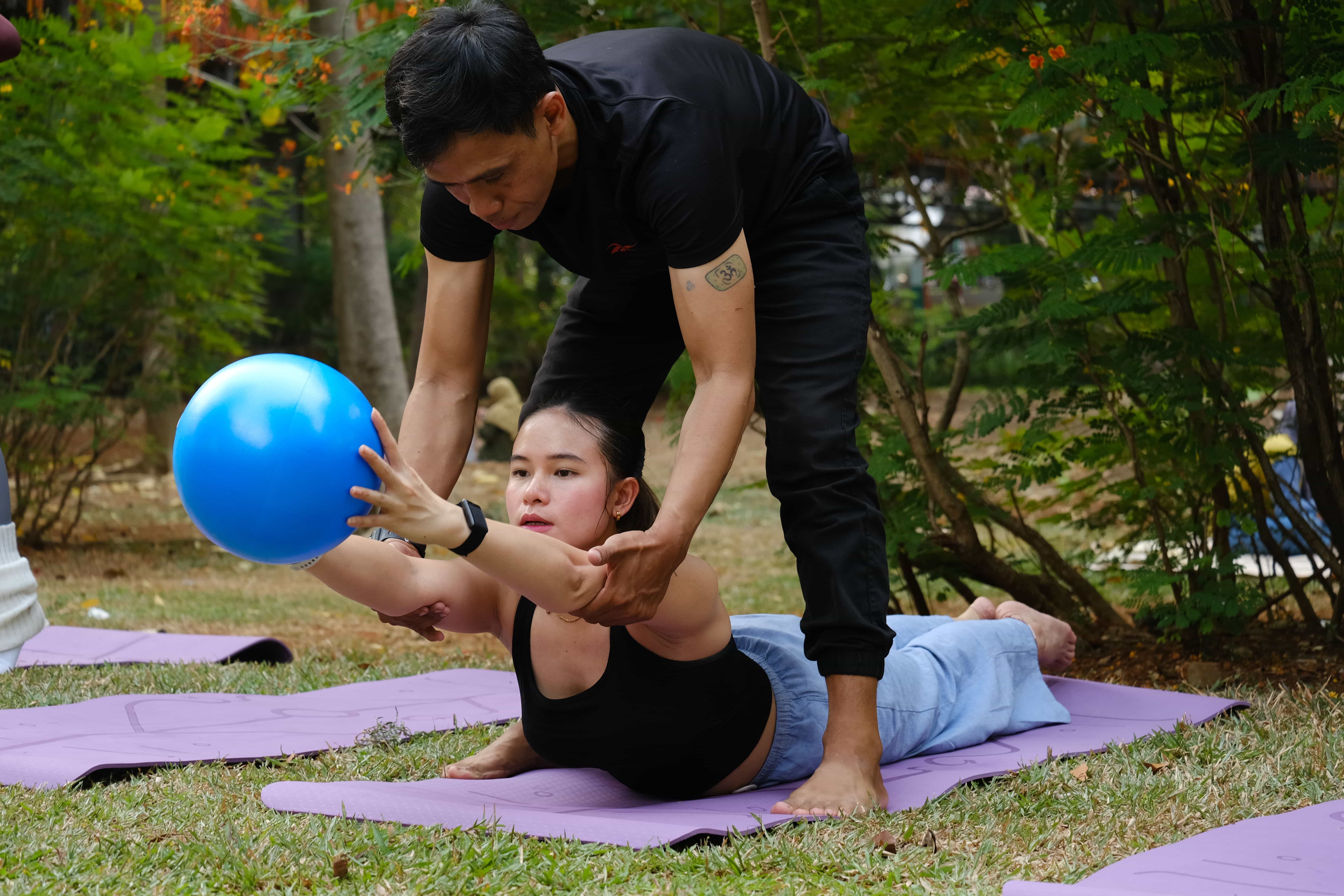
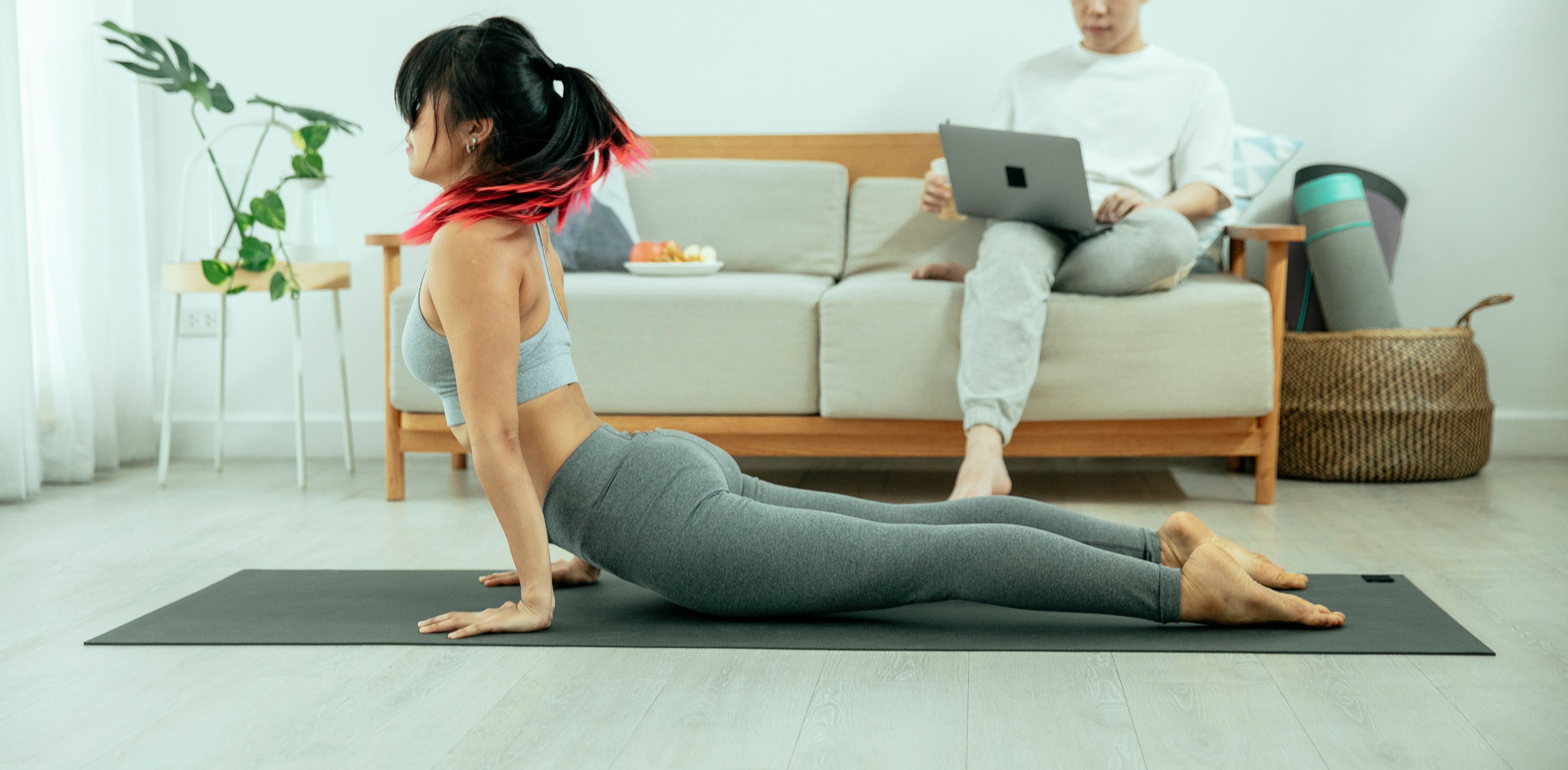
Mat Pilates uses only your body weight on a yoga mat. It's low-cost, flexible, and great for learning basic breathing and foundational movements. Many experts recommend starting with mat Pilates to build core strength and body awareness without the complexity of equipment.
Equipment Pilates, on the other hand, uses spring resistance to either support or challenge your movements. The springs help guide you into the correct muscle activation more quickly than mat work alone. This makes it especially valuable for beginners who struggle to feel the right muscles engaging.
Common Pilates Equipment: Beginner-Friendly Ratings
The Reformer — The Best First Choice
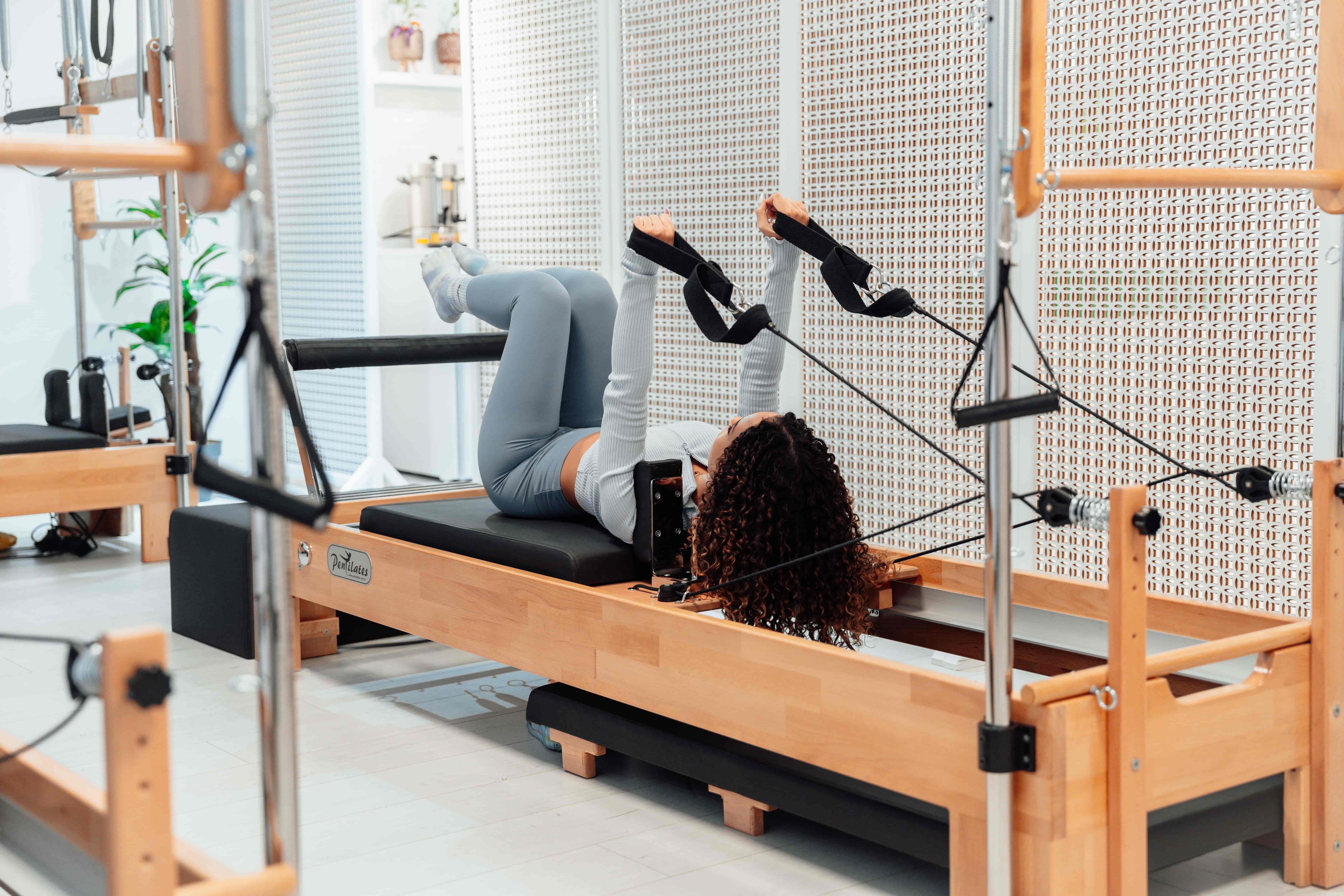
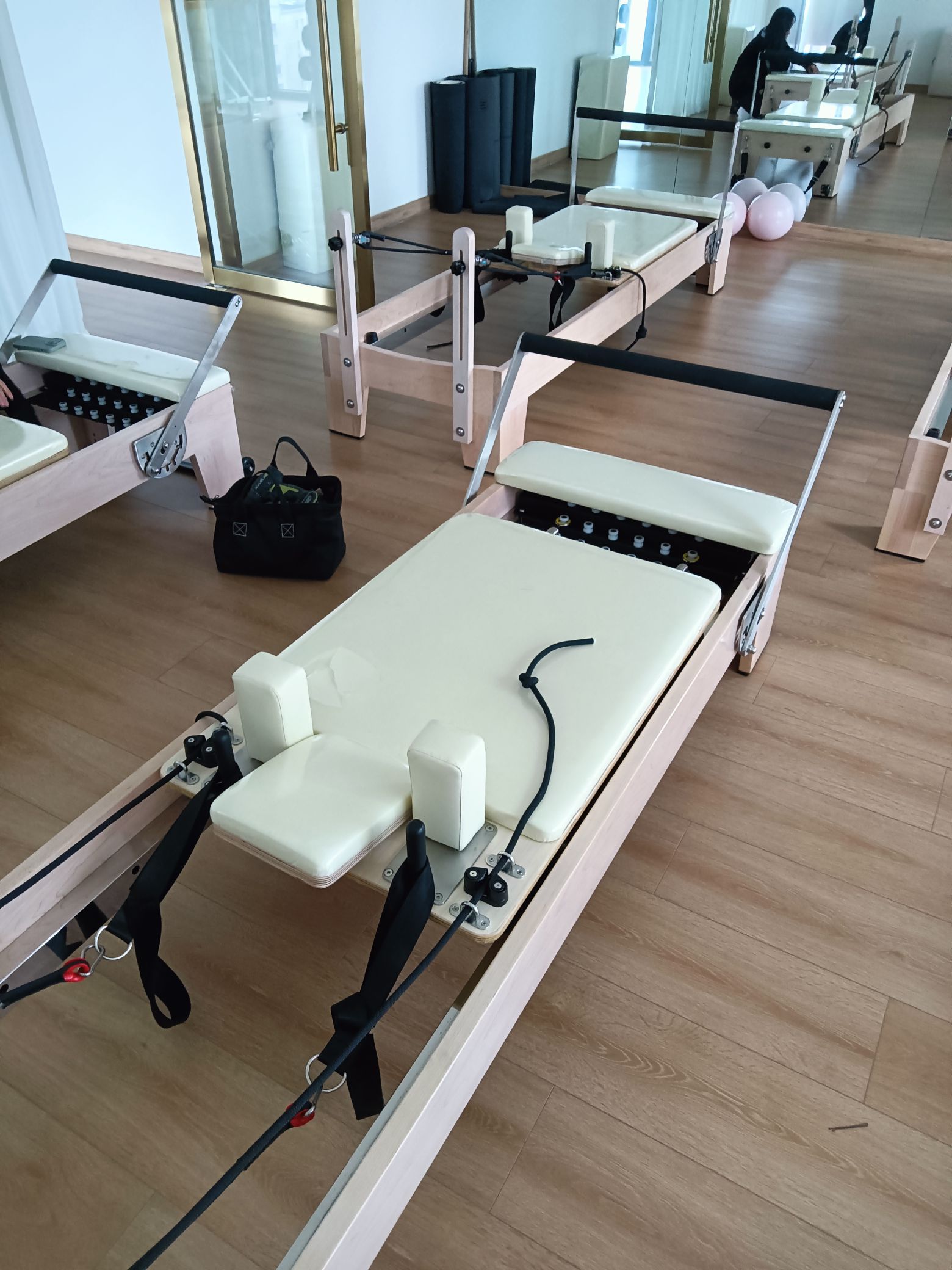
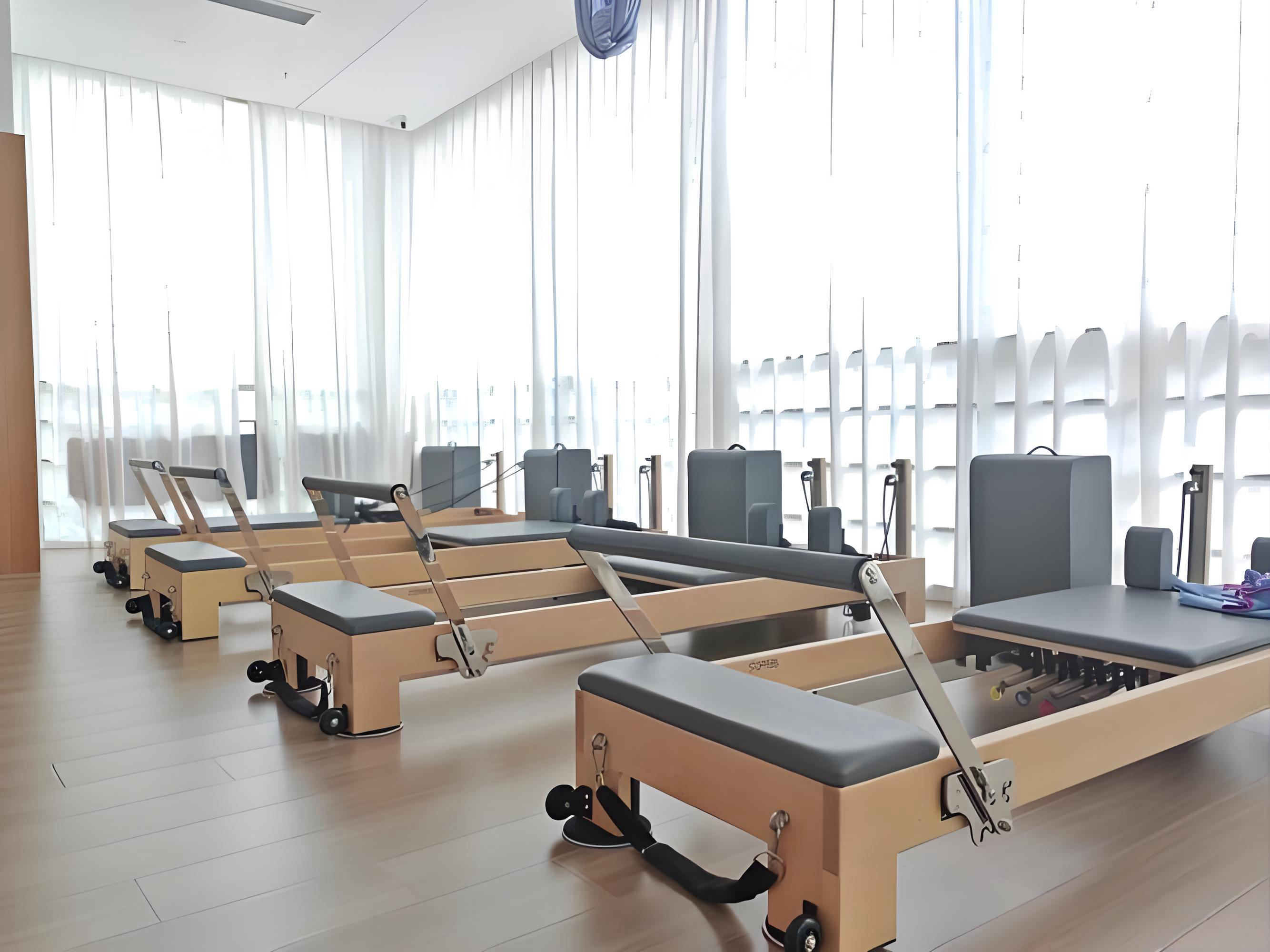
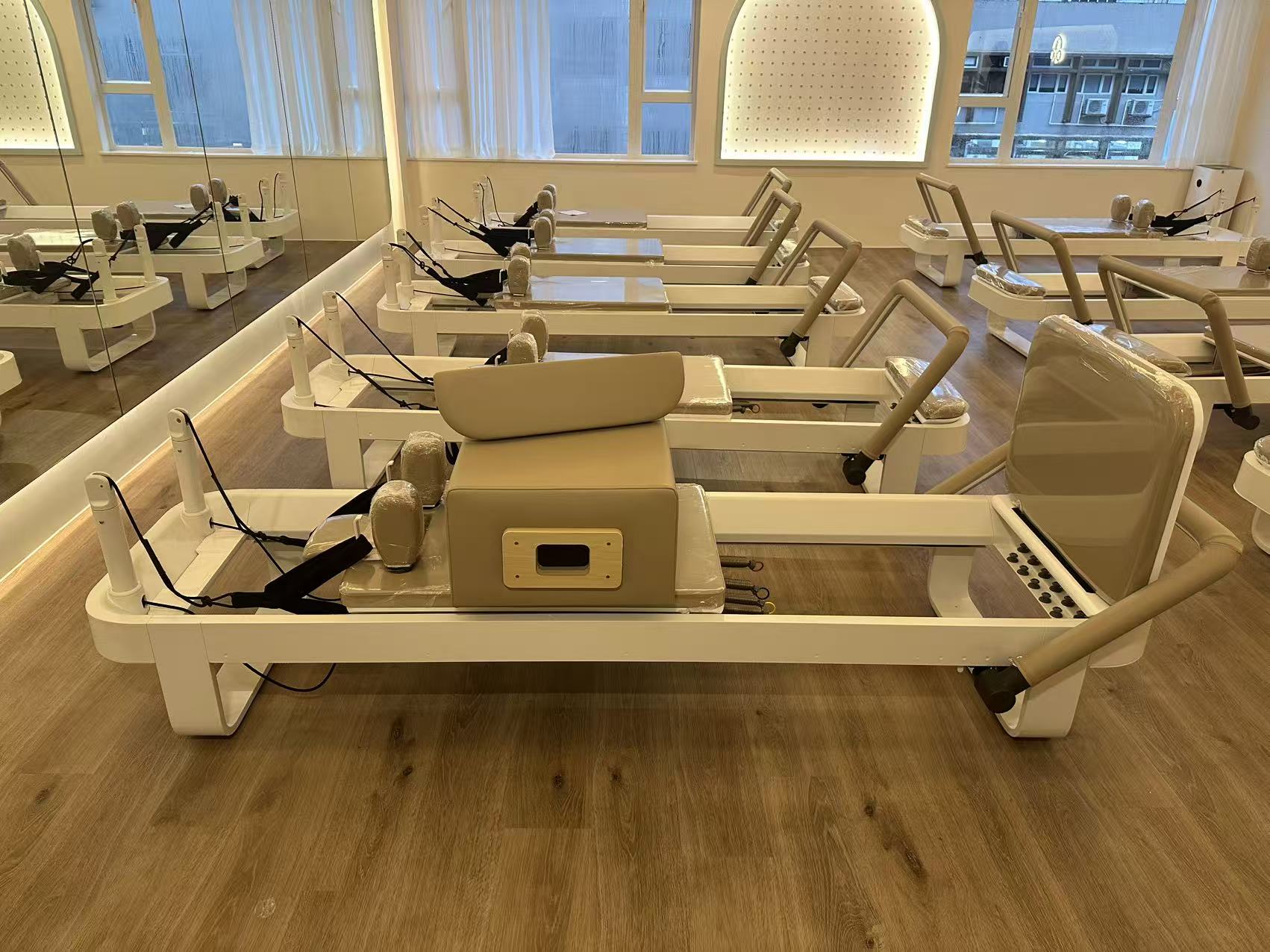
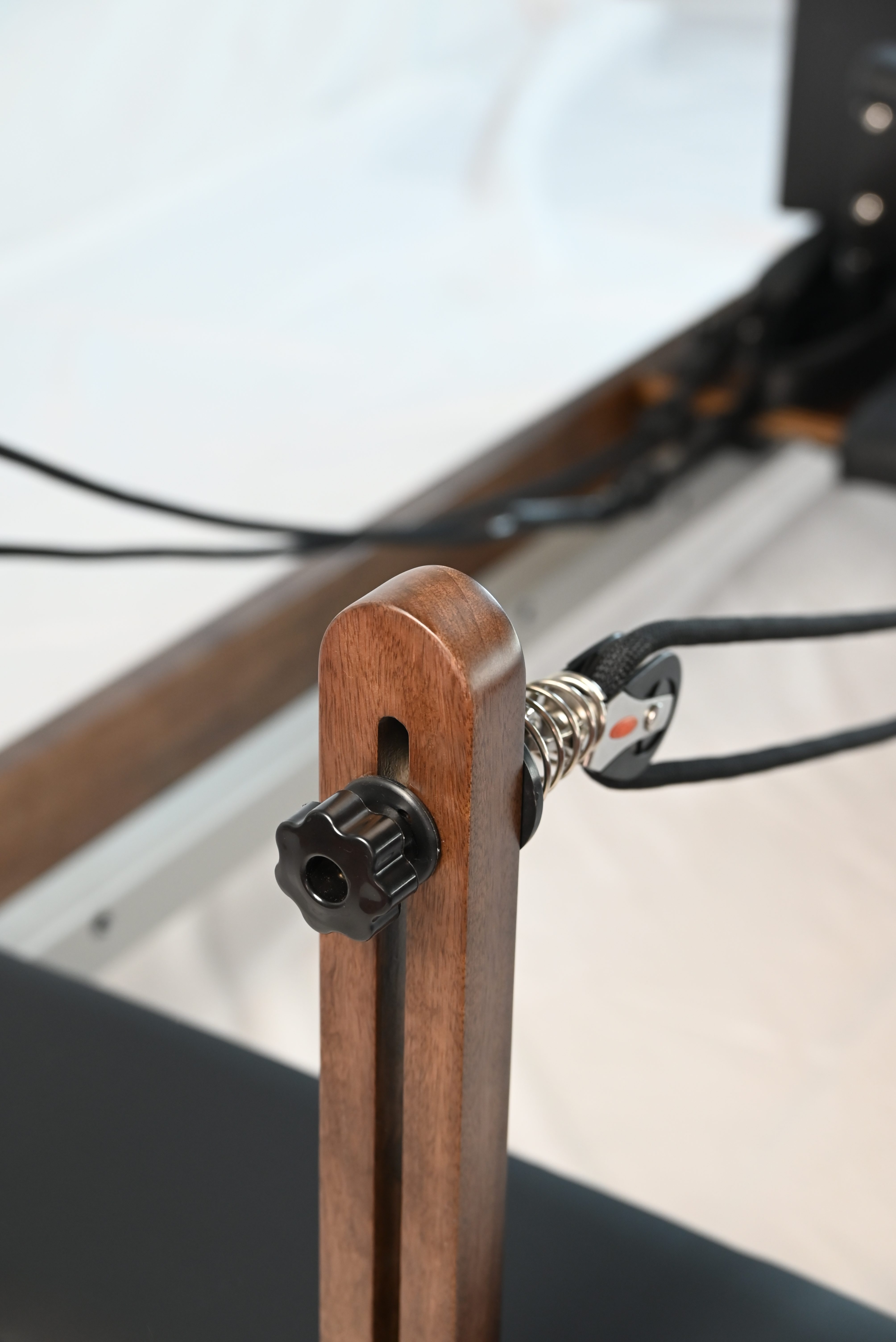
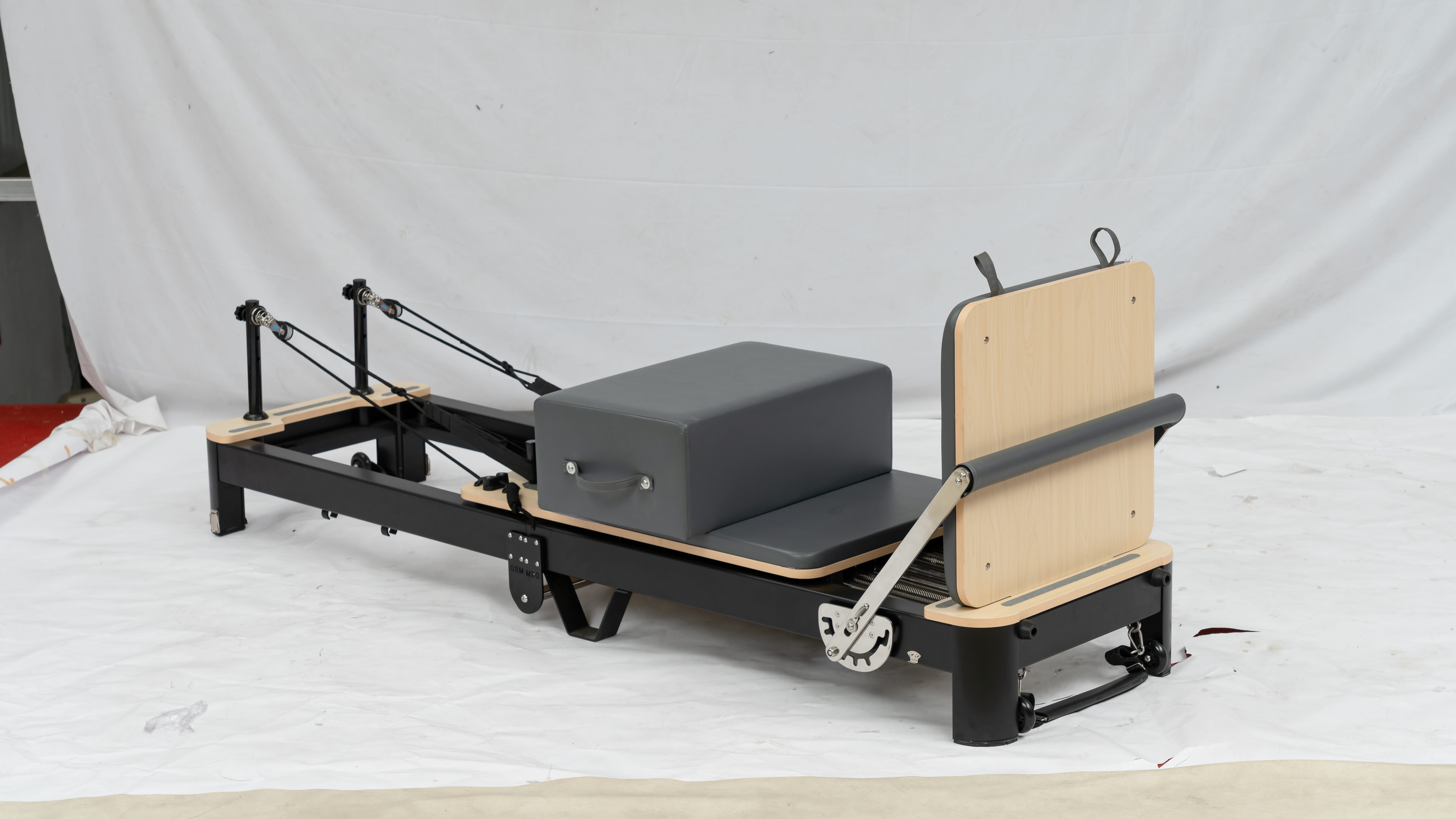
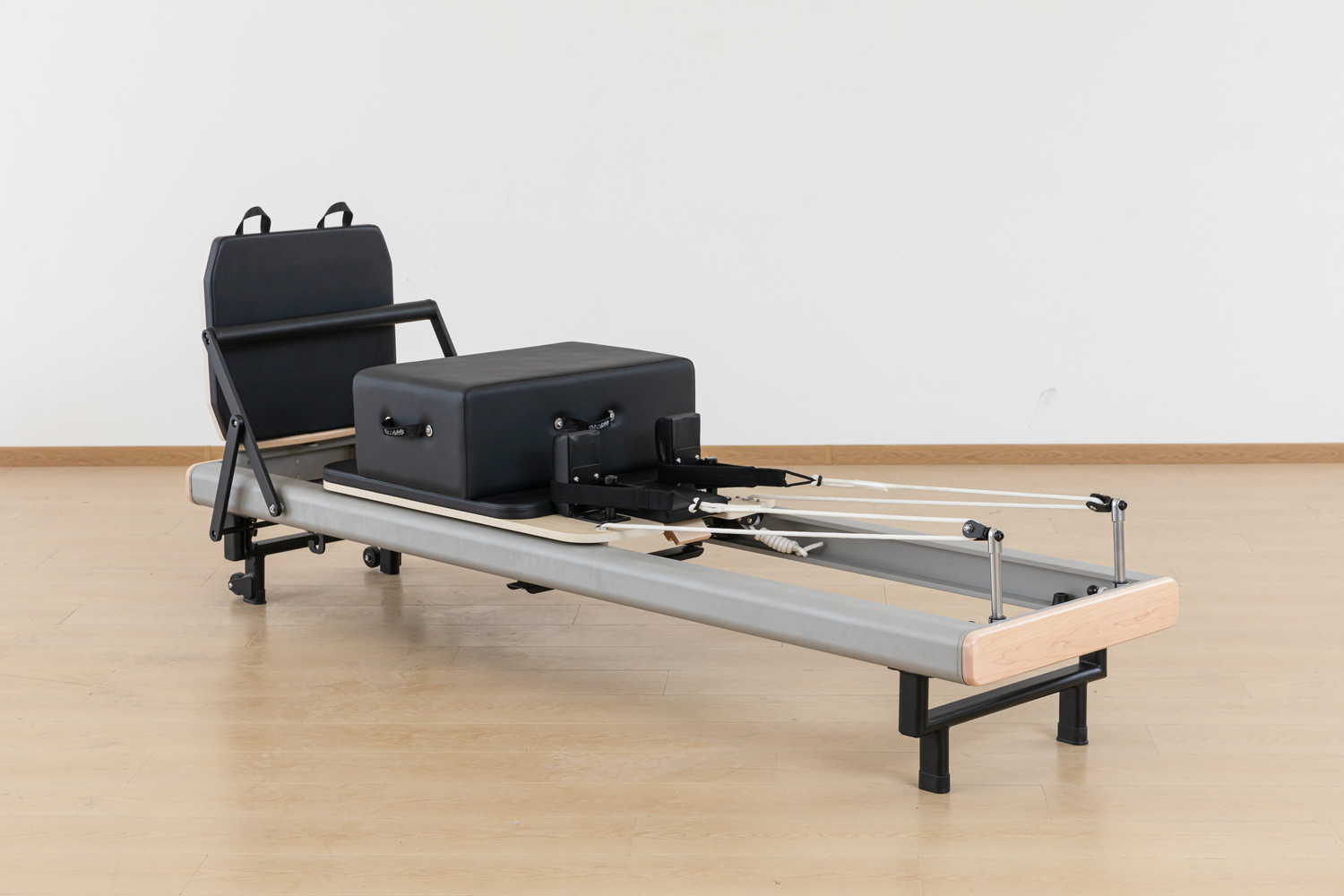
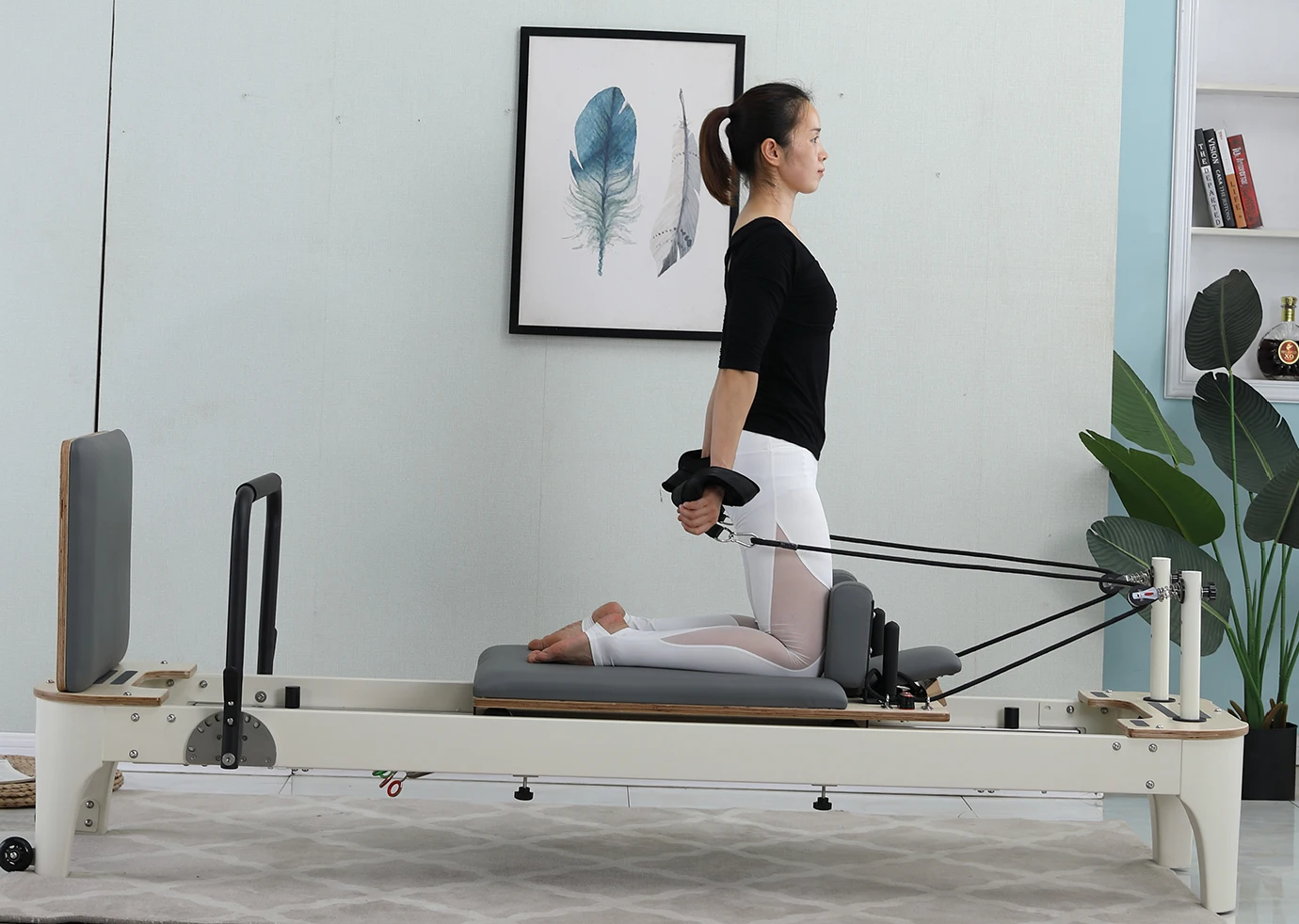
The Reformer is the most iconic Pilates machine—a bed-like frame with a sliding carriage, adjustable springs, footbar, and straps.
Why it's ideal for beginners:
·Extremely versatile: You can exercise lying, sitting, kneeling, or standing—covering a full range of movements
·Adjustable resistance: Springs can be set to light tension for beginners and increased as strength improves
·Both supportive and challenging: It guides correct form while building strength effectively
Multiple sources agree: the Reformer is the perfect starting point for equipment-based Pilates. One experienced practitioner calls it the "The king of value for money" (best value for money). It's widely used in group classes and private sessions alike.
The Cadillac — Best for Rehabilitation and Spinal Health
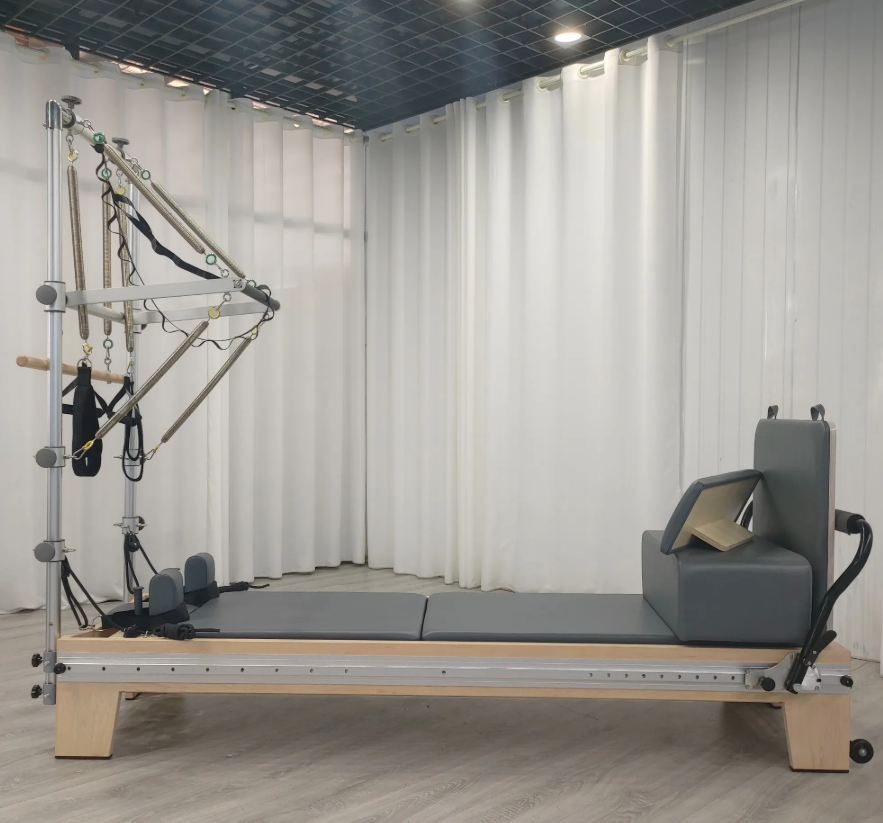
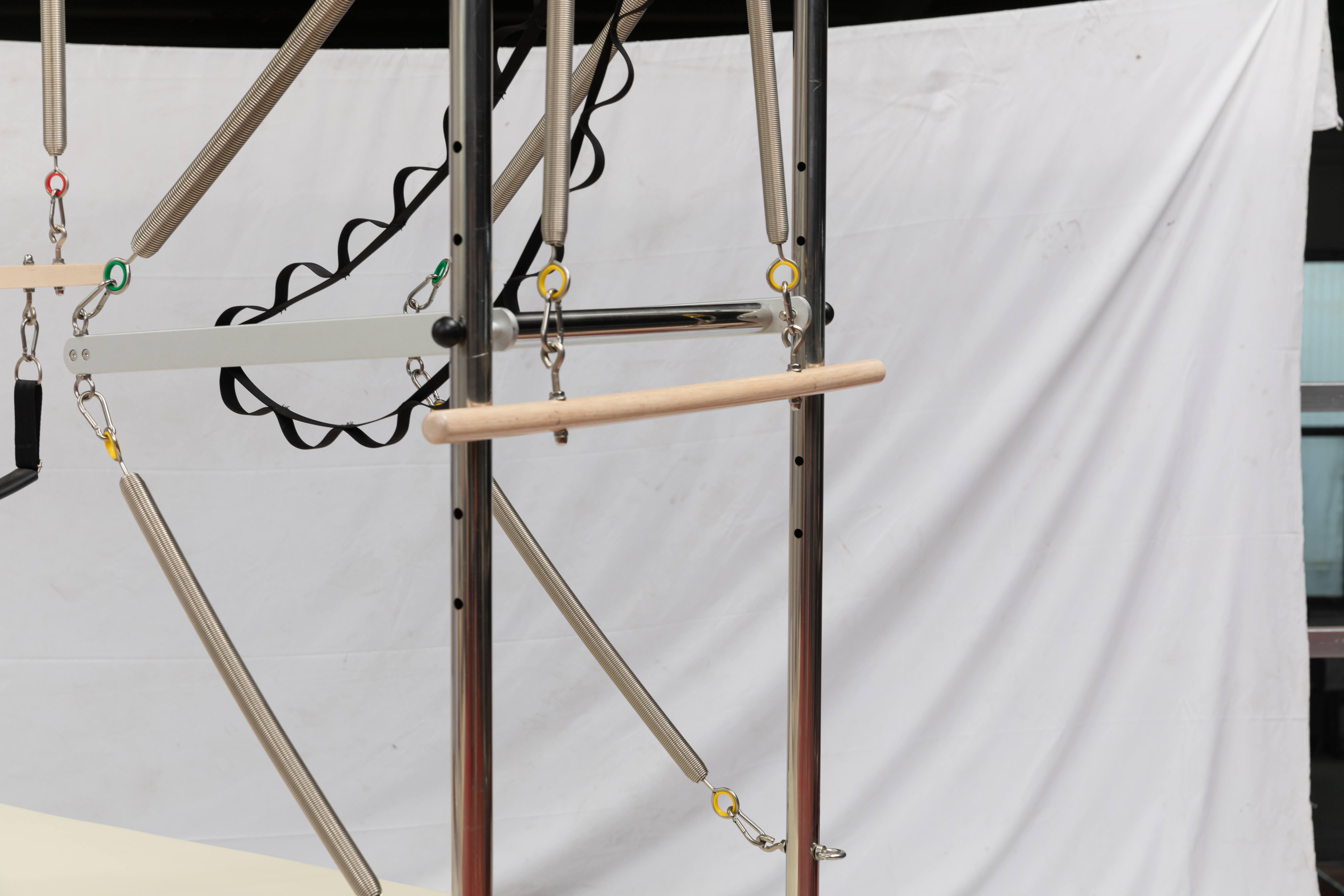
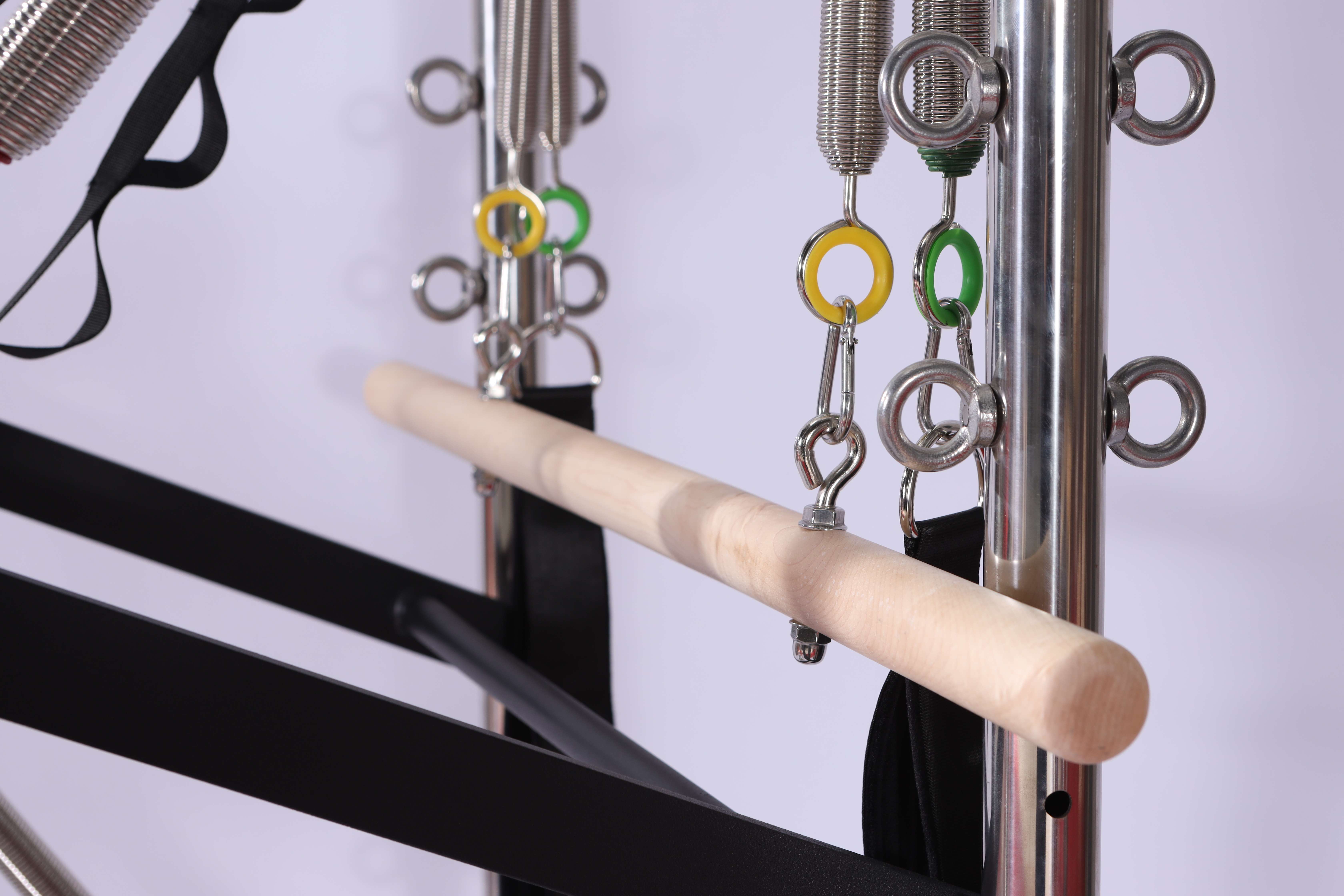
The Cadillac resembles a canopy bed with bars, springs, and straps suspended from a frame. It allows exercises lying, sitting, kneeling, standing, and even hanging.
Great for beginners with special needs: The Cadillac provides excellent support, making it ideal for those with back pain, spinal stiffness, or recovering from injury. Its multi-planar capabilities excel at improving spinal mobility and shoulder flexibility.
Not the best first choice: Due to its large size and high cost, it's typically found in professional studios rather than homes. While beginners can benefit under proper guidance, the Reformer is more practical as an entry point.
The Wunda Chair — Challenging but Space-Efficient
The Chair is a compact box with a spring-loaded pedal—tiny in footprint but powerful in effect.
What it does well: It challenges balance and stability like no other apparatus. Because there's no back support, it reveals subtle imbalances you might miss on larger machines. Some instructors call it the most challenging piece of equipment.
For beginners: While adaptable, the Chair is generally more suitable for those with some Pilates experience who want to refine control. It's a great option for small home studios.
Barrels & Spine Correctors — For Spinal Flexibility
Barrel-shaped apparatus (Ladder Barrel, ARC) focus on spinal extension and flexibility. They're particularly beneficial for office workers with hunched shoulders and poor posture. The ARC is compact and home-friendly. However, they serve more specialized purposes—excellent supplements to a Reformer practice.
The Bottom Line
For most beginners, the Reformer is the best entry point into equipment-based Pilates. Its versatility, adjustability, and supportive design make it safe for newcomers yet challenging enough to grow with you as you advance.
If you're not ready to invest in equipment, Mat Pilates with small props (resistance bands, Magic Circle) offers excellent value and flexibility. A common progression path is: Mat Pilates → Reformer → Other apparatus—the three complement each other rather than compete.
One final piece of advice: whatever you choose, start with a qualified instructor to ensure proper form and safety.