Essential Equipment for a Commercial Pilates Studio
Opening a professional Pilates studio requires strategic equipment selection — it’s the cornersdone of class quality, client experience, and business profitability. Pilates apparatuses are often described as "mechanical tools for precision movement," designed to help instructors guide clients effectively while accommodating everyone from beginners to advanced practitioners. Below is a comprehensive breakdown of essential equipment for a commercial Pilates studio.
I. Core Apparatus
1. Reformer
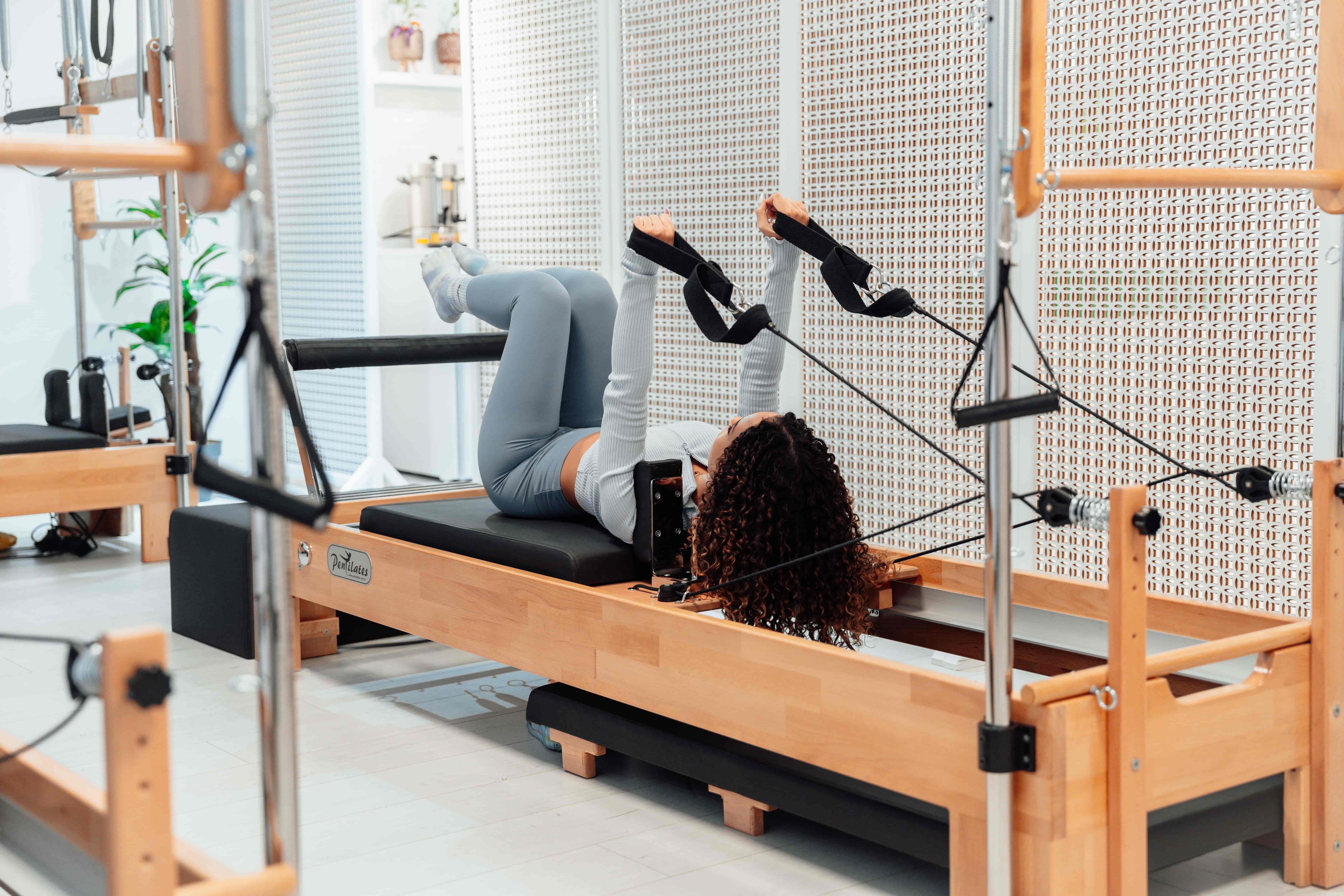
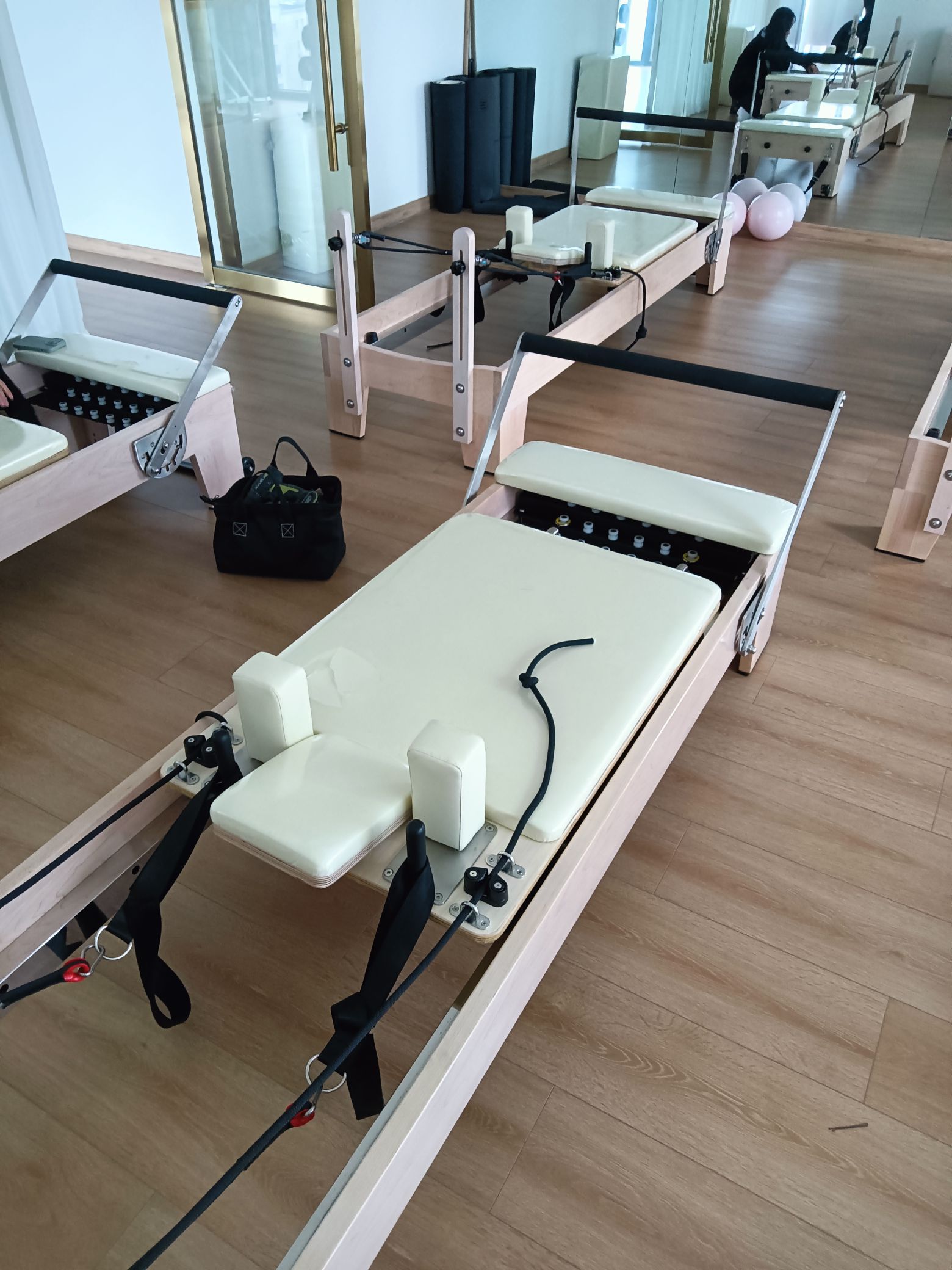
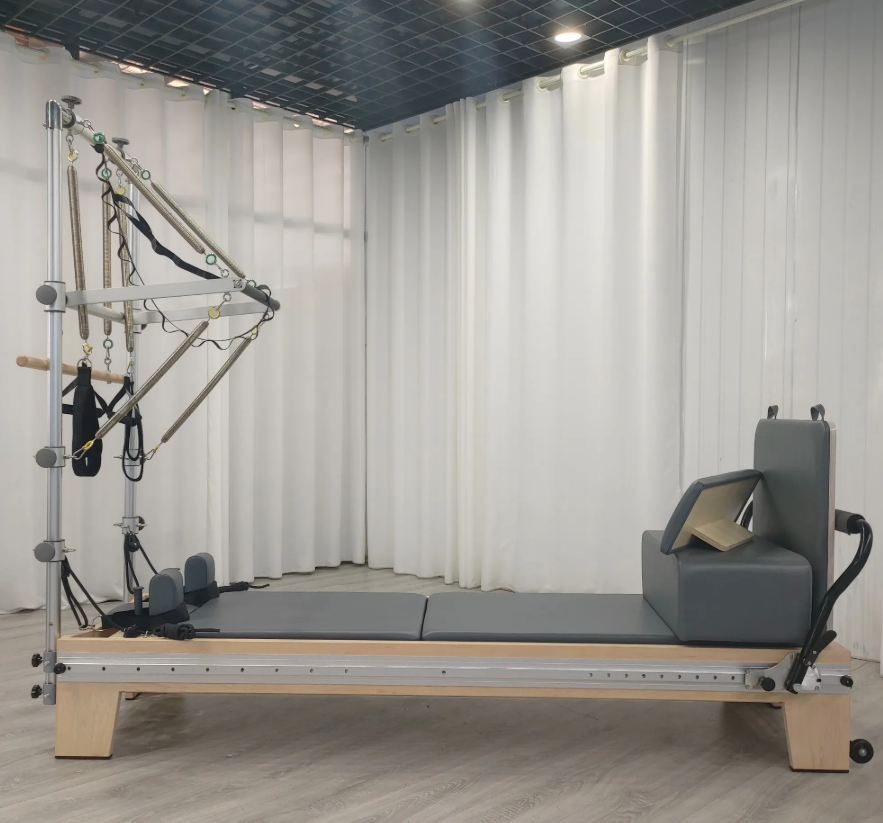
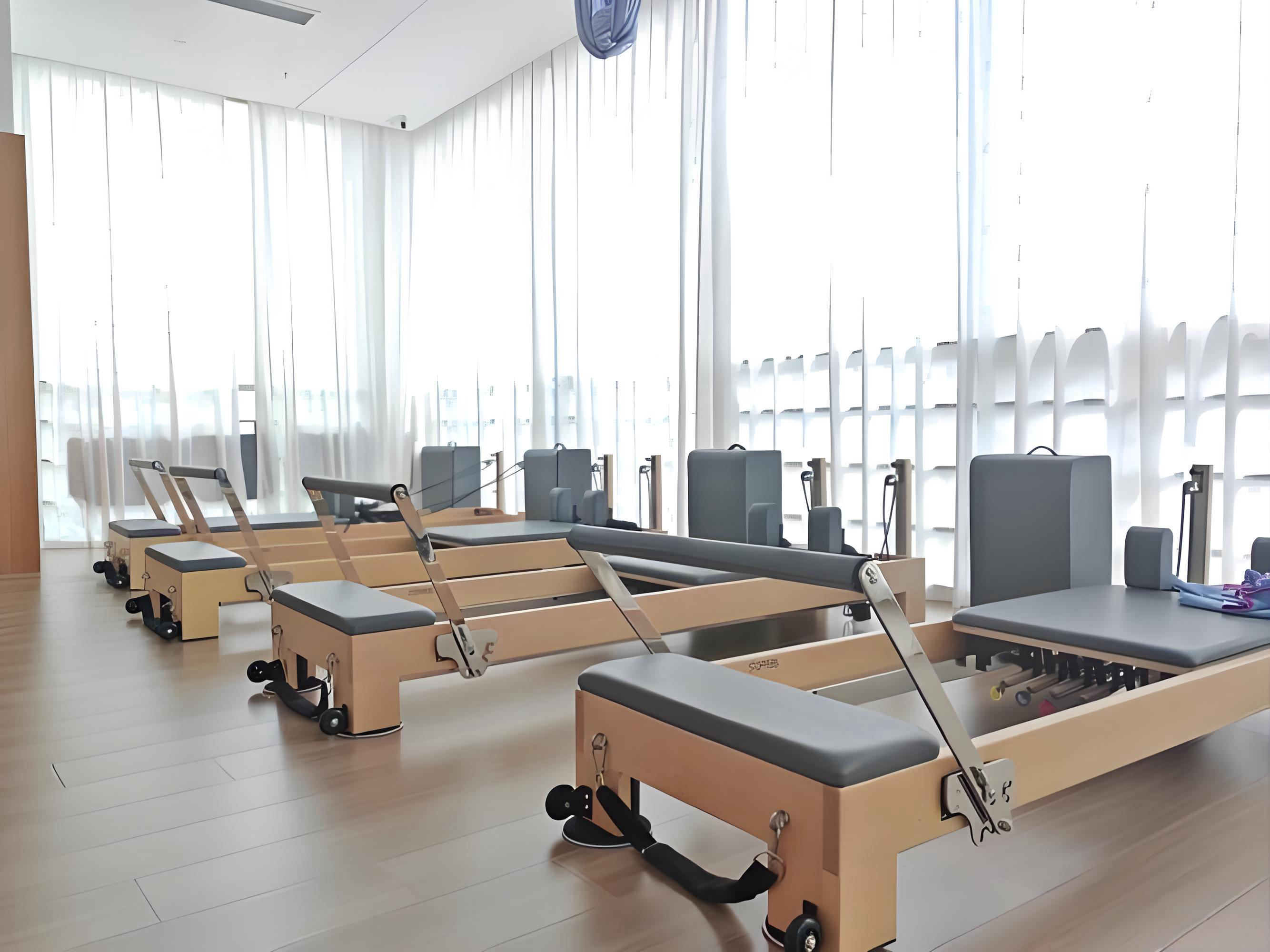
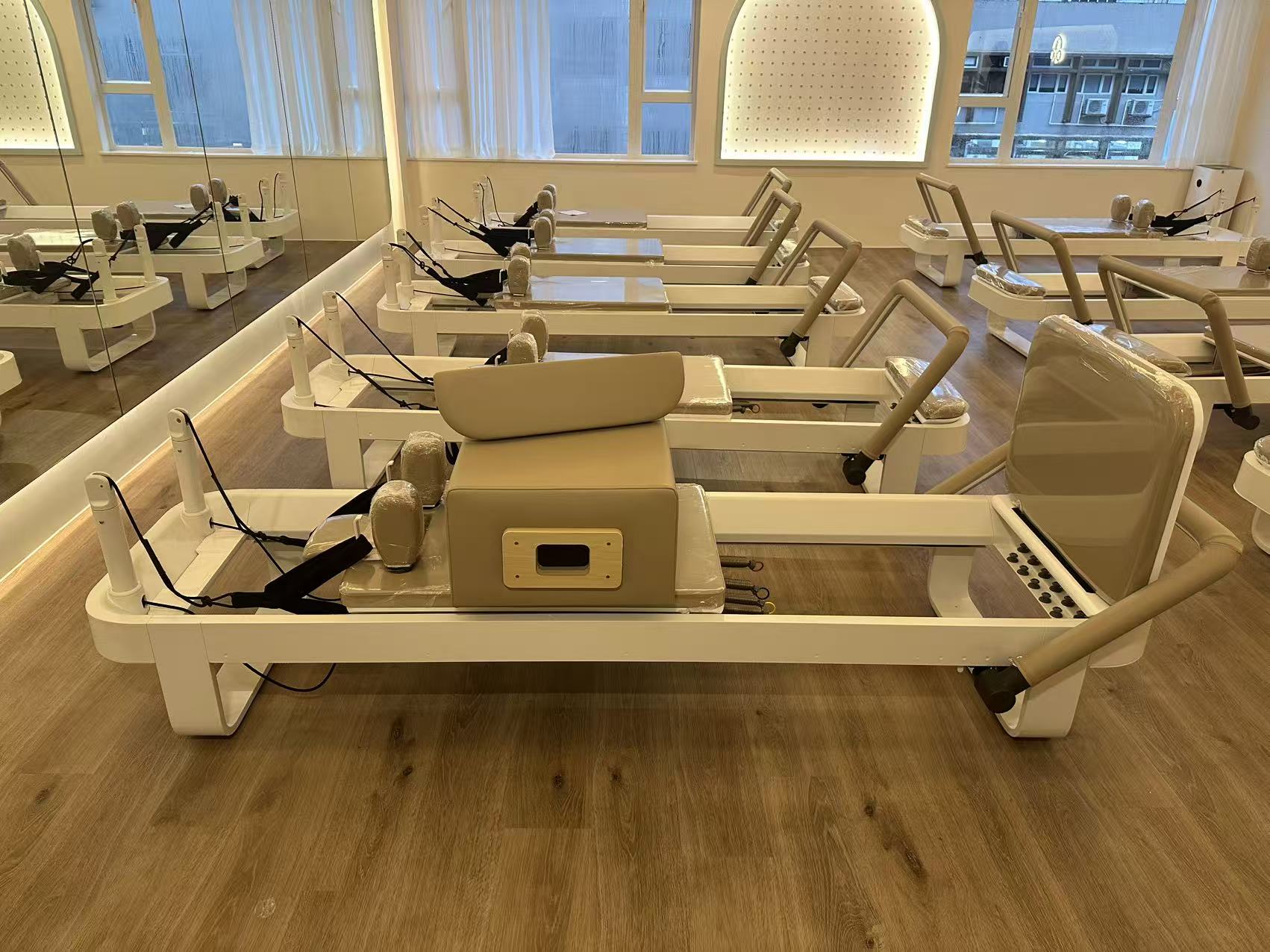
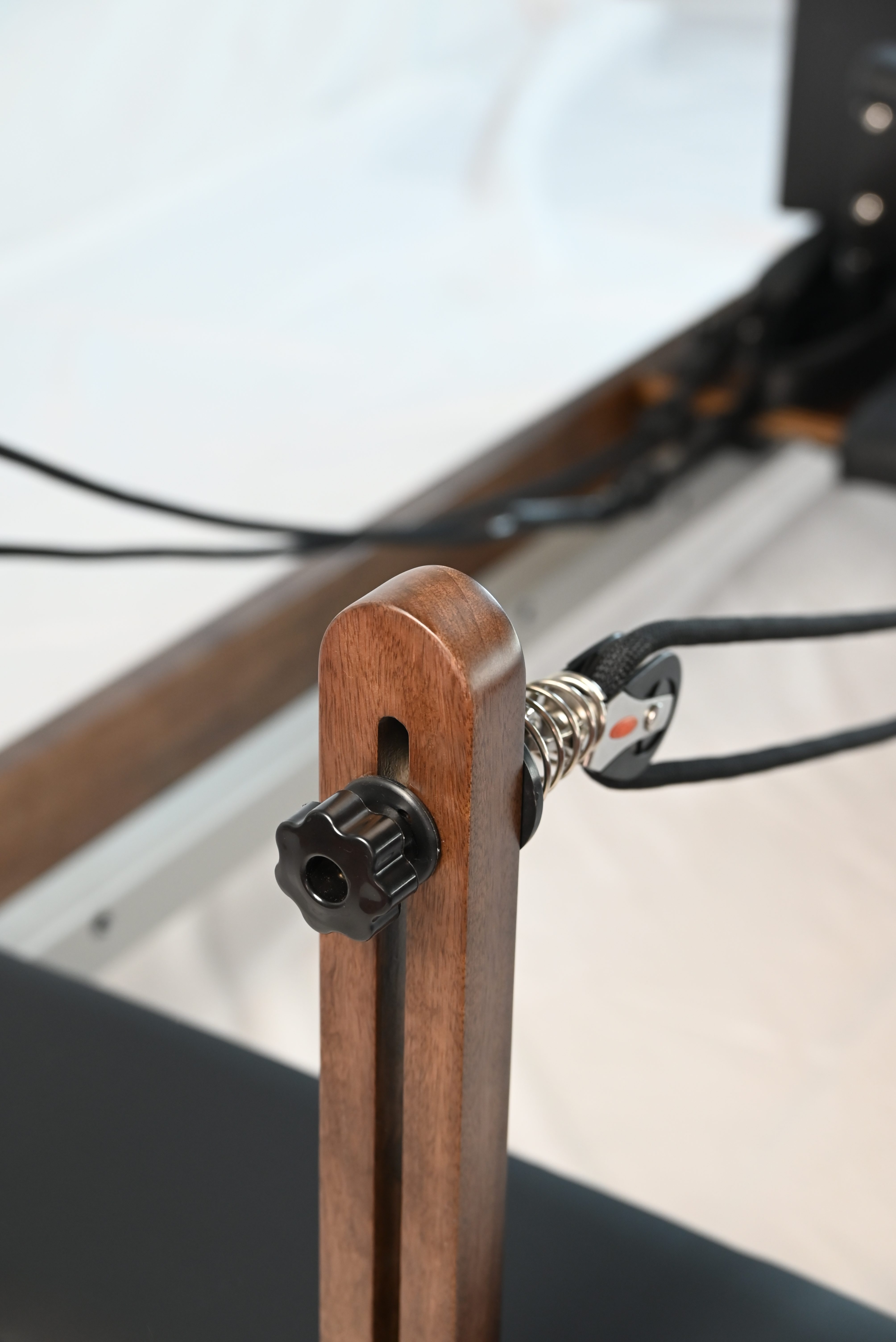
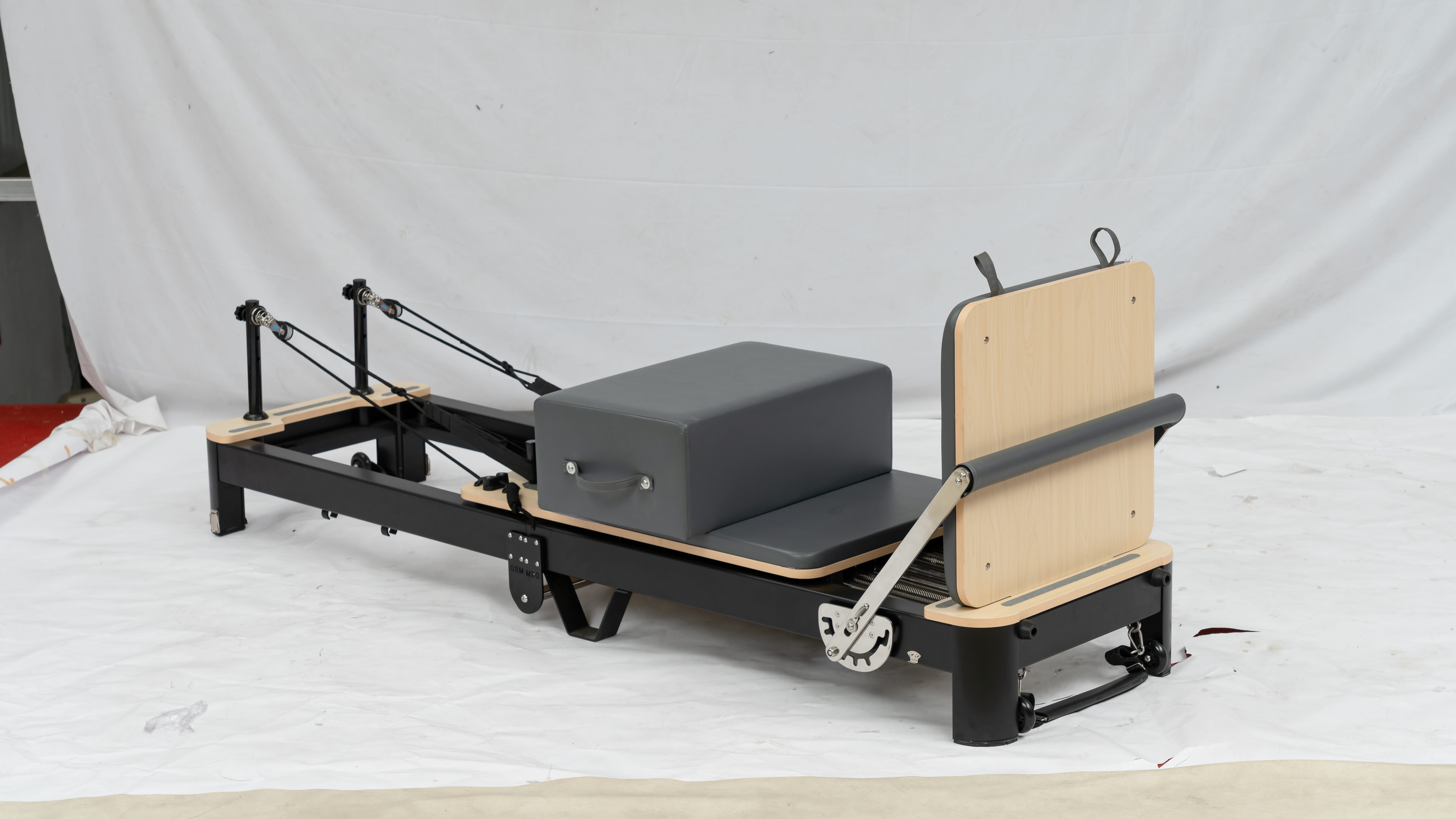
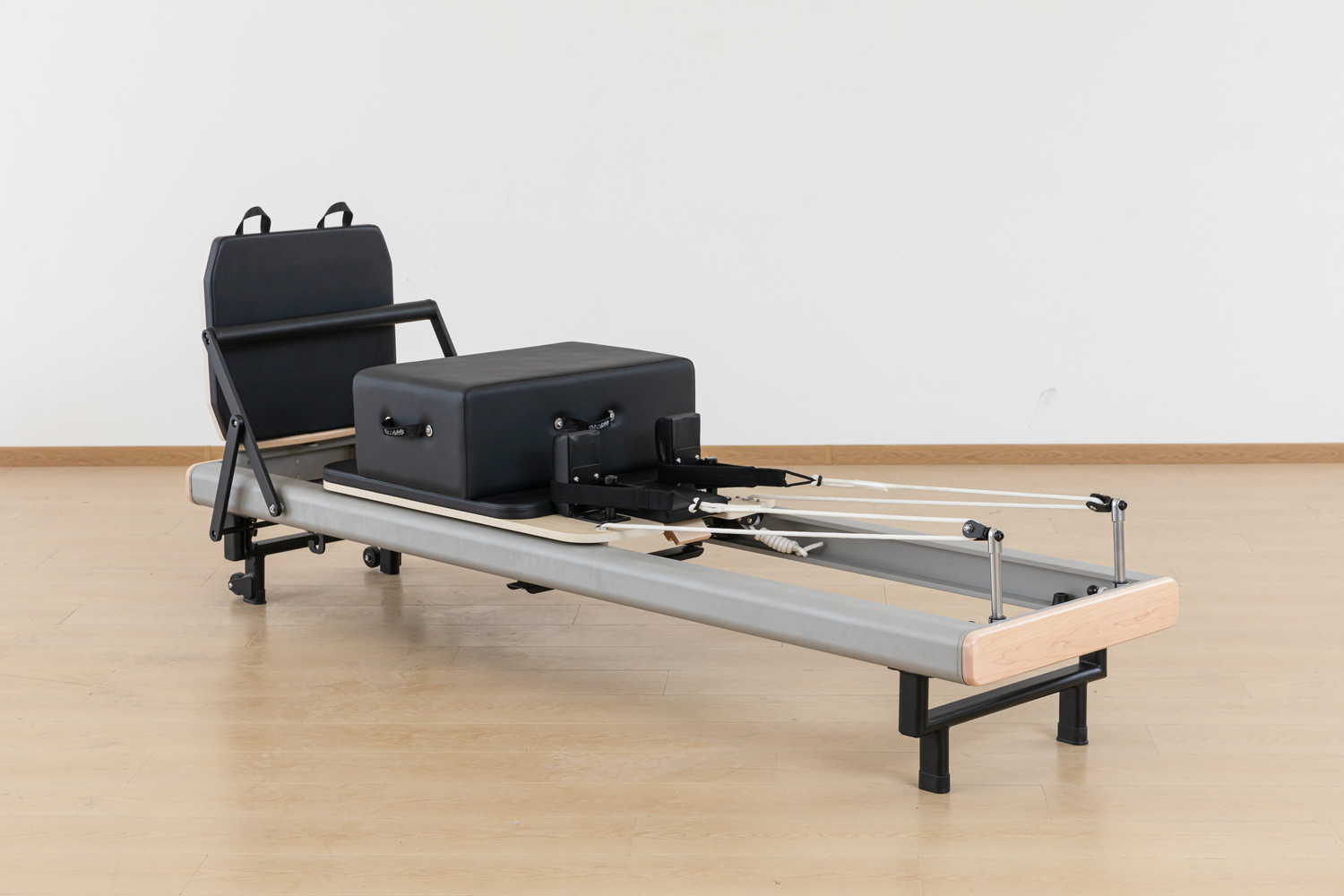
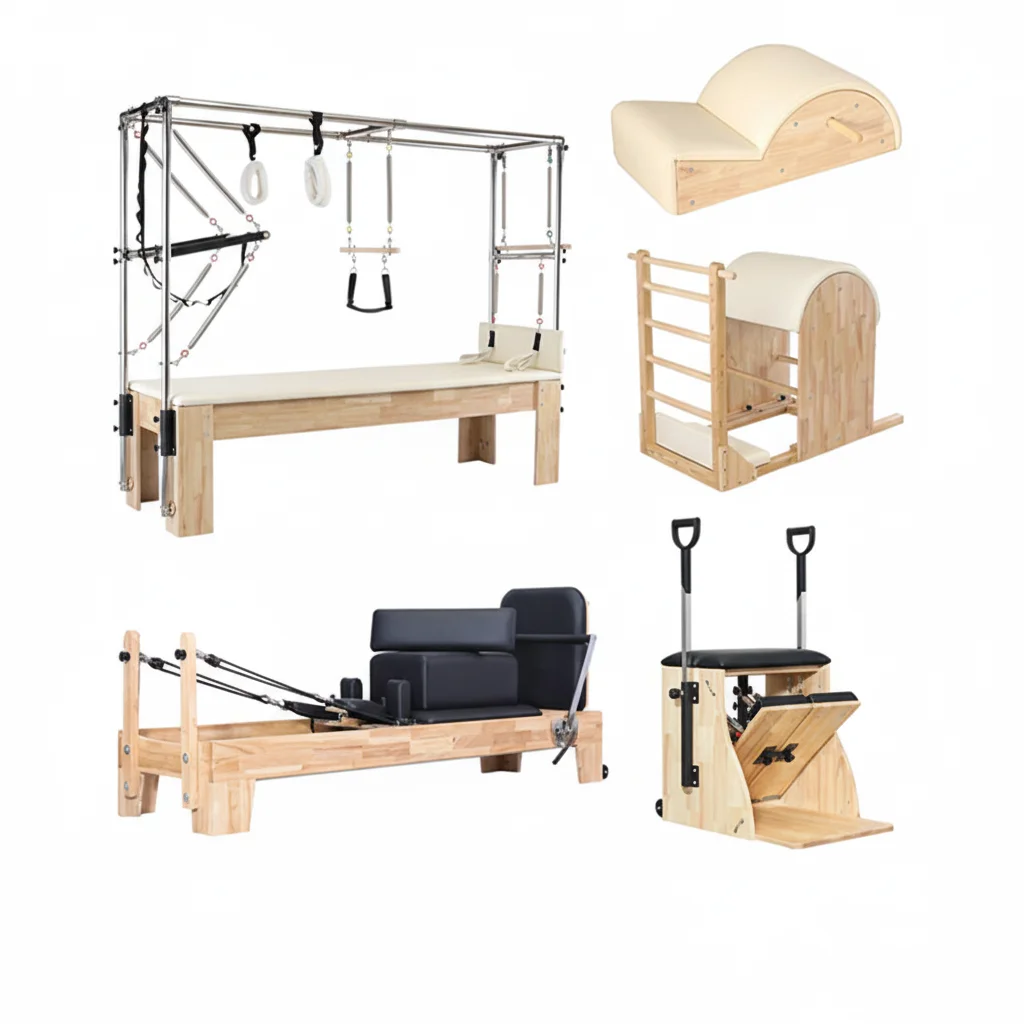
The Reformer is the undisputed centerpiece of any Pilates studio and the most widely used apparatus. It resembles a bed-like frame with a sliding carriage, spring resistance system, footbar, and shoulder rests, enabling hundreds of exercises.
Commercial Selection Criteria:
·Commercial-grade models typically feature steel or metal frames (with premium wood options like maple available). Weight capacity should reach 200-300kg, with waterproof, wear-resistant upholstery for high-frequency cleaning
·2026 market trends show metal-frame Reformers gaining popularity due to rising solid wood costs — over 90% of new studios opt for metal frames to avoid cracking and deformation
·Recommended configuration: 3-6 units to support private sessions and small-group classes (3-6 people)
Programming Value: Suitable for all levels — beginners use spring support for foundational movements, while advanced practitioners increase resistance for core control. Private sessions can address specific needs like postural correction and postpartum recovery.
2. Cadillac (Trapeze Table)
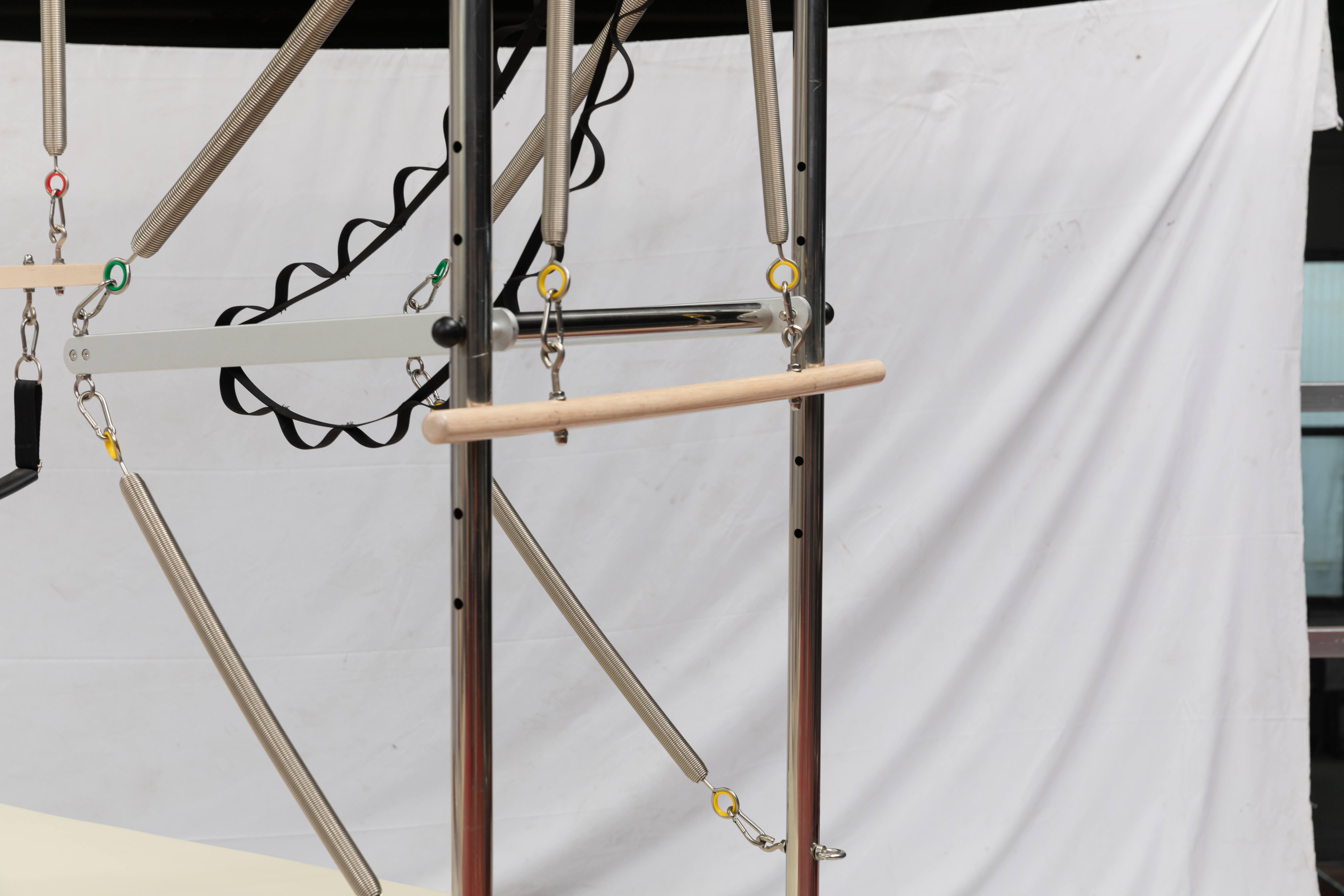
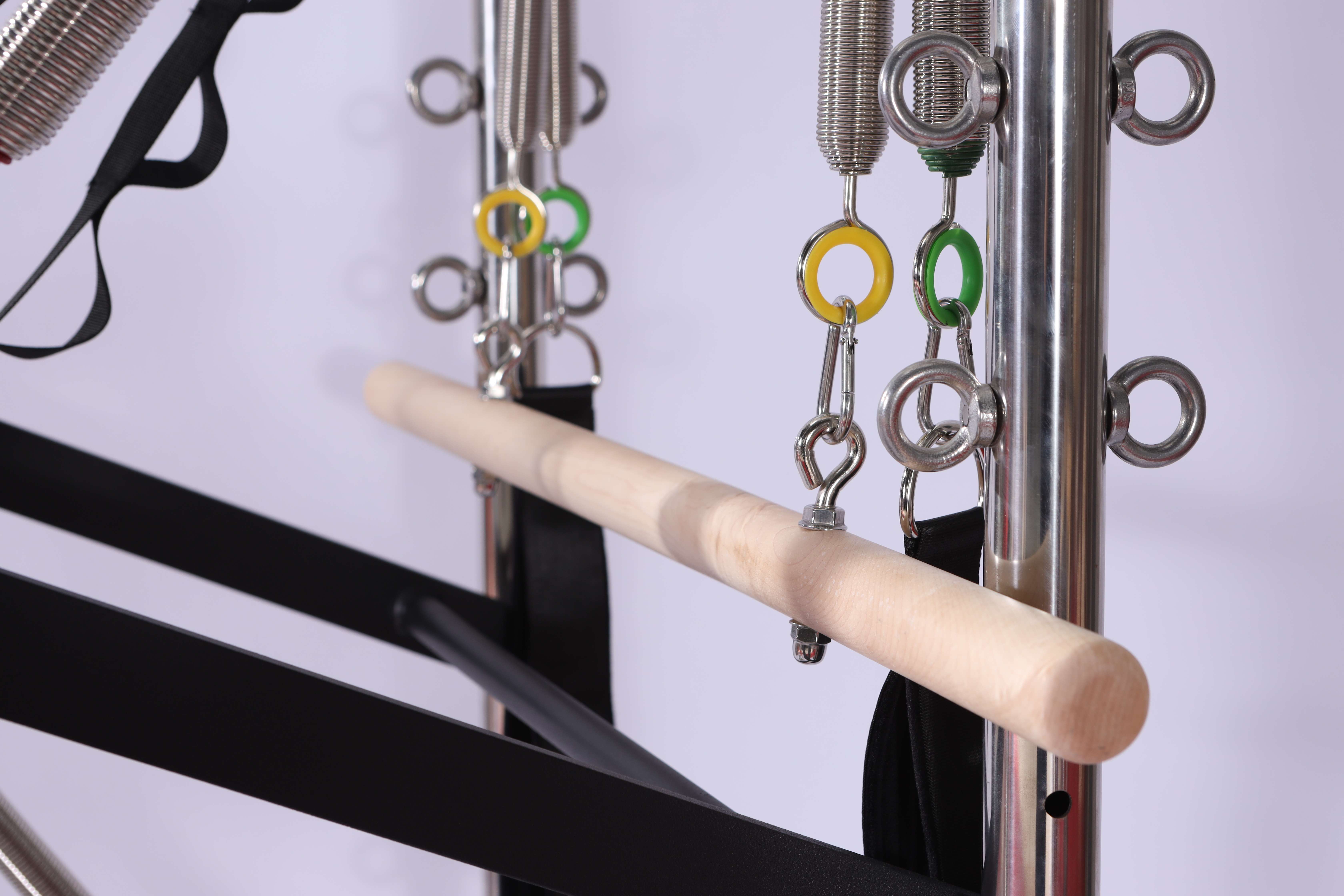
The Cadillac is one of the most visually striking apparatuses, featuring an elevated platform surrounded by a metal frame with overhead bars, springs, and hanging loops.
Key Functions:
·Combines mat work with spring resistance, ideal for rehabilitation (post-injury, seniors) and advanced training
·Often described as "one of the most versatile pieces in Pilates," supporting everything from gentle rehab to acrobatic-level exercises
Business Positioning: Typically an upgrade for 1-on-1 private sessions and specialty rehabilitation programs. For 150-200㎡ studios, 1 unit is recommended.
3. Wunda Chair
The Wunda Chair (or Pilates Chair) is compact yet powerful, consisting of a seat, pedals, and springs.
Training Value:
·Focuses on seated and standing exercises, building lower body strength, core stability, and coordination
·Split-pedal designs allow unilateral training to correct muscle imbalances
Business Fit: With a footprint of approximately 0.8㎡, it‘s ideal for space-constrained boutique studios. Often used in lower-body sculpting and postpartum pelvic floor classes.
4. Ladder Barrel
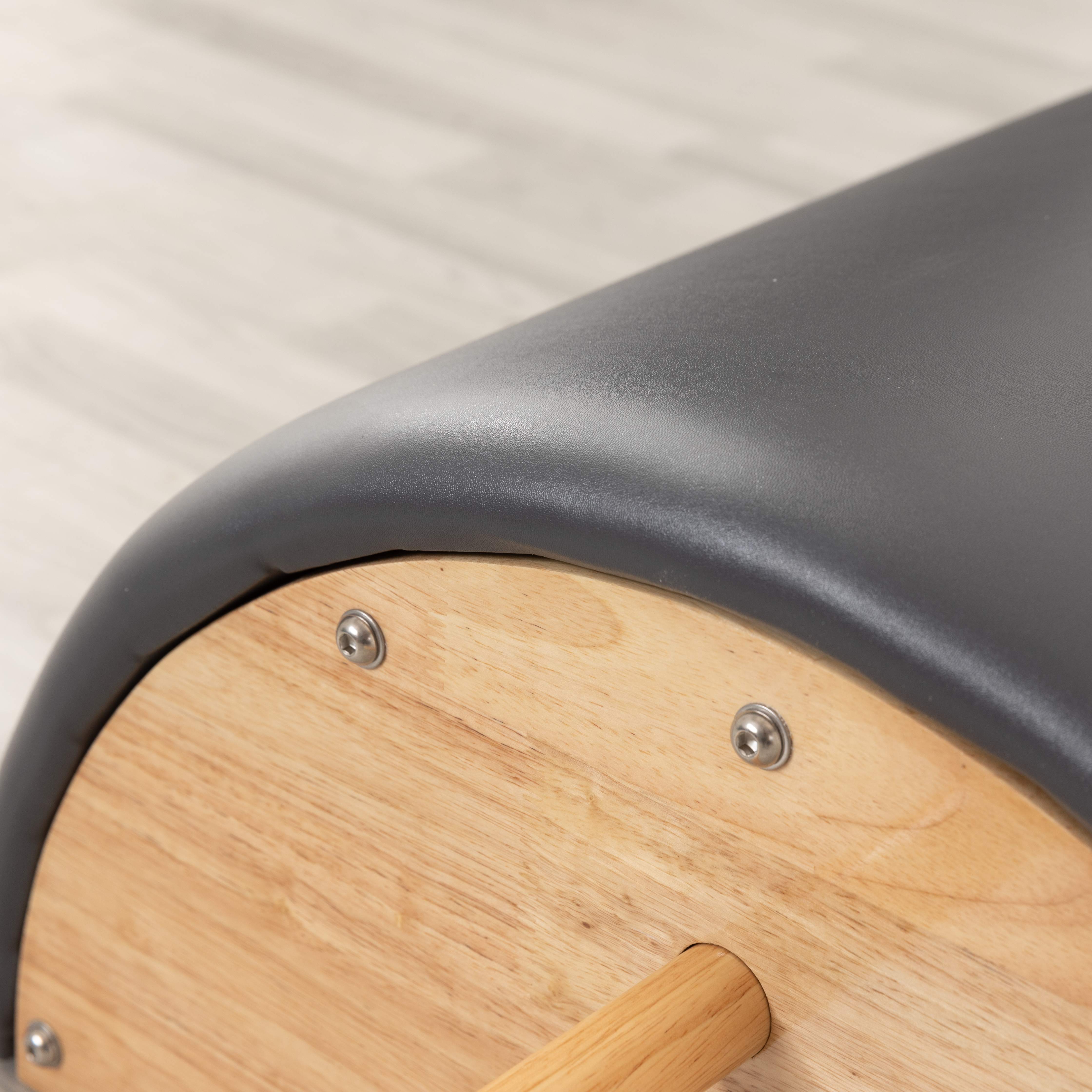
The Ladder Barrel features an arched barrel attached to a ladder-like frame, specializing in spinal mobility and postural correction.
Unique Value:
·The barrel’s curve follows the spine’s natural contour, helping correct rounded shoulders and kyphosis
·The only core apparatus without springs or moving parts — resistance comes from body weight and the curved surface
Class Applications: Frequently used in "postural correction private sessions" or warm-up/cool-down segments in group classes. Particularly appealing to desk-bound professionals.
5. Spine Corrector
The Spine Corrector (or Arc Barrel) is a lightweight, compact curved apparatus focused on segmented spinal movement and deep muscle activation.
Key Advantages:
·The curve mirrors the spine‘s natural curvature, helping clients develop segmental control
·Weighs approximately 10-15kg, stackable for storage — perfect for smaller spaces
Business Positioning: Often used in private rehab sessions (e.g., herniated disc support) or advanced technique classes. Recommended configuration: 2-4 units.
II. Accessories & Props
Beyond the five core apparatuses, accessories are critical for class variety and client retention. A quality prop collection empowers instructors to adapt sessions for clients at every level.
Essential Accessories Checklist:
Magic Circle (Pilates Ring):Gentle resistance for inner thighs, arms, and chest
Resistance Bands:Portable resistance for all major muscle groups
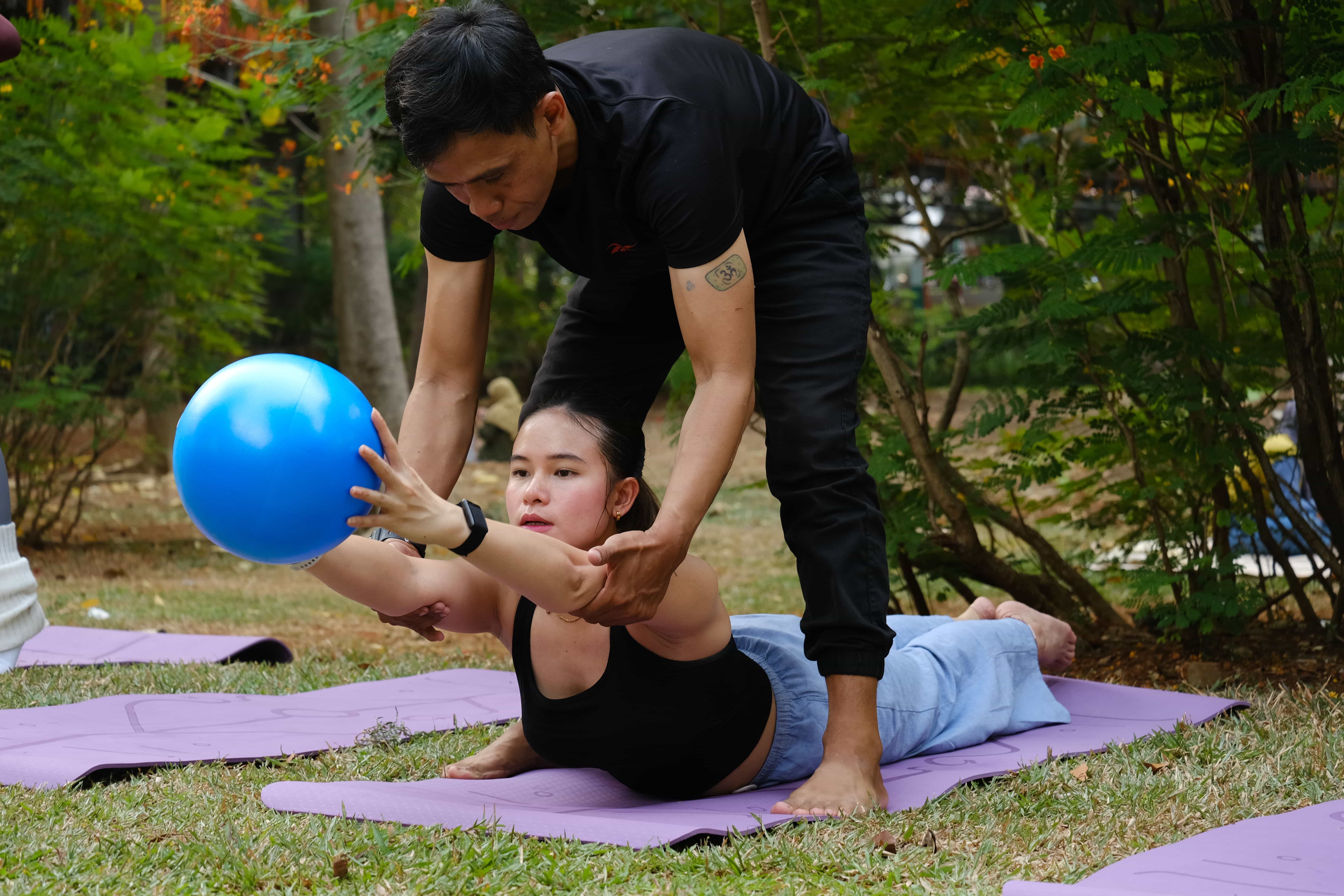
Small Exercise Ball:Challenges balance, increases core activation
Foam Roller:Self-myofascial release, reduces soreness, improves mobility
Jumpboard:Attaches to Reformer for low-impact cardio
III. Equipment Strategy by Studio Size
Equipment selection should align with studio positioning, target clients, and available space:
Boutique Private Studio (80-100㎡):
Configuration: 3 Reformers + 1 Wunda Chair + 2 Spine Correctors
Focus: Private and small-group sessions. Budget: ~$10,000-14,000 USD
Mid-Size Comprehensive Studio (150-200㎡):
Configuration: 5 Reformers + 1 Cadillac + 1 Wunda Chair + 2 Ladder Barrels
Focus: Mix of private, small-group, and group classes. Budget: ~$20,000-24,000 USD
High-Volume Group Studio:
Configuration: 8-10 entry-level Reformers + Wunda Chairs + Spine Correctors
Focus: High-frequency group classes with durability and easy maintenance
Pro Tip: Equipment is the soul of a Pilates studio — choosing wisely can halve your costs and double client retention. Prioritize Reformer quantity and quality, then gradually expand your apparatus and accessory collection based on your curriculum.