How to Choose a Reliable Pilates Equipment Manufacturer?
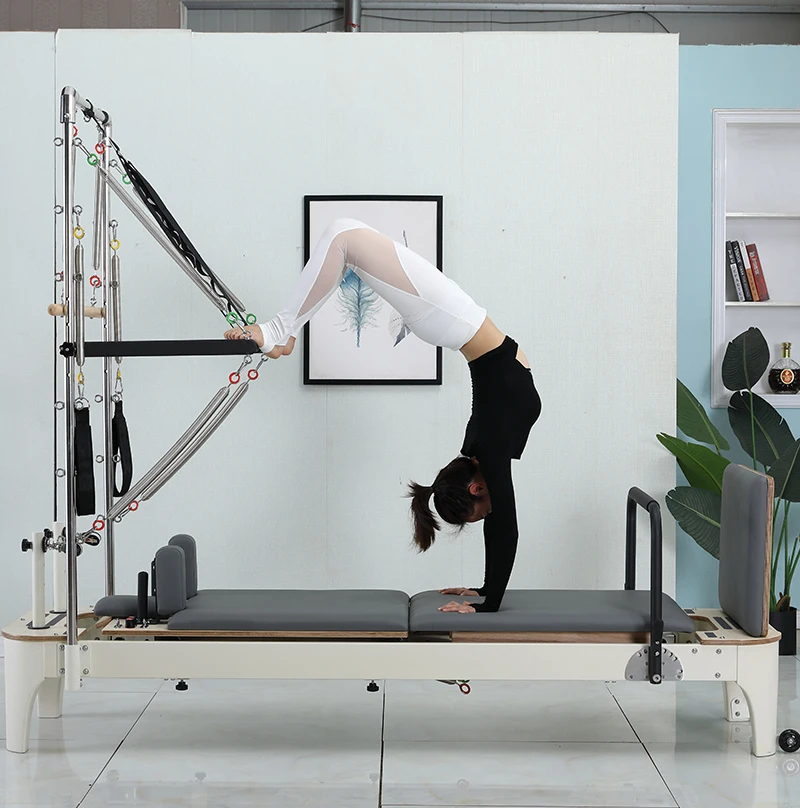
For Pilates studio owners, distributors, and fitness brands, selecting a Pilates equipment supplier is a critical decision. The right equipment serves as a studio's "competitive advantage"; conversely, a poor choice can lead to high maintenance costs, customer churn, and even safety hazards. The following is a comprehensive guide covering evaluation criteria, warning signs, and the decision-making process.
Why "Reliability" Matters More Than Price
Many buyers start with price comparisons — but this is a dangerous shortcut. Price is a one-time negotiation; reliability affects your entire supply chain over the long term.
The Real Cost of an Unreliable Supplier:
·Quality inconsistency: The first order may pass, but by batch three or four, you'll see uneven coatings, tolerance deviations, and deteriorating weld quality
·Delivery delays: Poor production planning can push delivery back 4-8 weeks, missing sales windows and directly losing revenue
·After-sales ghosting: When large equipment breaks down, no after-sales support means the equipment is scrap — and maintenance costs far exceed the initial savings
·Brand liability: When equipment fails during use, your brand — not the factory — bears the legal and reputational consequences
A common saying among experienced buyers: "Individuals buy to save money; studios buy to save headaches." Hidden costs from low-quality equipment often multiply the initial savings many times over.
Five Core Dimensions for Supplier Evaluation
1. Manufacturing Background & Production Capacity
Verify whether the supplier is a genuine factory or a trading intermediary.
Key Indicators:
·Years in operation: Prioritize suppliers with 5+ years of industry experience — this indicates financial health and organizational maturity
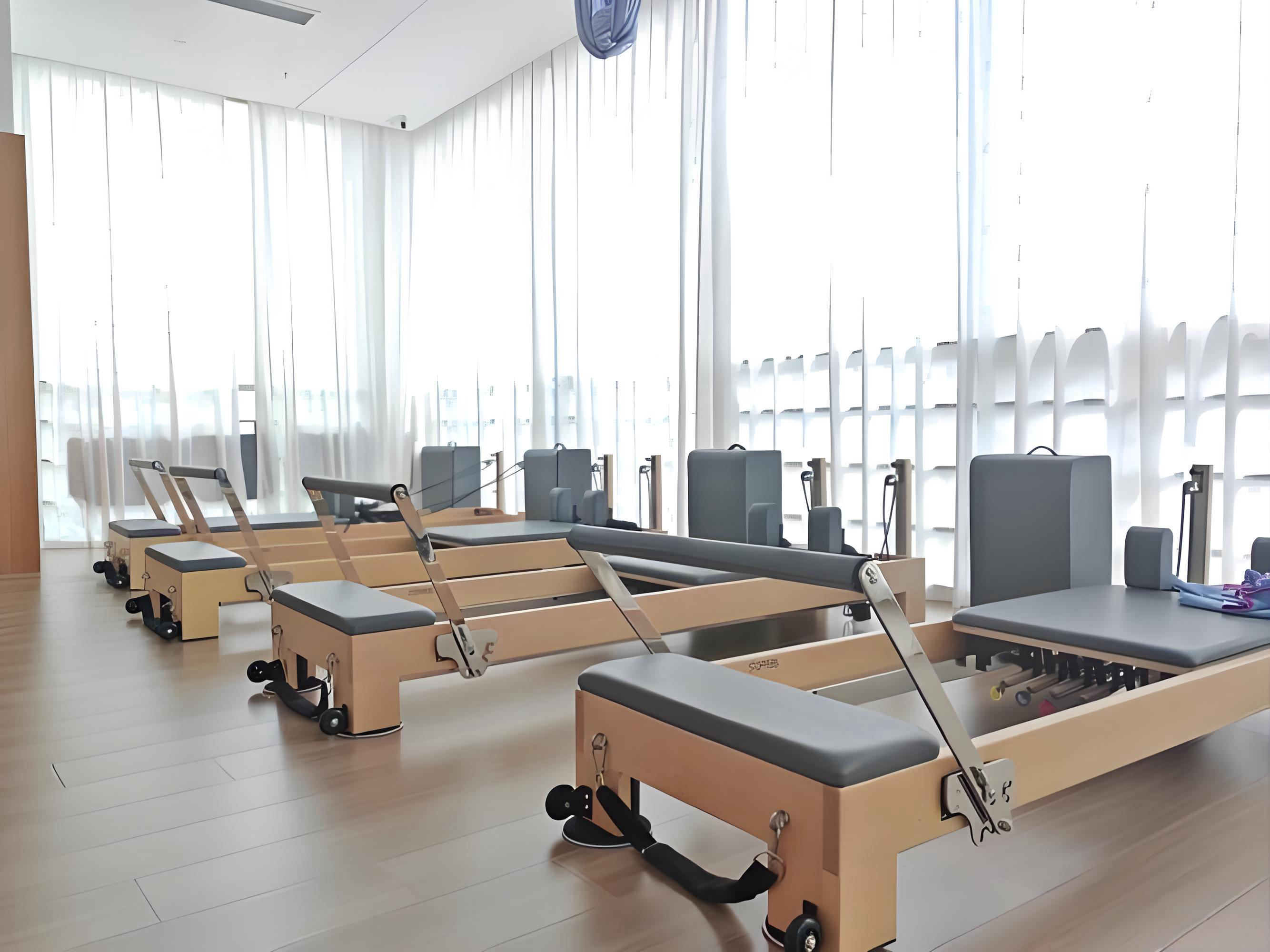
·Factory scale: 2,000+ m² factories typically have better resource allocation; large-scale facilities can exceed 16,000 m² with 190+ employees
·Production transparency: Ask about current order backlog, production line staffing, and shift systems — calculate realistic capacity and compare with claimed numbers
2. Product Quality & Process Standards
Quality determines safety, durability, and user experience. Focus on these areas:
Material Standards:
·Commercial-grade steel thickness should not be below 2mm; frames must withstand 500+ lb load testing
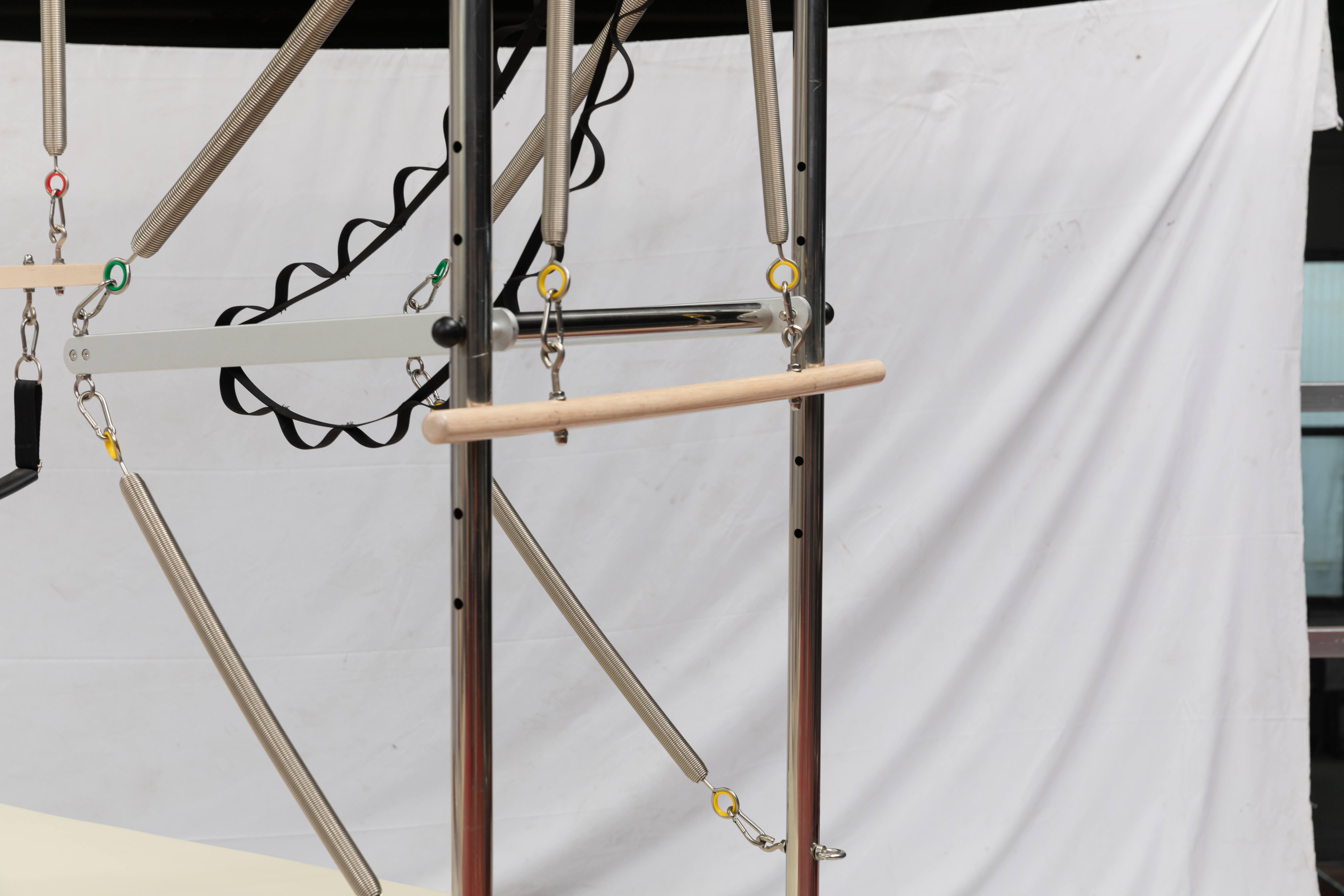
·Spring systems require precise calibration — spring constant consistency directly affects client feel
Quality Control Processes:
·IQC (Incoming Quality Control): Steel composition, leather grade, and foam density checked and sampled before production
·IPQC (In-Process Quality Control): Weld precision and coating uniformity inspected during production
·OQC (Outgoing Quality Control): Functional testing and visual inspection before shipment, conducted by QC staff independent from production lines
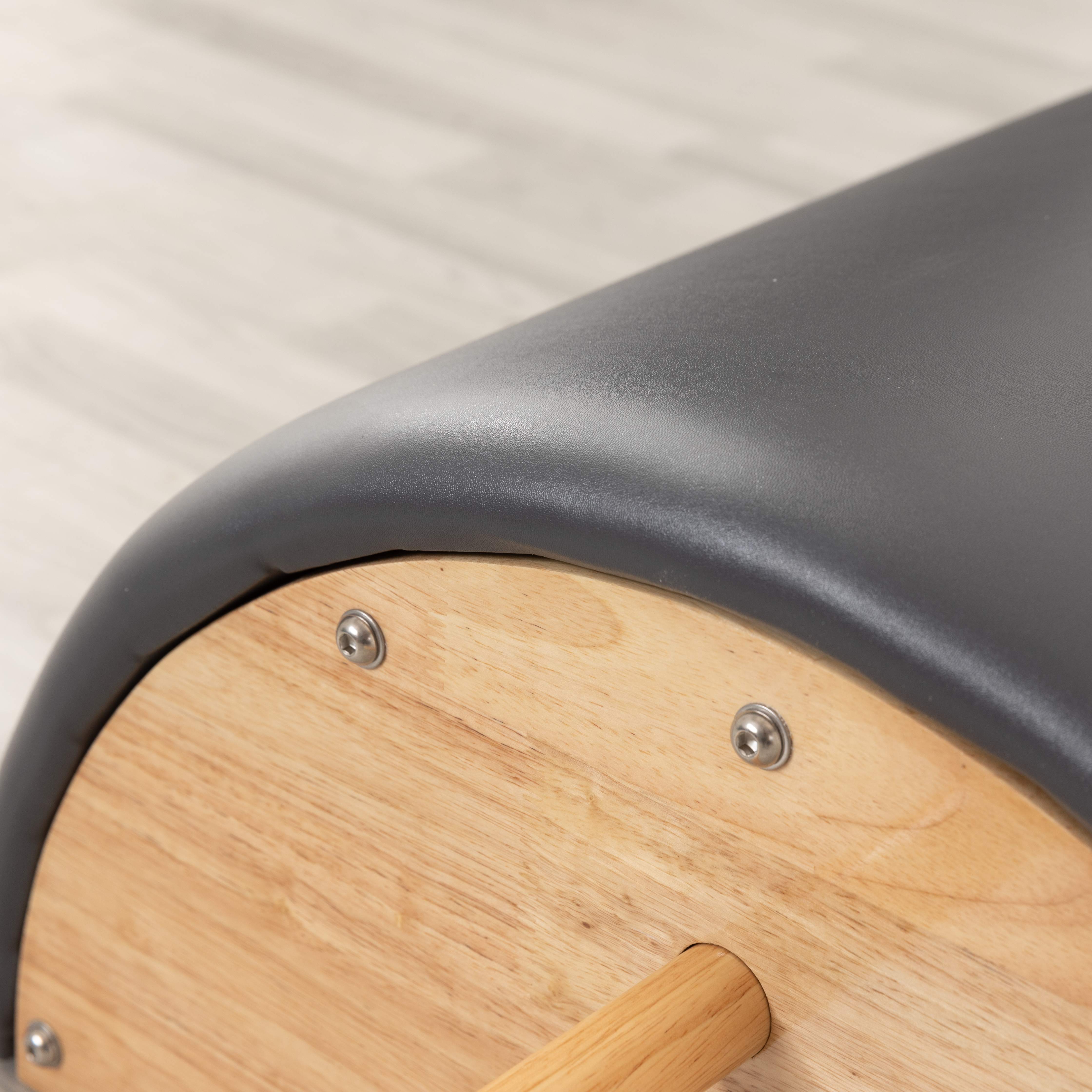
Notably: Premium brands like Gratz perform 50+ specification checks on every Reformer — spring force measured to 0.01 lb, wheel noise controlled within defined ranges. While not all factories need this level, the principle is instructive.
3. Certifications & Compliance
Certifications reflect systematic investment in quality management.
ISO 9001:Quality Management Systems
CE Marking:Safety & Environmental Compliance
RoHS/REACH:Hazardous Substance Control
Verification tip: Check that certifications are current and the scope covers your product category. A "metal fabrication" certificate may not cover upholstery processes.
4. After-Sales Service
After-sales support is the key differentiator between quality suppliers and "one-off" sellers.
Clarify these points:
·Warranty period? Commercial equipment needs at least 3 years warranty as a baseline
·Response mechanism? 24-48 hours for initial resolution; sufficient parts inventory
·Coverage scope? Spring, pulley, and upholstery warranties — and whether labor is included
5. Delivery Capability & Communication Efficiency
·On-time delivery rate: ≥97% is industry benchmark
·Response time: ≤2 hours for commercial inquiries
·Reorder rate: >30% signals client satisfaction and product consistency
Red Flags & Practical Tips
Warning Signs to Avoid
1.Price 30%+ below market average — likely indicates material cost-cutting (e.g., thinner steel, non-compliant leather)
2.Can't provide factory photos or refuses video inspection — may be a trader with no fixed production facility
3.After-sales promises are verbal only, not in contract — you'll have no recourse when issues arise
4.Cannot provide verifiable client references or case studies — no track record
Pre-Contract Checklist
1.Sample testing: Evaluate at least one physical unit for spring feel, carriage smoothness, weld detail, and noise levels
2.Factory visit or video audit: Inspect production line standards, material storage, and independent QC stations
3.Specifications in contract: Steel thickness, leather grade, component brands, spring specifications — ensure delivery matches agreement
4.Penalty clauses for delays: Protect against peak-season delivery slippage
Matching Supplier to Your Scenario
Large chains / premium requirements:Prioritize export-experienced factories with full-chain QC and large-scale capacity — get "export-grade" at wholesale prices
Small studios / startups:Look for transparent capacity, small-batch customization (50-100 units MOQ), and clear after-sales terms
High-end home users:Value material safety, finishing detail, and aesthetics — less price-sensitive but demand quality and peace of mind
E-commerce sellers / group buyers:Prioritize drop-shipping support, mature packaging/logistics, and marketing material assistance
Pro Tip: Pilates equipment procurement is not a one-time purchase — it's a comprehensive evaluation of quality, cost, efficiency, and service. Compare at least 3-5 genuine factories, conduct site visits or video inspections, test samples, then decide. What's written in the contract is a hundred times more reliable than verbal promises.