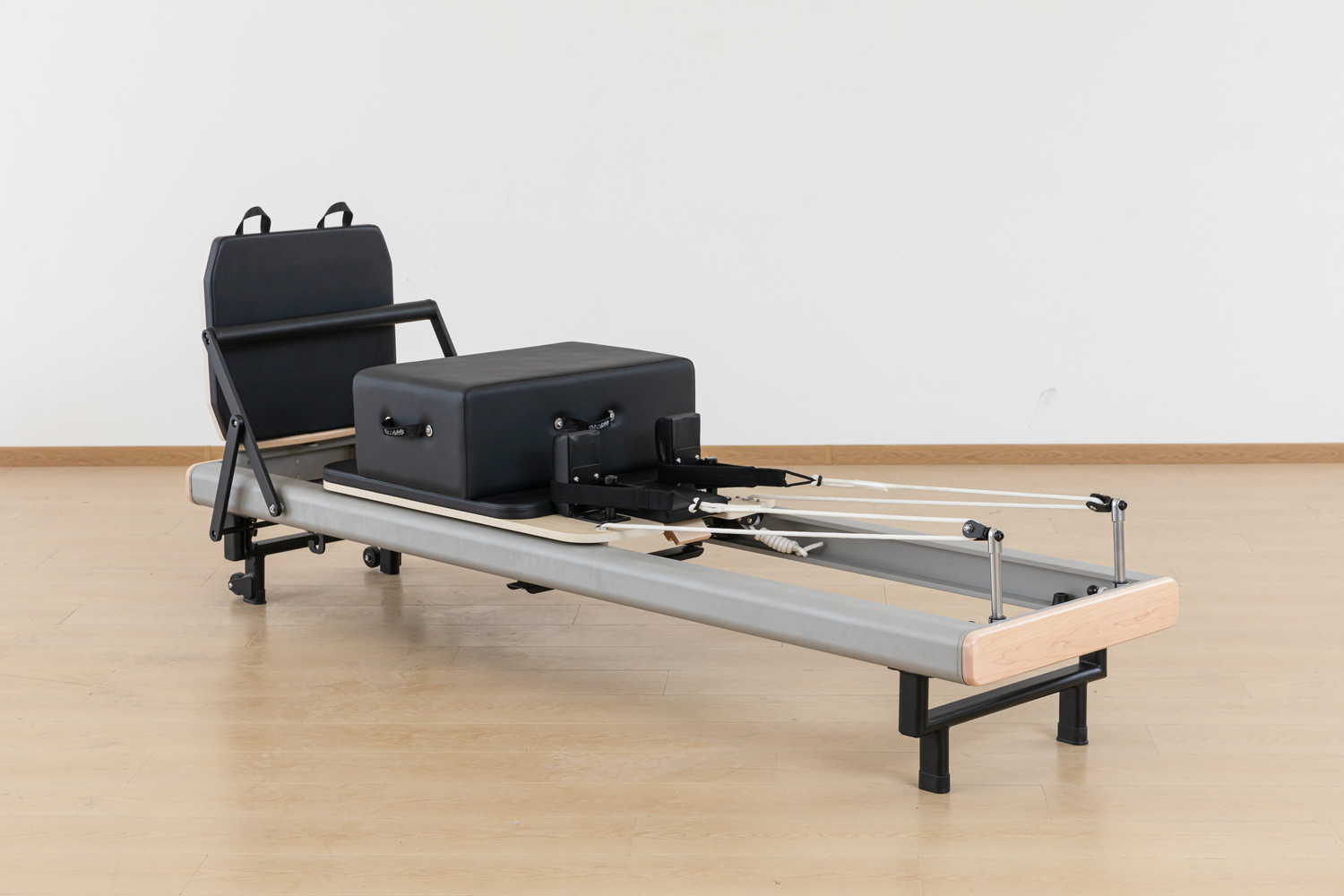
What to Consider When Purchasing Pilates Equipment?
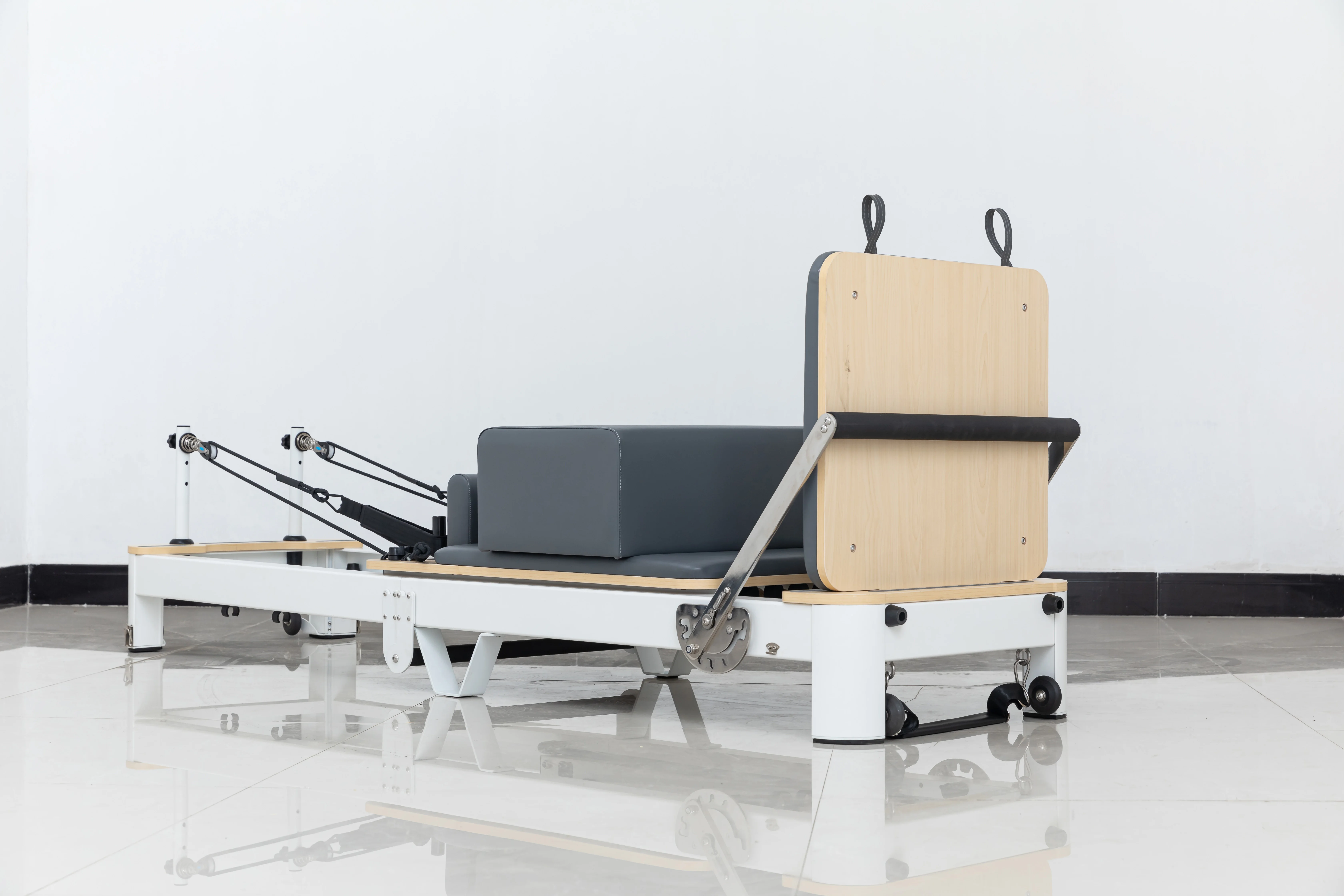
Purchasing Pilates equipment is a highly specialized decision-making process involving product engineering, business operations, logistics management, and legal risk control. A successful purchase is not just about "buying equipment" — it lays the foundation for long-term competitiveness in your studio or distribution business. This guide systematically outlines key considerations throughout the procurement journey to help you avoid common pitfalls and make informed decisions.
I. Pre-Purchase Self-Assessment: Clarifying Your Needs First
Before contacting any supplier, answer these questions:
What is your purchasing purpose?:Self-use (studio/home) vs. distribution (B2B wholesale) — different purposes require different quality standards, packaging, and after-sales approaches
Who is your target audience?:Premium private clients prioritize feel and quietness; group class clients prioritize durability and easy cleaning; rehab clients prioritize safety certification and adjustability
What are your site conditions?:Ceiling height, door width, elevator dimensions, floor load capacity — these determine which models can be installed
What does your budget include?:Equipment cost, freight, customs duties/VAT, installation, spare parts, training — missing any item leads to budget overruns
Pro Tip: Create a "Procurement Requirements Checklist" to document this information. This will serve as both a communication tool with suppliers and a reference for contract negotiations and inspections.
II. Product-Level Critical Points
1. Materials & Workmanship
Materials are the "DNA" of equipment quality, determining longevity and safety.
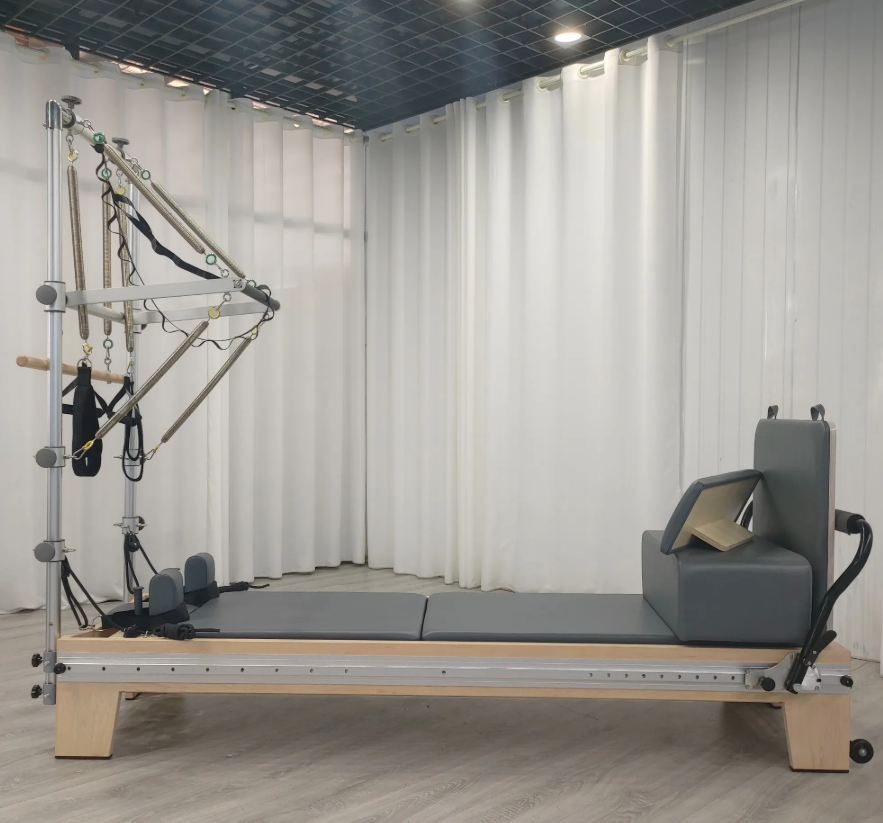
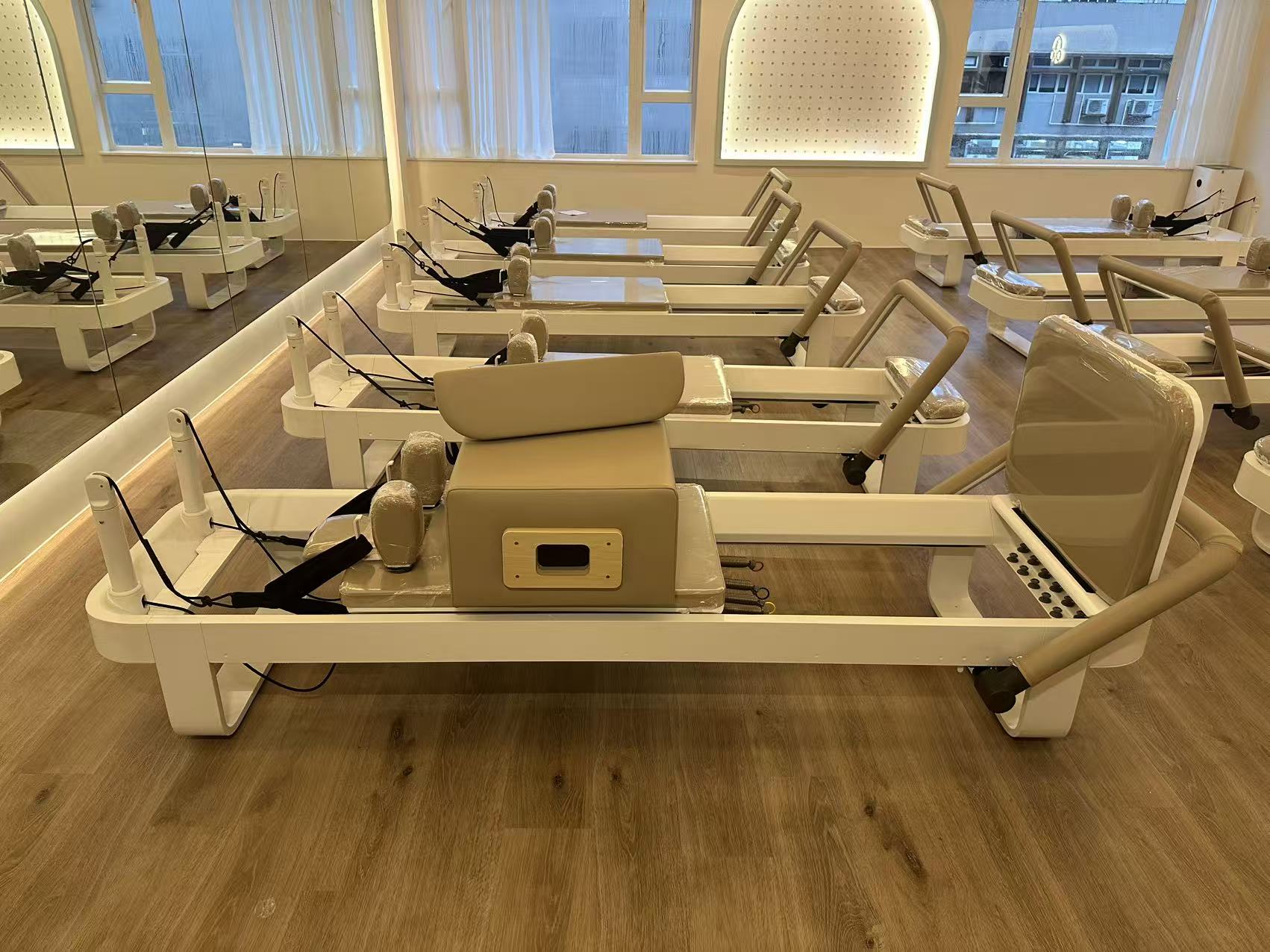
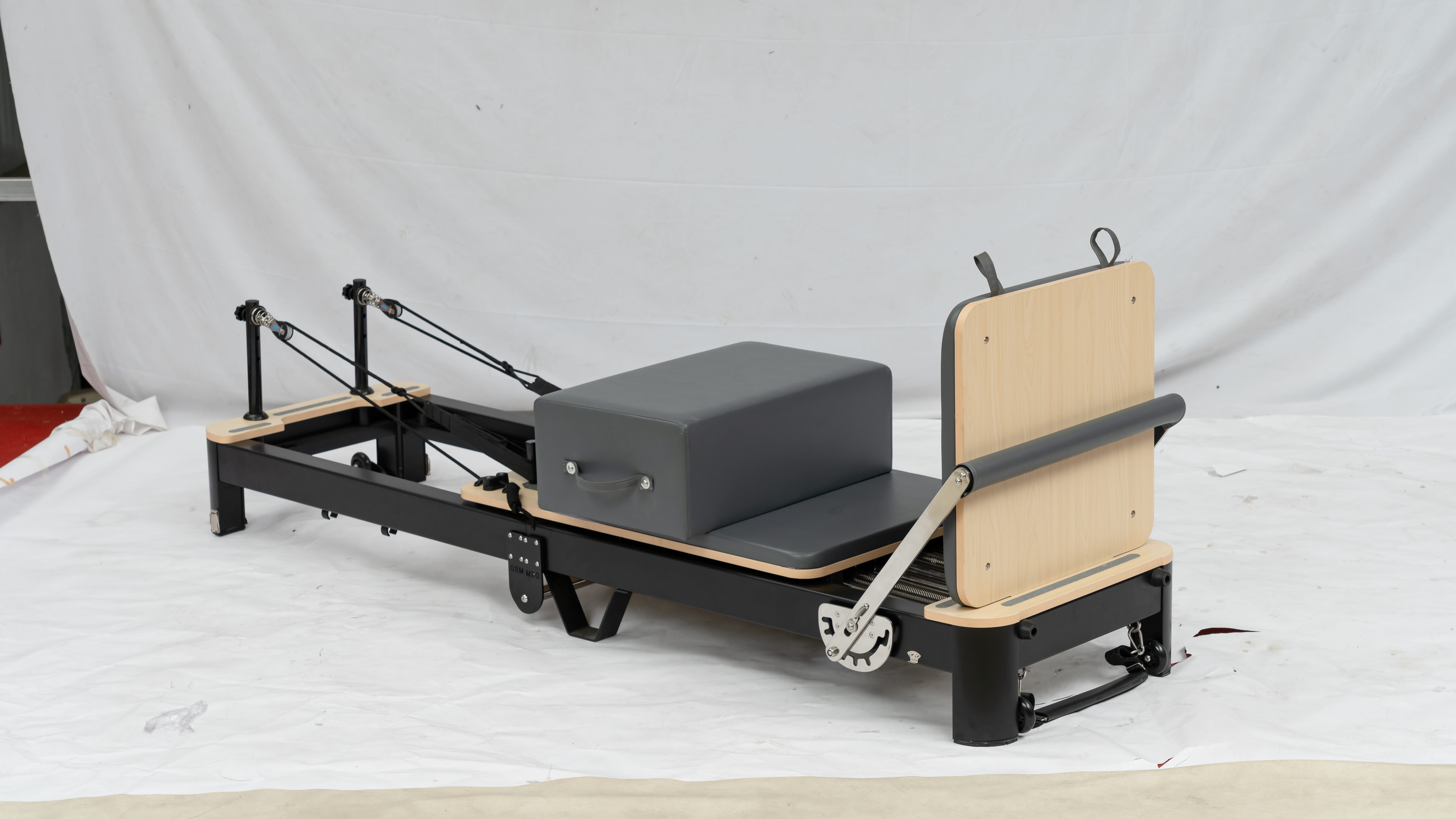
·Frame Material: Commercial use — thickened carbon steel (2mm+) or aviation-grade aluminum (lightweight & corrosion-resistant); Home use — solid wood (maple/birch) but beware of warping from humidity/temperature changes
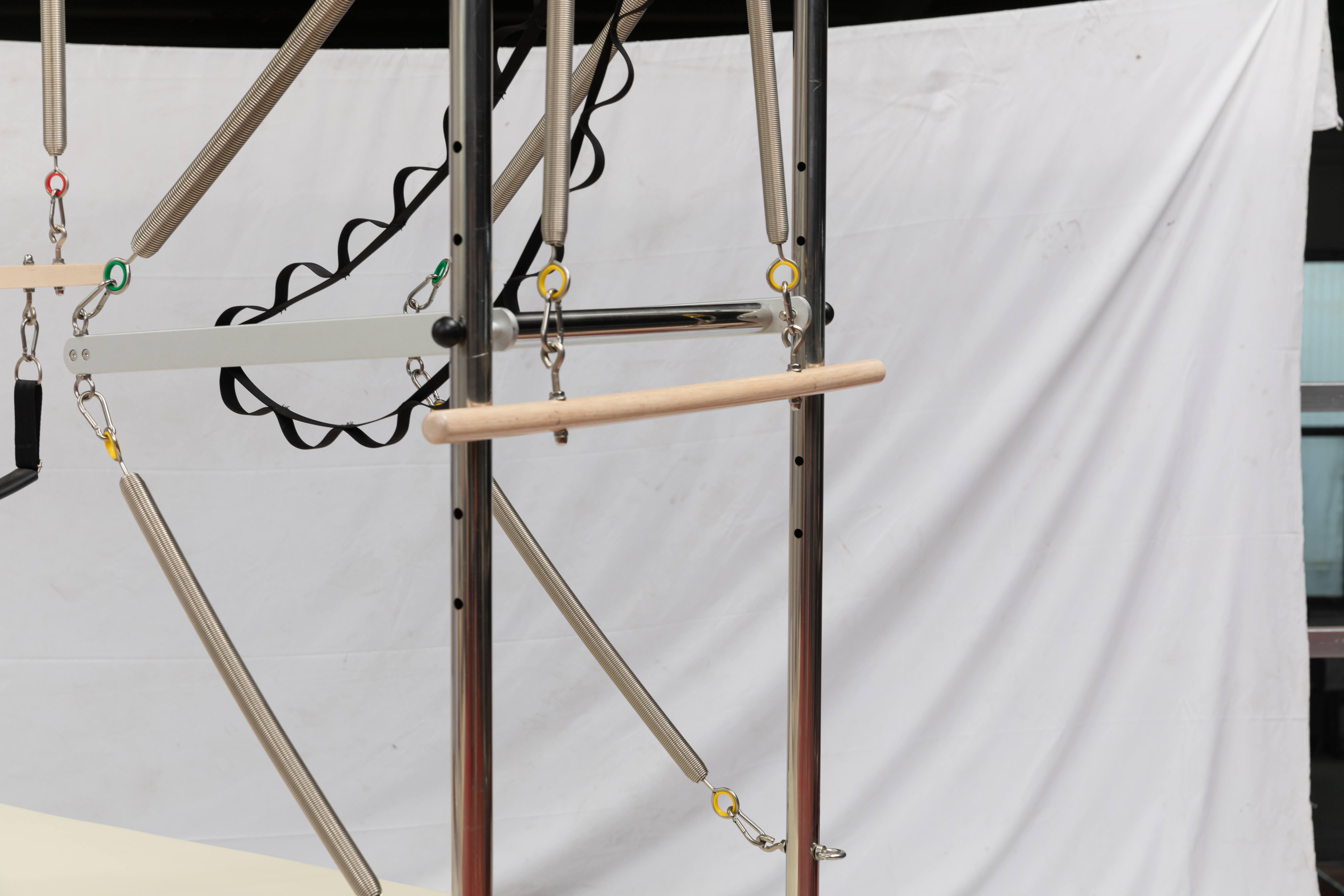
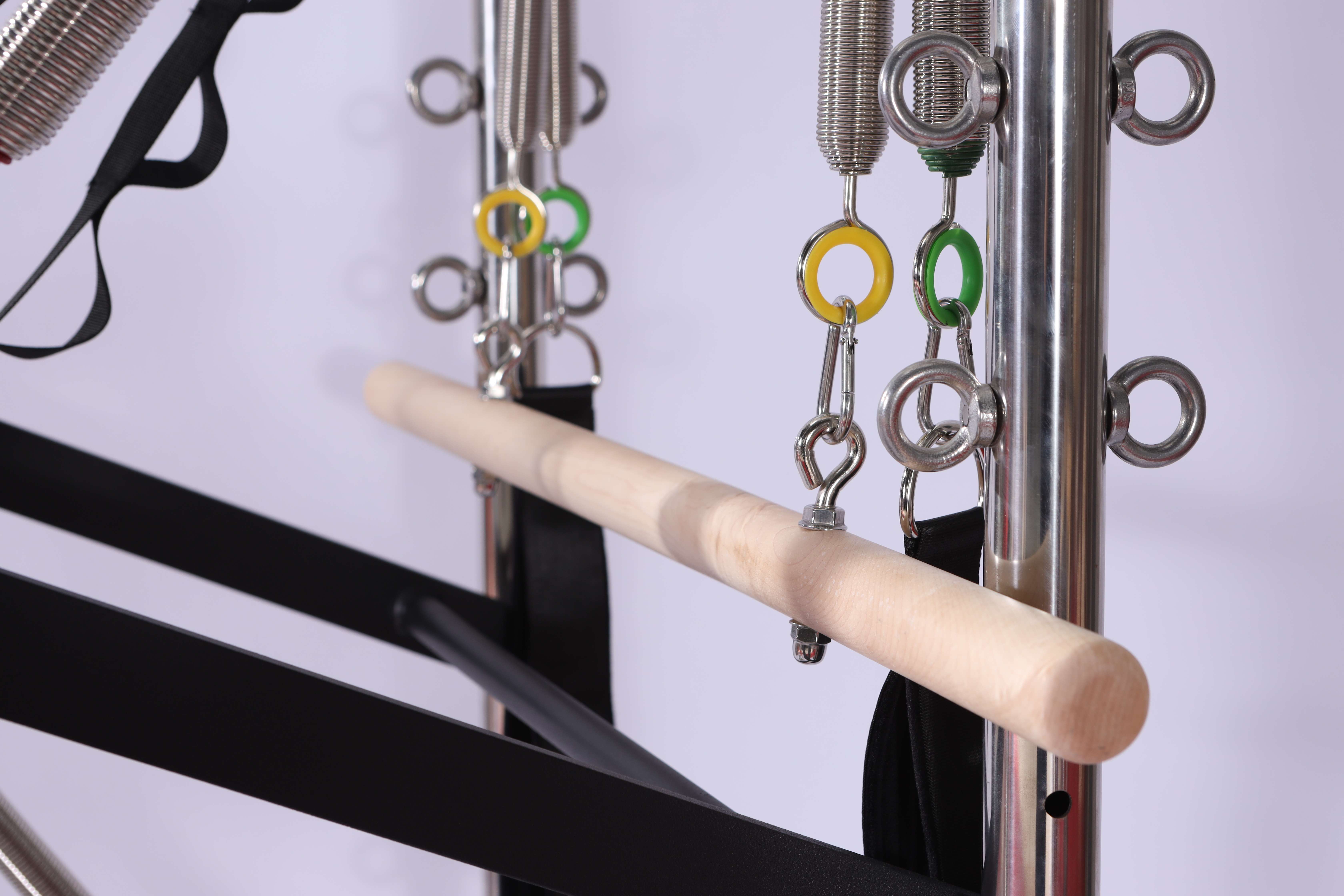
·Spring System: Prefer German or Japanese music wire steel with 800,000-1,000,000 cycle life. Inspect heat treatment at spring hooks — this is a stress concentration zone where poor treatment leads to breakage
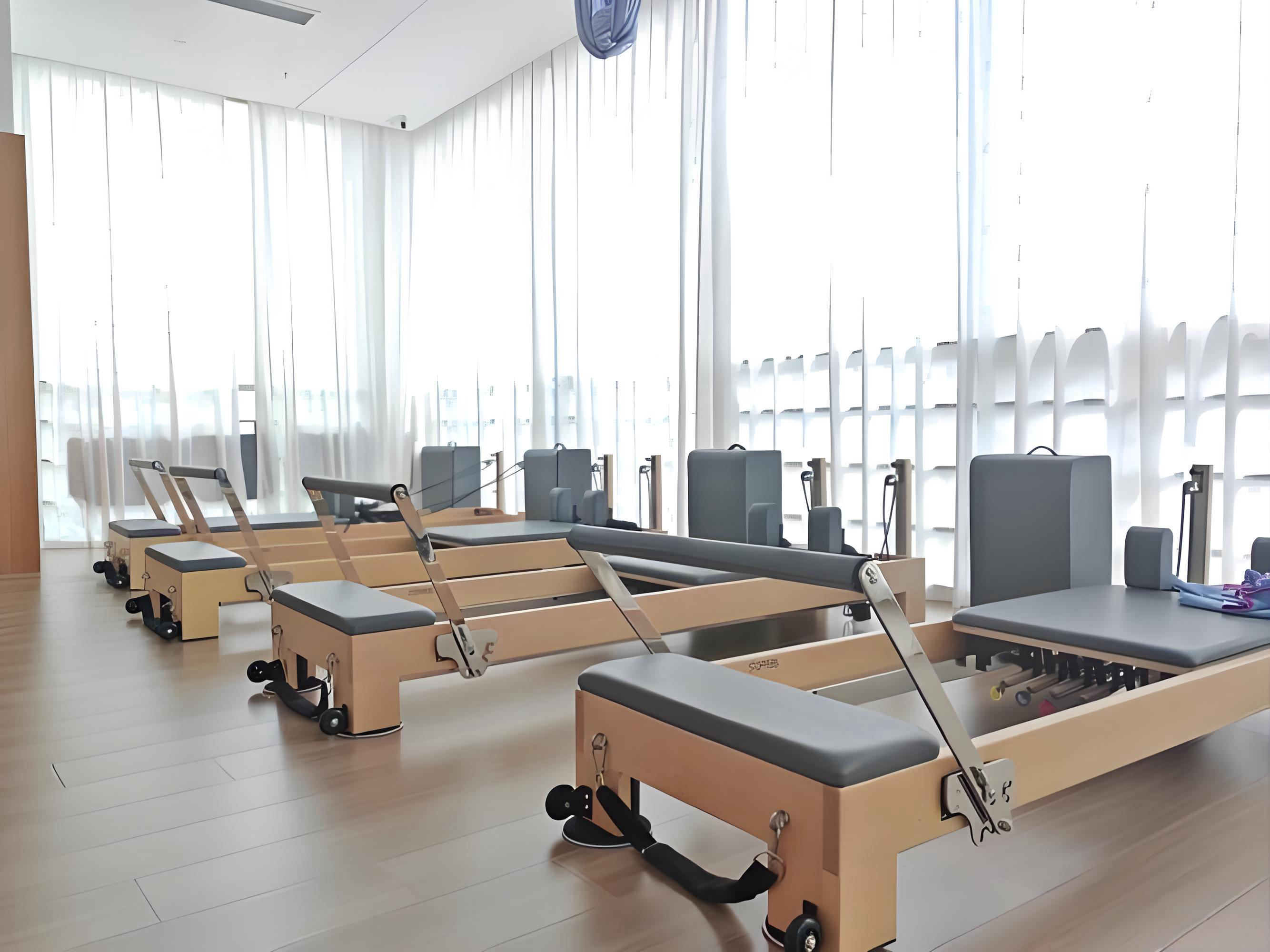
·Pulleys & Rails: Choose POM (engineering plastic) or bearing-equipped silent pulleys; rails should be anodized for smoothness and wear resistance
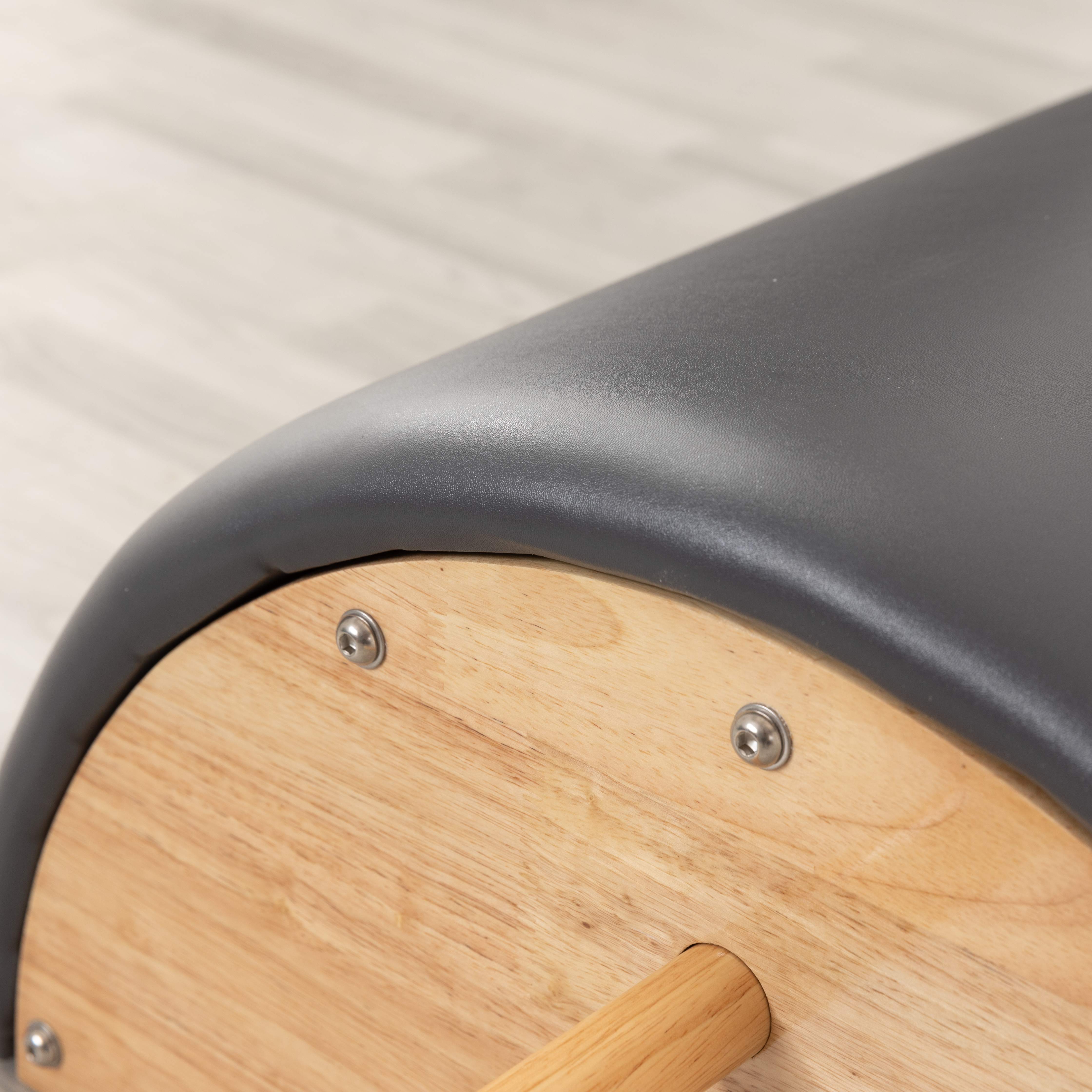
·Upholstery & Foam: PU leather must meet Martindale abrasion >50,000 cycles; foam density ≥45kg/m³ for rebound and support; odor-free and eco-friendly
Key Inspection Points: Heat treatment marks at spring hooks; end-stop devices at rail ends; double-stitched seams (single-stitch tears easily).
2. Functionality & Adjustability
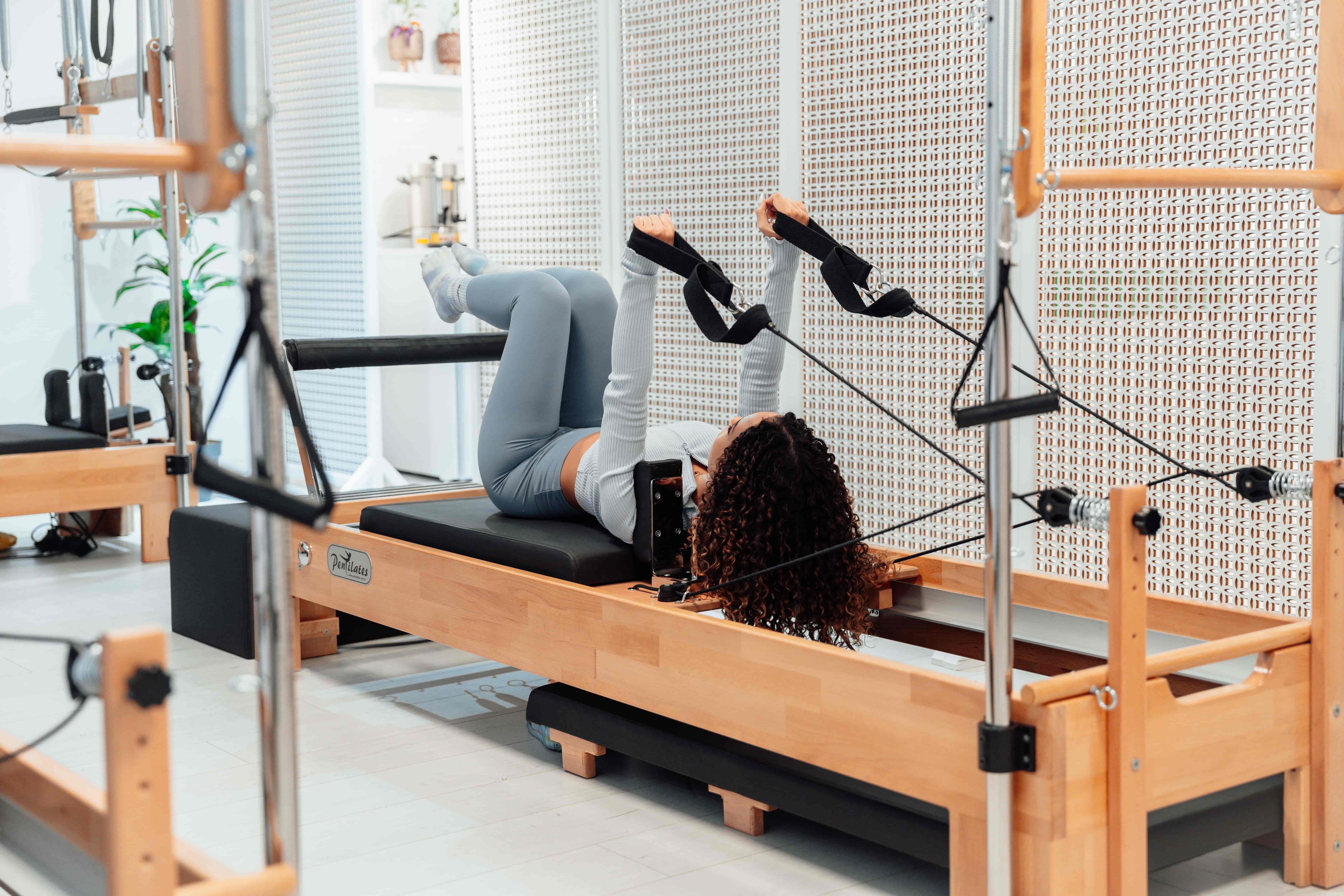
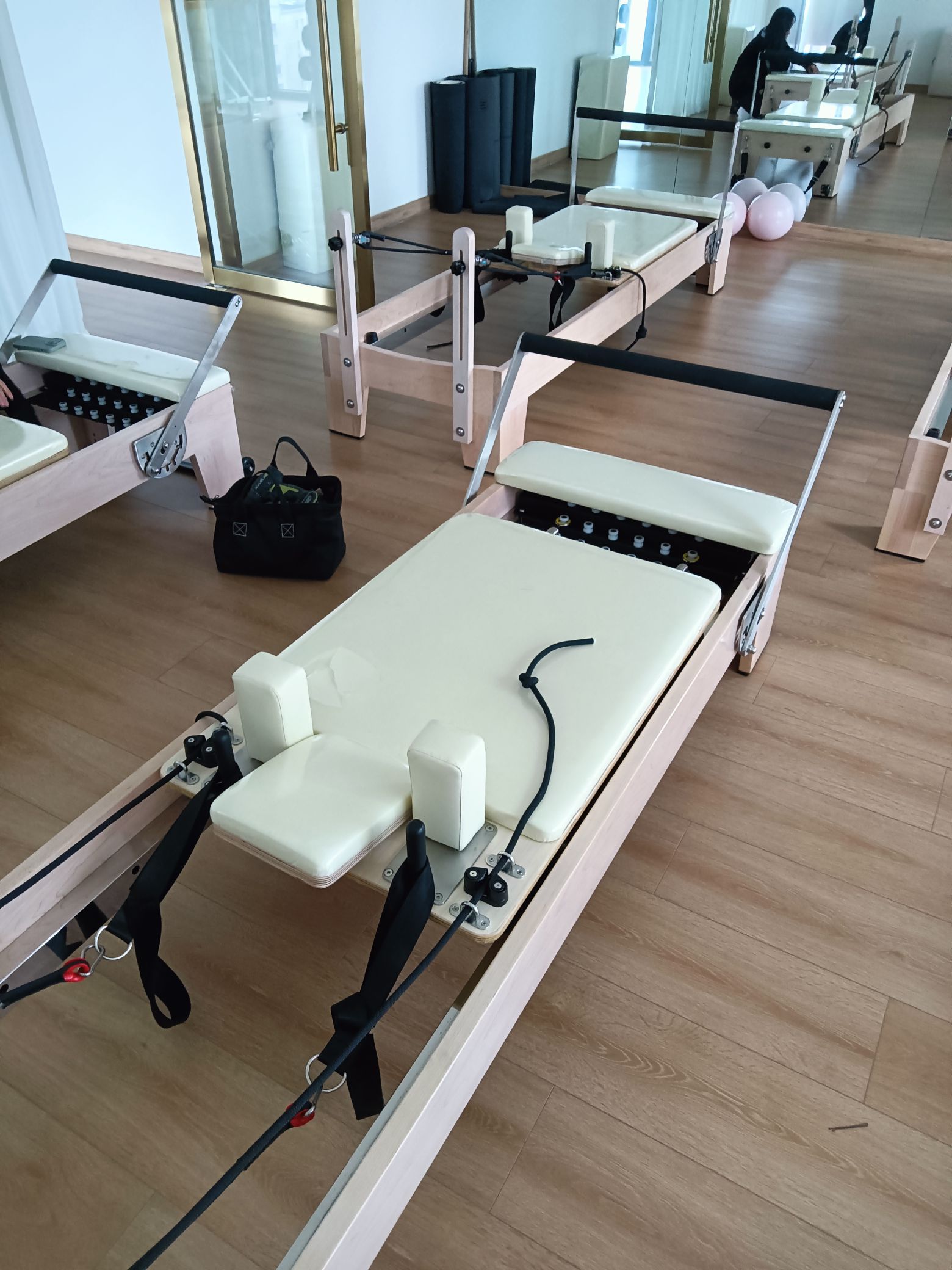
The core value of Pilates equipment lies in "adjustability" — greater adjustment range means broader client compatibility and class versatility.
Spring Resistance:5+ spring combinations? Tool-free adjustment?
Footbar Height:Multiple height settings for different leg lengths and heights?
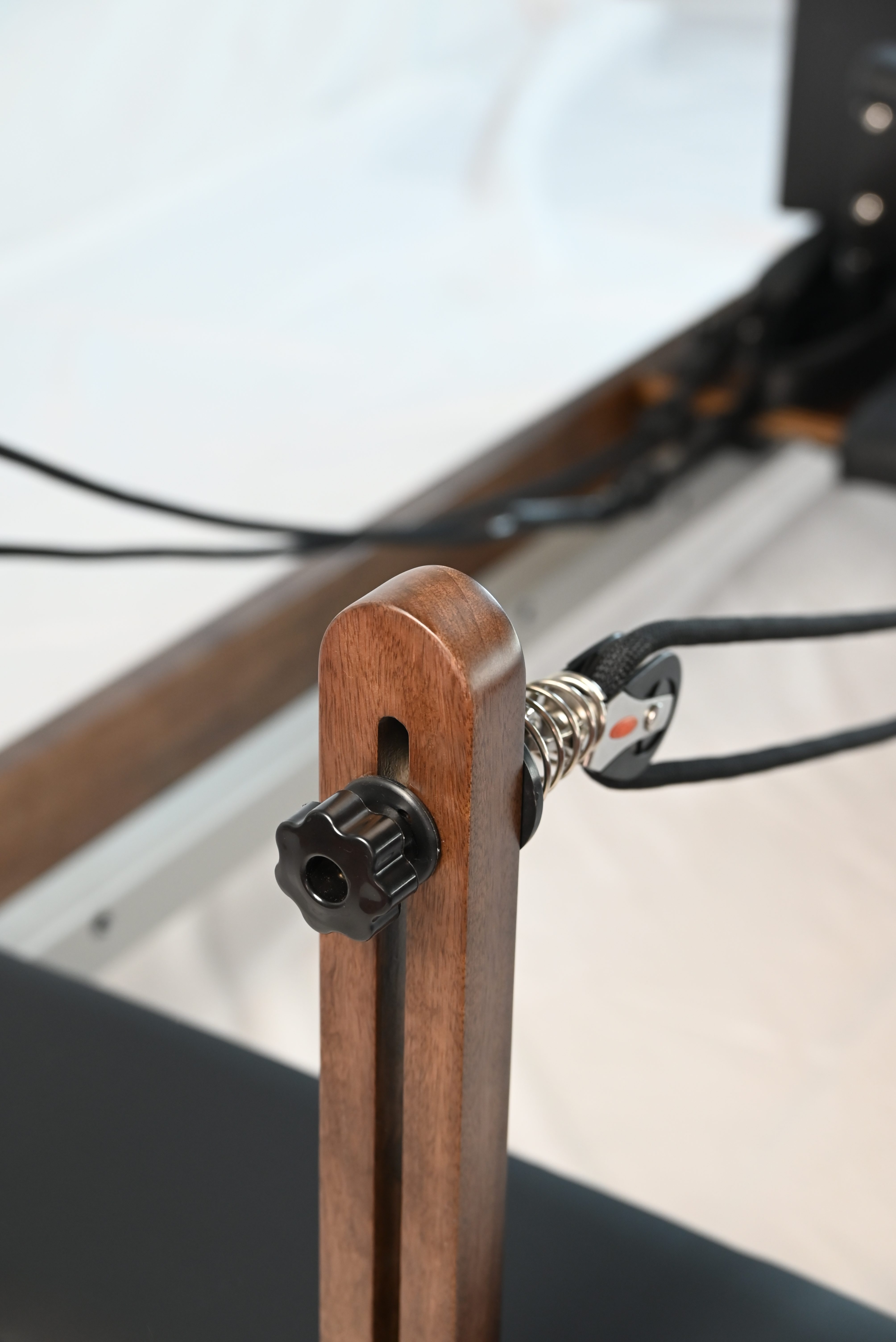
Shoulder Rests:Quick adjustment with secure locking?
Headrest Angle:Adjustable to support cervical protection in different positions?
3. Noise & Stability
Commercial studios have much stricter noise standards than home environments — a squeaky machine directly lowers client satisfaction scores.
·Noise Testing: Under full load (~120kg), sliding noise should be below 50 dB (quiet library level)
·Stability Testing: Perform lateral movements (e.g., side-lying slides) — check for wobbling or shifting. Quality equipment should have adjustable anti-slip feet.
III. Hidden Clauses in Procurement Contracts
Contracts are the "last line of defense," but many buyers focus only on price and delivery, overlooking critical clauses:
Must-Include Contract Terms
1.Detailed Product Specification Sheet — attached as an appendix, listing materials, dimensions, colors, component brands, spring count & specifications
2.Acceptance Criteria & Process — inspection timeframe after arrival; procedures for non-conforming goods (replacement/return/partial refund)
3.Warranty Terms:
·Overall equipment warranty period (commercial ≥3 years recommended)
·Component-specific warranty (frame, springs, pulleys, upholstery, gas springs)
·Coverage of on-site labor and travel costs
4.Late Delivery Penalties — daily penalty percentage (typically 0.5%-1% of order value per day) with maximum tolerance period
5.Intellectual Property & Confidentiality — for OEM/ODM orders, clarify design ownership and confidentiality obligations
Vague Wording to Avoid
"Equivalent quality substitutes" — gives supplier freedom to change materials; insist on "any change requires buyer's written consent"
"Force majeure exemption" — should specifically list applicable scenarios to prevent abuse
IV. Logistics & Delivery Hidden Costs
Pilates equipment is bulky and heavy — logistics variables often exceed expectations.
Must-Clarify Before Shipping:
·Packaging: Wooden crate or cardon? Moisture-proof and shock-proof measures? Ocean freight requires special attention to rust prevention
·Shipping Terms & Costs: FOB or CIF? Who covers inland transport from port to door?
·Customs Clearance: Import duties, VAT rates, license requirements in destination country? Consult a local customs broker in advance
·Installation Support: Included? Remote video guidance or on-site engineer dispatch?
·Spare Parts Inventory: Order common wear parts (springs, pulleys, upholstery repair kits) with the initial order to avoid high freight and long lead times later
Real Case: A US client ordered 30 Reformers but didn't confirm door width. Upon arrival, 6 units couldn't fit through the elevator doorway, costing an extra $3,000 for crane hoisting and disassembly/reassembly.
V. Inspection & After-Sales: The "Last Mile"
Delivery Inspection Checklist
Upon arrival, complete these checks before signing (or within 24 hours):
□ Outer packaging intact — no visible damage, water stains, or crushing
□ Unbox and verify model, color, and quantity against packing list
□ Inspect all parts for scratches, dents, welding cracks, or coating peeling
□ After assembly, test all adjustment functions — smooth sliding with no abnormal noise
□ Record a full unboxing video as evidence for any disputes
After-Sales Service Evaluation
Assess the supplier's after-sales support before signing:
·Response Speed: 24/7 support channel? How quickly do they provide solutions?
·Parts Availability: Safety stock for common parts? Replenishment lead time?
·Technical Support: Bilingual installation manuals, video tutorials? Remote diagnostics capability?
Summary: Pilates equipment procurement is not a simple transaction — it's a systematic business decision. Allocate 4-6 weeks for the procurement cycle to allow sufficient time for supplier due diligence, sample testing, contract negotiation, and logistics planning. A well-structured procurement plan saves not just money, but the "peace of mind" for the next three years.