Why Is Pilates Becoming More Popular?
In recent years, Pilates has rapidly evolved from a niche fitness discipline into a global wellness phenomenon. Whether on social media feeds, city streets, or gym schedules, Pilates is almost everywhere. This surge is not a fleeting fad — it is driven by deeper shifts in how people approach health, fitness, and self-care. This article explores the key factors behind Pilates's growing popularity.
I. Low Impact, High Effectiveness — A Body-Friendly Workout
As fitness philosophy shifts from "intensity at all costs" to "sustainability for life," Pilates's core advantages have come into sharper focus. As a low-impact exercise, Pilates puts far less stress on joints than running or high-intensity interval training, yet delivers deep, transformative results.
Dr. Li Jieruo, Director of Sports Medicine at the First Affiliated Hospital of Jinan University, notes that Pilates precisely targets deep muscle groups such as the transverse abdominis, pelvic floor muscles, and multifidus. Long-term practice helps correct posture issues caused by prolonged sitting — including rounded shoulders, forward head posture, and pelvic tilting — while enhancing spinal stability and alleviating non-specific lower back pain.
This "quiet sweating" approach allows practitioners to achieve effective training without the exhaustion that can disrupt daily life. As Joseph Pilates himself stated: "In ten sessions you'll feel the difference, in twenty you'll see the difference, and in thirty you'll have a whole new body."
II. Mind-Body Connection — An Antidote to Modern Fragmentation
In an era of information overload and accelerating life pace, Pilates offers a rare opportunity to "return to the body." Many practitioners describe a feeling of being "realigned" after a session.
This mind-body value has become especially pronounced since 2020. More people are moving away from "exhaustion-as-validation" workouts, seeking instead to feel "more whole" after exercise — physical ease paired with mental clarity. Pilates's emphasis on breath, focus, and precision fits this need perfectly.
One instructor shared: "Pilates teaches body awareness and self-trust — something many people are craving."
III. Accessibility and Flexibility — Practice Anytime, Anywhere
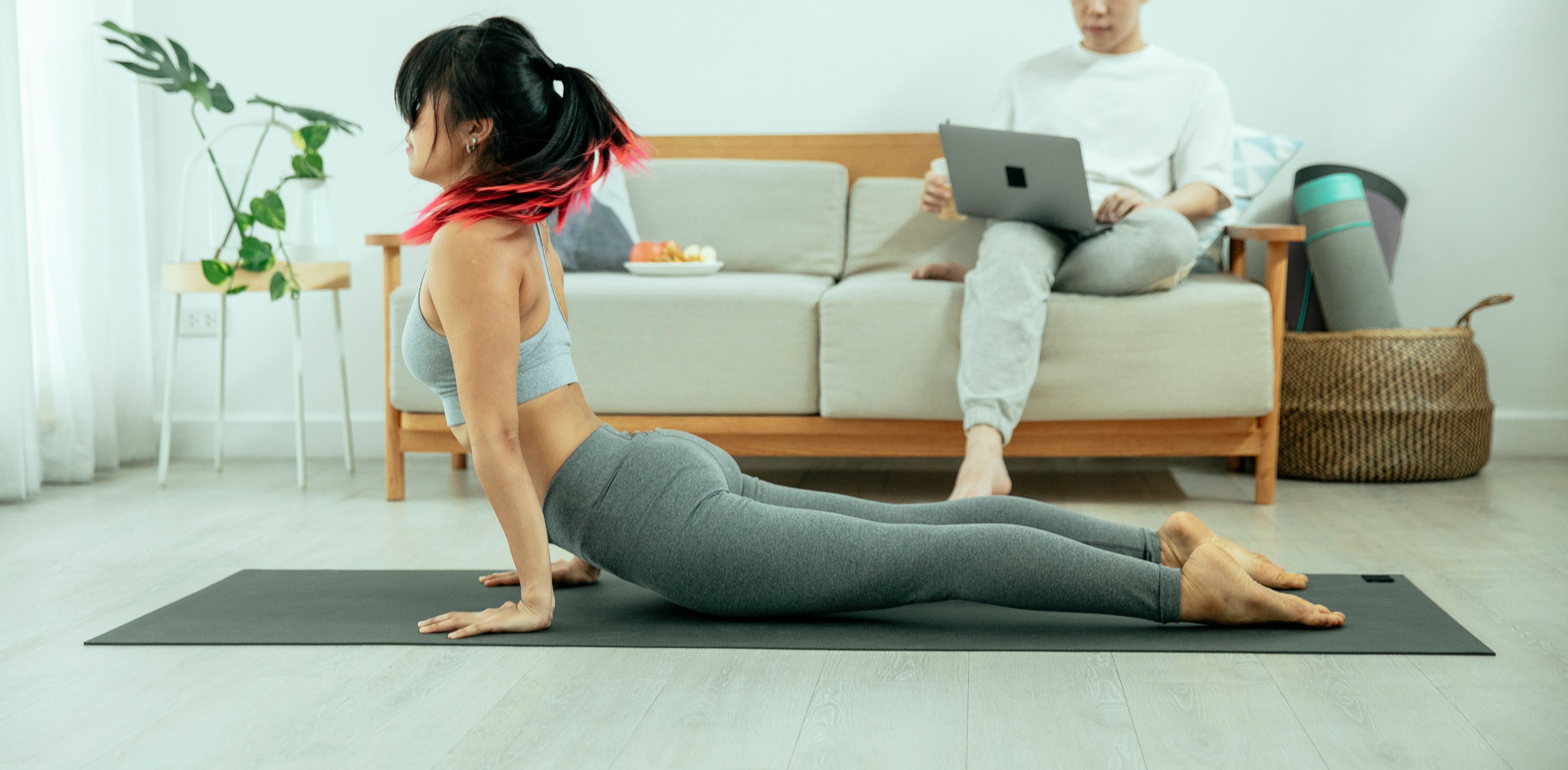
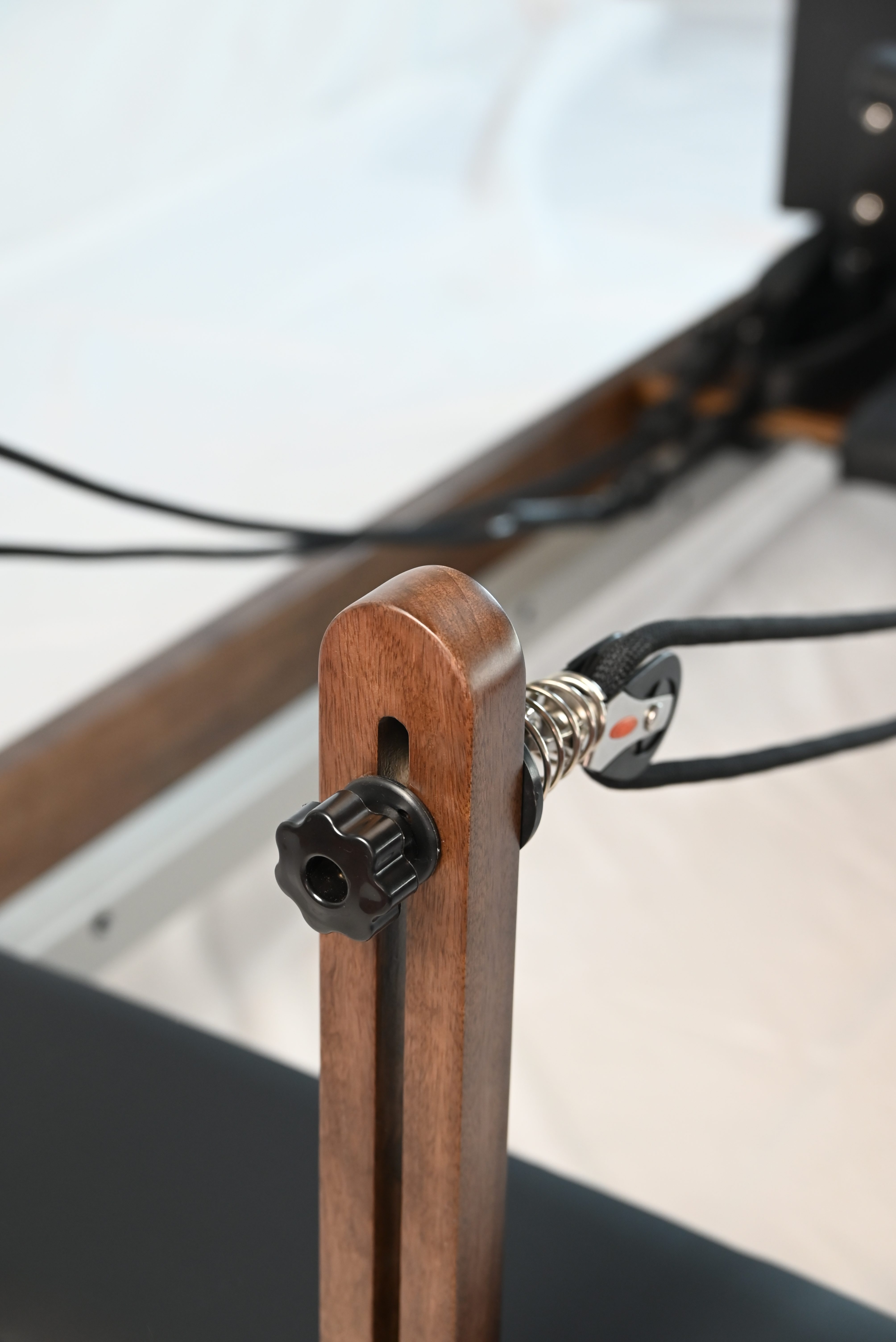
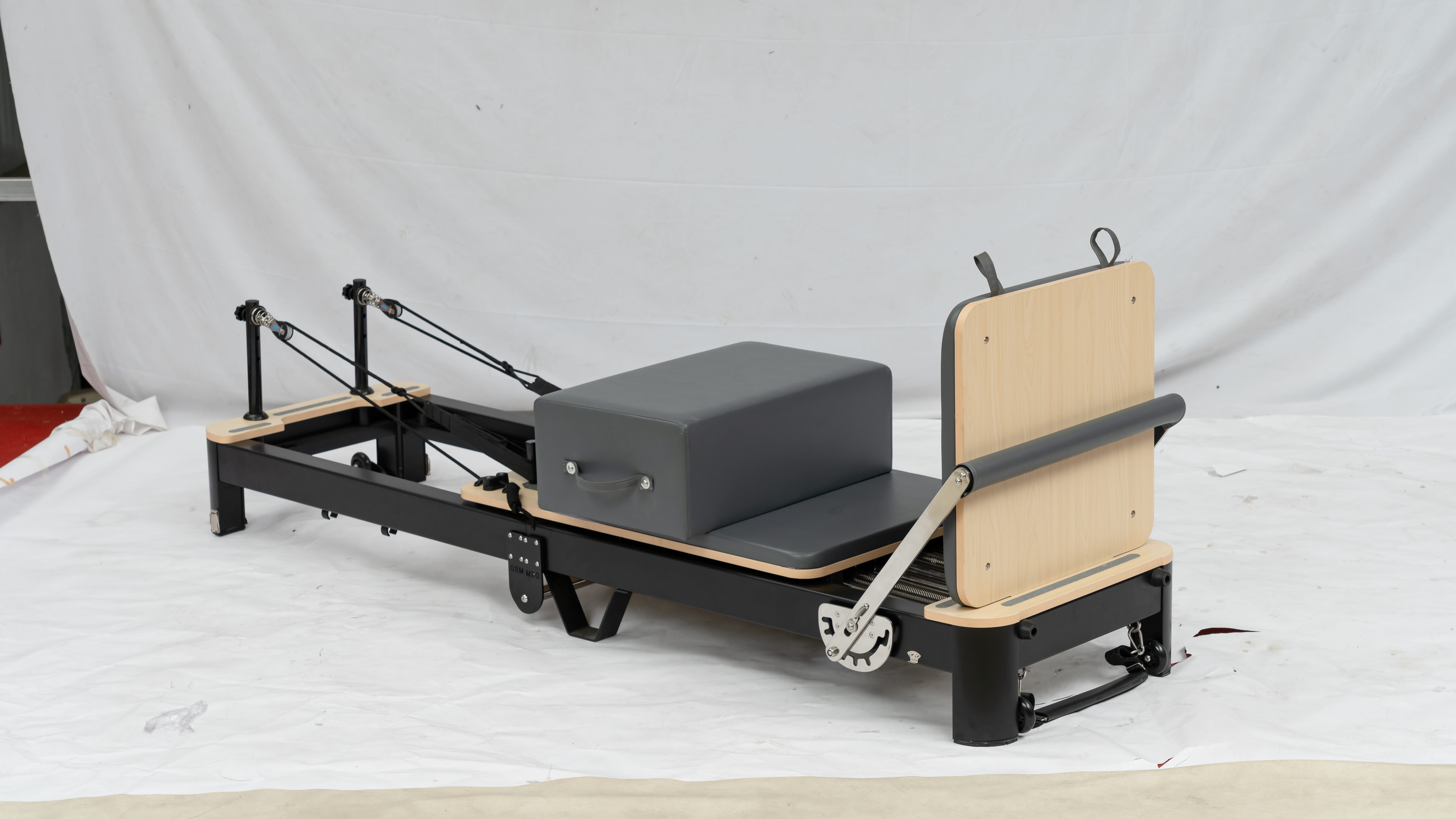
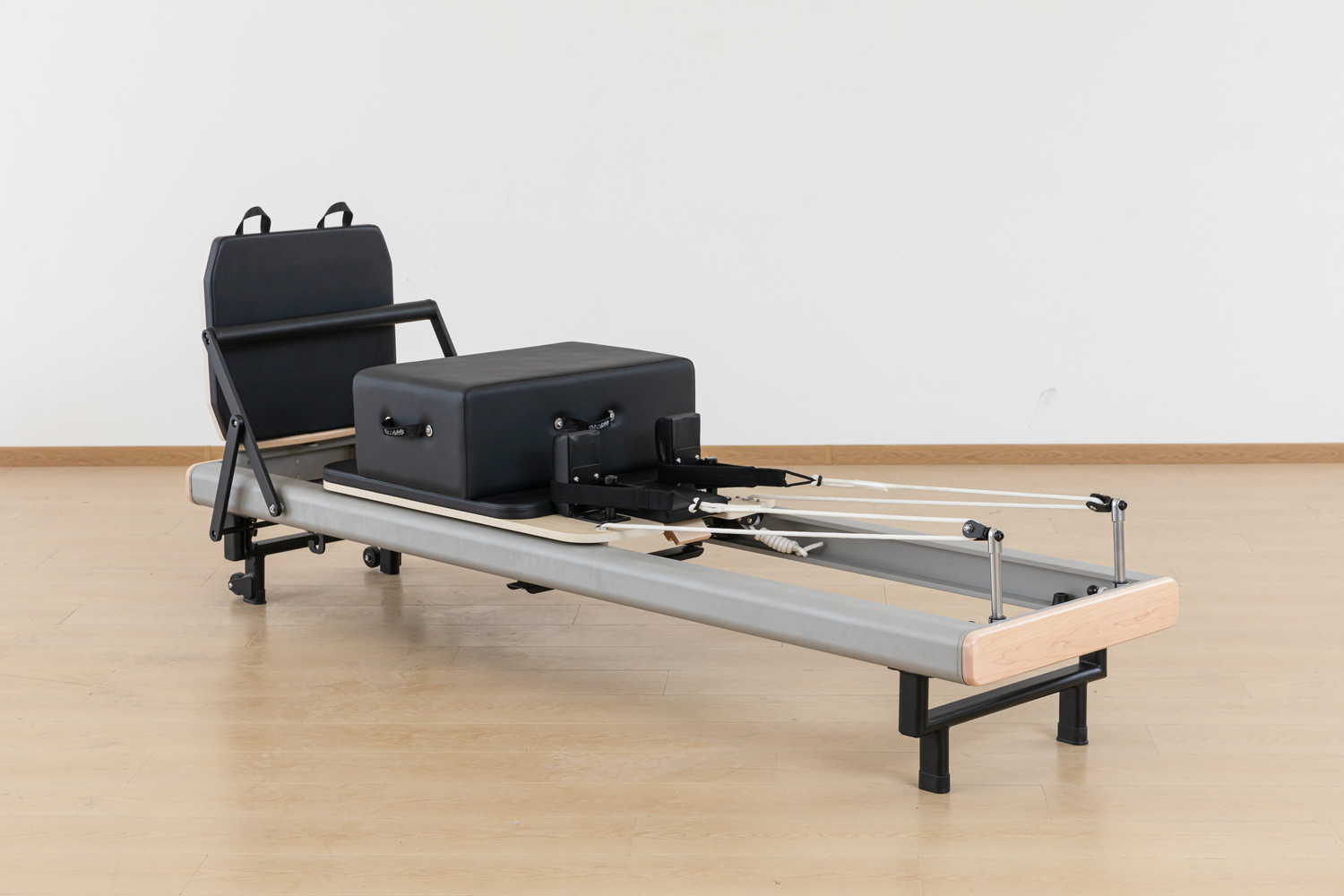
Pilates's rise is also fueled by its remarkable accessibility. From mat work to apparatus-based classes, from studio groups to at-home private sessions, Pilates adapts to almost any lifestyle.
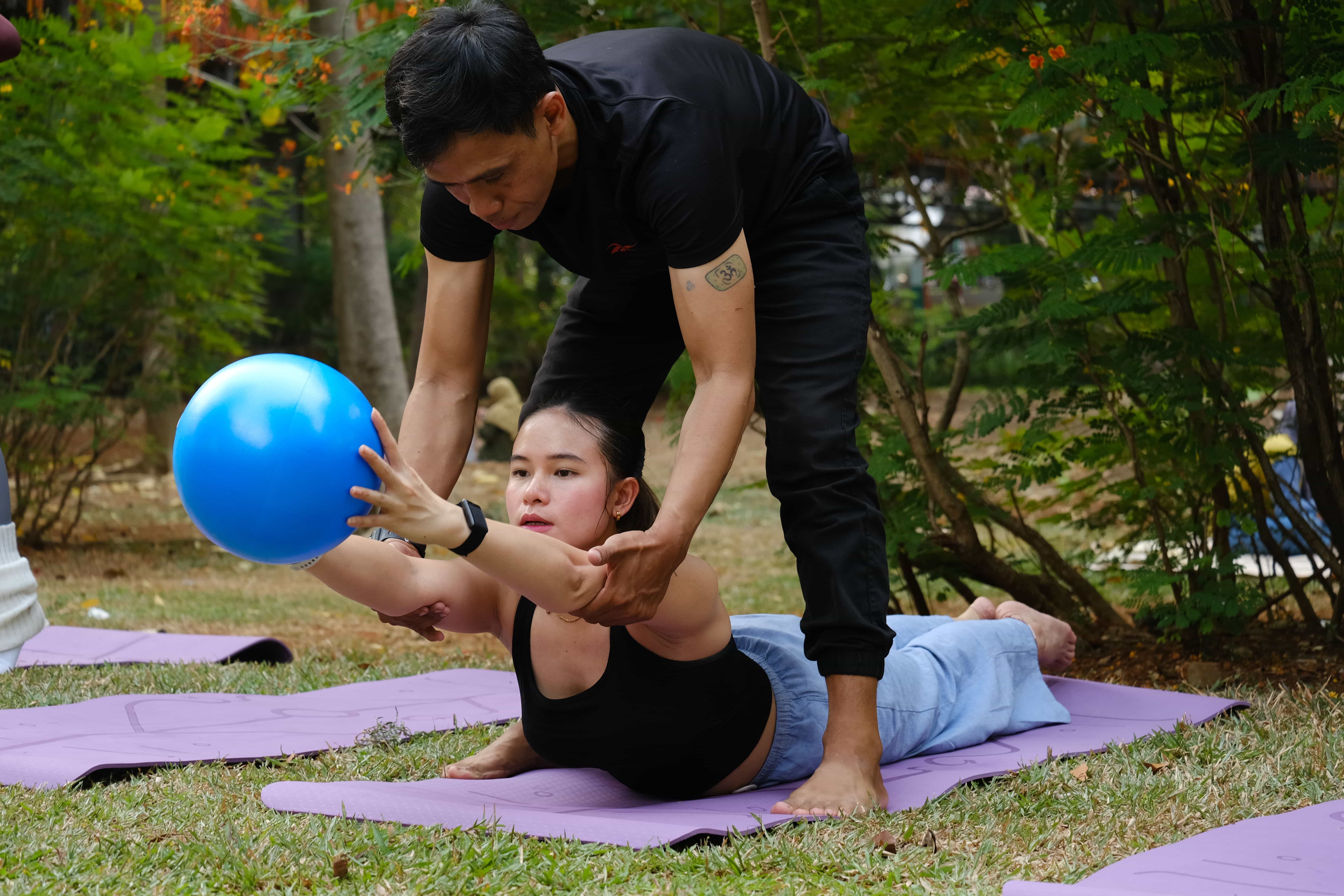
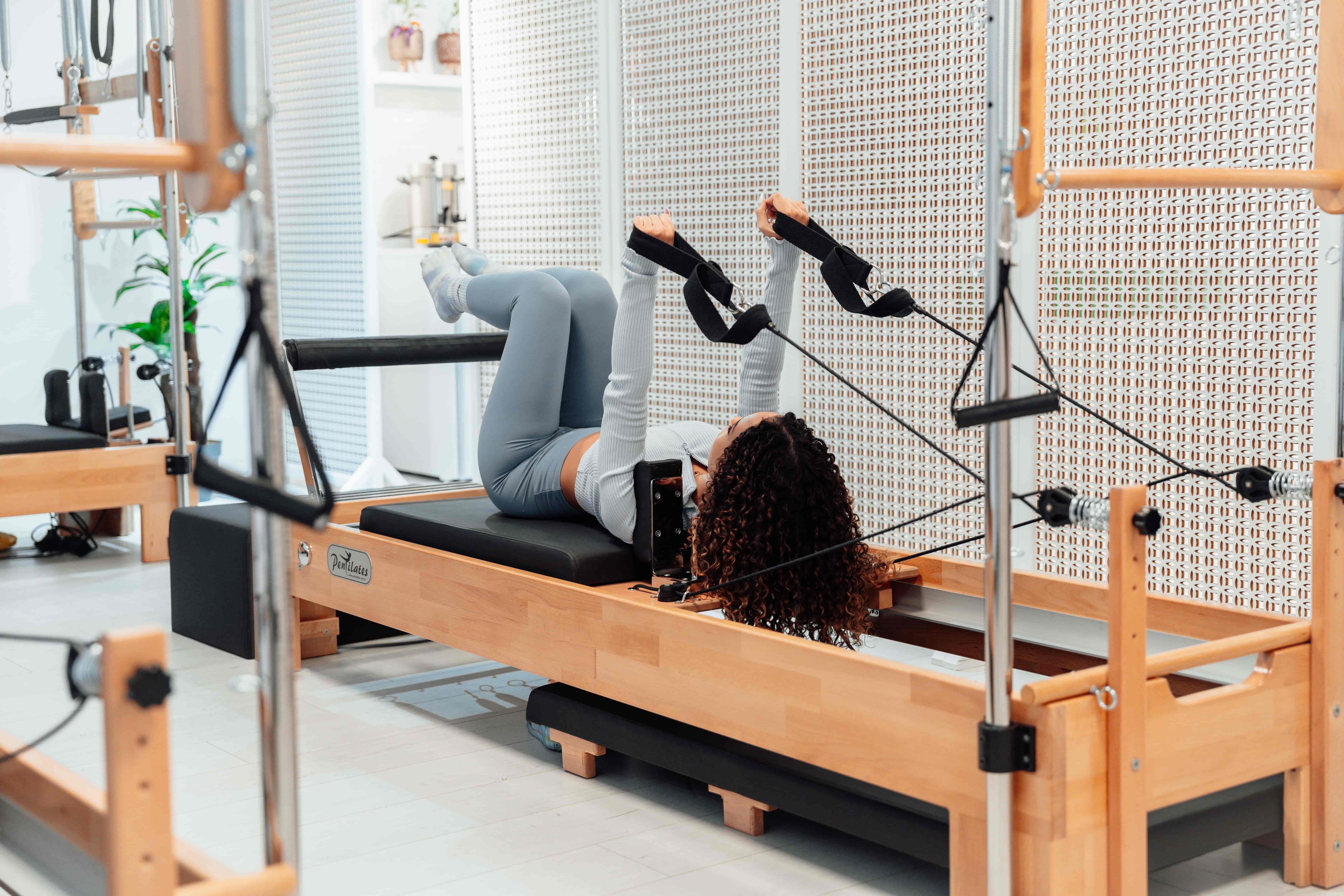
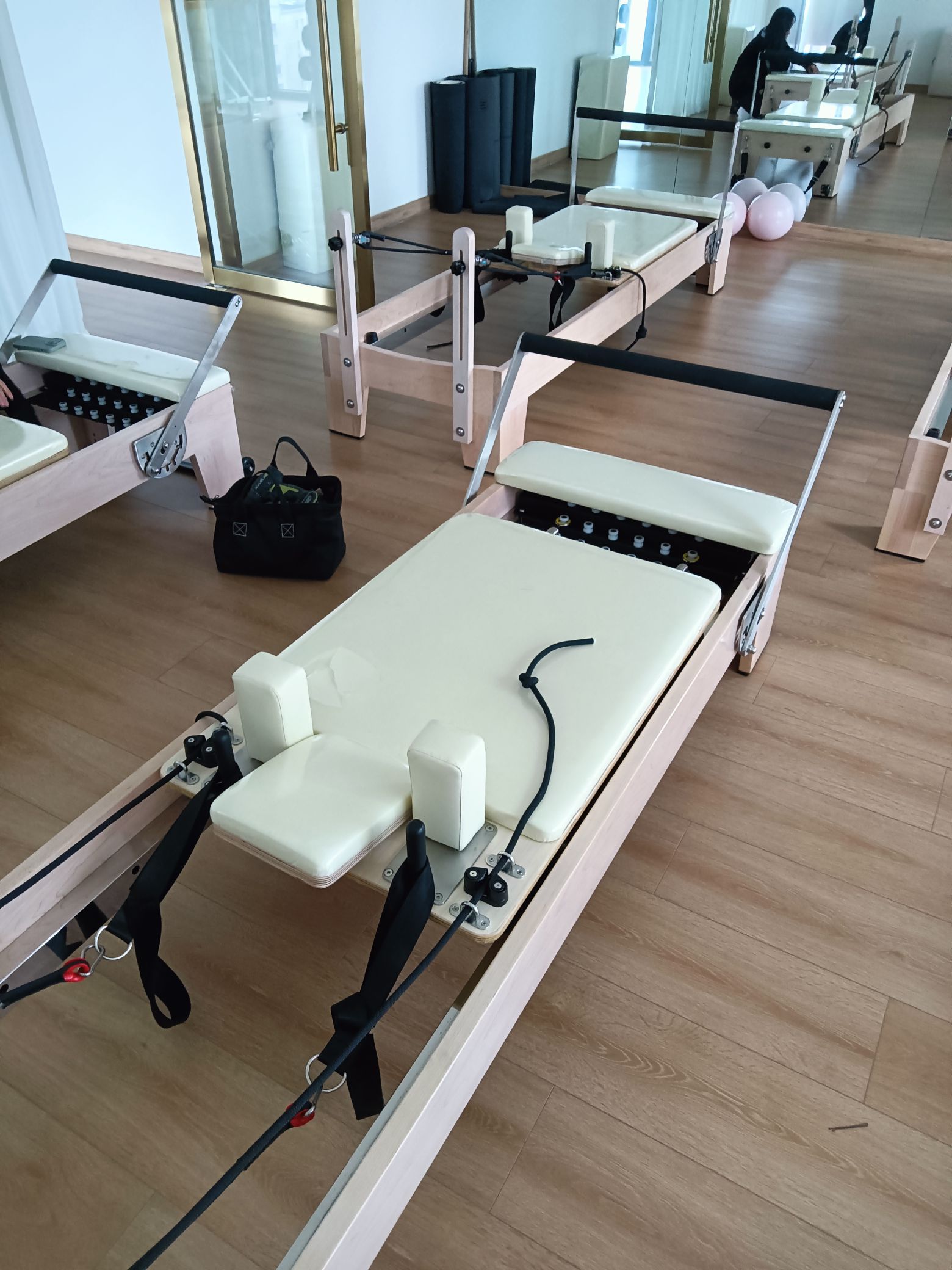
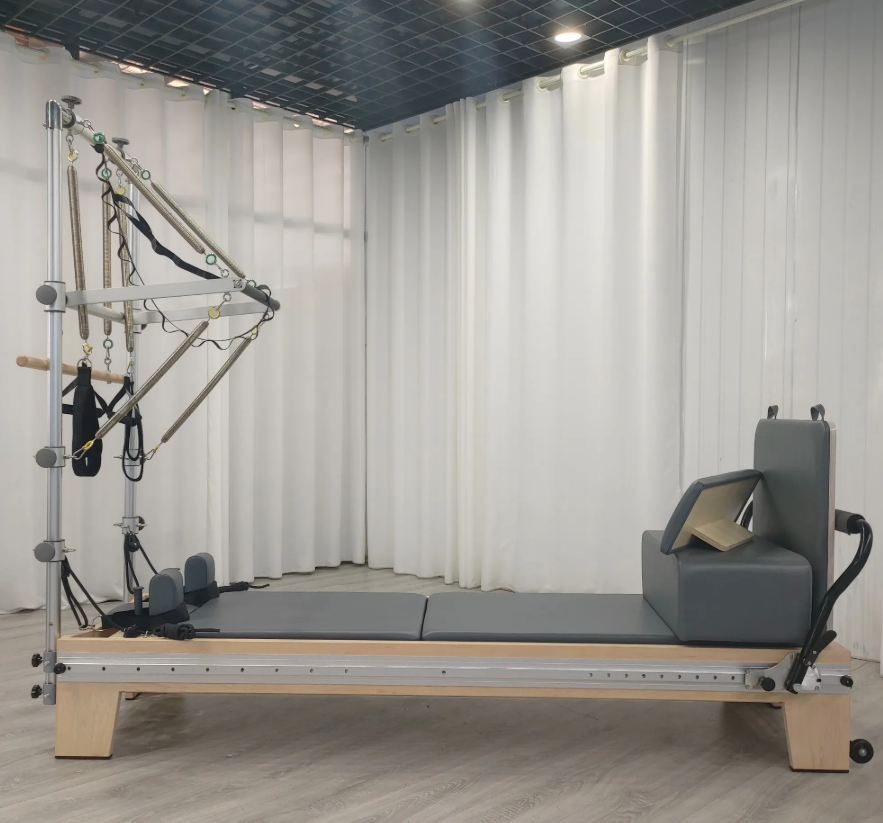
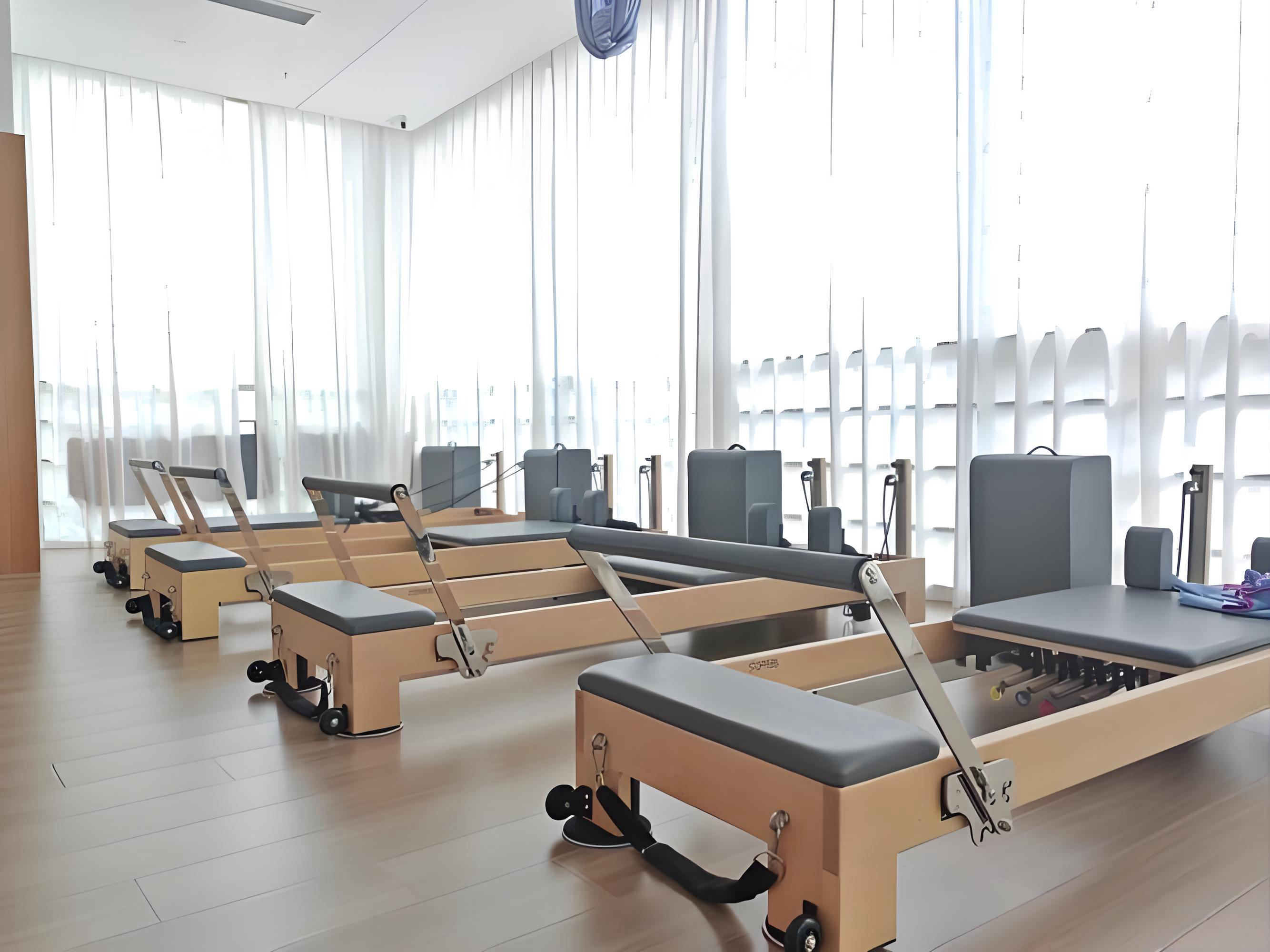
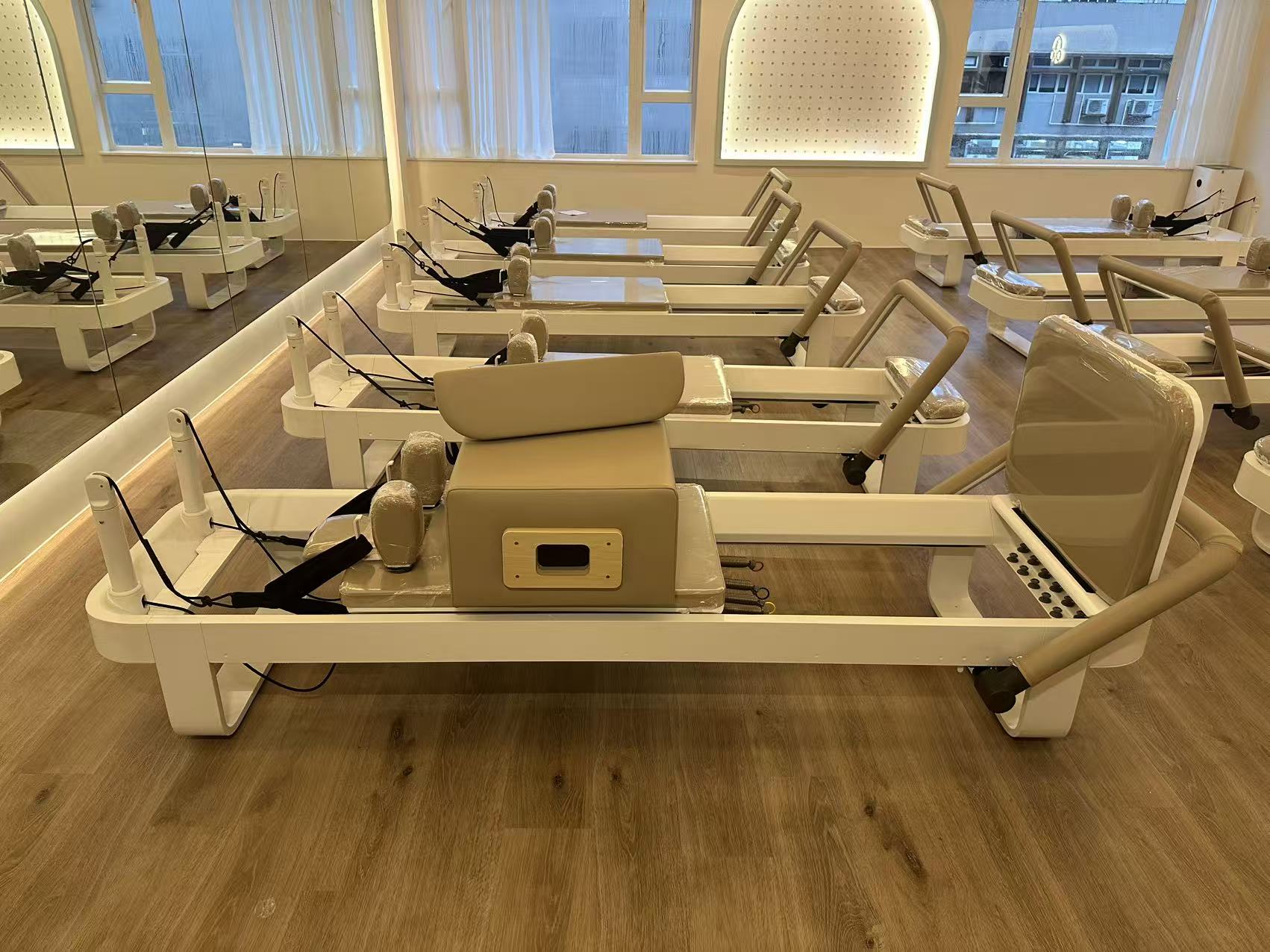
This summer, mobile Pilates coaching has gained popularity in multiple cities. Clients simply book a session, and instructors arrive with portable Reformers and equipment. One coach reported scheduling up to 100 sessions per month during peak periods. The advantages are clear: lower time costs, greater privacy, the freedom to choose preferred instructors, and particular appeal to pregnant and postpartum women.
Meanwhile, hybrid models — combining in-studio and online sessions — are becoming industry standard. On-demand video libraries and online memberships allow clients to maintain consistency regardless of location, significantly lowering the barrier to entry.
IV. Social and Lifestyle Appeal — Beyond Fitness to Identity
Pilates has transcended the category of "exercise" to become a lifestyle marker. From K-pop star endorsements to short-video virality on social media, Pilates is increasingly positioned as a symbol of taste, discipline, and self-care awareness.
In Japan, studios are integrating mindfulness, nutrition, and community activities into holistic wellness experiences. In Italy, Pilates ranks alongside yoga as the nation's most practiced wellness activity — participation has grown exponentially over the past 30 years, with expanding male and youth demographics.
Some industry observers note that Pilates is being pushed into a "lifestyle package" — "people do Pilates, then grab matcha, and talk about having done Pilates. It becomes more about social identity."
V. Data and Evidence — The Numbers Behind the Boom
The growth is not anecdotal — it is measurable. According to a Women's Health Magazine report from August 2025, Pilates participation has grown from 9.2 million to 12.9 million since 2019, making it the fastest-growing workout modality.
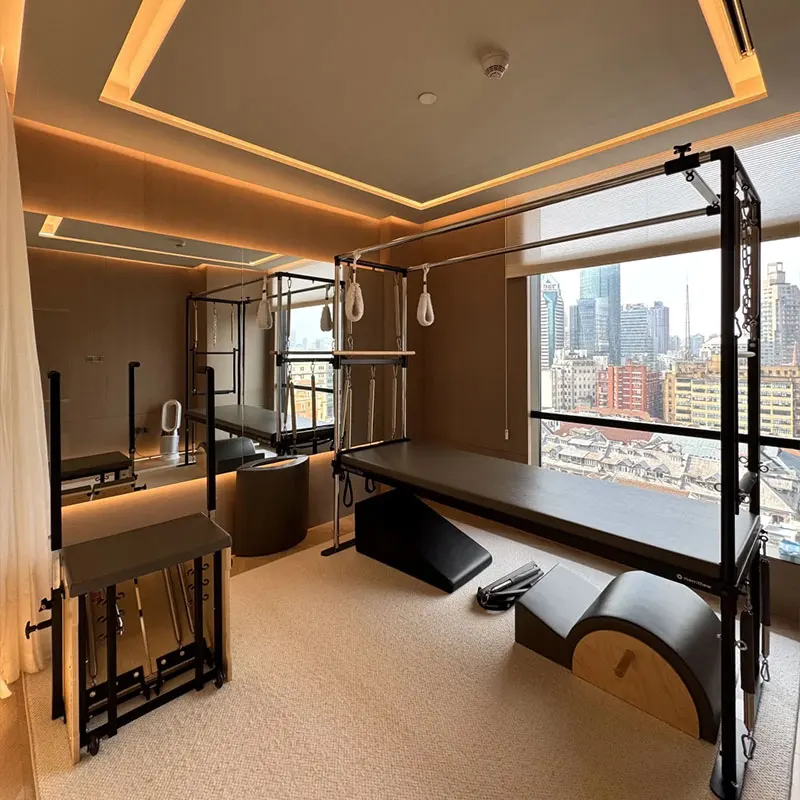
On the industry side, major gym chains are investing heavily. World Gym announced it would introduce apparatus-based Pilates across all 135 Taiwan locations in 2026, partnering with international equipment suppliers. In Tucson, one studio owner had to convert spin class spaces to accommodate surging Pilates demand. In Italy, Pilates has received independent economic activity codes, formally recognizing it as a standardized commercial sector.
VI. Looking Ahead — Trend or Lasting Movement?
Pilates's explosive growth raises a natural question: is this a "fad," akin to past fitness crazes, or a lasting evolution in the fitness landscape?
Multiple industry voices suggest Pilates has the makings of long-term sustainability. First, its scientific foundation is solid — rooted in rehabilitation and motor control, with outcomes that are consistently replicable. Second, its audience is exceptionally broad — from athletes to seniors, from rehab patients to prenatal women, it spans nearly all demographics. Third, its content architecture is deep and expandable — from mat to apparatus, from beginner to advanced, offering near-limitless progression.
That said, rapid expansion brings challenges. Inconsistent certification standards, uneven instructor quality, and high equipment costs remain concerns for healthy industry development. What seems certain, however, is that Pilates's core promise — low-impact, functional, mind-body integrated movement — addresses a durable human need that will not fade with the next trend.
Summary: Pilates's popularity is, at its core, a response to the modern question of "how to live healthier." It protects the body through low-impact movement, activates deep muscles through precision, provides emotional value through mind-body connection, and adapts to modern life through flexible delivery. This combination positions Pilates beyond mere "trend" status. Pilates is trending — but it is also a practice worth committing to for life.