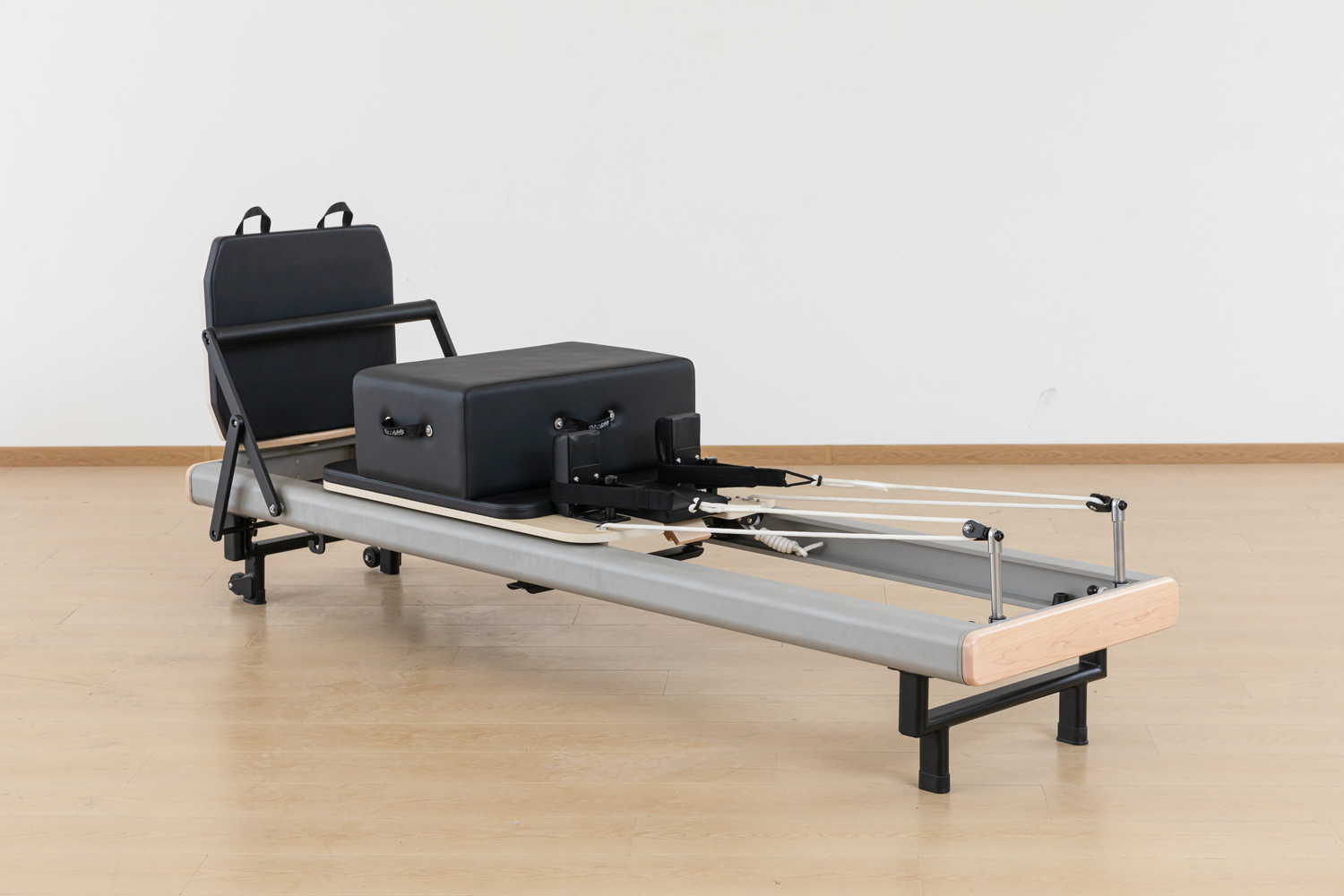
What Are the Dimensions of a Pilates Reformer?
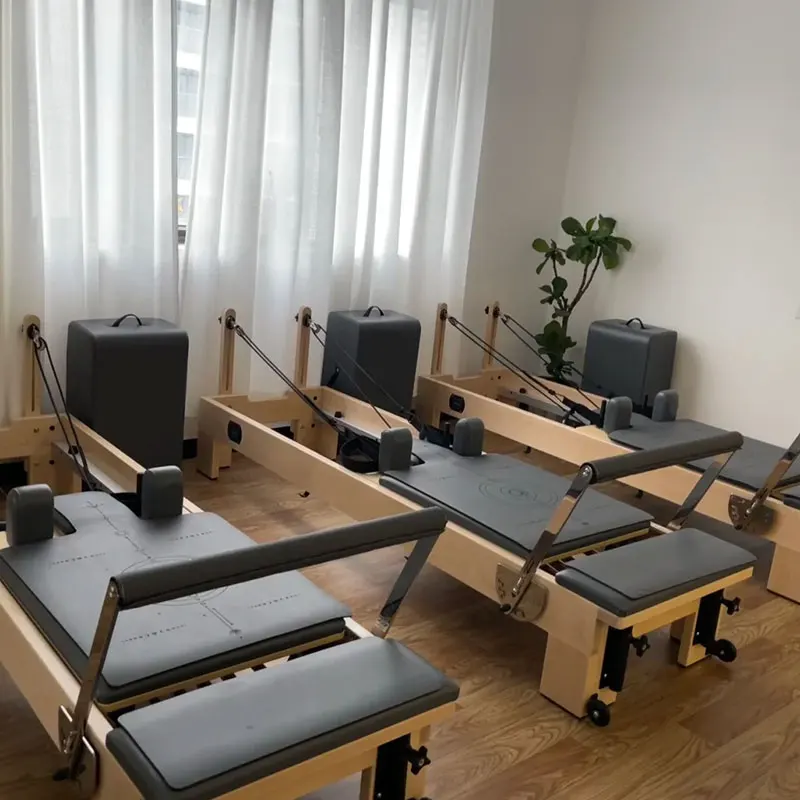
When choosing a Pilates reformer, dimensions are among the most overlooked yet impactful specifications. An incorrectly sized machine can range from restricting tall users' full extension to causing space planning failures or delivery issues. This article breaks down reformer dimensions across three dimensions: overall machine size, critical component specifications, and purchasing considerations.
I. Overall Machine Dimensions: Three Main Length Categories
Overall length is the primary dimensional factor, directly determining user range of motion and training completeness. Significant variation exists across brands and models.
Standard Commercial Length (approx. 230–244cm)
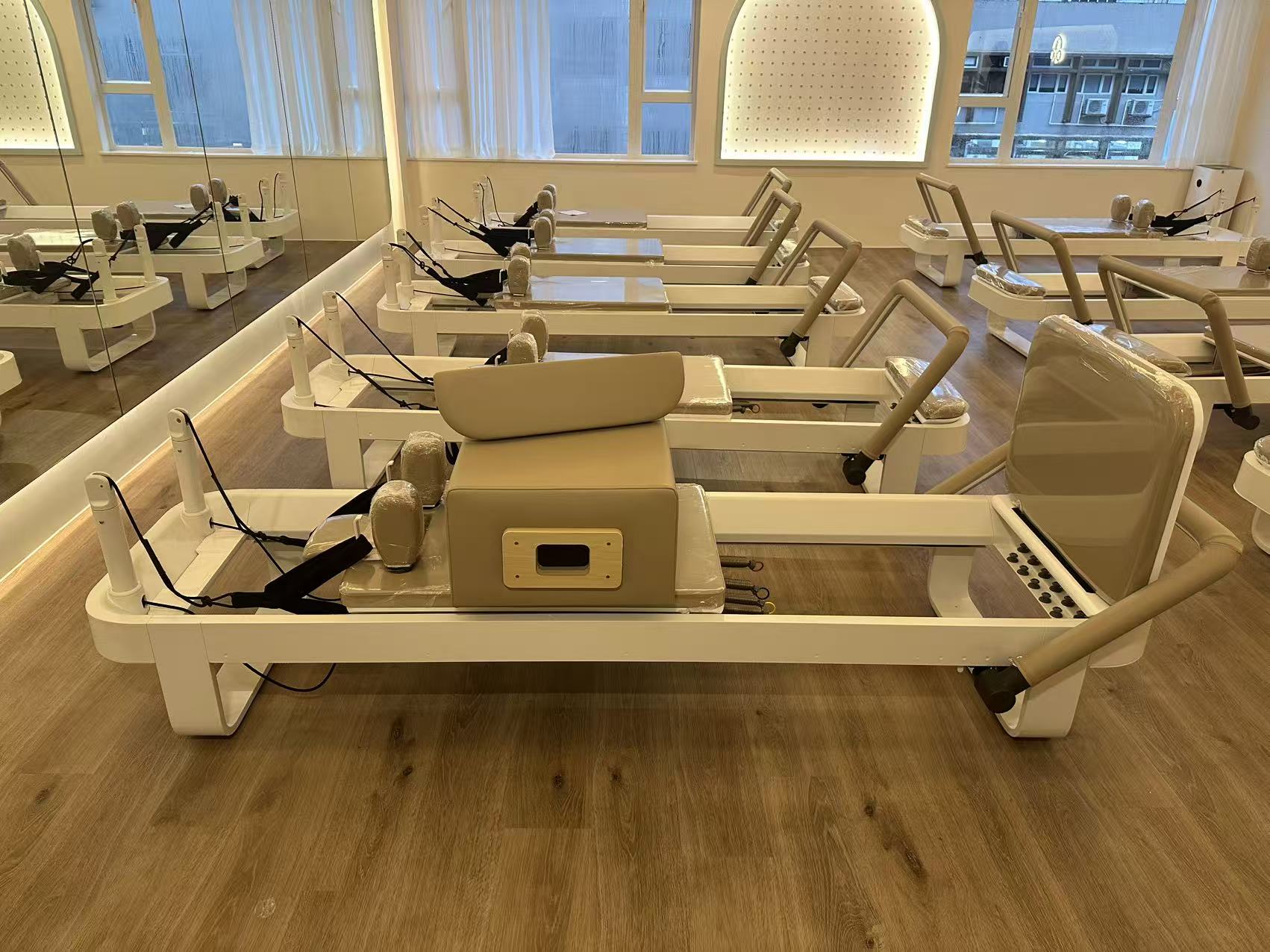
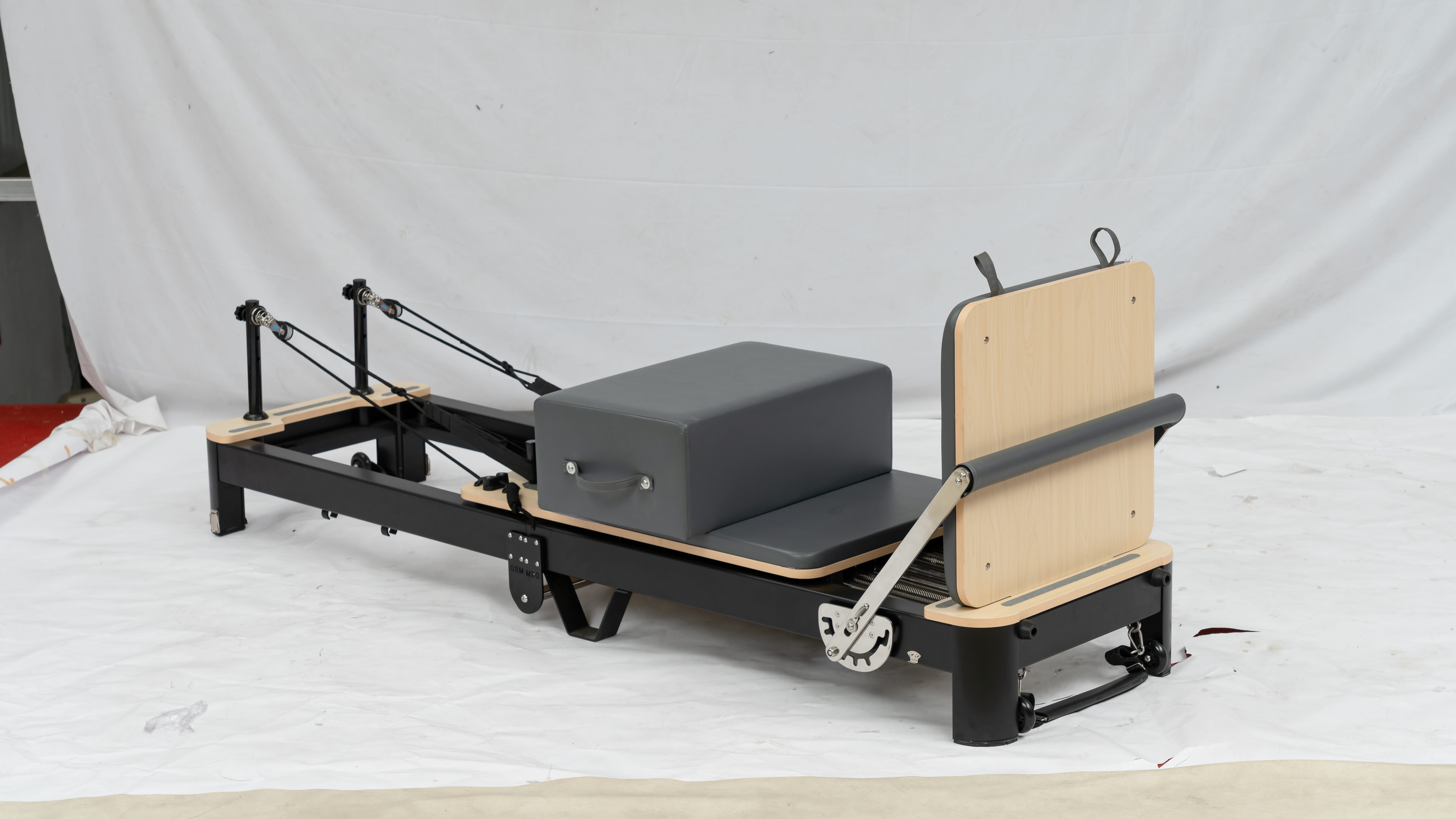
This is the standard size range for most commercial-grade reformers. The Balanced Body Bravo Reformer measures 242cm (L) × 74.5cm (W) × 38.2cm (H). Decathlon's Nubium model measures 244cm in length. These machines suit most studio and gym settings, supporting everything from foundational exercises to advanced training.
Compact Length (approx. 218–232cm)
Gratz offers an 86-inch (approx. 218cm) model, their most popular choice, suited for users between 5'8" and 6'2" — the preferred configuration for most studios. In domestic testing, the Jialedi professional folding reformer extends to 2320mm, matching the experience of commercial gym equipment.
Extended Length (226cm and above)
Gratz also offers an 89-inch (226cm) extended version designed for users over 6'2", ensuring tall practitioners have sufficient space for long box and jump board work. For studios serving diverse clientele, the 86-inch model is the most versatile choice.
Limitations of Short Machines
Some budget folding reformers measure only 2130mm in length — approximately 20cm shorter than standard models. This difference directly impacts training experience: full-body stretches, leg extensions, and advanced movements feel restricted, and taller users cannot fully extend.
Overall Width and Height
Reformer width typically ranges from 60 to 85cm. The BH Maple Full-Rail Reformer measures 780mm wide, Balanced Body Bravo measures 74.5cm wide, and Decathlon Nubium measures 85.4cm wide. Height typically ranges from 35 to 43cm (bed-to-floor height), with some brands offering two height options to accommodate different user preferences.
II. Folding Reformer Dimensions: Space Optimization
For home users and compact studios, folding reformers offer an important alternative.
Unfolded vs. Folded Dimensions
High-end folding models measure approximately 230cm (L) × 65cm (W) × 40cm (H) when unfolded, enough for users up to 180cm tall to fully extend. When folded, quality machines can be vertically stored at 110cm (H) × 65cm (W) × 35cm (D) — a footprint smaller than a standard dining chair, fitting beside wardrobes or behind sofas.
The Space Efficiency Value
A machine that extends to 230cm can shrink to 110cm when folded — reducing footprint from approximately 1.5 square meters to roughly 0.4 square meters. For space-constrained urban apartments, this "invisible" capability means not sacrificing living space for fitness equipment.
III. Critical Component Specifications
Carriage Dimensions
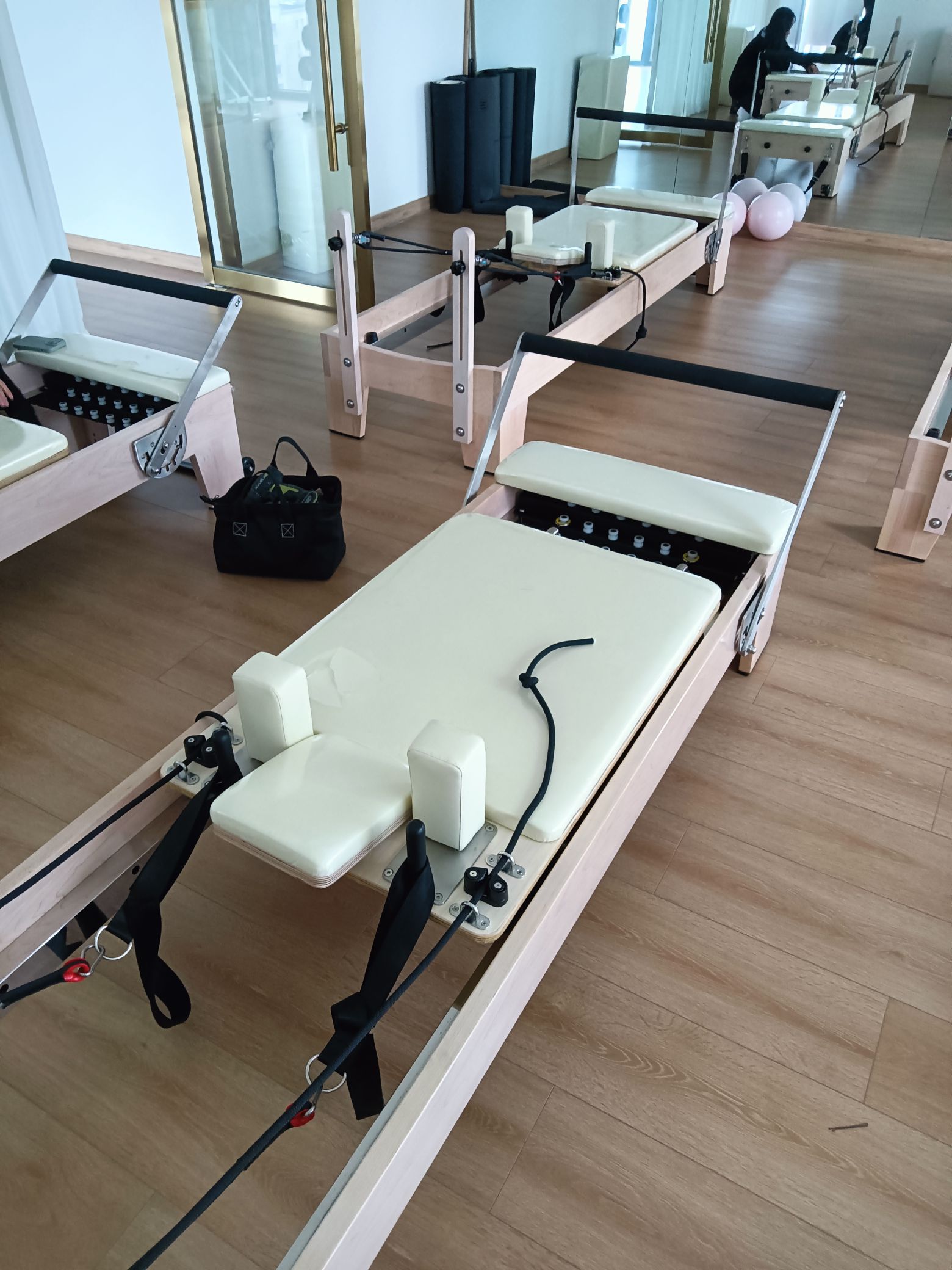
The carriage is where the user lies and moves. Balanced Body Bravo's carriage measures 59.7cm (W) × 77.5cm (L). Carriage travel length correlates with overall machine length — longer machines enable greater travel range and support more complete movements.
Rail Material and Height
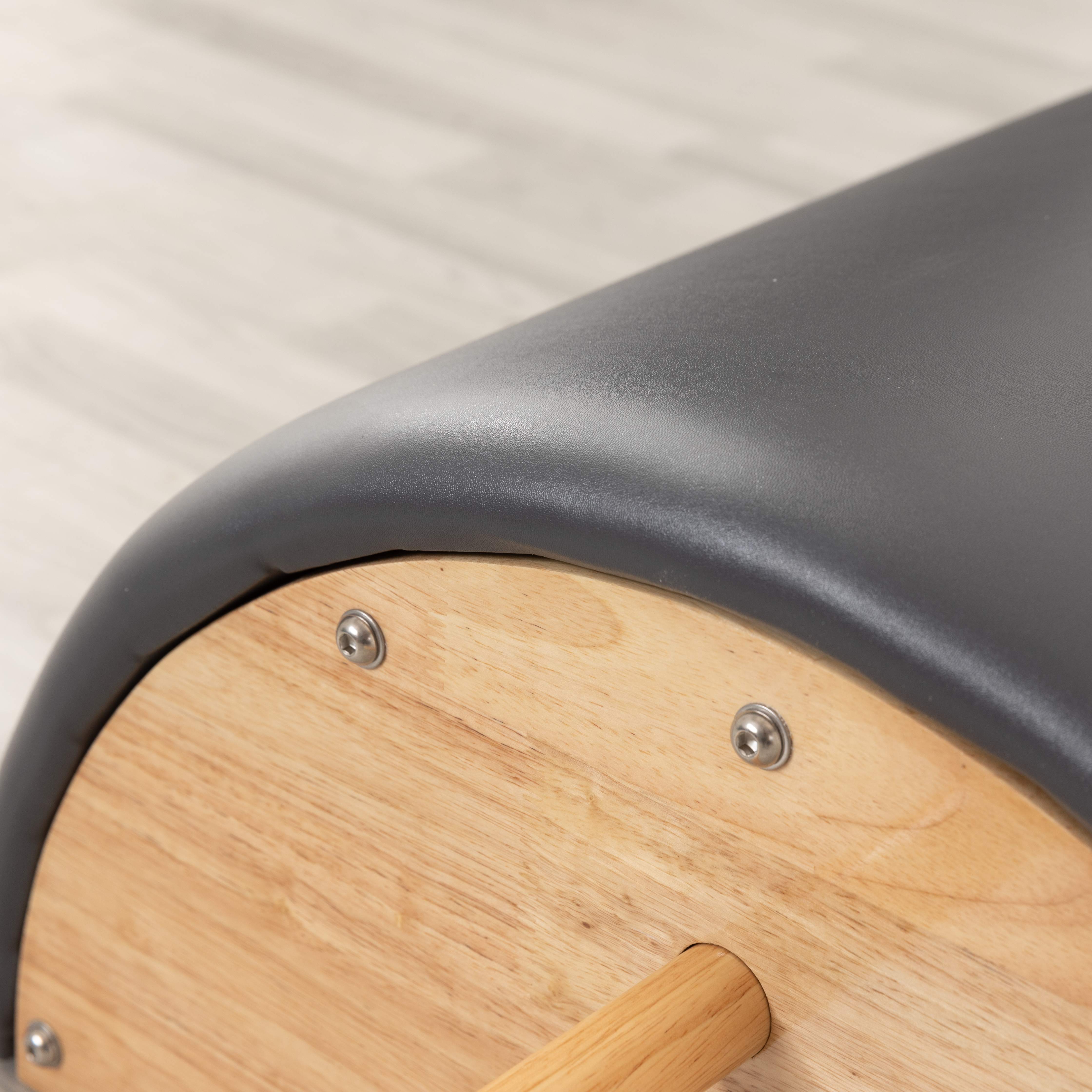
Rail material directly affects sliding feel. Stainless steel rails are common in commercial equipment; BH uses 2×1.5mm thick stainless steel rails with external aluminum rails. Rail height determines the vertical travel space for the carriage and affects the usability of accessories like jump boards.
Tower/Upright Height
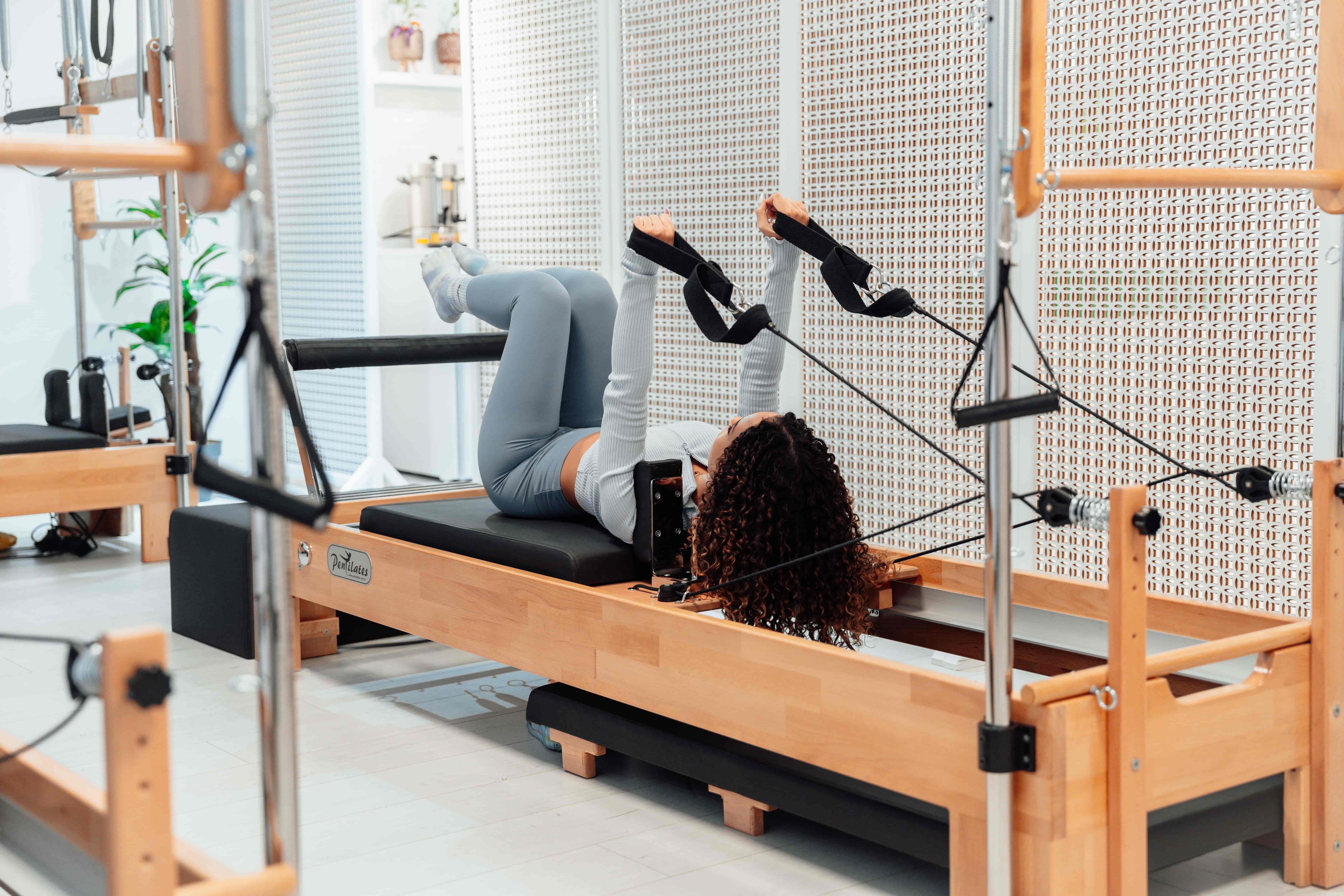
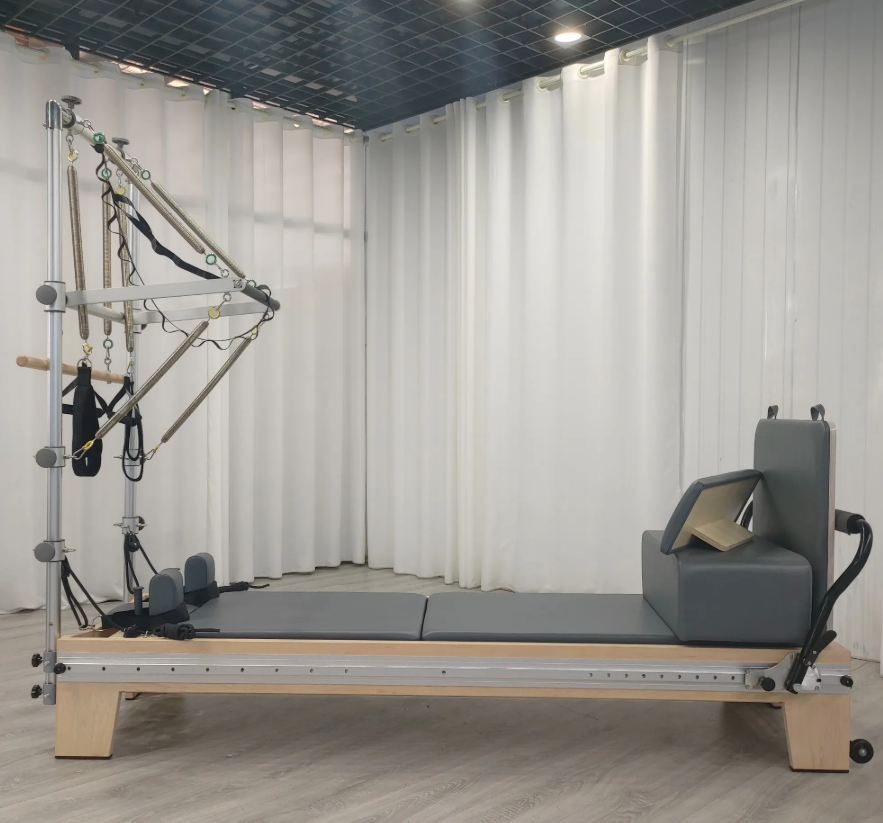
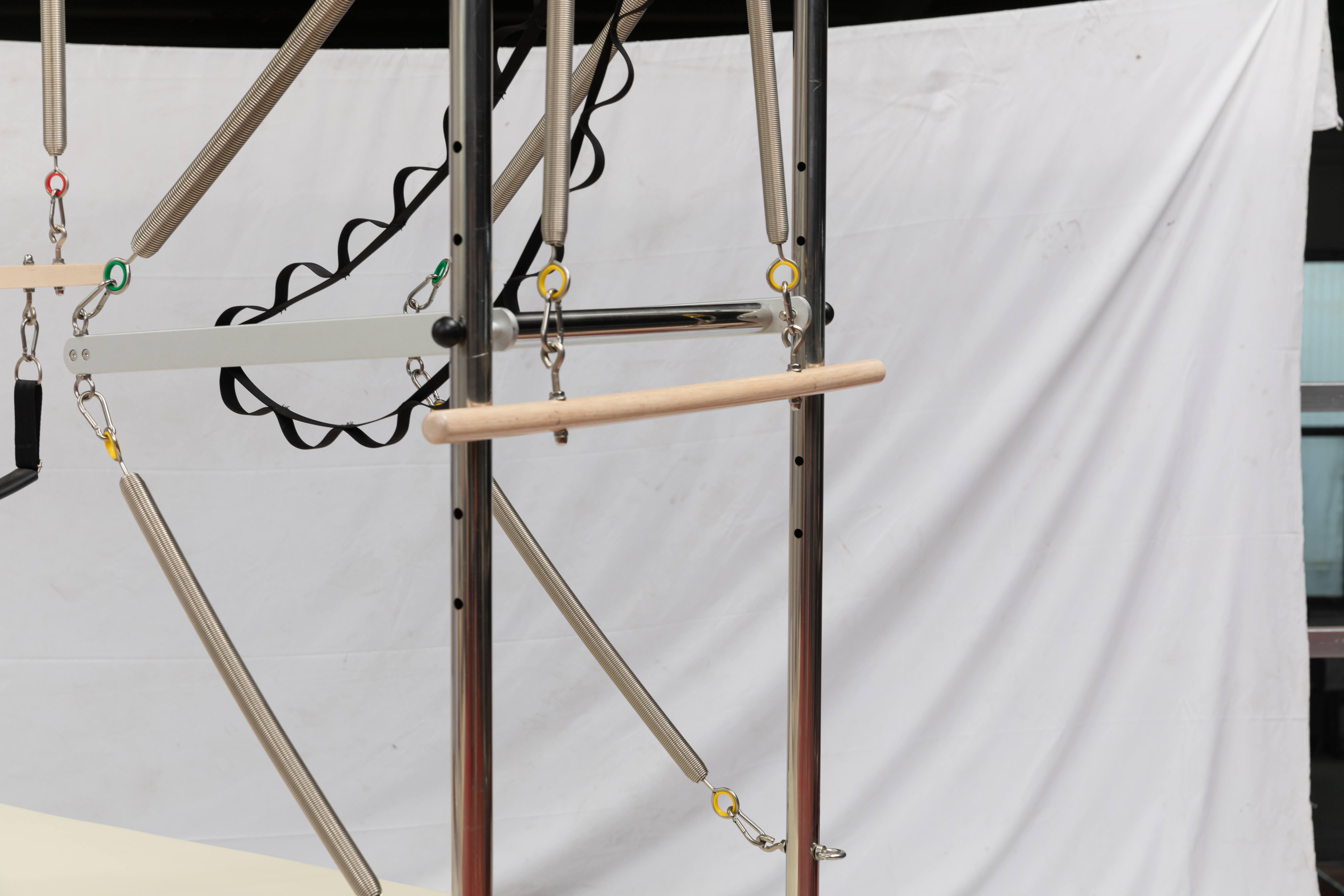
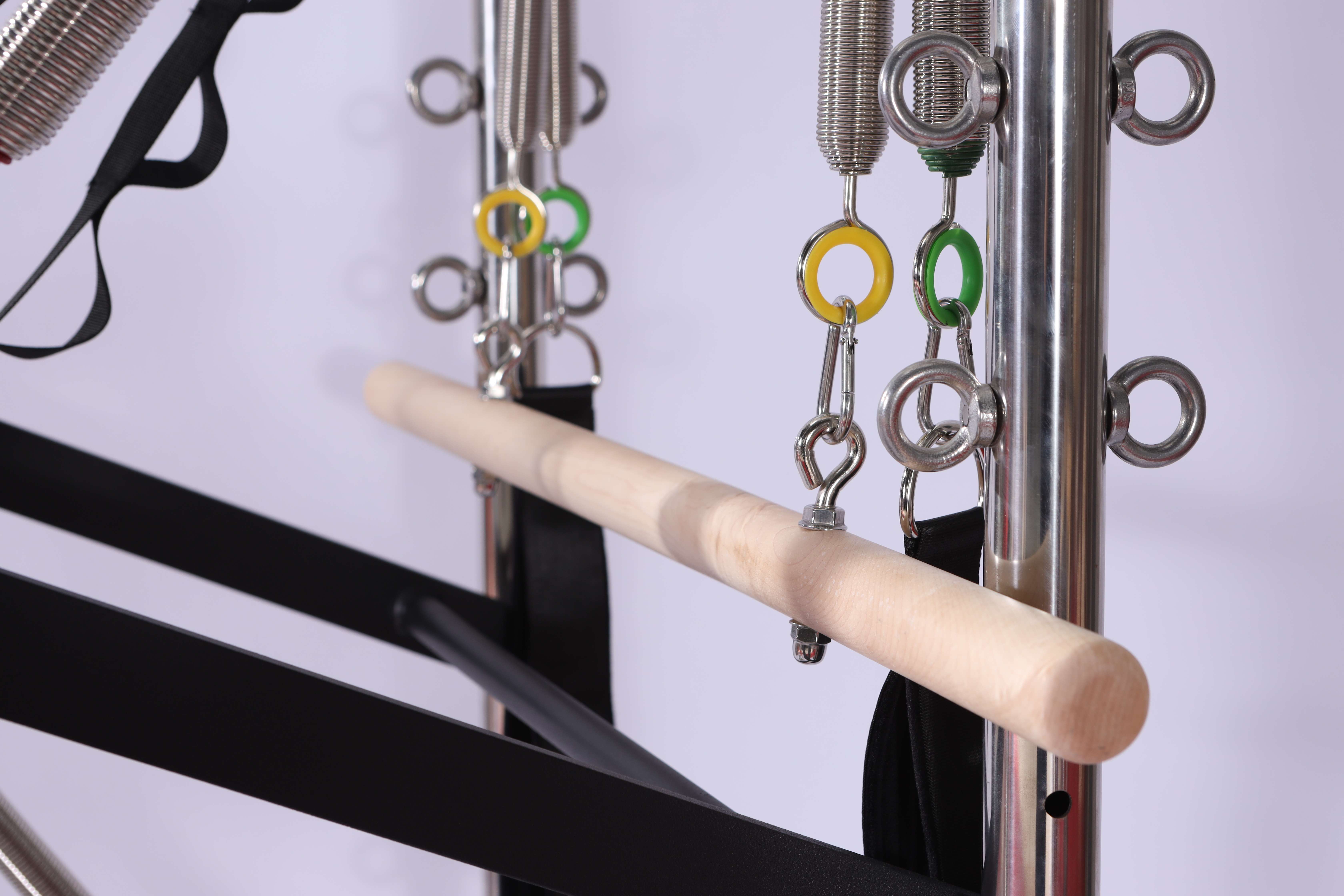
Reformers with tower configurations are significantly taller than standard models. Balanced Body Bravo with tower attachment reaches 189.2cm in height. A semi-tower reformer procured by Bohai University has a tower height of 1875mm. This means tower-equipped machines require additional vertical clearance — studios should confirm ceiling height allows proper use.
IV. Space Planning and Delivery Considerations
Studio Space Planning
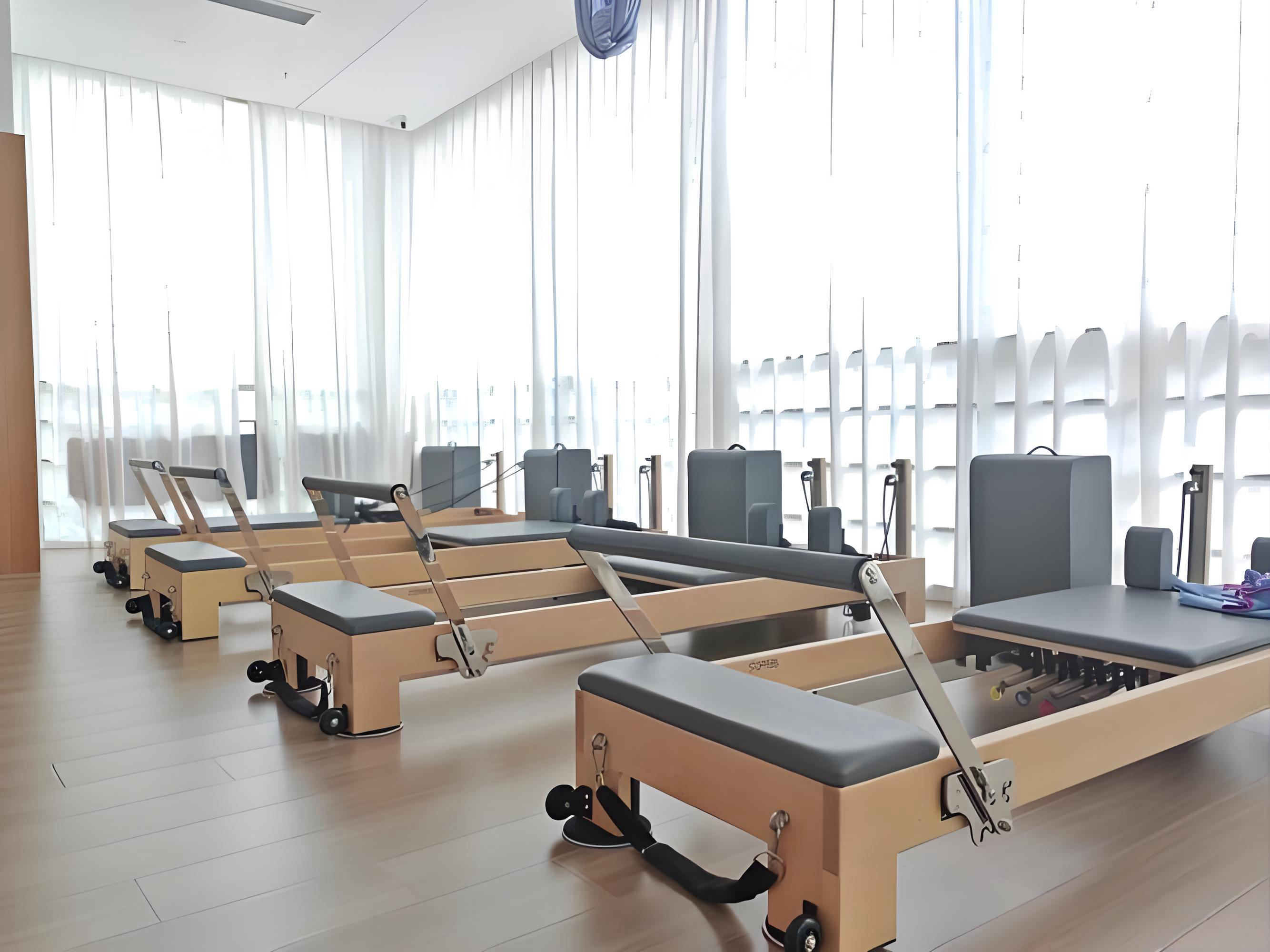
Each reformer requires not only its own footprint but also space for instructor access and client passage. Industry experience suggests allocating approximately 6 to 8 square meters per machine. A 6-reformer studio's main room requires approximately 48 to 60 square meters.
Delivery Access Verification
Reformers are bulky and heavy — delivery access is often underestimated. A boxed reformer can measure 244cm in length and 47cm in height. In older walk-up apartments, stairwell turning clearances pose common obstacles — some turning points are only 78cm wide, while standard packaged equipment often exceeds 80cm, potentially preventing delivery. Folding models offer clear advantages in such scenarios.
Summary: Reformer dimensions are not about "bigger is better" or "smaller saves space" — they must precisely match user height, training goals, and venue conditions. Overall length is the key parameter determining training completeness — 218–226cm represents the standard length range, 232–244cm represents extended commercial specifications, and machines under 213cm require careful evaluation. Space planning must consider unfolded size, access clearance, delivery conditions, and ceiling height to avoid the predicament of "buying a machine you can't actually use."