How Long Does Pilates Equipment Typically Last?
Pilates equipment is a significant long-term investment — a quality machine can outlast ordinary fitness equipment by years. But there is no single answer to "how many years does it last." Different components, different quality grades, and different usage intensities produce vastly different lifespans. This article breaks down the lifespan of Pilates equipment from four perspectives: the main frame, wear parts, usage environment, and maintenance habits.
I. The Main Frame: The "Hard Lifespan"
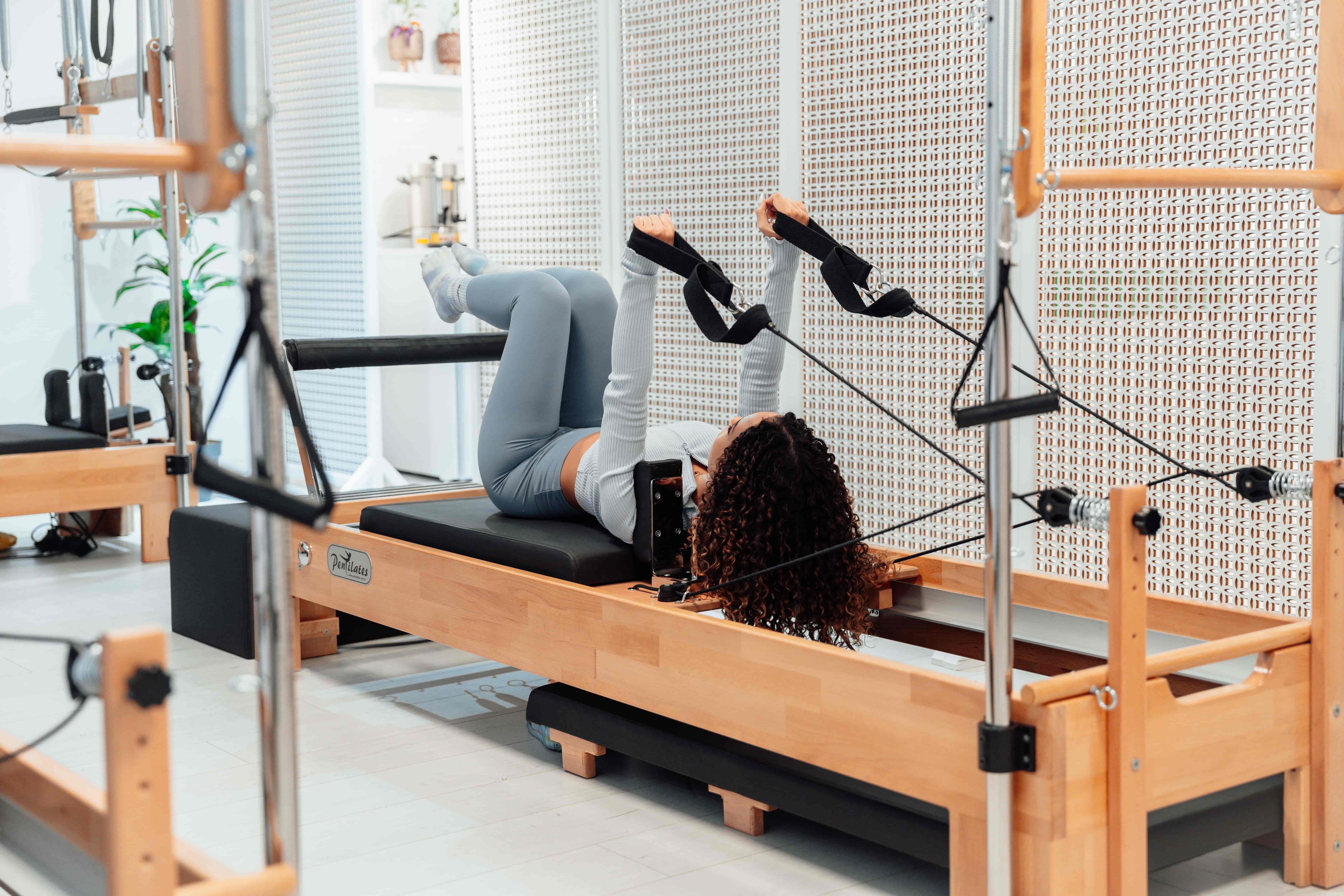
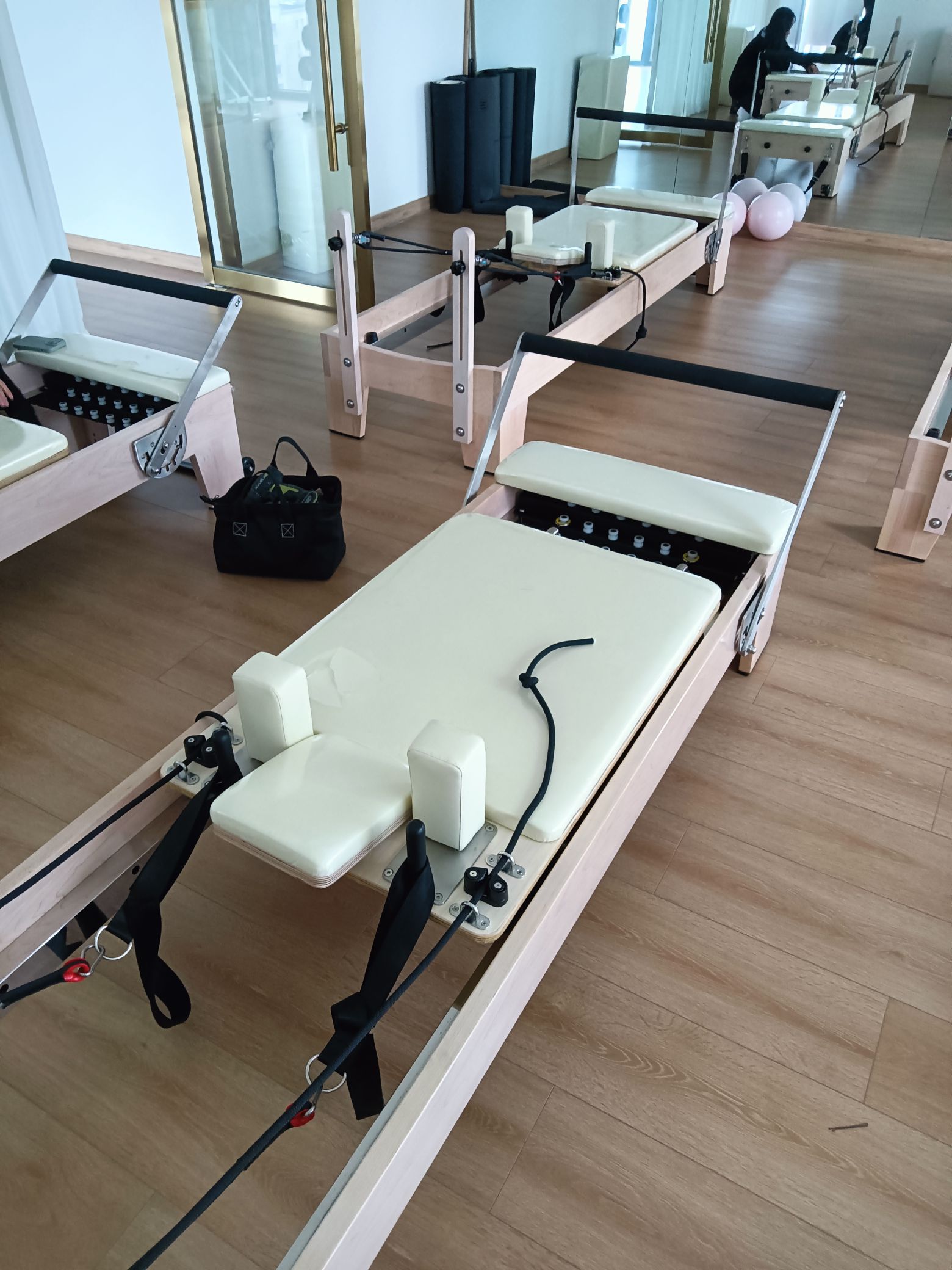
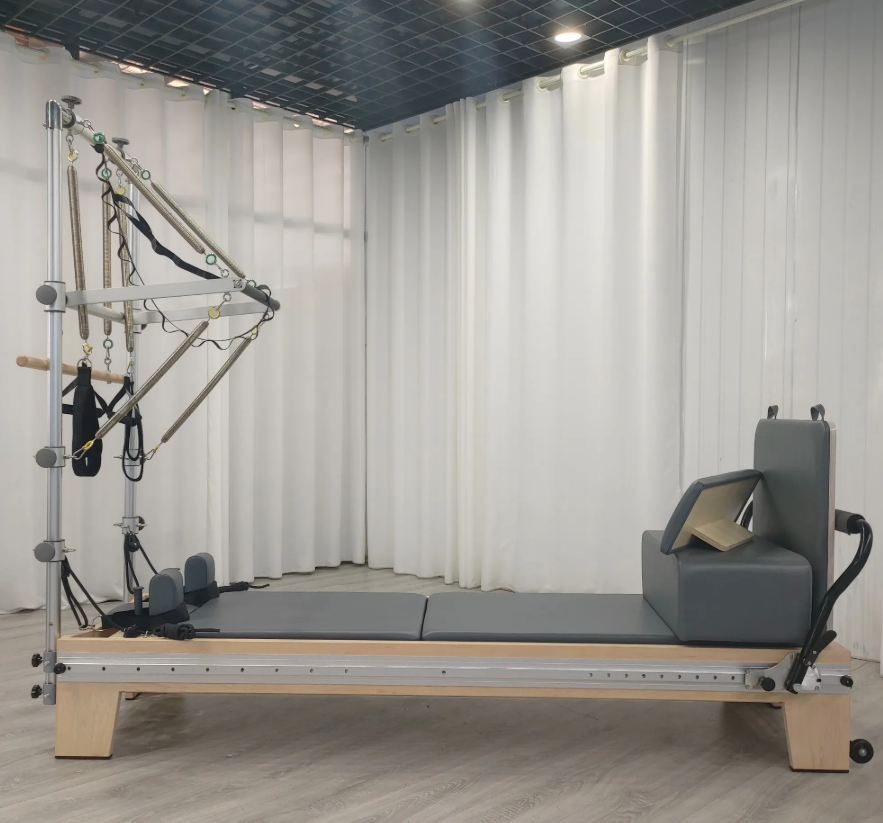
The frame is the "skeleton" of Pilates equipment and the longest-lasting component.
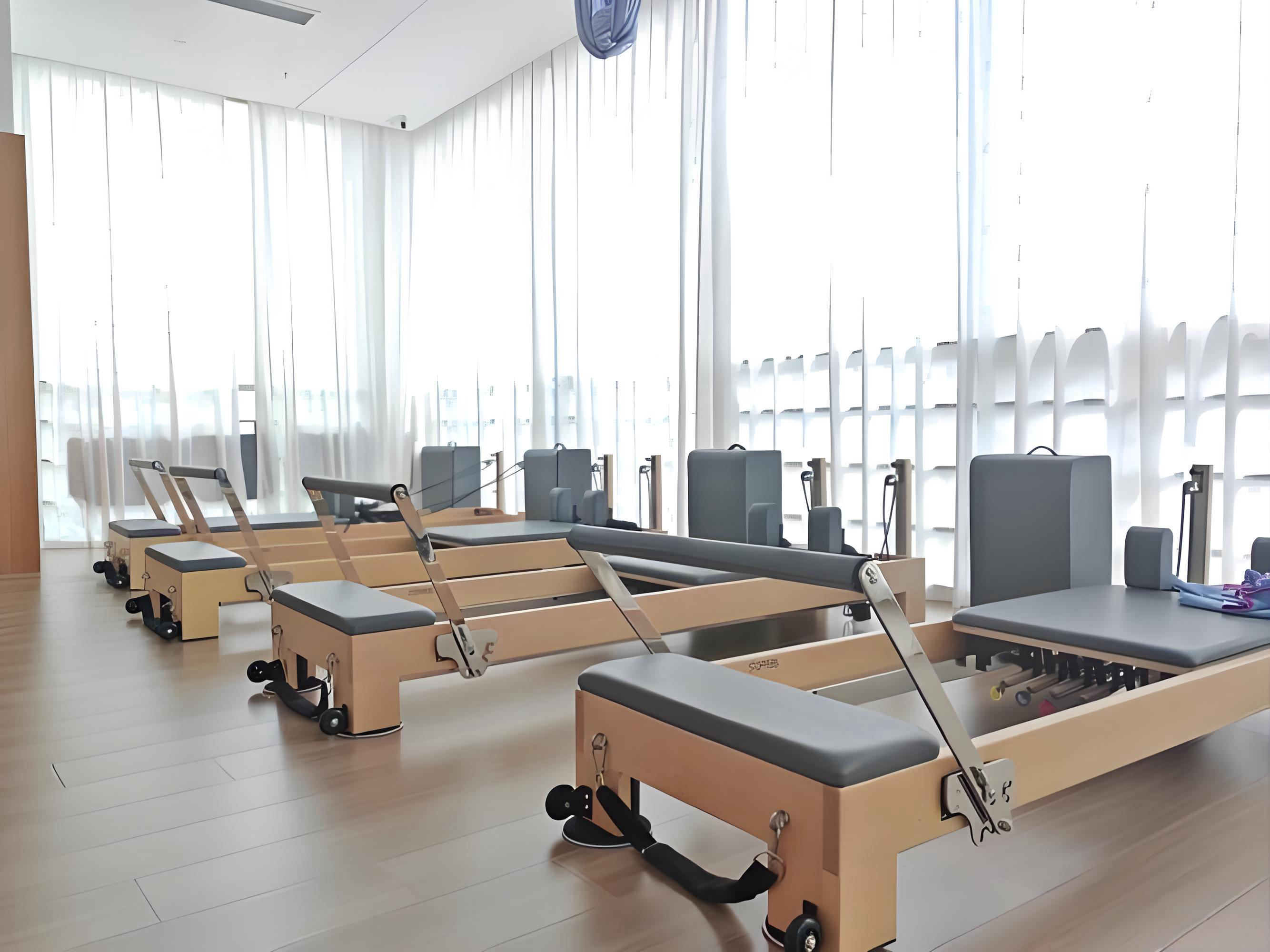
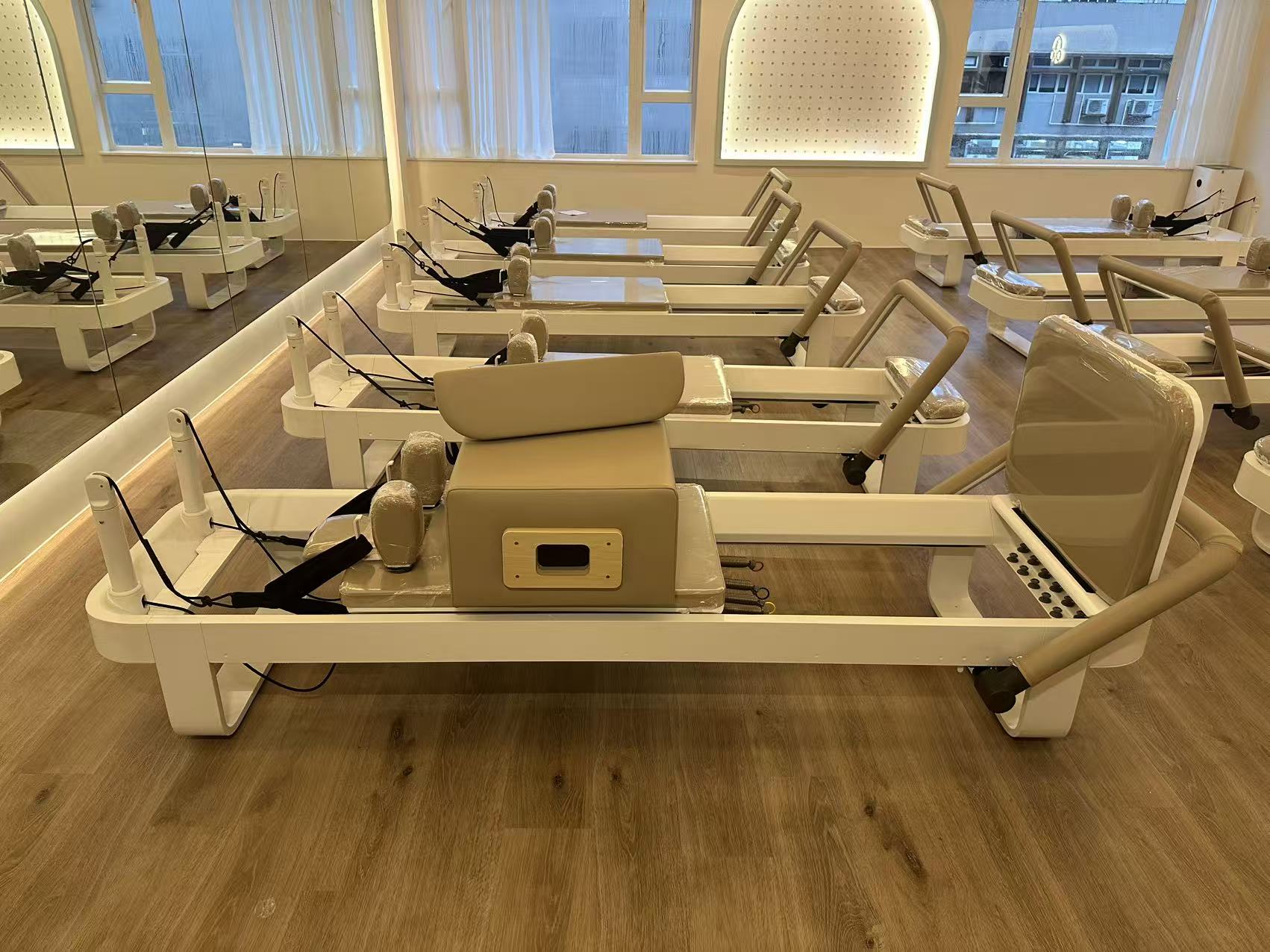
In commercial environments where equipment is used multiple times daily, the structural frame is typically designed for a lifespan of 10 to 15 years. Top-tier brands back their frames with limited lifetime warranties — Balanced Body and Peak Pilates both offer this level of coverage, and some manufacturers provide structural warranties ranging from 4 years to limited lifetime.
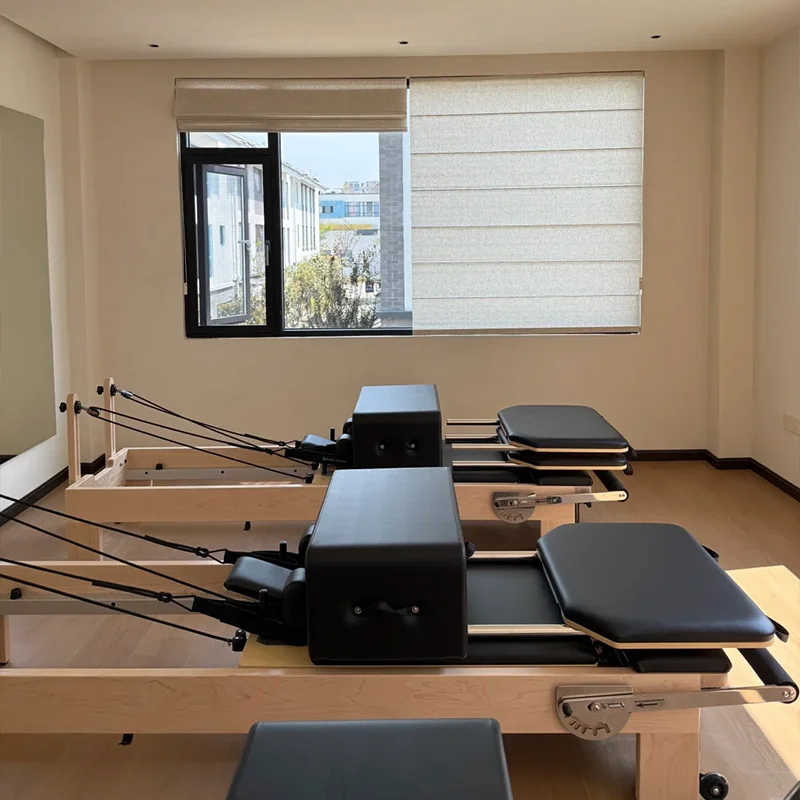
In fact, Balanced Body reports that Studio Reformers built 20 years ago are still operating smoothly. A Dutch dealer similarly notes that quality Pilates equipment used at home can last 10 to 20 years or more; even in commercial environments, high-quality equipment can perform reliably for 10 to 15 years without major issues.
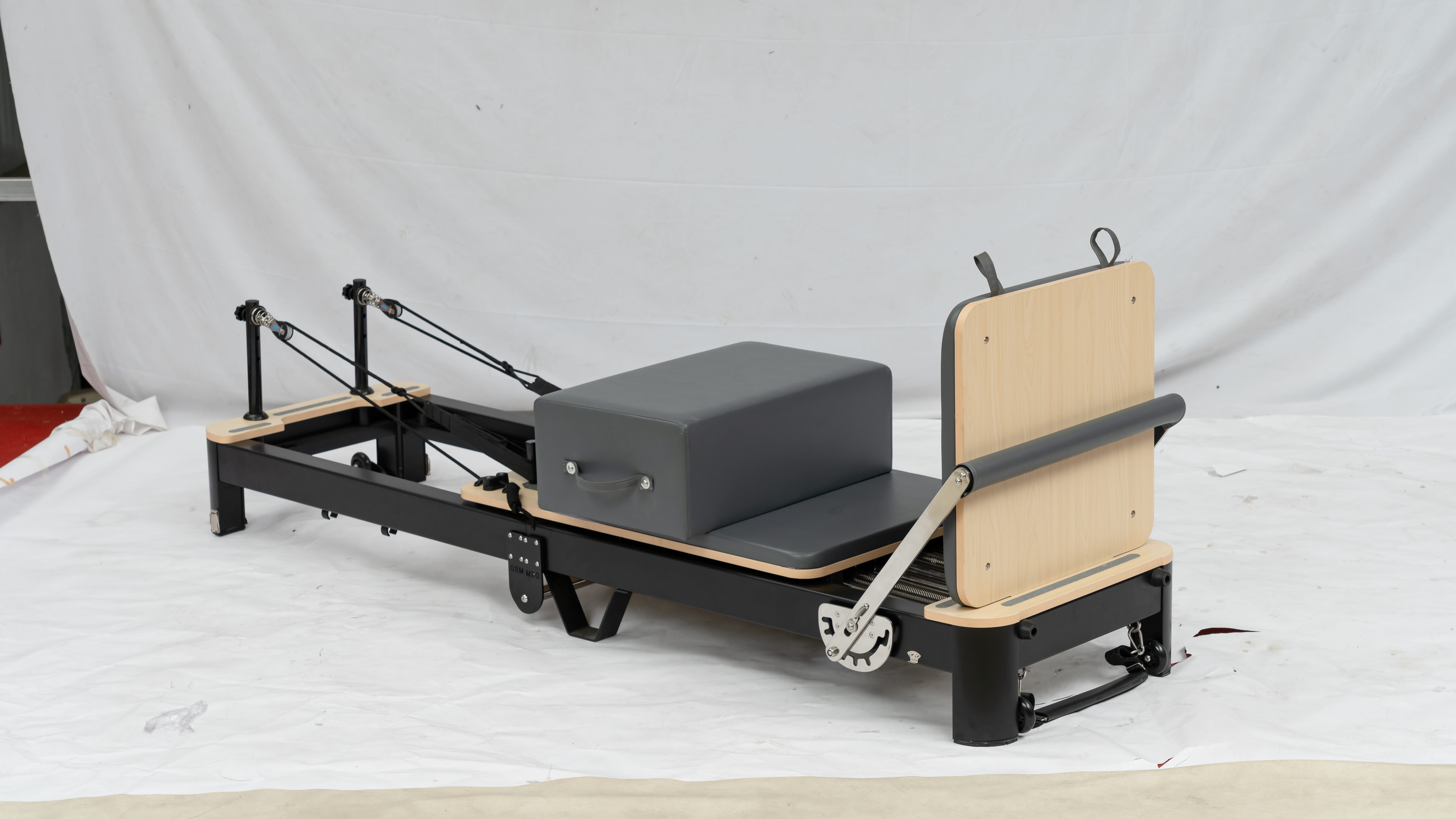
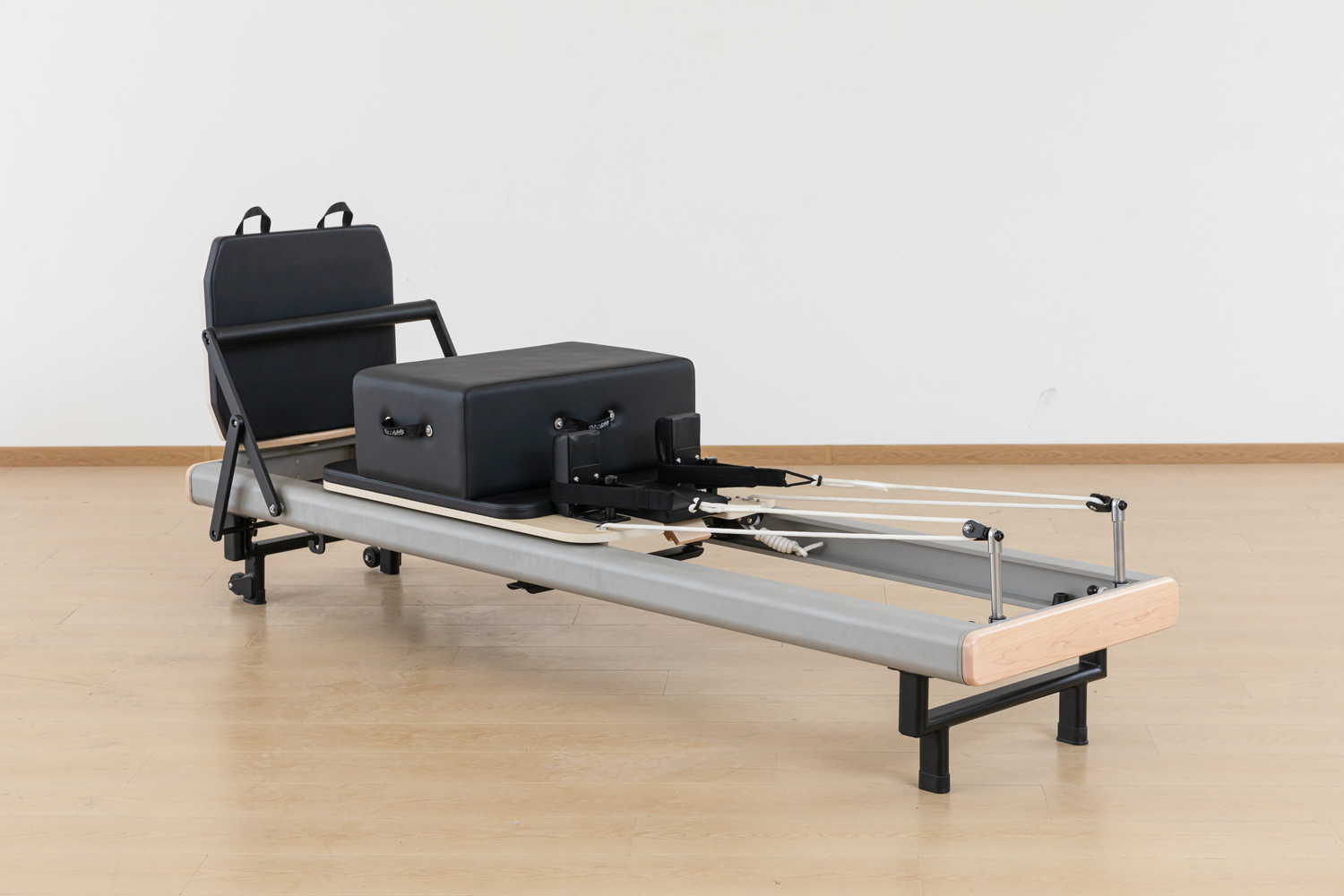
Frame material significantly impacts lifespan: aviation-grade aluminum alloy frames offer excellent load capacity, corrosion resistance, and rust protection, contributing to long service life; solid wood frames (such as maple), when properly maintained, are equally durable. Cheap equipment, by contrast, often uses thinner tubing and crude joining methods, potentially developing structural problems within 2 to 5 years.
II. Wear Parts: Springs, Upholstery, and Moving Components
Even if the frame lasts "forever," certain components inevitably wear out with use. Here are the most critical wear parts and their expected lifespans.
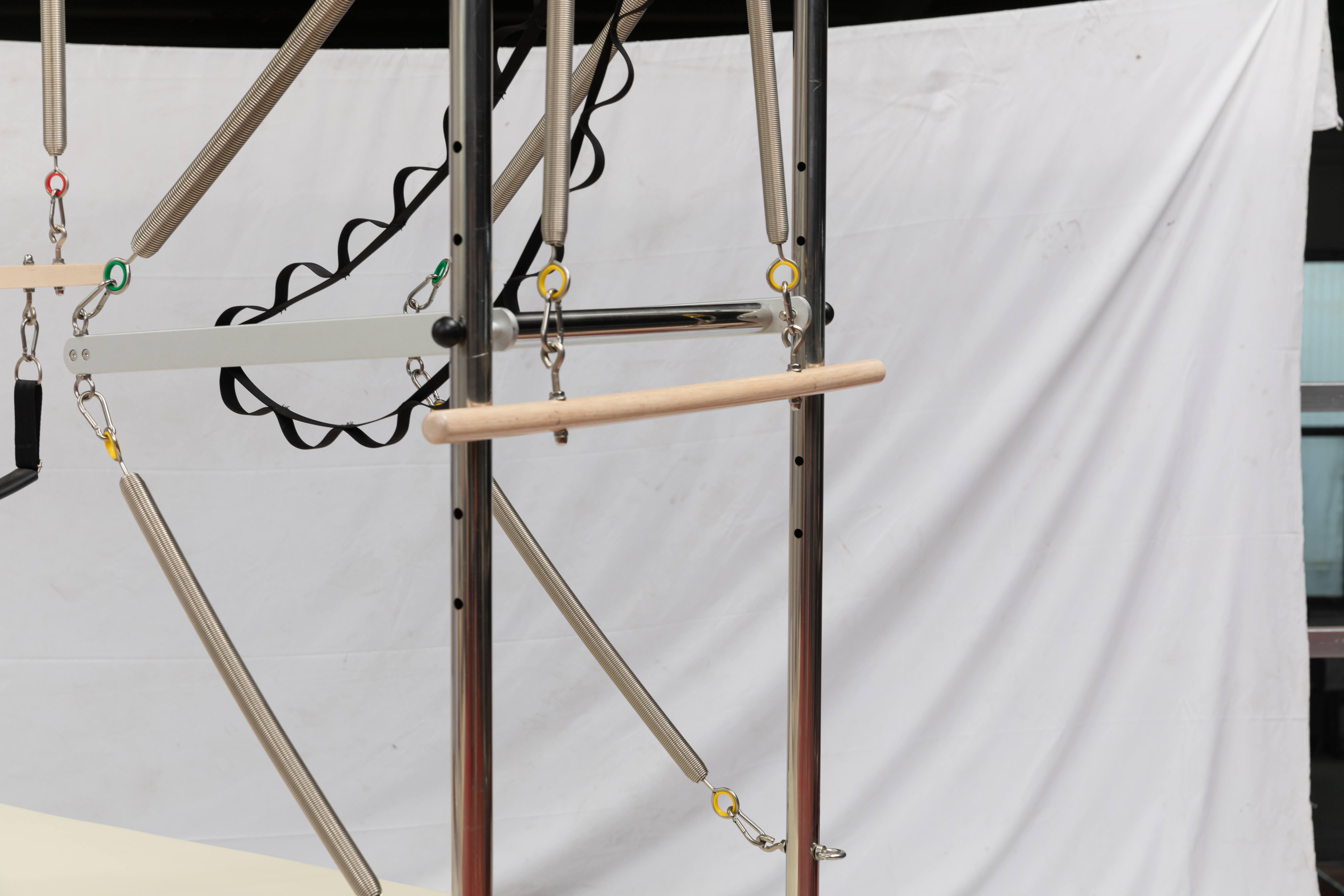
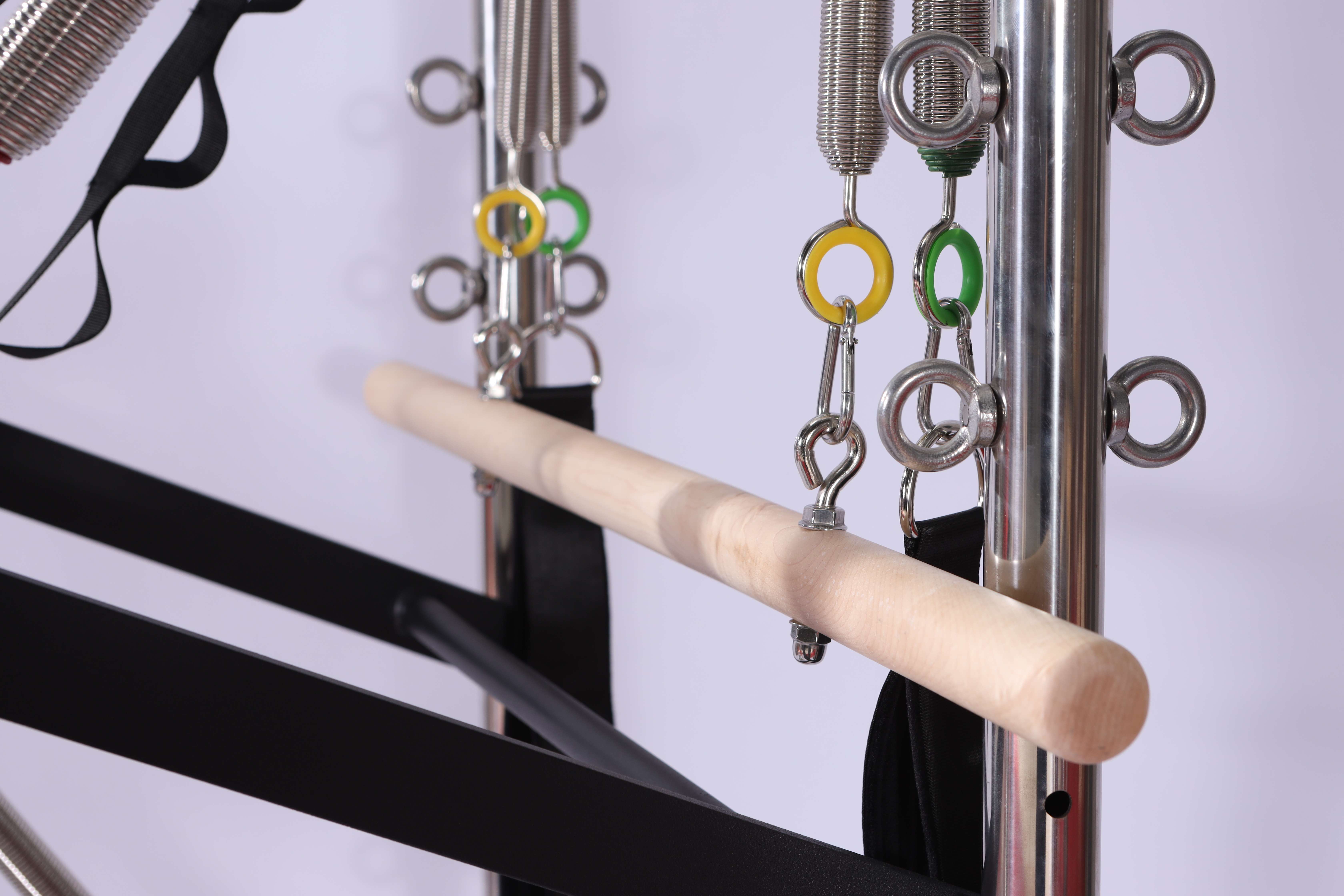
Springs — Consumable Parts That Need Regular Replacement: Multiple major brands recommend replacing all springs every 24 months (two years). However, actual lifespan depends on usage frequency: for light home use (2-3 times per week), springs typically last 2 to 3 years; for high-intensity commercial studio use (multiple classes daily), springs may need replacement within 6 to 9 months.
There are exceptions — Australia's Pilatesequip uses locally manufactured high-quality springs with a claimed replacement interval of 8 years. This again demonstrates that spring lifespan is fundamentally about quality. Notably, cheap equipment springs may fail or break within their recommended service interval, creating safety hazards.
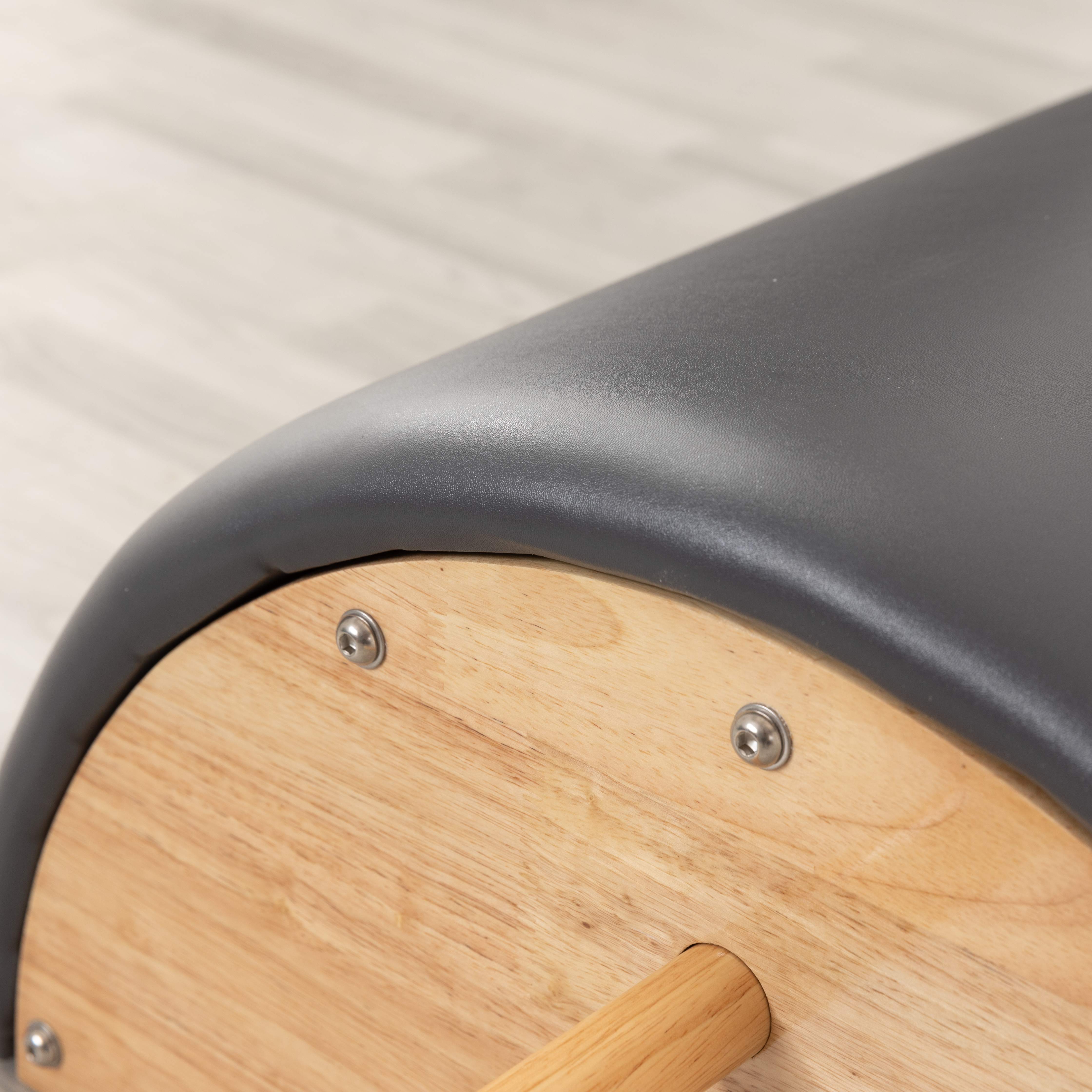
Upholstery — The Fastest-Wearing "Face": High-density foam in quality equipment may begin to show permanent compression within 12 to 18 months of commercial use. Leather lifespan depends heavily on cleaning habits — in studio environments where commercial cleaners are used daily, chrome-plated components may start corroding within 3 to 5 years, while properly specified 304 stainless steel can maintain its appearance indefinitely. Cheap equipment upholstery may tear or wear out within months.
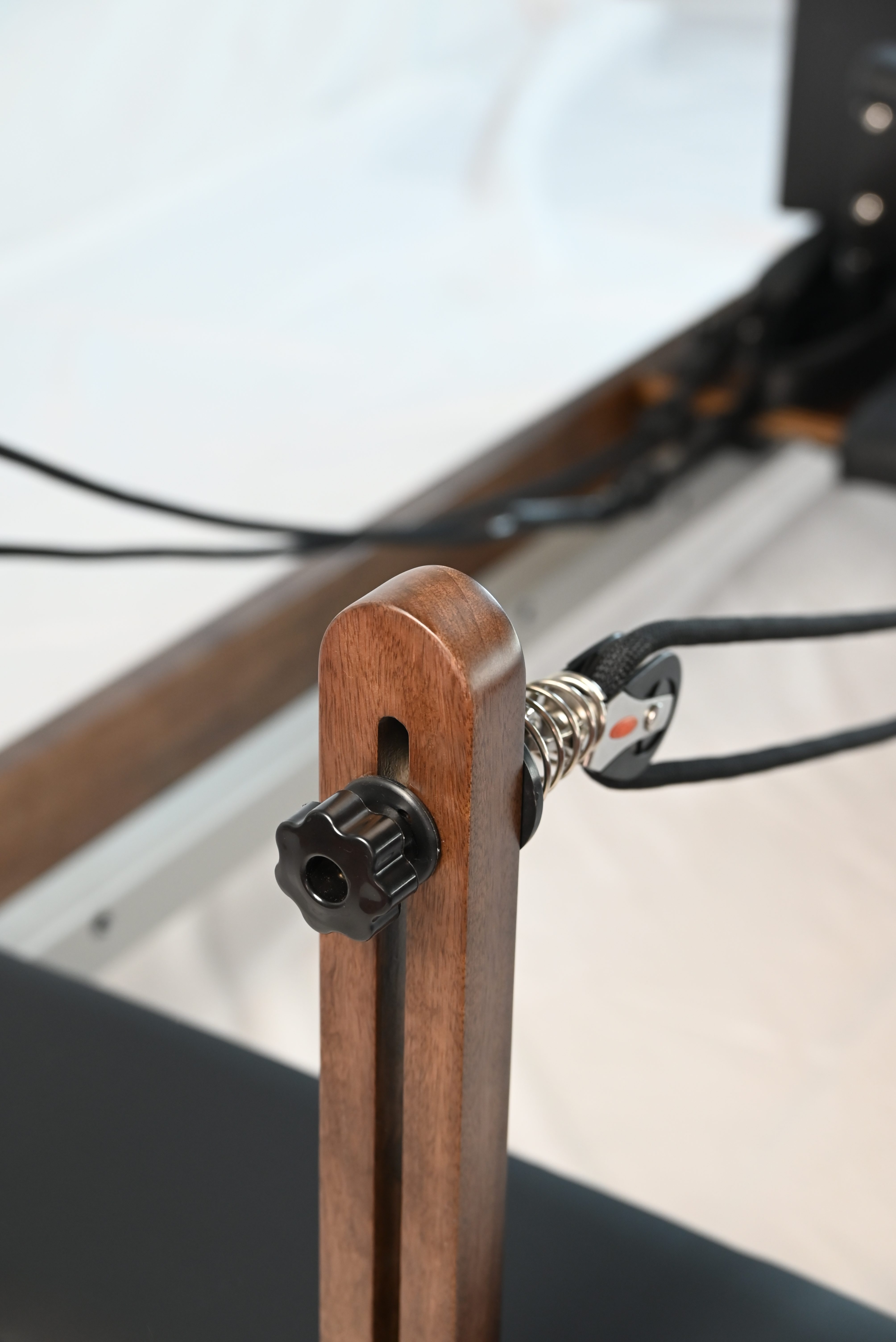
Moving Components (Pulleys, Ropes, Straps) : Peak Pilates recommends daily visual inspection and thorough hardware checks every two months. Ropes and straps should be replaced immediately when frayed; lifespan depends on usage frequency and maintenance quality.
III. Quality vs. Cost: The Economics of "Buy Cheap, Pay Twice"
Cheap equipment appears to save money, but over its full lifecycle, it often costs more.
The Real Lifespan of Cheap Equipment: Under commercial use, cheap Pilates equipment may develop problems within months — springs lose tension quickly, glides become stiff, upholstery tears, and replacement parts are often unavailable. A cheap device that needs replacement every two years ultimately costs more over time than a quality device that lasts ten years.
What Warranty Terms Reveal: Brands advertising "lifetime warranty" often limit this to the frame itself — moving parts (springs, pulleys, ropes) typically carry only 6-month to 1-year warranties, while upholstery often has no warranty at all or only a 30-day defect replacement period. This reflects the real-world lifespan differences between components and is worth reading carefully before purchase.
IV. Extending Lifespan: Maintenance is Key
Equipment lifespan depends heavily on daily maintenance habits.
Regular Replacement of Critical Components: Replace springs every two years (or earlier based on usage); replace spring clips annually. Check ropes and straps monthly for wear and replace as needed.
Proper Cleaning and Lubrication: Clean vinyl upholstery with a mild soap solution and plain water; avoid silicone-containing cleaners. Clean metal rails regularly and lubricate appropriately — never use WD-40 or similar oil-based products.
Daily and Periodic Inspections: Perform daily visual checks, and thoroughly inspect all hardware every two months. Address issues promptly before they escalate.
Summary: The lifespan of Pilates equipment can be summarized as "long-lived frame, replaceable components" — the frame lasts 10 to 20+ years, springs are replaced every 2 to 8 years (depending on quality and usage), and upholstery and moving parts are replaced as they wear. Choosing high-quality equipment and maintaining proper care are the two keys to maximizing equipment life. As one industry observer puts it: "A more expensive machine that lasts over a decade often costs less per year — this is a classic case where buying cheap ends up being more expensive."