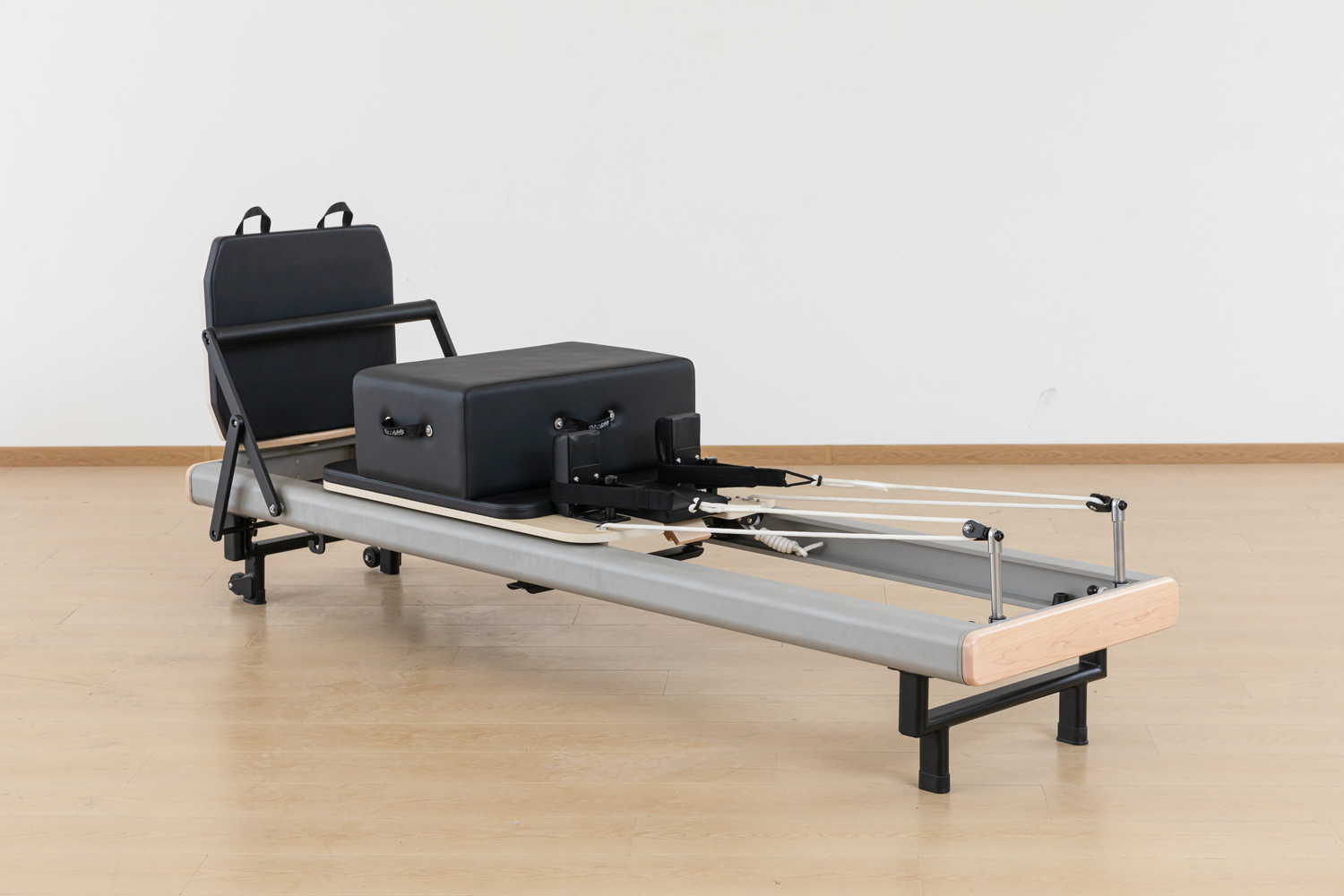
How to Judge Pilates Equipment Quality?
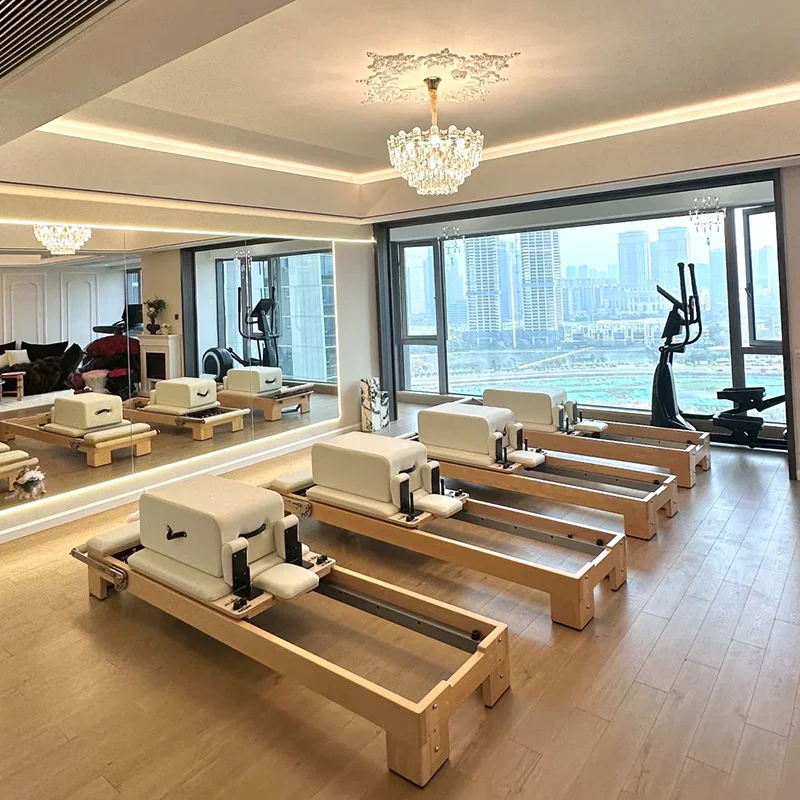
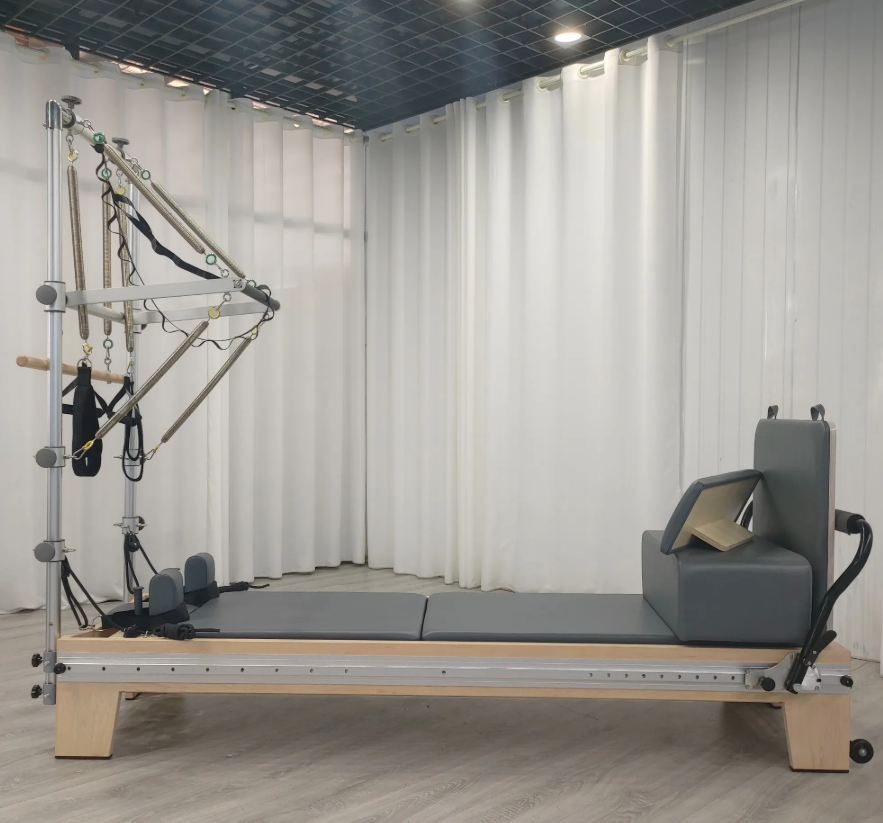
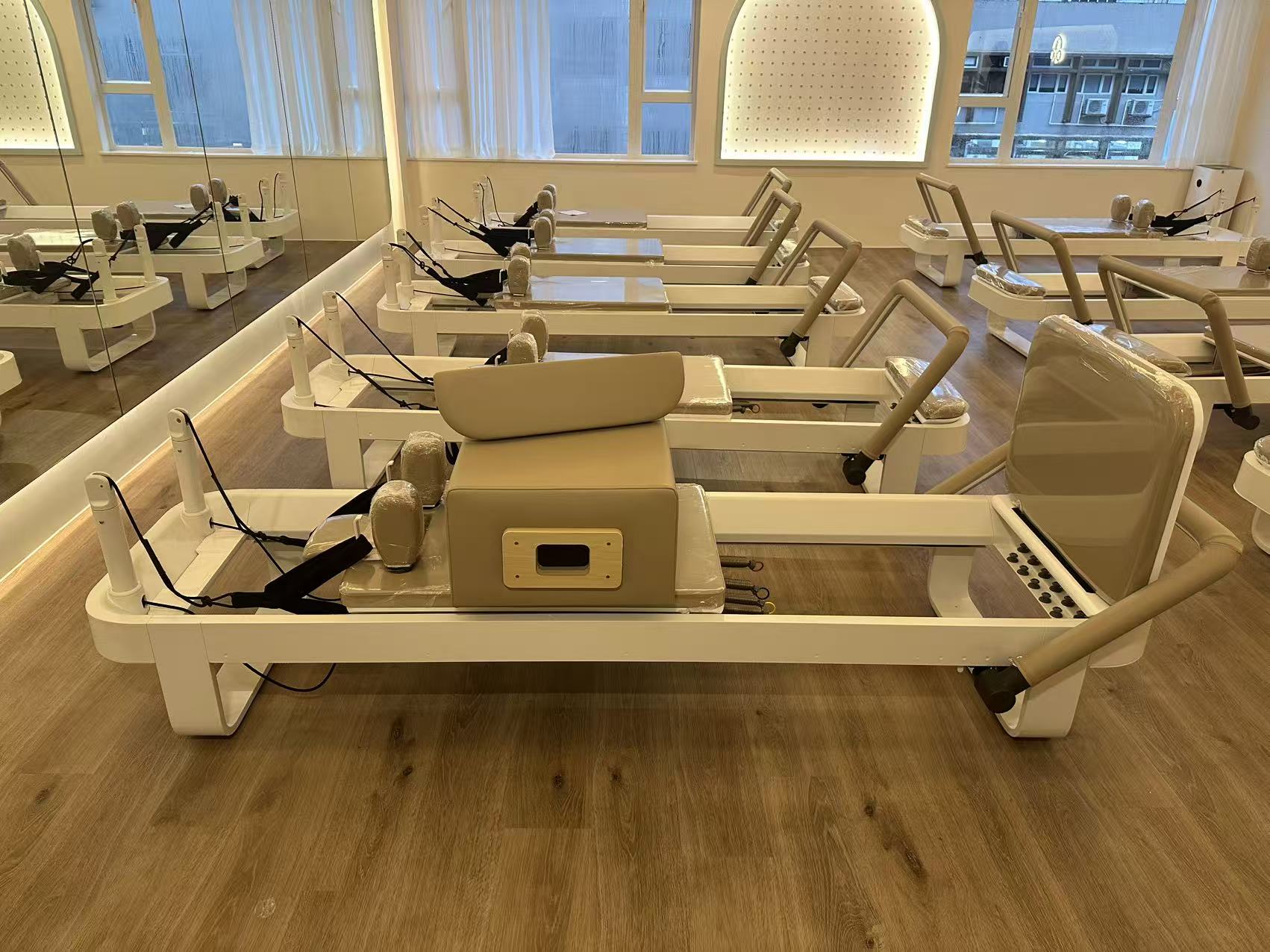
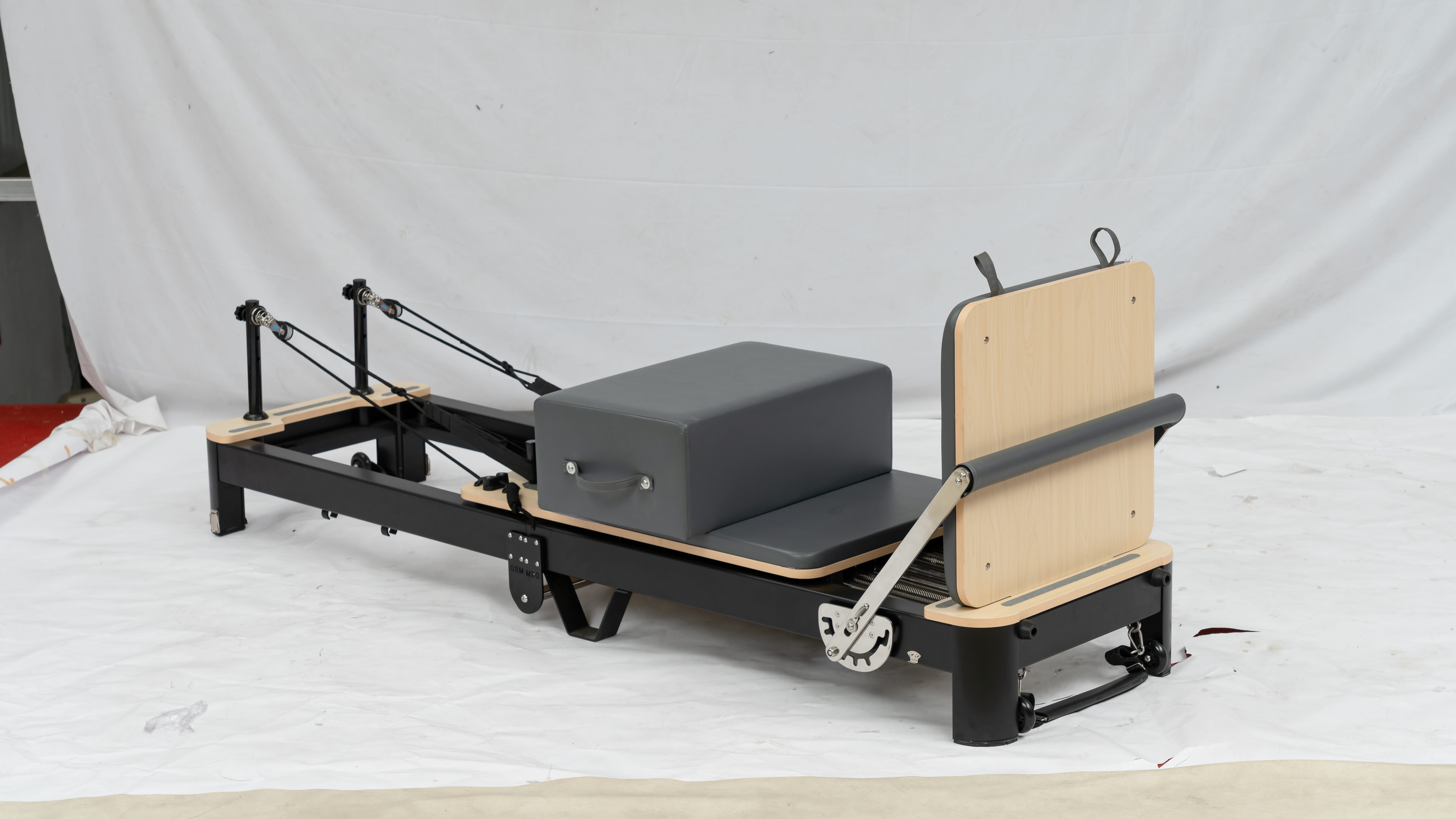
When purchasing Pilates equipment, price and brand are often the first things buyers notice. But what truly determines quality are the materials, craftsmanship, and engineering details hidden beneath the surface. This article provides a systematic framework for judging Pilates equipment quality from five dimensions: appearance, feel, materials, structure, and brand.
I. Appearance: Details Are the Best Confession
Visual inspection is the most intuitive entry point for quality assessment. A good appearance signals that the factory cares about details.
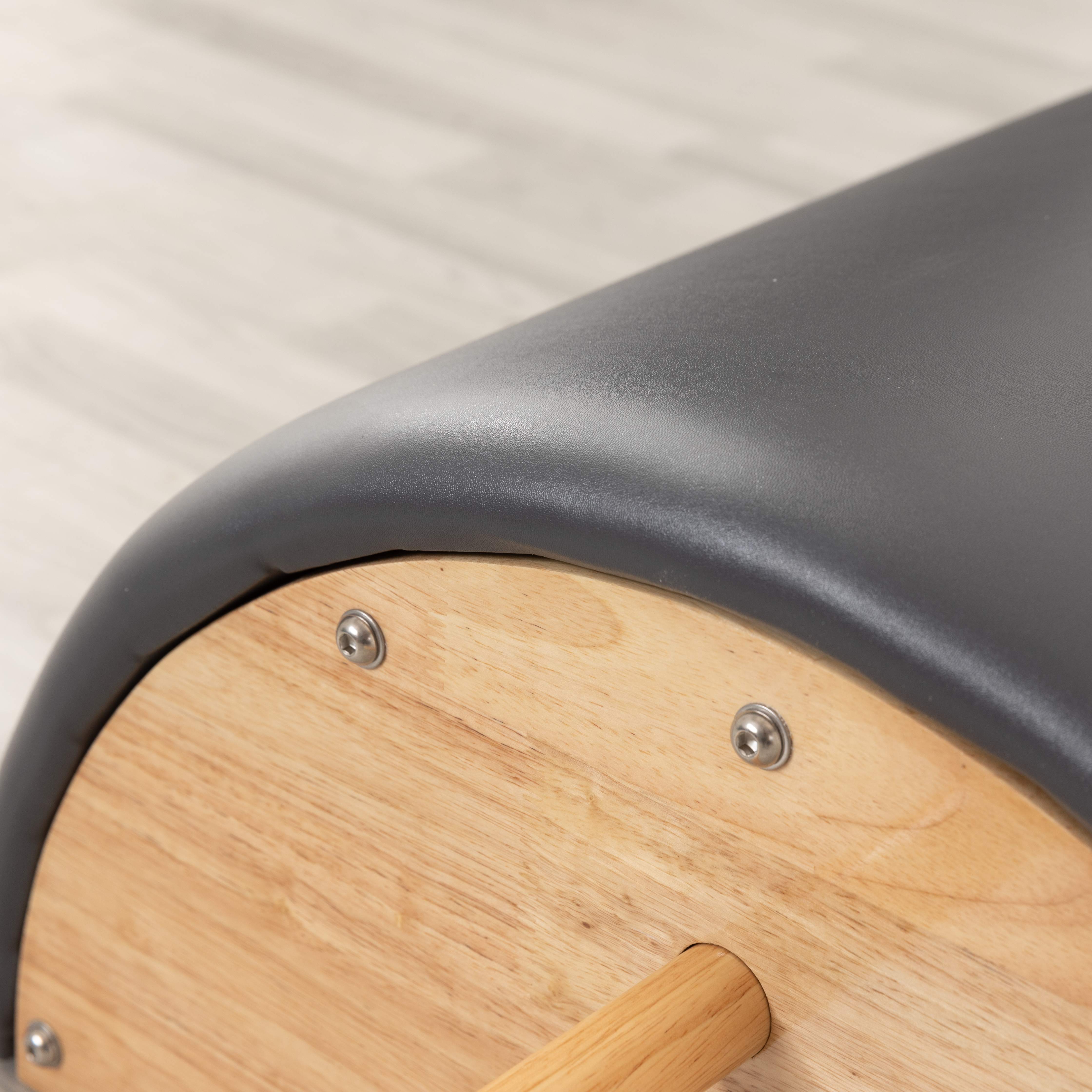
Weld points should be the first thing you examine. Quality equipment has uniform, smooth welds with continuous fish-scale patterns, free from visible porosity, cracks, or spatter. Cheap equipment often shows rough, uneven welds, with visible traces of spot welding and burrs. Weld quality affects not only aesthetics but also frame structural strength and safety.
Coating and surface finish are another inspection focus. High-quality powder coating or anodized finishes have uniform color, smooth texture, and are free from bubbles, particles, or sags. Cheap equipment may show color variation, orange peel texture, or exposed metal from thin coating. At edges and corners, quality equipment features rounded edges to prevent sharp edges from injuring users.
Leather and stitching deserve close attention. Quality PU leather has a smooth surface with natural texture; stress-bearing seams are double-stitched with even, uniform stitching. Cheap equipment may use single stitching with crooked stitch lines that crack after months of use.
Labels and nameplates also reflect quality. Reputable manufacturers clearly mark brand, model, maximum load capacity, and production information with clear, securely affixed labels. Products without labels or markings are often signals of low-quality counterfeits.
II. Feel: Glide Is the "Soul" of the Equipment
The soul of Pilates equipment lies in its "movement" feel. A test glide is the most critical step in quality assessment.
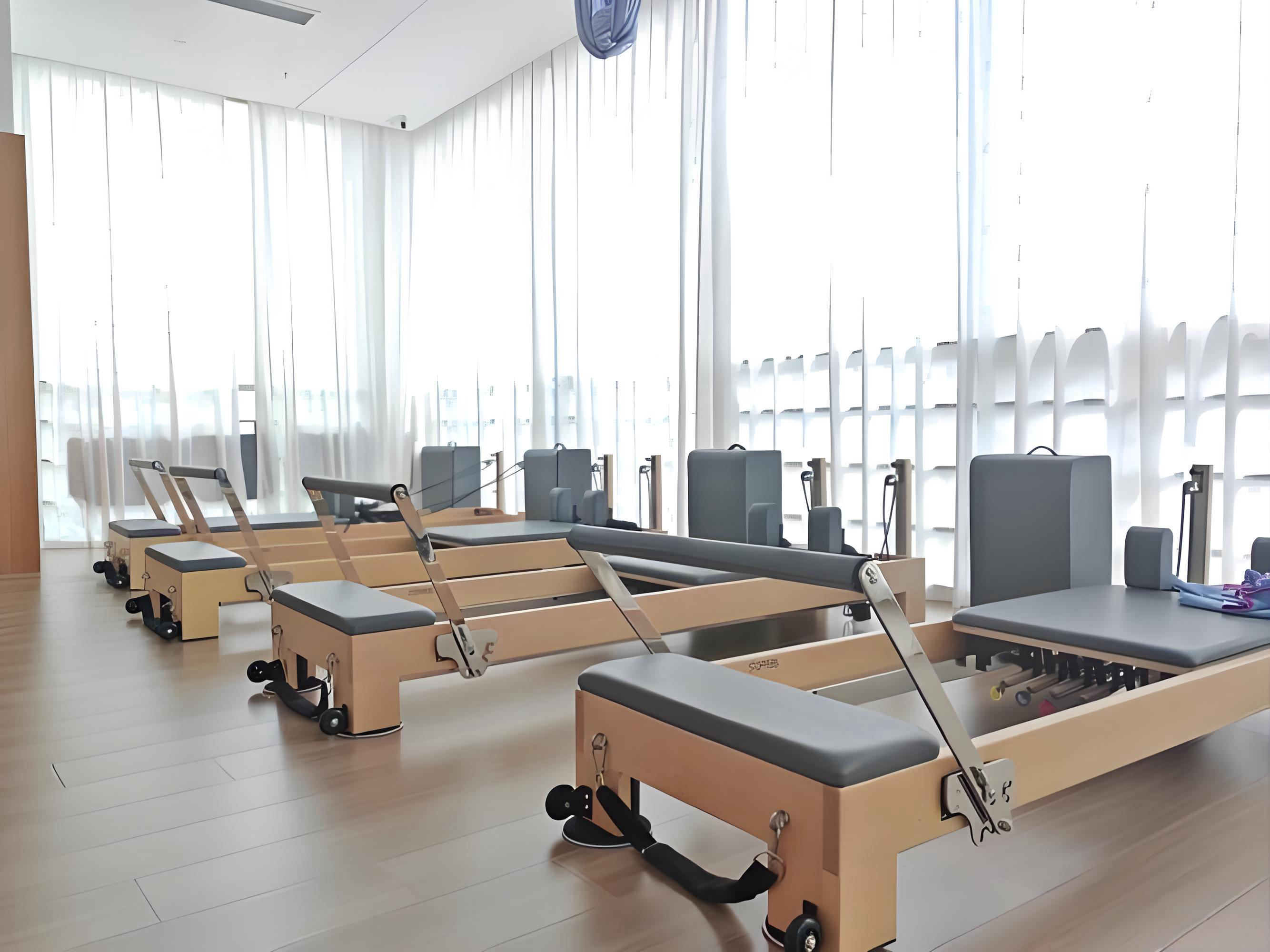
Carriage smoothness is the most intuitive test. Sit on the carriage, gently push with your feet, and feel whether the carriage runs smoothly on the rails without sticking or unusual noise. Quality equipment runs smoothly and quietly, even under full load, with almost no friction noise. Cheap equipment may produce "clunking" sounds or noticeable friction variation during gliding.
Quietness is a core indicator of pulley and rail precision. In a quiet environment, quality equipment produces noise below 50 decibels during gliding — comparable to a quiet library. Good Pilates equipment should have no additional friction or impact noise beyond spring stretch sound and gentle wheel rolling.
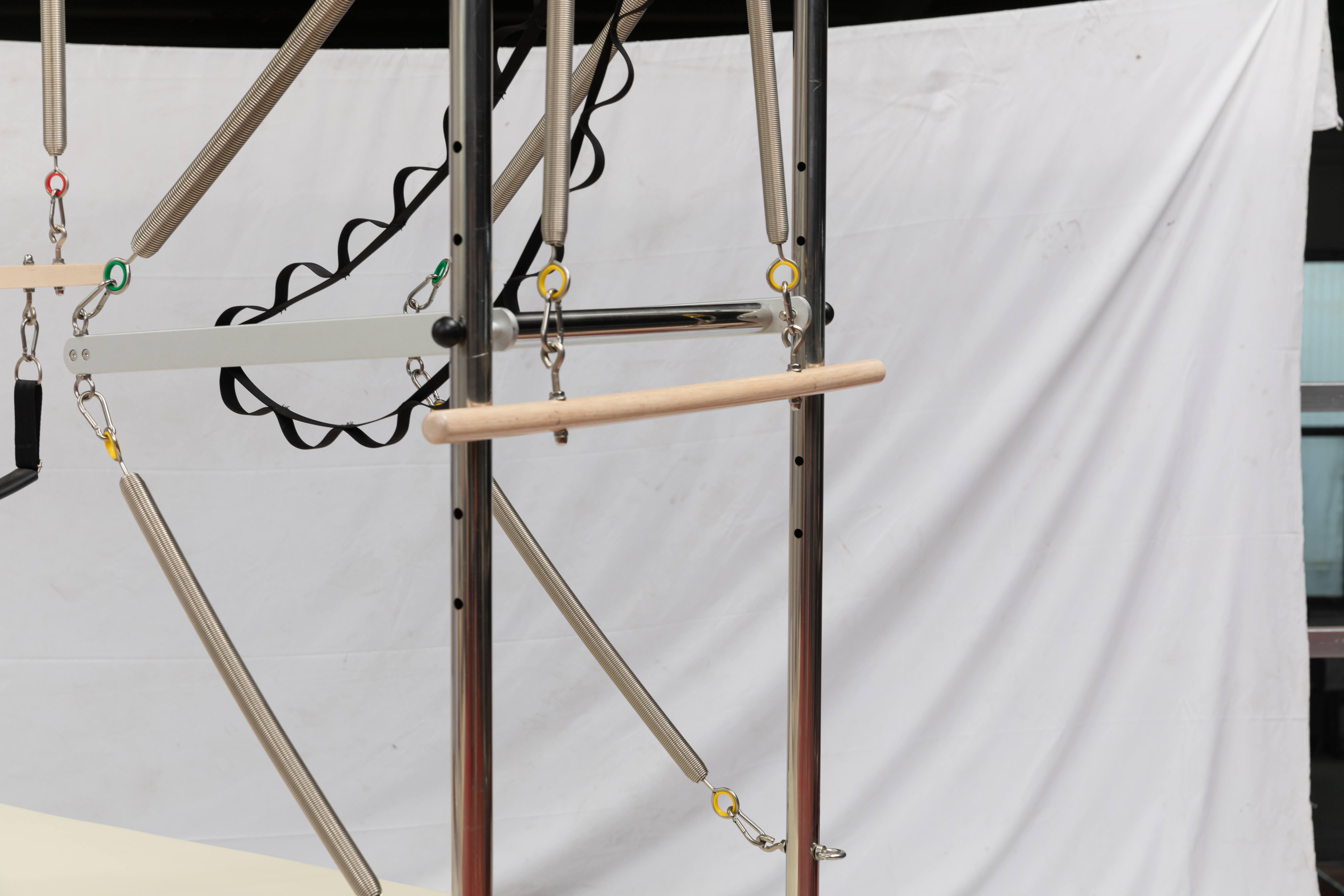
Spring feel requires careful attention. Test different spring combinations and feel the linearity of resistance change. Quality springs provide a smooth, progressive resistance curve from initial stretch to full extension, without sudden "snags" or "jumps." Cheap springs may feel harsh, with uneven resistance or even twisting during extension.
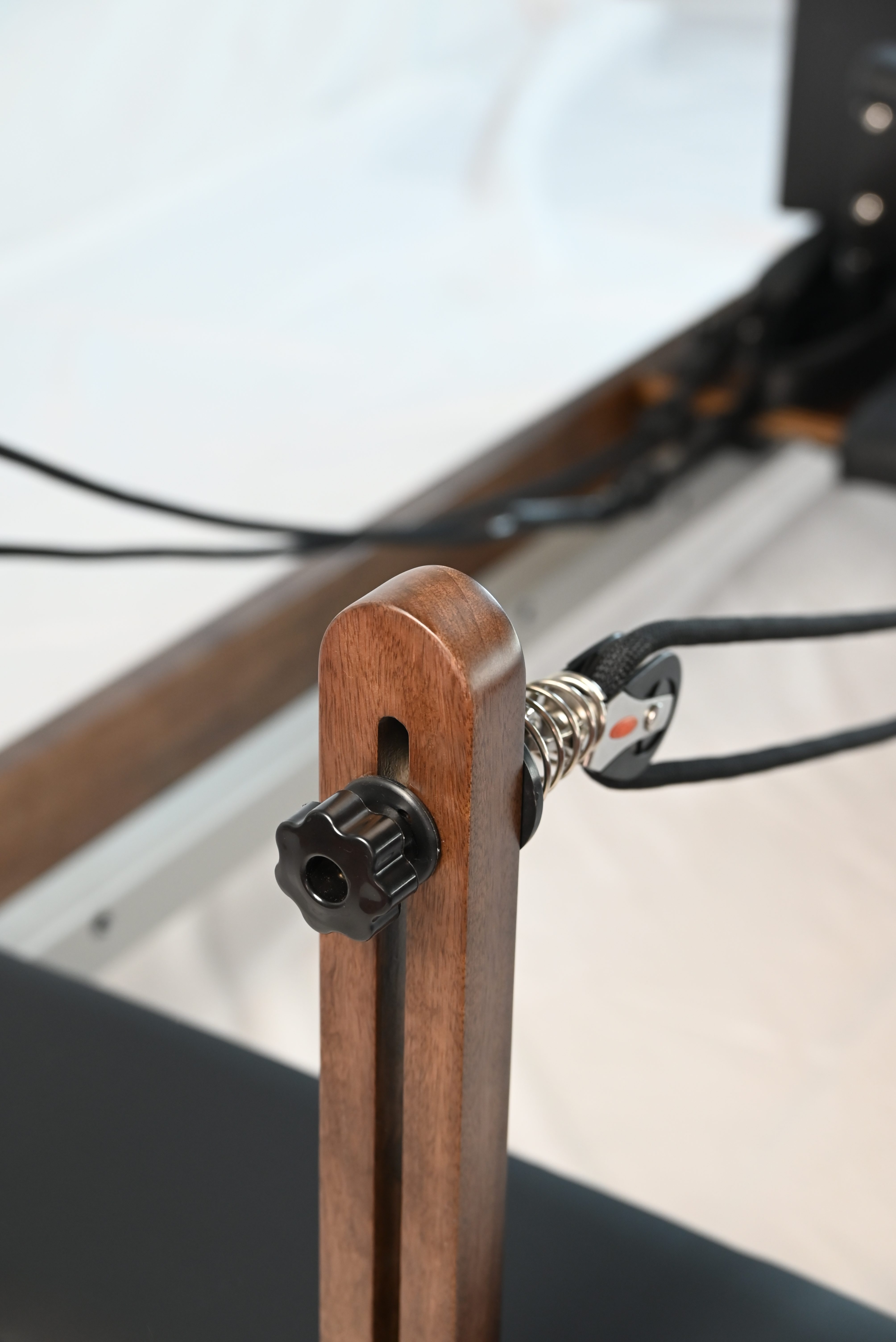
Adjustment mechanisms should be tested one by one. All adjustable components — footbar, shoulder rests, headrest — should operate smoothly and lock securely without shifting during movement. If any adjustment mechanism is difficult to operate or wobbles after locking, that's a sign of poor quality.
III. Materials: The Visible "Internal Strength"
Materials are the foundation of equipment quality. Before purchase, understand the specific material specifications of each component.
Frame material and thickness should be verified first. Quality commercial equipment typically uses steel thickness of at least 2 millimeters. Aluminum frames should clearly specify alloy grade, such as 6061-T6 aviation-grade aluminum. Solid wood frames should state wood species and moisture content control standards (ideally below 8%). If the seller cannot provide material specifications, that's a warning sign.
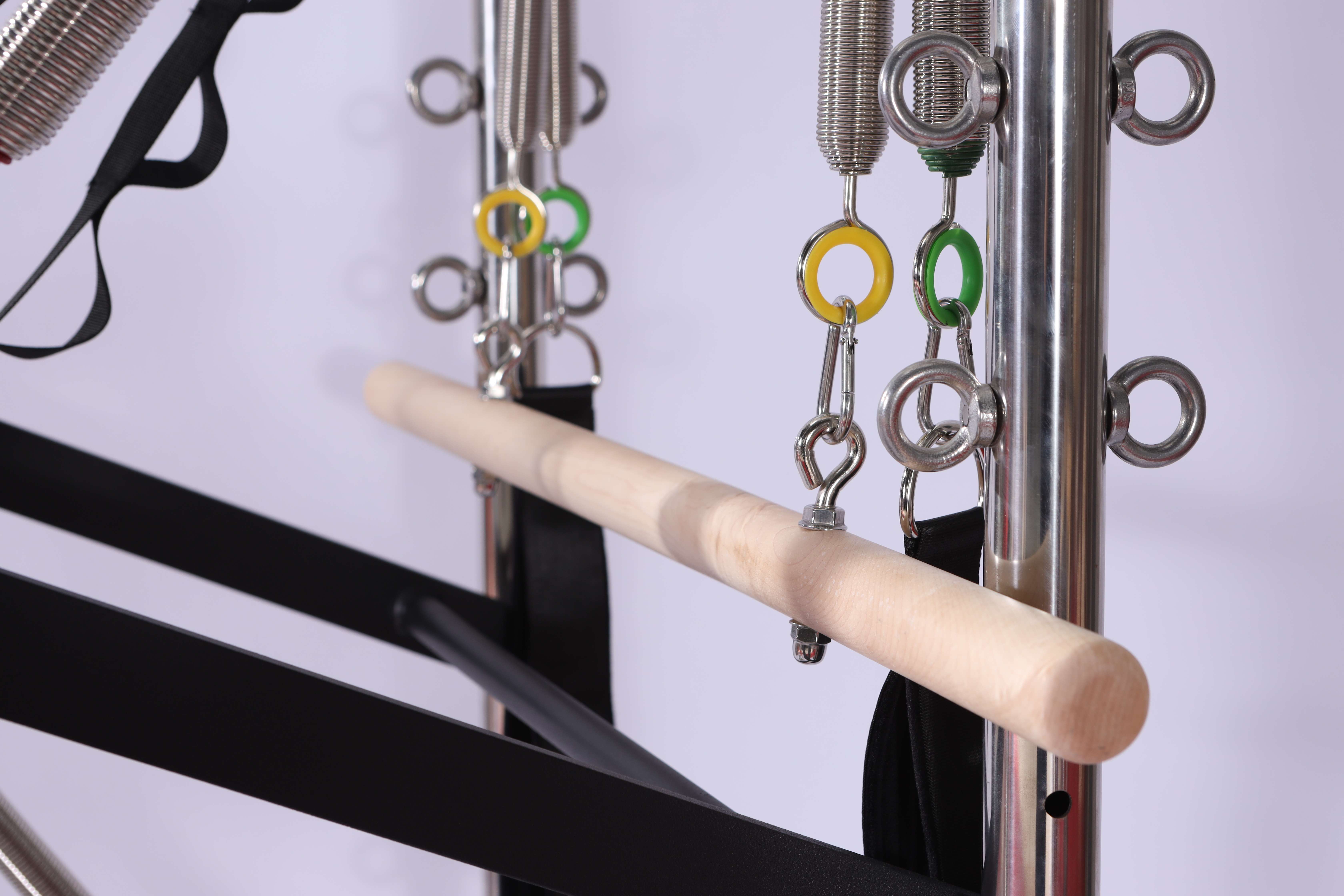
Spring grade is an easily overlooked "internal strength" factor. Quality springs are made from high-carbon steel or music wire, with strict heat treatment and force testing. Asking about spring material origin (whether imported), expected cycle life, and force tolerance range is an effective way to judge spring quality.
Leather abrasion resistance can be measured by Martindale test values — commercial-grade equipment requires over 50,000 cycles. Quality manufacturers can provide this data; cheap equipment sellers often avoid the topic.
Foam density directly affects comfort and durability. Commercial-grade requires at least 45 kilograms per cubic meter. Press the upholstery surface — quality foam rebounds quickly, while cheap foam may leave visible indentations.
IV. Structure: Stability Is the Foundation of Safety
Structural stability is about safety — a non-negotiable dimension of quality assessment.
Overall stability testing is simple: sit on the carriage and perform lateral stretches or large movements, observing whether the entire unit wobbles, tilts, or shifts. Quality equipment remains rock-solid even under lateral force; cheap equipment may squeak or sway during exertion.
Frame rigidity can be sensed by pressing various parts of the frame. Quality equipment shows almost no deformation under load; cheap equipment may exhibit noticeable elastic flex.
Anti-slip feet are an easily overlooked safety detail. Check whether feet are securely attached and whether the material provides sufficient friction. On smooth flooring, quality equipment's anti-slip feet provide reliable grip.
V. Brand and Warranty: A Commitment to Reliability
Brand reputation and warranty policy are external extensions of equipment quality.
Brand history and reputation are reliable reference dimensions. Brands with long histories focused specifically on Pilates equipment typically accumulate rich manufacturing experience and quality control capability. Industry forums, professional reviews, and peer recommendations can help assess brand reputation.
Warranty terms are a "litmus test" of quality. Quality brands typically offer lifetime warranty on frames (or 20+ years) and 2-3 years on moving parts. Short warranty periods, vague coverage, or "30-day only" policies often indicate lack of confidence in the product. Coverage scope is equally important — check whether frames, springs, pulleys, and upholstery have separately specified warranty periods.
Certifications and standards provide additional reference: ISO 9001 quality management certification, CE safety certification, and compliance with EN ISO 20957 standards all indicate products that have undergone more rigorous testing.
Summary: The core principle for judging Pilates equipment quality is "verifiable, comparable." Appearance can be beautified, but welds, coating, and stitching don't lie. Feel can be described, but a personal glide test doesn't deceive. Material specifications can be vague, but asking for specific parameters reveals the truth. When purchasing, evaluate at least five key dimensions — welds, glide feel, springs, frame, and warranty — a machine that passes inspection on all five is a quality choice worth considering.