How to Choose Home Pilates Equipment? A Beginner's Guide to Avoiding Pitfalls
Want to practice Pilates at home but overwhelmed by equipment choices? You're not alone. The market offers everything from $20 resistance bands to $3,000 reformers — with wildly varying quality and functionality. The bigger problem is that many products marketed as "home-friendly" end up collecting dust or being unusable. This beginner's guide helps you figure out what's worth buying and what to avoid.
I. Ask Yourself Three Questions First
Take five minutes to think through these three questions before you order anything — it will save you at least half the money you might otherwise waste.
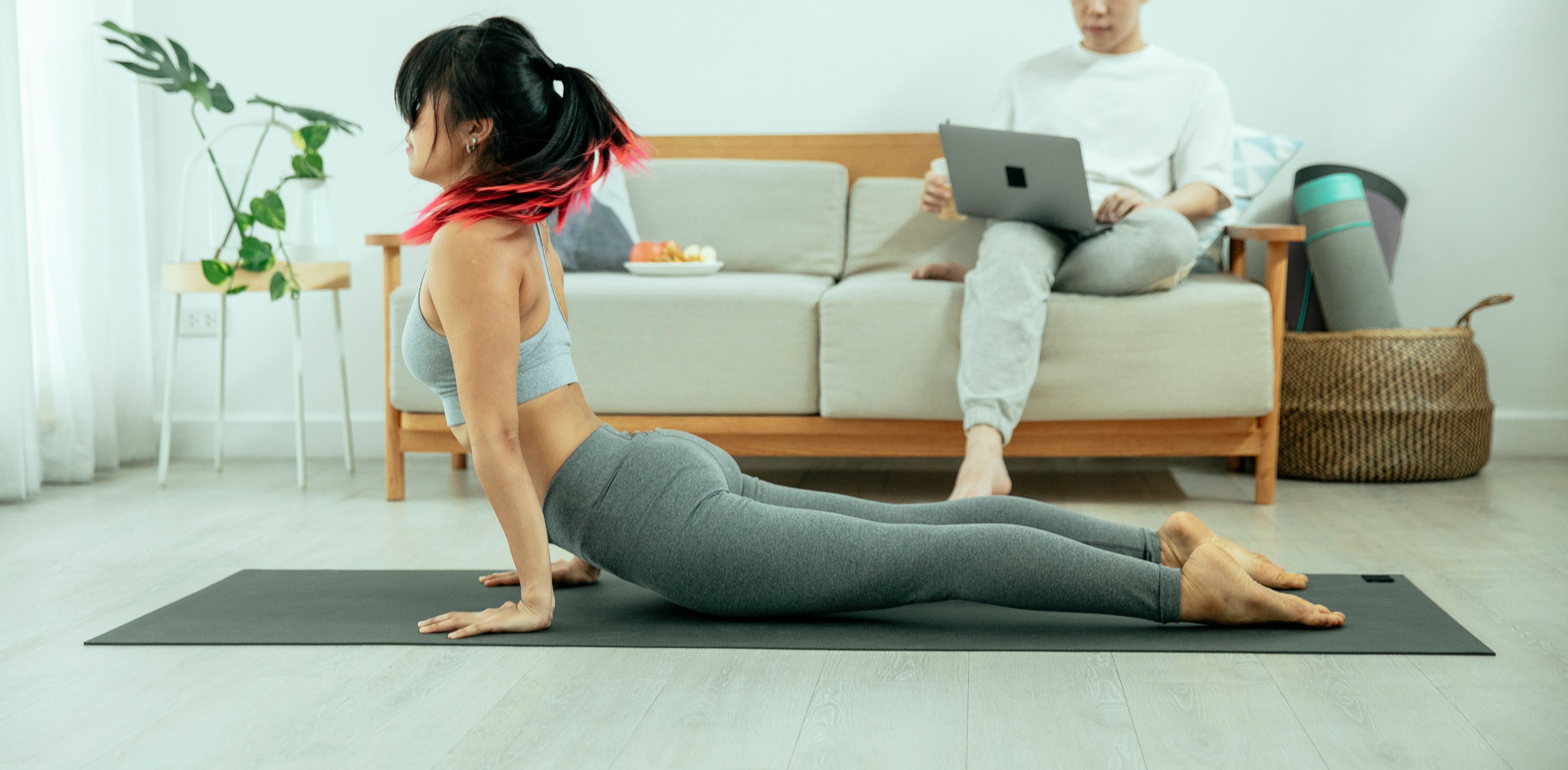
Do you have mat experience, or are you a complete beginner? If you've never done basic mat Pilates — if you haven't found your engagement in planks, roll-ups, or glute bridges — do not buy any equipment yet. Spend a few hundred on a few mat classes at a studio, or follow a reliable online program for a month, and first build basic body awareness. A Pilates reformer is not an "automatic coach" — it only amplifies your movement patterns. If your patterns are good, it makes them better. If they're wrong, it makes them worse.
How many times can you practice per week? Pilates is a frequency-over-intensity activity. Regular practice 1-2 times per week delivers far better results than sporadic bursts of enthusiasm. Assess your schedule honestly — can you consistently commit to twice a week, 30 minutes each? If not, any equipment you buy will likely gather dust.
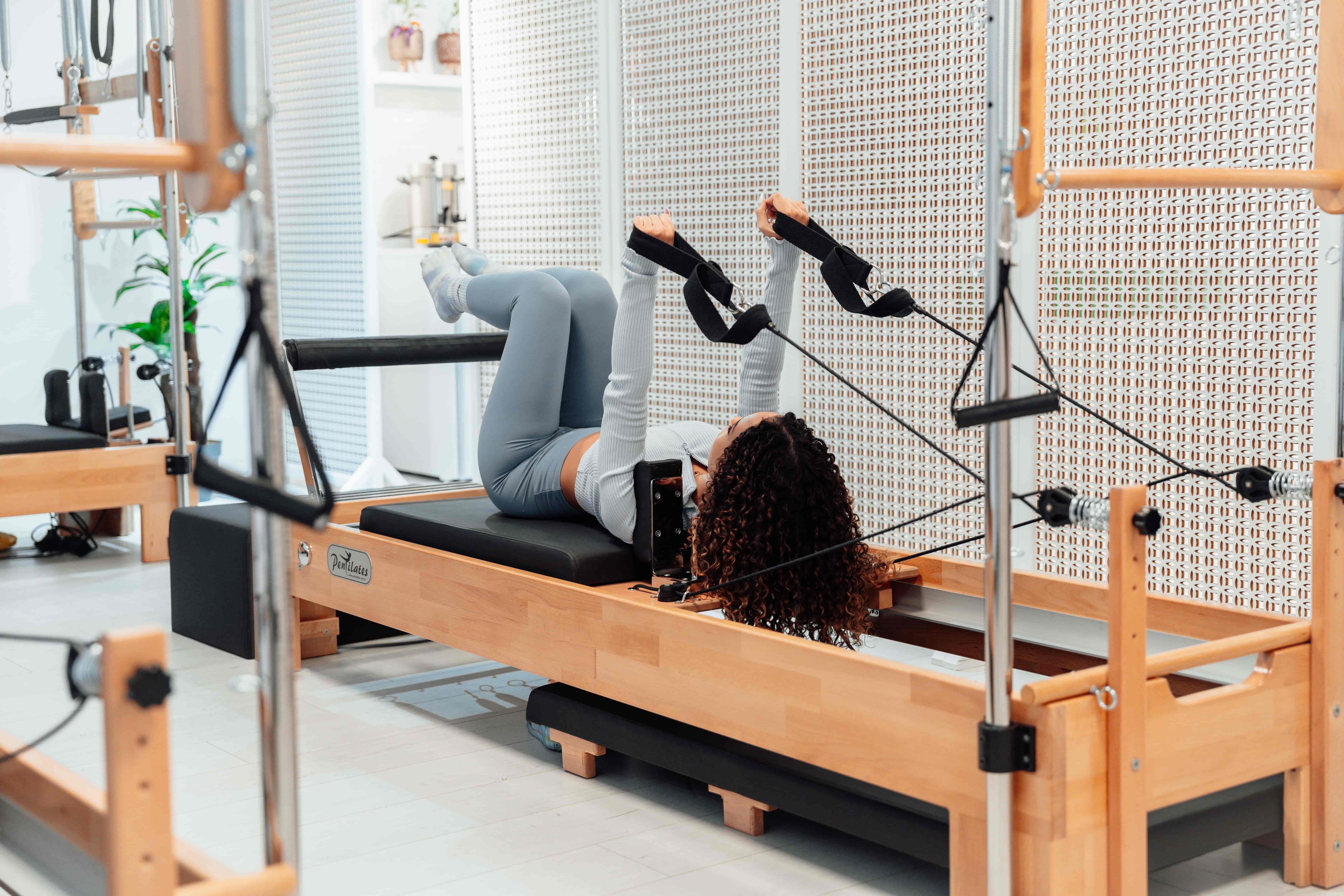
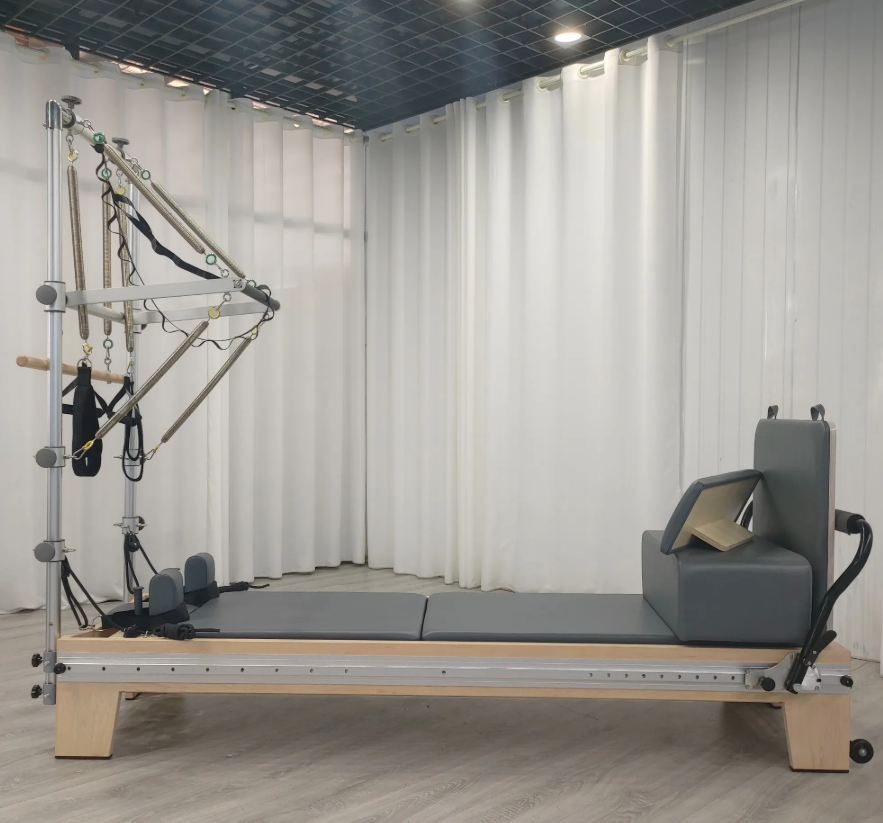
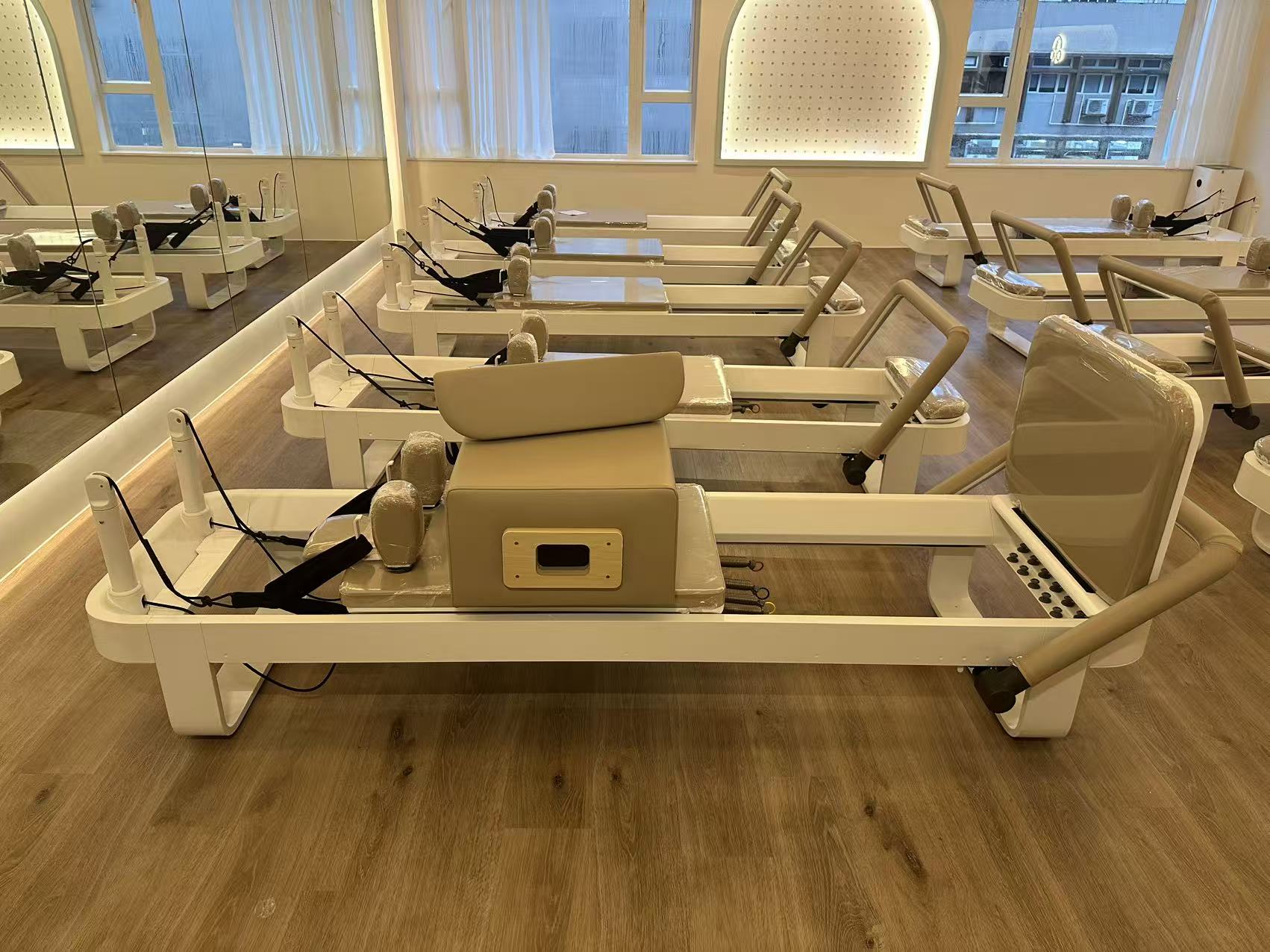
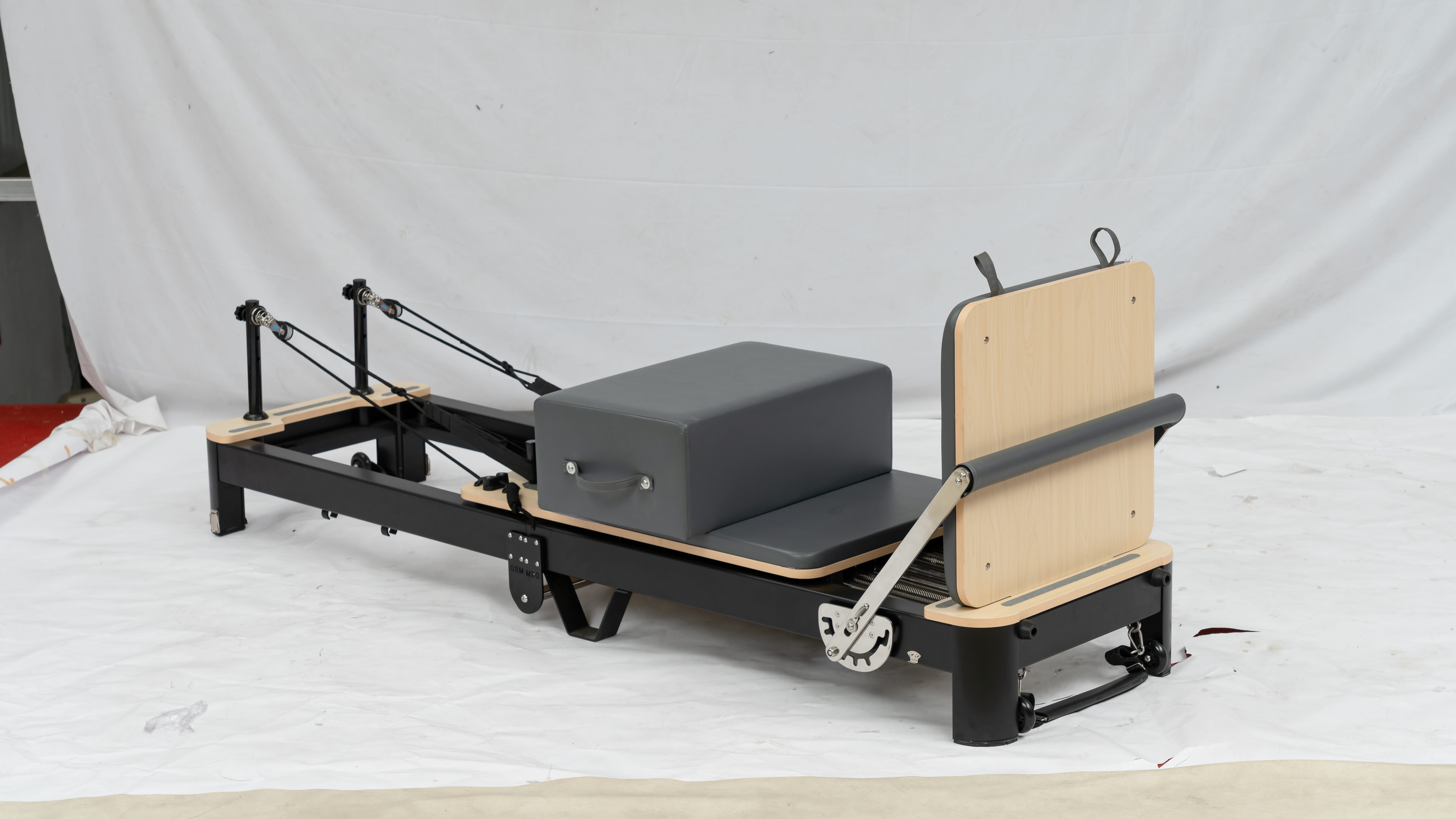
How much space do you actually have? A standard reformer is about 2.3 meters long and 0.7 meters wide — plus space on both sides for operation, you'll need at least 2.5m × 1.5m. If you genuinely only have 1.5m × 1m, don't try to squeeze in a reformer. Start with mat work and small props — you can still get a great workout.
II. Beginner Entry Point: Start with Small Props
For the vast majority of beginners, you don't need and shouldn't start with a reformer. A set of small props is the best starting point — low cost, minimal space, and plenty of workout variety.
The Essential Three:
Magic Circle (~$15-20): Adds resistance for inner thighs, arms, and chest. Lightweight and portable — you can even take it when traveling.
Resistance Bands (~$5-10 each): Provide variable resistance for mat exercises. Get 3 different resistance levels for different exercises and progressions.
Yoga Mat: Don't get one too thin (under 4mm will feel bony) or too soft (unstable and wobbly). Choose 5-6mm with good grip — that's all you need.
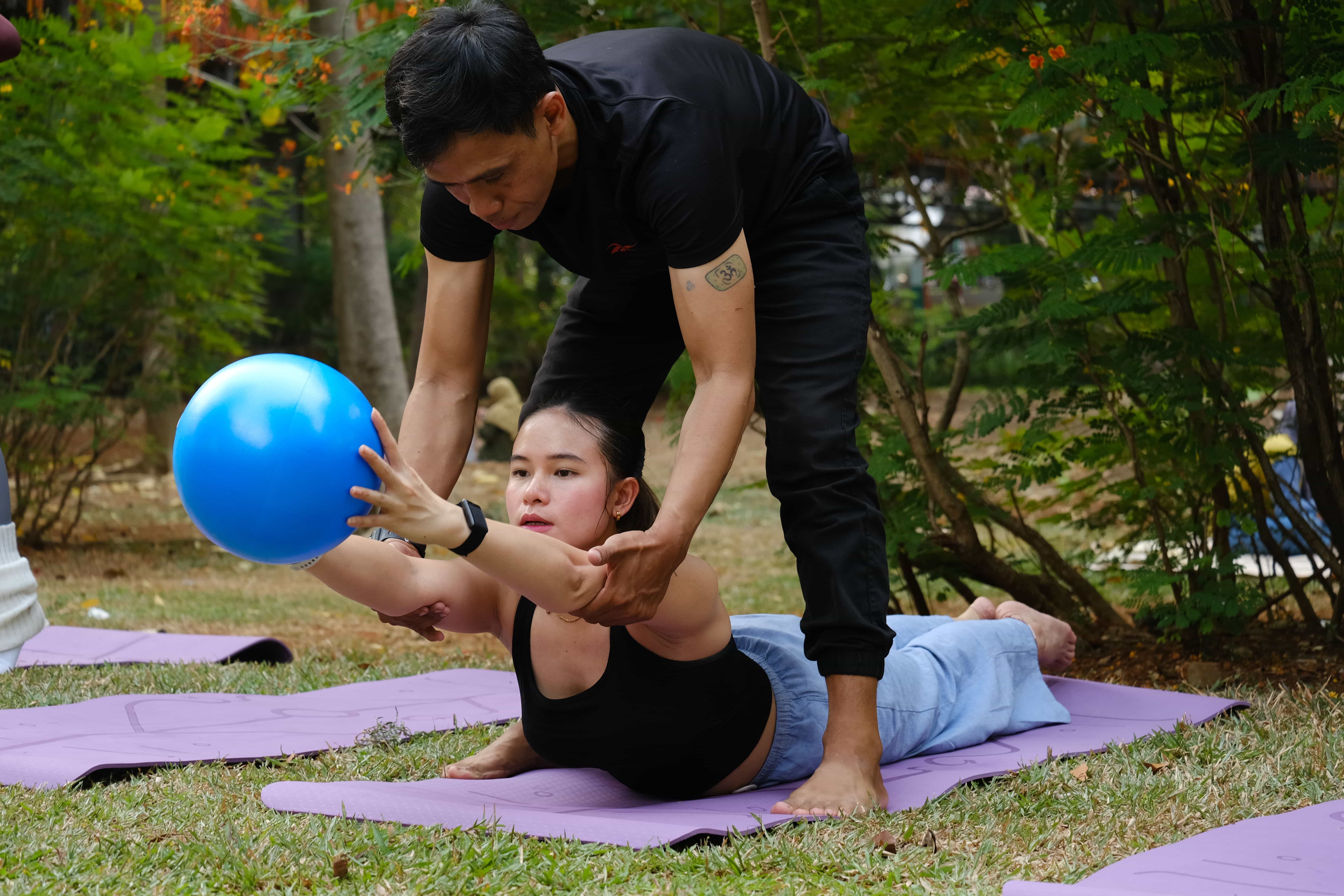
Advanced Small Props: As you progress, consider adding a foam roller, Pilates ball, and soft kettlebells. The full set costs well under $200 and can support over a year of progressive training.
III. When Should You Consider a Reformer?
You're ready to seriously consider a home reformer only when all of these conditions are met:
You've been practicing mat Pilates consistently for at least 6 months
You understand and can demonstrate "neutral pelvis," "ribs closed," and "core engagement"
You consistently practice 2-3 times per week or more
You have at least 2.5m × 1.5m of usable floor space
Your budget is at least $400
If these conditions are all met, then — and only then — you can start shopping.
IV. Home Reformer Buying Guide: What to Avoid
Home reformers range from under $200 to well over $2,000. Here are the critical pitfalls to avoid.
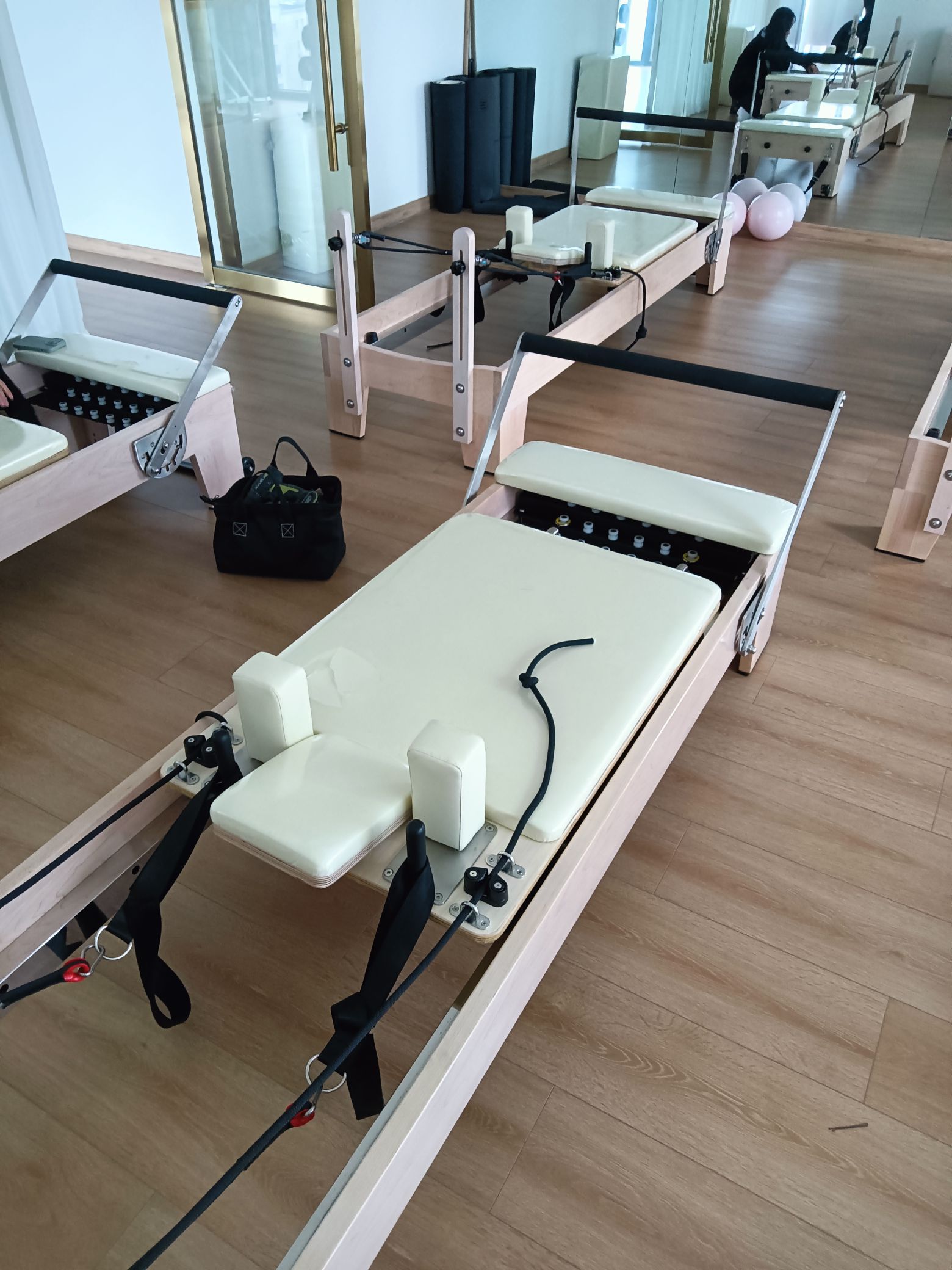
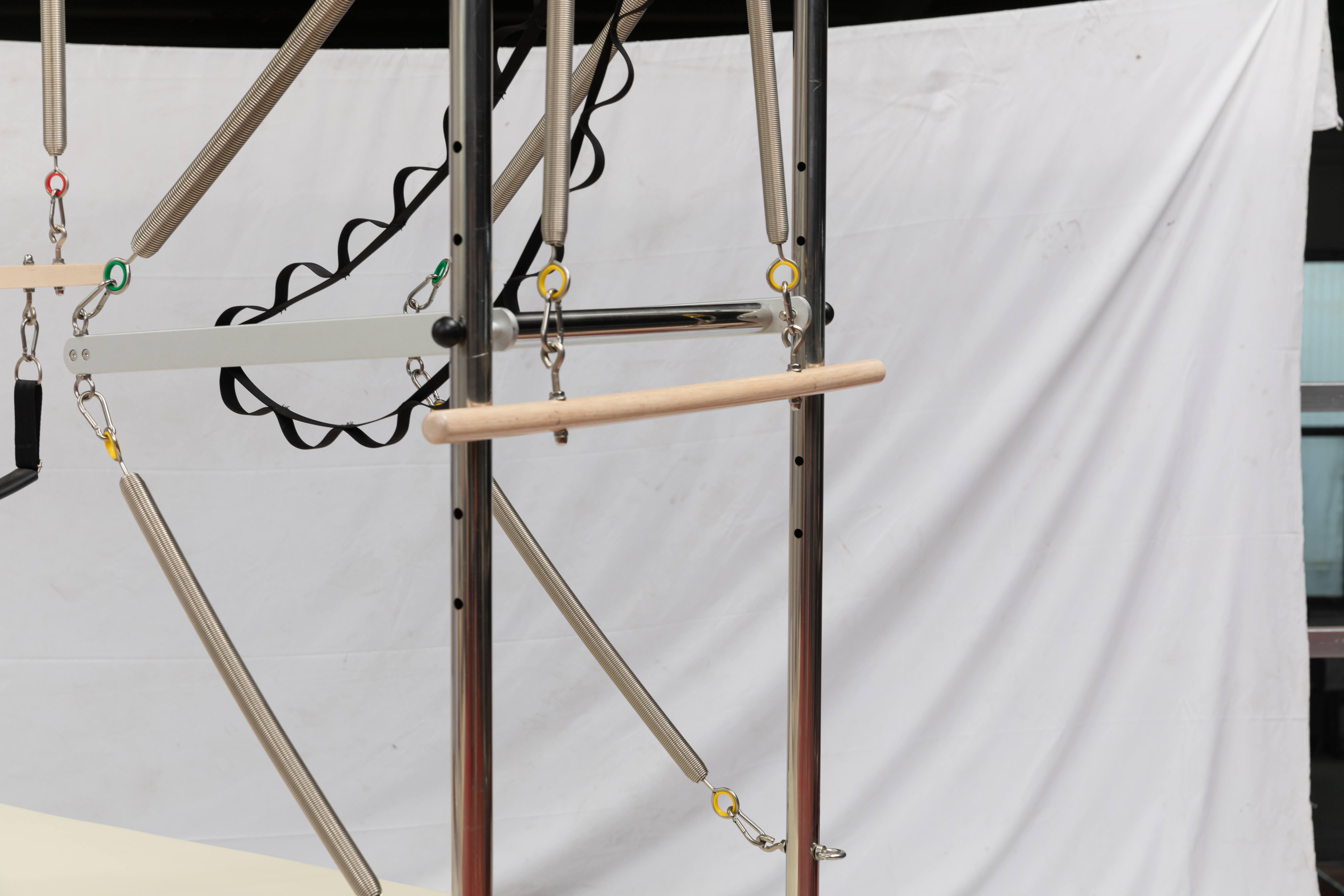
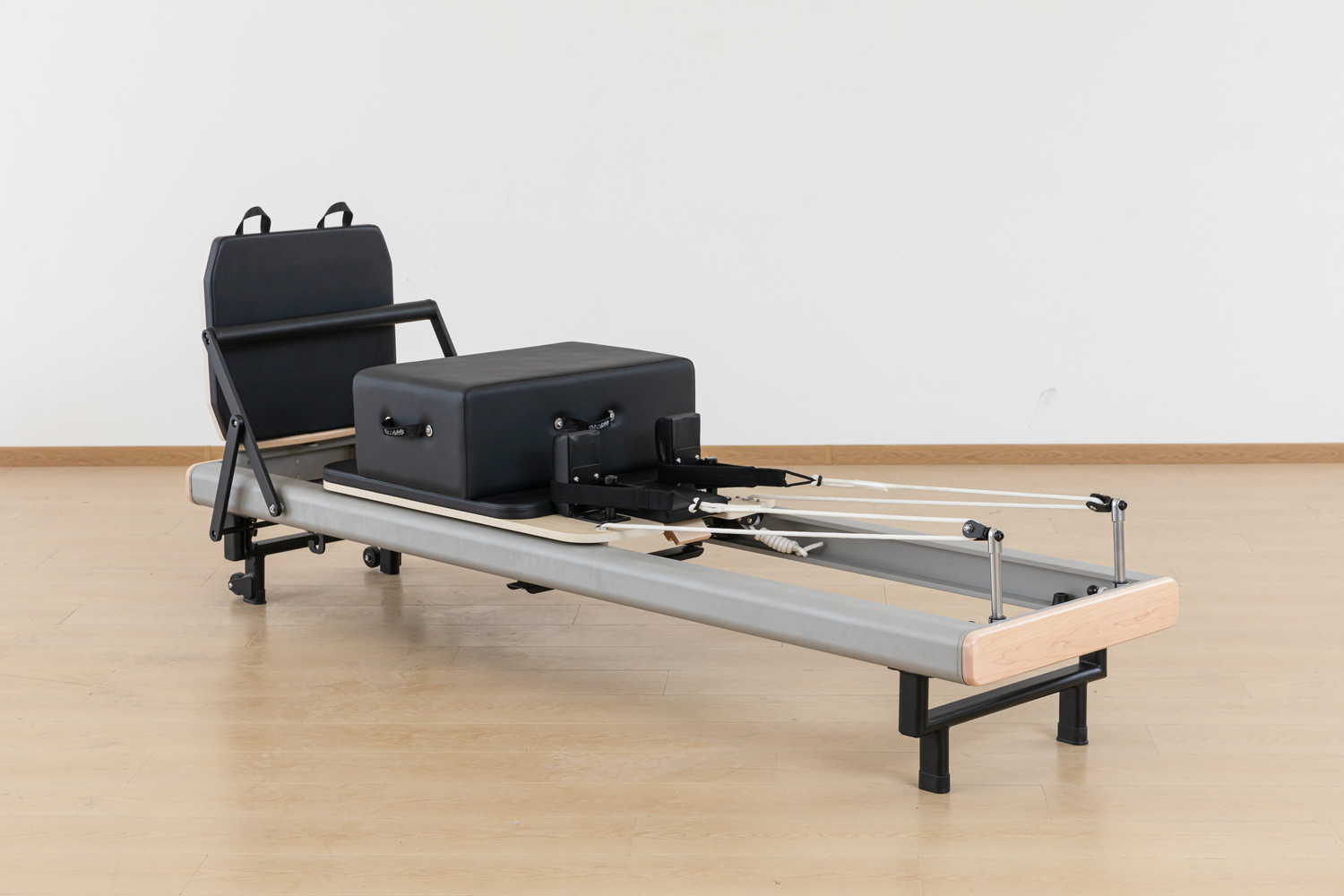
Avoid the "elastic cord" trap: Many sub-$300 "reformers" don't use metal springs at all — they use latex elastic cords. Elastic cords have non-linear resistance — they feel slack at the start of a movement but get progressively tighter as you stretch further, completely unlike the consistent resistance that proper Pilates training requires. How to spot them: ask directly "what material are the springs?" If the seller is vague or says "resistance system," it's almost certainly elastic cords. A real metal spring seller will tell you it's "high-carbon steel cold-coiled springs" or "imported piano wire."
Understand the difference between "foldable" and "storable": Many so-called "foldable" reformers simply slide the carriage to one end and remove the shoulder rest — the main frame still occupies nearly 1.5 square meters of floor space. A true foldable reformer reduces overall thickness significantly, allowing it to stand vertically against a wall. If you're buying foldable for space savings, ask for the exact folded dimensions before buying.
Materials determine lifespan: Home use isn't as demanding as a commercial studio, so you don't need heavy-duty commercial frames. But these core components are non-negotiable:
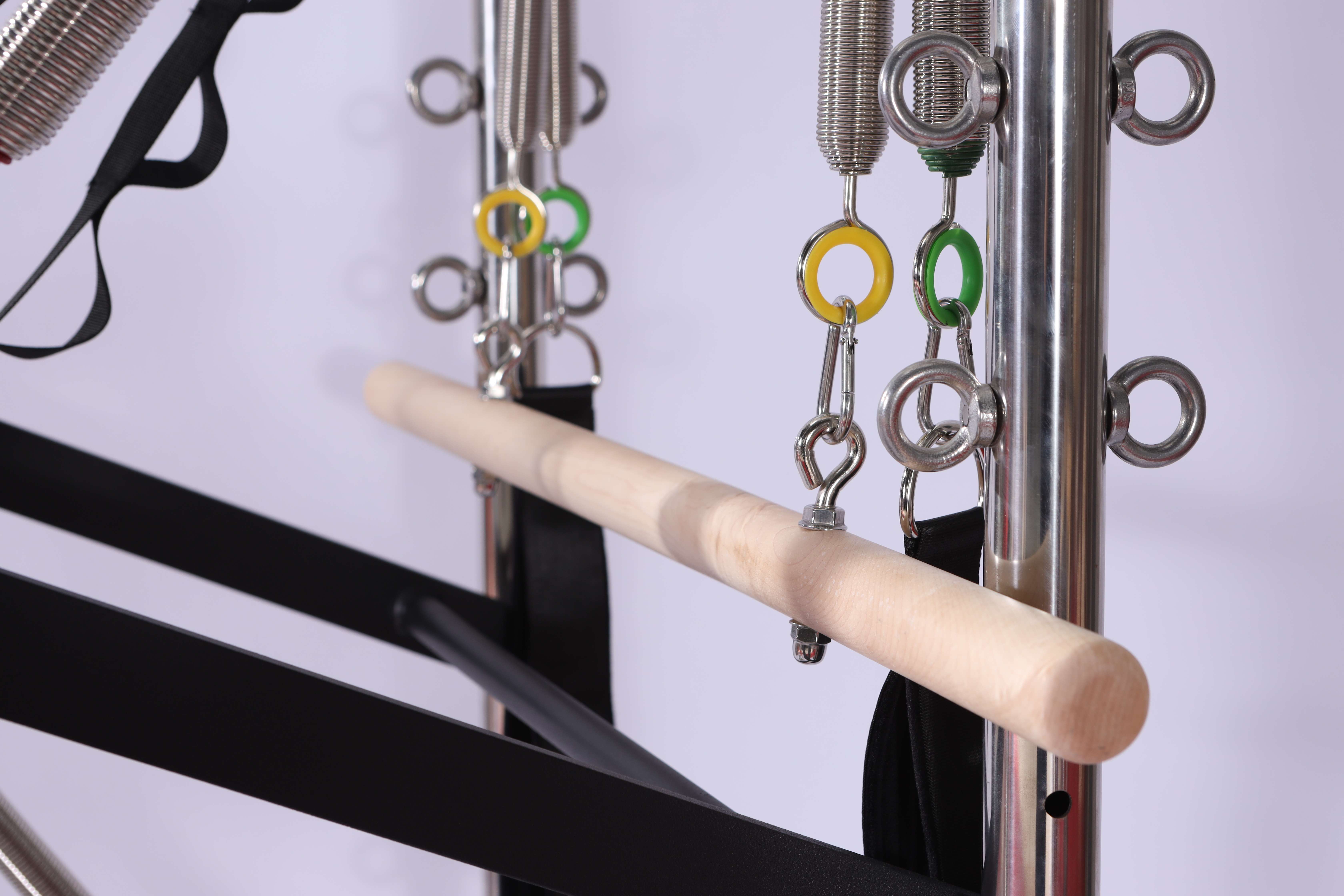
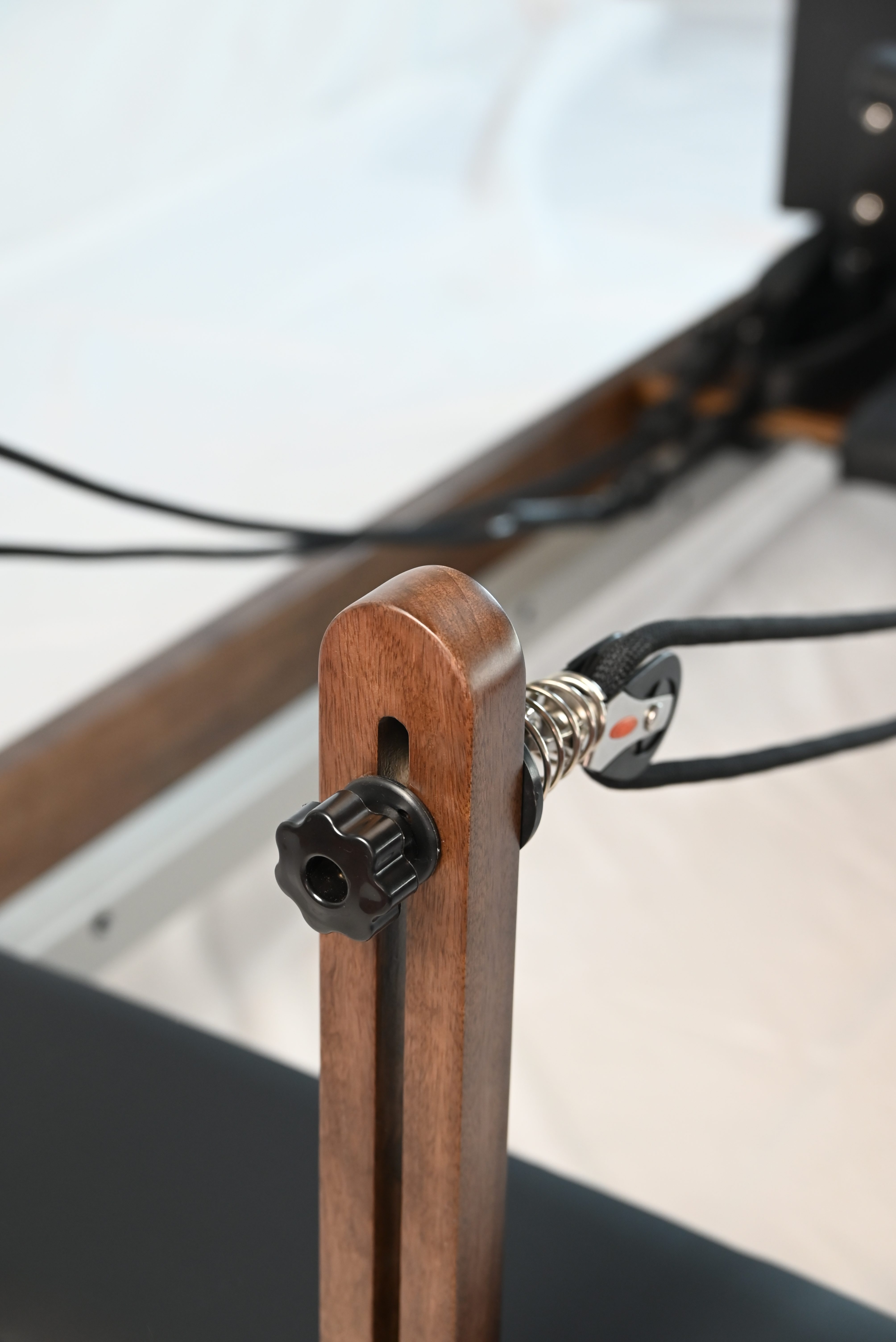
Springs: Must be actual metal springs with clear specifications (quality springs should guarantee at least 500,000 stretch cycles)
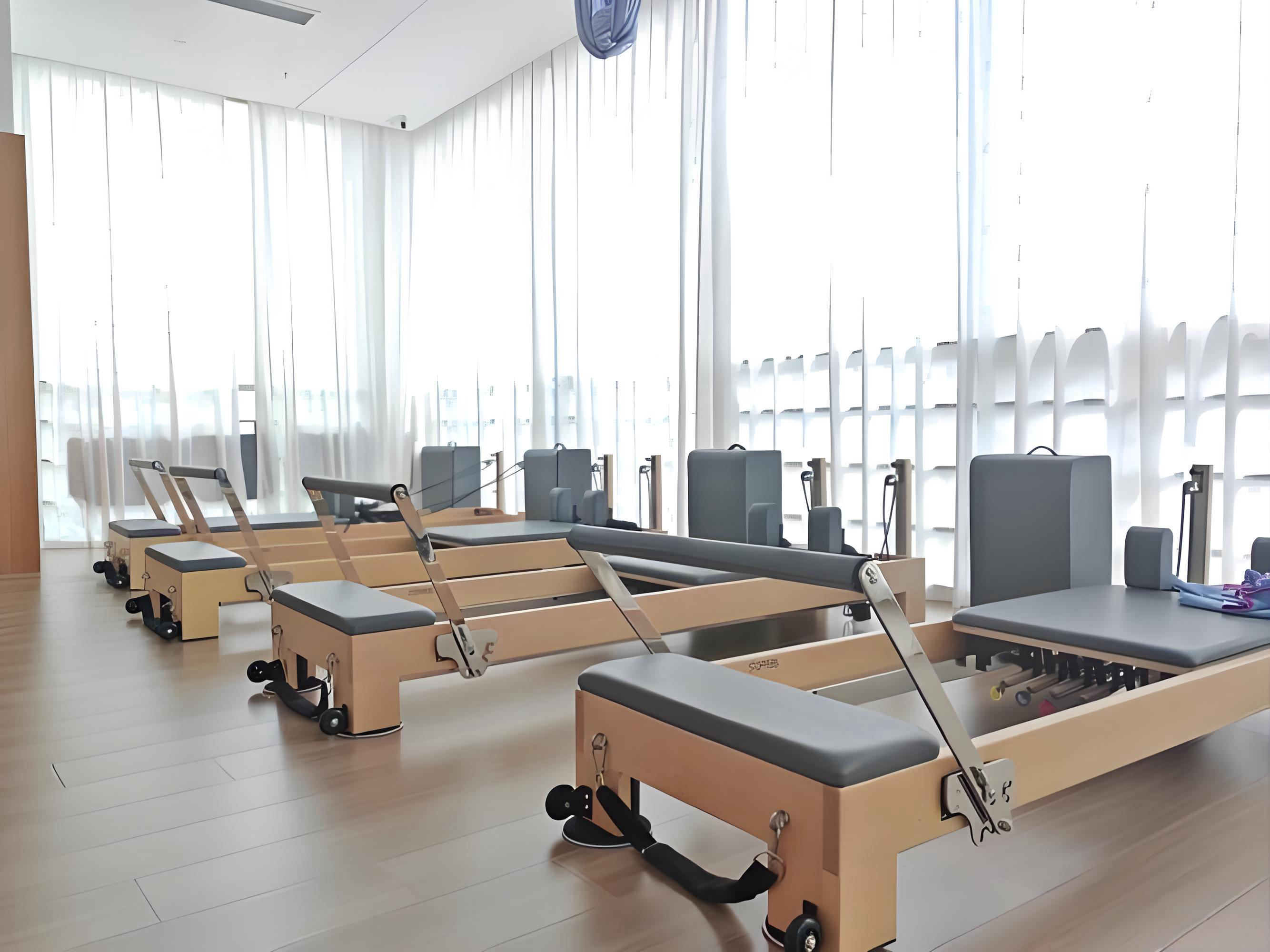
Rails: Aluminum rails or chrome-plated steel rails — gliding should be smooth without sticking or noise
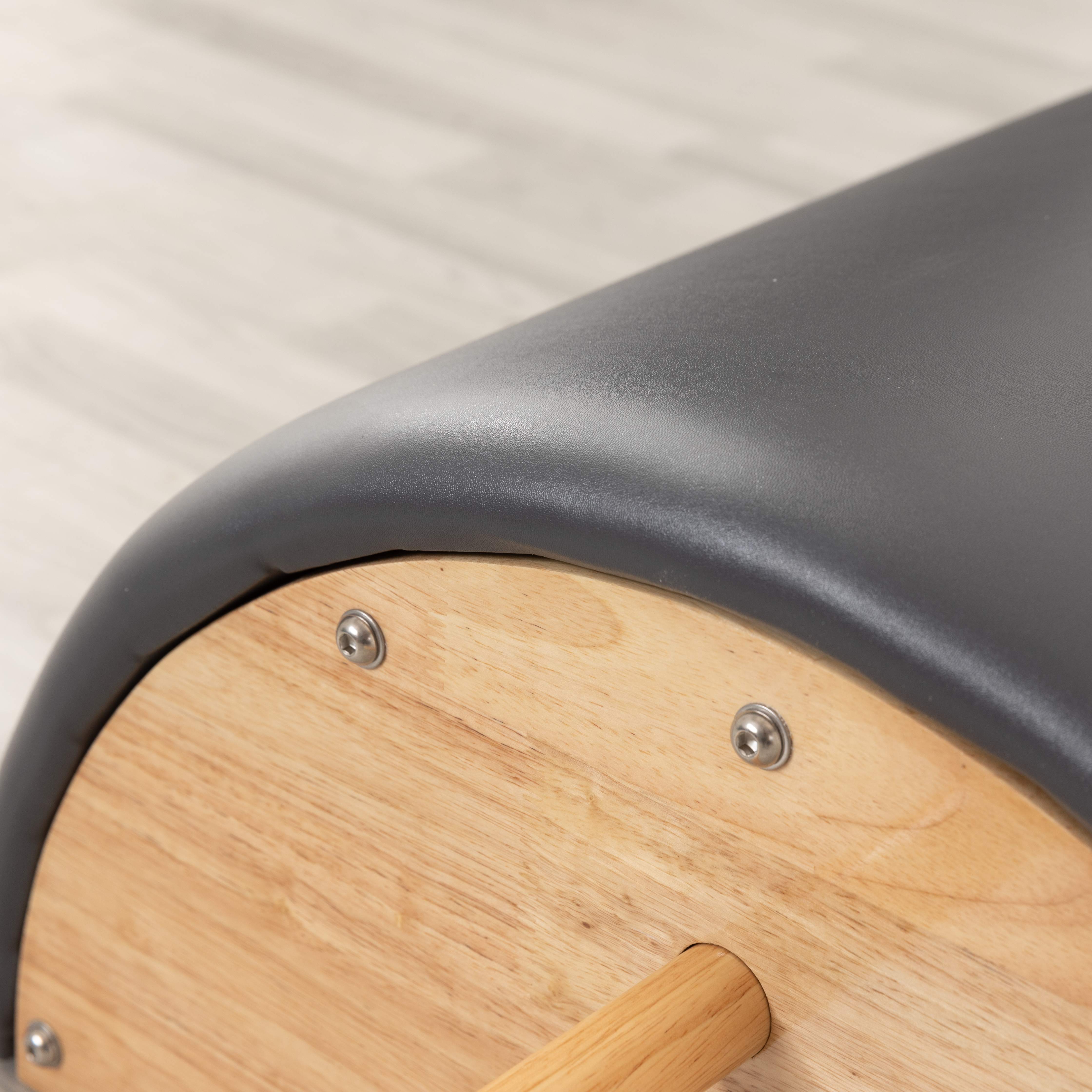
Upholstery: At least high-density foam (quick rebound after pressing) and durable PU leather (not thin PVC)
Glide smoothness is the core of feel: Even the best springs feel terrible on rough rails. Test before buying if possible — in a store or on a friend's machine — to feel whether the carriage glides smoothly and quietly. For online purchases, pay close attention to reviews mentioning "glide noise" and "smoothness." Poor glide quality will ruin your practice experience.
V. Summary: Three Core Principles
Principle 1: Mat first, equipment later. Don't touch equipment until you have at least 6 months of consistent mat practice.
Principle 2: Better to wait than to waste. A $200 elastic-cord "reformer" is money wasted — a $500+ real metal-spring machine is the true starting point.
Principle 3: Value is in consistent use, not purchase price. Any home equipment's greatest value comes from "you'll use it 2-3 times per week for over a year." If you won't, even the most expensive equipment is just decoration.