Pilates Reformer vs. Cadillac: Which One Should You Buy for Home Use?
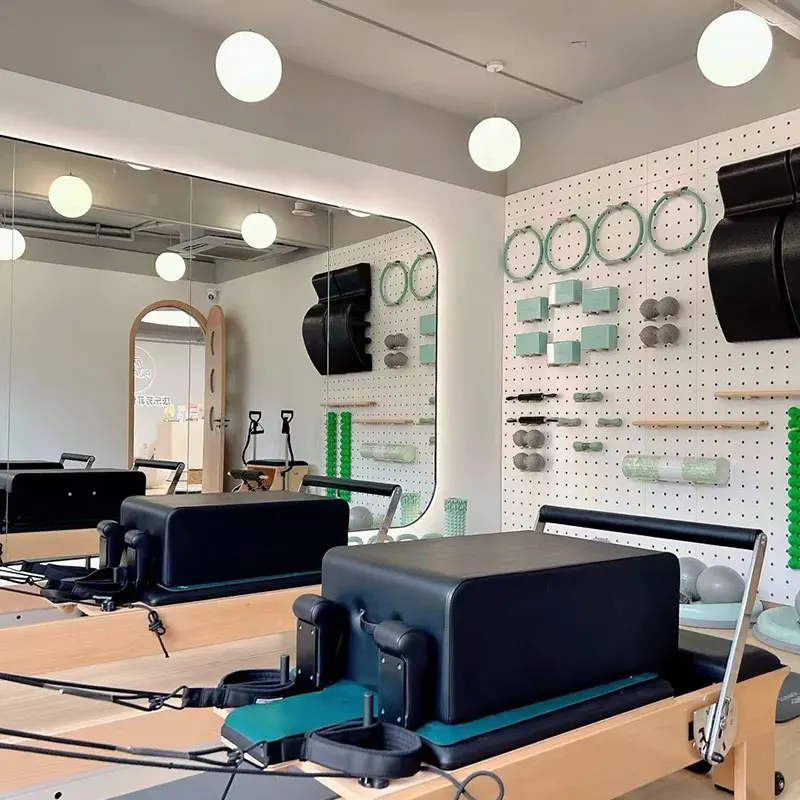
Pilates equipment comes in many varieties, with the Reformer and Cadillac being the two most common and most easily confused. Many beginners don't understand the difference and aren't sure which one to buy for home use. This article breaks down their functional differences, use cases, and purchasing recommendations.
I. Differences Between Reformer and Cadillac
Reformer: The Versatile "All-Rounder" for Precision Sculpting
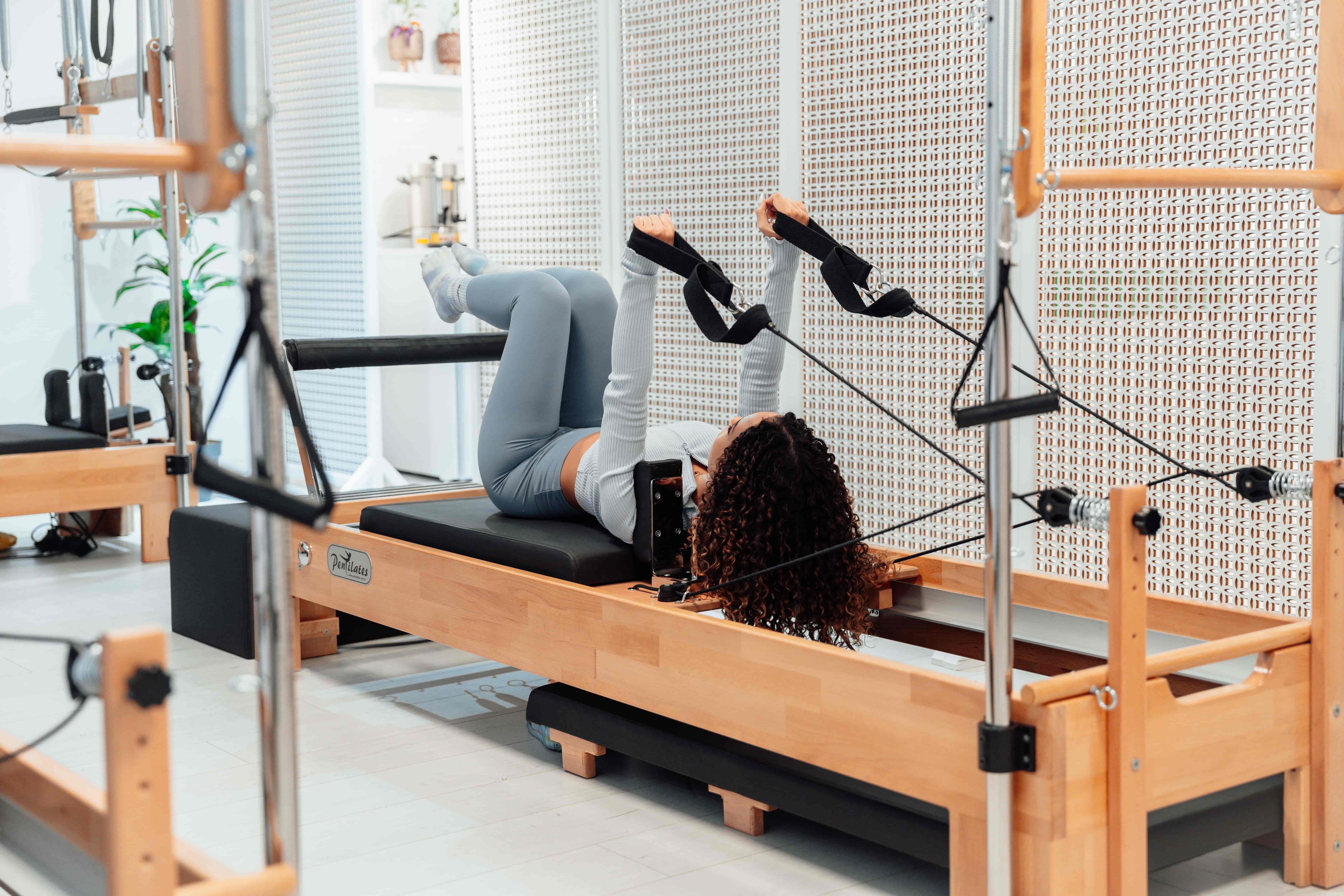
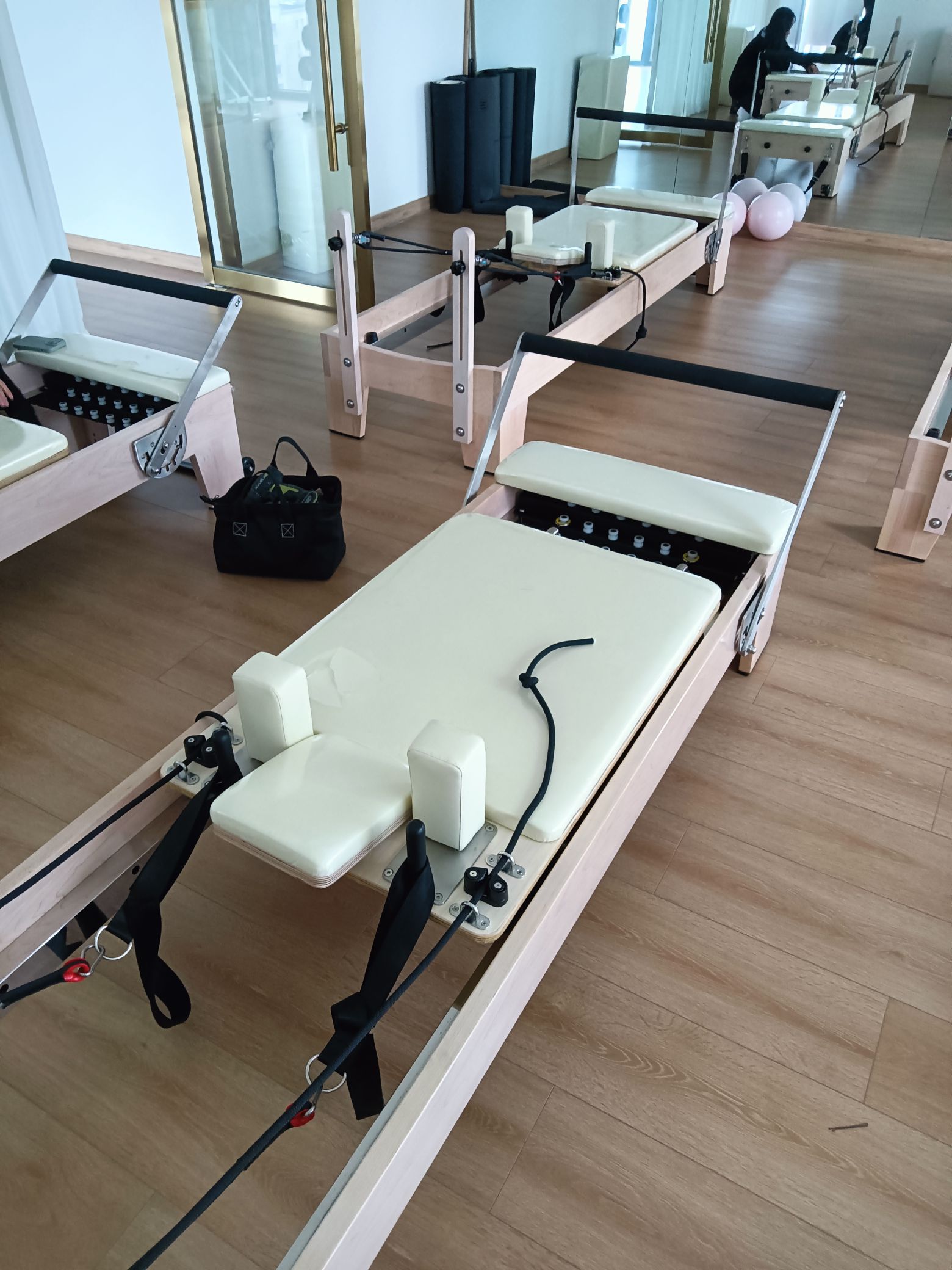
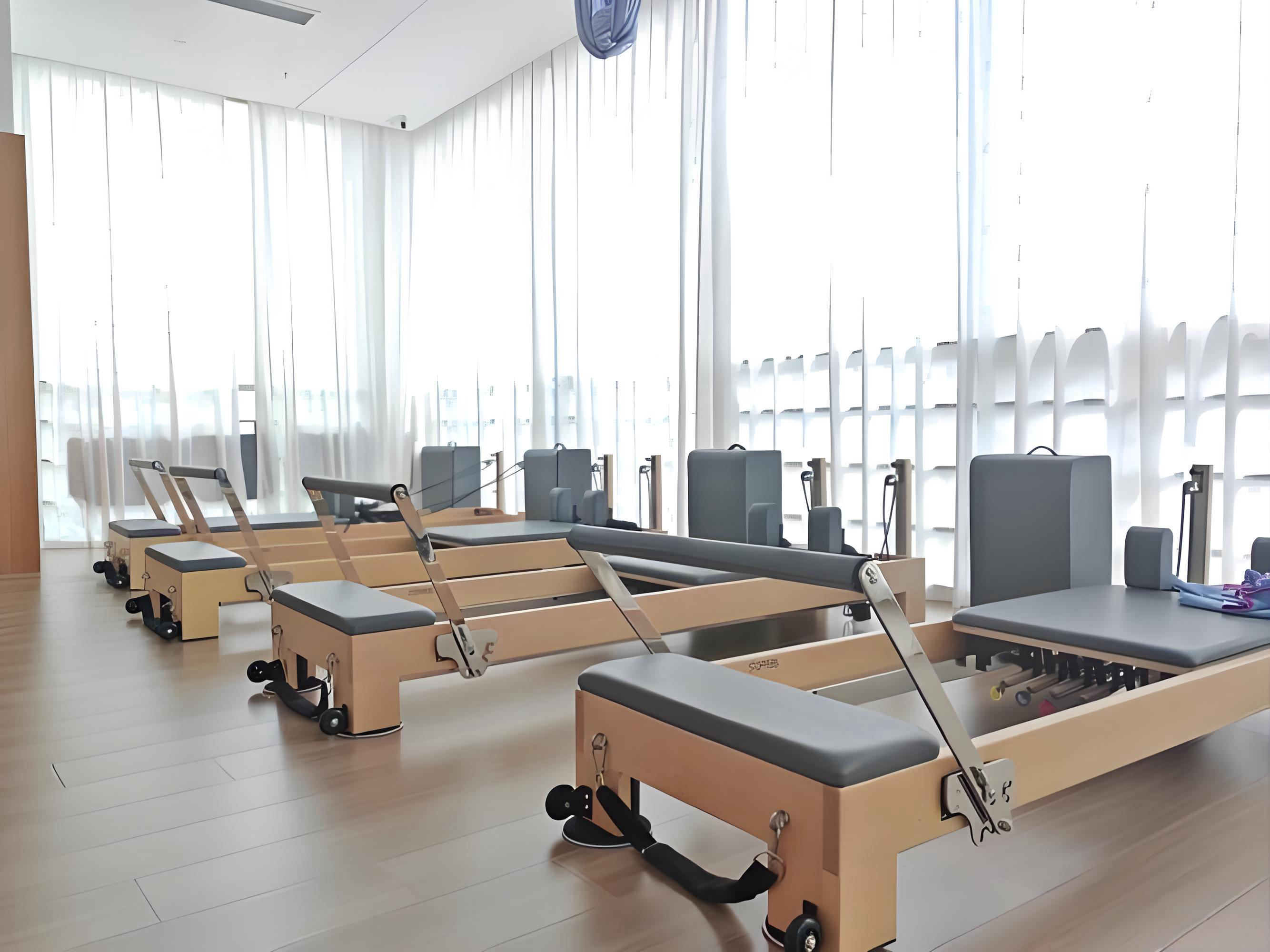
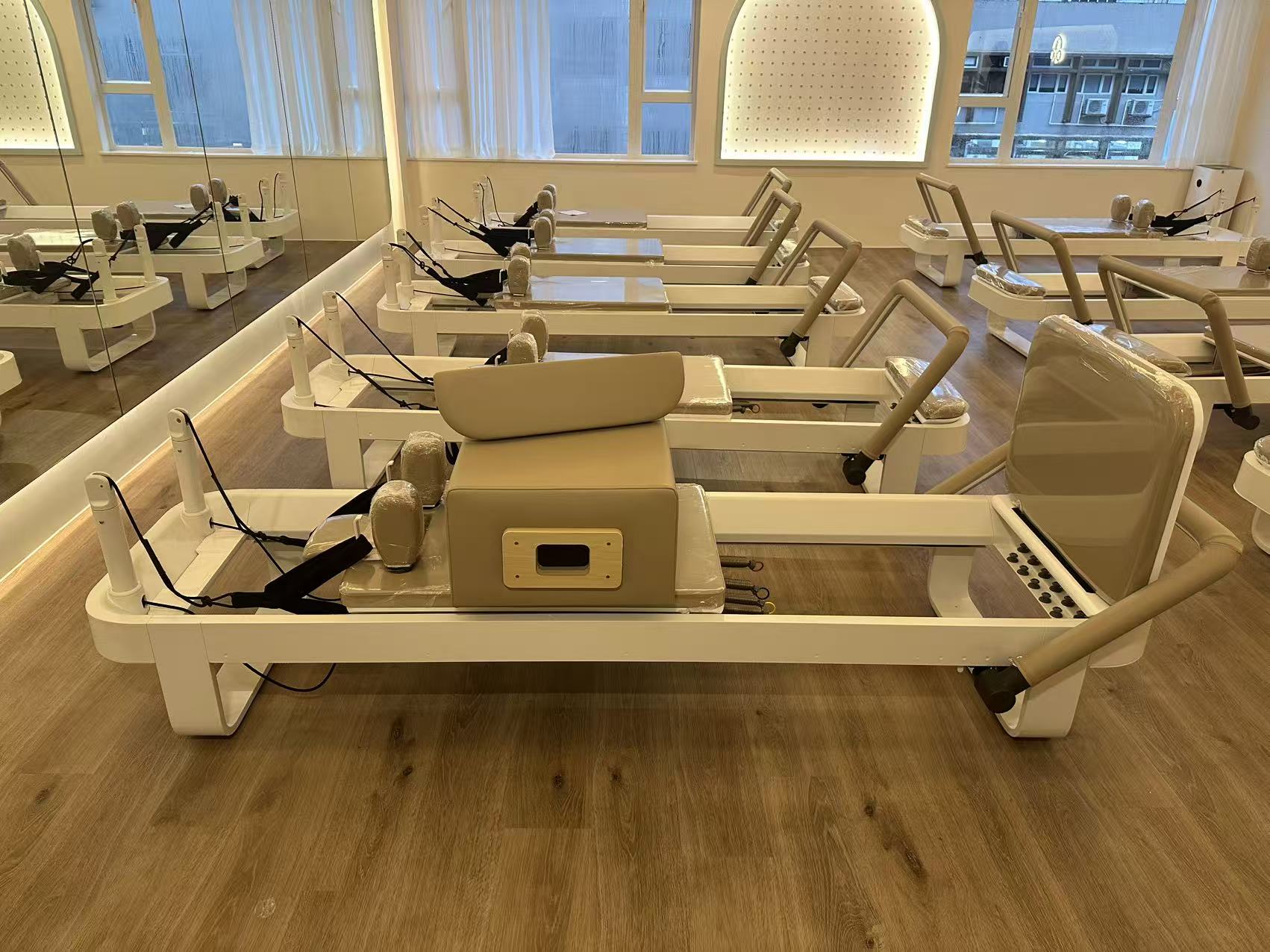
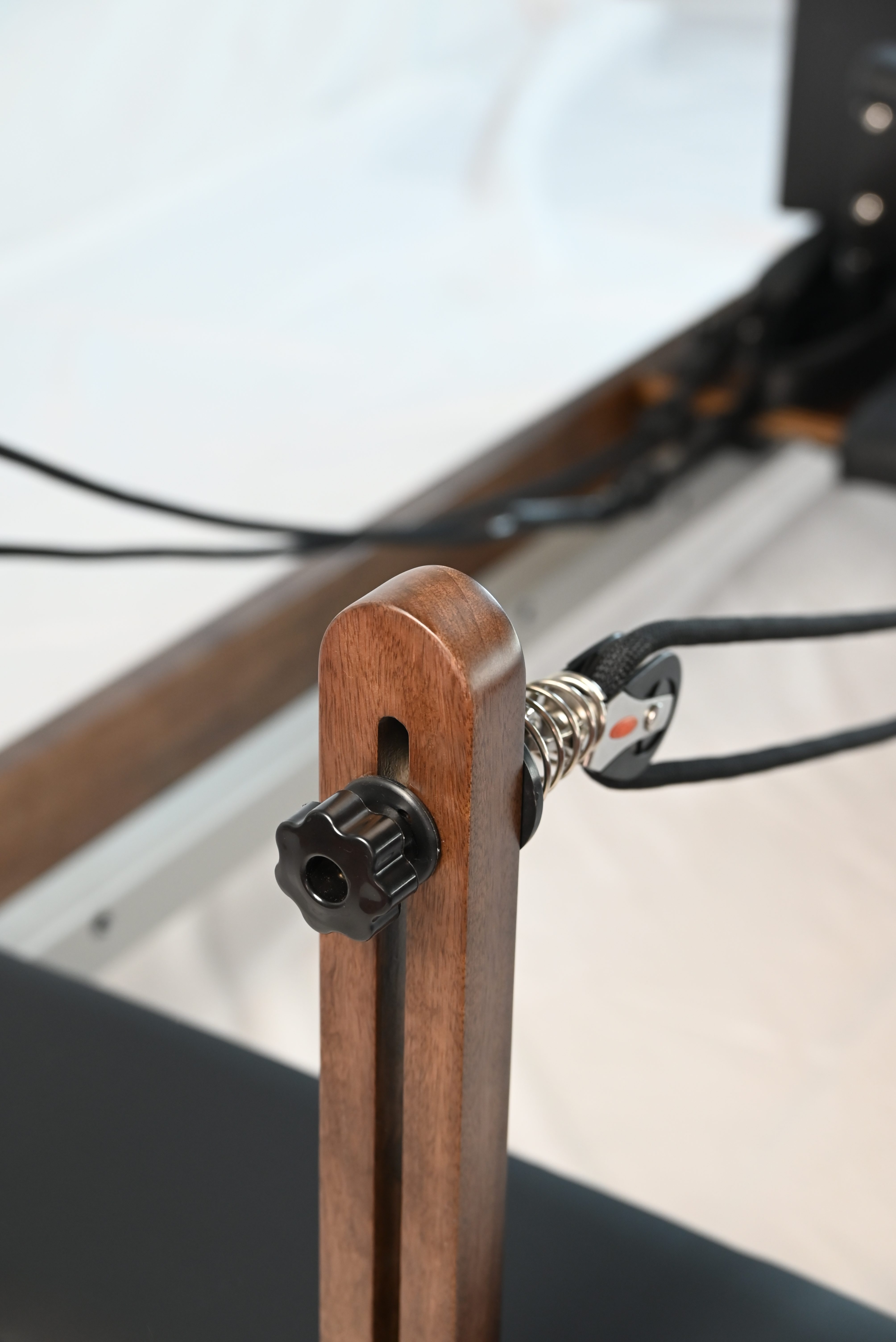
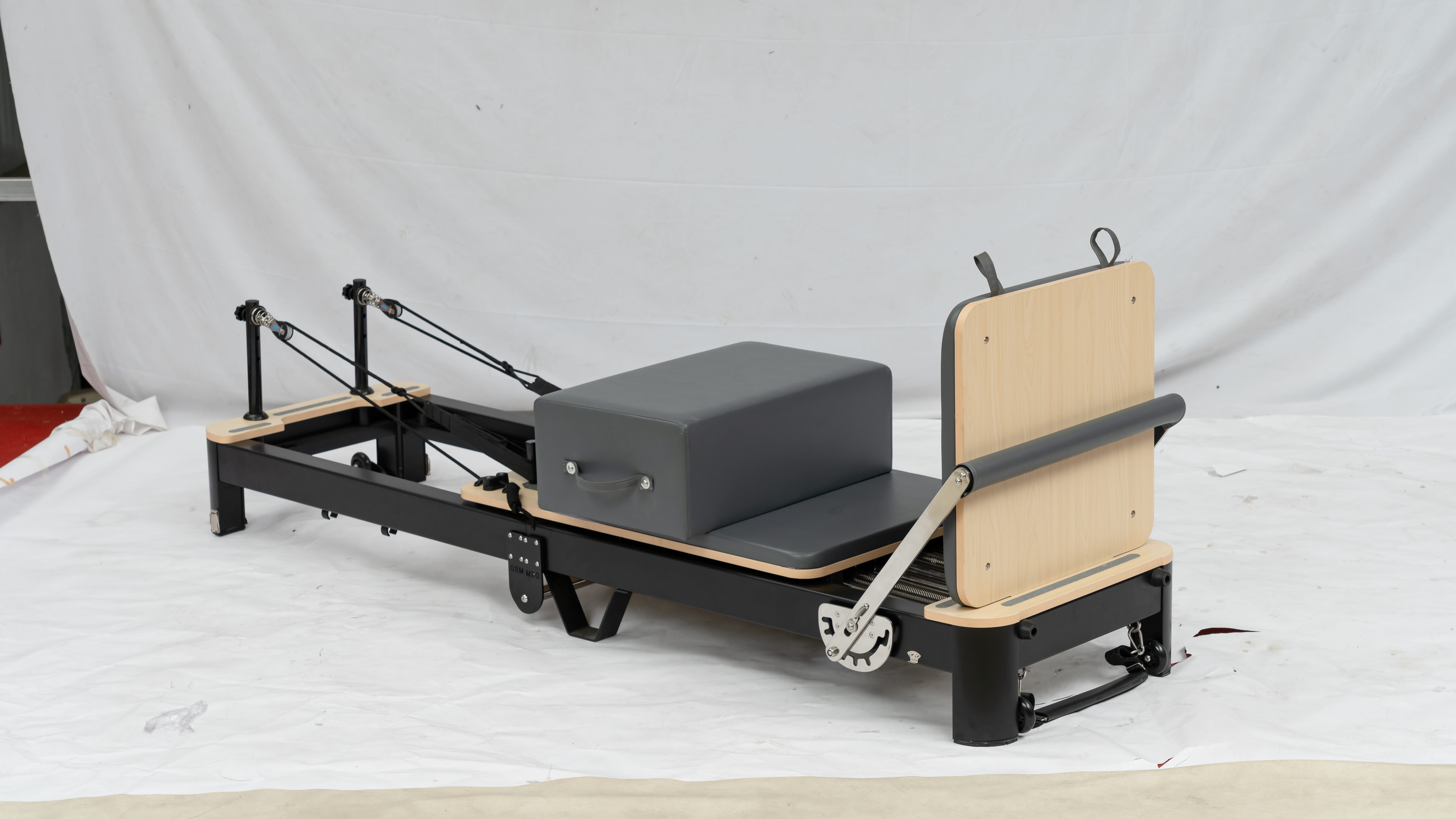
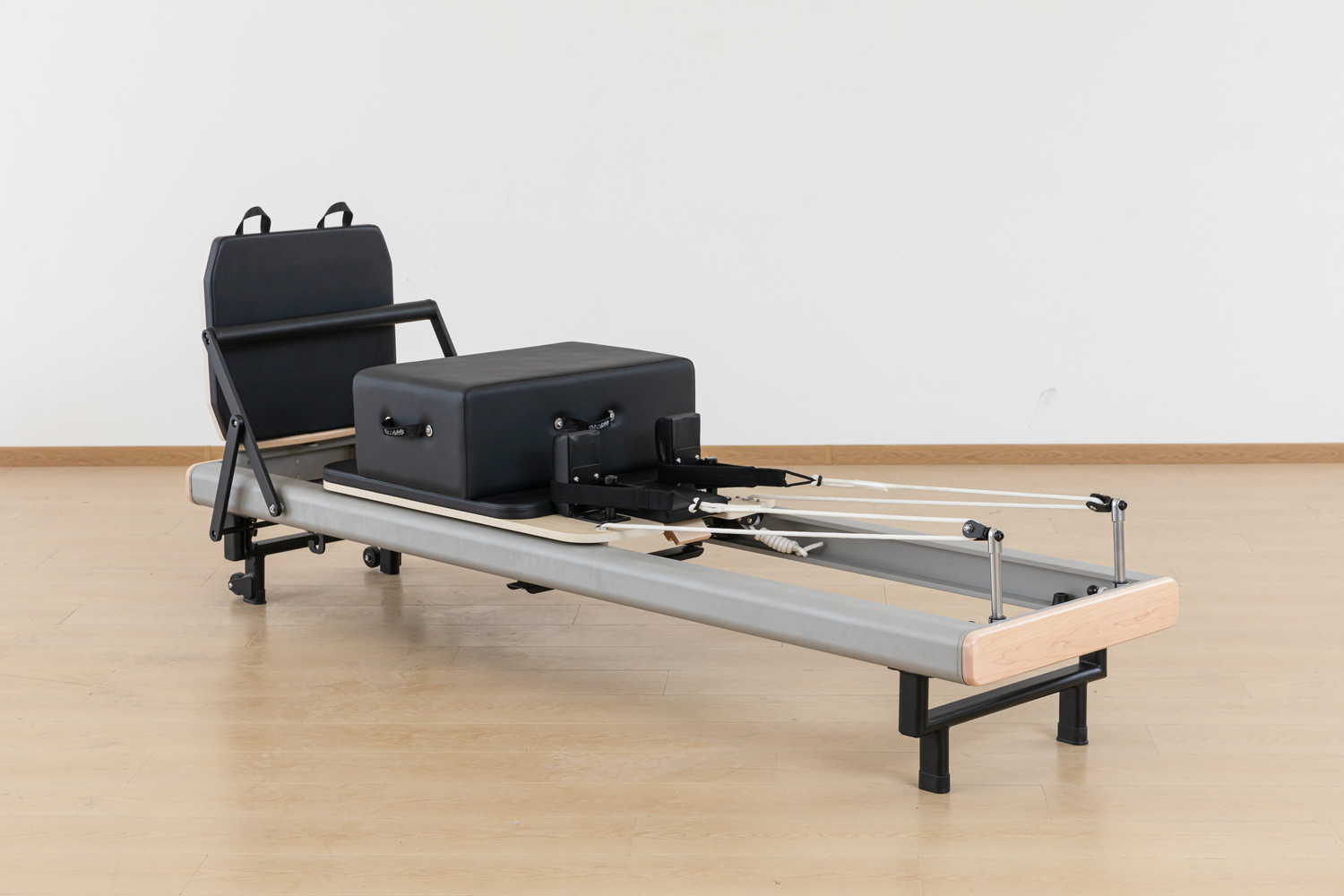
The Reformer is the most iconic and widely used piece of Pilates equipment. It consists of a sliding carriage, spring resistance system, footbar, and shoulder rests, enabling hundreds of exercises.
The Reformer's defining feature is dynamism — the carriage slides along rails, combined with spring resistance, challenging both stability and strength simultaneously. Spring resistance is adjustable, providing assistance for beginners and added challenge for advanced users.
Advantages of the Reformer:
·Targeted sculpting effectiveness: Better suited for precise muscle work, delivering rapid body contouring and specific strength gains
·Dynamic training feel: The carriage's flow makes movements smoother, ideal for improving body coordination
·High flexibility: Supports exercises in multiple positions — lying down, sitting, kneeling, and standing
A 2026 study published in Healthcare found that the Reformer produced greater immediate improvements in flexibility compared to the Cadillac, with effects sustained for over 40 minutes. For home users focused on body sculpting and flexibility enhancement, this finding is worth noting.
Cadillac: The Comprehensive "Rehabilitation Master"
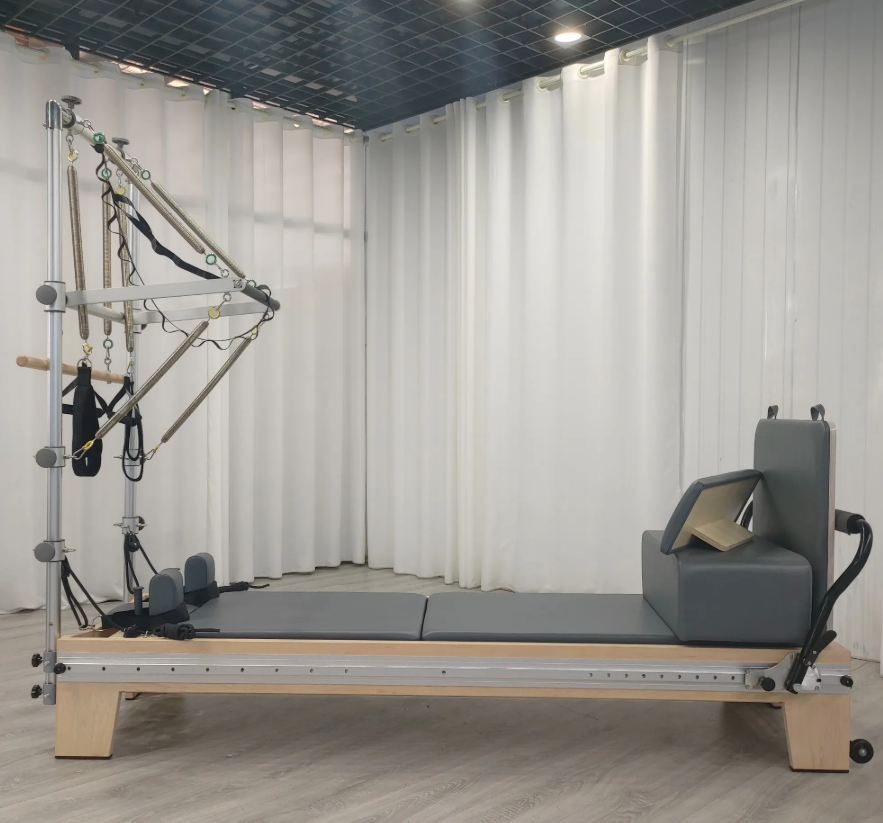
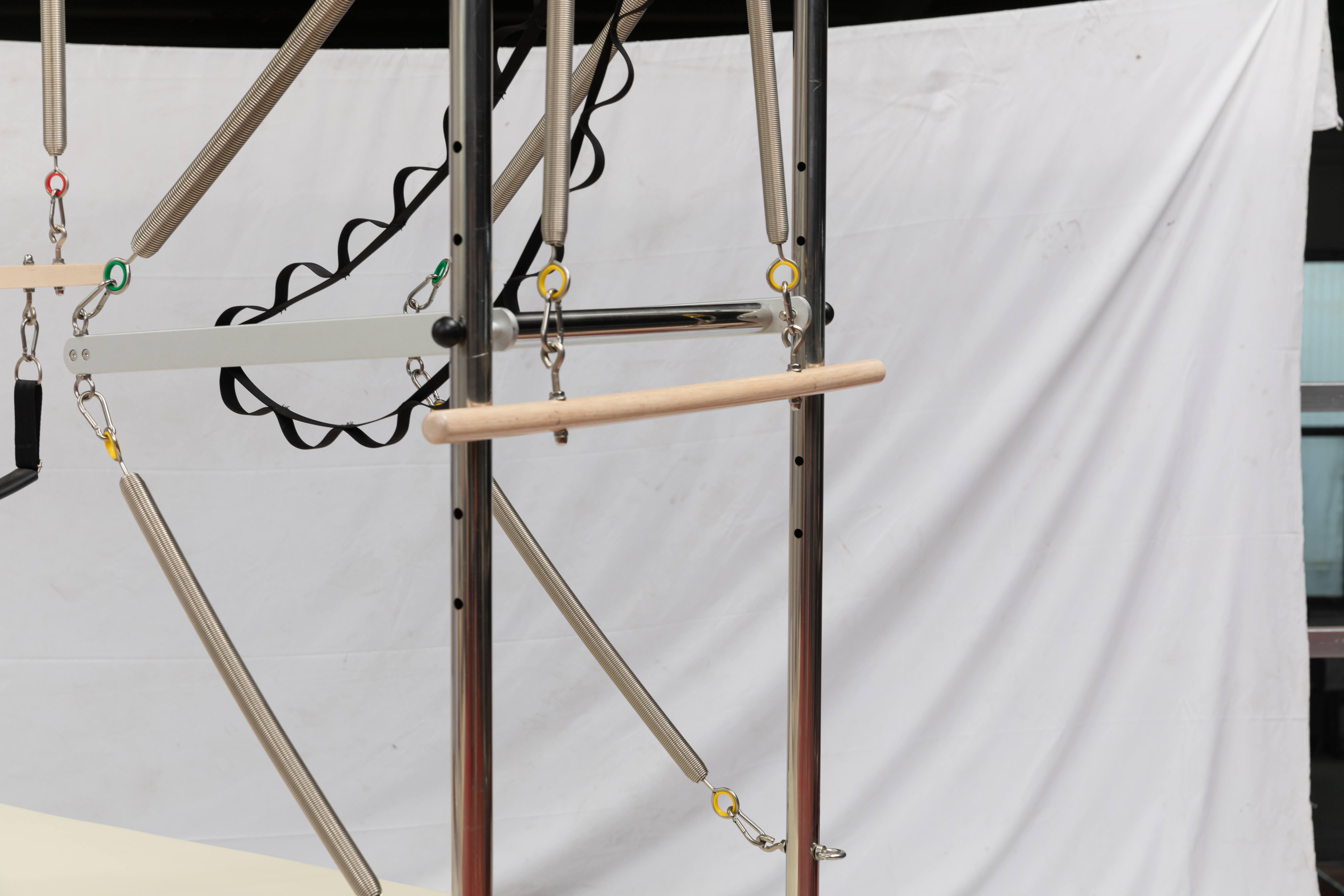
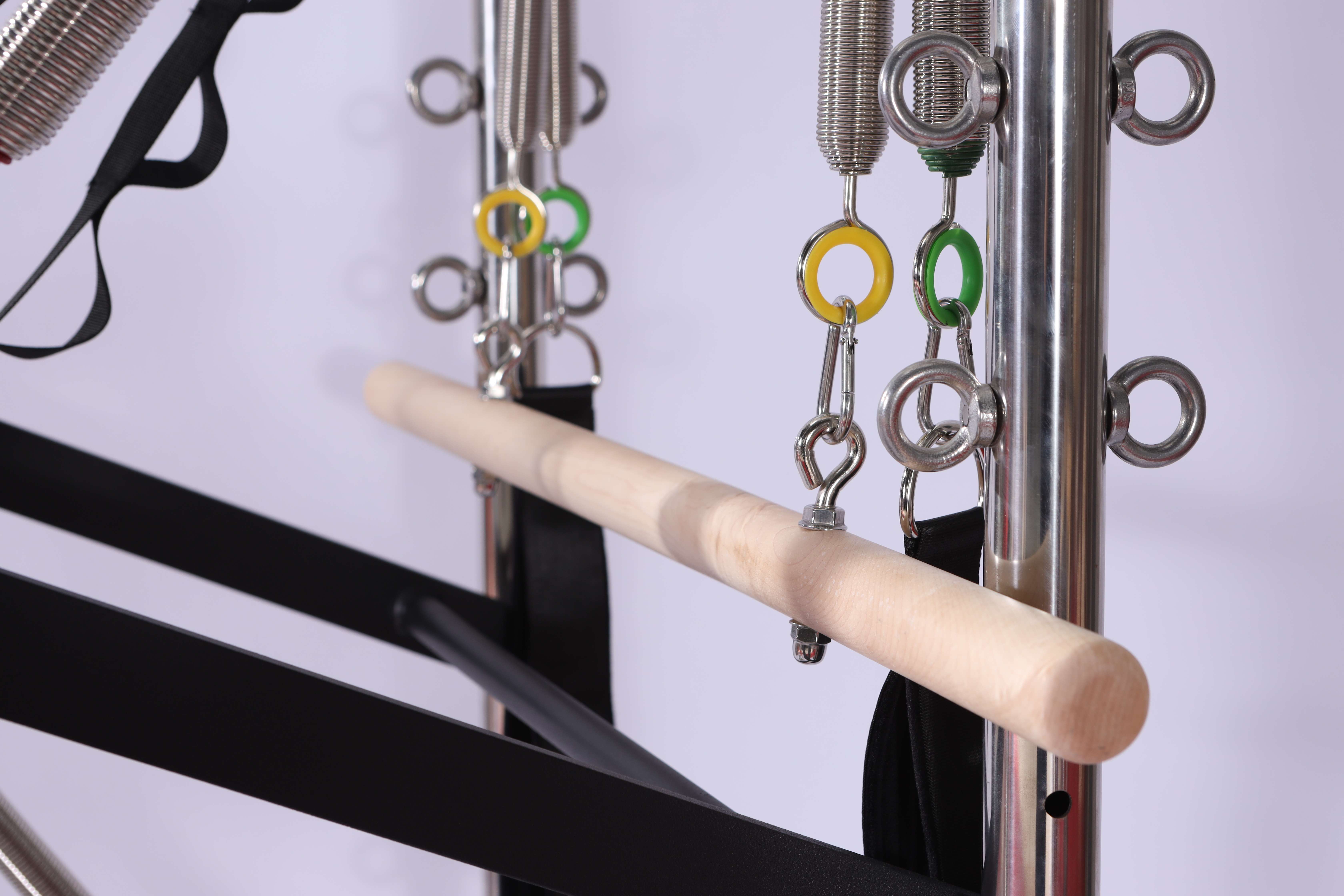
The Cadillac, also known as the "Trapeze Table", features an elevated frame with hanging springs, straps, push-through bars, and other attachments. It is often considered the most comprehensive Pilates apparatus.
The Cadillac's defining feature is comprehensiveness. Its variety of attachment points and accessories — springs, straps, bars, trapeze — enable hundreds of exercise variations, from gentle therapeutic movements to advanced suspended exercises.
Advantages of the Cadillac:
·Most comprehensive functionality: Works nearly every muscle group independently; combined with different attachments, it creates countless exercise variations
·Outstanding rehabilitation benefits: Particularly suitable for pregnant women, postpartum individuals, and those with lower back pain, offering a wider range of motion and safer support
·Stable and safe: The fixed frame provides a more stable, secure platform for those with limited mobility
Key Difference Summary:
The Reformer emphasizes dynamic flow and precision sculpting, ideal for users seeking body definition and flexibility gains. The Cadillac emphasizes full-body comprehensive training and rehabilitation support, suitable for users with recovery needs or those seeking maximum exercise variety.
II. Which One Should You Buy for Home Use?
Scenario-Based Recommendations
If you're a beginner or focused on body sculpting: Prioritize the Reformer
For most home users, the Reformer is the more practical choice, for three reasons.
First, the Reformer's dynamic sliding experience is difficult to replicate at home with other equipment. The Cadillac's suspension exercises require more professional guidance to perform correctly.
Second, the Reformer has a lower price threshold. Folding home Reformers start around $300-$400, while Cadillacs are generally more expensive and require more space.
Third, if your goal is body contouring, flexibility, and posture improvement, the Reformer alone is sufficient. Research shows the Reformer is particularly effective for flexibility enhancement.
If you have rehabilitation needs or want maximum comprehensiveness: Consider the Cadillac
The Cadillac may be more suitable for postpartum recovery, lower back pain, post-surgery rehabilitation, or limited mobility. Its suspension system and supporting accessories provide better support and a safer range of motion.
If your goal is to "train every muscle in the body" and budget and space permit, the Cadillac offers the most comprehensive functionality.
Reformer Buying Guide
If you decide on a Reformer, keep these points in mind:
Space dimensions are foundational: A standard Reformer requires approximately 2.2-2.3 meters of length. For taller users or those performing large-range movements, longer models provide a better experience. Real-world comparisons show budget models under $300 may be 20cm shorter than standard models ($400+), significantly affecting training comfort for taller users.
Spring system determines feel and lifespan: Genuine metal spring machines outperform elastic-cord alternatives. Springs that are bent or exposed to moisture are more prone to rust and breakage. Quality springs maintain proper alignment and even force distribution, extending lifespan.
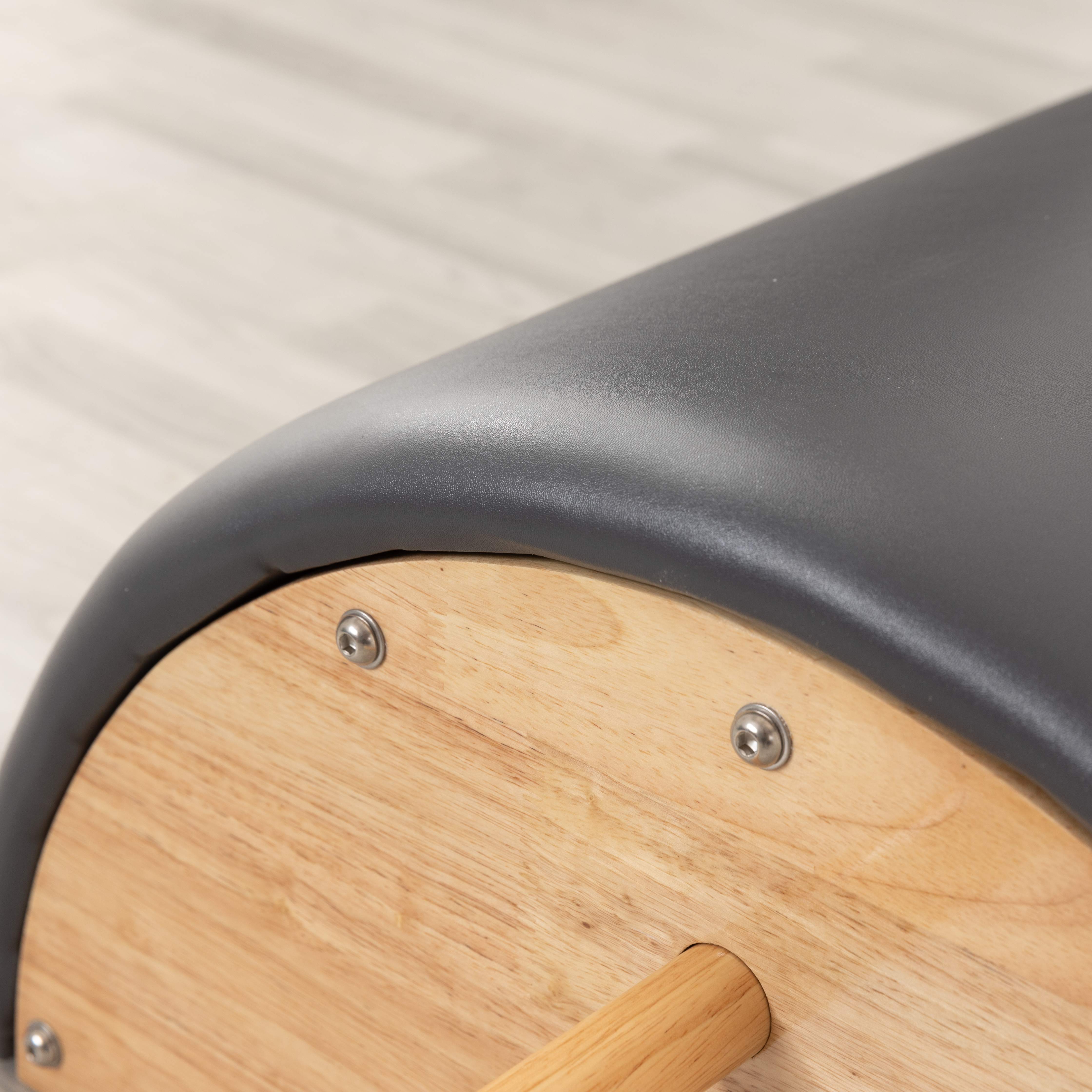
Frame stability directly impacts safety: Budget models often use crude joinery, wobbling noticeably during exercise. Higher-quality products feature reinforced integrated structures for stable support. Spending slightly more for better stability and durability is worthwhile long-term.
For foldable models, check the locking mechanism: Some budget foldable models use simple straps for storage, with the carriage potentially sliding forward on its own — creating safety hazards. Models with integrated locking mechanisms are safer.
Summary: The Reformer and Cadillac serve different purposes — the Reformer excels at dynamic flow and precision sculpting, while the Cadillac is unmatched in rehabilitation support and comprehensive functionality. For most home users, the Reformer offers better value. If you have specific rehabilitation needs or want the most comprehensive training experience possible, the Cadillac is worth considering. Whichever you choose, confirm space dimensions, spring material, and frame stability before purchasing — avoid the regret of buying something that doesn't fit your home or your body.