Complete Pilates Equipment Checklist: Essential Gear for Home Practice
The beauty of Pilates is that you don't need expensive equipment to get started. But with the right tools, your practice deepens — and becomes far more enjoyable. For home practitioners, "complete" doesn't mean filling a room with machines. It means selecting a gear set that grows with you, based on your space, level, and goals.
I. Core Principle: Fewer, Better, Start Small
Before buying anything, remember this: Pilates is about control and awareness, not about the equipment itself. Even with the world's best reformer, incorrect form and broken breathing will undermine your results.
A smart home approach is: start with small props to build body awareness, then gradually add larger equipment as your practice deepens. This keeps costs manageable and prevents your home from becoming a storage unit for unused gear.
II. The Essential Three: Your Starter Kit
These three tools are the "iron triangle" of home Pilates. Low cost, minimal space, and enough to cover 80%+ of mat-based training.
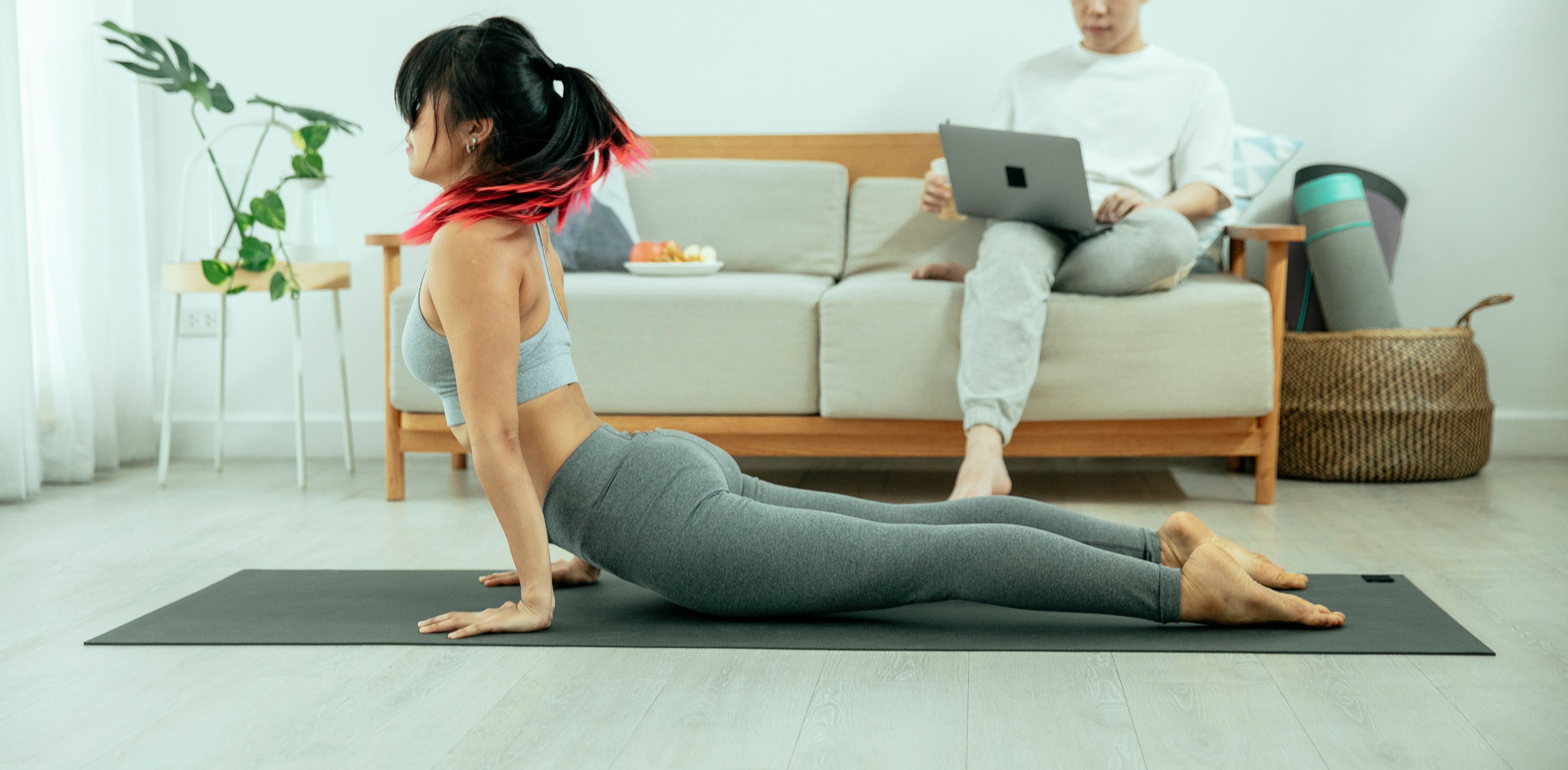
1. Thick Exercise Mat
This is the most basic and most overlooked piece. A Pilates mat needs more cushioning than a standard yoga mat — especially for spinal articulation, kneeling, and side-lying work. Aim for 6–8mm thickness or more. TPE or natural rubber are good material choices — non-slip, odor-free, and joint-friendly. An 8mm high-density TPE mat is a reliable all-rounder for most home setups.
2. Magic Circle (Pilates Ring)
This small ring delivers gentle, targeted resistance. Placed between your thighs, wrists, or ankles, it instantly activates adductors and deep core muscles. Its superpower: portability. It fits in a tote bag, so you can squeeze in a few sets anywhere.
3. Resistance Bands
Resistance bands are the ultimate "reformer substitute" for home use. They simulate the linear resistance of reformer springs for exercises like rows, side-lying leg lifts, and scapular activation. Get 3 different resistance levels to cover various exercises and progression stages. Pair with a door anchor system, and you can perform pulling and rowing exercises that would otherwise require a full machine.
III. Advanced Small Props: Adding Variety and Challenge
Once the essential three feel natural, consider adding these to keep your training diverse and progressively challenging.
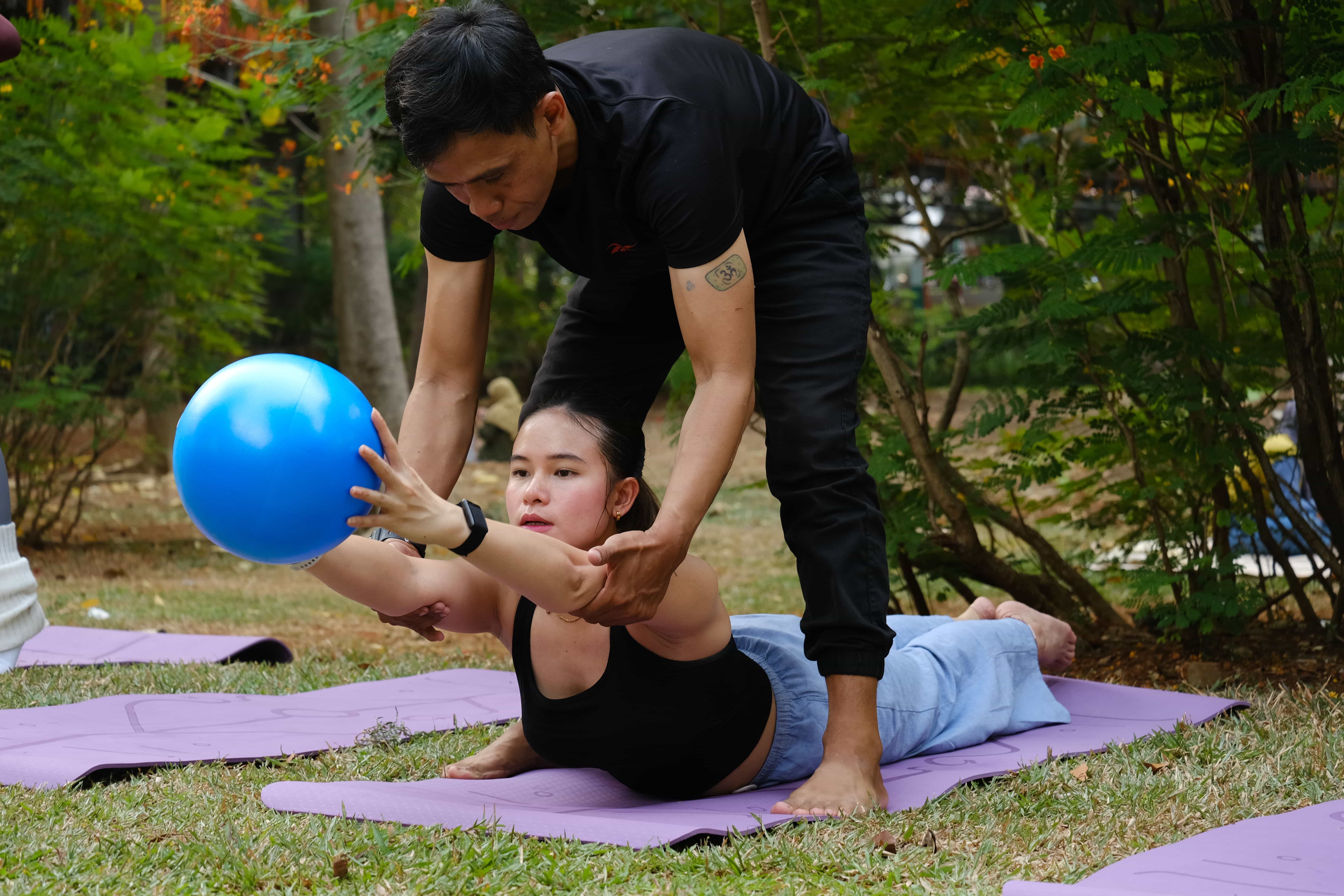
4. Small Exercise Ball
This ball introduces instability. Placed behind your back, between your knees, or under your pelvis, it forces deep stabilizers to engage for balance. It's especially useful for core control and spinal stability work. Many instructors use it to help clients find a "neutral pelvis" position.
5. Wearable Weights (Wrist/Ankle Weights or Light Dumbbells)
Pilates isn't about heavy lifting — it's about adding light resistance (2–5 lb range) to increase challenge. Wearable wrist/ankle weights are convenient: strap them on, and the resistance is there without needing to grip dumbbells.
6. Core Sliders
Sliders go under your hands or feet, adding resistance through sliding movement on the floor. Many instructors consider them an affordable alternative to reformer springs — not a full replacement, but excellent for lunges, plank variations, and other exercises.
IV. Large Apparatus: The Reformer Decision
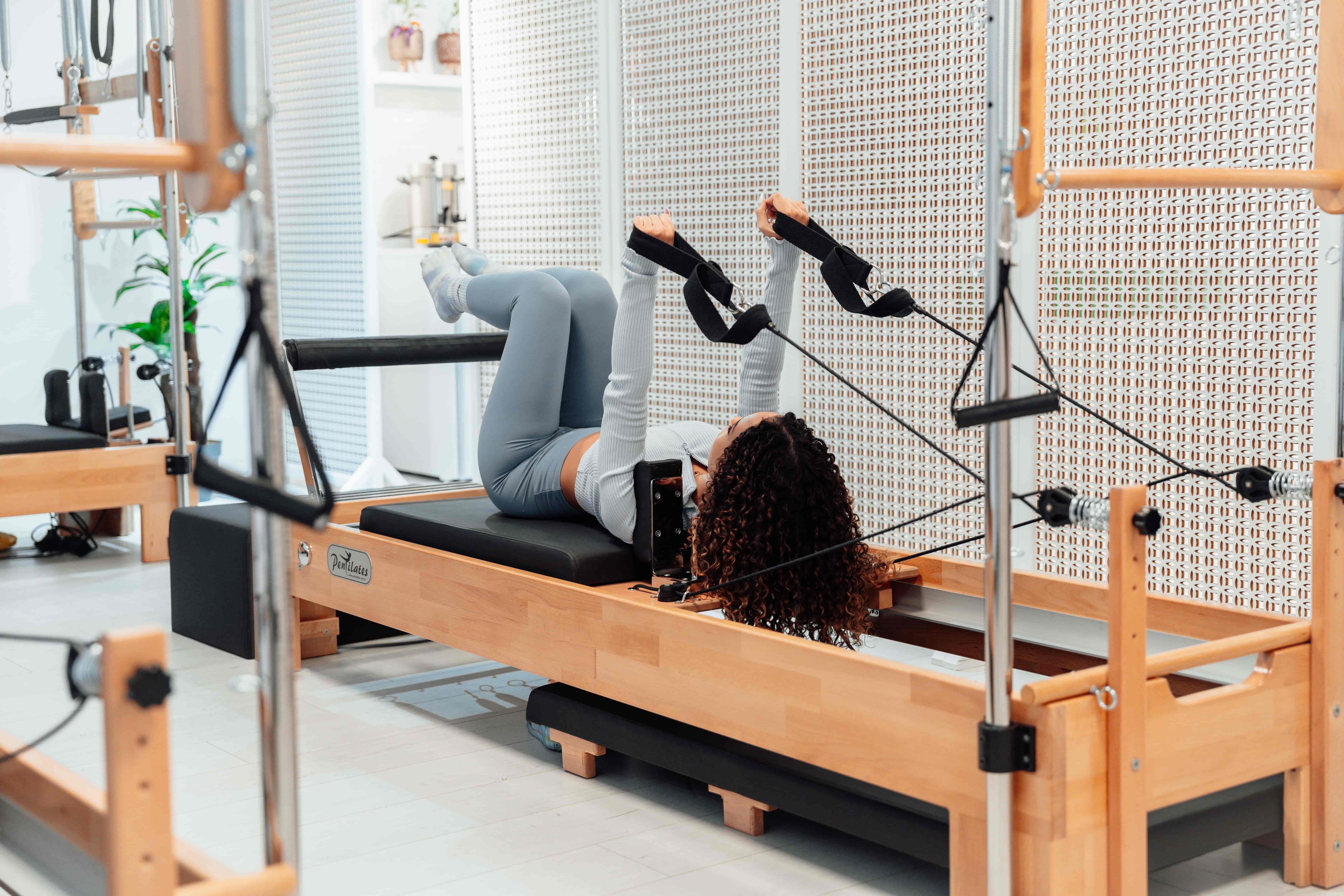
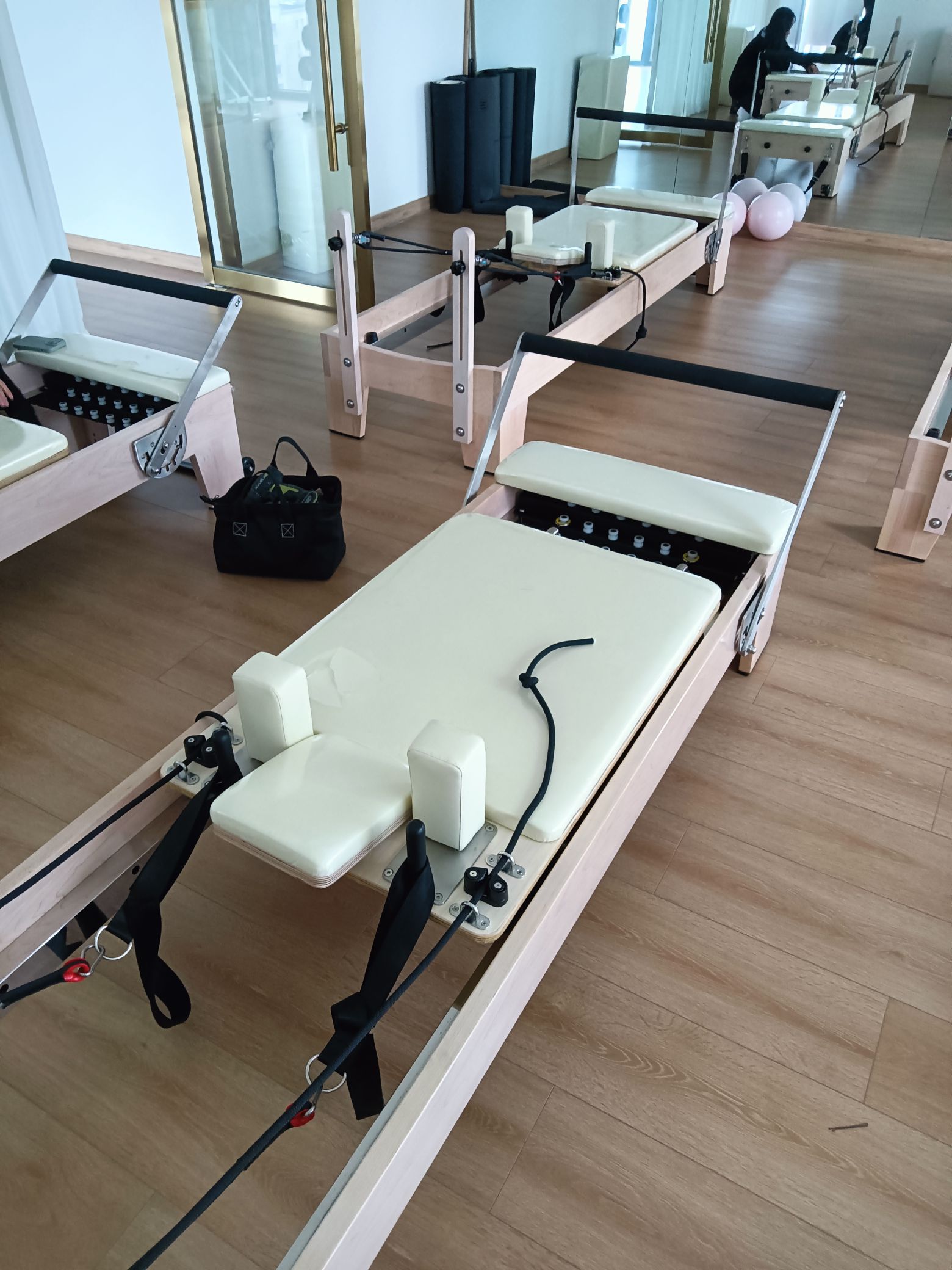
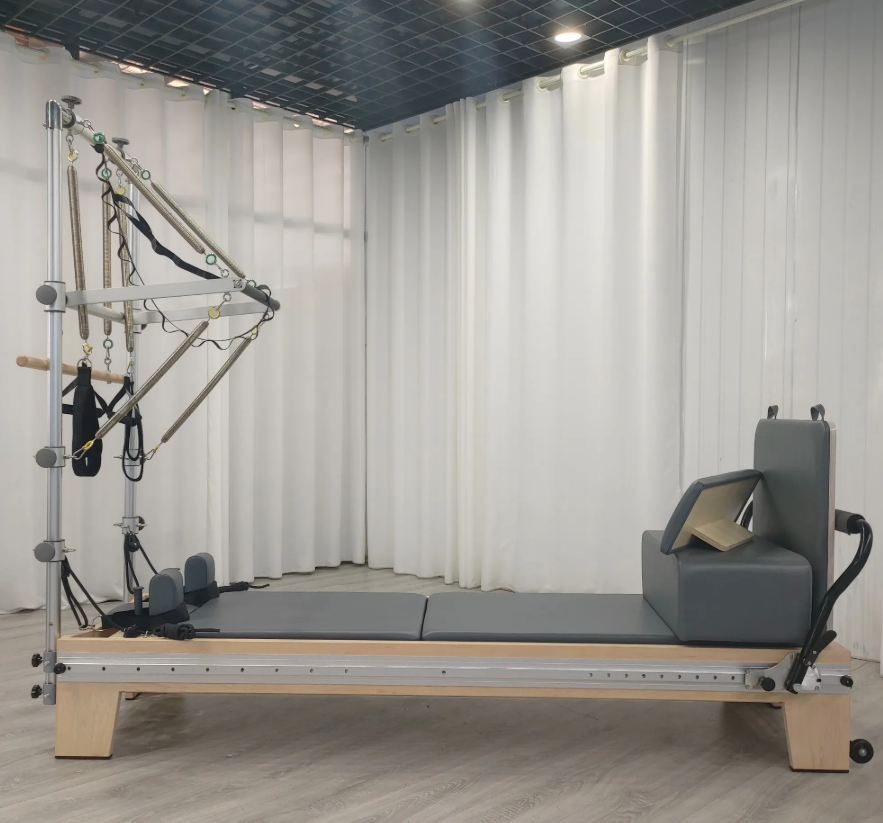
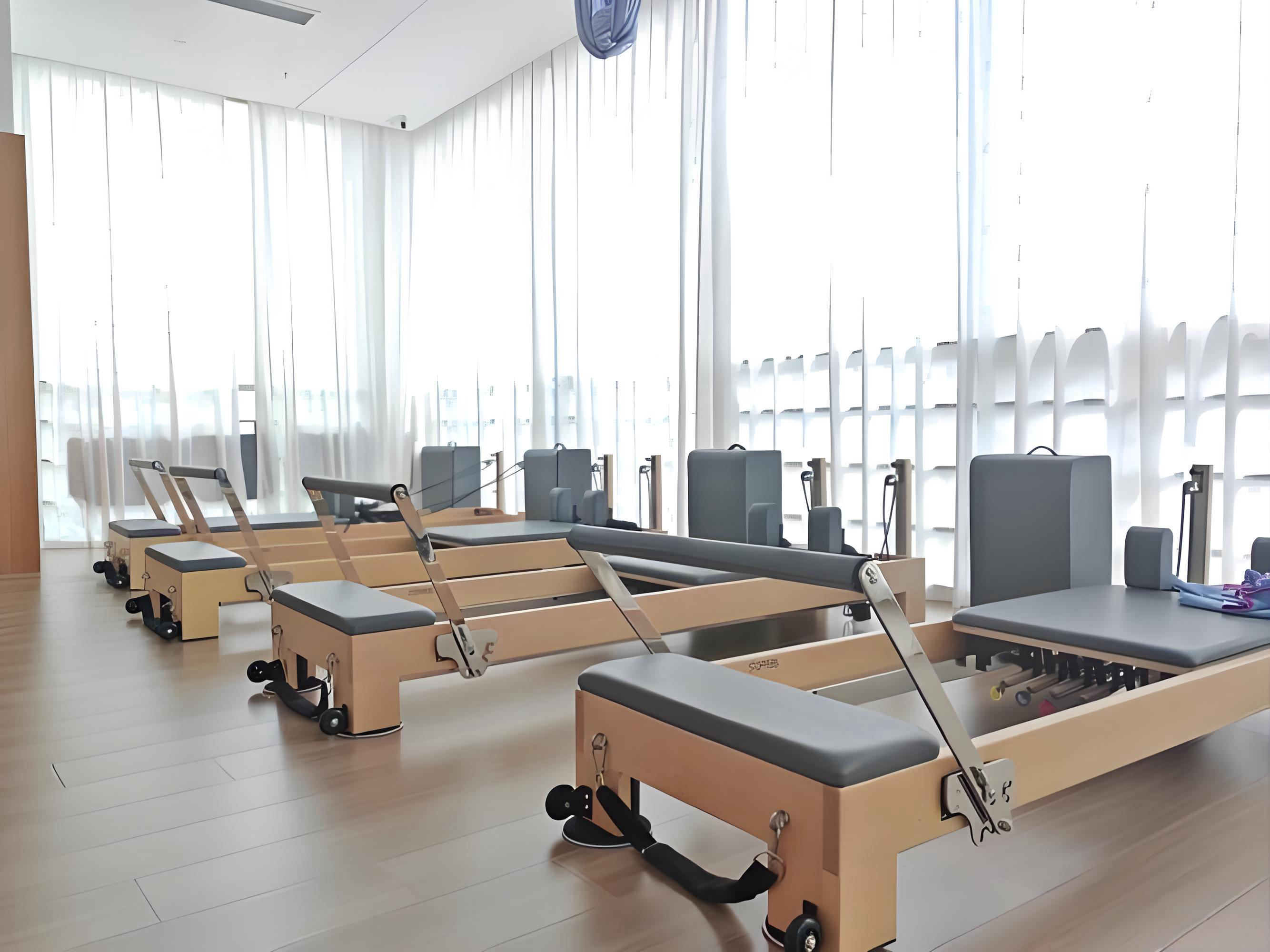
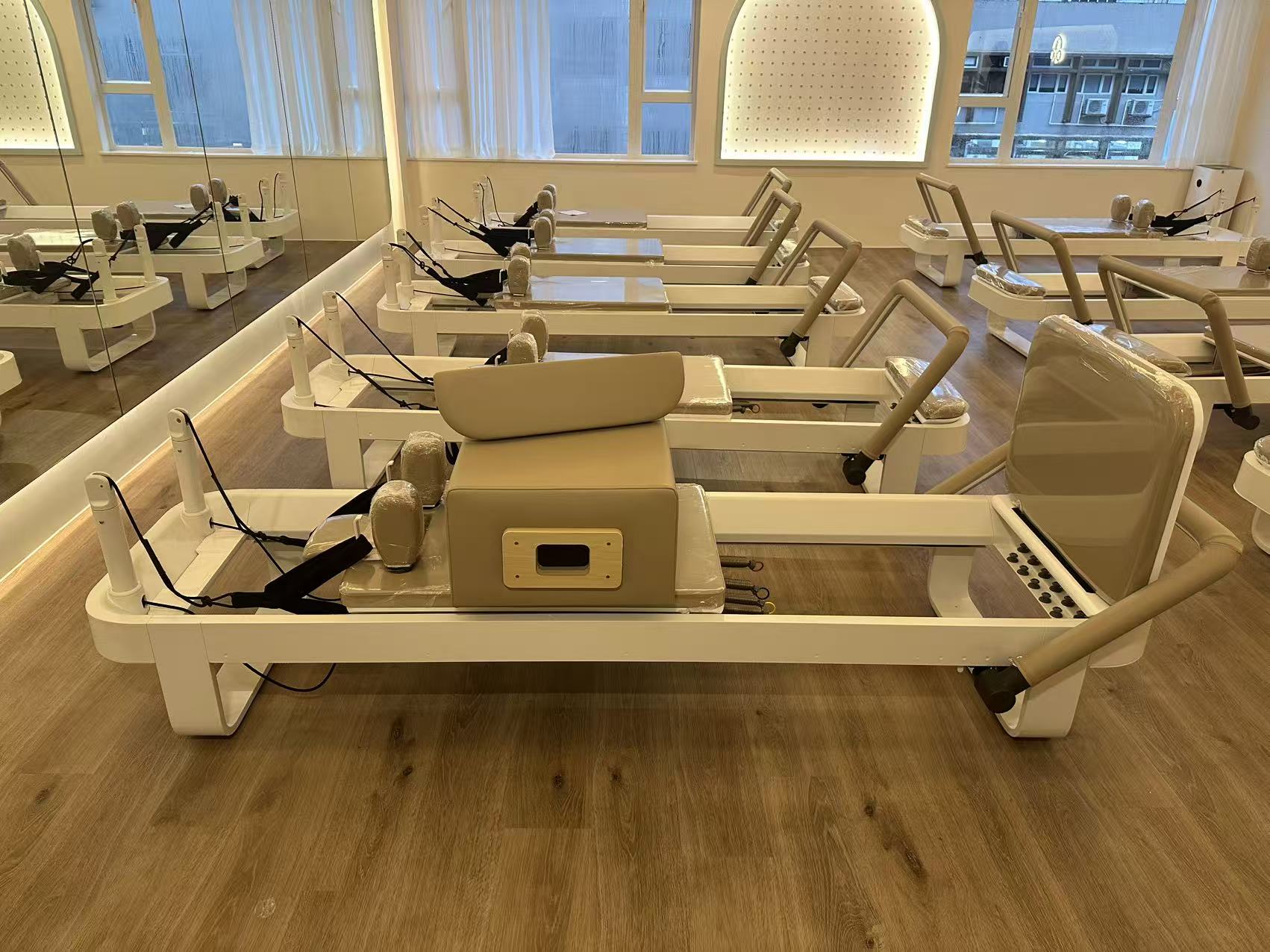
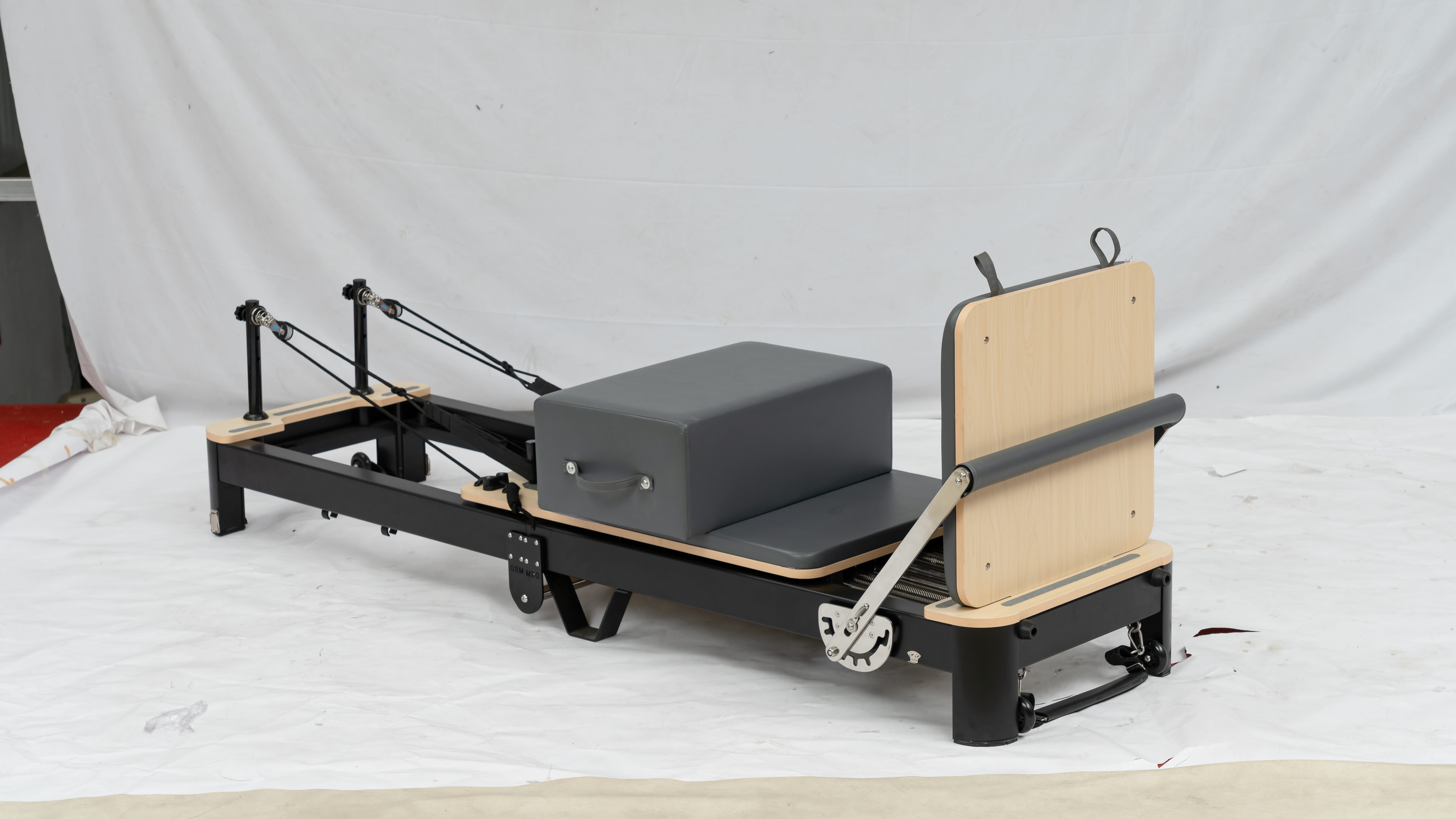
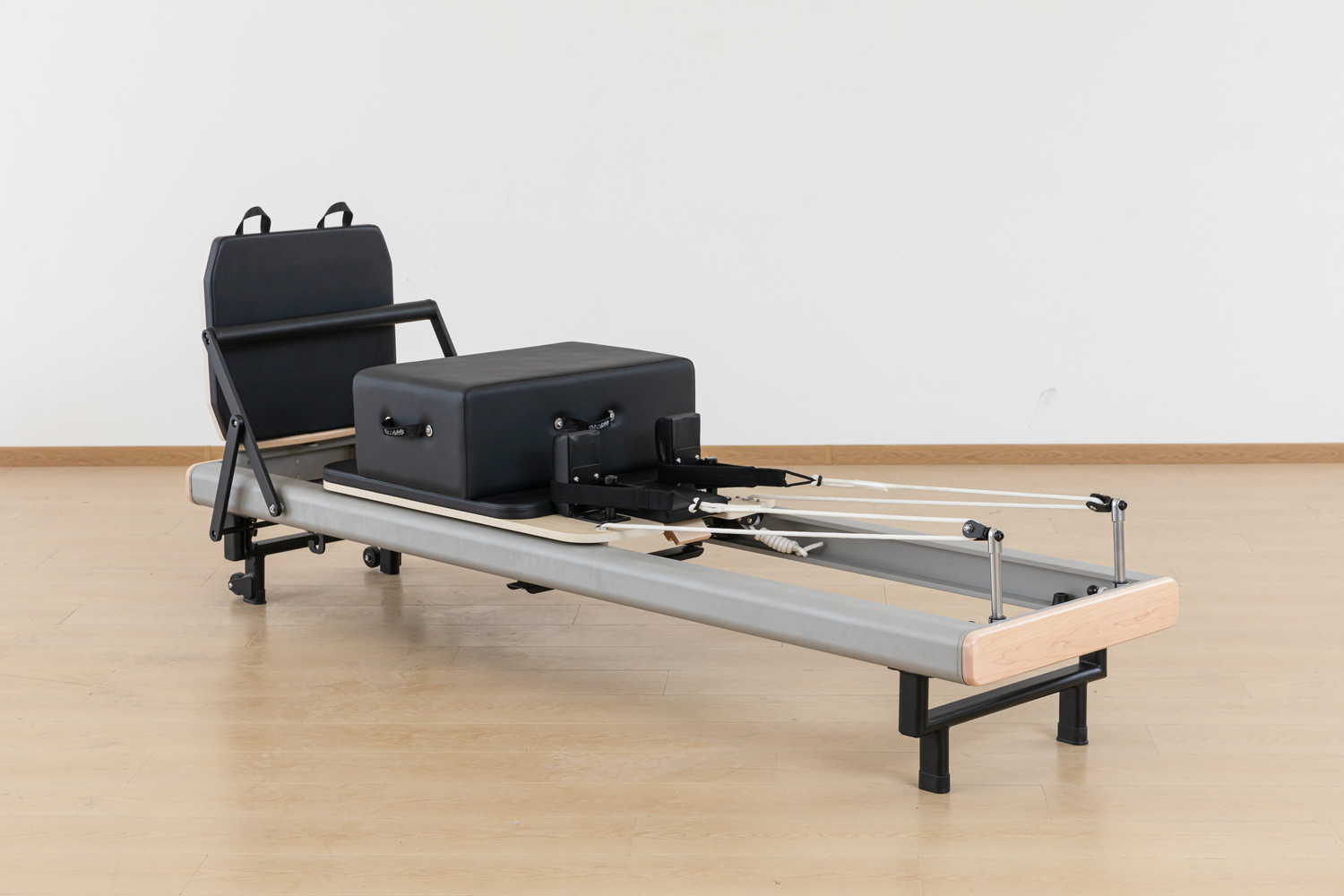
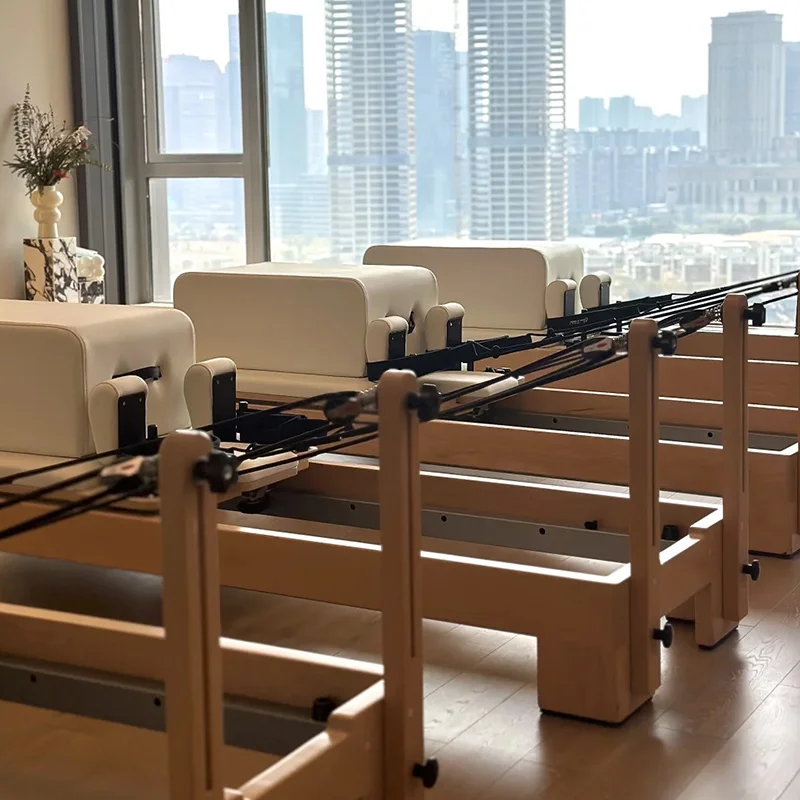
The Reformer is the signature piece of studio Pilates. But for home use, it's a major investment — proceed with caution.
You're ready to seriously consider a home reformer only if you have 6+ months of mat experience, can practice 2-3 times weekly, have at least 2.5m × 1.5m of clear floor space, and a budget of $400+.
Key buying criteria:
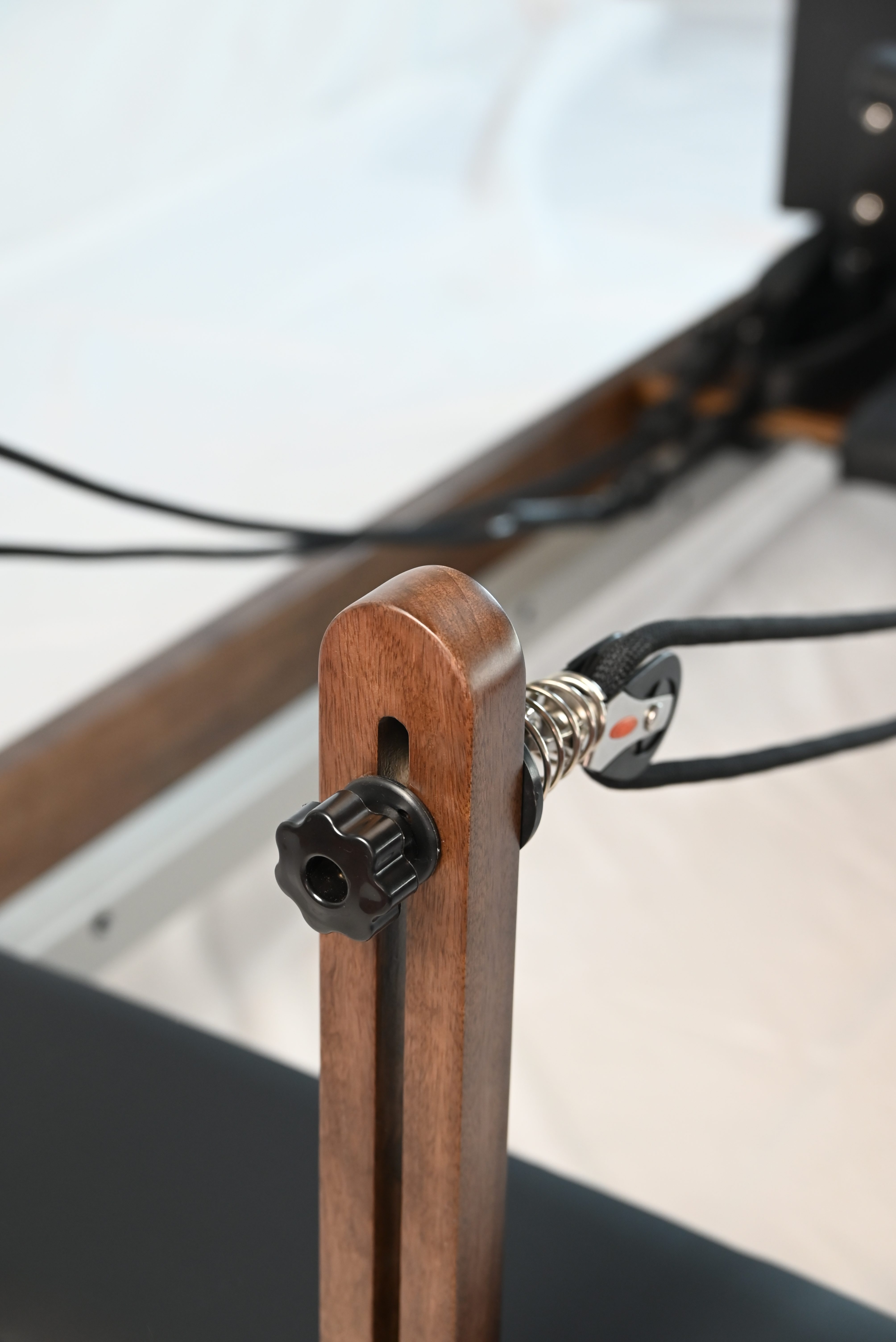
·Springs must be genuine metal springs. Sub-$300 "reformers" using elastic cords deliver non-linear resistance and can't provide the consistent tension Pilates requires — potentially risky for beginners.
·Rails must be smooth and quiet. True quietness comes from dual-row ball bearings with self-lubricating rails, not simple nylon pulleys. Quality units should keep noise under 40 decibels.
·Prioritize foldable/standable designs. Folded thickness should ideally stay under 15cm, and unfolded length under 2.4m — otherwise it's hard to fit in smaller homes.
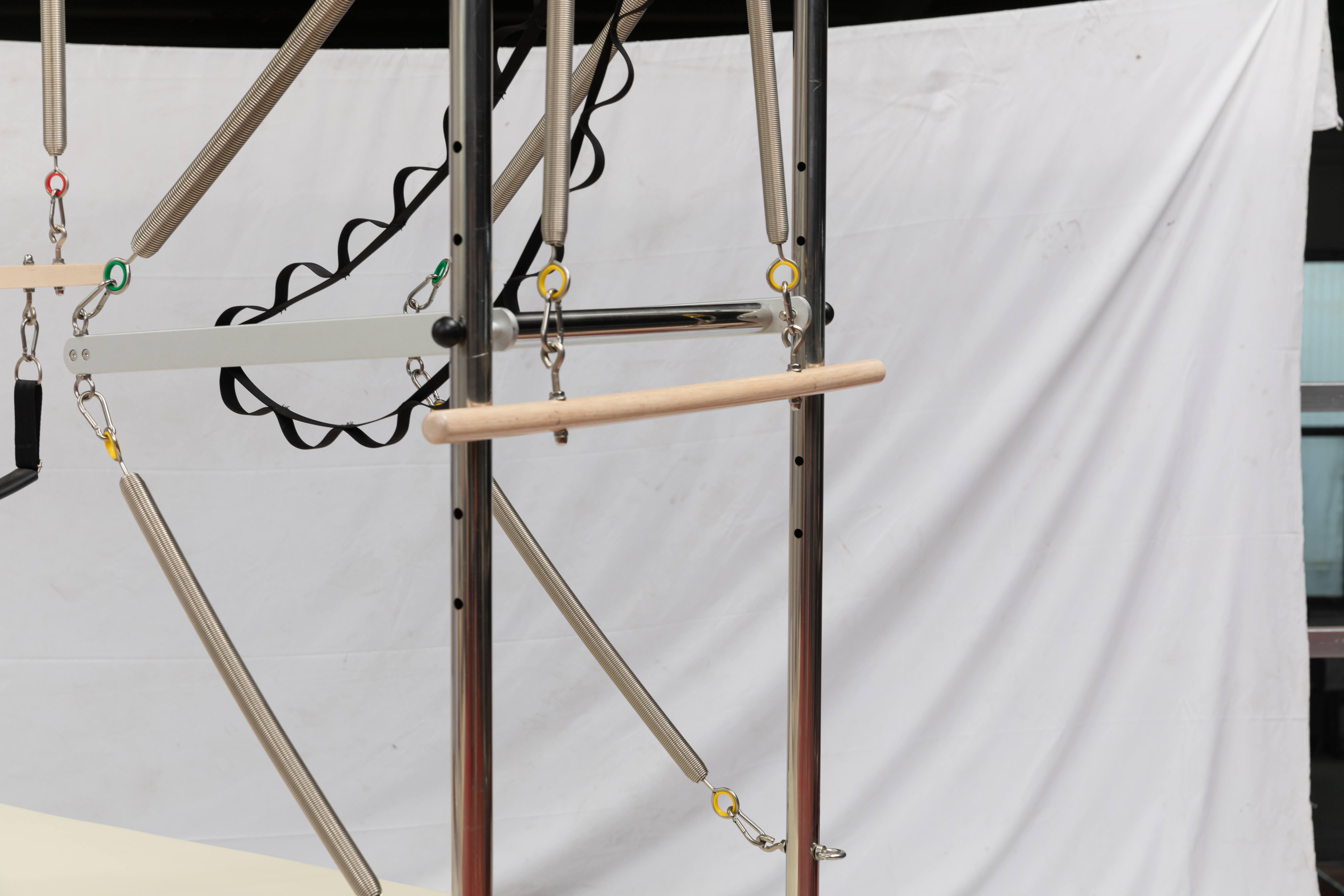
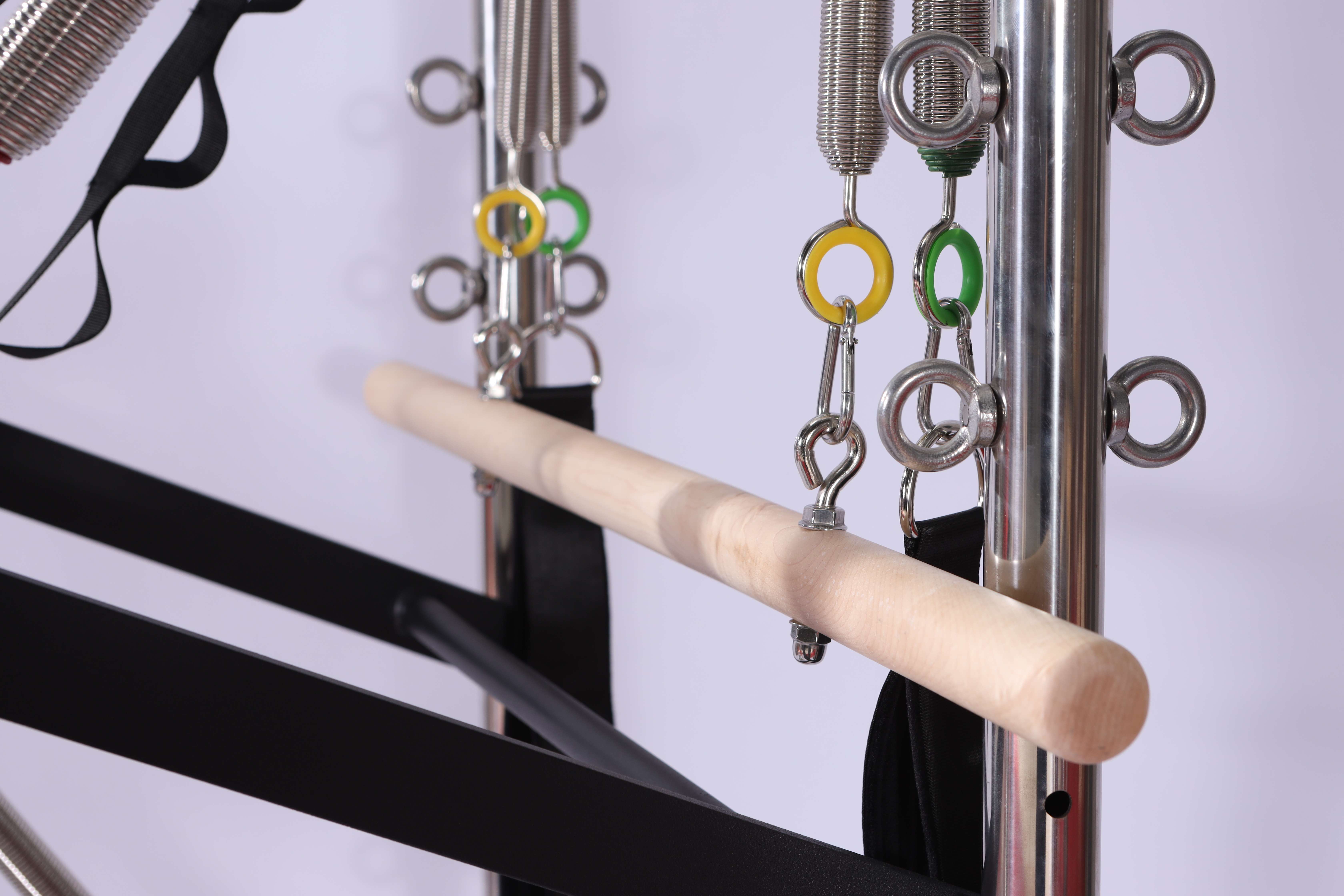
Some brands also offer Stability Chairs and Ladder Barrels for home use, but these are more specialized — typically for rehabilitation or postural correction needs. They're not recommended as entry-level purchases.
Summary: A sound home Pilates equipment list is a living document — start with a thick mat, a Magic Circle, and resistance bands to build awareness and control. As your practice deepens, add a small ball, wearable weights, and sliders. Only when your mat practice has found a steady rhythm, and space and budget allow, seriously consider a reformer. As one instructor put it: "The best piece of equipment is the one you're willing to use every day."