Pilates Equipment for Small Spaces: Home Training Gear That Doesn't Take Over Your Home
For small apartments, the first rule of buying any fitness equipment isn't "how powerful is it" — it's "will I want to see it every day." Many people's home gym gear ends up as a clothes rack, not because it's bad, but because it's too bulky, too hard to store — you feel annoyed every time you see it, so you stop using it. This guide is designed specifically for small-space dwellers, recommending Pilates equipment that truly doesn't take over your home.
I. Three Golden Rules for Small-Space Equipment Selection
Rule 1: If it can't be stored, don't buy it. If a piece can't fold, lean against a wall, or tuck into a gap, small-space users can pretty much say goodbye to it. A reformer is over 2 meters long — it's a permanent occupant in your living room. But a foldable model that stands upright in a corner after use? That's a game-changer.
Rule 2: One tool, many uses. Small spaces have no room for "single-function" gear. If one item can serve strength, flexibility, rehab, and warm-up, it's worth keeping.
Rule 3: Measure your doorways before you buy. This sounds obvious, but it's where small-space buyers stumble most. Many foldable devices look fine when unfolded, but whether they fit through your bedroom door or fit in your balcony — those dimensions matter before you buy, not during delivery.
II. Core Recommendations: Three Small Tools That Don't Take Up Space
These three are the foundational setup for small-space Pilates — together they take up less room than a shoebox, yet support 80%+ of home training needs.
Magic Circle (Pilates Ring) takes up virtually zero space and can be used anytime, anywhere. It provides gentle resistance for inner thighs, arms, and chest — plus postpartum recovery and posture work. Lightweight enough to toss in your daily bag, it's a true portable trainer.
Resistance Bands take up even less space and offer unbeatable value. They simulate the linear resistance of reformer springs. Get 3 different resistance levels to cover everything from warm-up to intense training. Pair with a door anchor, and you can perform rowing and back exercises right on your door frame — the ultimate "no machine, still effective" move in small spaces.
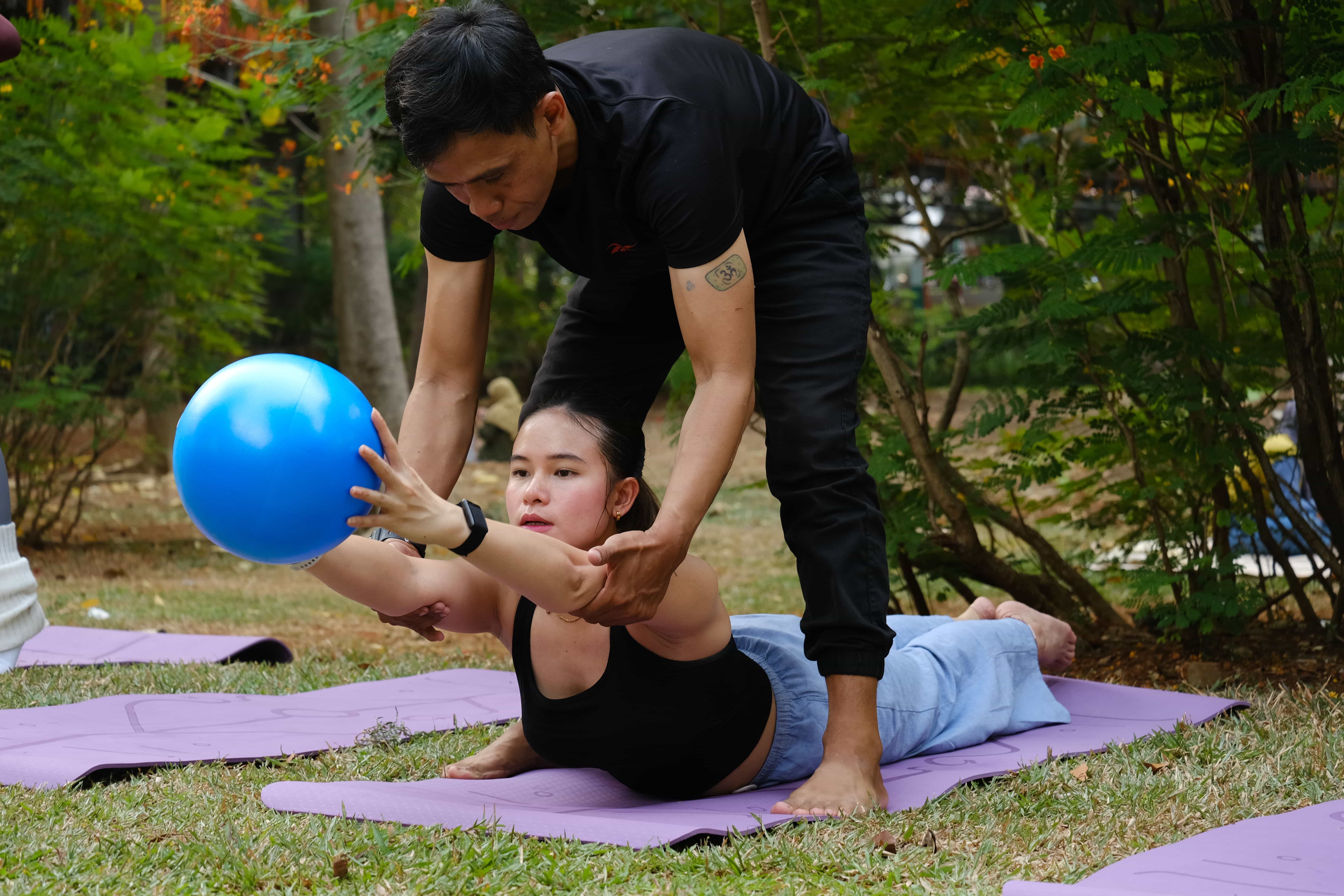
Small Pilates Ball (approx. 25cm diameter) takes up negligible space but does a lot. Placed behind your back, between your knees, or under your sacrum, it forces deep stabilizers to engage for balance — a great tool for waking up core control.
These three tools together cost less than a nice dinner out, yet they support a complete home Pilates system.
III. Advanced Options: Larger Equipment Worth Considering (If You Have a Storage Plan)
If you already have a consistent practice habit and want to challenge yourself with more exercises, you can carefully consider the following two types.
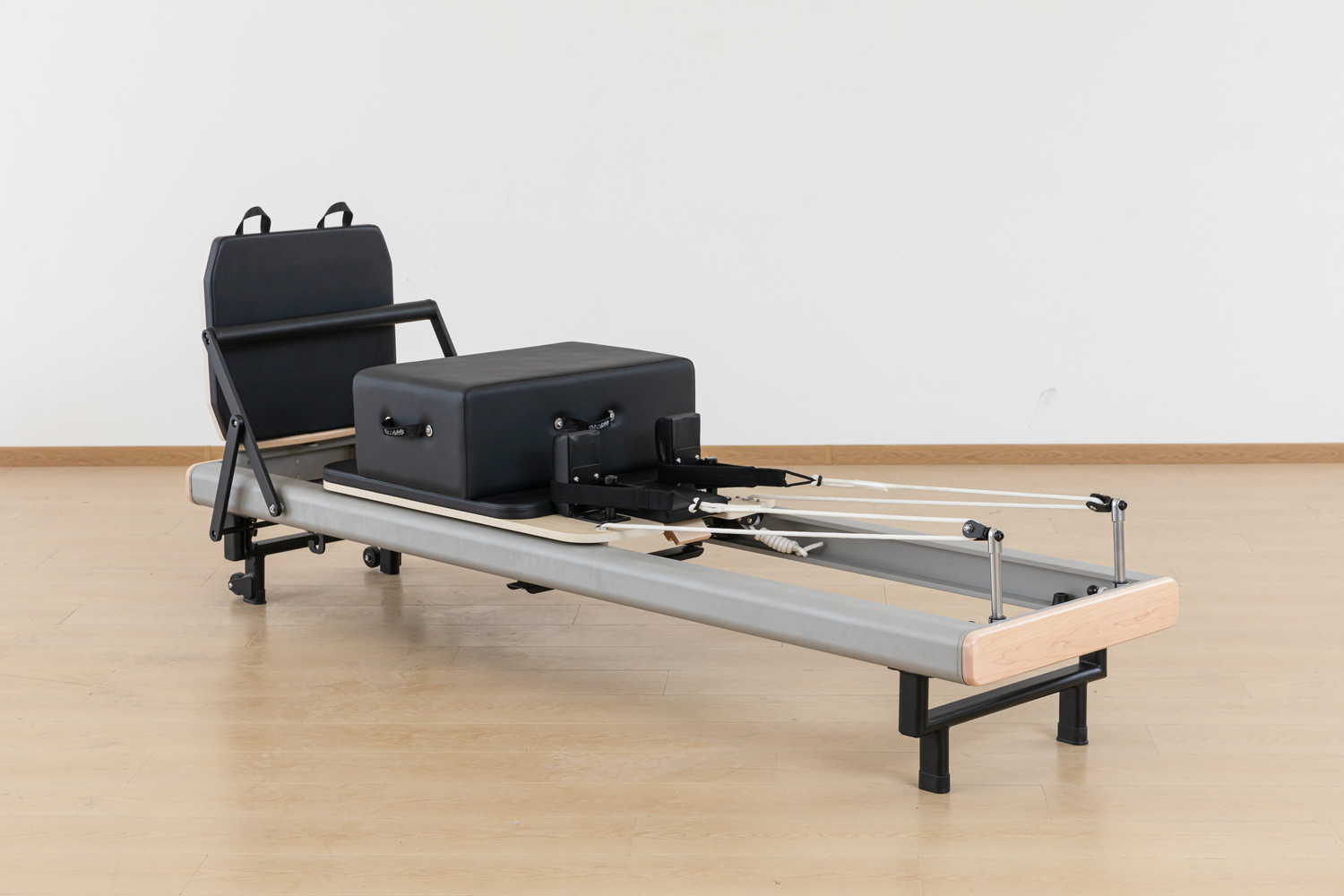
Foldable Reformer: The "Storable Big Piece" Designed for Small Spaces
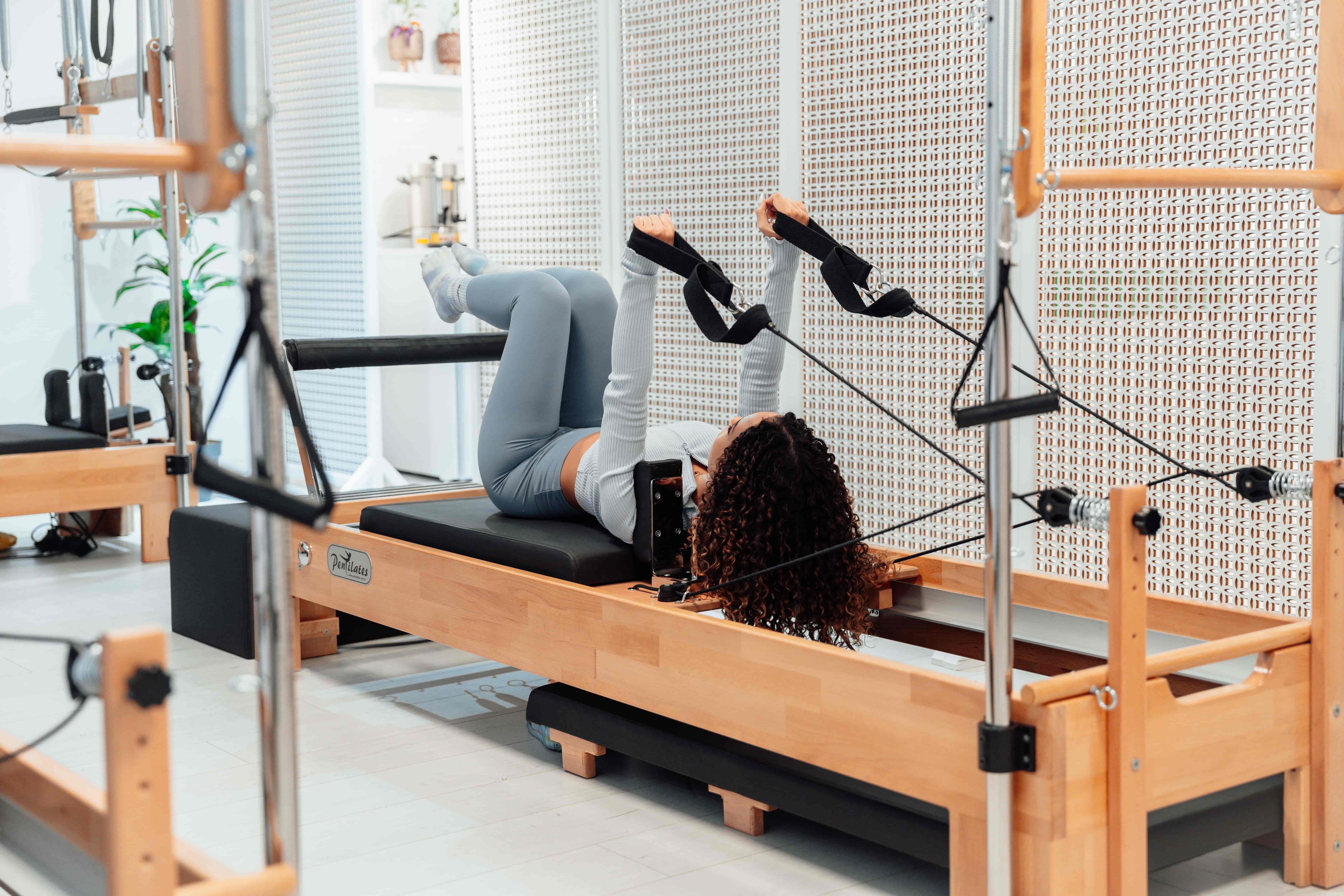
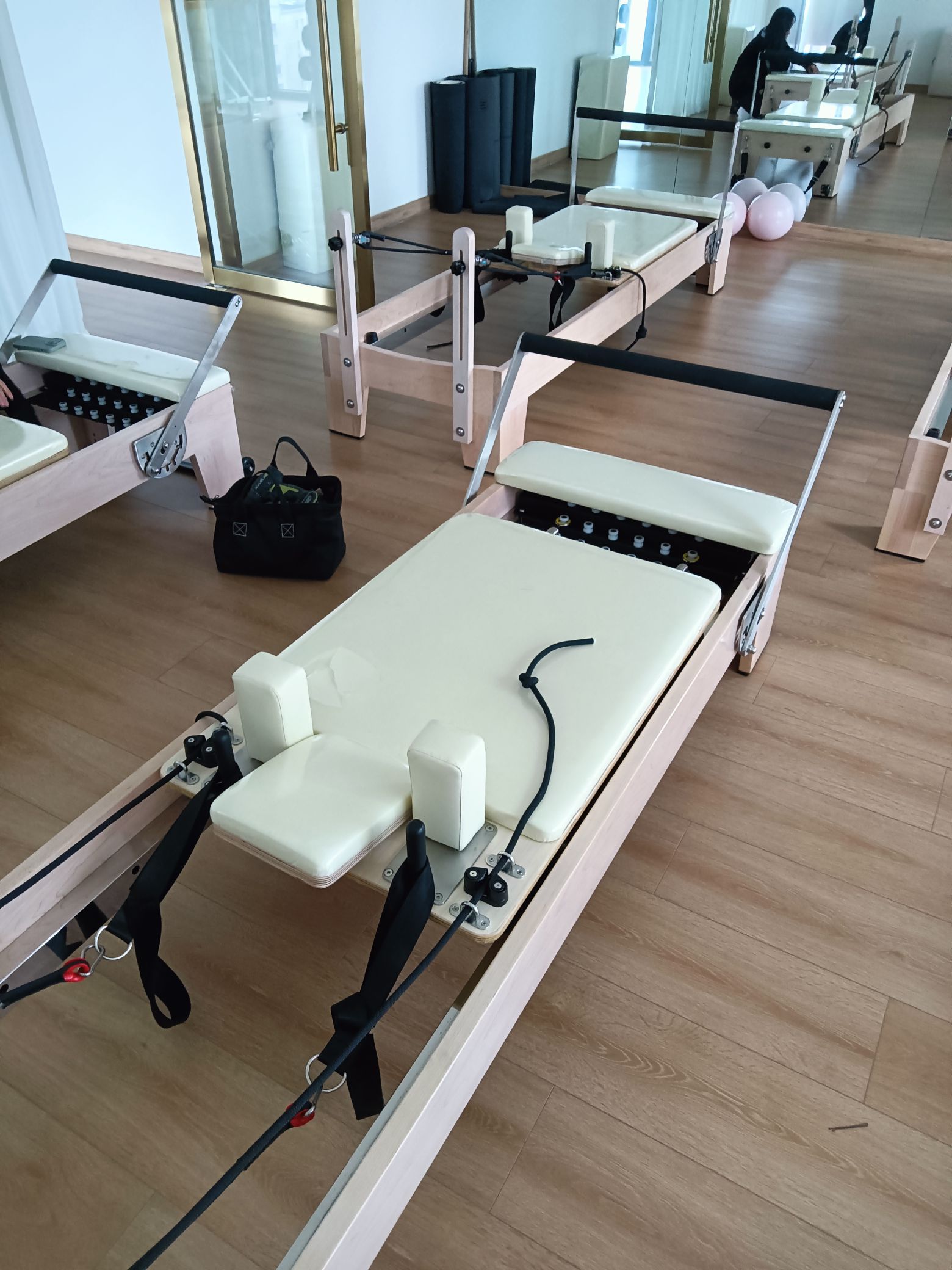
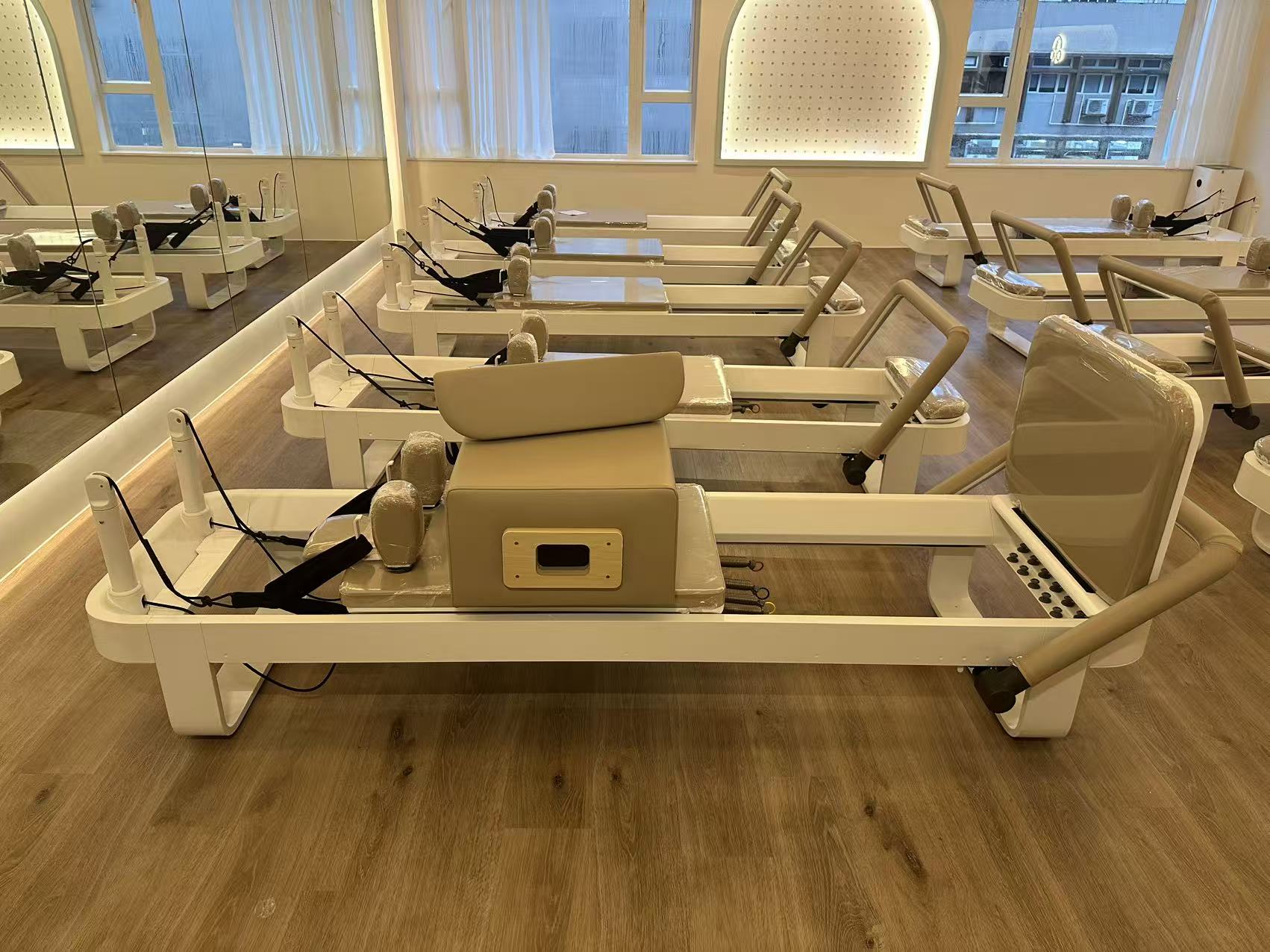
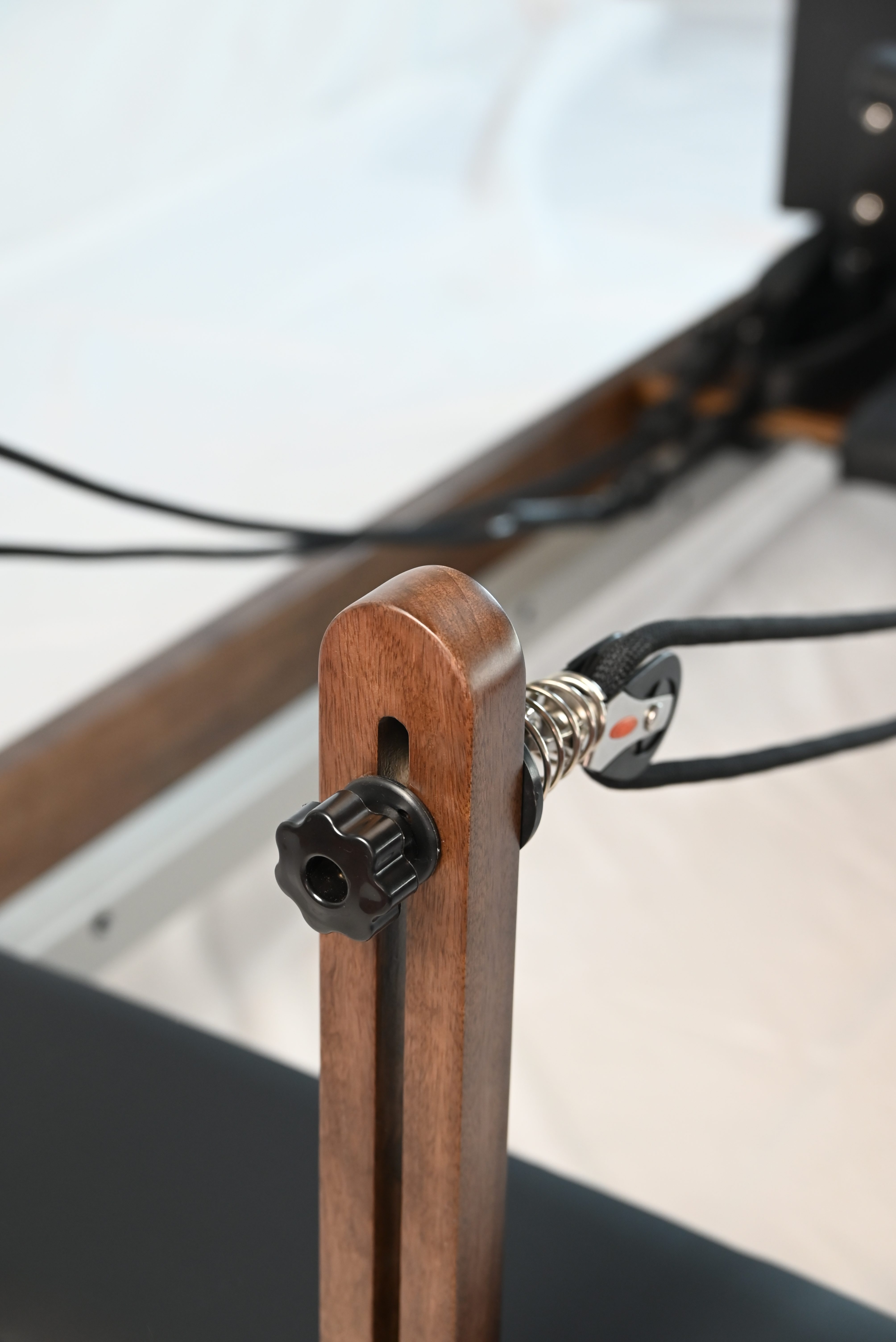
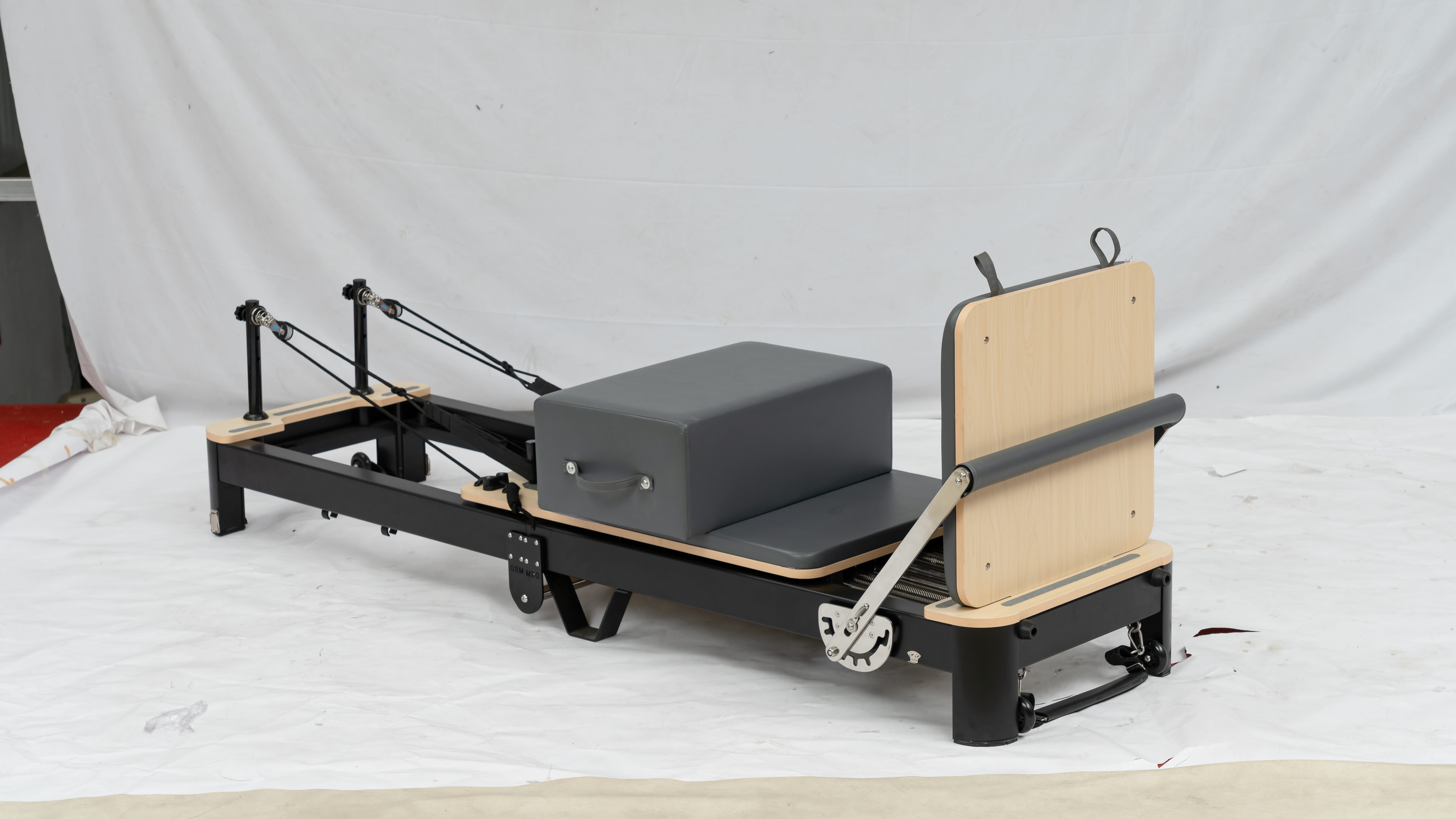
The Reformer is Pilates' signature apparatus. Now, brands have developed foldable models specifically for small spaces — they unfold to a full-size reformer and fold to stand vertically against a wall.
Three details determine whether a foldable reformer truly works in a small space:
Folded dimensions determine whether it can truly "disappear" : Different models vary dramatically in folded thickness — some fold to just 15cm thick, nearly invisible against a wall; others still require removing shoulder rests and footbars, occupying nearly 1.5 square meters. Ask for exact folded dimensions before buying — don't just rely on the word "foldable."
Storage stability matters : Some budget foldable reformers allow the carriage to slide forward when standing — creating safety hazards. Prioritize models with integrated locking mechanisms that keep the device stable during storage.
Unfolded length needs to fit your space : For small homes, aim for under 2.2 meters unfolded. The difference between a short model (about 210cm) and a standard model (230cm) might be 20cm — and that's the difference between being able to walk through your living room or not.
Core Sliders: A Smart "Reformer Substitute" That Lives on the Floor
If budget or space doesn't yet accommodate a full reformer, Core Sliders are an ingenious alternative. They're essentially discs that slide on smooth floors — placed under hands or feet, you create sliding resistance to mimic reformer-like movements.
Sliders can't fully replicate spring resistance, but for exercises like lunges, plank variations, and mountain climbers, core engagement is impressive. And storage is a dream — two discs stacked, slide them under the sofa.
IV. Equipment Small Spaces Should Absolutely Avoid
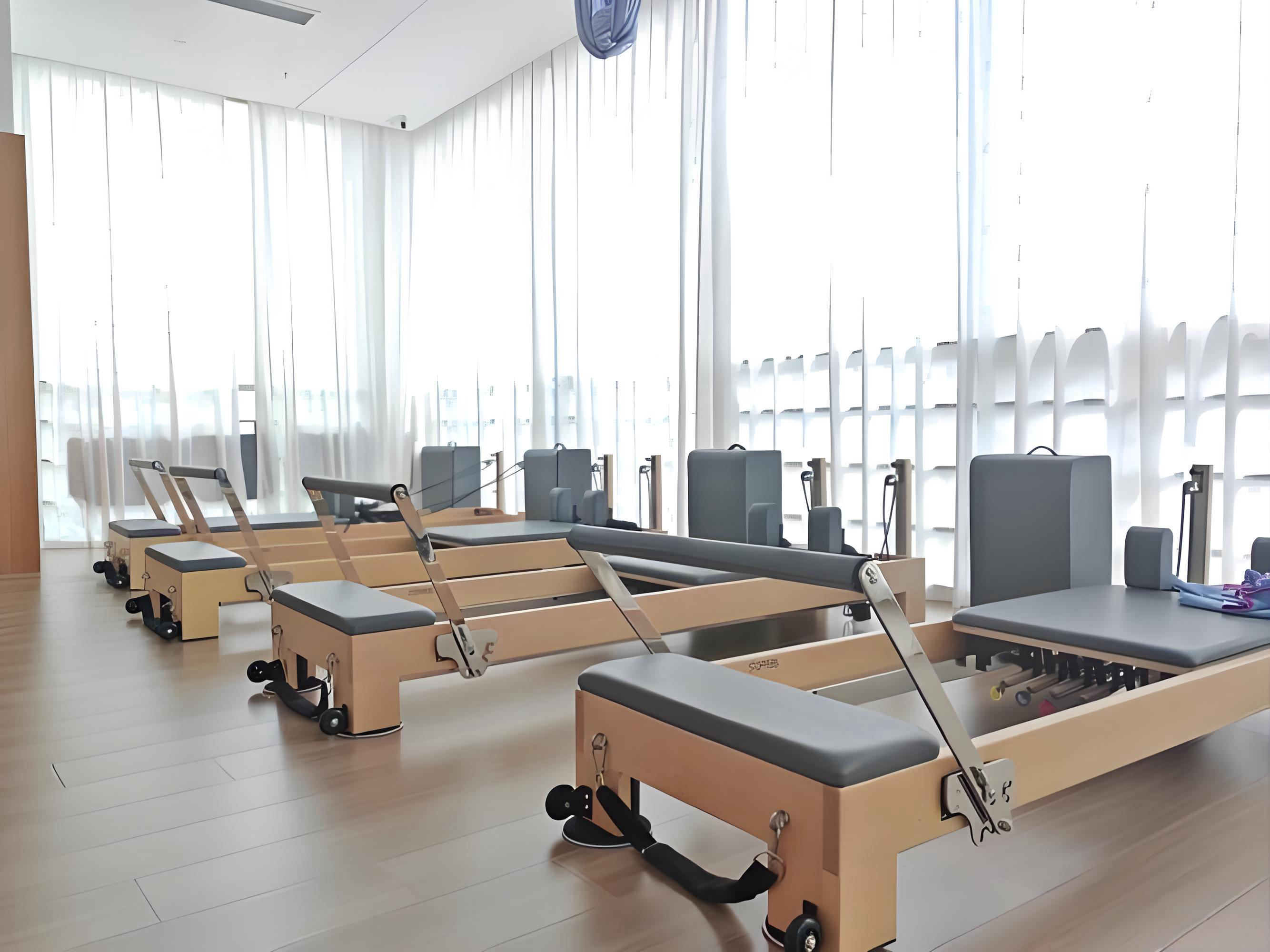
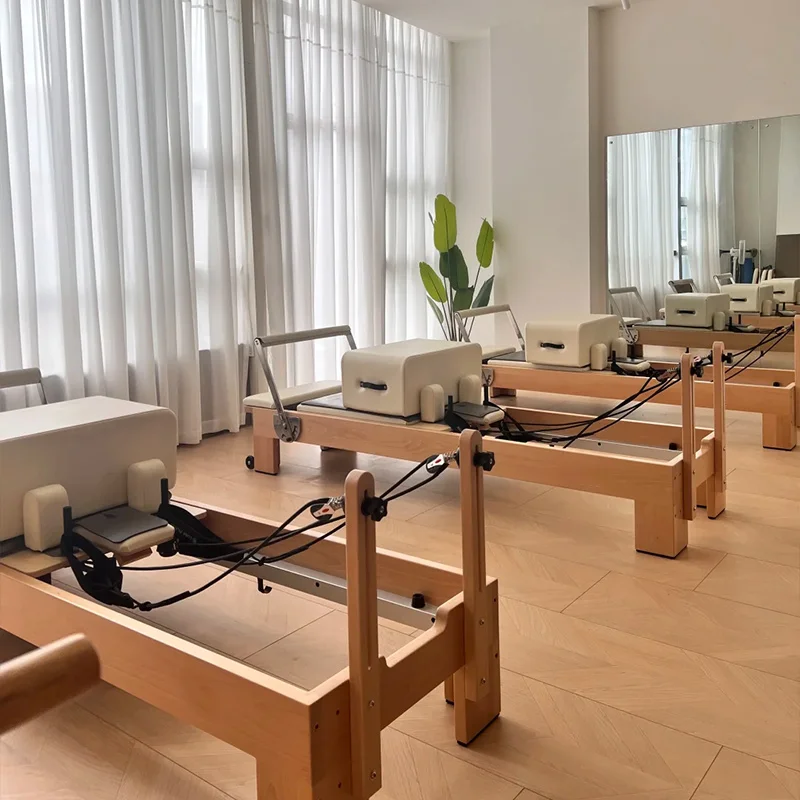
Non-foldable, standard reformer: 2.3 meters long, 0.7 meters wide, and can't be stored. If you don't have a dedicated home gym room, it will permanently occupy prime living or bedroom real estate.
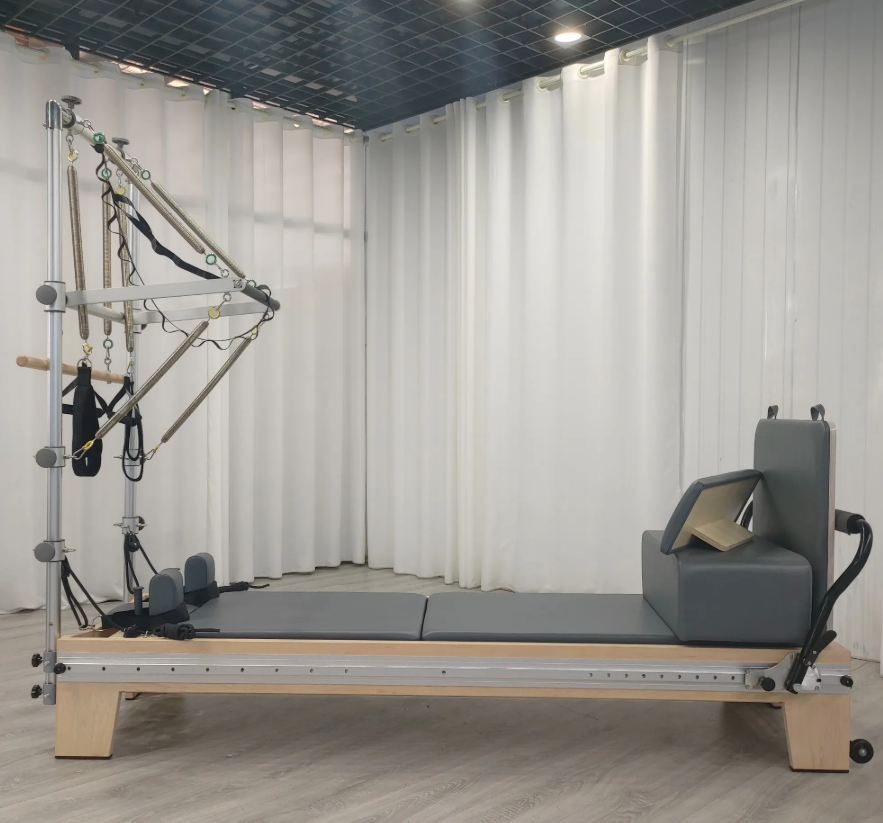
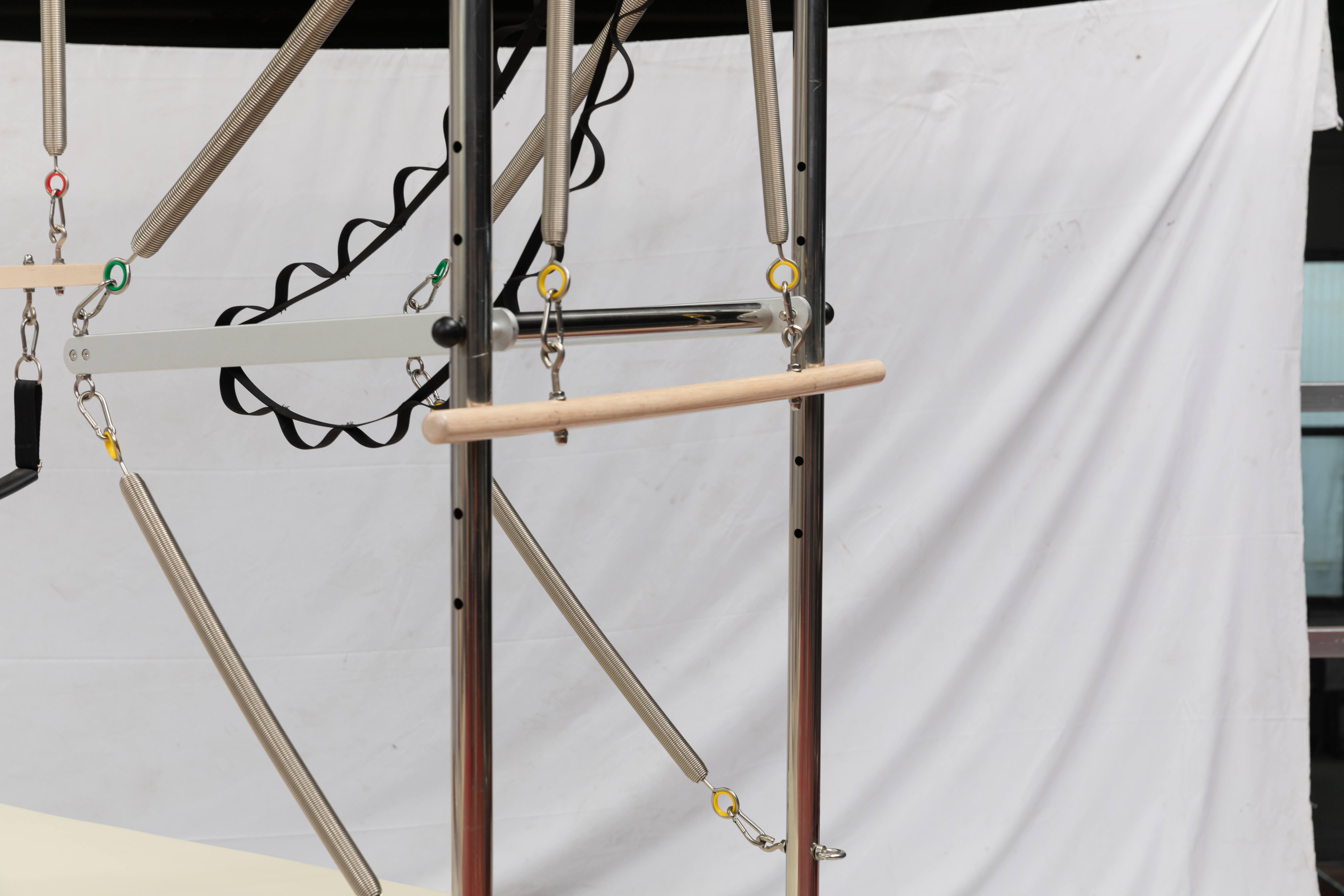
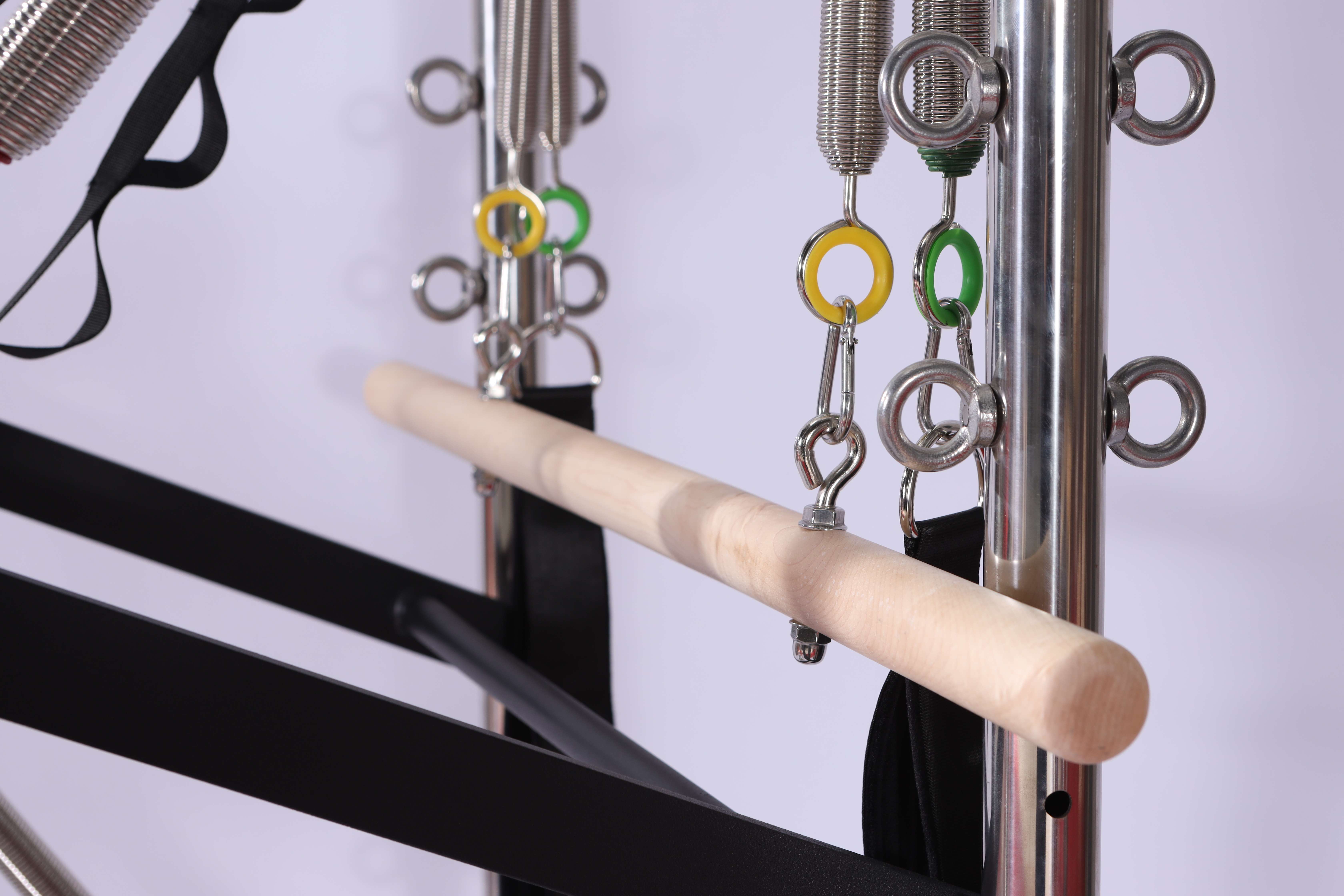
Cadillac (Trapeze Table): Powerful, but nearly impossible to fit in a small home. Its three-dimensional frame and suspension system rule out folding — unless you have a dedicated training room, take it off your list.
V. Storage Solutions for Small-Space Equipment
Equipment selection is only half the battle — storage matters too. Here are some small-space-friendly strategies:
·Use door backs to hang resistance bands, Magic Circles, and small balls
·Store sliders, small balls, and bands under the bed or sofa
·Install simple wall hooks or shelves to hold small tools
·Place foldable equipment standing against the wall, tucked behind doors or in corners
Core principle: use it, store it, forget it's there. If you feel annoyed every time you see your equipment, you'll stop using it.
Summary: The core of small-space Pilates isn't about whether something "can fit" — it's about whether you'll actually want to use it daily. Equipment truly suited for small spaces should meet three conditions: it disappears when not in use, deploys quickly when you need it, and delivers quality training. The Magic Circle, resistance bands, and small ball are the go-to foundational kit; a foldable reformer is the one large apparatus worth considering — but verify exact folded dimensions and storage stability before buying; Core Sliders are a smart substitute when budget and space are both tight. It's not about how much equipment you own — it's about the one piece you'll use every day.