What to Pay Attention to When Purchasing Pilates Equipment?
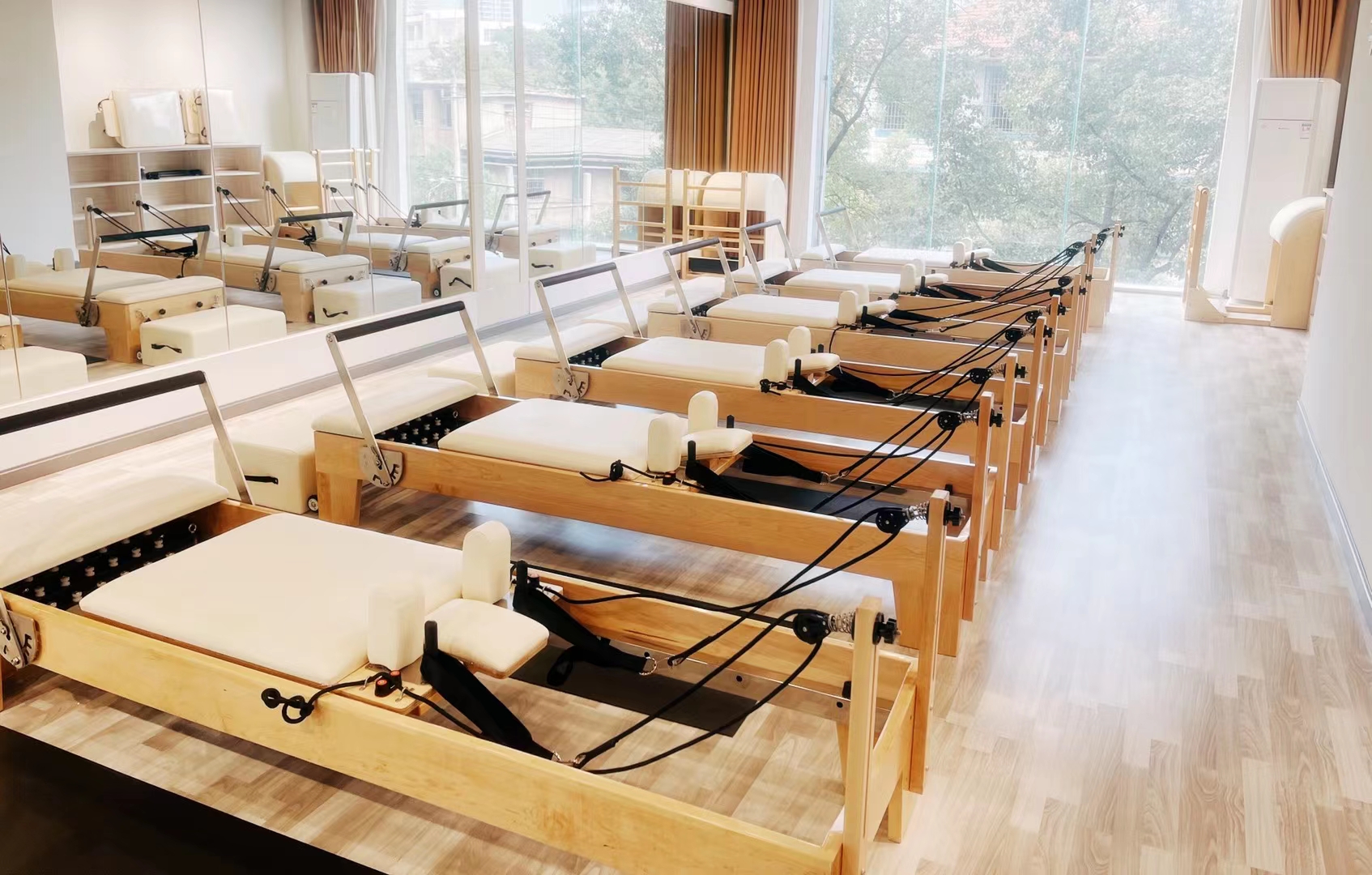
Purchasing Pilates equipment is an important investment for Pilates studio owners, fitness institutions and global distributors. High-quality equipment can improve teaching effects, enhance studio professionalism and extend service life, while poor-quality products may cause safety risks, frequent maintenance problems and additional cost losses. Therefore, it is necessary to master key purchasing points before placing bulk orders. Below are the most critical factors to consider when buying Pilates equipment.
1. Choose Commercial-Grade Quality Instead of Household Grade
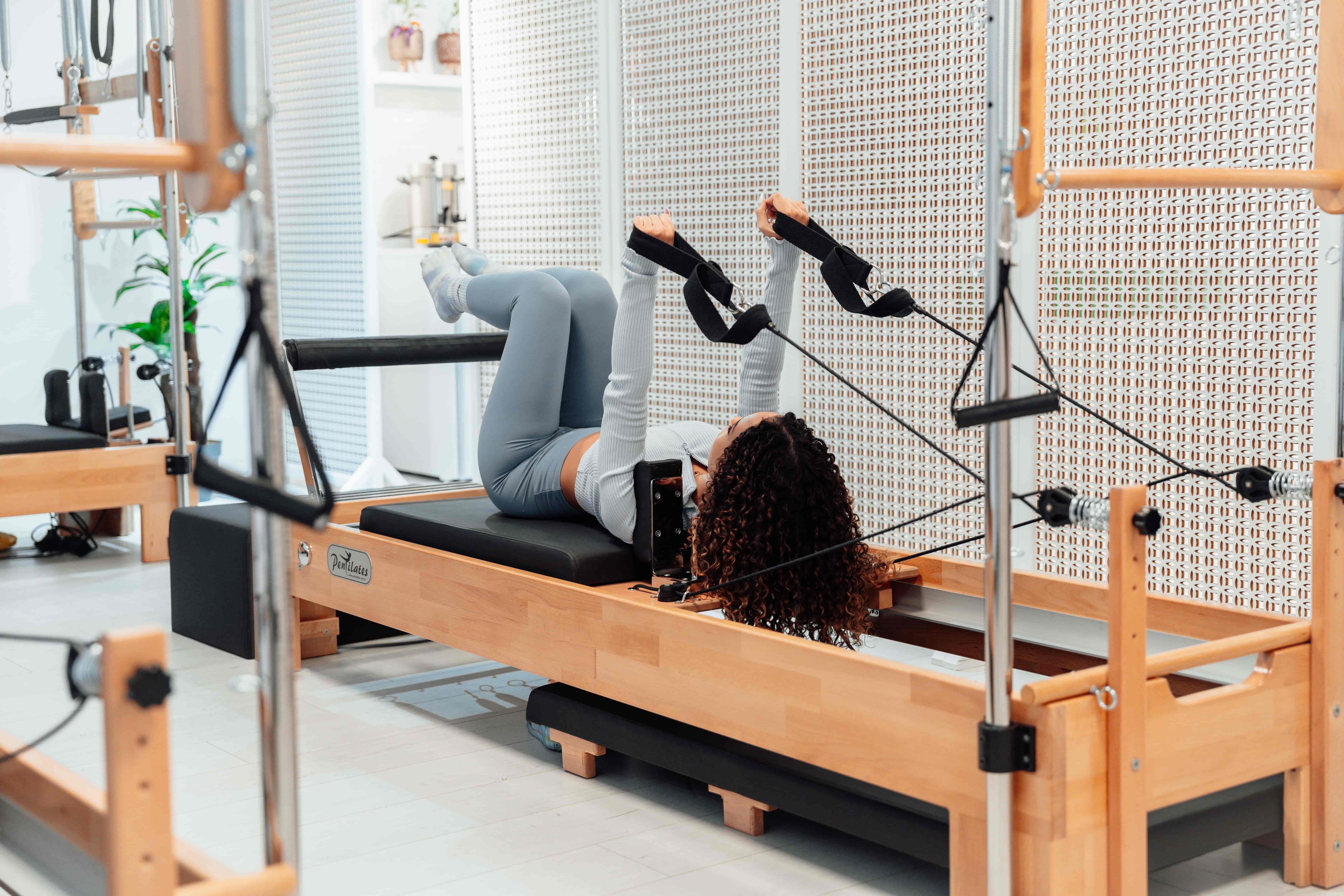
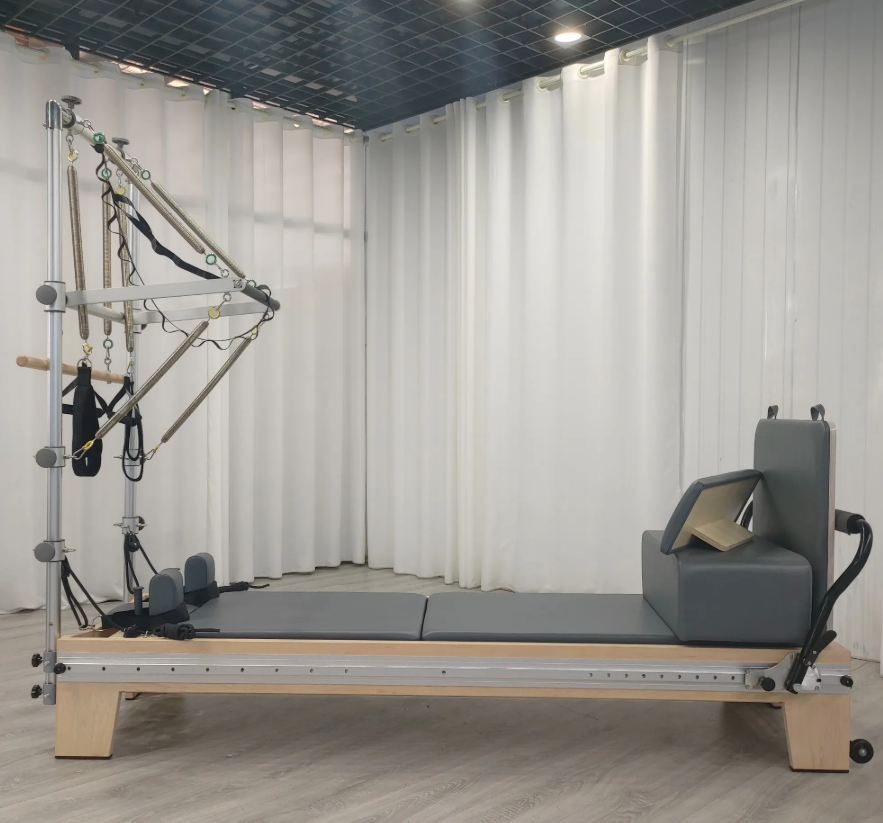
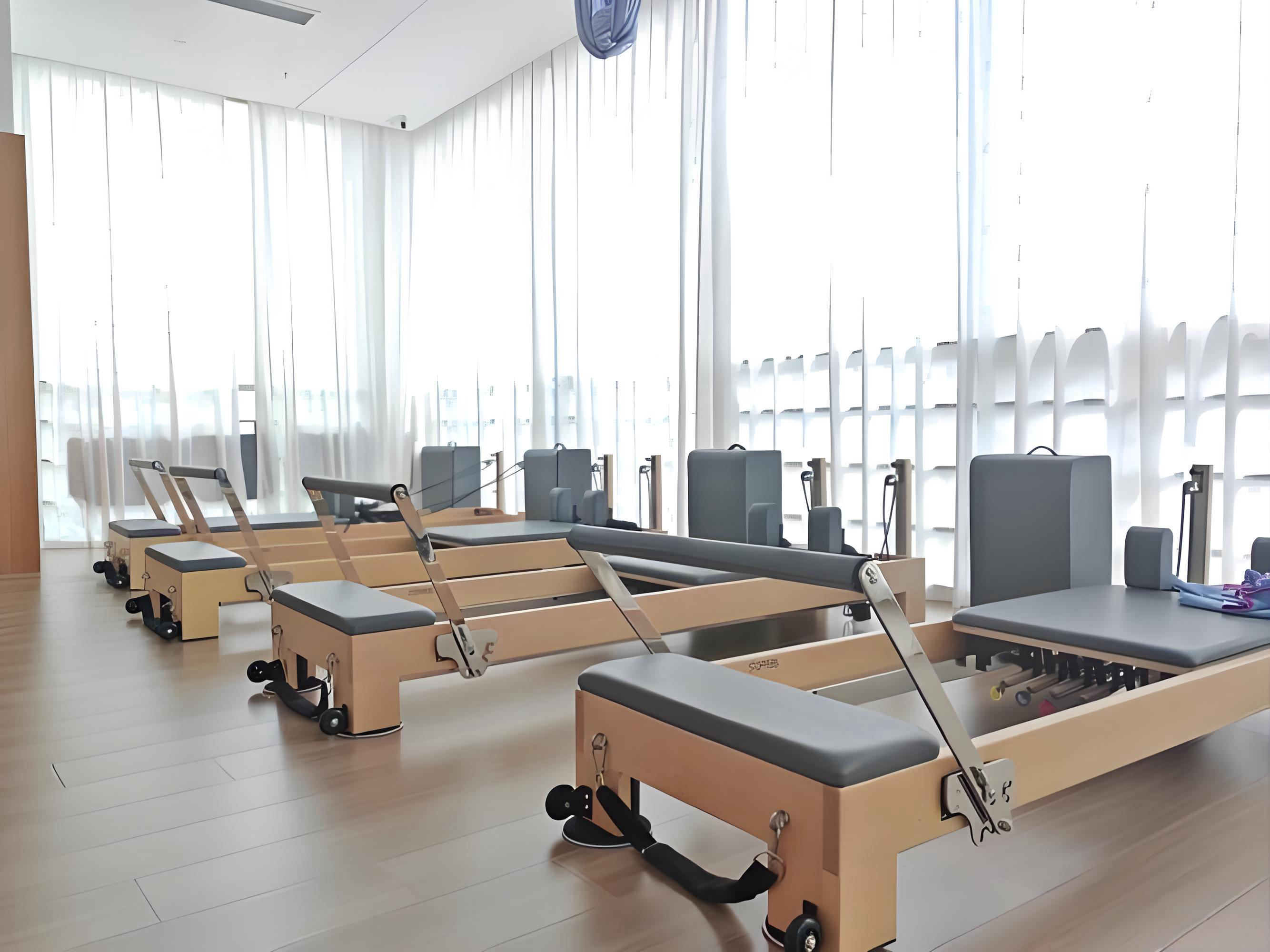
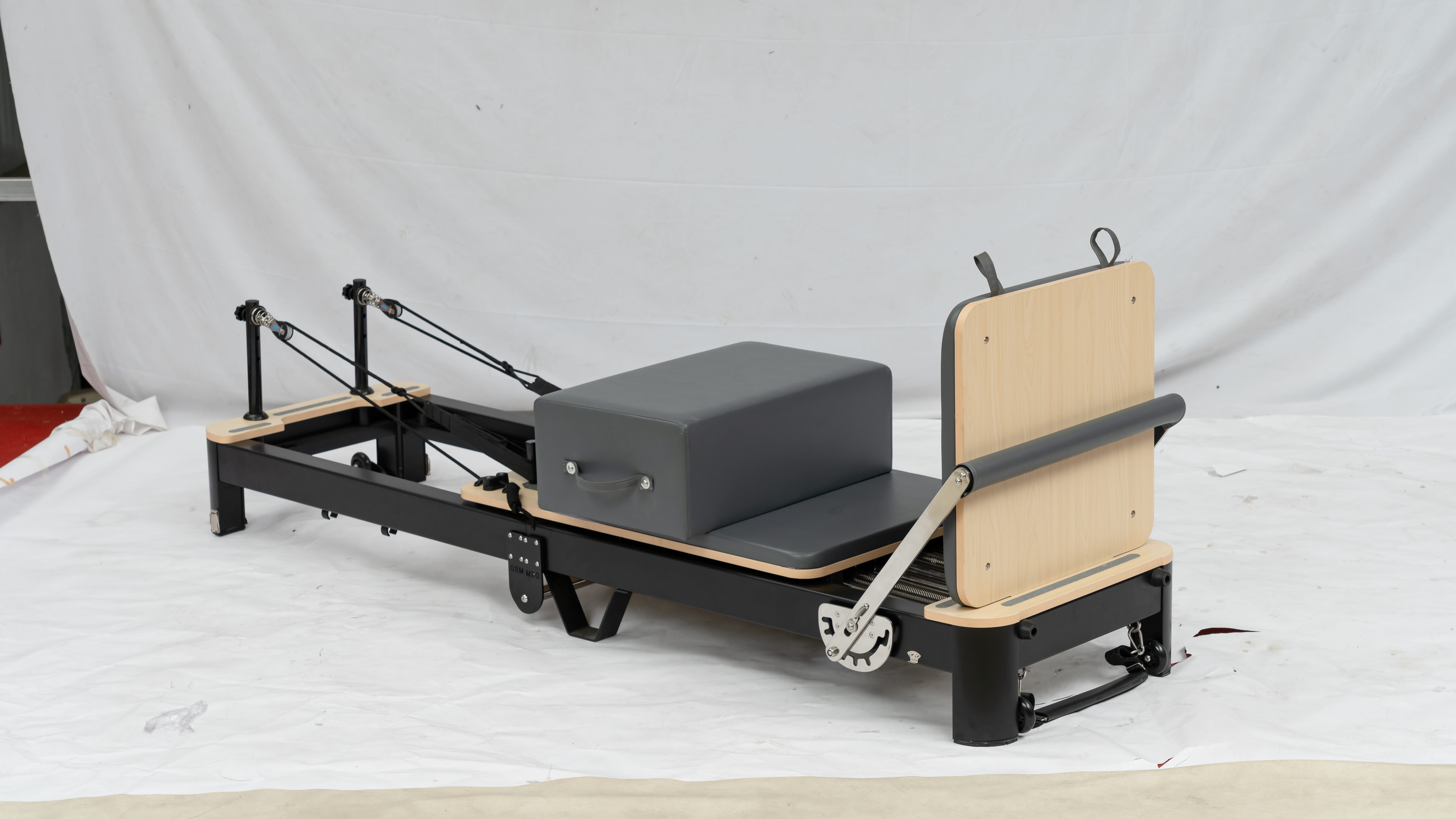
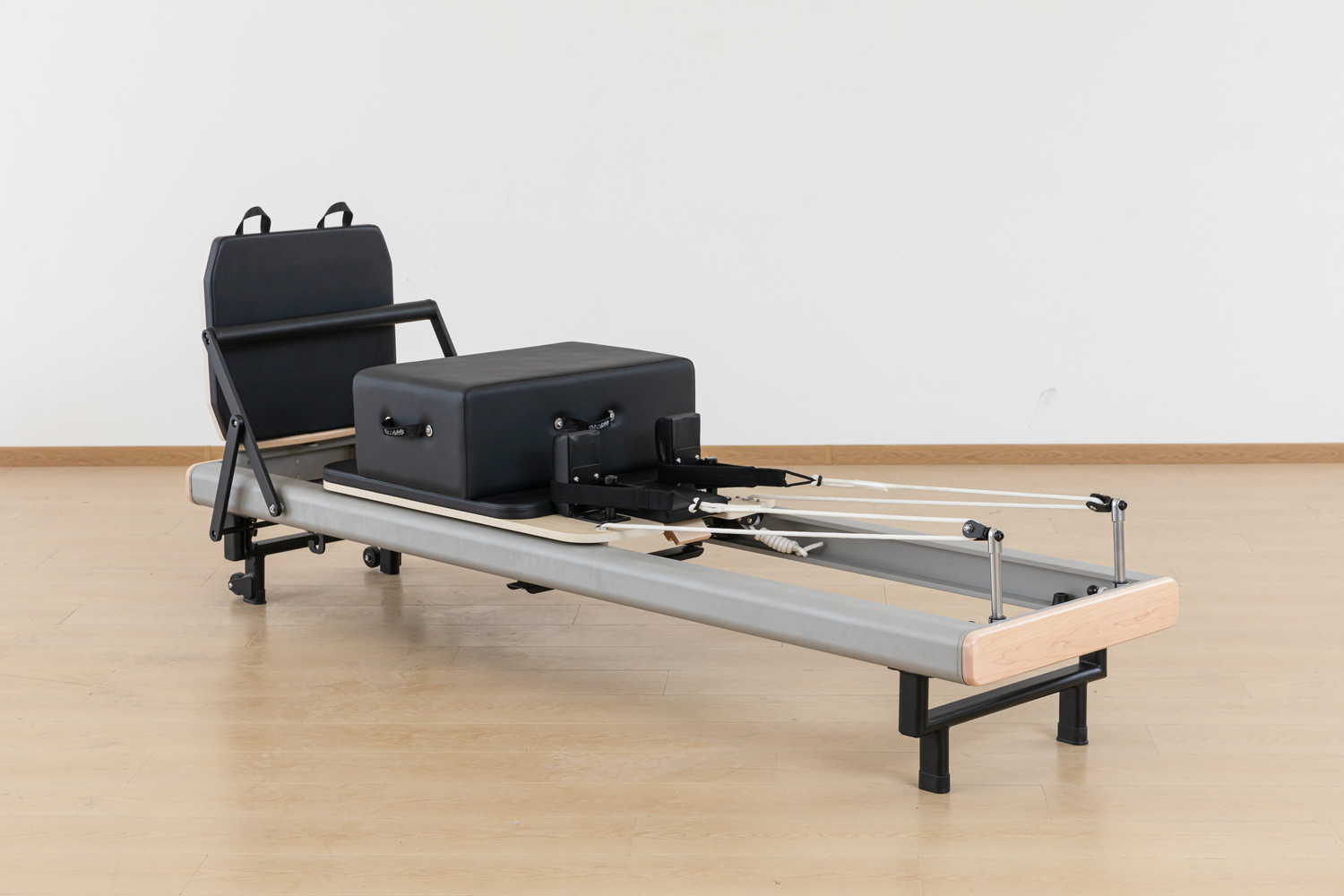
Many buyers easily confuse home-use Pilates machines with commercial-grade equipment. Commercial studios require high-frequency daily use, so the equipment must be sturdy, stable, wear-resistant and deformation-proof. When purchasing, you need to confirm the frame material, spring quality, leather thickness and internal structure.
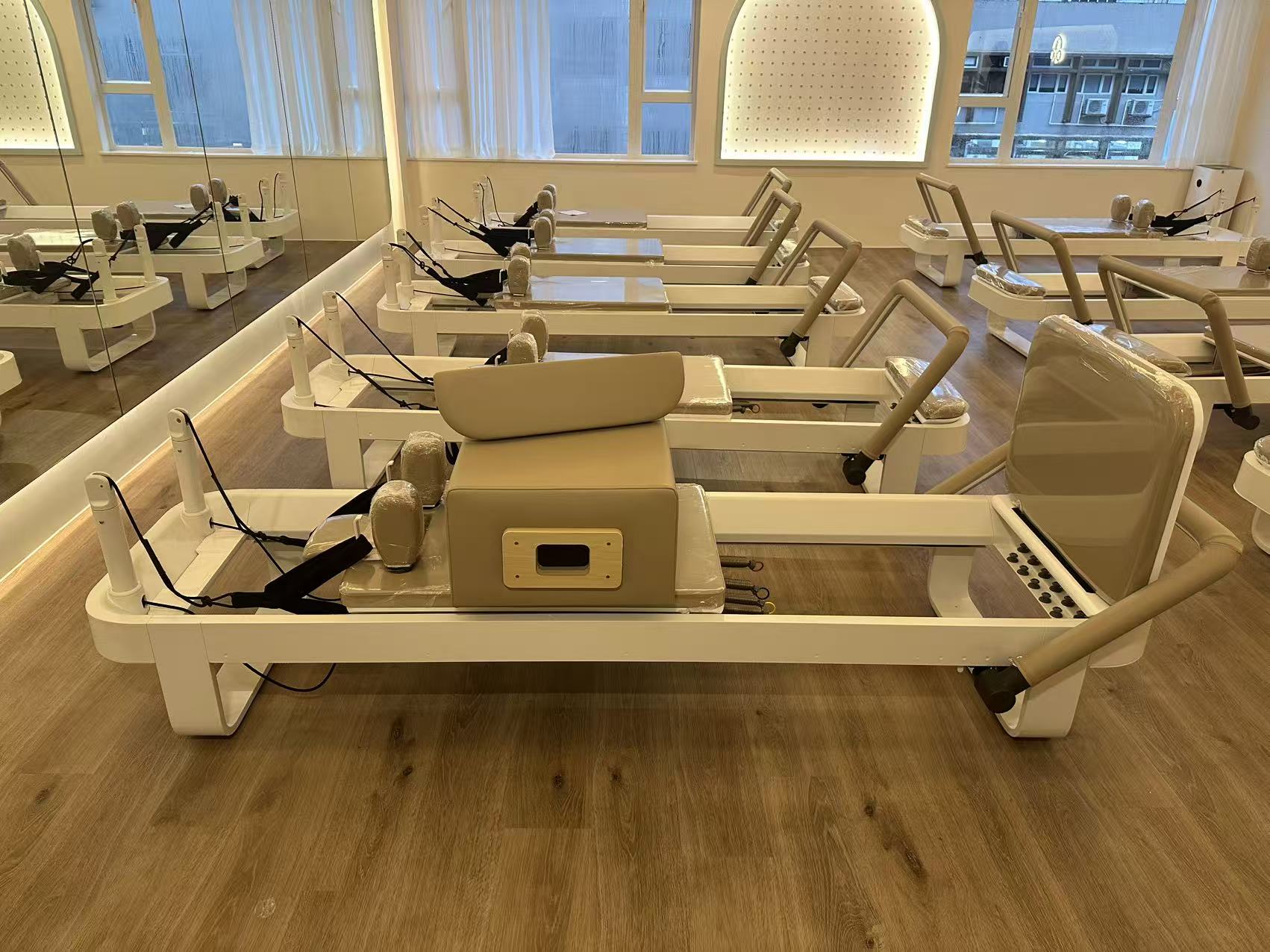
Commercial reformers, chairs and barrels should adopt solid wood or thick aluminum alloy frames, high-tension industrial springs and high-density foam padding. Household lightweight structures cannot support long-term commercial use and are easy to shake, make noise or be damaged.
2. Check Load-Bearing Capacity and Safety Performance
Safety is the top priority for fitness equipment. Before purchasing, confirm the official maximum load weight, structural stability and anti-slip design. Reliable manufacturers will complete repeated load tests to ensure the machine does not shake, tilt or deform during intense training.
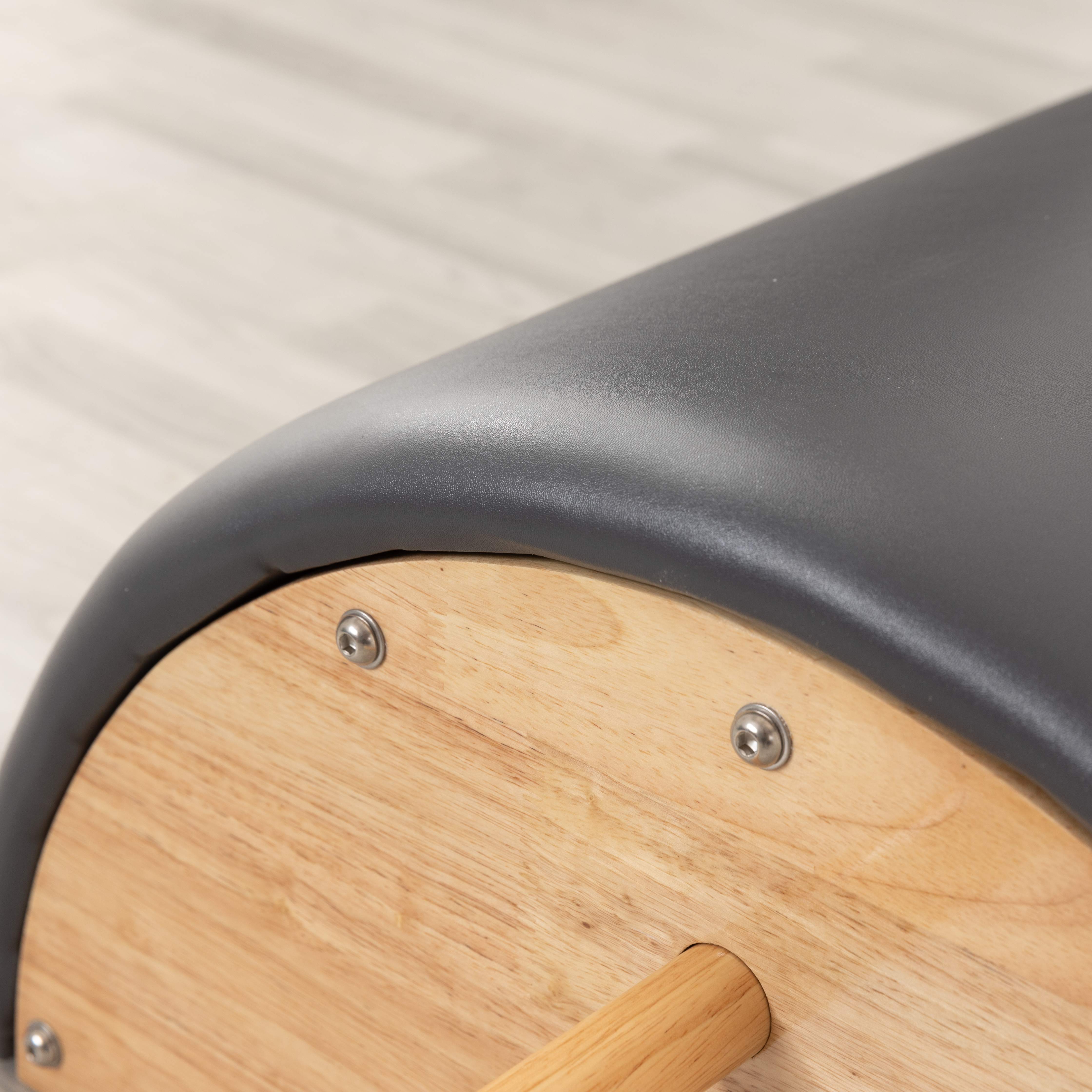
Qualified Pilates machines also adopt smooth rounded corner design, safe pulley system and anti-pinch structure to protect trainers and students from injury.
3. Confirm Material Durability and Accessories Quality
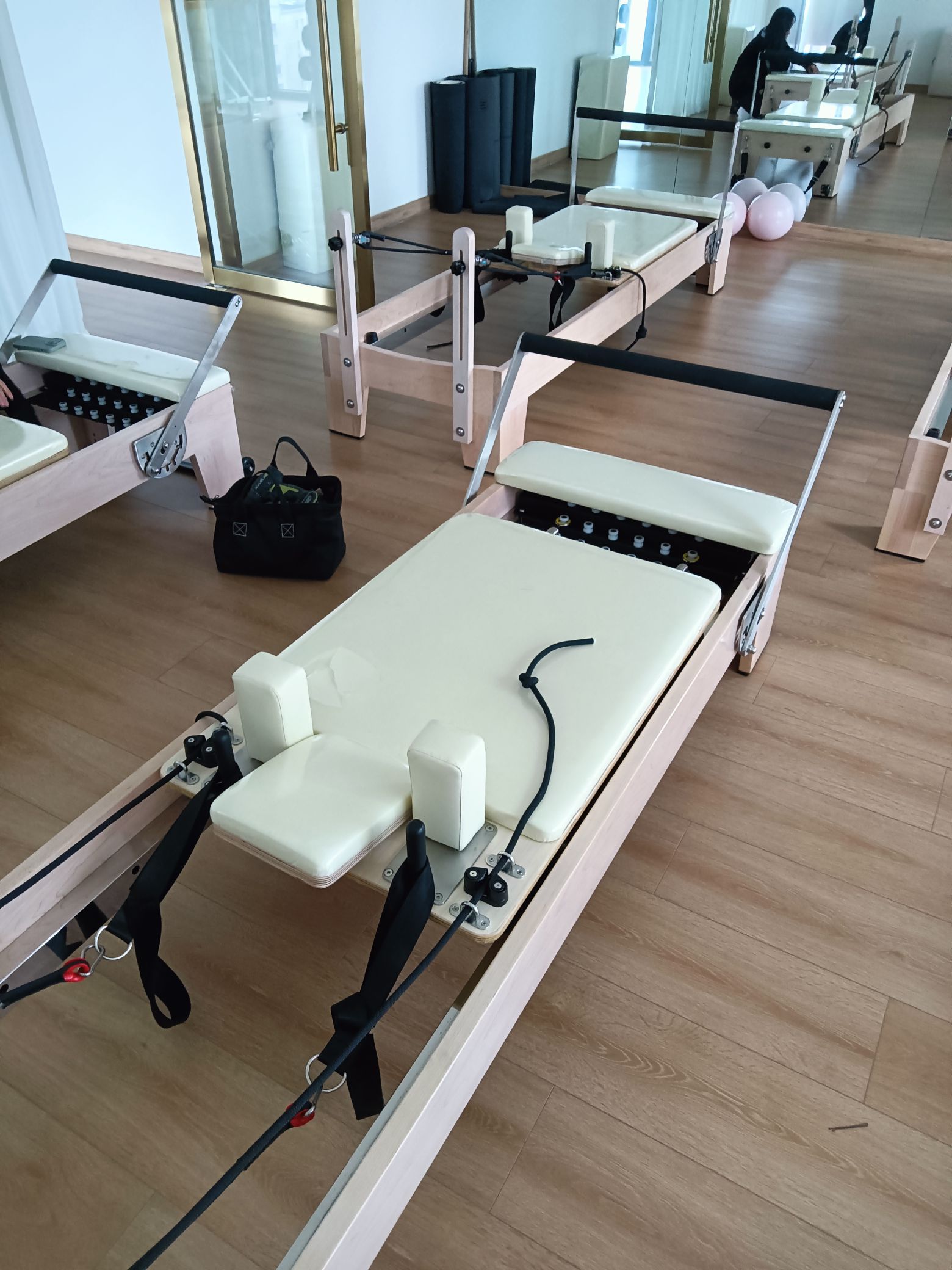
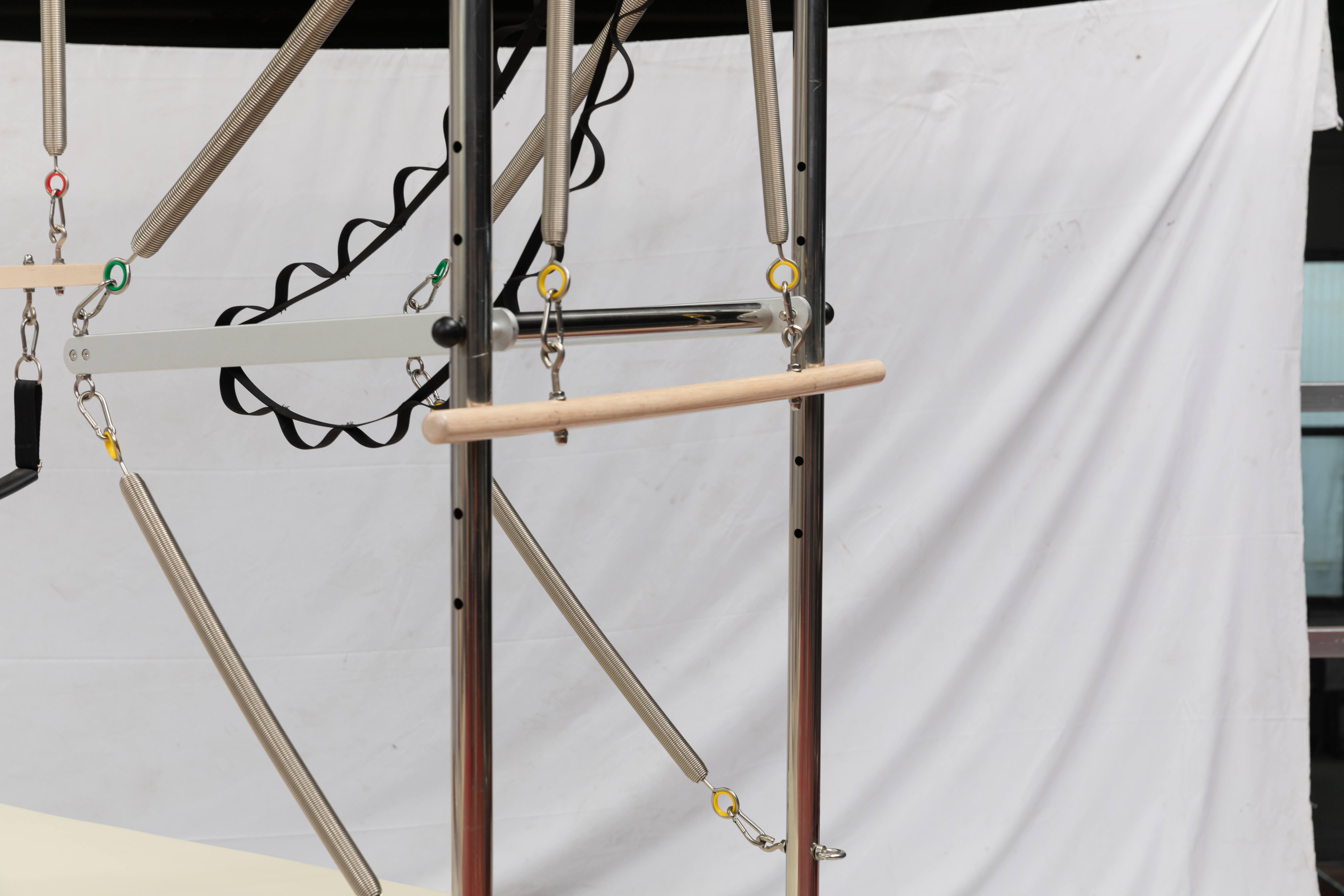
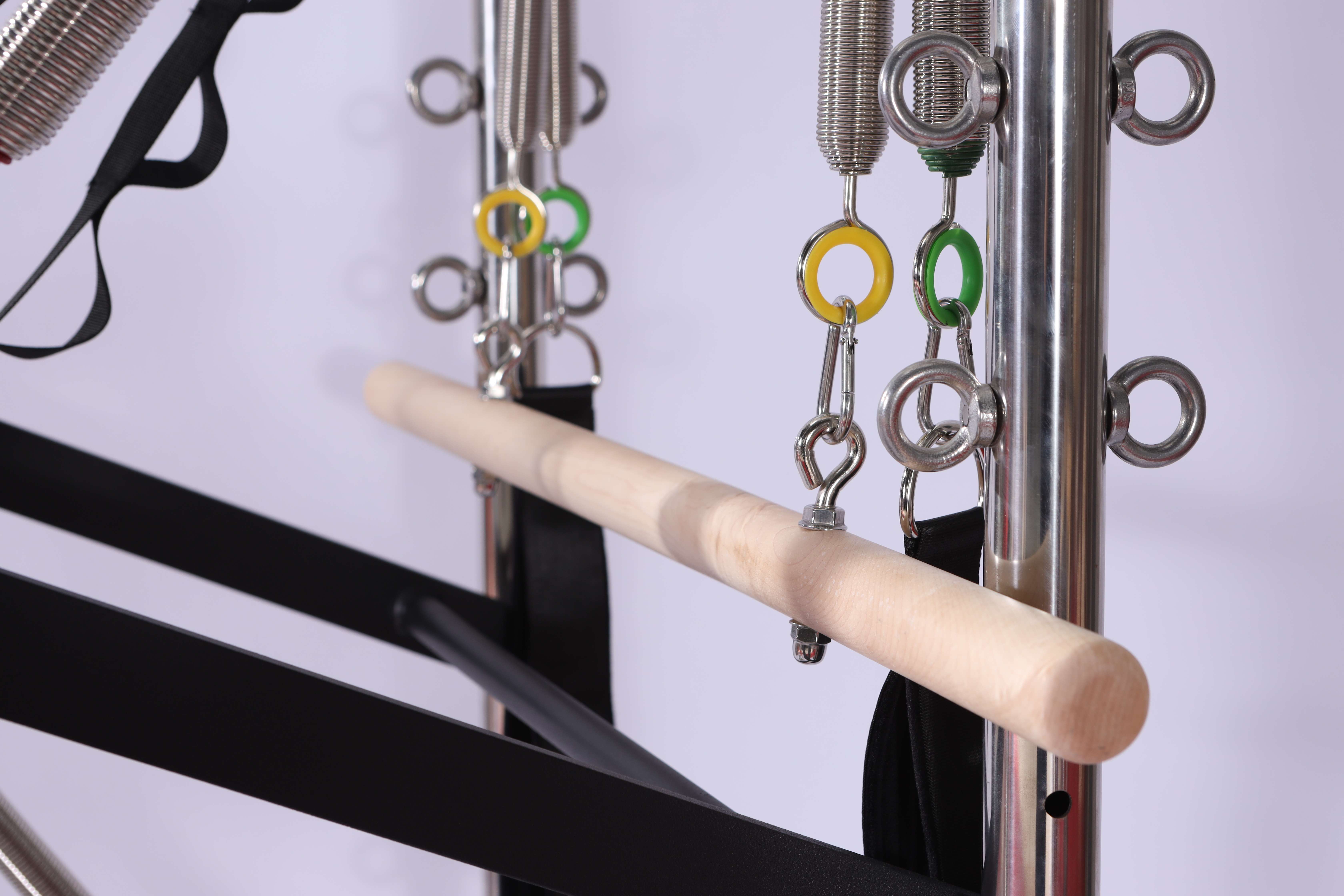
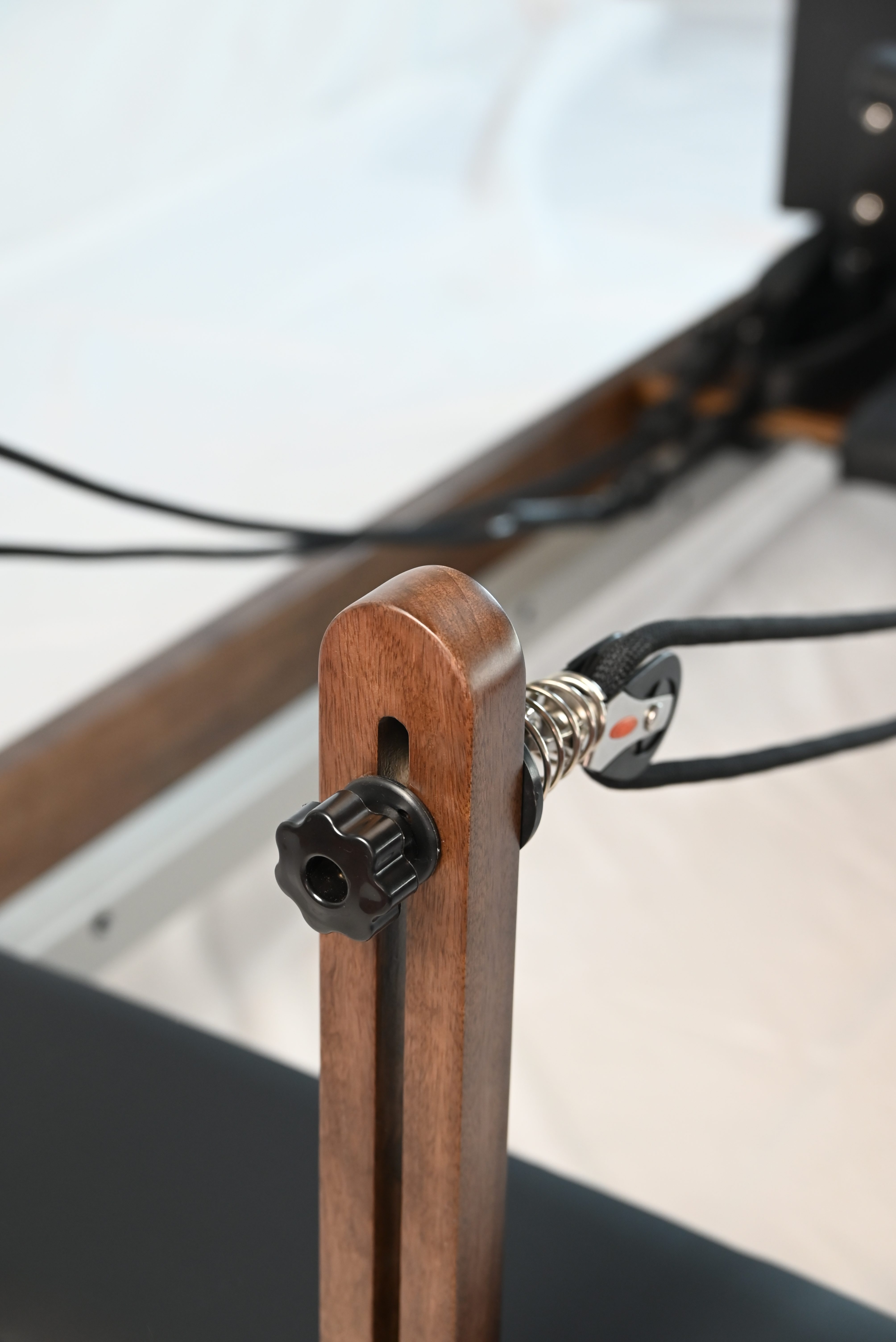
The service life of Pilates equipment mainly depends on its accessories and consumable parts. Pay attention to the quality of springs, sliding rails, ropes, footbars, leather cover and sponge padding. High-quality springs keep consistent tension without deformation; upgraded silent sliding rails ensure smooth and quiet movement; thick microfiber leather is scratch-resistant and sweat-proof for long-term use.
Low-cost equipment usually uses thin leather, inferior sponge and ordinary springs, which will become loose, noisy and worn out within a short time.
4. Verify Certification and Export Qualification
For cross-border purchase and studio commercial use, formal certifications such as CE are essential. Certified products comply with European and international safety standards, ensuring smooth customs clearance and legal sales in local markets. Buying uncertified equipment may lead to customs detention or market sales restrictions.
5. Clarify Warranty and After-Sales Policy
After-sales service is one of the most easily ignored but most important purchasing factors. Before ordering, confirm the manufacturer’s warranty period, after-sales support and spare parts supply ability.
Professional suppliers provide long-term warranty, global spare parts supply, installation guidance and after-sales technical support. Since most Pilates equipment failures come from wearing parts, stable spare parts supply can greatly reduce your later maintenance cost.
6. Confirm Customization and Matching Accessories
Different studios have different decoration styles and brand positioning. When purchasing, you can check whether the manufacturer supports customized leather colors, frame colors, logo printing and personalized packaging.
In addition, a complete set of supporting accessories such as jump boards, sitting boxes, hand straps and foot loops should be complete and matched perfectly, avoiding incompatibility problems affecting teaching.
7. Understand Packaging and Transportation Safety
Pilates machines are large and easy to scratch or break during long-distance transportation. Reliable manufacturers adopt thick cartons, foam protection and optional wooden box packaging to reduce damage rates. You must confirm the packaging standard before shipment, especially for bulk container orders.
Conclusion
When purchasing Pilates equipment, buyers should focus on commercial quality, safety performance, material durability, certification, after-sales service and transportation protection, instead of simply comparing low prices. High-quality equipment brings longer service life, safer training experience and better studio reputation.
We are a professional commercial Pilates equipment manufacturer with stable quality, complete certifications, customizable services and reliable after-sales support. If you are looking for trustworthy Pilates equipment suppliers for studio opening or wholesale business, welcome to contact us for detailed specifications and quotations.