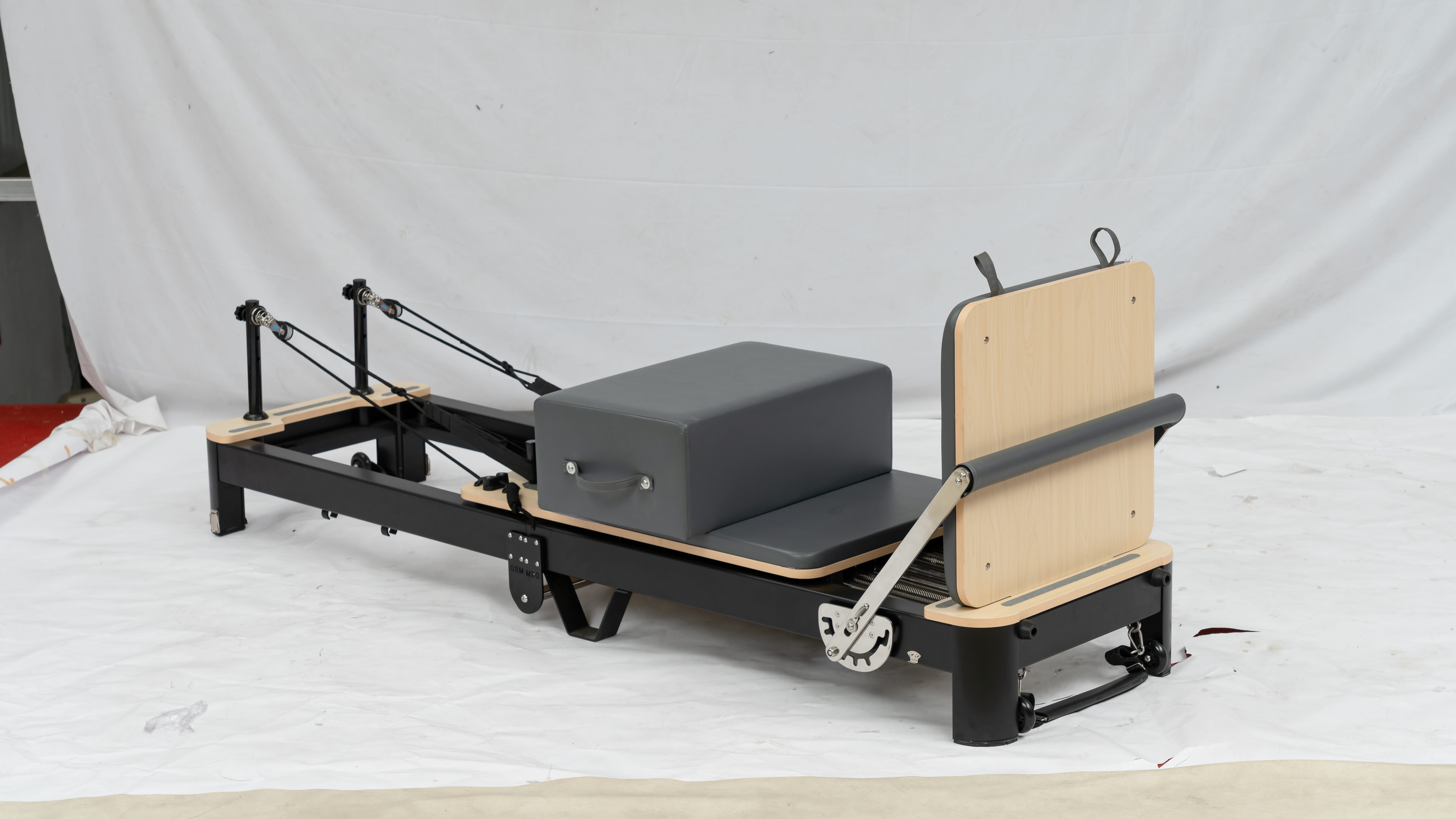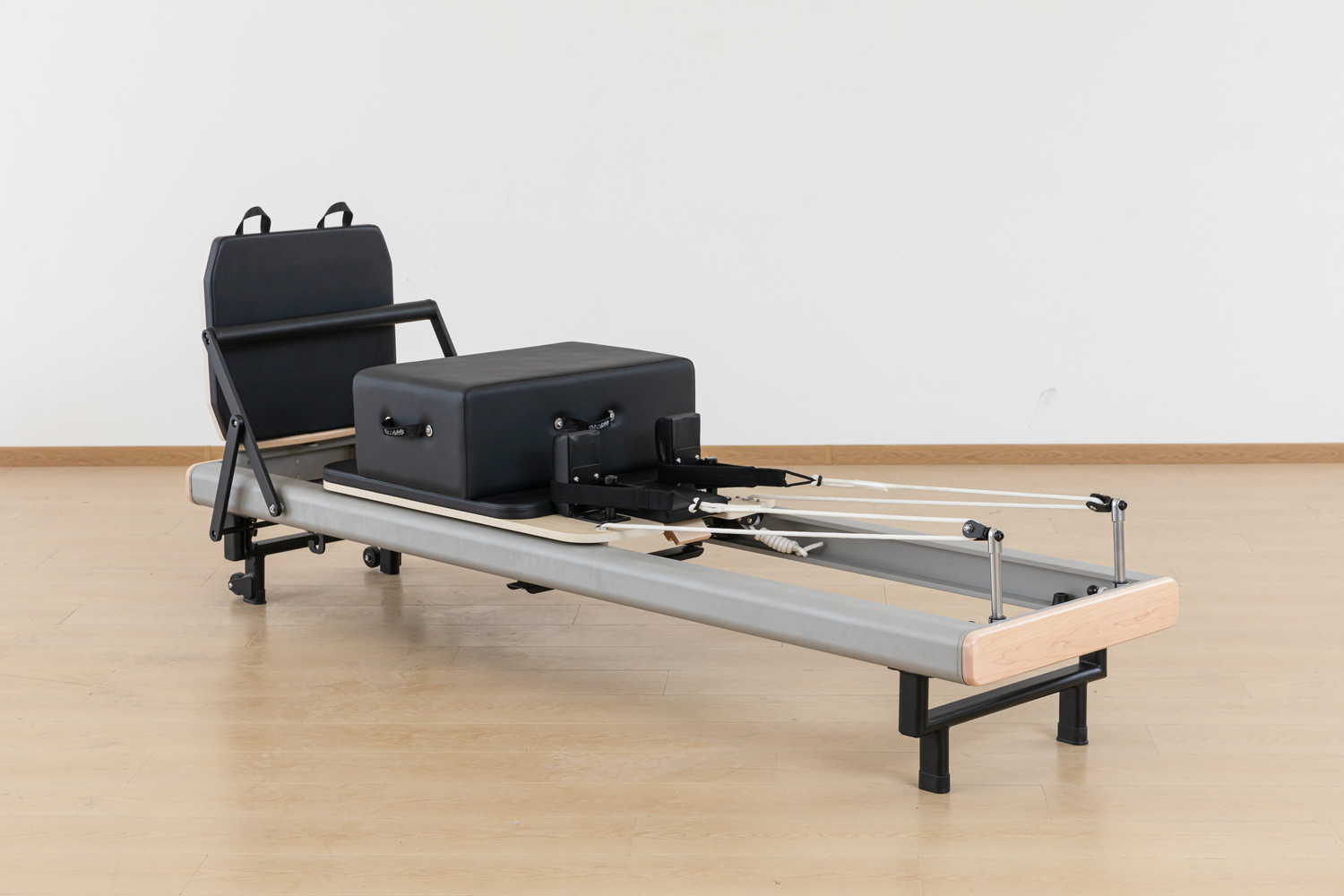
What Factors Affect the Price of Pilates Reformers?
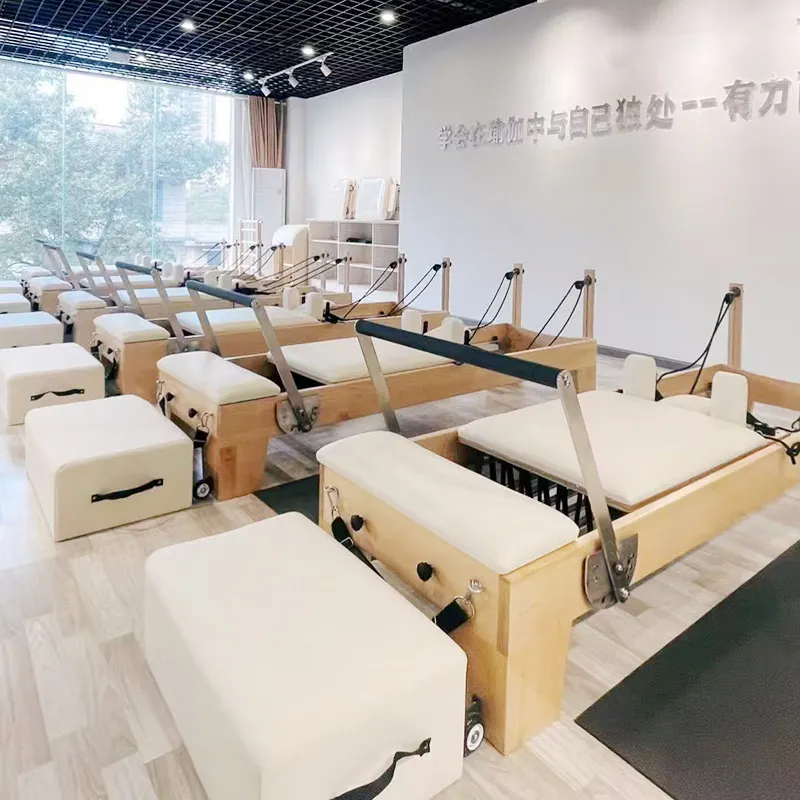
Pilates reformers vary greatly in market price, leaving many studio owners and bulk buyers confused about the huge price gap between seemingly similar machines. Many factors determine the final cost of a Pilates reformer, ranging from core materials and structural craftsmanship to configuration grade, customization services, and after-sales support. Understanding these key pricing factors can help you avoid overpaying or choosing low-quality equipment with hidden risks, and make a cost-effective purchasing decision.
1. Frame Material and Structural Durability
The frame is the core foundation of a Pilates reformer and the biggest factor affecting pricing. Different materials bring huge differences in stability, load-bearing capacity and service life.
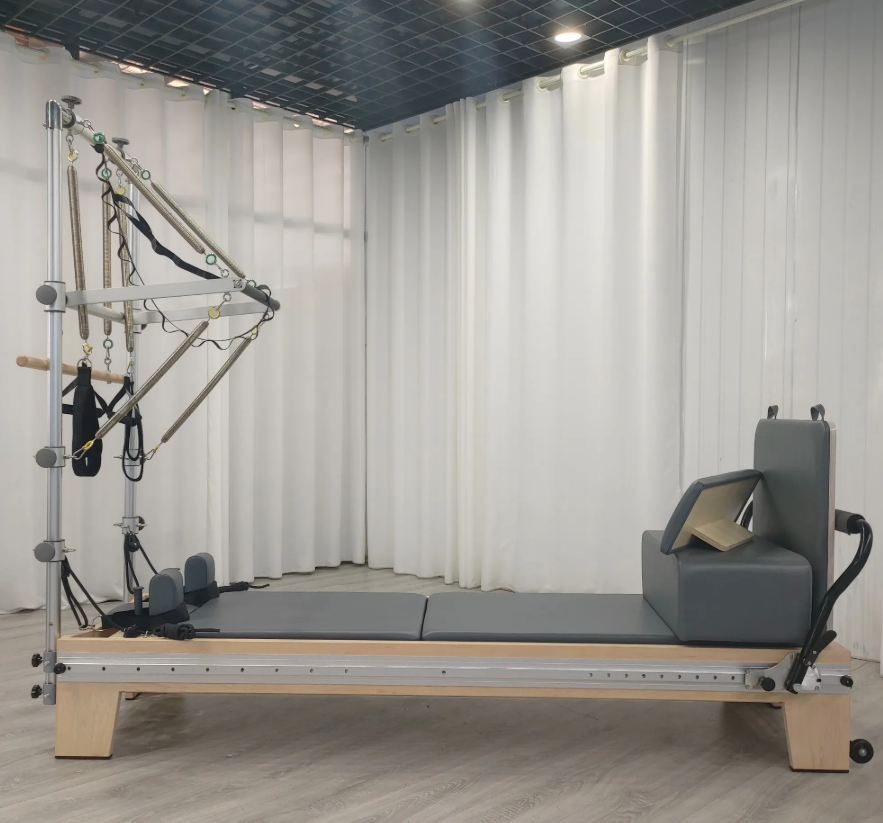
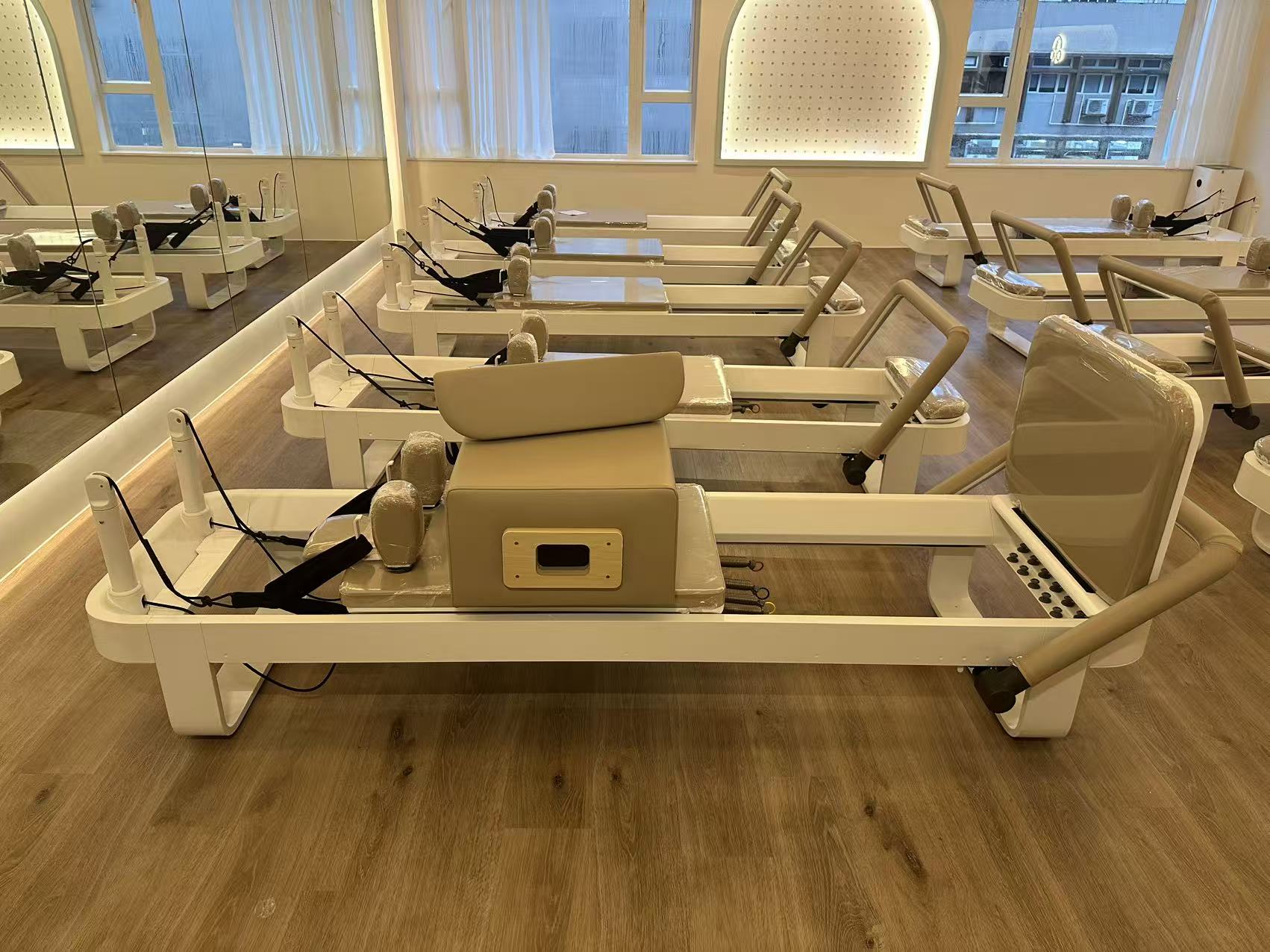
High-end commercial reformers adopt solid wood or thickened aviation-grade aluminum alloy frames. These materials feature high hardness, strong pressure resistance, no deformation after long-term high-frequency use, and excellent shock resistance, perfectly adapting to daily studio teaching. Mid-range models usually use ordinary aluminum alloy, while low-cost household reformers adopt thin steel frames or composite materials, which are lightweight but prone to shaking, bending and noise after long use. The sturdy and precisely calibrated frame structure greatly raises manufacturing costs and machine durability.
2. Core Accessories and Configuration Grade
The quality of internal wearing parts directly decides the user experience and equipment lifespan, creating obvious price differences.
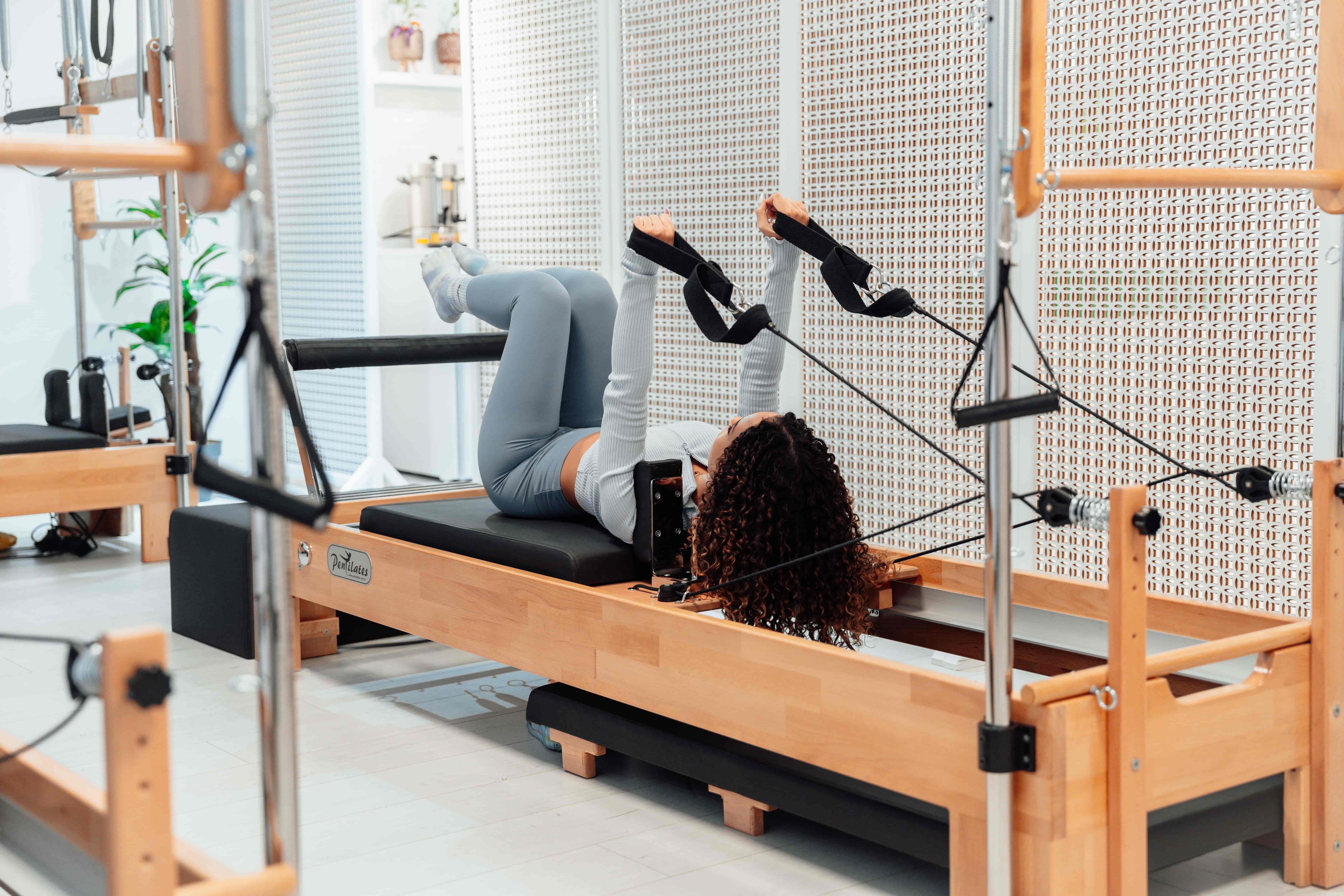
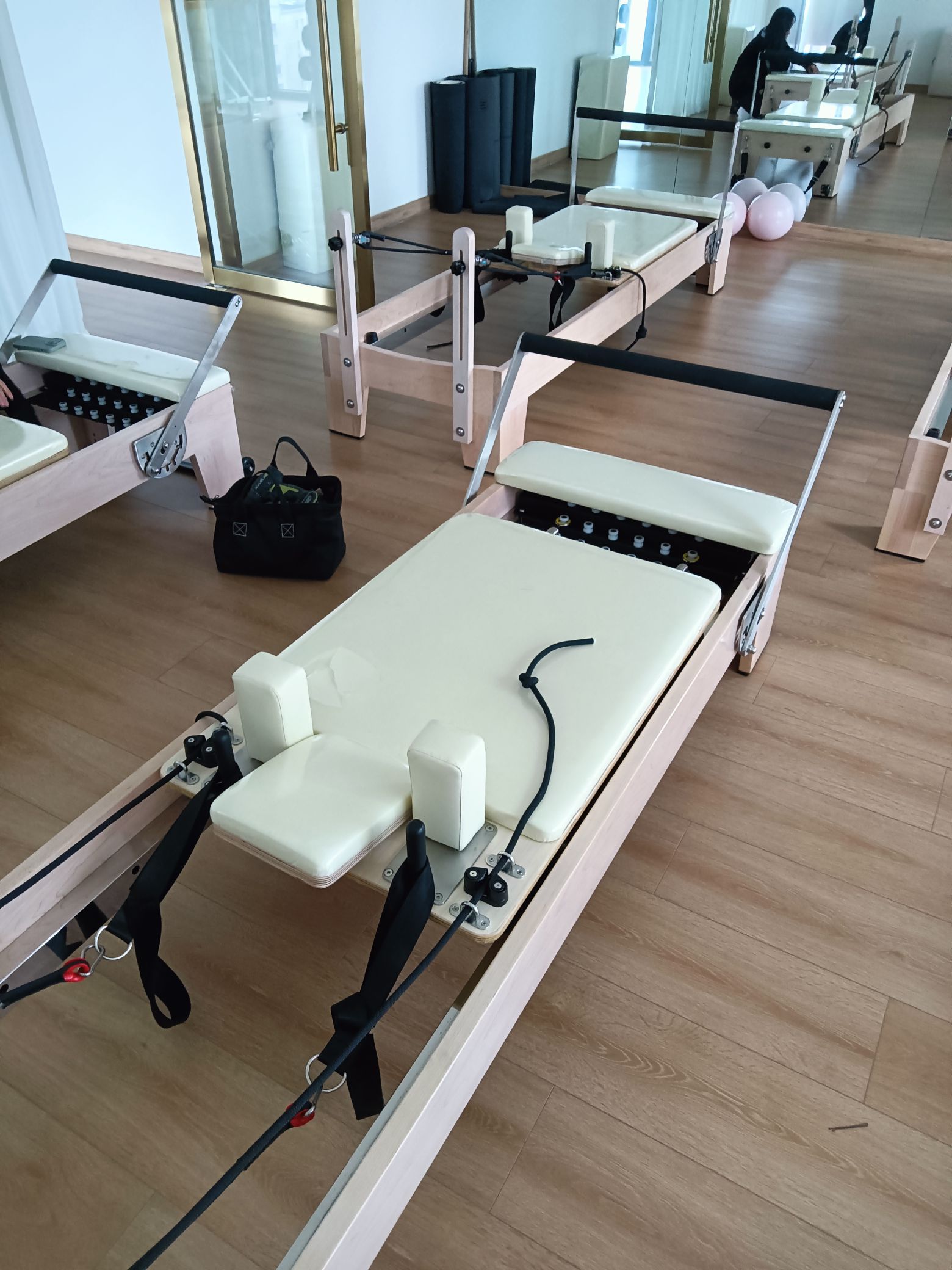
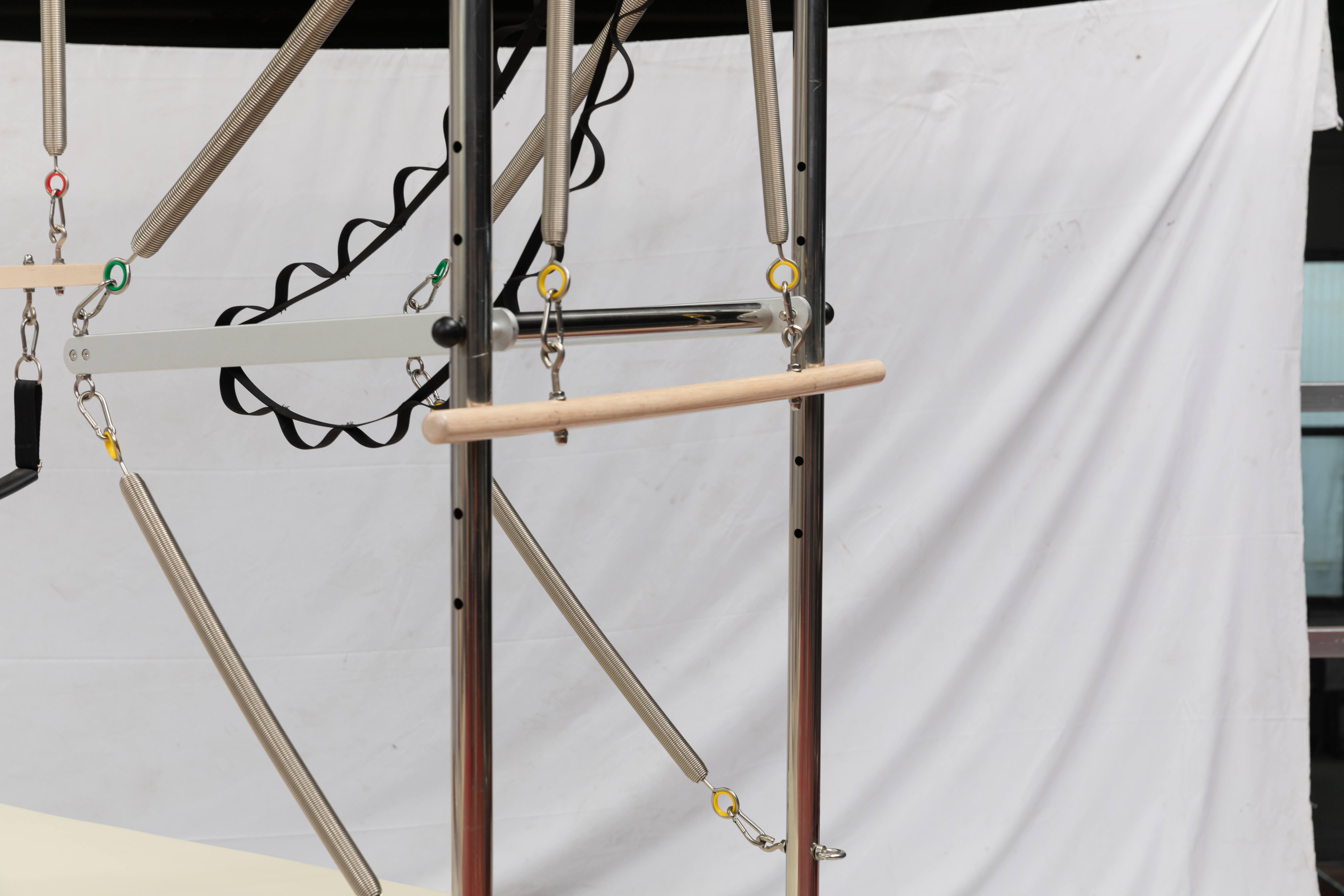
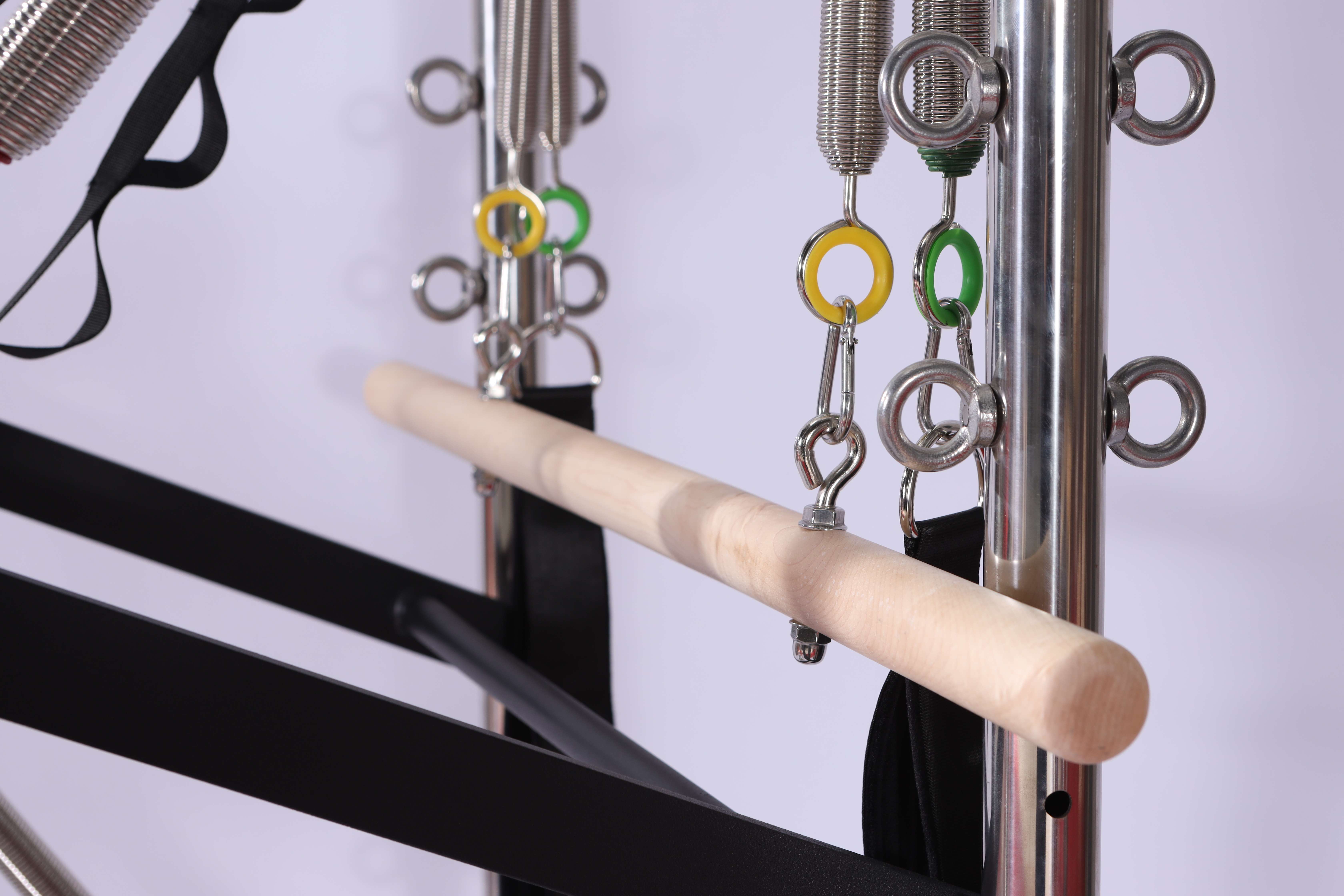
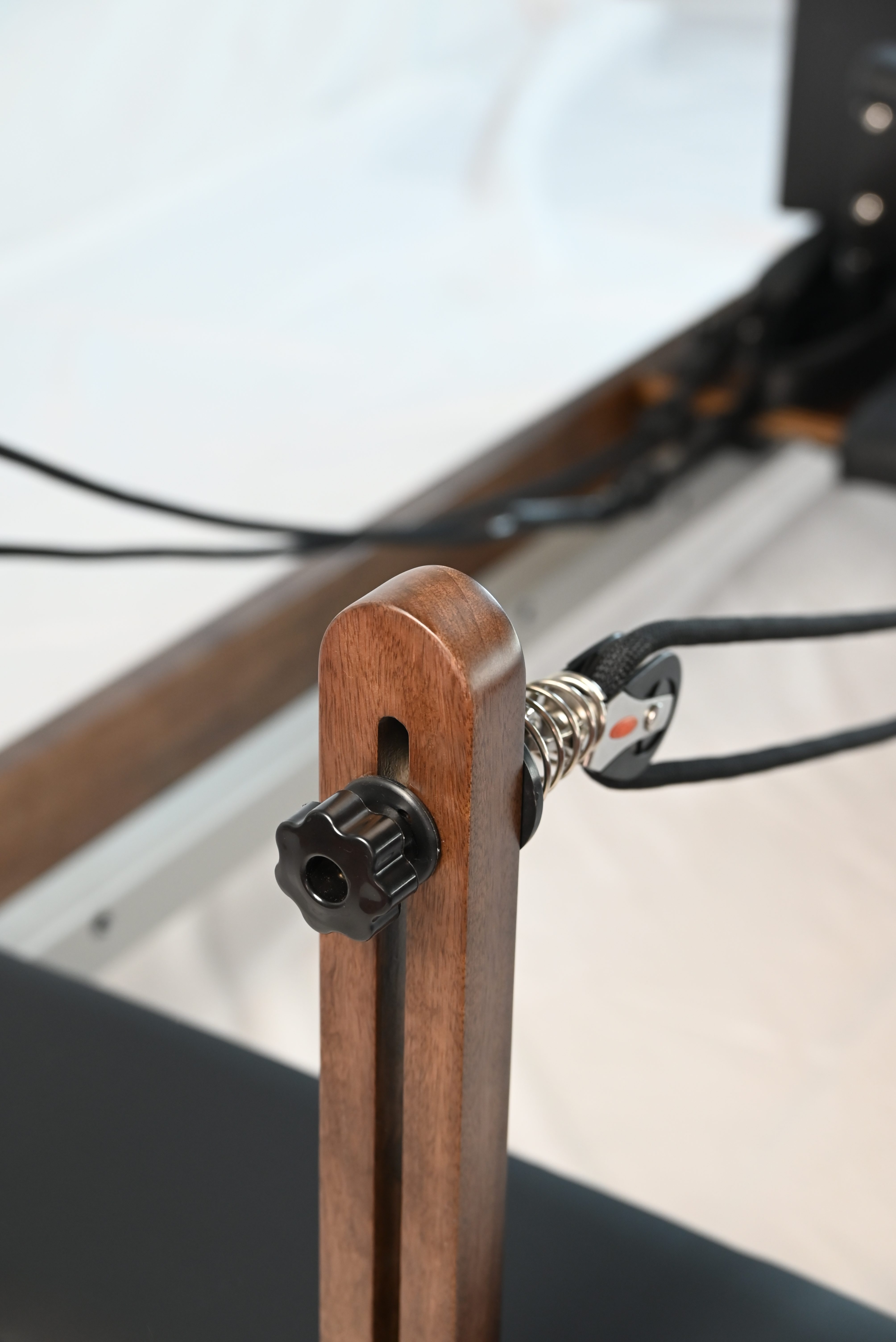
Premium reformers are equipped with high-tension industrial steel springs with stable tension, silent precision sliding rails, wear-resistant stainless steel pulleys, and thickened non-slip footbars. The springs maintain consistent elasticity without fatigue or deformation after years of frequent stretching. In contrast, low-cost reformers use ordinary ordinary springs, thin rails and inferior hardware, which easily cause jitter, noise and loose tension.
In addition, complete supporting accessories including jump boards, sitting boxes, hand straps and foot loops also upgrade the overall configuration and price. Standard commercial full-set configurations are far more expensive than basic simplified versions.
3. Upholstery and Comfort Details
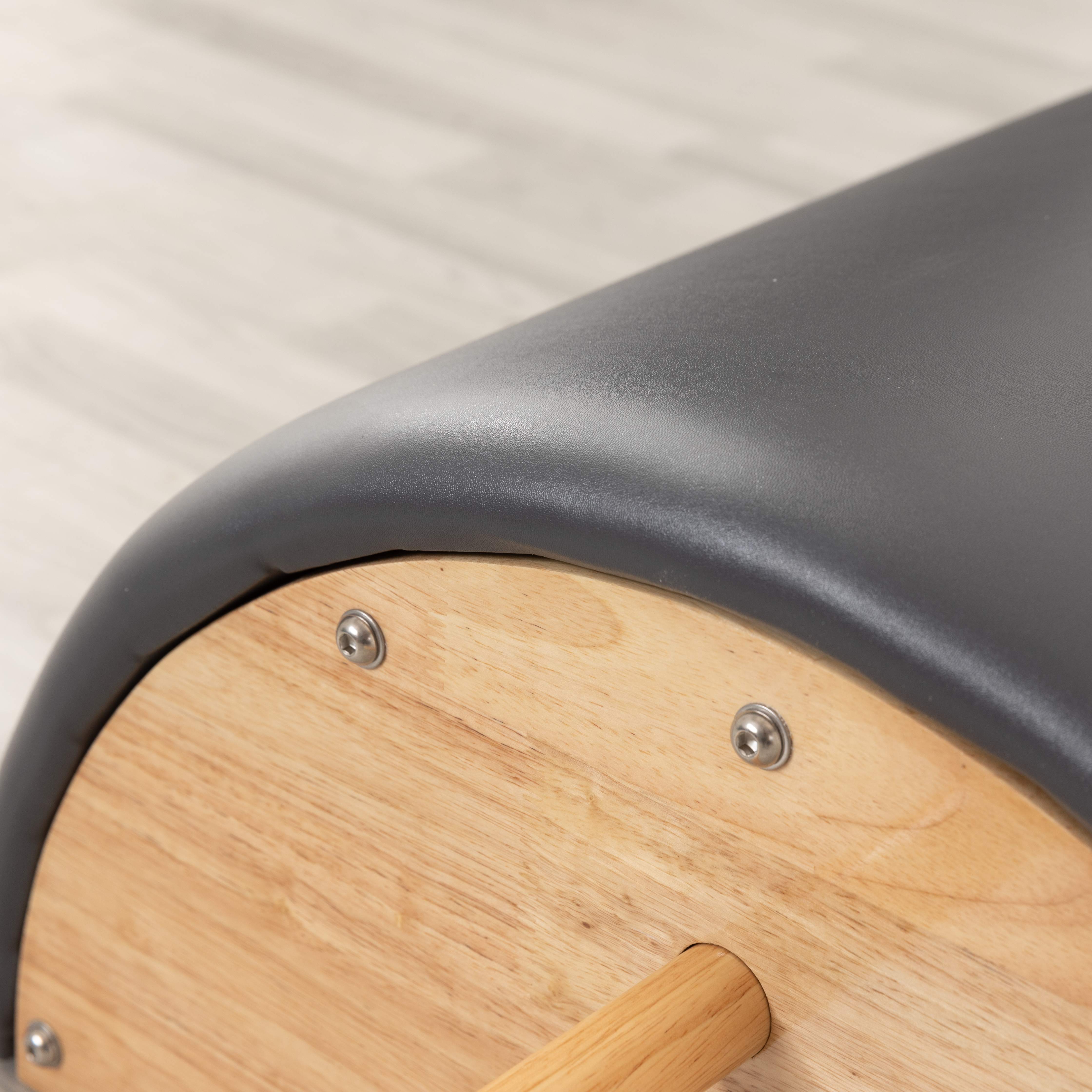
High-frequency commercial use requires comfortable, wear-resistant and easy-to-clean upholstery, which is another key pricing factor. High-quality reformers adopt thick high-density rebound foam and premium microfiber leather, which is sweat-proof, scratch-resistant, non-fading and skin-friendly, ensuring long-term comfort for users. The stitching is precise and tight without loose threads or deformation.
Cheap machines use thin sponge and ordinary PVC leather, which is prone to collapse, peeling and cracking after a short period of use, greatly affecting the teaching experience and equipment appearance.
4. Production Craftsmanship and Quality Control Standards
Even with the same materials, different manufacturing processes lead to different prices. Professional manufacturers adopt integrated cutting, precise calibration, seamless assembly and multi-layer polishing processes. Every machine undergoes strict load testing, sliding smoothness testing and safety inspection before shipment, with complete photo records for quality traceability.
Low-cost products adopt rough assembly processes with loose tolerance control, lacking systematic quality inspection. Although the appearance looks similar, they have poor stability and short service life. Strict industrial craftsmanship and standardized quality control inevitably increase production costs but guarantee commercial-grade quality.
5. Commercial Grade vs Household Grade
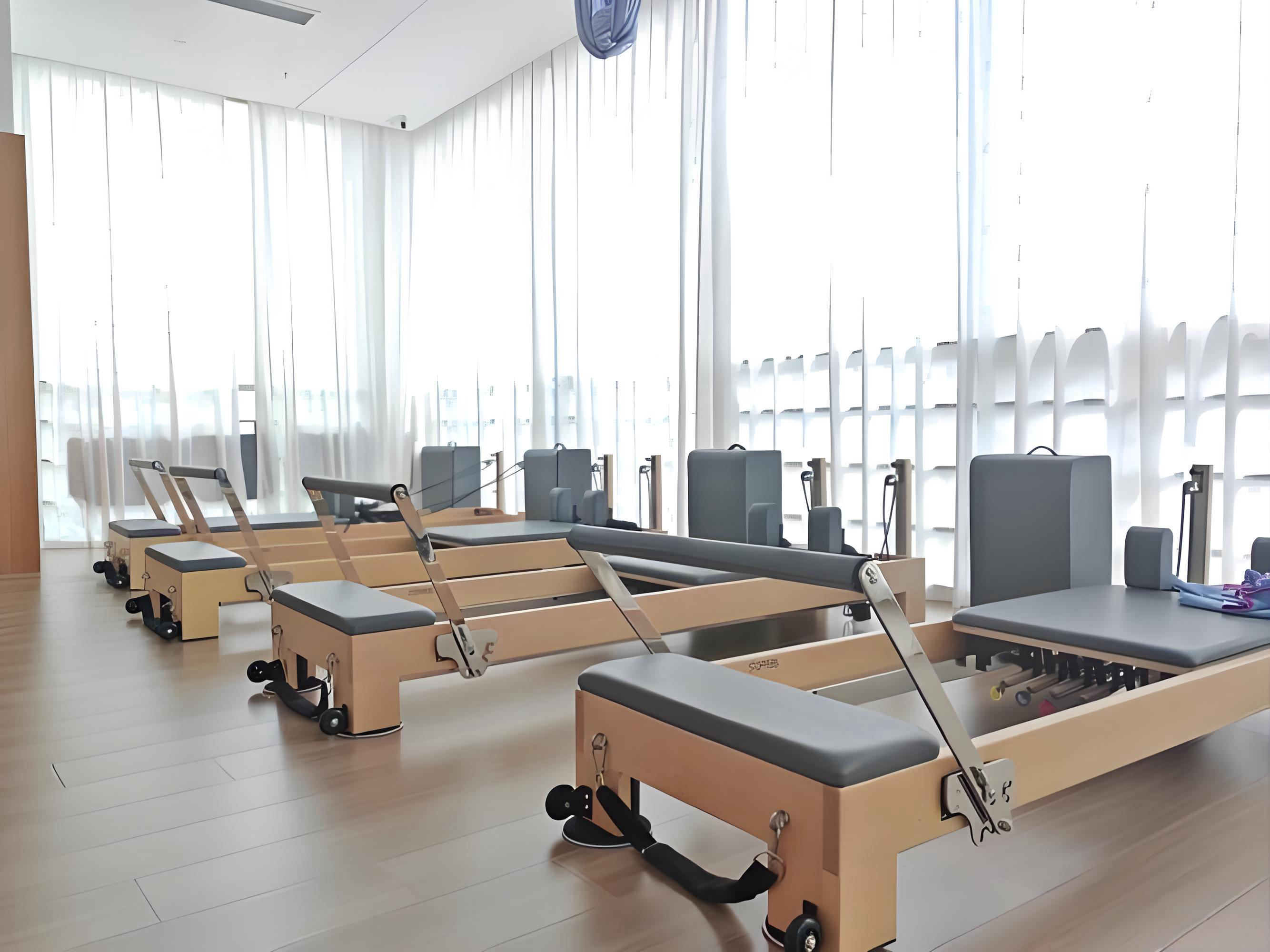
Usage positioning is a decisive factor for pricing. Commercial reformers are designed for 20–40 high-frequency classes per week, with higher load-bearing standards, reinforced structures and stronger wear resistance. They pass professional safety certifications and meet long-term studio operation needs.
Household reformers are designed for low-frequency personal use, with simplified structures and lower safety standards, so their prices are much lower. Many buyers mistakenly purchase household machines for commercial use, resulting in frequent failures and hidden safety hazards.
6. Customization Service
Bulk studio orders usually require personalized customization, which will affect the final quotation. Formal manufacturers support customized leather colors, frame paint colors, logo printing, and personalized packaging. Customized services require independent mold adjustment, color matching and processing, which increases labor and time costs, making customized products more expensive than standard universal models.
7. Certification, After-Sales and Spare Parts Support
Certified and fully guaranteed equipment has higher pricing. Machines with CE and other international safety certifications comply with global import standards, with more reliable safety performance. Meanwhile, complete after-sales services including long-term warranty, global spare parts supply, professional installation guidance and technical support are exclusive advantages of high-quality manufacturers.
Low-price products usually have no formal certification and perfect after-sales system, requiring buyers to bear high maintenance costs in the later stage.
8. Order Quantity and Packaging Standard
Bulk orders enjoy more favorable wholesale unit prices, while small trial orders have relatively higher prices. In addition, professional export packaging such as thick cartons, foam buffer and fumigated wooden boxes can avoid transportation damage, and the standardized export packaging cost will also be included in the final quotation.
Final Summary
The price of Pilates reformers is determined by material quality, structural craftsmanship, configuration grade, certification, customization and after-sales service. Low prices always mean simplified processes and reduced quality standards, while stable commercial quality requires reasonable cost support.
We are a professional commercial-grade Pilates equipment manufacturer, providing cost-effective high-quality reformers with complete certifications, reliable after-sales service and flexible customization. If you need wholesale quotation and detailed product specs, feel free to contact us anytime.