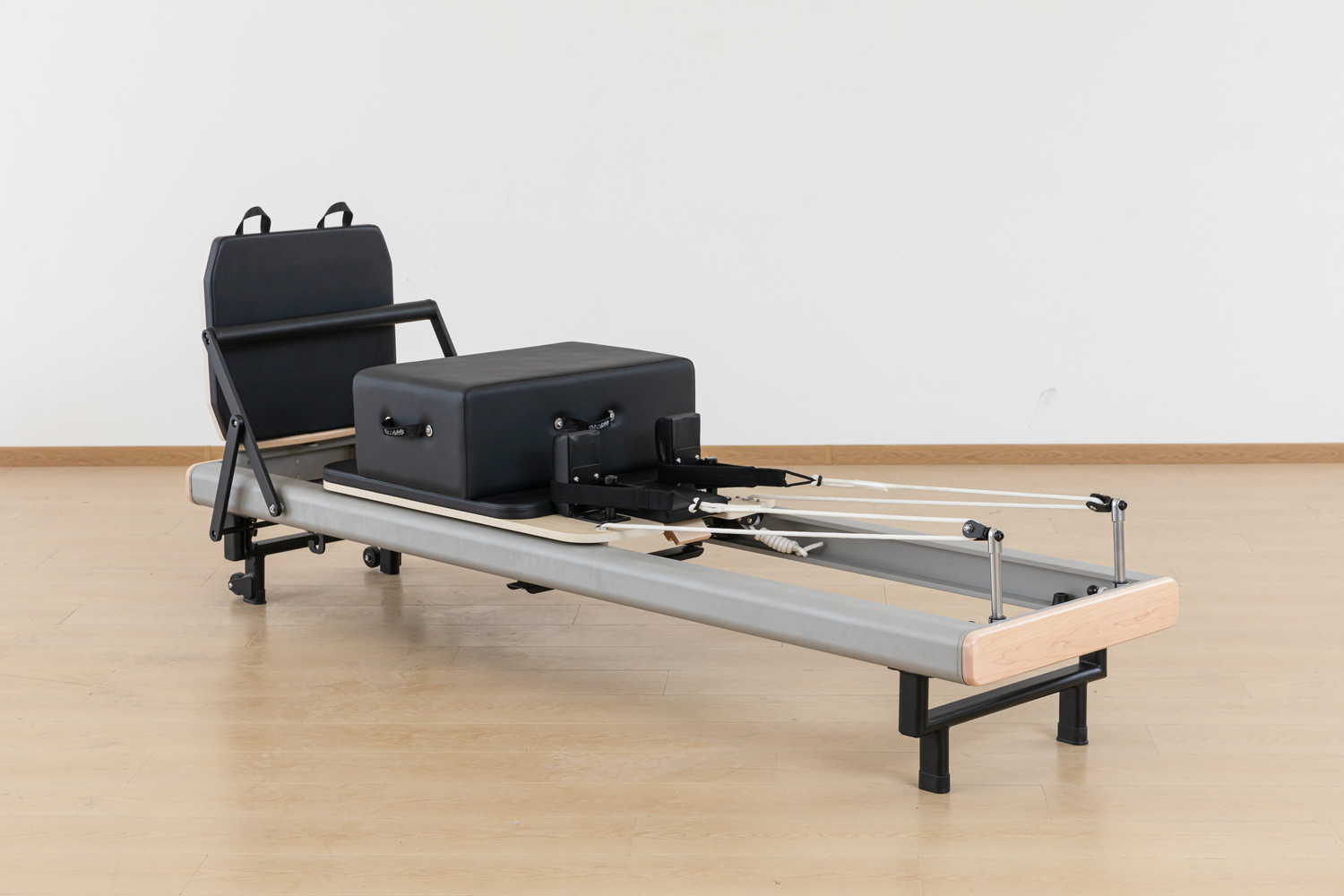
Equipment Training Principles: Why Apparatus Work Is More Efficient Than Mat Work
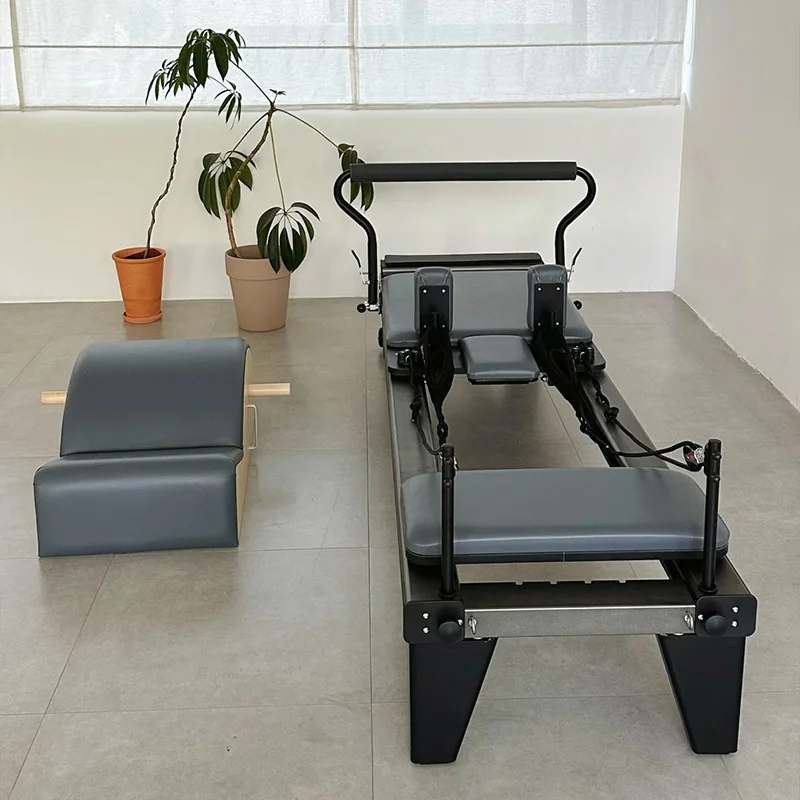
Many Pilates practitioners experience a distinct shift when moving from mat to apparatus: the same exercise name, but the body feels completely different on a Reformer — deeper muscle activation, better control, even more sweat. It's not in your head. It's biomechanics. This article explains the scientific logic behind why equipment-based Pilates is more efficient than mat work, from five core dimensions.
I. Spring Resistance: Muscles Work "Through the Full Range"
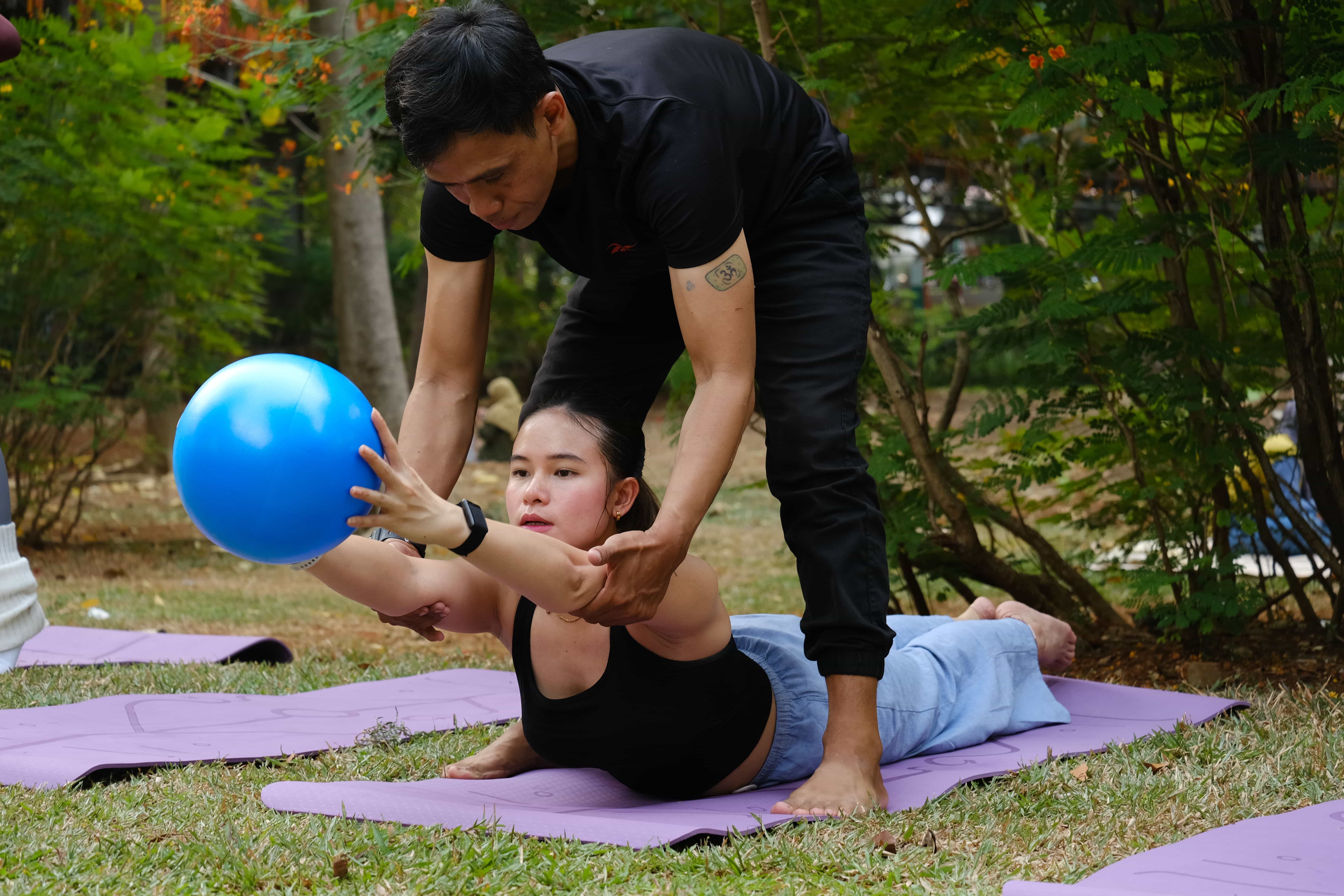
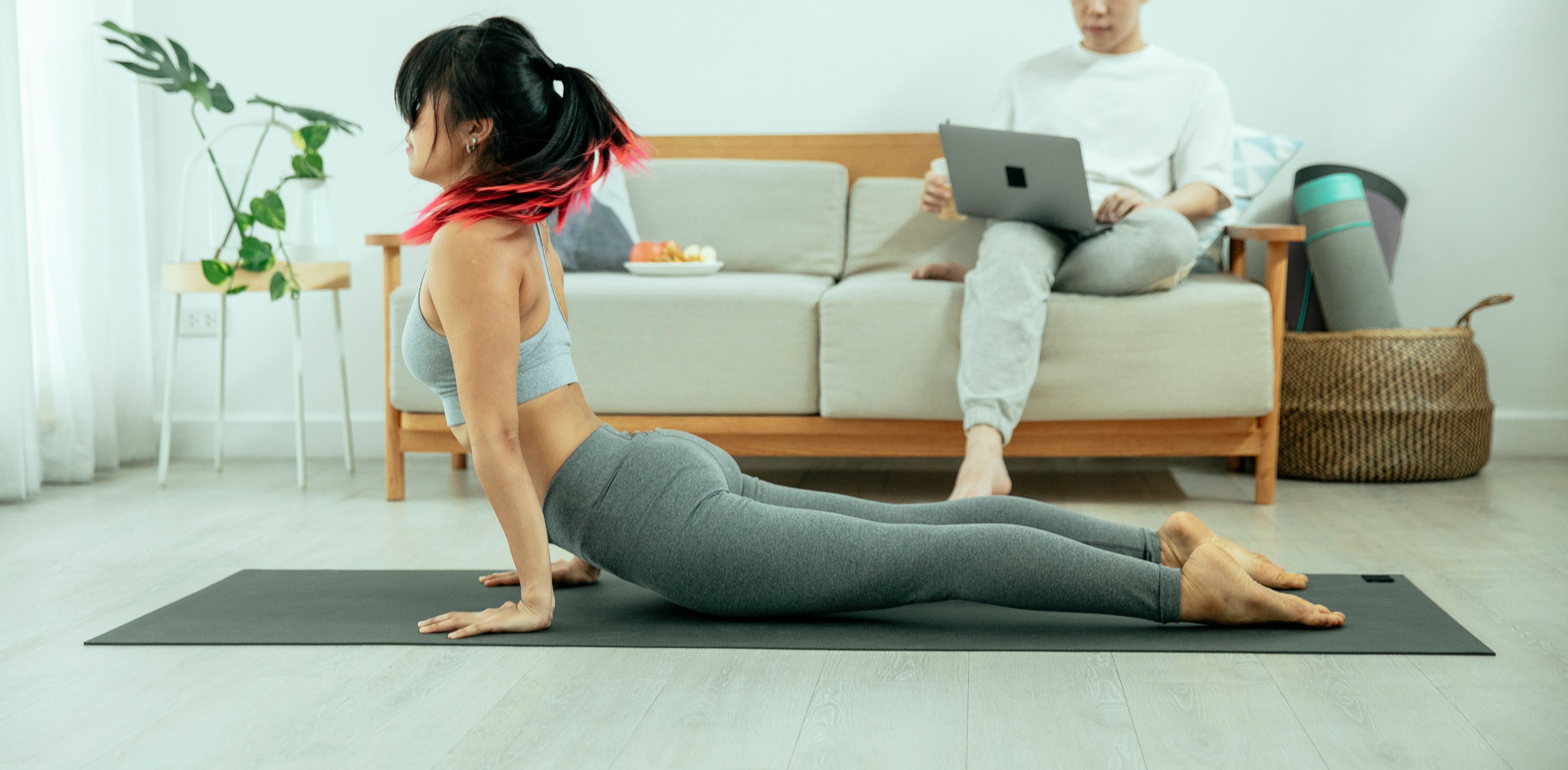
Mat Pilates relies primarily on body weight for resistance. But body weight resistance has a characteristic: at certain points in a movement — such as at the start or end of a range — the load is minimal, or even zero. For example, in mat-based Leg Lifts, once the leg reaches its highest point, the actual load on the abdominals drops off.
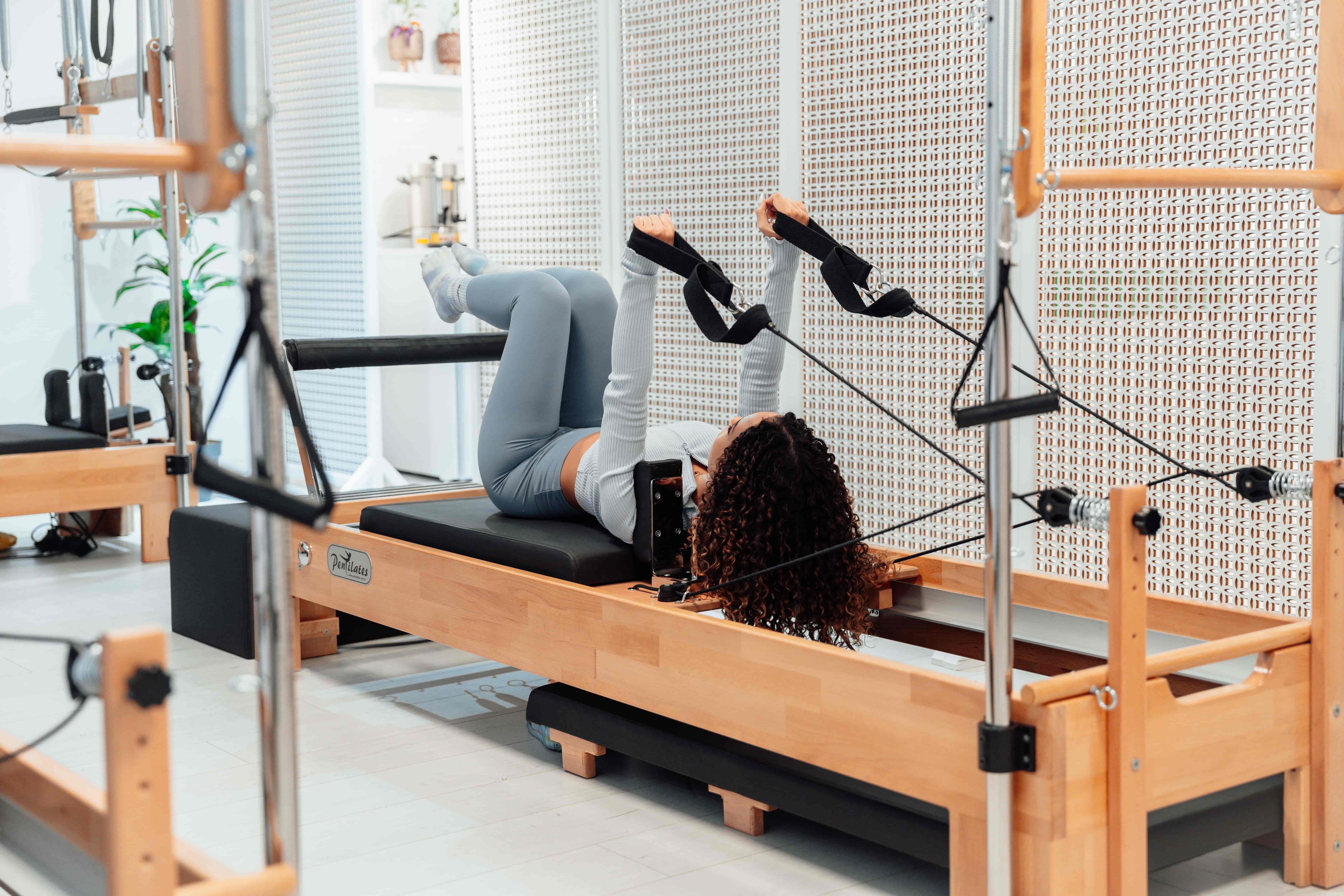
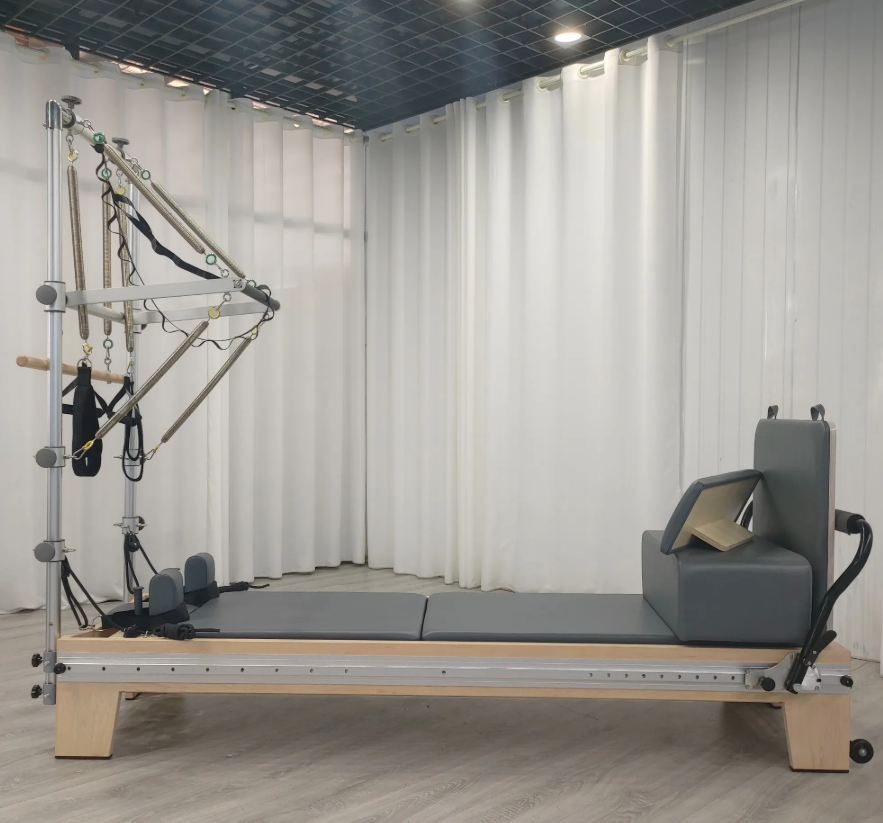
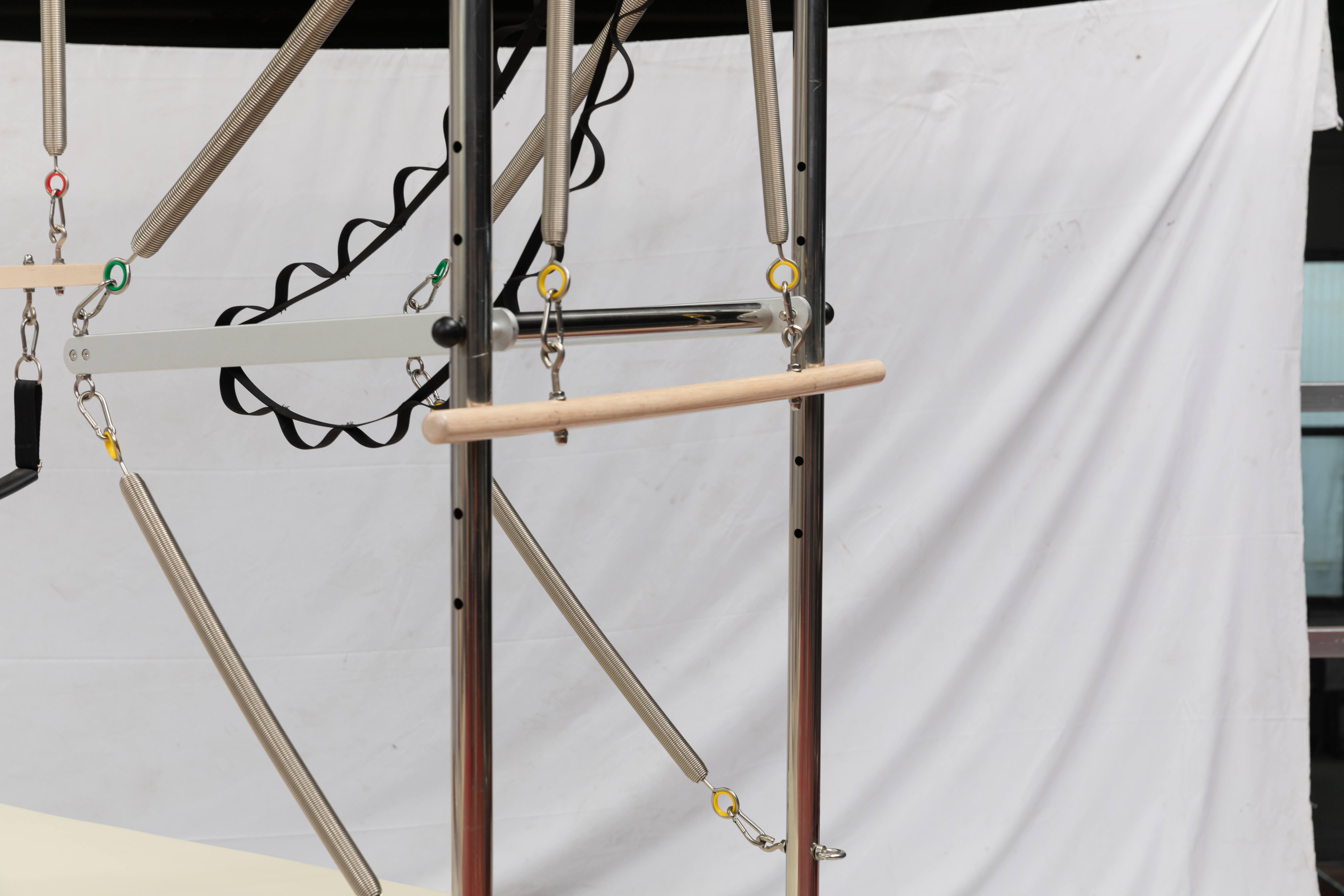
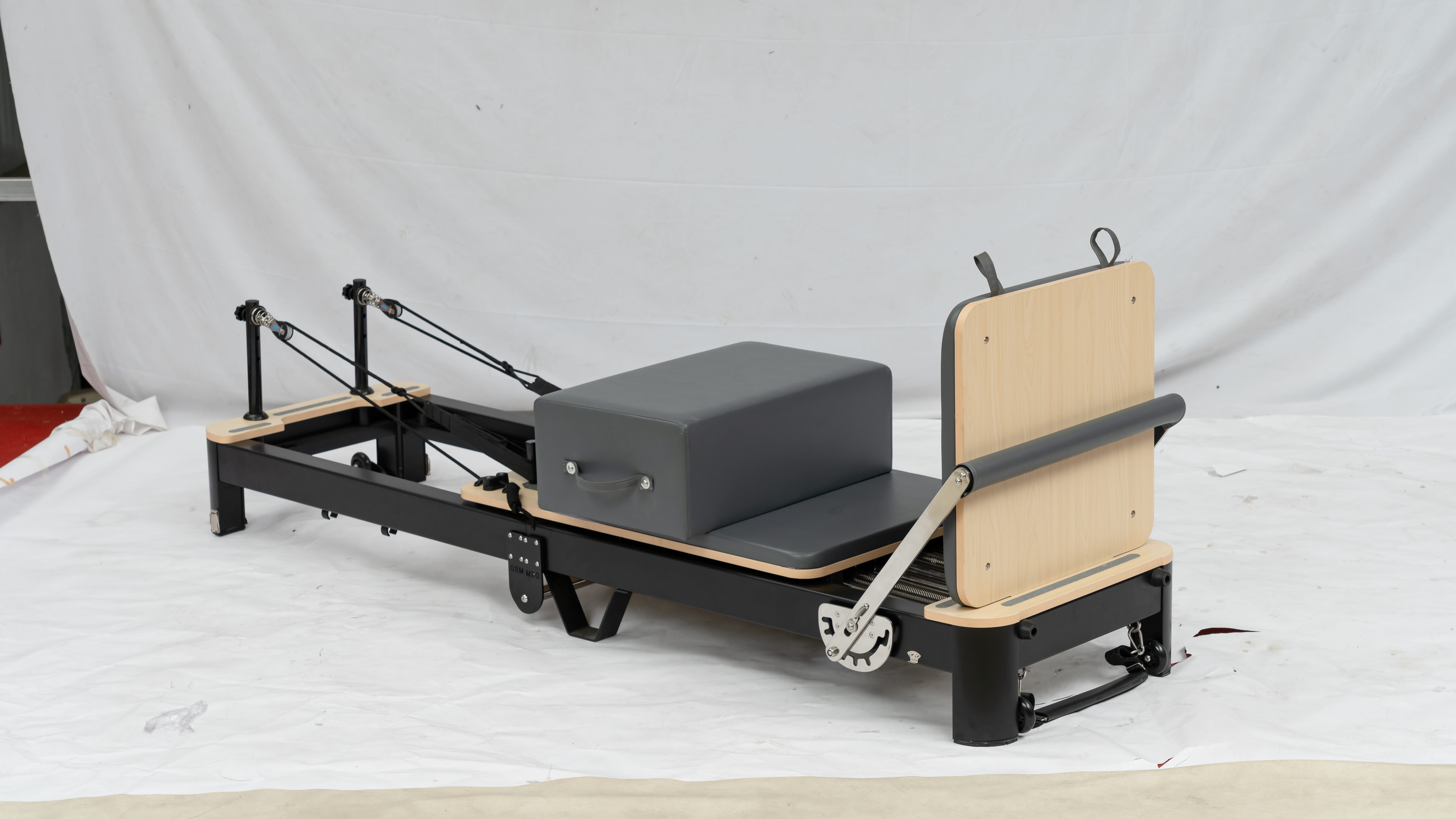
Equipment Pilates uses spring systems to deliver variable resistance — the spring's tension increases linearly with stretch. This creates a key advantage: muscles feel consistent resistance throughout the entire range of motion, rather than "checking out" at certain positions. The same leg lift on a Reformer engages the springs from the moment the footbar begins to return, providing continuous opposition throughout the return journey — significantly increasing the time under tension.
II. Unstable Platform: Activating Deep Stabilizer Muscles
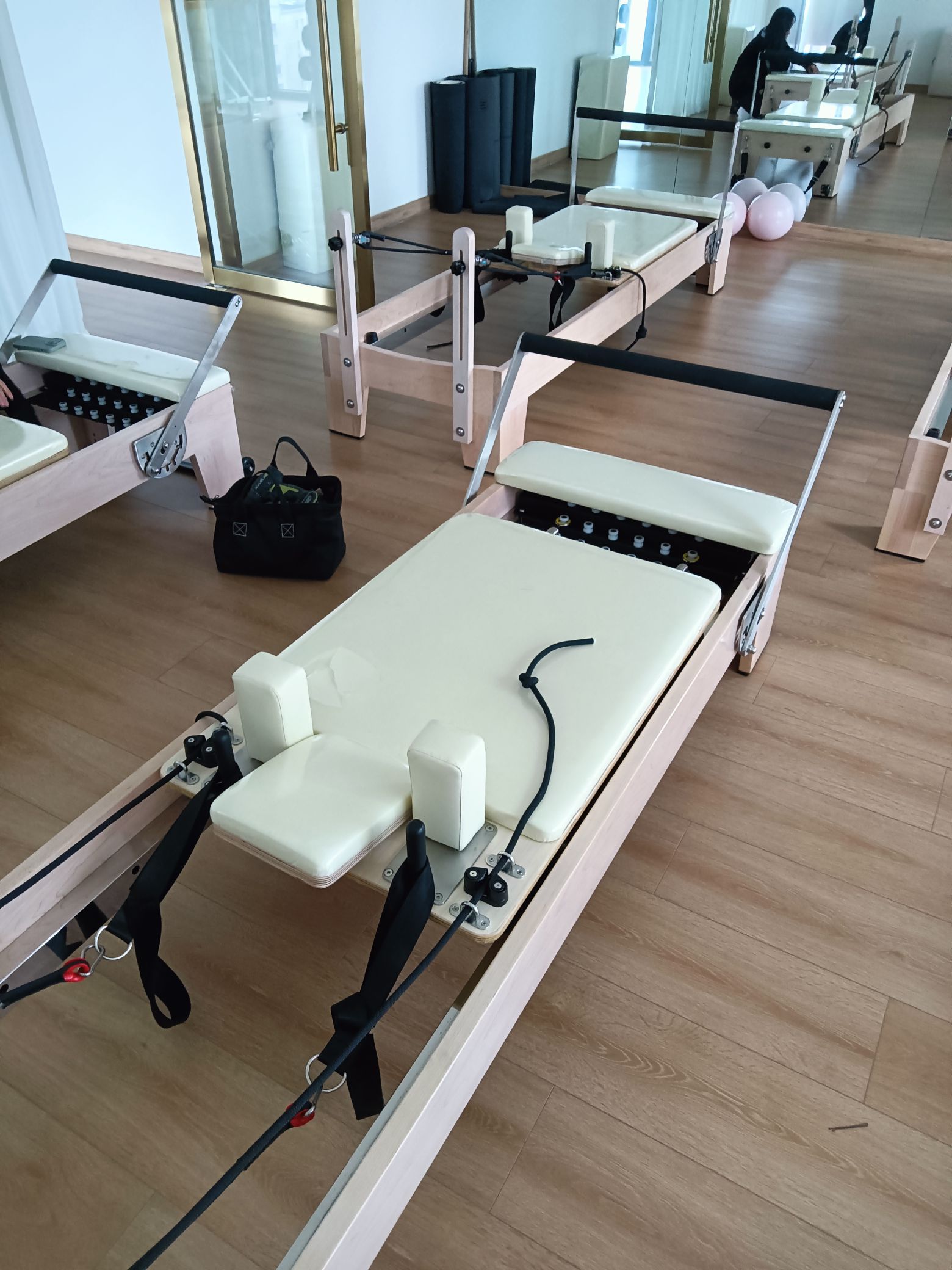
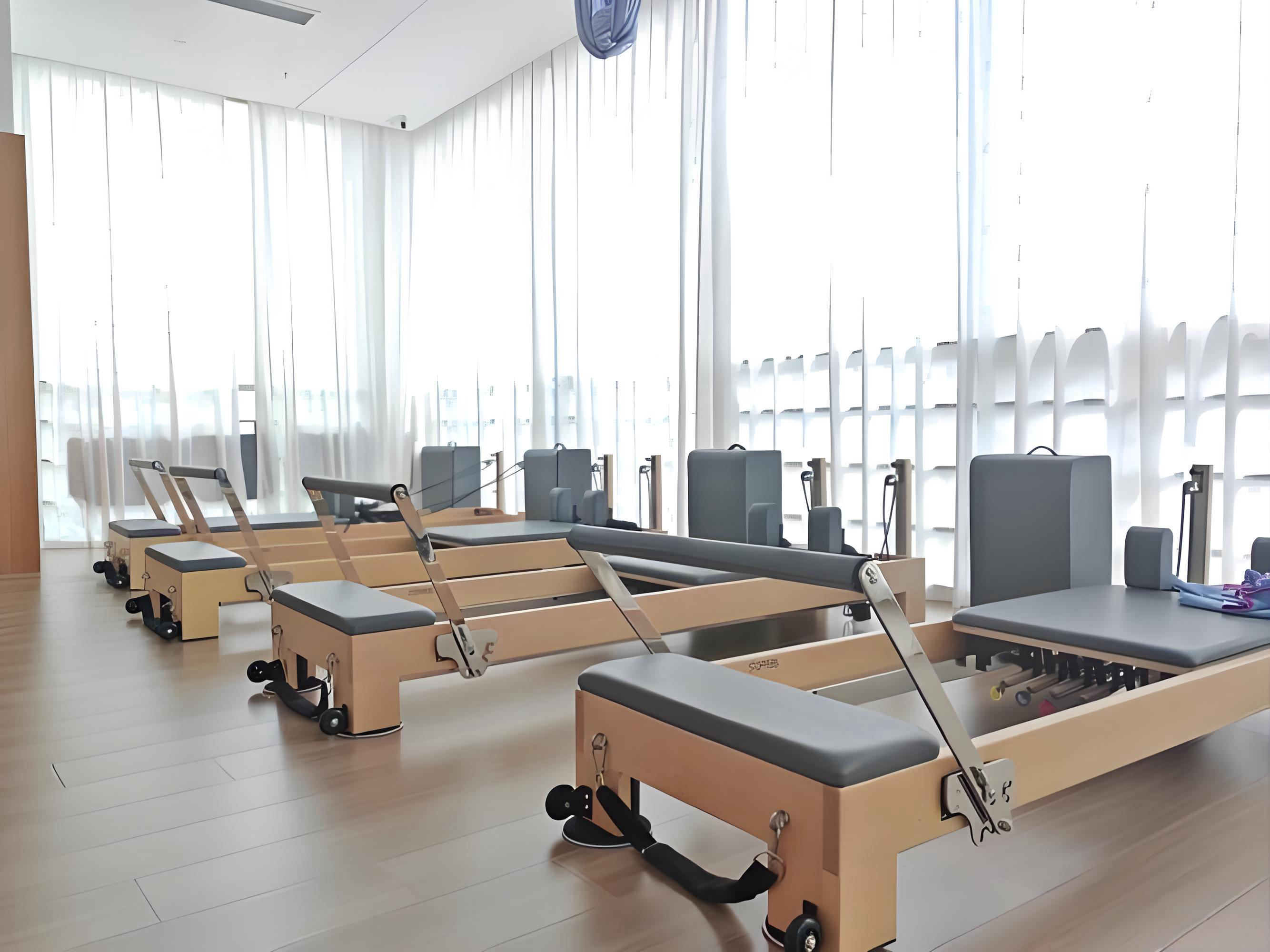
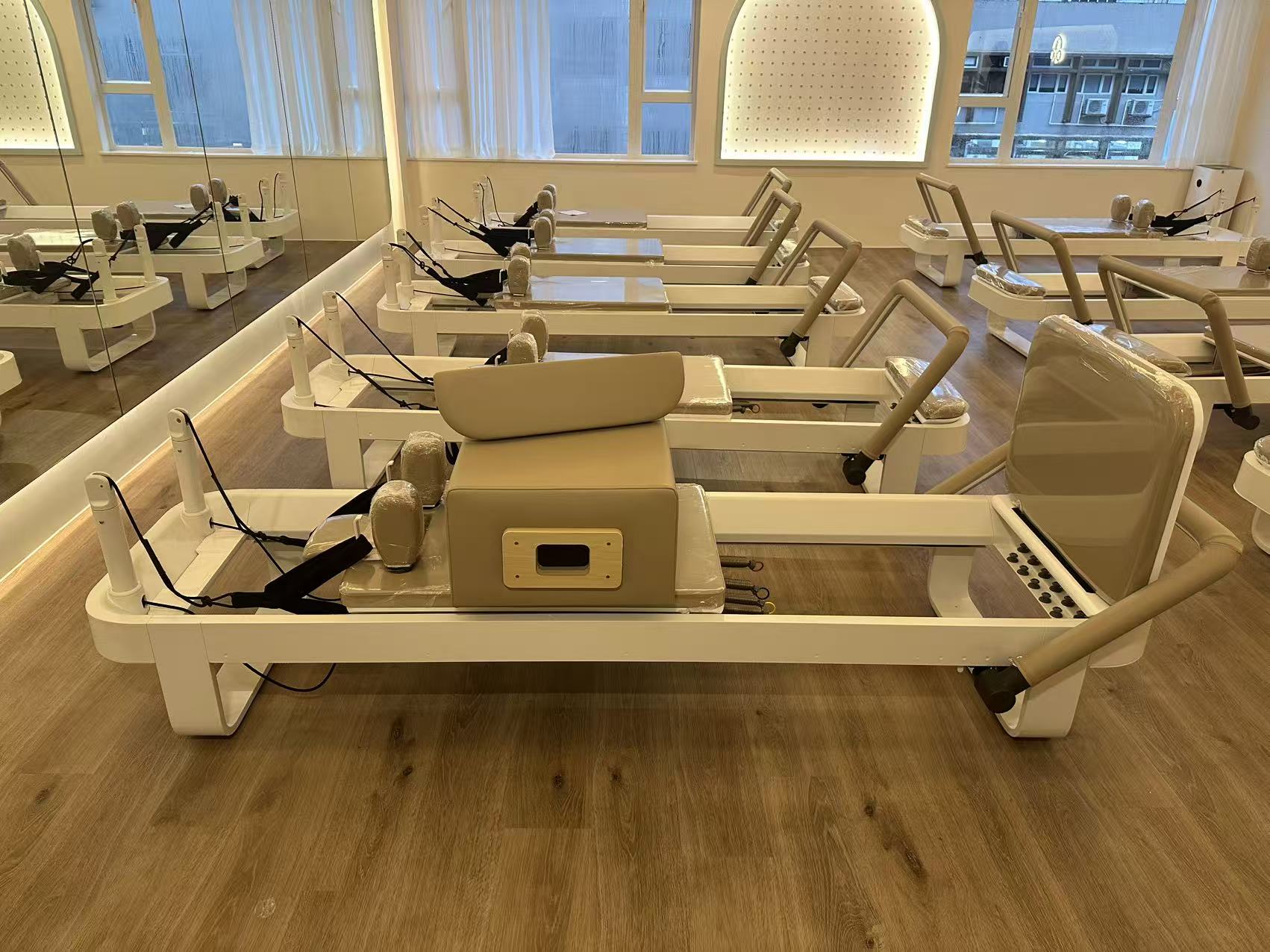
On the mat, the body is supported by a fixed floor, limiting deep stabilizer activation. The Reformer's carriage is a moving platform — when you perform shoulder presses, rows, or leg lifts on the carriage, your body constantly recruits deep core muscles to stabilize the moving surface.
This "maintaining stability during movement" challenge is difficult to replicate on the mat. Research shows that training on unstable surfaces significantly increases deep stabilizer activation — the very muscles responsible for posture improvement, spinal protection, and injury prevention.
III. Instant Feedback: Springs as the Body's "Amplifier"
Another unique advantage of equipment Pilates is the instant biofeedback it provides. The spring system responds to any coordination errors or compensation patterns, allowing practitioners and instructors to detect and correct mistakes more effectively.
For example, if your pelvis tilts during a leg press on the Reformer, the non-linear resistance from the springs will feel uneven on each side — delivering immediate sensory feedback that prompts correction. Springs are not just resistance sources; they are also "magnifiers" — they amplify both strengths and weaknesses.
IV. Exercise Variety: One Apparatus, Hundreds of Variations
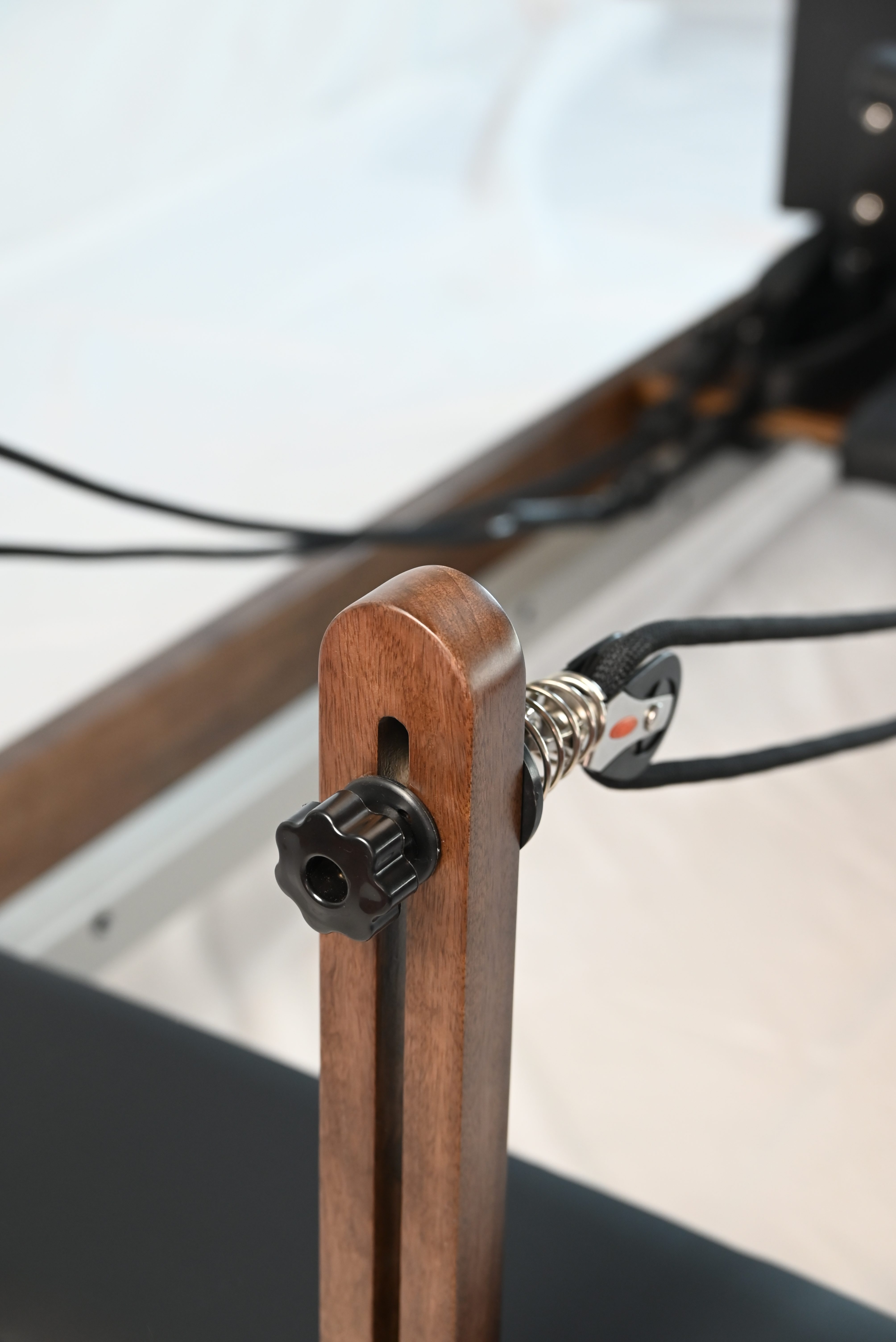
Equipment Pilates offers remarkable exercise diversity. A single Reformer, combined with different spring configurations, footbar positions, and rope systems, can produce hundreds of different exercises — each adjustable for resistance level.
Mat Pilates offers variations through posture changes, but its training dimensions are more limited. This diversity gives equipment training an advantage in long-term training sustainability — more exercise options mean less monotony, and more comprehensive muscle stimulation across different movement patterns.
V. Safety: Extra Support for Special Populations
For beginners, rehabilitation clients, or those with limited mobility, equipment training offers safety that mat work cannot match.
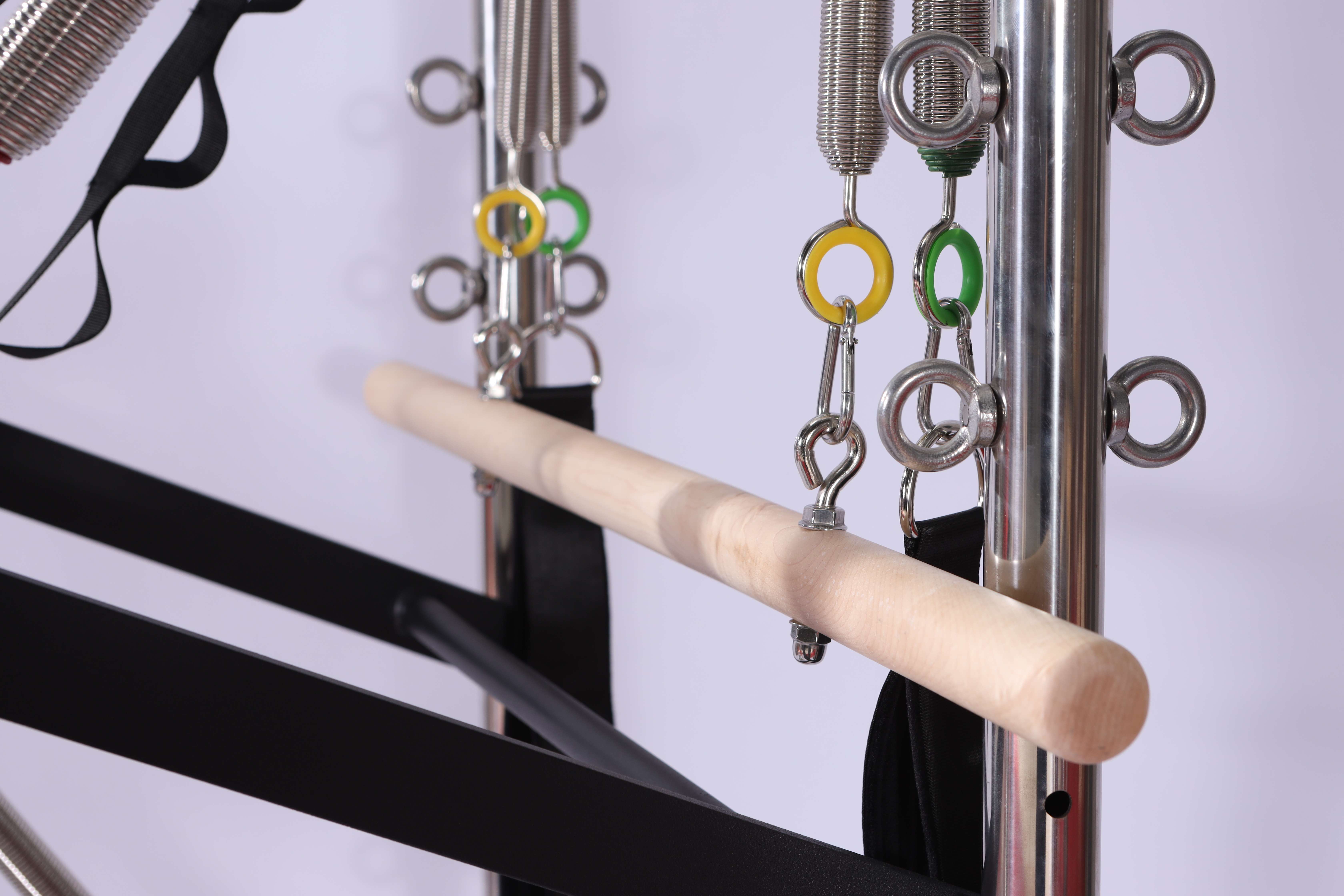
On the Reformer, springs can provide assistance — helping clients perform movements they couldn't do on the mat. On the Cadillac, suspension systems and safety straps provide additional support and protection. This adjustable "safety net" makes equipment training widely used in rehabilitative Pilates, prenatal/postnatal Pilates, and senior Pilates.
Why Do Many People Find Equipment Training "Harder" Than Mat Work?
This perception of difficulty is actually a good thing. Mat work challenges you to maintain posture using muscle strength alone, with no external support — demanding high core control. Equipment, by contrast, uses the carriage's movement to make each phase of an exercise more "sensory" — you feel each stage more clearly — but it also adds the stability requirement of keeping your body steady while the carriage moves. This is why equipment training is often more effective at helping practitioners "find" their core engagement, and also why it's more beginner-friendly in terms of learning proper form.
Summary: The reasons equipment Pilates is more efficient than mat work come down to: springs providing continuous resistance through the full range; the moving platform activating deep stabilizers; instant feedback mechanisms correcting movement errors; exercise variety supporting long-term sustainability; and adjustable safety support meeting diverse user needs. This doesn't mean mat work is "inferior" — mat is the foundation of all Pilates. But for those seeking faster results, more precise muscle targeting, or safe movement support, apparatus training offers a more efficient path forward.