Pilates Equipment for Targeted Body Sculpting: A Muscle-Specific Training Guide
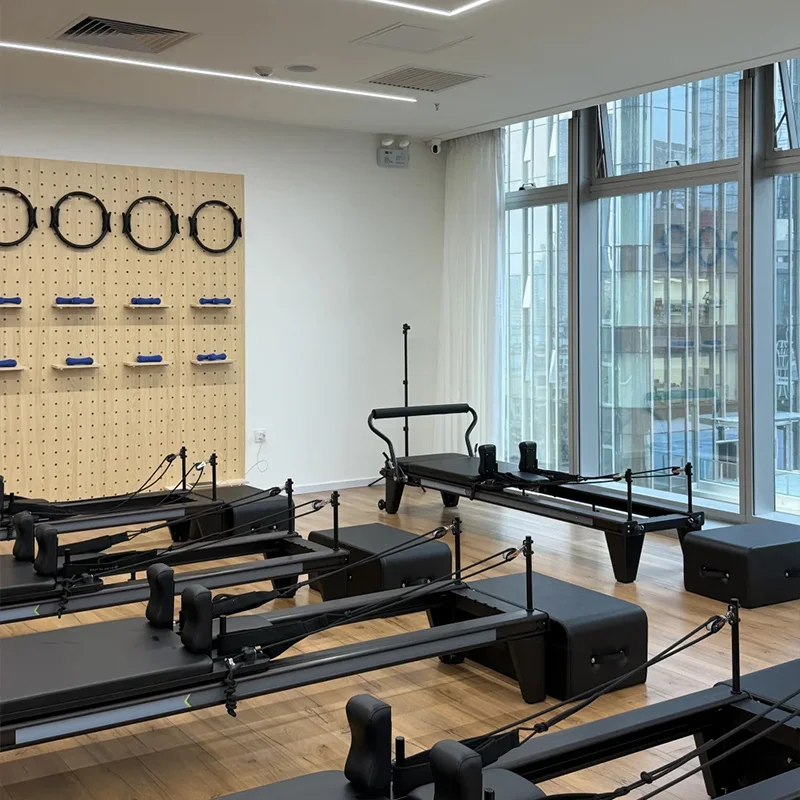
The beauty of Pilates equipment lies in this: different apparatuses have different strengths. Using the right equipment makes training exponentially more effective. Using the wrong one wastes time without delivering the results you want. This guide maps Reformers, Cadillacs, Wunda Chairs, Ladder Barrels, and Spine Correctors to specific body parts and provides actionable training protocols.
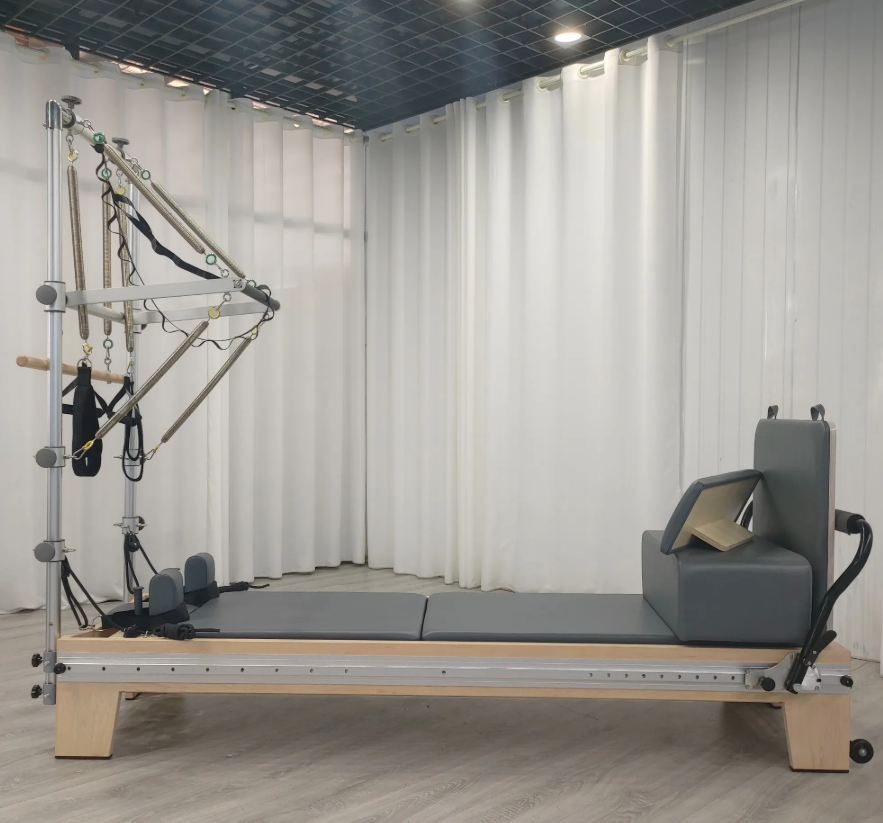
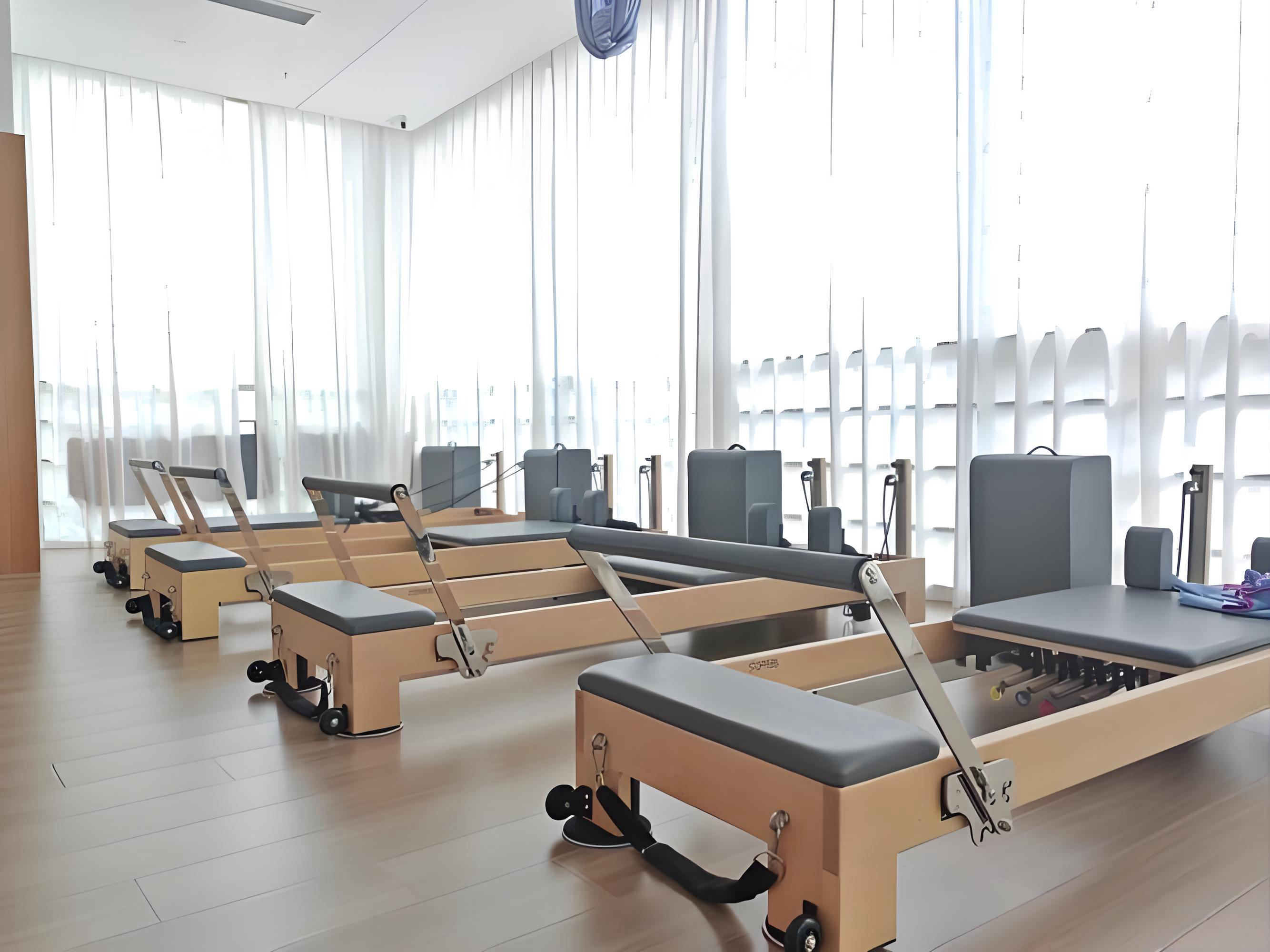
I. Reformer: The "Main Force" of Full-Body Sculpting
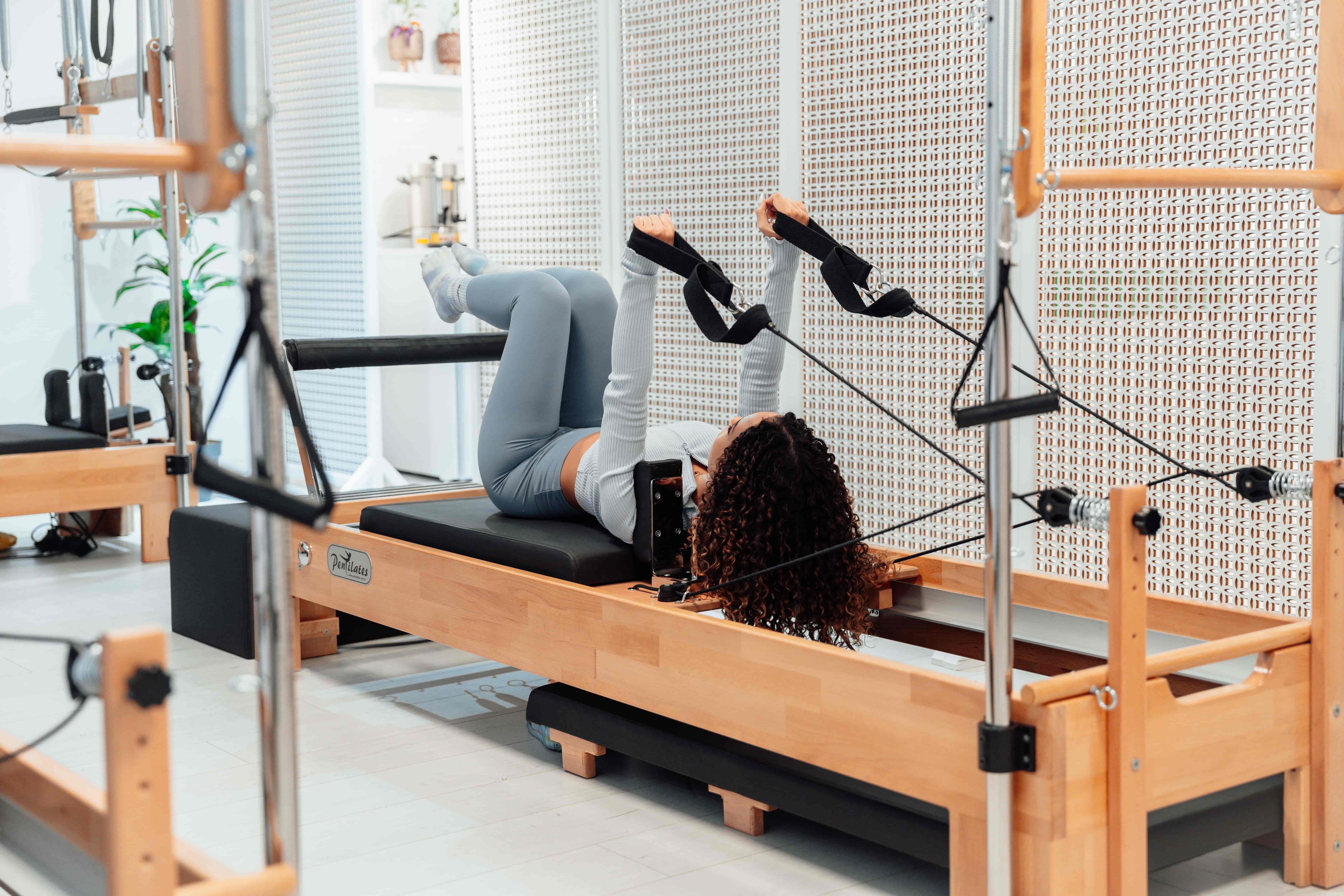
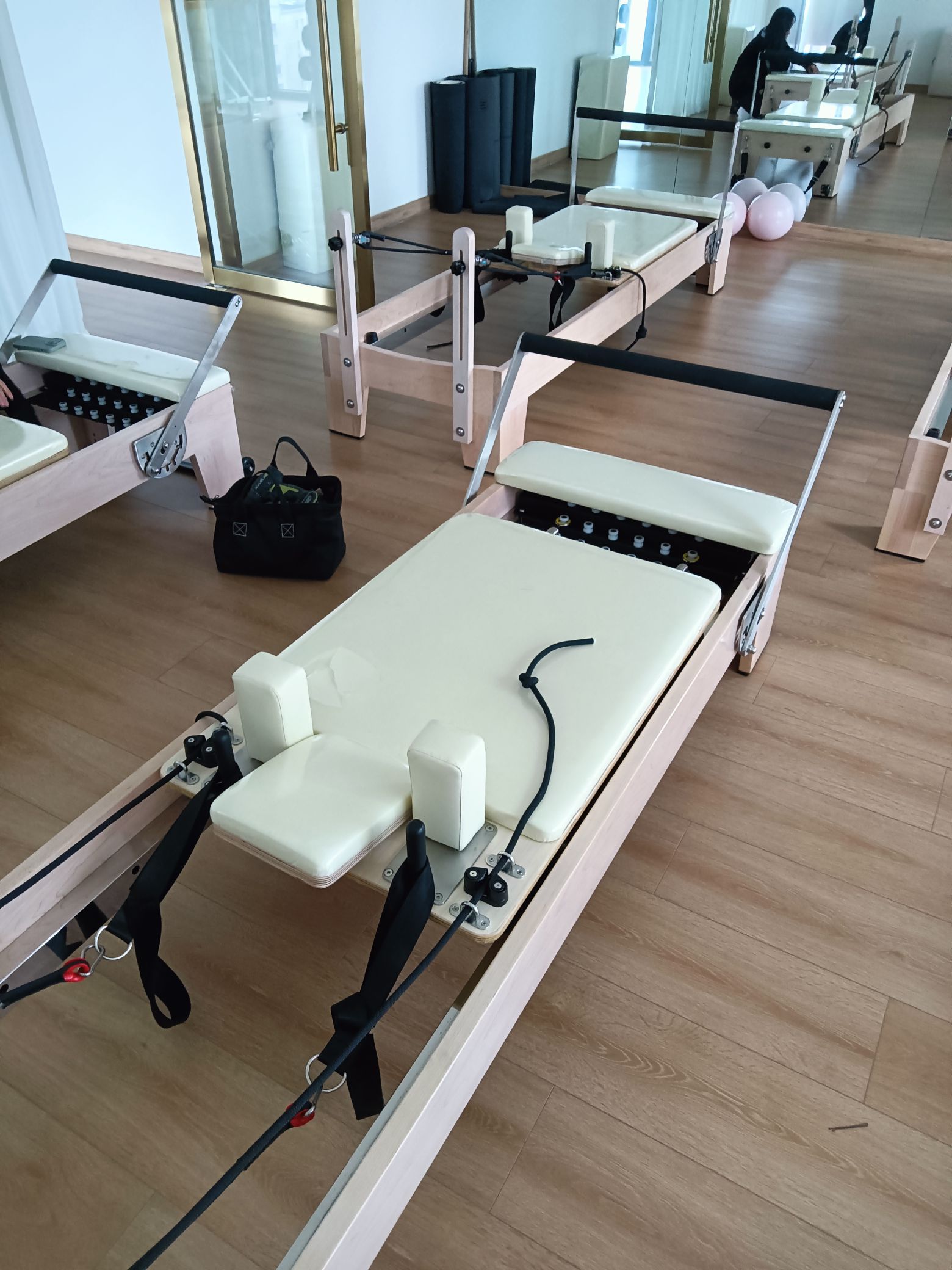
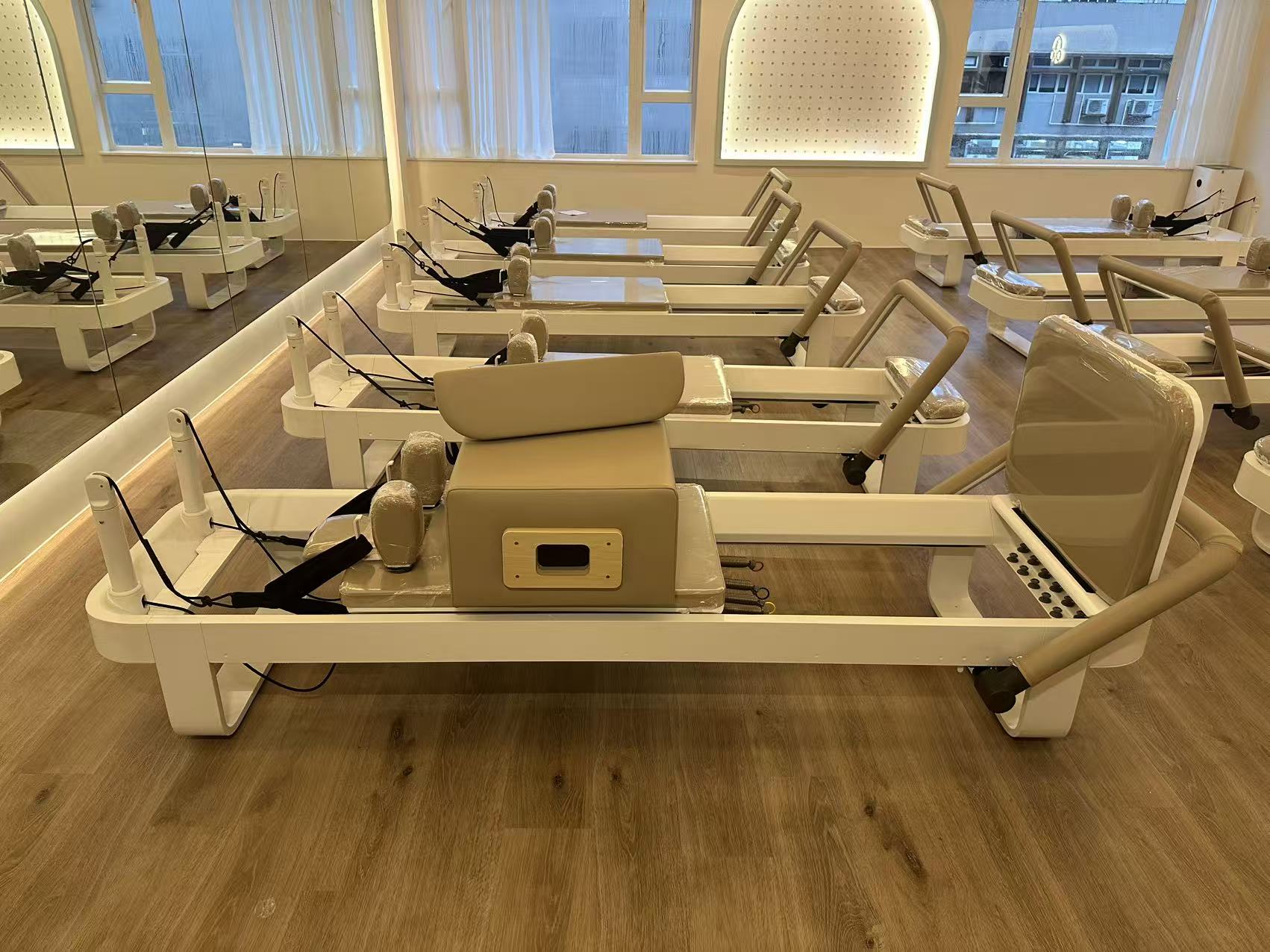
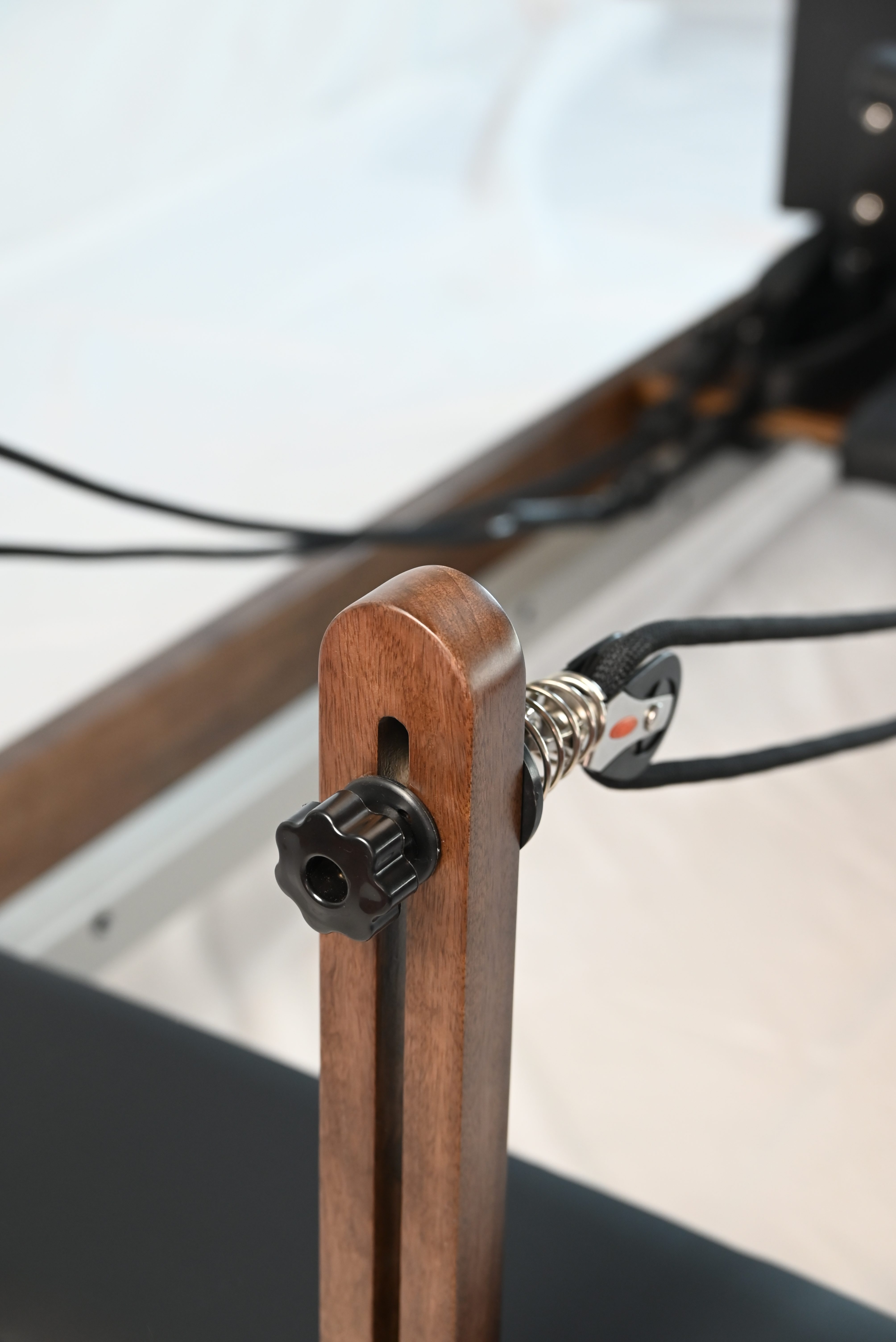
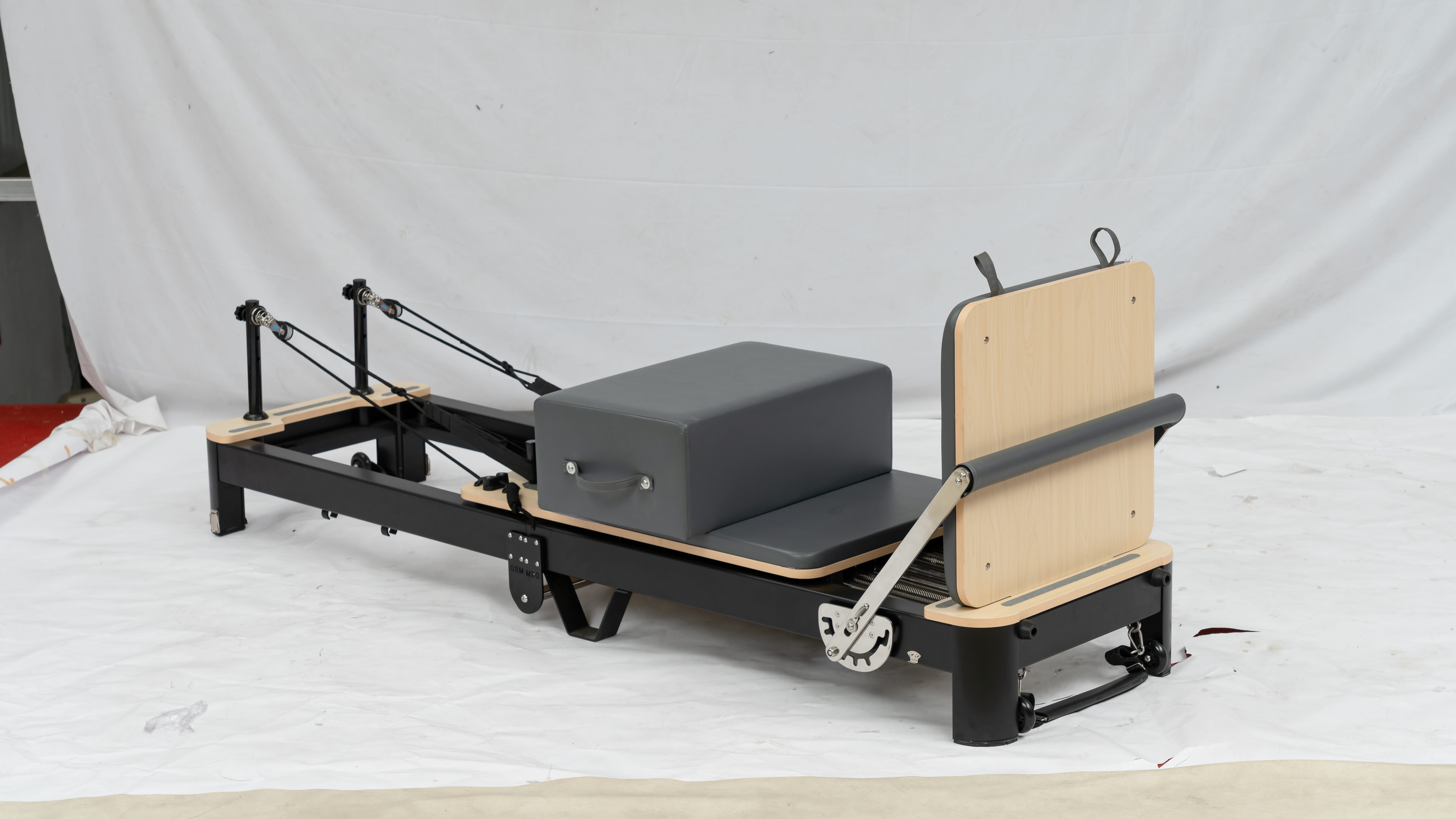
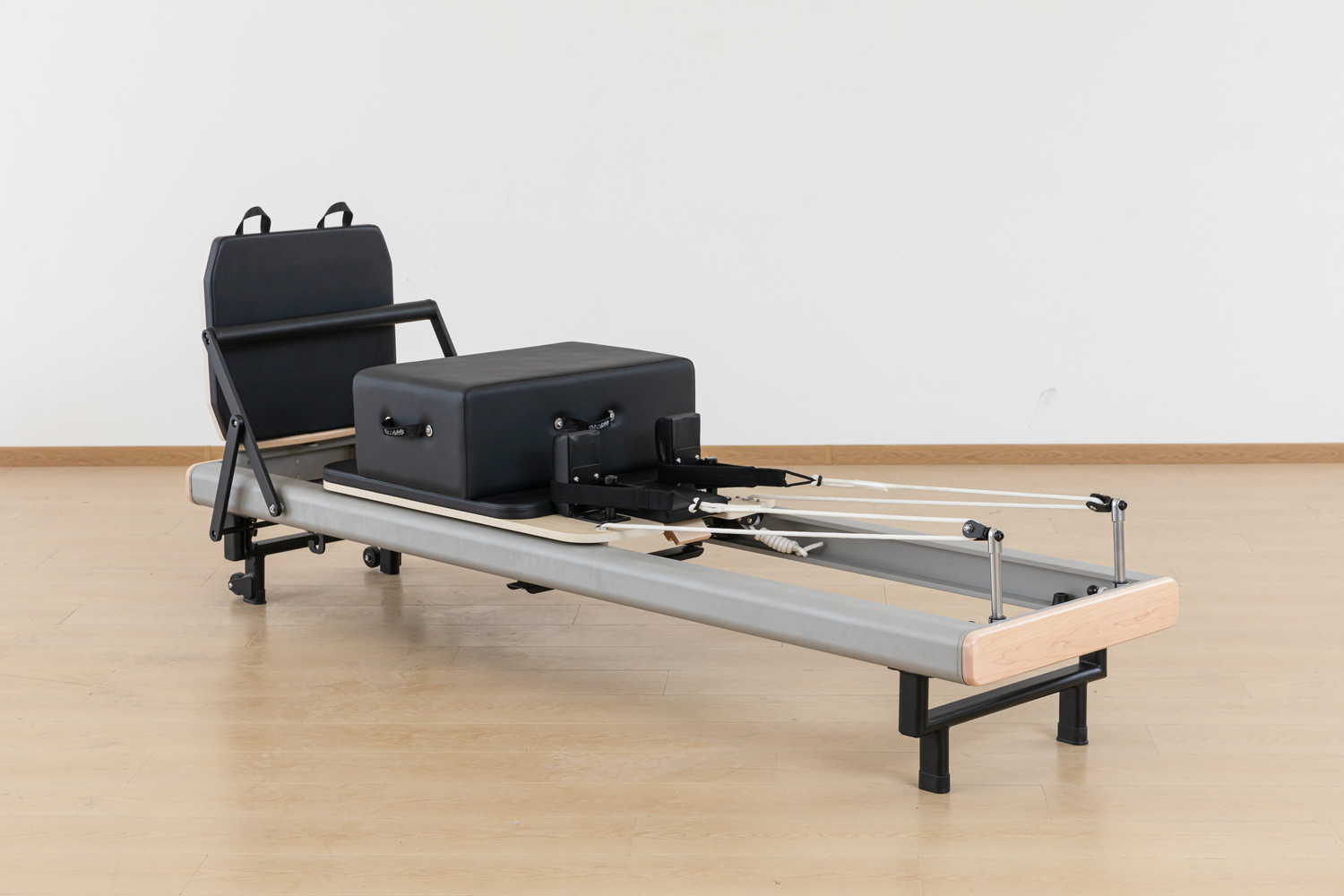
The Reformer is the most comprehensive and versatile Pilates apparatus, capable of training nearly every muscle group. Here's where it excels and how to train with it.
Core muscles are the Reformer's biggest beneficiaries. The carriage's instability forces deep abdominal muscles — transverse abdominis, rectus abdominis, obliques — to continuously engage for stability. Classic exercises like "The Hundred" use arm pumping with coordinated breathing to continuously activate the core. "Leg Circles" challenge lower abdominal control through leg movements.
Legs and glutes are another primary training area. The Reformer's spring resistance provides progressive load for lower-body training. Through "Footbar Push" exercises, quadriceps, hamstrings, and glutes are precisely targeted. Single-leg variations are especially effective for correcting left-right strength imbalances. Different spring configurations simulate progressive resistance from bodyweight to loaded training — excellent for those wanting to safely build lower-body strength.
Back and shoulders can be effectively trained on the Reformer. By pulling ropes and springs, you activate latissimus dorsi, rhomboids, and rear deltoids to correct rounded shoulders and poor posture. "Seated Rows" and "Back Extensions" are core posture-improvement exercises.
Sculpting Protocol: 3-4 times weekly, 45-60 minutes per session, Reformer-focused. Start with 10 minutes of core activation (The Hundred, Leg Circles), followed by 20 minutes of lower-body work (Footbar Pushes, Bridging), then 15 minutes of upper-body and back training, finishing with 5 minutes of stretching. The Reformer is ideal for those seeking balanced, symmetrical full-body lines — the foundation of most studio programs.
II. Cadillac: The "Versatile Platform" for Rehabilitation and Full-Body Development
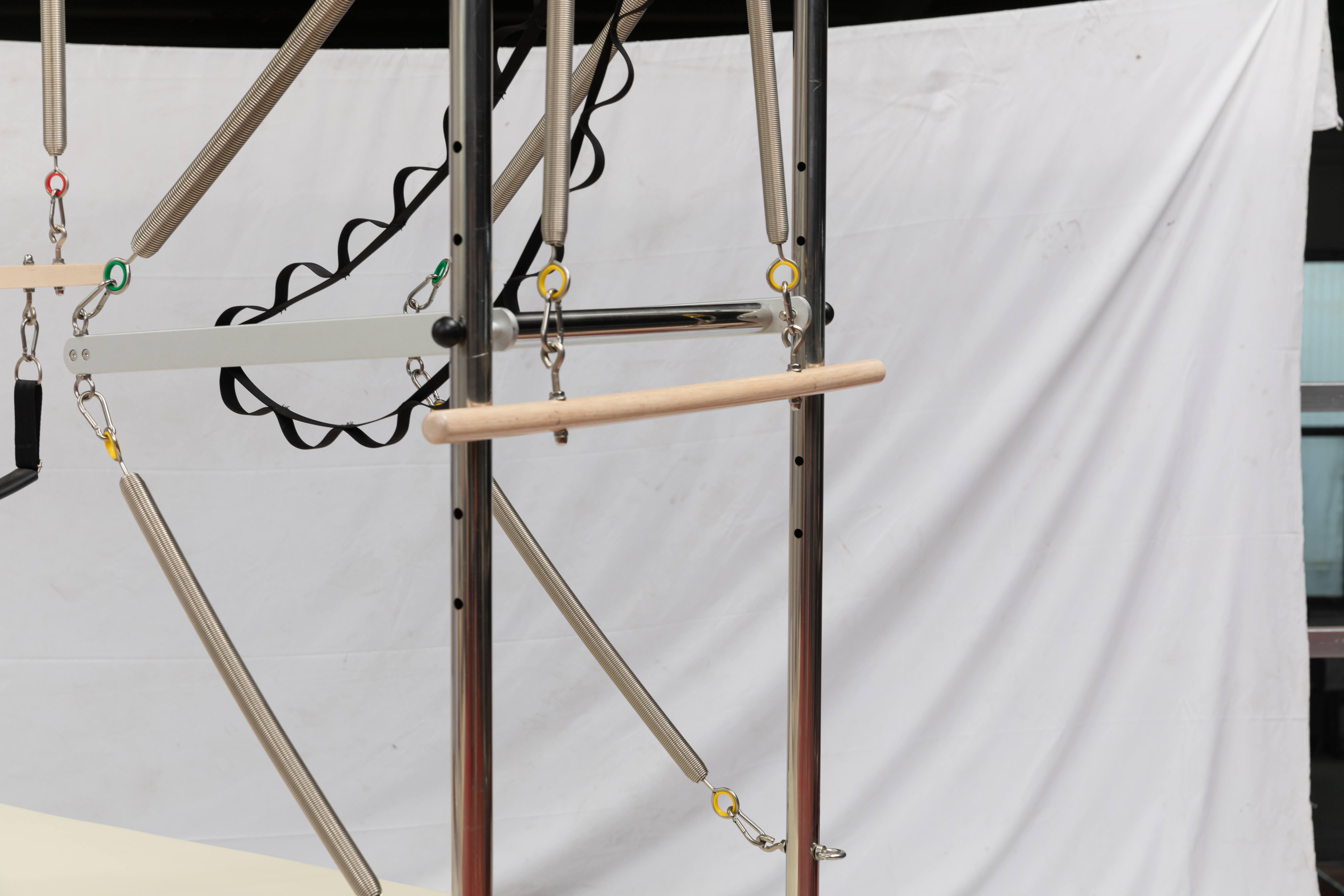
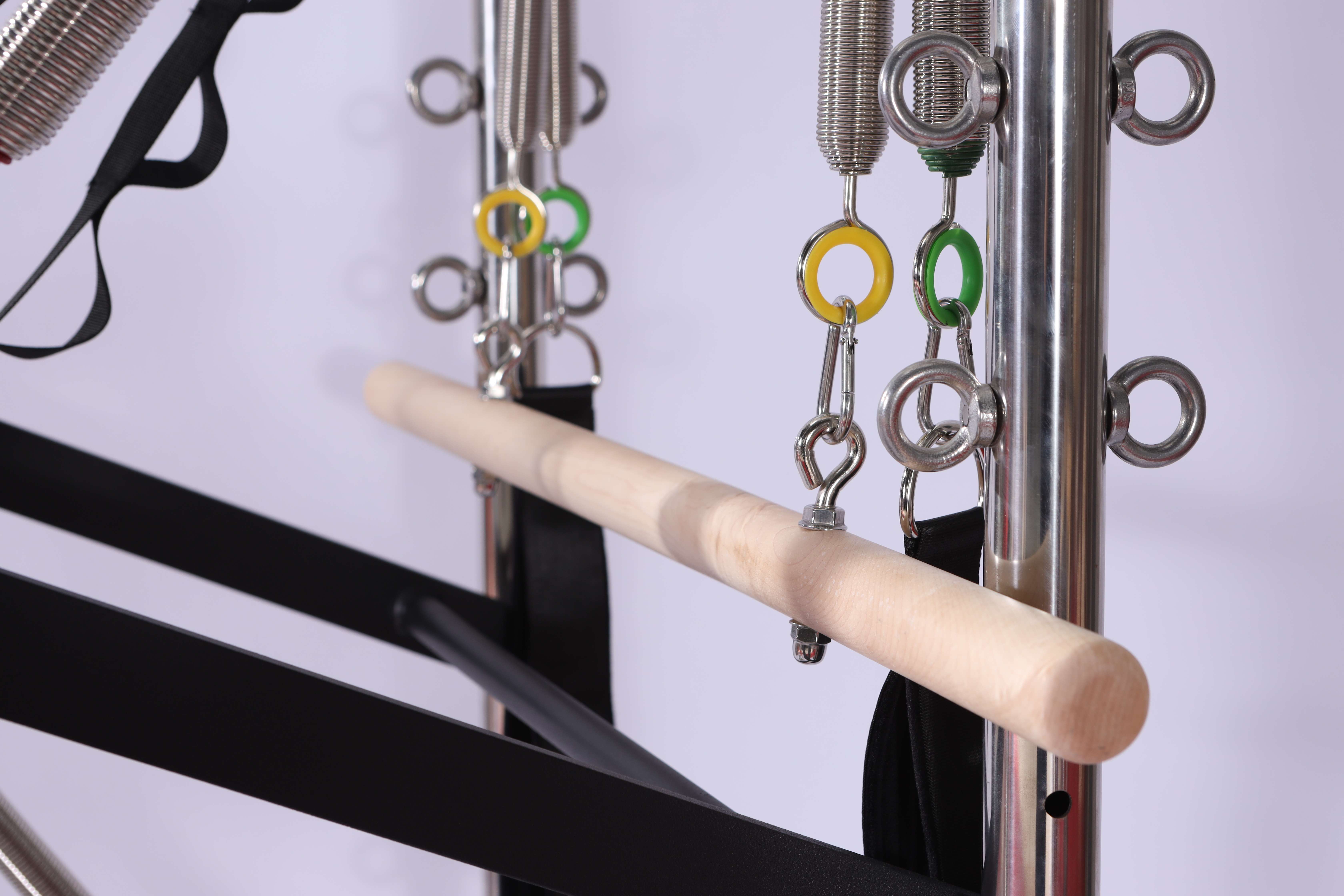
The Cadillac is renowned for its variety of attachment points and accessories, enabling hundreds of exercise variations. It excels in the following areas.
Spine and posture are the Cadillac's strongest domain. Its suspension system allows spinal extension and traction under reduced load — uniquely valuable for addressing scoliosis and disc issues. "Trapeze" exercises progressively open the chest and shoulder joints, particularly beneficial for those with "tech neck" and rounded shoulders from prolonged sitting.
Full-body integration training is another Cadillac strength. The multi-point suspension structure simultaneously trains strength, flexibility, and coordination. "Push-through" exercises engage both upper and lower body in coordinated effort, strengthening the kinetic chain connection between front and back body. This 3D training approach is especially valuable in rehabilitation contexts — it allows safe rebuilding of movement patterns and muscle strength.
Precision rehabilitation is the Cadillac's signature. For postpartum recovery, lower-back pain, and rotator cuff injuries, adjusting spring attachment points and suspension heights precisely controls exercise difficulty and range of motion. Springs attached at lower positions provide more support — suitable for early-stage recovery; raising them increases difficulty for advanced training.
Sculpting Protocol: 2-3 times weekly, 50-60 minutes per session. Start with 10 minutes of spinal decompression (suspension stretches, spinal traction), followed by 20 minutes of full-body integration (Push-throughs, Suspension Curls), then 15 minutes of targeted work (choose shoulder, hip, or core focus based on individual needs), finishing with 5 minutes of stretching. The Cadillac is ideal for those with postural issues or rehabilitation needs, and those seeking comprehensive functional training.
III. Wunda Chair: The "Precision Sculpting Tool" for Lower Body and Core
Compact yet powerful, the Wunda Chair has unique advantages in lower-body training and core control.
Glutes and thighs are the Wunda Chair's specialty. The split-pedal design allows single-leg independent training, precisely identifying and correcting left-right strength imbalances. With pedals separated, single-leg pushes, squats, and other exercises provide excellent isolated stimulation of gluteus medius and maximus.
Ankle and calf stability is another highlight. Single-leg standing or calf raises on unstable pedals strengthen the foot arch and surrounding small muscles. Ankle stability significantly helps prevent sprains and improve walking patterns — also valuable as supplementary training for postpartum pelvic floor recovery.
Core and balance can also be strengthened on the Wunda Chair. During seated arm pushes and torso rotations, the body continuously engages core muscles to maintain sitting stability — a unique value that simulates functional support demands of daily life and sports.
Sculpting Protocol: 3 times weekly, 20-30 minutes per session, interleaved with Reformer training. Start with 5 minutes of lower-body activation (pedal pushes, single-leg stability), followed by 15 minutes of strength training (squats, side-lying leg lifts), finishing with 5 minutes of core stability work (seated arm pushes). The Wunda Chair is ideal for those focused on lower-body sculpting and postpartum recovery — an excellent complement to Reformer training.
IV. Ladder Barrel: The "Ultimate Solution" for Spinal Flexibility
The Ladder Barrel appears simple — an arched barrel plus a ladder frame — but its value in spinal flexibility training is irreplaceable.
Spinal flexibility is the Ladder Barrel's core function. The barrel's curve follows the spine's natural arc, and when lying supine or side-lying, the spine extends and opens vertebra by vertebra along the curve. This passive extension effectively counters spinal stiffness and back tension from prolonged sitting. For those with limited lumbar mobility, the barrel's curved support provides safe extension space.
Shoulders and chest can also be effectively trained on the Ladder Barrel. Grasping different ladder rungs allows multi-angle scapular activation and chest opening. Common "hanging" and "arm circling" exercises effectively improve rounded shoulders.
Sculpting Protocol: 2-3 times weekly, combined with Reformer sessions. 15-20 minutes per session is sufficient. Start with 5 minutes of spinal articulation rolls, followed by 5 minutes of shoulder and chest opening, finishing with 5 minutes of side-lying lateral flexion. The Ladder Barrel is ideal for desk-bound workers and those with spine or posture concerns.
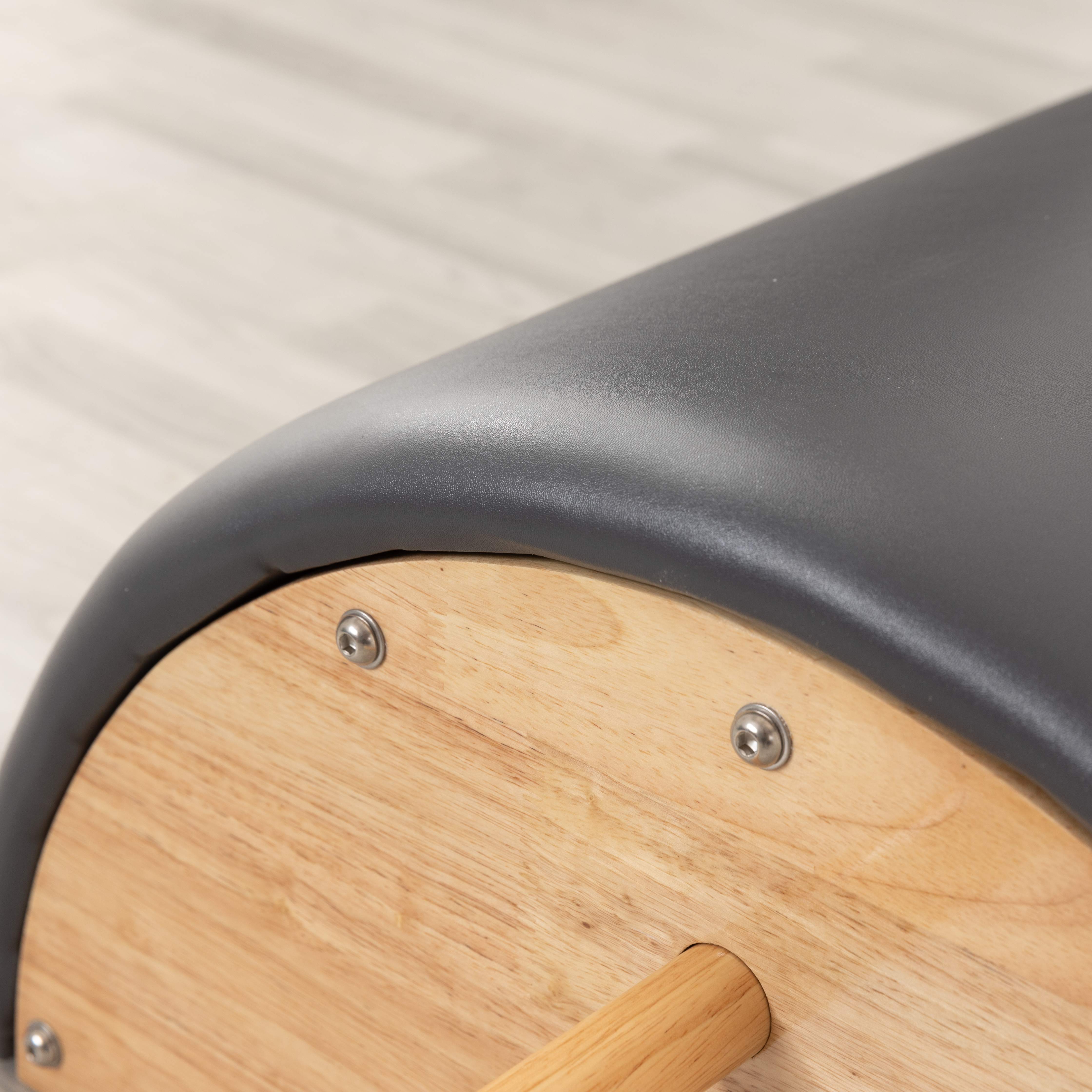
V. Spine Corrector: The "Coach" for Segmental Spinal Control
The Spine Corrector (Arc) is compact yet powerful, specializing in spinal segmentation and deep muscle activation.
Segmental spinal control is its core function. The curved design helps practitioners develop awareness and ability to move the spine vertebra by vertebra — a foundational Pilates concept. During supine roll-ups or seated back extensions, the arc's support guides each vertebra to open and articulate sequentially.
Abdominal and back coordination training is another application. In supine position, the arc's support places the pelvis in slight posterior tilt, making it easier to find "neutral pelvis" — essential for correct abdominal engagement patterns. Prone back extensions on the arc open the thoracic spine and activate erector spinae.
Sculpting Protocol: 5-10 minutes before or after each training session — ideal as Reformer warm-up or cool-down. Start with supine spinal rolls, followed by prone back extensions, finishing with seated side-bends. The Spine Corrector is ideal for beginners learning core control, desk workers improving posture, and as a rehabilitation support tool.
Summary: A rational Pilates equipment sculpting plan should follow the principle of "prioritized focus, combined use." The Reformer is the full-body "main force" and should form the training foundation; the Cadillac is the "versatile platform" for rehabilitation and comprehensive development; the Wunda Chair is the "precision sculpting tool" for lower body and core; the Ladder Barrel and Spine Corrector are essential supplements for spinal flexibility. In practice, combine different apparatuses flexibly based on individual goals and physical condition to achieve optimal sculpting and health outcomes.