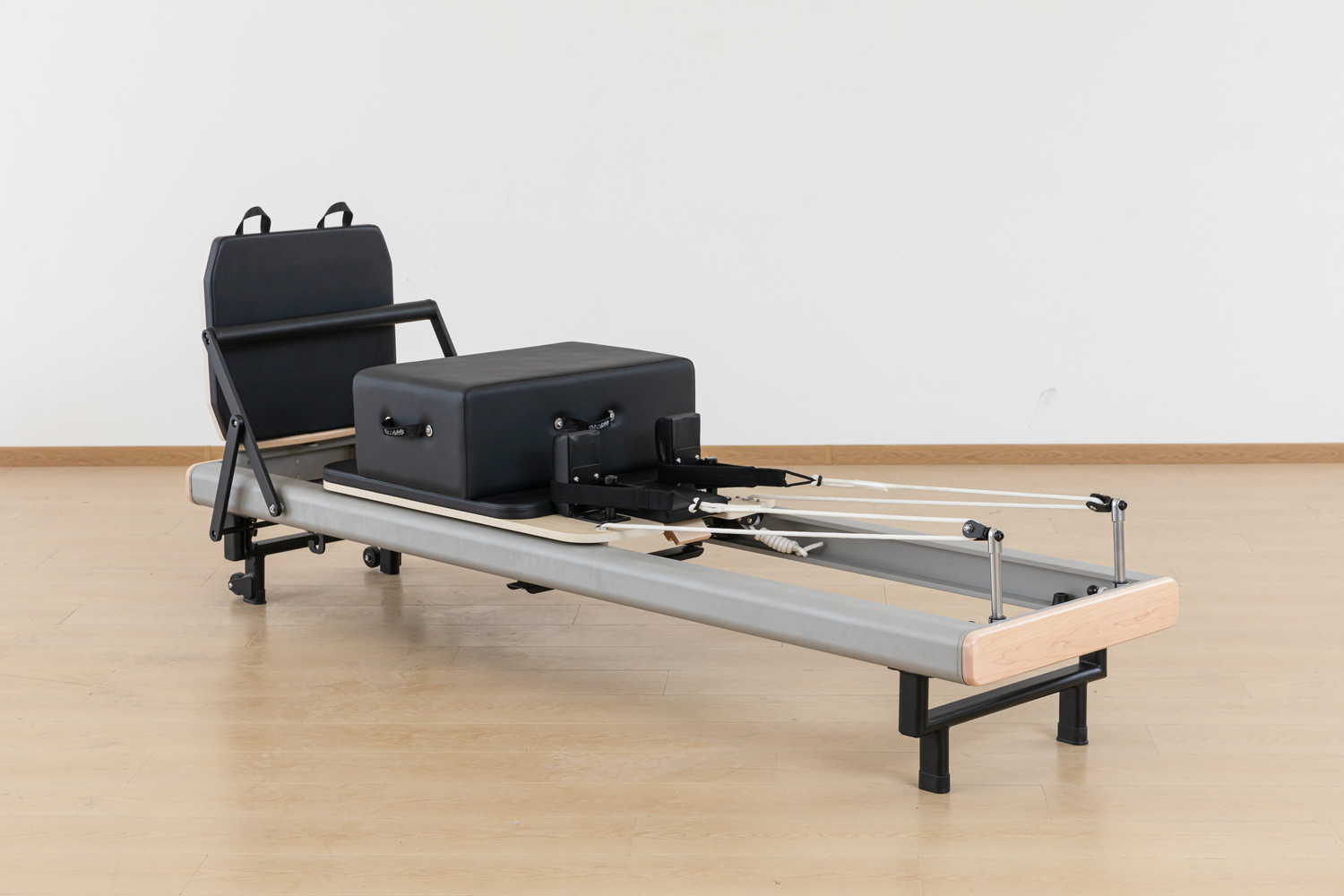
Difference Between Commercial and Home Pilates Reformers
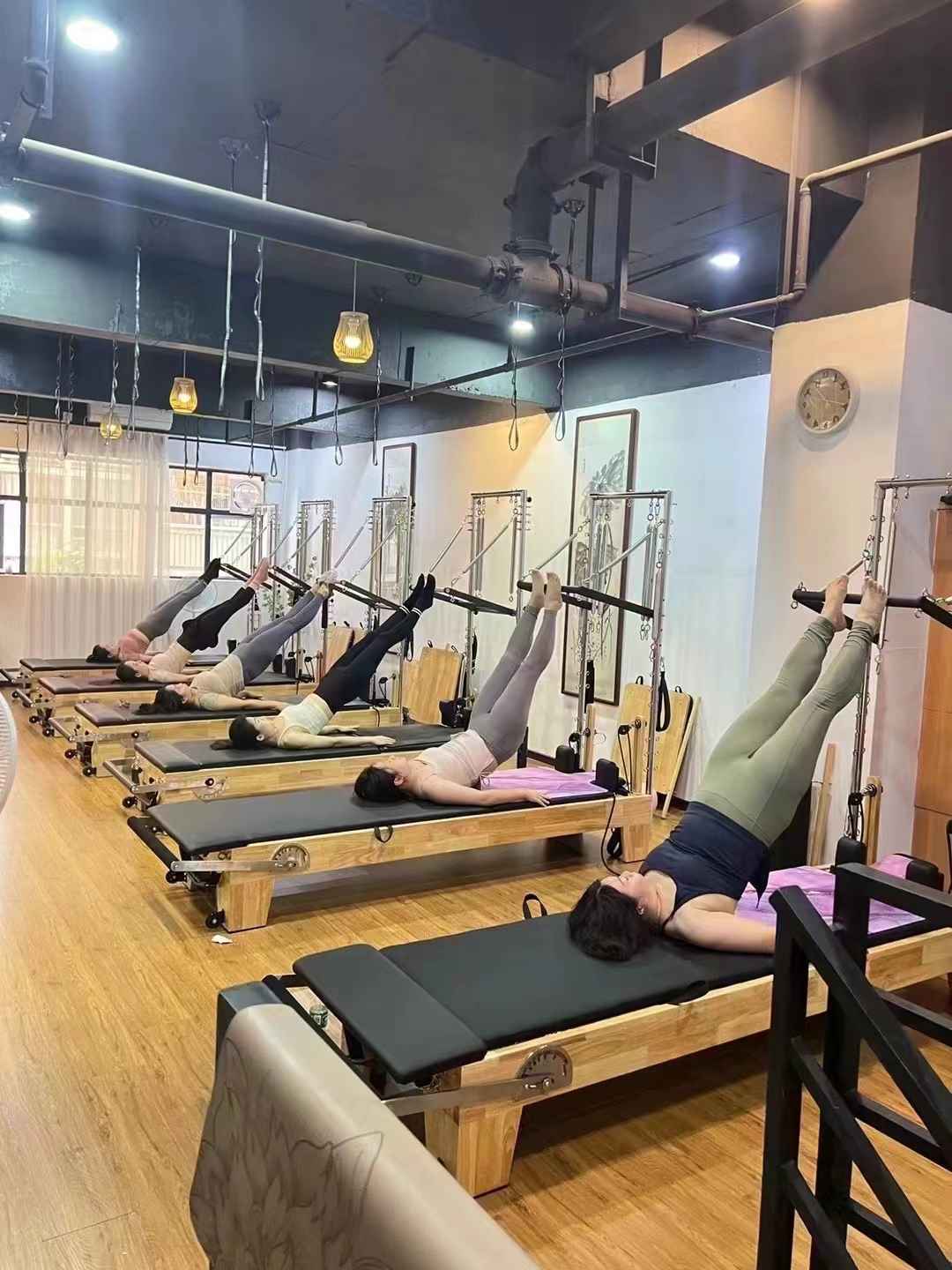
Many buyers are confused about commercial-grade and home-use Pilates reformers. At first glance, they look almost the same in appearance, but they are completely different in structure, durability, load capacity, stability and service life. Choosing the wrong type will lead to unstable performance, easy damage and poor user experience. To help you make the right investment, we will clearly explain the key differences between commercial and home Pilates reformers.
1. Structural Stability & Load-Bearing Standard
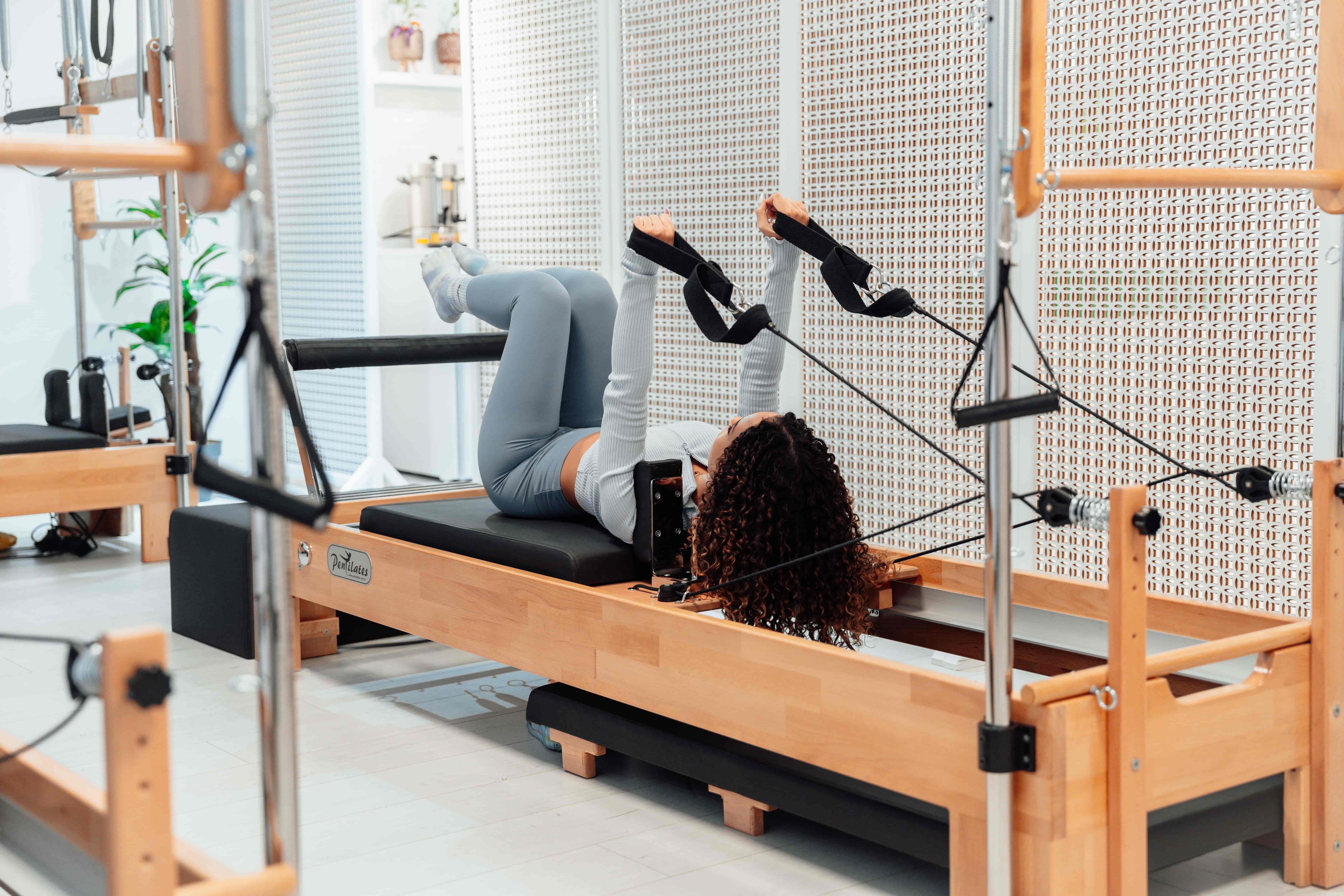
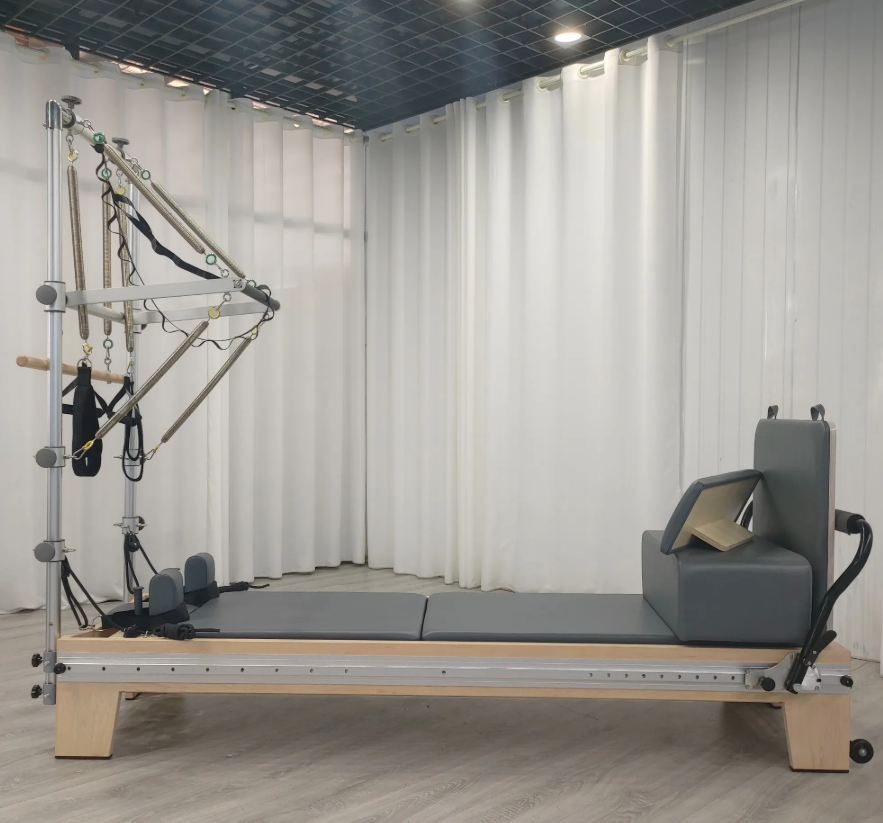
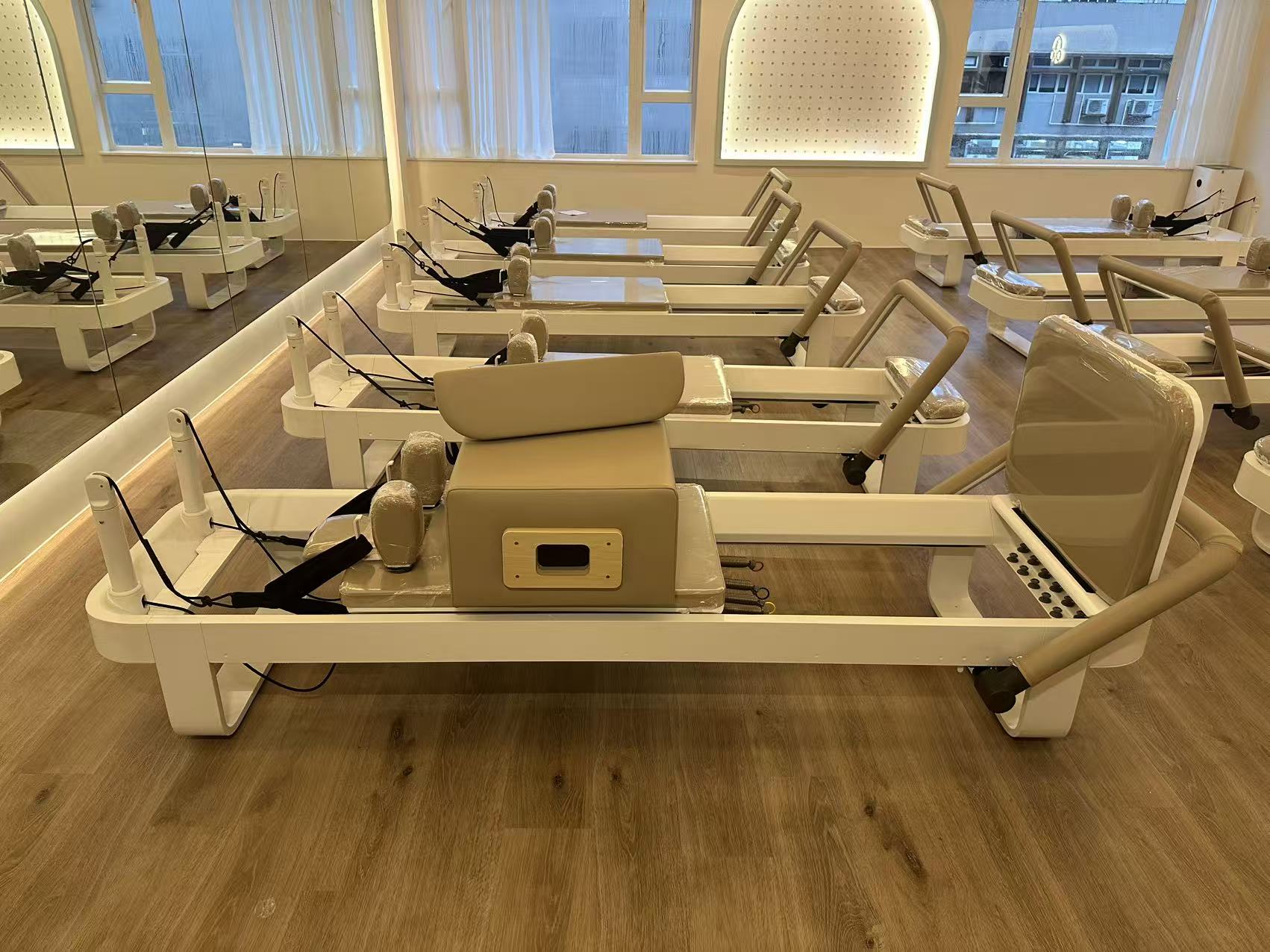
This is the biggest difference between commercial and home reformers. Commercial Pilates beds are reinforced with thickened aluminum alloy or solid wood frames. The overall structure is strengthened to support long-term high-frequency use. They feature higher load-bearing capacity, stronger pressure resistance and no shaking during intense stretching and jumping movements.
Home reformers adopt lightweight and simplified structures to save cost and space. Their frames are thinner and cannot withstand frequent and high-intensity training. When used for commercial classes, they easily shake, tilt and deform, bringing safety risks to users.
2. Frequency of Use & Service Life
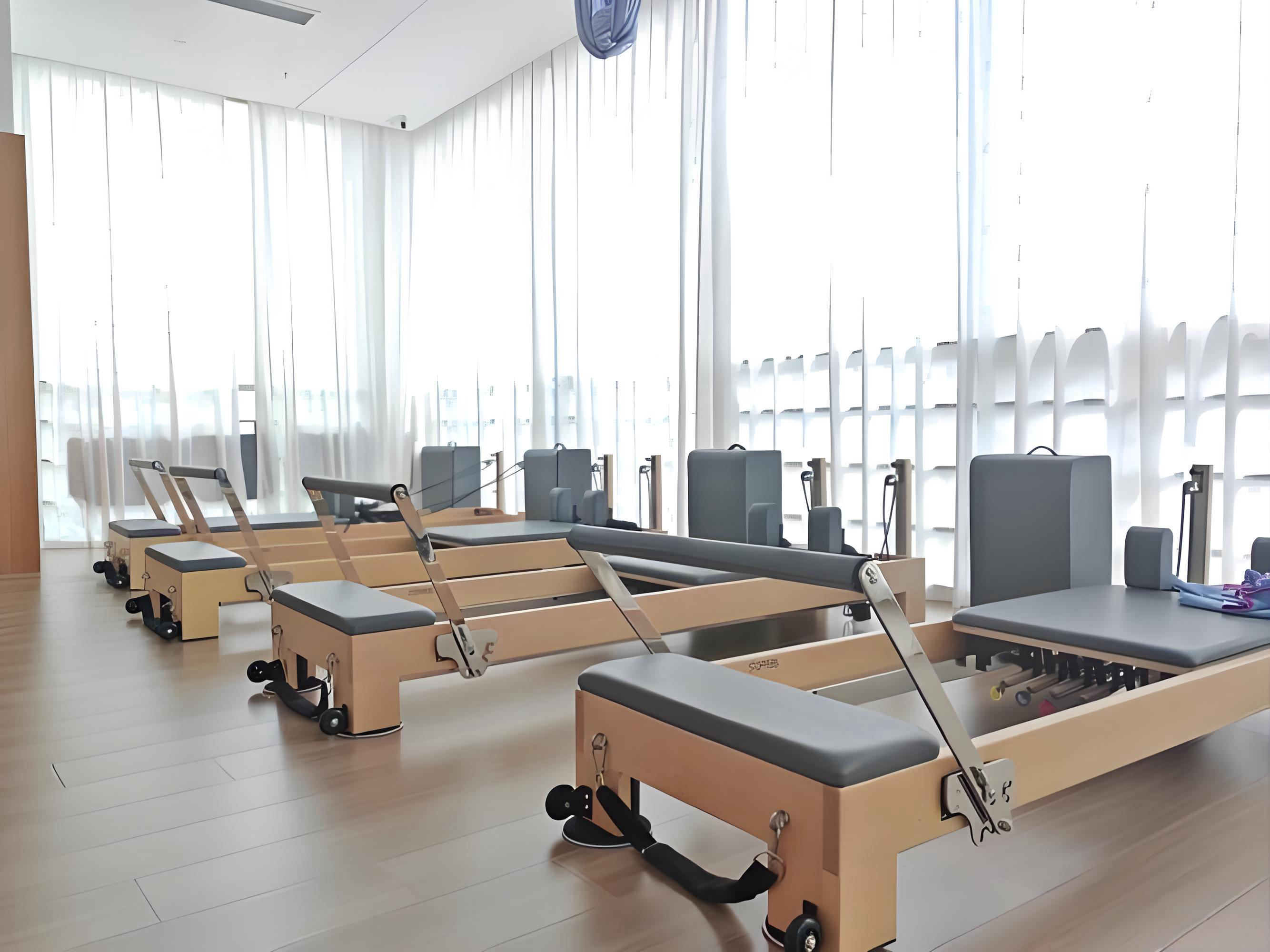
Commercial reformers are designed for professional studios, supporting 6–8 classes per day and thousands of times of movements every week. All core parts are fatigue-resistant, ensuring stable performance for many years. The average service life can reach 8–10 years under normal studio use.
Home reformers are only suitable for 1–2 personal workouts per day. Their accessories and materials are not designed for continuous high-frequency use. Long-term heavy use will cause spring fatigue, rail wear, pulley noise and leather collapse.
3. Accessories & Configuration Standard
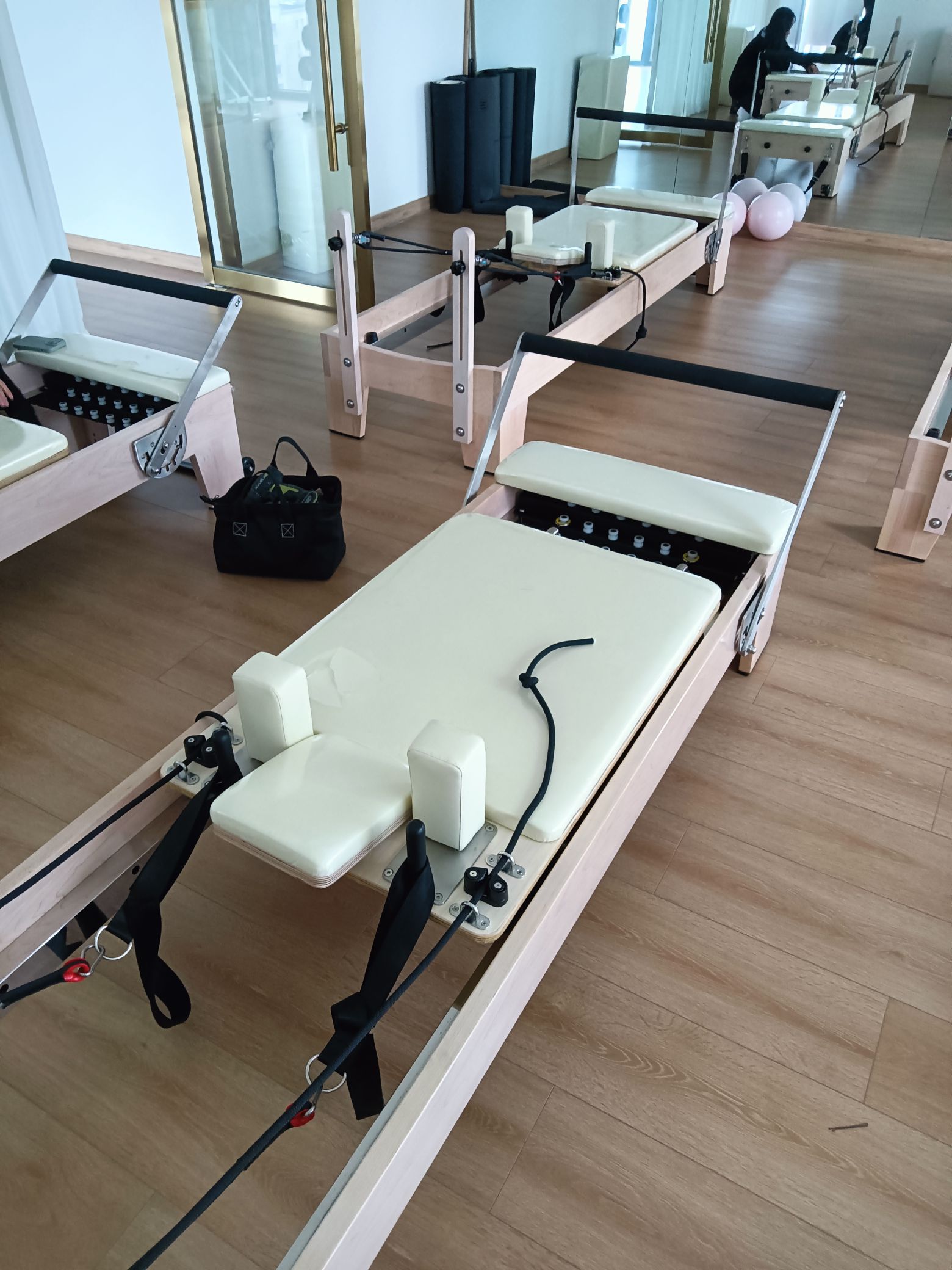
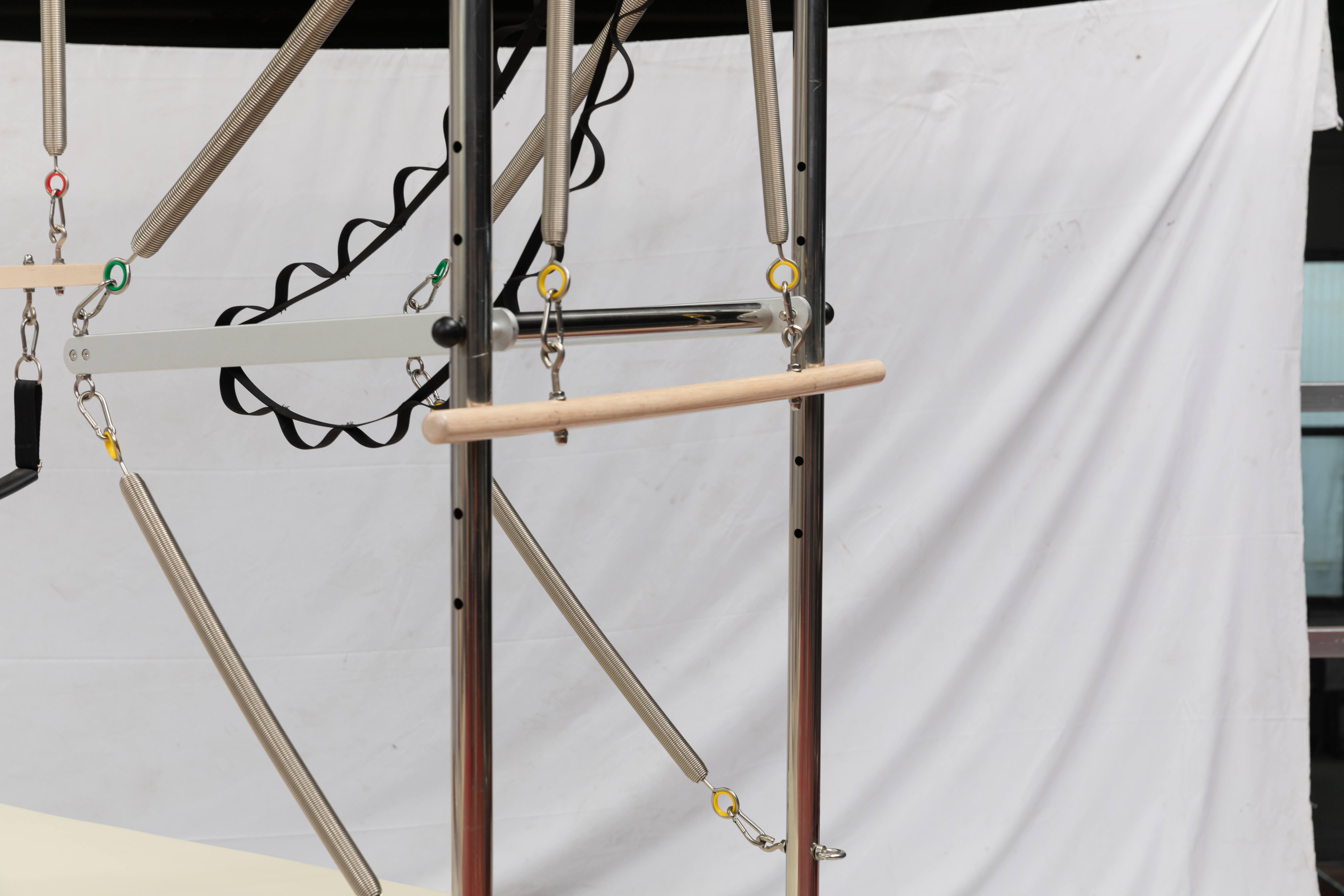
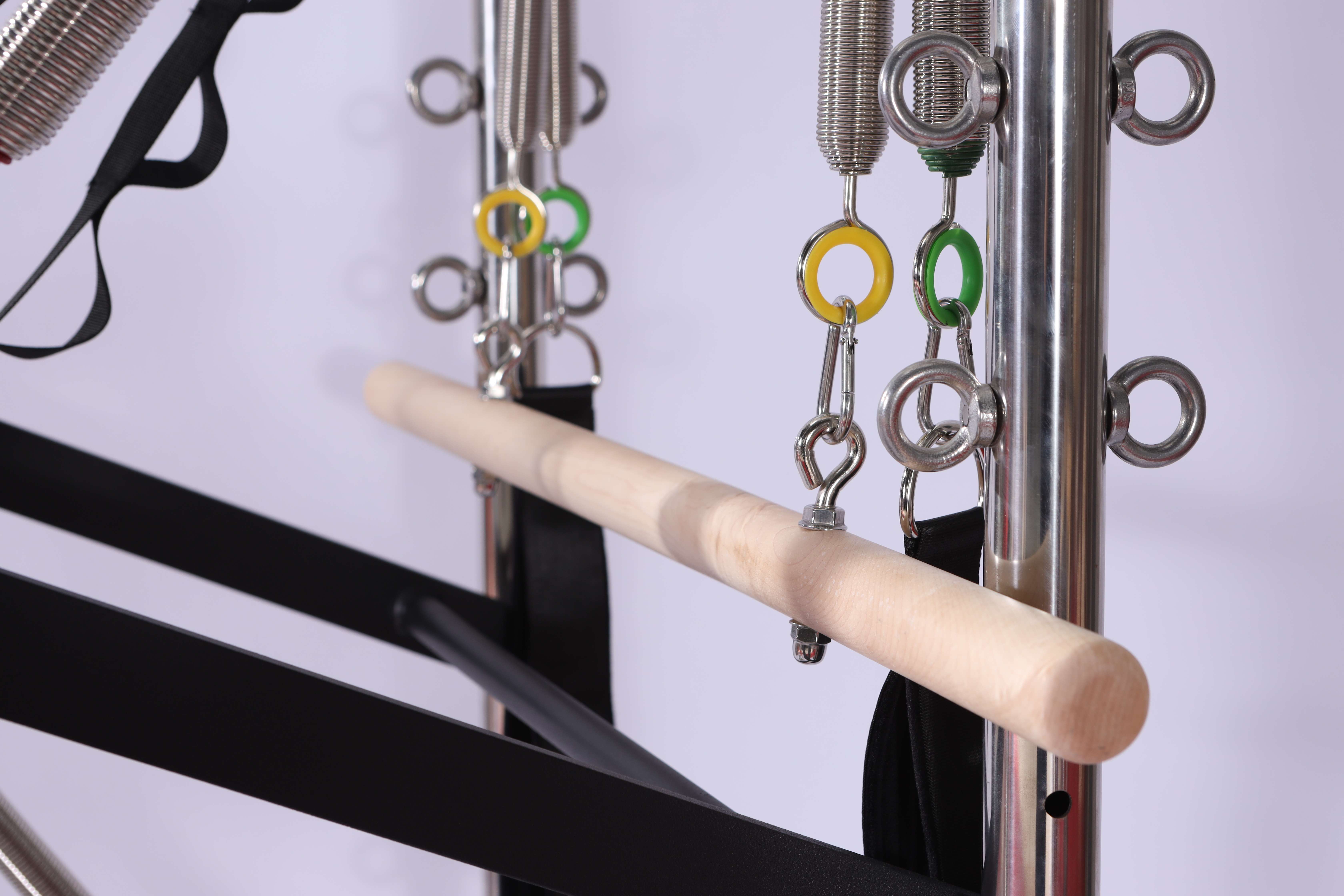
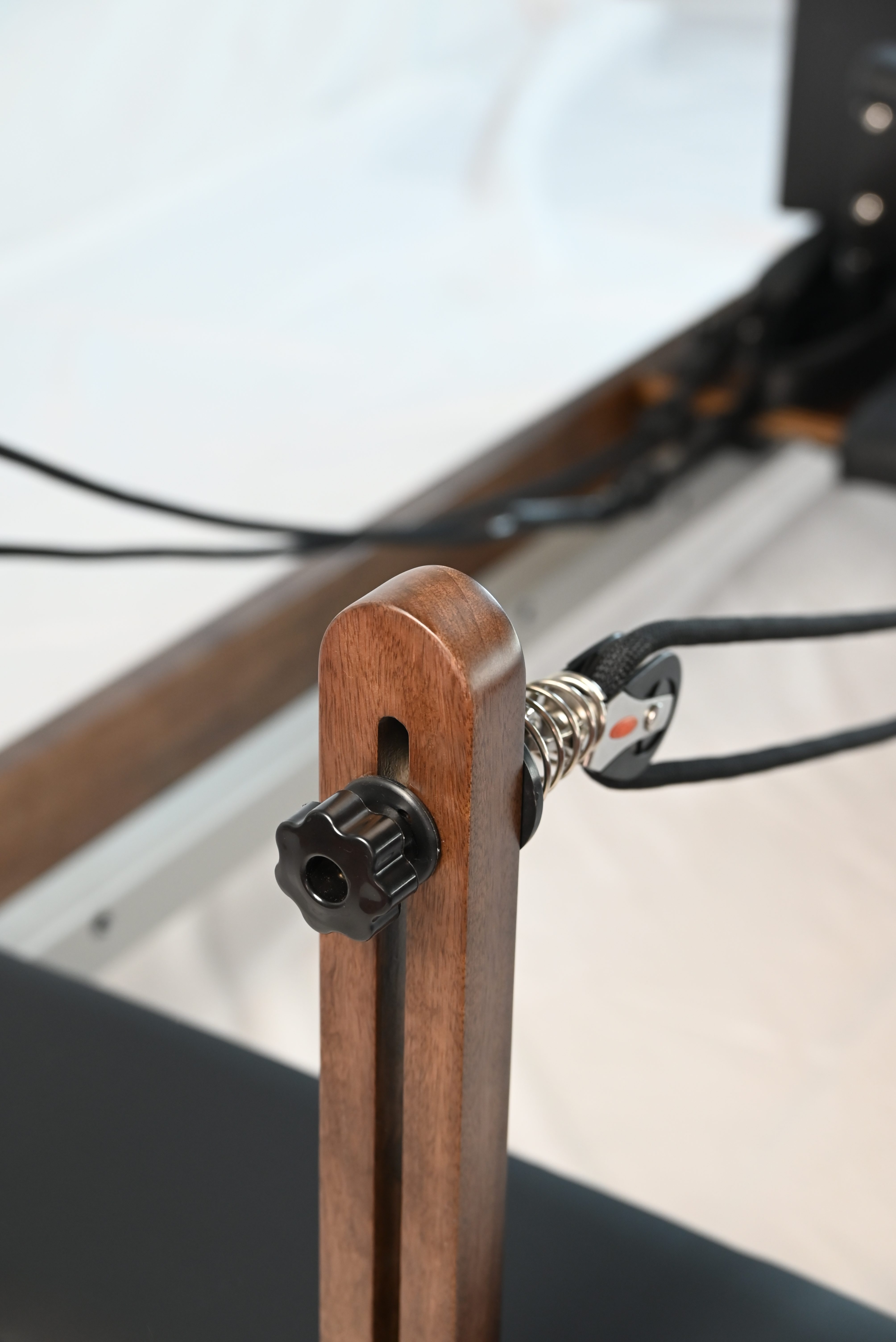
Commercial-grade reformers adopt upgraded industrial-level accessories. High-tension durable springs maintain stable tension without deformation. Silent precision sliding rails ensure smooth and quiet gliding even after years of use. The pulleys, ropes and footbars are thickened and wear-resistant to meet professional teaching standards.
Home reformers use basic ordinary accessories. The springs are softer and less durable, the rails are simpler, and the overall configuration is reduced to lower the price. They can meet basic home training but cannot support professional and diverse studio movements.
4. Leather & Sponge Comfort and Durability
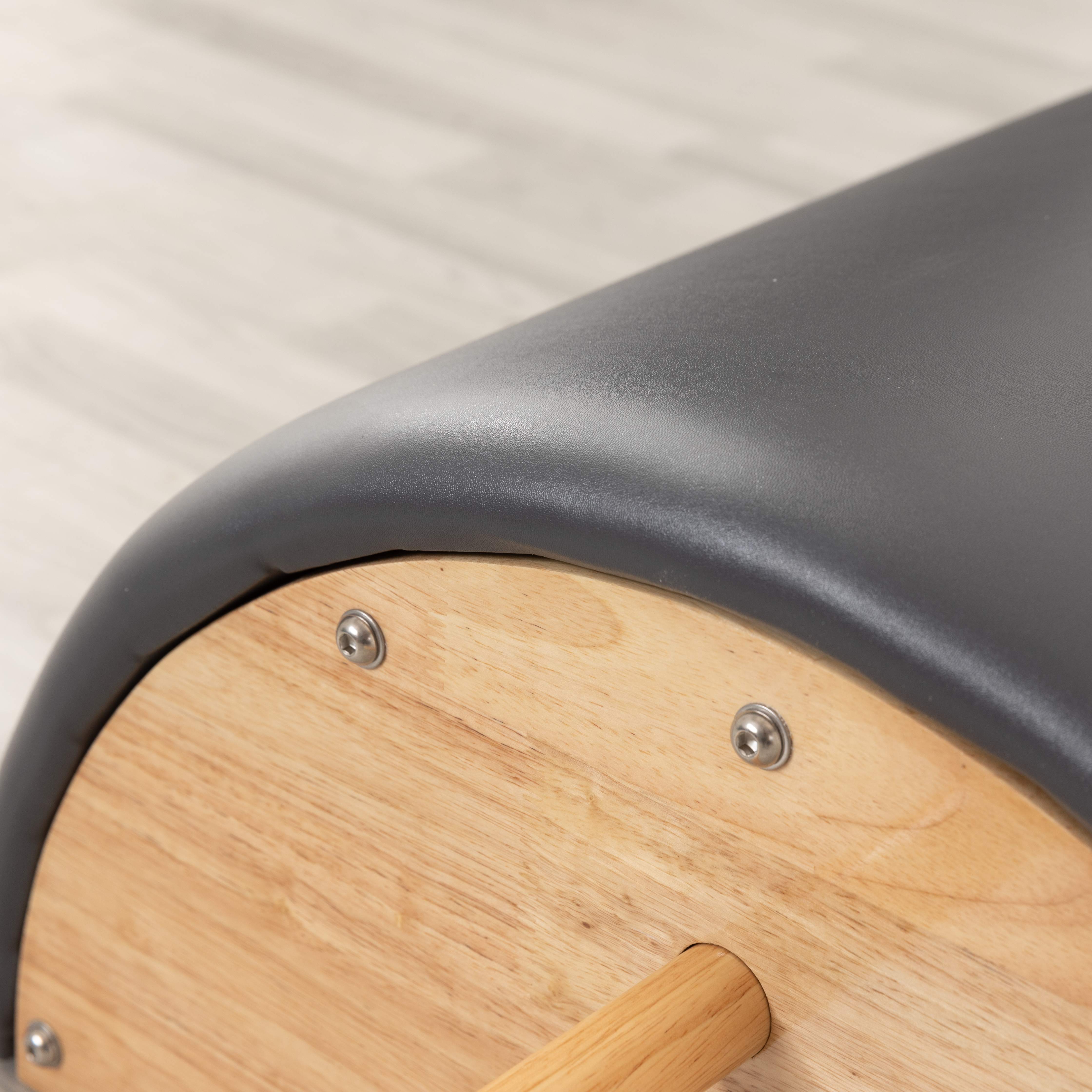
Commercial reformers are equipped with high-density rebound sponge and premium thick microfiber leather. The leather is sweat-resistant, scratch-resistant and non-slip. It does not collapse or harden after long-term contact and friction, keeping comfortable for daily student training.
Home models use thinner sponge and ordinary PVC leather, which is easy to wear, peel and deform after a period of use.
5. Safety Performance & Certification
Commercial Pilates equipment passes strict safety tests and international certifications such as CE. Every detail is optimized for public use, including anti-slip design, anti-pinch protection, stable balance structure and safe bearing limit. It fully meets public fitness venue standards.
Home reformers have relatively loose safety standards and are only certified for personal family use, not for commercial public operation.
6. Functions and Expandability
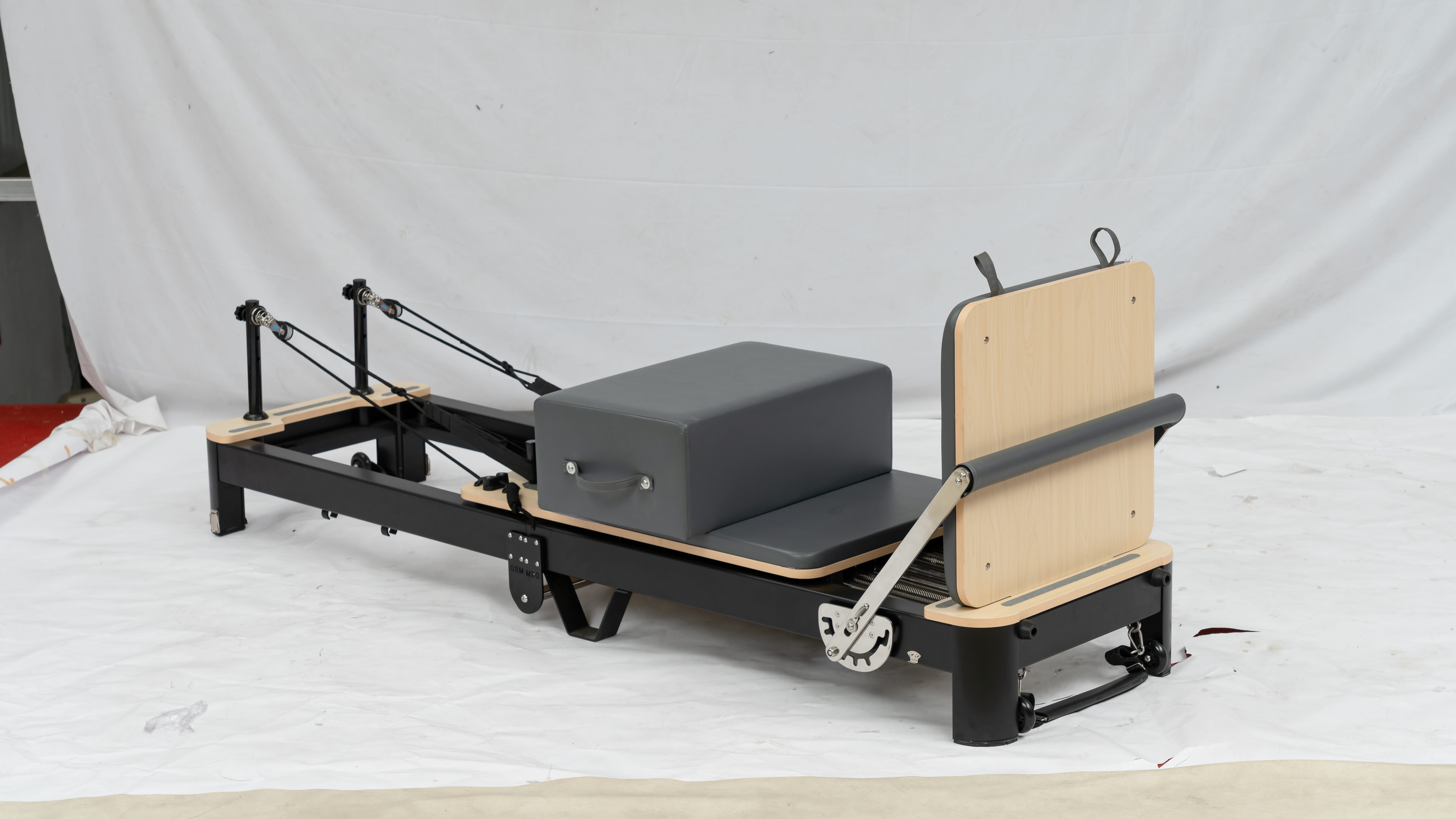
Commercial reformers support full professional Pilates movements. They can be matched with jump boards, sitting boxes, long straps and other accessories to complete hundreds of rehabilitation, shaping and core training actions, meeting diverse studio course needs.
Home reformers have limited expandable functions and simpler movement ranges, mainly for basic body shaping and daily exercise.
7. Price and Cost Performance
Home reformers are cheaper and more cost-effective for personal family use. Commercial reformers have higher investment costs but longer service life, lower failure rate and better student experience, which is more cost-effective for long-term studio operation.
Who Should Choose Which One?
- Commercial reformer: Professional Pilates studios, fitness centers, training institutions, bulk resale business.
- Home reformer: Personal home exercise, low-frequency use, family fitness.
Final Conclusion
Commercial and home reformers are targeted at completely different usage scenarios. Choosing home machines for studio use will cause frequent failures and safety hazards, while buying commercial machines for personal use is more durable with longer service life.
We provide high-quality commercial-grade and home-grade Pilates reformers with stable quality, complete certifications and customizable services. Whether you are a studio owner or a personal buyer, we can provide the most suitable equipment solution and competitive wholesale price.