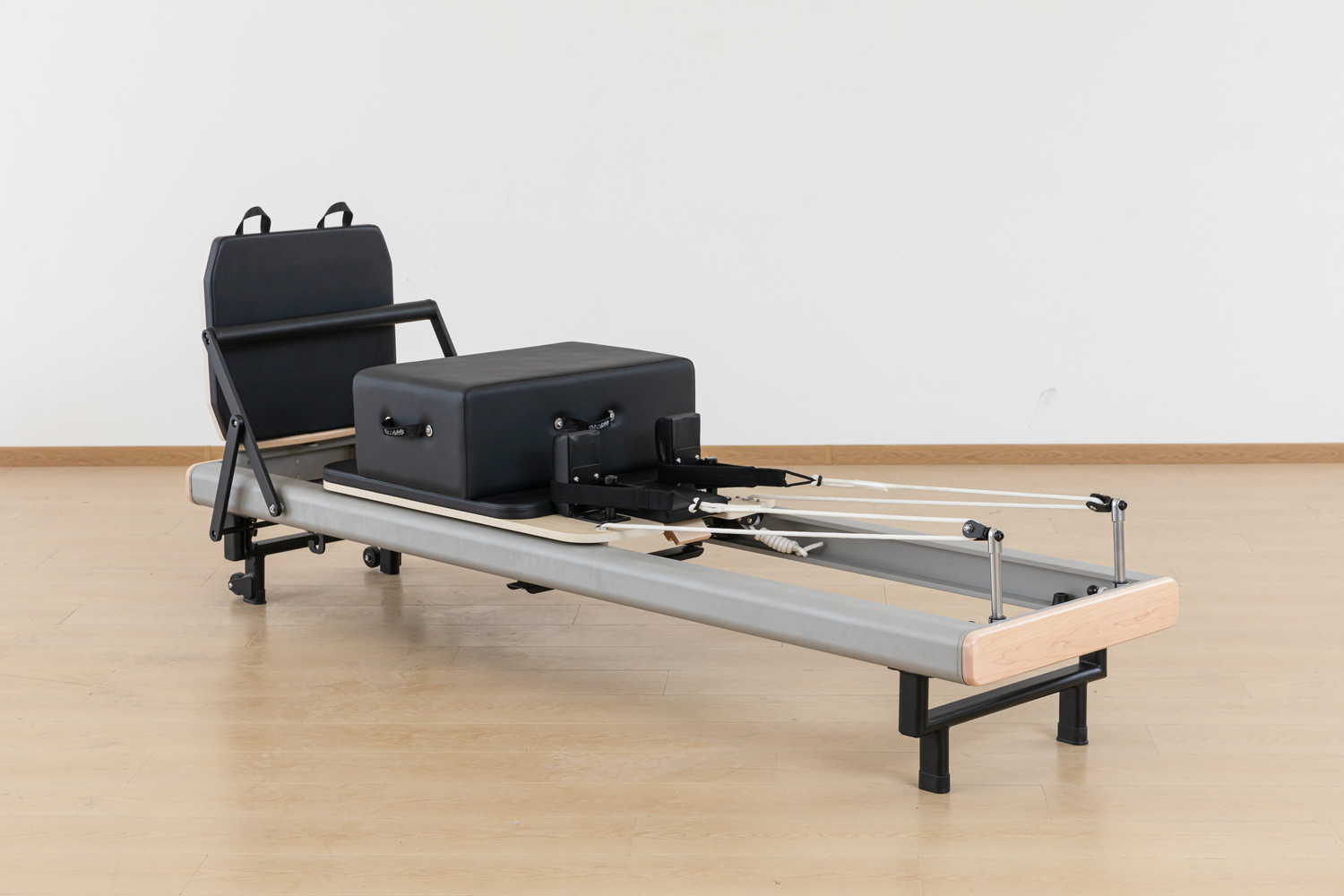
The Real Effects of Long-Term Pilates Equipment Use on Postural Improvement
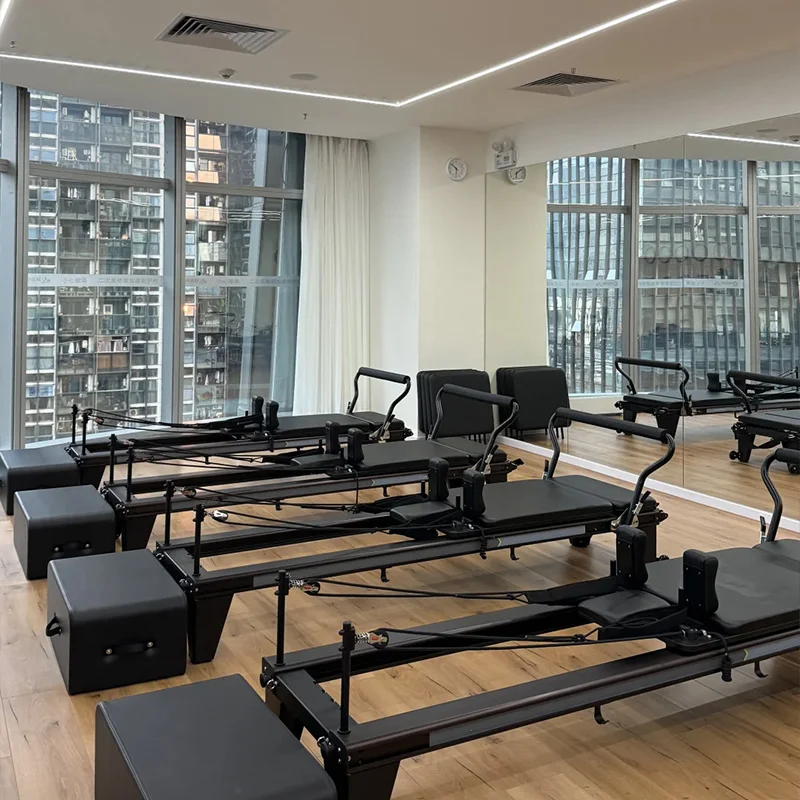
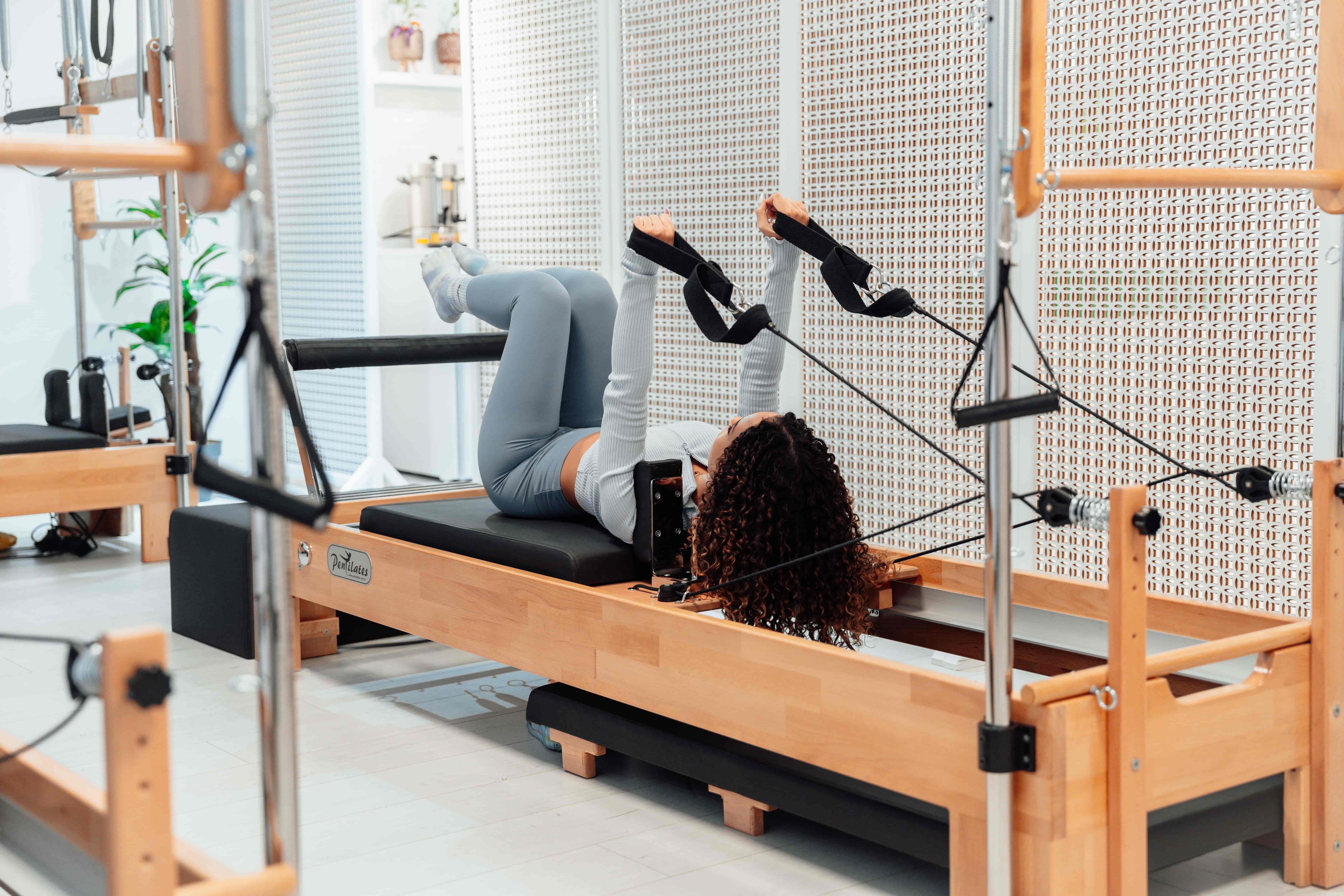
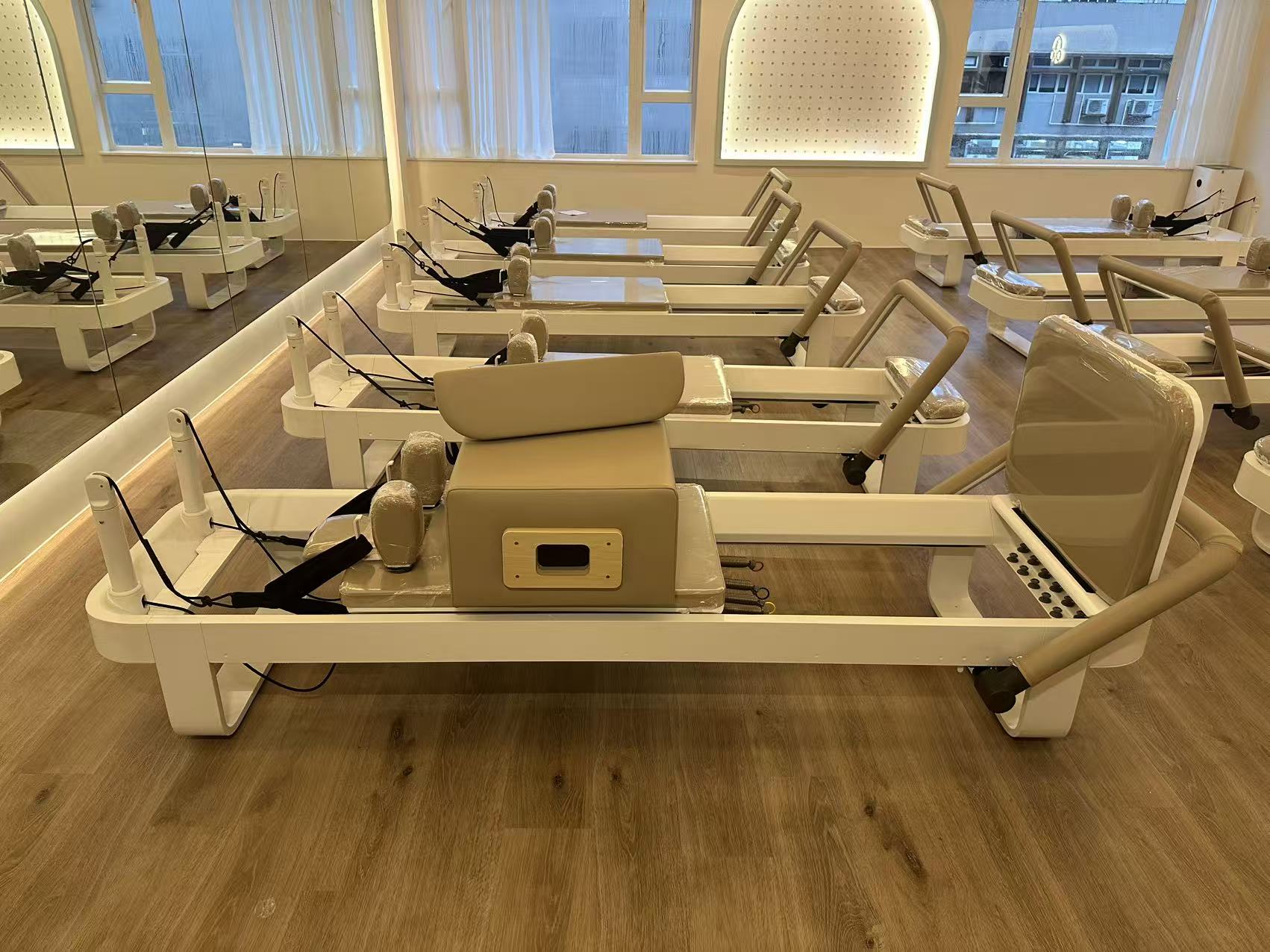
Pilates equipment is often marketed as a "body sculpting tool," but for long-term practitioners, its impact on posture goes far deeper than "leanness" or "lines." Modern sedentary lifestyles bring forward head posture, rounded shoulders, anterior pelvic tilt, and other misalignments — not just aesthetic concerns, but root causes of chronic pain and functional decline. Pilates equipment, through spring resistance and guided carriage movement, provides an "external guide" that helps practitioners relearn proper body alignment in every exercise. Over time, this guidance becomes internalized as instinct.
I. What Does the Research Say?
Multiple studies confirm that Pilates equipment produces measurable, statistically significant improvements in posture.
A 2026 study found that office workers who completed an 8-week Reformer Pilates program (2 sessions/week, 60 minutes each) showed statistically significant improvements in postural alignment scores (p < 0.001, large effect size) . This is not "placebo effect" — it's objective, measurable change.
Another experiment followed 17 adult women through an 8-week Reformer program (3 sessions/week, 60 minutes each) , measuring standing posture alignment in sagittal (side) and frontal (front) planes. Results showed significant decreases in horizontal inclination and vertical height differences in both frontal and sagittal planes, approaching zero after intervention. The body became more symmetrical and closer to ideal "neutral" alignment.
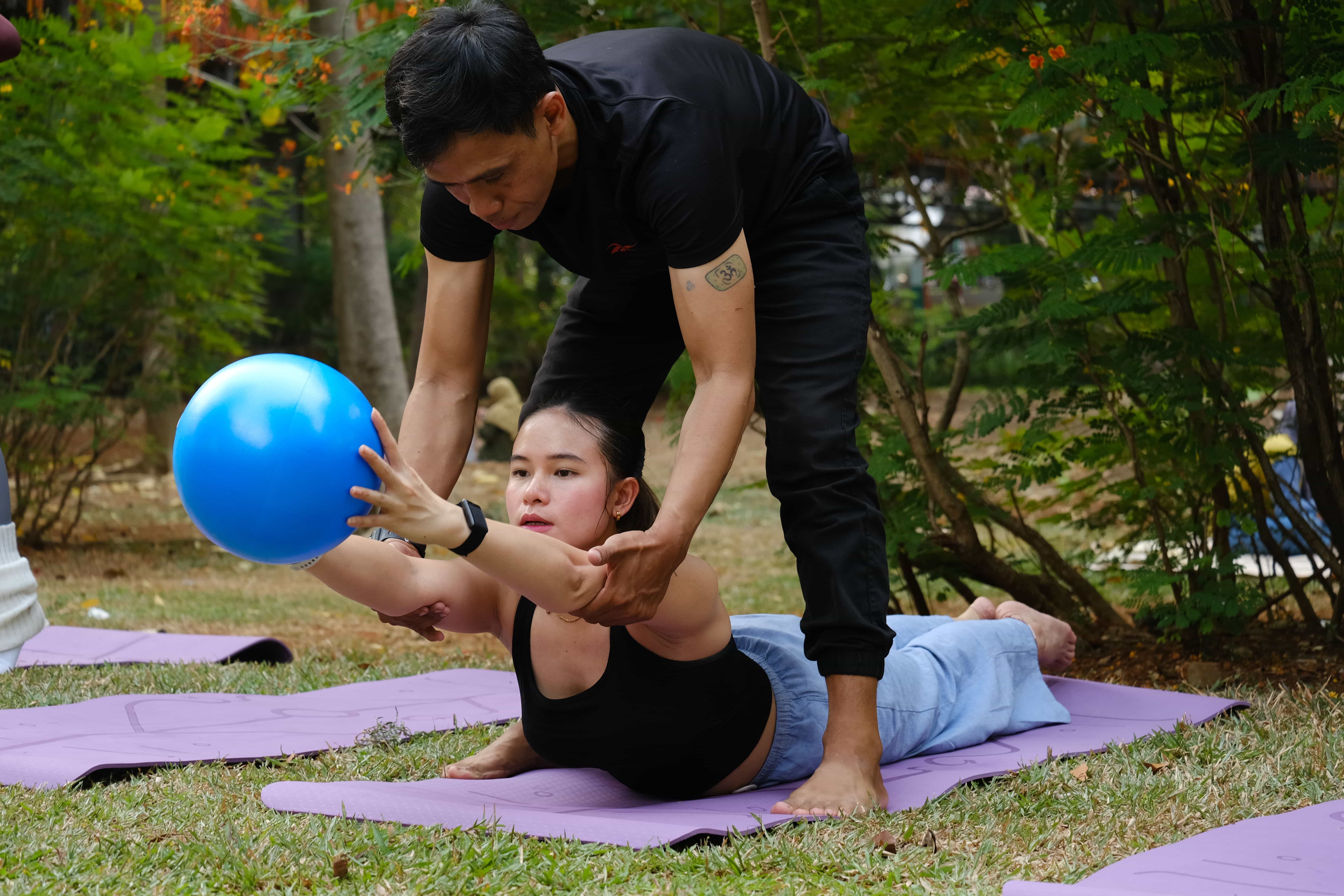
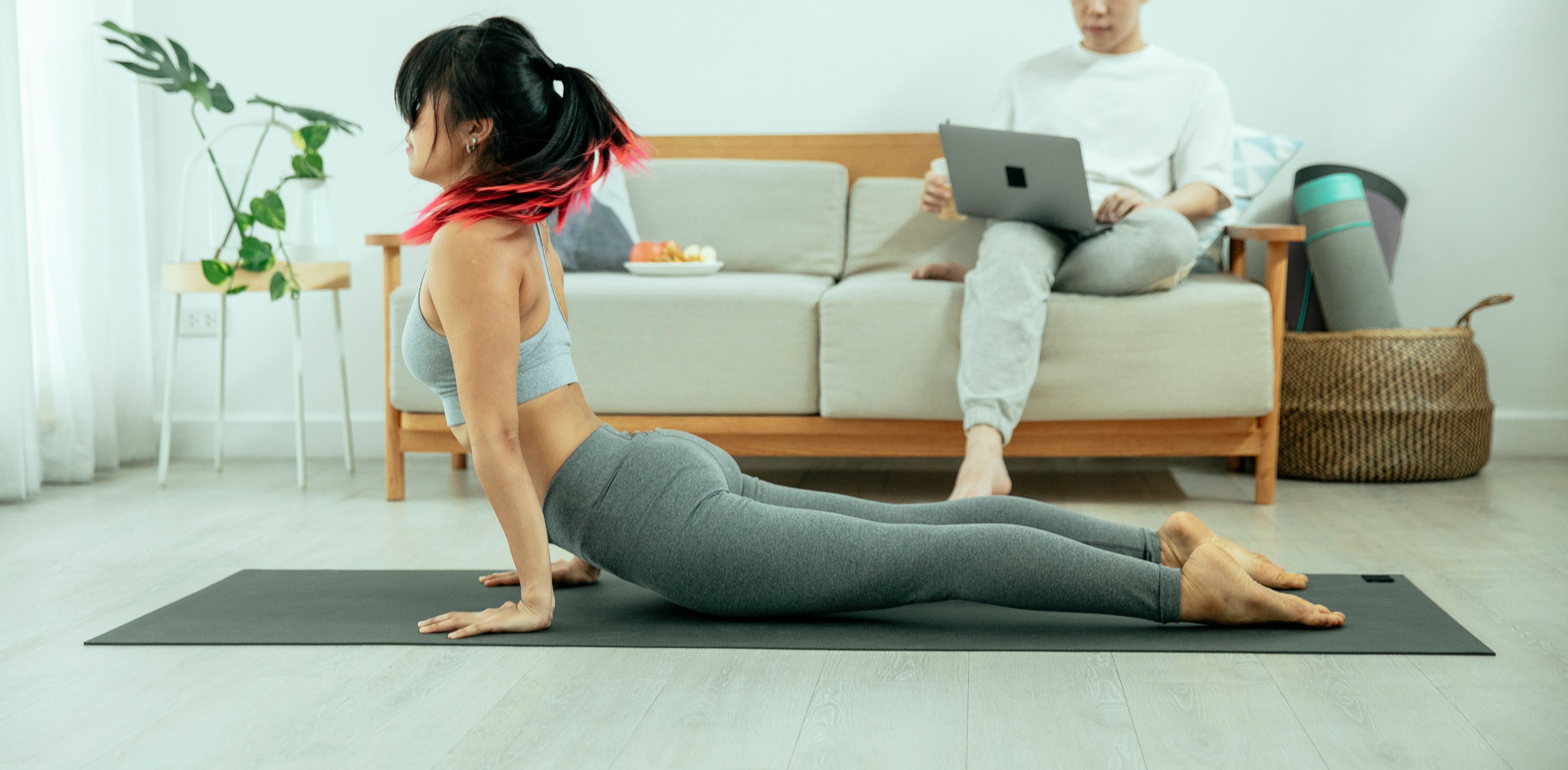
A comparative study of Reformer vs. mat Pilates found that both groups achieved significant improvements in left-right symmetry of the head, shoulders, pelvis, knees, and ankles after 8 weeks. The conclusion: both are effective — the Reformer's spring resistance provides additional proprioceptive feedback that helps practitioners "find" correct engagement more easily, but solid mat practice remains valuable.
II. The "Power Code" Behind Postural Improvement
The postural benefits of Pilates equipment are not mysterious — they follow clear physiological logic.
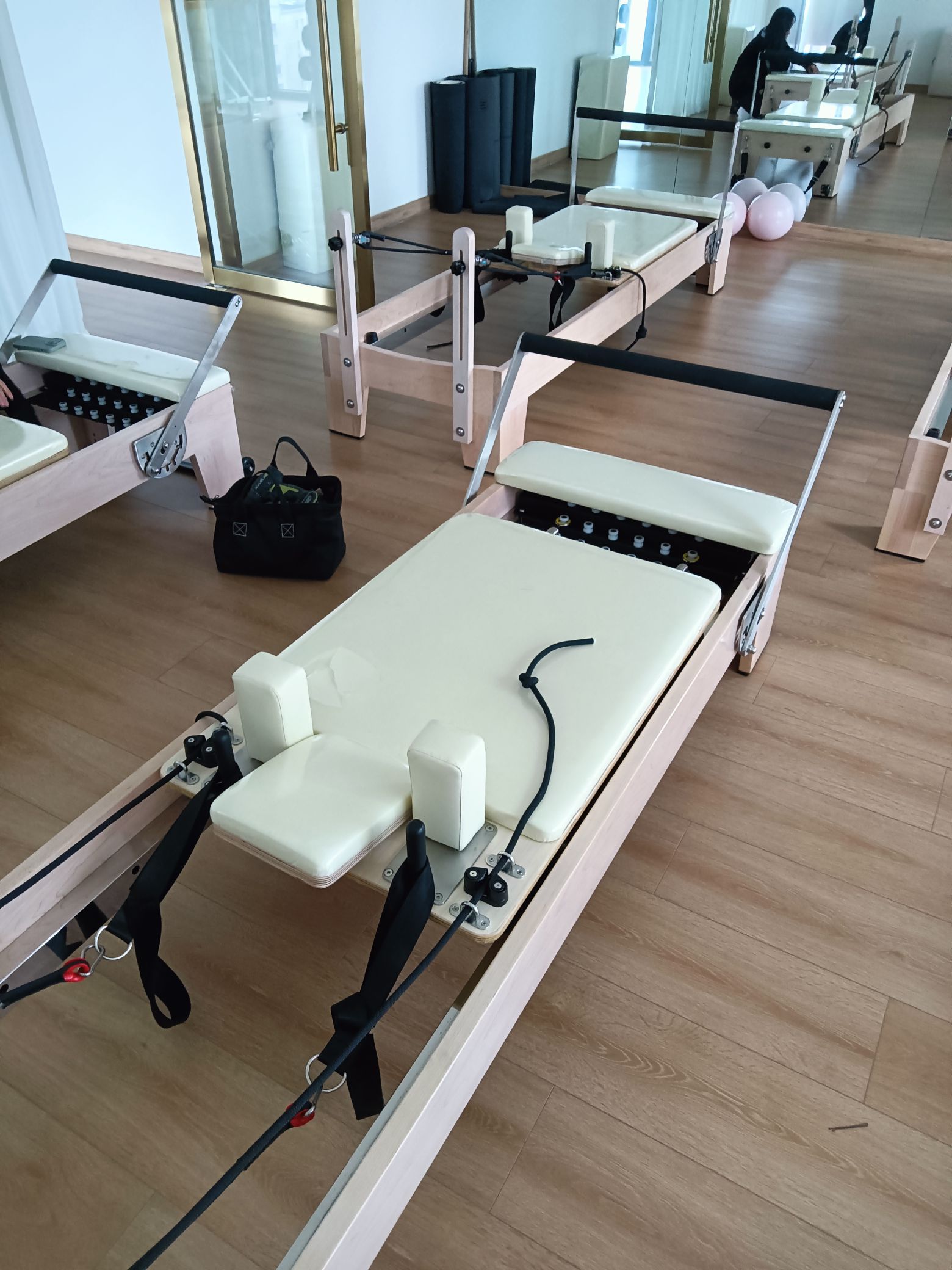
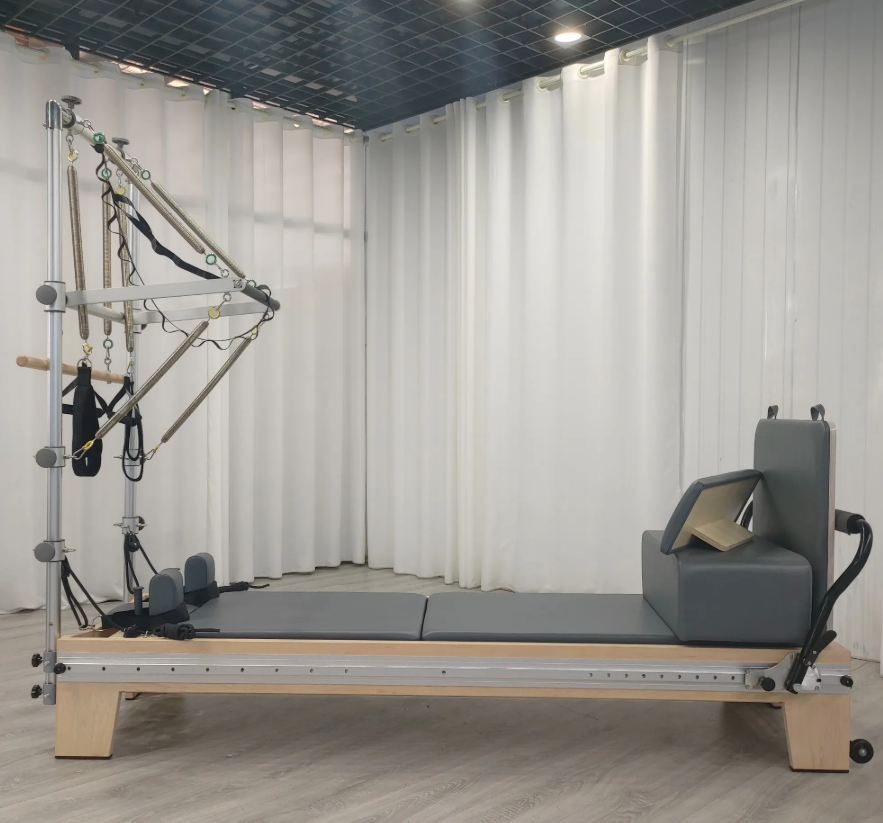
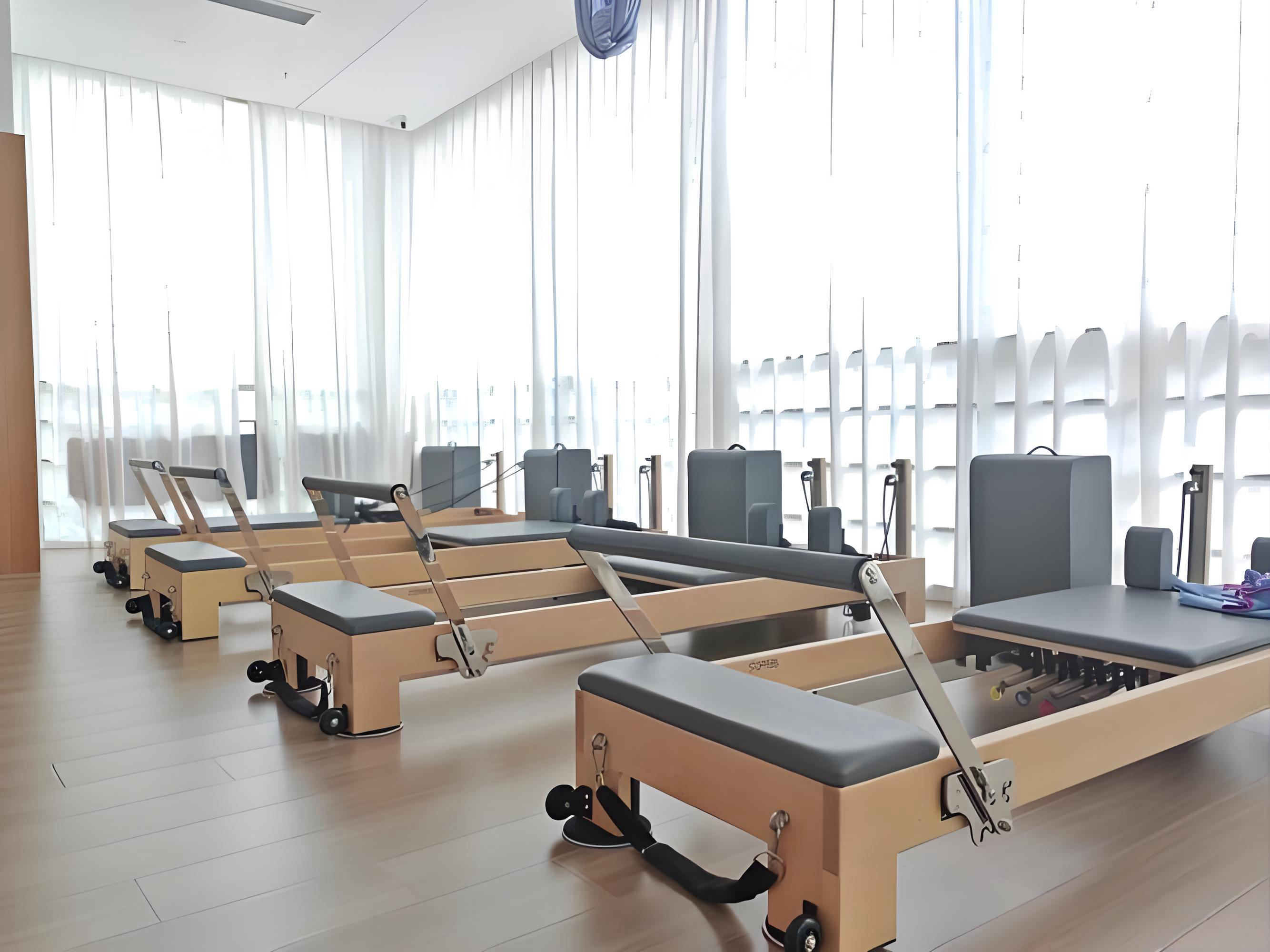
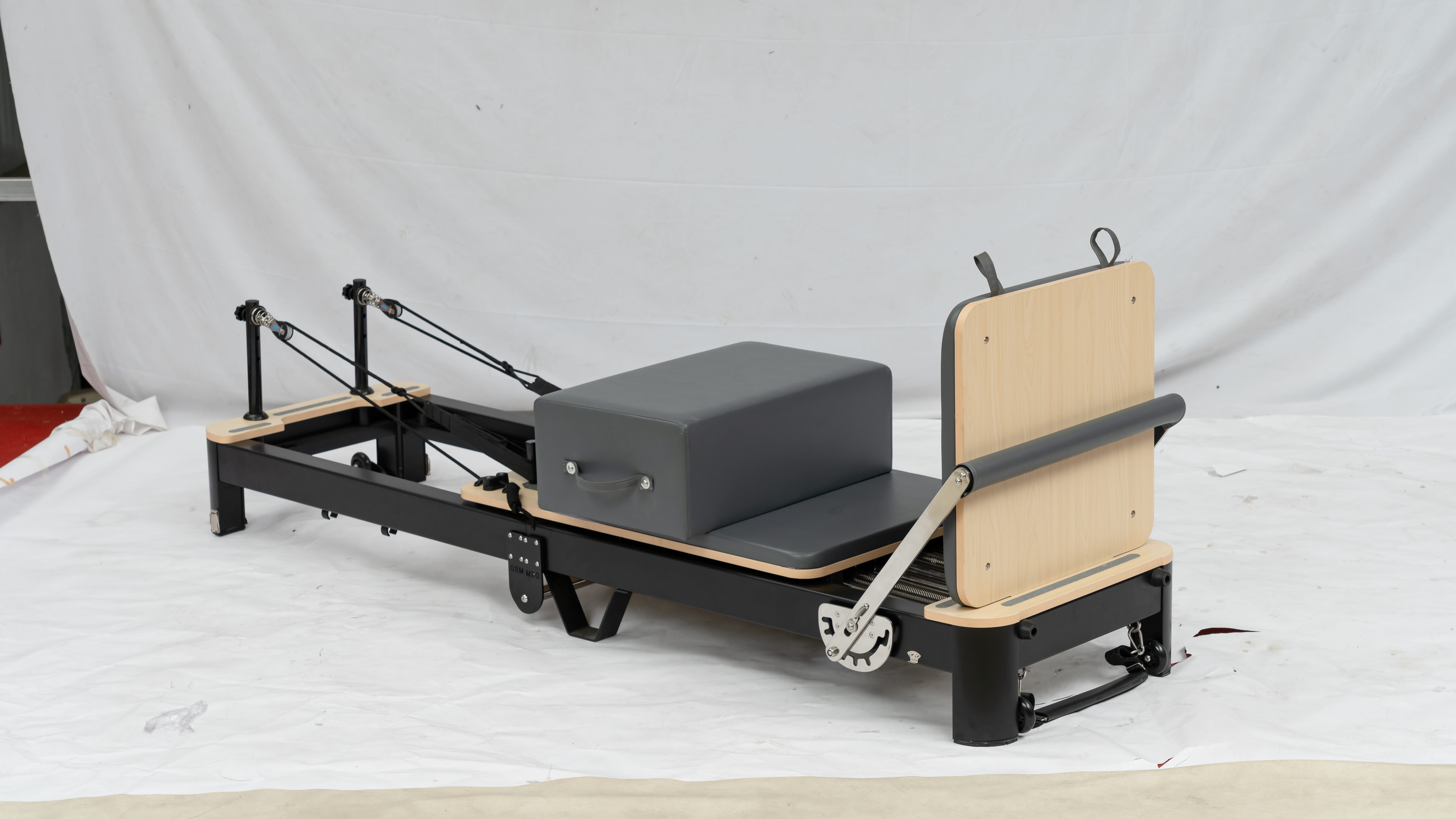
The Reformer creates an "adjustable feedback system" through spring resistance: when you push the carriage with incorrect form, you feel imbalanced resistance, forcing deep stabilizers (transversus abdominis, multifidus) to engage for control. A lower-limb alignment study found that after 8 weeks of closed-kinetic-chain Reformer and Chair training, participants showed significantly reduced hip internal rotation angles during dynamic squatting, with clear lower-limb alignment improvements. This shows that equipment training changes how you move, not just how you stand.
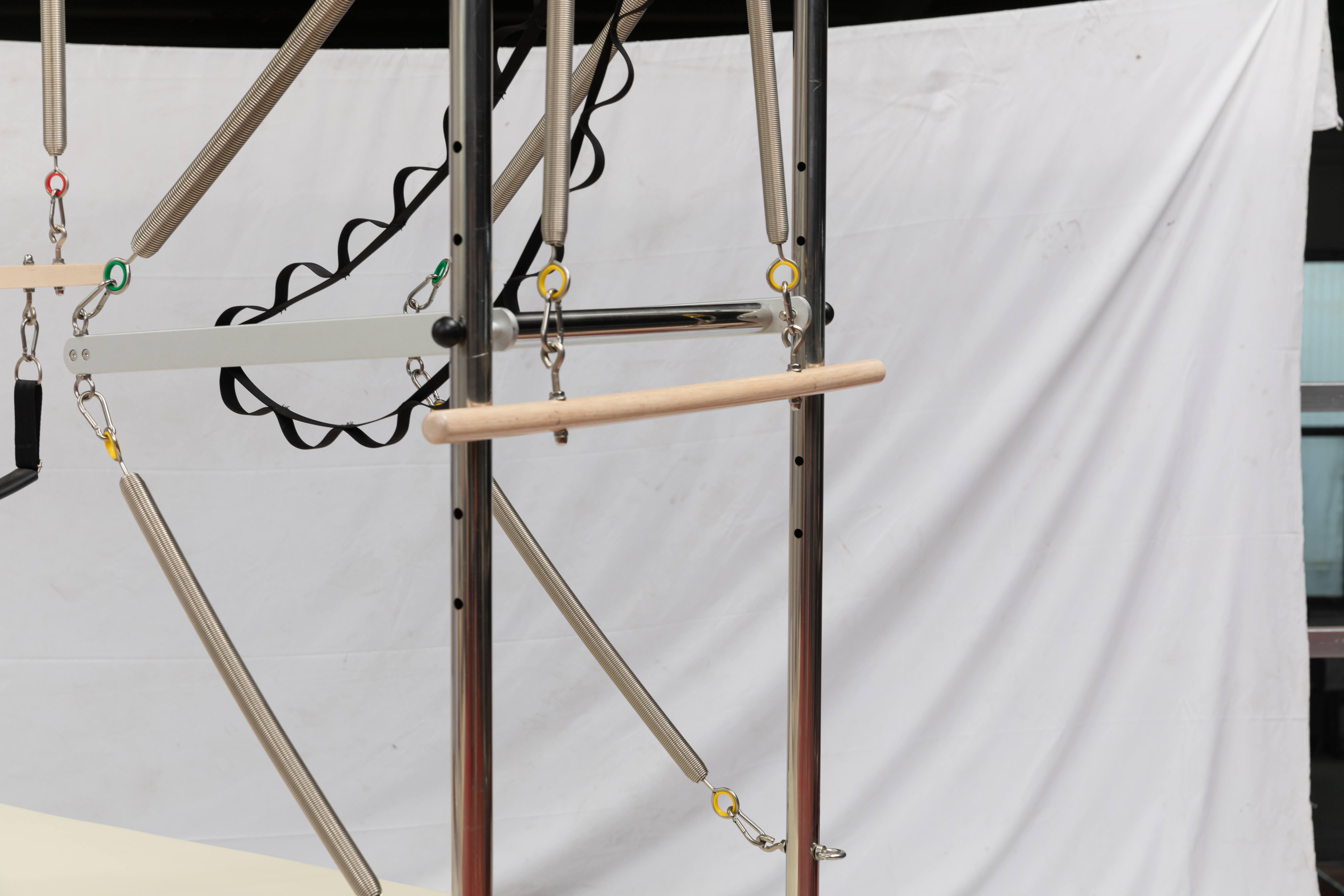
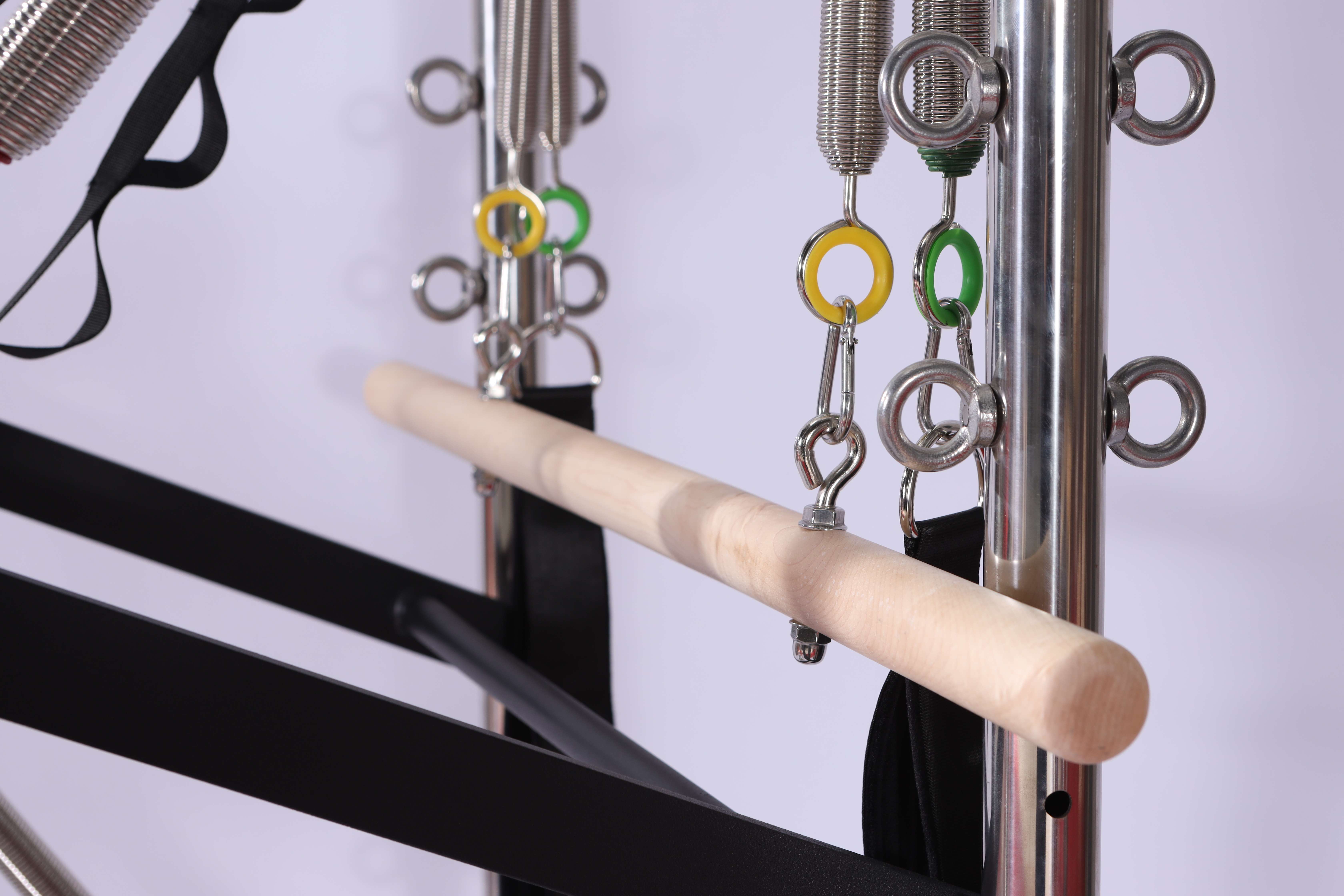
The Cadillac provides comprehensive rehabilitation and postural correction support. A randomized controlled trial of women with low back pain found that 4 weeks of Cadillac-based Pilates training significantly improved pelvic tilt angles and single-leg stance ability. This is particularly valuable for those with anterior pelvic tilt and lumbar hyperextension from prolonged sitting.
At a deeper level, Pilates equipment improves posture by enhancing proprioception (body position awareness) and neuromuscular control, rebuilding communication between brain and muscles. Ongoing research is exploring the combination of Reformer training with cervical sensorimotor training to improve balance and joint position sense. This suggests systemic improvement: good posture leads to better balance, and better balance reinforces good posture.
III. What to Expect: The Long-Term Timeline
Based on research and practitioner feedback, long-term Pilates equipment use can deliver:
Within 3 months: Noticeable improvement in body awareness — you'll catch yourself slouching or tilting your pelvis forward and be able to correct it in daily life. Tension in the lower back and shoulders may begin to ease.
Beyond 6 months: Visible changes in the mirror — shoulders sit further back and lower, collarbone definition improves; standing weight distribution becomes more balanced. The "belly pooch" often shrinks visually as the pelvis returns to neutral.
Beyond 1 year: Postural improvement enters "autopilot." You'll find it harder to slump even when tired, because new alignment has become your "default setting." This often brings deeper breathing and more sustained energy.
IV. A Balanced Perspective: Not a "Quick Fix"
It's important to be realistic: postural improvement takes time. One study observed postural improvements within 8 weeks, but the authors noted that conclusions were limited to the short-term effects evaluated. True postural remodeling involves muscle memory reconstruction and connective tissue adaptation, measured in years, not weeks.
The postural benefits of Pilates equipment are real and research-supported — but they are more like physical education than a "quick repair." Regular equipment practice teaches you how to use your body more efficiently, influencing sitting posture at work, walking gait, even sleeping spinal alignment. This transfer from "exercise" to "daily life" is the deepest impact of Pilates equipment on posture.
Summary: Pilates equipment improves posture in real, research-supported ways — but it requires consistent commitment and realistic expectations. The Reformer provides dynamic feedback to reshape movement control; the Cadillac excels at rehabilitation and pelvic alignment; both ultimately rebuild the brain-body connection. If you're willing to show up 2-3 times a week for six months or more, your body will reward you with a taller stance, less pain, and clearer physical awareness.