Complete Pilates Equipment Maintenance Guide: Extend Your Equipment's Lifespan
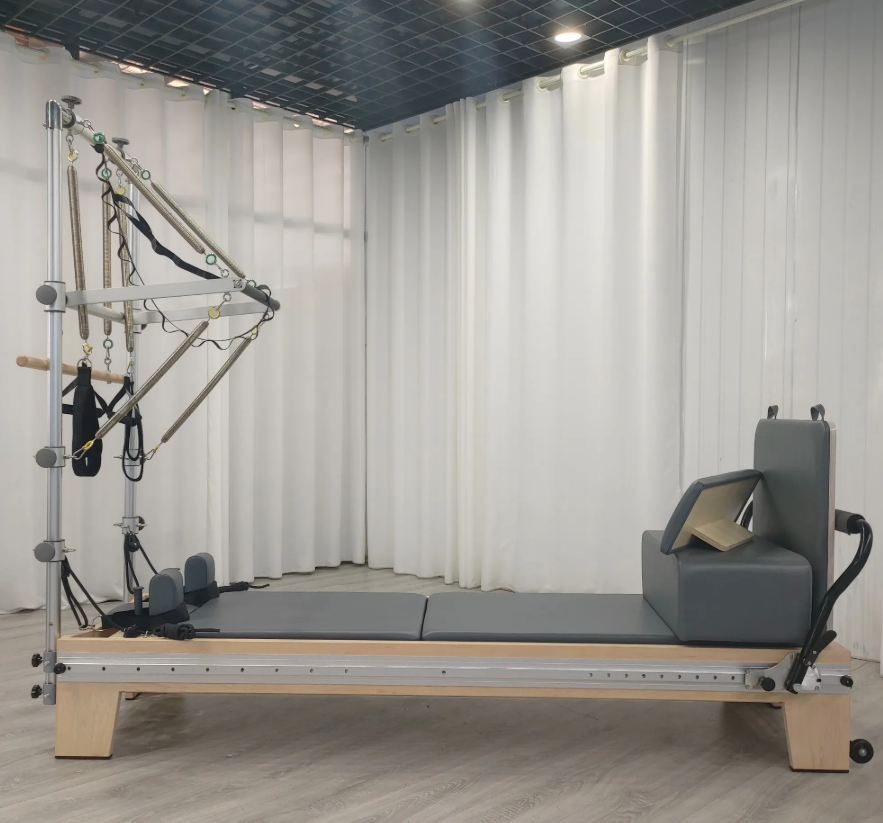
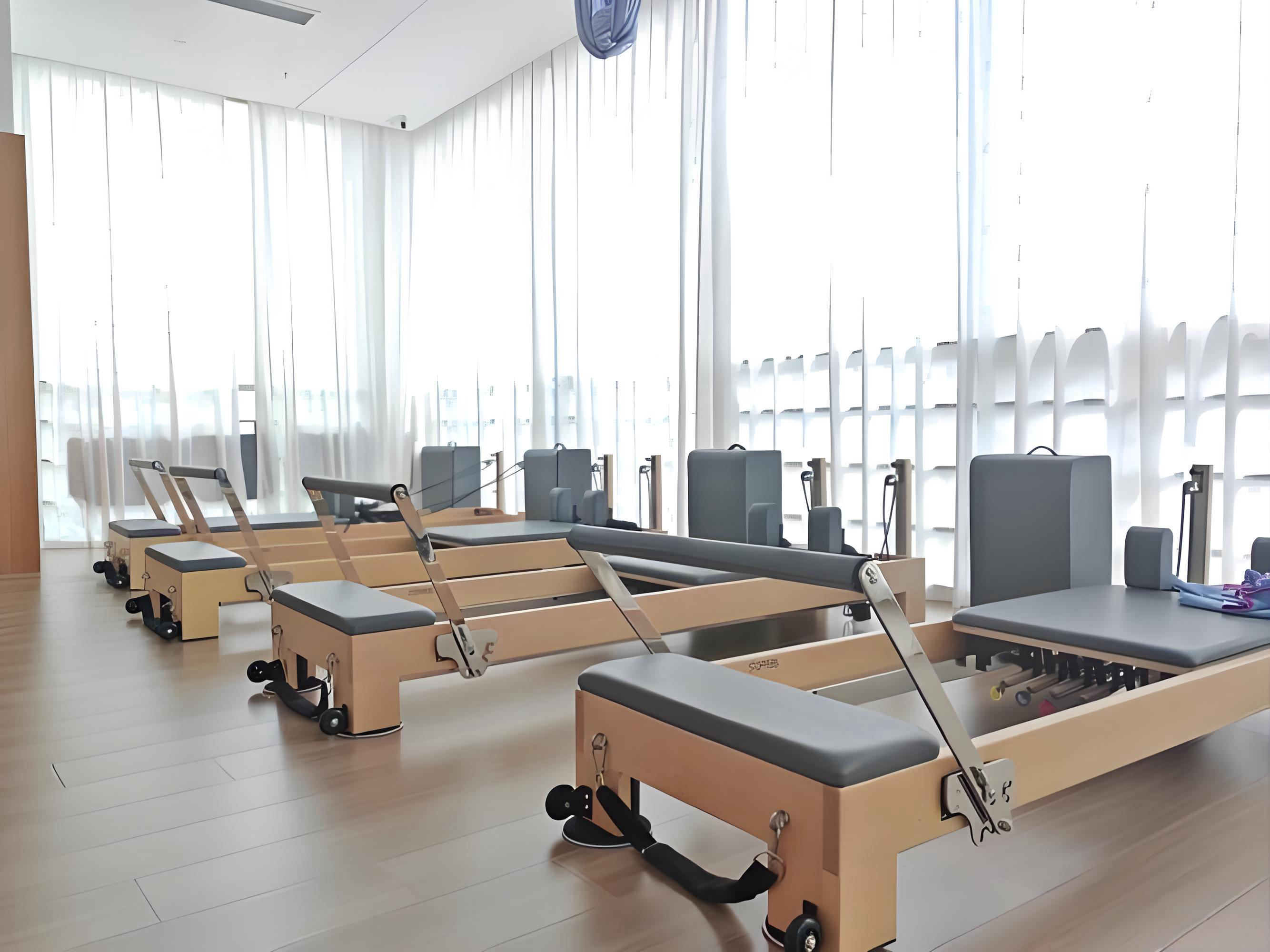
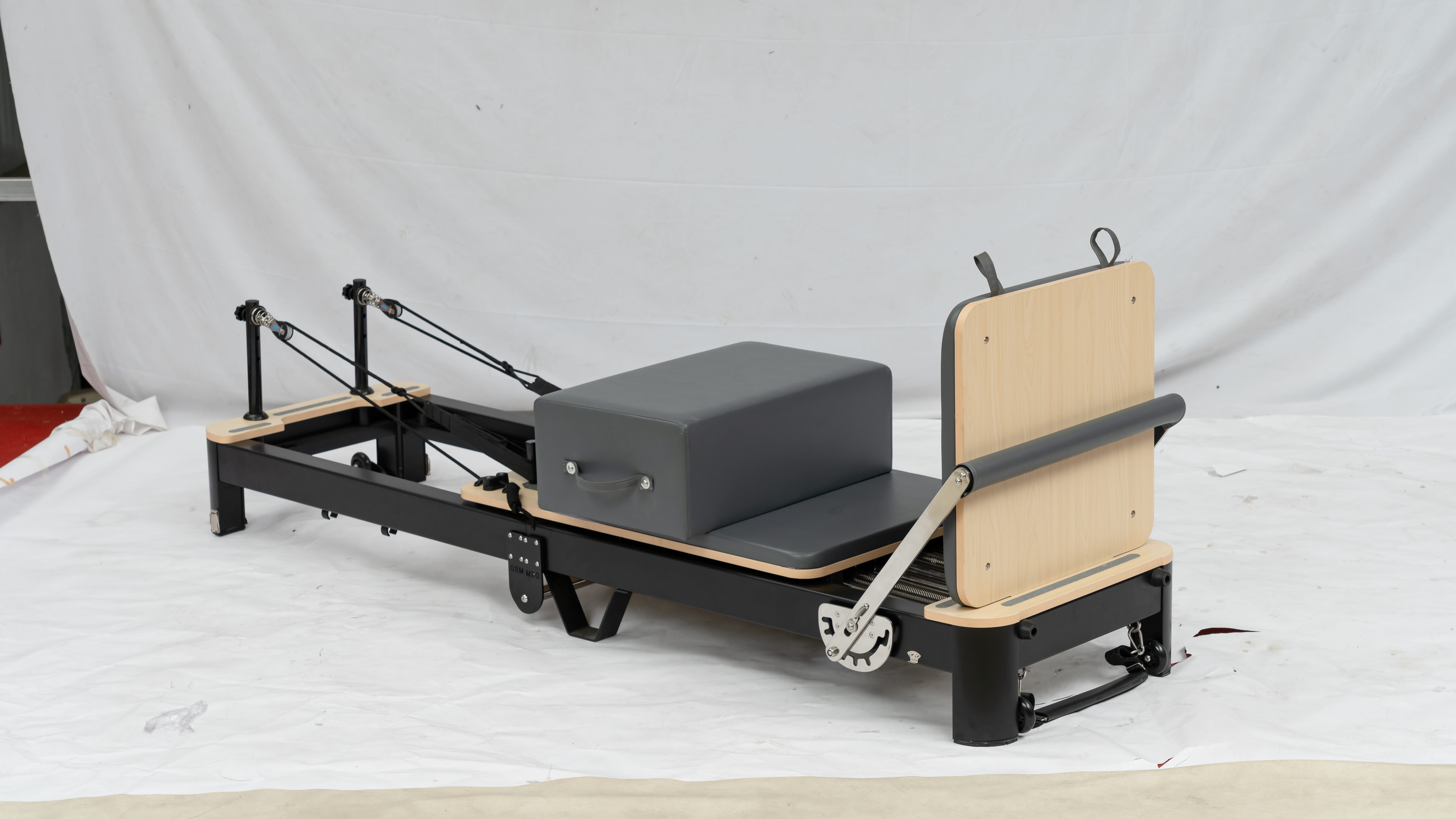
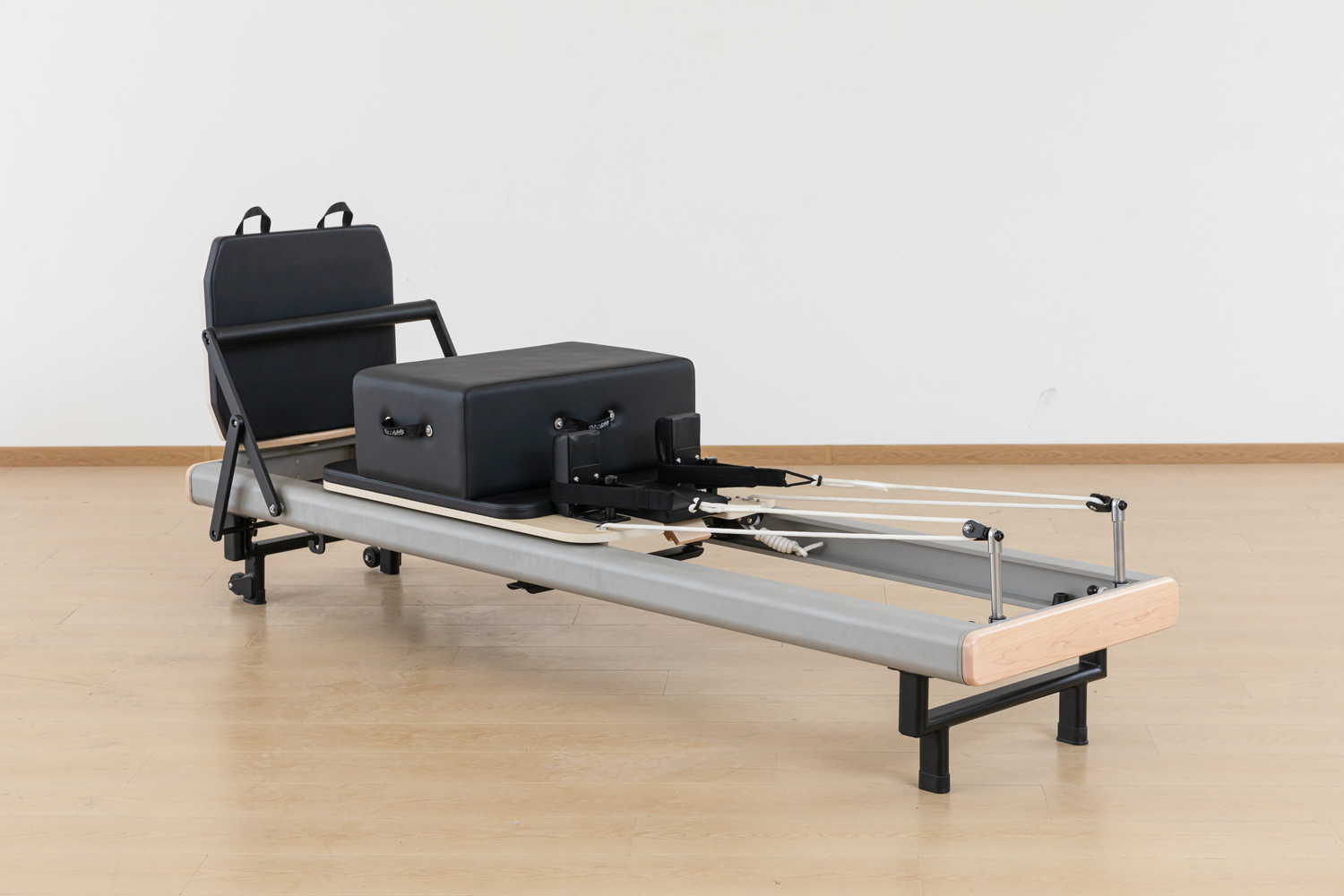
Pilates equipment is a long-term investment. A well-maintained Reformer can serve you for over a decade, while neglected equipment may develop issues within three to five years. Extending equipment lifespan isn't just about saving money — it's about ensuring safe and quality practice. This comprehensive guide covers cleaning, inspection, lubrication, storage, and replacement — the five pillars of Pilates equipment maintenance.
I. Daily Cleaning: The "Golden 30 Seconds" After Each Session
Taking 30 seconds to one minute after each practice session to do basic cleaning is the most effective habit for extending equipment life.
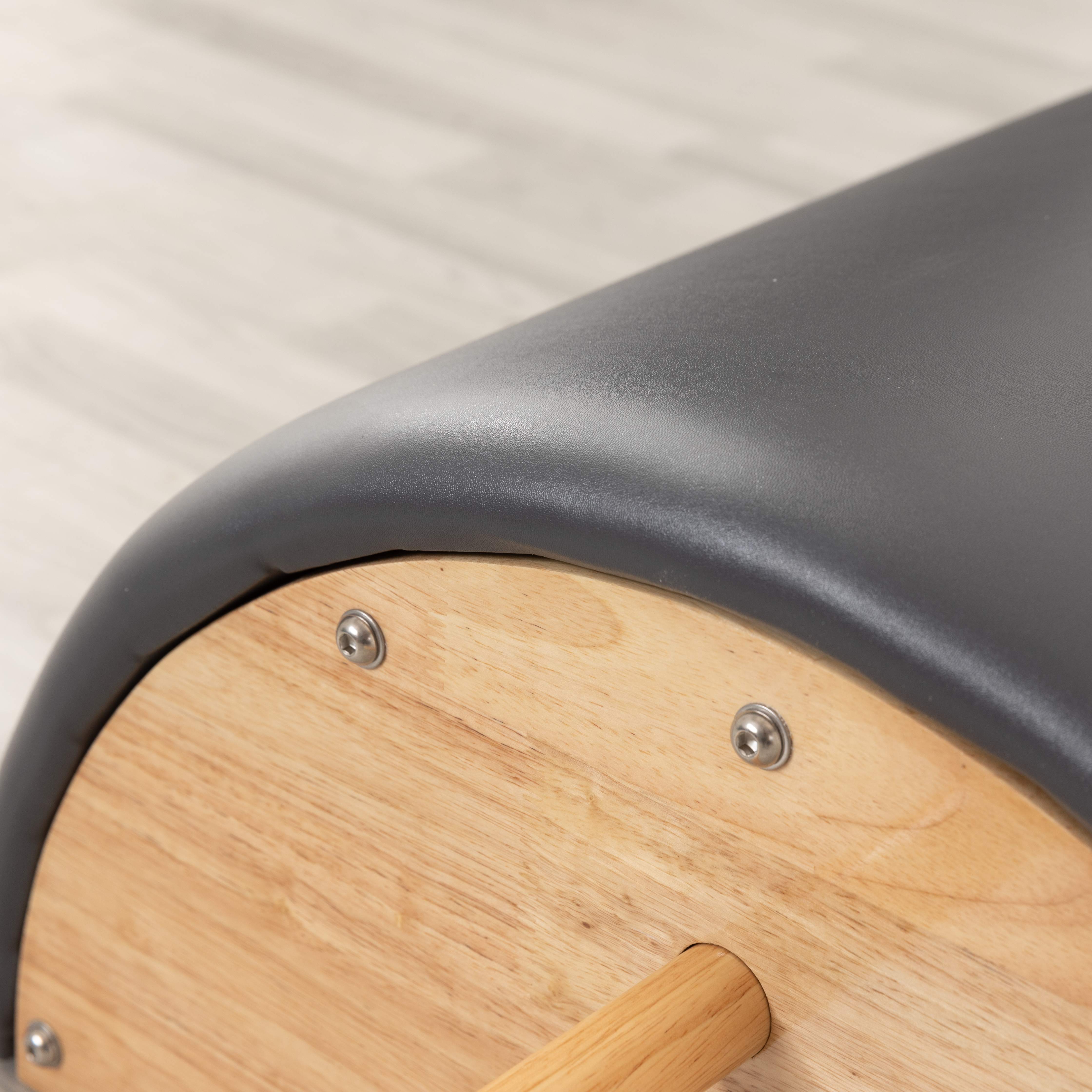
Leather and upholstery — the parts that contact the most sweat — should be wiped after each use with a slightly damp microfiber cloth to remove sweat and dust. Perform a deep clean weekly: dilute one tablespoon of neutral soap in 1.5 liters of warm water, apply with a soft cloth, wipe clean with a damp cloth, then dry with a dry cloth.
Important warnings: Never use alcohol, bleach, ammonia, or strong acid/alkali cleaners — these destroy leather coatings, causing hardening, cracking, or discoloration. Never spray water or cleaner directly onto leather surfaces — liquid can seep into foam layers and cause mold. Never use silicone-containing cleaners — they make surfaces slippery and compromise safety.
Metal parts and rails: Wipe with a dry cloth to remove fingerprints and dust. If sweat residue is present, use a slightly damp cloth and immediately dry to prevent rust. Rails accumulate dust and debris — monthly, use a small brush to gently clean rail crevices, then wipe with a dry cloth.
Wood frames: Wipe with a slightly damp soft cloth — never spray water directly on the wood. Some users recommend a 1:1 mixture of diluted white vinegar and olive oil for cleaning and conditioning wood frames, restoring natural luster.
Straps and ropes: Removable straps can be placed in a laundry bag and washed with cold water and mild detergent, then air-dried. Non-removable straps should be spot-cleaned with a soft cloth dampened with neutral cleaner, thoroughly dried before use.
II. Regular Inspections: Monthly "Check-Ups"
Establishing a monthly "equipment check-up" habit helps catch issues early, preventing minor problems from becoming safety hazards.
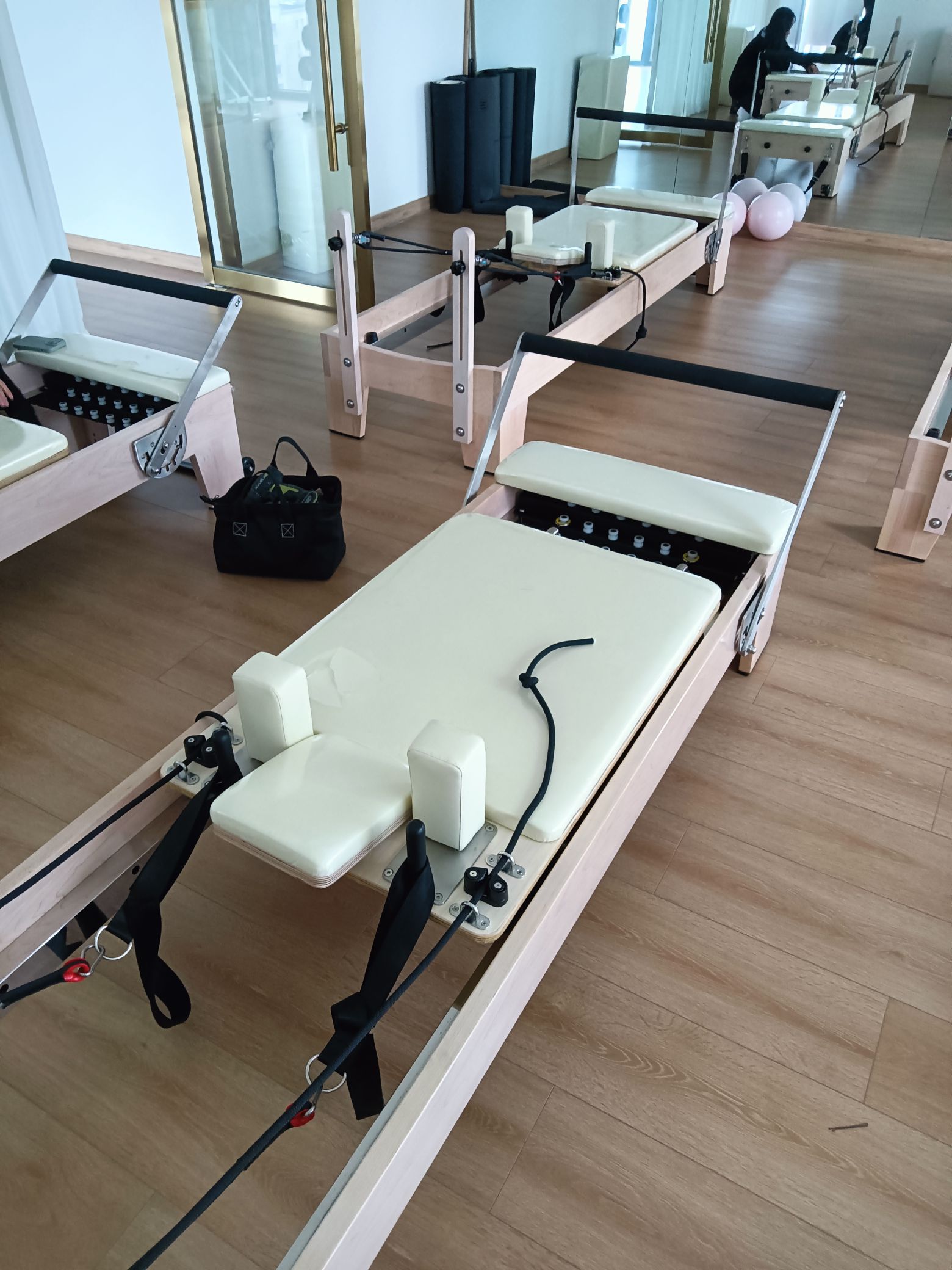
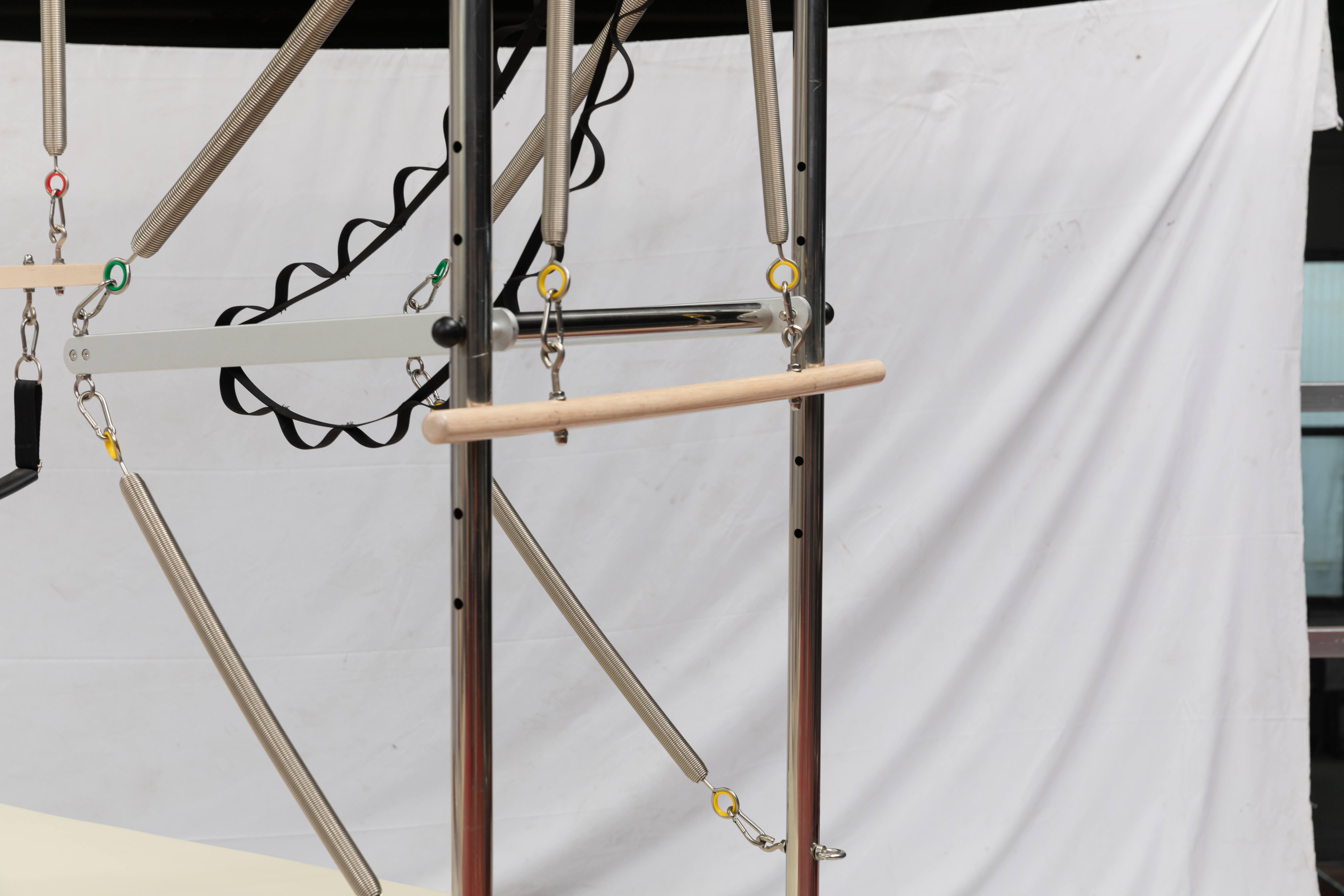
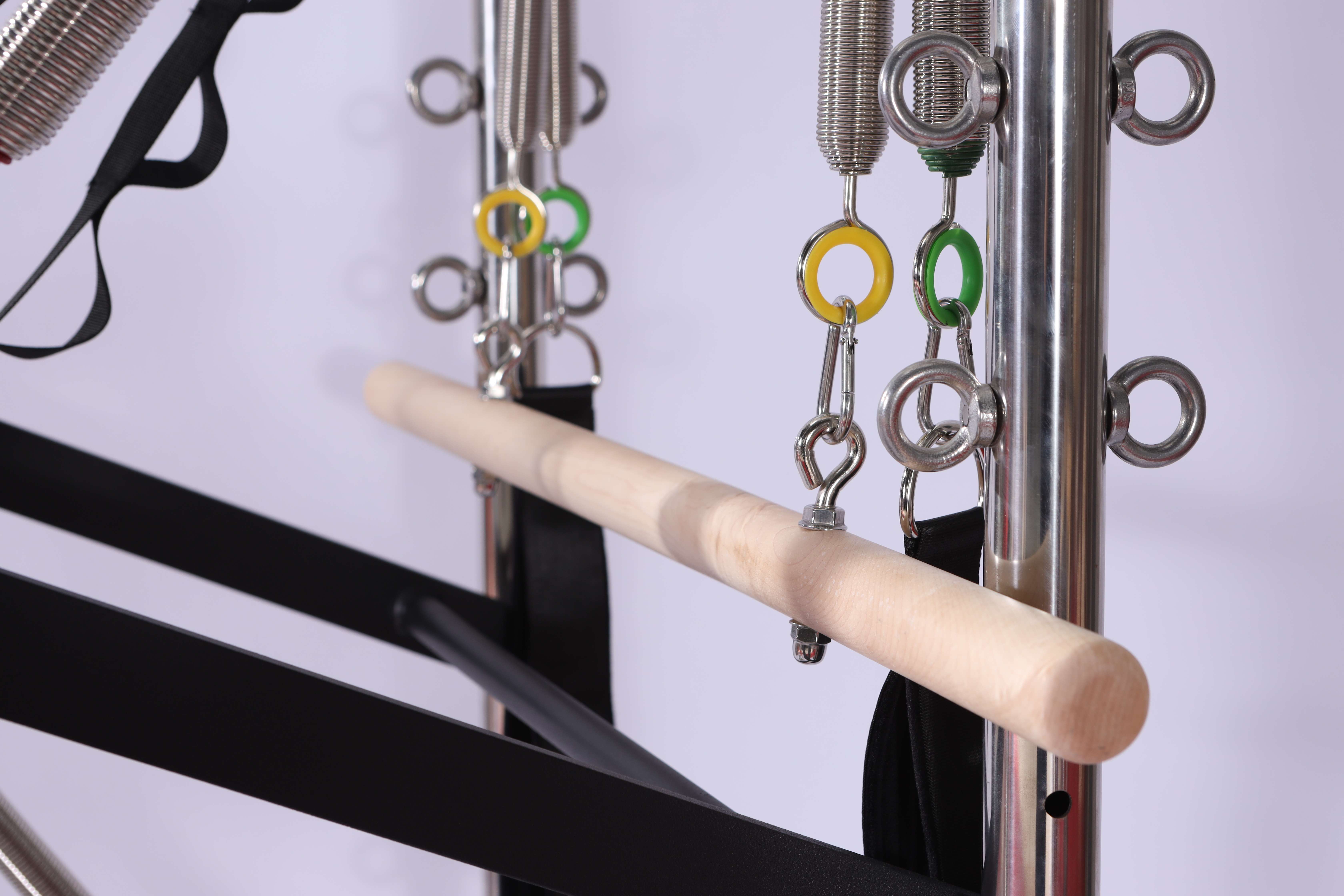
Spring inspection is the most critical. Check springs for deformation, cracks, or loss of elasticity. A simple test: push the carriage back and observe whether both sides return at the same speed — noticeable differences indicate uneven tension. Check spring hooks for wear or deformation. Safety rule: if you find cracks or springs that don't return to original length, stop using and replace immediately.
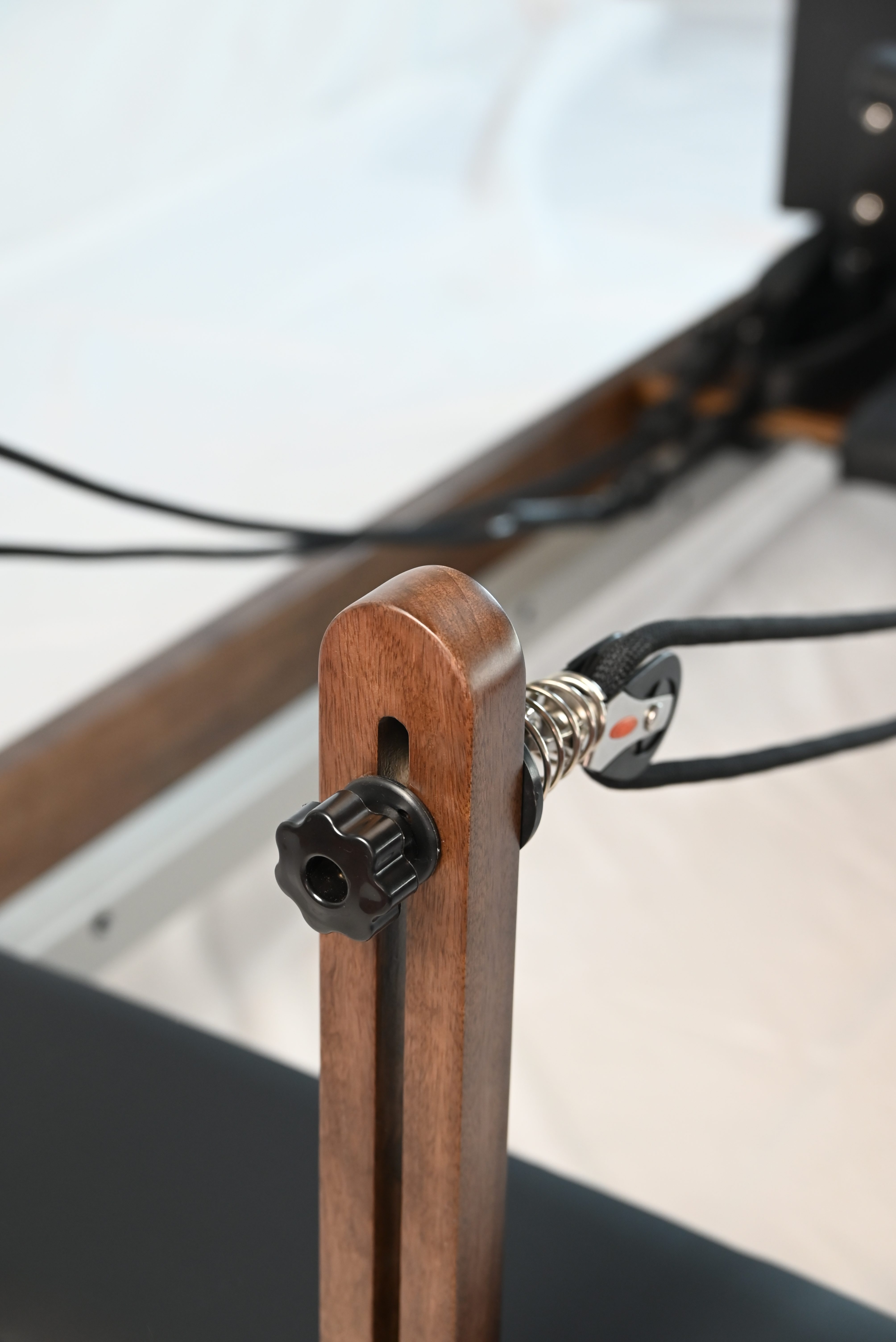
Fastener checks: Gently shake each corner of the frame and listen for unusual sounds. If loose, tighten with the provided hex wrench — but don't over-tighten, as this can strip threads. Also check footbar, shoulder rest, and headrest adjustment mechanism mounting screws.
Pulley checks: Inspect pulleys for cracks or wear. Sit on the carriage and push gently to check for sticking or deviation. Noticeable roughness may indicate bearing wear or rail deformation requiring professional attention.
Strap and rope checks: Inspect strap edges for fraying or signs of wear. Replace immediately if frayed or visibly damaged. Peak Pilates recommends daily visual inspections.
III. Lubrication and Deep Maintenance
Rail lubrication: Metal rails need periodic lubrication to stay smooth. Apply silicone spray lightly to rail surfaces once a month, then slide the carriage back and forth to distribute evenly. Never use WD-40 or ordinary lubricating oils — these oil-based products attract dust and lint, accelerating wear.
Rust prevention: In humid environments, metal parts like spring hooks and bolts may rust. Wipe with a dry cloth and apply a small amount of rust preventative (non-oily) if needed, avoiding leather and straps.
Deep cleaning: Perform a deep clean monthly — wipe all frame surfaces, clean rail crevices, and check all fasteners. If the equipment has removable parts, take them off for separate cleaning and inspection.
IV. Storage Environment: The "Hidden Killer" of Equipment Lifespan
Proper storage conditions are as important as cleaning.
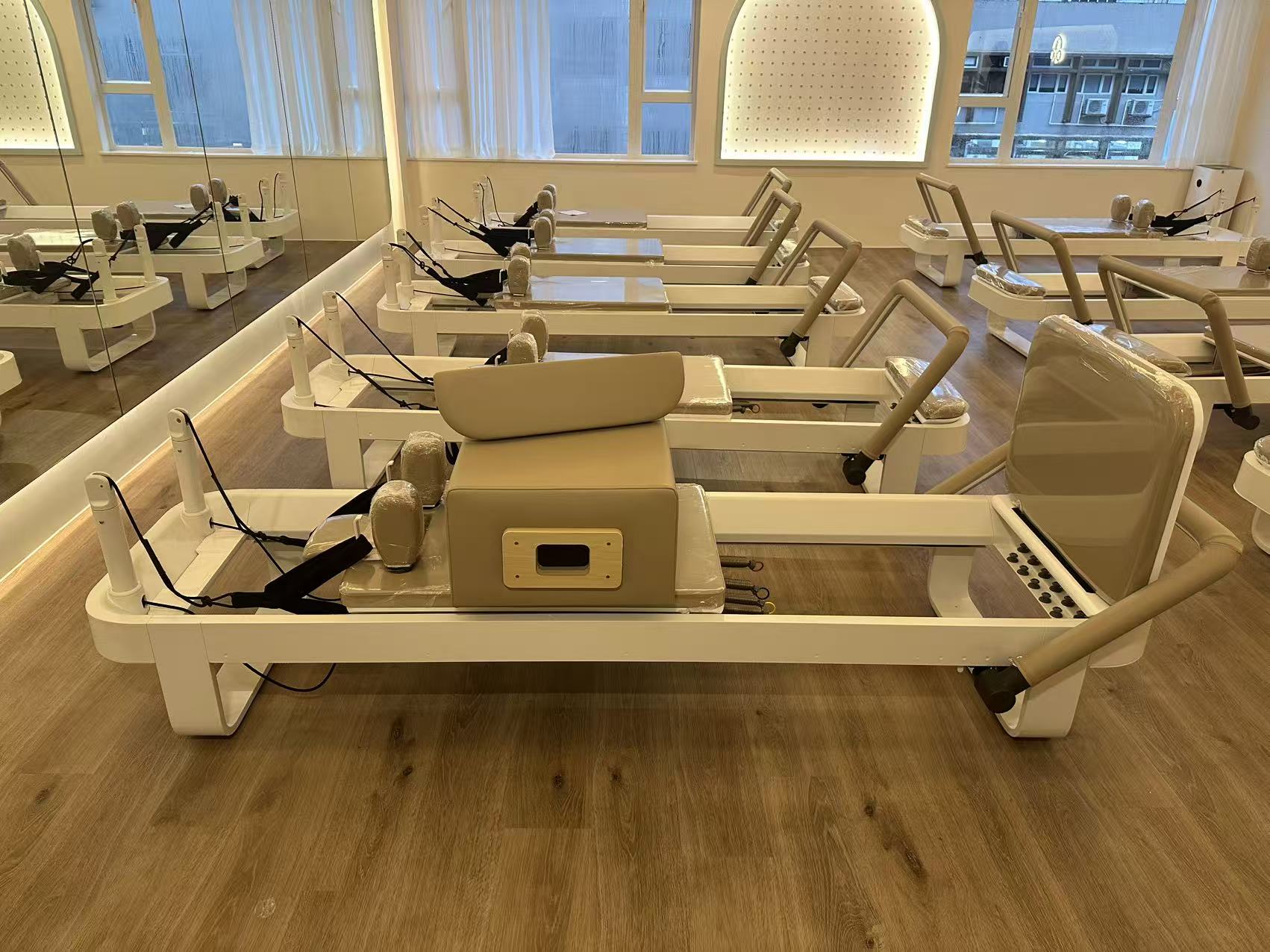
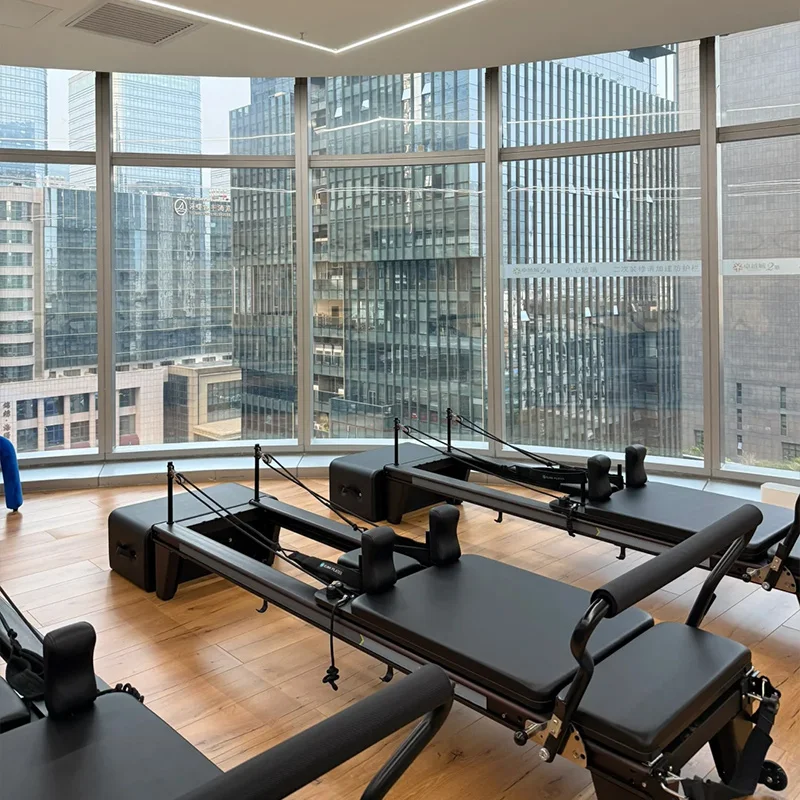
Humidity control: Wood equipment is most vulnerable to moisture. Ideal humidity is 40% to 60%. In humid areas, use a dehumidifier or place desiccant packs. Avoid positioning equipment near windows, humidifiers, or air conditioning vents.
Avoid direct sunlight: UV rays cause leather to fade and harden, and accelerate wood aging and cracking. Position equipment away from direct sunlight or use curtains.
Maintain ventilation: Equipment areas should be well-ventilated to prevent moisture and odor accumulation from poor air circulation. If equipment is idle, cover with a breathable dust cover — never seal in plastic bags.
Stable temperature: Avoid placing equipment in environments with drastic temperature changes, such as near radiators or outdoor AC units. Extreme temperatures affect spring performance and material stability.
V. Wear Part Replacement Schedule
Even with proper care, certain components naturally age and require regular replacement.
Springs — replace every 24 months. Major brands recommend replacing all springs every two years. For home use with lower frequency, you may extend slightly — but inspect annually. Balanced Body recommends rotating springs quarterly — move them to different positions to promote even wear. Replace immediately if gaps, kinks, rust, or abnormal rebound appear.
Straps and ropes: Inspect regularly and replace based on wear. Nylon straps are durable but wear from friction. Replace if frayed or visibly damaged.
Fasteners and pulleys: Tighten when loose; replace when worn.
Summary: Pilates equipment maintenance can be summarized as "clean daily, check weekly, lubricate monthly, replace annually" — wipe leather surfaces daily, inspect fasteners and straps weekly, lubricate rails and deep clean monthly, assess springs and wear parts annually. As one experienced instructor put it: "A well-maintained Reformer feels smoother over time — it has 'learned' your practice." Building systematic maintenance habits is not just an investment in equipment — it's a commitment to practice quality and safety.