Beginner's Guide to Pilates Equipment: Start with Foundational Exercises

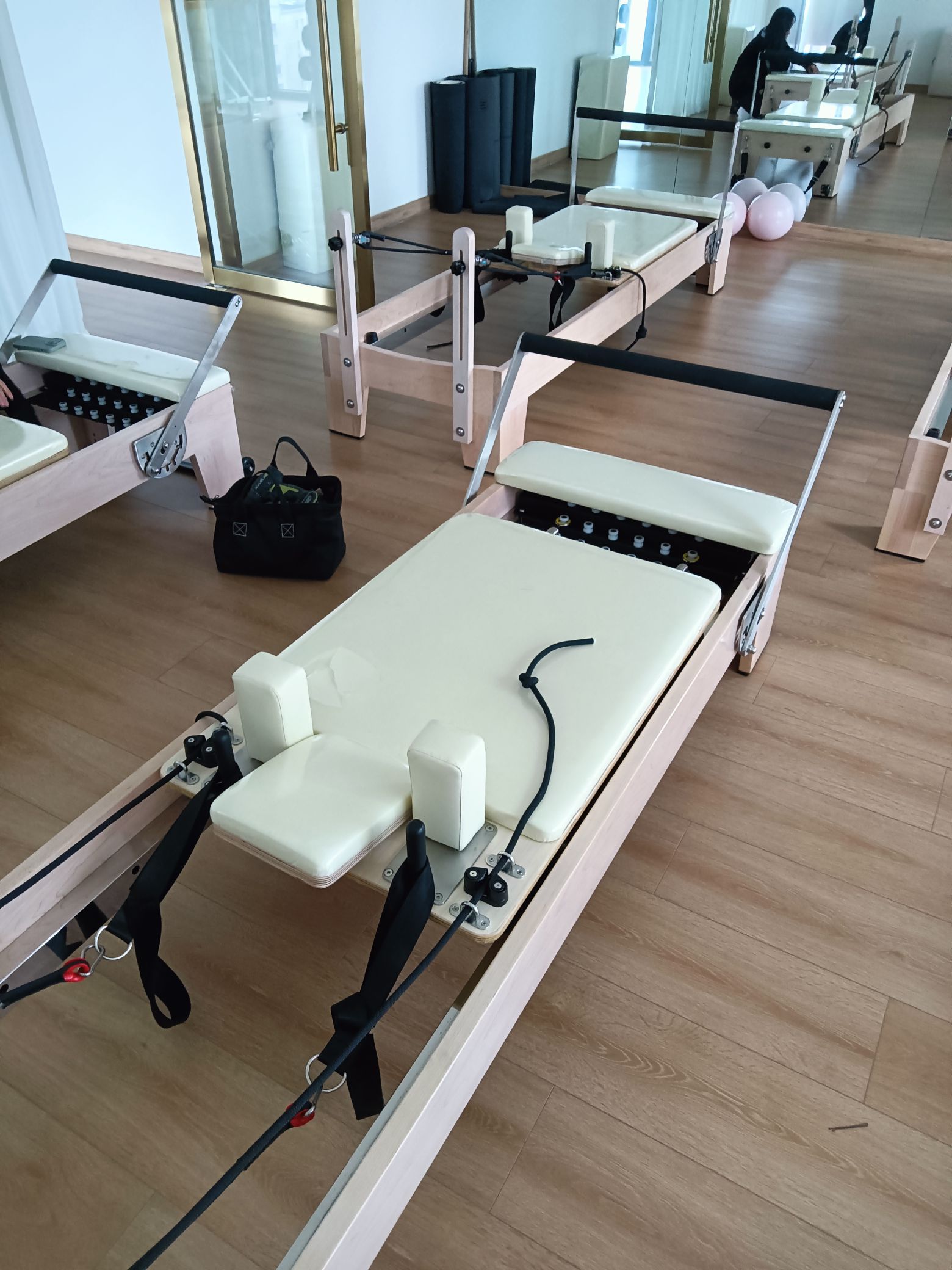
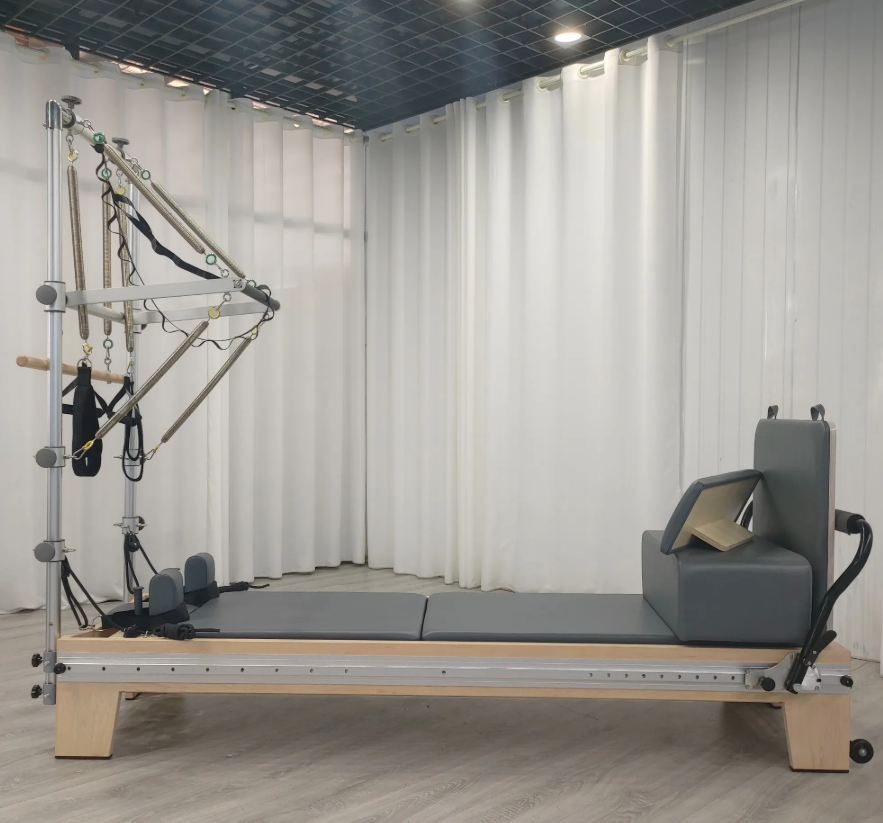
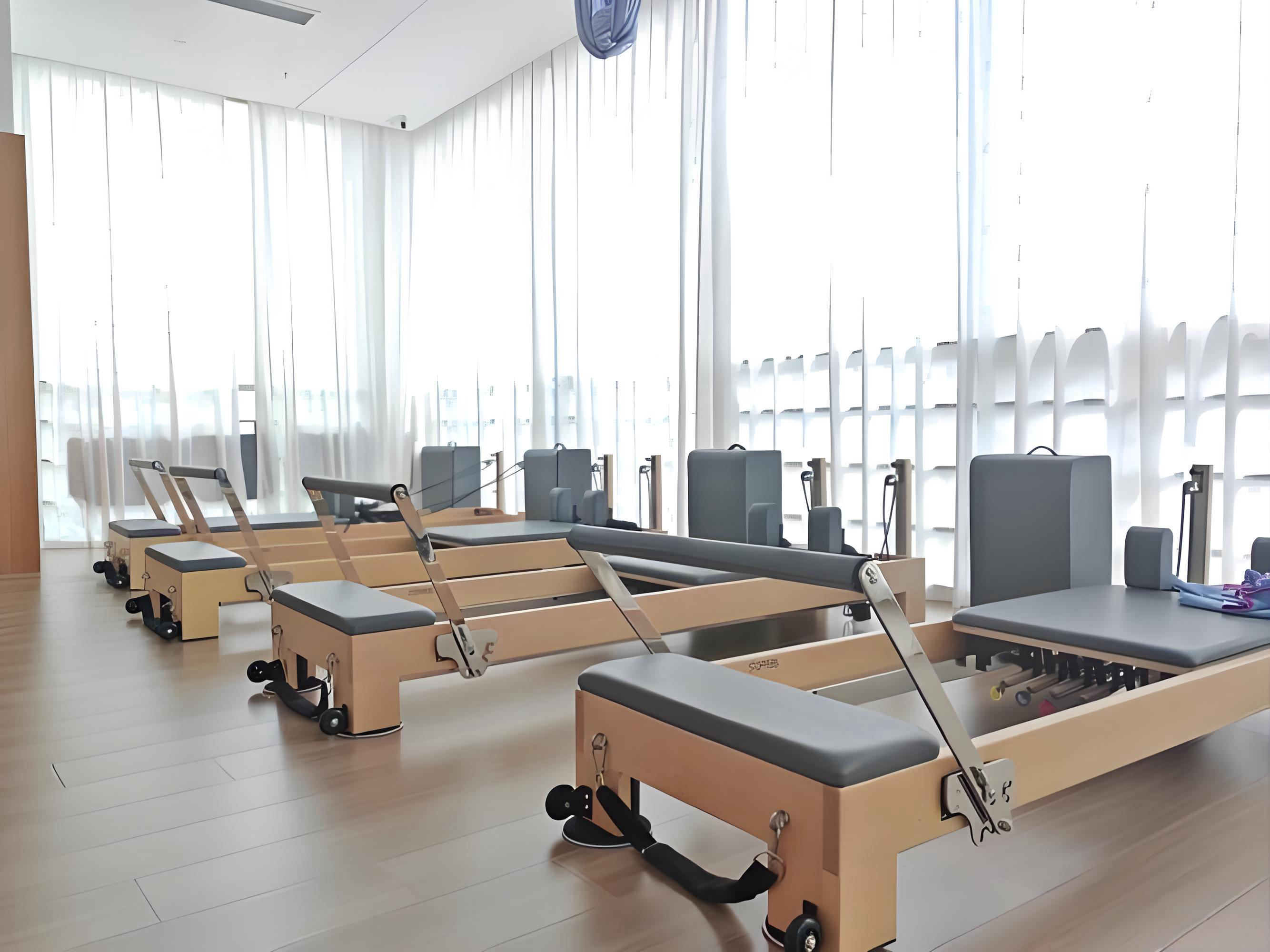
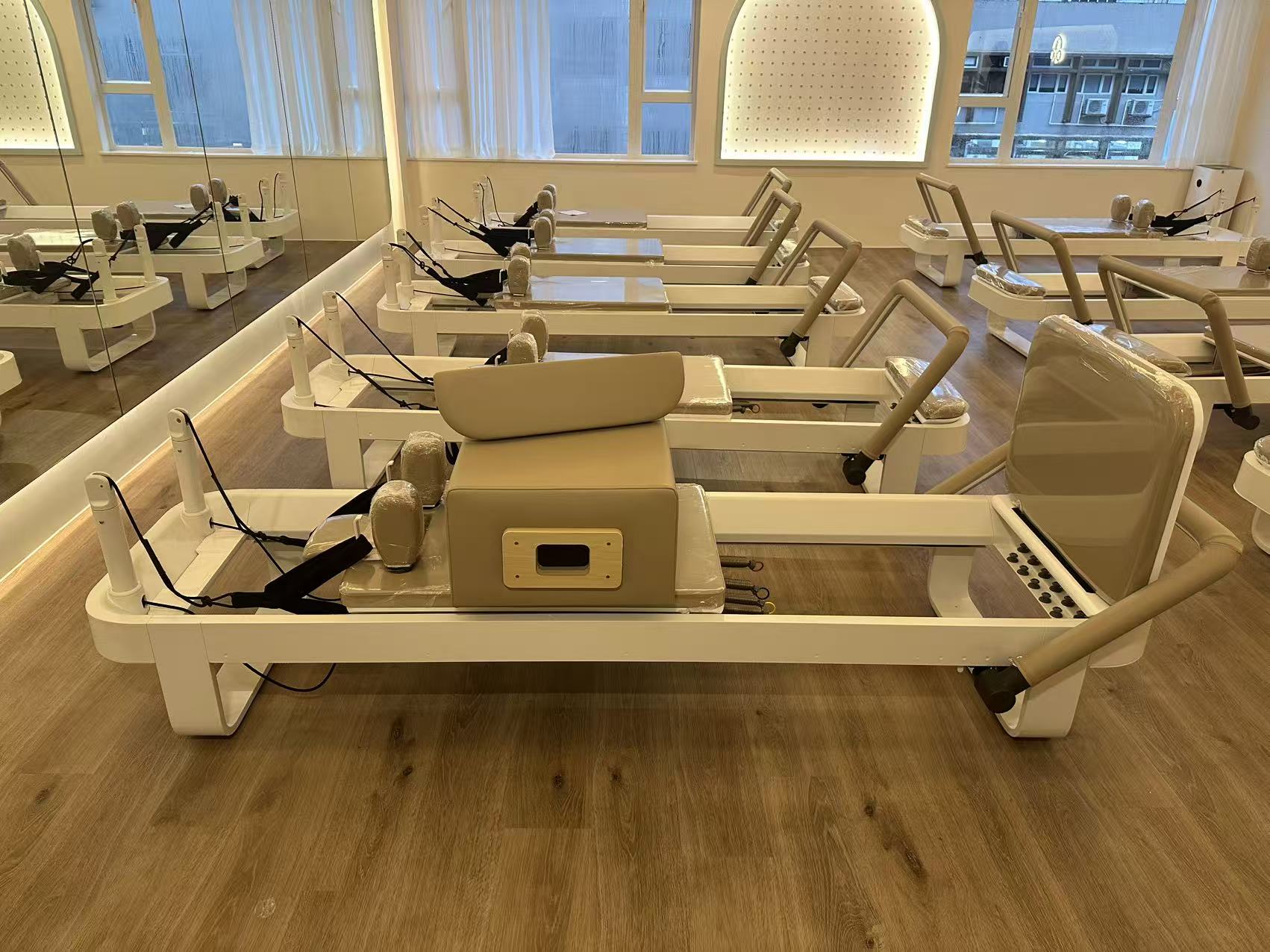
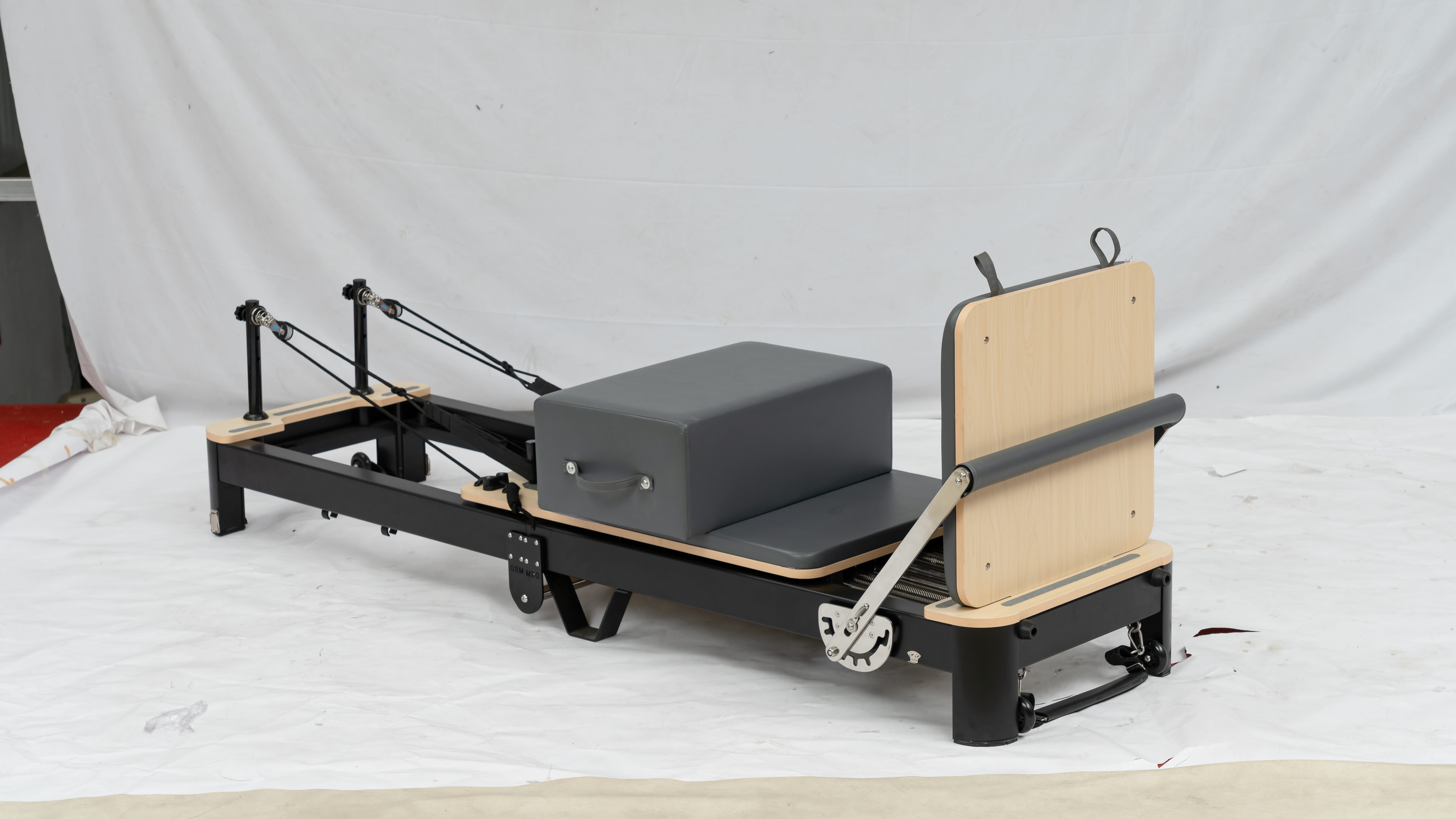
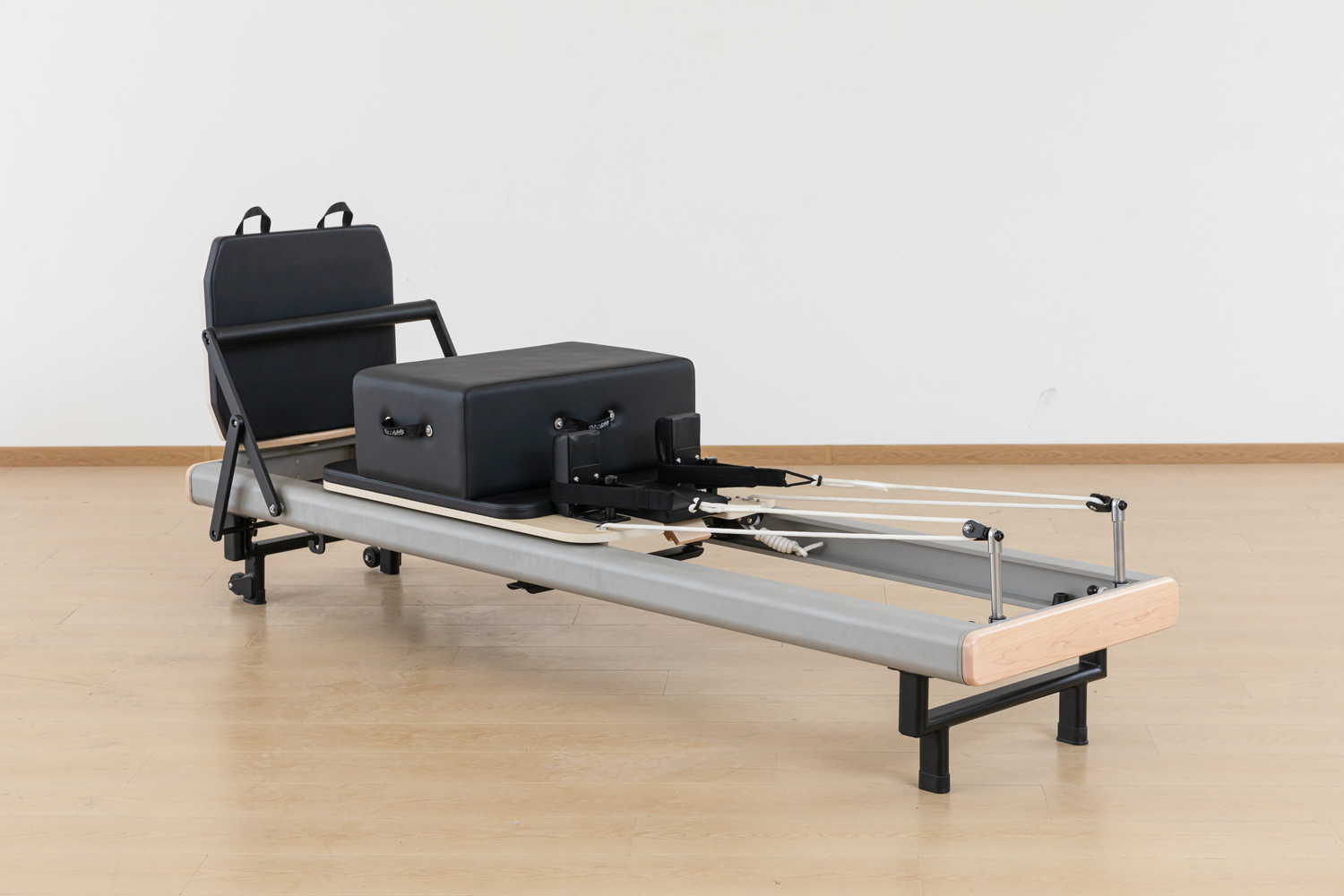
The appeal of Pilates equipment is that it helps you find activation more precisely and execute movements more efficiently. But for beginners, seeing a Reformer for the first time — springs, carriage, straps — can be intimidating. The truth is, equipment-based Pilates is not "harder" Pilates. It's "clearer" Pilates. The resistance, support, and feedback help you amplify details you might miss on the mat. This article provides a step-by-step equipment introduction — starting with foundational movement patterns, then using equipment to amplify them.
I. The Pre-Requisite: Building Your "Body Map"
Before you touch any equipment, you need a basic "body map." This doesn't mean complex anatomy — it means you can sense whether your pelvis is tilted forward or back, whether your ribs are flaring, and whether your scapulae are resting on your ribcage.
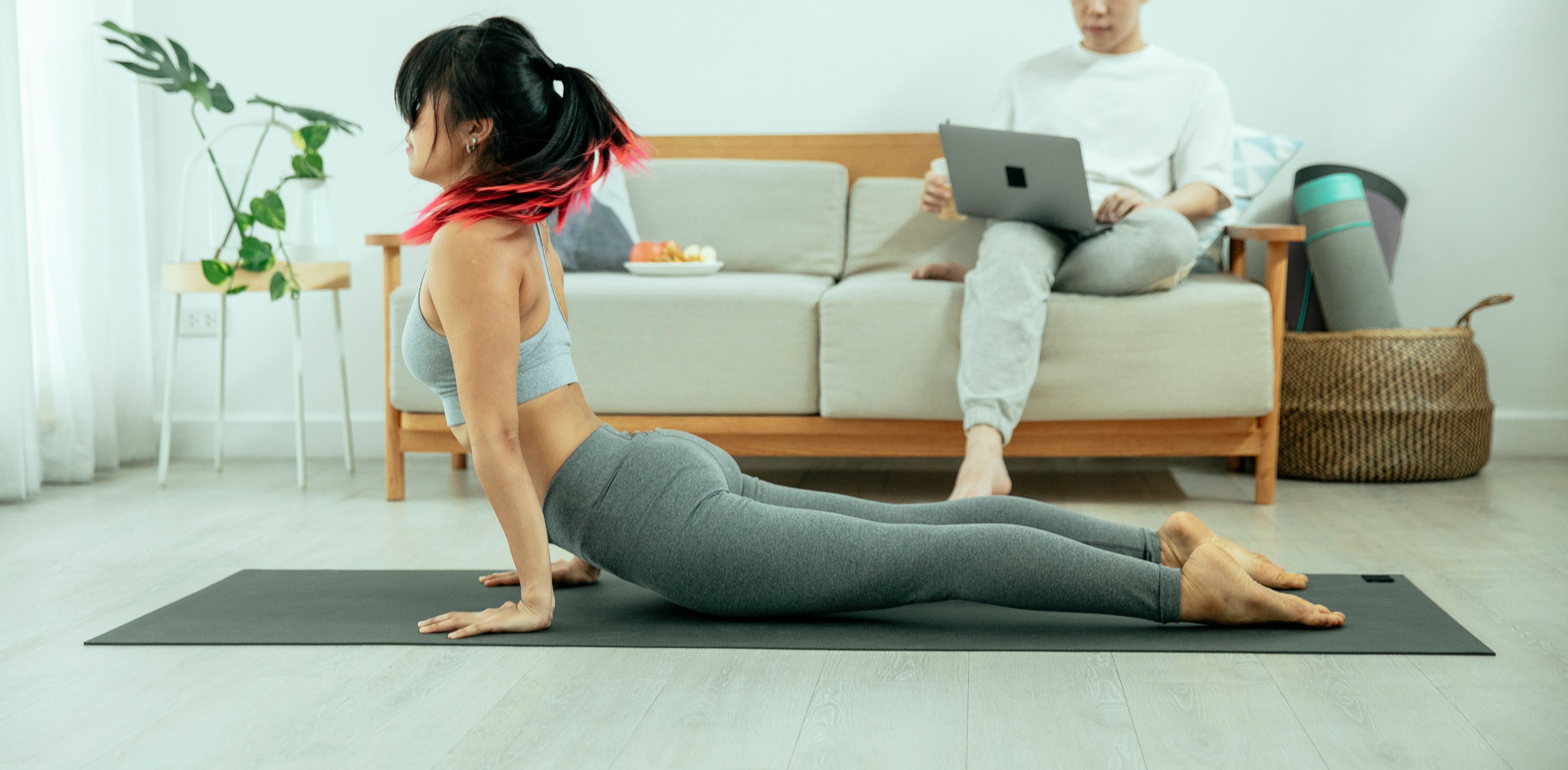
A good benchmark: If you can hold a proper plank — hips not sinking, shoulders not hunching — you already have basic body control. If your lower back sags noticeably or your shoulders shrug, spend 1-2 months on mat work first. Learn how to control your body before you learn how to control equipment. As Pilates elder Romana Kryzanowska emphasized: beginners should learn the basics before they touch the apparatus.
II. Reformer Foundation Exercises
These four exercises are the gateway to Reformer practice. The focus is on feeling the relationship between spring resistance and carriage movement — not on achieving big ranges of motion.
Pelvic Curl is every beginner's first Reformer exercise. Lie on the carriage with feet on the footbar. Inhale to prepare, exhale and articulate the spine up one vertebra at a time from the tailbone, inhale at the top, exhale roll down. Use light spring resistance (e.g., one yellow light spring). The goal isn't height — it's feeling spinal segmental control.
Carriage Glide helps you feel the connection between spring and carriage. Lie on the carriage, feet on the footbar, light spring attached. Inhale to prepare; exhale push the carriage away slowly with leg strength — not momentum. Inhale, control the carriage back. The key isn't distance — it's whether your body stays stable and the carriage moves smoothly.
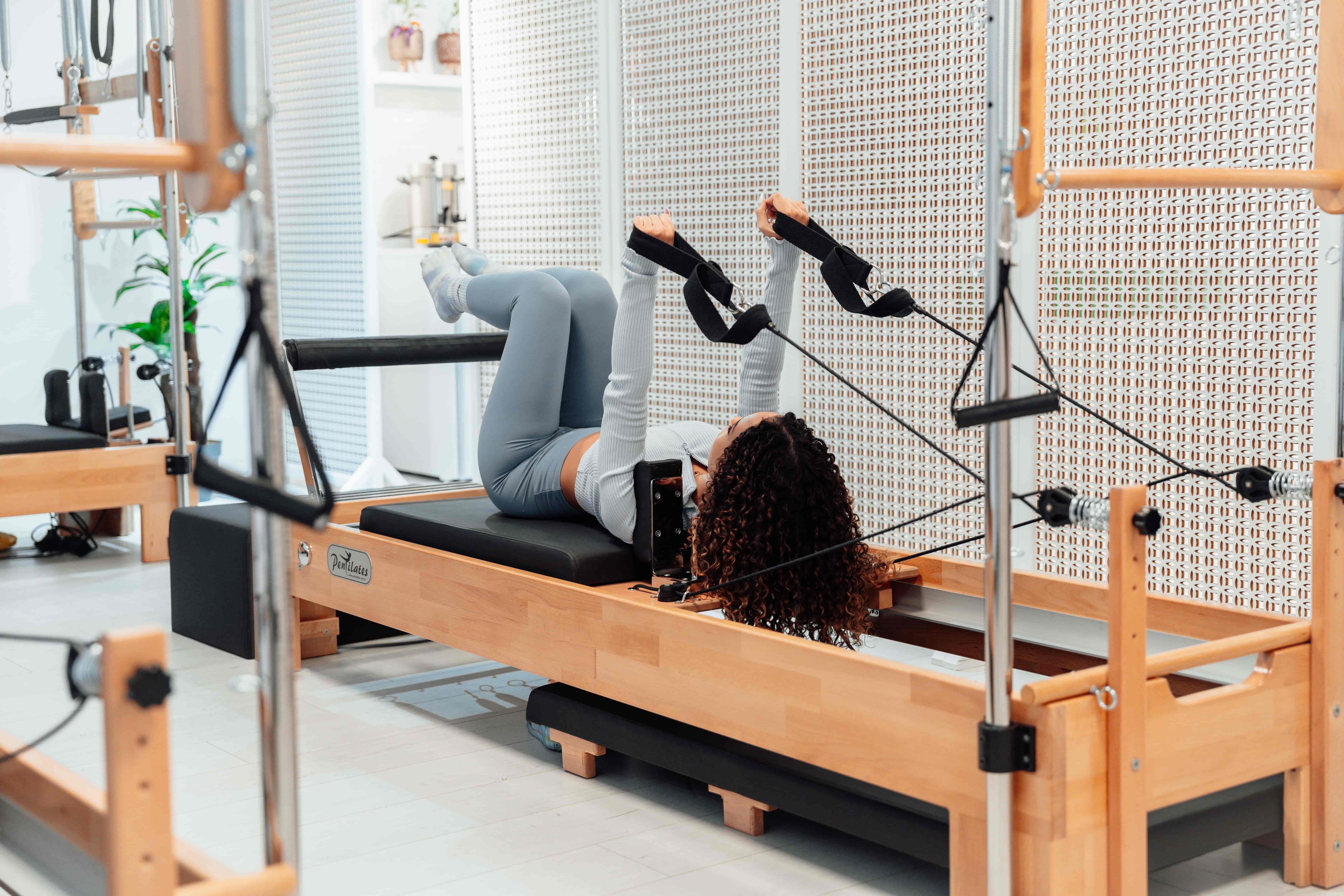
Leg Stretch Lie on the carriage with feet on the footbar and knees drawn toward the chest. Exhale, use your hands to pull knees toward your shoulders to feel hip mobility and hamstring stretch. Avoid yanking knees overhead while neglecting pelvic stability.
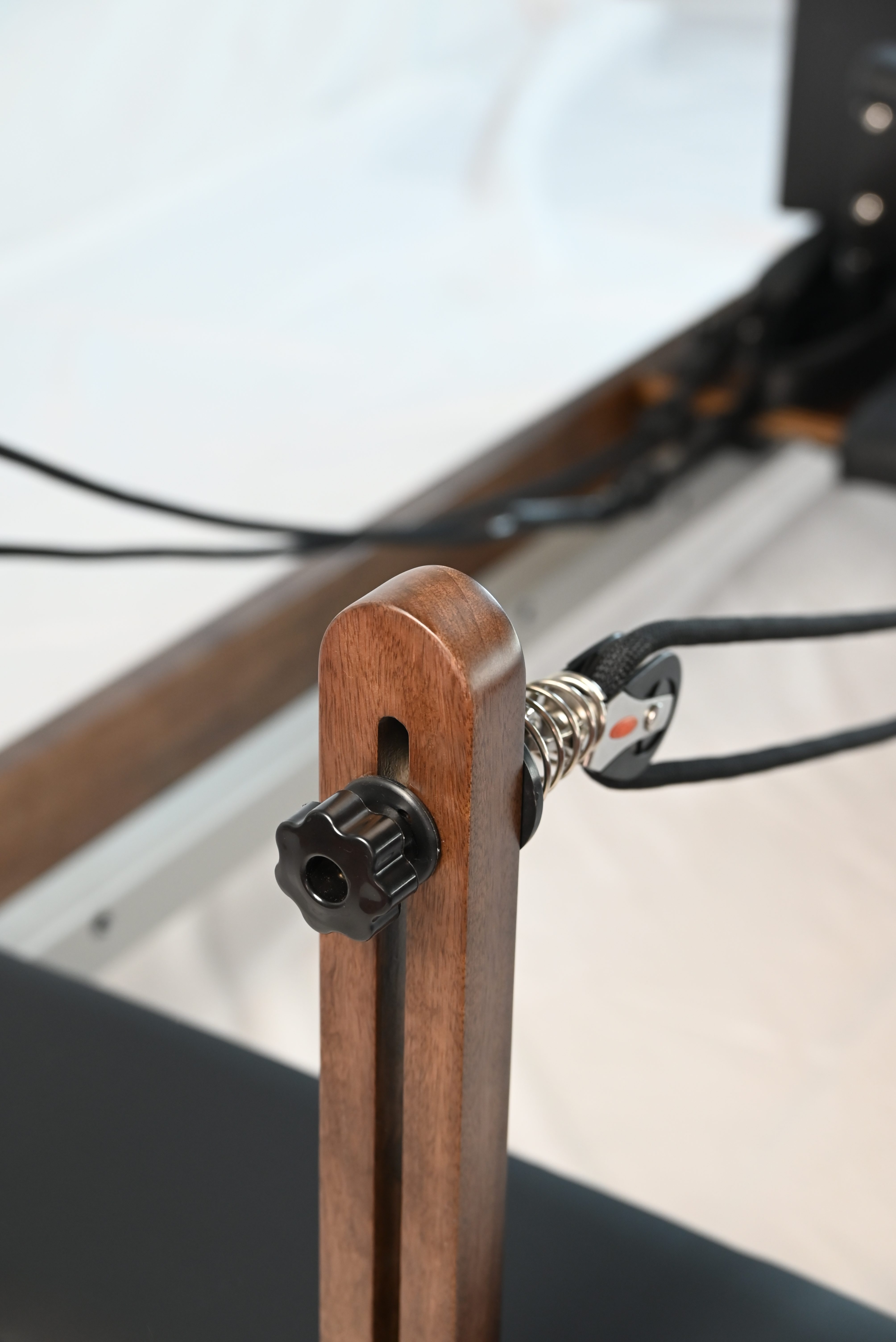
Seated Row is one of the few seated Reformer exercises. Sit at the carriage front, feet on the frame crossbar, holding straps. Exhale, pull the carriage toward you using back muscles with shoulder blades depressed. This helps beginners feel "back-driven" movement rather than just arm-pulling.
III. Cadillac Foundation Exercises (If Available)
If you have access to a Cadillac, these exercises are a gentle entry point for rehab and flexibility work.
Suspension Stretch: Sit on the mat, grab overhead straps, lean back gently to stretch shoulders and thoracic spine. Ideal for desk workers.
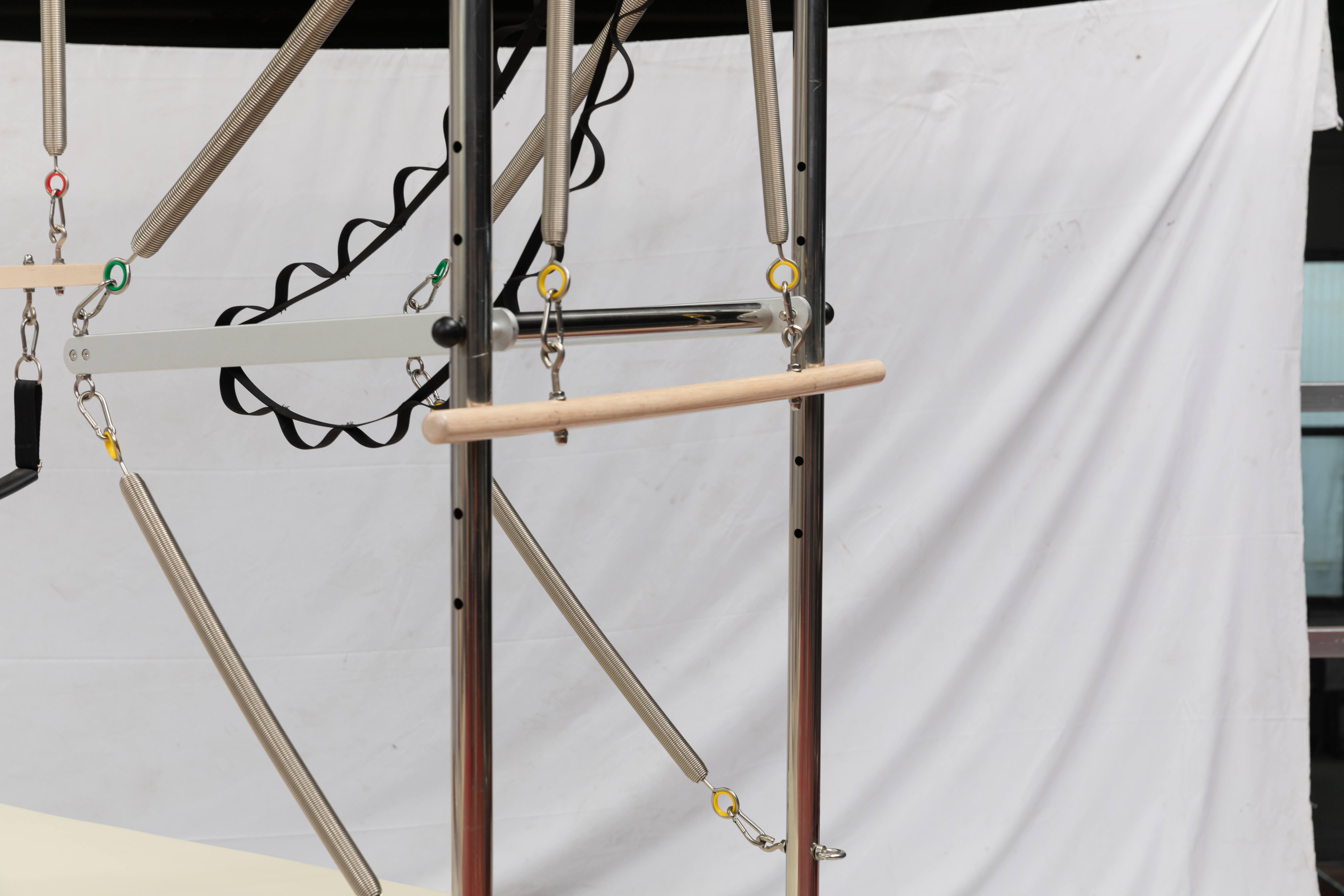
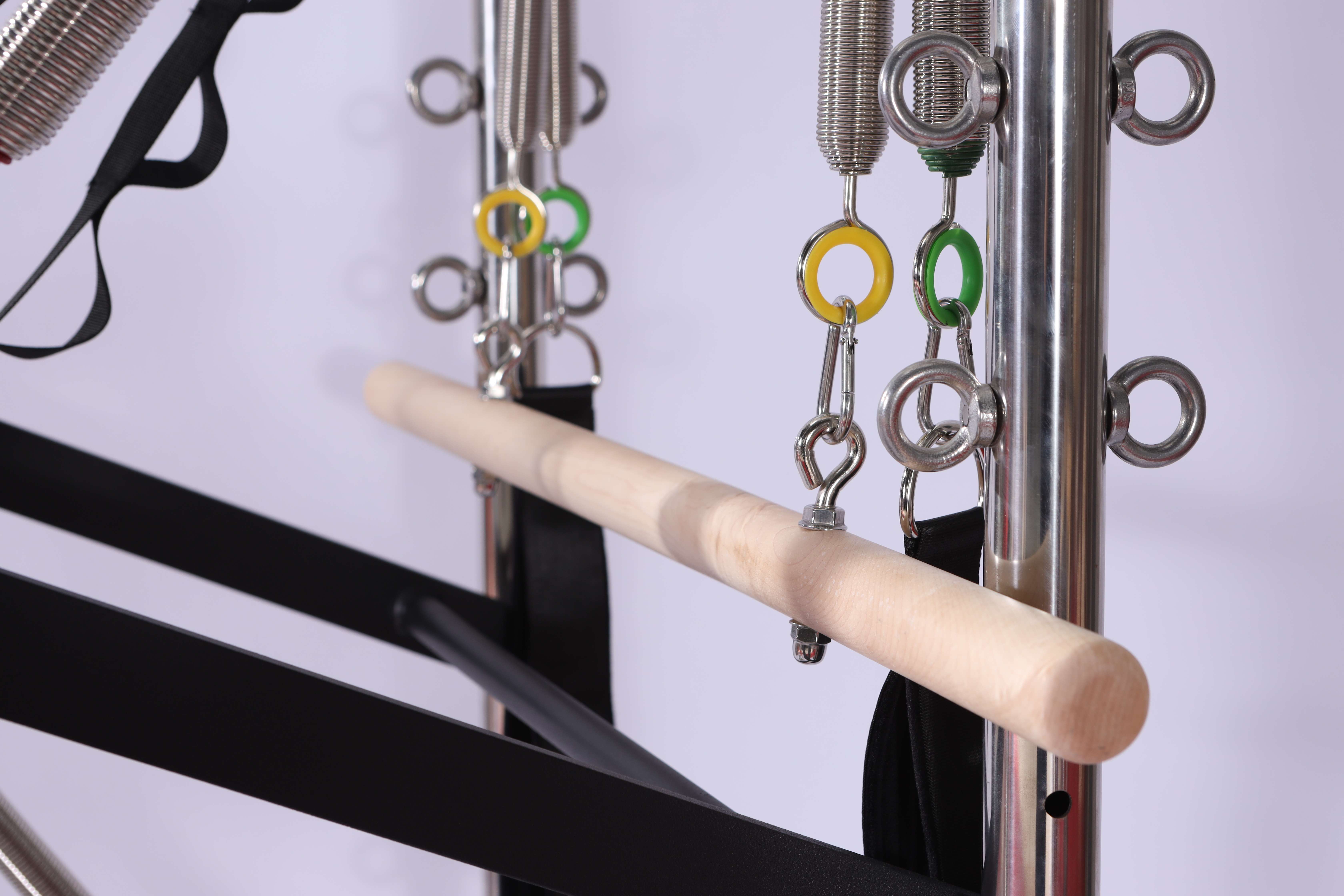
Arm Springs: Using light springs, seated or standing, perform shoulder adduction and abduction with spring handles. Great for shoulder rehab and stability.
IV. Small Prop Foundation Exercises
For home practitioners without large equipment, these three moves serve as "foundation alternatives."
Reformer Simulation with Bands: Lie on your mat with a resistance band around your ankles or knees. Perform leg stretches and pelvic curls. While bands can't fully replicate metal spring linearity, they build a similar "work against resistance" sensation.
Magic Circle for Adductors: Lie or sit with the Magic Circle between your inner thighs. Squeeze slowly, release slowly, finding the connection between inner thighs and pelvic floor.
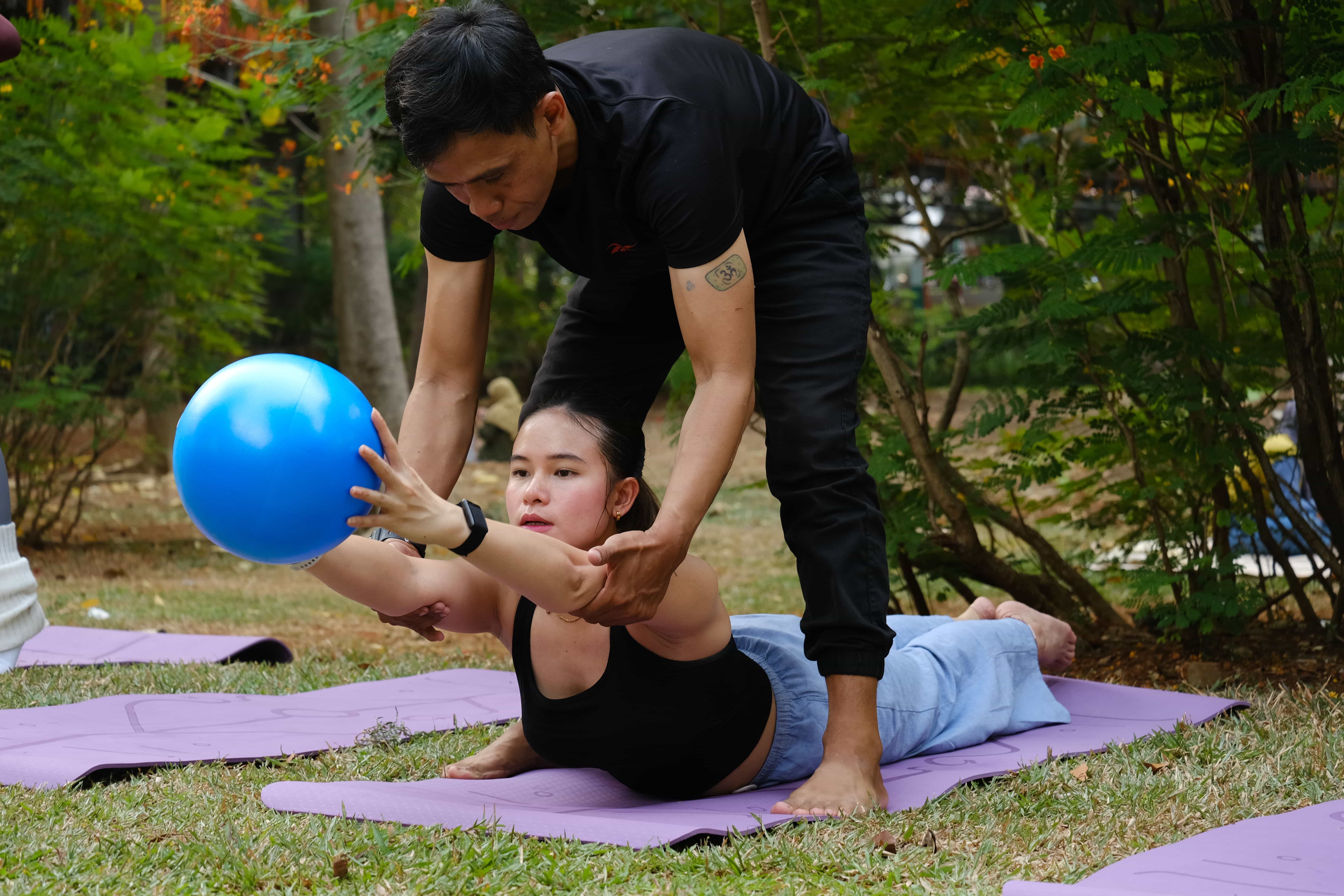
Small Ball for Core Awareness: Lie supine with knees bent, place a small ball under your sacrum. Press lightly and release, feeling the alternating "small gap" and "light pressure" to sense neutral pelvis.
V. Common Beginner Mistakes
Mistake 1: Using momentum instead of control. Beginners often push the carriage too hard and let it snap back. Control both push and return with muscle power. If you can't push it out in "slow motion," the spring is too heavy or the movement needs simplifying.
Mistake 2: Chasing range over quality. The magic of equipment Pilates isn't how far you go — it's how well you control the range you choose. It's better to go halfway with perfect form than full range with poor form.
Mistake 3: Breath disconnected from movement. Common: holding breath during exertion, or inhaling as you exert. A useful guideline for beginners: exhale on effort, inhale on return.
VI. Beginner Practice Frequency
Pilates is about frequency over intensity. For equipment beginners, aim for 1-2 Reformer/equipment sessions weekly, supplemented with 2-3 mat sessions. Equipment practice helps build new movement patterns; mat practice reinforces them. If equipment access is limited, start with bands and the Magic Circle 2-3 times weekly to build foundational body awareness.
Summary: Pilates equipment isn't "advanced Pilates" — it's "clearer Pilates." Springs, carriages, and straps are tools to help you perceive body control more precisely — not props for showing off strength or range. What beginners need most is patience: time spent feeling pelvic stability, breath rhythm, and carriage control — rather than rushing into "impressive-looking" exercises. Learning control on equipment is when you truly start learning Pilates.