How Pilates Improves Overall Body Flexibility In A Safe, Balanced Way
The difference between passive stretching and active flexibility built through pilates
Many fitness minded people separate strength training and flexibility work into two completely different workout categories. They believe you can either build muscle strength or improve flexibility, but not both from the same exercise routine. Pilates breaks this false barrier completely. Every movement inside a standard pilates sequence asks you to actively stretch tight muscle groups while keeping your core braced and your body stable. This creates what experts call active flexibility.
Why flexible muscles paired with strong stability create healthier movement patterns
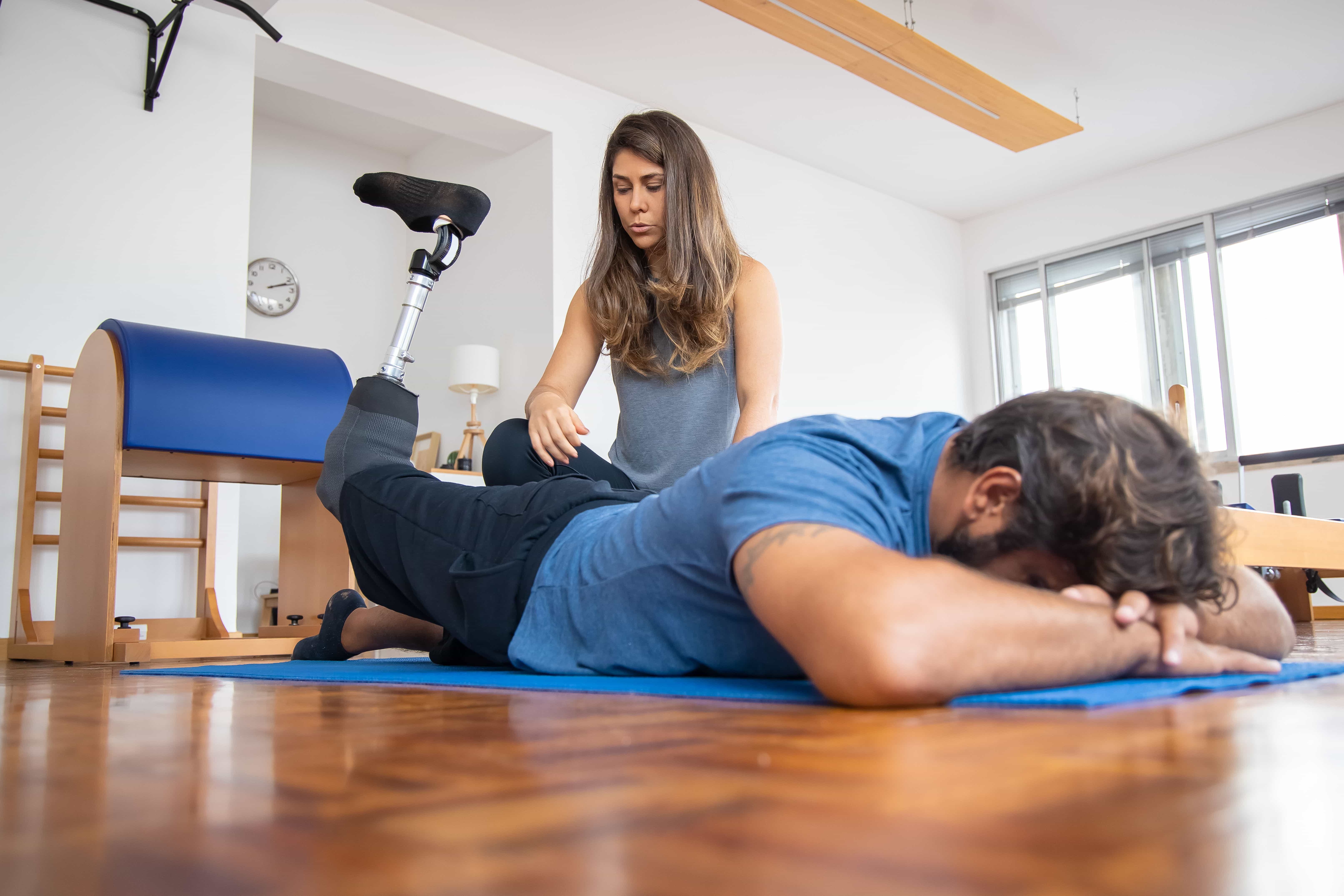
Active flexibility is far more useful for real world daily life than passive stretching you hold while relaxing your muscles. When you build flexible yet strong muscles, your joints move through their full natural range of motion with much lower injury risk. Your hips, hamstrings, shoulders and spine slowly become looser over time, without over stretching connective tissue. For people who feel stiff after long sedentary workdays, regular pilates sessions are an excellent balanced solution to unlock tight, restricted muscle areas across the whole body.