How Is a Pilates Reformer Manufactured?
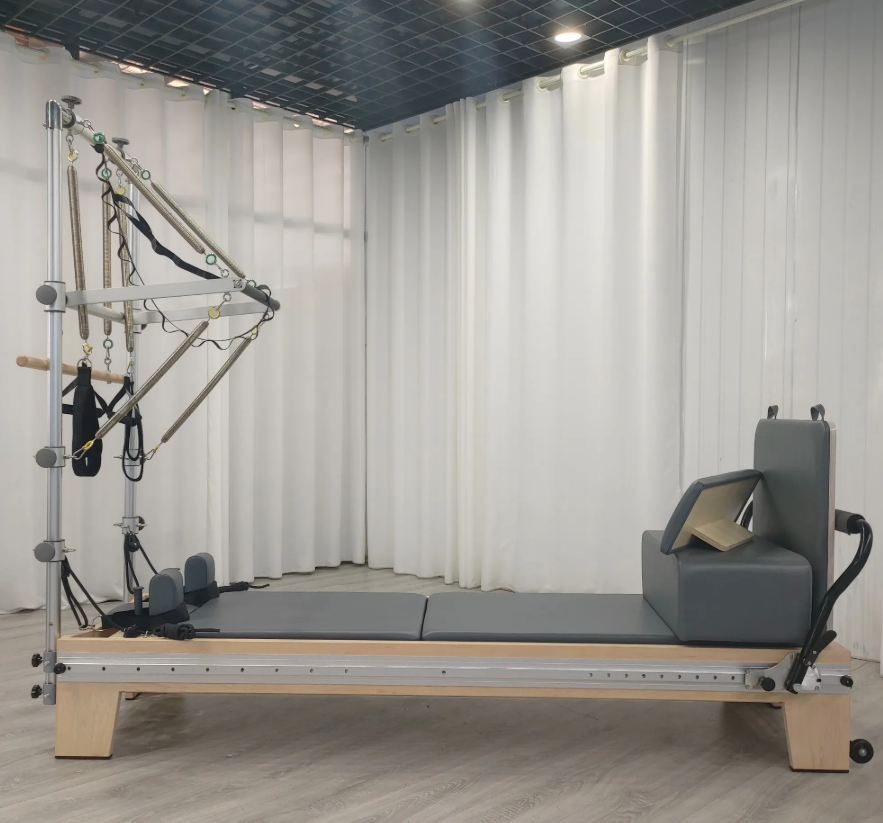
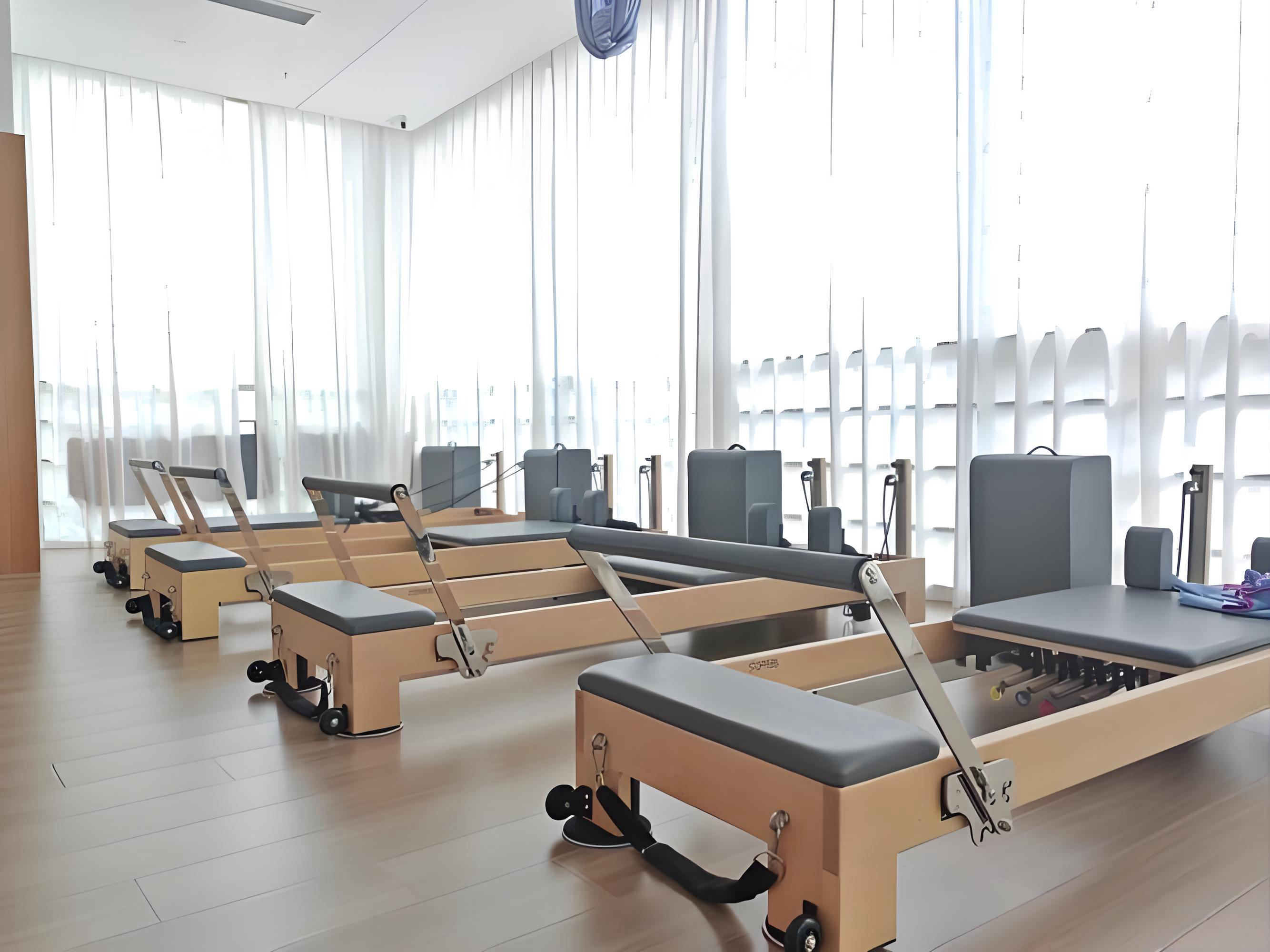
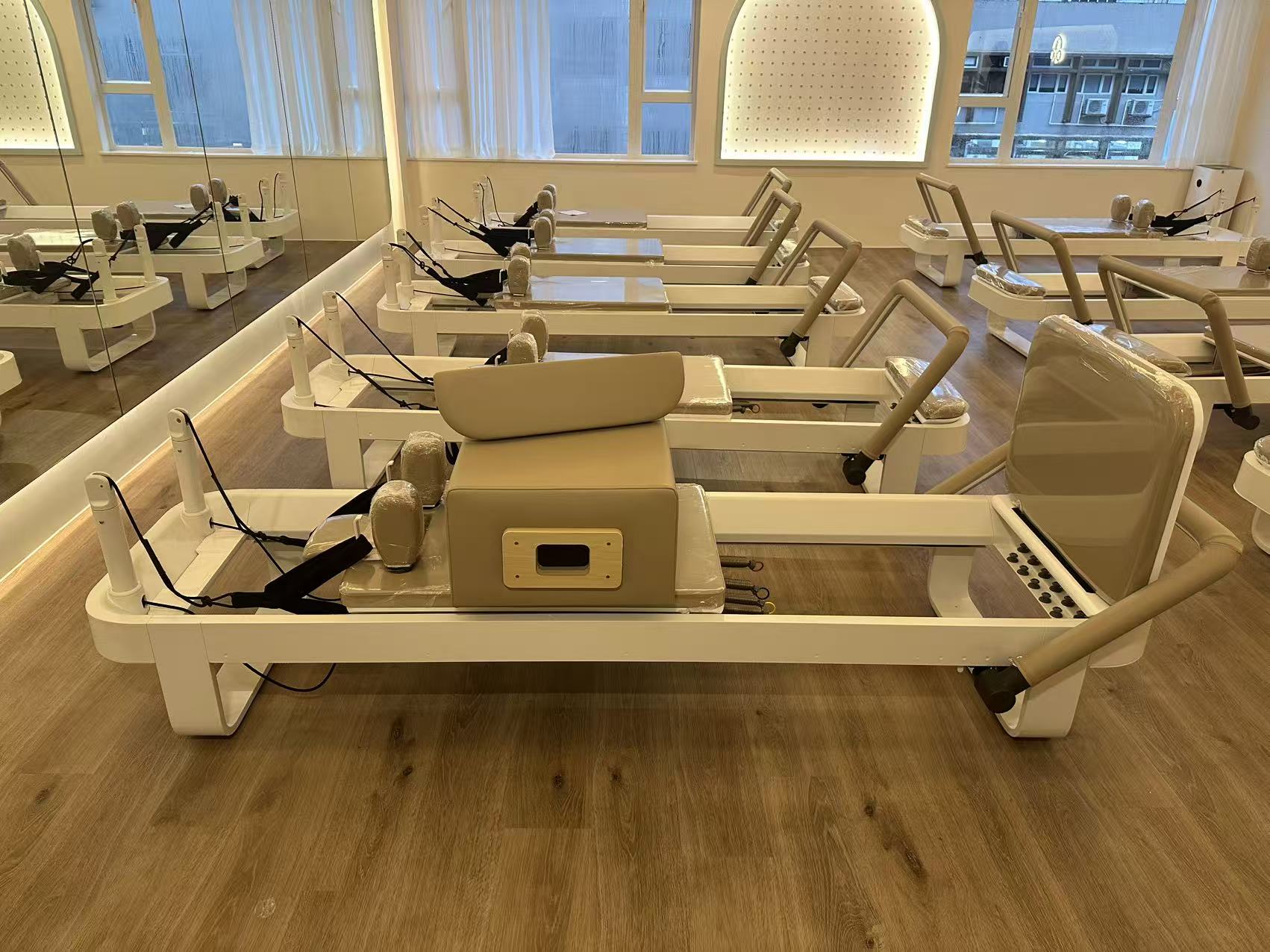
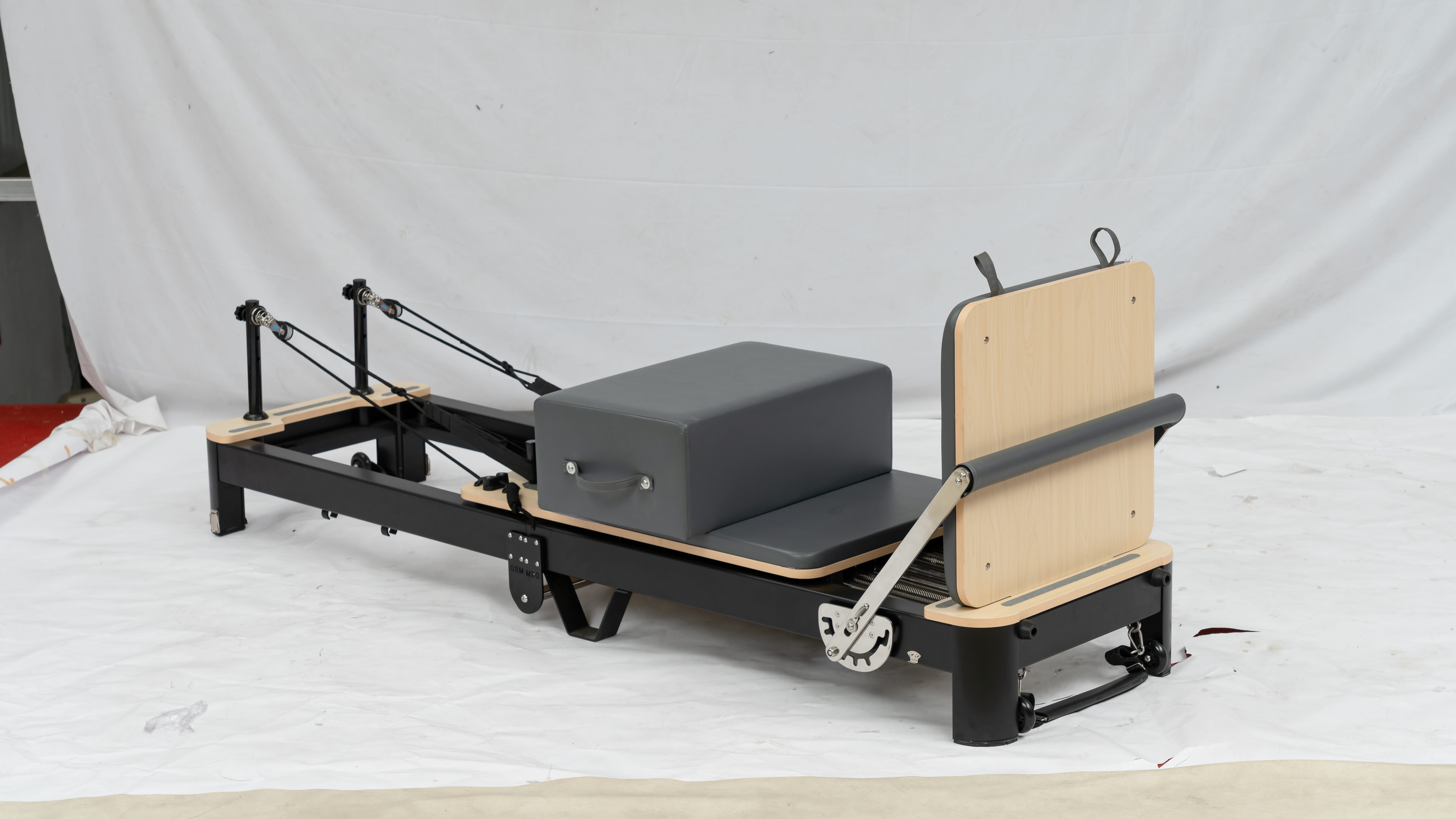
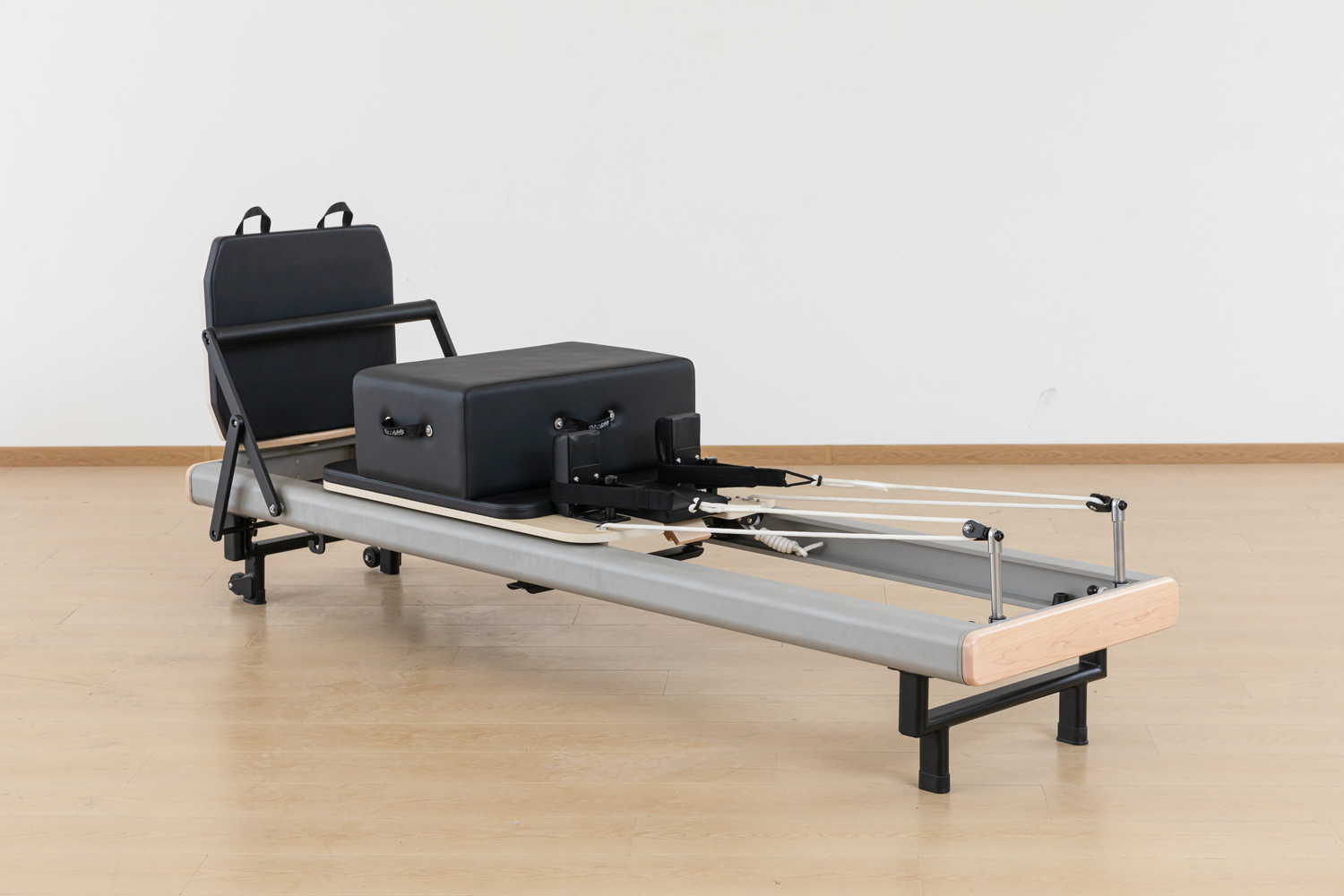
A high-quality commercial Pilates reformer is far more than a simple assembly of parts. It undergoes strict standardized manufacturing procedures, from raw material selection, precision machining, structural assembly, functional debugging to strict quality testing. Every production step determines the equipment’s stability, silence, comfort, and long-term durability. Many studio owners and wholesale buyers wonder what makes commercial-grade reformers different from low-end household models. Below is the complete factory manufacturing process of a professional Pilates reformer.
1. Professional Material Selection & Incoming Inspection
The entire production starts with rigorous raw material screening. For wooden reformers, we select high-density solid hardwood with stable texture and low moisture content to prevent deformation and cracking. For aluminum reformers, thickened aviation-grade aluminum alloy is adopted, featuring high hardness, strong load-bearing capacity, and corrosion resistance.
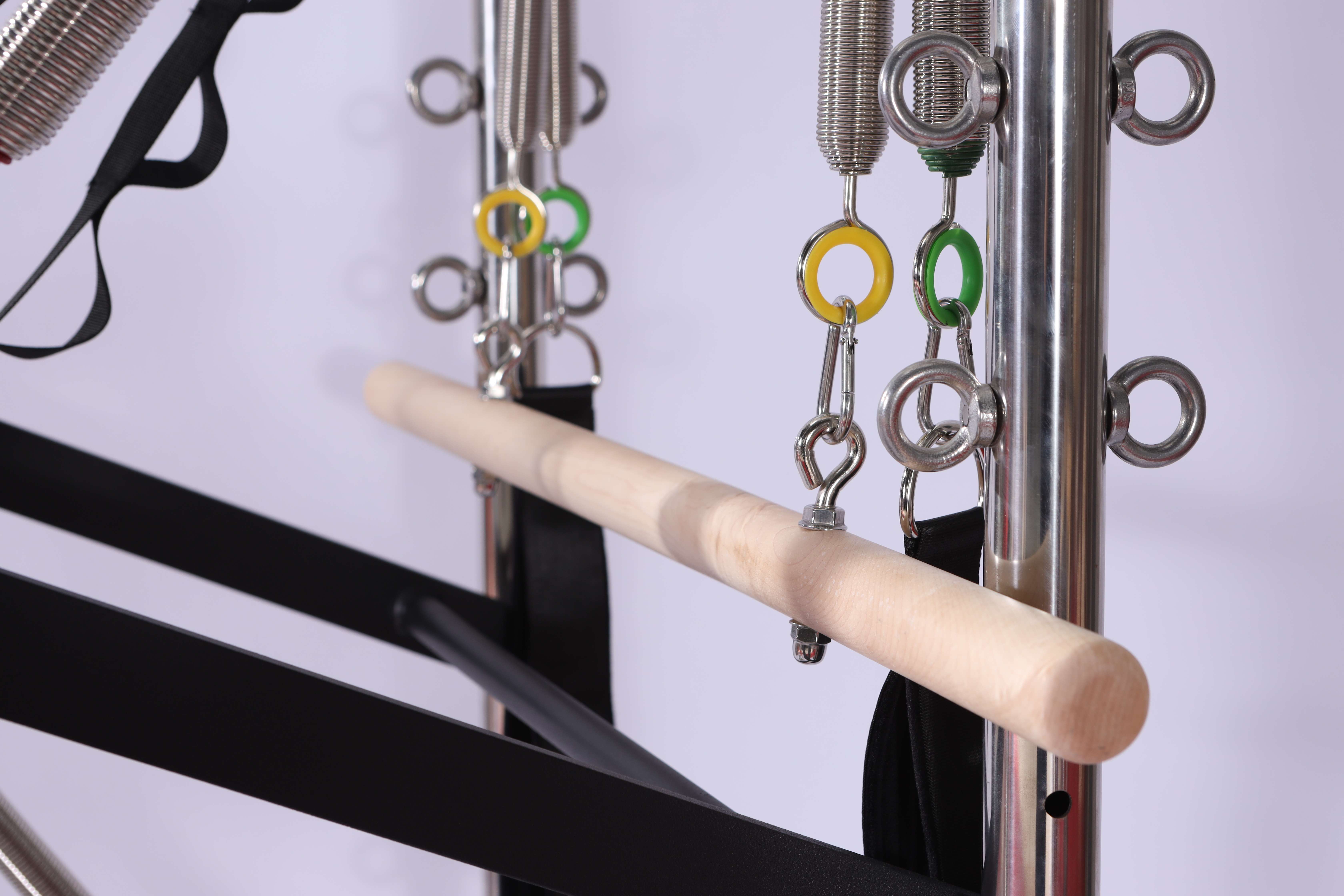
All core accessories are strictly inspected before warehousing, including high-elastic fatigue-resistant steel springs, silent precision sliding rails, wear-resistant stainless steel pulleys, high-density rebound foam, and sweat-proof microfiber leather. Unqualified materials are eliminated directly to ensure foundational product quality.
2. CNC Precision Cutting & Structural Machining
According to standardized engineering drawings, all frame parts are processed by CNC precision cutting, slotting and drilling. Every hole position, assembly gap and connection interface is precisely calibrated to ensure perfect fitting of all components.
Aluminum frames adopt professional welding and integrated forming technology. Wooden frames go through multi-layer milling and shaping to ensure flatness and structural symmetry. Precision machining avoids common problems such as frame shaking, component jamming and loose assembly.
3. Surface Treatment & Finishing
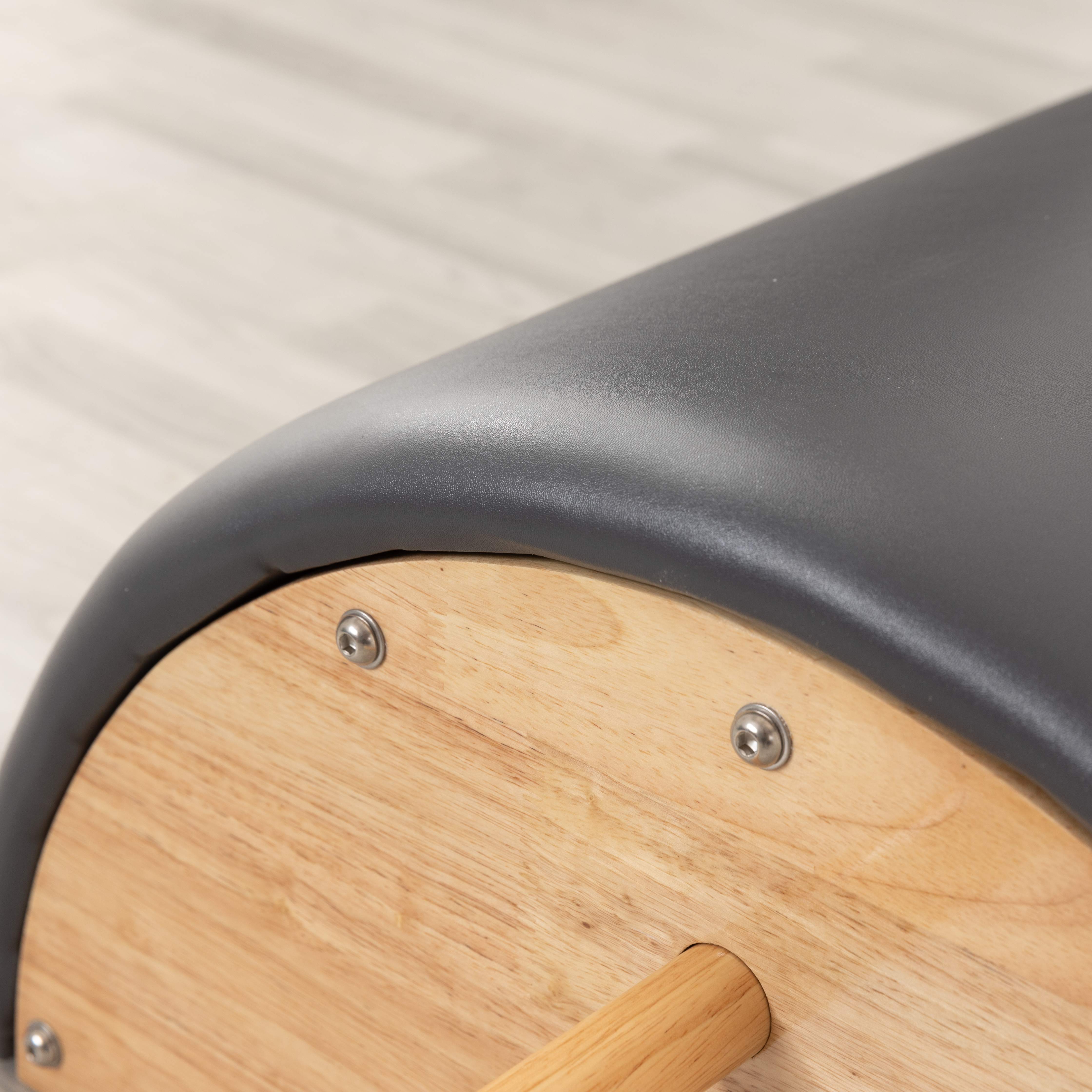
To achieve anti-corrosion, wear-resistant and high-end appearance, all frames undergo professional surface treatment. Wooden frames are repeatedly polished, primed and varnished to form a smooth and scratch-resistant protective layer. Aluminum frames are treated with sandblasting, anodizing and high-temperature powder coating to effectively prevent oxidation, rust and daily abrasion.
All edges and corners are finely polished into rounded designs, eliminating sharp edges and ensuring safe use for long-term commercial training.
4. Carriage Upholstery & Foam Fitting
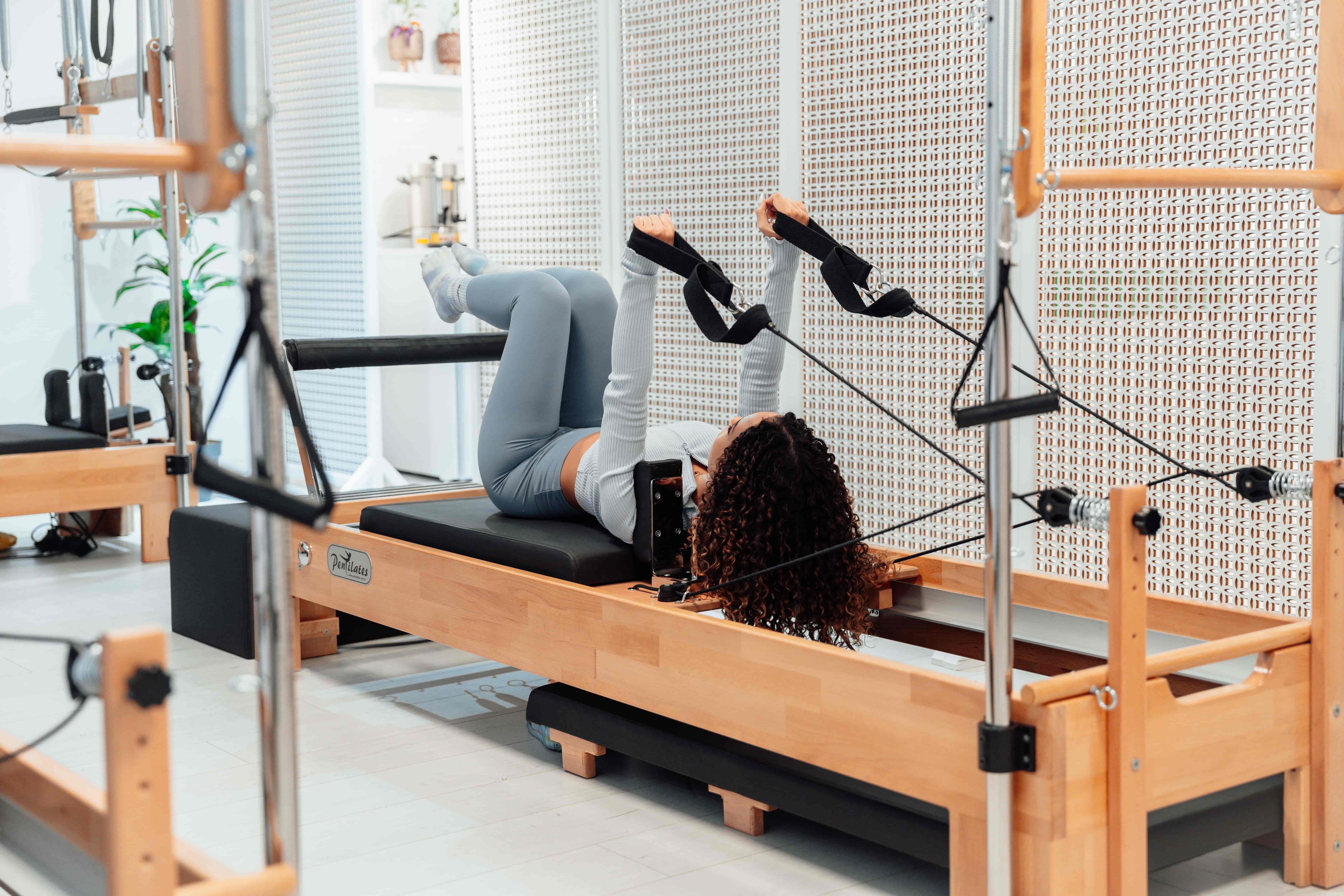
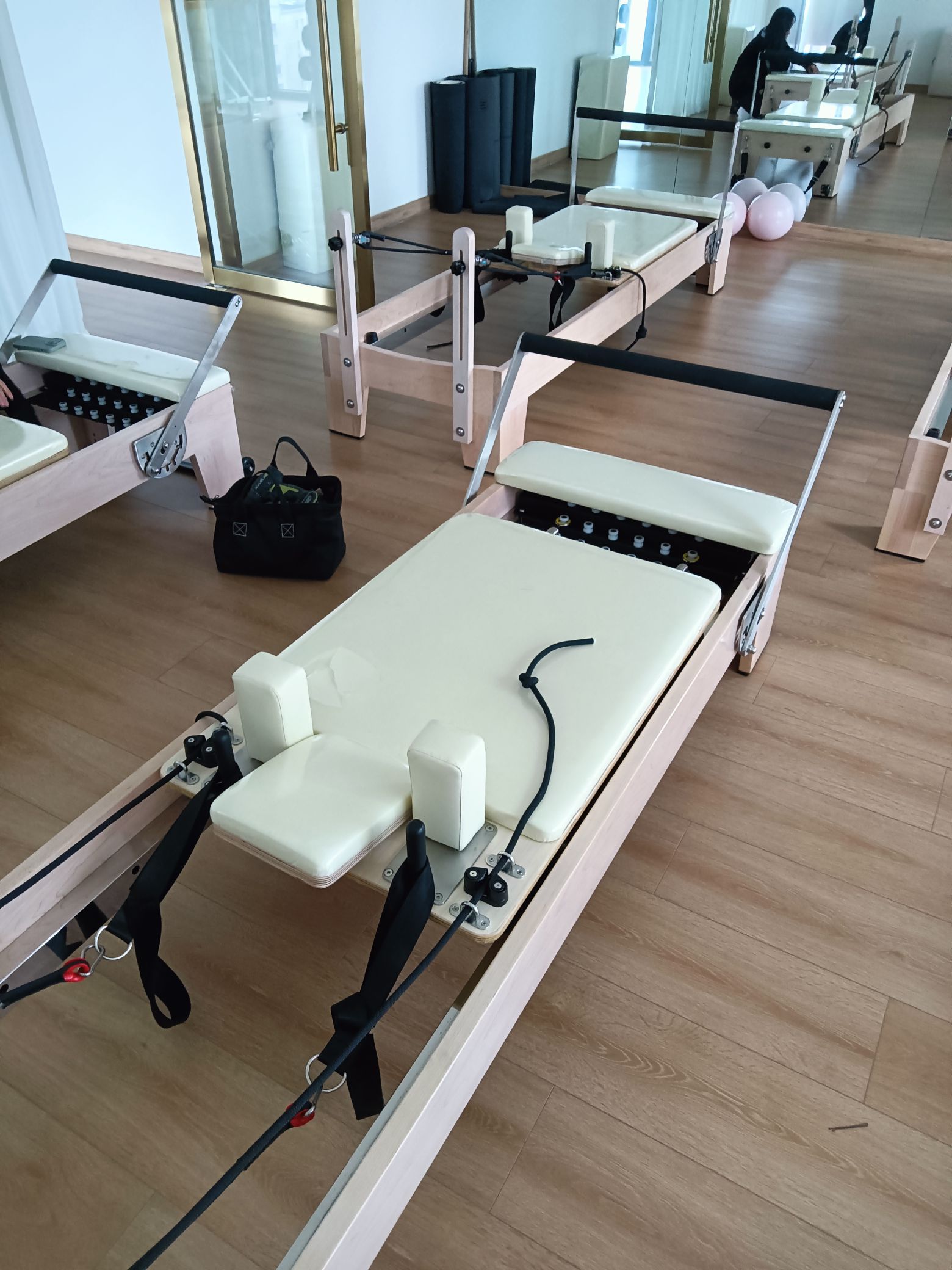
The sliding carriage is the core functional part of the reformer. After the frame structure is completed, high-density rebound foam is precisely cut and closely pasted on the carriage, shoulder supports and headrest areas.
Premium microfiber leather is tightly wrapped and stitched neatly by professional workers. The whole upholstery process requires flat surface, uniform thickness and no wrinkles or degumming. This ensures long-term comfort, pressure resistance and no collapse under high-frequency studio use.
5. Hardware Assembly & System Debugging
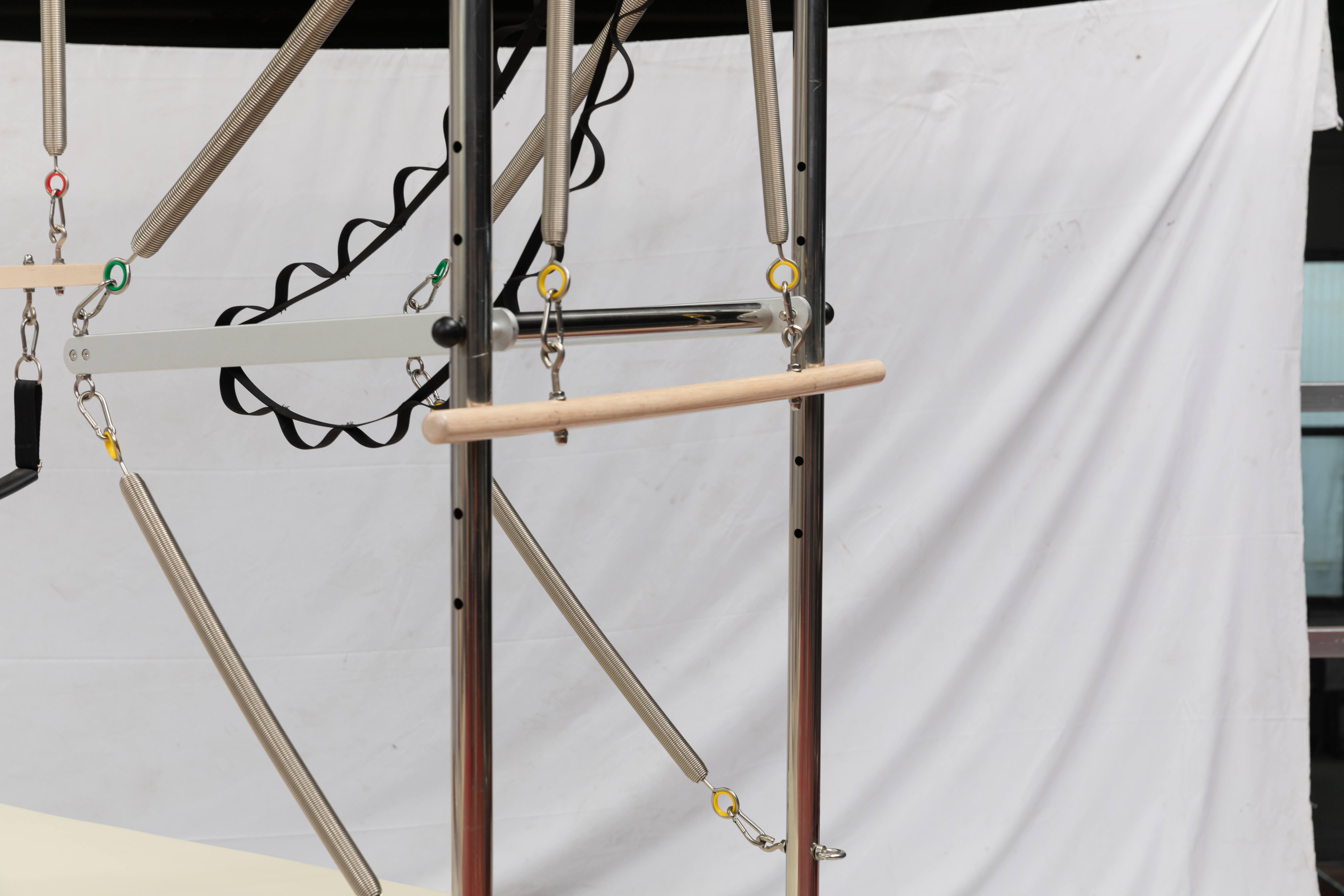
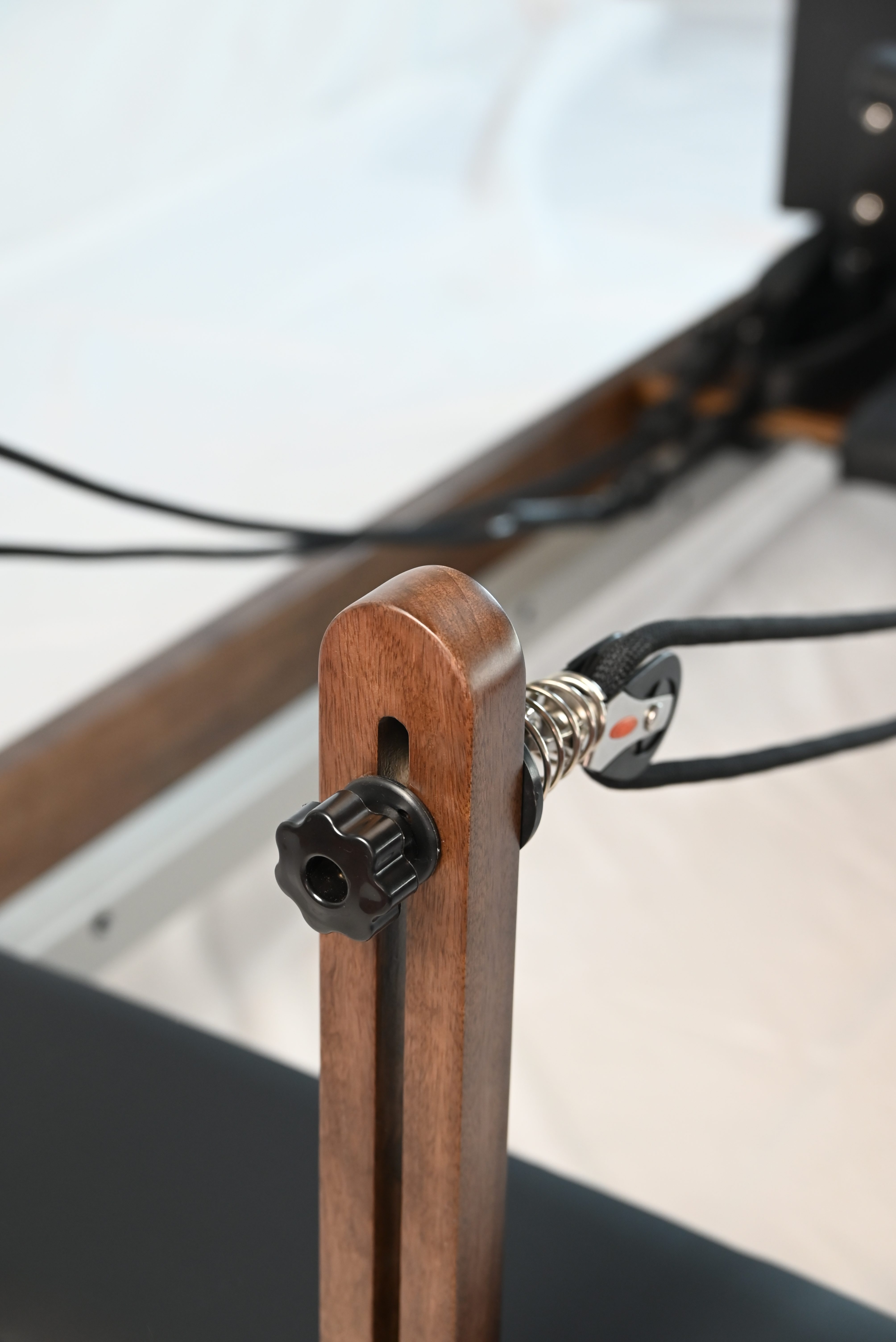
In this stage, technicians install and debug all functional systems in sequence, including sliding rails, silent pulleys, tension springs, adjustable footbars, shoulder blocks, traction ropes and straps.
The sliding system is repeatedly tested to ensure smooth and silent gliding without stuttering or abnormal noise. All springs are calibrated for balanced tension to maintain stable resistance at different stretching strokes. Every screw and connector is fully tightened to guarantee overall structural firmness.
6. Multi-Dimensional Factory Quality Testing
After assembly, every reformer undergoes complete professional quality inspection, which is the core of commercial-grade quality control:
- Static load test: Verify frame stability and bearing capacity to ensure no deformation under long-term load.
- Dynamic fatigue test: Simulate tens of thousands of high-frequency sliding movements to detect spring durability and sliding smoothness.
- Silence & function test: Eliminate abnormal noise, jamming and tension inconsistency.
- Appearance inspection: Check for scratches, peeling, uneven stitching and assembly defects.
Only products that pass all tests and complete inspection photo records can enter the packaging process.
7. Accessory Matching & Export Packaging
Qualified finished products are matched with complete supporting accessories according to customer orders, including jump boards, sitting boxes, hand loops, foot straps and installation tools. Customized logo printing and color matching are completed for personalized orders.
Finally, professional export packaging is adopted with thick cartons, foam buffer and reinforced wooden boxes, which can effectively resist collision and extrusion during long-distance sea and air transportation, ensuring intact delivery.
Conclusion
A qualified commercial Pilates reformer requires dozens of precise production processes and multiple strict quality inspections. Every detail from material selection to finished delivery is strictly controlled, which determines the equipment’s stability, safety and service life.
As a professional Pilates equipment manufacturer, we insist on full-process standardized production and strict quality inspection for every machine. We provide high-quality commercial reformers, stable wholesale supply and reliable after-sales service for global studios and distributors. Welcome to contact us for factory tours, product catalogs and competitive quotations.