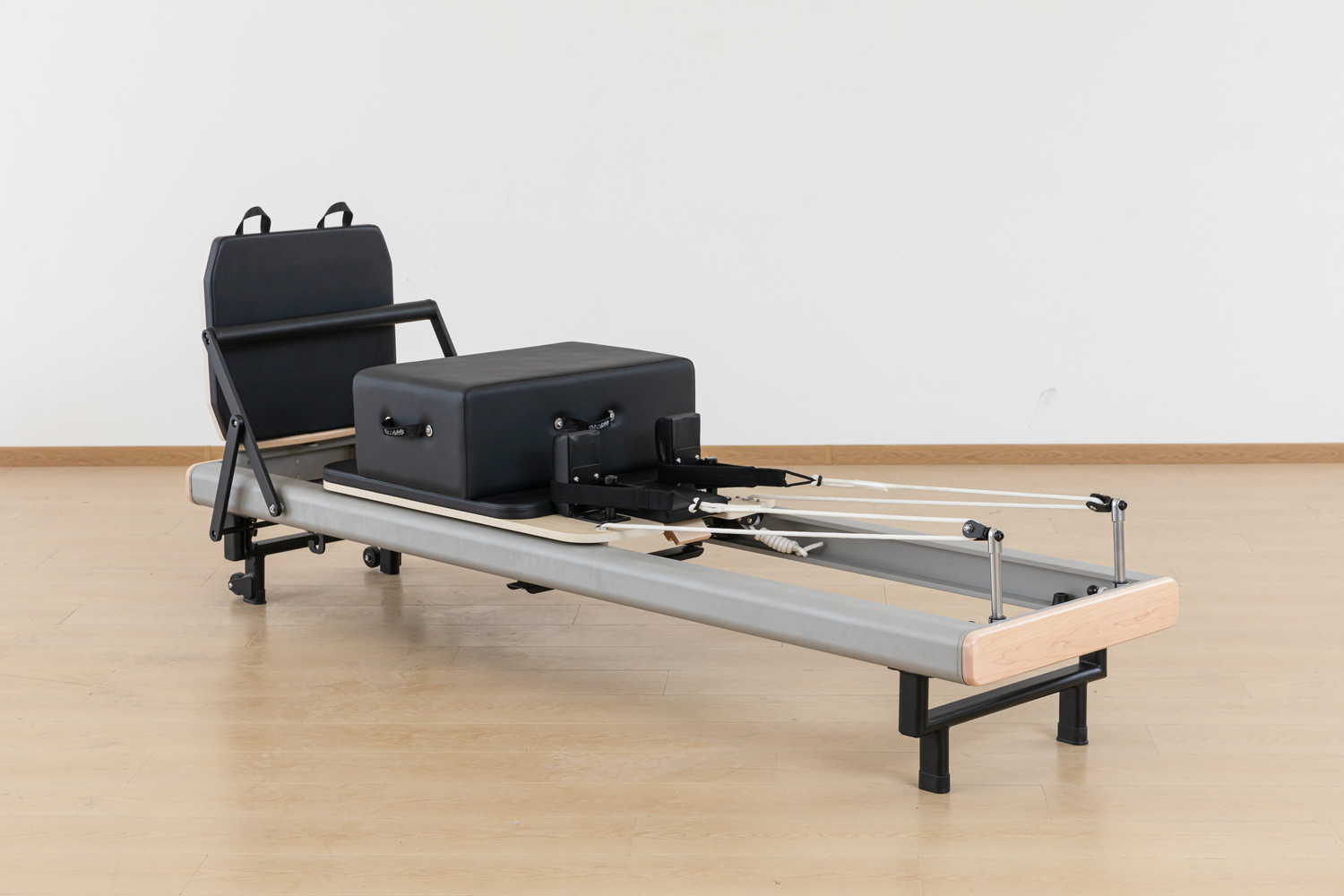
What Inspections Do Pilates Equipment Undergo Before Shipment?
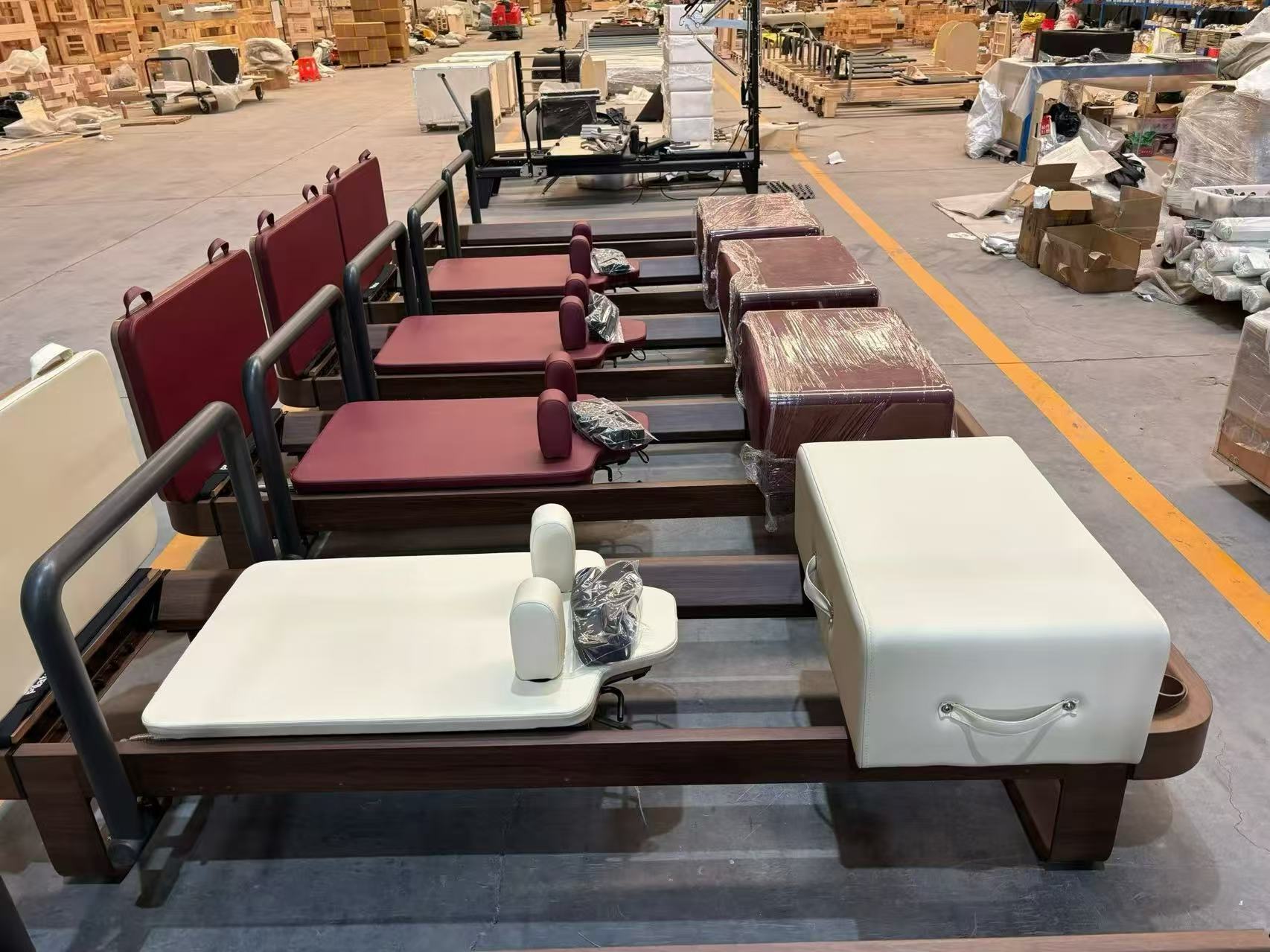
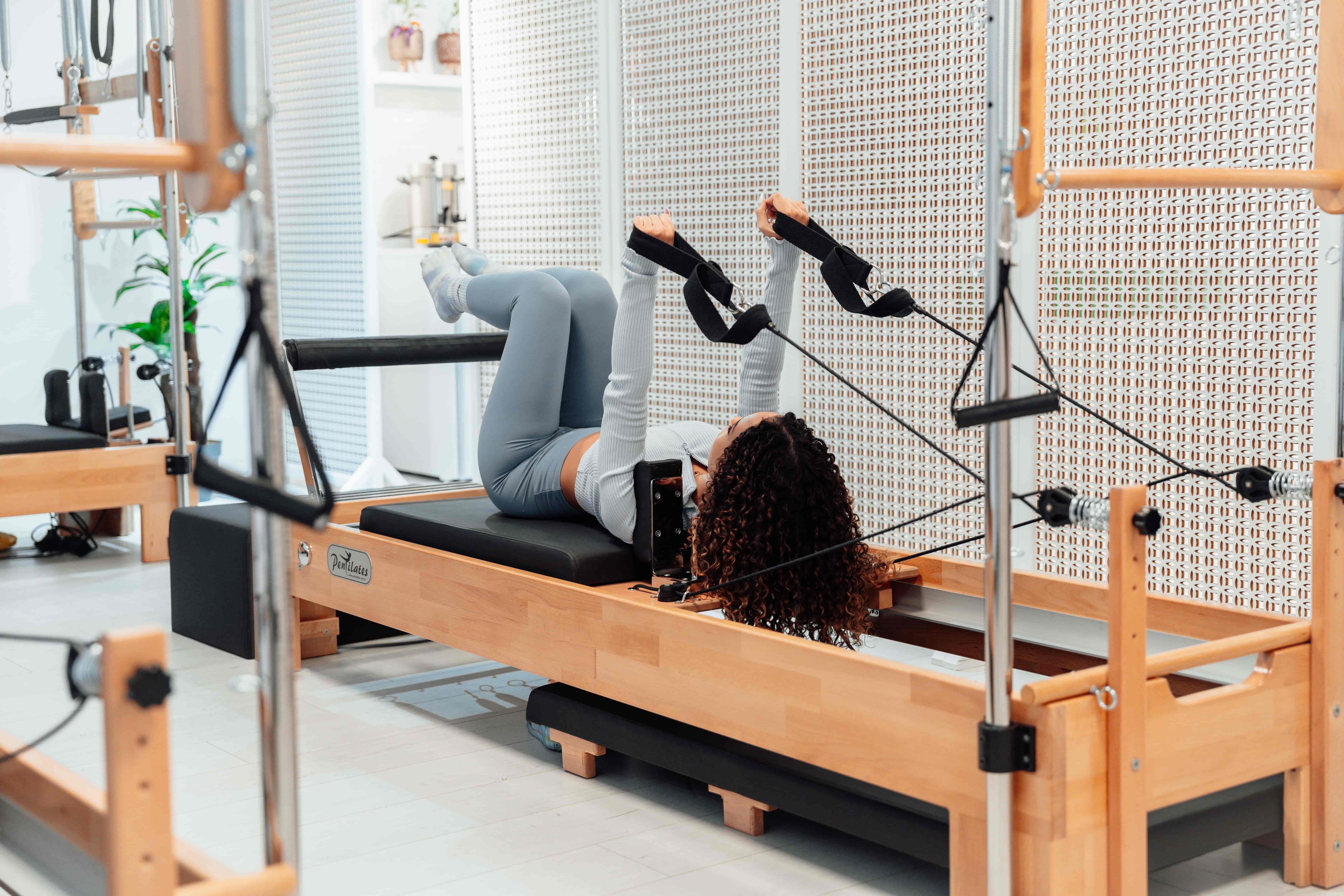
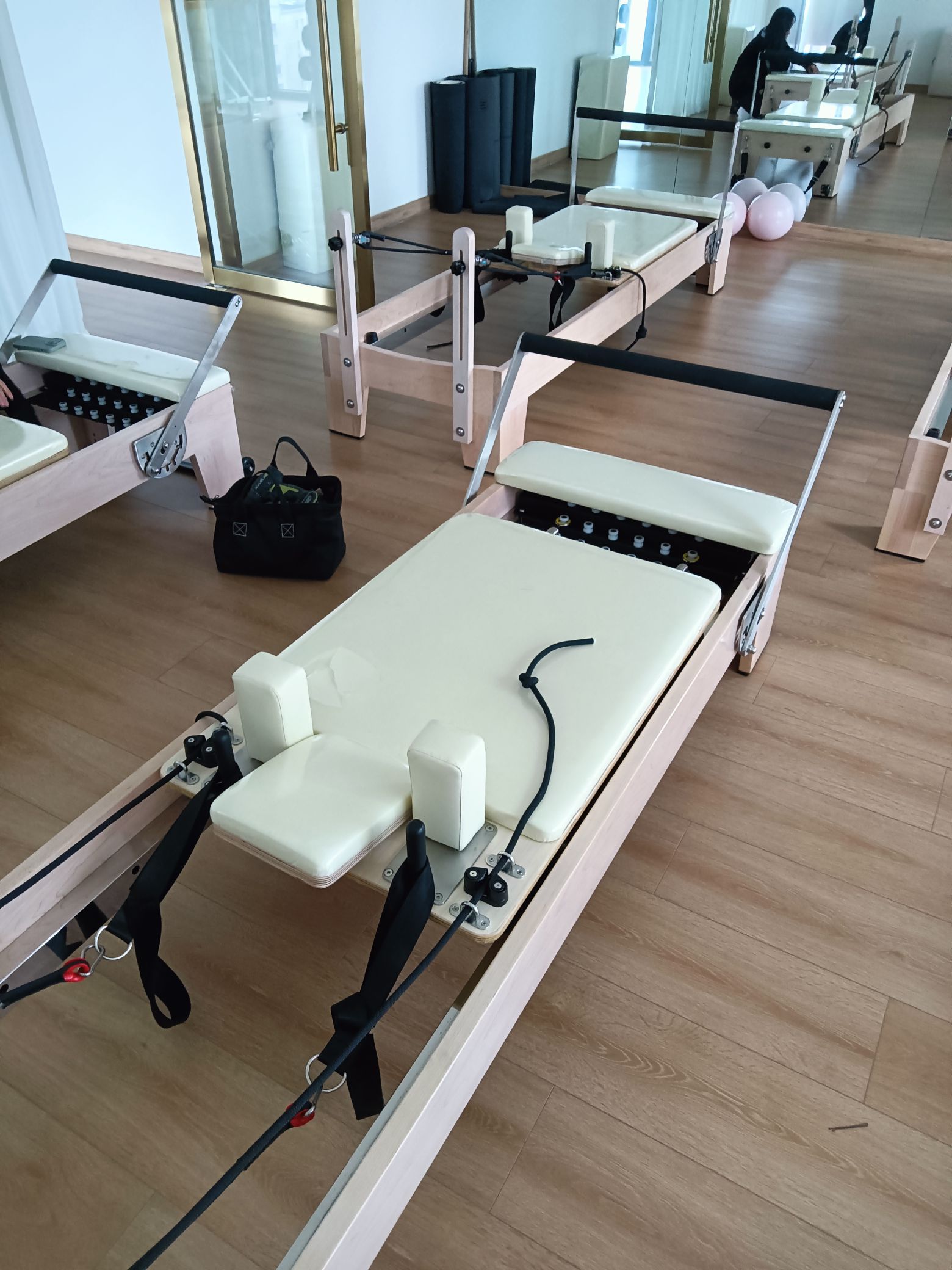
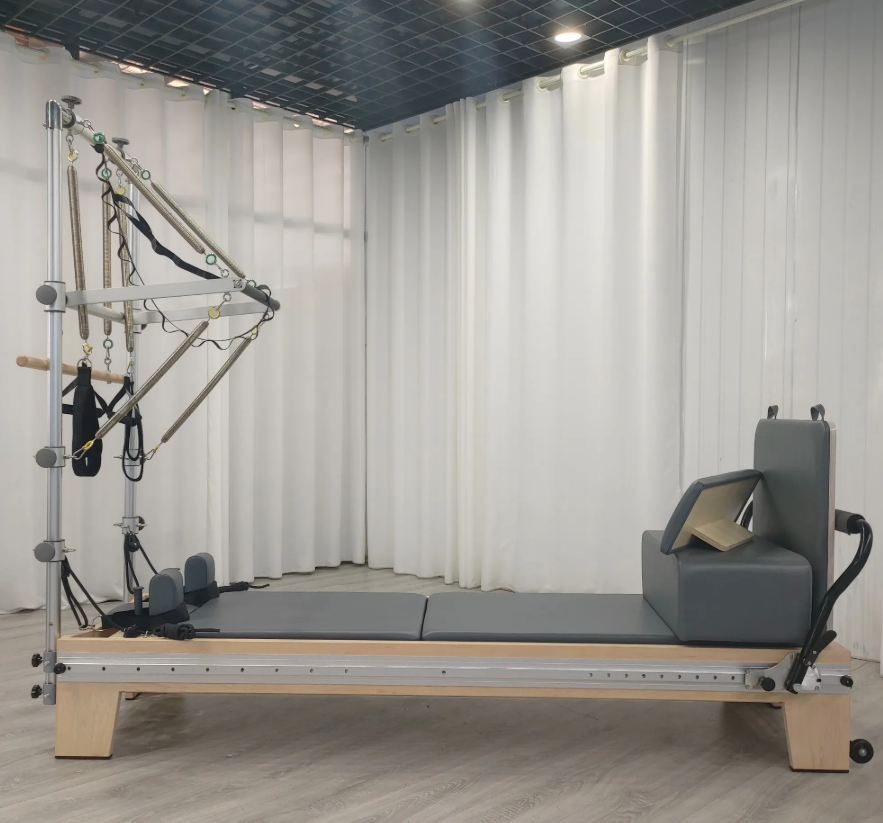
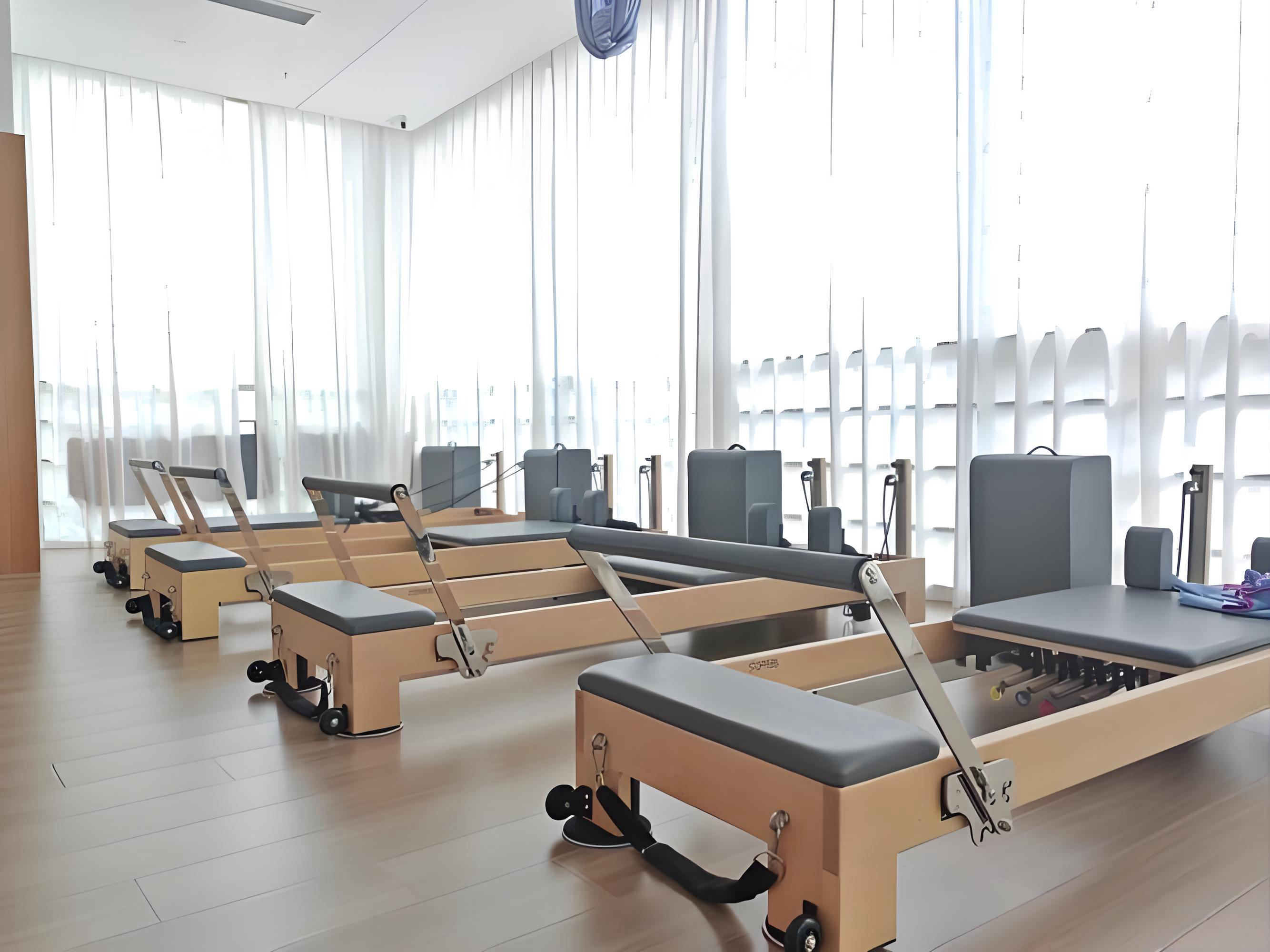
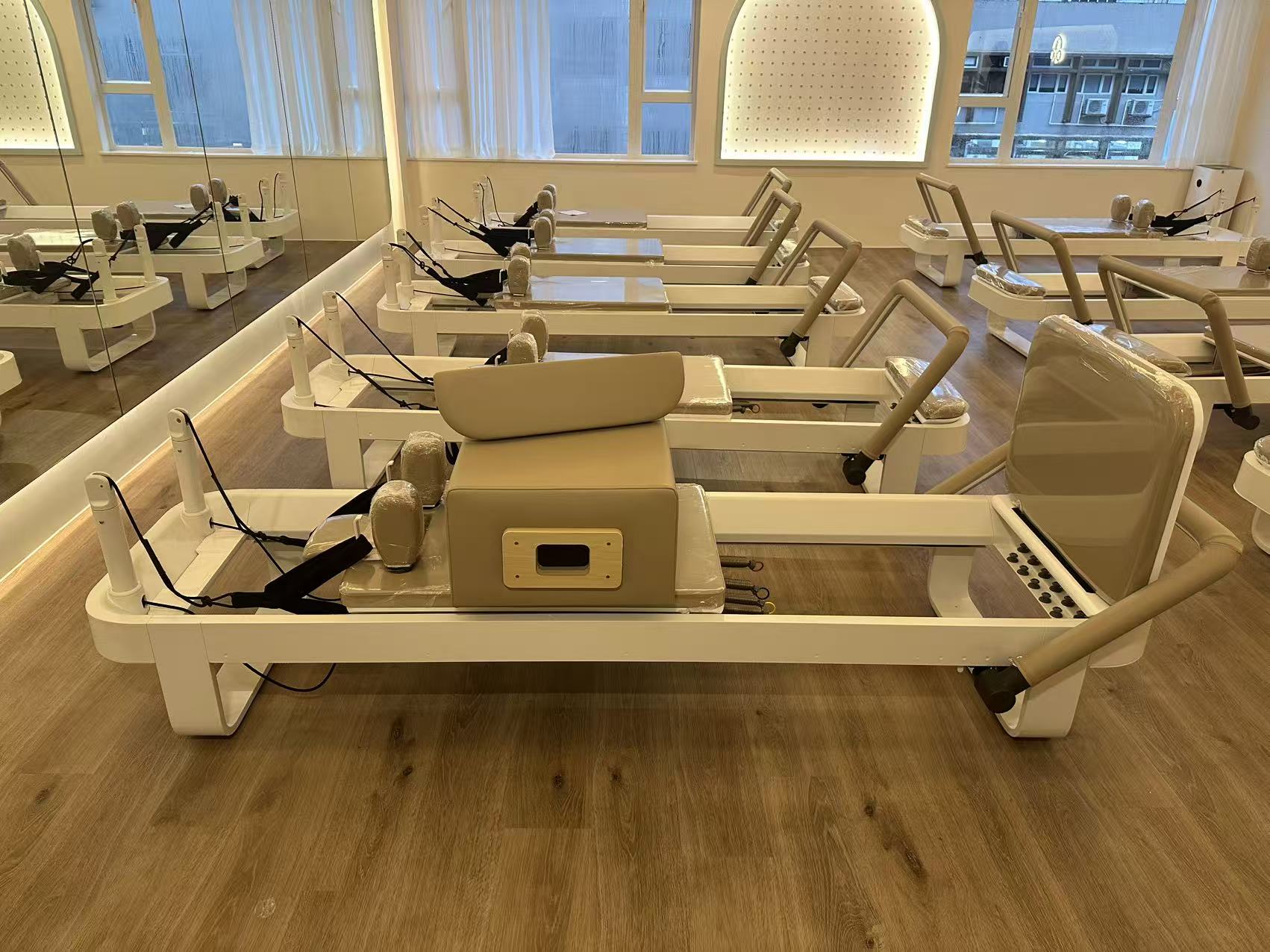
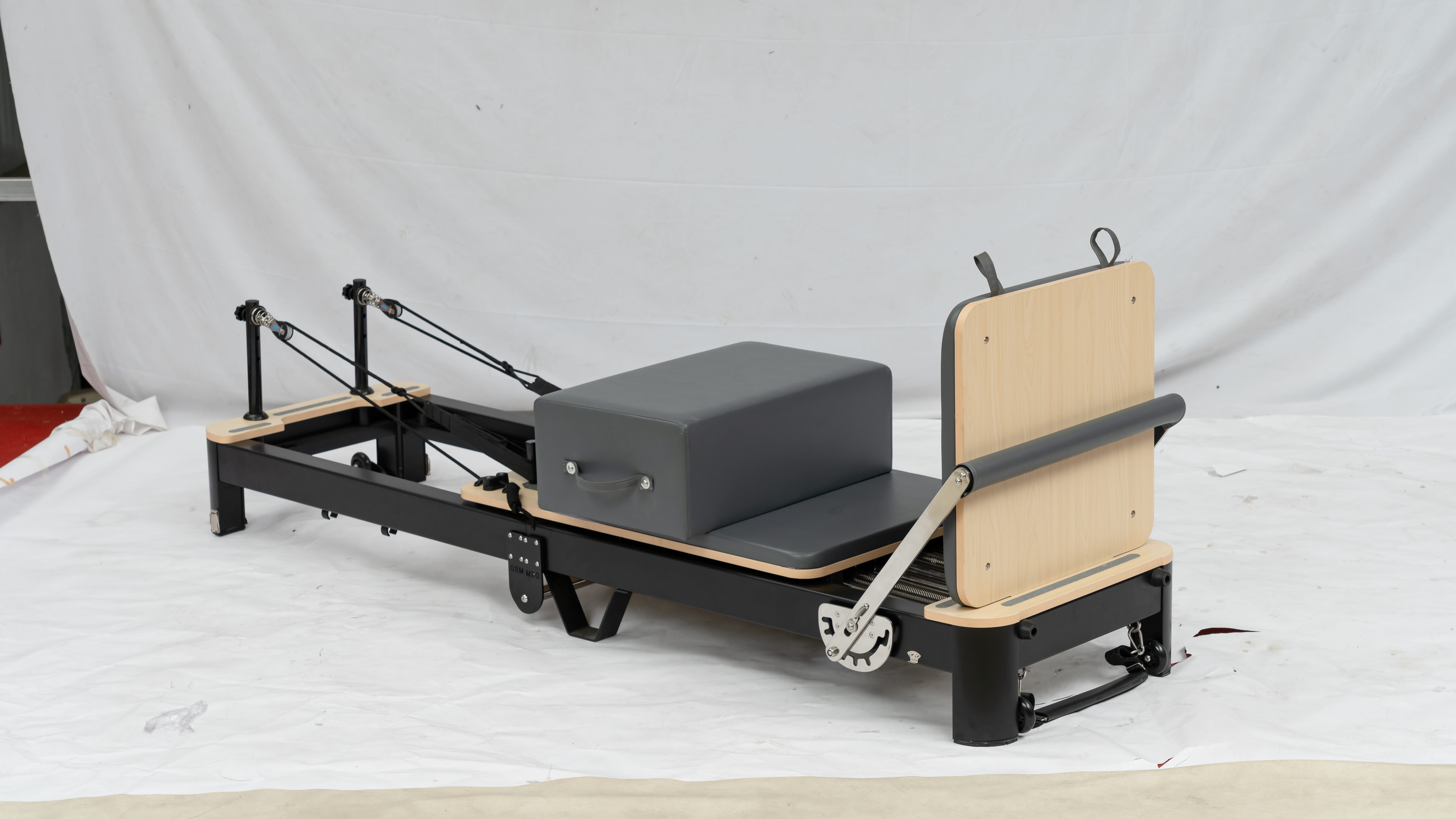
High-quality commercial Pilates equipment relies on strict standardized testing rather than simple assembly. Every reformer, Cadillac, stability chair and barrel must complete a full set of professional factory inspections before delivery. All testing procedures follow international fitness equipment safety standardsEN ISO 20957, covering structural safety, load performance, durability, appearance and transportation adaptability. Strict pre-shipment inspections effectively eliminate hidden dangers such as frame deformation, spring failure, abnormal noise and loose assembly, ensuring every device meets commercial studio high-frequency usage requirements.
1. Raw Material Incoming Inspection
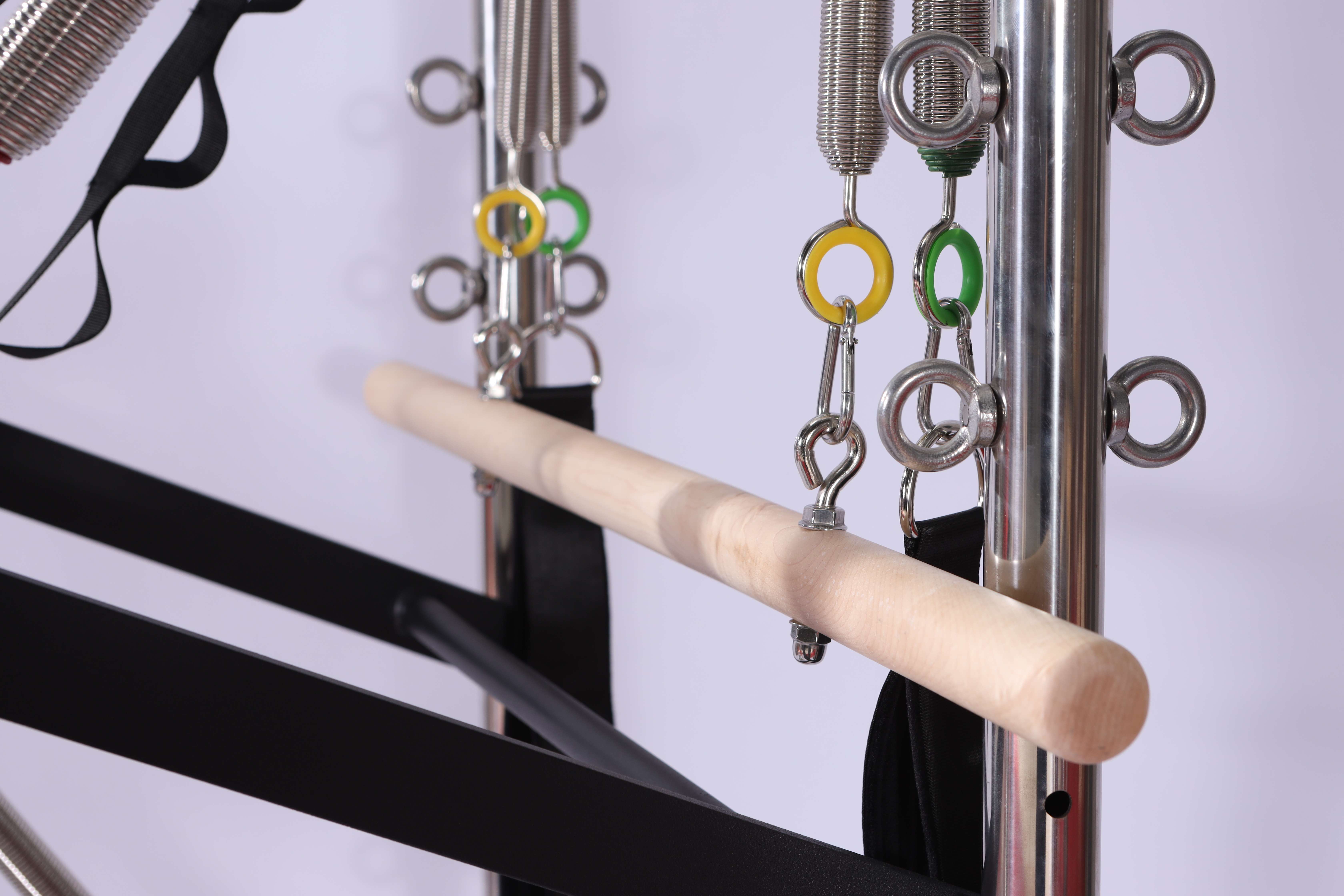
All production materials are strictly inspected before entering the production line to block defective sources. The factory checks the thickness, hardness and flatness of aluminum alloy and solid wood frames, tests the elasticity and fatigue resistance of industrial steel springs, and verifies the wear resistance and environmental protection of microfiber leather and high-density foam. Hardware accessories such as pulleys, slide rails and traction ropes undergo rust resistance and precision testing. Unqualified raw materials are directly rejected to ensure the basic quality of finished products.
2. Dimensional & Structural Precision Inspection
After assembly, workers conduct full-dimensional calibration to check whether the overall size, hole position and assembly gap of the equipment meet standard drawings. All connection parts, screws and fixed brackets are fully inspected to ensure no looseness, deviation or assembly gaps. Precise structural inspection avoids equipment shaking, jamming and unstable sliding caused by dimensional errors, ensuring overall structural consistency of each batch of products.
3. Static Load Safety Test
This is the core safety test for commercial Pilates equipment. According to international safety standards, inspectors apply static pressure to key bearing parts such as the bed frame, footbar and support base. The equipment bears far more weight than the official rated load for a long time to verify no deformation, bending or structural damage. This test ensures the machine can safely bear long-term human body pressure and meet the safety standards of high-frequency commercial use.
4. Dynamic Fatigue & Spring Cycle Test
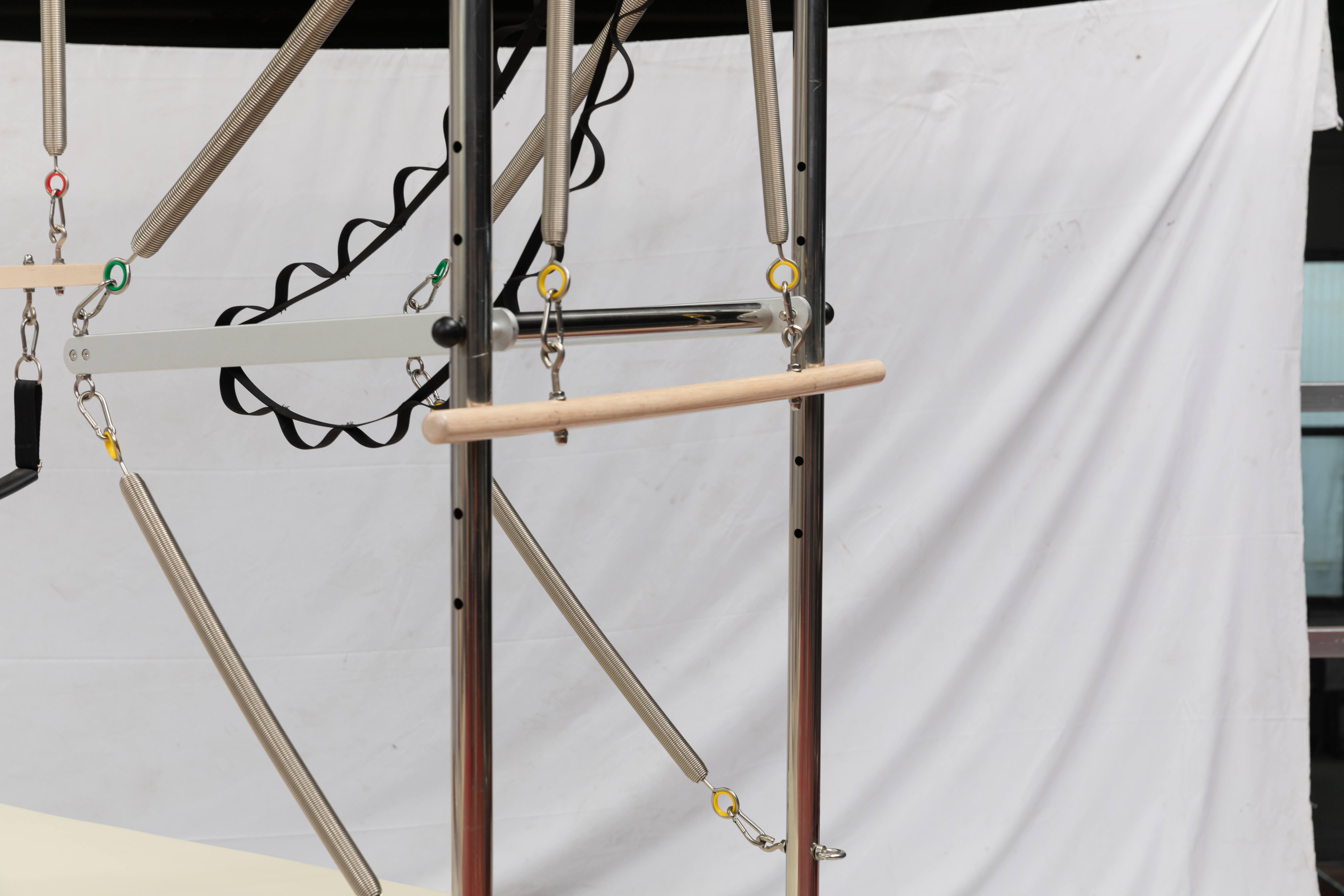
To simulate long-term studio high-intensity use, all equipment undergoes professional dynamic cycle testing. The sliding carriage repeats stretching and resetting tens of thousands of times to detect sliding smoothness and structural stability. Core spring accessories complete continuous tension cycle tests to confirm stable elasticity, no fatigue attenuation and no deformation after long-term stretching. This test effectively verifies the durability of wearing parts and guarantees long-term stable use without jitter or tension failure.
5. Silent Sliding & Functional Debugging
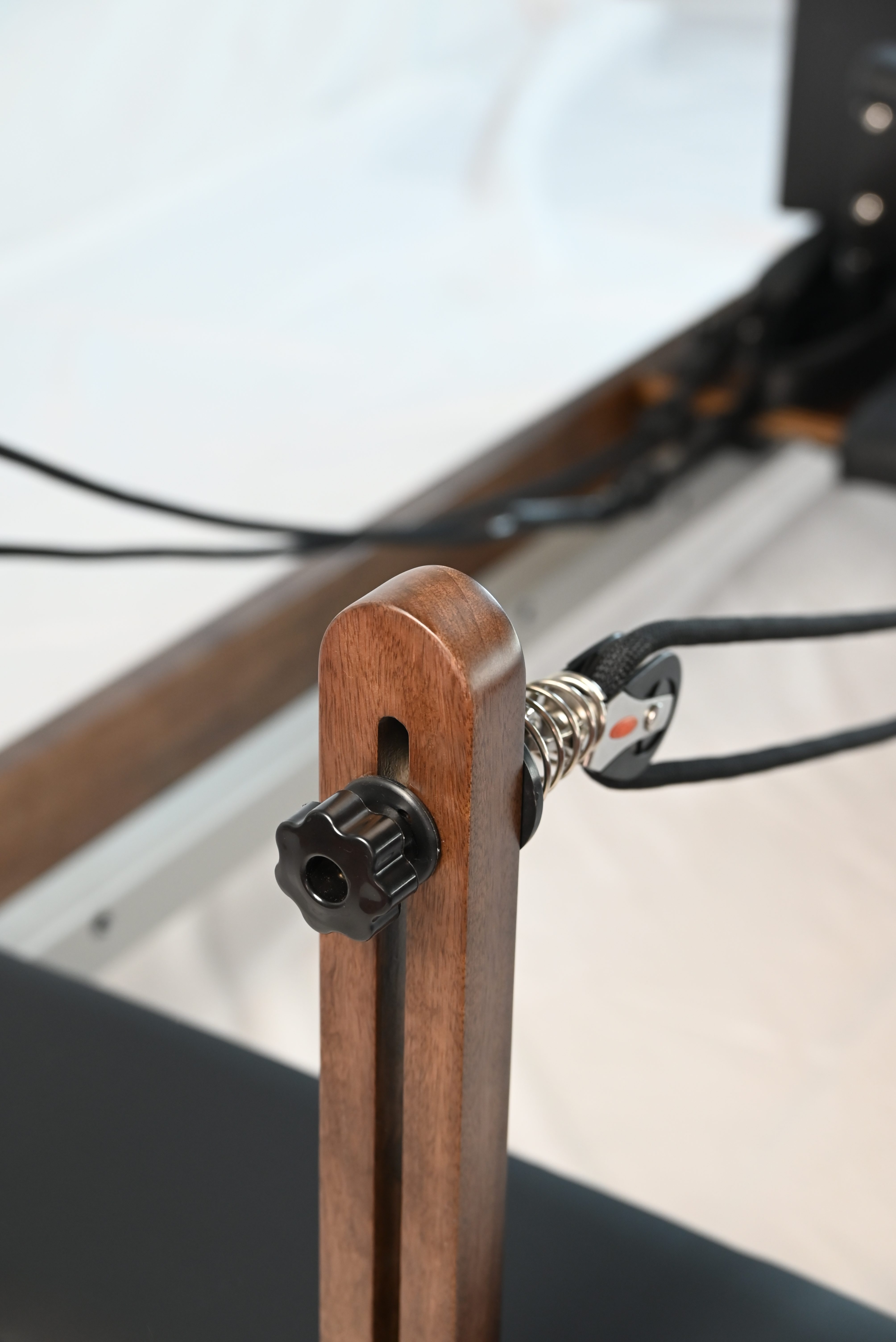
All assembled Pilates machines undergo full functional debugging. Inspectors repeatedly push and pull the carriage to check sliding smoothness, ensuring no stuttering, jamming or abnormal noise. They test the flexibility of pulleys, the stability of rope traction and the accuracy of spring gear adjustment. Every adjustable function is verified repeatedly to ensure all movements are smooth, quiet and in place, meeting professional teaching experience requirements.
6. Surface & Appearance Quality Inspection
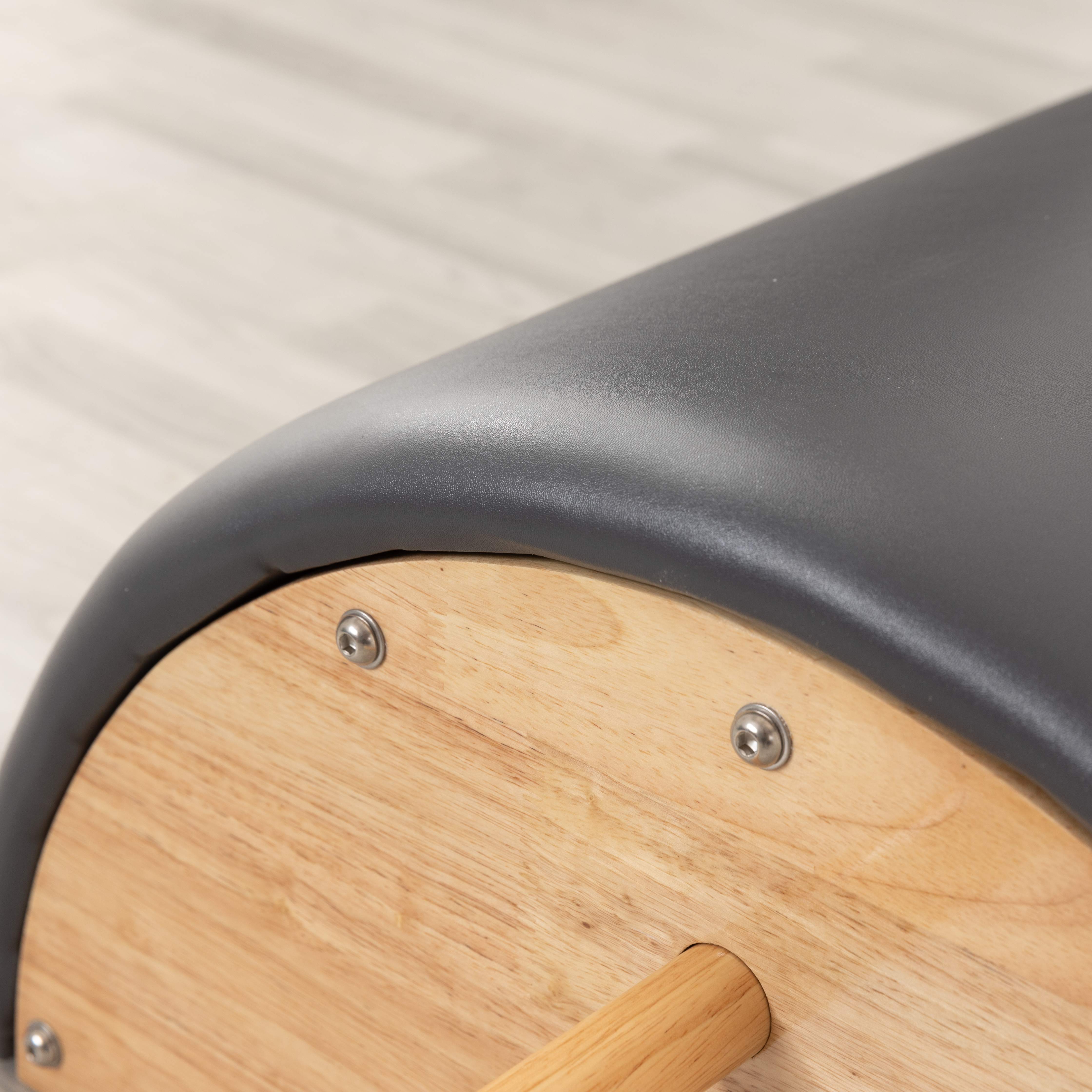
The finished products are comprehensively inspected for appearance details. The frame surface is checked for no scratches, paint peeling, rust or burrs; all edges and corners are polished smoothly to avoid scratching risks. The leather upholstery is inspected for tight fitting, flat stitching, no wrinkles or degumming. The foam padding is uniform and elastic without collapse. Fine appearance control ensures high-end commercial grade texture and service life.
7. Environmental & Anti-Corrosion Testing
For exported equipment, hardware and frame surfaces pass professional anti-corrosion and salt spray resistance tests to adapt to long-distance ocean transportation and different regional climates. All contact materials comply with environmental protection standards, with no harmful substances, ensuring safe and skin-friendly use. This inspection avoids rust, oxidation and material deterioration during transportation and long-term use.
8. Complete Accessories & Packaging Inspection
Before shipment, workers check all supporting accessories one by one, including jump boards, sitting boxes, hand loops, foot straps and tool kits, to ensure complete matching. Meanwhile, professional export packaging inspection is carried out to confirm foam buffer protection, thick carton packaging and optional wooden box reinforcement. Simulated drop and collision tests ensure no damage during long-distance transportation.
9. File Recording & Sampling Retest
Each qualified equipment takes finished product inspection photos for file record, realizing traceable quality. For bulk orders, random sampling retests are conducted to stabilize batch quality consistency. Only products that pass all inspection items can be labeled and delivered.
Conclusion
Strict multi-link pre-shipment inspection is the core guarantee of commercial-grade Pilates equipment quality. From raw material screening, structural safety testing, fatigue durability verification to transportation protection inspection, every link abides by international standards, effectively solving common problems such as equipment shaking, noise, easy wear and unsafe structure.
As a professional Pilates equipment manufacturer, we implement full-process quality inspection for all products, support third-party testing and certification, and provide stable, durable and safe commercial equipment for global studios and distributors. Welcome to consult for product test reports and wholesale prices.