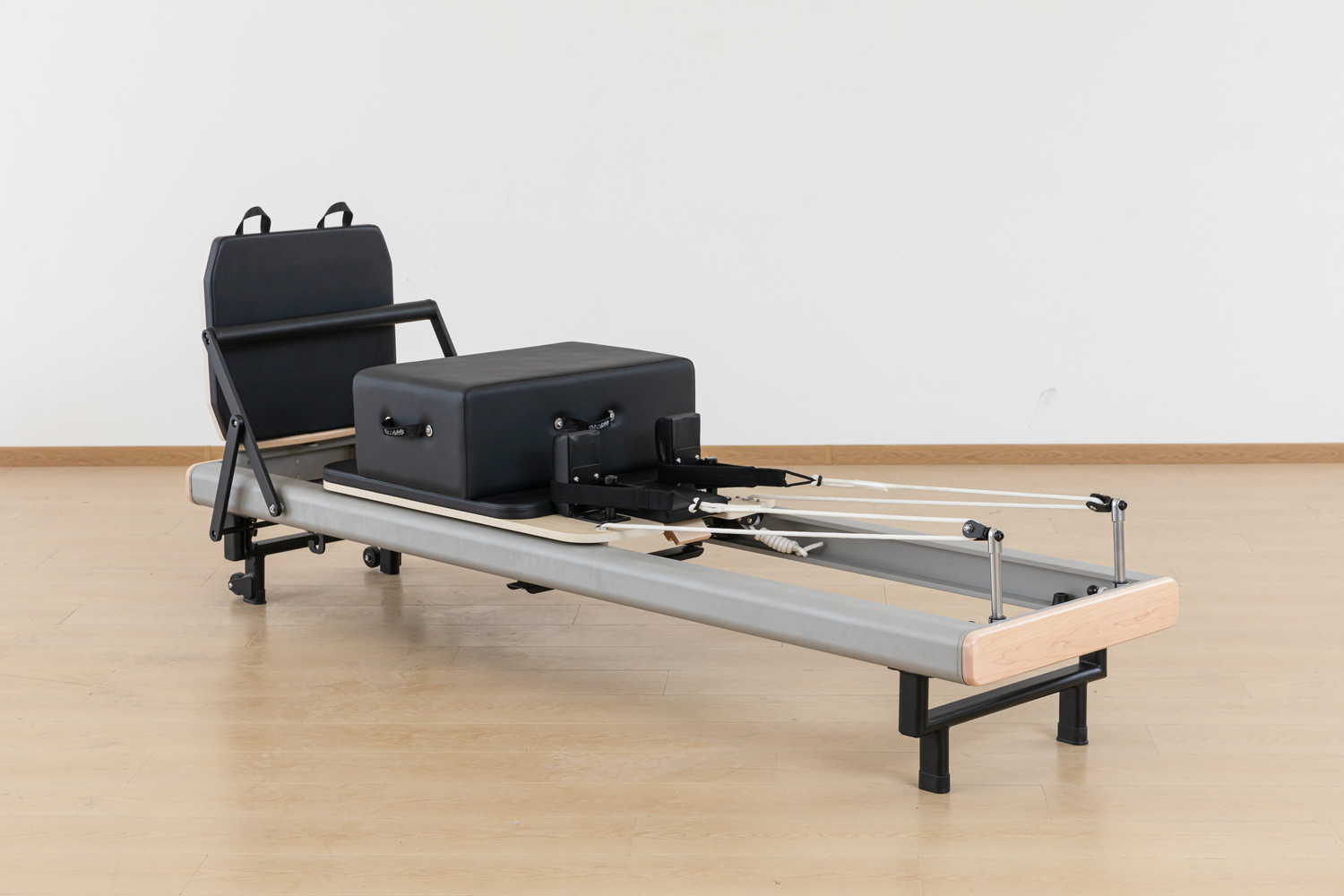
Build a Home Pilates Studio: One Reformer for Full-Body Sculpting
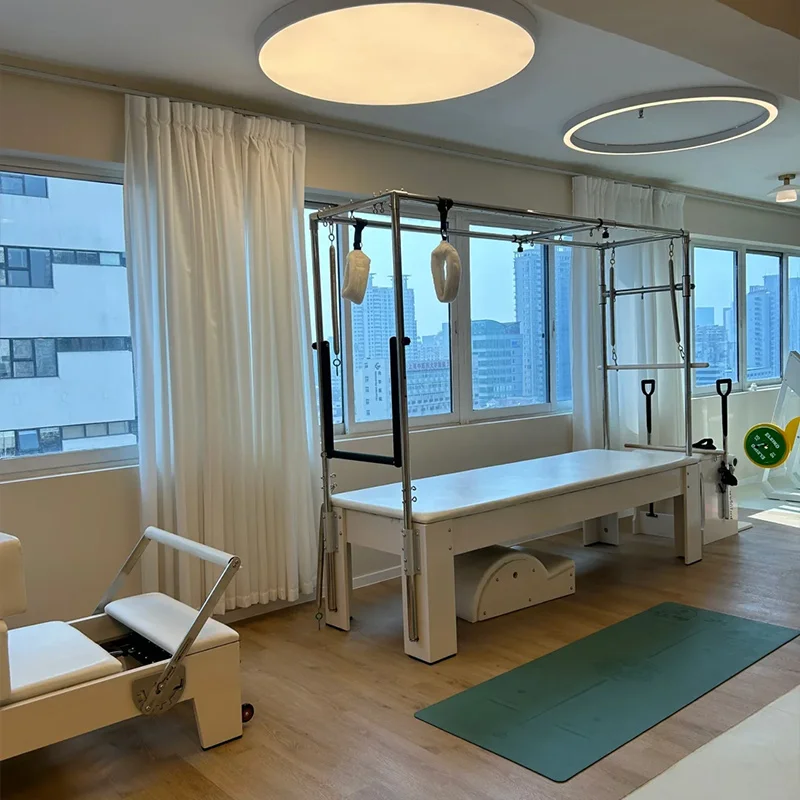
Owning your own Reformer — the ability to enjoy Pilates practice at home, anytime — is a dream for many fitness enthusiasts. The Reformer's design covers nearly all movement planes and muscle groups in the body — and that's precisely its unique value. This article helps you evaluate whether "one Reformer for the whole body" truly fits your home and lifestyle, across three dimensions: equipment selection, space planning, and training programming.
I. Why Can One Reformer "Cover the Whole Body"?
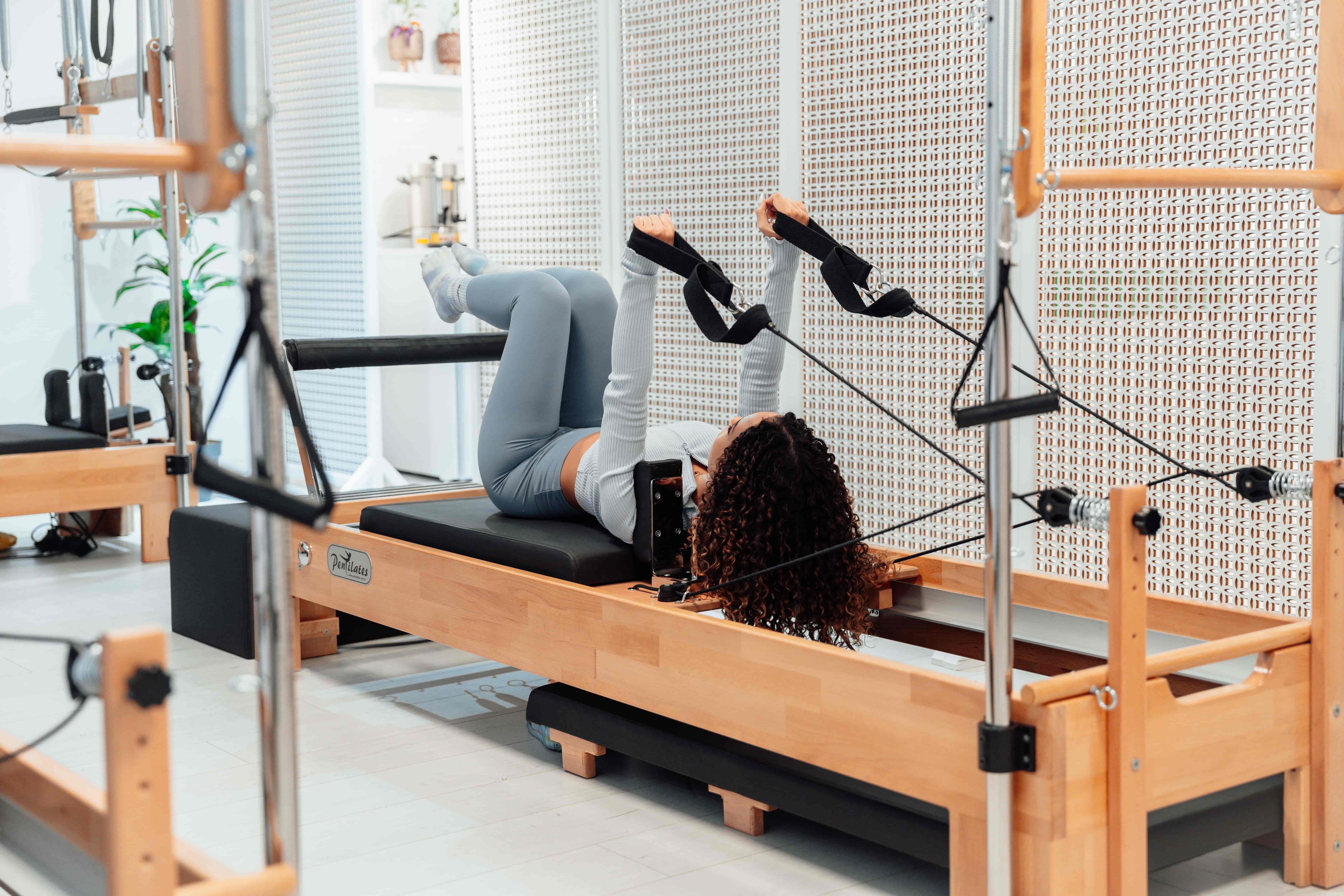
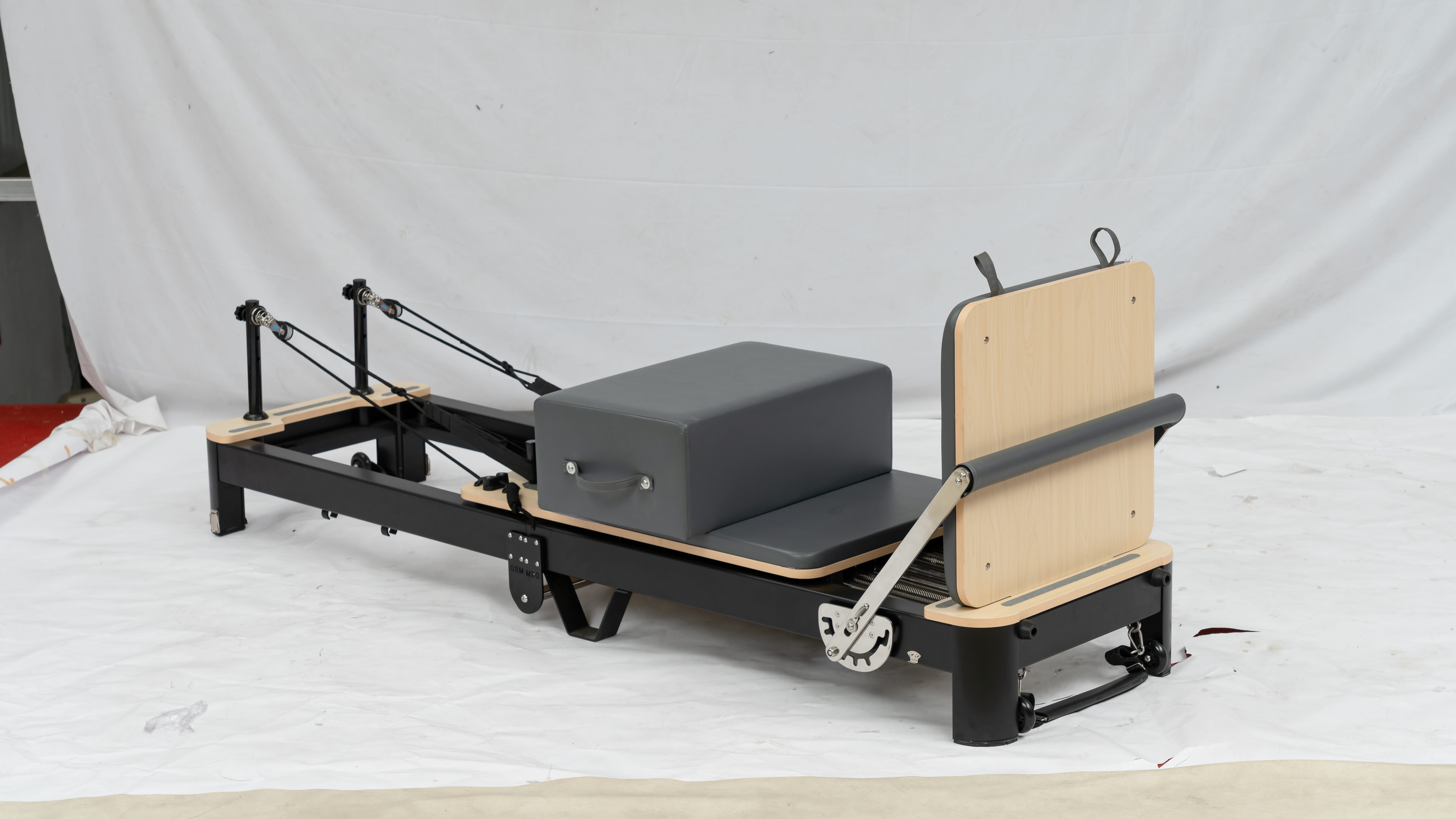
What makes the Reformer unique is its combination of spring resistance, carriage, and straps — enabling strength, flexibility, balance, and coordination training all on one machine. You don't switch between different equipment. Lie down and you're working core and lower body; sit up and you're working arms and back; kneel and you're training balance and stability.
A well-designed Reformer program covers all fundamental movement patterns: push, pull, rotation, flexion, extension, and lateral flexion. This is why the Reformer is called Pilates' "universal apparatus" — unlike dumbbells that only offer single-direction resistance, it creates multi-planar, multi-dimensional training possibilities through adjustable springs and carriage movement.
II. The Home Reality: Three Questions to Ask First
The Reformer is wonderful, but it's not a "buy and start training" simple tool. Before placing an order, assess these three questions:
Can you consistently practice 2+ times per week? The biggest risk of a home Reformer is sitting unused. If your schedule can't support at least 2 sessions per week, it will likely become an expensive clothes rack. If you can't find 2 hours per week, the most honest recommendation is to hold off.
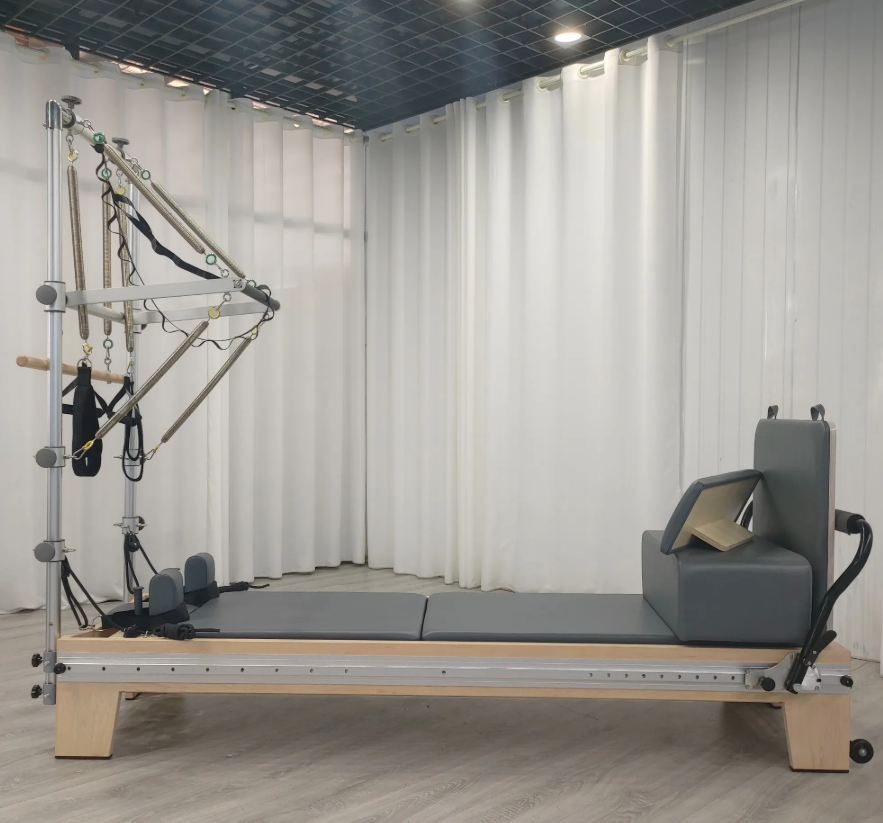
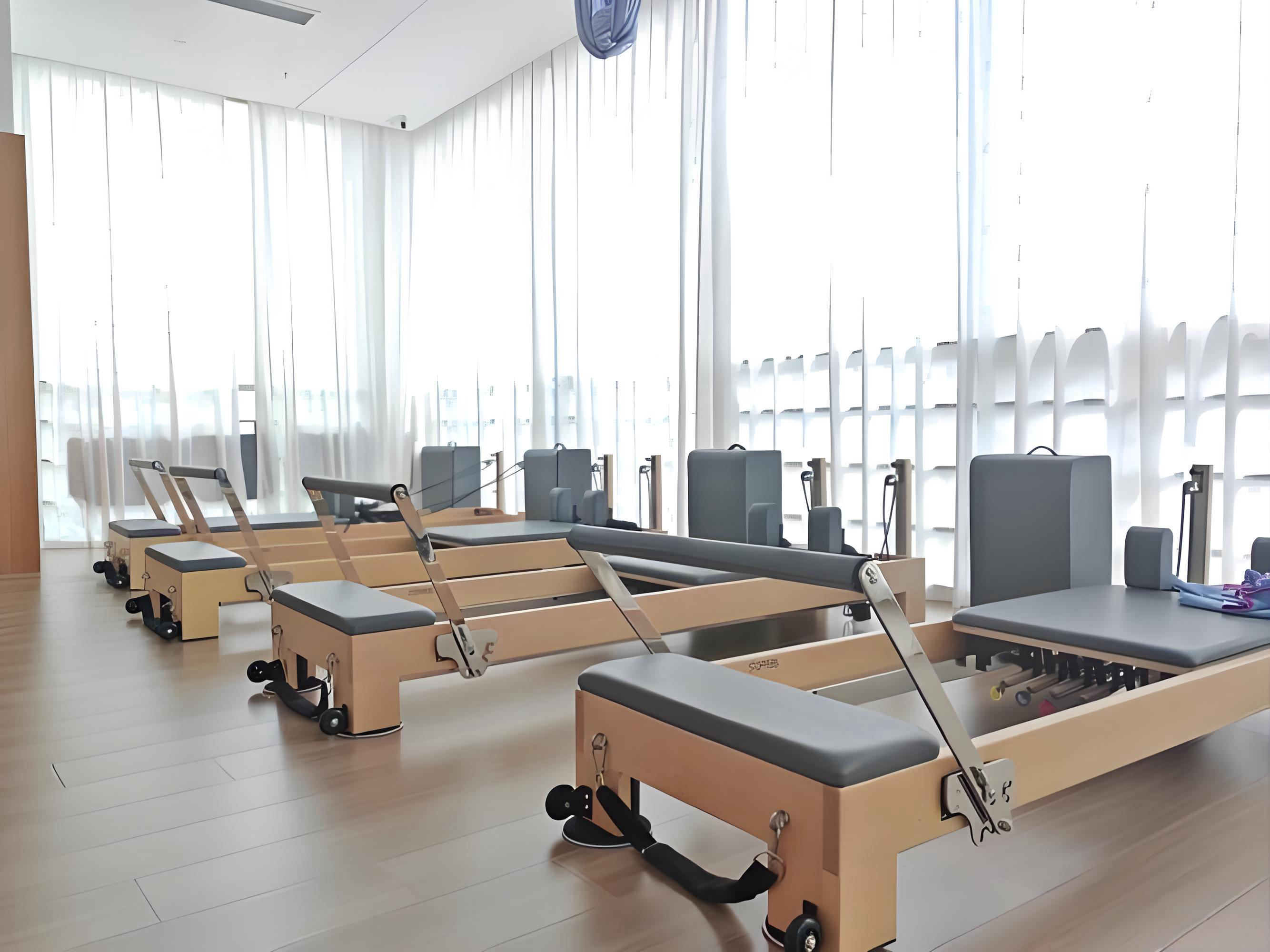
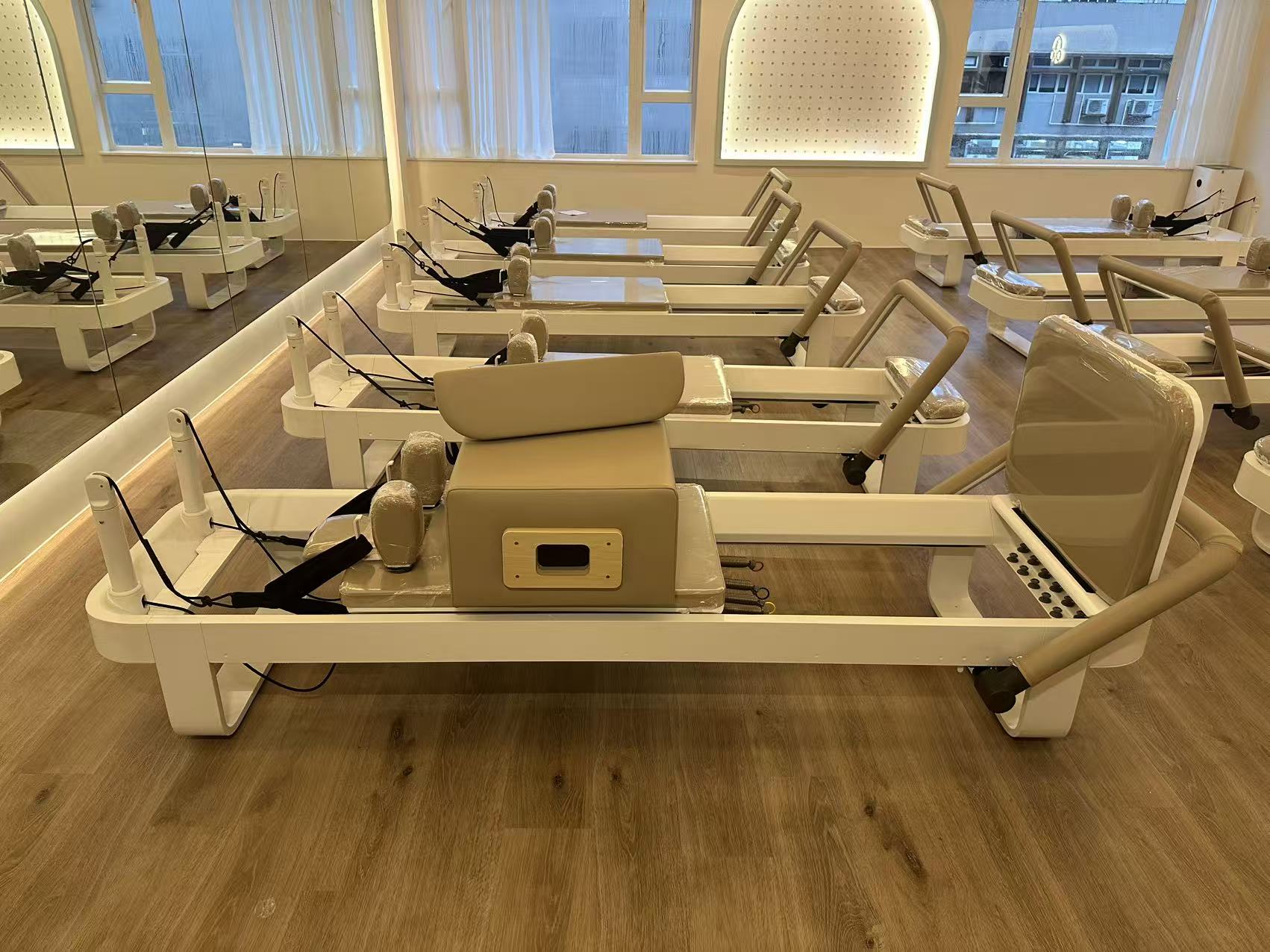
Do you have a suitable space? A Reformer is approximately 2.2-2.3 meters long and 0.7 meters wide — plus 60-80cm of clearance on each side for operation. If you don't have a dedicated room, confirm whether your living room or bedroom has a spot that won't disrupt daily traffic.
Can you accept it as a permanent piece of furniture? A Reformer isn't like dumbbells you can tuck into a closet. It becomes a long-visible piece of home equipment. If aesthetics matter to you, prioritize foldable models or color options that blend into your living space.
III. Home Reformer Buying Guide
Only after confirming the three questions above should you actually start choosing equipment:
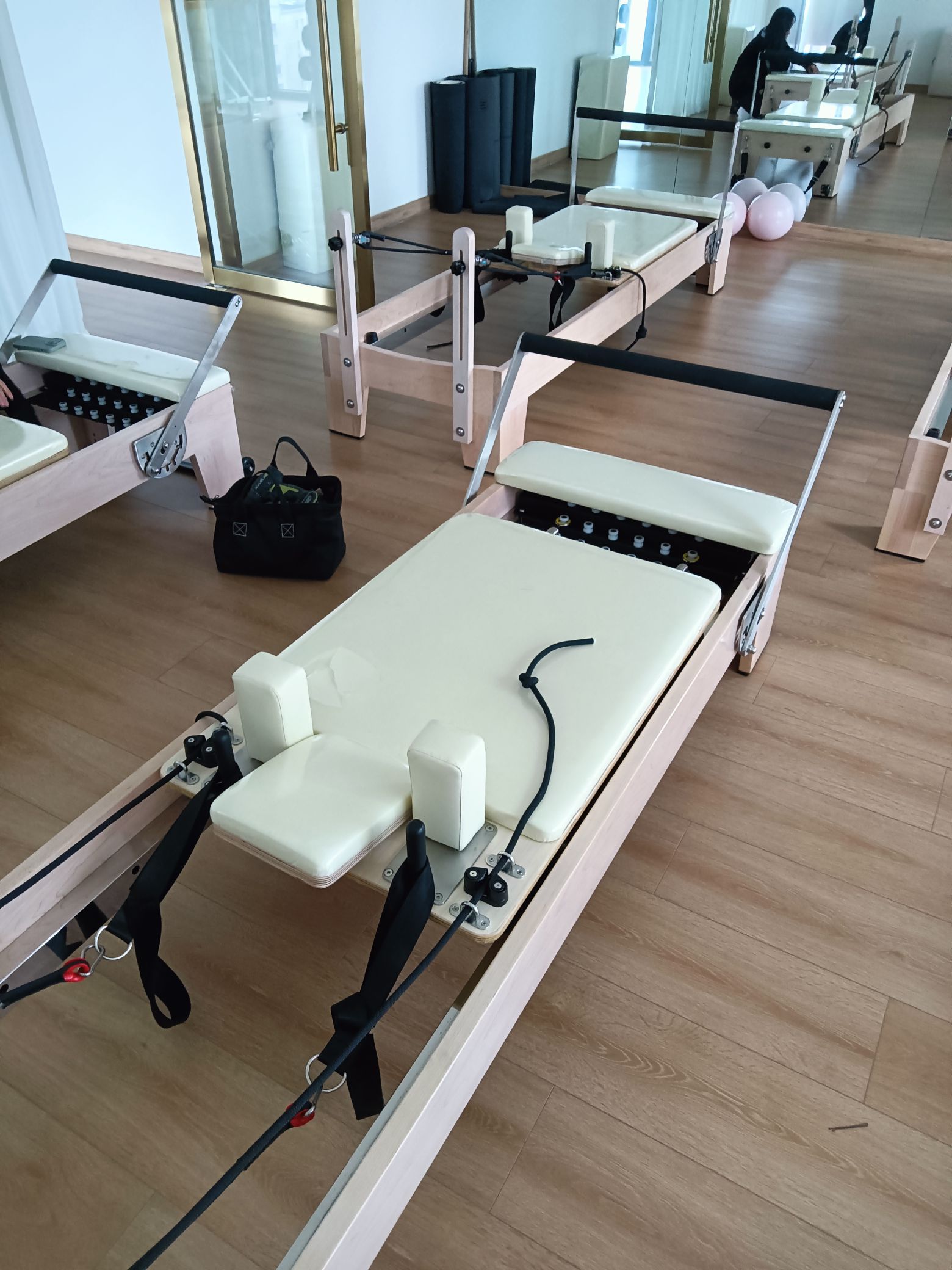
Space determines model: Standard length (approx. 230cm) suits dedicated rooms or large living rooms. Short models (approx. 210cm) fit tighter spaces. Foldable models (folded thickness approx. 15-30cm) offer the best balance between training function and space storage.
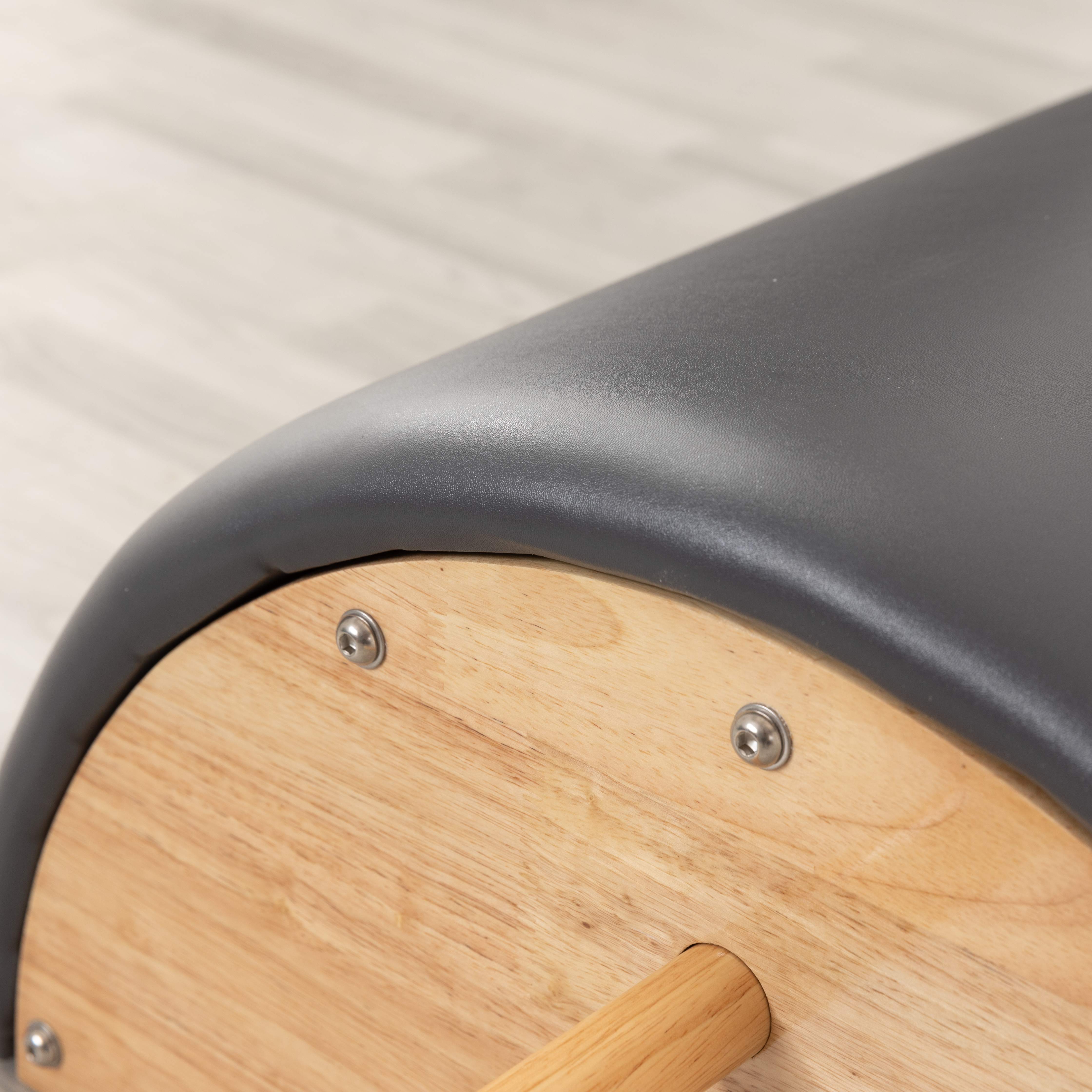
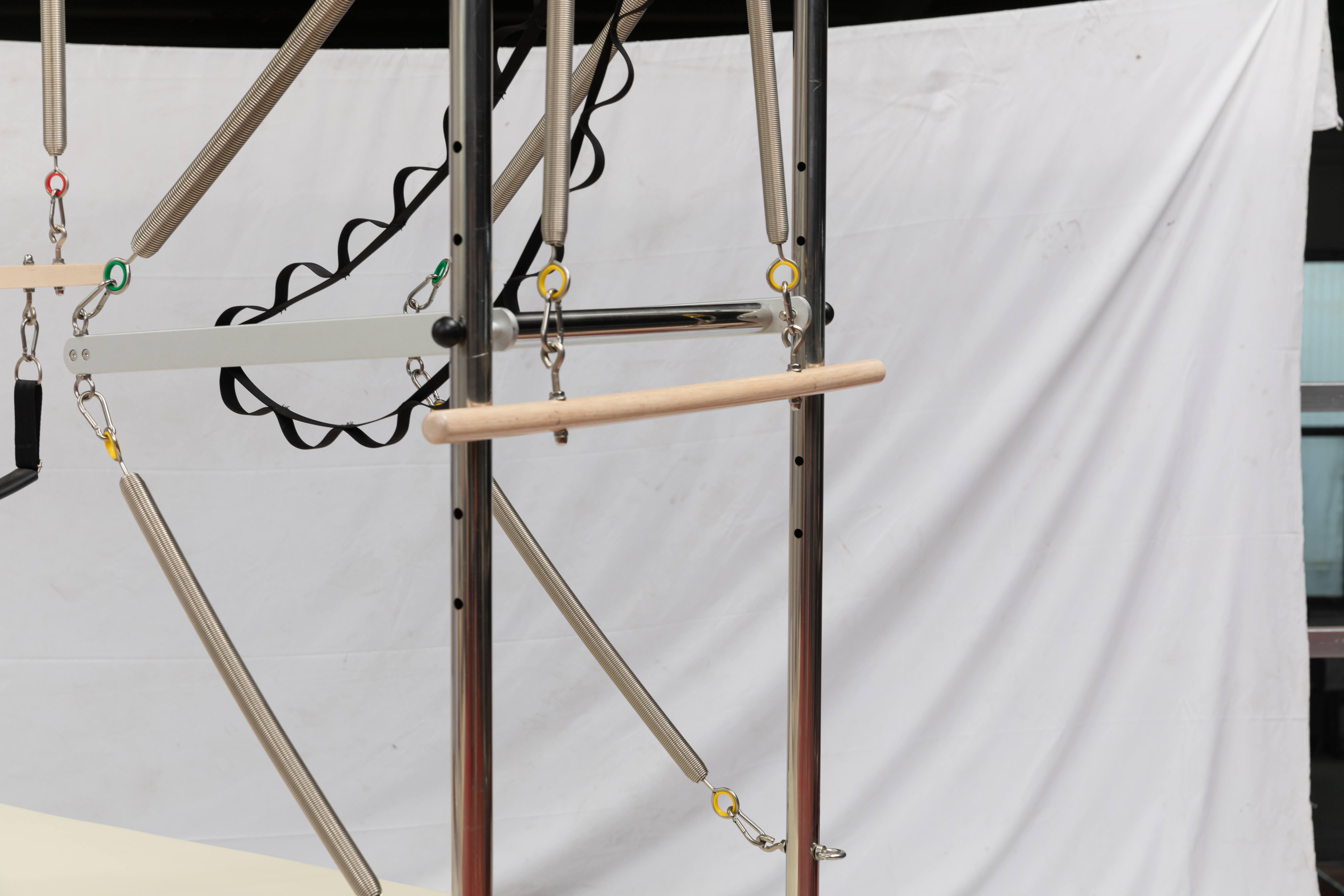
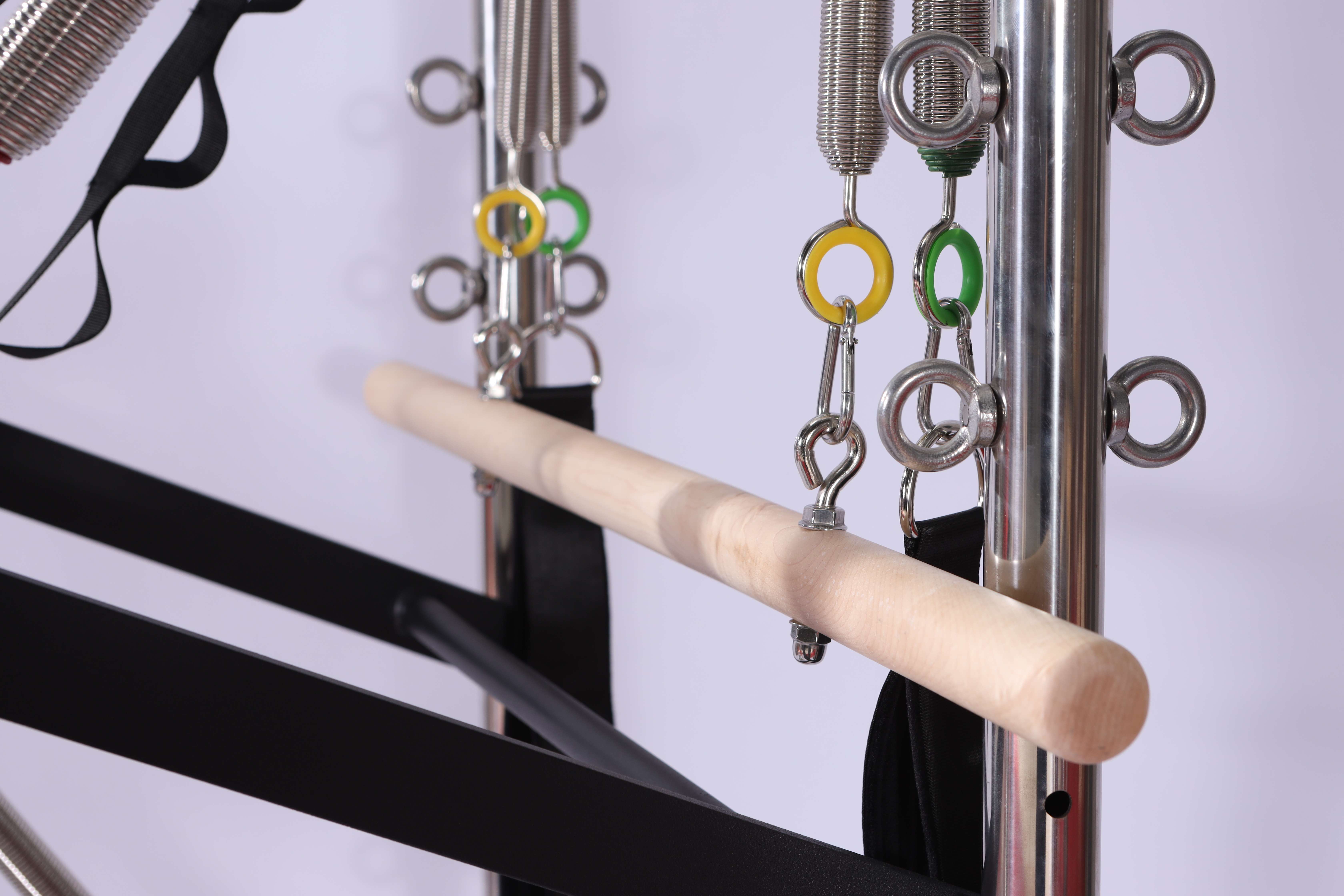
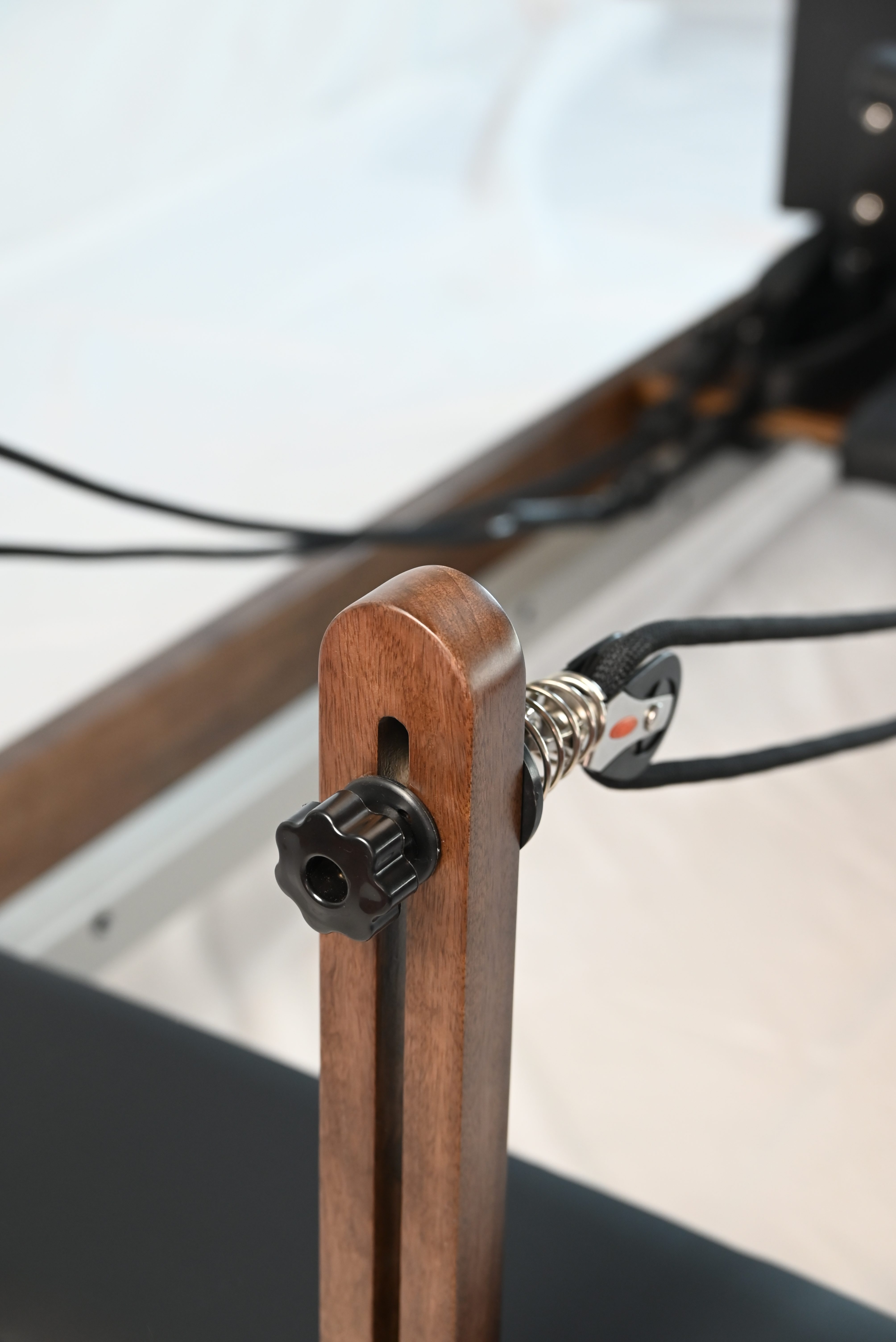
Spring quality determines feel: Quality springs (piano wire or high-carbon steel cold-coiled) maintain stable performance for hundreds of thousands of cycles. Elastic cords or inferior springs feel harsh and degrade quickly. The spring system is the Reformer's "soul" — don't compromise here.
Rail smoothness determines experience: Aluminum rails with silent pulleys glide smoothly and quietly. Inferior rails stick and make noise, distracting from training focus.
Folding structure and stability: Good foldable models use metal clasps or multi-point locking for stable operation. Cheap folding designs often rely on simple straps, creating safety hazards.
Price reference: Entry-level home reformers: approximately $250-550; Mid to high-end: $550-1,400; Commercial-grade and imported brands: $1,400+.
IV. Home Reformer Training Program
A single Reformer can handle a wide variety of exercises. Here's a full-body sculpting program suitable for home practice, scheduled 2-3 times per week:
Pelvic Curl — Lie supine, feet on the footbar, articulate the spine up one vertebra at a time, then roll down with control.
Carriage Glide — Lie or sit, push and return the carriage slowly with full control — no momentum.
Seated Row — Sit, pull straps with back muscles, feeling scapular retraction and depression.
Leg Stretch — Lie supine, one or both legs stretched, feeling the connection between hamstrings and abdominals.
Side-Lying Leg Series — Lie side-lying, using straps or shoulder rests for hip abduction and adduction.
Kneeling Balance — Kneel, push and pull the carriage, challenging stability in dynamic movement.
V. Recommended Small Props
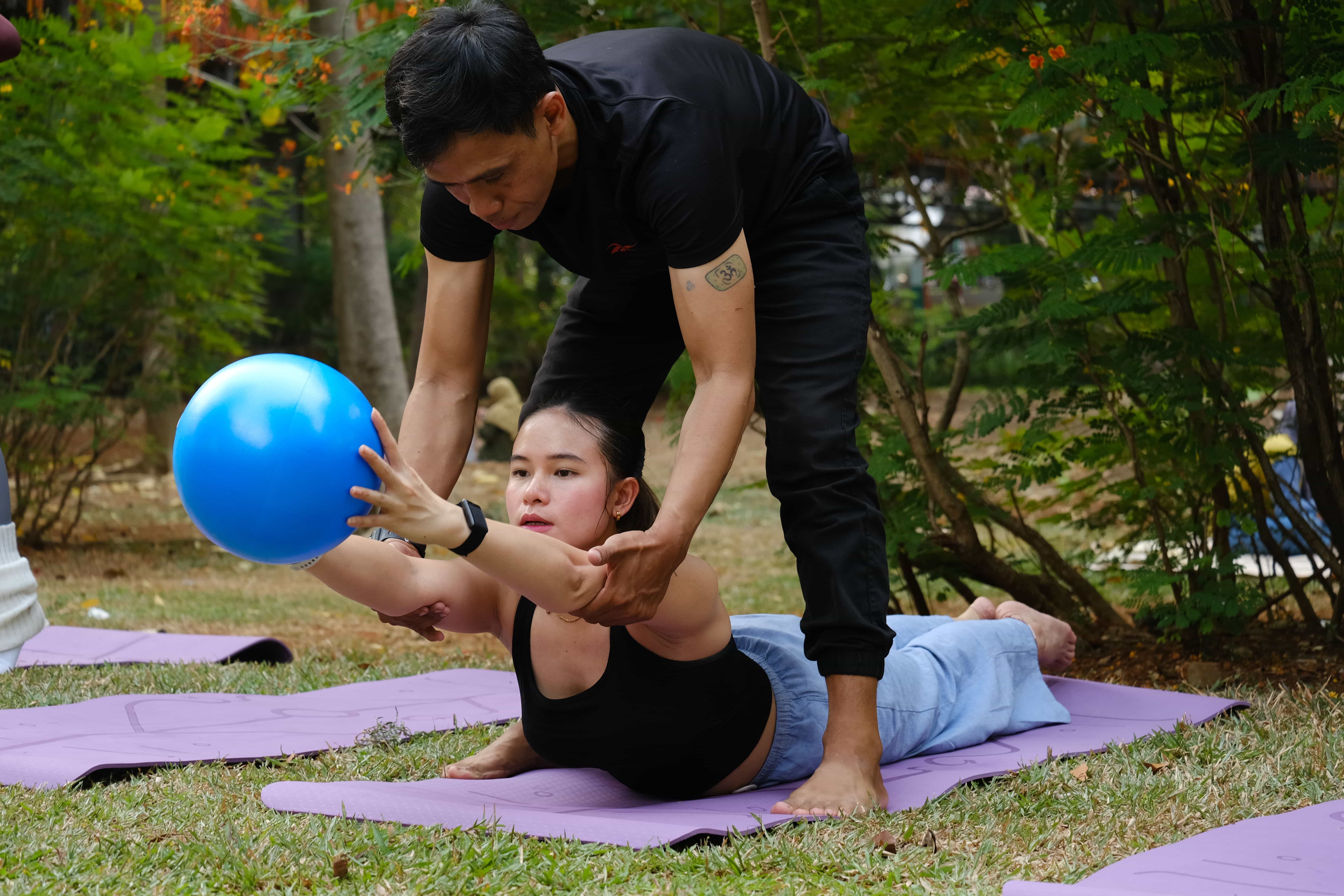
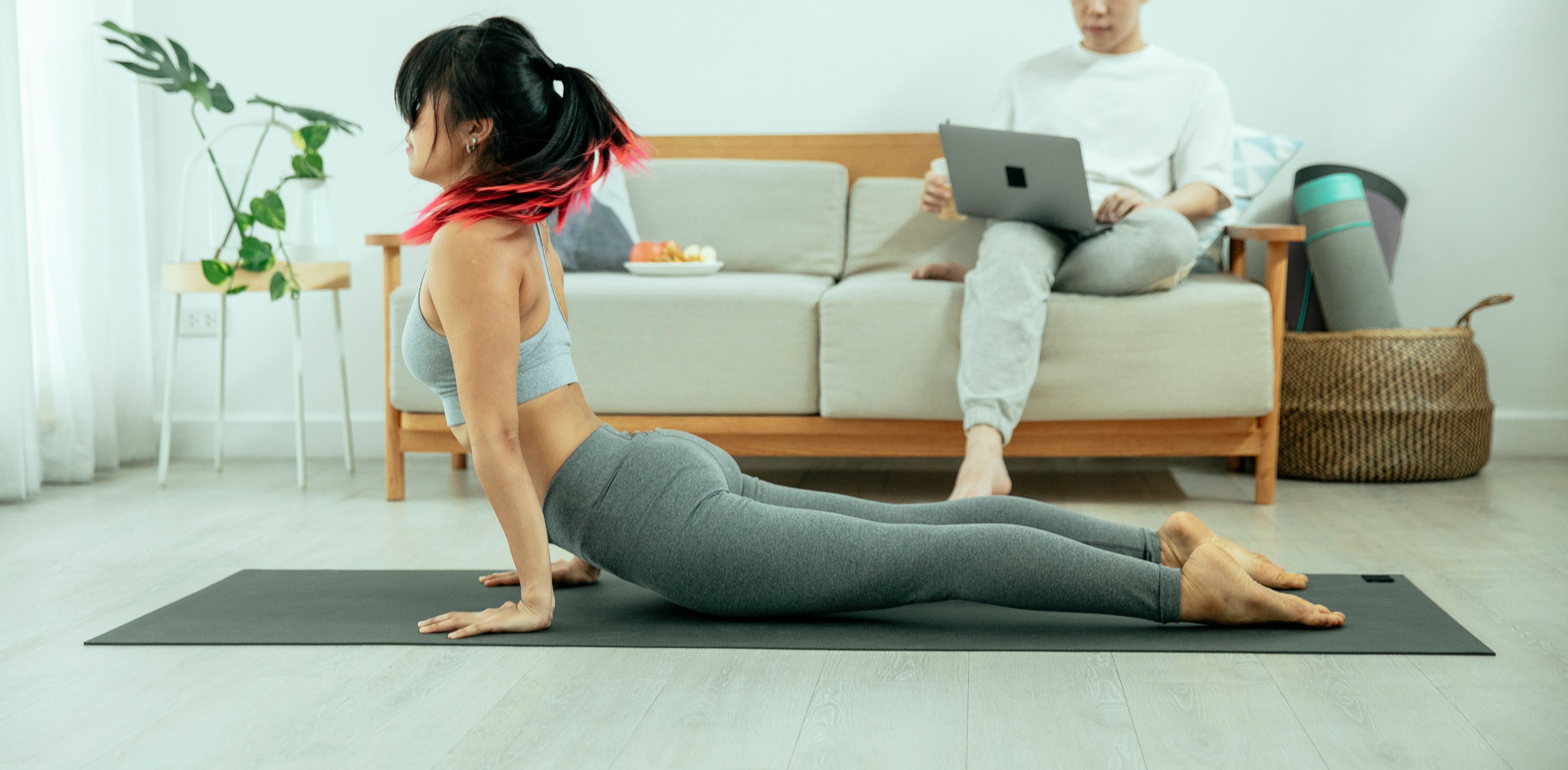
While a single Reformer covers most training needs, these small props significantly enhance variety without taking up much space: Magic Circle (upper body and inner thigh activation), resistance bands (additional resistance variation), small Pilates ball (adding instability for deep stabilizers), yoga mat (warm-up, cool-down, or as an accessory mat). Total investment: a few hundred — doubling your training variety.
Summary: The Reformer truly is a "one-machine-for-the-whole-body" Pilates tool — it covers all major movement patterns and muscle groups. But before bringing one home, ask yourself: Can I practice 2+ times per week consistently? Do I have suitable space? Can I accept it as a long-visible piece of furniture? If all three answers are yes, the Reformer is a worthy investment. When selecting, spring quality, rail smoothness, and folding stability are the three non-negotiable criteria. In practice, consistency beats intensity — regular weekly practice beats exhausting single sessions. A Reformer plus good habits — that's the real formula for home Pilates.