Postnatal Recovery: Why Pilates Equipment Is the Top Choice for Effective, Effortless Body Restoration
Postnatal recovery is a real challenge for many new mothers. Diastasis recti, pelvic floor dysfunction, lower back pain, and postural changes—these issues affect not only physical function but also mental well-being. Pilates equipment, with its low-impact, precision-controlled, and core-focused approach, is increasingly recommended by obstetricians and rehabilitation professionals as the preferred exercise modality for postnatal recovery.
I. Key Postnatal Physical Challenges
Diastasis Recti Abdominis (DRA) is one of the most common postnatal issues. During pregnancy, the growing uterus stretches the linea alba, causing the rectus abdominis muscles to separate. Research indicates that DRA can cause lower back pain, pelvic floor dysfunction, and body image anxiety. Postnatal Reformer training should only begin when DRA has narrowed to within one finger width, as abdominal flexion exercises are otherwise unsafe.
Pelvic Floor Dysfunction manifests as urinary incontinence, pelvic organ prolapse, and vaginal dryness. When the pelvic floor is weak, spring resistance from the Reformer can increase intra-abdominal pressure, triggering leakage. Therefore, pelvic floor strength assessment is essential before starting postnatal Pilates training.
Postural Changes include anterior pelvic tilt, rounded shoulders, and lower back pain—often aggravated by daily activities like feeding and carrying the baby. Pilates equipment training systematically addresses these issues by rebuilding core stability and body control.
II. Why Is Pilates Equipment the Preferred Choice?
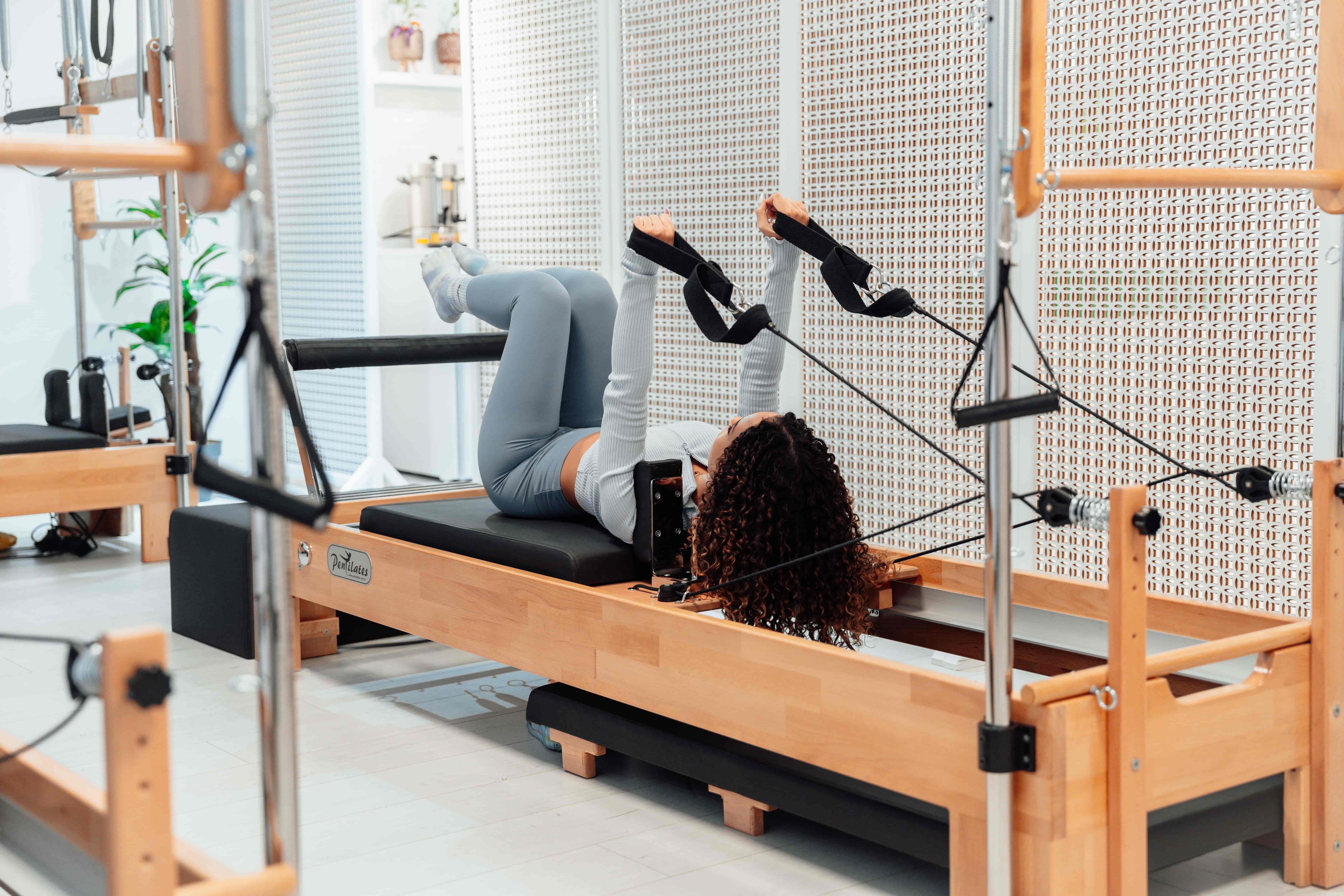
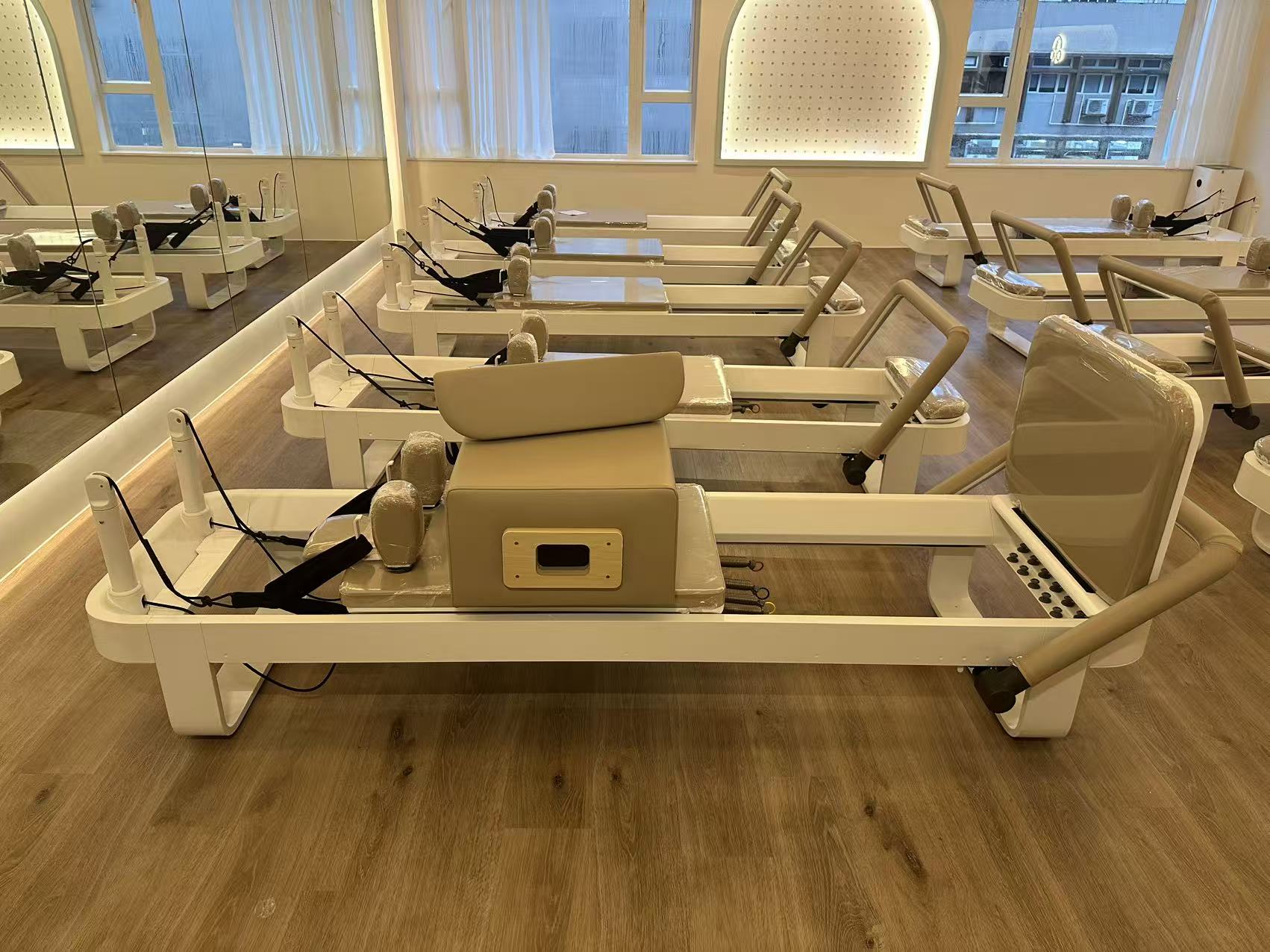
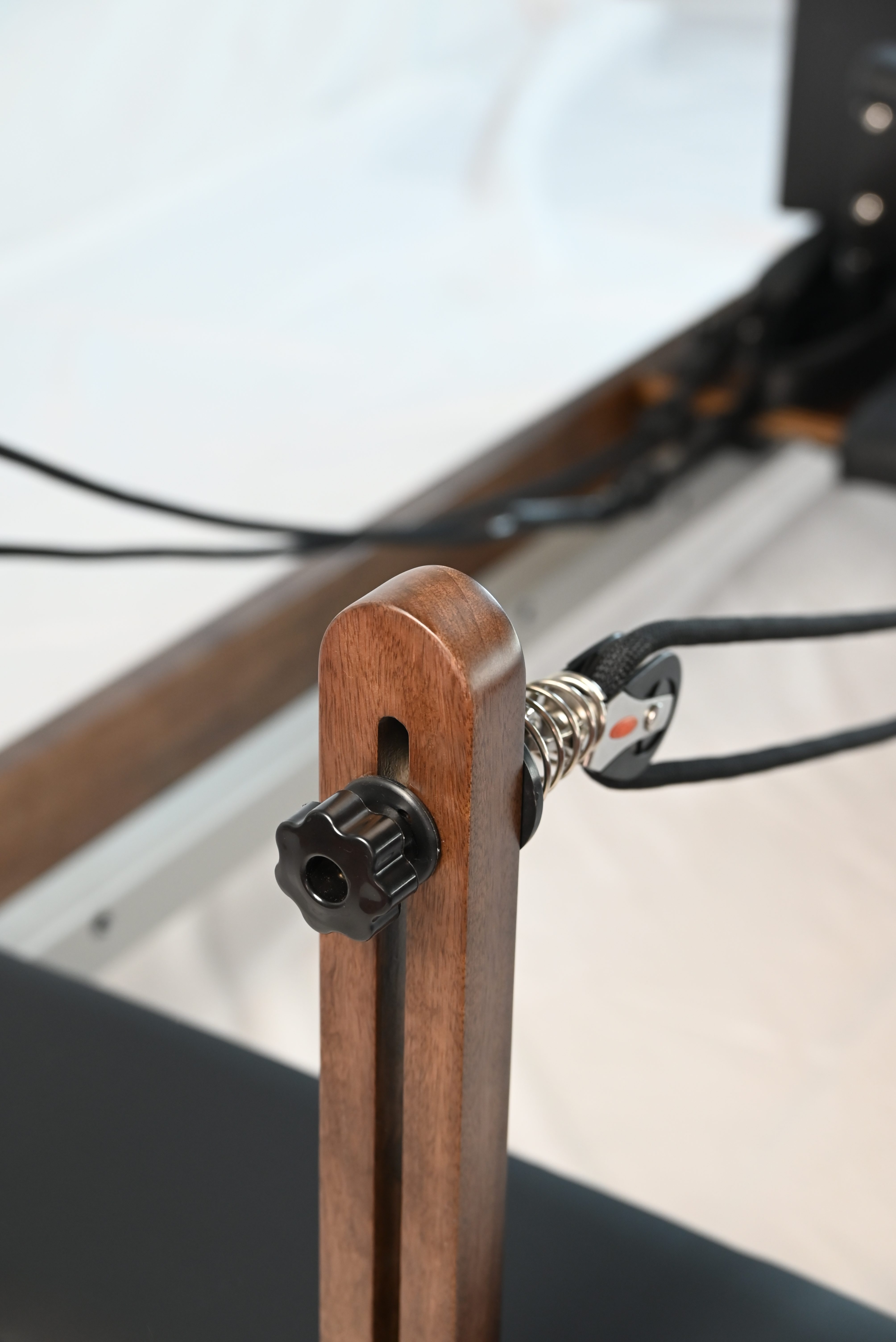
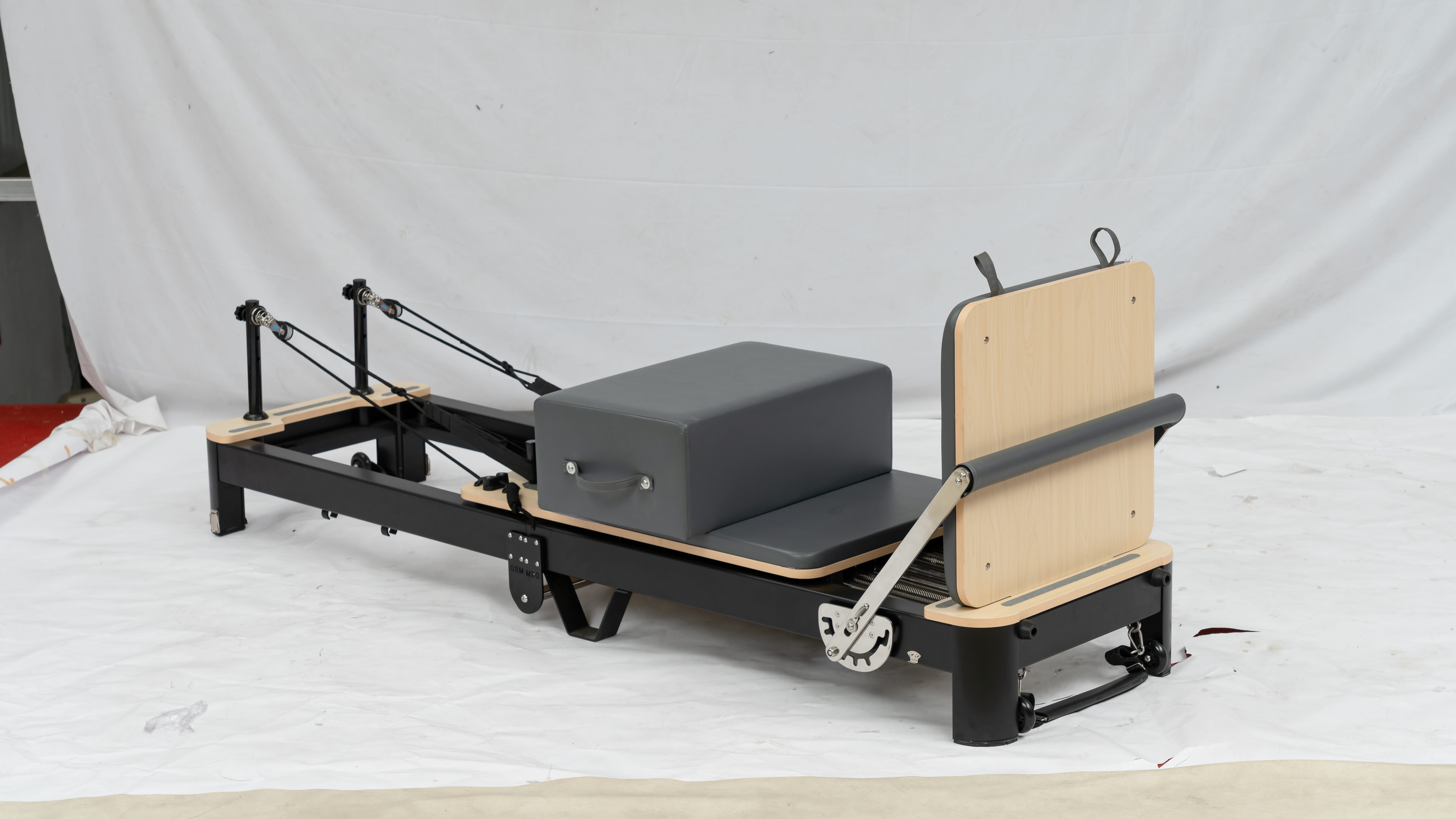
Precision-controlled resistance is the core advantage of postnatal Pilates equipment. Pilates apparatus like the Reformer provide adjustable spring resistance, enabling safe, progressive training. Early postnatal training should use the lightest spring resistance to avoid increasing intra-abdominal pressure. At three months postpartum, clients can gradually progress to equipment-based training, focusing on the rectus abdominis, multifidus, and erector spinae—but spring resistance must be carefully managed to prevent worsening diastasis.
Integrated abdominal-pelvic training addresses both core regions simultaneously. A clinical study currently underway at Beijing Sport University is specifically investigating the effectiveness of "apparatus-based Pilates combined abdominal-pelvic training" for postnatal DRA recovery. This approach integrates resistance training, stabilization, breathing, and deep core activation to improve both pelvic floor and abdominal function.
Scientific research has validated its effectiveness. A 2025 master's thesis from Wuhan Sports University demonstrated that Pilates training significantly improves postnatal physical and mental health—including significant improvements in body weight, body fat, waist circumference, and diastasis recti, as well as effective restoration of pelvic floor resting tone and fast/slow muscle fiber function.
Clinical evidence supports this conclusion. A randomized controlled trial published in Chinese Rehabilitation involving 104 postnatal women with pelvic floor dysfunction found that Pilates combined with bioelectrical stimulation effectively enhanced pelvic floor muscle strength, improved pelvic floor function, and enhanced sexual quality of life.
III. When Can Postnatal Pilates Training Begin?
The timing depends on delivery mode and individual recovery.
Women with uncomplicated vaginal deliveries can typically begin Reformer training 6-8 weeks postpartum after medical clearance. Before this, the first 42 days postpartum are for gentle breathing exercises and Kegel work to activate the deep transverse abdominis and pelvic floor.
Cesarean section deliveries require 8-12 weeks to ensure wound healing. Women with symphysis pubis dysfunction or sacroiliac instability should address these issues through physical therapy first.
Balanced Body's PilatesAngle is an adaptive support cushion designed specifically for postnatal users—it elevates the upper body by 32°, provides neck support, and makes supine exercises more comfortable and safe.
Essential safety prerequisite: DRA measurement and pelvic floor strength assessment must be completed before starting equipment training. If symptoms like leakage or low back pain occur, training should stop and medical advice sought.
IV. Recommended Equipment for Postnatal Recovery
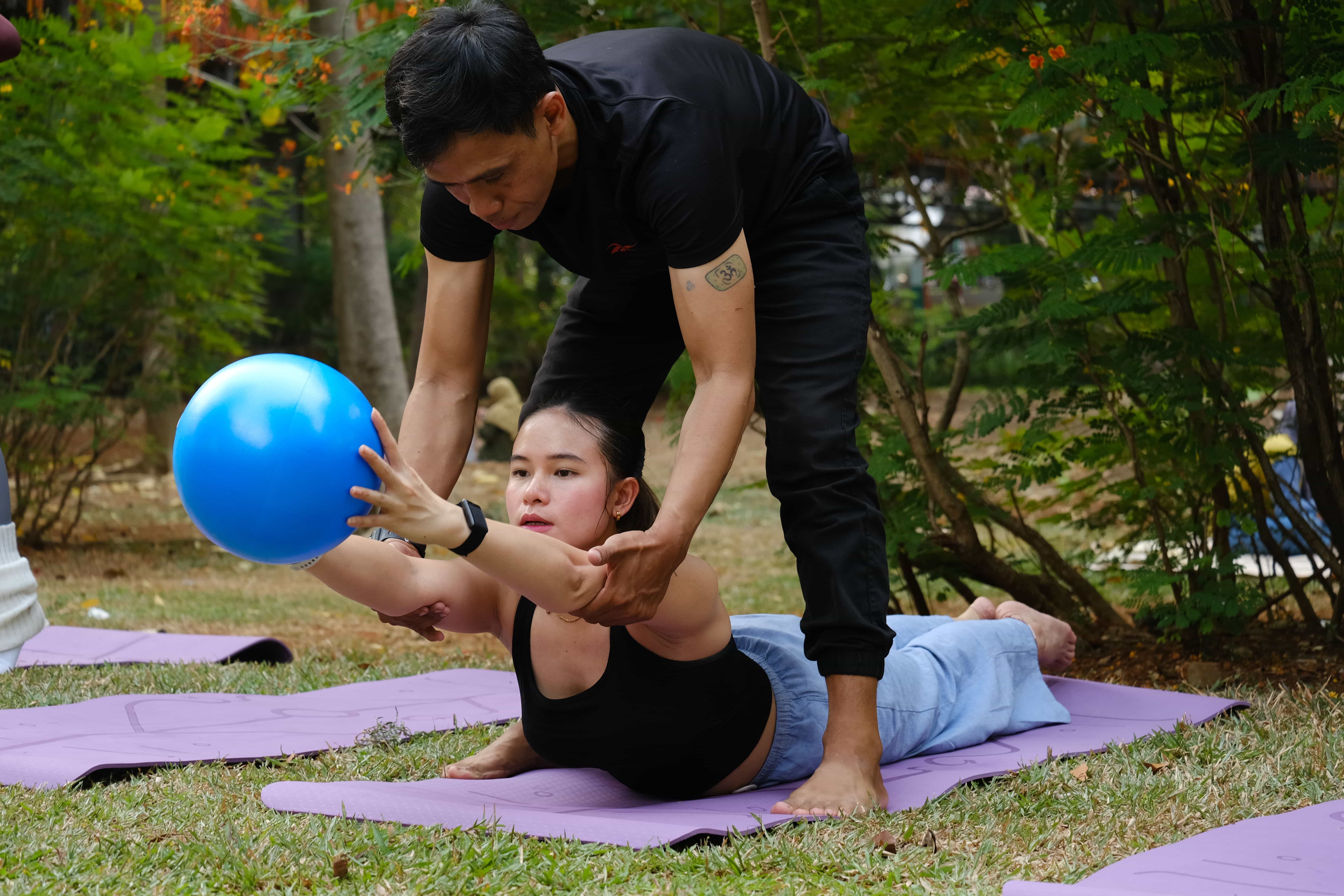
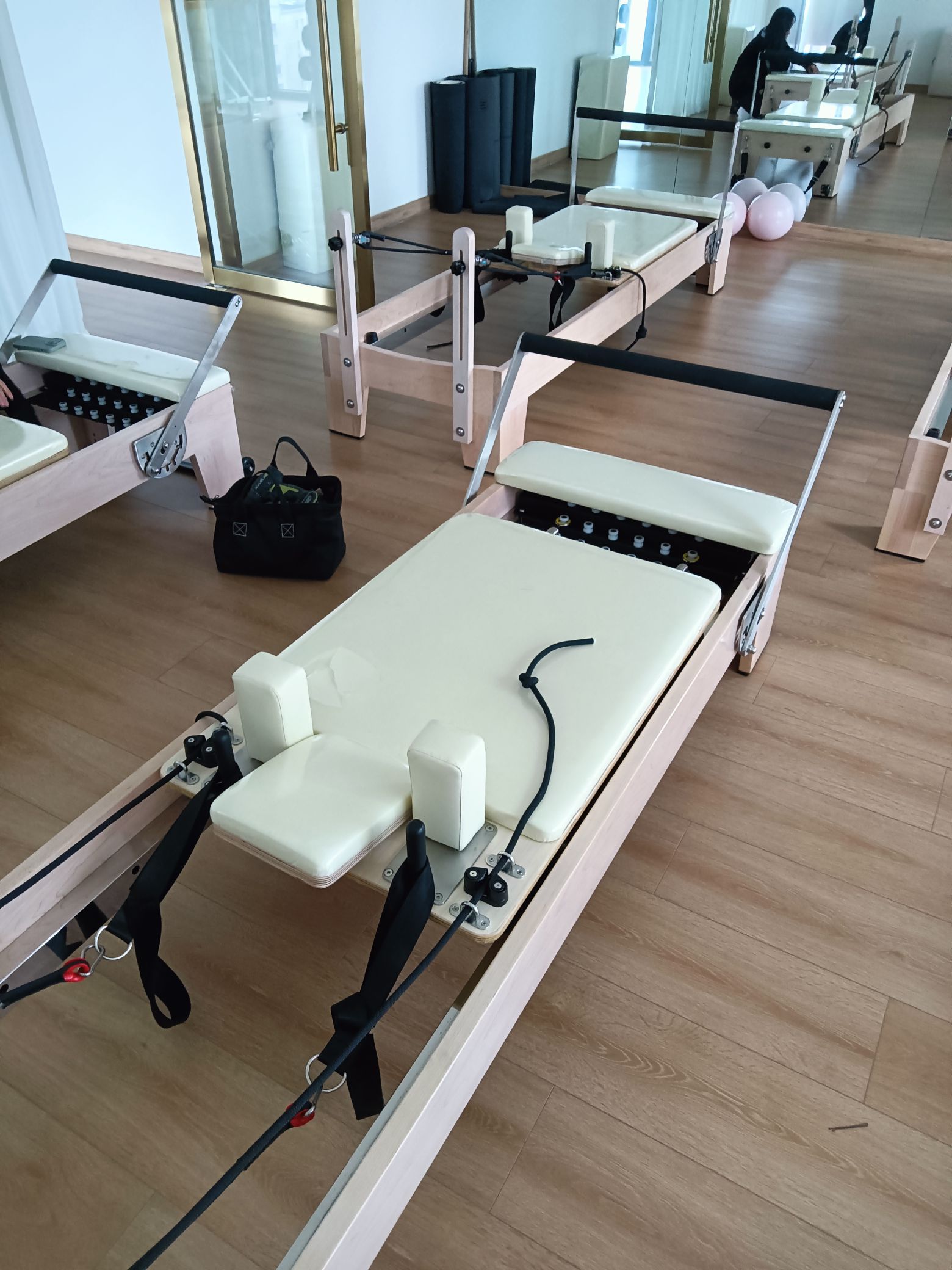
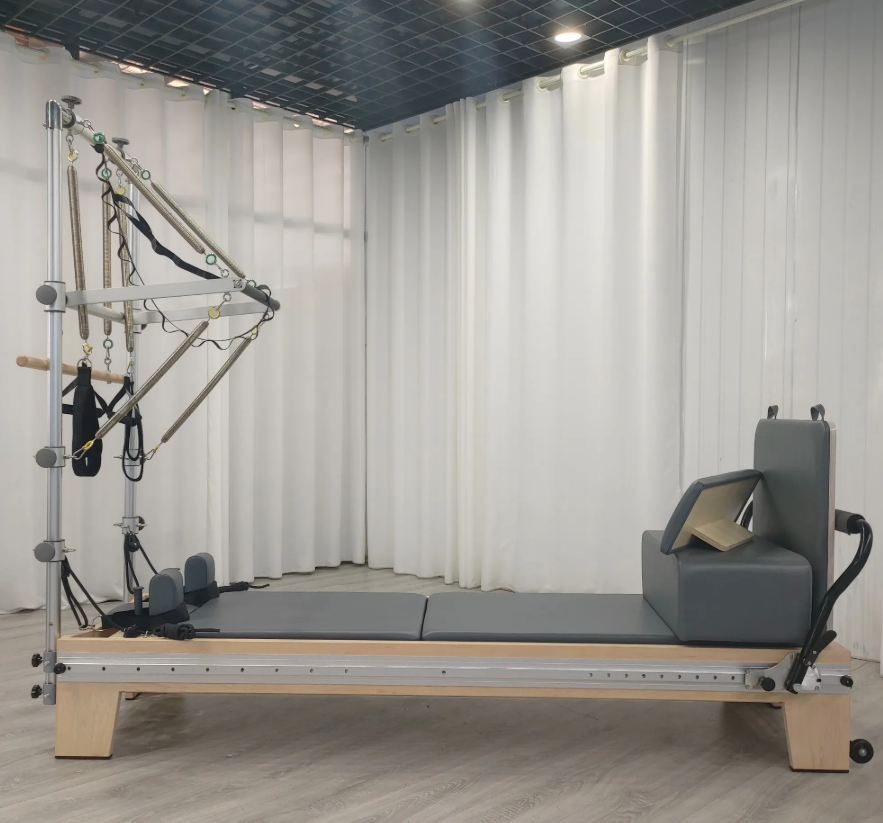
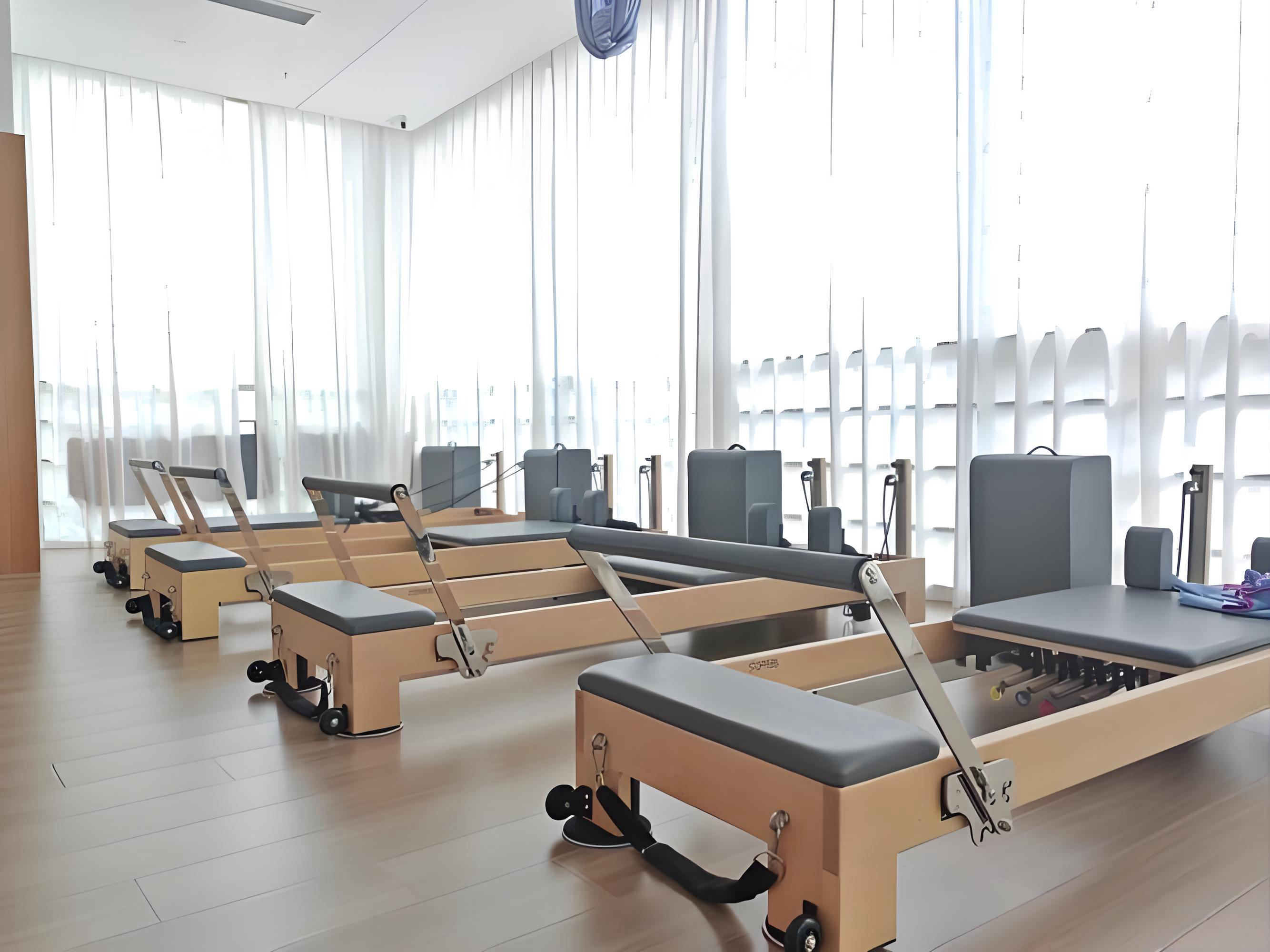
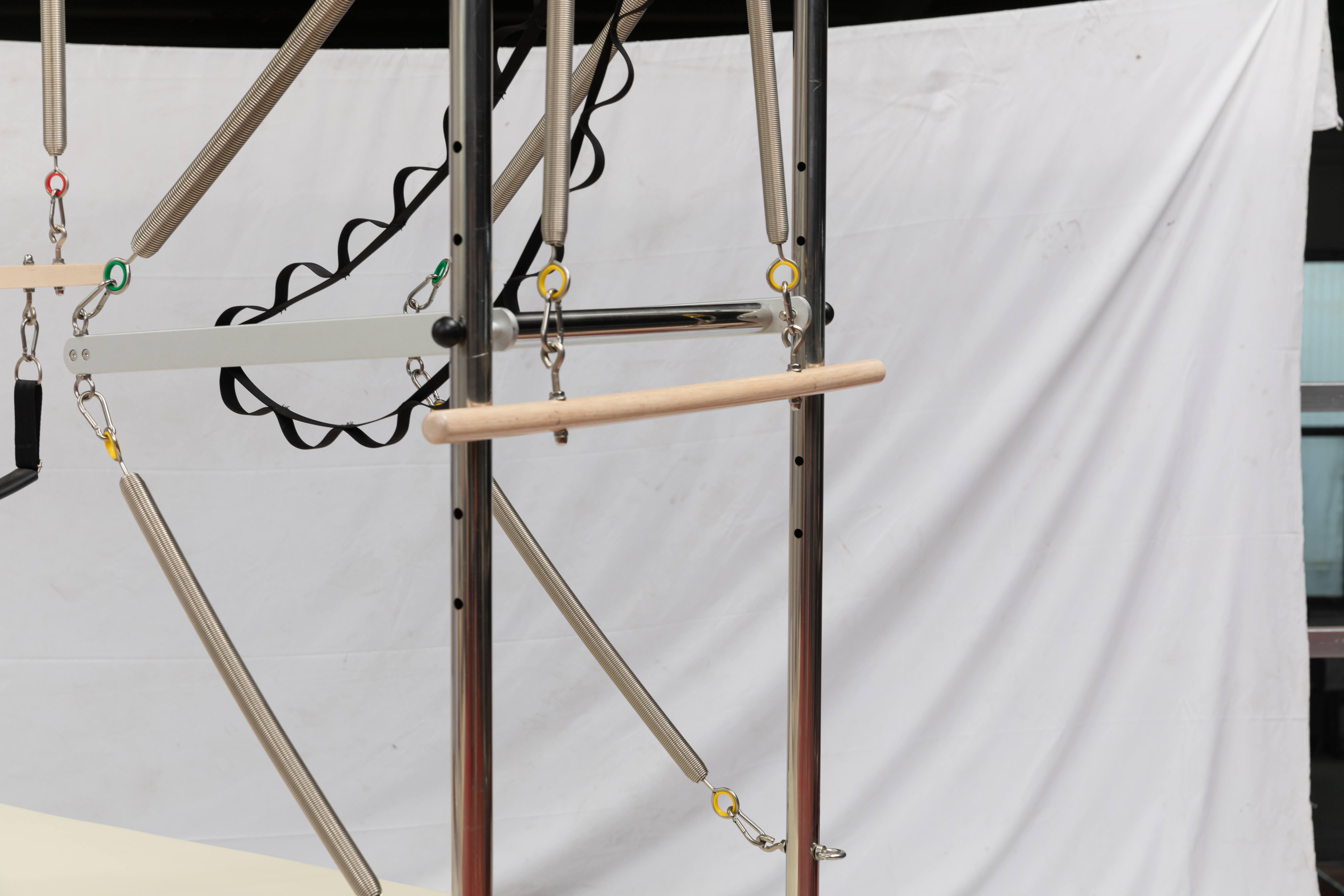
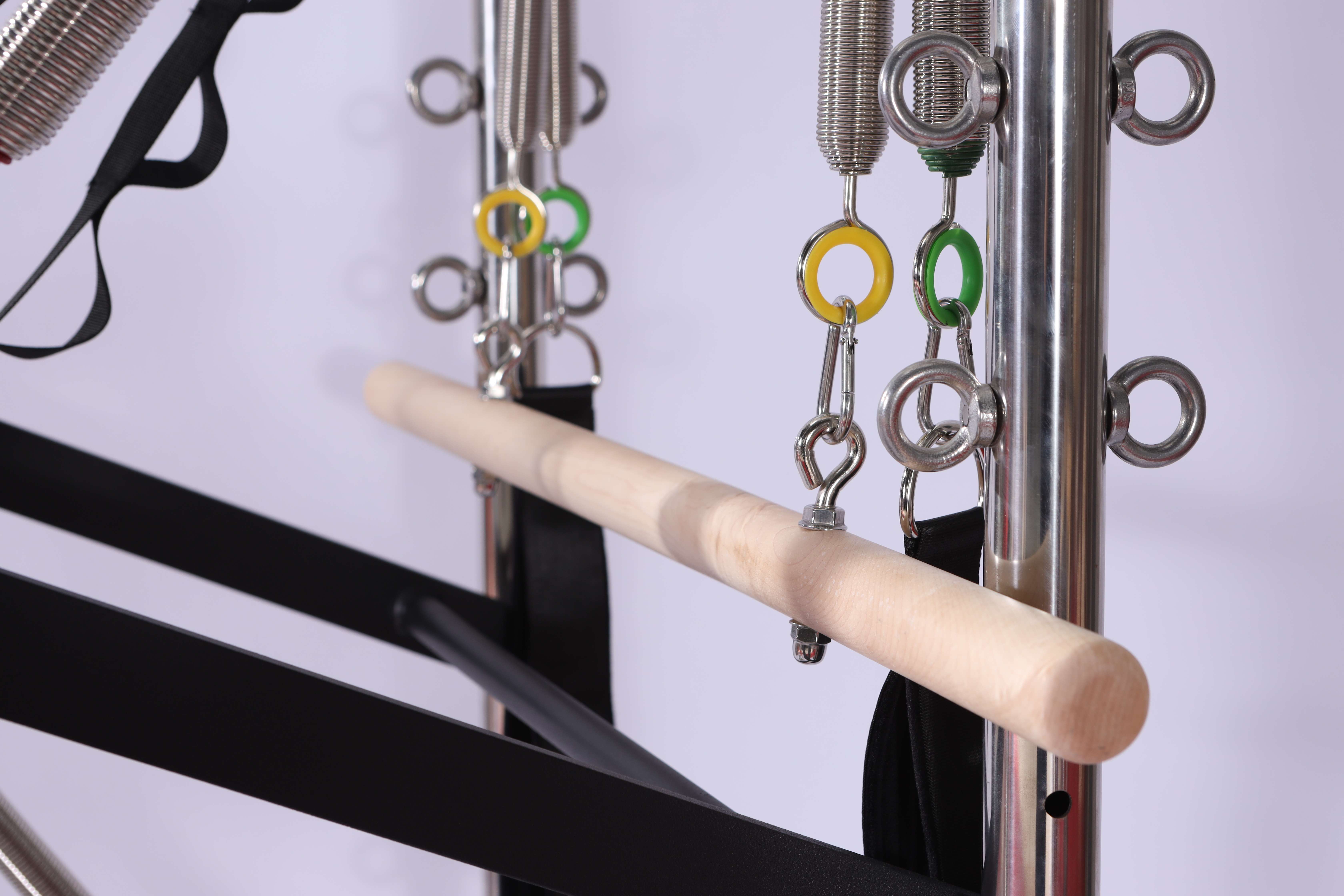
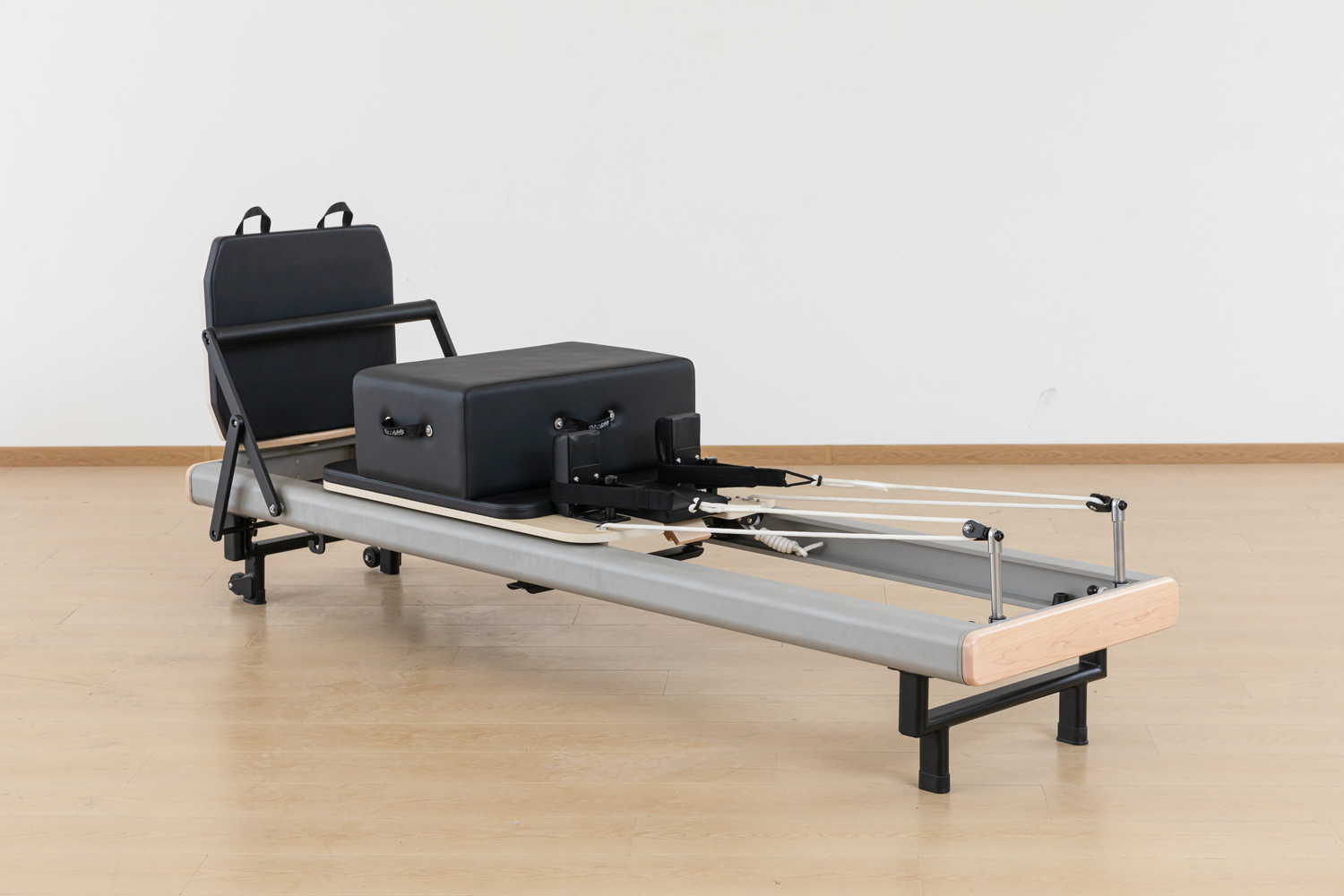
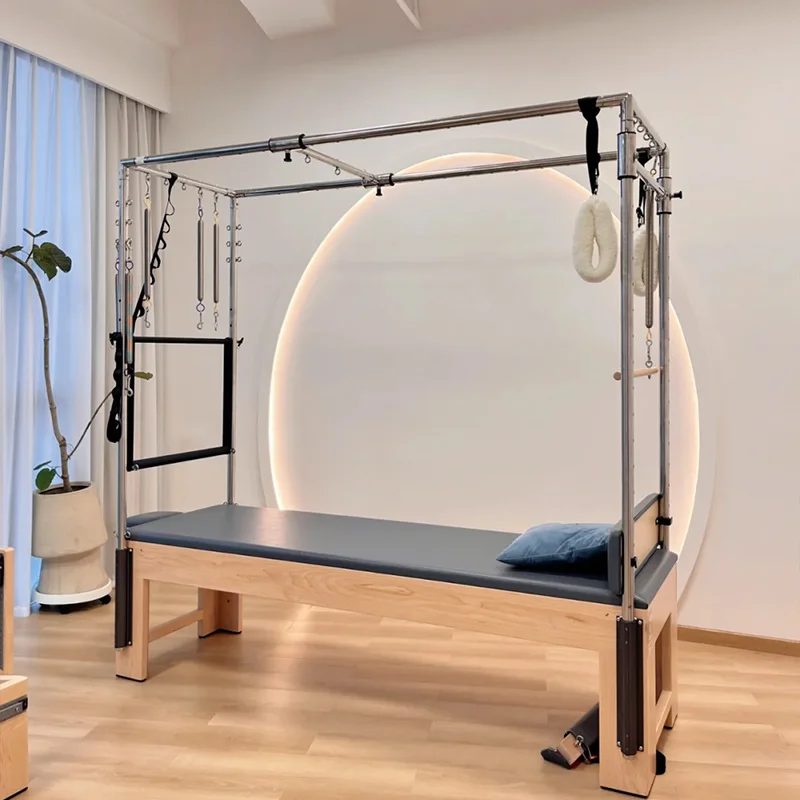
The Reformer is the most versatile Pilates apparatus, supporting over 500 exercises that can be tailored to different needs. It is particularly effective for postnatal pelvic floor and diastasis recti recovery. Pilates small props like the Mini Ball assist core and pelvic floor activation, while the Cadillac (Trapeze Table) is suitable for more advanced rehabilitation at 3+ months postpartum.
V. Core Principles of Postnatal Pilates Training
Breath first, core second. Postnatal Pilates should begin with breathing patterns and neutral spine positioning, progressing through pelvic tilts and gentle pelvic curls to gradually rebuild transversus abdominis recruitment. Session duration should be 15-20 minutes, no more than 3 times per week.
Professional guidance is essential. Choose an instructor with pre/postnatal Pilates certification. Training should begin only after DRA measurement and pelvic floor assessment. Nutritional support—adequate protein and collagen intake—and sufficient sleep are important complements to training.
Progressive loading, never forced. Postnatal Reformer training should follow a phased progression: early stage focuses on breathing and neutral spine with light spring resistance; intermediate stage adds modified exercises like pelvic curls with controlled range; later stage gradually returns to standard repertoire.
Summary: Pilates equipment, with its precision-controlled resistance and integrated abdominal-pelvic training approach, represents a scientifically validated choice for postnatal recovery. Research has confirmed its significant effects on diastasis recti, pelvic floor function, body composition, and mental health. Postnatal women should progress gradually—starting with medical clearance and professional guidance—from low-intensity exercises. Scientific, gradual recovery is more important than rushed effort, and Pilates equipment provides the tools to make that recovery both effective and manageable.