Pilates Equipment: Reshape Your Body Lines
There is a difference between being "thin" and having "body lines." Thin is thin. But lines are the way muscles attach to bones in just the right places — the outline of your scapulae, the clear delineation of your triceps when your arm lifts, the smooth transition from glute to hamstring when you stand. What makes Pilates equipment effective at reshaping body lines isn't how much weight you lose — it's how it teaches you to use your muscles. Use them right, and the lines will emerge on their own.
I. How the Reformer Reshapes Body Lines
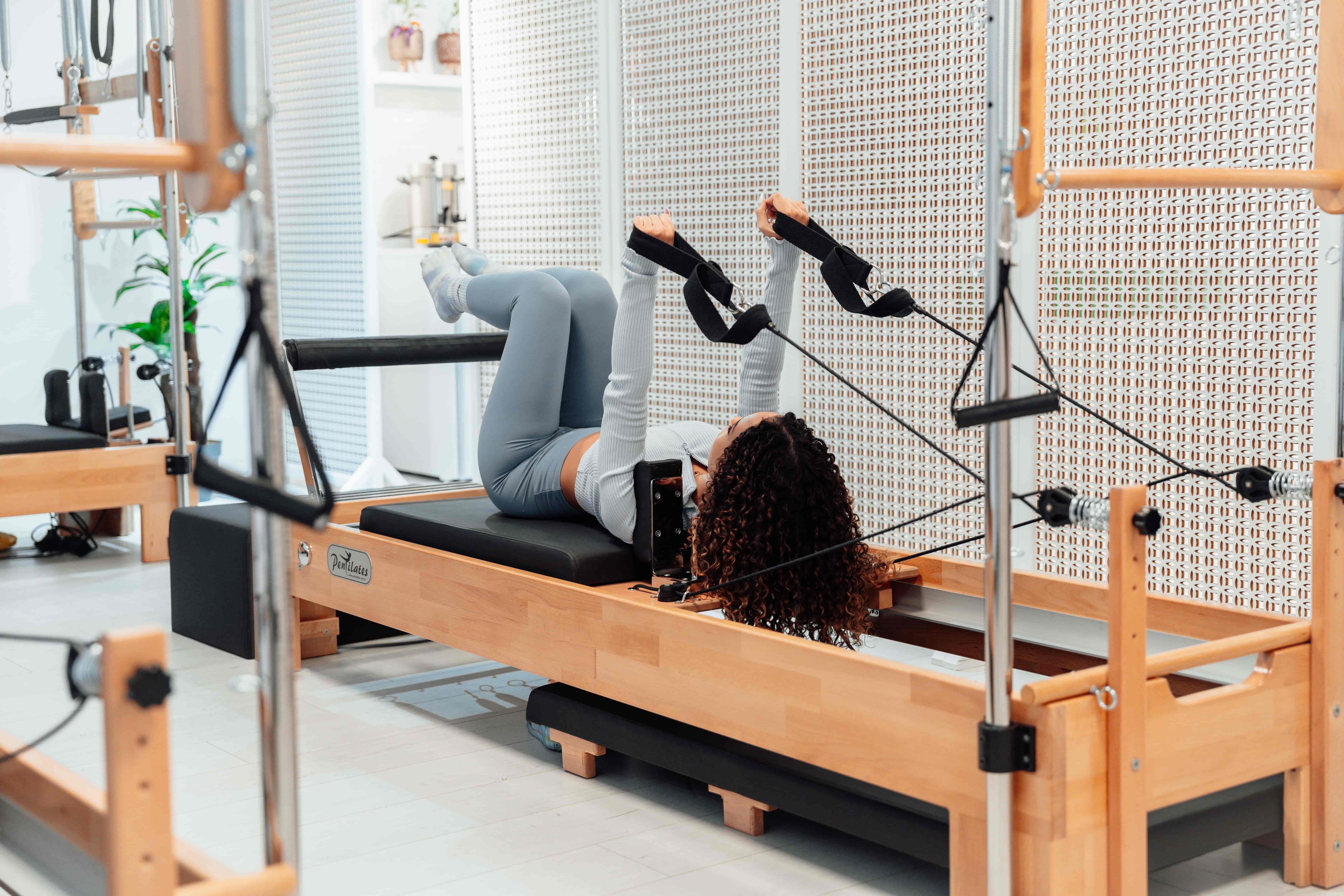
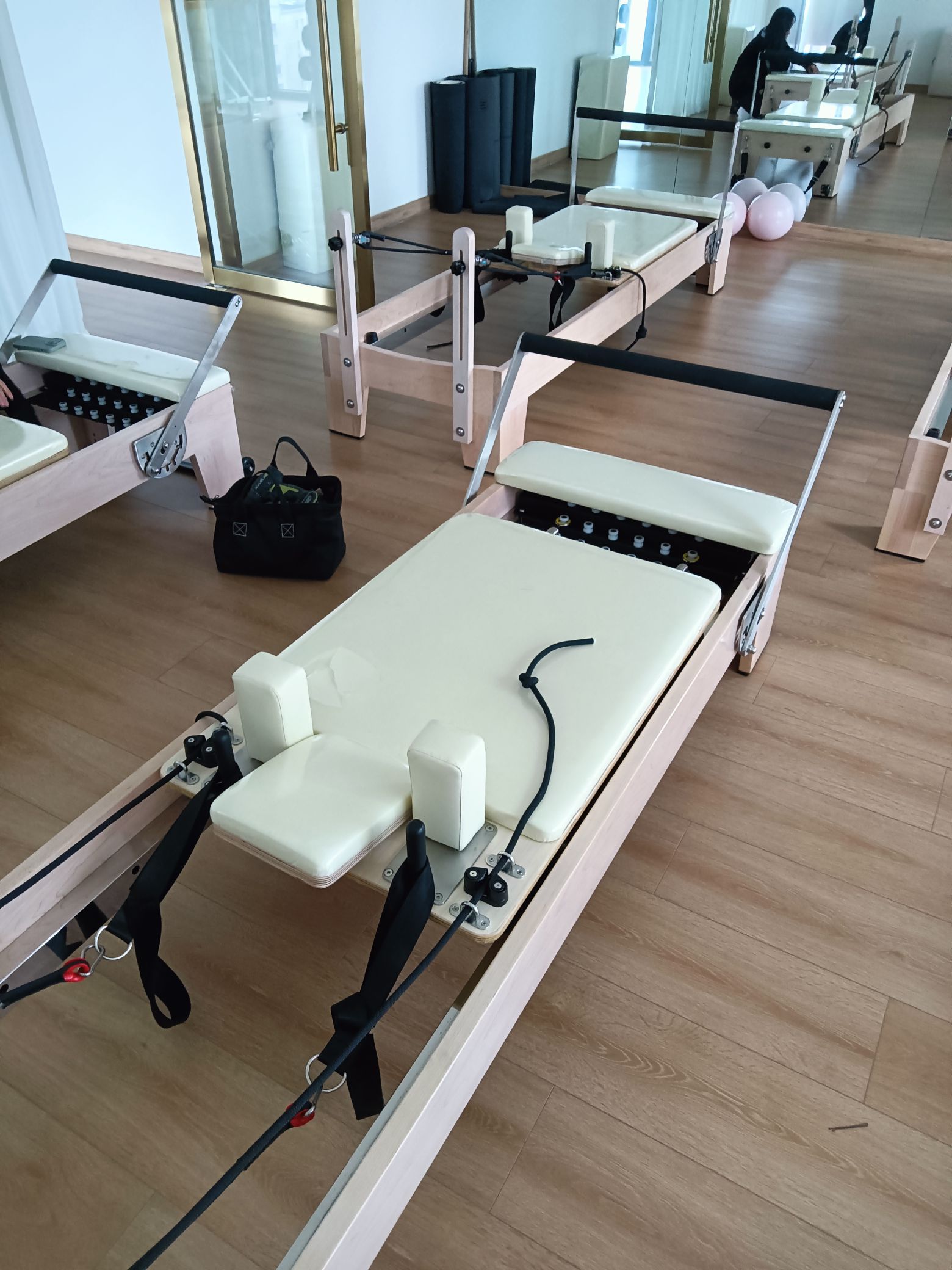
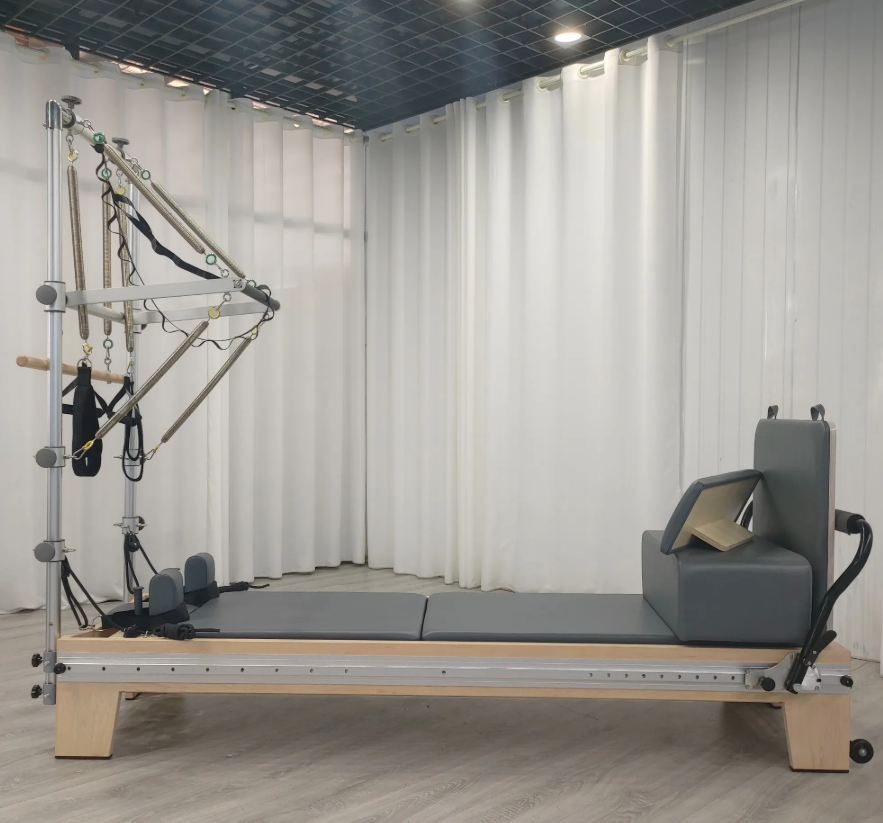
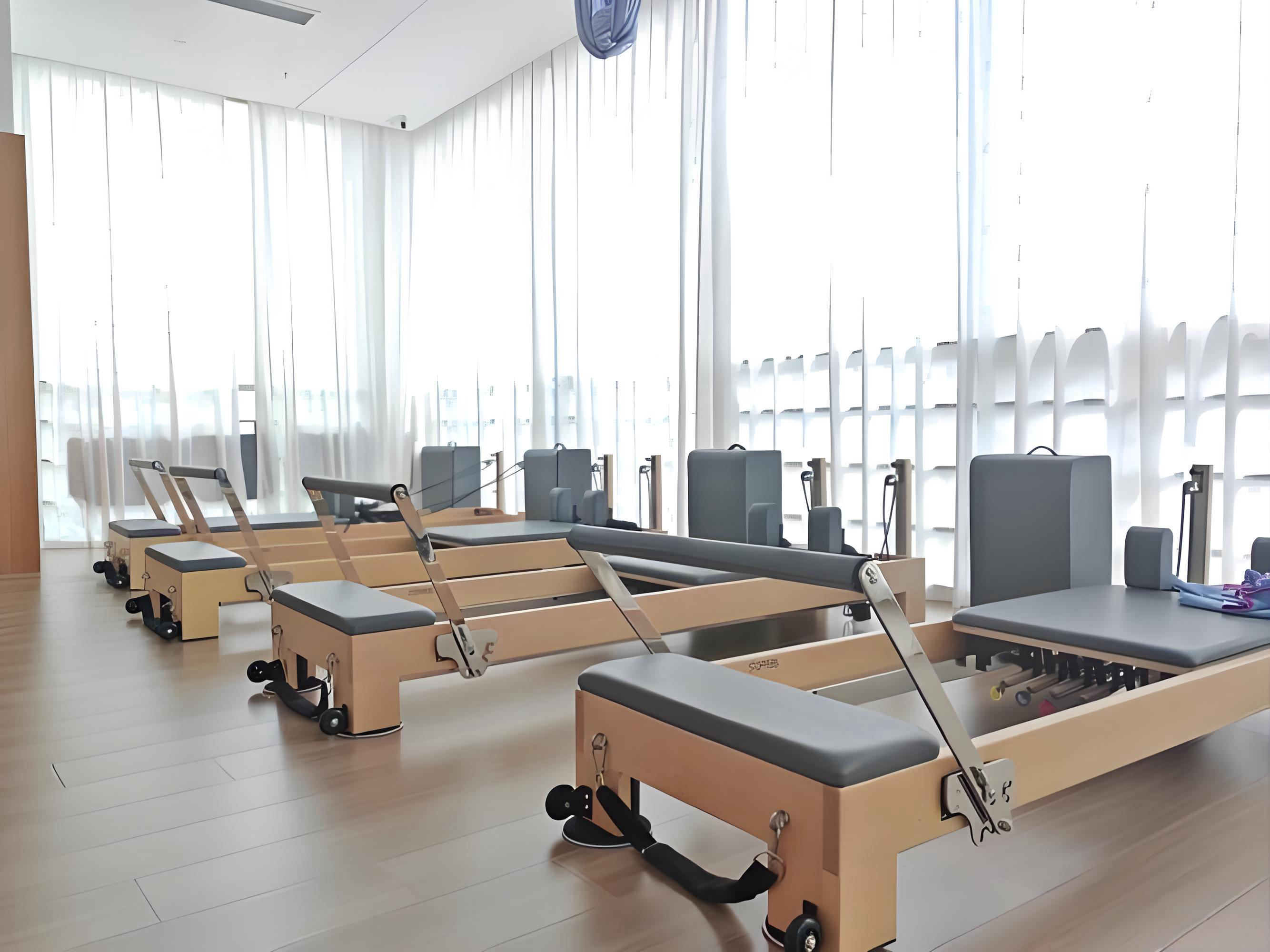
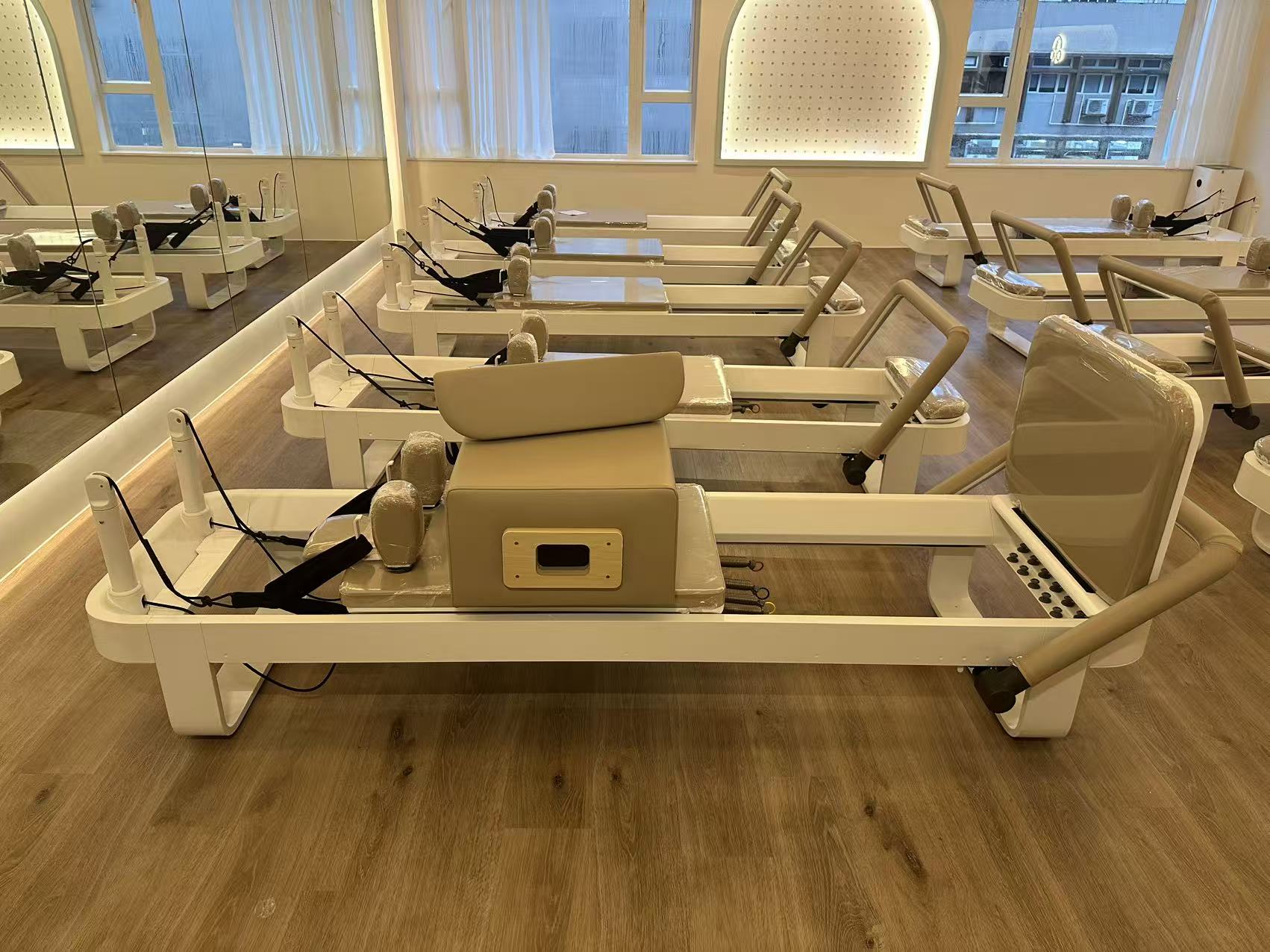
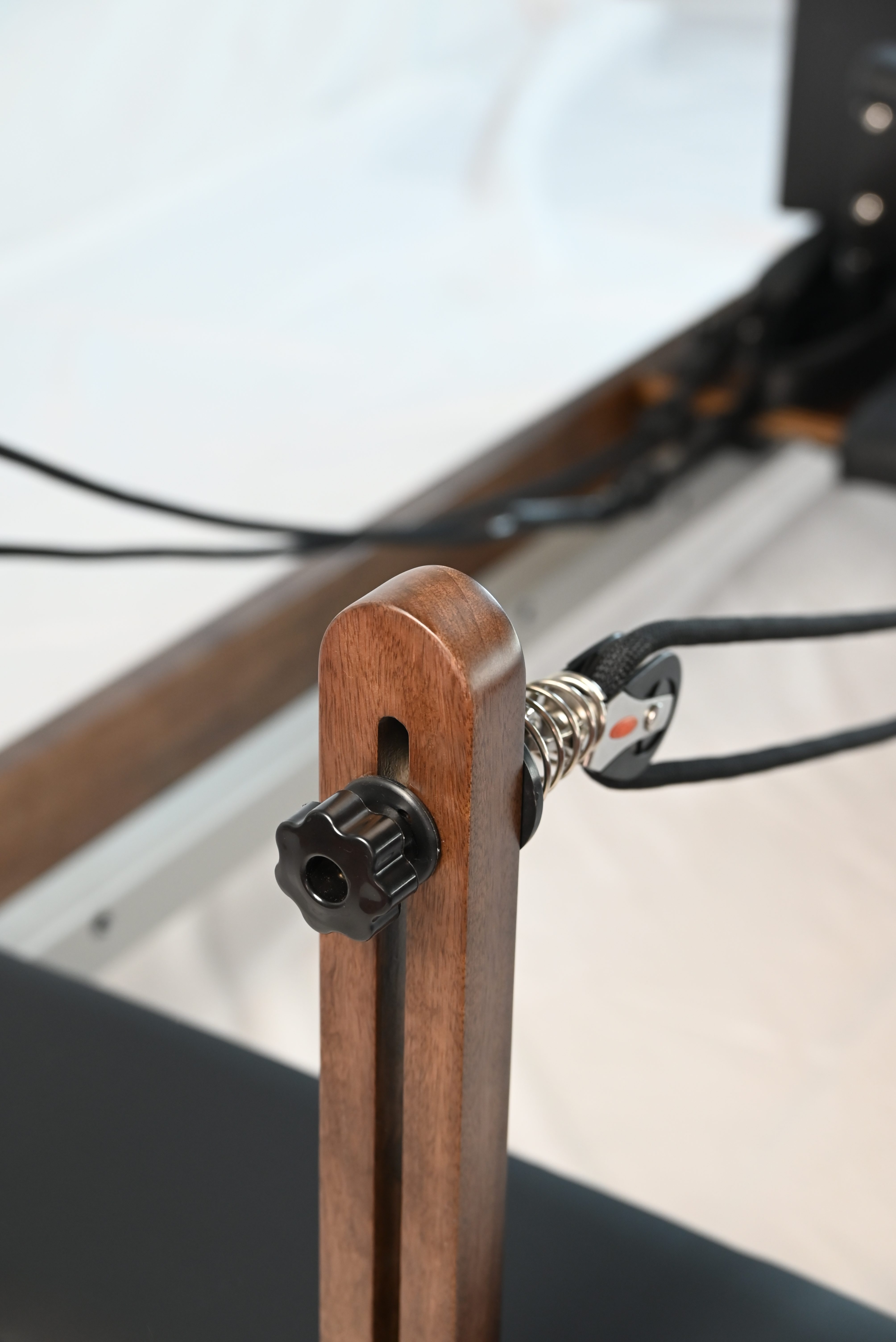
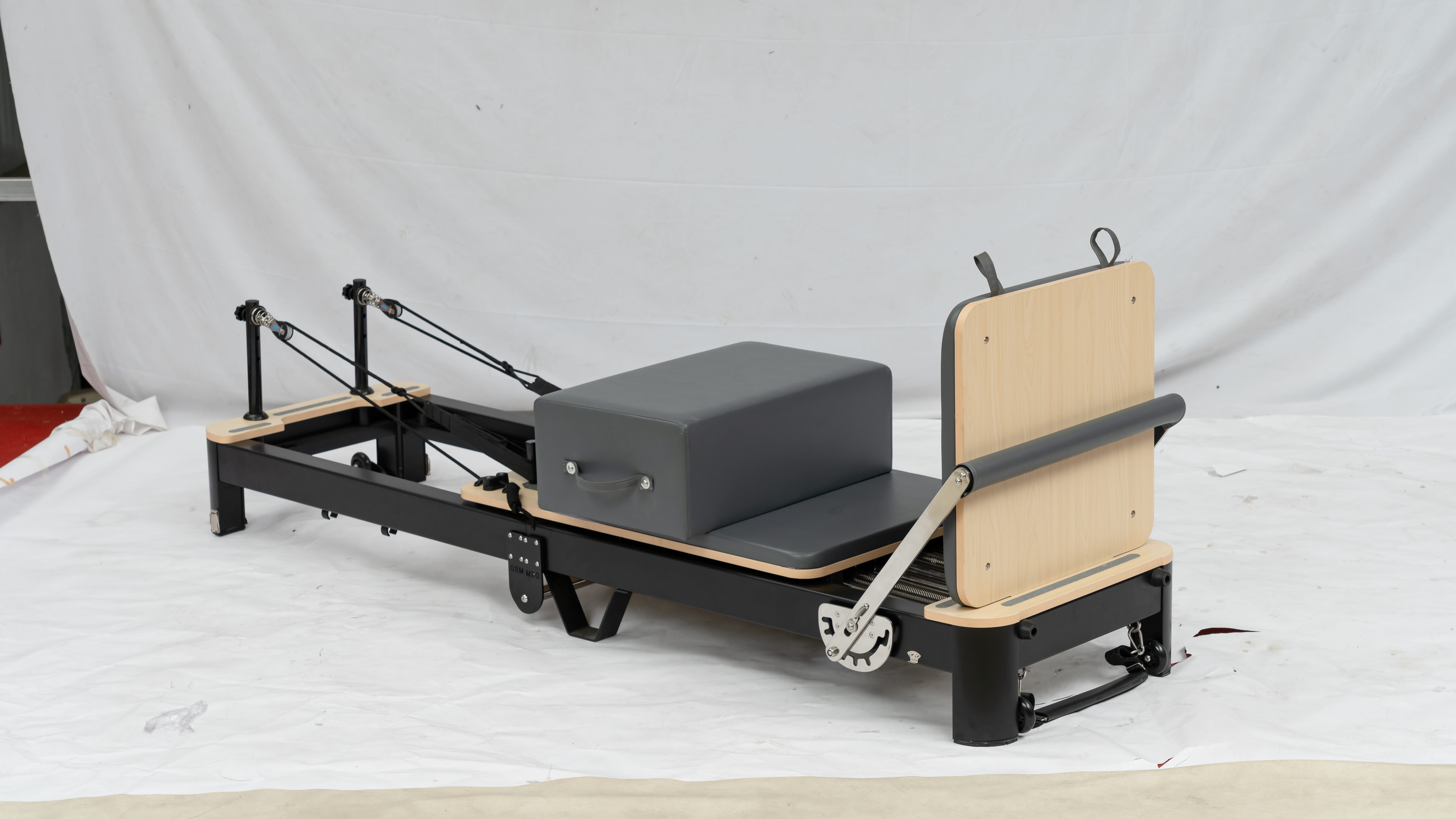
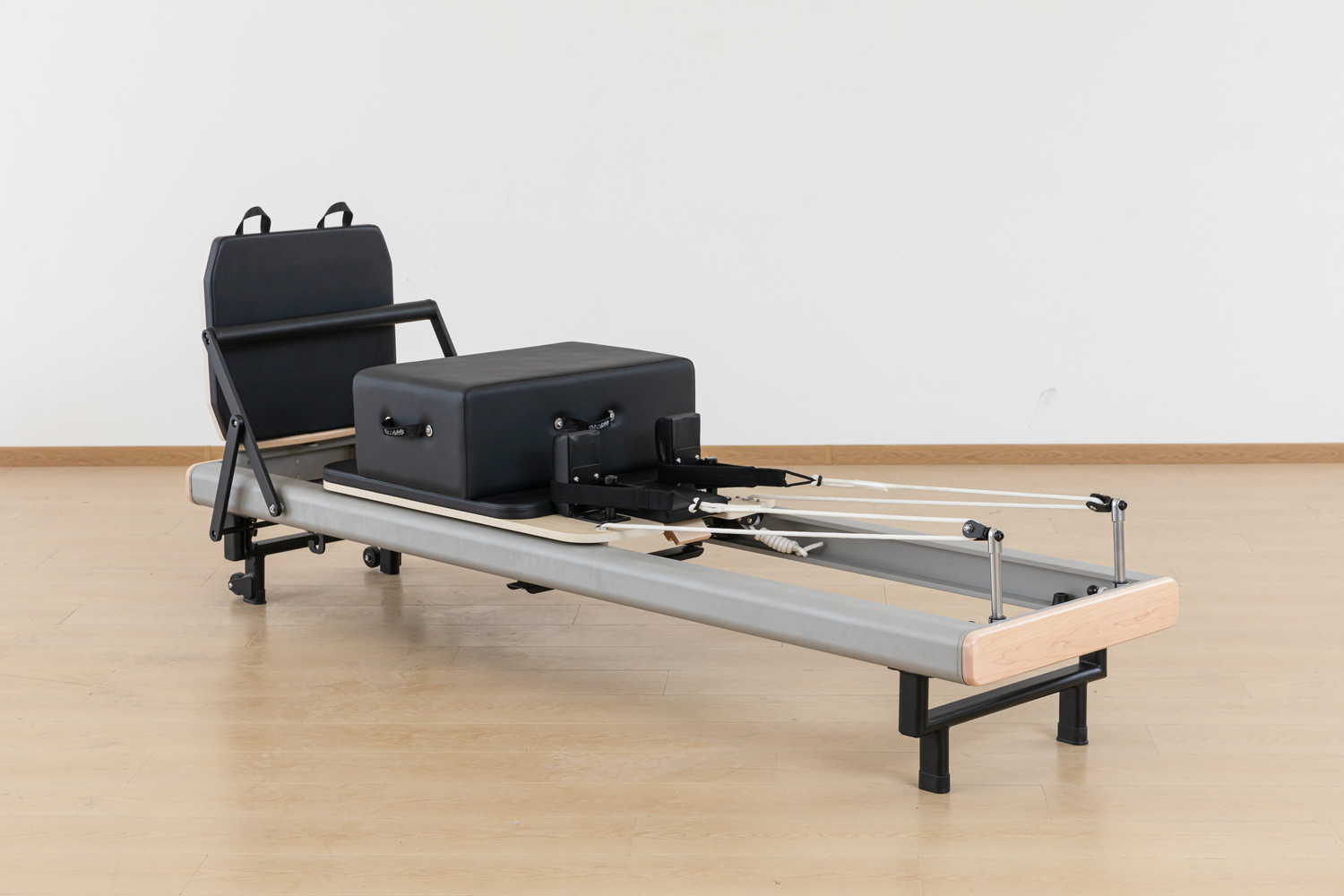
The Reformer's springs aren't resistance — they're feedback. They amplify every push, every compensation, every tilt into a clear tactile signal — whether you're pushing evenly, pulling smoothly, or your core is engaged, your hands and body will feel it.
The significance for body lines is: when your body learns to relax where it shouldn't be gripping (neck, shoulders, lower back), the muscles that should be working naturally step up (transversus abdominis, glutes, rhomboids). Body lines are the byproduct of this precise muscle engagement. The Reformer's spring-loaded resistance system ensures muscles work evenly through the full range of motion — creating "long and strong" lines rather than "short and bulky" mass.
What lines does the Reformer shape?
·The glute-to-hamstring transition: Footbar sliding movements force the glutes to stabilize throughout posterior chain work — not squeezing, but "pushing away." Repeated leg presses and side-lying abductions gradually lift the glute line.
·The shoulder-to-back transition: Strap and rope exercises require scapular stability during depression and retraction. When the middle and lower trapezius and rhomboids are trained, the back appears leaner and scapular contours become visible.
·The waist-to-hip side-line: Reformer carriage work demands core stability in motion. As transversus abdominis and multifidus engage consistently, the "belt-like" feeling around the waist tightens, and the side waist curve becomes more defined when lying sideways.
II. The Cadillac: An "Invisible Hand" That Lengthens the Spine
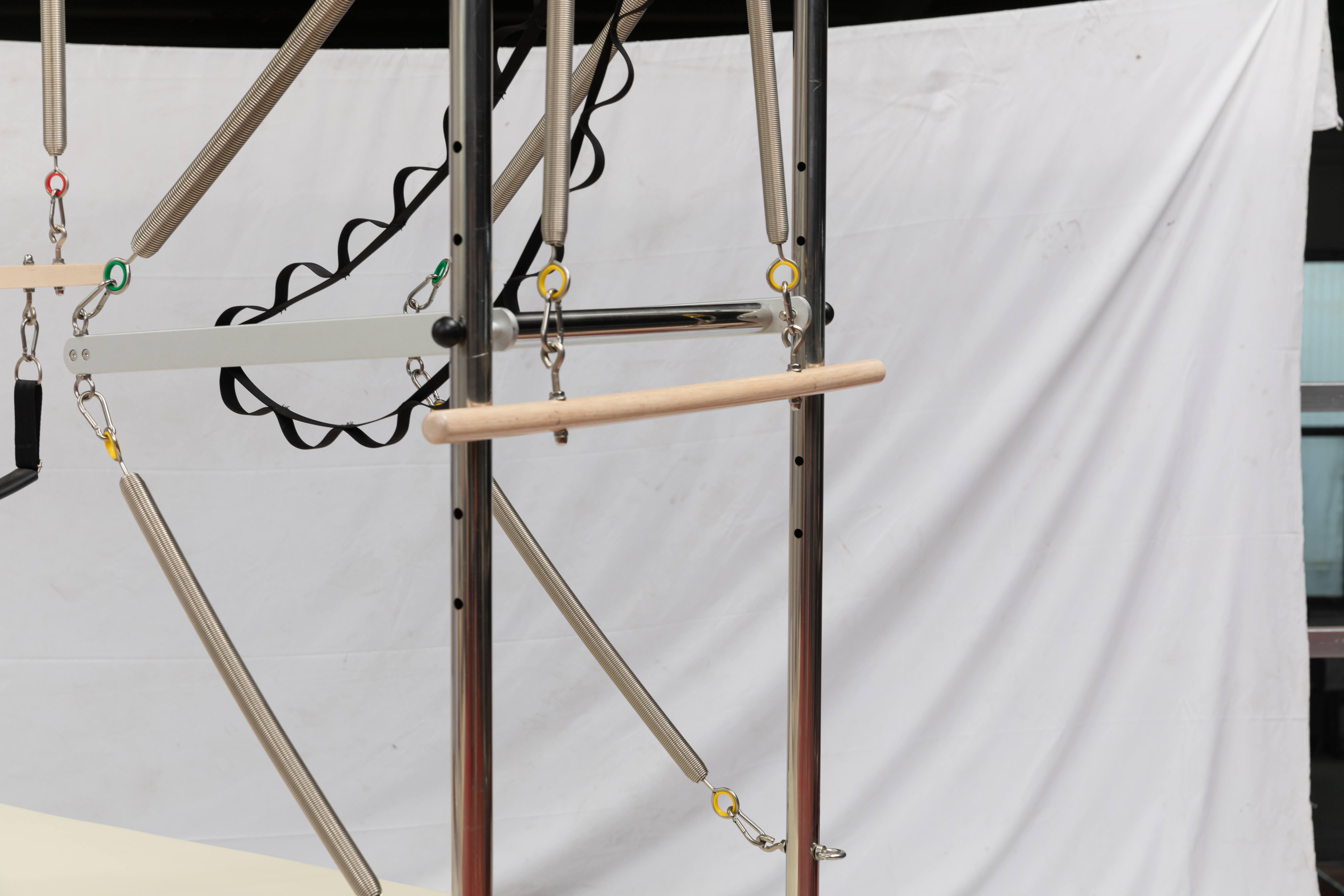
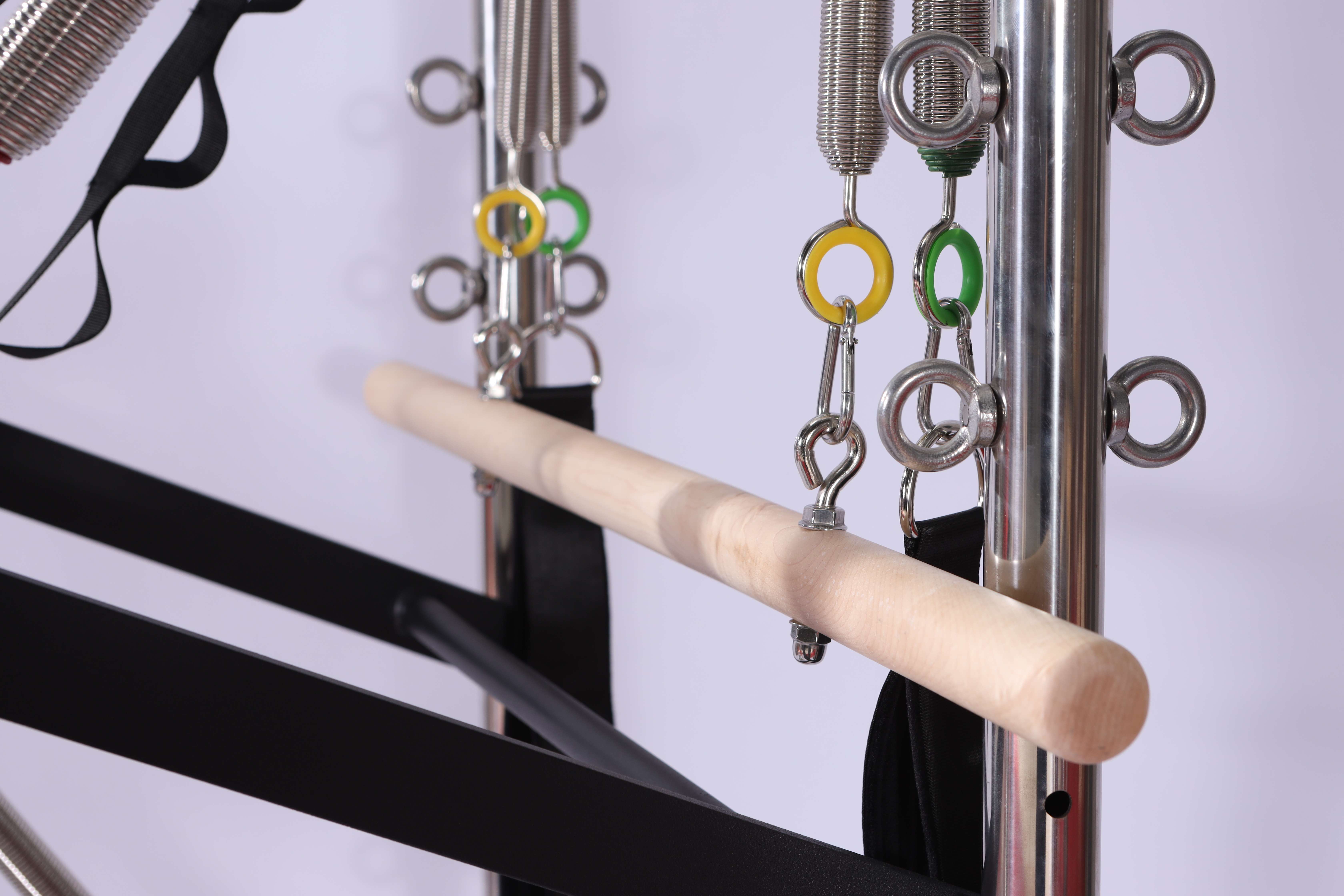
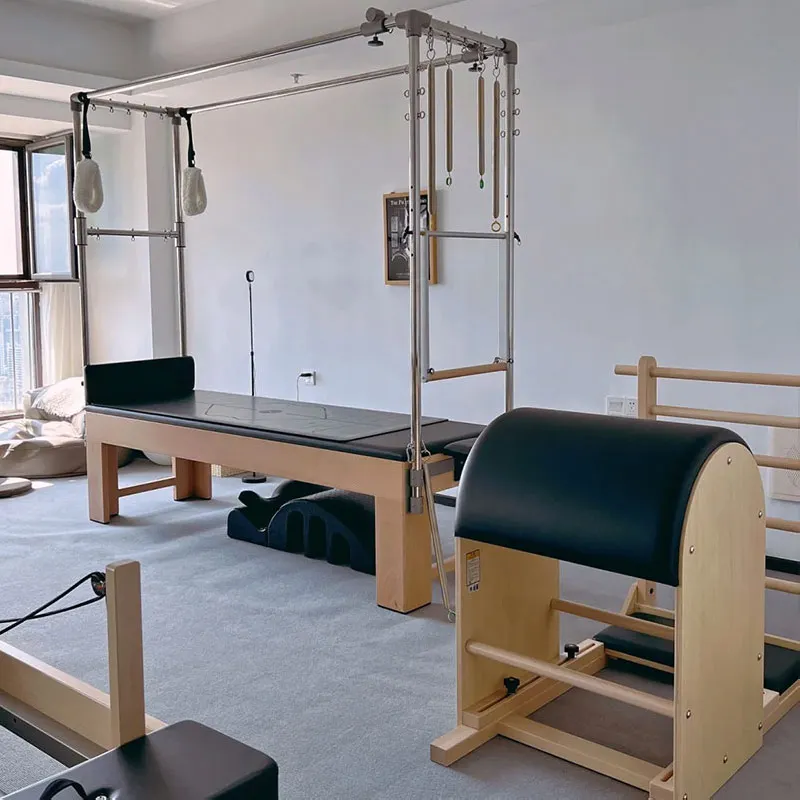
If the Reformer is about training "horizontally," the Cadillac is about "vertical traction." Its suspension system and push-through bars create an effect similar to spinal traction — using body weight and spring combinations to open up spinal spaces compressed by prolonged sitting.
The Cadillac's effect on body lines isn't about adding — it's about restoring. It helps the spine recover its natural curves, giving the body more "vertical space." When the spine is no longer compressed, the torso appears longer, posture more lifted. Not forced by "puffing out your chest" — but naturally, because there's space between the vertebrae.
III. Stability Chair and Ladder Barrel: Fine-Tuning the "Small Muscles"
The quality of body lines often depends on the condition of "small muscles" — those not fully addressed by large muscle groups, yet crucial for defining contours. The Stability Chair and Ladder Barrel are purpose-built for these details.
The Stability Chair's split-pedal design allows unilateral training, precisely targeting gluteus medius, adductors, and deep core. When pressing the pedal sideways, subtle tremors in the gluteus medius reveal your usual blind spots — and this precision is what lifts the glute line and firms the inner thighs. The Ladder Barrel's curved surface matches the spine's natural curve, using body weight extension to open the thoracic spine and hip flexors — particularly beneficial for desk workers. As the thoracic spine gains more extension space, the ribs no longer protrude forward, and the waistline becomes more defined from both front and side views.
IV. Small Props: The "Pocket Trainers" for Daily Line Maintenance
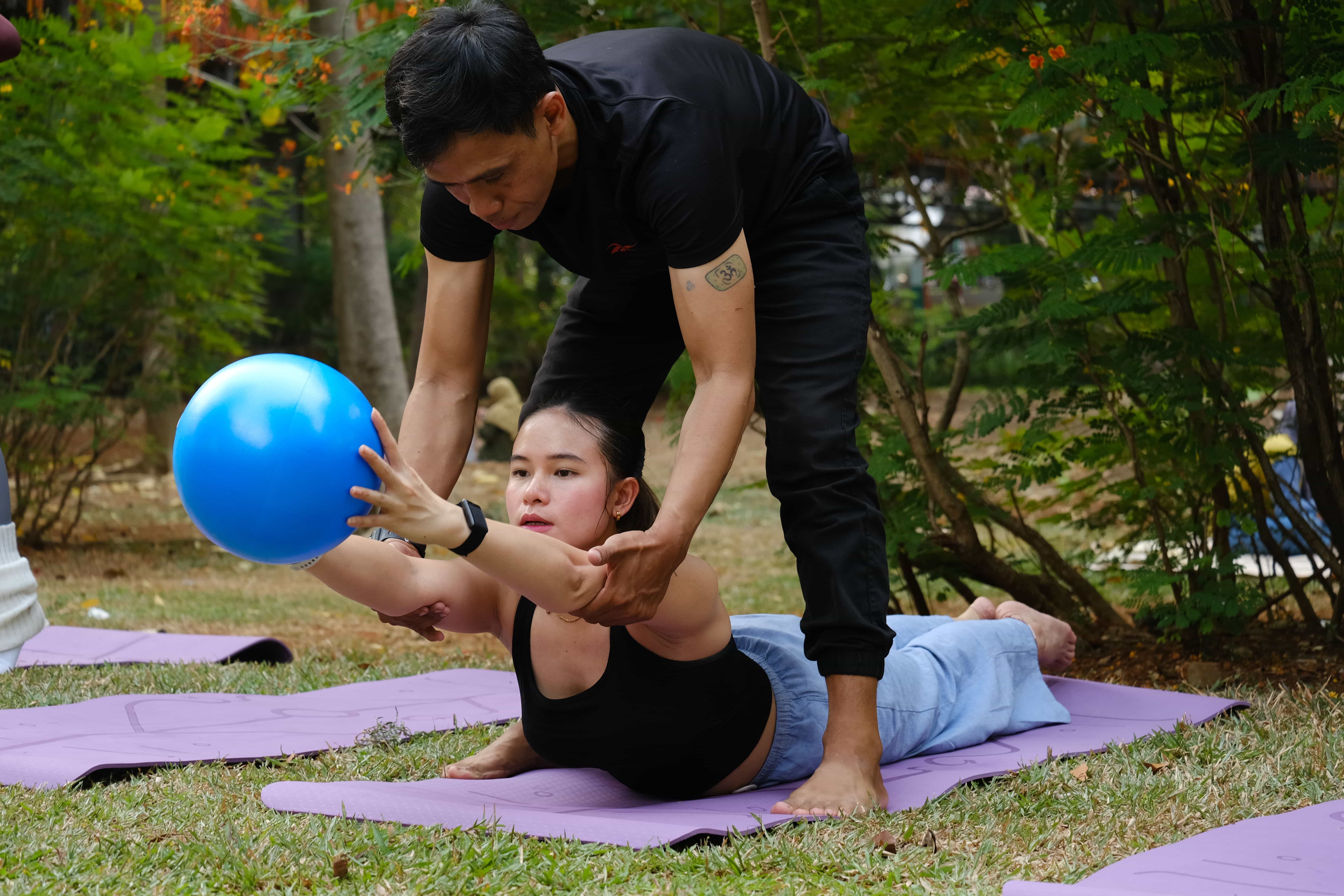
Large equipment builds lines; small props maintain them. The Magic Circle, resistance bands, and small ball are practical tools for home and small-space users to maintain body lines. The Magic Circle squeezed between the thighs can wake up adductors and pelvic floor anytime — at your desk, waiting for the bus. Bands help maintain scapular stability through pulling movements. A small ball placed behind your lower back provides instant feedback on pelvis position. These three tools together cost little, yet they turn line training from "twice a week" into "anytime, anywhere."
V. The Three Phases of Line Training
Phase 1: Eliminate compensation. Most people's body lines are hidden behind faulty movement patterns — neck gripping, shoulders shrugging, lower back overworking. The goal here isn't adding muscle — it's stopping the wrong muscles from working. The Reformer's light springs and foundational small props are ideal for this phase.
Phase 2: Build connection. When compensations stop, the next step is building the "core-to-limb" connection — every movement initiates from the core and extends to limbs. The Reformer's glide and the Stability Chair's pedals are the most effective tools here.
Phase 3: Add load. Once patterns are stable, gradually increase spring resistance to allow muscles to grow along correct pathways. The goal here isn't size — it's clarity and depth of line.
Summary: Pilates equipment reshapes body lines not by burning fat, but by reprogramming your body's movement map. Through feedback, traction, and precision, it releases your body from compensation patterns — letting the right muscles work and the wrong ones rest. Lines are not "built" — they are "revealed." When the right muscles start working, the body contours buried under tension and rigidity re-emerge. The equipment is just a tool. The real lines are what emerge naturally when your body learns to use itself correctly.