Wooden vs Aluminum Pilates Reformer: How to Choose?
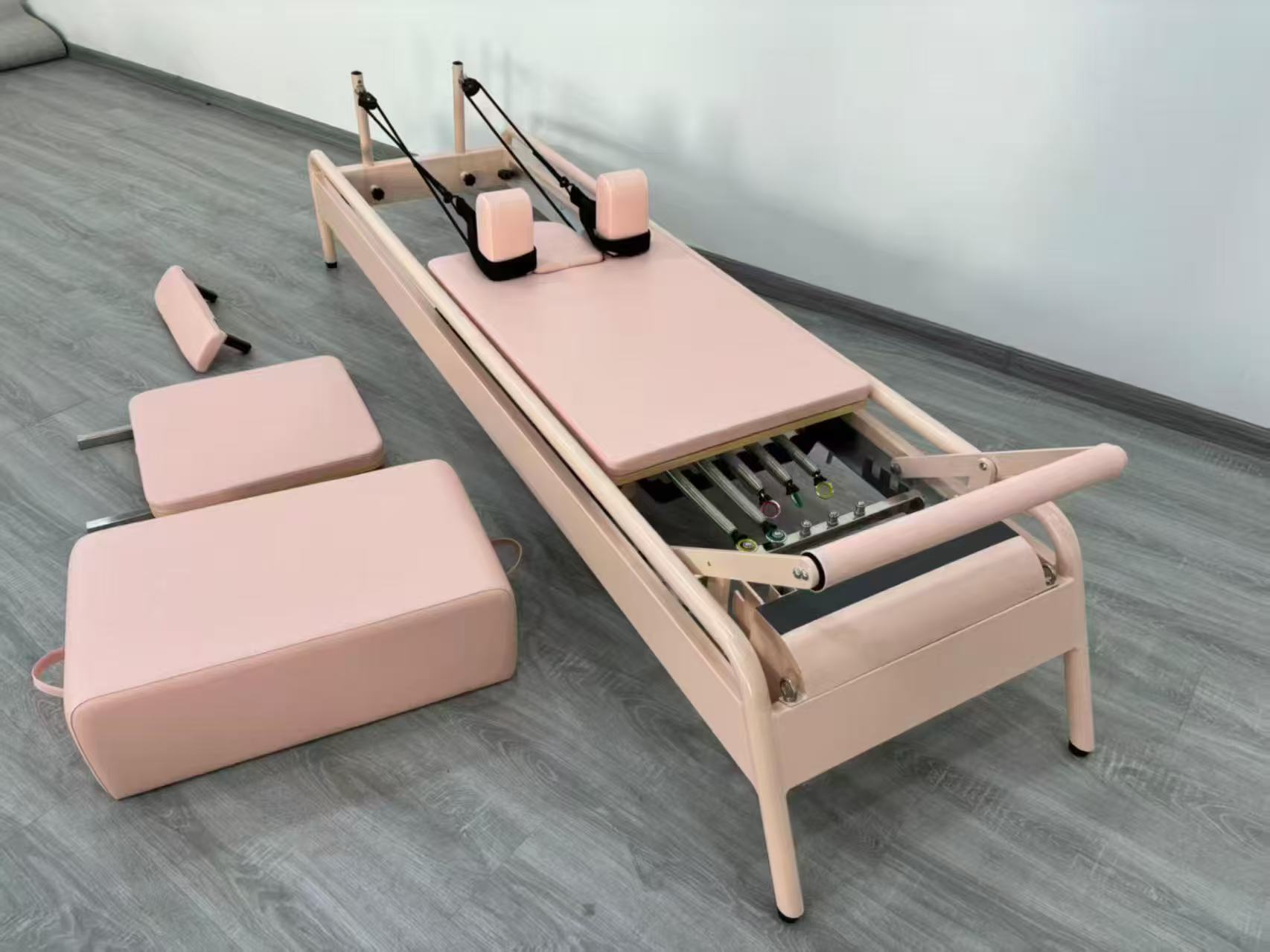
When purchasing commercial or home Pilates equipment, most buyers struggle to choose between wooden and aluminum alloy Pilates reformers. Both types deliver standard Pilates training functions but differ greatly in stability, training feel, durability, maintenance requirements, aesthetics and applicable scenarios. There is no absolute “better” option — only the most suitable choice based on your studio positioning, local climate, space conditions and usage frequency. This guide clearly compares wooden and aluminum reformers to help you make a cost-effective decision.
1. Structural Stability & Training Experience
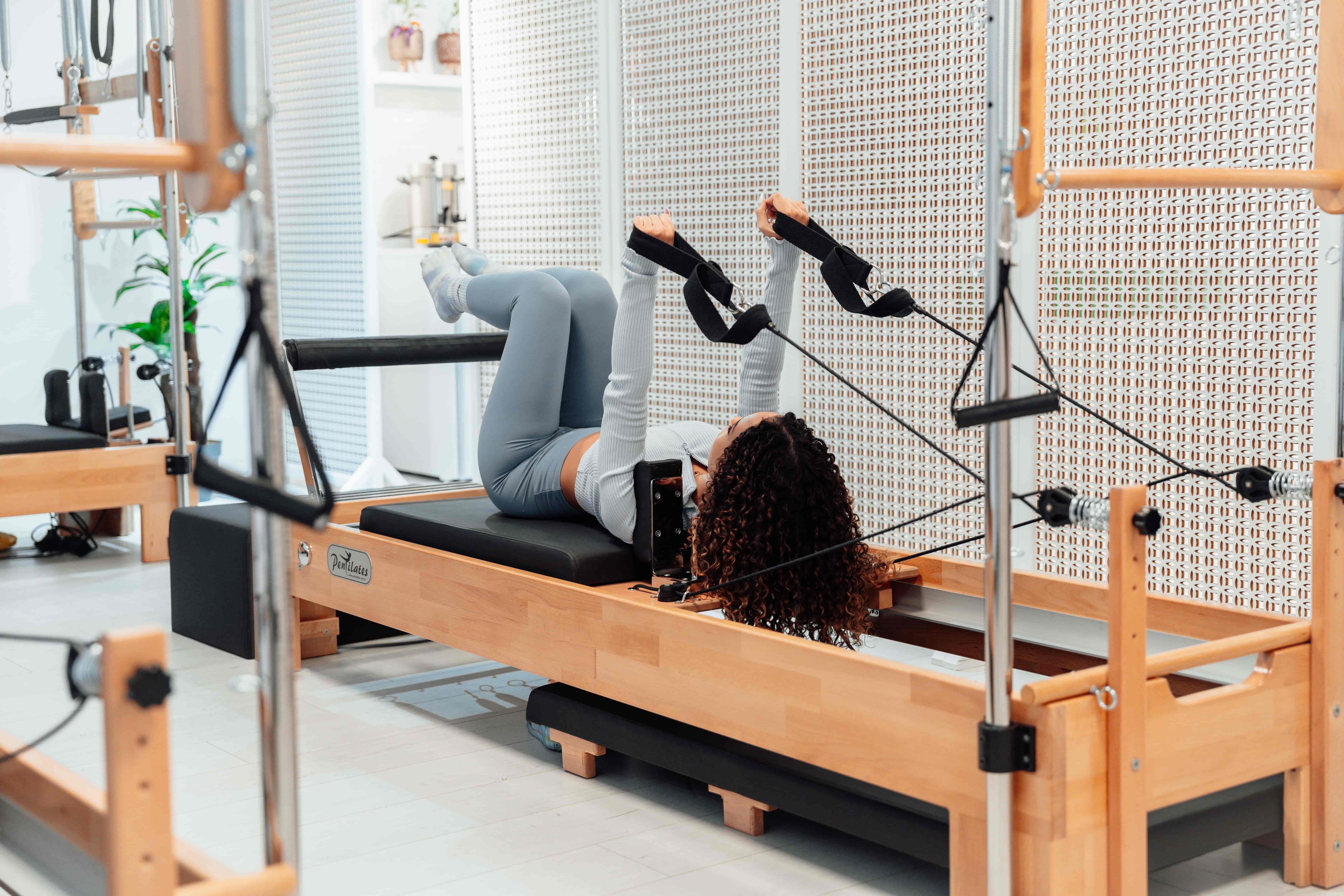
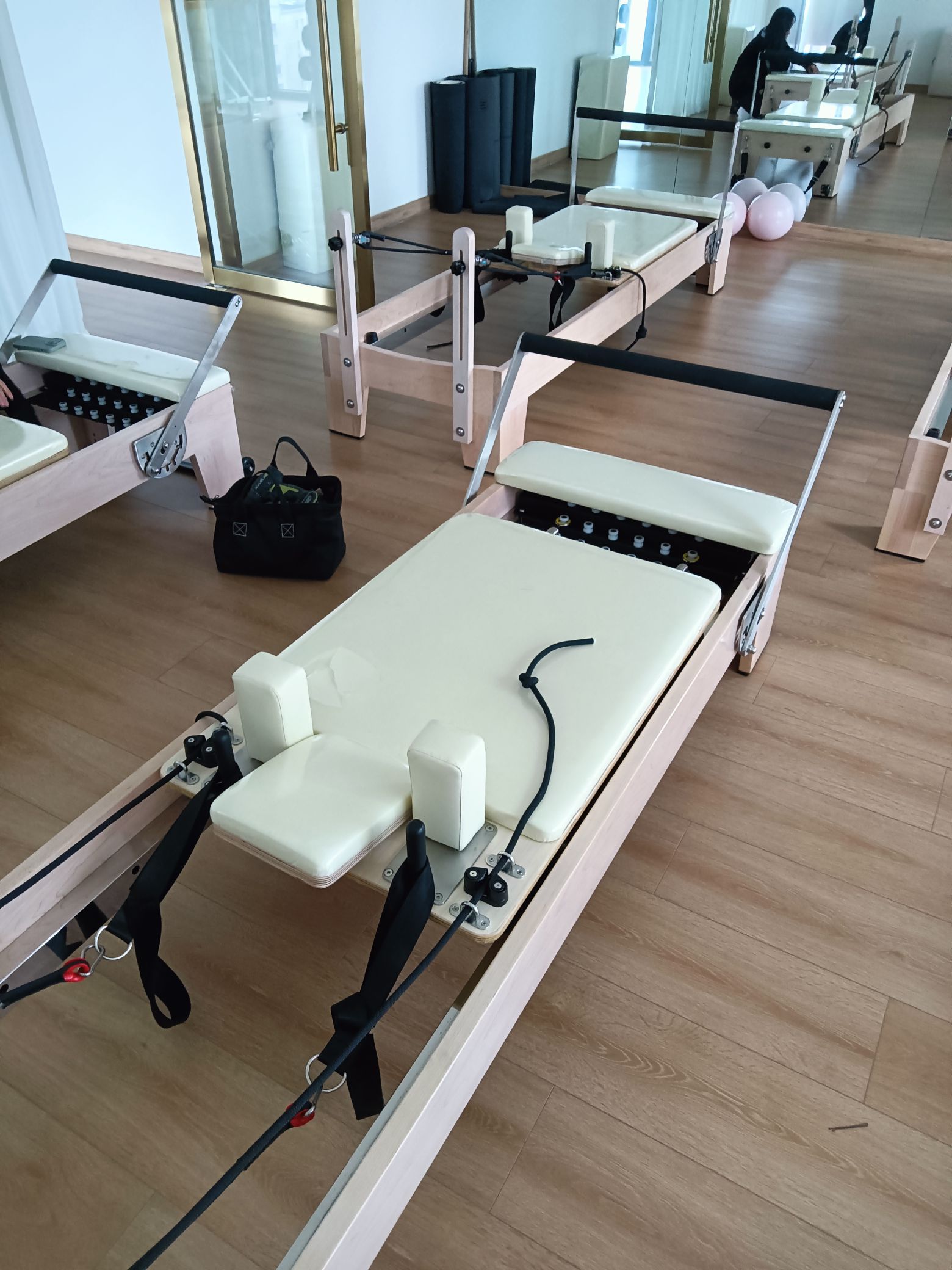
Wooden Pilates Reformer
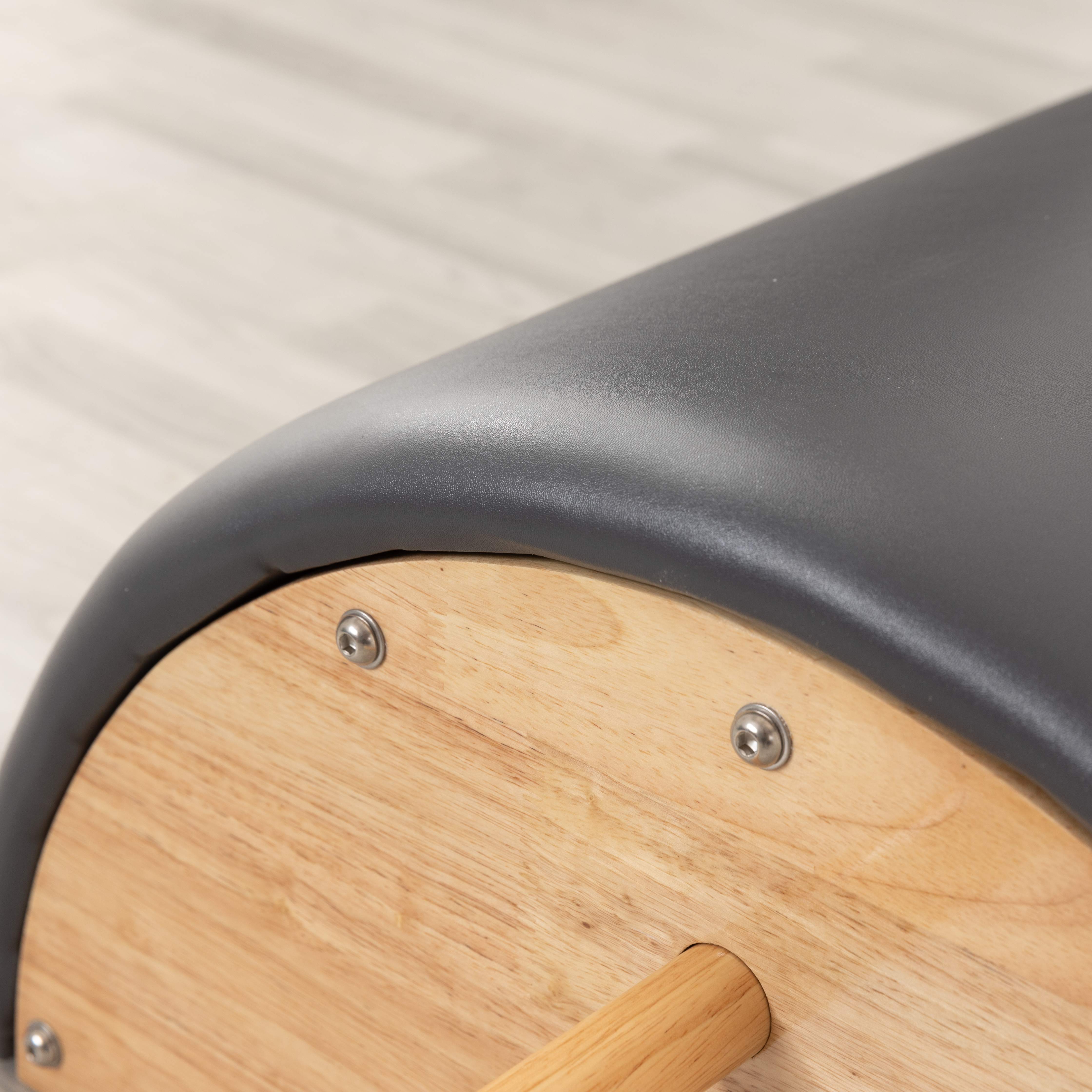
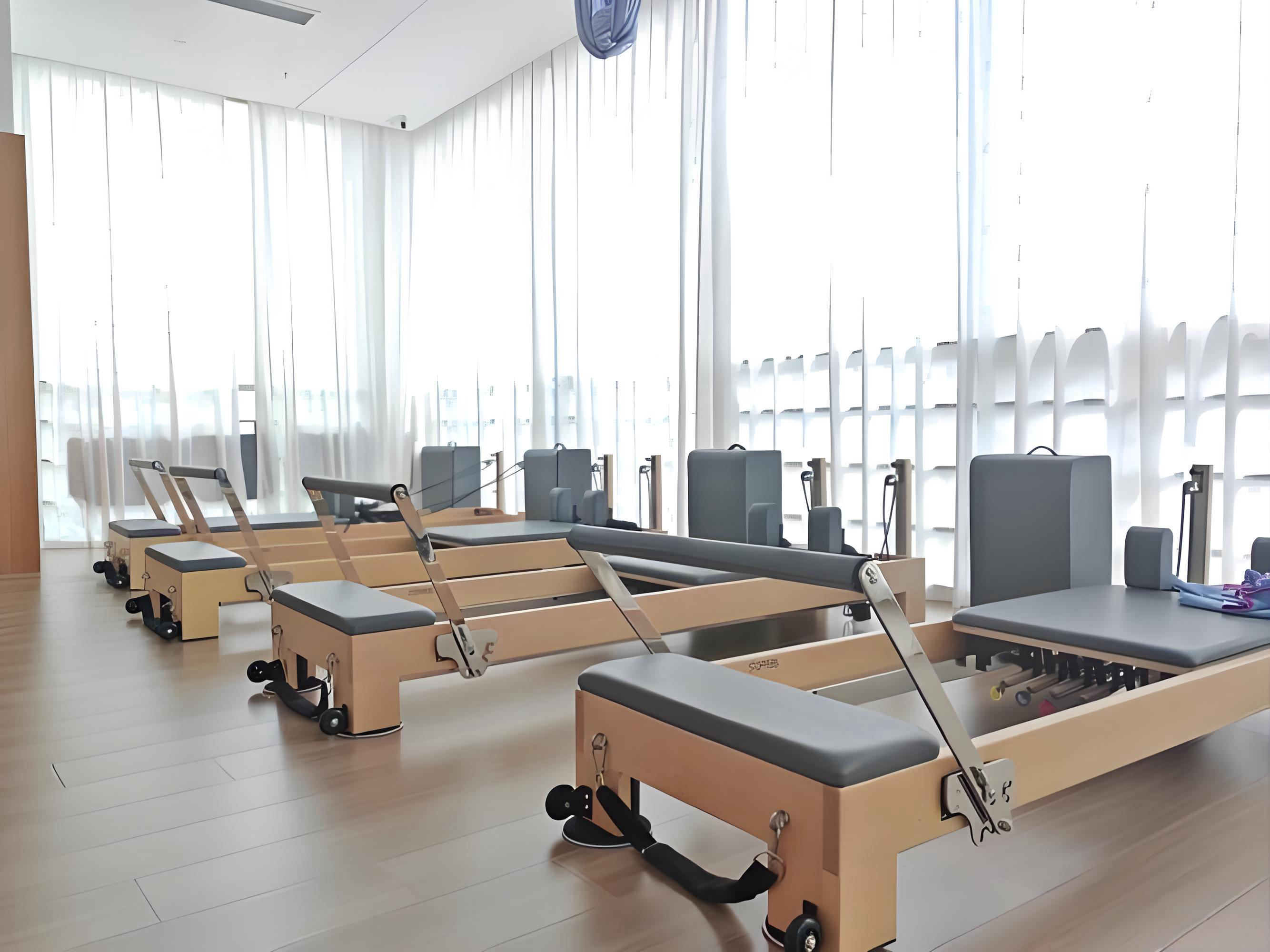
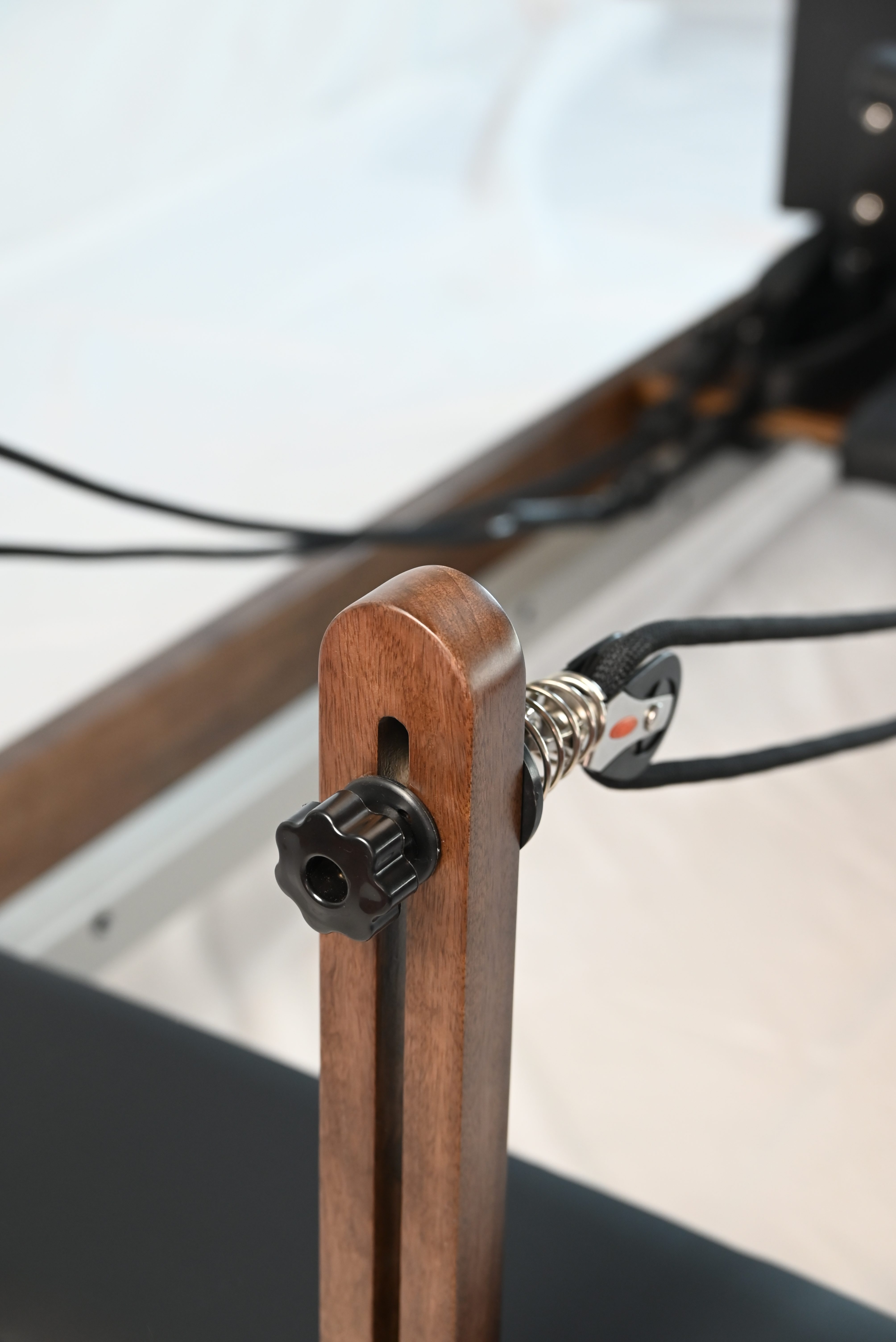
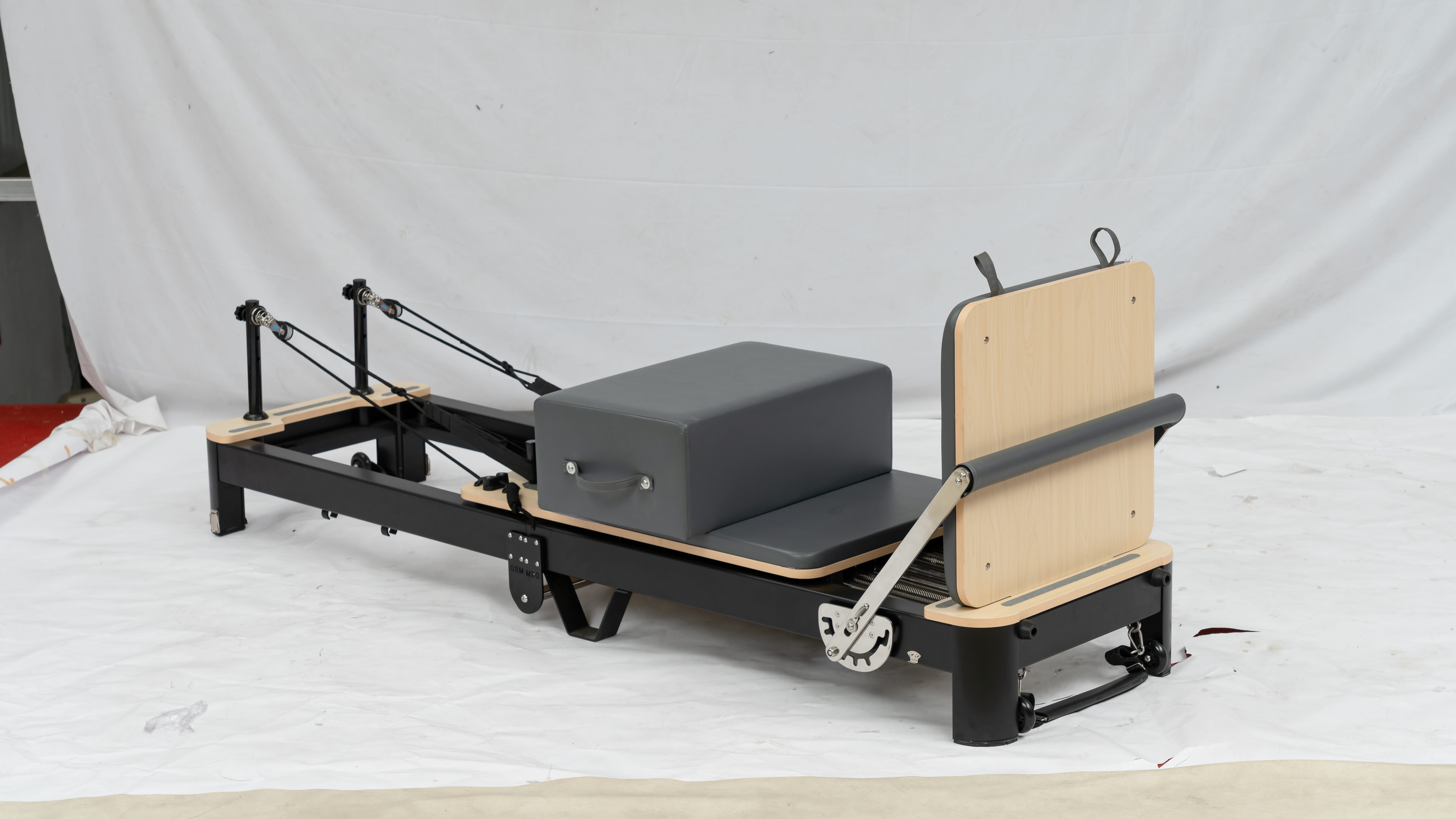
Wooden reformers adopt high-density solid wood frames such as oak and maple. The whole machine is heavy and grounded, providing excellent overall stability. The natural wood structure offers mild shock absorption and balanced tension feedback during stretching and sliding movements. It avoids rigid vibration and delivers a softer, smoother and more professional training feel. For intense pulling, pushing and jumping movements, wooden frames remain stable without shaking, which perfectly matches the classic Pilates teaching system. Most senior instructors and high-end boutique studios prefer wooden reformers for their authentic training experience.
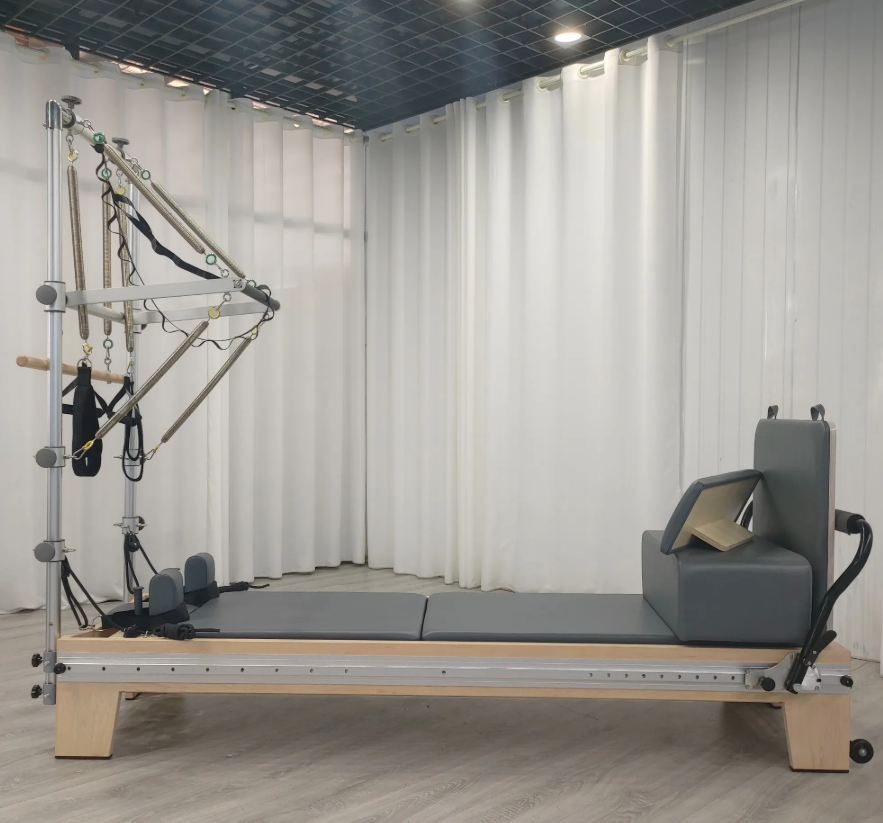
Aluminum Pilates Reformer
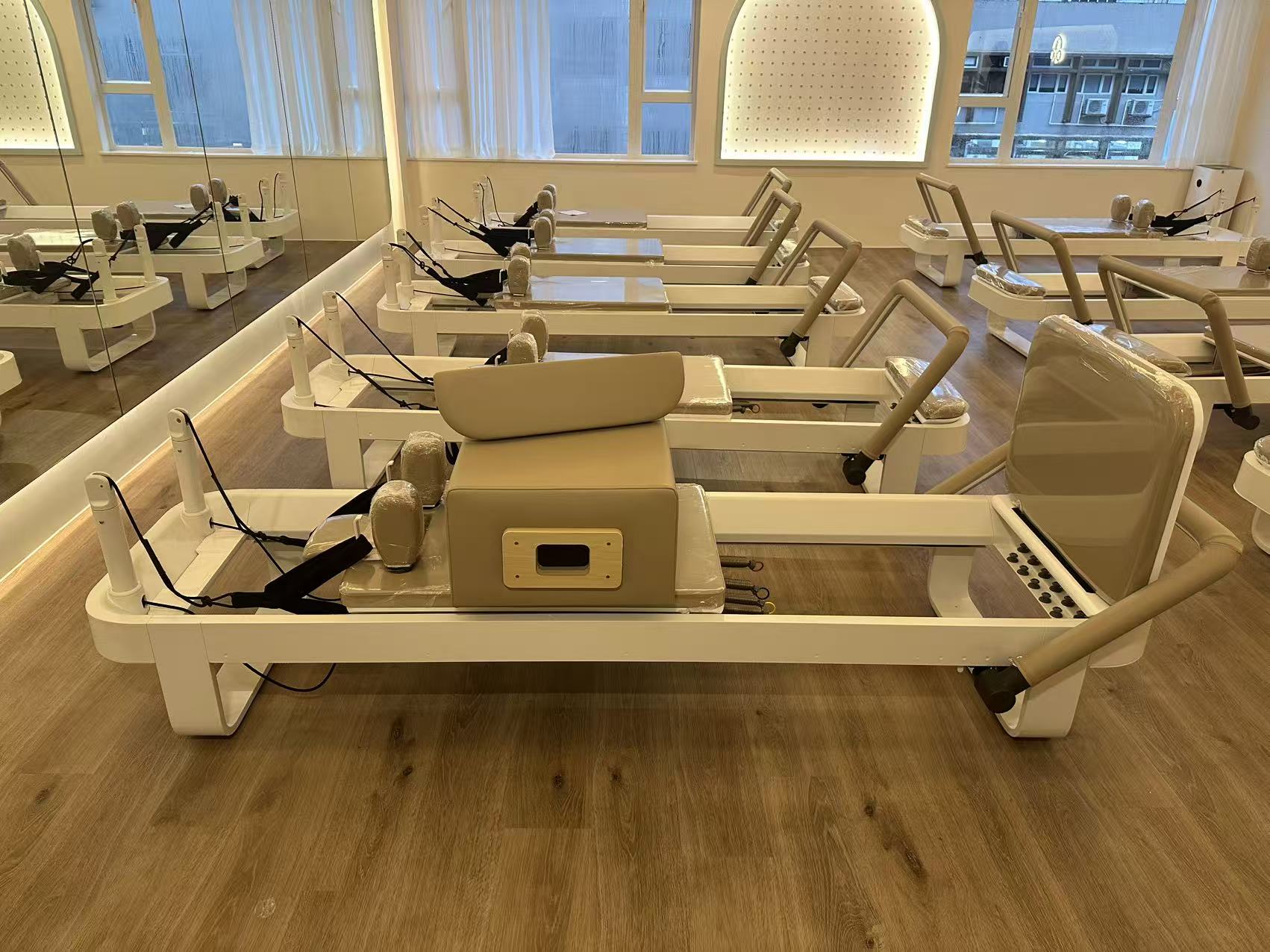
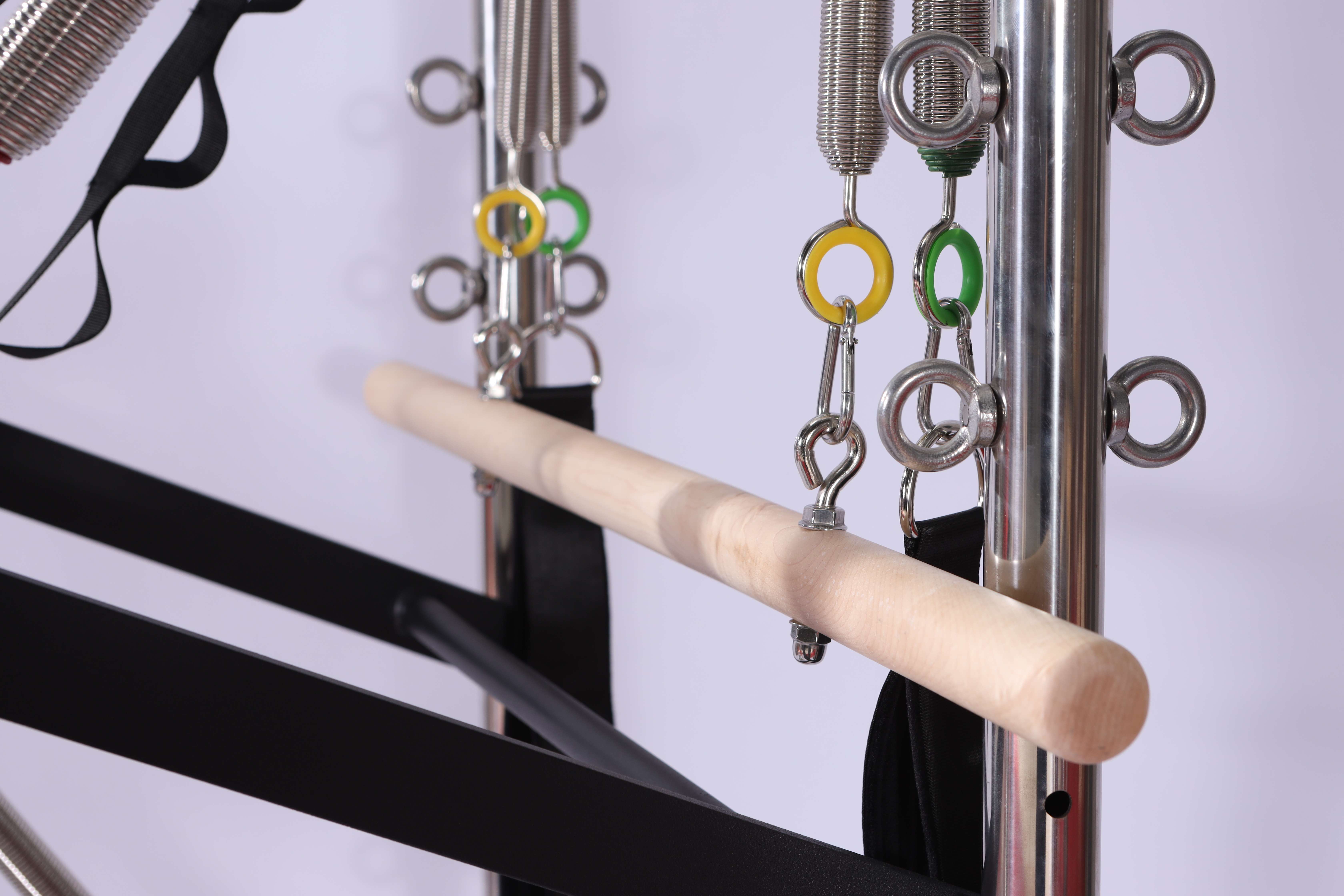
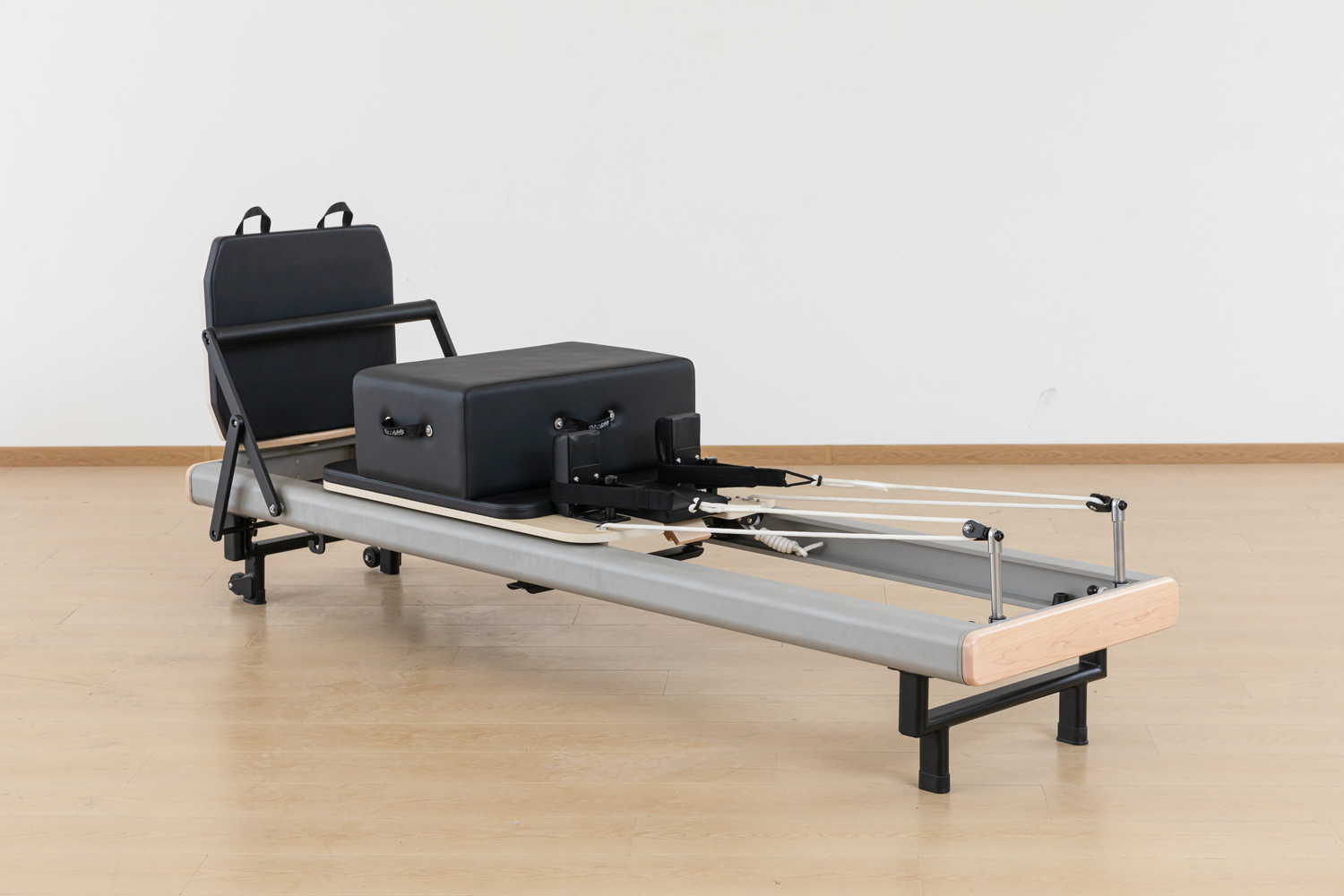
Aluminum alloy frames are lightweight with high hardness and strong toughness. The industrial integrated structure features high overall rigidity and precise sliding control. Although lighter than wood, high-quality commercial aluminum reformers support high load-bearing capacity and structural stability. The metal structure delivers crisp and direct movement feedback, suitable for precise core training and functional shaping. It will not deform after long-term high-frequency use.
2. Environmental Adaptability & Durability
Wooden Reformer
Solid wood materials are sensitive to extreme humidity and temperature. In long-term humid environments, untreated wood may absorb moisture, leading to slight deformation, mildew or cracking. However, modern commercial wooden reformers adopt multi-layer waterproof varnish finishing and drying treatment, which greatly improves moisture resistance. With regular maintenance, solid wood equipment can serve for more than 10 years and maintain stable structural performance.
Aluminum Reformer
Aluminum alloy is completely waterproof, rust-proof and corrosion-resistant, with zero fear of humid weather, sweat erosion and daily water cleaning. It adapts to all climate conditions, especially suitable for coastal areas and high-humidity regions. The material will not oxidize, deform or mildew, requiring almost no environmental maintenance. Its anti-aging performance is far better than wood in complex environments, with ultra-long service life and low failure rate.
3. Portability & Space Flexibility
Wooden reformers are heavy and fixed, not easy to move frequently. Their advantage is stable placement, while the disadvantage is poor flexibility. They are more suitable for fixed studio classrooms that do not require frequent equipment adjustment.
Aluminum reformers are lightweight and portable. They can be easily moved and rearranged by one person, facilitating floor cleaning, space adjustment and multi-scene use. This feature is very friendly for small studios, multi-functional classrooms and home gyms that need flexible space layout.
4. Aesthetics & Studio Grade
Wooden reformers feature natural wood grain, warm texture and high-end retro aesthetics. They greatly improve the overall grade and artistic atmosphere of the studio, perfectly matching high-end customized, luxury and boutique studio styles. Wooden equipment always gives customers a professional, classic and high-quality visual impression.
Aluminum reformers present a modern, minimalist and technological style with smooth metal lines. They are suitable for simple fashion studios, sports fitness centers and light commercial gyms, showing a neat and trendy visual effect.
5. Daily Maintenance & Operating Cost
Wooden reformers require simple regular maintenance, such as avoiding long-term direct moisture soaking and regular surface waxing care to keep the wood texture and toughness. Slightly higher maintenance requirements but better texture retention.
Aluminum reformers are maintenance-free. The smooth metal surface is easy to clean, just wipe with a damp cloth to remove sweat and dust. No special maintenance is needed throughout the service life, reducing studio daily operating costs and maintenance time.
6. Suitable Crowds & Scenarios
Choose Wooden Reformer if:
- You run a high-end boutique Pilates studio focusing on professional private teaching and classical courses
- You pursue authentic Pilates training feel and stable movement feedback
- The studio has fixed classrooms with dry indoor environment
- You focus on long-term brand image and high-end studio positioning
Choose Aluminum Reformer if:
- Your studio is located in humid coastal or rainy areas
- You need flexible equipment movement and frequent space adjustment
- For home use, small studios and multi-functional fitness rooms
- You want low maintenance, durable and cost-effective commercial equipment
Final Conclusion
Wooden reformers excel in texture, stability and professional training experience, being the first choice for high-end professional studios. Aluminum reformers win in durability, environmental resistance and flexibility, ideal for versatile commercial scenarios and home fitness. You can select the most suitable model according to your local climate, studio style and daily teaching demands.
As a professional Pilates equipment manufacturer, we provide both commercial-grade wooden and aluminum reformers with customizable colors, logos and full sets of accessories. Stable quality, competitive wholesale price and reliable after-sales service support global studio and distributor cooperation.