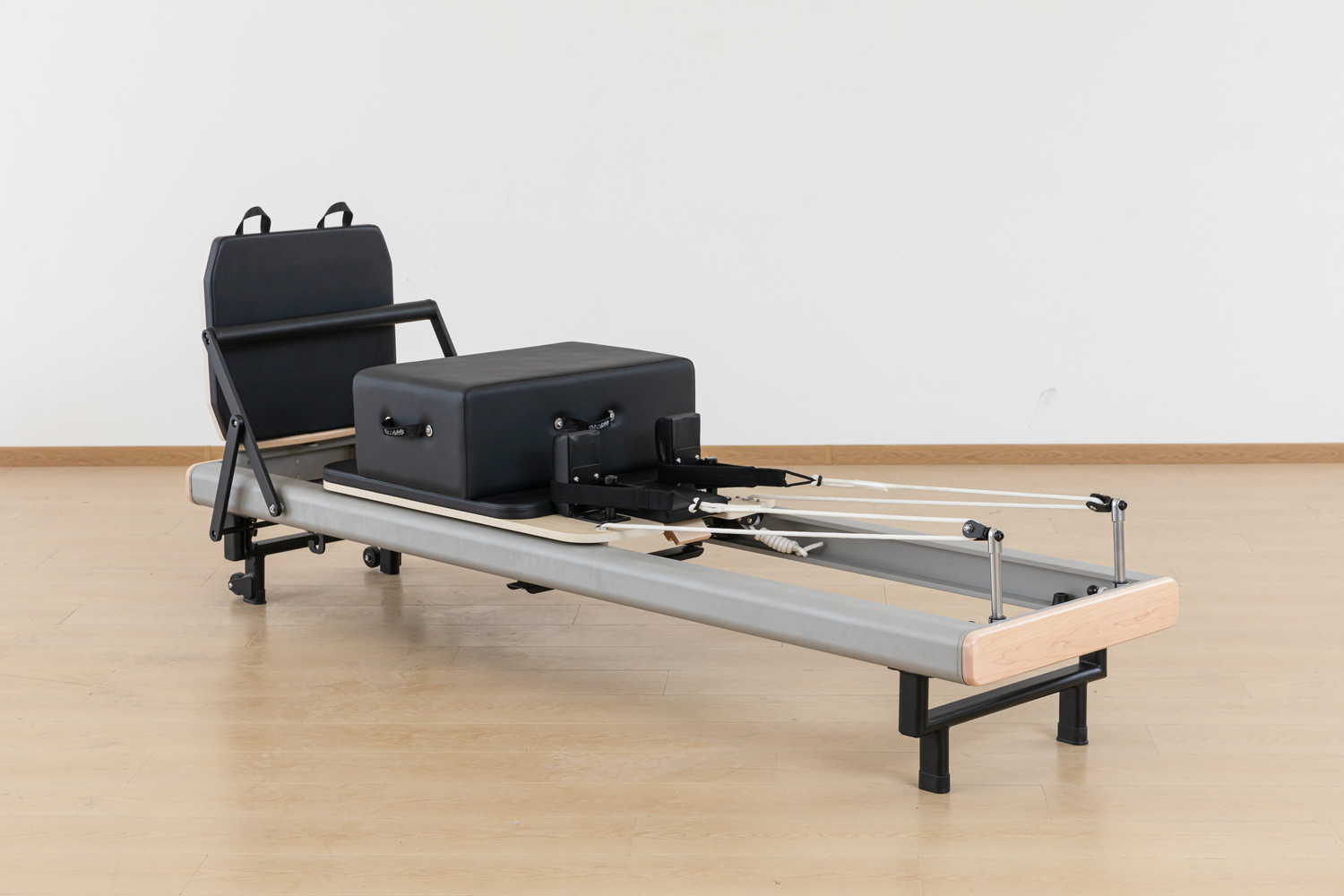
Home Pilates Reformer: A New Choice for Home Fitness

In recent years, the Pilates Reformer has been moving from professional studios into ordinary homes, becoming a new choice for home fitness. The reasons are straightforward: more and more people are realizing that instead of commuting weekly to a gym for a single class, they can set up a Reformer at home and train more efficiently on their own schedule. The rise of home Reformers represents a shift in fitness culture — from "going somewhere to exercise" to "exercising anywhere."
I. Why Is the Reformer Suitable for Home Use?
The Reformer's design naturally adapts to home environments.
Low impact, high reward: All Reformer movements are performed with assistance from the carriage and springs, putting far less stress on joints than running or heavy resistance training — yet it still delivers comprehensive gains in core strength, flexibility, and posture. For office workers, those with joint sensitivity, or those with limited fitness backgrounds, this is a "body-friendly" training method.
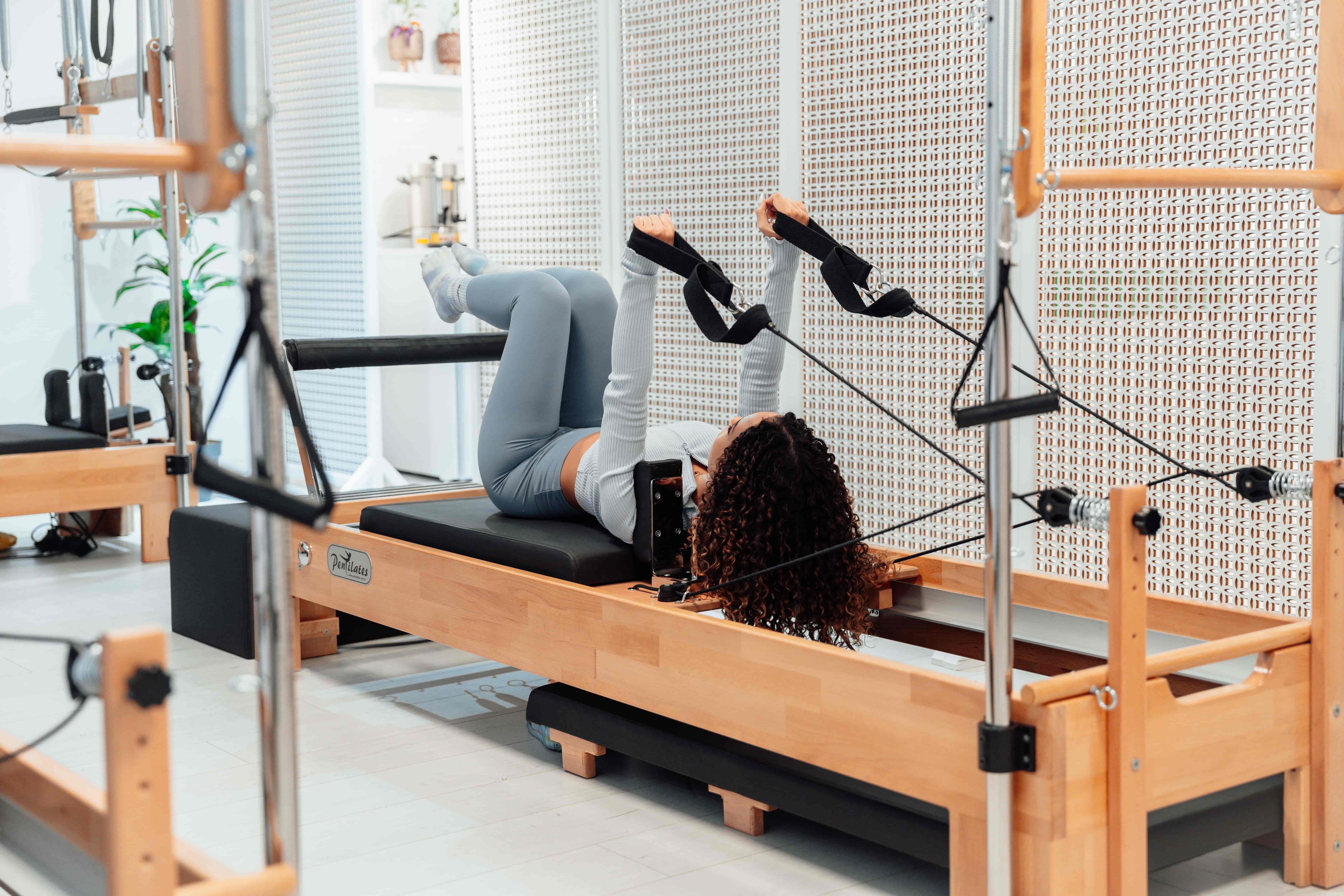
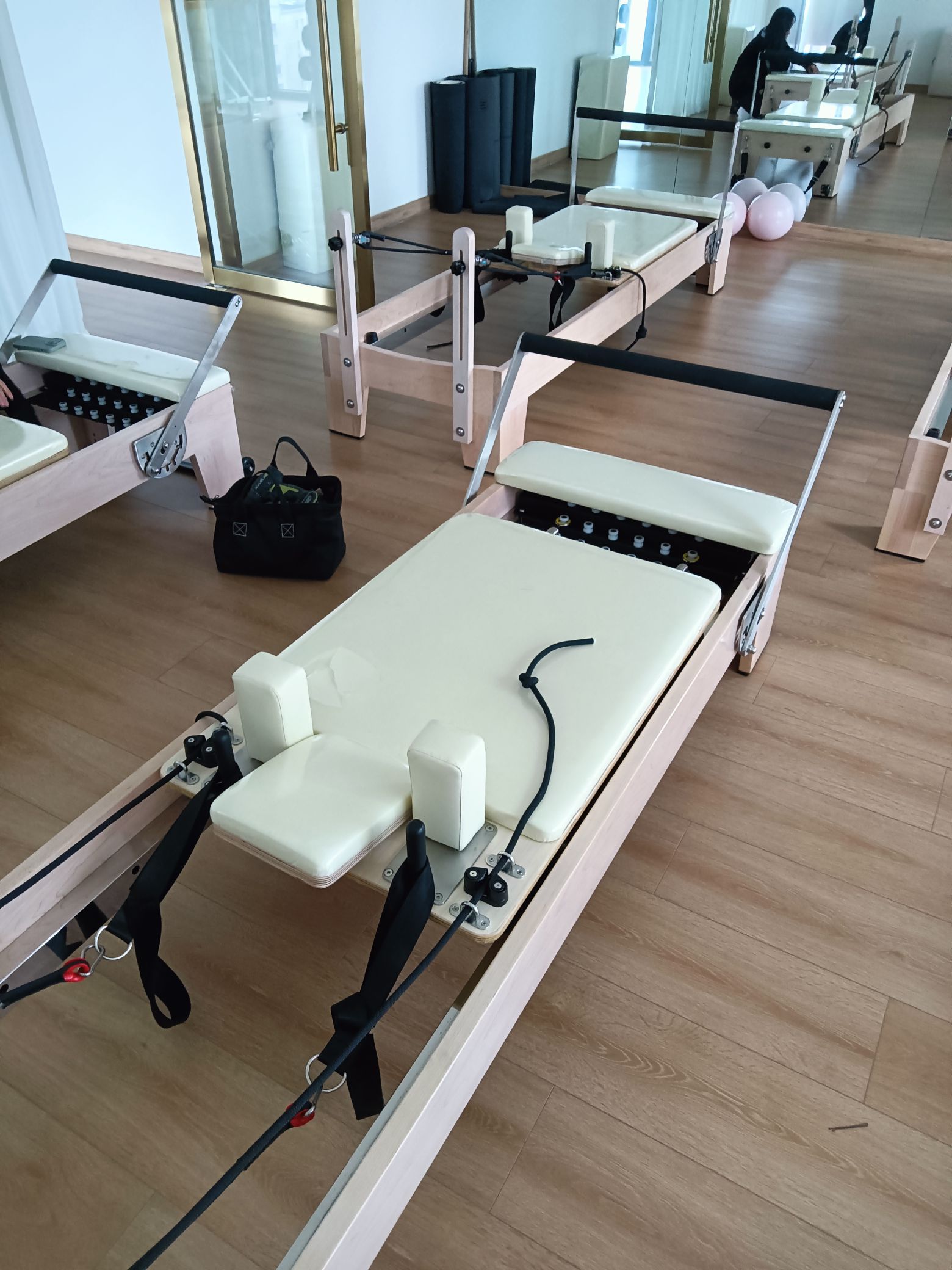
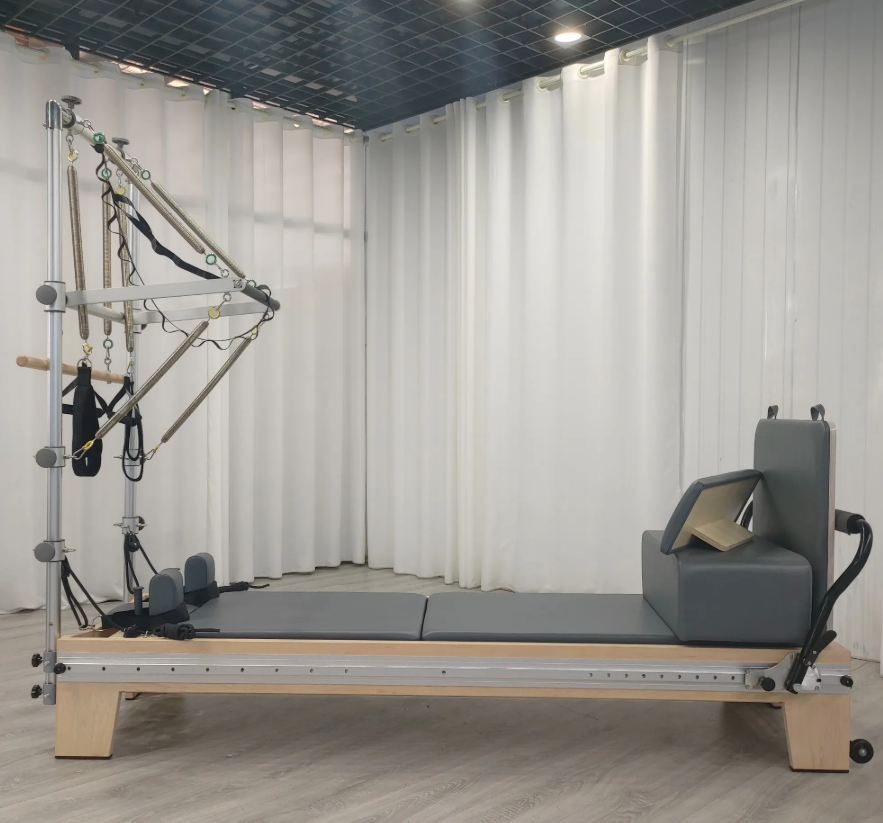
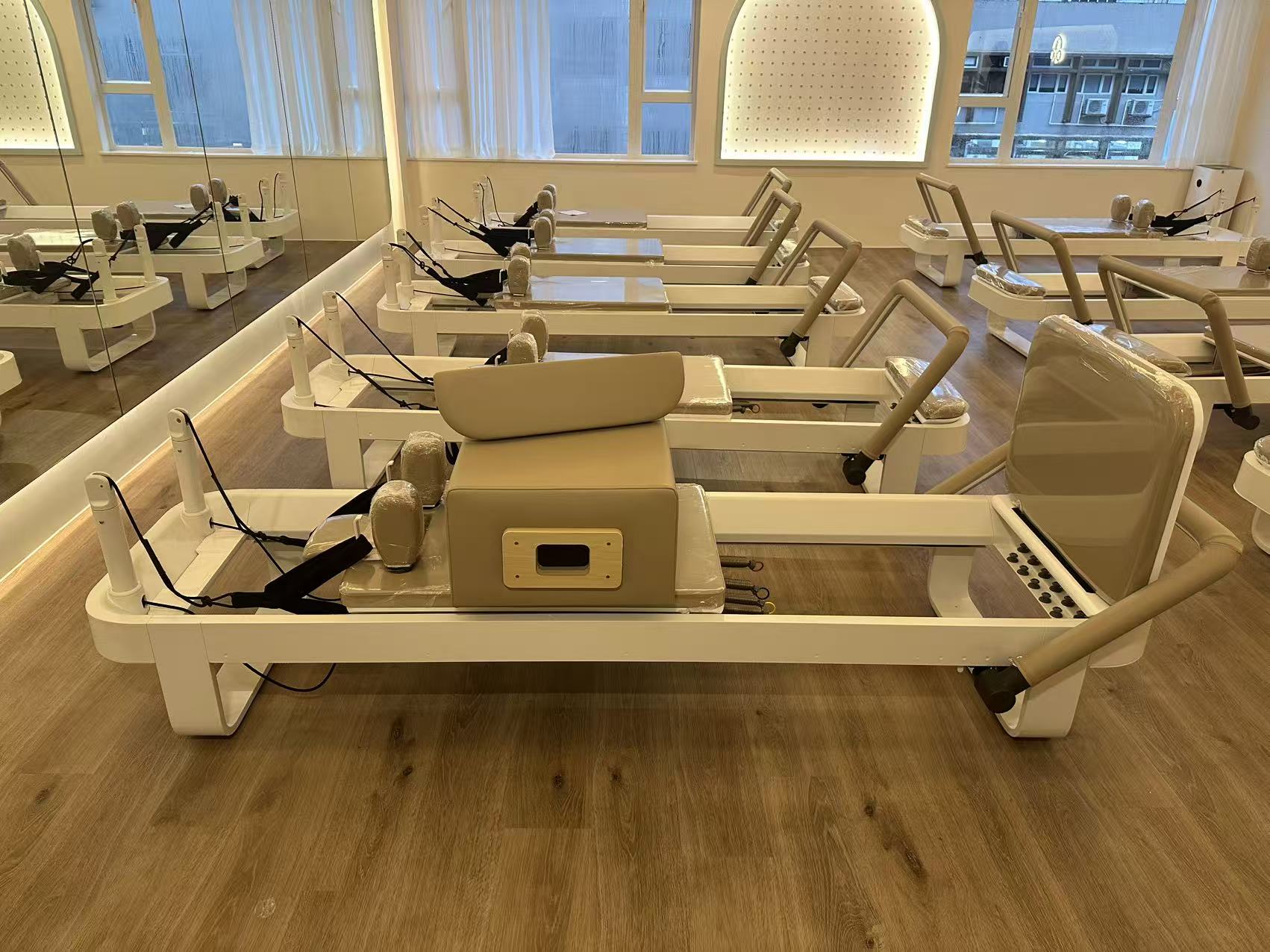
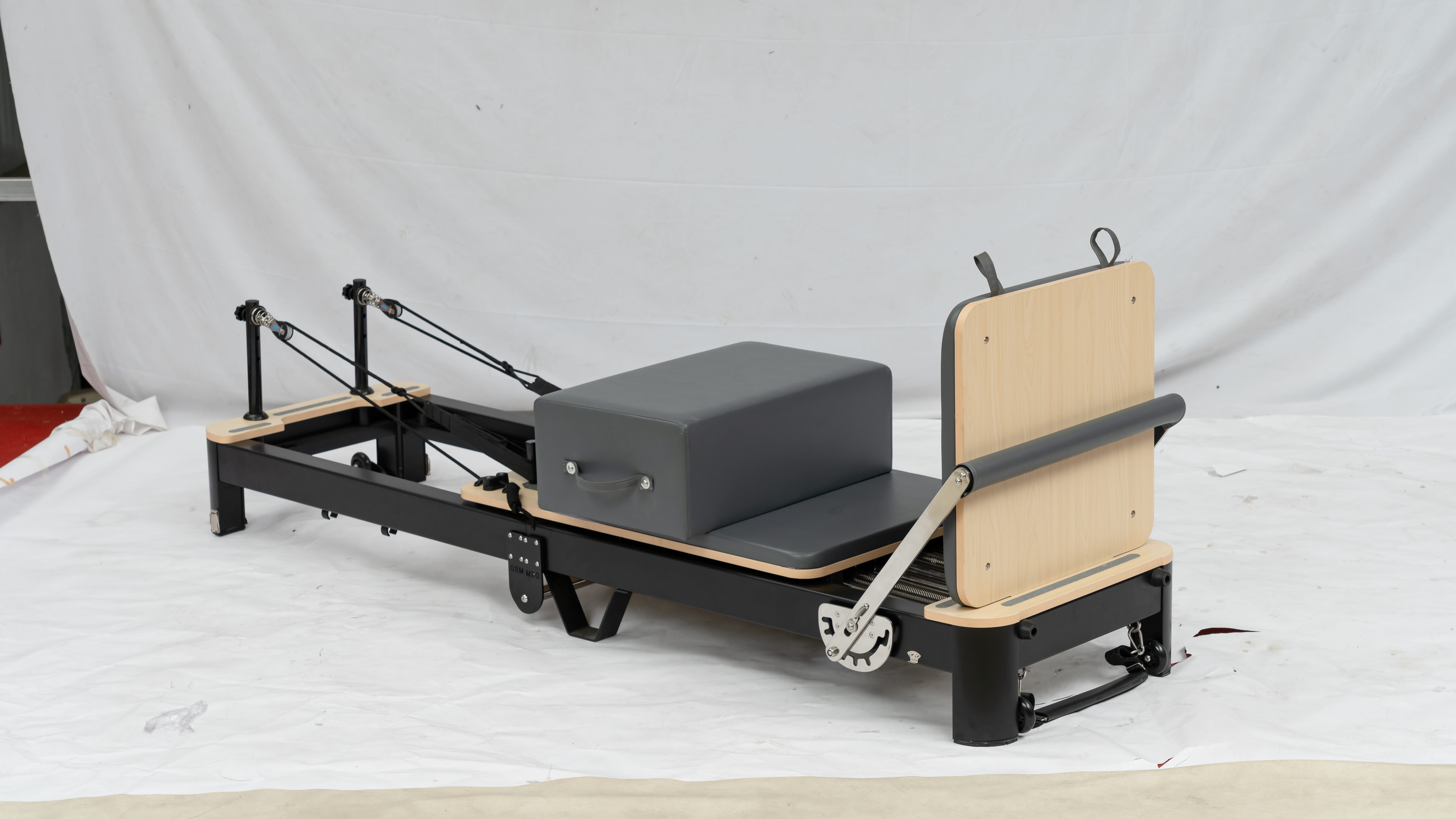
Full-body training in one machine: The combination of springs, carriage, straps, and footbar supports hundreds of exercises — supine, side-lying, kneeling, standing — covering the core, back, glutes, arms, and nearly every major muscle group. One machine serves as a compact training station.
Highly adjustable: Spring resistance can be increased or decreased to accommodate everyone from absolute beginners to advanced practitioners. Beginners can start with light resistance and progress gradually, without worrying about the equipment being "too advanced" or "too intimidating." The Reformer's adaptability allows it to grow with the user through their entire training journey.
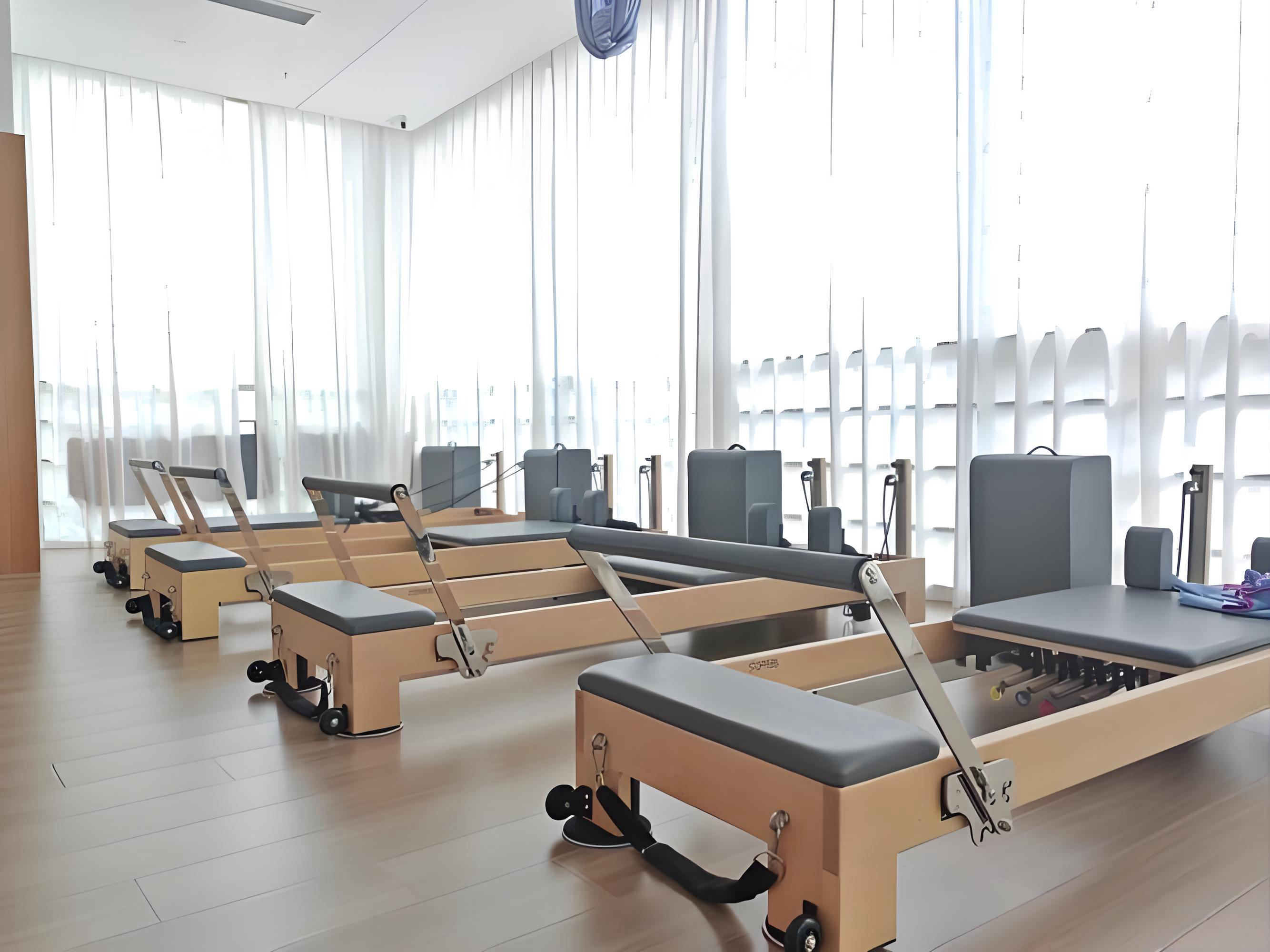
Controllable footprint: A standard Reformer is about 2.3 meters long and 0.7 meters wide. Foldable models can be reduced to a smaller size when not in use. For urban homes, this is an acceptable space commitment — compared to treadmills or full power racks, the Reformer is actually more space-efficient.
II. What Changes Can a Home Reformer Bring?
Postural improvement: Sitting is one of the most common health issues today. Reformer practice requires neutral pelvis positioning, spinal articulation, and scapular stability on the ribcage. With consistent practice, posture naturally becomes more lifted and open, and lower back discomfort from prolonged sitting often eases noticeably.
Sculpted body lines: The Reformer's spring-loaded resistance system works muscles evenly through the full range of motion. Combined with flexibility and core control training, muscle lines become toned and elongated — a "long and strong" quality that heavy resistance training rarely achieves.
Immediate feedback: The Reformer's greatest advantage is its "instant feedback" — spring tension, carriage smoothness, strap resistance all give clear tactile signals during exercise. You can immediately feel whether you're pushing evenly, whether the movement is aligned, and whether your core is engaged. No mirror or instructor needed.
III. Home Reformer Buying Guide
Space compatibility is the first threshold: A standard Reformer is about 2.3 meters long. If you're over 180cm tall, consider an extended-length model. If space is tight, a foldable model is a better choice. Folded thickness determines whether it can truly be stored away — some fold to just 15cm thick and stand upright against a wall; others still occupy nearly 1.5 square meters. Verify the exact folded dimensions before purchasing.
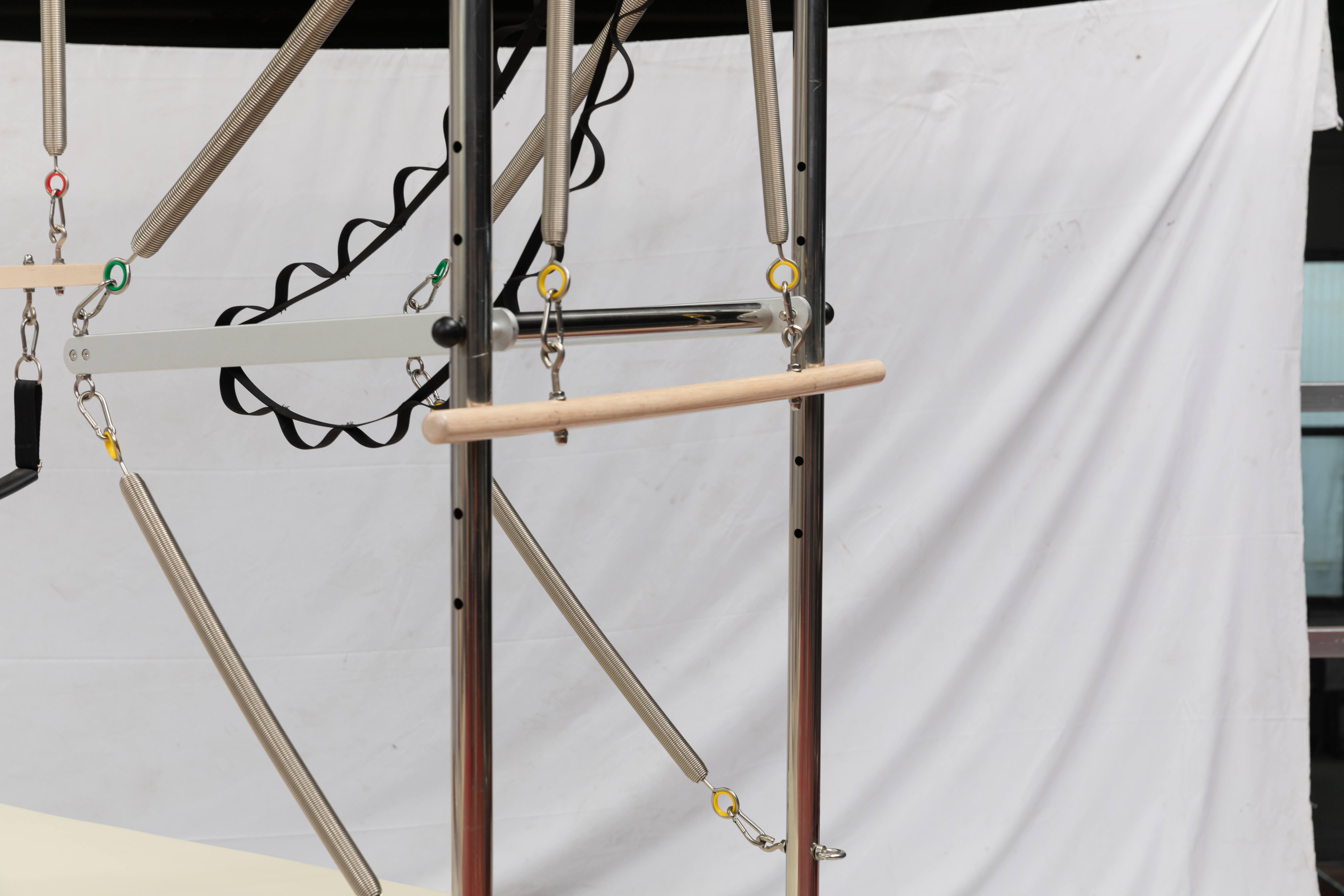
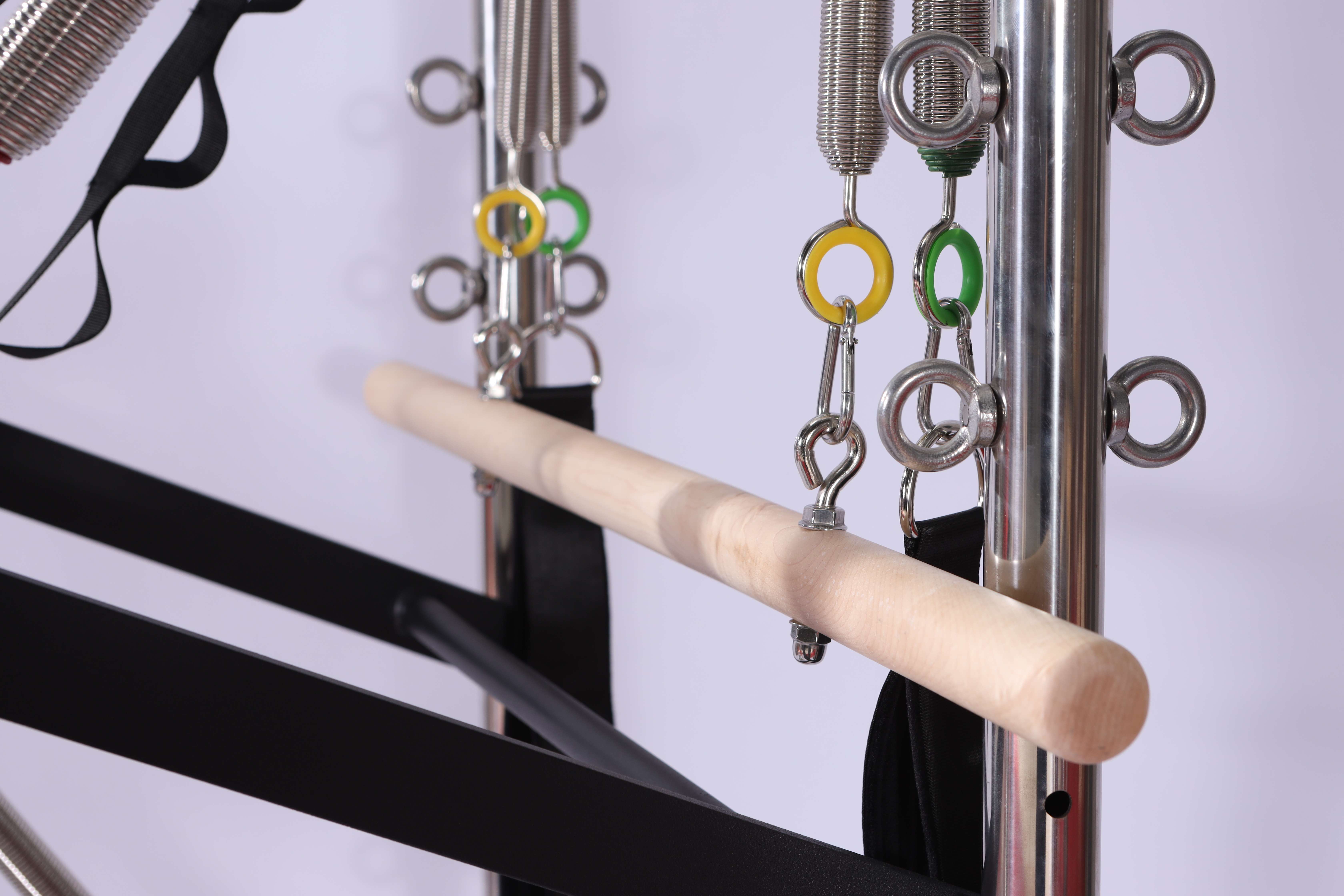
Springs are the real core: Home Reformers should use high-carbon steel cold-coiled springs that maintain consistent tension and durability. Budget alternatives often use latex elastic cords — non-linear resistance and prone to aging. Quality springs typically offer 500,000+ stretch cycles.
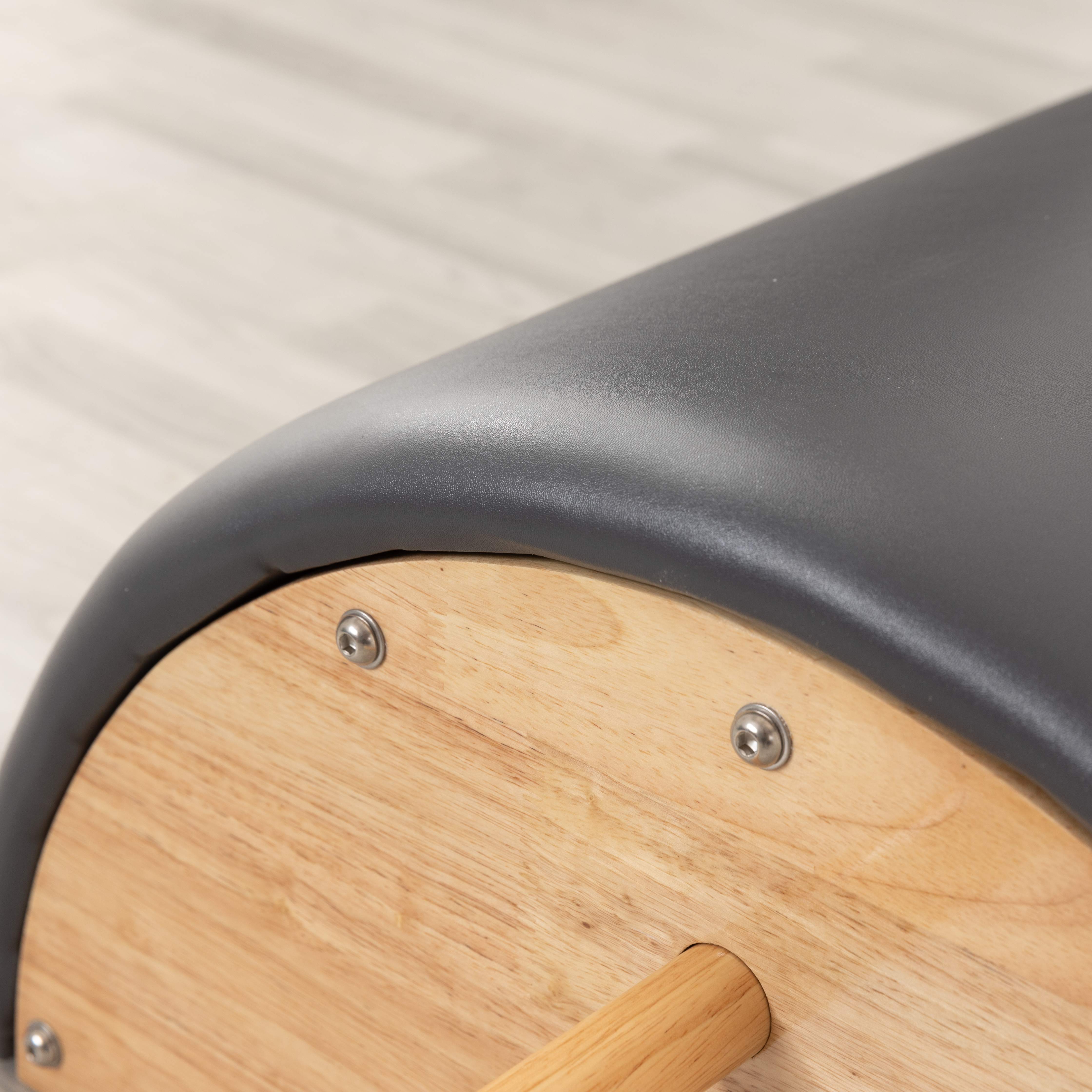
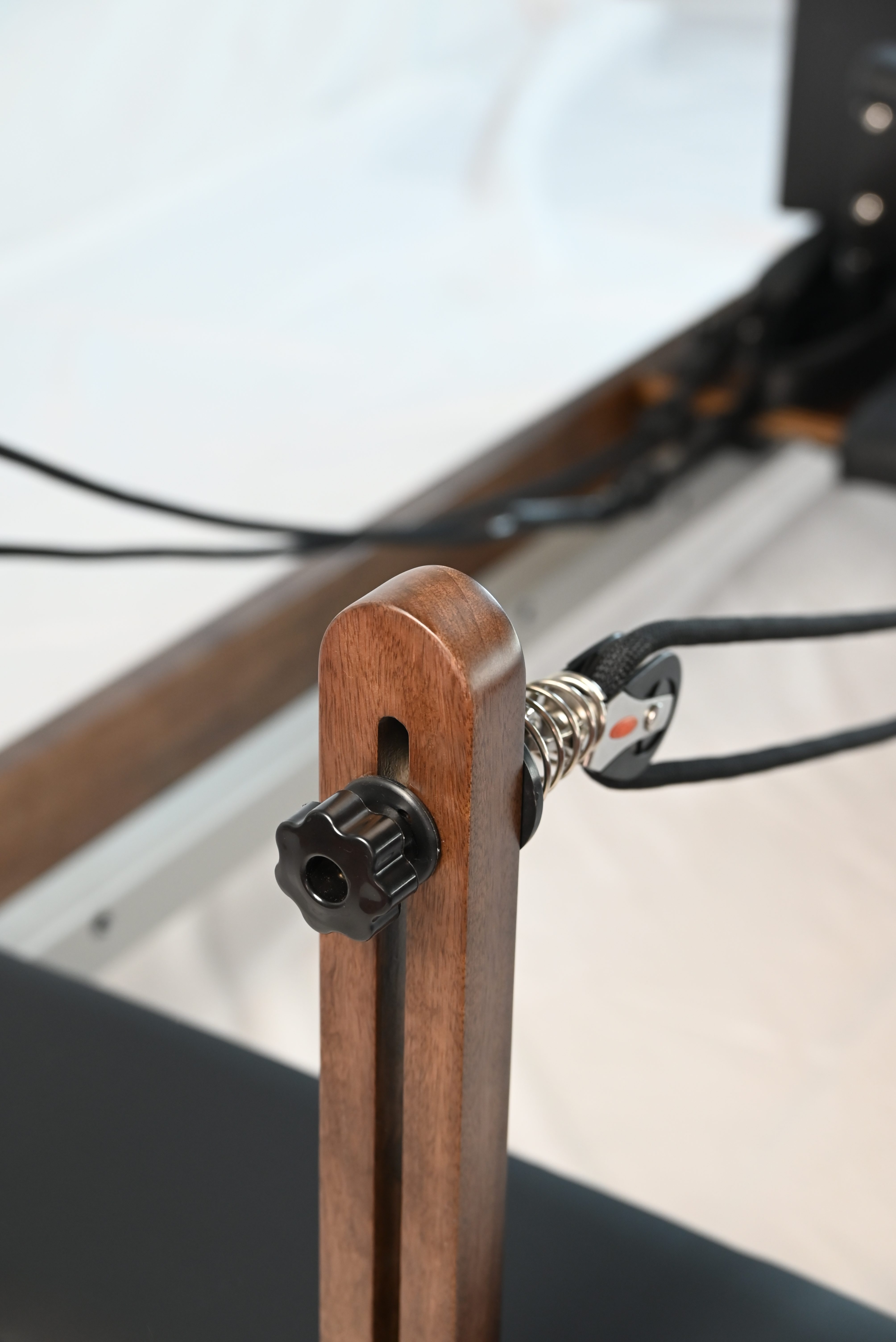
Frame stability determines safety and durability: Frame material affects stability during use. Opt for reinforced steel or aviation-grade aluminum frames that don't wobble under exertion. Wood frames have a warm feel but are sensitive to humidity and require proper care.
Brand and after-sales: Home Reformers range from a few hundred to several thousand dollars. The price difference reflects spring quality, frame material, and after-sales service. Choose brands with clear warranty terms and reliable support — avoid products with no identifiable manufacturer.
IV. How to Start Home Reformer Practice as a Beginner?
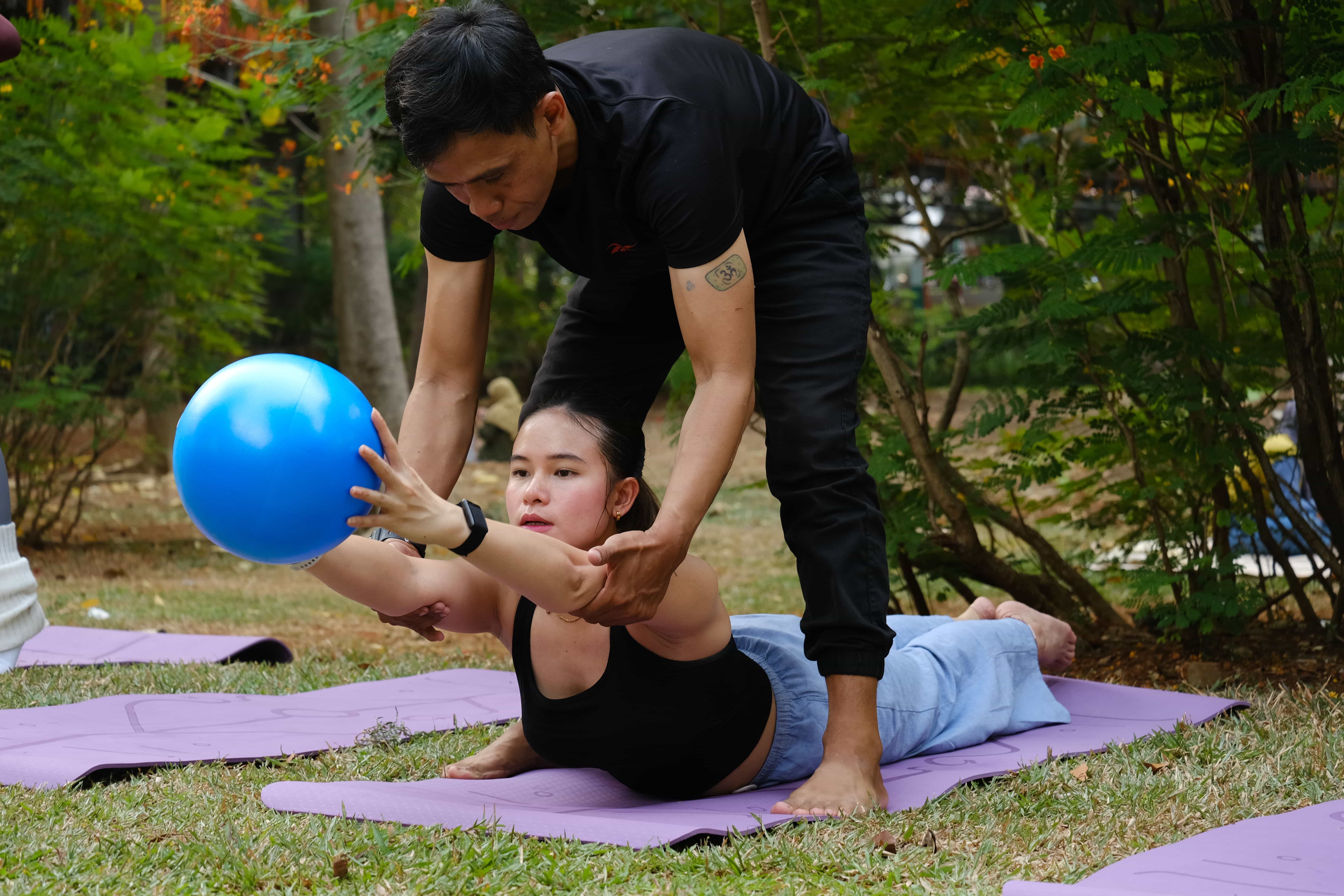
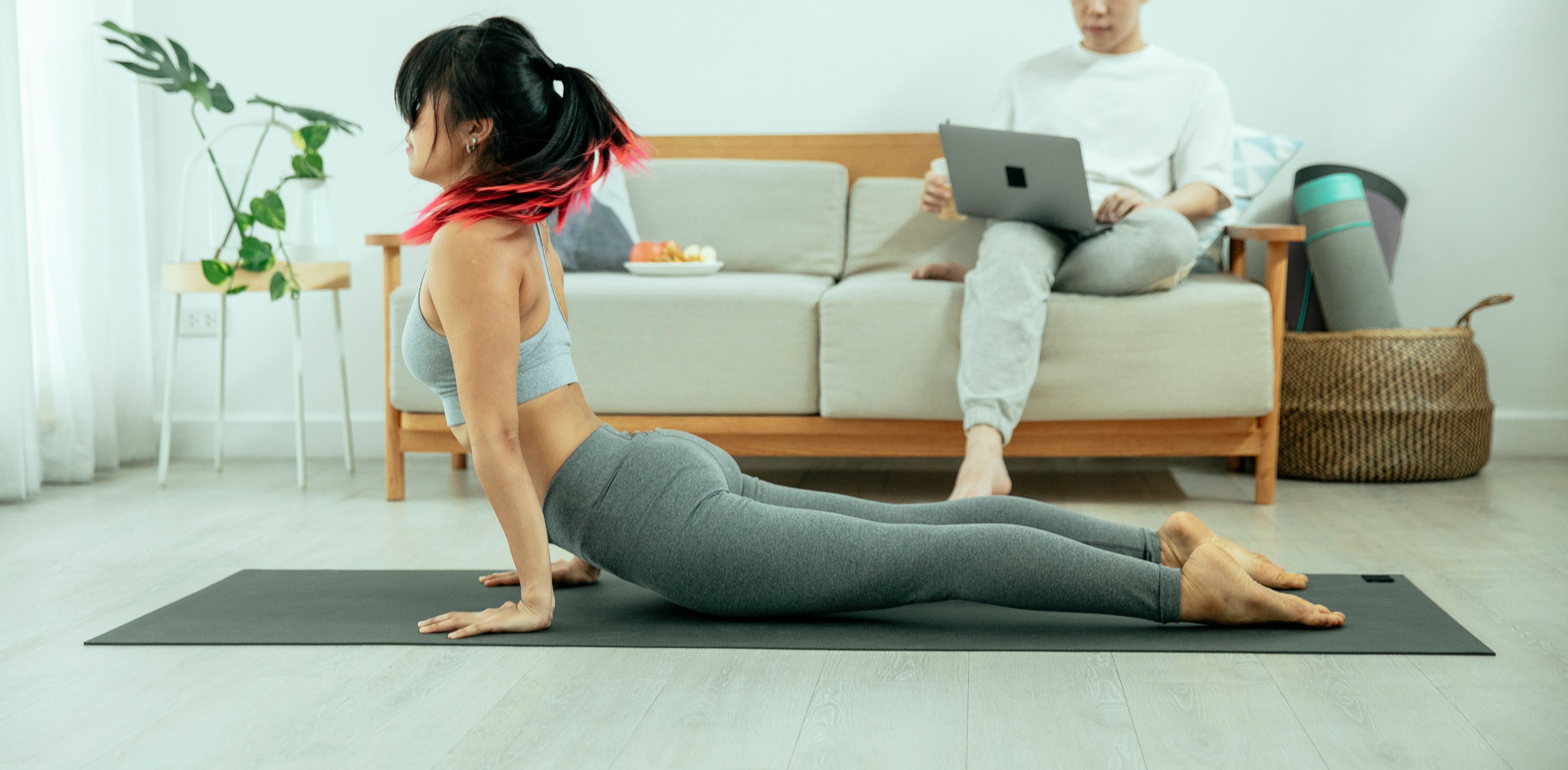
Build a mat foundation first: Before touching the Reformer, spend at least 1-2 months on mat Pilates to develop basic body control. If you're unsure about proper form, take a few introductory classes at a studio first, then bring the practice home.
Start with light resistance: On your first few sessions, use the lightest spring configuration (e.g., one yellow light spring) to feel the carriage's movement rhythm and the spring's feedback. Don't rush to add resistance or pursue big ranges of motion. The focus is finding coordination between body and equipment.
Prioritize frequency over session length: The advantage of home training is frequency. 2-3 times per week, 20-30 minutes per session, delivers far better results than occasional high-intensity sessions. Pilates is a "frequency-over-intensity" discipline.
Leverage online resources: Many Pilates brands and instructors offer online classes and instructional videos that serve as guides for home practice. Recording your own practice and comparing it with demonstrations is an effective way to refine technique.
V. Limitations and Best-Use Cases
A home Reformer isn't for everyone. If your goal is maximal strength gains or high-intensity cardio, the Reformer may not be the best fit. Its training effects are in control, flexibility, and postural improvement — not maximum power output.
The ideal home Reformer users include: office workers seeking posture improvement and relief from back discomfort; those seeking low-impact, joint-friendly exercise; those aiming for toned muscles rather than muscle bulk; and those wanting flexible training schedules at home.
Summary: The rise of the home Pilates Reformer reflects a broader shift from "going to the gym" to "training efficiently at home." The Reformer's low-impact, full-body, space-conscious design fits naturally into the modern home fitness ethos. When buying, pay attention to spring quality, frame stability, and storage dimensions. When practicing, start light, stay consistent — one home Reformer can sustain a years-long home training system.