Professional Pilates Equipment: Start Your Scientific Body-Sculpting Journey
The word "sculpting" has been used so often in the fitness industry that its meaning has become blurry. Many assume sculpting is just "weight loss" plus "muscle gain" — lose enough fat, and muscles will show. But real body sculpting is far more precise than that: it's a re-engineering of how you use your body, a systematic optimization of muscle recruitment order, and a gradual realignment of skeletal structure. What makes professional Pilates equipment "scientific" is that its design logic isn't about making you "work harder" — it's about making you "work correctly."
I. Why "Working Hard" Doesn't Always Mean "Working Right"
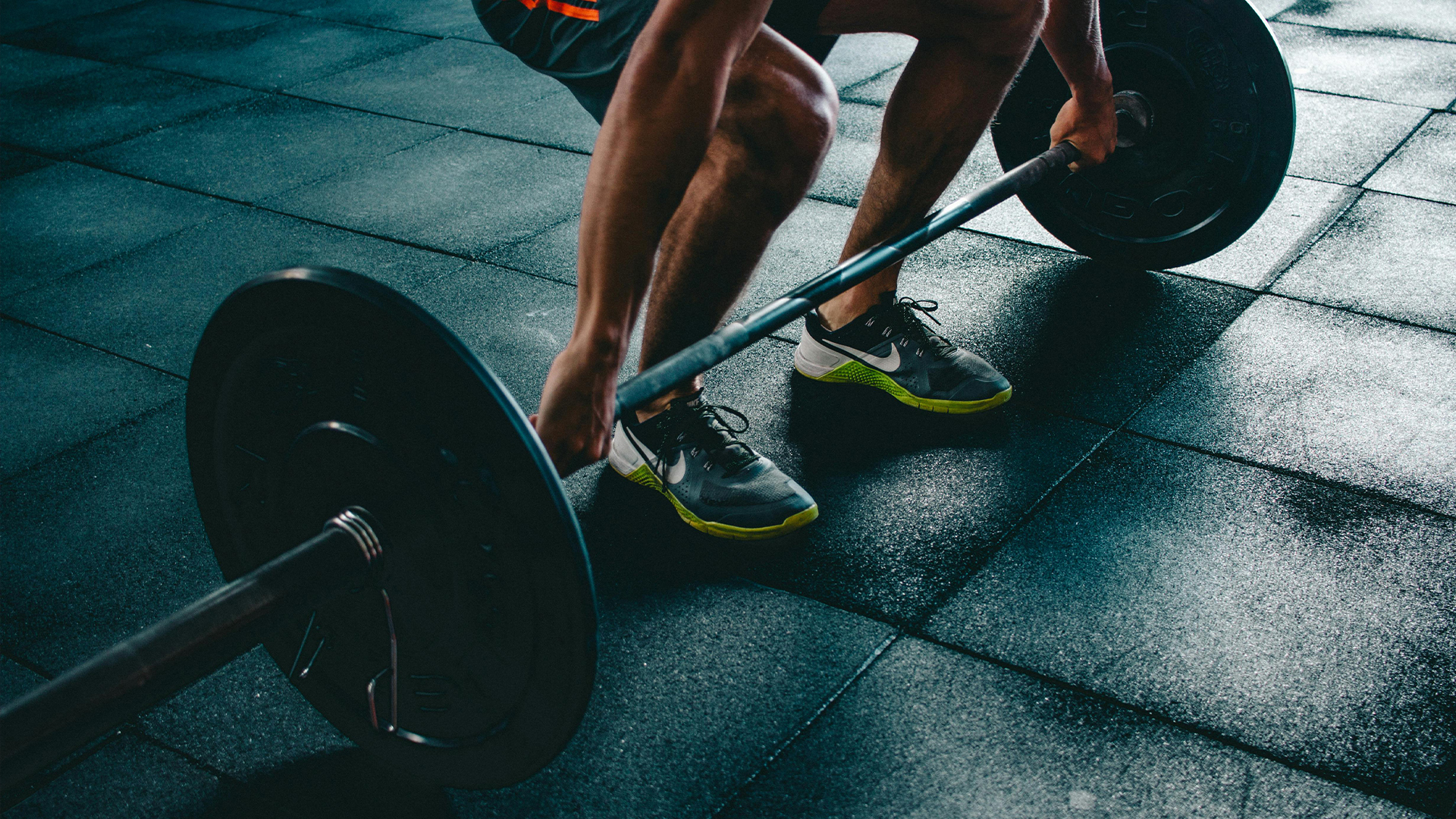
Traditional sculpting logic follows the "break and rebuild" model — tear muscle fibers with high-intensity training, then let them recover and grow bigger through nutrition and rest. This works for building muscle volume but often falls short for shaping "lines." Because lines aren't about muscle size — they're about muscle arrangement and balanced tension distribution — how muscles attach to the skeleton, not how thick they are.
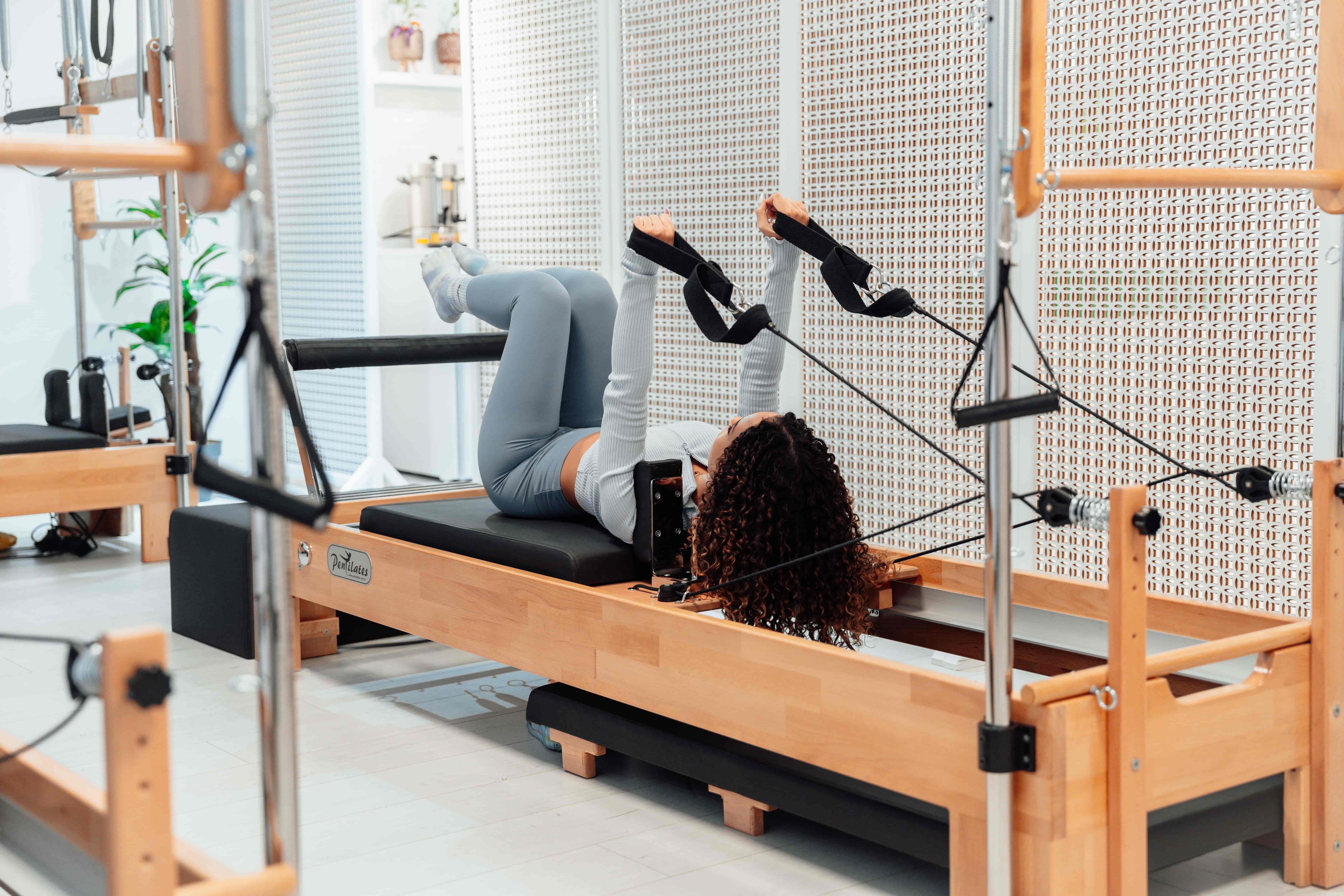
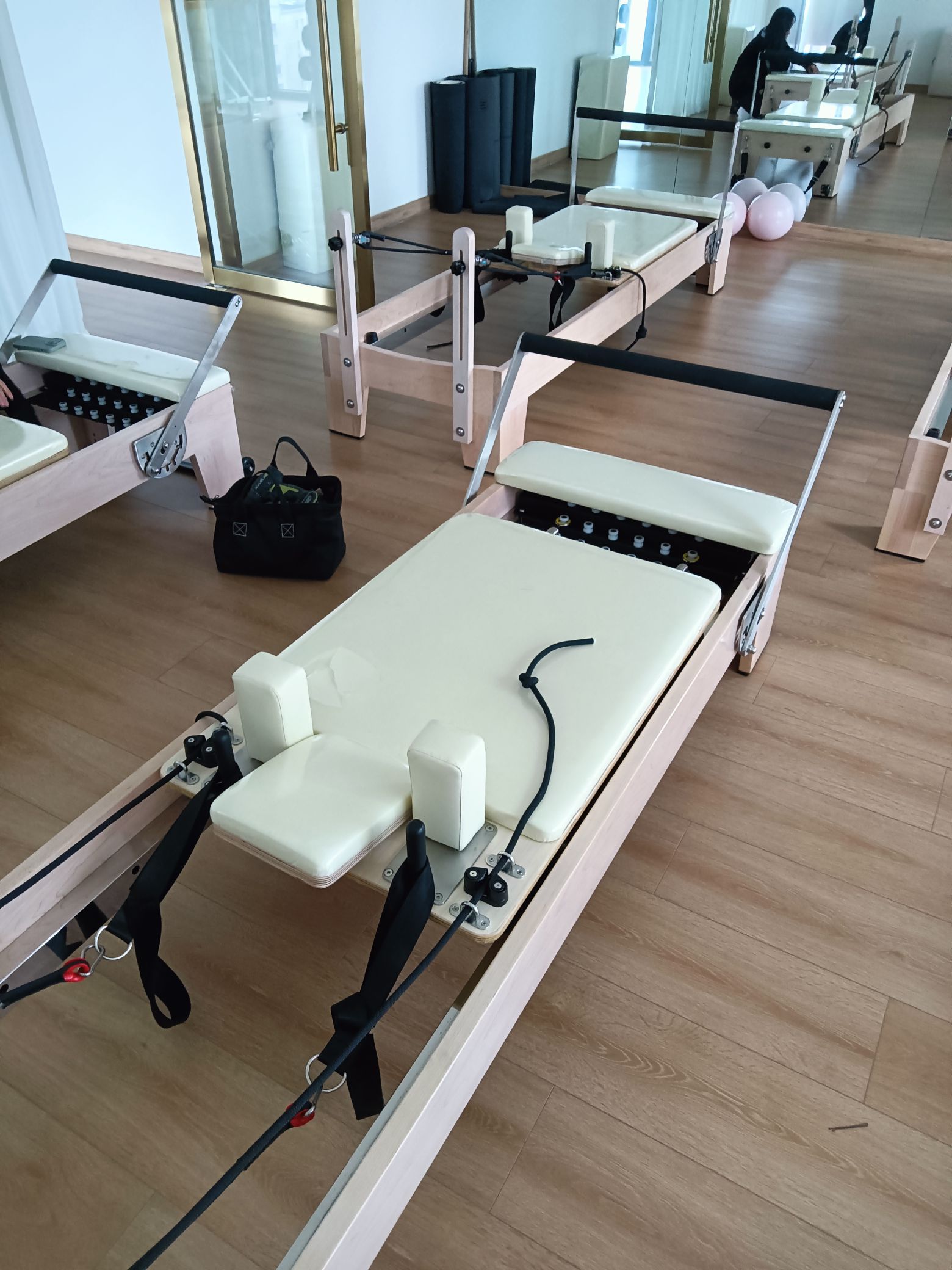
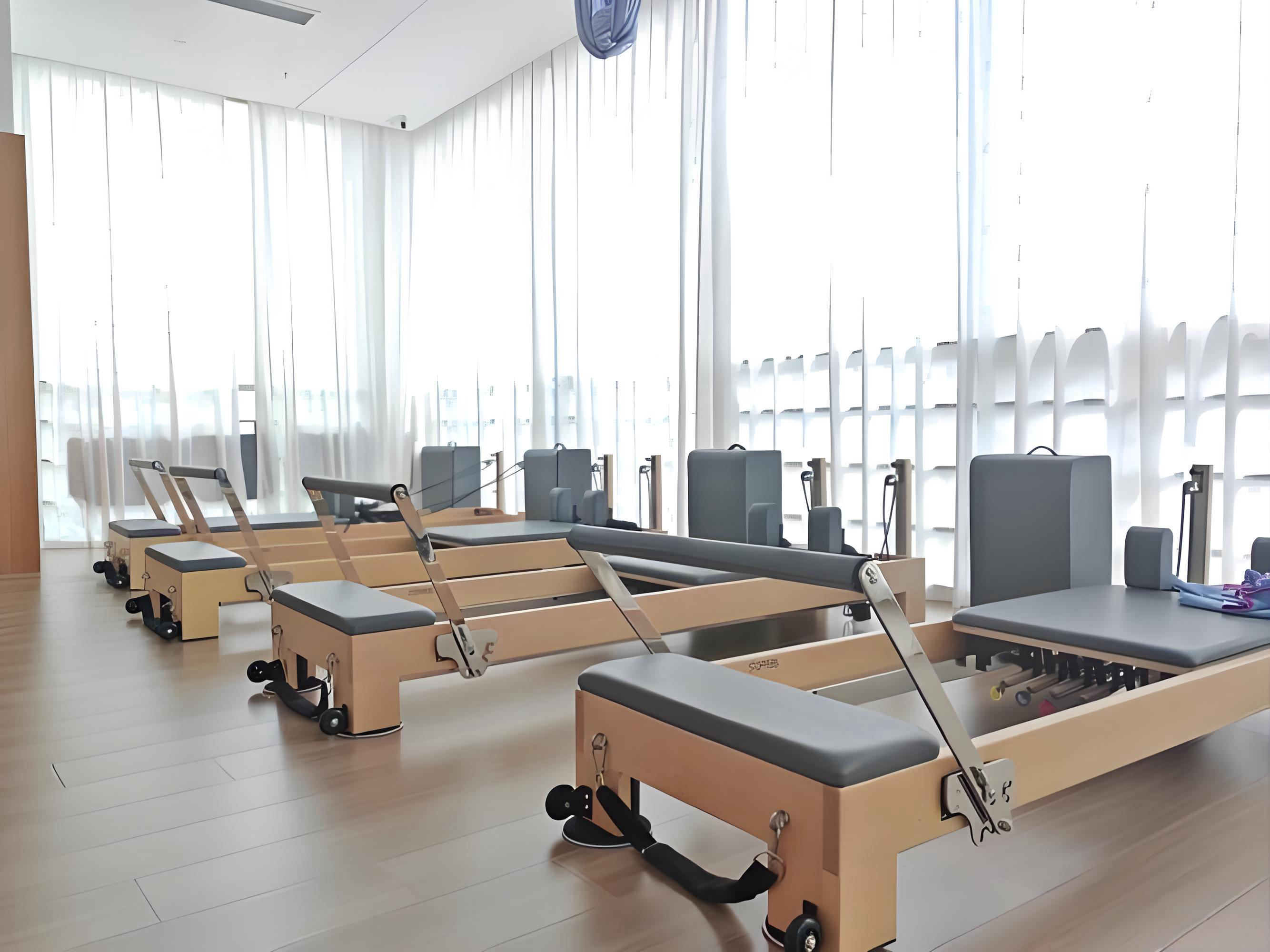
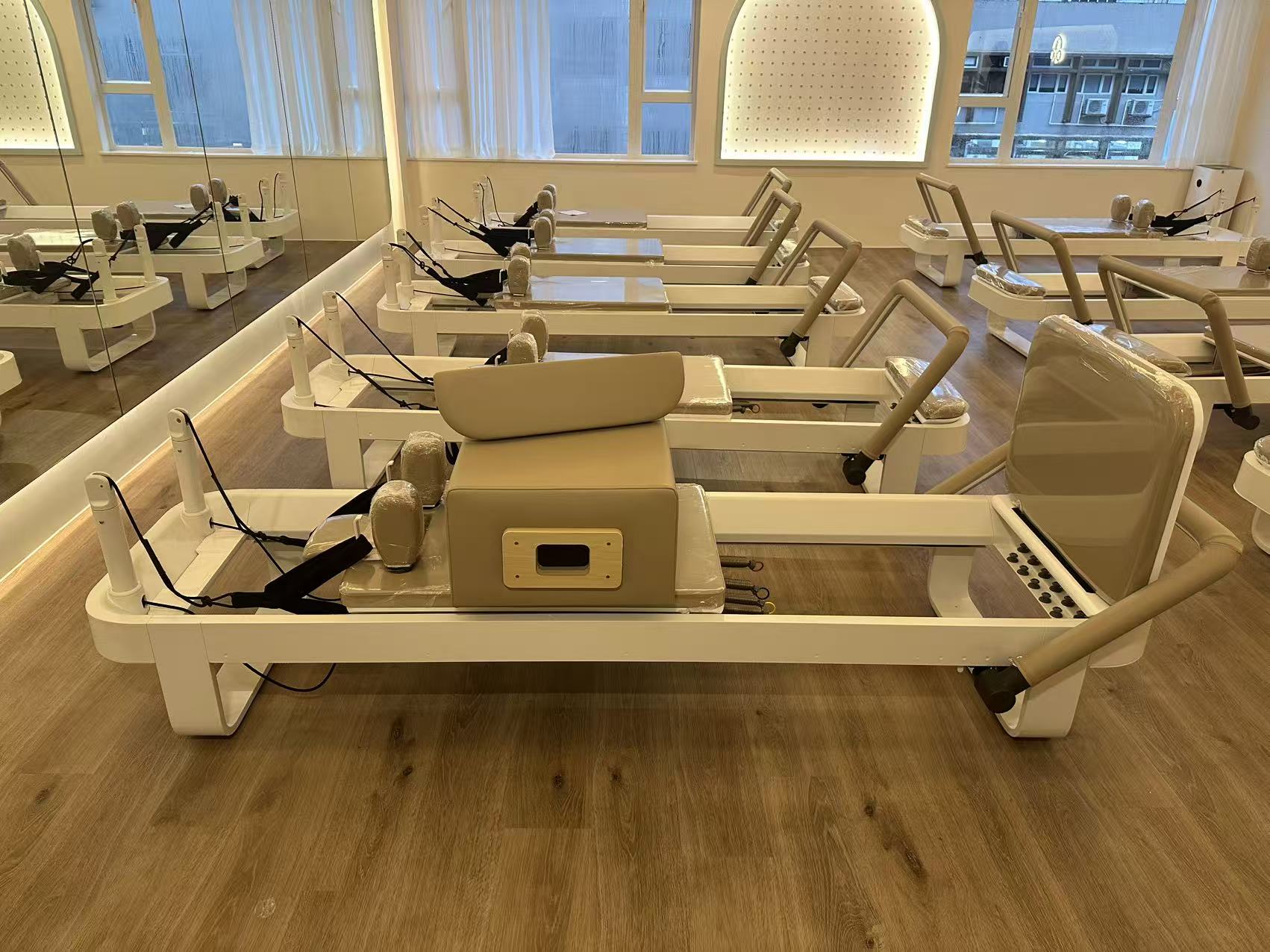
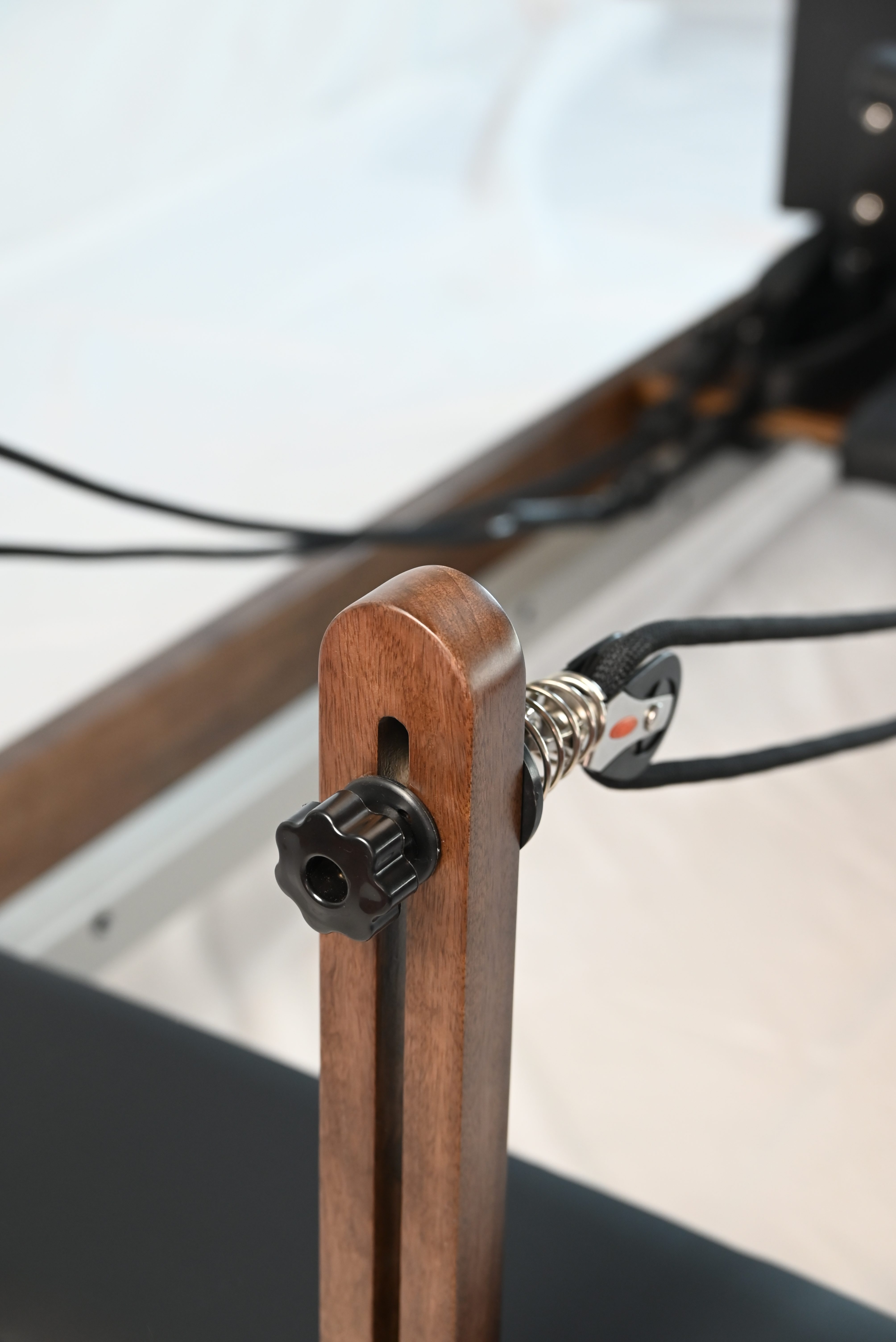
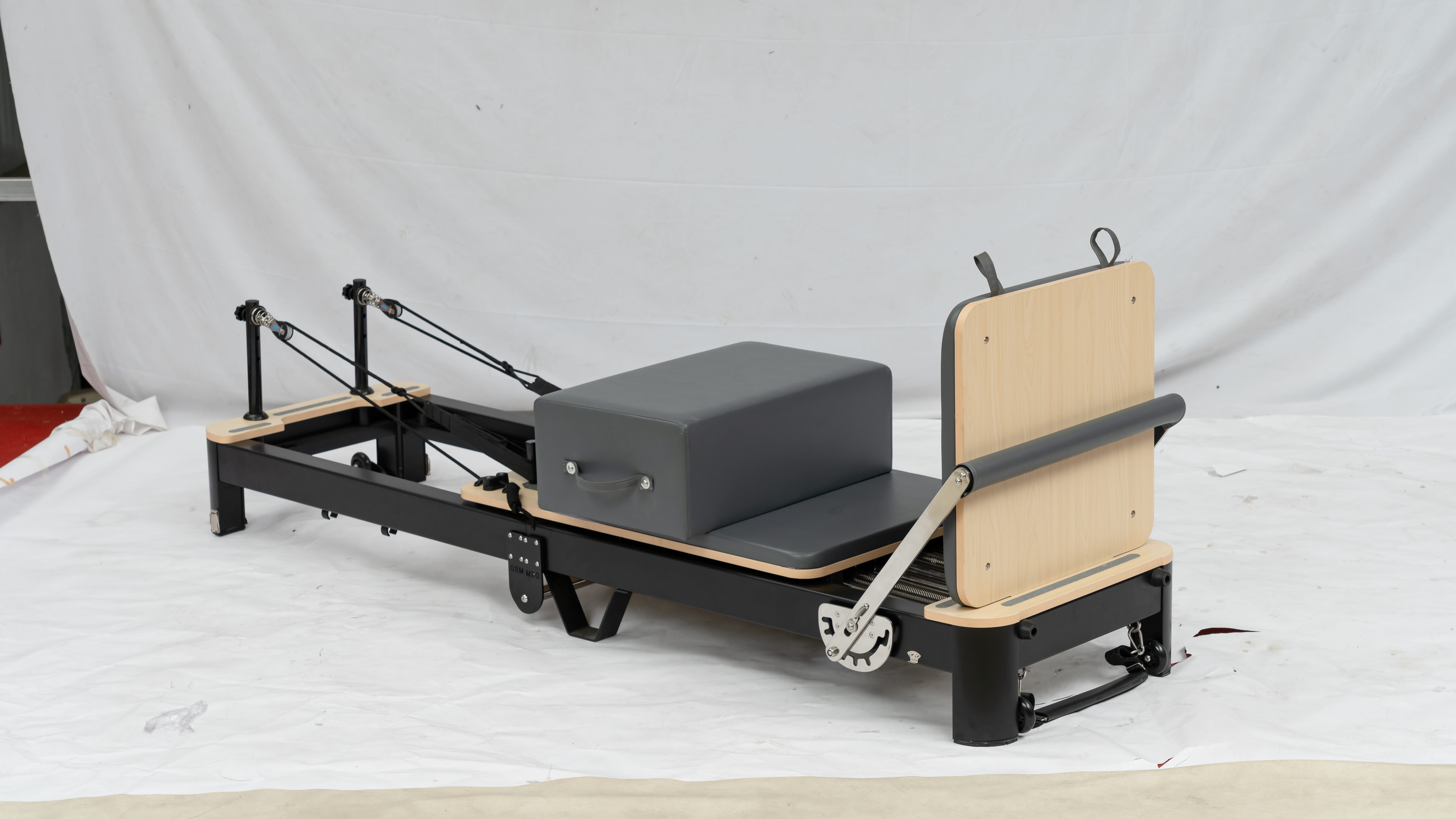
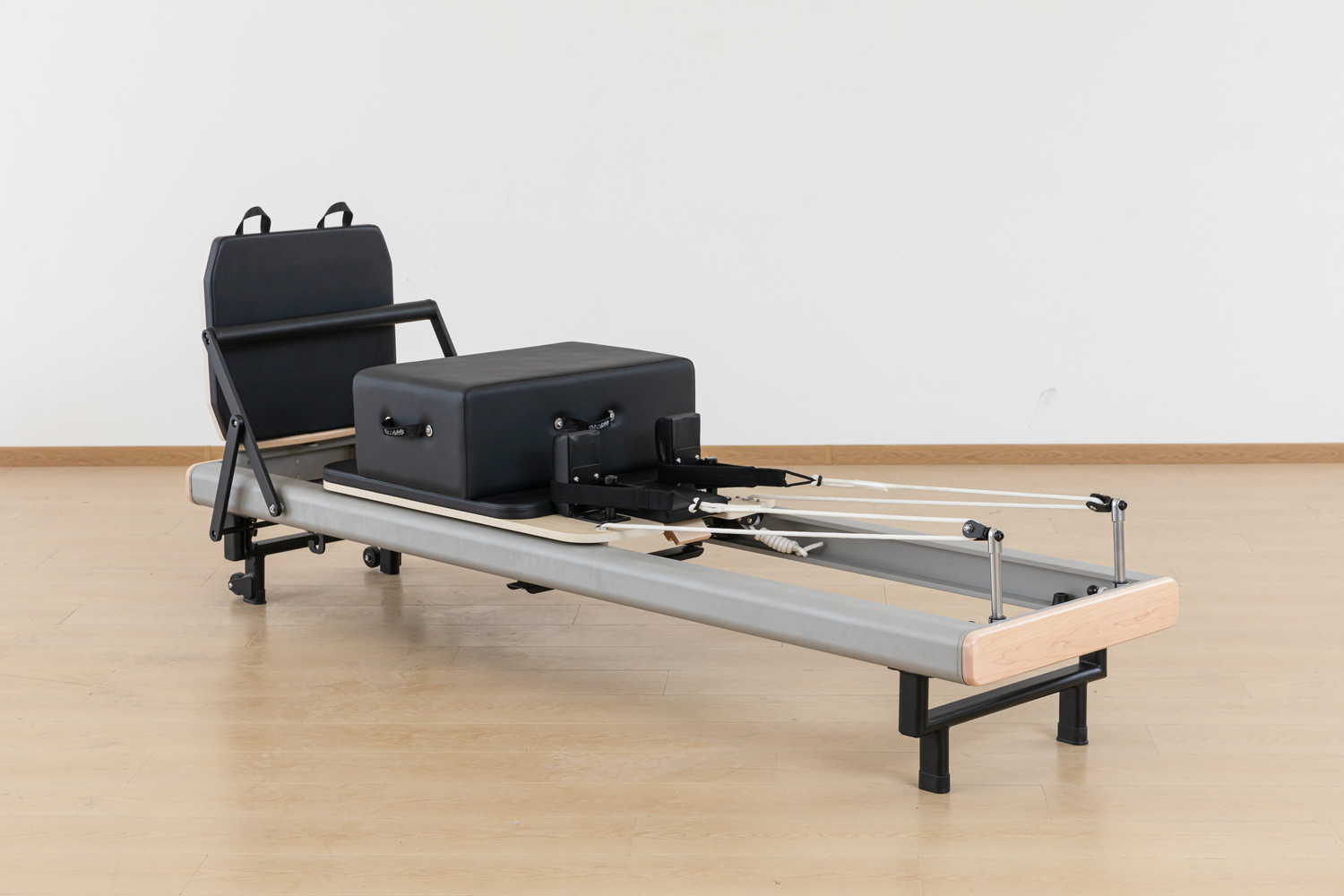
Professional Pilates equipment operates differently. It doesn't aim for exhaustion — it aims for precision. The Reformer's springs aren't resistance to "fight" — they're feedback to "feel." They let you sense in every push and pull: is your core stable? Are your shoulder blades depressed? Is your pelvis neutral? This real-time feedback is the first foundation of scientific body sculpting.
II. The Reformer: A Training Ground for Dynamic Stability
The Reformer's sculpting value isn't in how many muscles it can train — it's in how it trains muscles to coordinate during movement.
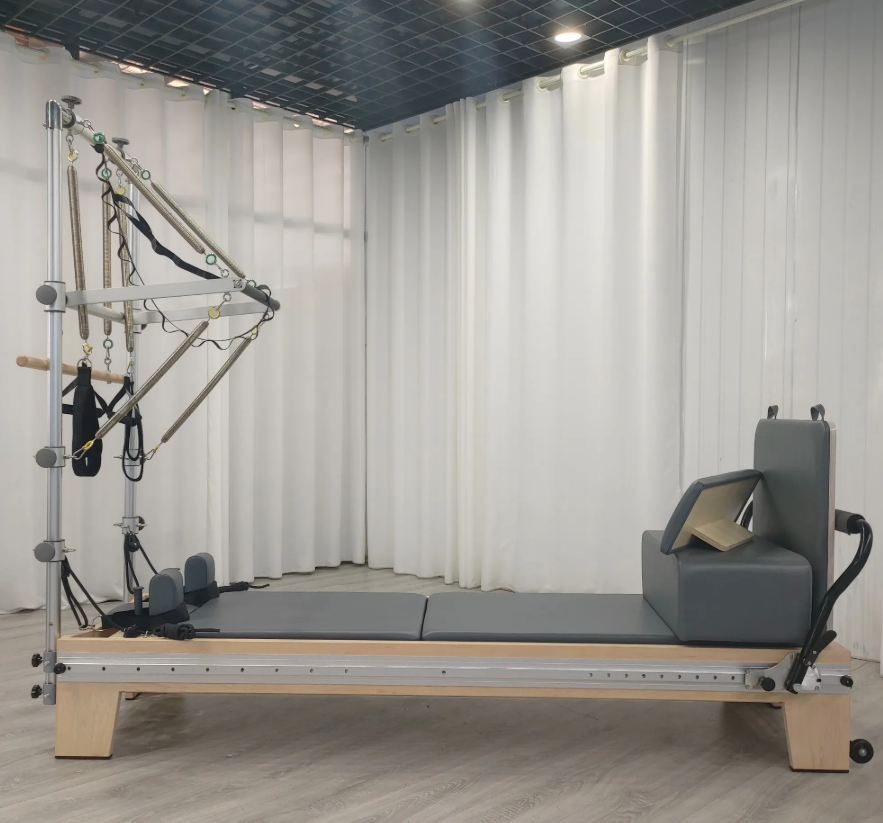
Traditional strength training often follows "fixed pathways" — you sit on a machine and push or pull along a fixed axis, with joint movement restricted to a single plane. The Reformer's carriage is different: it has no fixed pathway. Every movement on the carriage requires continuous core adjustments to maintain pelvic and spinal stability. In other words, the Reformer trains not just "pushing" but "staying stable while pushing."
This "dynamic stability" shapes the body by forcing it to develop a more efficient coordination pattern — deep stabilizers fire first, superficial movers fire on top of that stable base. When this pattern is established, the body's silhouette takes on a "lengthened and firm" appearance — not rigid, bulky muscles, but smooth, natural lines in motion.
III. The Cadillac: A Calibration Tool for Spinal Alignment
Many people's body lines look "scattered" not because of excess fat, but because of poor spinal alignment — anterior pelvic tilt, thoracic kyphosis, forward head posture. These posture issues make the body appear "slumped" and "compressed."
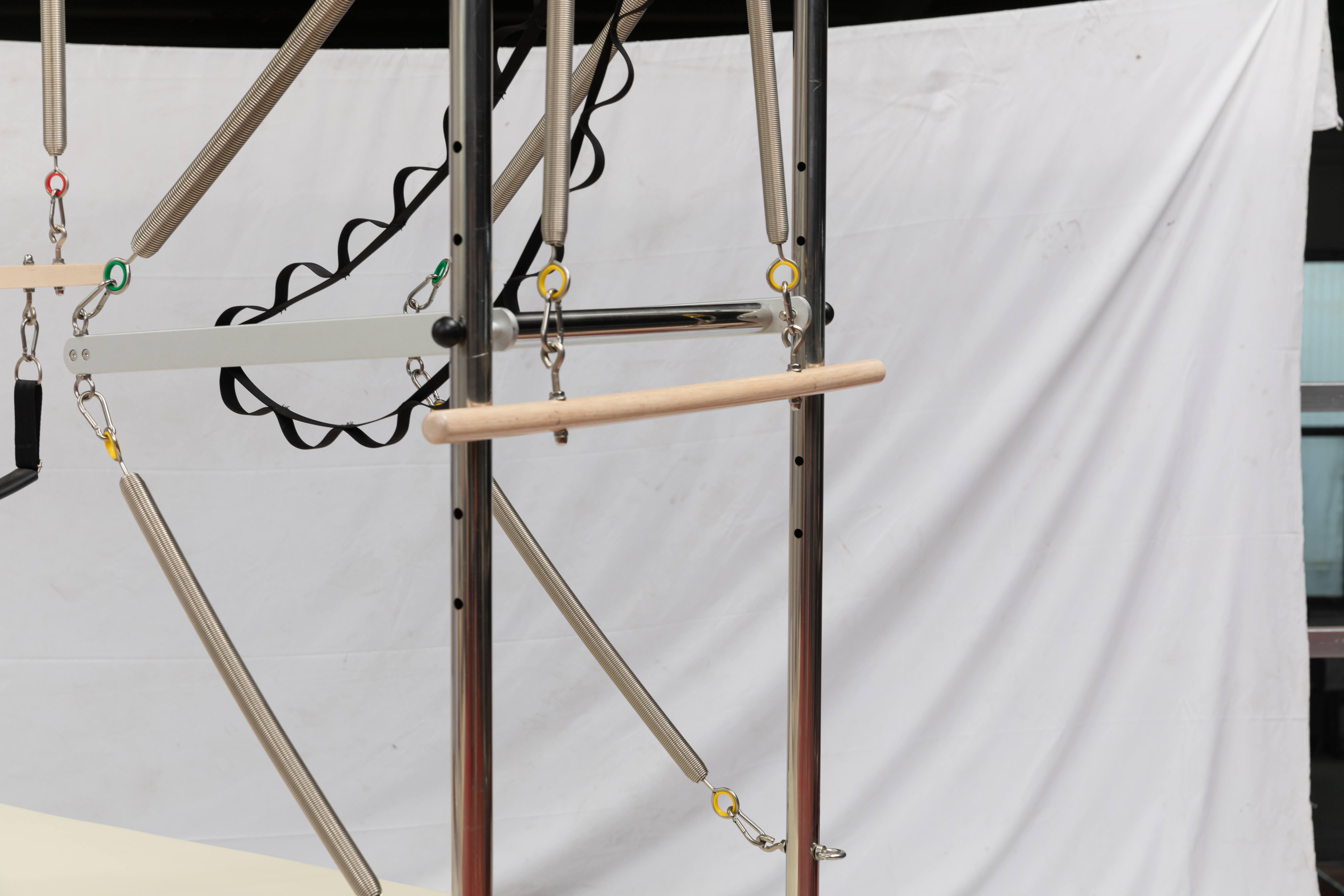
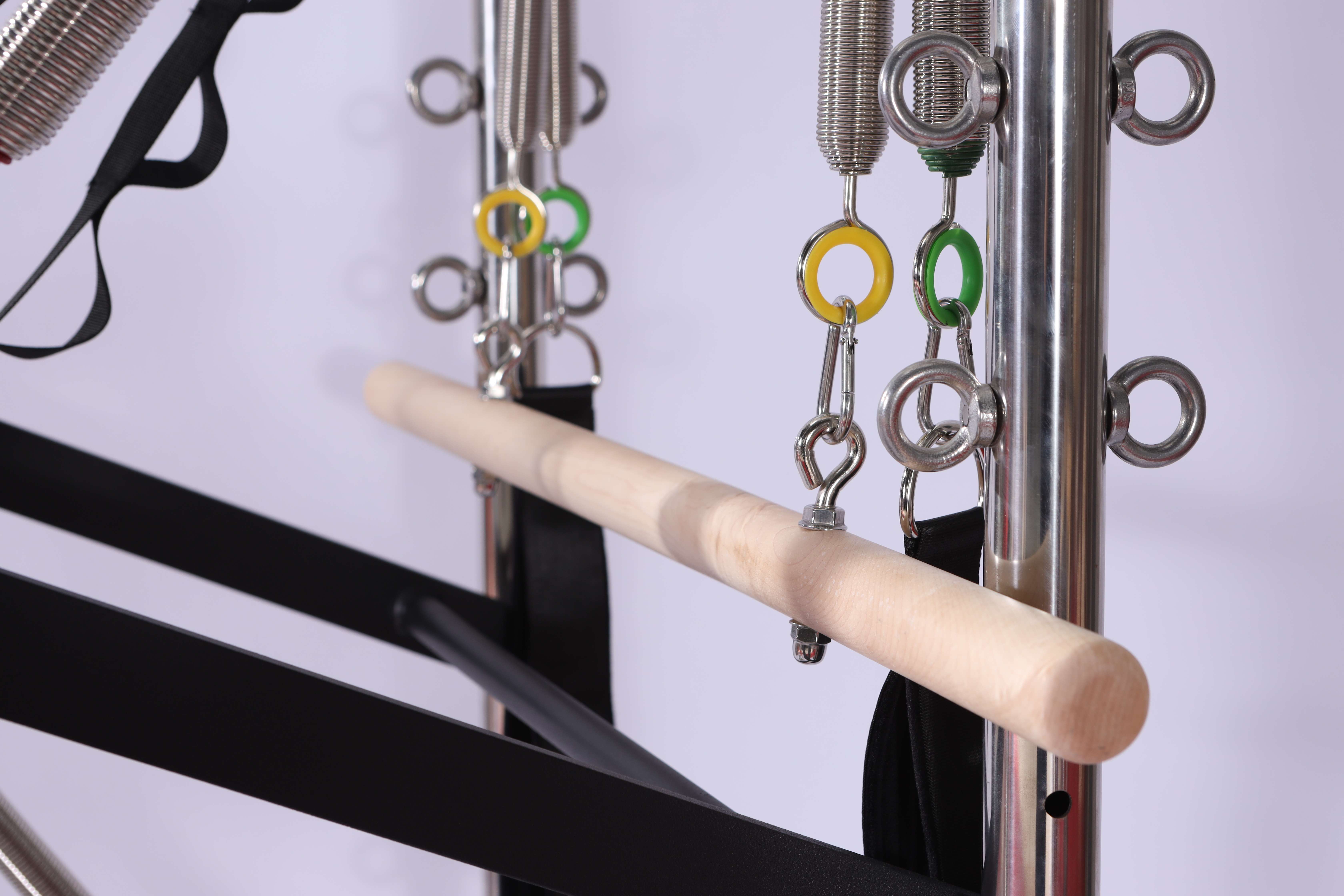
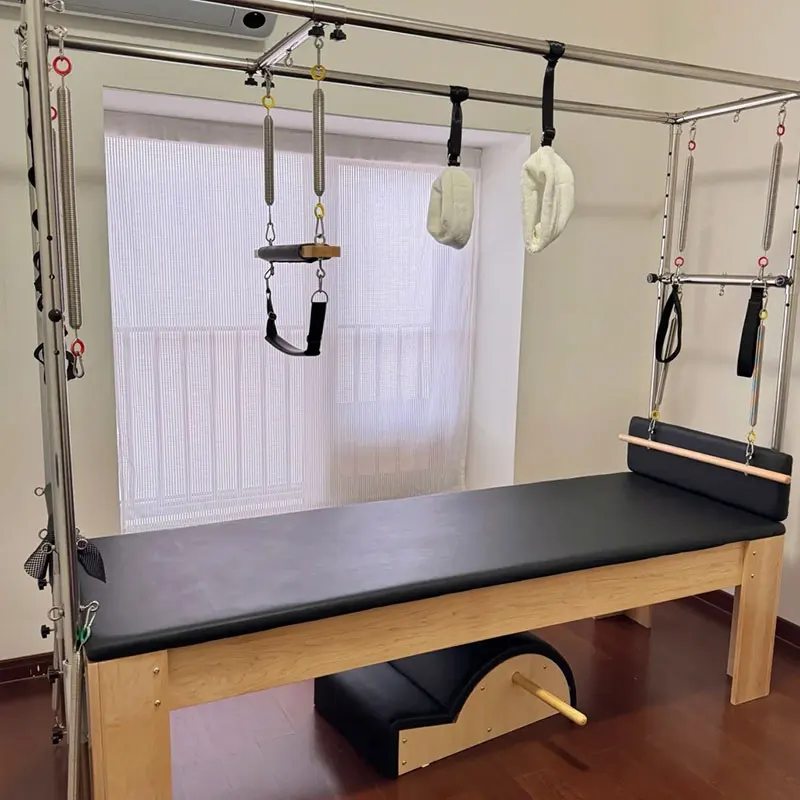
The Cadillac's scientific value lies in its "multi-planar, multi-angle traction and support system." Its springs, straps, and push-through bars create dozens of suspension and stretching variations, helping the spine recover its natural curves in different directions. When the pelvis returns to neutral and the thoracic spine gains extension space, the body's visual height in standing naturally increases — not "growing taller," but "unfolding."
IV. The Stability Chair and Ladder Barrel: Correcting Asymmetry
The human body is naturally asymmetrical — different hand strength, different leg stability, even different pelvic heights. If ignored, these asymmetries get amplified during sculpting — the right glute appearing perkier than the left, the right waist having more curve than the left.
The Stability Chair's split-pedal design was created to address this. It allows independent leg training, letting the weaker side "catch up" and preventing imbalances from becoming permanent. The Ladder Barrel, with its curved surface, helps improve lateral spinal flexibility differences, improving torso symmetry — noticeably helping balance the left and right waist curves.
V. The Three-Phase Path of Scientific Body Sculpting
Phase 1: Awareness and reset — the goal isn't adding muscle, but stopping compensation. Using the Reformer's light springs and the Cadillac's suspension system, identify common faulty movement patterns and gradually rebuild correct neuromuscular pathways.
Phase 2: Stabilization and strengthening — once correct patterns are established, gradually increase spring resistance and movement complexity, allowing stabilizers and movers to coordinate under dynamic load, strengthening core-limb collaboration.
Phase 3: Integration and expression — integrate the abilities built in the first two phases into daily life — core engaged when walking, pelvis neutral when standing, shoulder blades down when reaching. The goal is maintaining proper alignment even when you're not paying attention.
Summary: The value of professional Pilates equipment isn't the number of exercises they offer — it's the way they provide a scientific approach to understanding your own body. The Reformer builds dynamic stability, the Cadillac calibrates spinal alignment, the Stability Chair corrects muscle asymmetry, and the Ladder Barrel improves lateral flexibility. Each piece is part of a system, together forming a complete "body engineering" framework. The destination of sculpting isn't "looking like something" — it's "finding your body's best alignment." Pilates equipment is the most reliable tool to get there.