Wholesale Pilates Reformer: Complete Buying Guide for Gym Owners
For gym owners looking to add Pilates to their facility, buying a single unit is never the question. The real challenge starts when you're buying in bulk — 5, 10, or 50 units at a time. Wholesale purchasing carries different risks and opportunities than a single retail purchase. A wrong decision at wholesale scale compounds across every unit. This guide walks you through everything you need to know to buy wholesale reformer equipment for your gym or studio chain.
I.Know Your Needs Before You Shop
Wholesale buying without a clear spec is like buying a fleet of vehicles without knowing what you'll carry. Before contacting any supplier, document these three elements.
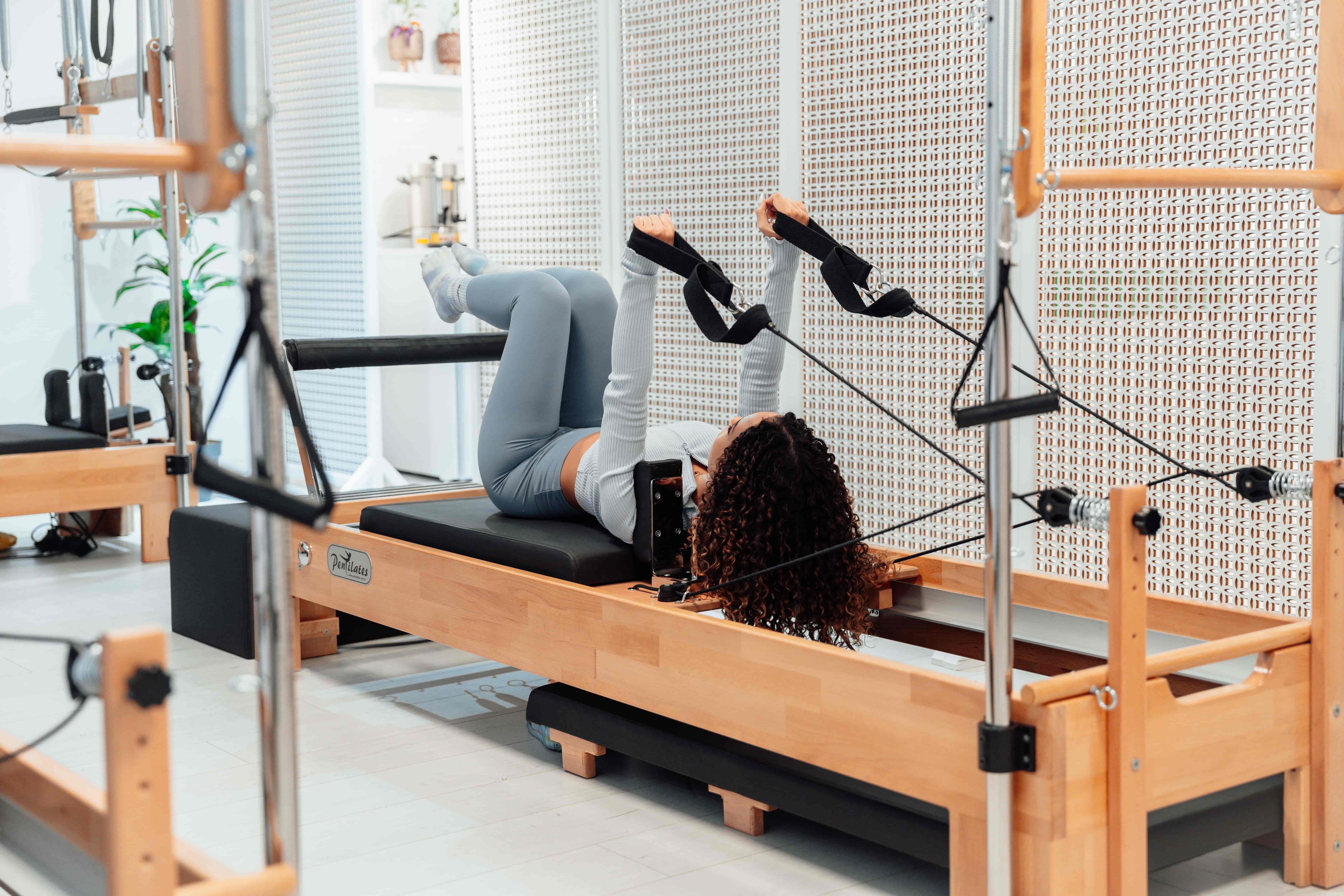
Usage context: Will these reformers live in a group class setting? Private training rooms? Mixed-use spaces? The physical demands differ significantly. Group class reformers need to withstand 8-10 hours of daily use with multiple users per session. Private studio reformers see fewer total hours but demand quieter operation and smoother feel.
Client profile: Who is using these machines? Beginners in high-turnover group classes need simpler adjustment systems and durable builds. Advanced clients in private settings may appreciate premium feel and finer adjustment increments. Rehabilitation-focused clients require models with broader range of adjustment options.
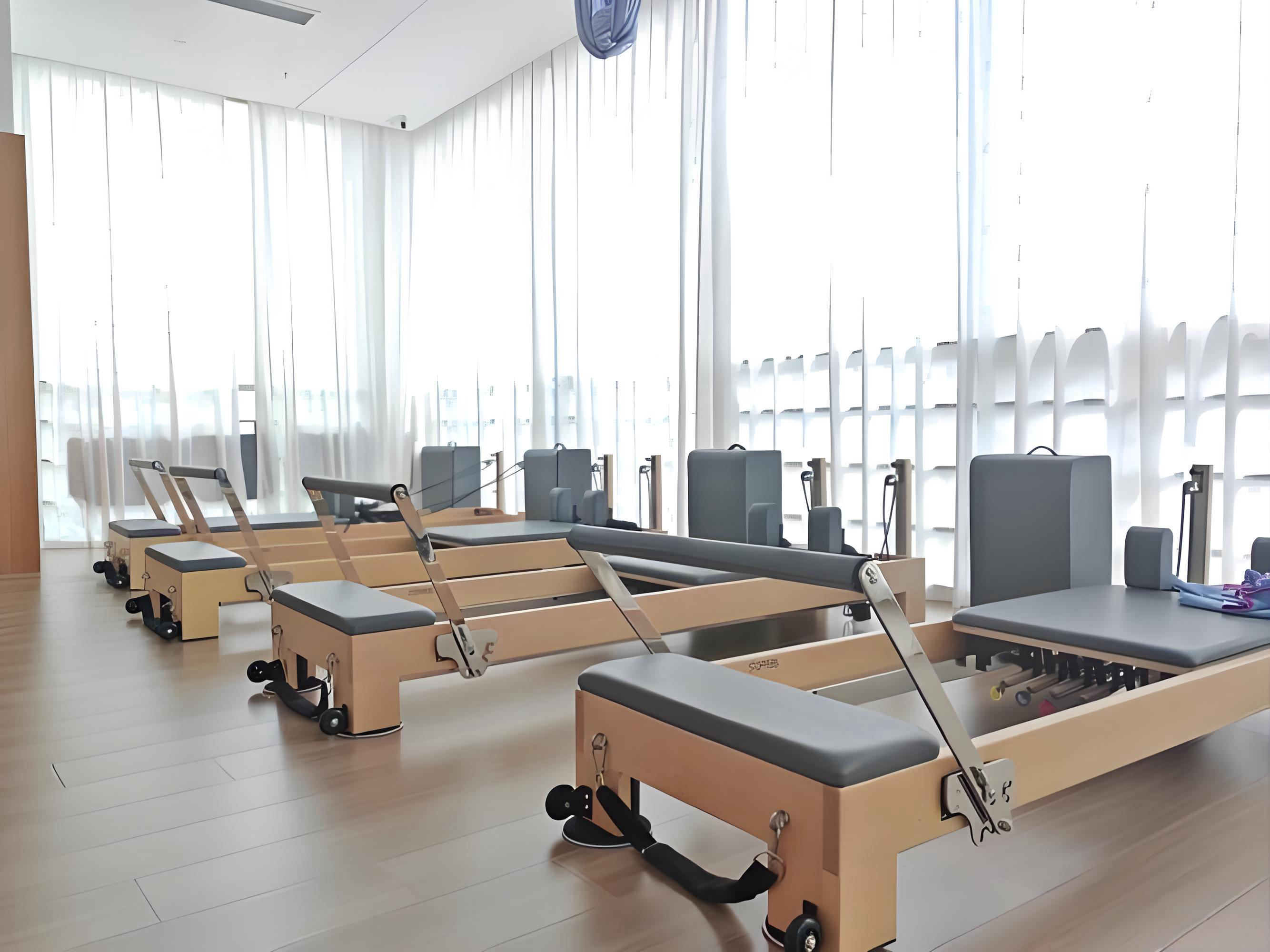
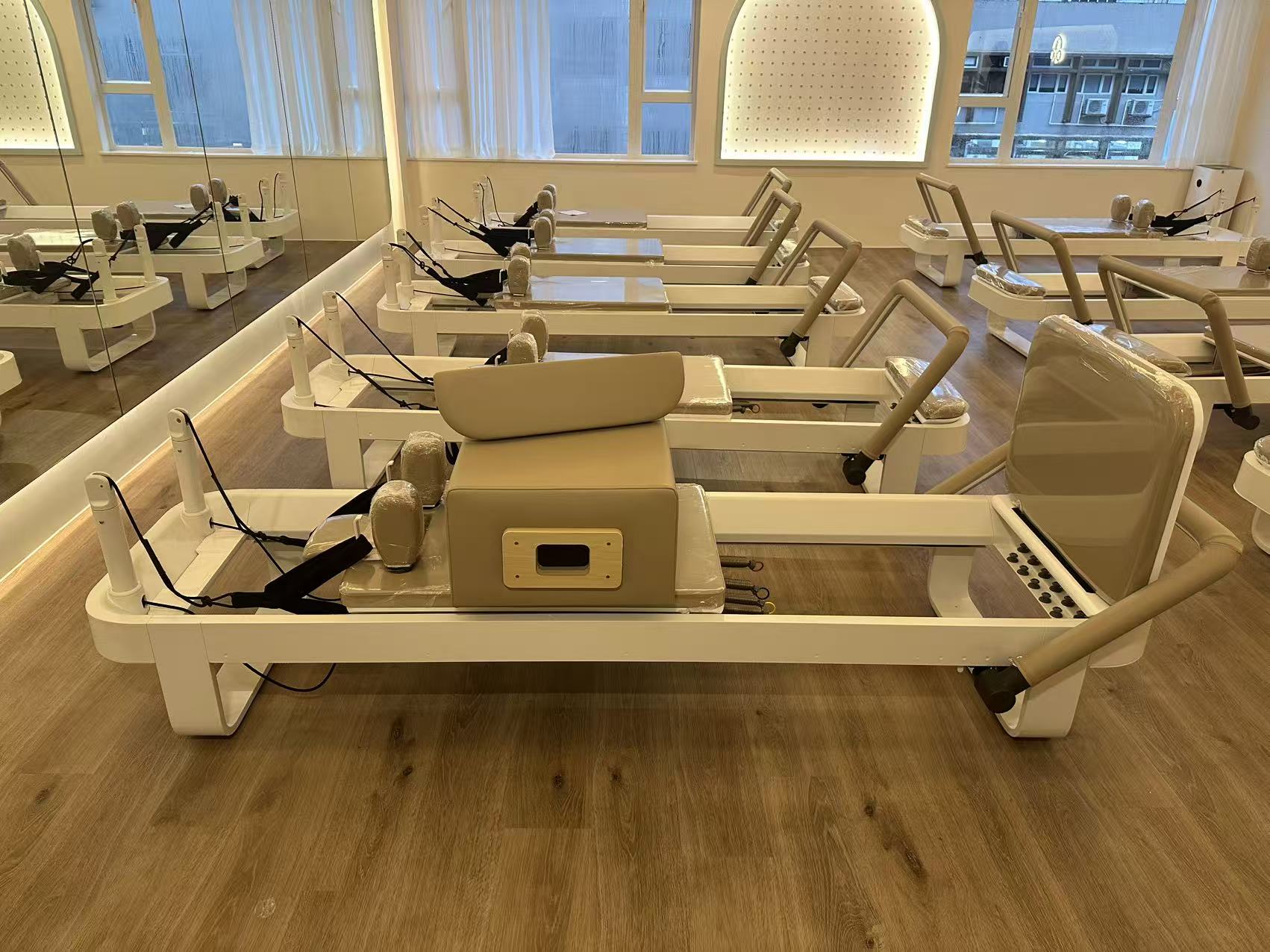
Space constraints: Measure your room, then measure again. Each reformer needs approximately 6-8 square meters including instructor movement space. Account for clearance around each machine and between rows. If you have 40 square meters, you're looking at 5-6 machines, not 8-10, once you factor in circulation space.
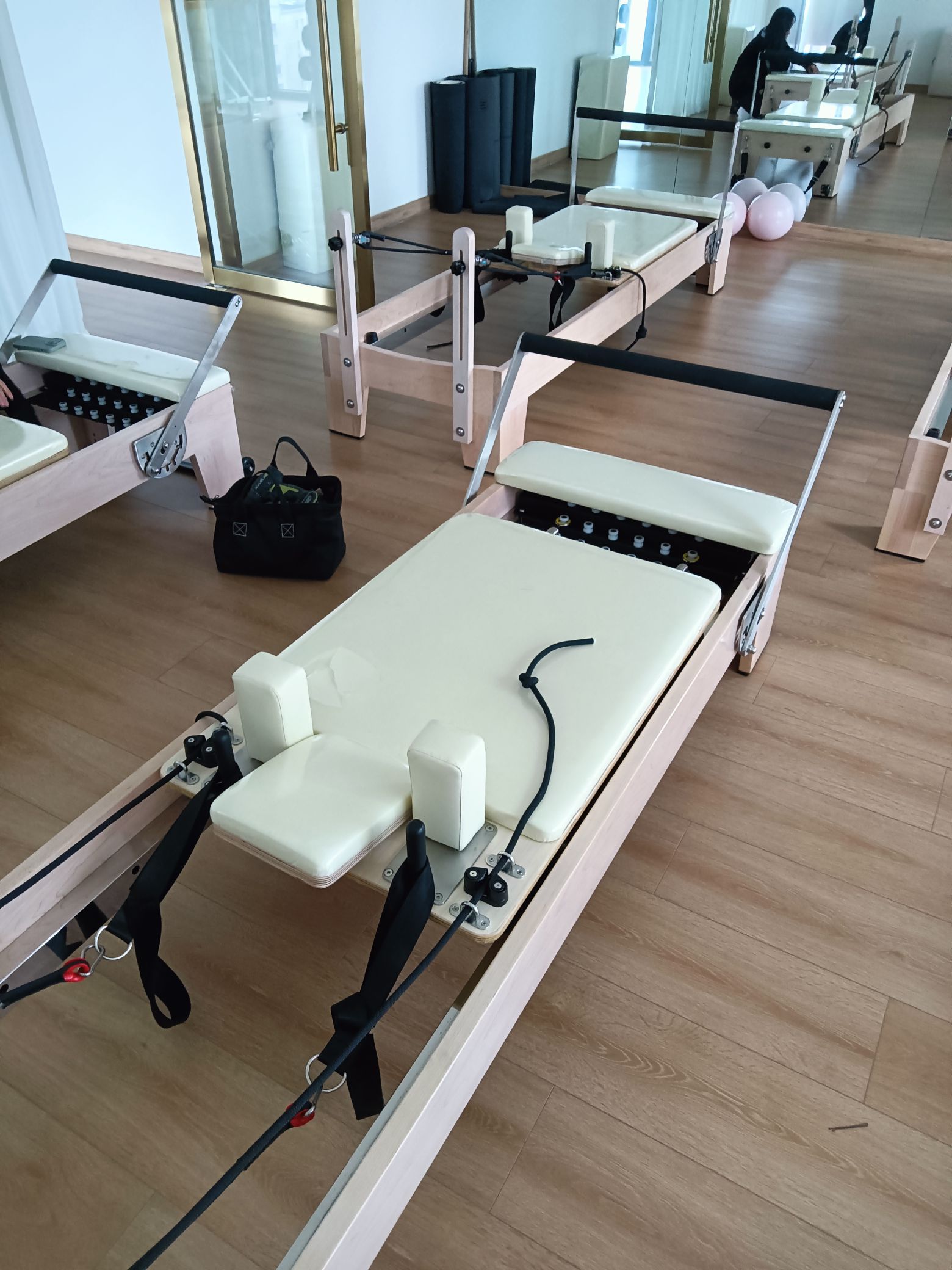
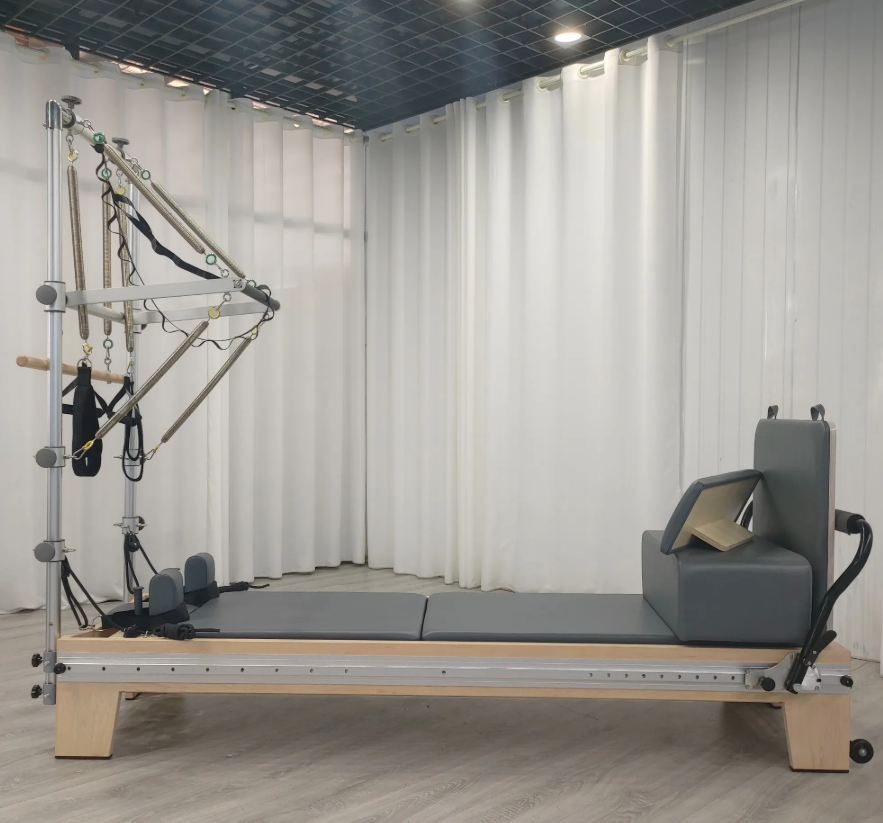
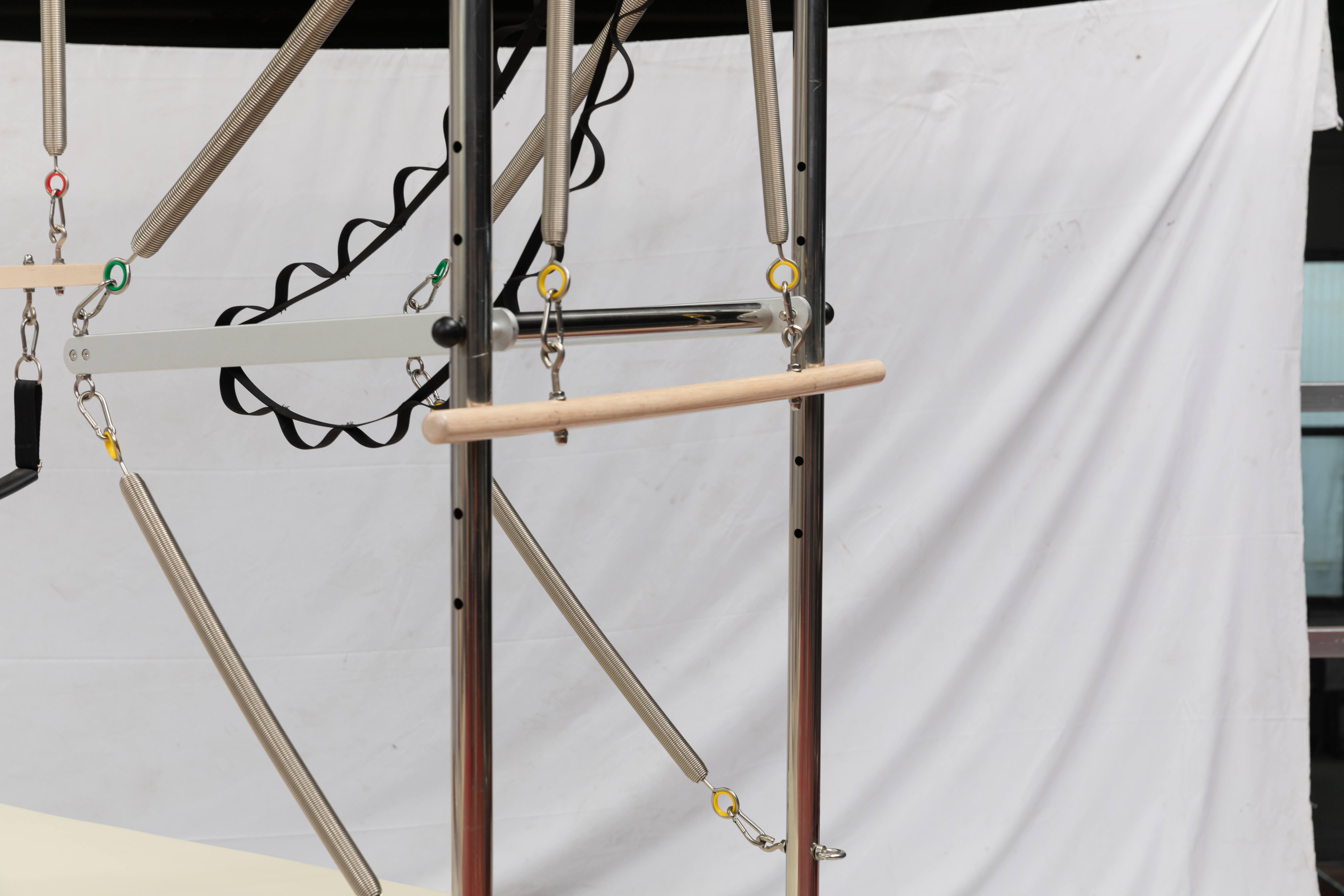
Required features: Do you need foldable models for multi-purpose spaces? Do you need tower attachments for integrated Cadillac functionality? Do you need jumpboards for cardio integration? Do you need mat converters for hybrid floor/apparatus classes? These feature decisions should follow curriculum planning — not the other way around.
II.Supplier Assessment Framework
At wholesale scale, you're buying a relationship, not just a product. A $1,000 price difference per unit across 20 units equals $20,000 savings — but that savings evaporates if springs fatigue early or frames develop problems within 18 months.
Production capacity: Ask about current order backlog and monthly output. A supplier who can't meet your delivery timeline with their existing orders is a risk — even if their product is good. Look for factories that maintain dedicated production lines for their best-selling models, which indicates stable processes.
Quality consistency: One good sample tells you about potential. Ten units from three different production batches tell you about consistency. Ask for batch production records and third-party inspection reports. A supplier who has no systematic quality control process at the incoming material stage will deliver inconsistent frames, springs, and upholstery across different batches.
After-sales infrastructure: Where are their spare parts warehoused? What is the typical lead time for replacement parts? Do they have local service partners in your region, or will you need to manage everything in-house? A reliable supplier will provide documented warranty terms for each component — not verbal promises.
Reference checks: Ask for at least three clients who have purchased at similar scale. If the supplier can't provide references, that's a red flag. If they can, call those references and ask specifically about delivery accuracy, quality consistency, and post-sale support.
Customization capability: Can they apply your brand logo? Can they match your preferred colorway? Can they adjust spring configurations to match your curriculum? For chain studios, visual consistency across all locations matters. Suppliers who cannot offer branding customization are often less invested in partnership relationships.
III.The Real Cost of Wholesale Purchase
Per-unit price is what you see. Total cost of ownership is what matters. At wholesale scale, the difference can be substantial.
Direct costs: Unit price, shipping, customs/duties, and installation. These are the numbers on the invoice. But don't stop there.
Warranty coverage: A 3-year frame warranty vs. 10-year frame warranty isn't just peace of mind — it's a cost differential. If a frame fails in year 4 on the 3-year warranty unit, replacement costs come out of your pocket. Multiply that across 20 units, and the "savings" on unit price disappear entirely.
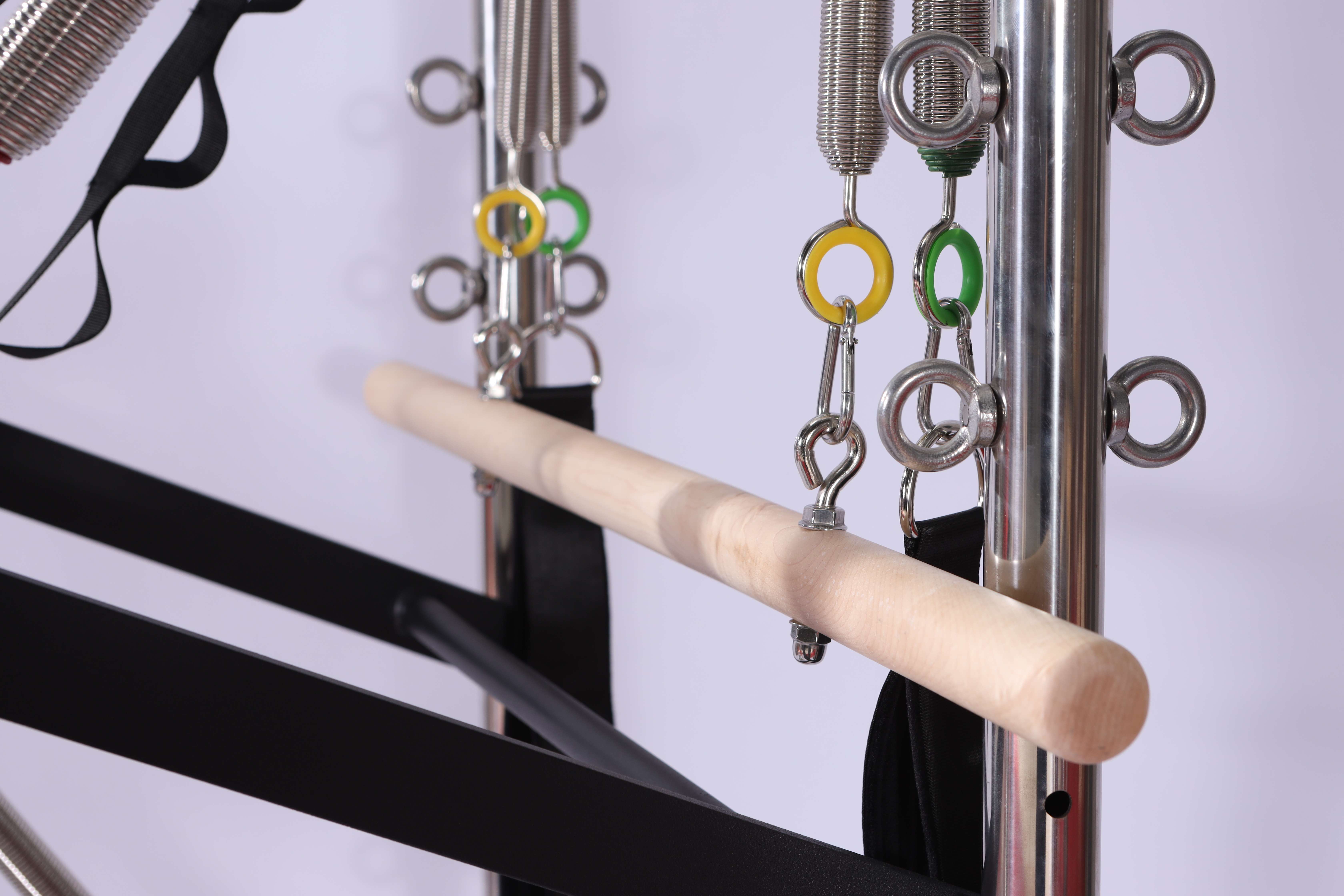
Parts replacement: Springs are consumable. At $300 per replacement set, on a fleet of 20 units, that's $6,000 every 2-3 years. Ask about replacement part pricing upfront. Some suppliers offer competitive unit prices but charge significantly more for spare parts — effectively locking you into a high-maintenance ecosystem.
Training and onboarding: Does the supplier offer train-the-trainer support? Are there instructional videos or manuals available in your language? This is often overlooked but carries real cost — if you need to bring in an external trainer for the first 2 weeks of instructor onboarding, factor that into the investment.
IV.Logistics and Shipping
At wholesale volume, shipping becomes a strategic consideration, not just an operational one.
Shipping terms: FOB or CIF? Who covers inland transport from port to your facility? Make sure the incoterms are clearly documented in your purchase agreement. Many new buyers assume the manufacturer handles door-to-door delivery — but that responsibility stops at different points depending on the shipping terms.
Lead time: Factory lead time + ocean freight + customs clearance = total arrival time. Ask each supplier for their average lead time and factor in 2-4 weeks of buffer. If the supplier is overstretched, delivery delays will cascade into your launch timeline.
Packaging standards: Commercial shipments require robust packaging — typically ISPM-15 certified wooden crates with internal cushioning. Ask to see packaging specifications and photos. Inadequate packaging is the leading cause of in-transit damage for heavy gym equipment.
V.Contract Negotiation Essentials
At wholesale scale, every term in the contract matters.
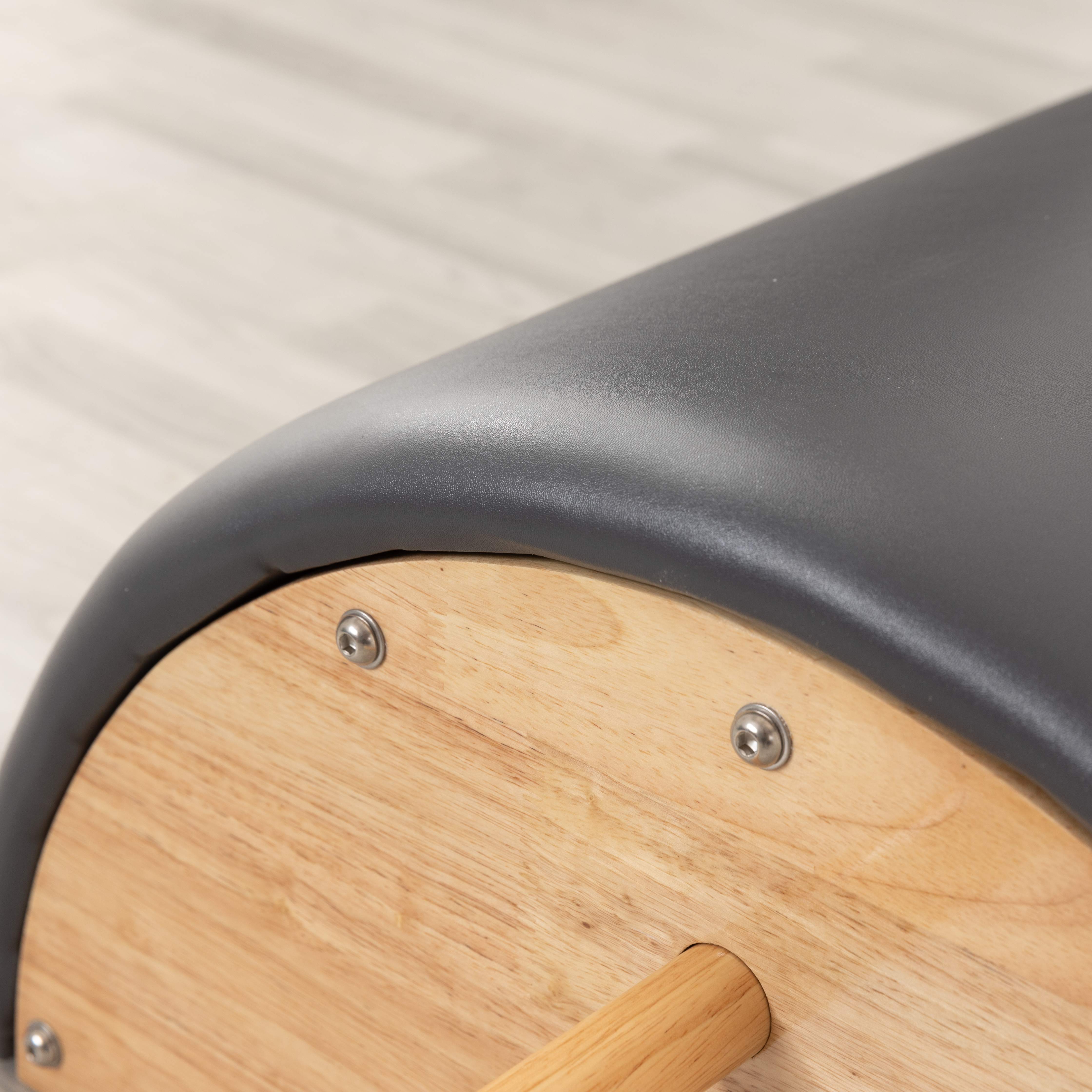
Specification sheet: Attach a detailed product specification sheet as an appendix to the contract. Include frame material, spring specifications, upholstery grade, rail type, pulley specifications, and all adjustment positions. If the delivered product doesn't match, you have recourse.
Acceptance criteria: Define what passes inspection and what doesn't. What is the acceptable tolerance for surface imperfections? What noise level is acceptable during full-load gliding? Having clear criteria prevents "he said, she said" disputes.
Warranty terms: Frame warranty years, moving parts warranty years, upholstery warranty months — each should be documented separately. Also clarify who covers shipping costs for warranty repairs and what the typical turnaround time is.
Late delivery penalties: Include a penalty clause for late delivery — typically 0.5%-1% of order value per day. Without this, the supplier has no incentive to prioritize your order when production capacity is tight.
VI.Decision Checklist
Before signing a wholesale contract, work through this checklist:
·I have defined usage context, client profile, and space constraints
·I have verified the supplier's production capacity and quality consistency
·I have confirmed warranty terms and after-sales infrastructure
·I have called at least three reference clients
·I have calculated total cost of ownership, not just unit price
·I have reviewed packaging specifications and shipping incoterms
·I have documented all specifications and acceptance criteria in the contract
·I have included late delivery penalties and warranty cost-sharing terms
Summary: Wholesale Pilates reformer buying is not "retail buying, just bigger." It's a strategic procurement process that requires supplier diligence, total-cost visibility, and contract discipline. The savings from a lower-priced supplier disappear when springs fail early, frames wobble, or delivery arrives 6 weeks late. At wholesale scale, the "cheapest" supplier is rarely the cheapest — only the supplier who delivers consistent quality on time, backs their product with a real warranty, and treats your order as the start of a relationship, not the end of a transaction.