How Do Pilates Reformer Springs Affect Training Results?
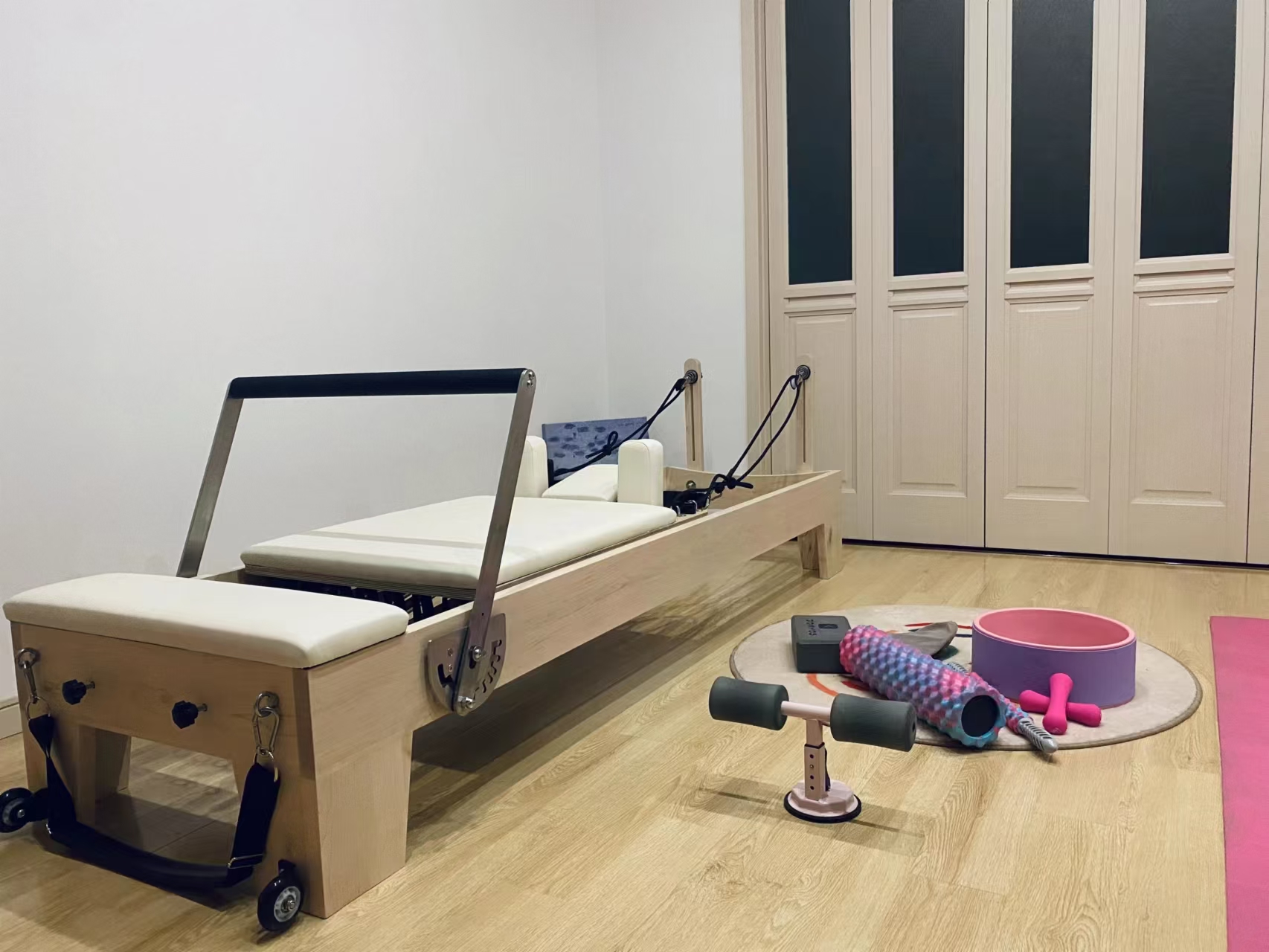
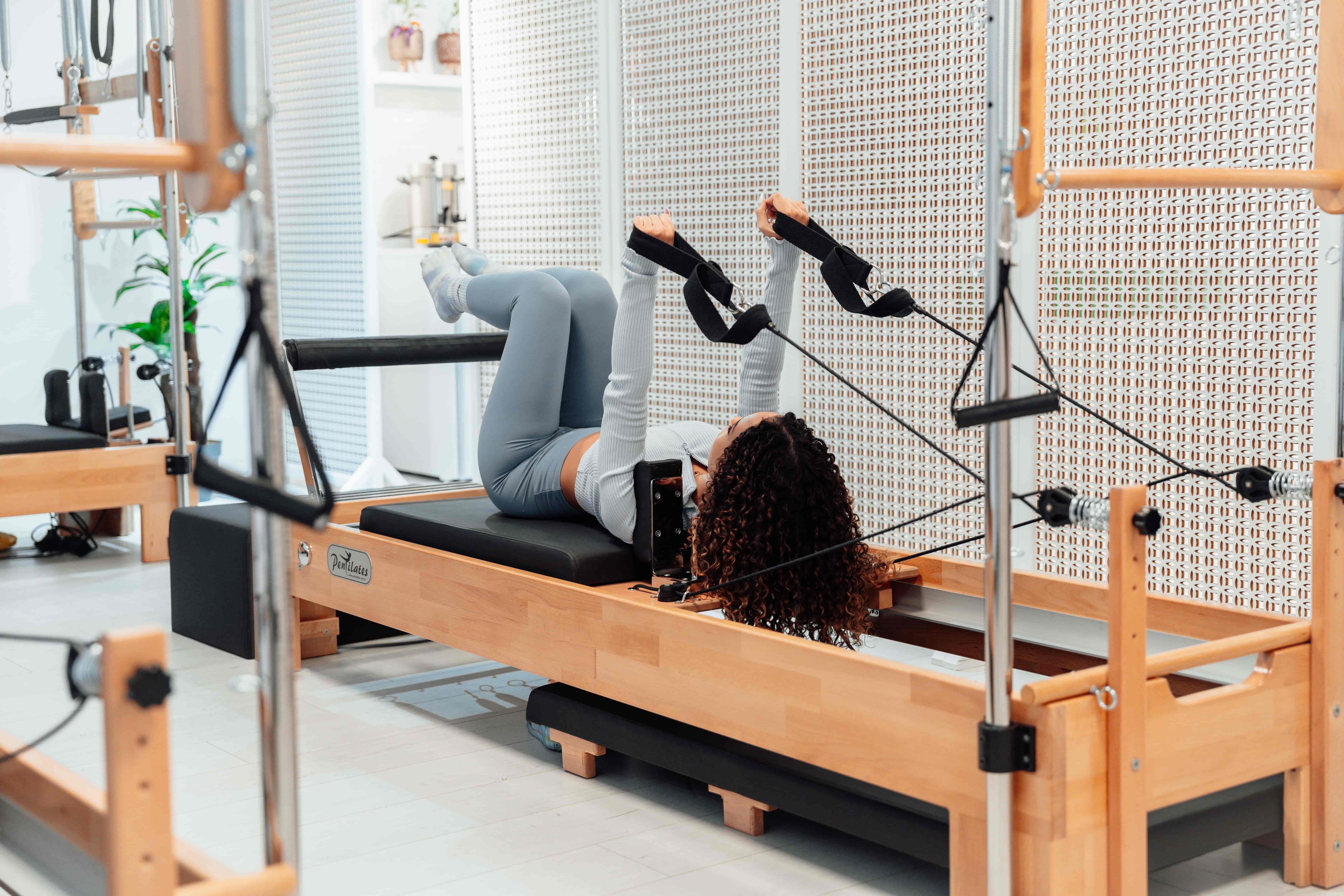
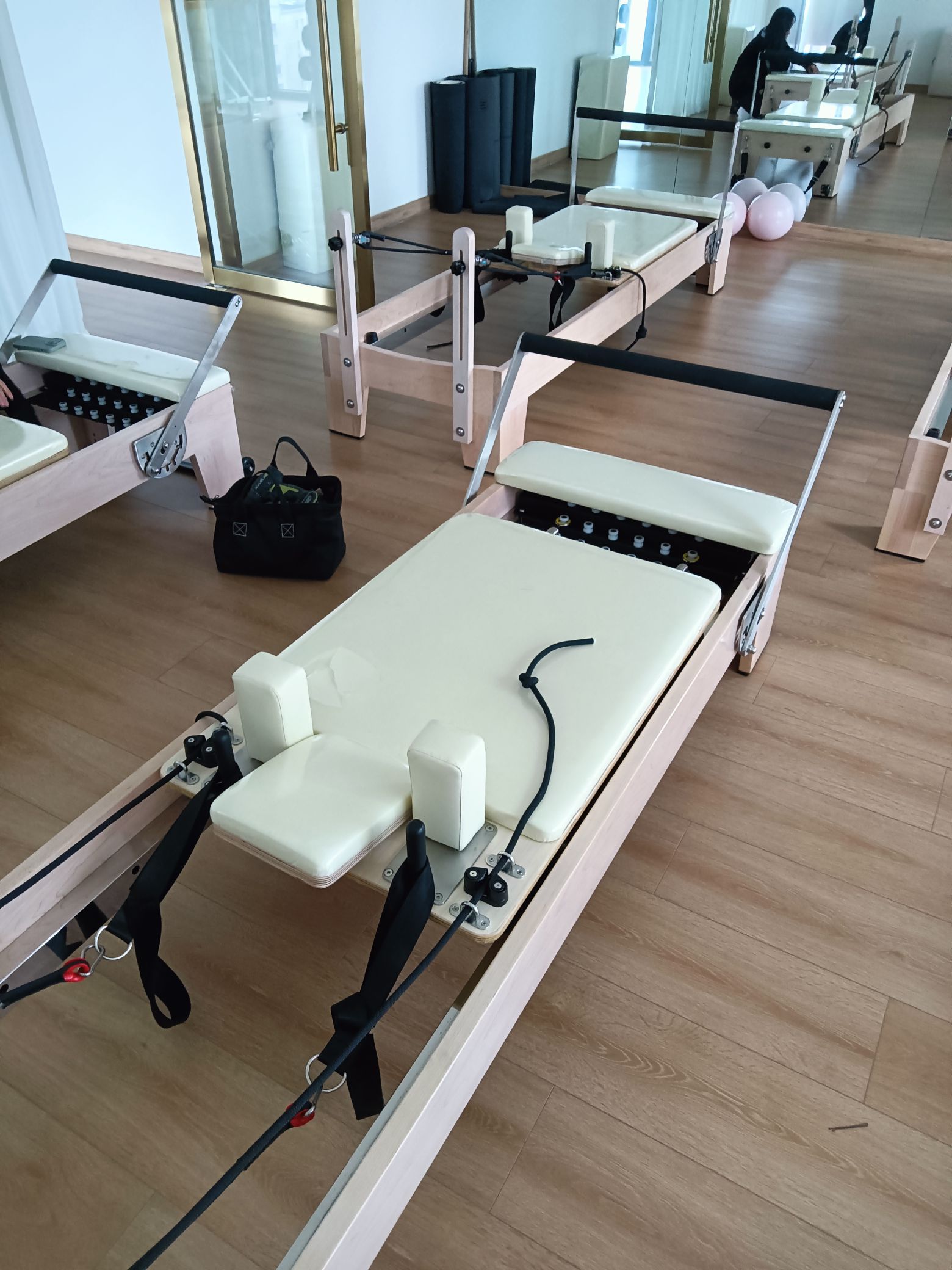
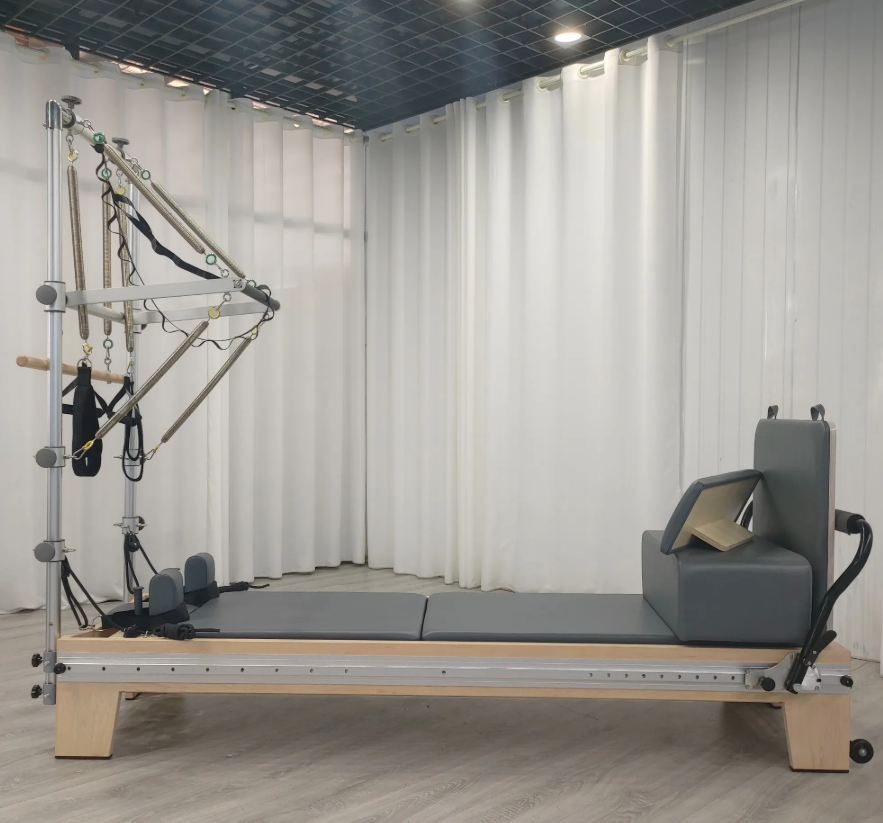
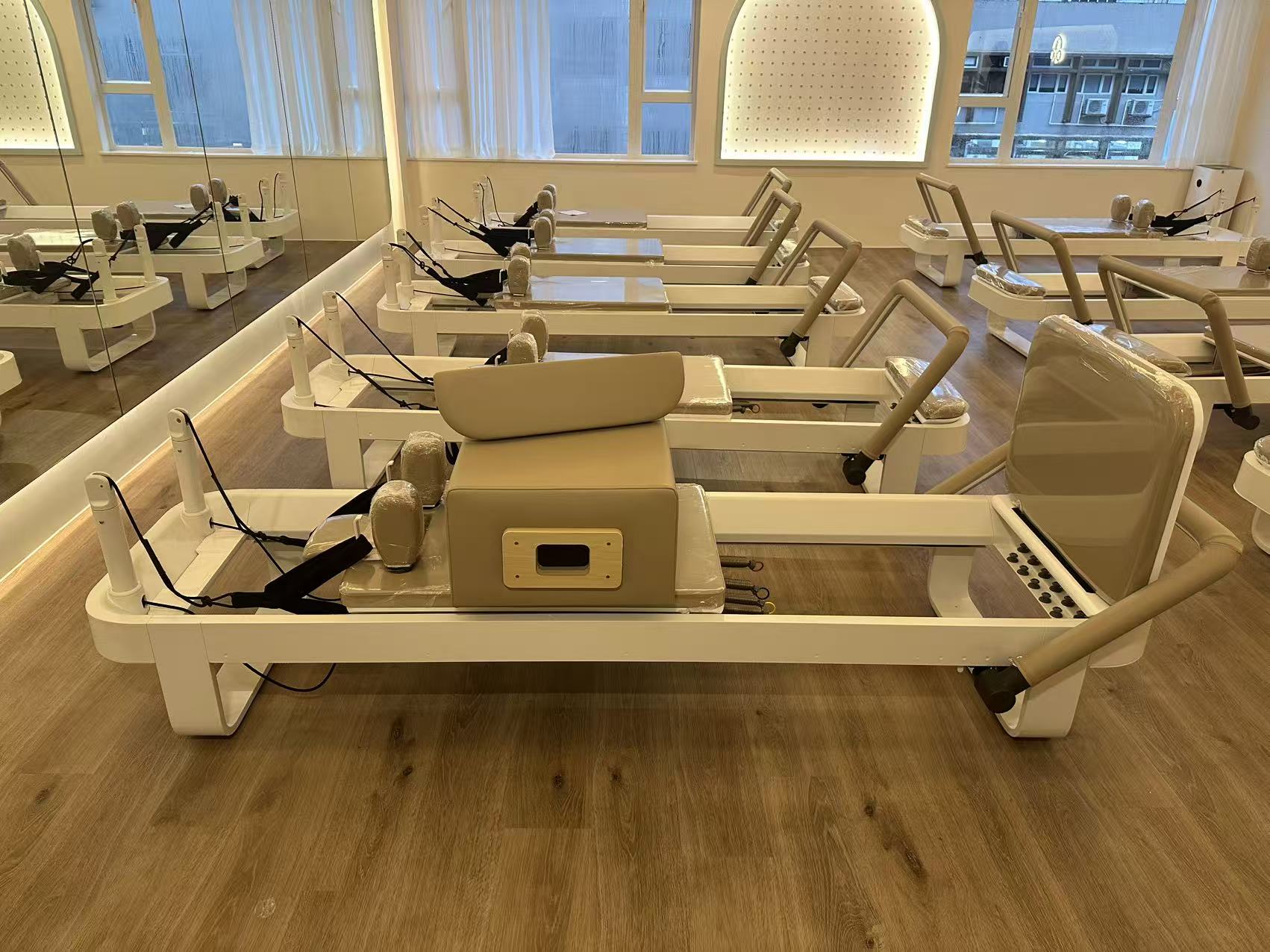
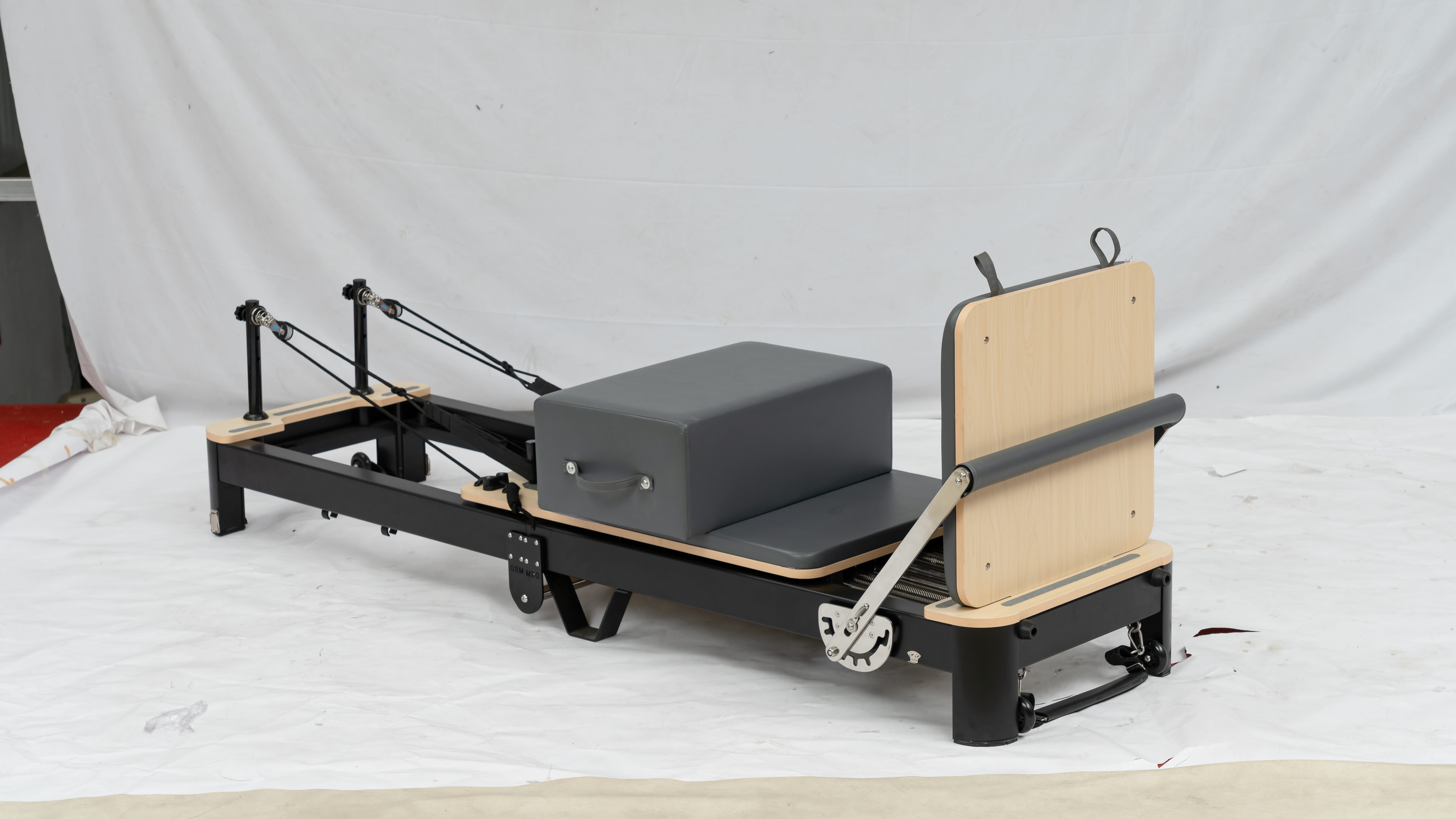
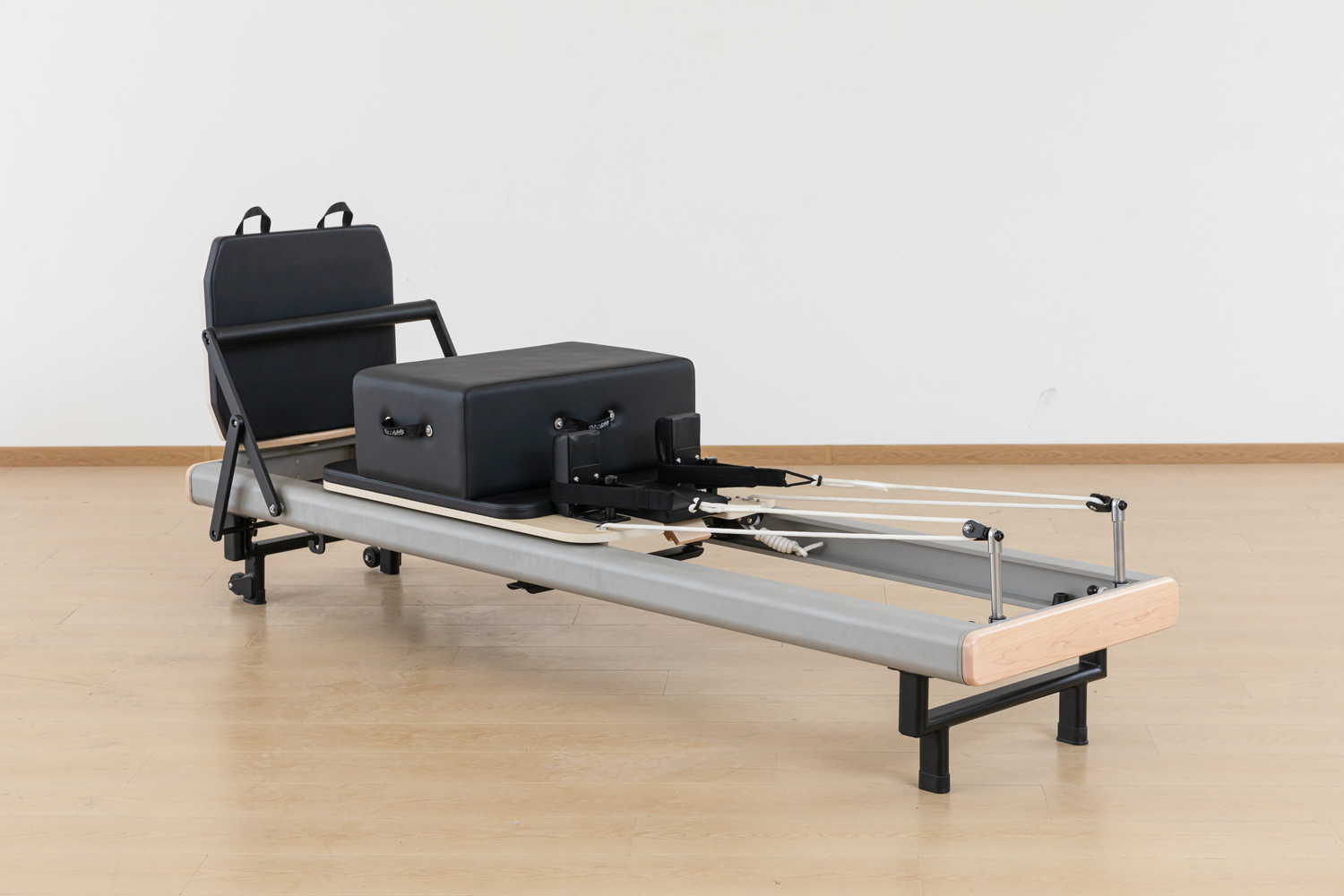
The spring system is the core soul of a Pilates reformer. Unlike traditional fitness equipment that relies on gravity or heavy weight stacking, Pilates training entirely depends on spring tension to provide resistance, assistance, and stable movement feedback. Many people only focus on the reformer’s frame appearance, leather texture, or sliding smoothness, ignoring that the spring quality, tension grade, elasticity stability and matching combination directly determine the training effect, movement standardization and user experience. High-quality springs can protect joints and improve muscle activation, while inferior springs will reduce training efficiency and even cause incorrect movement habits. This article explains how Pilates reformer springs affect daily training results.
1. Spring Tension Determines Training Intensity and Muscle Activation
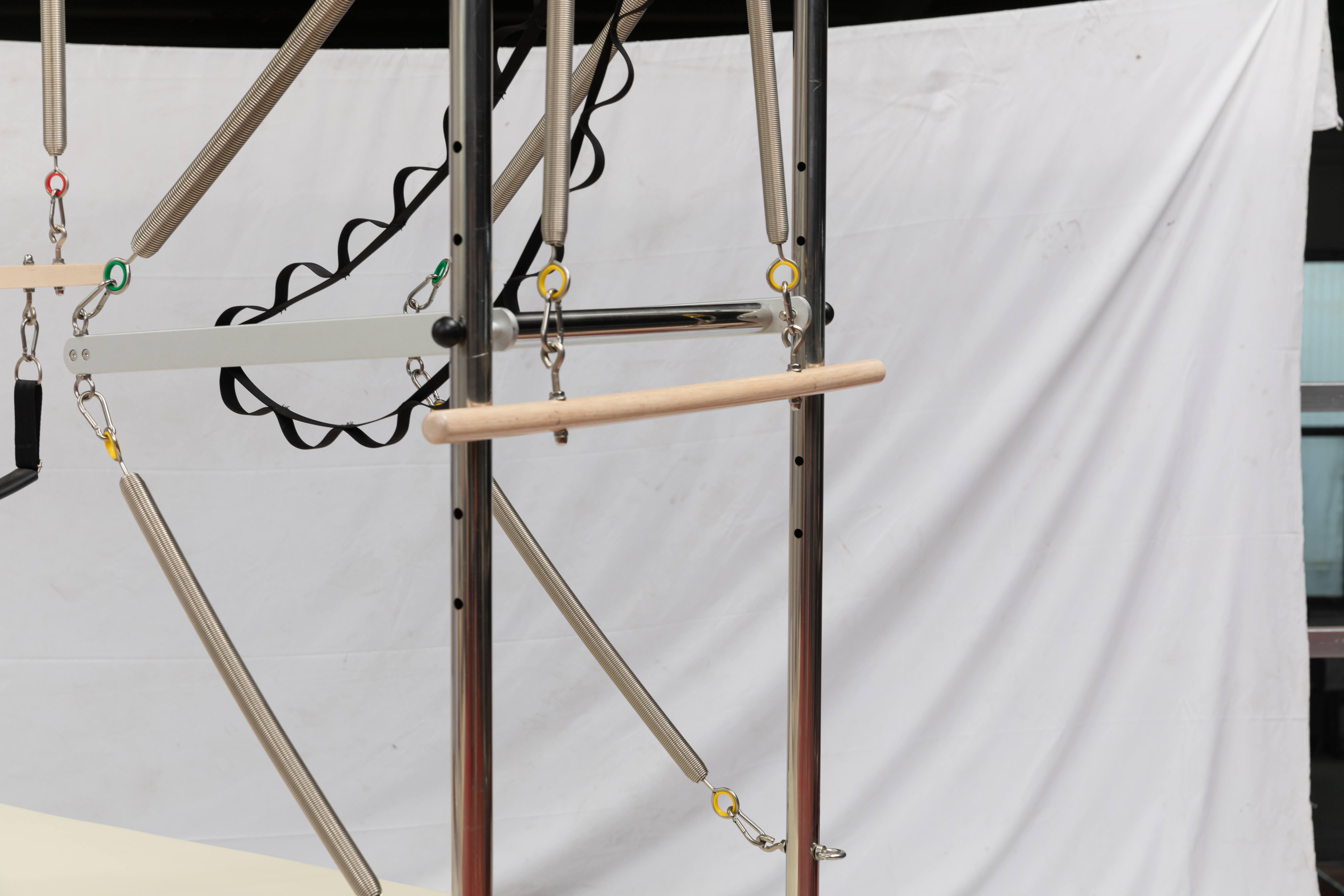
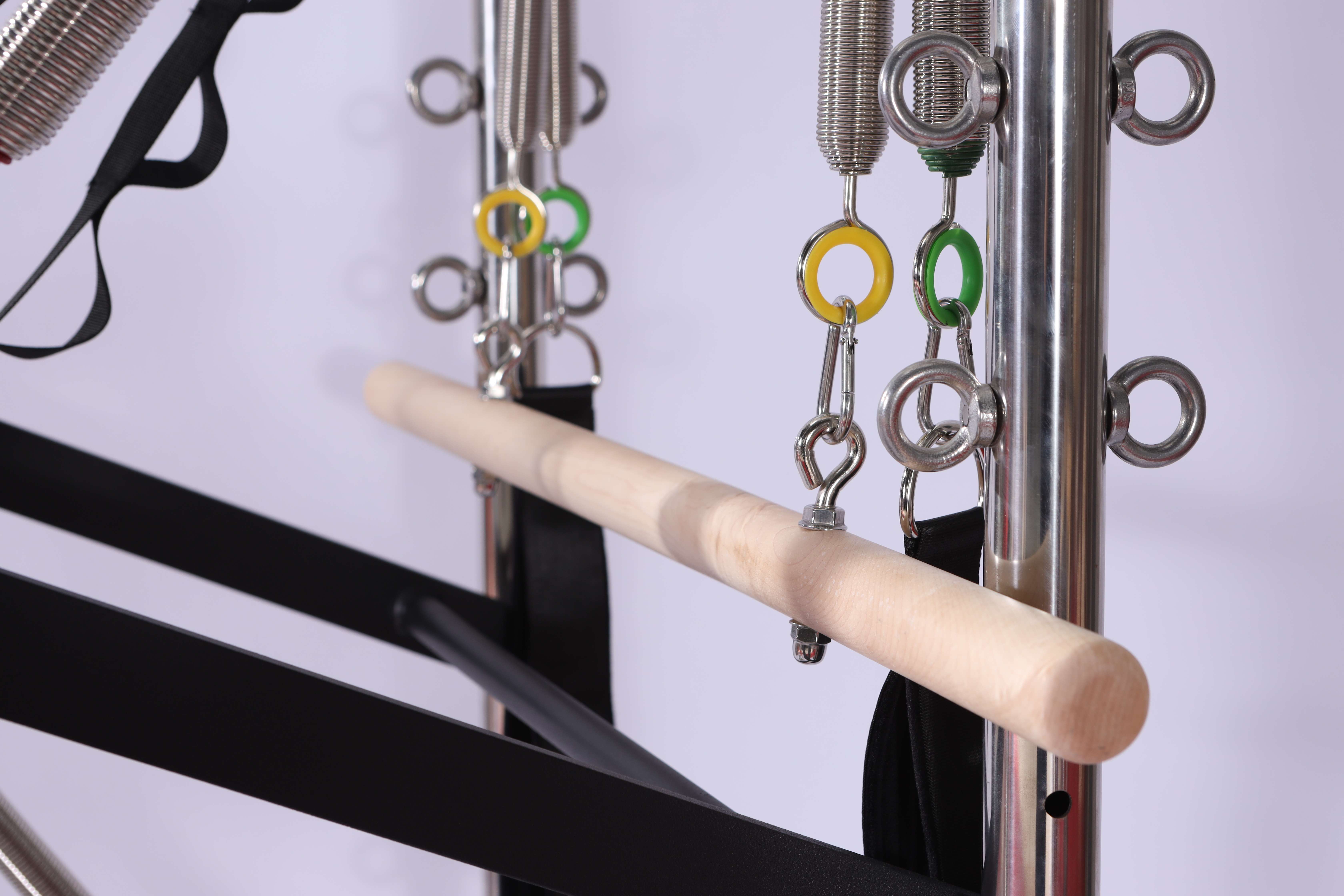
Professional Pilates reformers are equipped with multiple springs of different tension levels, usually divided into light, medium, and heavy resistance. Different tension settings correspond to completely different training purposes. Light springs provide auxiliary force, which is suitable for beginners, postpartum rehabilitation users and joint injury recovery groups. They assist the body in completing standard stretching and sliding movements, helping users find core muscle force and correct posture without relying on limb brute strength.
Medium and heavy springs increase resistance load, which can effectively activate deep core muscles, glutes, lower back and limb muscle groups. For advanced practitioners and professional athletes, graded spring tension can precisely adjust training intensity, achieve targeted muscle shaping and strength improvement, and avoid ineffective repetitive training caused by single resistance. Reasonable spring matching makes Pilates training progressive and hierarchical.
2. Stable Elasticity Ensures Smooth and Standard Movement
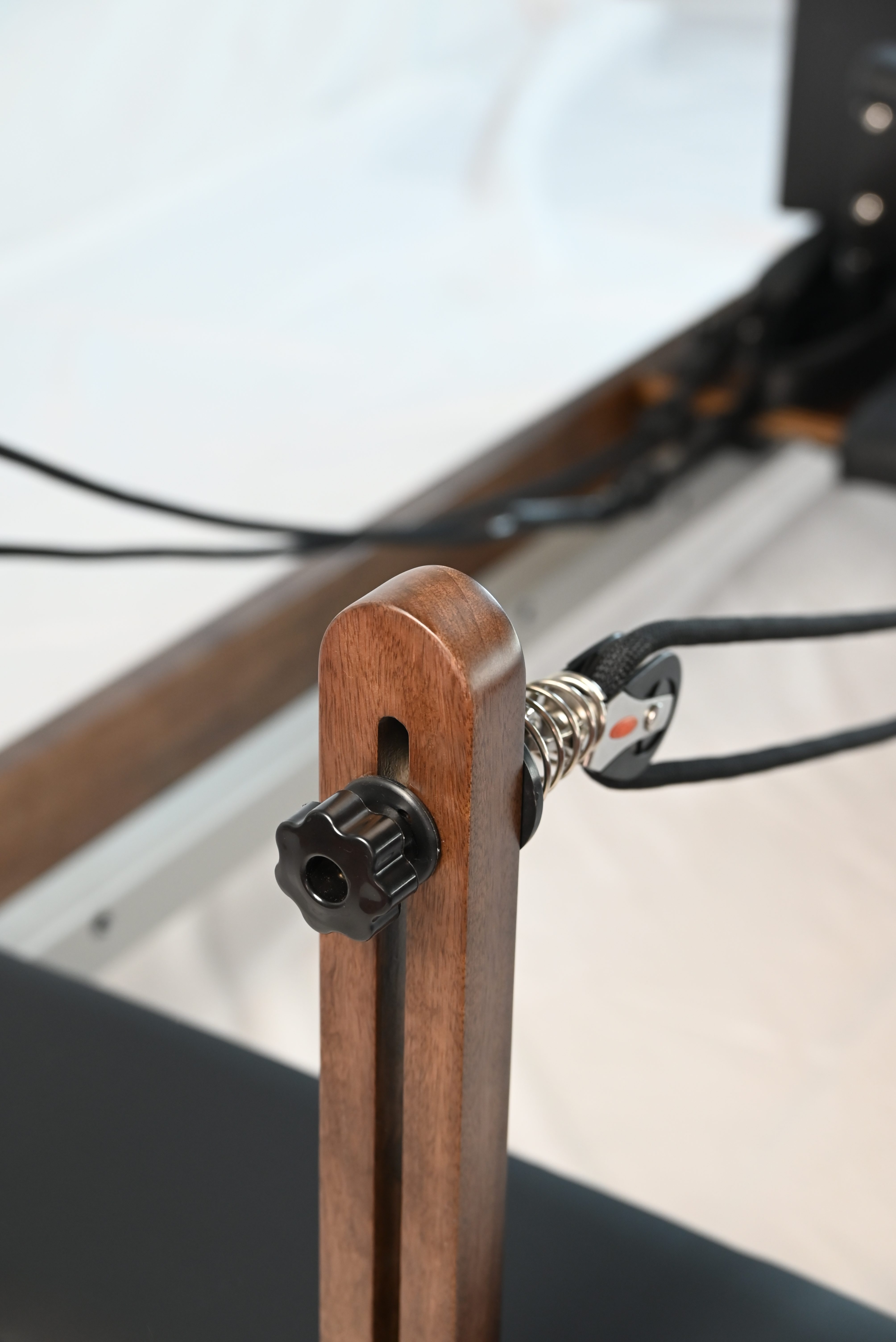
High-quality commercial-grade Pilates springs adopt high-tension steel materials with uniform and linear tension changes. During the whole stretching and resetting process, the resistance is stable without sudden weight increase or sudden relaxation. This steady tension allows trainers to control their body rhythm stably, maintain core engagement throughout the movement, and greatly improve movement standardization and body control awareness.
Inferior low-cost springs have unstable elasticity. The tension will decay suddenly in the middle of stretching or rebound rapidly during resetting. This unstable force makes users rely on inertia to complete movements, resulting in insufficient core activation, wrong force application habits, and even waist and joint strain after long-term training. Stable spring tension is the basic guarantee of professional Pilates teaching effect.
3. Spring Rebound Performance Protects Joints and Improves Rehabilitation Effect
One of the biggest advantages of Pilates is low-impact and safe rehabilitation training. Qualified springs have gentle and buffered rebound performance, which can absorb movement vibration and reduce joint pressure on the spine, knees and shoulders. During stretching, contraction and balance training, the spring provides continuous soft resistance, avoiding rigid impact caused by weight equipment.
For rehabilitation groups and sub-health customers with hunchback, pelvic tilt and weak core, high-quality spring buffering can ensure safe training while improving soft tissue flexibility and spinal mobility. Poor springs are prone to rigid rebound and jitter, losing the rehabilitation significance of low-impact Pilates training and greatly reducing the correction effect of posture training.
4. Fatigue Resistance Determines Long-Term Training Consistency
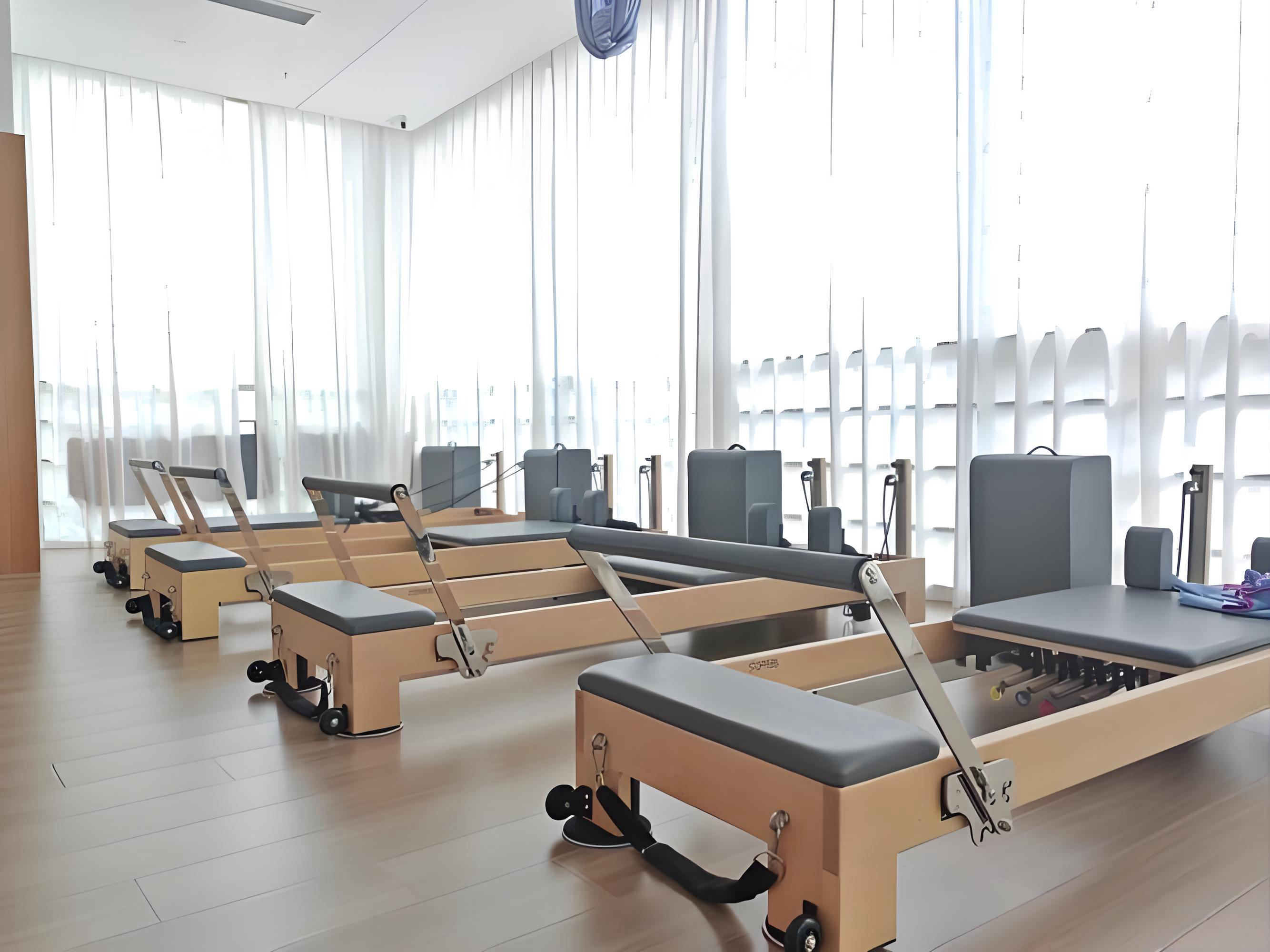
Commercial studios require high-frequency daily training, which puts forward high requirements on spring fatigue resistance. High-grade industrial springs can maintain stable elasticity after tens of thousands of stretching cycles, without fatigue softening, deformation or tension attenuation. The training resistance remains consistent in long-term use, ensuring the consistency of teaching effects for studio students.
Ordinary inferior springs will gradually relax and lose tension after a period of high-frequency use. The resistance becomes weaker and unstable, resulting in decreased training intensity, poor muscle perception, and greatly discounted teaching quality. Frequent spring replacement also increases the later maintenance cost of the studio.
5. Spring Matching Logic Enriches Course System
Professional multi-spring combination design allows instructors to freely match resistance according to different courses and student groups. Different combinations can meet diverse training needs including core stability, hip shaping, leg stretching, spinal correction, balance training and advanced strength training. Rich spring adjustment functions make the studio course system more systematic and professional, covering beginner entry, advanced shaping and rehabilitation correction.
Conclusion
Pilates reformer springs are not only simple accessories, but also the core factor that determines training safety, training effect and teaching professionalism. Stable tension, graded resistance, excellent fatigue resistance and buffered rebound performance are essential for high-quality Pilates training.
Our commercial Pilates reformers are equipped with upgraded high-elastic industrial steel springs, featuring stable tension, no deformation and no attenuation after long-term use. Suitable for high-frequency studio teaching and professional private training, they help every user obtain scientific, safe and efficient training results. We support wholesale, customization and OEM services for global studios and distributors.