What Are the Common Materials Used for Pilates Equipment?
The quality, durability, stability, and user experience of Pilates equipment largely depend on the materials adopted. High-end commercial Pilates machines require precise structural support, long-term wear resistance, silent operation, skin-friendly contact, and stable tension performance. Every core component, from the main frame to leather upholstery, springs, and sliding rails, uses professional-grade materials to adapt to high-frequency studio use. This article introduces the most common and high-quality materials used for standard commercial Pilates equipment.
1. Frame Materials — The Foundation of Stability
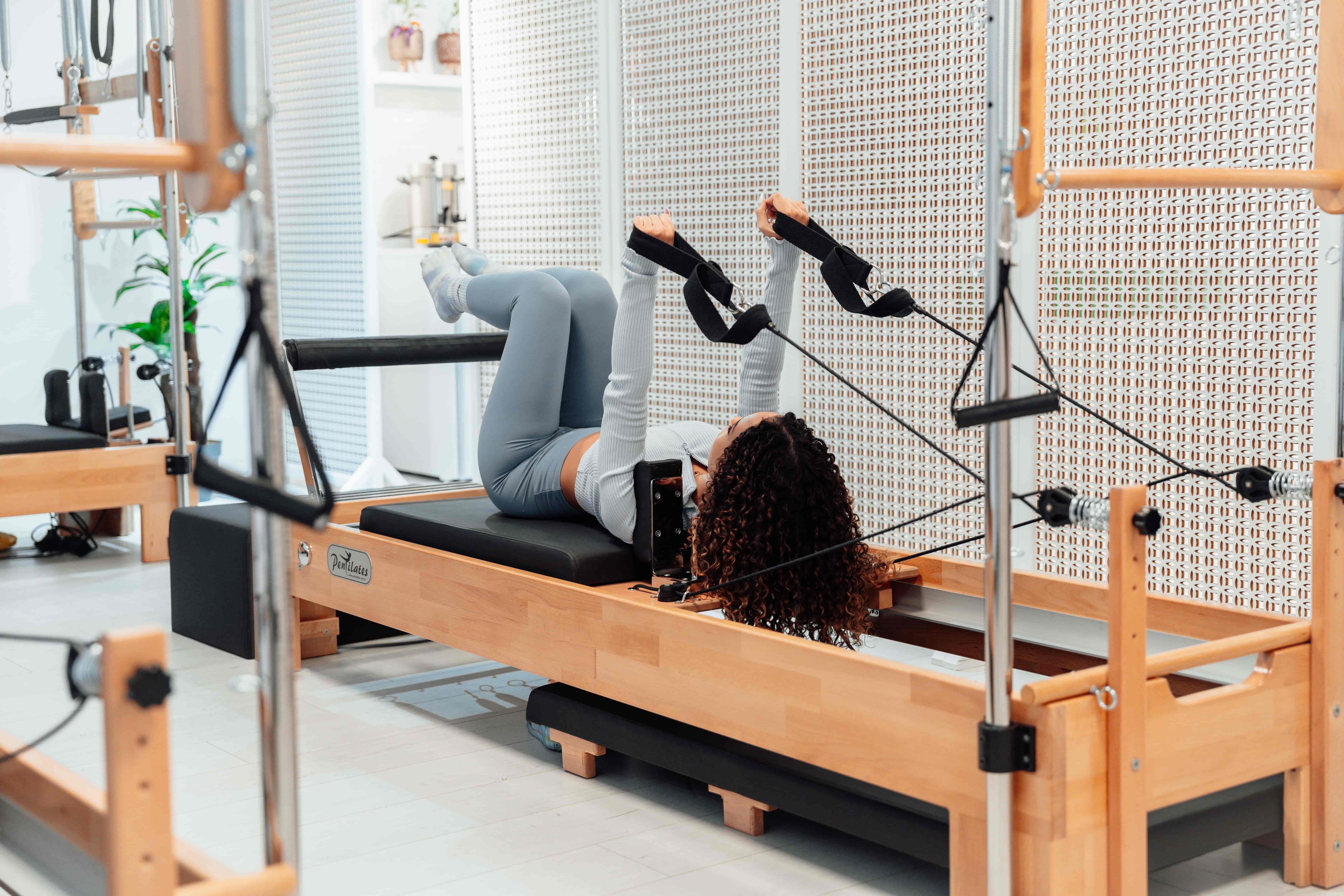
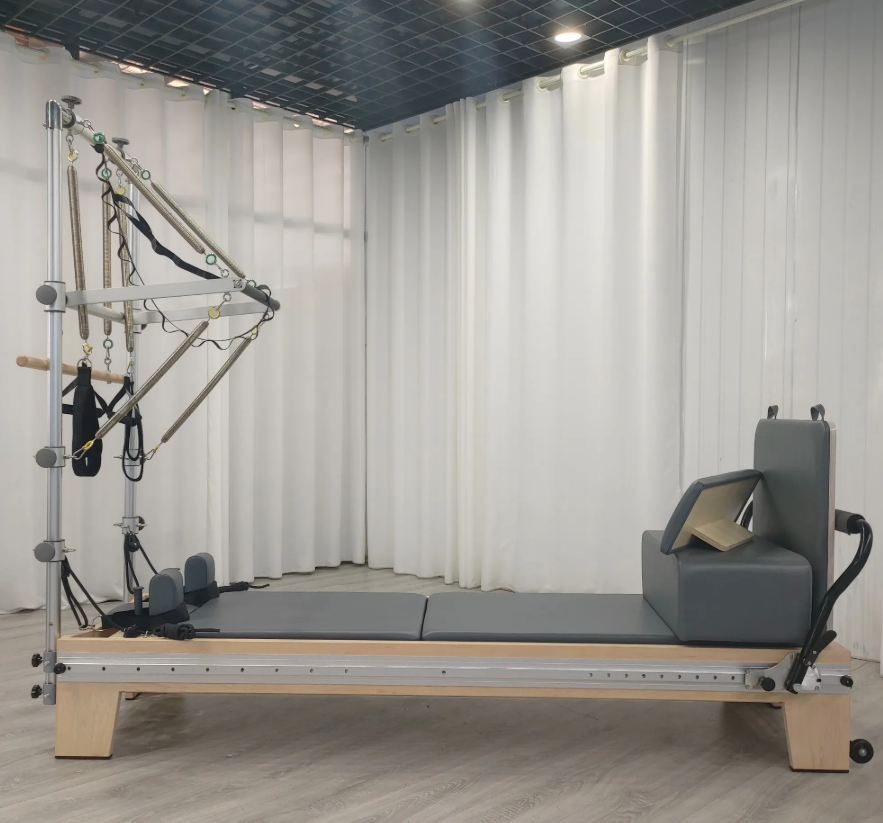
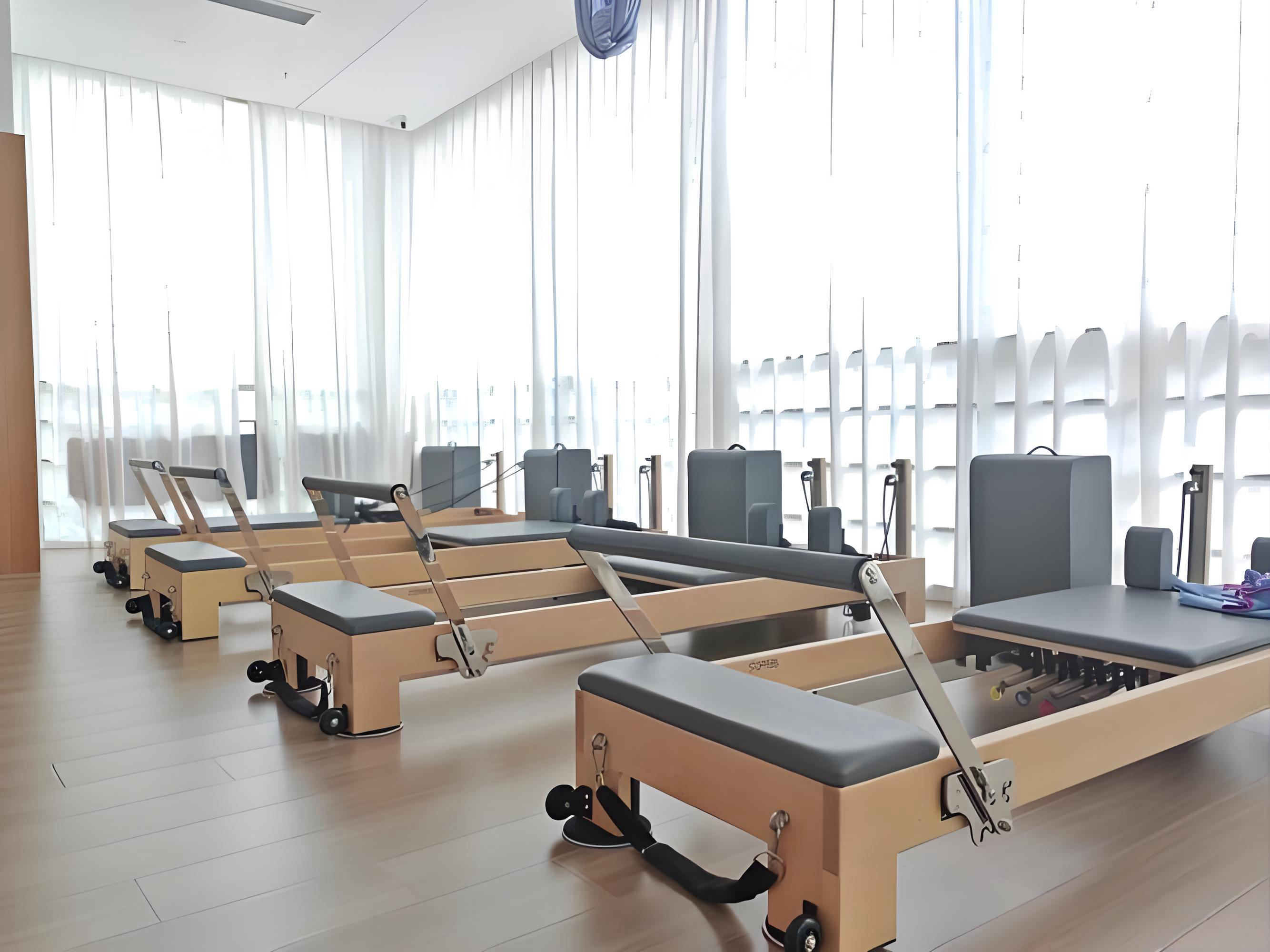
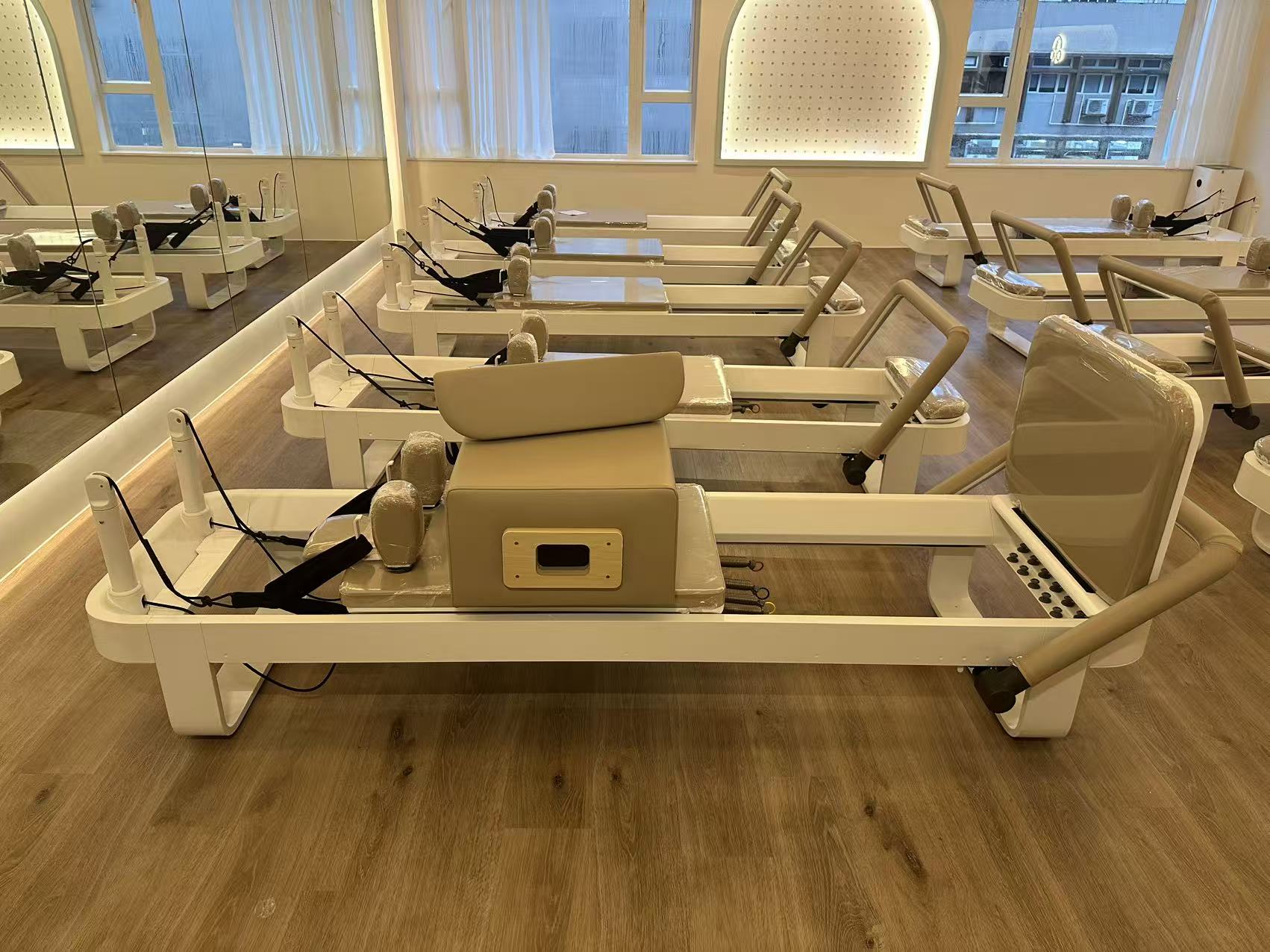
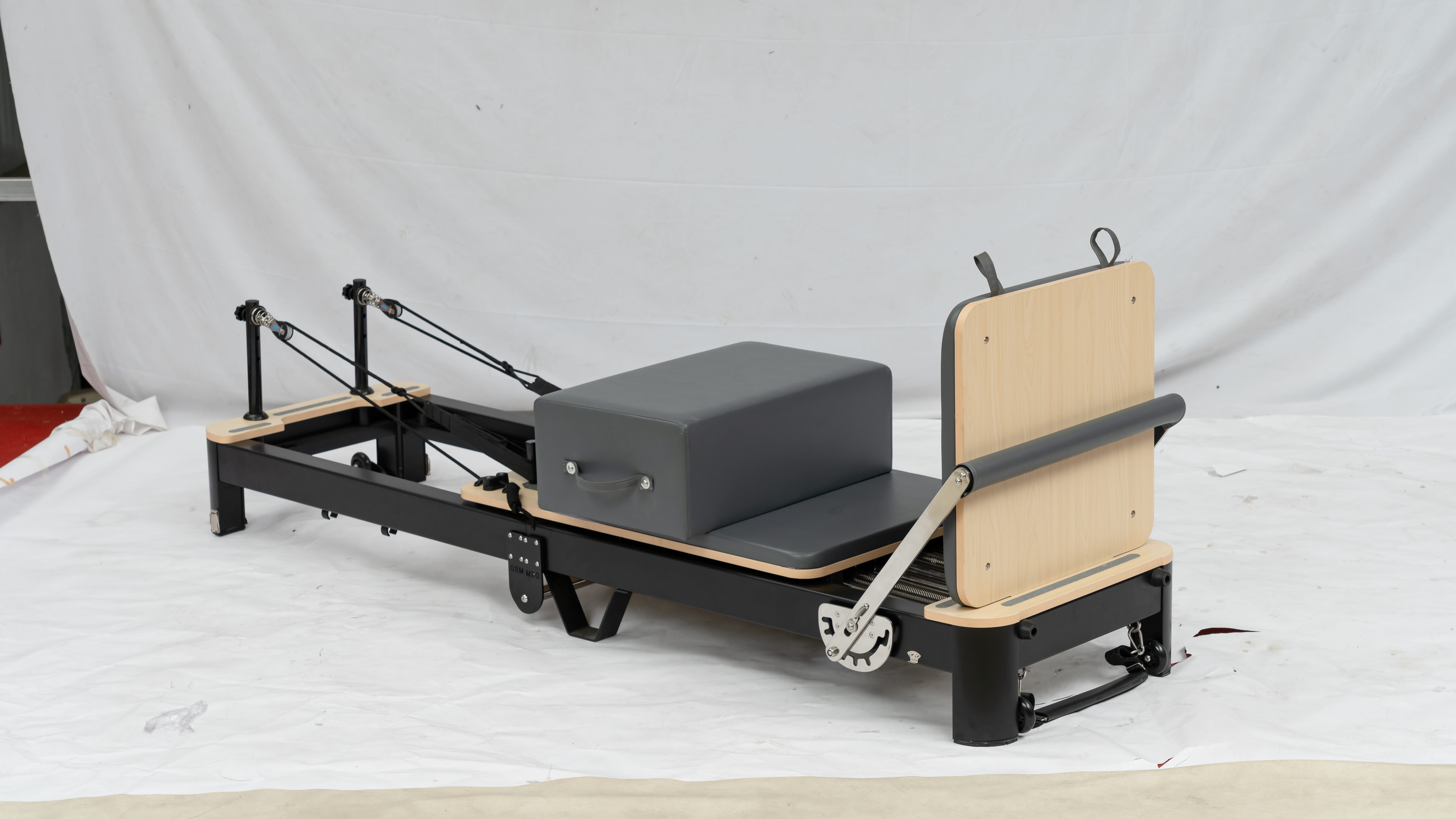
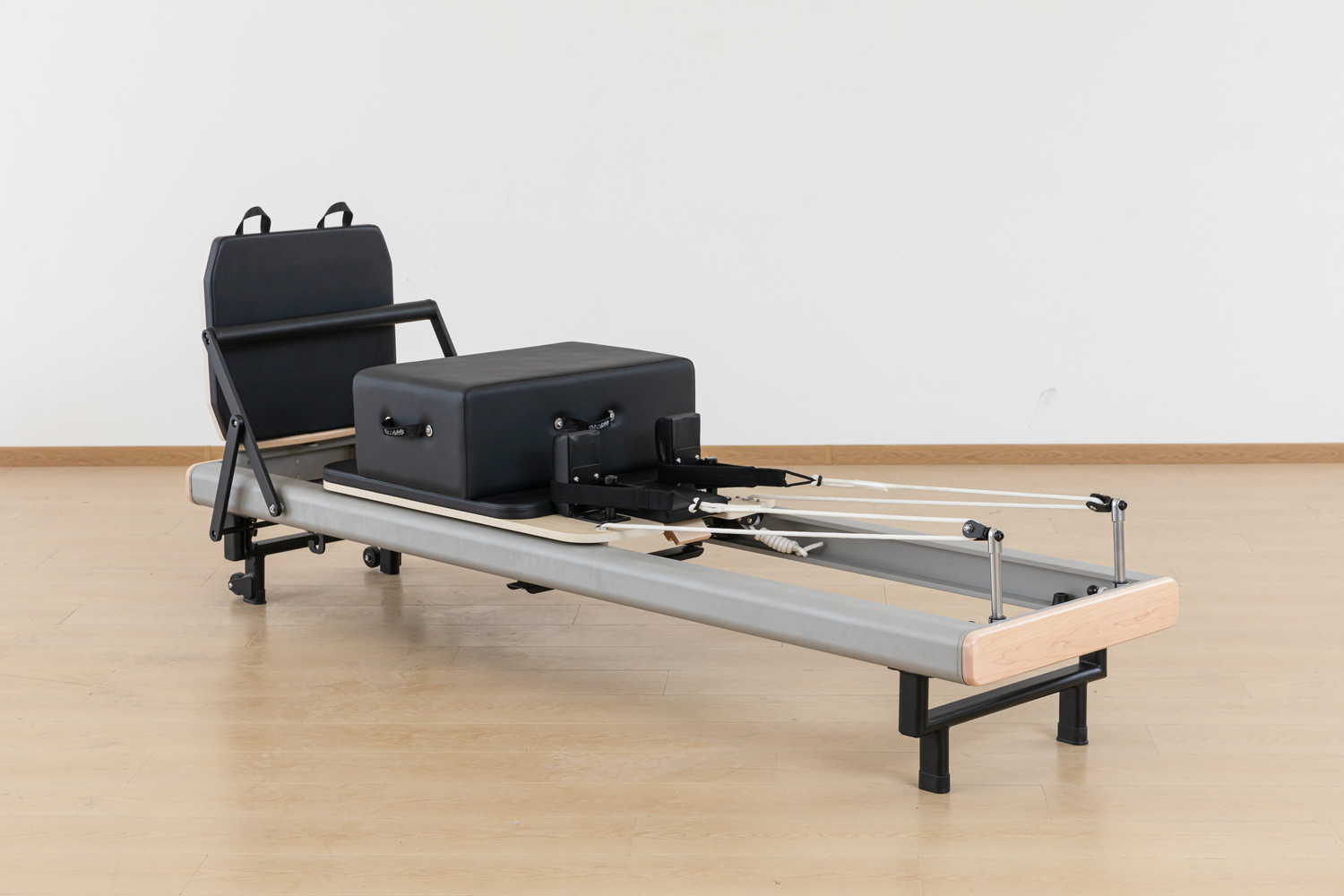
The frame determines the overall structure, load-bearing capacity and service life of Pilates machines. Commercial Pilates equipment mainly uses two types of high-quality frames: solid beech wood and aviation-grade aluminum alloy.
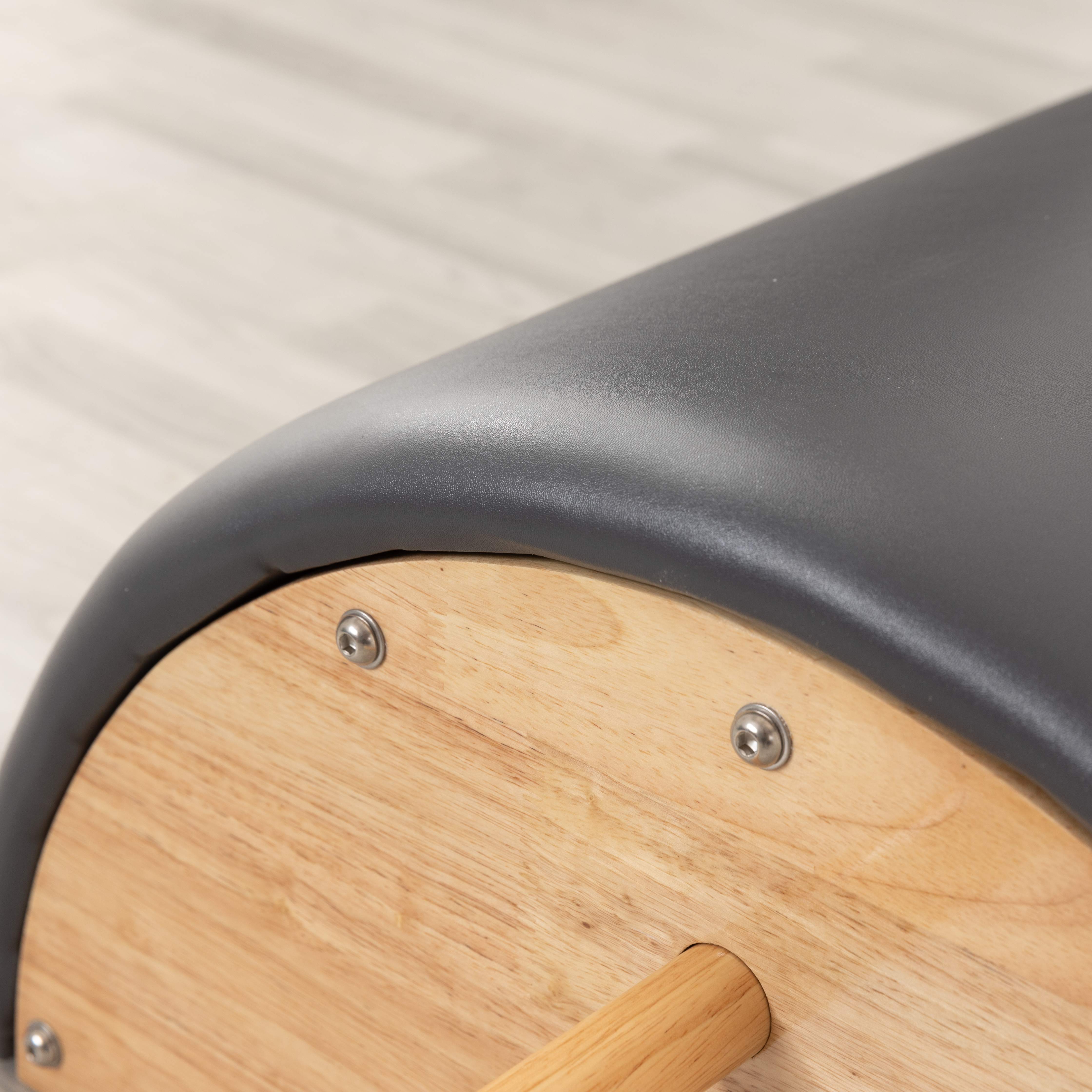
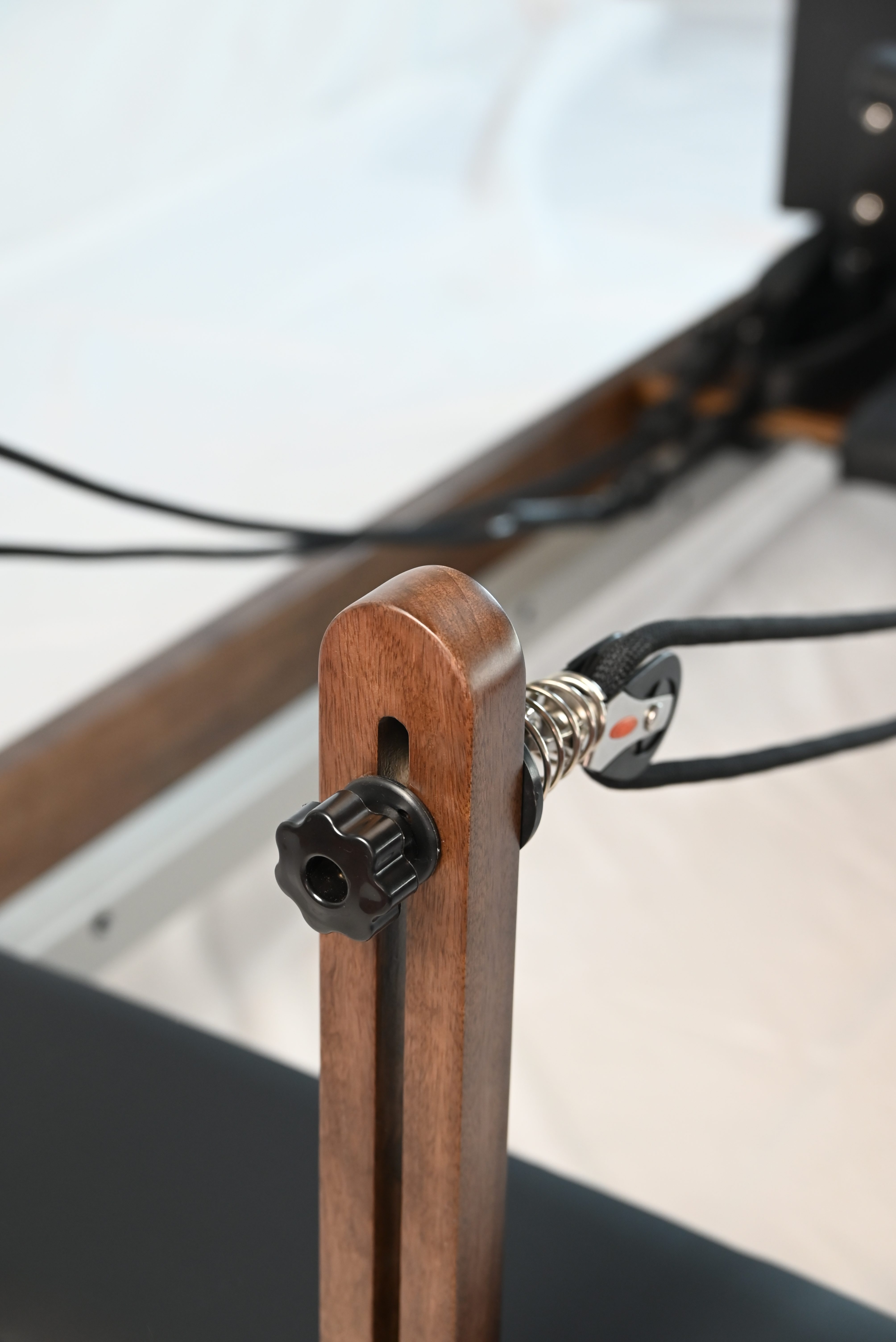
Beech Wood is the premium choice for high-end classical Pilates reformers. With high density, tight texture, uniform hardness and natural toughness, beech wood provides stable grounding performance and soft vibration absorption. It is not easy to deform or crack after years of high-frequency use. After multi-layer waterproof and anti-corrosion varnish treatment, beech wood frames maintain elegant natural grain and excellent structural stability, widely used in boutique and luxury Pilates studios.
Aluminum Alloy is the mainstream material for modern commercial and home Pilates equipment. Thickened aviation-grade aluminum features high hardness, light weight, oxidation resistance and zero rust. It supports super high load-bearing capacity while keeping the machine lightweight and movable. With precise integrated molding and sandblasting surface treatment, aluminum frames are durable, easy to clean, and suitable for all humid and high-temperature environments.
2. Spring Materials — Core of Training Resistance
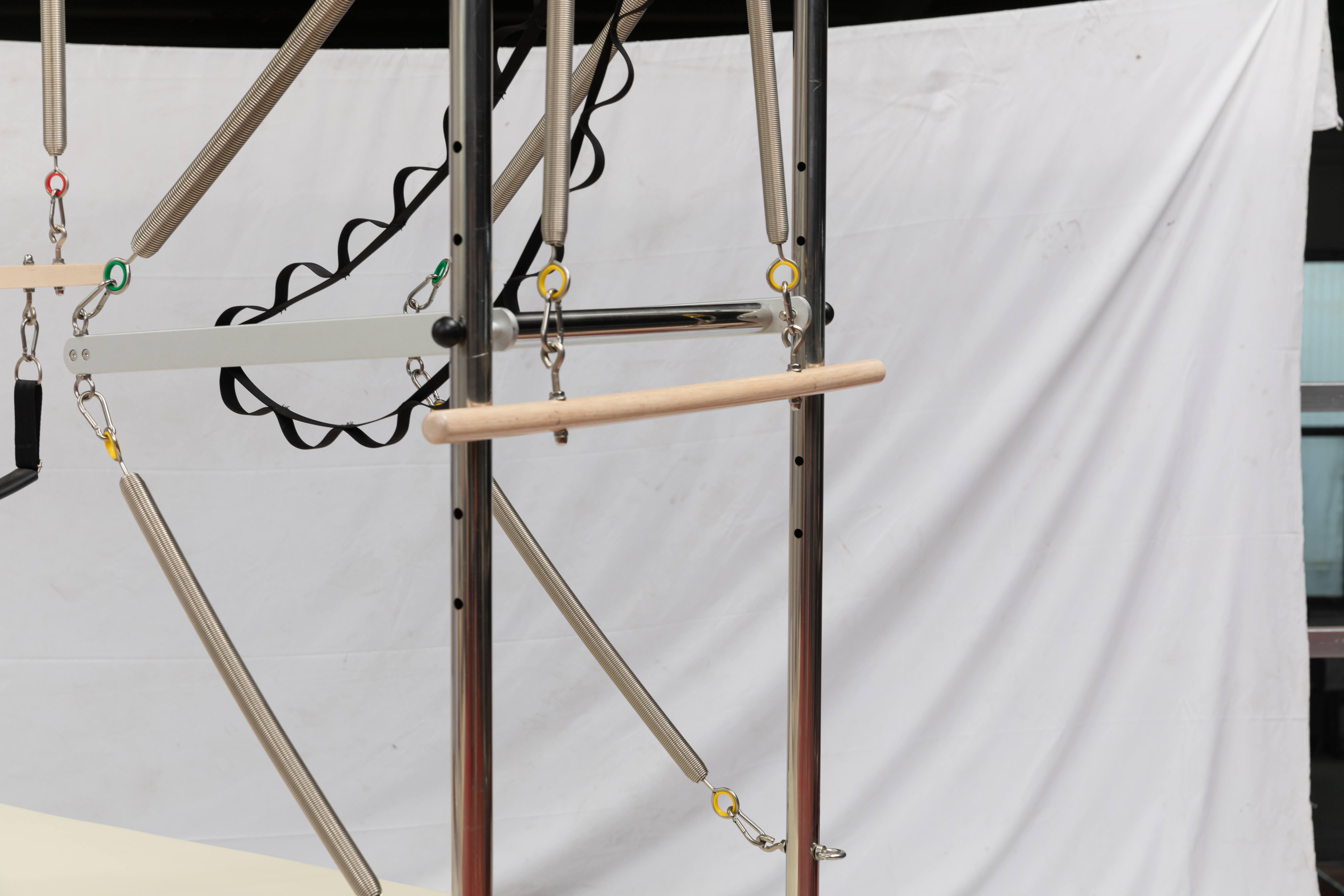
Springs are the heart of Pilates training, directly affecting training smoothness and muscle activation. Formal commercial Pilates equipment adopts 65Mn high-carbon steel springs or upgraded piano wire springs.
These materials feature ultra-high elasticity, stable linear tension and excellent fatigue resistance. After tens of thousands of repeated stretching tests, they still maintain consistent resistance without loosening, deformation or tension attenuation. Compared with ordinary low-carbon steel springs, high-grade steel springs provide smoother buffering, quieter rebound and safer low-impact training effects, fully meeting professional studio teaching standards.
3. Upholstery Material — Leather Surface
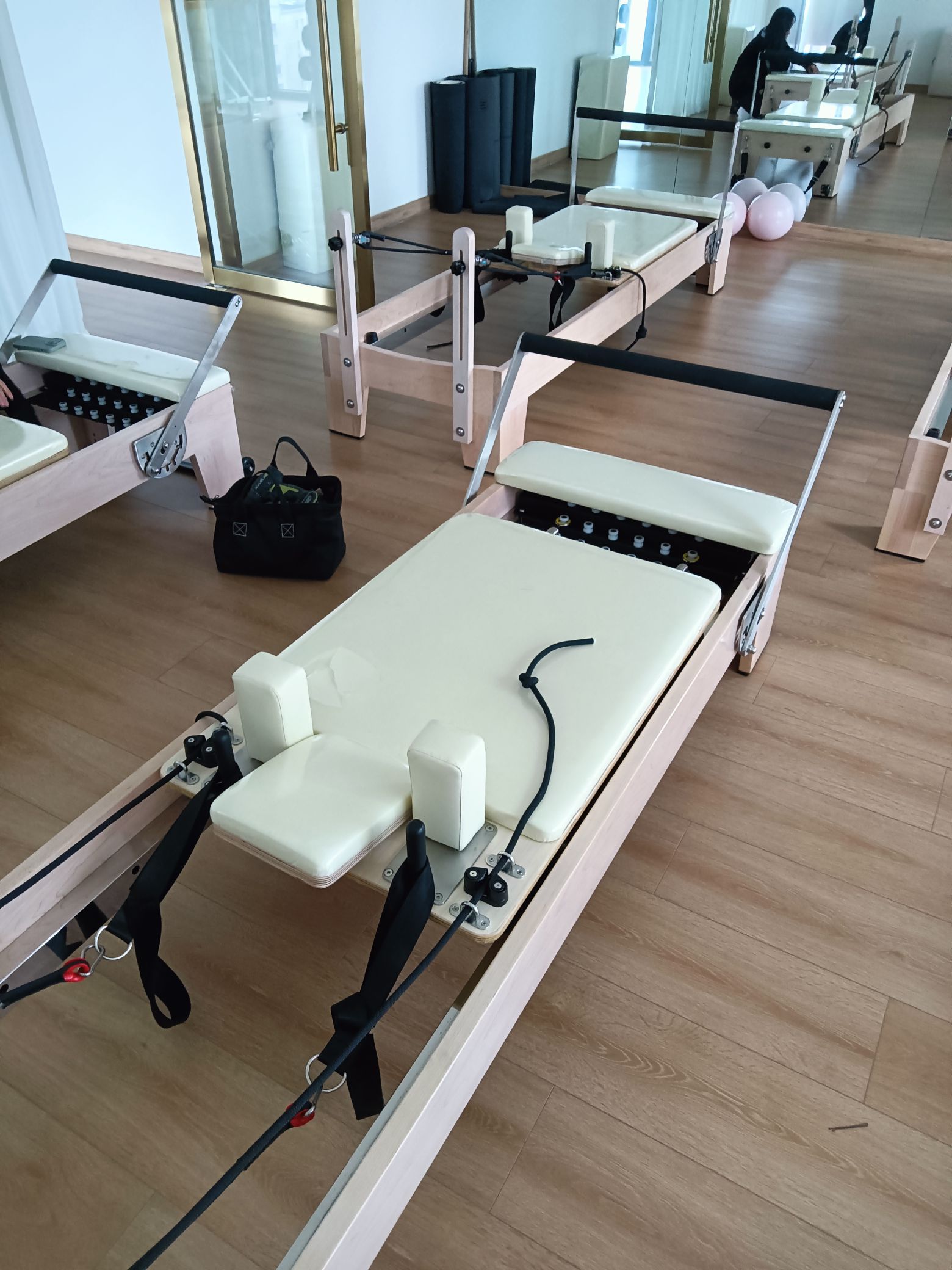
The contact surface of Pilates equipment requires sweat-proof, scratch-resistant, non-slip and skin-friendly performance. Most high-quality commercial machines adopt high-density microfiber leather.
This material is thicker than ordinary PVC leather, with strong wear resistance, high elasticity and excellent breathability. It resists daily sweat erosion, friction and frequent cleaning, without peeling, cracking or hardening. The smooth and delicate surface ensures comfortable body contact during long training sessions, while maintaining a high-end matte texture for studio display.
4. Cushion Material — High-Density Rebound Foam
The sponge padding directly affects training comfort and long-term flatness. Professional Pilates equipment uses high-density integral rebound foam.
It features uniform thickness, strong compression resistance and fast rebound performance. Even after years of repeated body pressure, the foam will not collapse, sag or deform. It provides soft and supportive cushioning for spine, hip and limb contact, effectively reducing joint pressure during stretching and rehabilitation movements.
5. Sliding Rail & Pulley Materials
Smooth and silent sliding depends on high-precision rail and pulley materials. Commercial reformers use high-precision aluminum sliding rails and stainless steel silent pulleys.
The rails are precisely polished to ensure ultra-low friction and smooth gliding without jitter or stuttering. Stainless steel pulleys are rust-proof, wear-resistant and mute, avoiding harsh metal friction noise. These materials guarantee stable and quiet movement experience for high-frequency daily classes.
6. Traction Rope & Strap Materials
Traction ropes and hand/foot loops need strong tensile resistance and safety. Standard commercial Pilates equipment adopts high-strength woven nylon ropes and thickened canvas straps.
These materials are tear-resistant, wear-resistant and non-deformable under long-term tension. They ensure stable force transmission and avoid breakage risks during intense stretching, fully meeting commercial safety standards.
7. Auxiliary Material — Anti-Slip & Hardware Parts
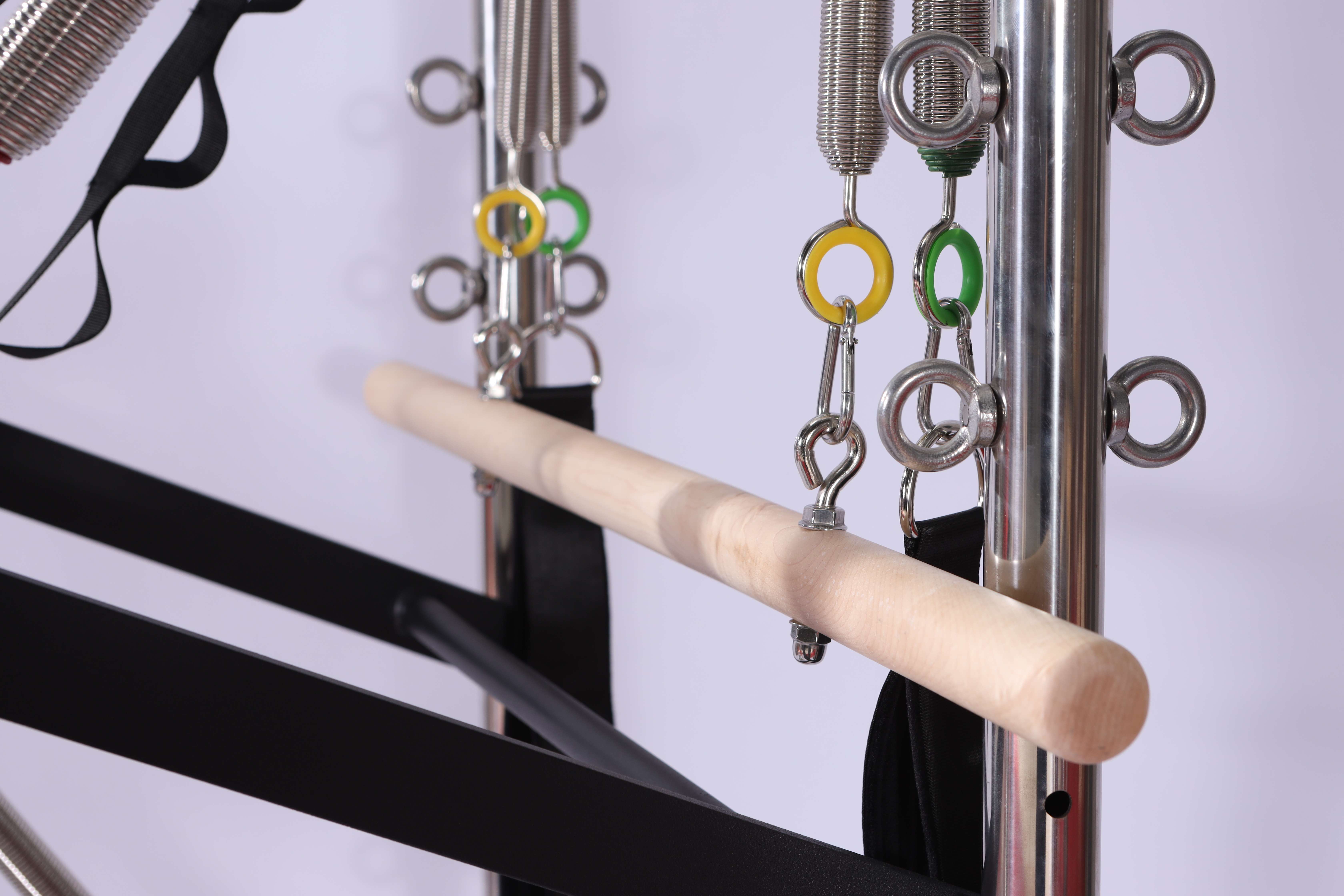
All supporting hardware adopts thickened galvanized stainless steel, which is anti-rust, anti-oxidation and firm enough to prevent loosening. The bottom anti-slip mat uses high-density rubber material to increase friction, prevent sliding during training and protect the floor.
Conclusion
Professional commercial Pilates equipment is composed of multiple high-grade materials, each playing an irreplaceable role in stability, comfort, safety and durability. From beech wood and aluminum frames, high-tension steel springs, microfiber leather, high-density foam to silent rails and stainless steel accessories, every material is strictly selected for long-term high-frequency studio use.
As a professional Pilates equipment manufacturer, we insist on adopting full commercial-grade materials for all machines, ensuring stable quality, long service life and professional training experience. Custom colors, logos and wholesale services are available for global studios and distributors.