How to Choose Commercial Pilates Equipment for Studio Startup
Opening a Pilates studio is an exciting venture, but selecting the right commercial equipment can feel overwhelming. The choices you make will directly impact your class quality, client experience, and bottom line. Here's a practical guide to help you navigate the process.
I. Start with Your Business Model
Before you research brands or compare prices, clarify your studio's core positioning. Your equipment choices should serve your business strategy, not the other way around.
Class size matters. Are you planning 1-on-1 private sessions, small-group classes (4-6 people), or larger group classes (8-10+ people)? Private-focused studios need fewer Reformers but may require more apparatus variety (Cadillac, Chair, Ladder Barrel). Group-focused studios need more Reformers and prioritize durability over variety.
Your target clientele shapes your equipment needs. Rehabilitation clients require more adjustment options, supportive accessories, and apparatus like the Cadillac. Sculpting-focused clients prioritize Reformers and Jumpboards. Mixed-use studios should invest in a well-rounded core set before adding specialty pieces.
Your pricing strategy influences your brand selection. Premium pricing can justify premium brands (Balanced Body, Merrithew) with their associated quality perception and resale value. Competitive pricing may favor quality commercial-grade alternatives with better margins.
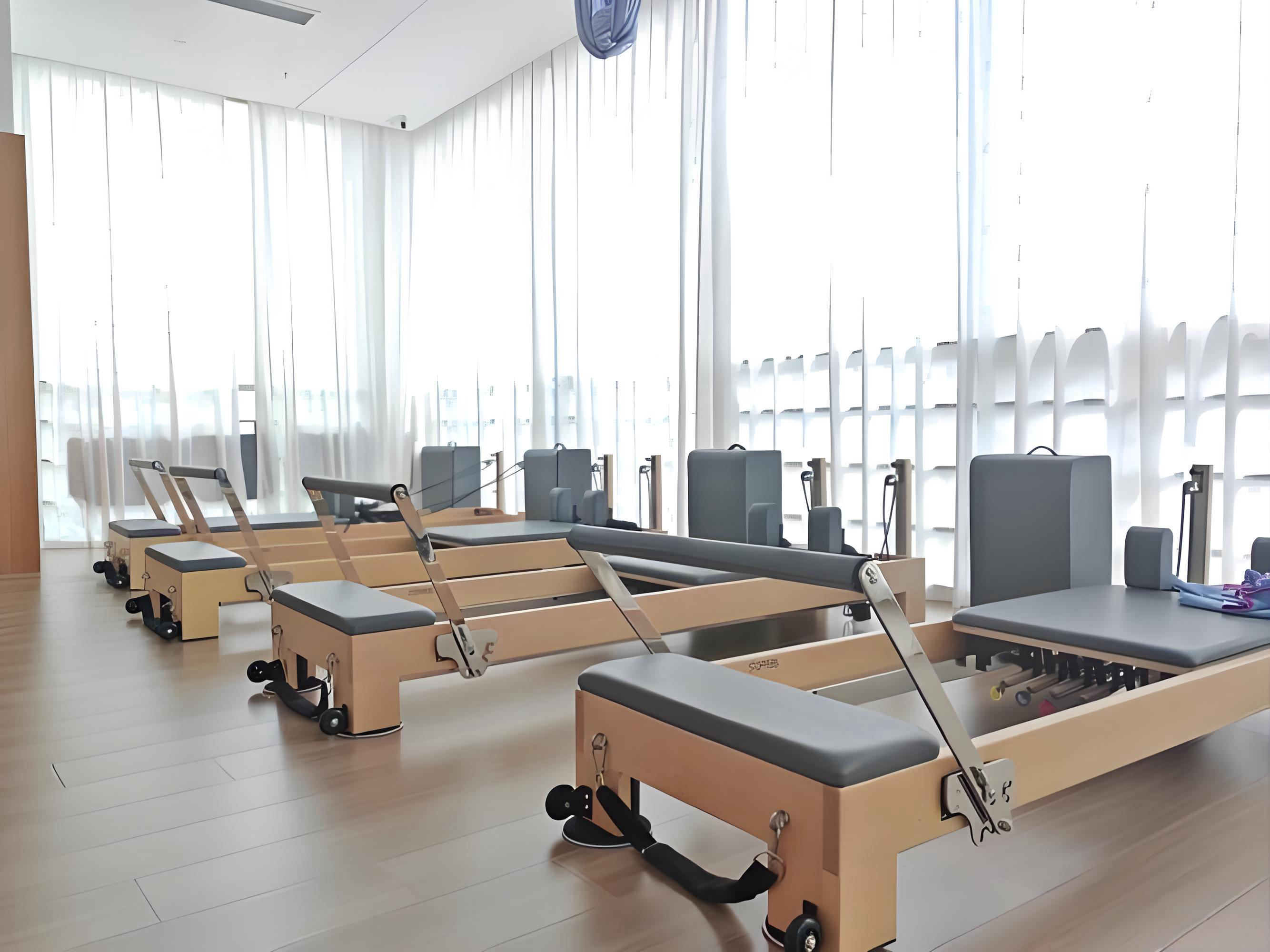
Your space determines your layout. Measure your floor space carefully — each Reformer requires approximately 40-50 square feet (3.7-4.6 sq m) including operating space. A 6-Reformer studio needs about 30-40 sq m for the main practice area alone.
II. Core Equipment: What You Actually Need
Based on industry standards and real-world studio launches, here's what a typical startup studio should prioritize.
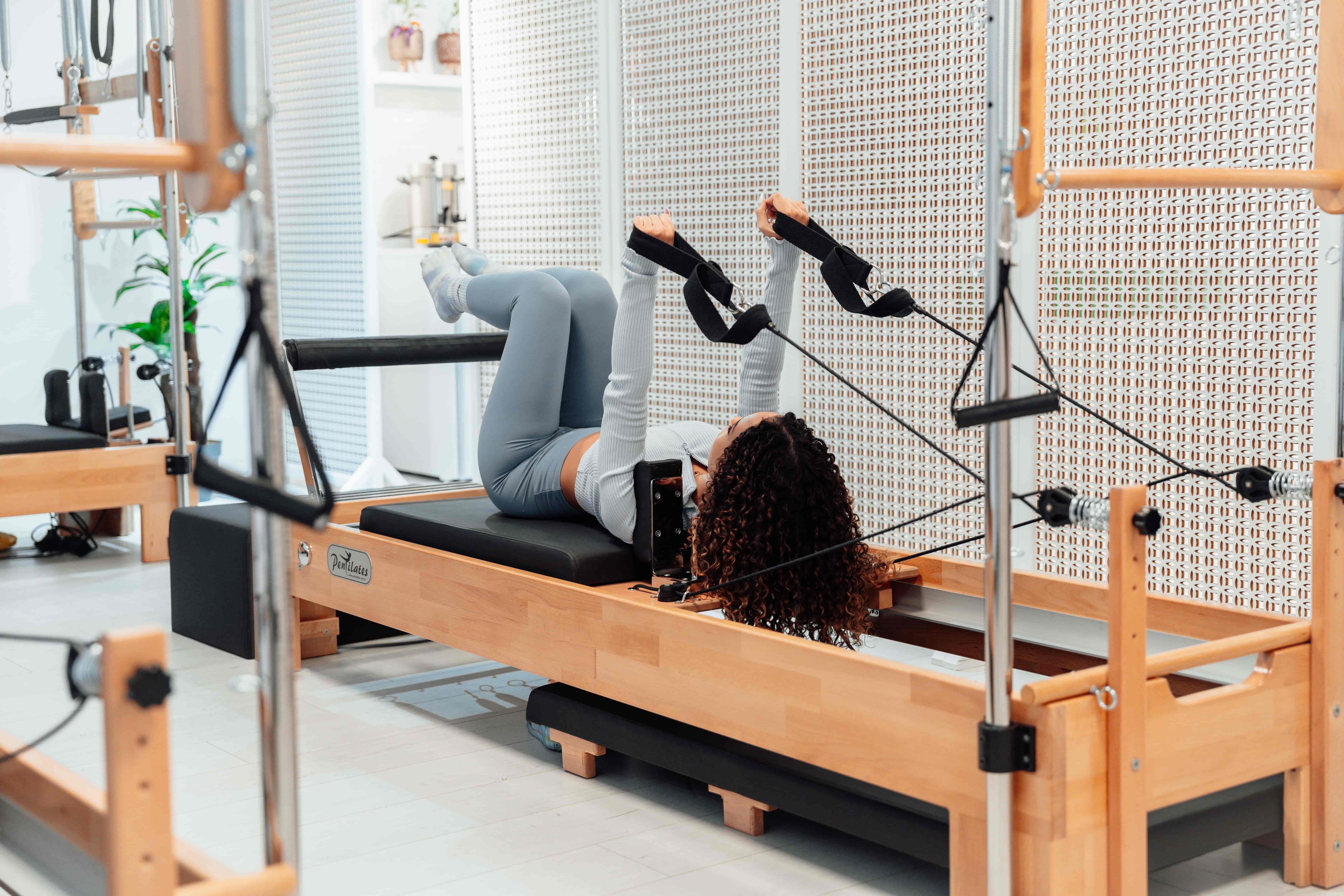
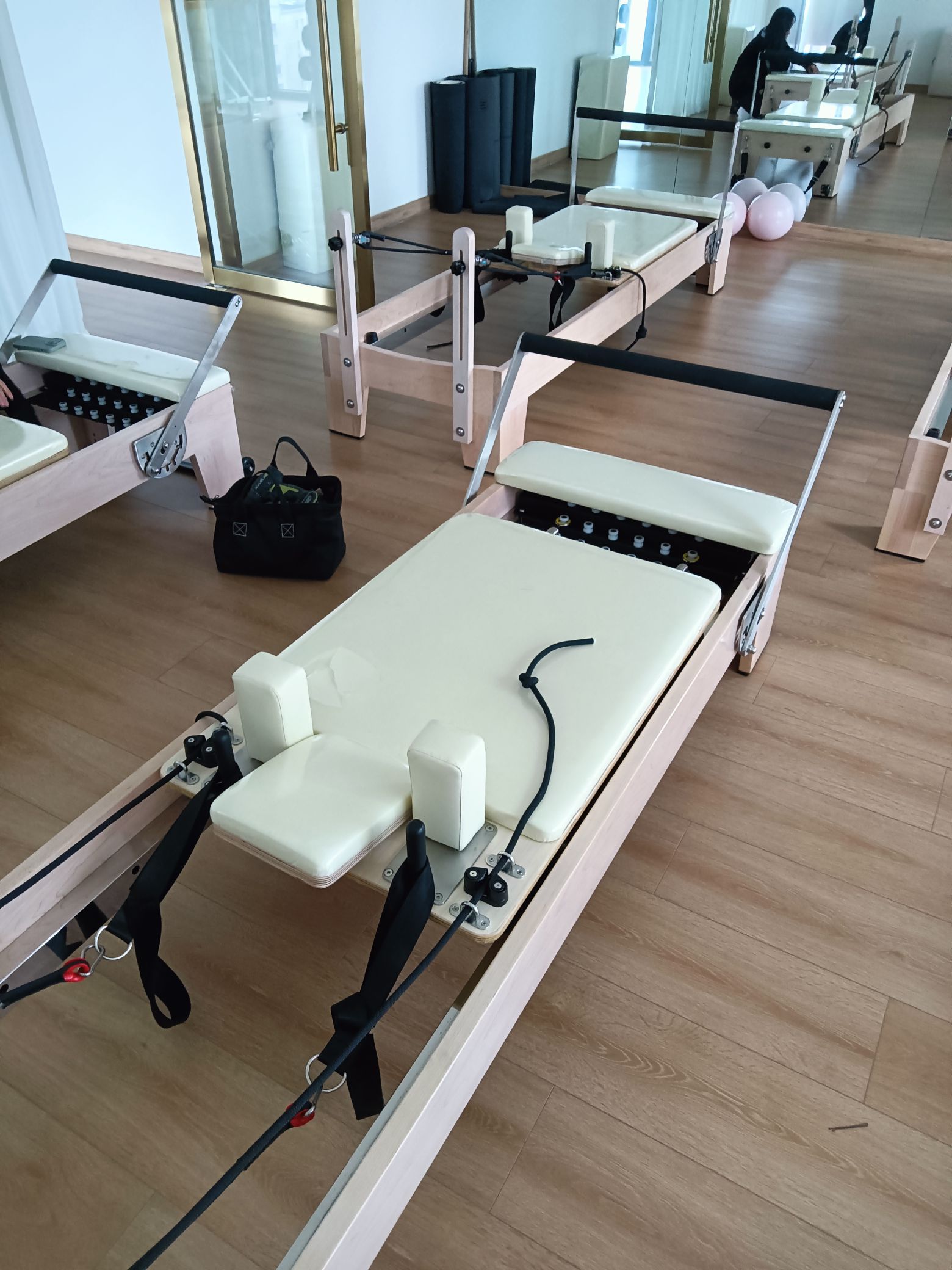
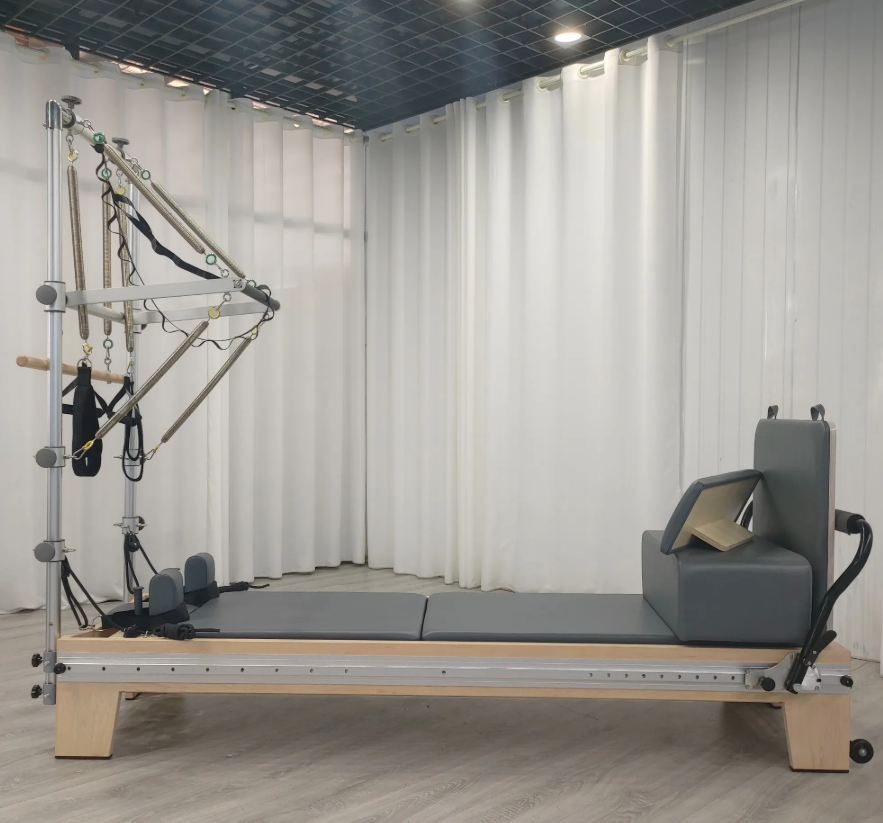
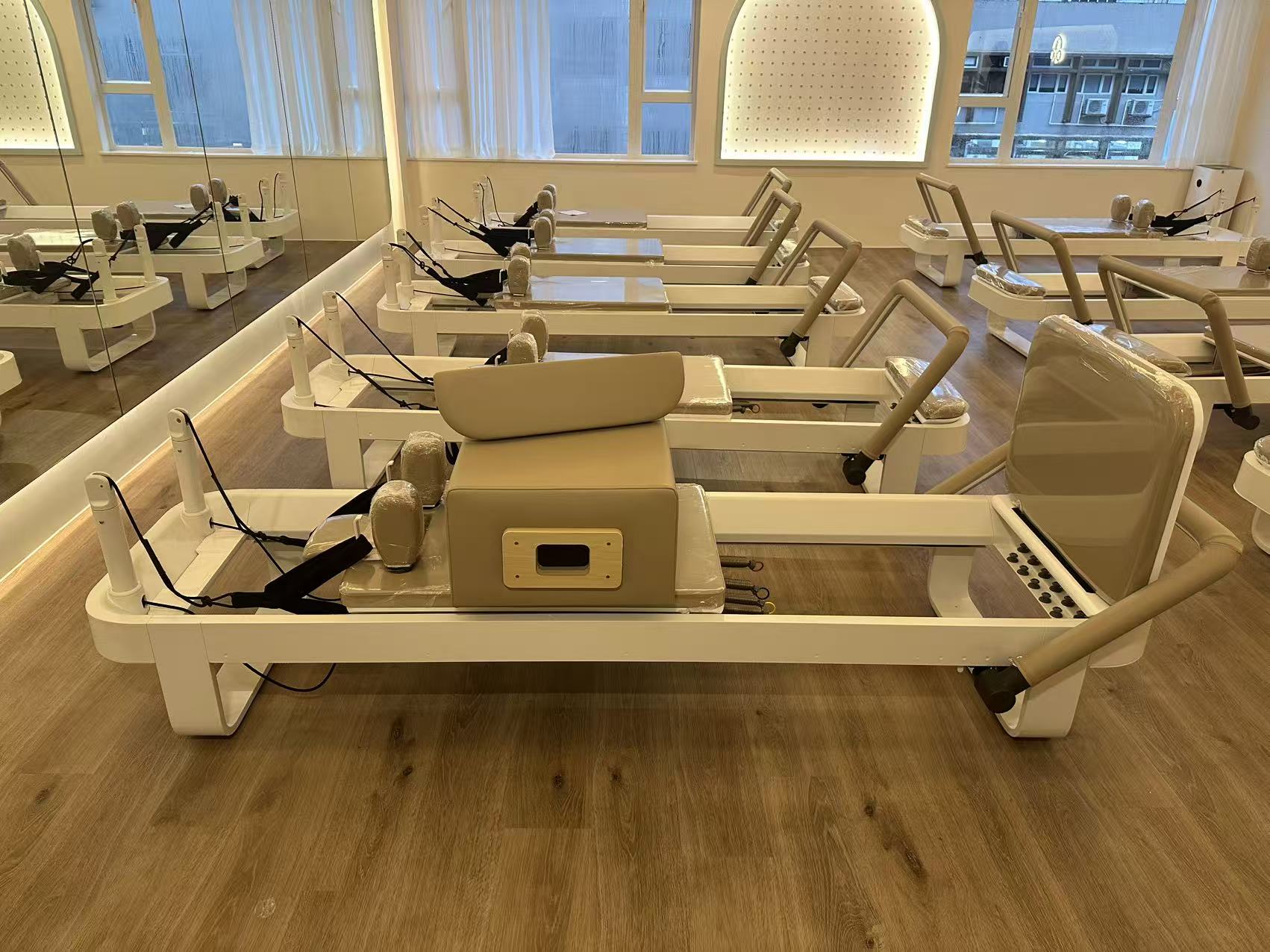
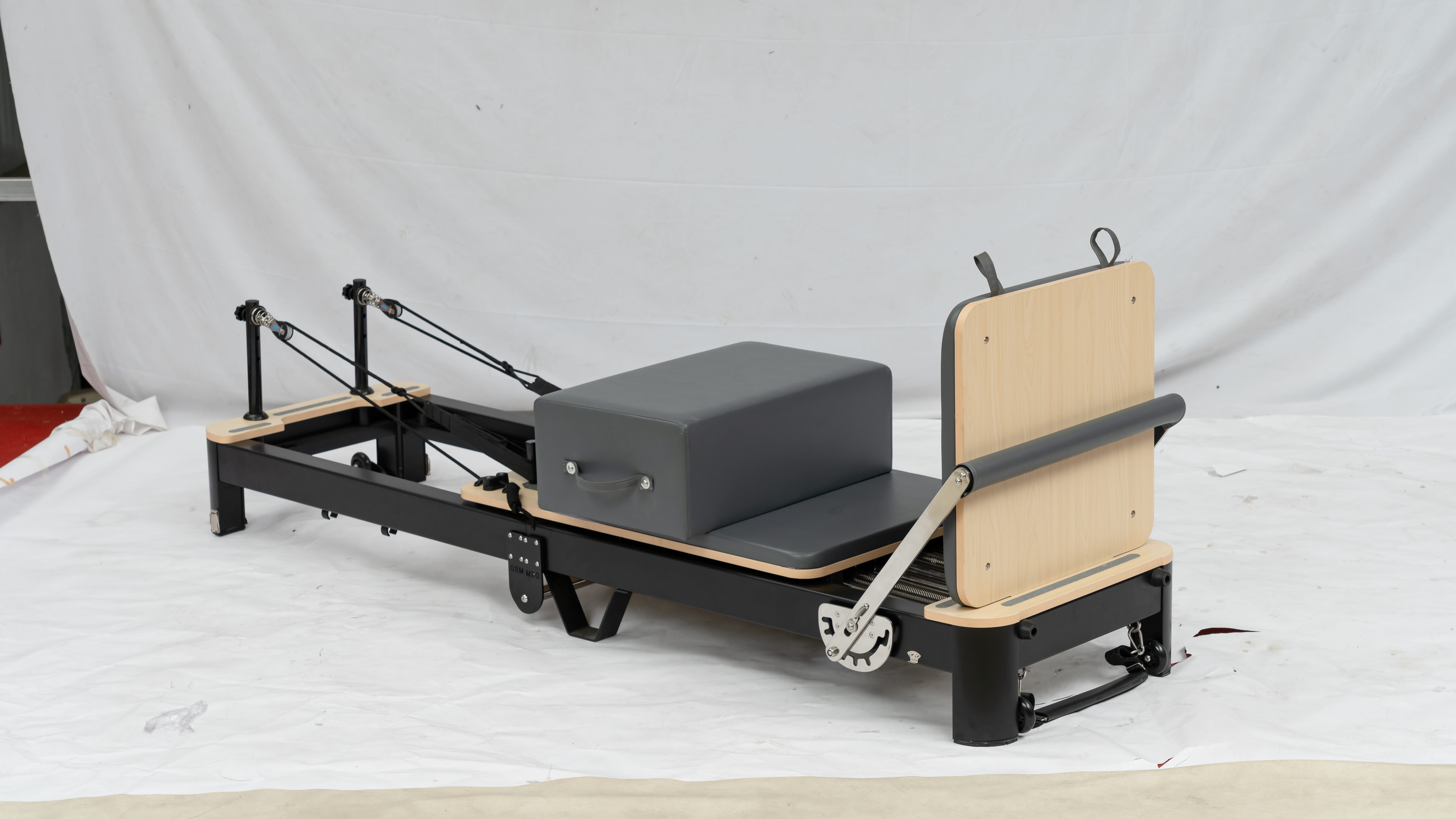
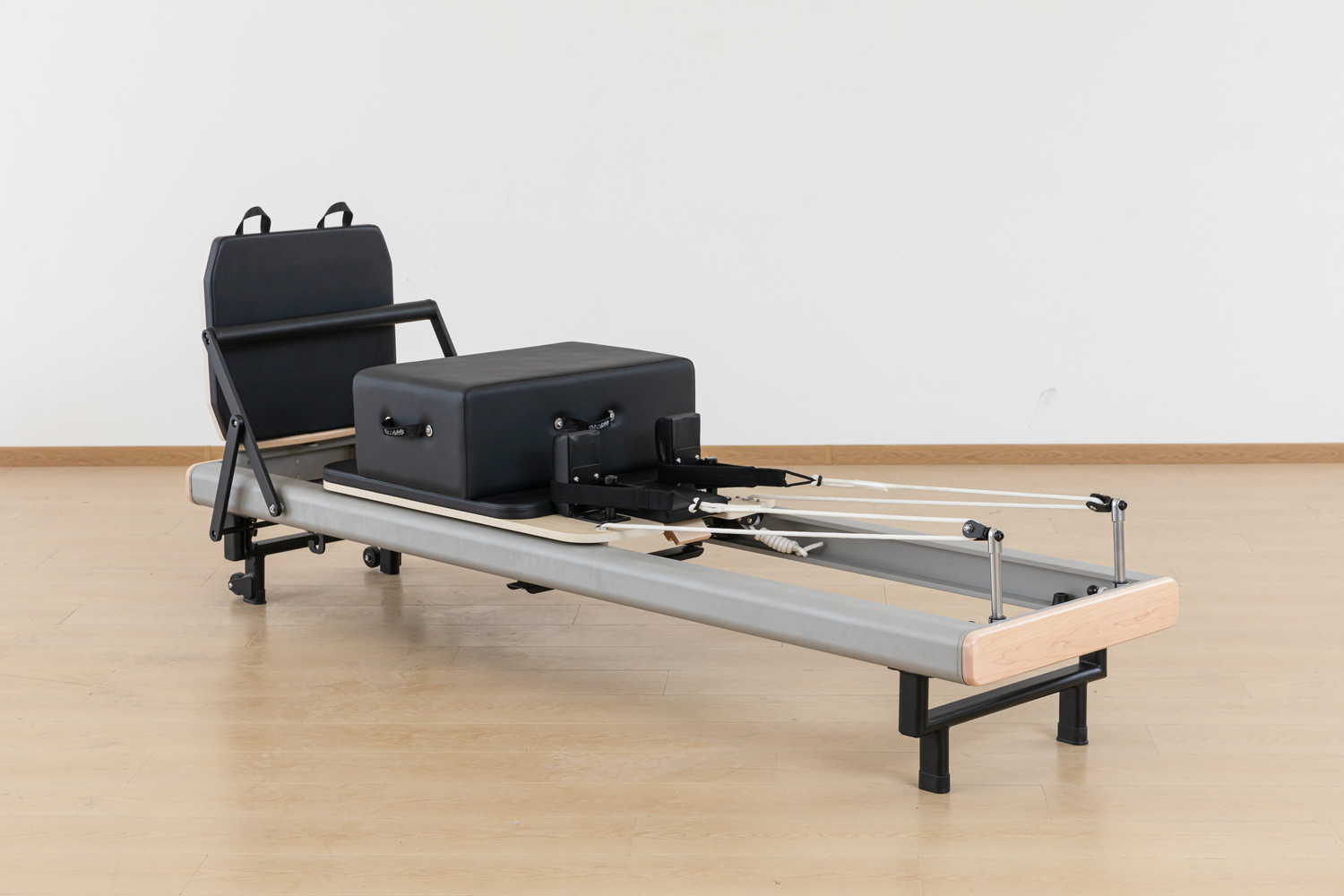
Reformers are non-negotiable. These are your studio's workhorses. Most new studios start with 4-6 Reformers. Three units work for boutique small-group classes; 4-6 support regular group programming. Don't skimp on quality — these machines will see daily heavy use.
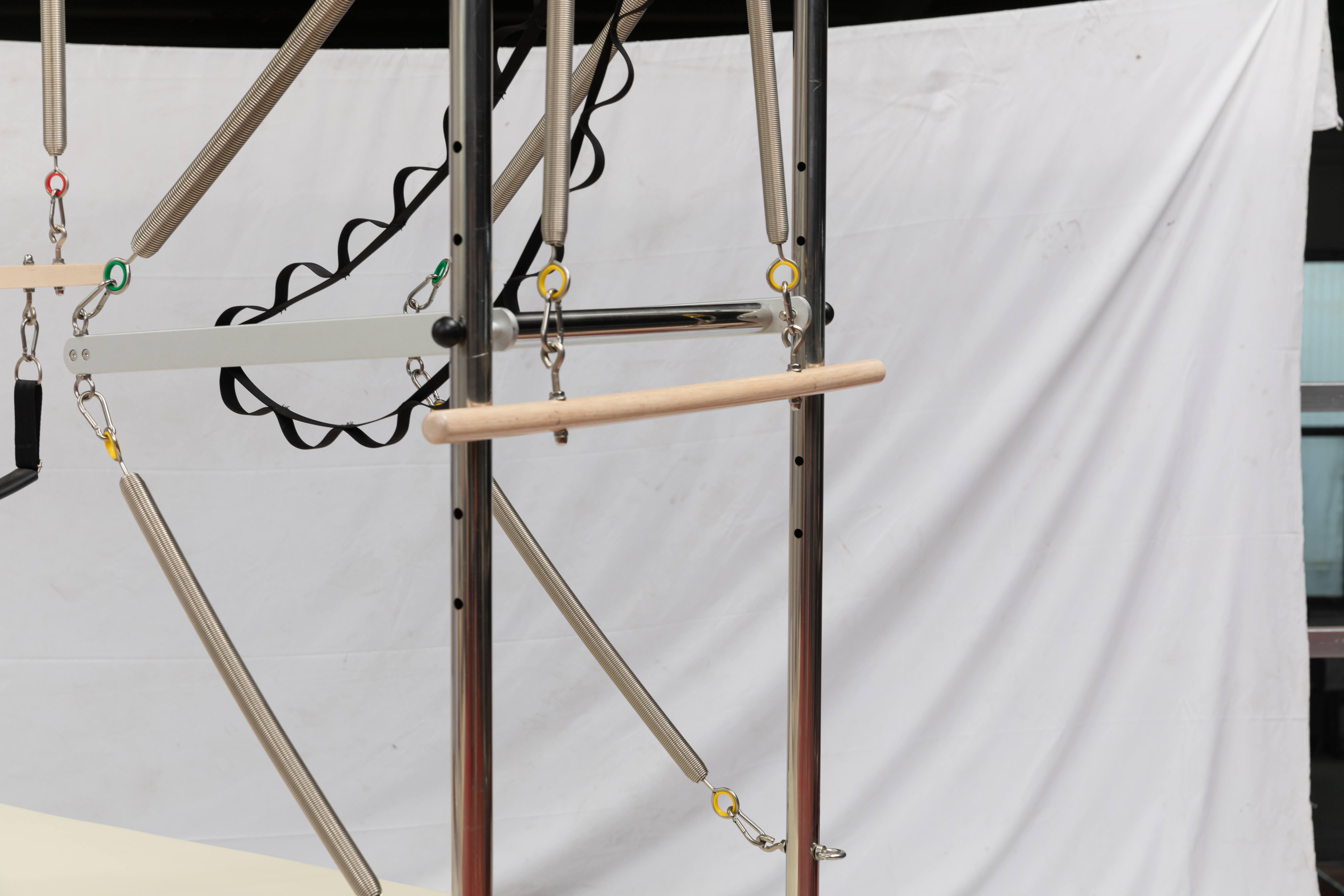
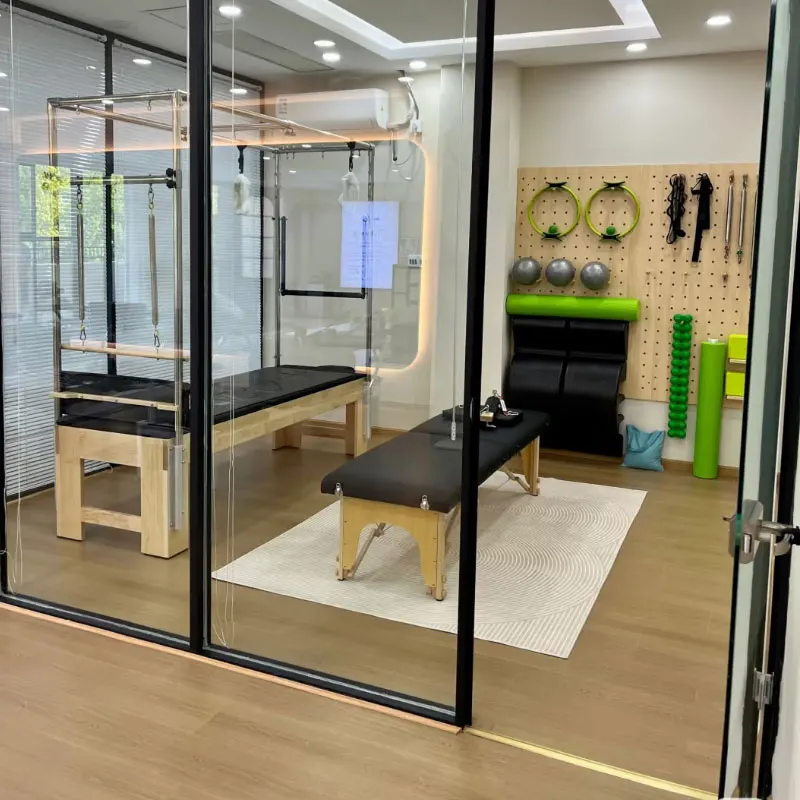
Cadillac is a key upgrade. Often called the most versatile apparatus, the Cadillac excels in private sessions and rehabilitation work. One unit is typically sufficient for most studios.
Stability Chair adds compact versatility. Small footprint, big impact. The Chair is excellent for 1-on-1 sessions and small groups, targeting lower body and core work.
Ladder Barrel and Spine Corrector are specialized additions. These are valuable for classical Pilates programming and posture correction. Consider adding them in Year 2 based on client demand.
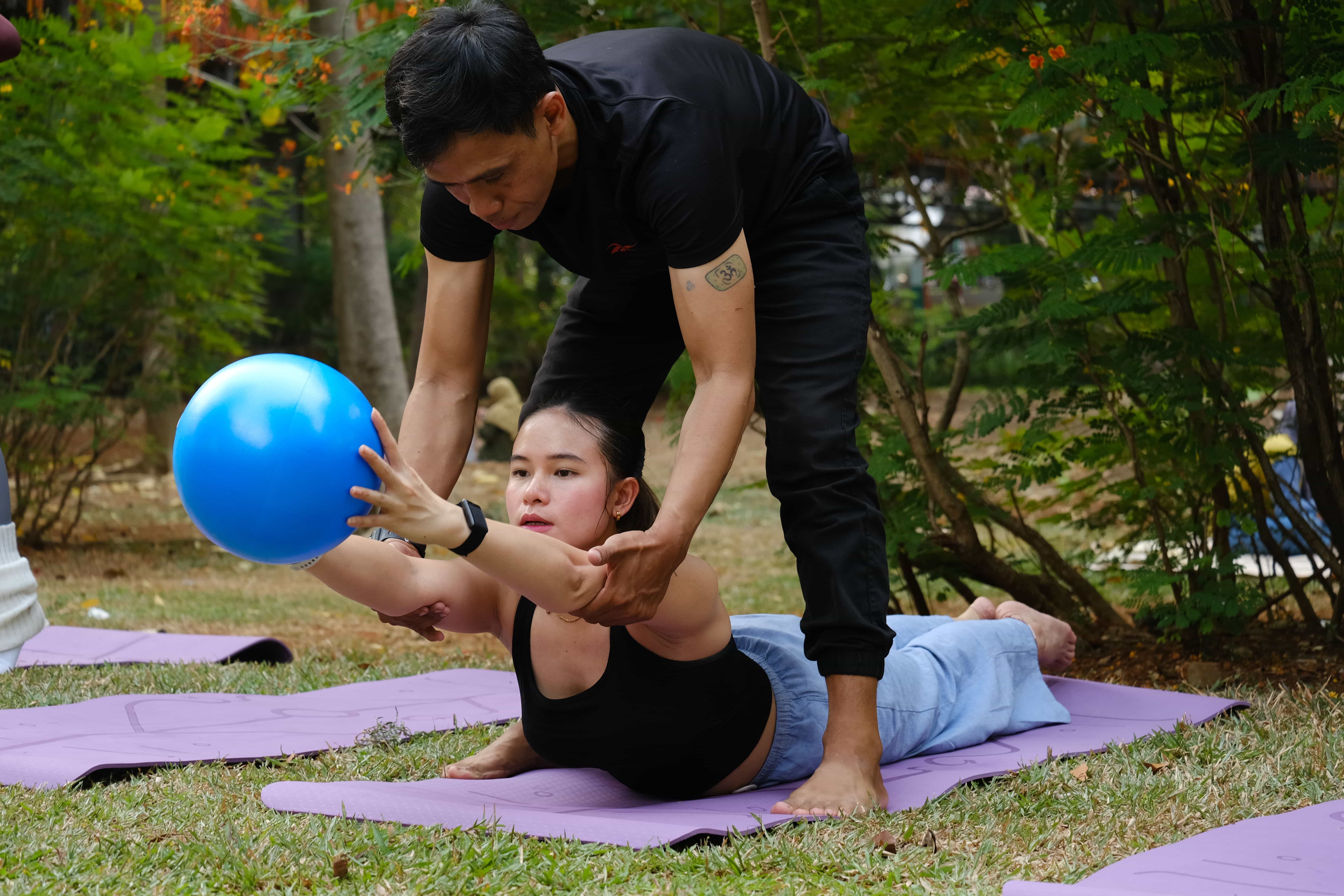
Small props are essential, not optional. Budget for 10-15 yoga mats, Magic Circles, resistance bands, stability balls, and foam rollers. These low-cost items dramatically increase class variety and instructor flexibility.
III. Brand Selection: Quality vs. Budget
The commercial Pilates equipment market offers options across price points, each with trade-offs.
Premium international brands like Balanced Body and Merrithew lead the market. Reformers in this tier typically range from $3,500-$5,500+ per unit. You're paying for proven durability, strong resale value, comprehensive warranties (lifetime on frames), and established brand reputation that clients recognize.
Quality commercial alternatives from reputable manufacturers offer commercial-grade quality at more accessible prices — typically $1,800-$3,500 per Reformer. These are increasingly popular for startups that need to manage initial capital while still delivering professional client experiences.
What to avoid: Home-grade equipment in commercial settings. These machines are not designed for daily heavy use and will show premature wear, leading to repair costs, downtime, and disappointed clients.
IV. New vs. Used Equipment
The used equipment market can be attractive for startups, but approach it with caution.
Pros of buying used: 30-45% cost savings, immediate availability, and depreciation is already absorbed.
Cons of buying used: Unknown maintenance history, potential wear on springs and upholstery, limited or no warranty, and risk of inheriting someone else's problems.
If you buy used, follow these rules: Buy only from reputable brands (Balanced Body, Merrithew). Request maintenance records. Physically inspect before purchase — test carriage glide, check spring tension, examine upholstery, and listen for noise. Factor in potential refurbishment costs. Be especially wary of "too good to be true" prices from non-commercial sellers.
Recommendation: If budget allows, buy your core Reformers new. Consider used for secondary pieces like Chairs or Cadillacs.
V. Essential Considerations Before Signing
Warranty matters more than you think. Read the fine print. Commercial warranties differ from home warranties. Look for: frame warranty (lifetime is ideal), moving parts warranty (2+ years), and upholstery coverage (often excluded). Understand what voids the warranty — some brands require using only their replacement parts.
Service and parts availability is often overlooked. Ask: Are parts readily available? Can you order replacement springs, straps, and pulleys easily? Is there local service support or will you need to ship equipment for repairs? Equipment downtime costs you money — easy access to parts is valuable.
Delivery, installation, and training add to your cost. Factor in shipping costs (Reformers are heavy), professional installation (especially for Cadillacs), and staff training (some brands offer onsite training packages).
Future expansion matters. Consider whether the brand offers financing or lease options. Check if your chosen models will still be available in 2-3 years when you expand. And consider compatibility — if you start with one brand, will mixing brands later affect your studio's visual consistency?
VI. Final Words
Choosing commercial Pilates equipment for your studio startup is not about finding the "best" equipment — it's about finding the right equipment for your business model, budget, and growth plan. Prioritize quality on your core Reformers, phase in specialty equipment as revenue grows, and never compromise on client safety and experience. The right equipment choices will support your teaching, delight your clients, and build a foundation for long-term studio success.
Pro Tip: Before making any purchase, visit other studios, test different brands, and talk to studio owners about their equipment decisions. Real-world experience beats online research every time. And remember — your clients come for your teaching, not your equipment. Invest in quality, but don't let equipment costs overshadow your investment in instructor training and client experience.