Analysis of Global Pilates Market Development Trends
The global Pilates industry has evolved from a niche boutique fitness concept into a mainstream wellness sector. Driven by rising preventive health awareness, the boom of professional studios, home fitness demand and rehabilitation applications, the market maintains steady long‑term growth. Consumer demands, business models and product requirements are undergoing profound changes. This article sorts out the major development trends of the international Pilates market and analyzes new opportunities for equipment manufacturers, distributors and studio operators.
1. Low‑Impact Rehabilitation & Preventive Health Become Core Growth Drivers
Traditional high‑intensity fitness is gradually giving way to gentle, injury‑free training focusing on posture correction, core stability and joint mobility. Pilates perfectly fits this shift toward longevity and physical recovery.
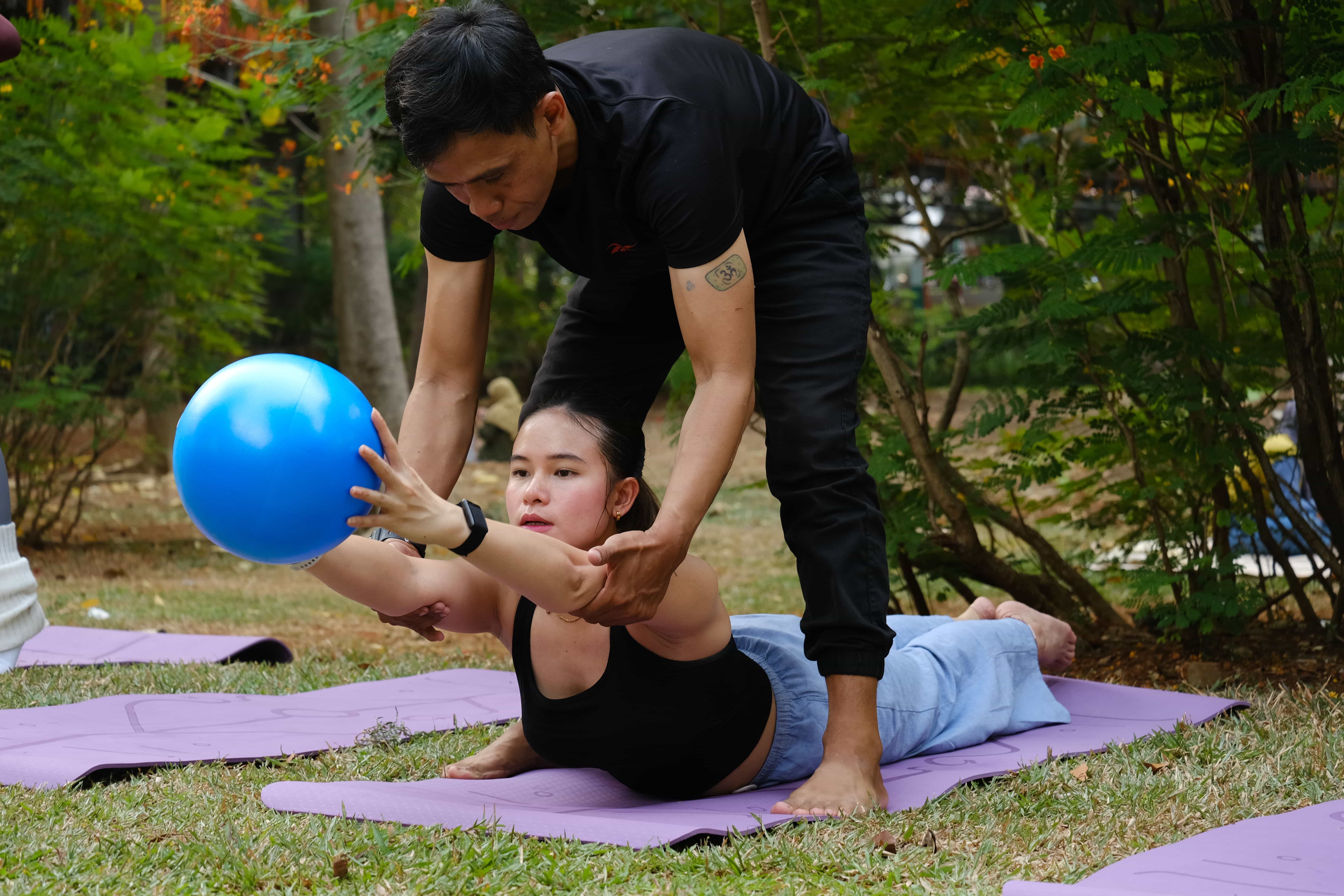
Physiotherapy clinics, rehabilitation centers and postpartum recovery institutions are increasingly introducing Pilates reformers, chairs and barrel equipment to treat chronic back pain, scoliosis and sports injuries. The boundary between fitness and medical rehabilitation continues to blur.
The user group is also expanding. Apart from the main female consumers, more male practitioners, seniors and young people with sedentary‑related sub‑health problems join Pilates training. Diversified customer groups create customized demands for equipment and courses.
2. Boutique Studio Expansion Keeps Commercial Equipment Demand Strong
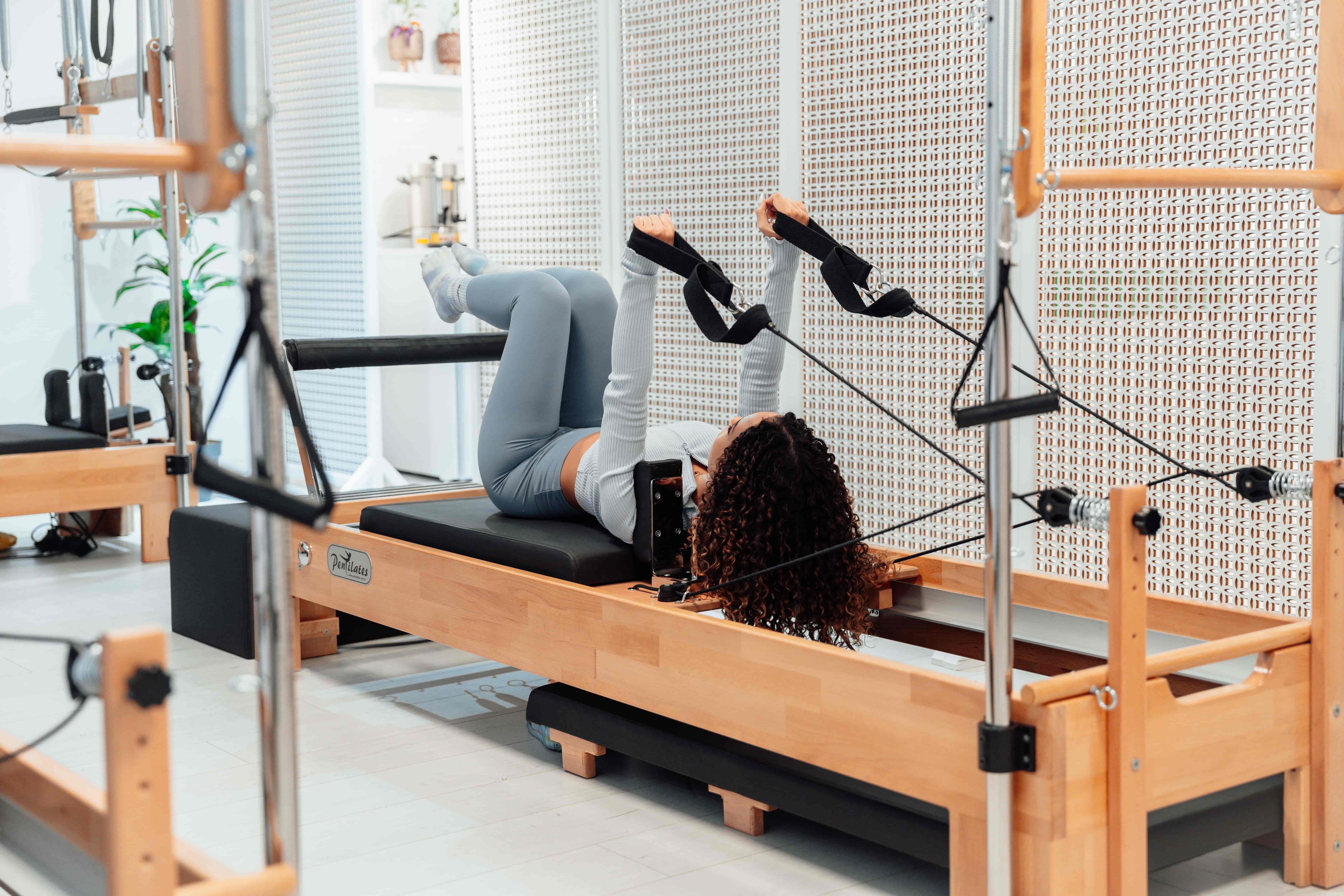
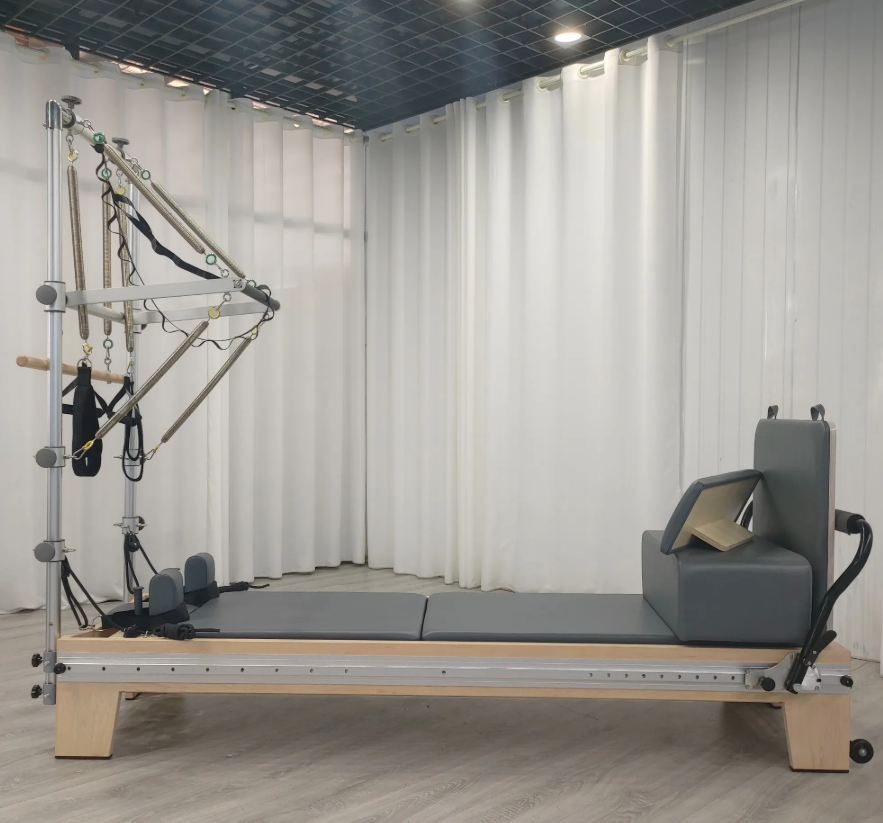
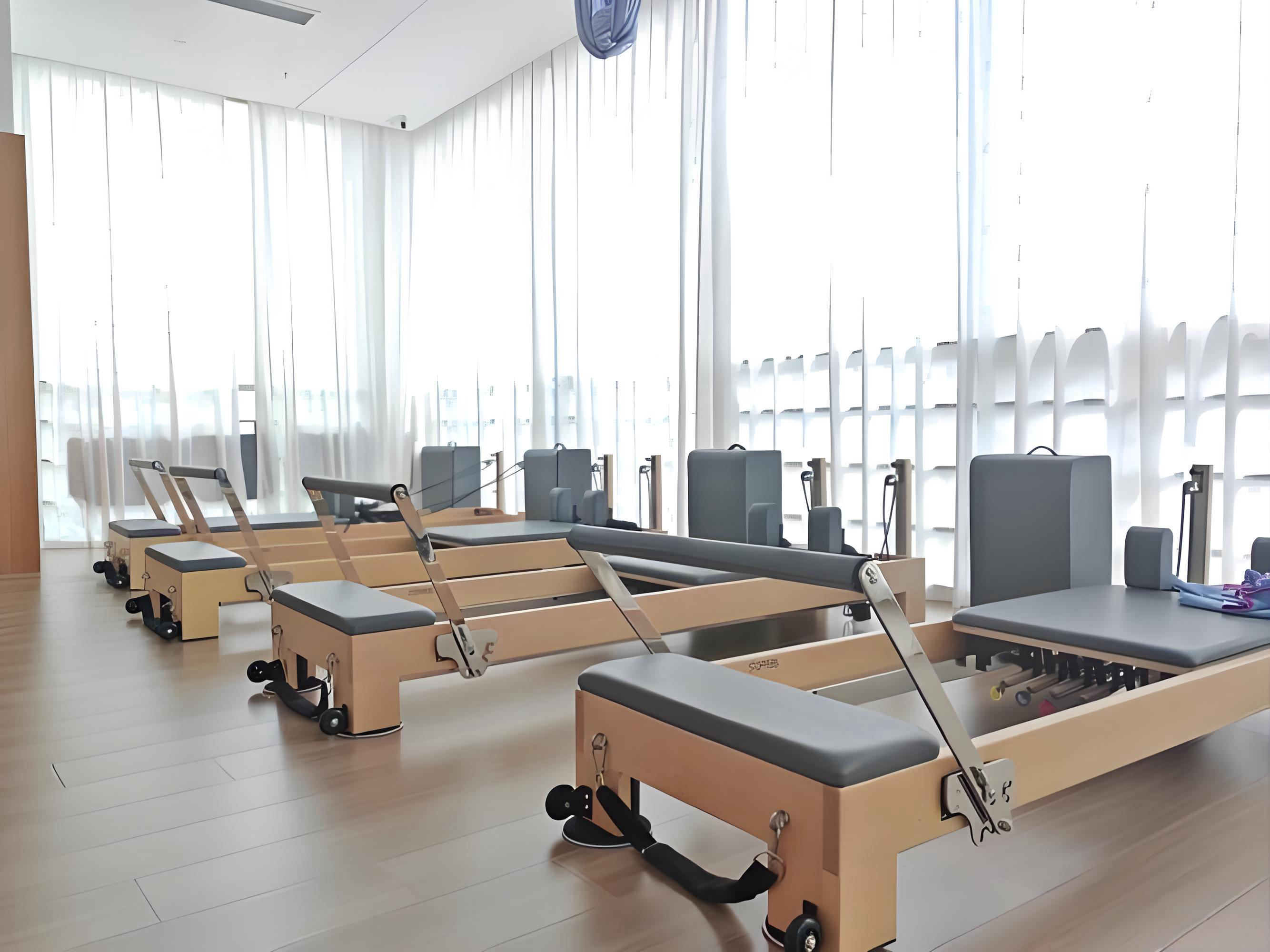
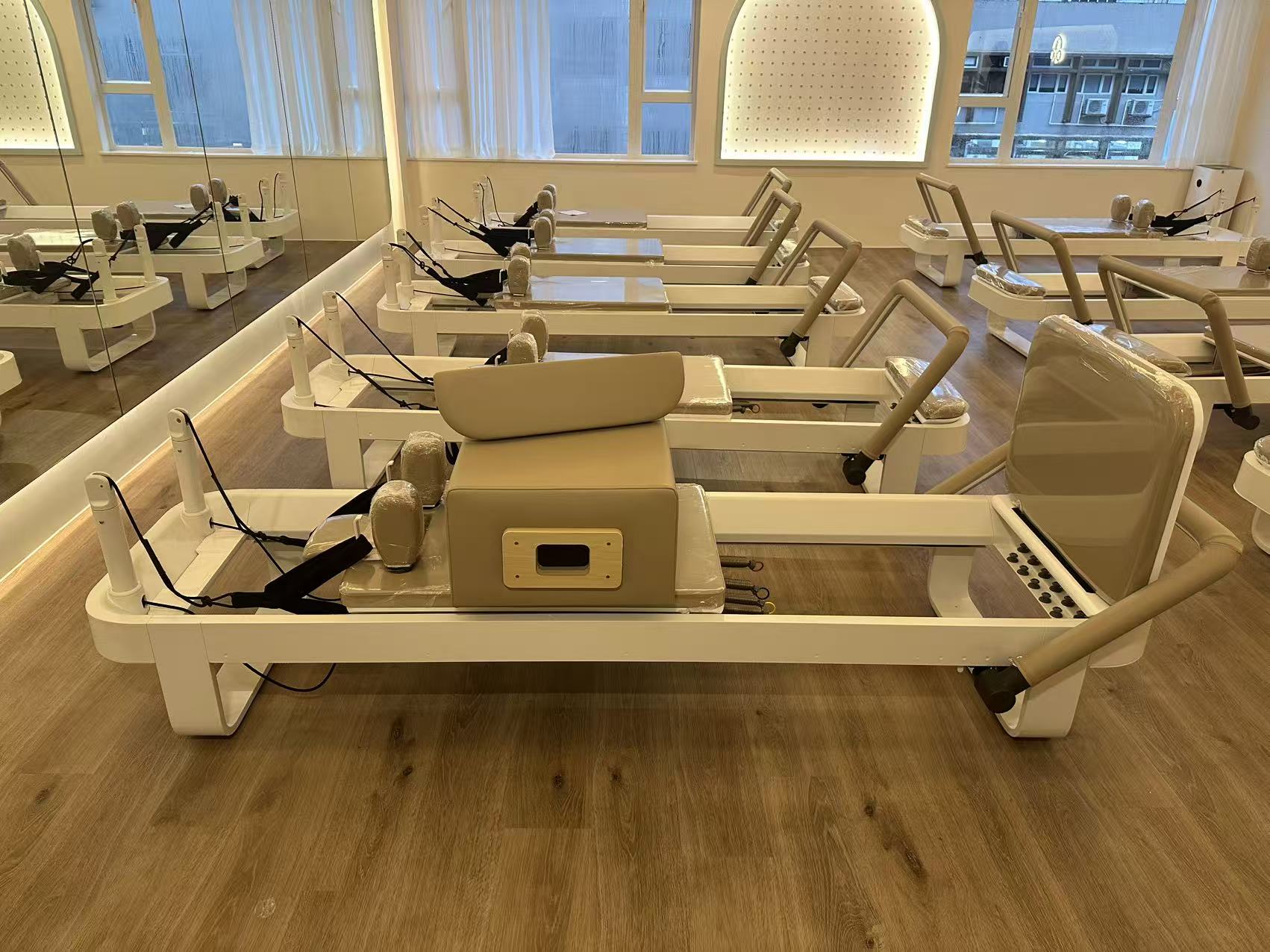
Large multi‑functional gyms are losing popularity, while small‑scale, high‑end boutique Pilates studios are expanding rapidly worldwide. Commercial studios remain the largest purchasing segment of professional Pilates equipment, and a single studio opening or renovation usually places bulk orders of reformers and supporting accessories.
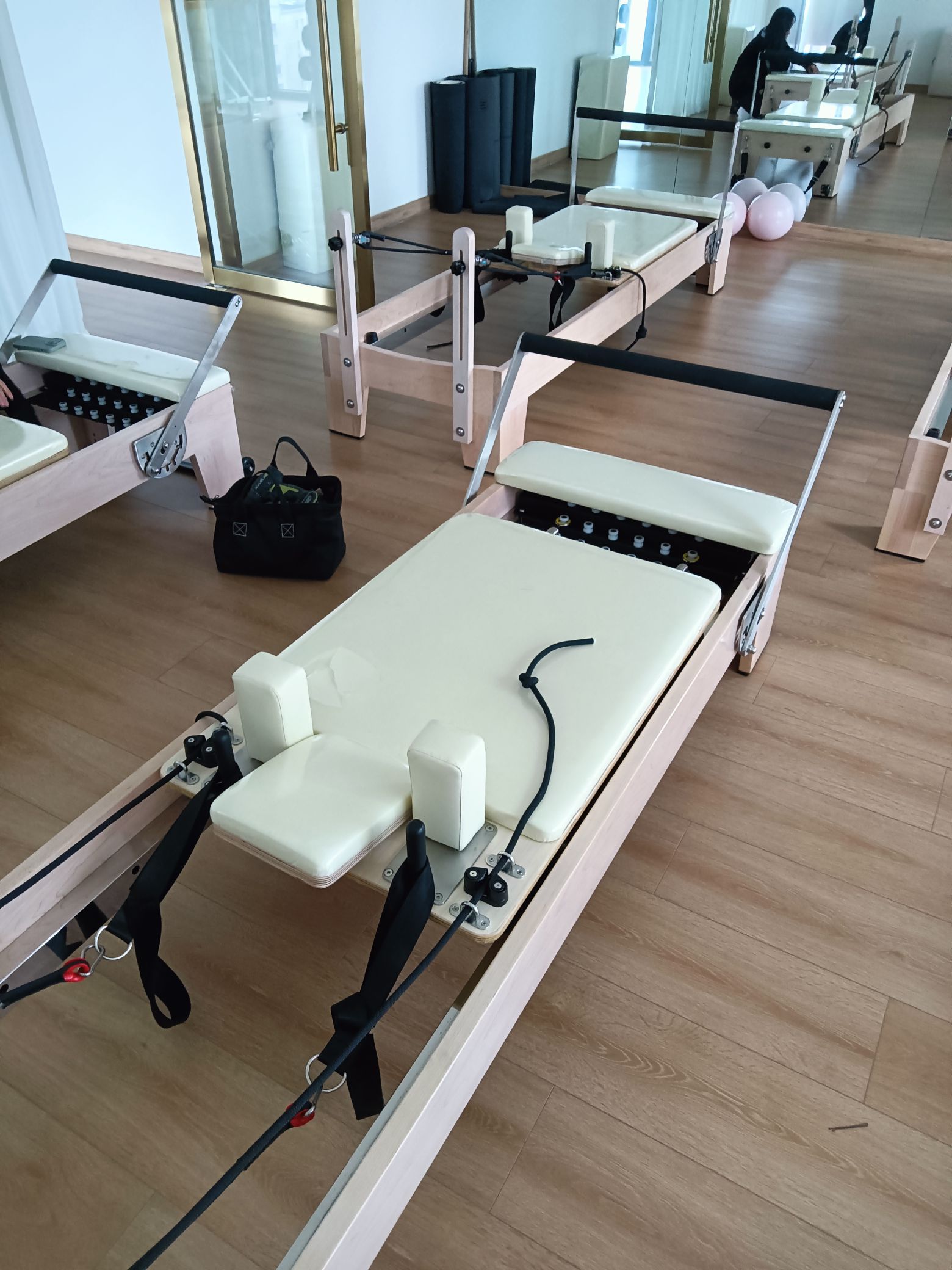
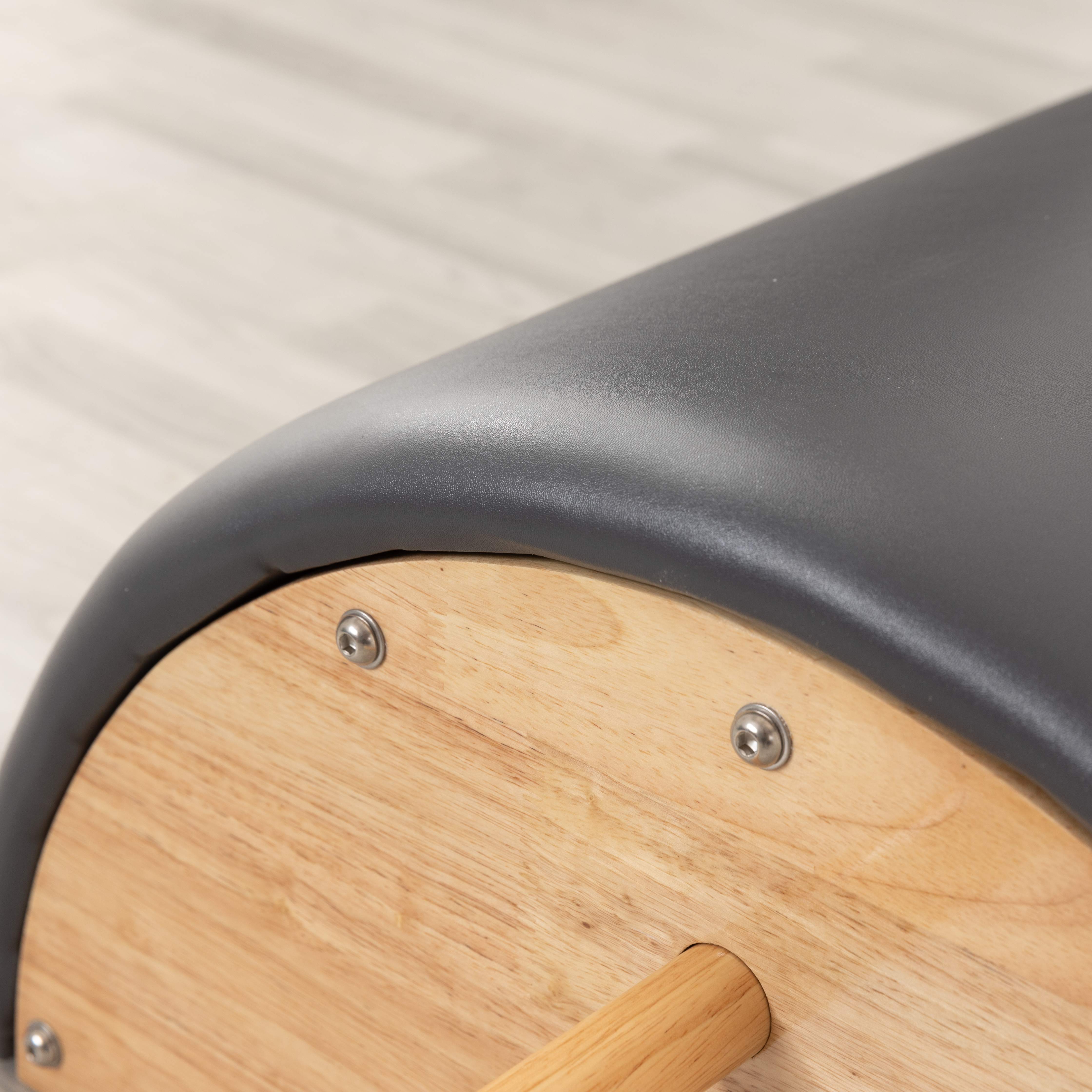
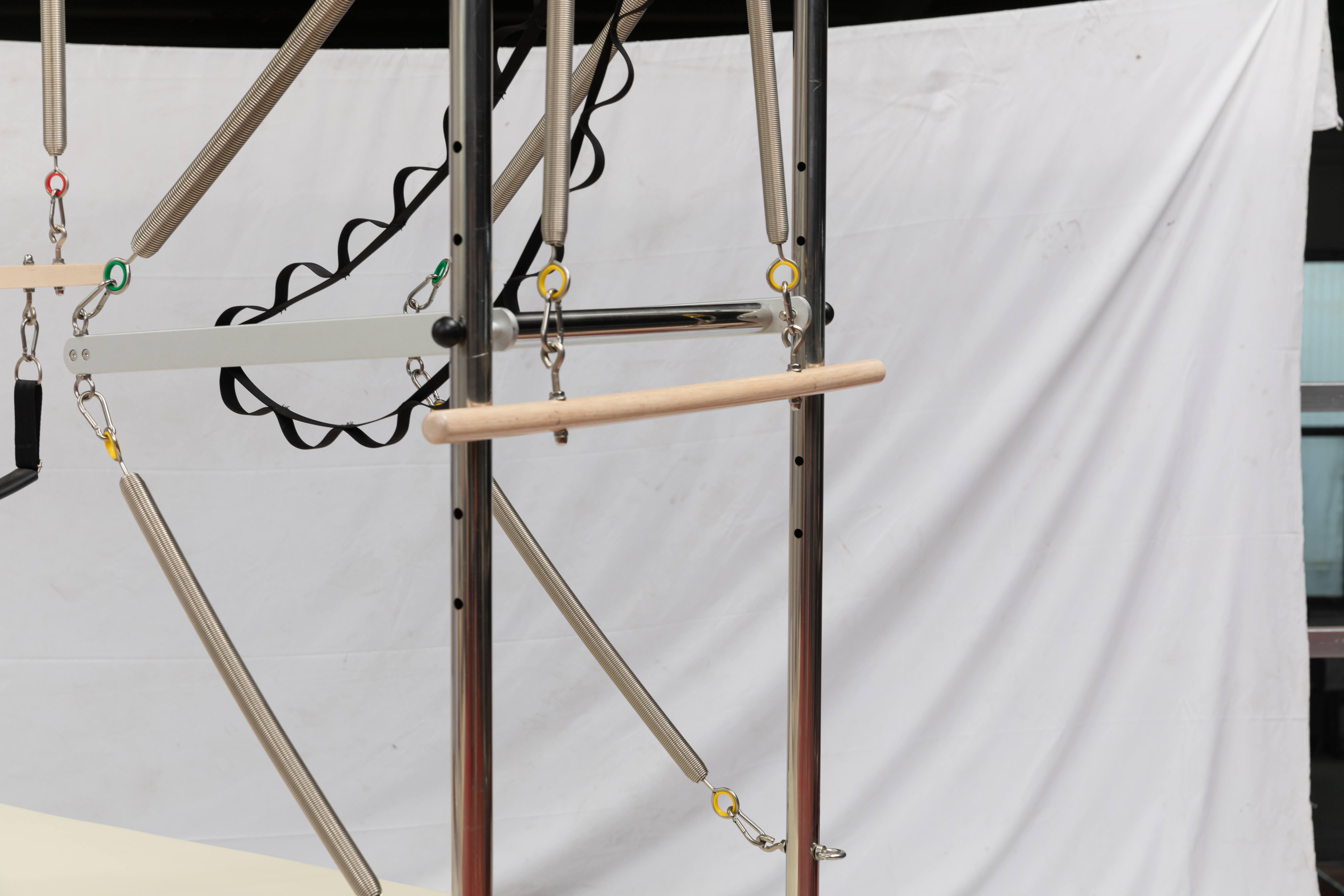
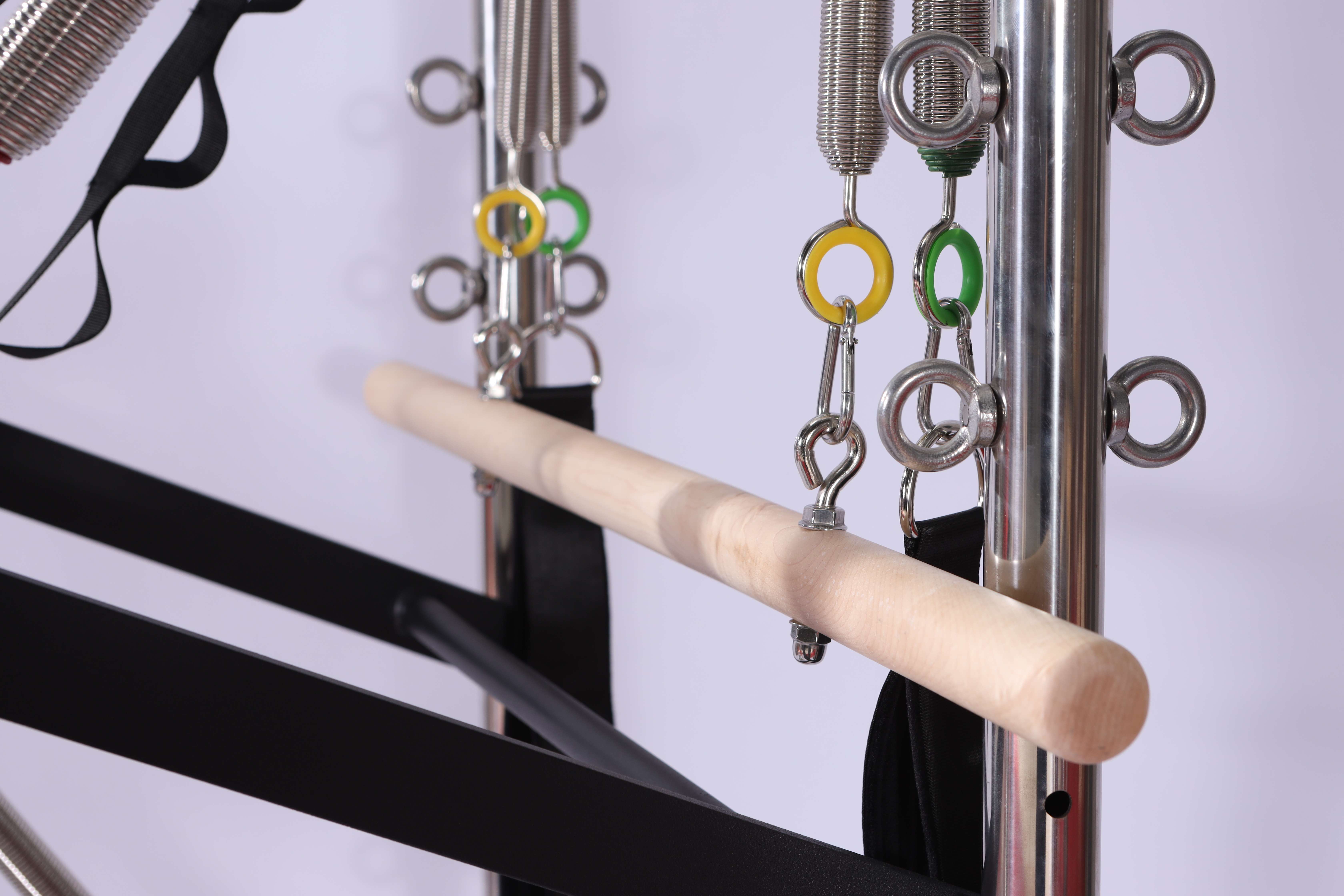
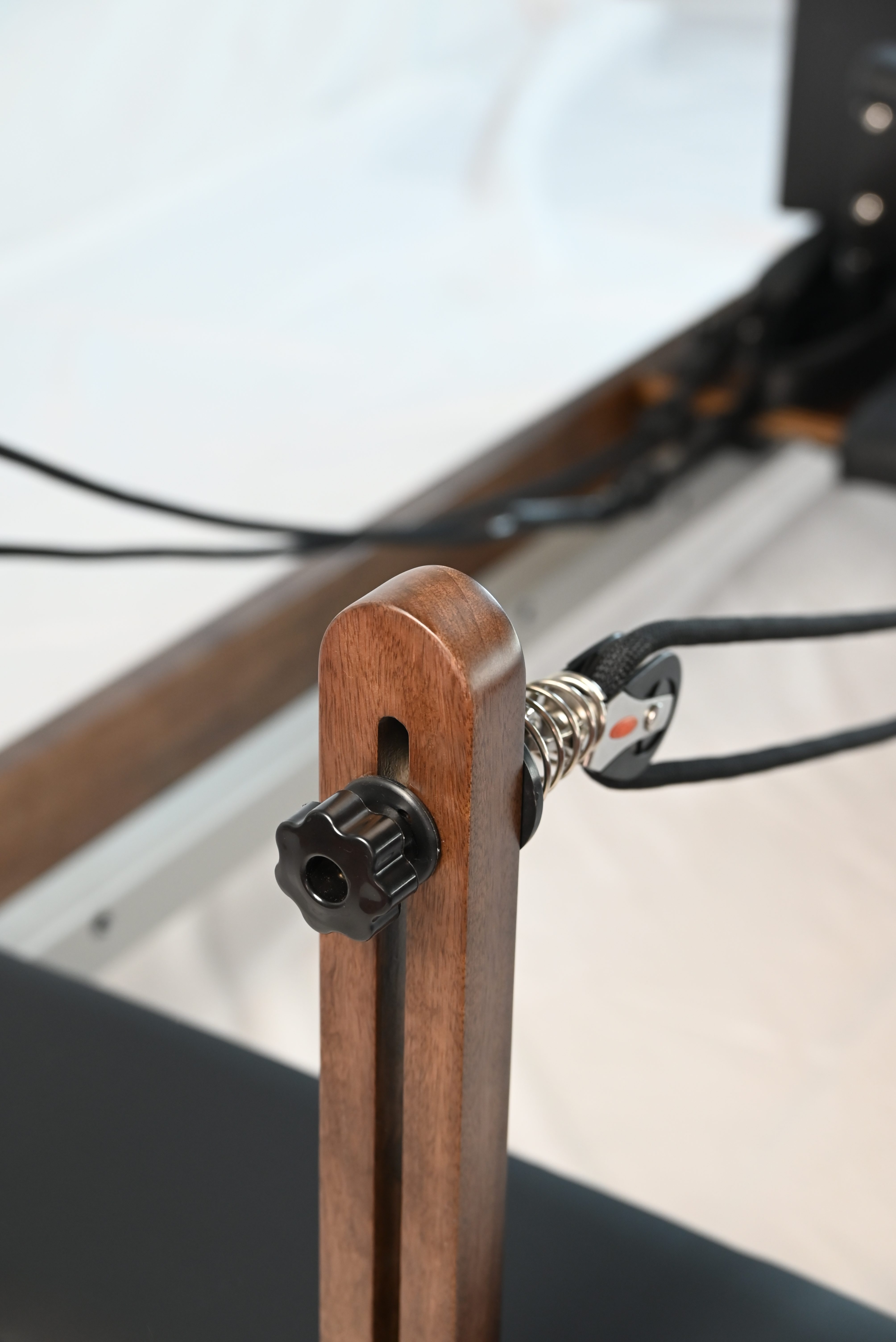
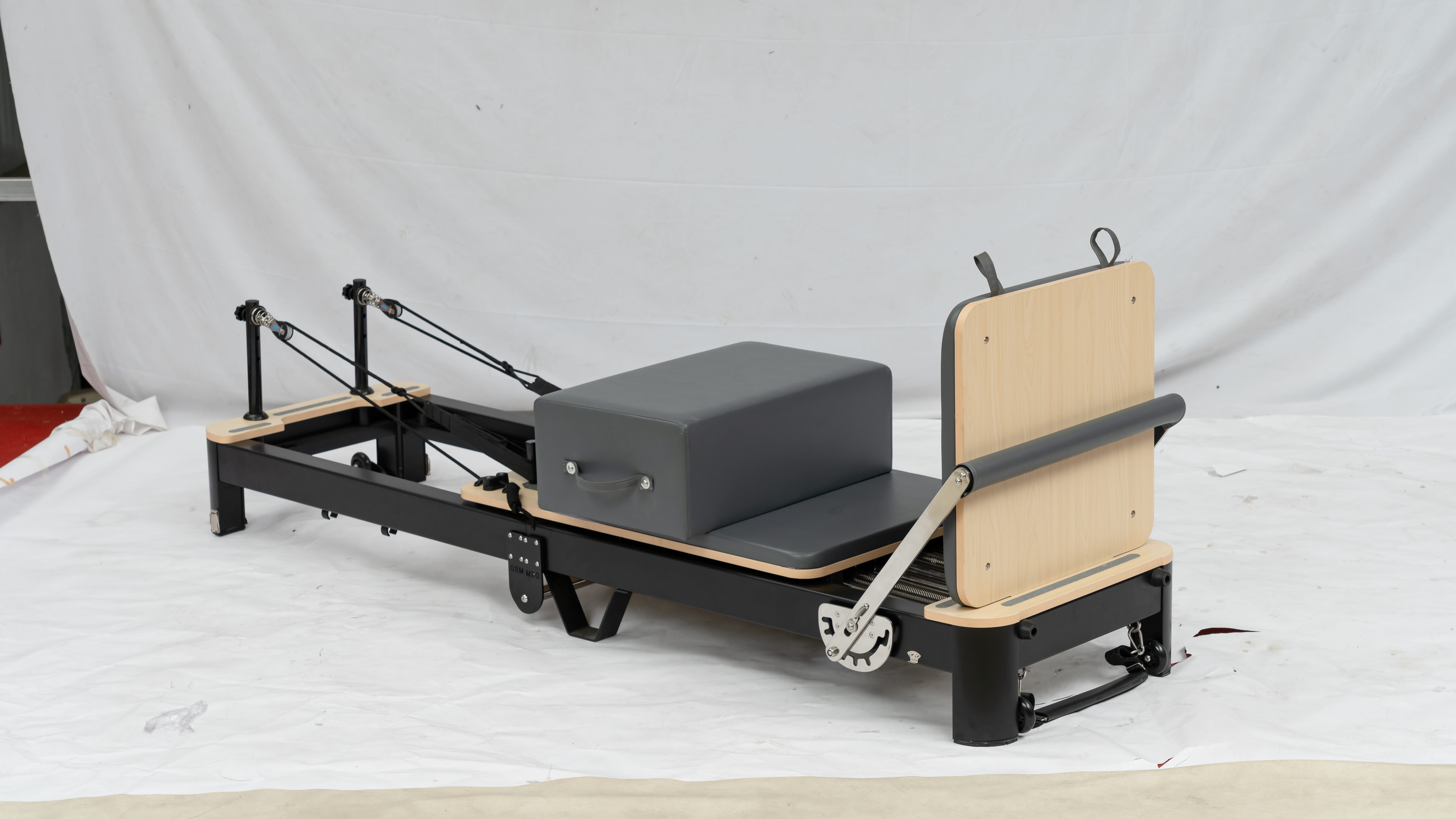
Studio buyers pay more attention to commercial‑grade durability, silent sliding performance, stable spring tension and high‑end appearance. They prefer solid beech wood and premium aluminum reformers that can withstand long‑term high‑frequency daily use.
Franchise chains are another powerful driving force. Standardized brand operation and large‑scale store expansion bring continuous repeat purchase demand, and they usually seek stable OEM manufacturing partners with customizable logos, colors and packaging.
3. Home Pilates Market Grows Rapidly, Compact & Foldable Products Gain Popularity
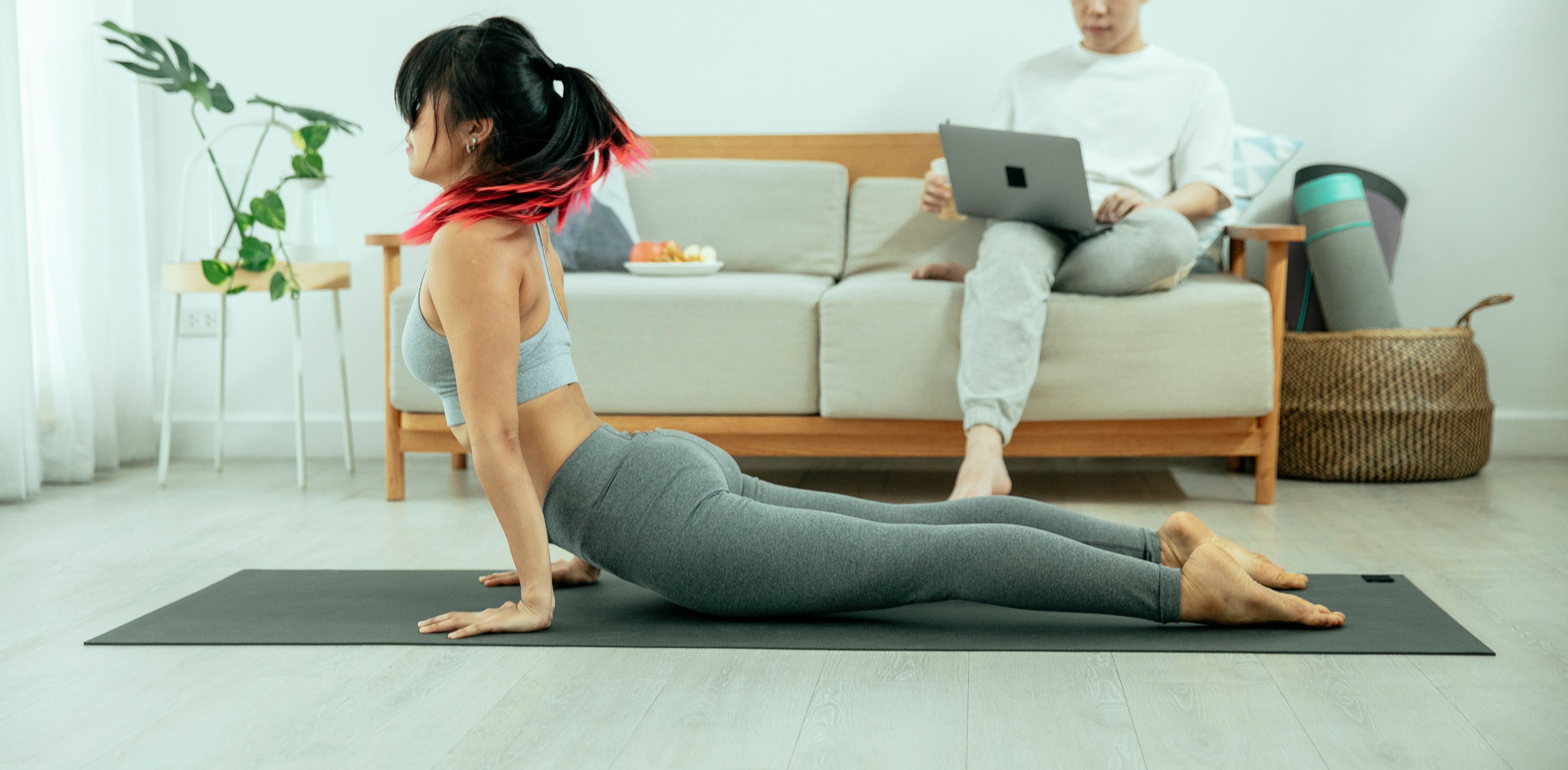
The home fitness habit formed after the pandemic remains sustainable. More families hope to reproduce professional studio training experience at home, pushing residential Pilates equipment into a fast‑rising track.
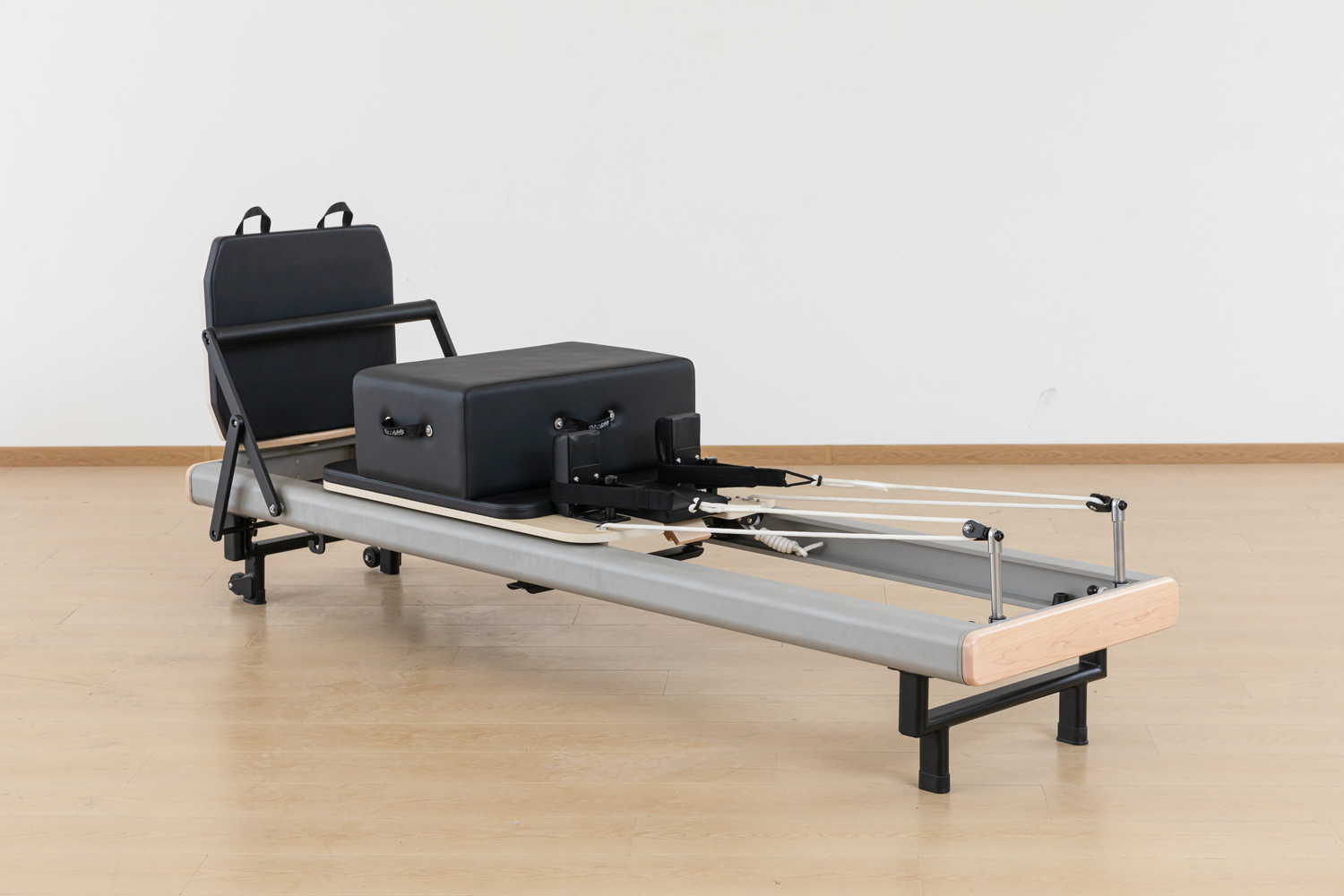
Different from heavy full‑size commercial reformers, home buyers favor lightweight, foldable and space‑saving aluminum reformers. Price segmentation is obvious: entry‑level compact models occupy the mass market, while high‑end home users pursue the same quality and texture as studio equipment.
A notable hybrid trend appears: offline in‑studio training combines online video courses. Many instructors sell home equipment together with virtual coaching memberships, forming a new profit model and opening new sales channels for manufacturers.
4. Digital & Intelligent Upgrade Reshape the Industry
Digitalization is one of the most remarkable trends in the global Pilates sector. Fitness platforms continuously launch on‑demand Pilates courses, and some premium reformers are equipped with sensors to track movement data, correct body alignment and record training progress.
Social media such as Instagram, Facebook and TikTok greatly popularizes Reformer Pilates. Short videos display training effects and studio environments, attracting a large number of new consumers. For manufacturers and traders, social commerce and content marketing become indispensable ways to reach overseas buyers.
5. Regional Market Differentiation: Mature Markets Stabilize, Emerging Markets Surge
North America and Europe are still the largest and most mature Pilates markets. Consumers have rich experience and strict requirements on equipment quality, certification and after‑sales spare‑parts service, and competition is fierce.
The Asia‑Pacific, Middle East and Latin American markets become new growth engines. Urban disposable income rises, boutique fitness concepts spread rapidly, and new studios open constantly. These emerging markets have huge room for growth and represent the key layout direction for exporters in the next few years.
6. OEM Customization & Brand Differentiation Become Competitive Focus
The market is gradually moving away from simple price competition. Distributors and studio owners want exclusive branded products rather than generic standard machines.
OEM and ODM services including customized frame colors, leather tones, laser‑engraved logos, personalized accessory combinations and custom export packaging are increasingly popular. Manufacturers that can provide one‑stop customization solutions gain stronger advantages in cooperation with global fitness brands.
At the same time, customers attach greater importance to environmental‑friendly materials, safe varnish and eco‑leather, and relevant certification documents become important purchasing thresholds.
7. Challenges Facing the Industry
Despite bright prospects, the global Pilates market also faces obvious challenges. The low‑end equipment market is flooded with cheap products of unstable quality, which disrupt customer expectations and intensify price wars. Studio operators also encounter rising rent and instructor labor costs.
For equipment suppliers, the core solution is to differentiate by stable commercial‑grade quality, complete pre‑shipment testing systems, reliable after‑sales spare‑part support and professional OEM service instead of simply cutting prices.
Conclusion
The global Pilates market will maintain continuous growth in the coming years, supported by rehabilitation demand, boutique studio expansion and home fitness consumption upgrading. The future belongs to manufacturers that combine durable commercial‑grade quality, flexible customization, digital marketing thinking and complete after‑sales support.
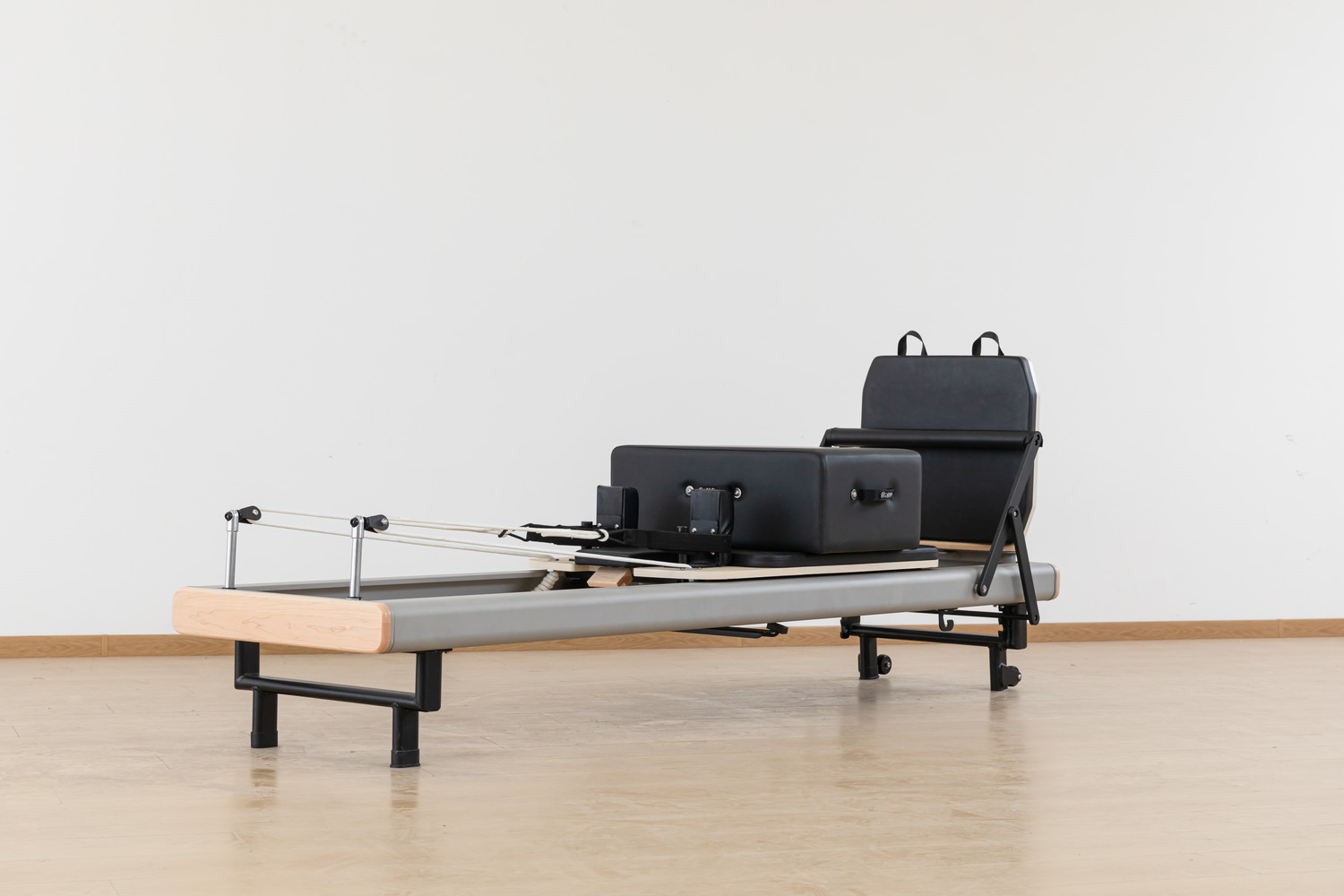
If you are a studio investor, distributor or fitness brand, grasping these trends will help you select the right equipment portfolio and seize overseas market opportunities. Our factory supplies both wooden and aluminum commercial reformers, and accepts wholesale and OEM customized orders for global clients.