Wooden vs Aluminum Pilates Reformer: Cost & Durability Comparison
The frame material of a Pilates Reformer is a core factor determining equipment price, lifespan, and user experience. The two main material categories on the market — solid wood and aluminum alloy — each have distinct advantages and limitations. This article provides a comprehensive comparison across four dimensions: cost, durability, maintenance, and user experience, helping you make an informed choice.
I. Manufacturing Cost and Market Price
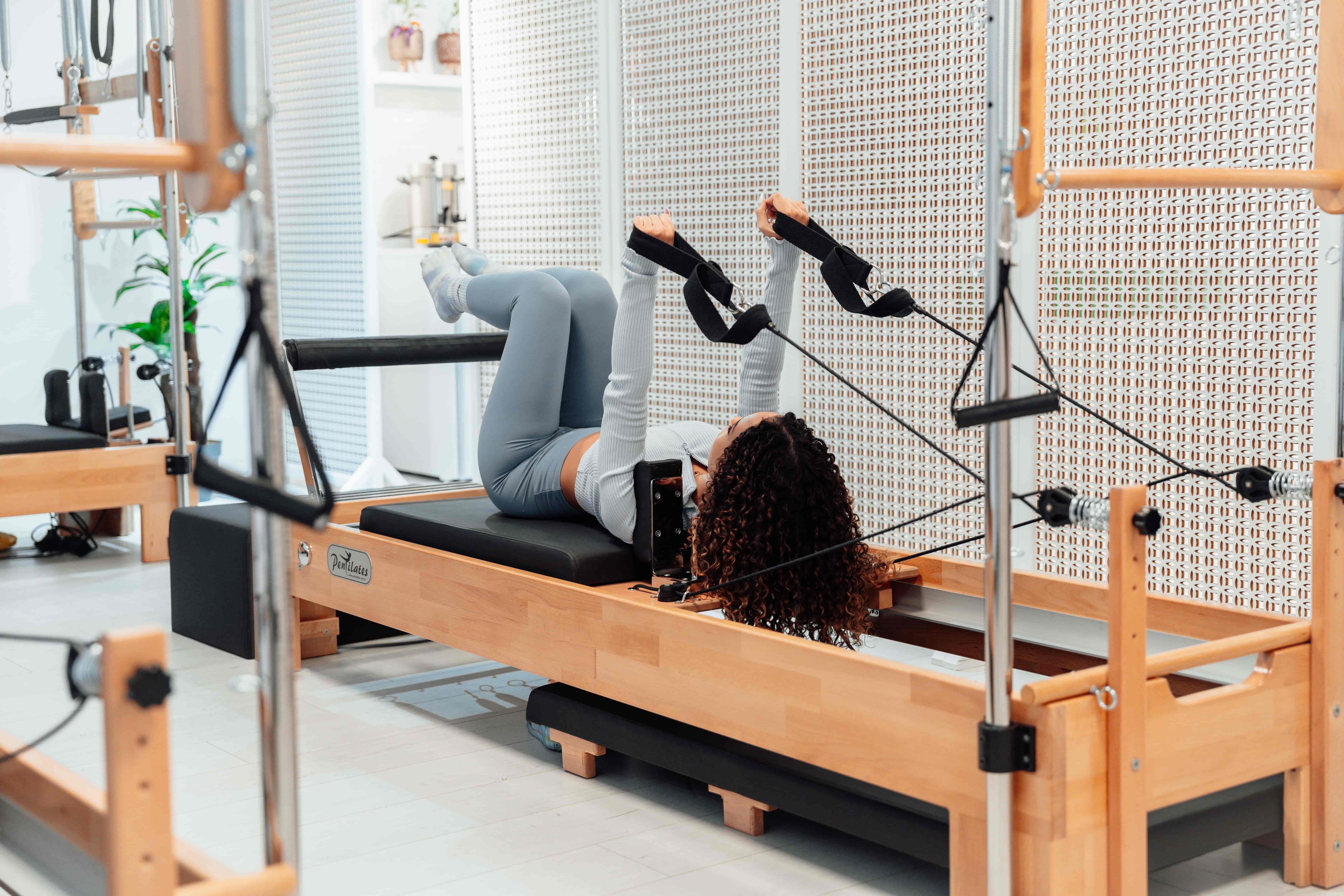
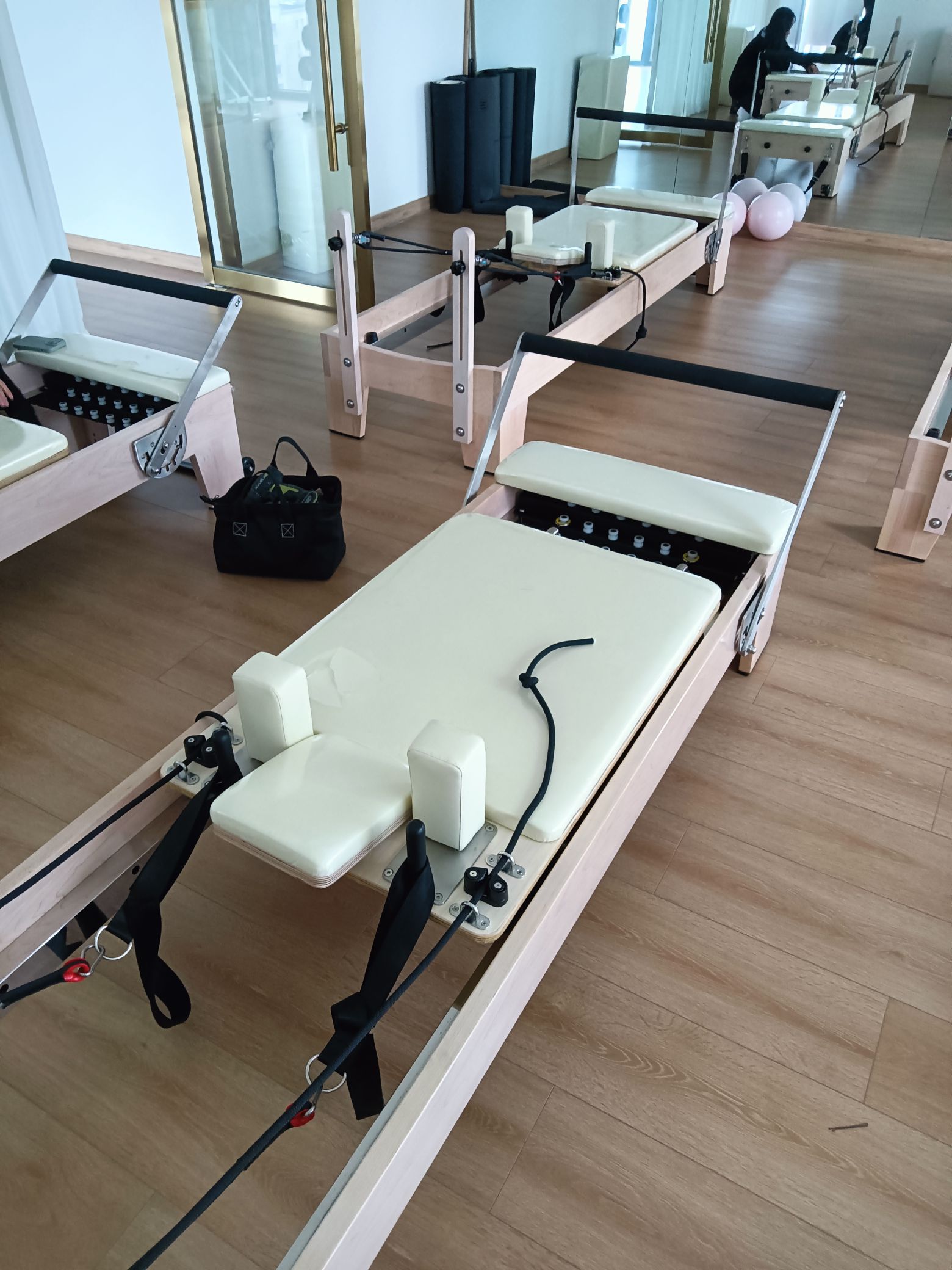
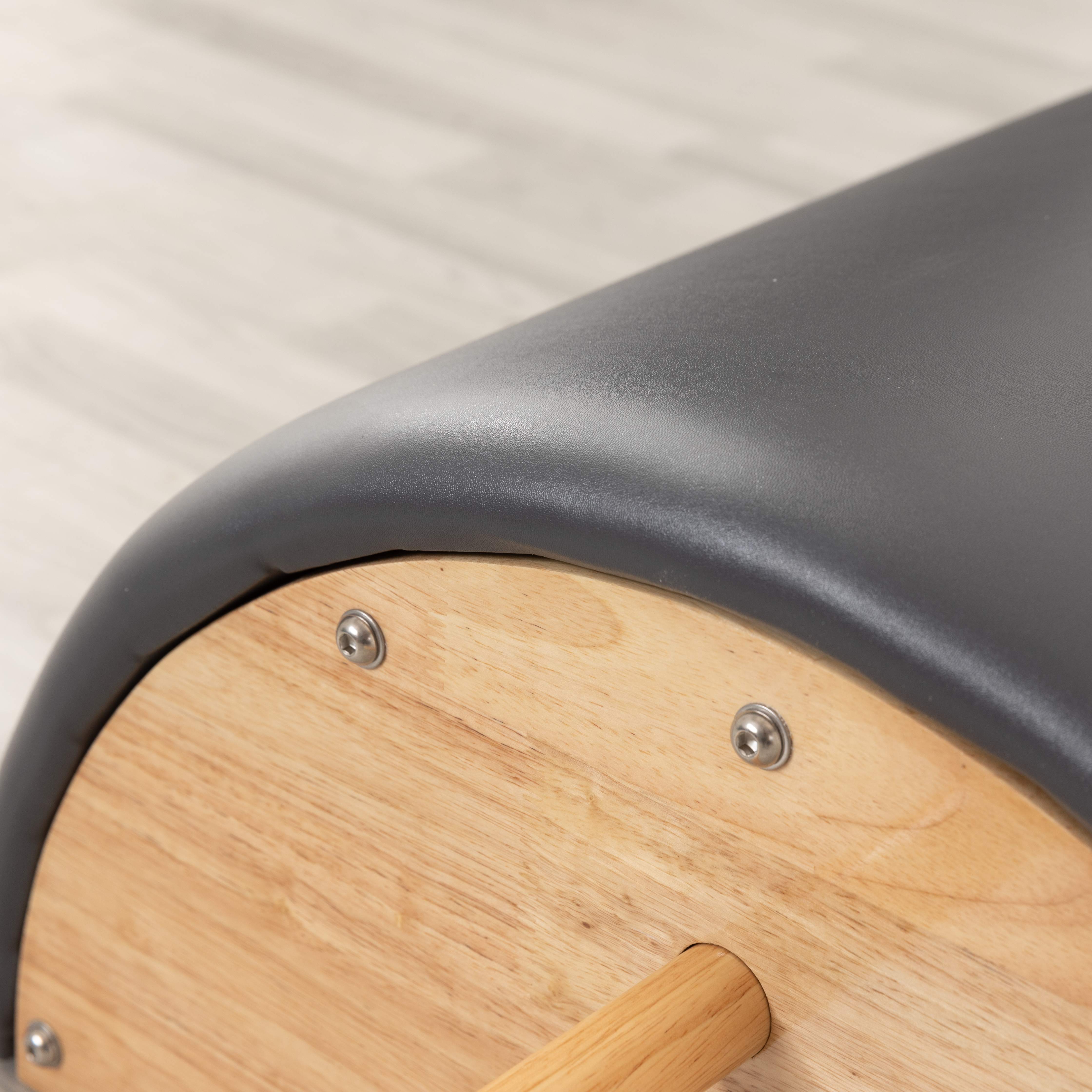
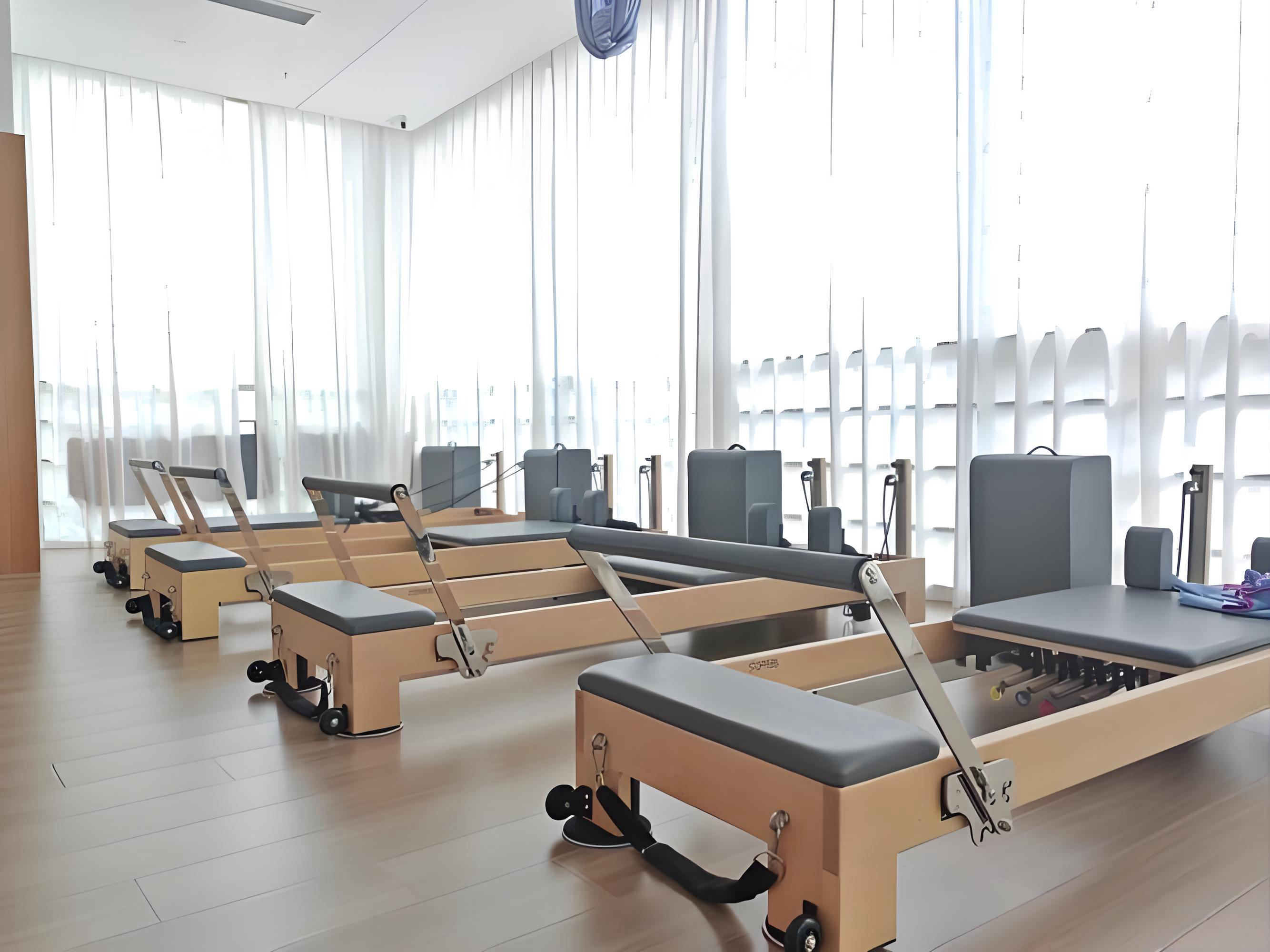
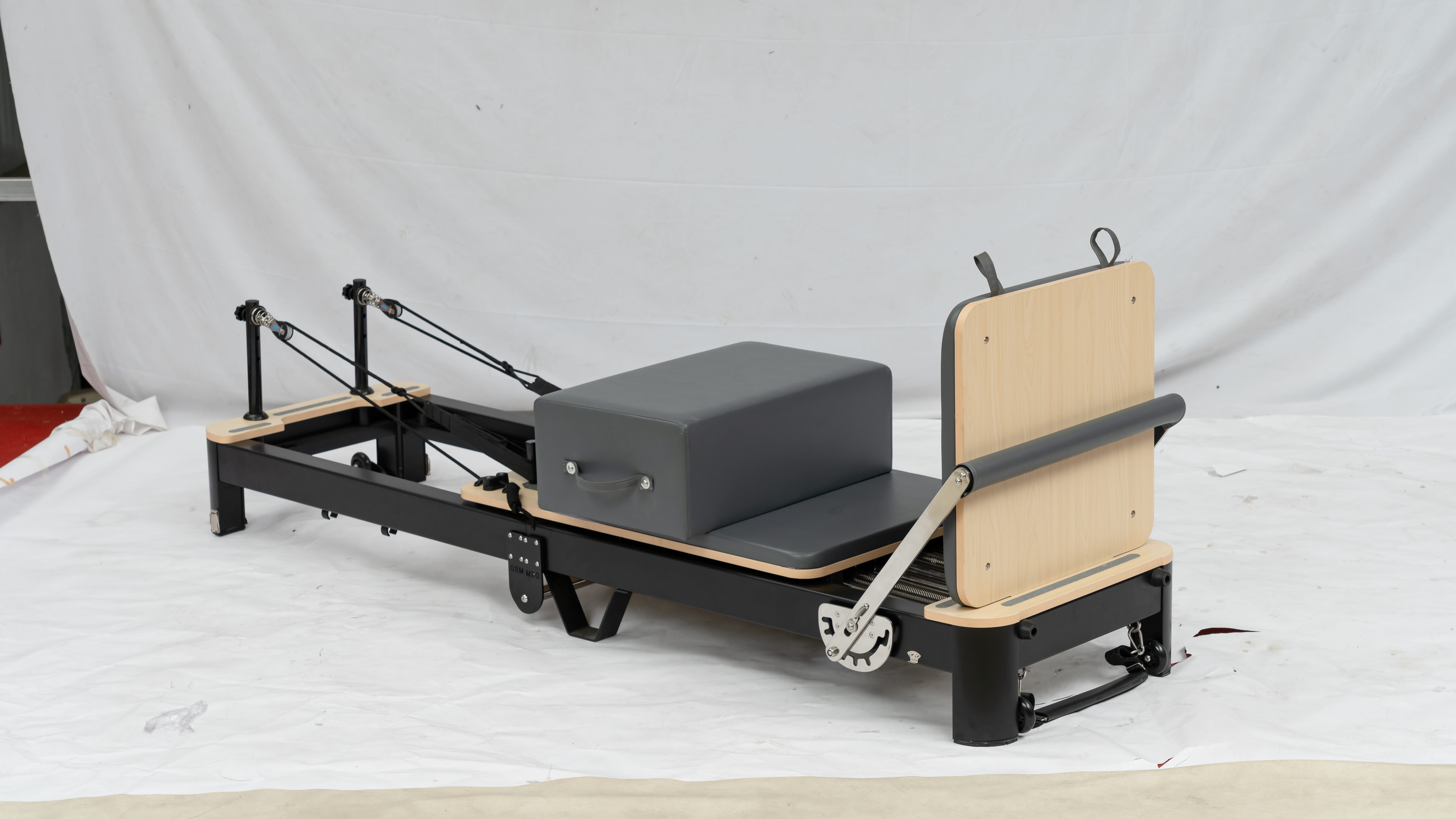
Wooden Reformers have manufacturing costs significantly influenced by wood grade and processing techniques. Premium hardwoods like North American imported maple and oak command higher prices, combined with strict kiln drying (moisture content must be controlled below 8%) and fine joinery or mortise-and-tenon craftsmanship. Premium wooden Reformers typically range from $2,500 to $5,000, with some handcrafted custom models exceeding $8,000.
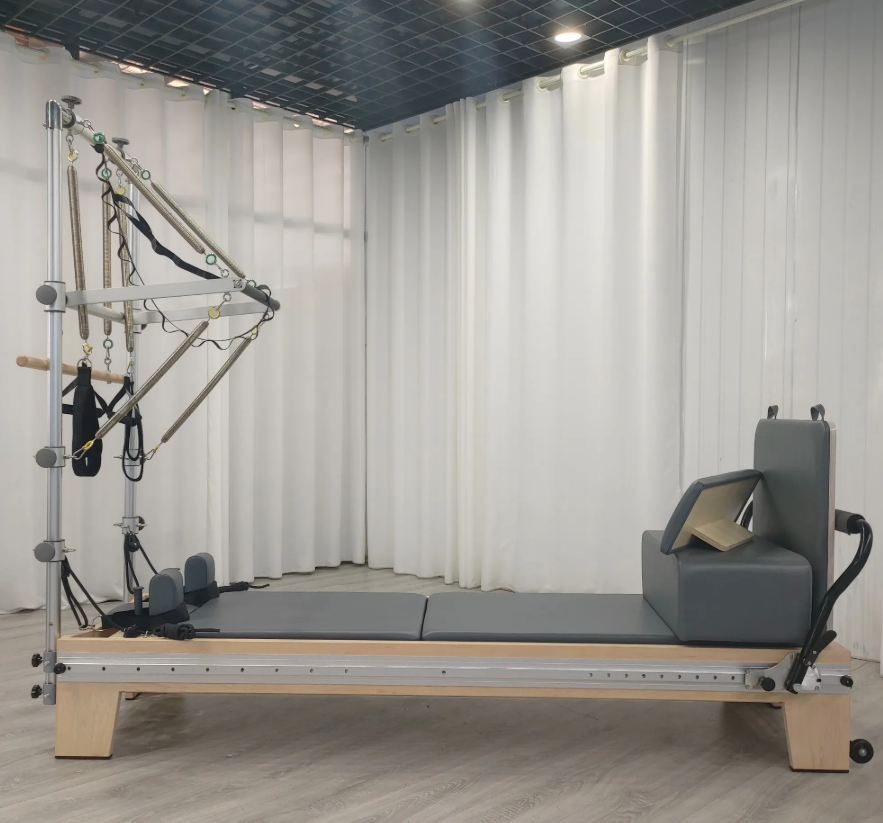
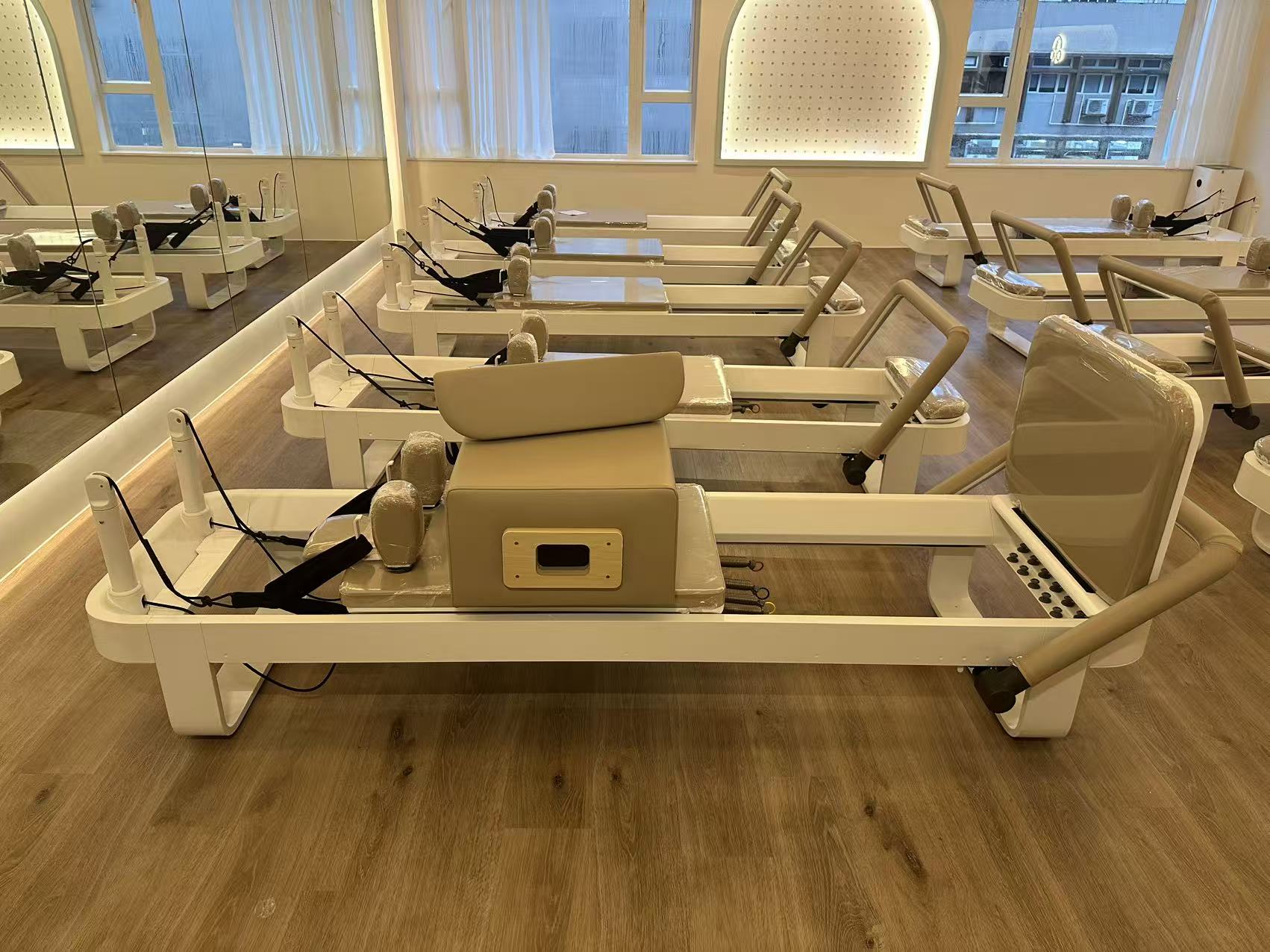
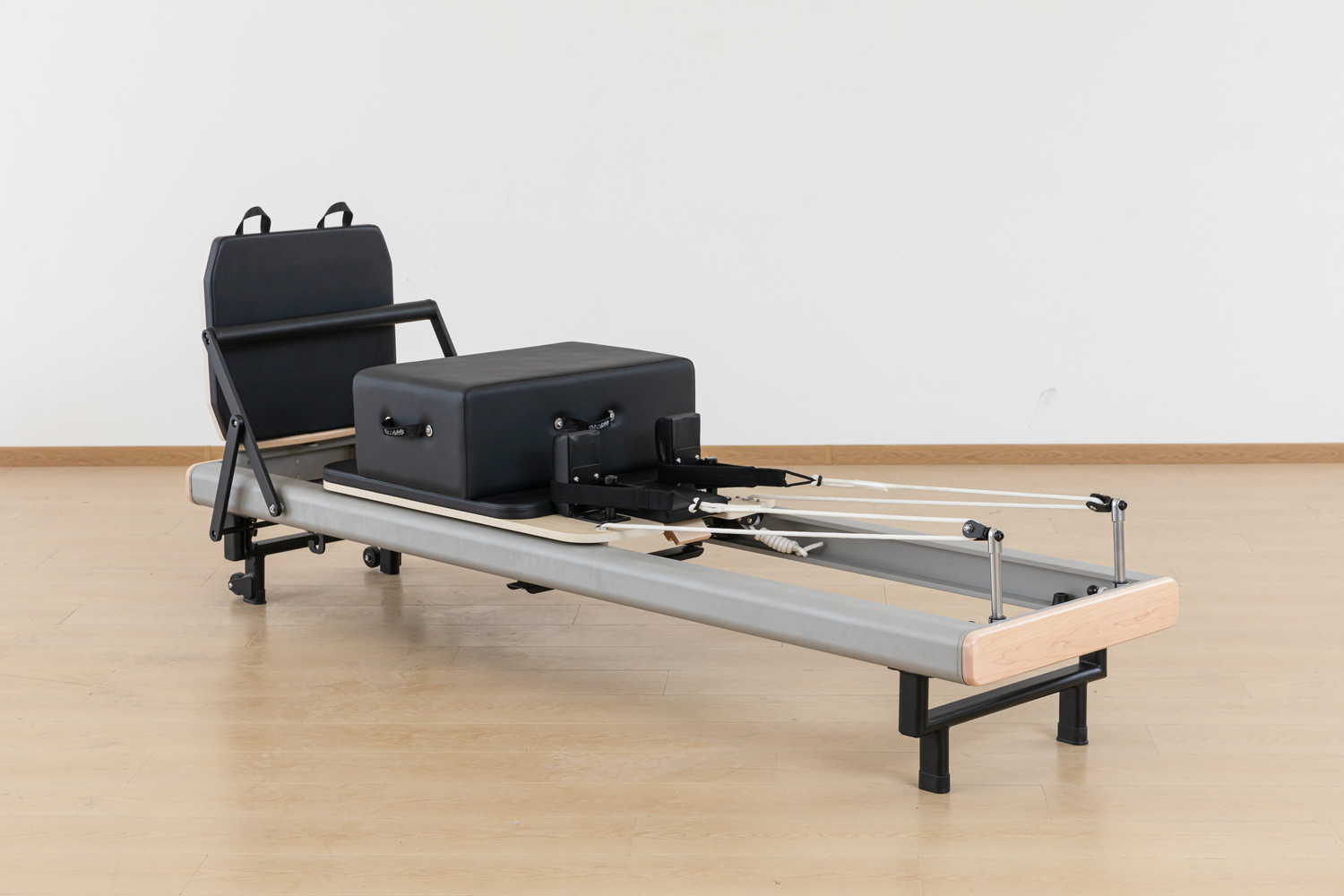
Aluminum Reformers have manufacturing costs concentrated in extrusion, cutting, and surface finishing. 6061-T6 aviation-grade aluminum, after anodizing, offers both light weight and corrosion resistance. With relatively stable aluminum prices and high automation in processing, aluminum Reformers typically cost less than equivalent wood models — entry-level commercial units starting around $2,399, with premium models ranging from $3,500 to $5,000.
Price Summary: For the same brand and configuration, wooden Reformers are typically 20% to 40% more expensive than aluminum equivalents. This is primarily due to raw material scarcity, higher manual craftsmanship content, and additional wood drying and stabilization processes.
II. Durability and Lifespan
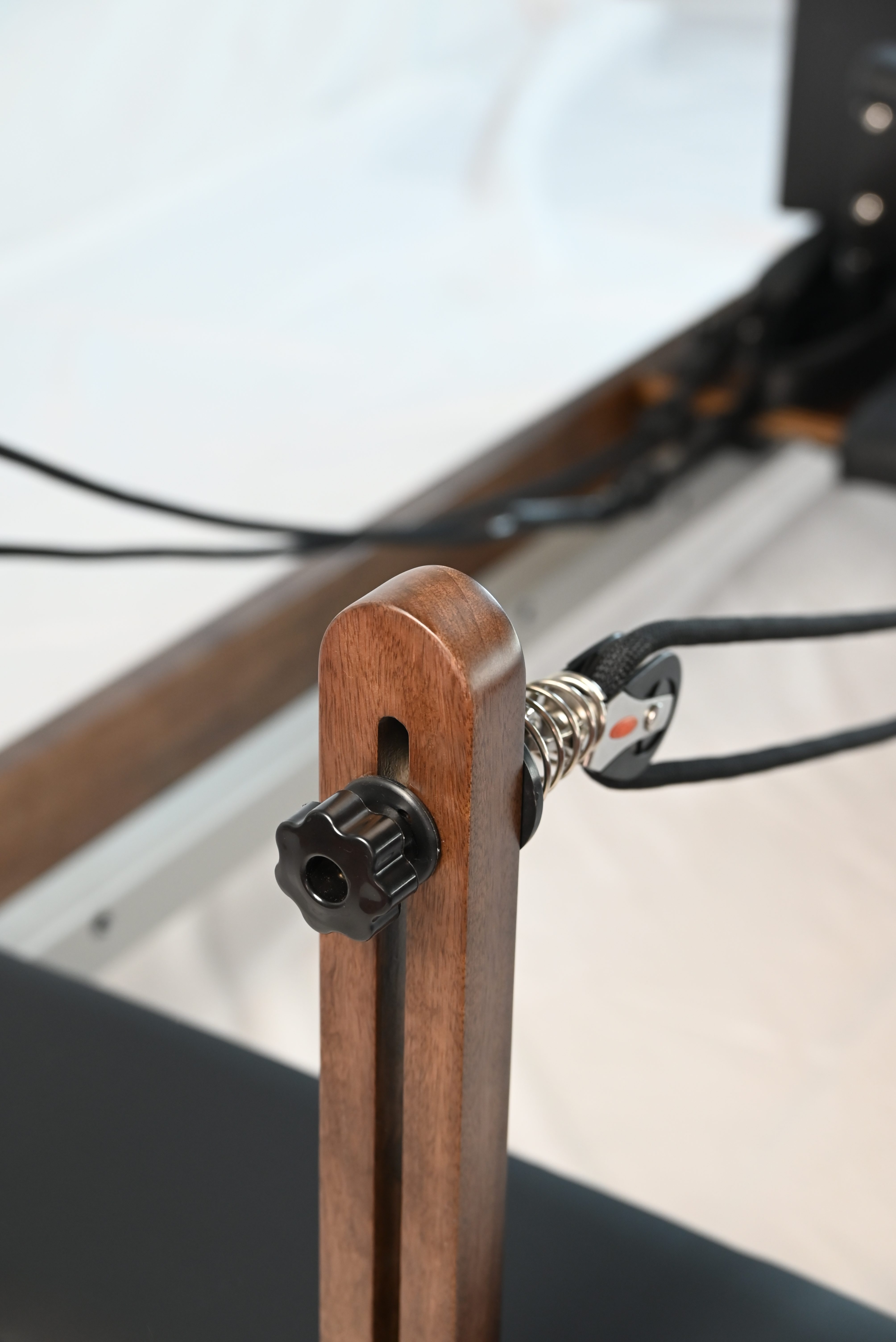
Wooden Reformers, with proper care, can last 10 to 20 years or more. Premium hardwoods (maple, oak) offer excellent compressive strength and shock absorption, dampening micro-vibrations from the carriage and delivering a solid, grounded feel. However, wood frames are sensitive to temperature and humidity changes — high humidity causes swelling and joint loosening; low humidity risks cracking. Thus, wood Reformers require stable indoor environments — a factor to carefully consider in purchasing decisions.
Aluminum Reformers offer different durability advantages. Aviation-grade aluminum is unaffected by humidity and temperature changes — no expansion, contraction, or cracking. Anodized surfaces provide high hardness and corrosion resistance against sweat and cleaners. In high-frequency commercial use, aluminum frames maintain dimensional stability better than wood, preserving rail parallelism and carriage smoothness over years. Many aluminum Reformer brands offer lifetime frame warranties, reflecting their confidence in durability. Aluminum Reformers also achieve 10-15+ year lifespans, with more consistent performance across varying climates.
Durability Conclusion: Wood Reformers excel in stable, climate-controlled environments with superior vibration damping; aluminum Reformers lead in environmental adaptability and dimensional stability — especially suitable for commercial studios or multi-climate shipping and storage.
III. Maintenance and Care
Wooden Reformers require more attention. Frames need regular conditioning with wood care oils or water-based varnish products to maintain luster and protection. Surface scratches can be sanded and refinished, but deeper damage requires professional treatment. In humid regions, wood Reformers need dehumidifiers to prevent moisture absorption and warping.
Aluminum Reformers are simpler to maintain. Anodized surfaces resist scratches and clean easily — daily wiping with a slightly damp cloth keeps them looking new. No concerns about cracking, warping, or regular oiling. However, aluminum frames may dent upon strong impact, and repairs are more difficult.
Maintenance Conclusion: Aluminum Reformers require lower maintenance cost and time; wood Reformers demand more daily attention — but their vintage texture and warm feel are exactly why many are willing to invest that extra care.
IV. User Experience and Feel
Wooden Reformers are often described as "warm" and "solid." Wood's natural shock absorption dampens high-frequency vibrations during carriage movement, making the glide smoother and quieter. Many practitioners feel the "warmth" of a wood frame is irreplaceable — not just visually, but tactilely and audibly. The low, resonant sound of a wood Reformer gliding has been described as "dignified" rather than "sharp." In premium boutiques and home settings, wood Reformers are prized for natural aesthetics and warm texture.
Aluminum Reformers offer a "precise" and "modern" experience. The high rigidity of aluminum means less energy loss during carriage movement — each push translates more directly into carriage motion. This "directness" is a significant advantage for instructors and advanced practitioners seeking precision control. Aluminum's contemporary industrial aesthetic appeals to many new studios, especially those with minimalist, tech-forward design themes.
Feel Conclusion: Wood Reformers deliver a warmer, more dampened glide — ideal for users seeking classic texture and ambiance; aluminum Reformers offer more direct, precise feedback — ideal for those prioritizing technical accuracy and modern aesthetics.
V. Scenario-Based Recommendations
Based on the above comparison, here are material recommendations for different use cases:
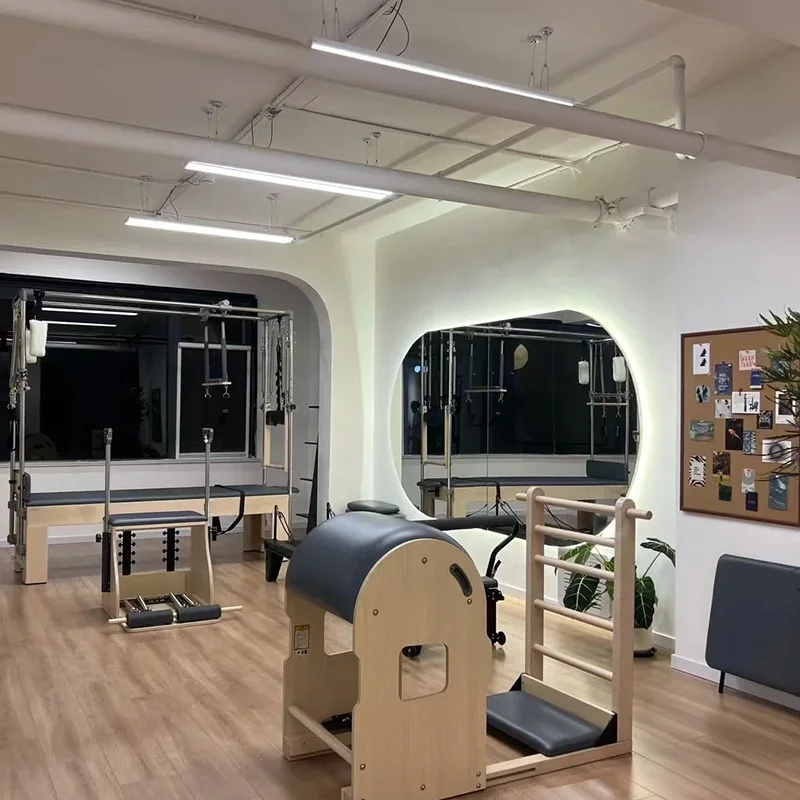
Premium Boutique Studios: Wood Reformers' vintage texture and natural aesthetics align well with high-end brand image. If the studio operates in a climate-controlled indoor environment, wood is worth considering.
Commercial Chain Studios: Aluminum Reformers' durability, low maintenance, and stable dimensional performance offer advantages in high-frequency, multi-location operations.
Home Users (Controlled Environment) : If your home environment is stable and you appreciate classic texture, a wood Reformer offers superior daily enjoyment. Take care to protect from direct light and moisture.
Home Users (Variable Environment) : If you live in humid or high-temperature-variation regions, aluminum Reformers' stability is more reliable — no worries about cracking or warping.
Mixed-Use Facilities: Some venues combine aluminum Reformers with wood decorative elements, balancing durability with aesthetic appeal.
Summary: There is no absolute "better" between wood and aluminum Reformers — only "more suitable." Wood Reformers excel in warm feel and natural aesthetics, ideal for atmosphere-focused and classic-texture settings. Aluminum Reformers excel in stability, durability, and low maintenance — ideal for high-frequency commercial use and climate-variable environments. In purchasing decisions, consider your operating environment, maintenance capacity, and budget together — choose the right material, and your equipment becomes a truly reliable long-term partner.