What Equipment Do You Need to Open a Pilates Studio?
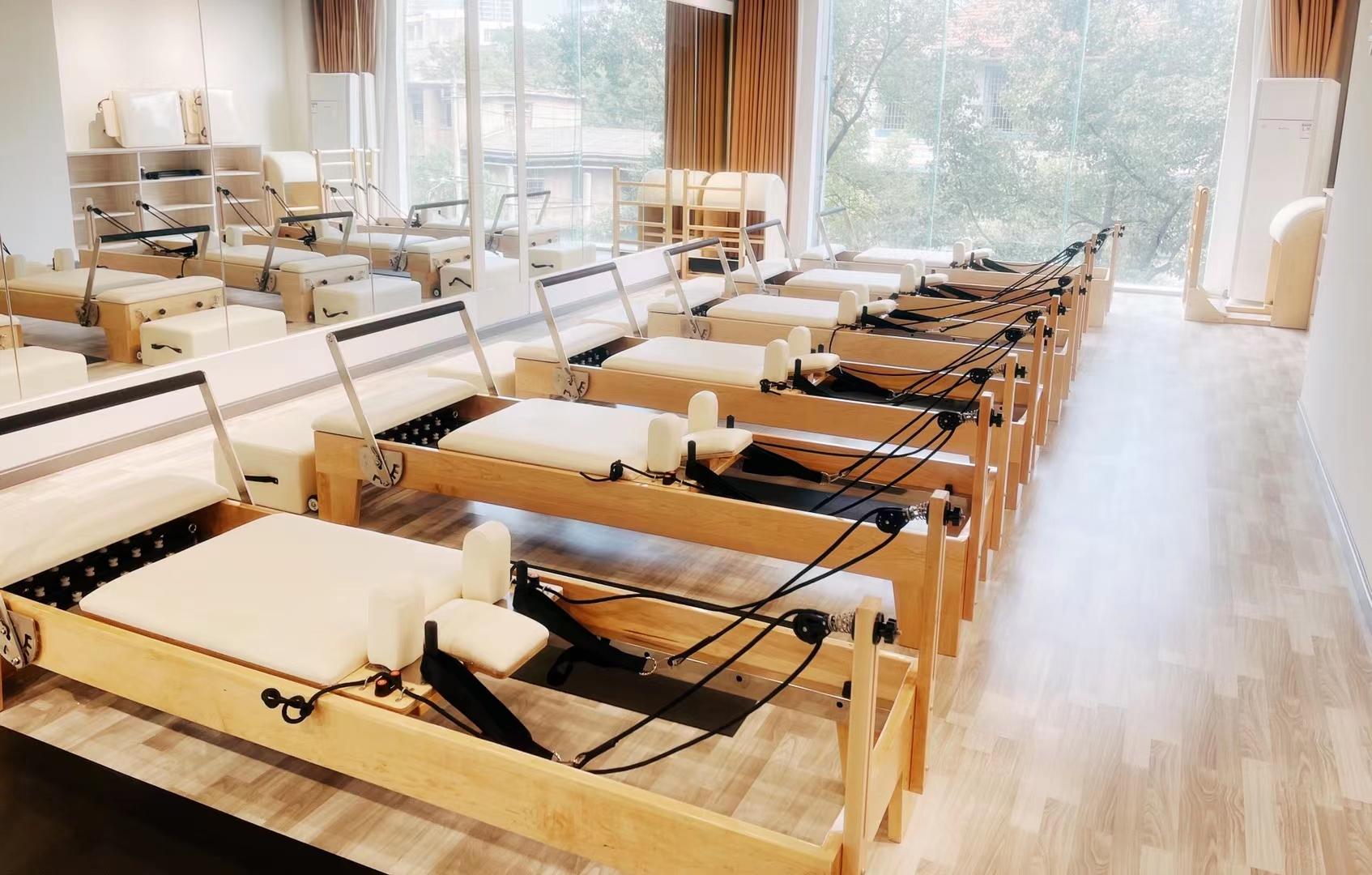
Opening a professional Pilates studio requires reasonable equipment matching according to studio size, course positioning and customer groups. Complete and standardized equipment can enrich teaching systems, improve studio professionalism, and enhance user experience and customer retention. Many new studio owners make common mistakes such as insufficient equipment types, mismatched commercial-grade quality, or blind over-investment. This professional guide will list the standard equipment configuration for a new Pilates studio, helping you build a cost-effective and fully functional teaching system.
1. Core Main Pilates Machines (Must-Have)
These five types of equipment are the foundation of a professional Pilates studio, covering 99% of classical Pilates training, rehabilitation correction and body shaping courses.
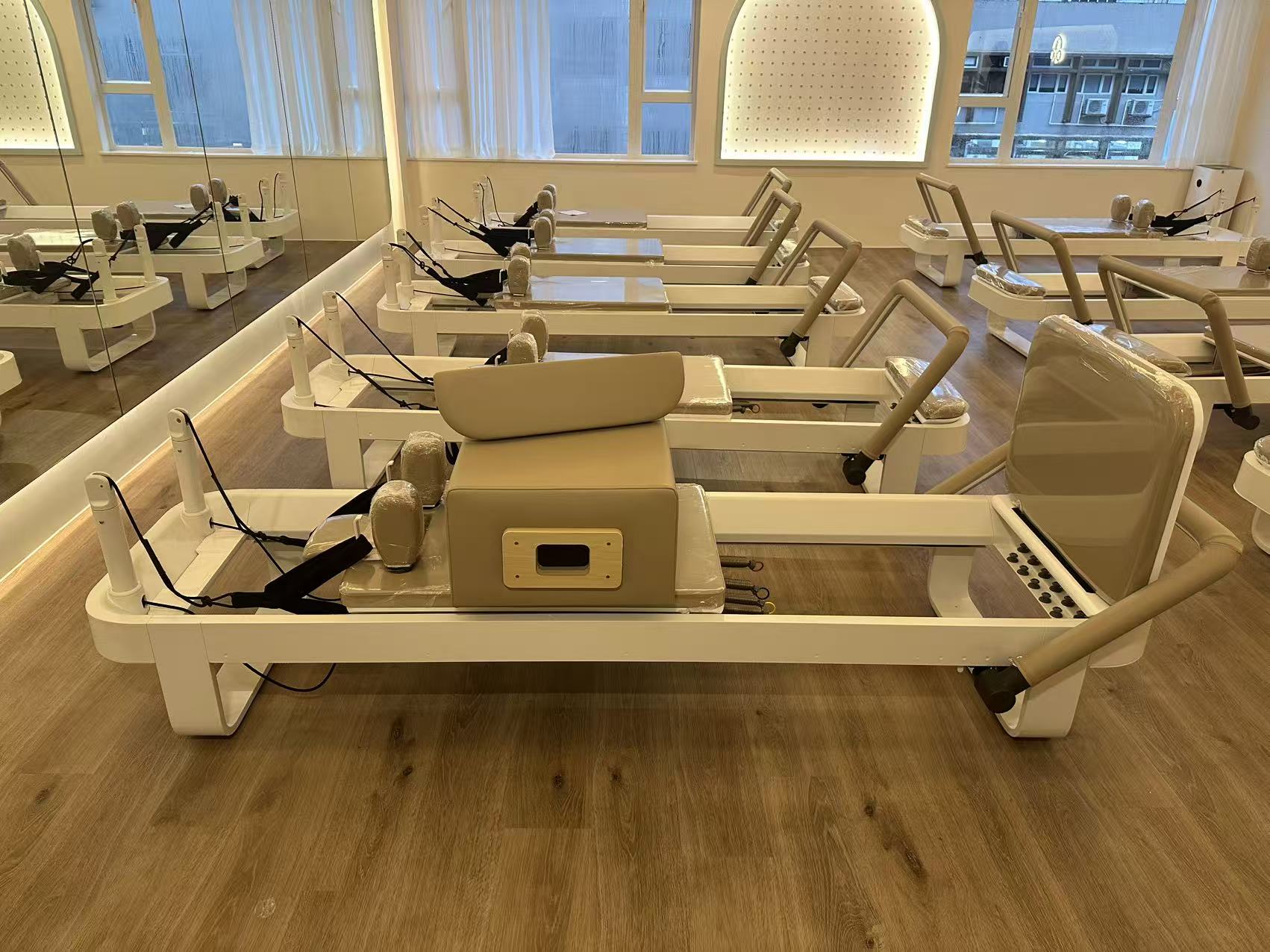
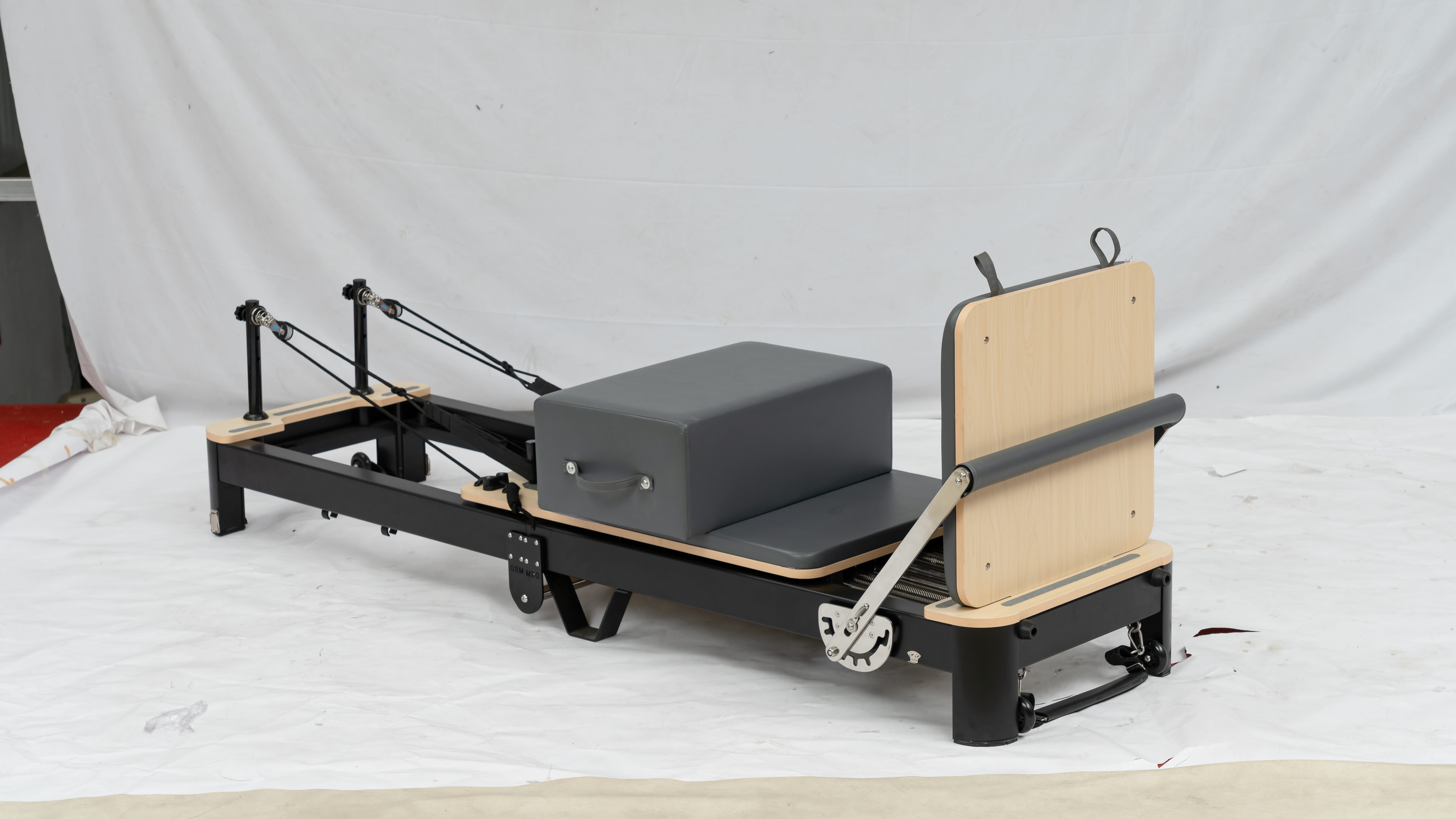
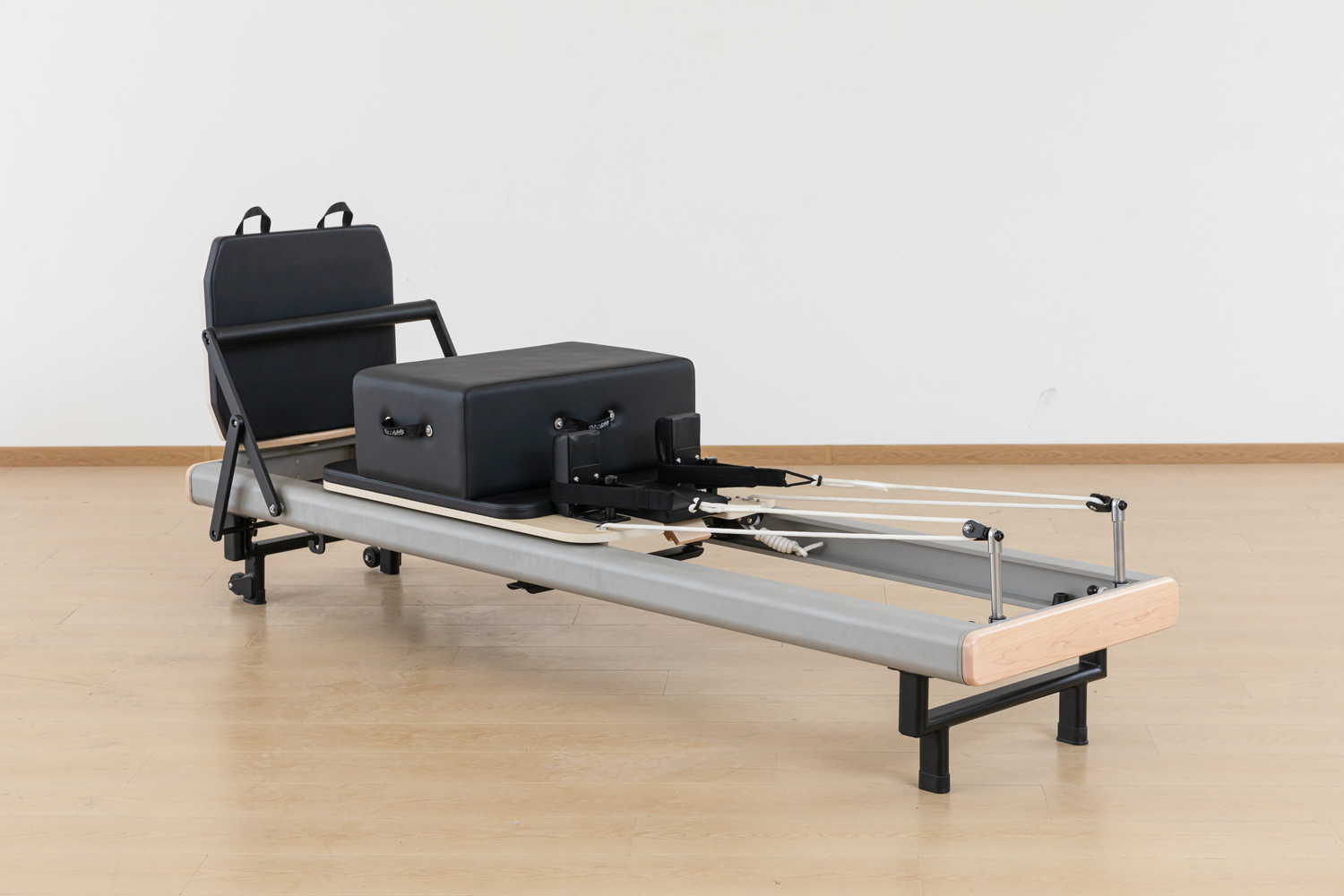
Pilates Reformer
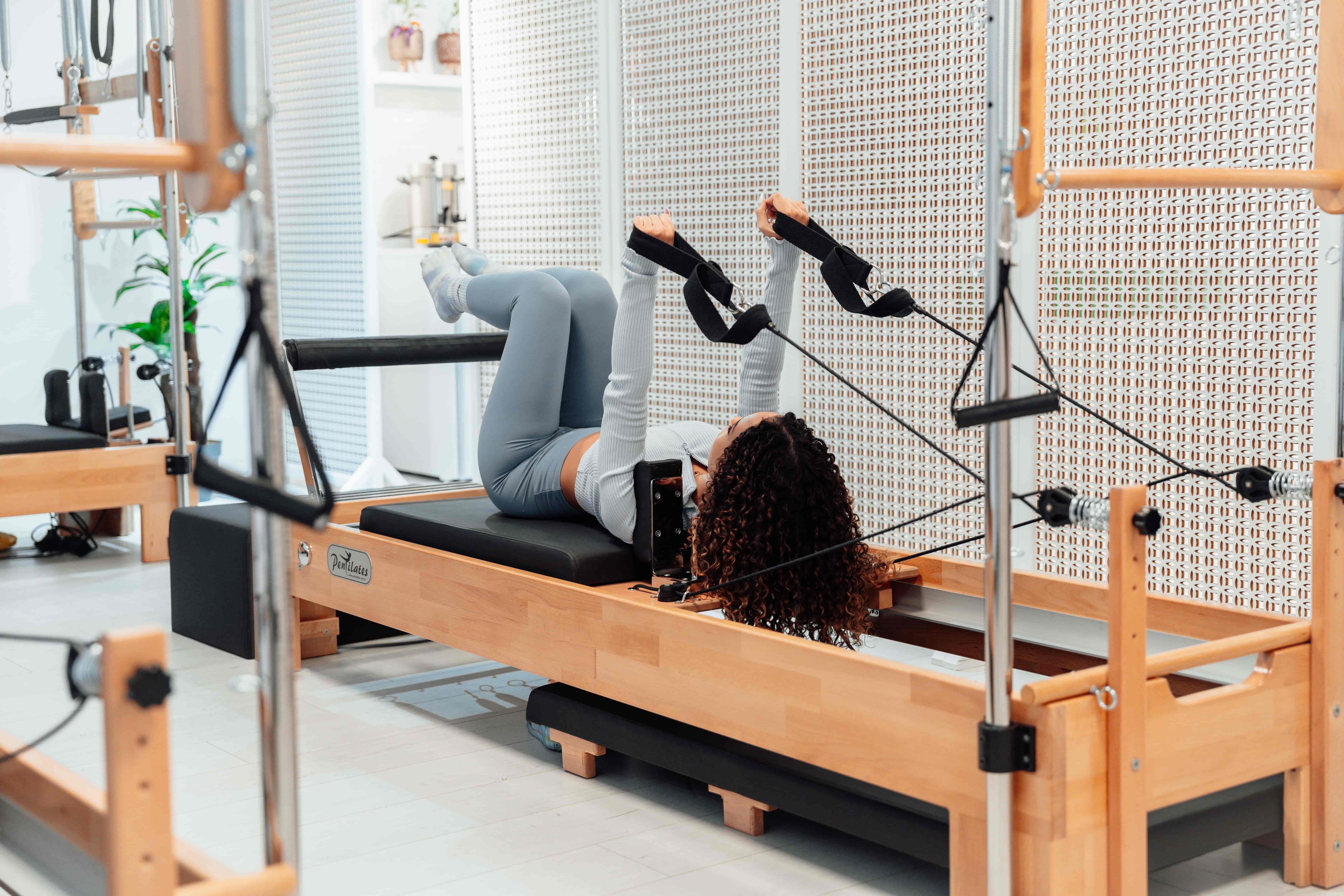
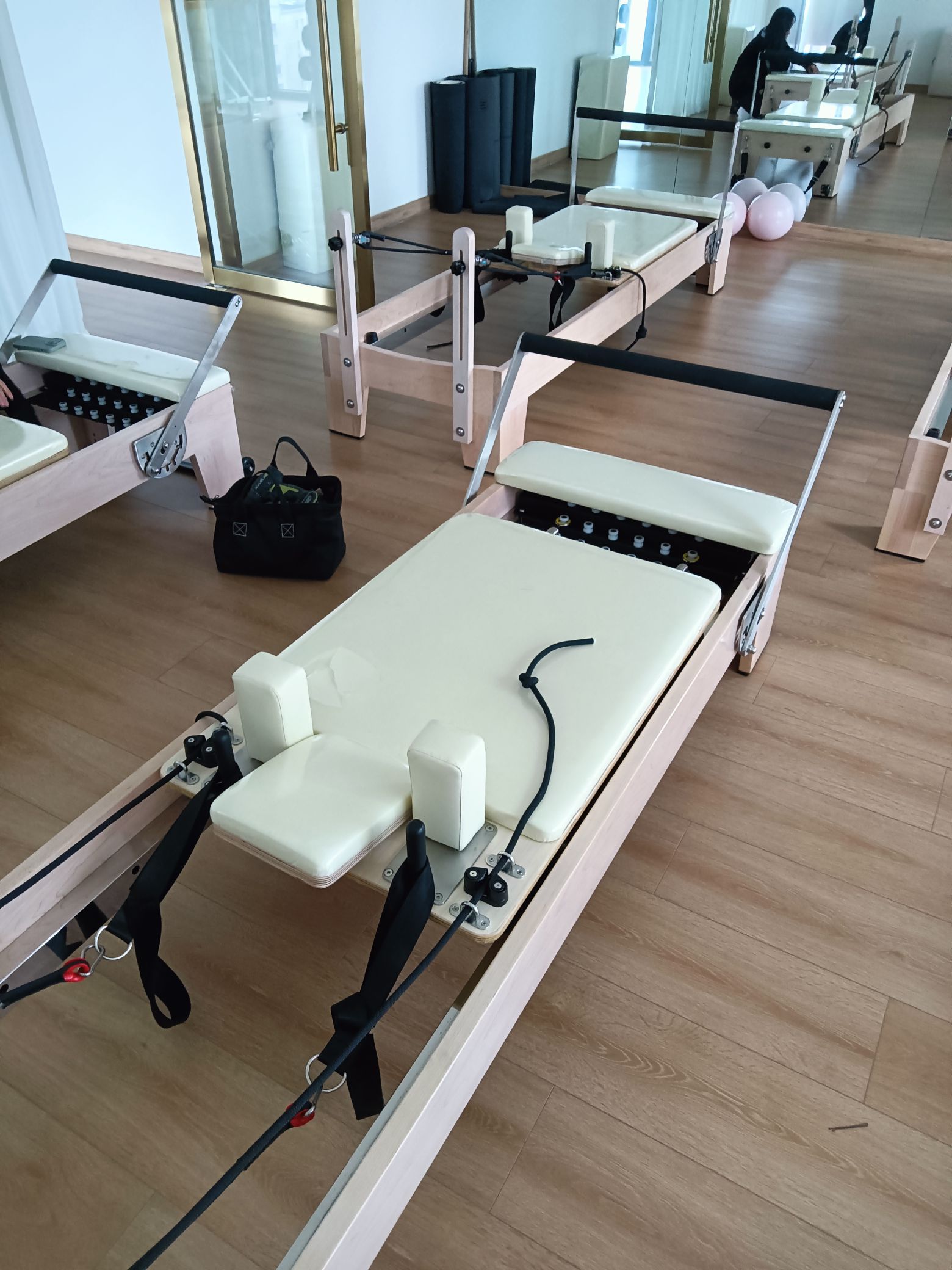
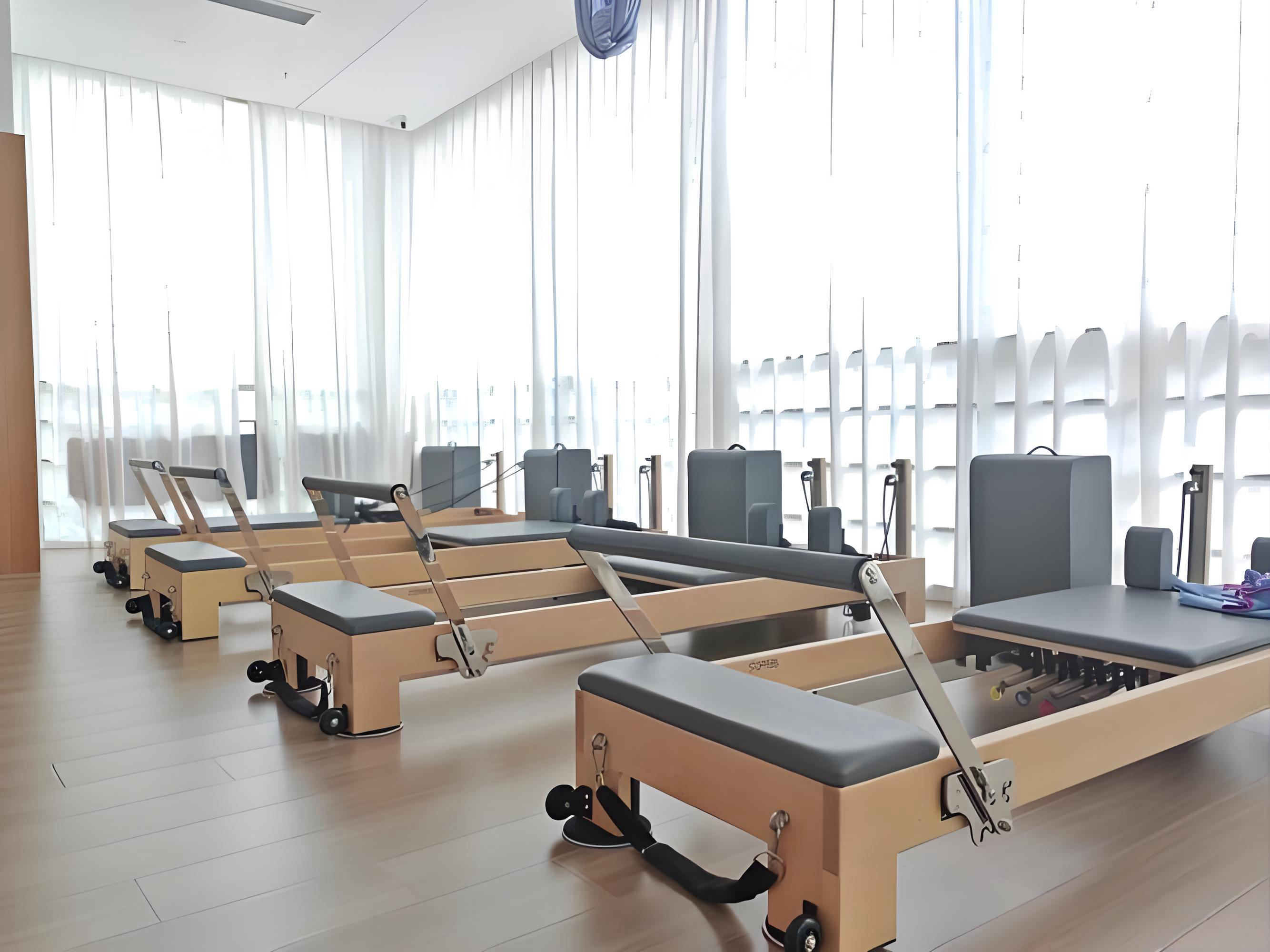
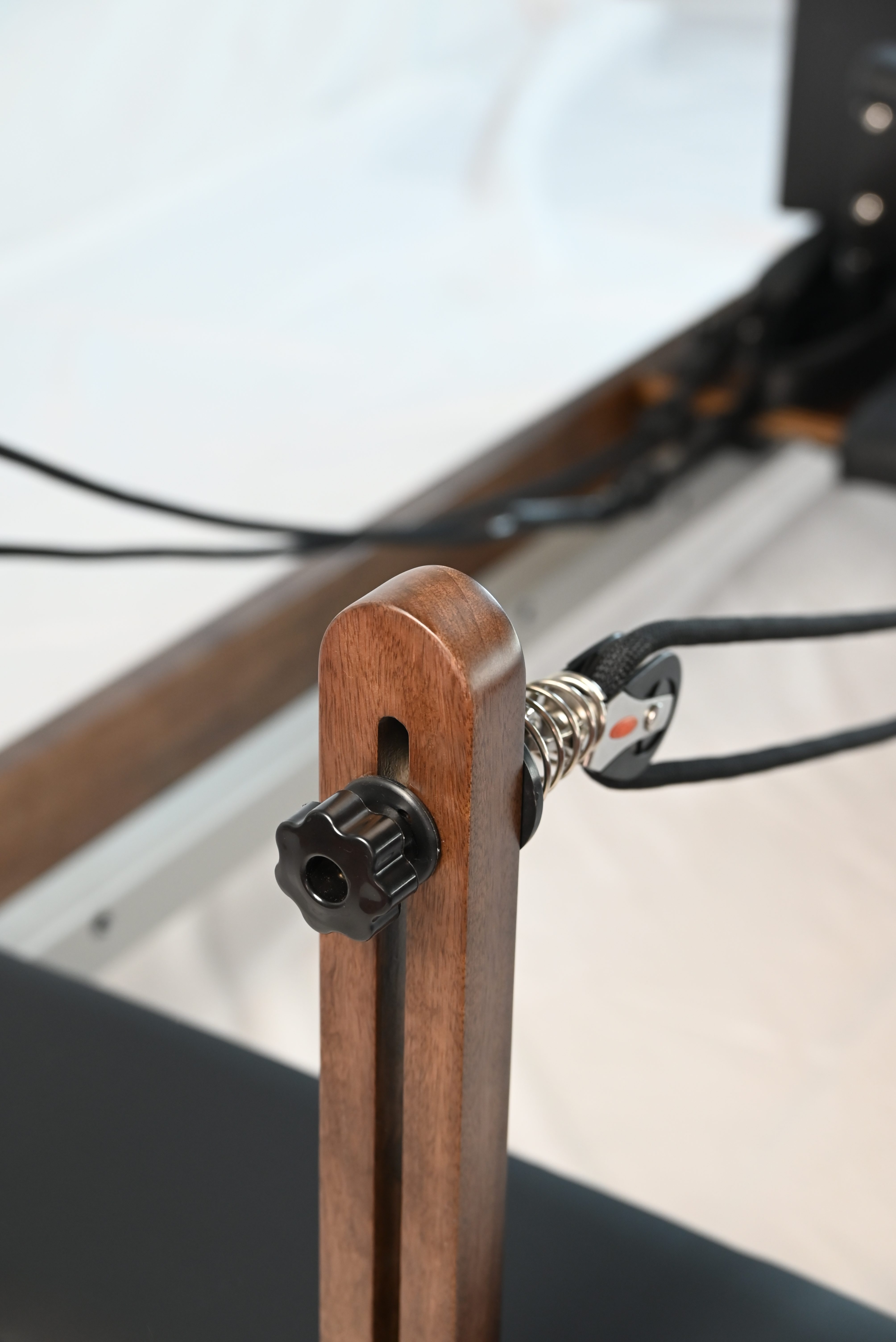
The Reformer is the most essential and versatile core equipment for any Pilates studio. It supports full-body core training, posture correction, muscle stretching, body shaping and beginner foundational training. Suitable for group reformer classes and one-on-one private lessons. For new studios, multiple reformers are the priority configuration to ensure basic daily class operation. Always choose100% commercial-grade reformers with stable frames, silent sliding rails and fatigue-resistant springs to adapt to high-frequency daily teaching.
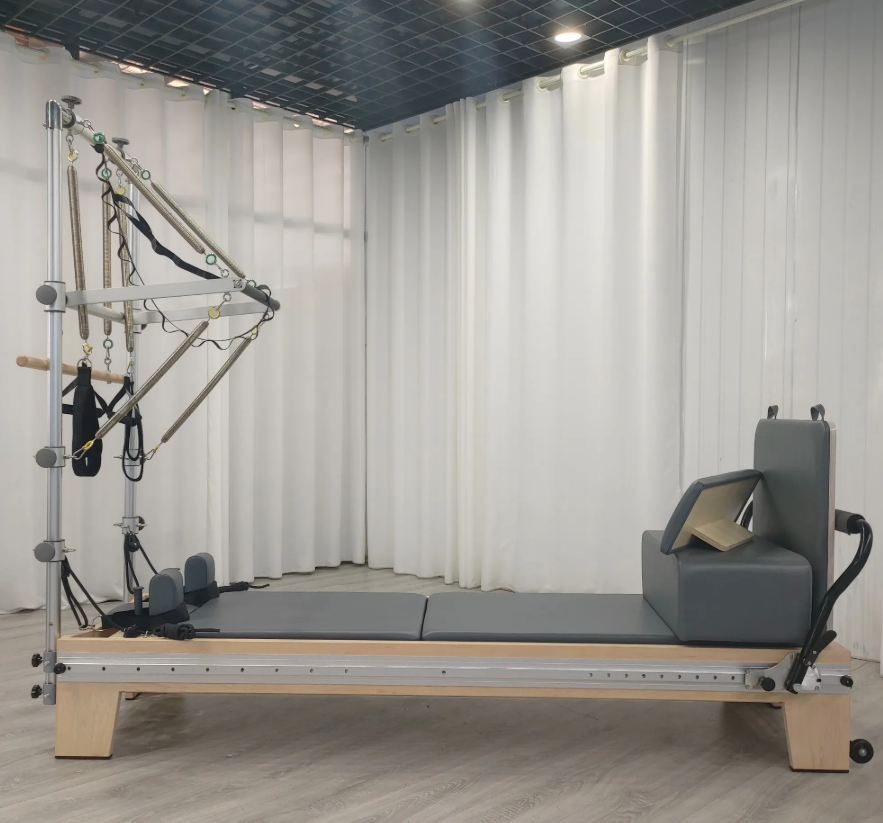
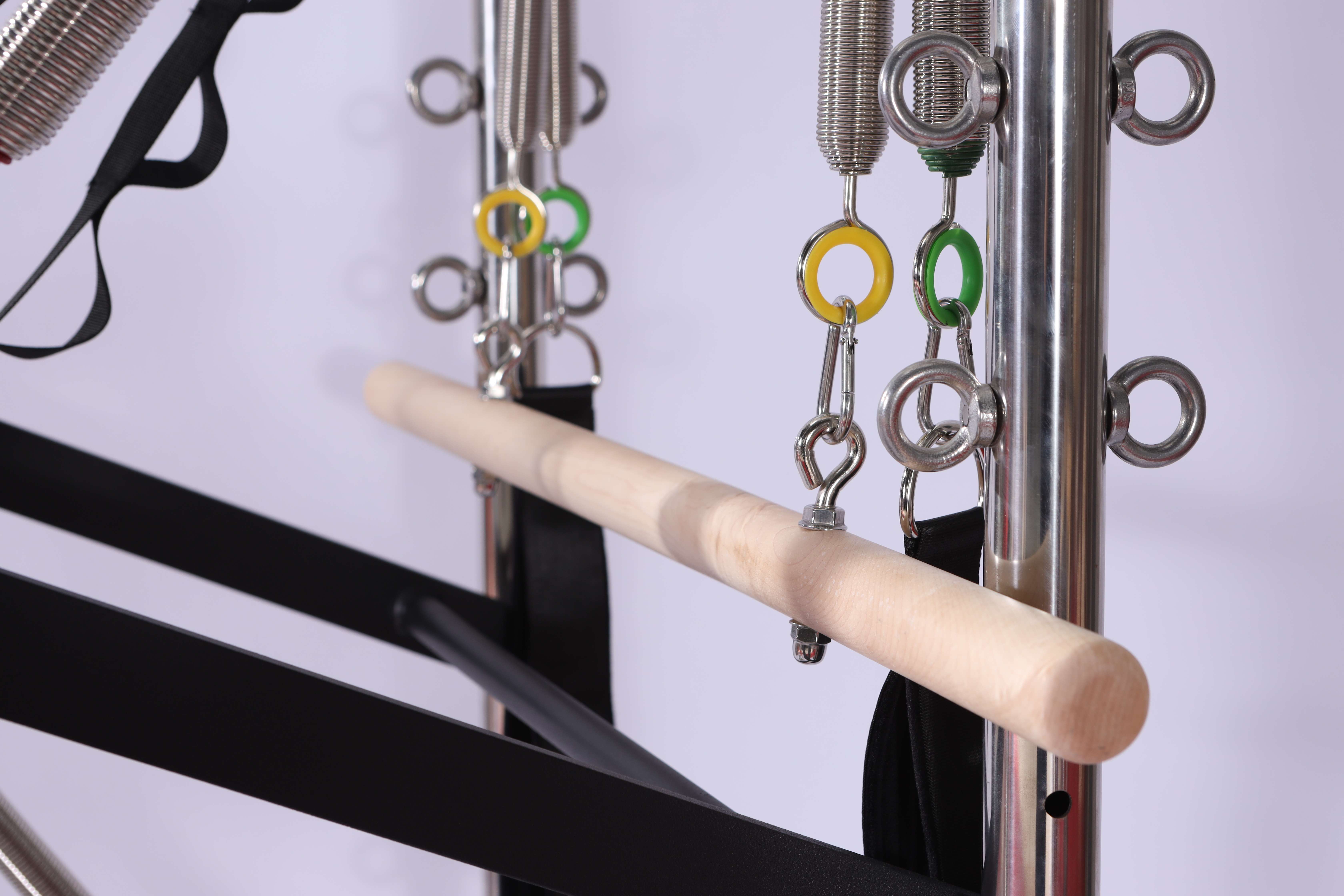
Pilates Cadillac (Trapeze Table)
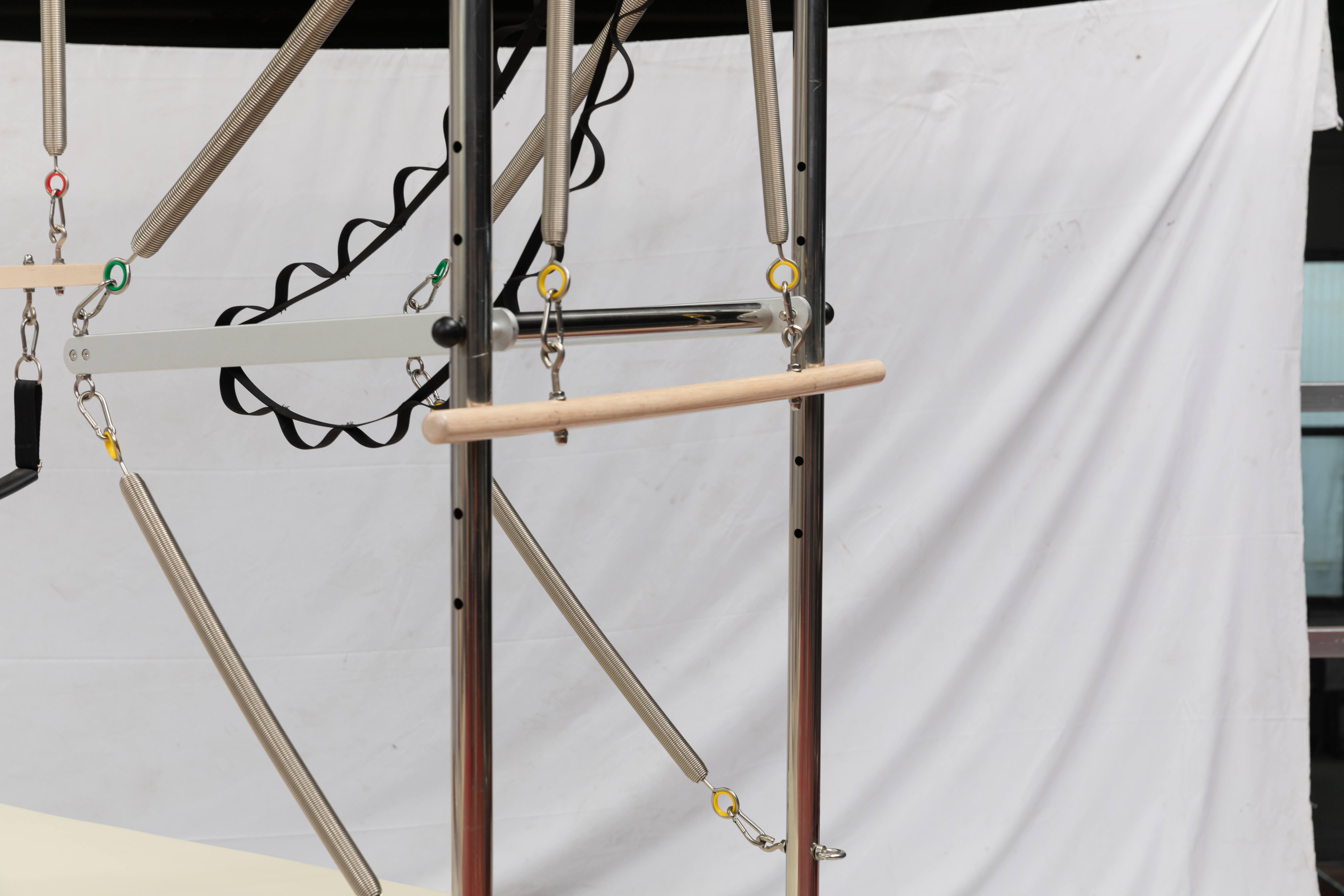
Cadillac is the core equipment for high-end private teaching and rehabilitation training. With multi-angle hanging springs, trapeze bars and auxiliary straps, it provides strong support for spinal correction, joint mobility improvement, injury rehabilitation, shoulder and neck relief, and postpartum recovery. It greatly improves the professionalism and differentiation of the studio, making it an indispensable device for high-value private courses.
Pilates Wunda Stability Chair
The Pilates Chair features small footprint and powerful functions. It focuses on hip lifting, leg shaping, core balance and lower limb strength training. It makes up for the single training angle of large equipment and is very suitable for small private classrooms and detailed shaping courses. It is the best supplementary equipment to enrich studio course diversity.
Ladder Barrel
Ladder Barrel is mainly used for spine stretching, thoracic expansion, hip flexor relaxation and body flexibility training. It can effectively improve hunchback, spinal stiffness and poor posture caused by long-term sitting. It is widely used in warm-up training, beginner introductory courses and posture correction projects.
Spine Corrector
As a professional auxiliary corrective device, the Spine Corrector targets spinal lateral flexion, thoracic kyphosis and core weakness. It helps instructors carry out precise rehabilitation training and is very popular in sub-health and posture correction customer groups.
2. Complete Supporting Auxiliary Accessories
Professional accessories refine teaching details, adjust training intensity and make courses more systematic and professional. A qualified studio needs to be fully equipped with the following small accessories:
- Pilates Magic Circle: Activates inner thighs and deep core muscles for precise shaping
- Resistance Bands: Assists stretching, corrects posture and increases micro-resistance
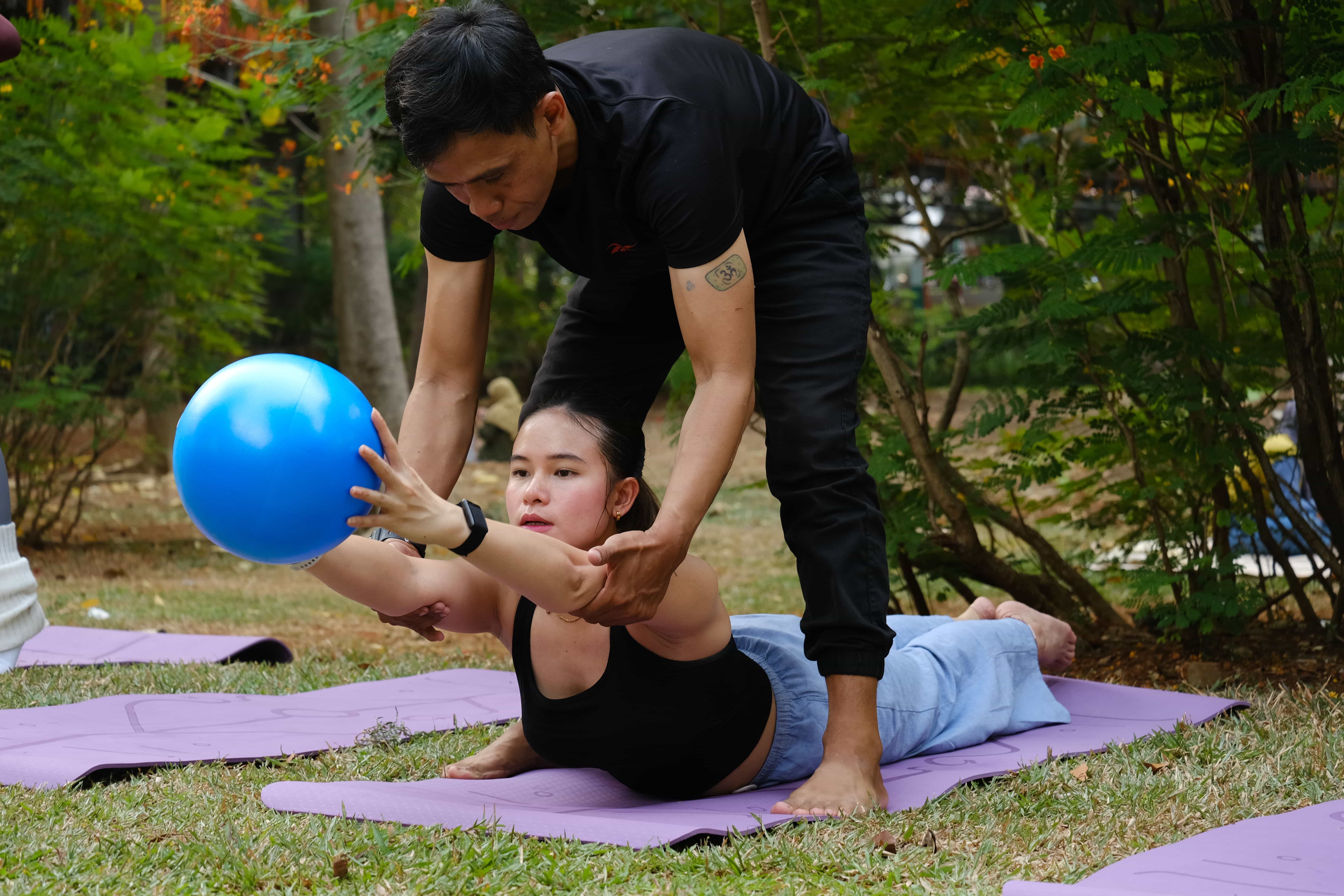
- Exercise Ball & Mini Ball: Enhances balance ability and core control
- Yoga Blocks & Yoga Straps: Helps beginners standardize movements and assist stretching
- Ankle Weights & Small Dumbbells: Improves training intensity for advanced shaping courses
3. Studio Auxiliary Facilities
To improve customer experience and studio standardization, supporting facilities are also essential:
- Non-slip Pilates mats for floor training
- Storage racks for accessories to keep the classroom tidy
- Professional floor mats to protect equipment and reduce noise
4. Configuration Suggestions for Different Studio Scales
Small Boutique Studio (50–100㎡)
Priority: 4–6 Reformers + 1 Stability Chair + 1 Spine Corrector + full sets of small accessories. This configuration covers daily group classes and basic private teaching, with low initial investment and high return rate.
Medium-Sized Professional Studio (100–200㎡)
Standard full set: 6–10 Reformers + Cadillac + Stability Chair + Ladder Barrel + Spine Corrector + complete accessories. Supports systematic group courses, rehabilitation private teaching and advanced shaping training.
Large Chain Studio & Training Institution
Full commercial equipment configuration, multi-room equipment layout, supporting instructor training, high-end rehabilitation projects and large-scale group classes.
5. Key Purchasing Principles for Studio Equipment
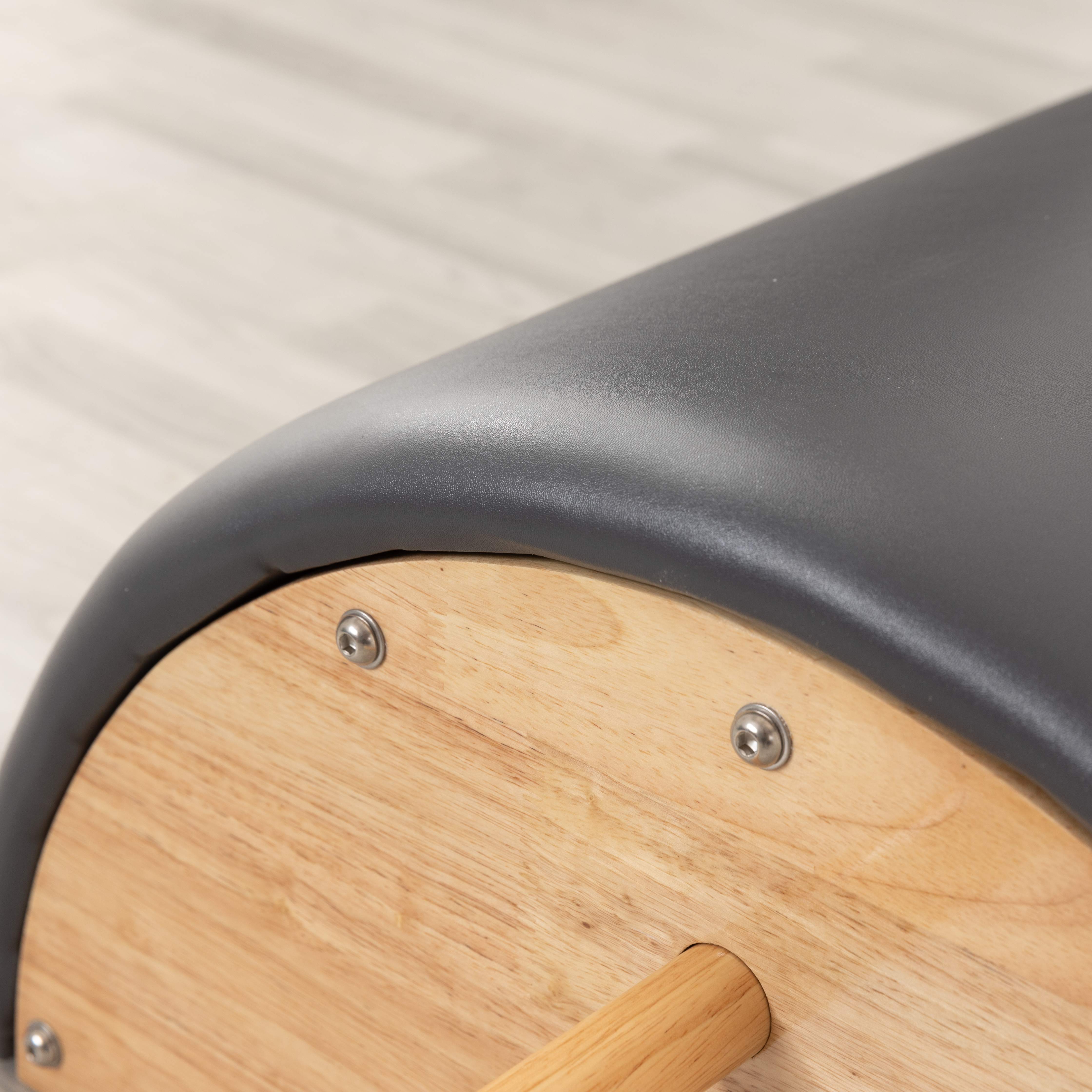
- Choose commercial-grade only: Never use household equipment for studio high-frequency classes to avoid deformation, noise and safety hazards.
- Stable structure priority: Prioritize reinforced frames, silent sliding rails and fatigue-resistant springs to ensure long-term stable use.
- Unified studio style: Custom leather colors, frame colors and studio logos to build exclusive brand style.
- Complete after-sales service: Choose manufacturers with long-term warranty and spare parts supply to reduce operating costs.
Conclusion
A professional Pilates studio’s core equipment combination focuses on systematic matching rather than quantity stacking. A reasonable mix of reformers, classic Pilates large machines and professional accessories can meet all customer needs from beginner entry, body shaping to posture rehabilitation.
We are a professional commercial Pilates equipment manufacturer, providing one-stop studio opening solutions, full-series commercial-grade equipment, personalized customization and stable wholesale supply. If you are preparing to open or upgrade a Pilates studio, welcome to contact us for free layout plans, equipment lists and competitive quotations.