Development Opportunities in the Commercial Pilates Industry
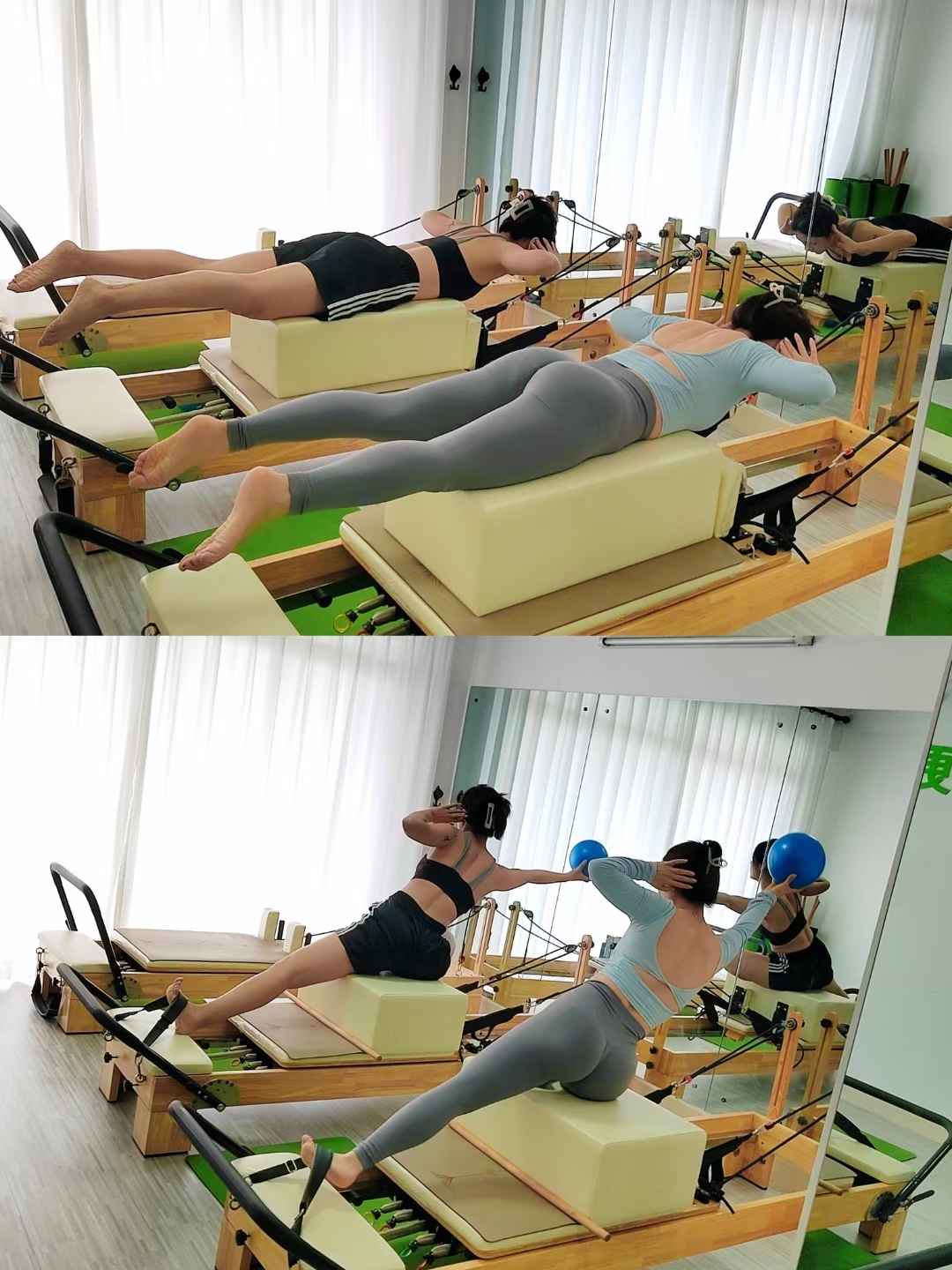
The global commercial Pilates sector is experiencing sustained growth and entering a golden development period. As consumers shift from simple weight loss to holistic wellness, low‑impact exercise, posture correction and physical rehabilitation, Pilates has transformed from a niche training method into a mainstream premium fitness track. A series of new market demands and business models have created huge opportunities for studio investors, distributors, brand operators and professional equipment manufacturers. This article sorts out the core growth opportunities in today’s commercial Pilates industry.
1. The Rise of Boutique Studios Replacing Traditional Large Gyms
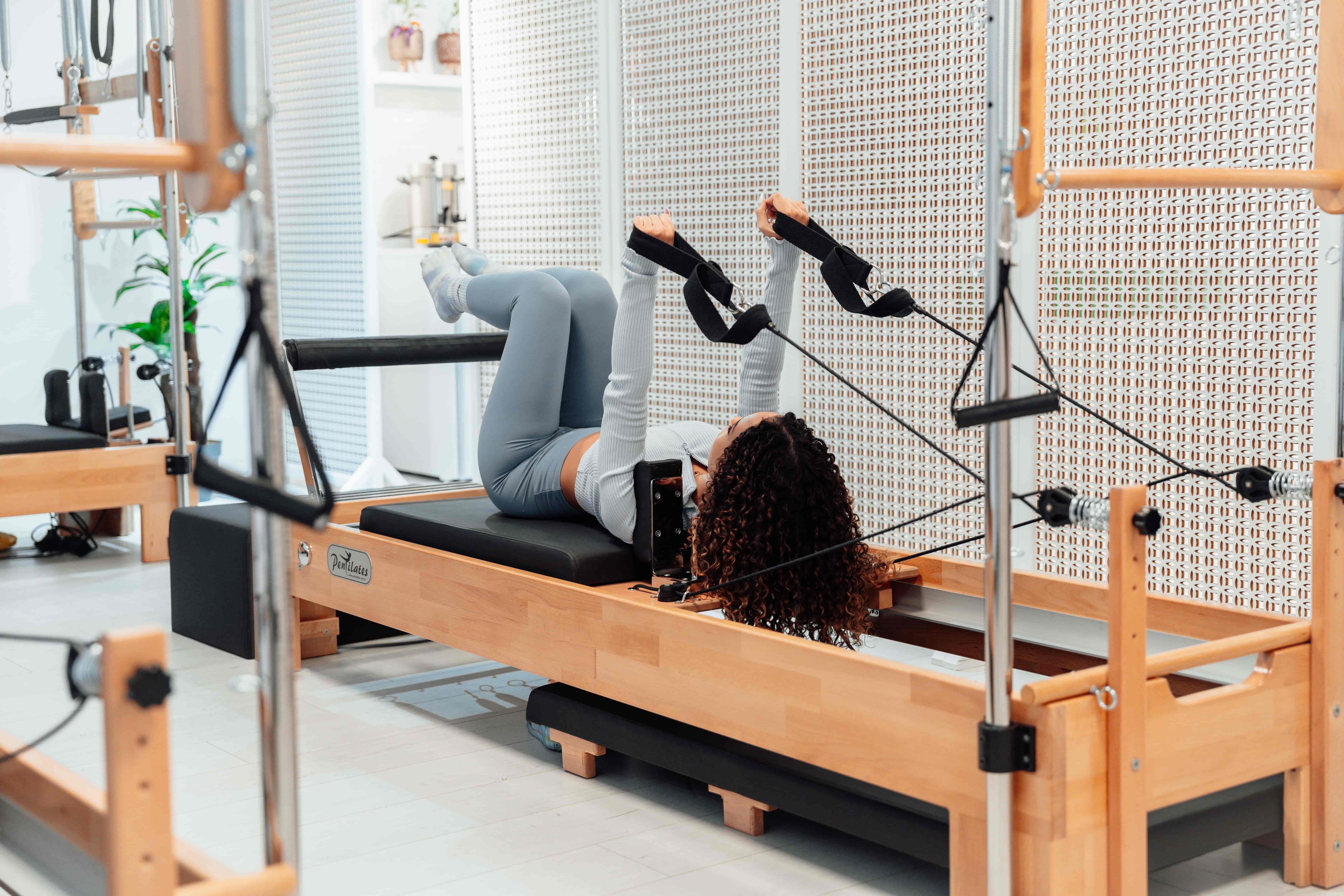
Traditional comprehensive big‑box gyms are gradually losing market appeal, while small‑scale, high‑end boutique Pilates studios become the biggest growth engine of the industry.
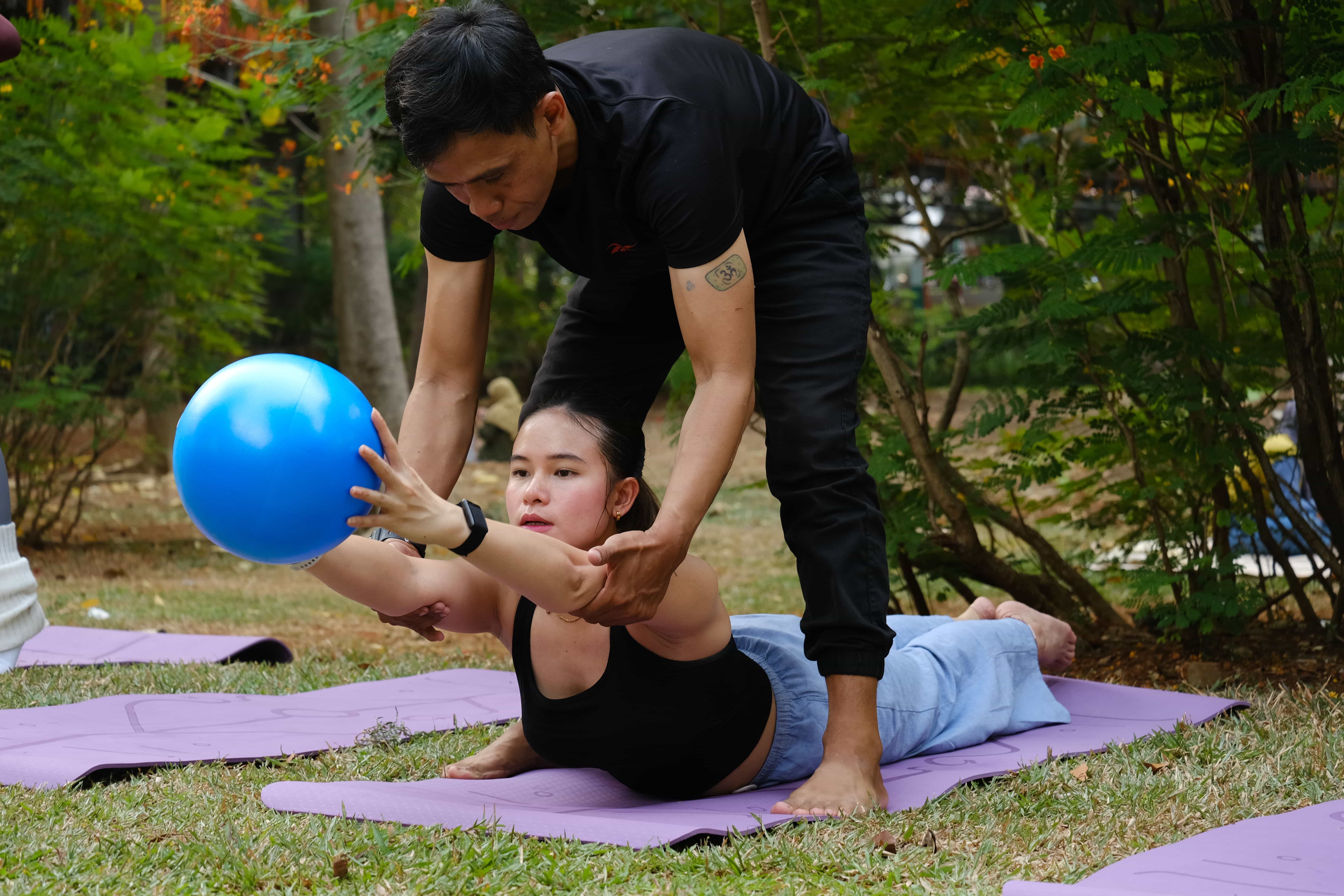
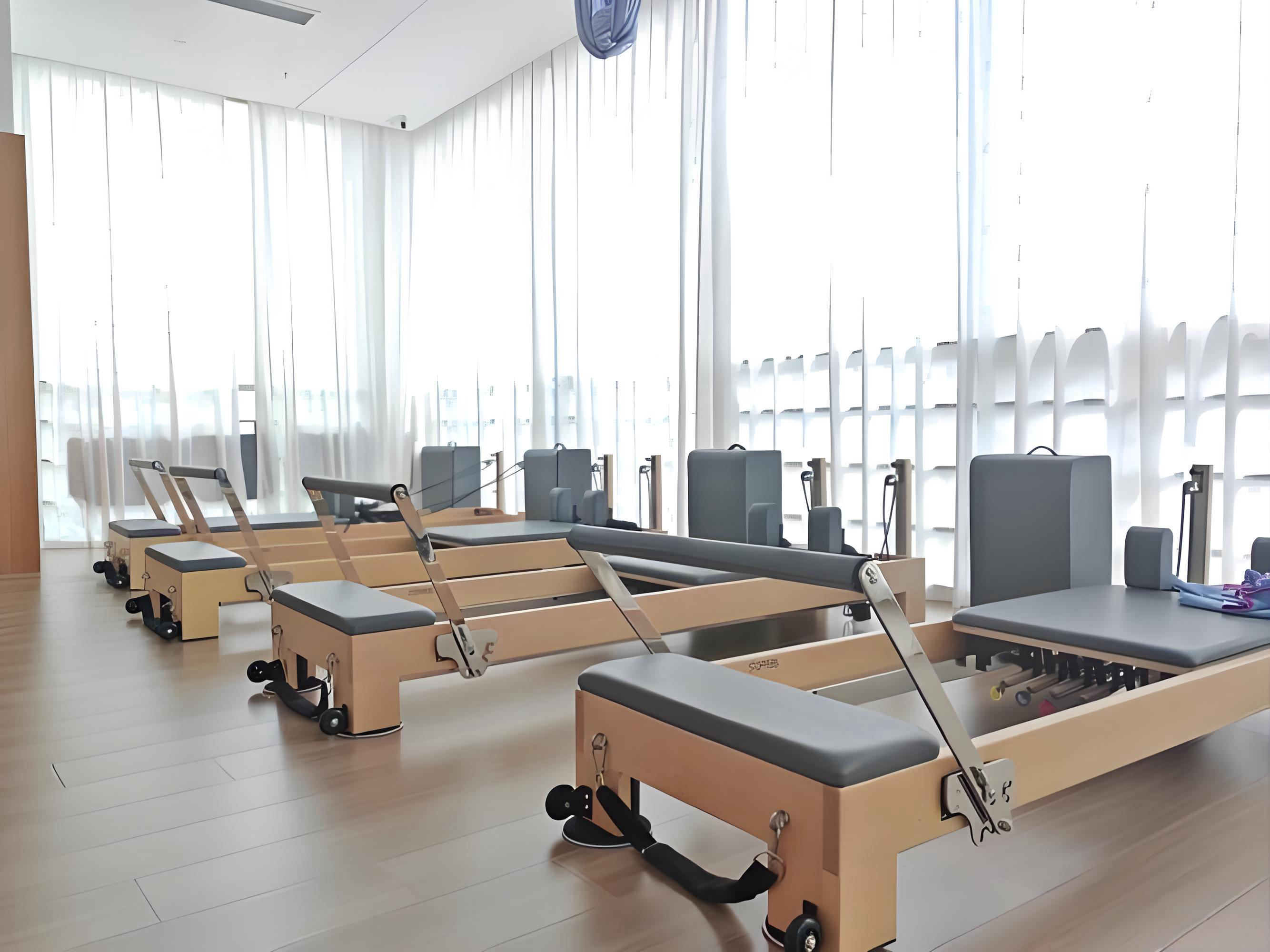
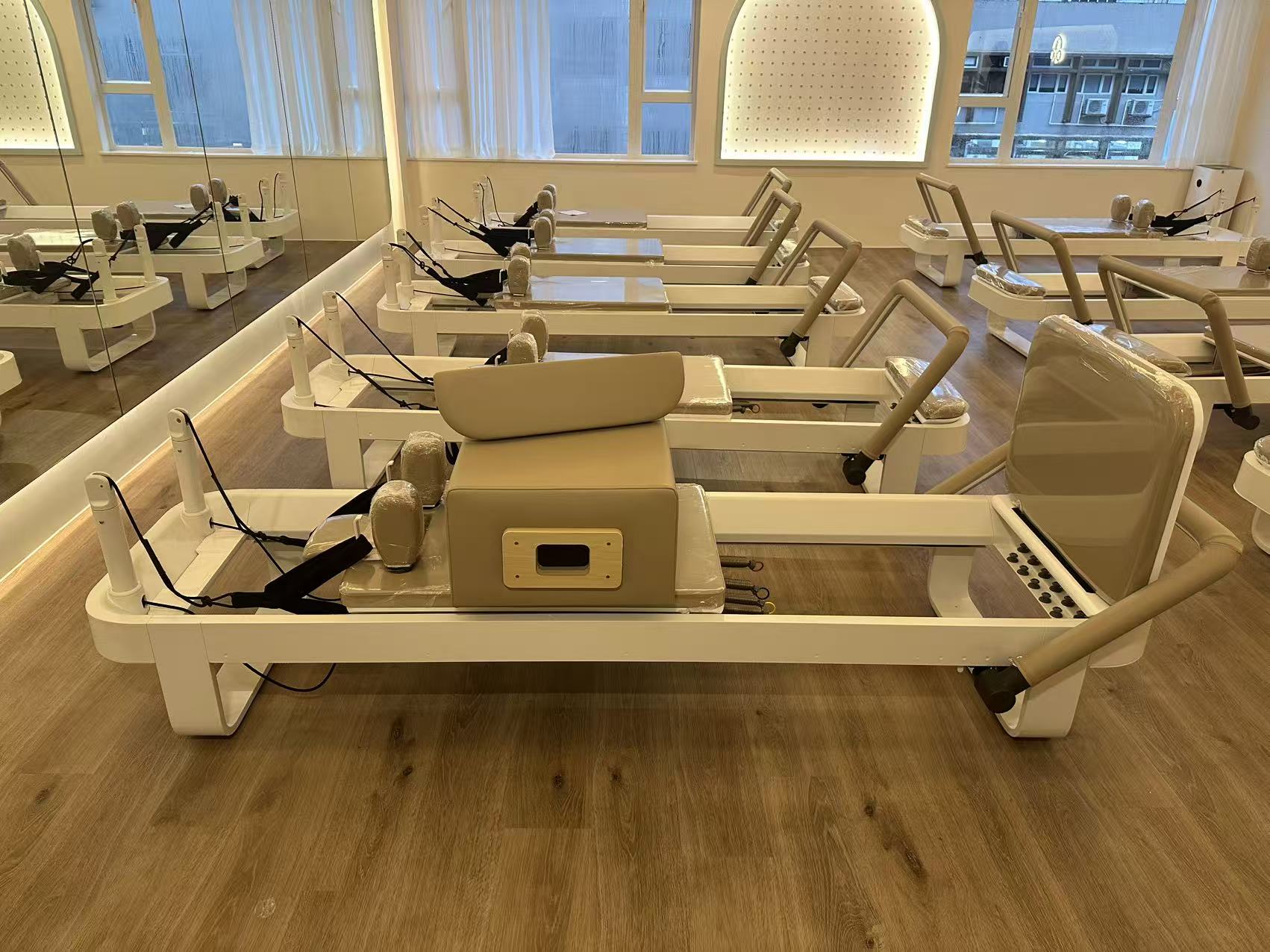
Consumers are willing to pay premium fees for small‑group reformer lessons, one‑on‑one private coaching, elegant studio environments and professional instructor guidance. Independent boutique studios and chain franchise brands keep opening new locations around the world.
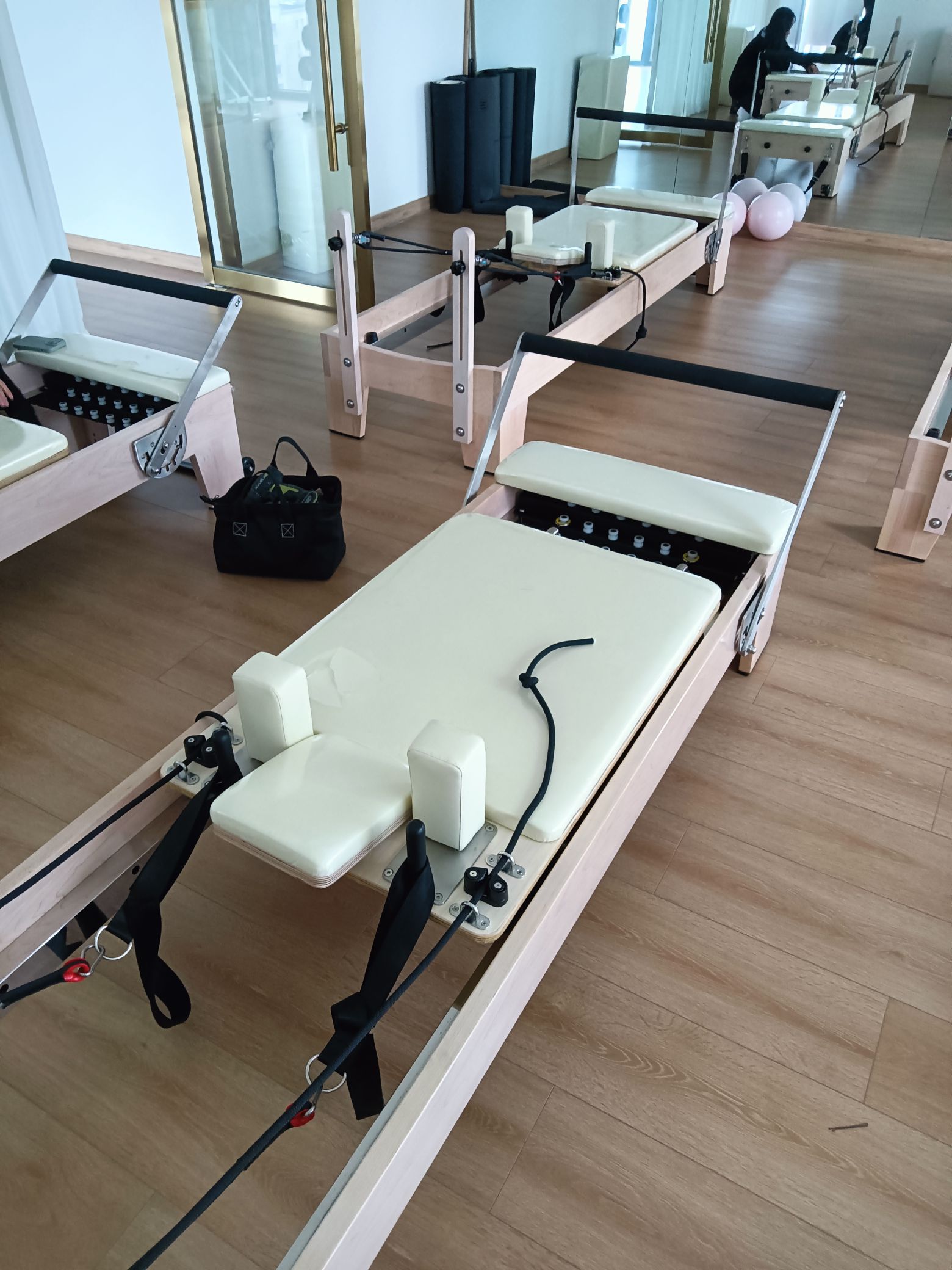
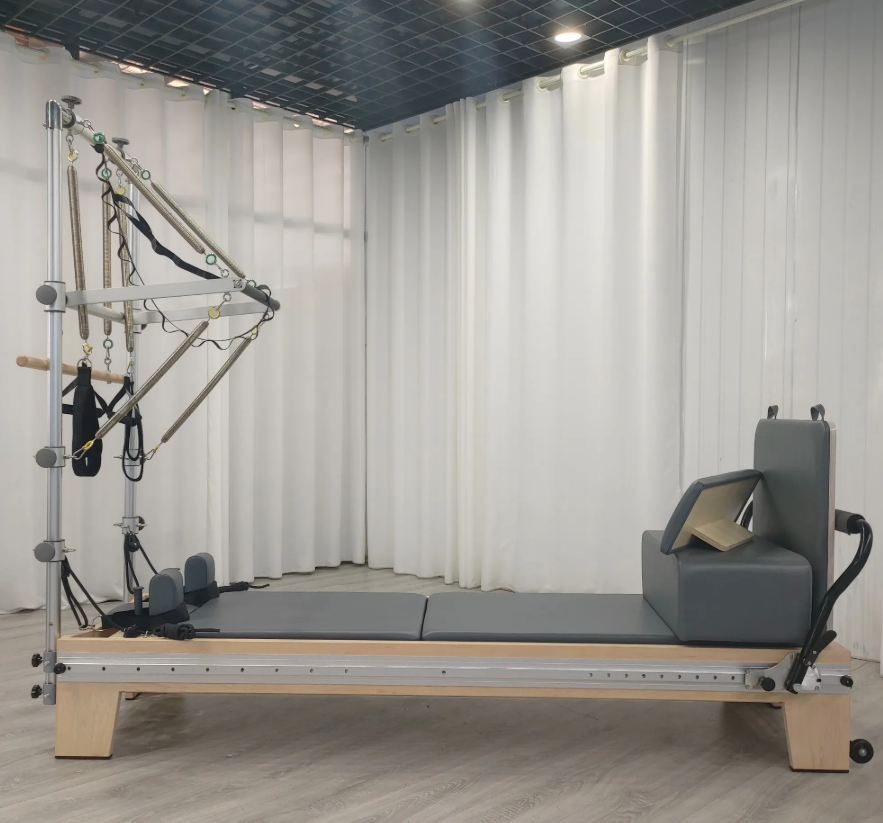
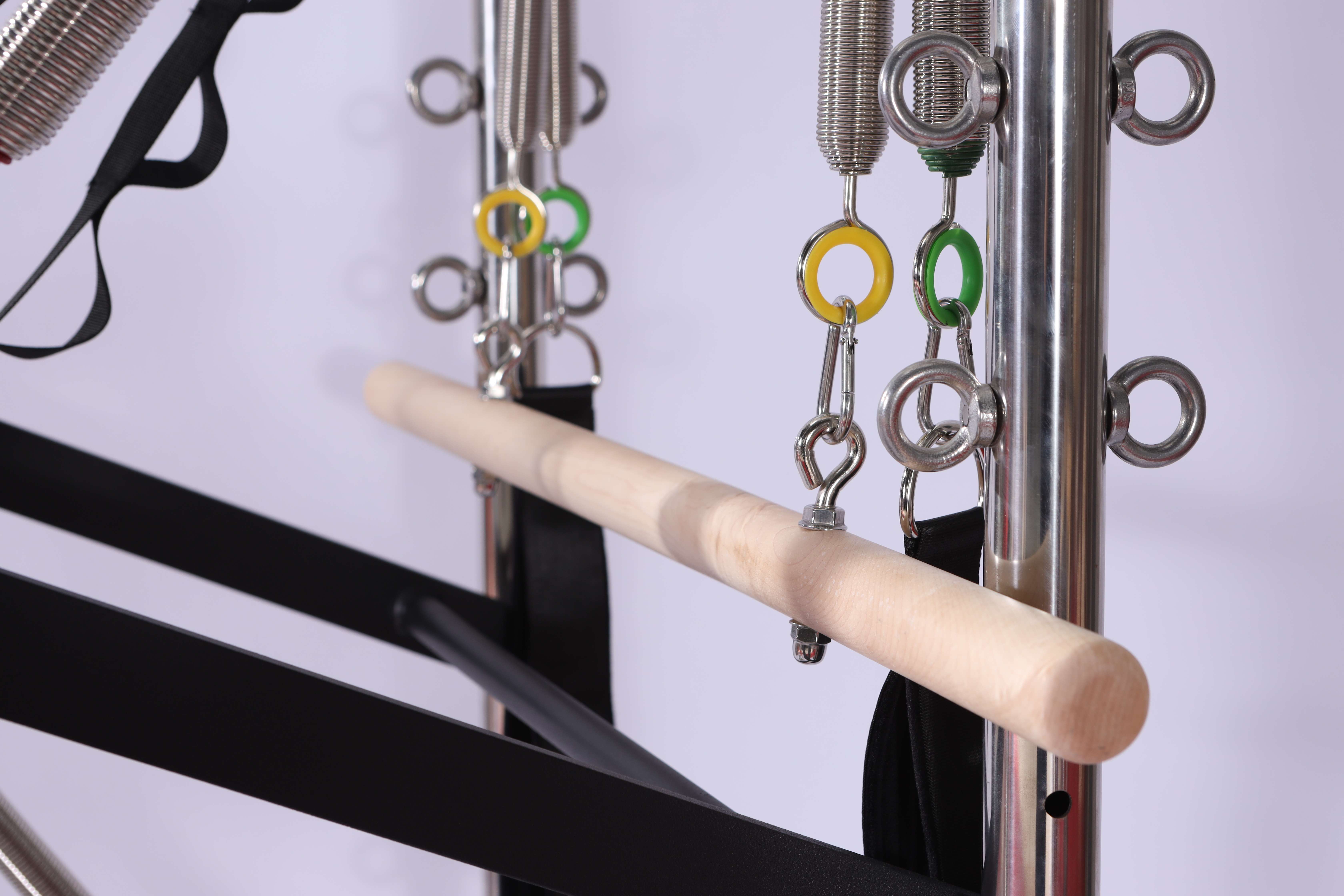
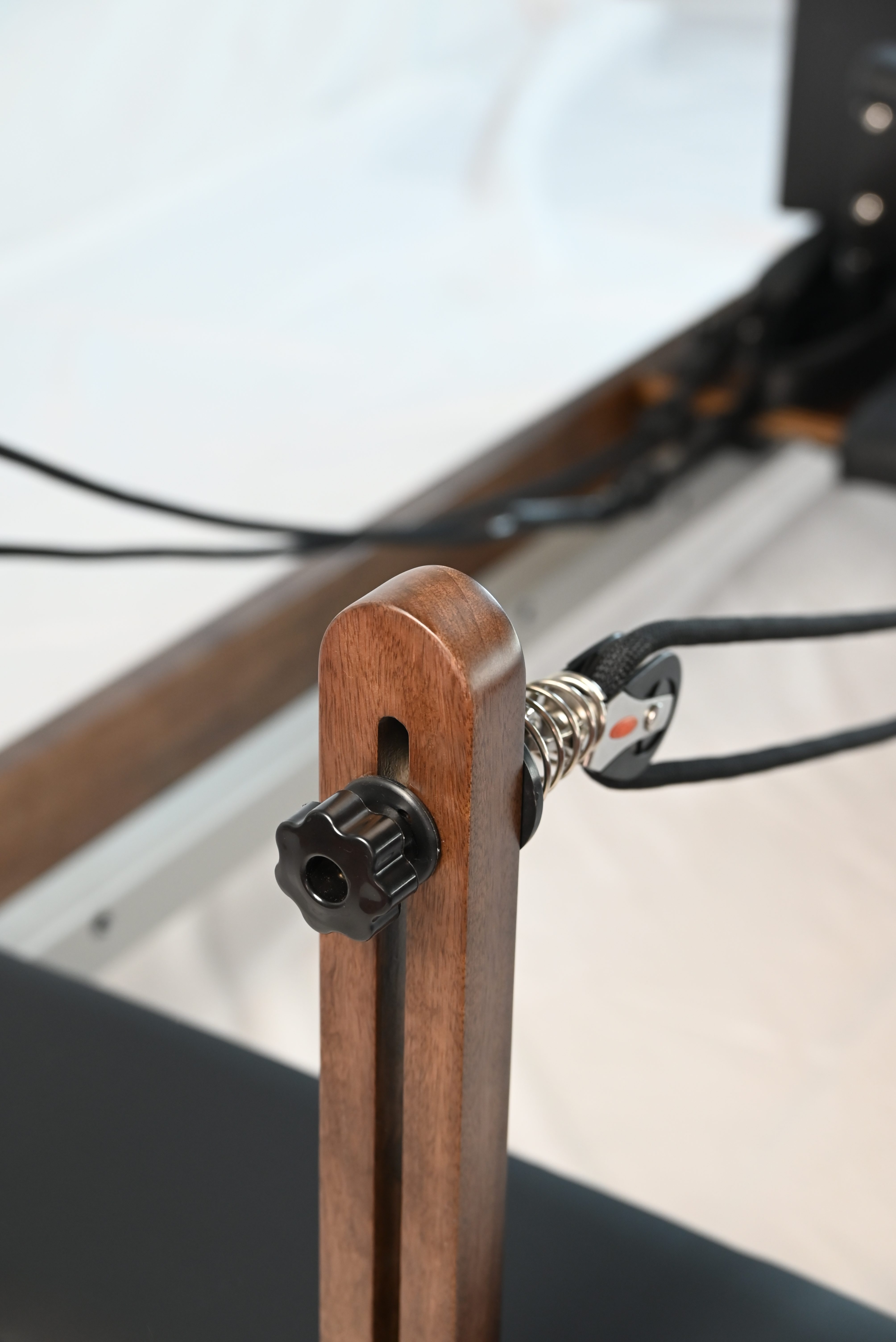
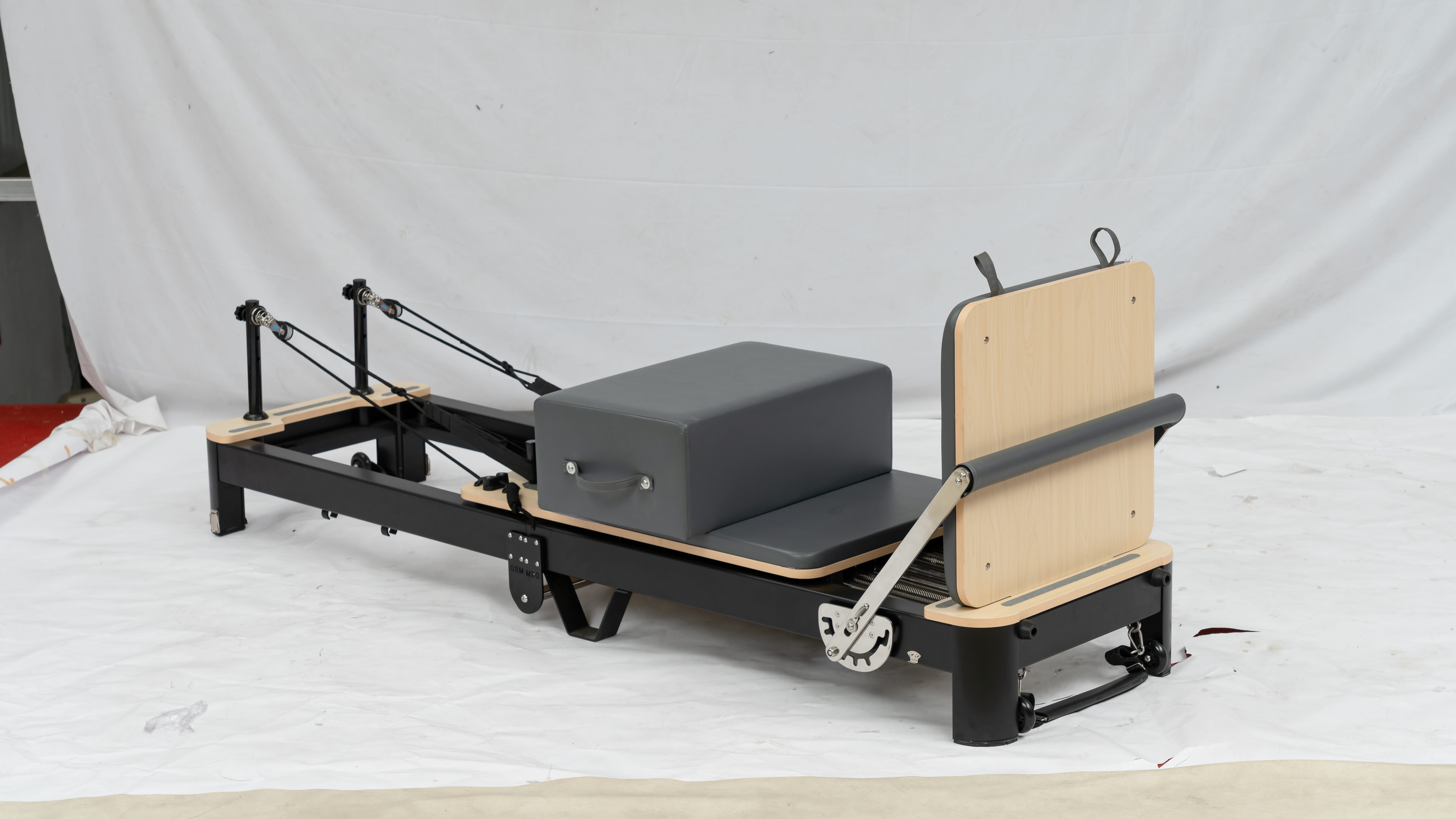
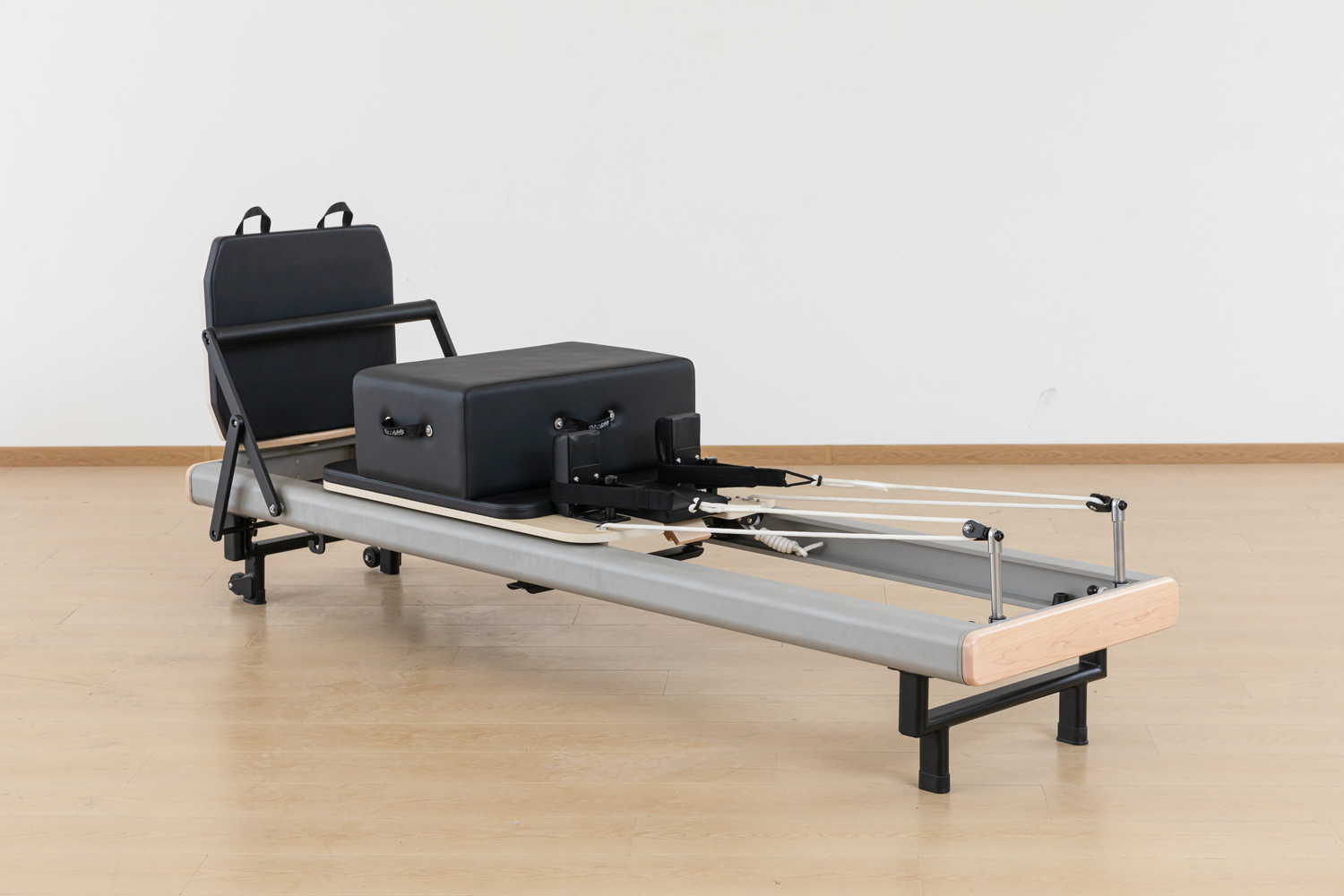
This trend brings stable bulk purchasing demand for commercial‑grade reformers, stability chairs, ladder barrels and complete supporting accessories. Equipment suppliers who can offer unified styling, durable commercial frames and customized logos will gain long‑term cooperation chances with studio chains.
2. Deep Integration of Pilates with Rehabilitation and Preventive Healthcare
One remarkable opportunity lies in the combination of fitness and physical therapy. More physiotherapy clinics, orthopedic recovery centers and postpartum rehabilitation institutions introduce Pilates equipment for chronic back pain, spinal correction, post‑injury recovery and pelvic floor repair.
Unlike ordinary fitness services, rehabilitation‑oriented Pilates targets high‑value customer groups and builds obvious professional barriers. It expands the industry boundary beyond simple body shaping and forms a new blue‑ocean market. For equipment makers, developing stable, safe, medical‑grade Pilates machines will help them enter rehabilitation institutions and medical wellness channels.
3. Emerging Markets Become New Growth Engine
North America and Western Europe are mature Pilates markets with fierce competition. Meanwhile, the Asia‑Pacific, Middle East, Latin America and Southeast Asian markets show explosive potential.
Rising urban disposable income, spreading wellness concepts and fast‑growing middle classes continuously boost local studio investment. In these emerging regions, market saturation remains low and consumer awareness is rising year by year.
Distributors and manufacturers can seize the chance to lay out local sales networks, provide localized product portfolios and capture the early‑stage market dividends.
4. Hybrid Online‑Offline Business Model Creates New Profit Points
The hybrid operation combining offline studio training and digital online courses has become a proven profitable model.
Studios provide in‑person private and group classes, meanwhile selling online on‑demand training videos, monthly digital memberships and home Pilates equipment. Online content attracts potential customers and improves member stickiness; offline studios realize high‑value experience and conversion.
For operators, this model breaks the limitation of classroom space and increases recurring revenue. For suppliers, home‑use compact reformers, portable accessories and small fitness tools enjoy rising sales driven by online coaching traffic.
5. Diversified Niche Segments Expand Customer Groups
The customer base of Pilates is no longer limited to young female fitness lovers. Multiple segmented markets are taking shape:
- Prenatal and postpartum Pilates for maternal recovery
- Senior fitness focusing on balance, joint mobility and anti‑aging
- Athletic Pilates serving professional athletes for injury prevention and core strength improvement
- Corporate wellness programs offered to office staff to relieve sedentary discomfort
Each niche requires targeted courses and supporting equipment. Studios with clear positioning can avoid homogeneous price competition and achieve higher profit margins. Equipment brands can launch targeted product combinations for different segments to enrich their product lines.
6. OEM Customization and Brand Differentiation Bring Orders
More local fitness distributors and studio chains hope to build their own exclusive brands instead of reselling generic standard machines. Customized frame colors, leather tones, laser‑engraved logos, personalized accessory sets and bespoke export packaging are increasingly popular choices.
This creates great opportunities for professional manufacturers with mature OEM and ODM capabilities. Enterprises that provide one‑stop customization solutions, stable quality and complete after‑sales spare‑parts support can establish long‑term partnerships with global brands.
7. Social Media Marketing Reduces Customer Acquisition Costs
Facebook, Instagram and TikTok become major traffic sources for modern Pilates businesses. Elegant training movements, high‑end studio interior displays and posture‑improvement before‑and‑after effects spread rapidly through short videos.
Small and new studios no longer rely solely on offline leaflets. Content marketing helps attract precise customers at lower cost. Equipment sellers can also showcase product details, sliding smoothness and material advantages on social platforms, directly reaching overseas studio buyers and wholesalers.
8. Challenges We Should Notice
Opportunities always come with challenges. Mature markets face oversupply and price wars of low‑cost poor‑quality equipment. Studio operators are troubled by rising rent and instructor labor costs.
The future competition will shift from low‑price rivalry to professional service, reliable commercial‑grade quality, brand characteristics and complete after‑sales support. Businesses focusing on quality and differentiation will survive and expand continuously.
Conclusion
The commercial Pilates industry still has huge room for expansion in the next decade. The main opportunities come from boutique studio expansion, medical rehabilitation integration, emerging market development, digital hybrid operation, segmented niche services and brand customization.
Whether you plan to invest in a studio, operate a distribution business or cooperate with equipment factories, grasping these trends will help you seize market dividends. As a professional manufacturer of commercial Pilates machines, we supply full‑series studio‑grade equipment and support wholesale and customized OEM cooperation for global partners.