How to Maintain Pilates Equipment? Complete Care Guide
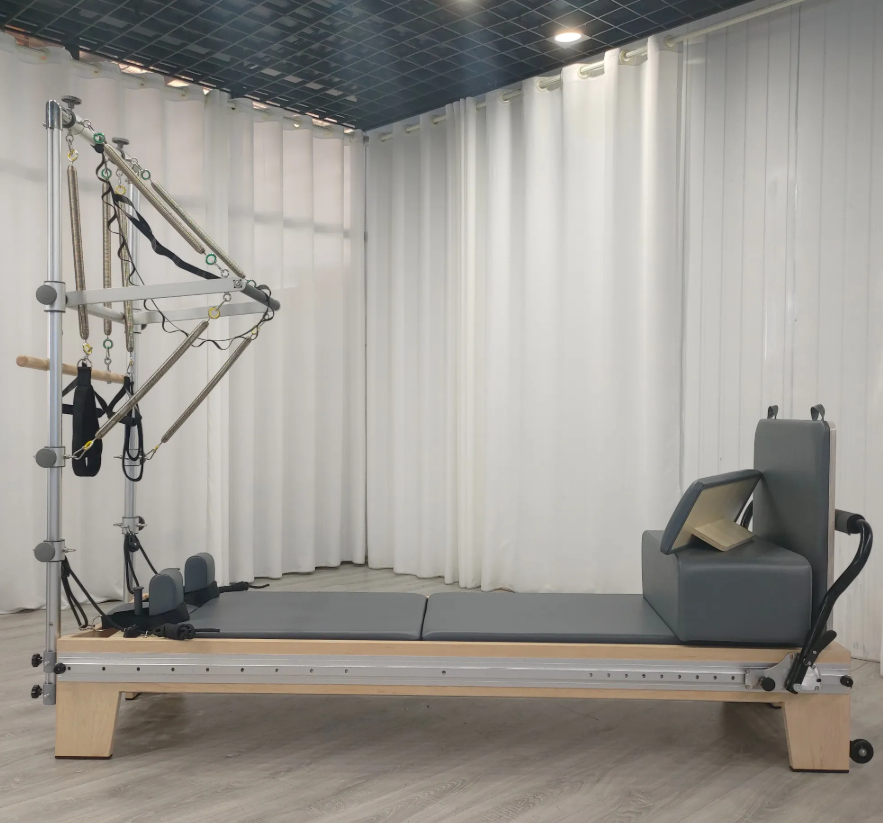
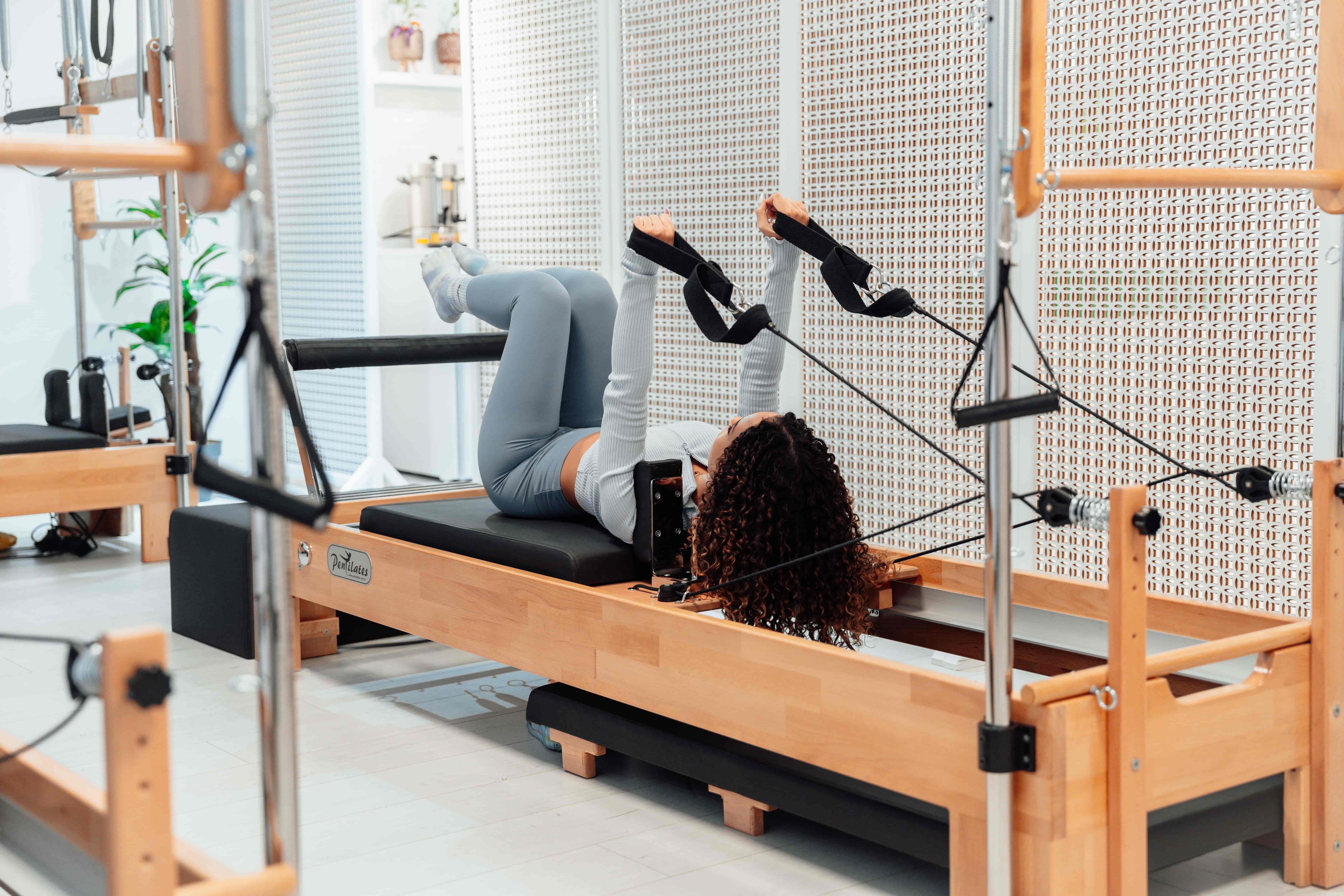
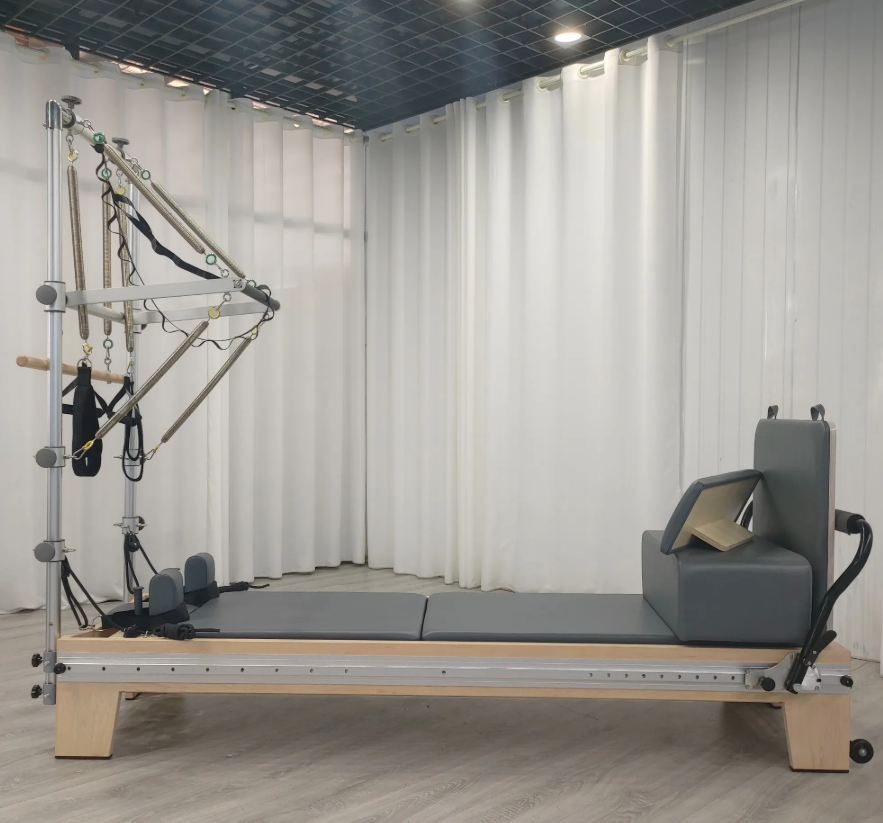
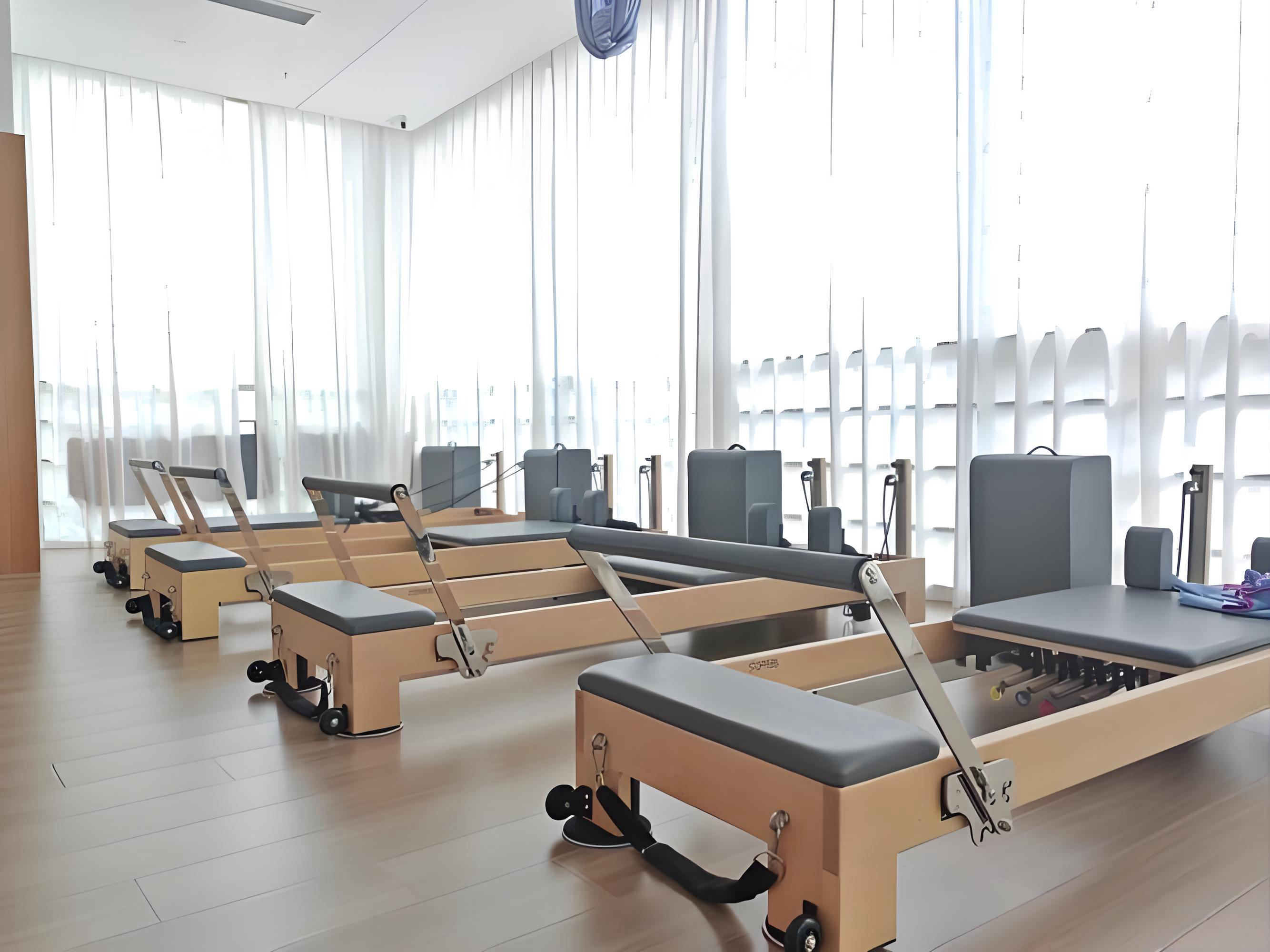
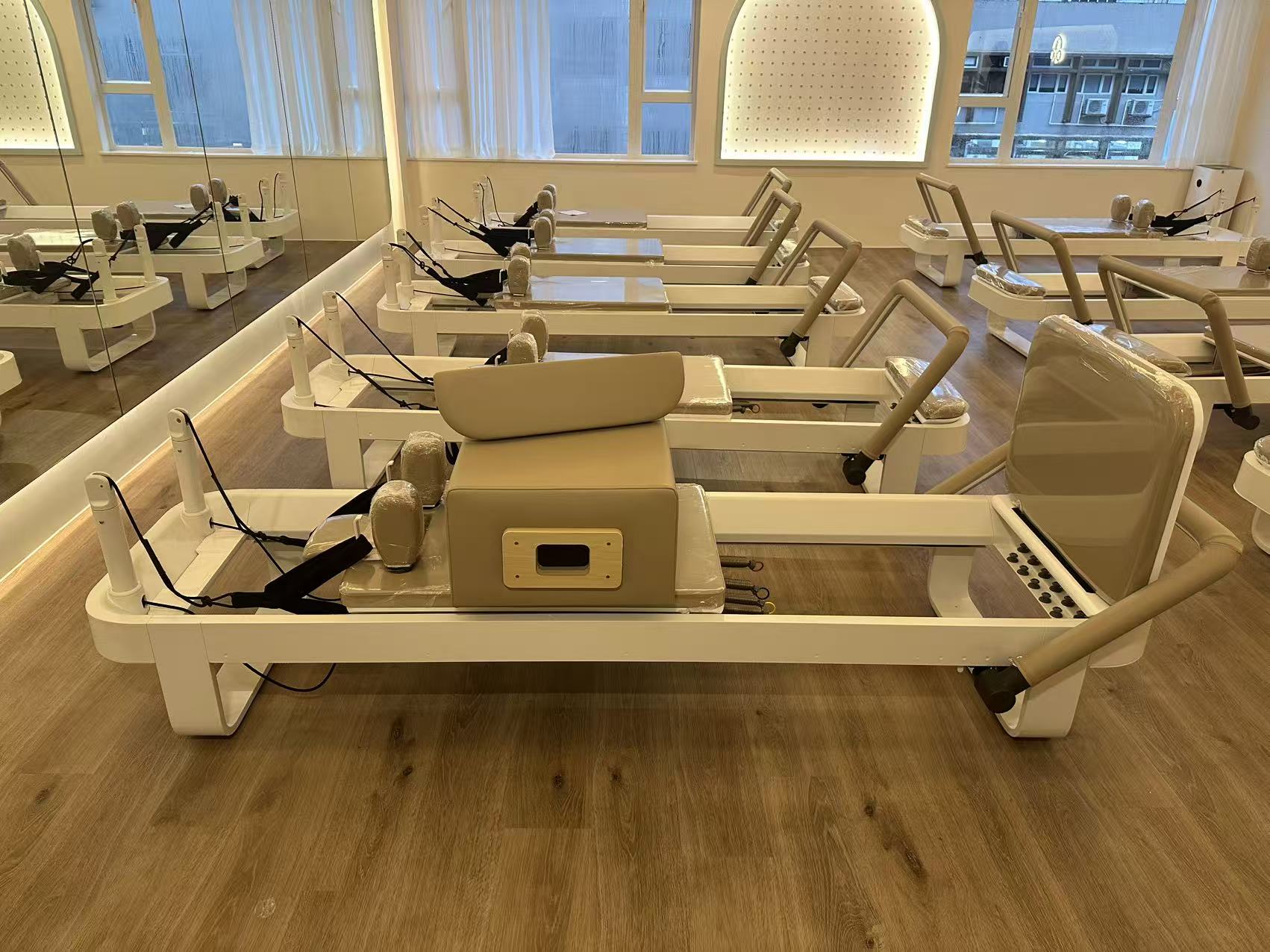
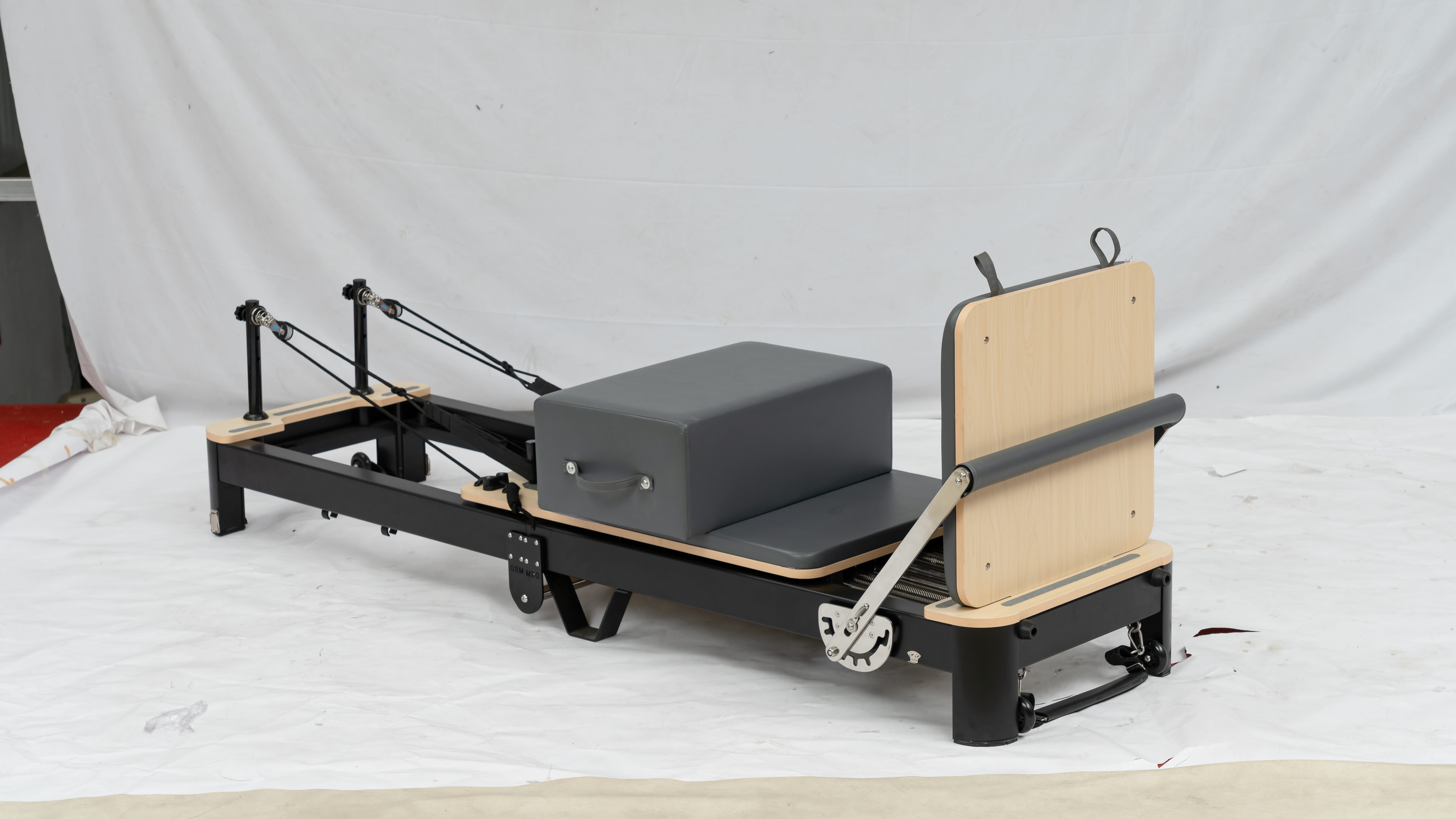
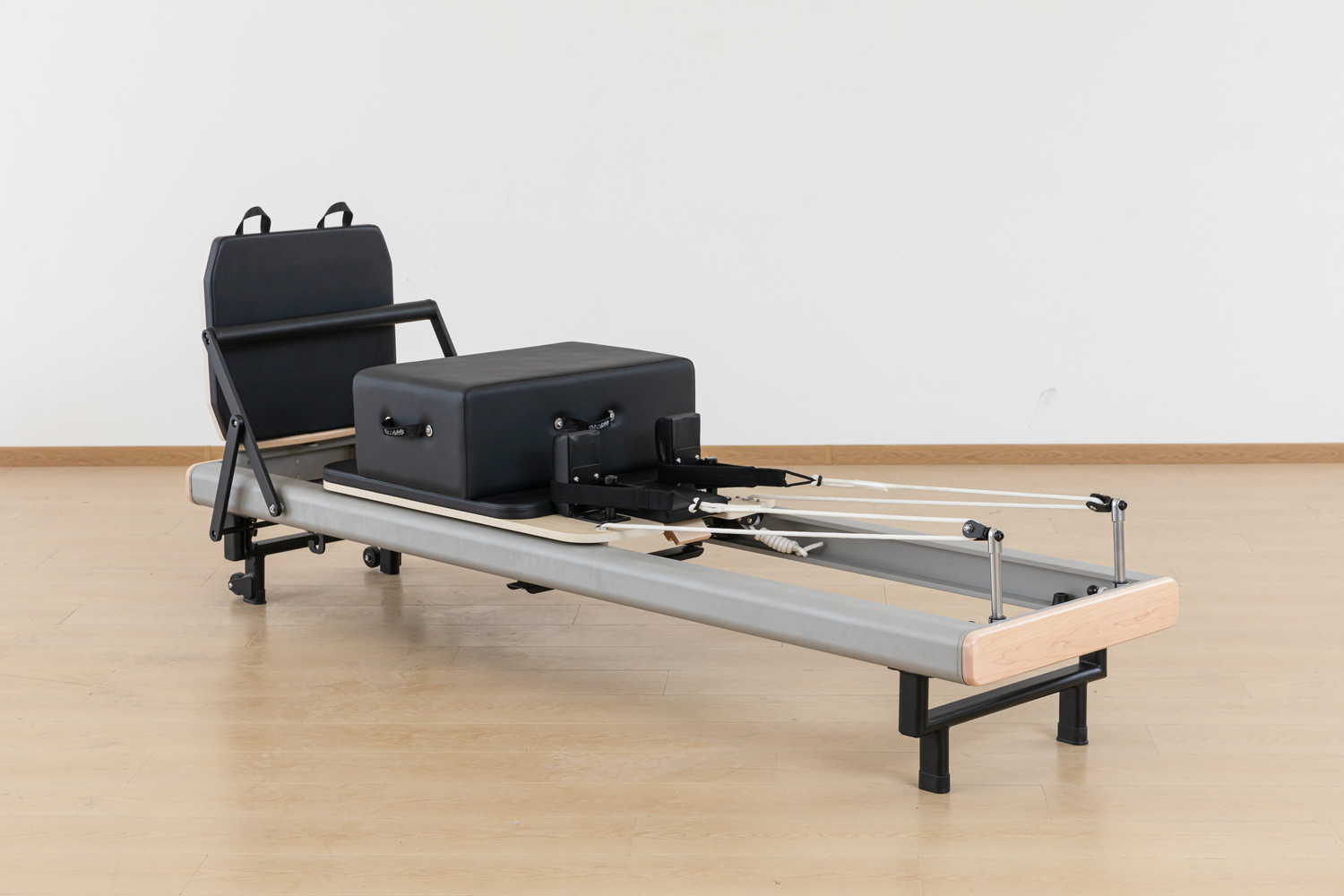
High-quality commercial Pilates equipment is a long-term investment for studios and fitness centers. With correct daily maintenance and regular care, Pilates reformers, chairs, barrels, and Cadillac machines can maintain stable performance, silent operation, and a brand-new appearance for many years. Proper maintenance not only extends equipment service life but also ensures safe, comfortable training experience for users and reduces long-term replacement and repair costs. This article shares a professional and practical maintenance guide for full-series Pilates equipment.
1. Daily Cleaning & Sanitization
Sweat, dust, and daily friction are the main causes of leather aging, surface dullness, and bacterial growth. Daily cleaning is the most basic and critical maintenance step.
After each class, wipe the leather upholstery, foam padding, and metal frames with a soft, slightly damp microfiber cloth. For sanitization, use mild, non-corrosive, alcohol-free disinfectant solutions. Avoid strong chemical cleaners, bleach, or abrasive detergents, which will cause leather cracking, peeling, discoloration, and paint fading on wooden and aluminum frames.
Keep the equipment dry all the time. Excessive residual moisture will lead to spring rust, metal oxidation, wood deformation, and mold growth, especially in humid coastal areas.
2. Leather & Foam Maintenance
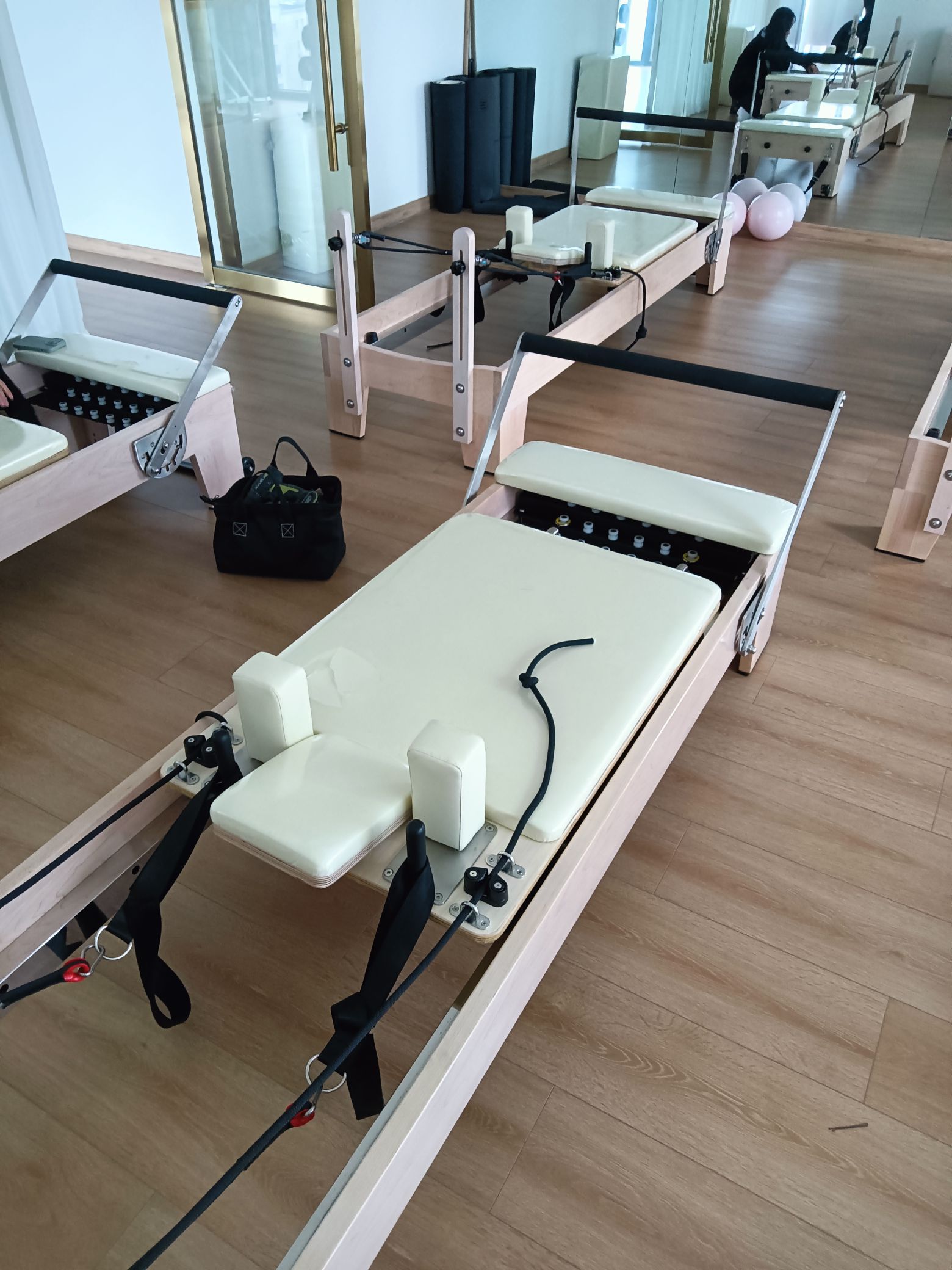
The upholstery and foam padding directly affect training comfort and appearance. Most commercial Pilates machines adopt high-density microfiber leather and high-rebound foam.
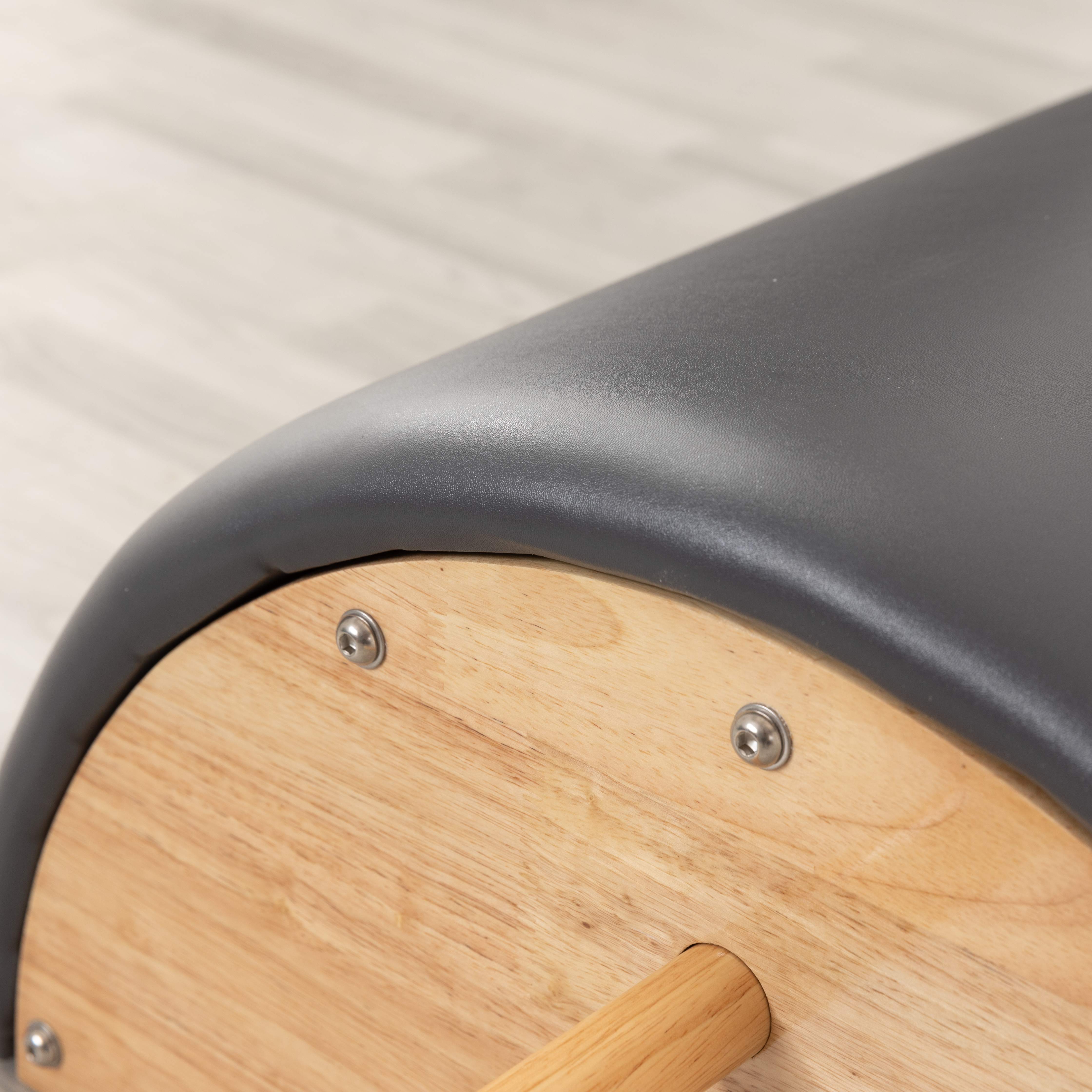
To avoid leather hardening, wrinkling, and cracking, regularly clean the leather surface and apply professional leather care conditioner every 1–2 months. This keeps the leather soft, elastic, and scratch-resistant. Avoid sharp objects touching the leather surface to prevent cuts and damage.
Do not expose the equipment to long-term direct sunlight. Ultraviolet rays will accelerate leather aging, cause color fading, and make foam lose elasticity and collapse prematurely.
3. Spring System Maintenance & Inspection
Springs are the core functional components of Pilates equipment, determining tension stability and training smoothness.
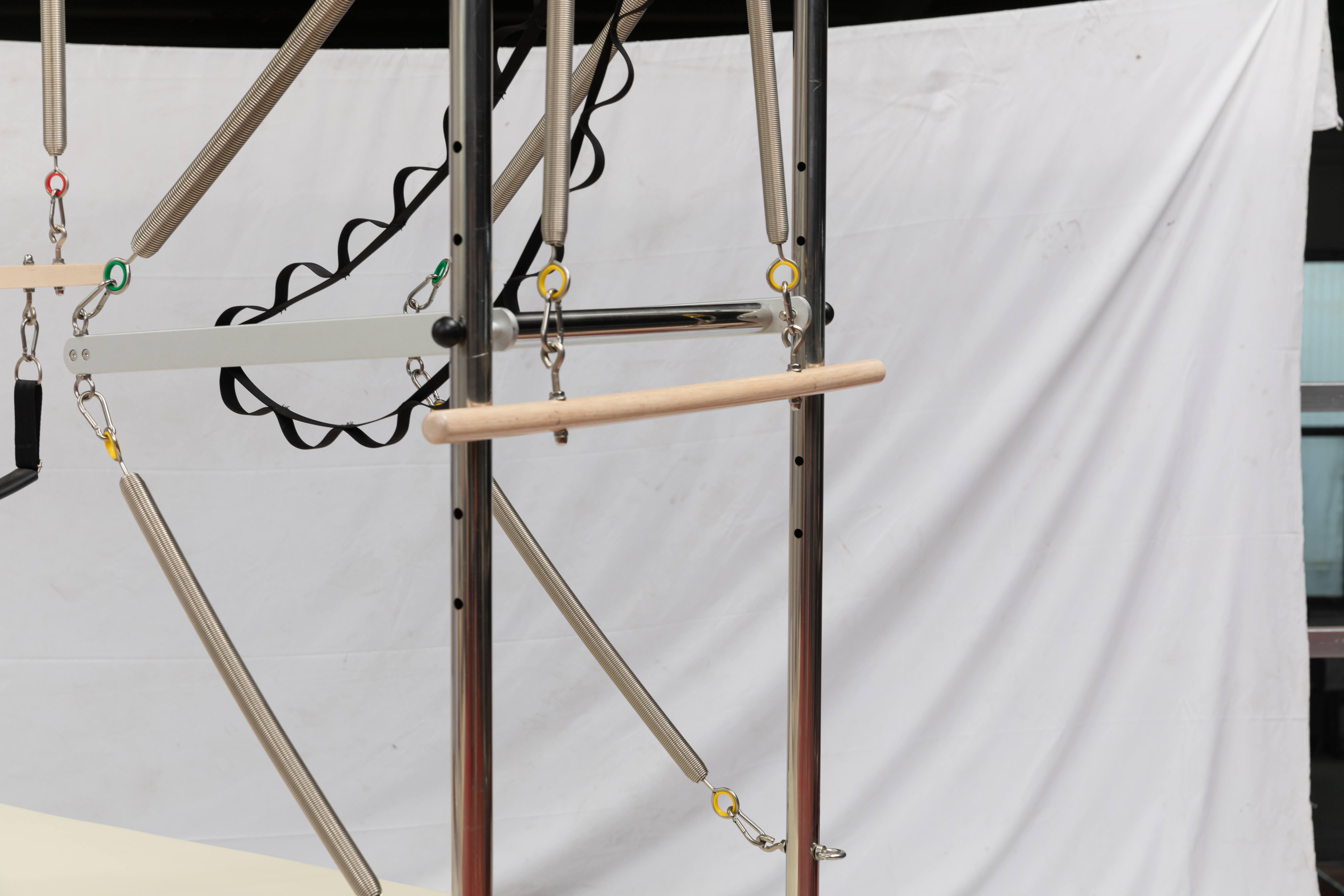
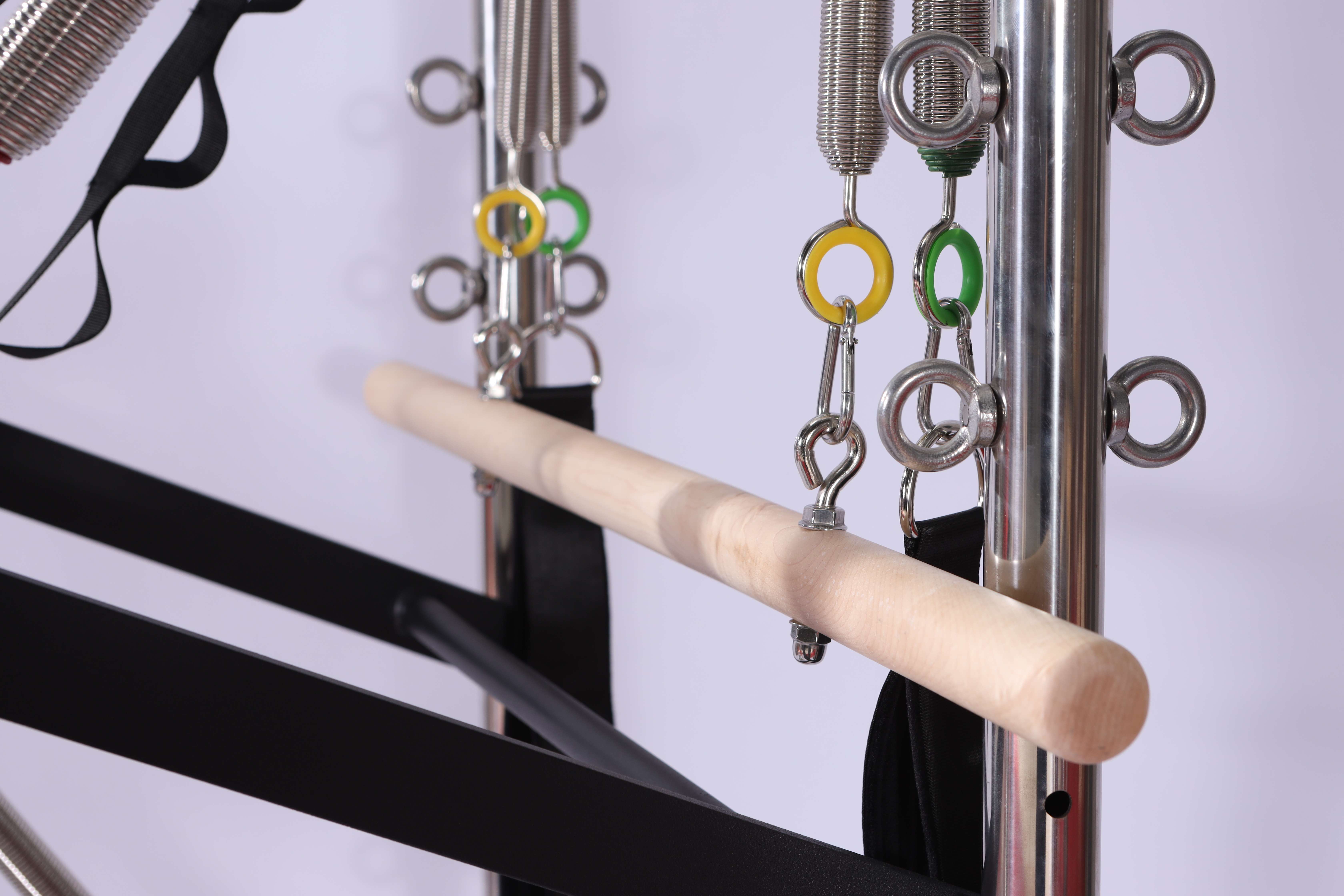
Regularly check all tension springs for rust, deformation, loose hooks, or tension attenuation. Keep springs dry and clean. If dust accumulates, gently wipe with a dry cloth. Do not lubricate springs excessively, as too much oil will adsorb dust and affect stretching smoothness.
For high-frequency studio use, inspect springs every two weeks. Replace aging, deformed, or rusted springs in time to ensure consistent resistance and avoid sudden breakage during training, which may cause safety risks.
4. Sliding Rail & Pulley Care
Smooth and silent sliding depends on well-maintained rails and pulleys. Dust, hair, and fine debris stuck in the slide track will cause jitter, noise, and unsmooth gliding.
Clean the sliding rail regularly to remove residual dust and foreign matter. Keep the track flat and clean. For silent aluminum rails, apply a small amount of dedicated sliding lubricant quarterly to maintain smooth movement. Avoid over-lubrication to prevent dust accumulation.
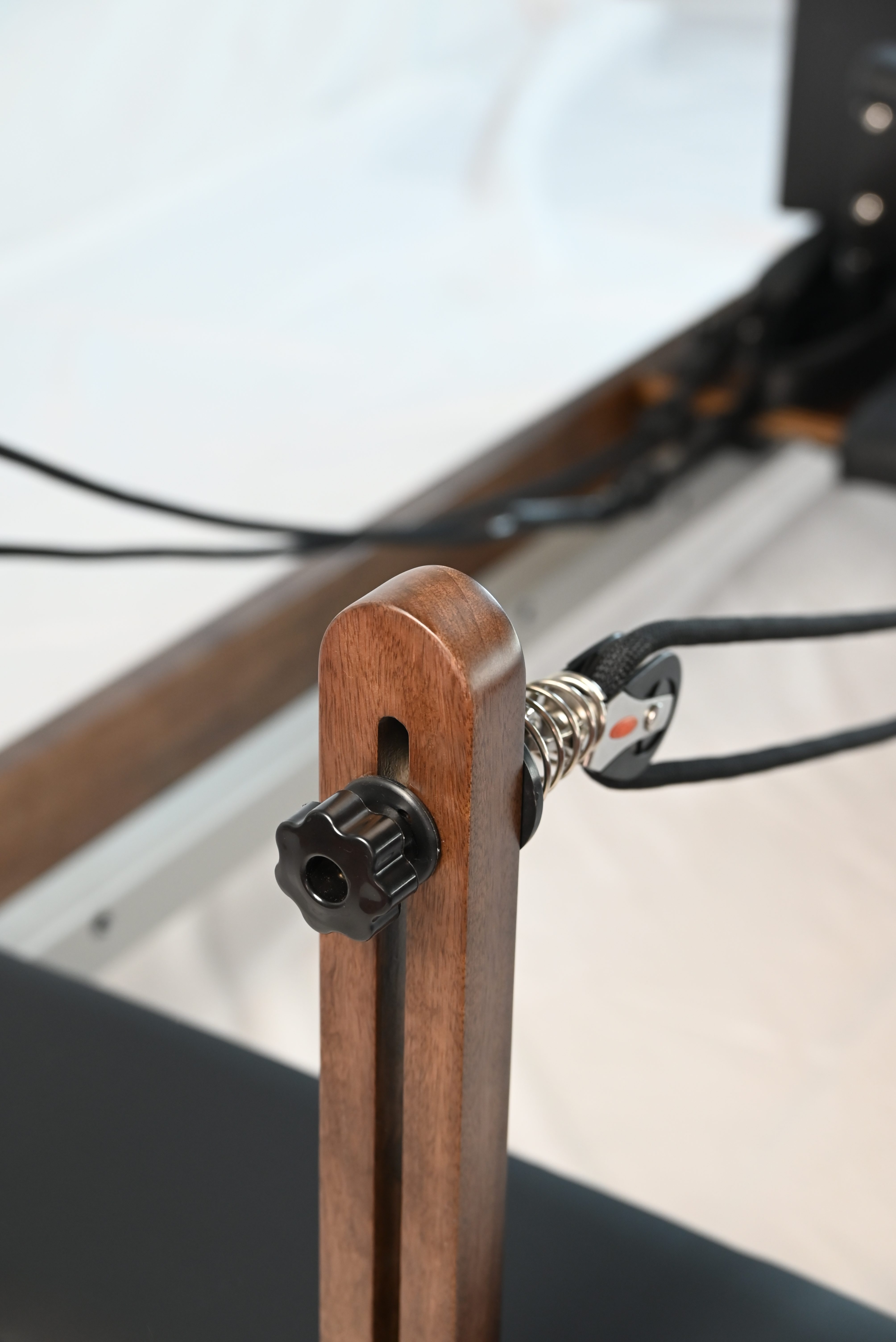
Check stainless steel pulleys regularly to ensure flexible rotation without jamming or abnormal noise. Fasten loose pulley screws to prevent structural shaking during exercise.
5. Frame Maintenance (Wooden & Aluminum Frames)
Wooden Frame Care
Solid beech wood frames require regular moisture-proof and anti-scratch protection. Avoid long-term humid environments and direct water flushing. Wipe dry immediately if water splashes on the frame. Polish and maintain the wood surface every six months to keep the varnish layer complete, preventing cracking, mildew, and deformation.
Aluminum Frame Care
Aluminum alloy frames are relatively maintenance-free. Daily wiping can keep the surface clean. Check welding joints and screws regularly to ensure no looseness. Avoid heavy collision to prevent surface paint peeling.
6. Rope & Strap Inspection and Replacement
Traction ropes, hand straps, and foot loops are wearable parts. Long-term tension and friction will cause wear, fluffing, and aging.
Inspect all ropes and straps every month. Once obvious wear, cracks, or loose threads appear, replace them immediately to prevent breakage during training. Keep straps clean and dry to avoid mildew and material aging.
7. Regular Screw & Structural Tightening
Long-term repeated vibration and movement may cause screws and connectors to loosen slightly. Loose structures lead to equipment shaking and abnormal noise.
Studio operators should conduct a full structural inspection every month. Tighten all screws, support rods, and fixed parts to ensure overall stability. This simple regular check can greatly extend the service life of commercial equipment.
8. Reasonable Usage & Environment Control
Place Pilates equipment in a dry, ventilated, and flat indoor environment. Avoid humid, high-temperature, or dusty spaces. Do not exceed the equipment’s rated load-bearing limit during training. Standardized usage habits can effectively avoid artificial damage and maintain long-term equipment performance.
Key Maintenance Summary
- Daily: Wipe clean, keep dry, remove surface dust and sweat stains
- Weekly: Check pulleys, sliding smoothness, and accessory tightness
- Monthly: Fasten screws, inspect springs and ropes, clean slide rails
- Quarterly: Leather care, rail lubrication, overall performance debugging
Conclusion
Scientific and regular maintenance is the best way to keep Pilates equipment stable, beautiful, and durable. Good daily care can avoid common problems such as leather aging, spring rust, sliding noise, and structural looseness, helping studios maintain high-end teaching quality and reduce operating costs.
As a professional Pilates equipment manufacturer, we provide high-quality commercial-grade equipment and long-term after-sales support, including spare parts replacement and professional maintenance guidance. Welcome global studios and distributors for wholesale and customized cooperation.