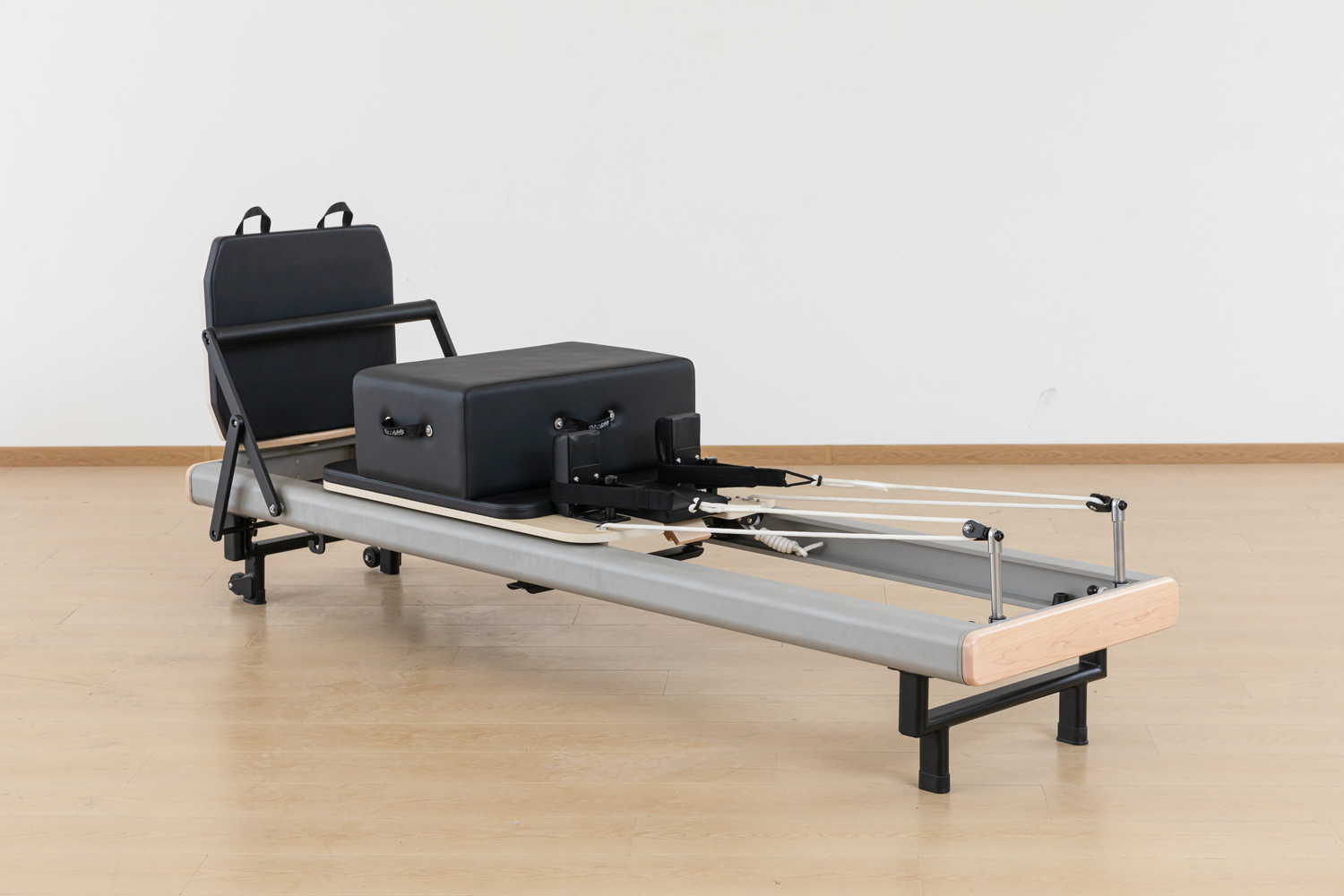
How Often Should You Replace Pilates Reformer Springs?
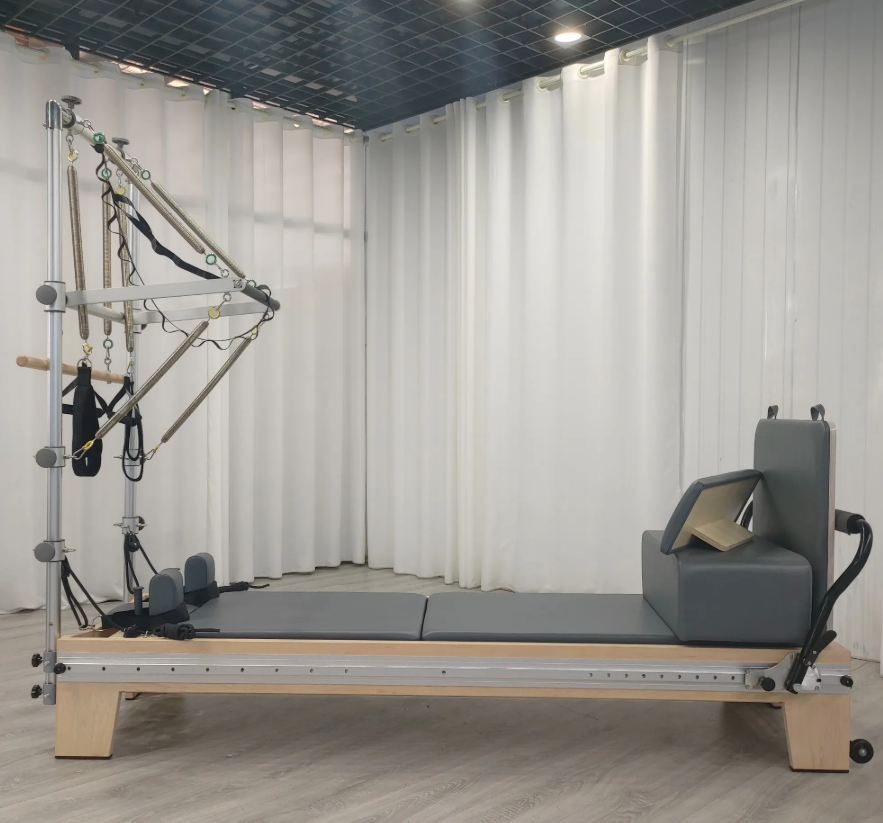
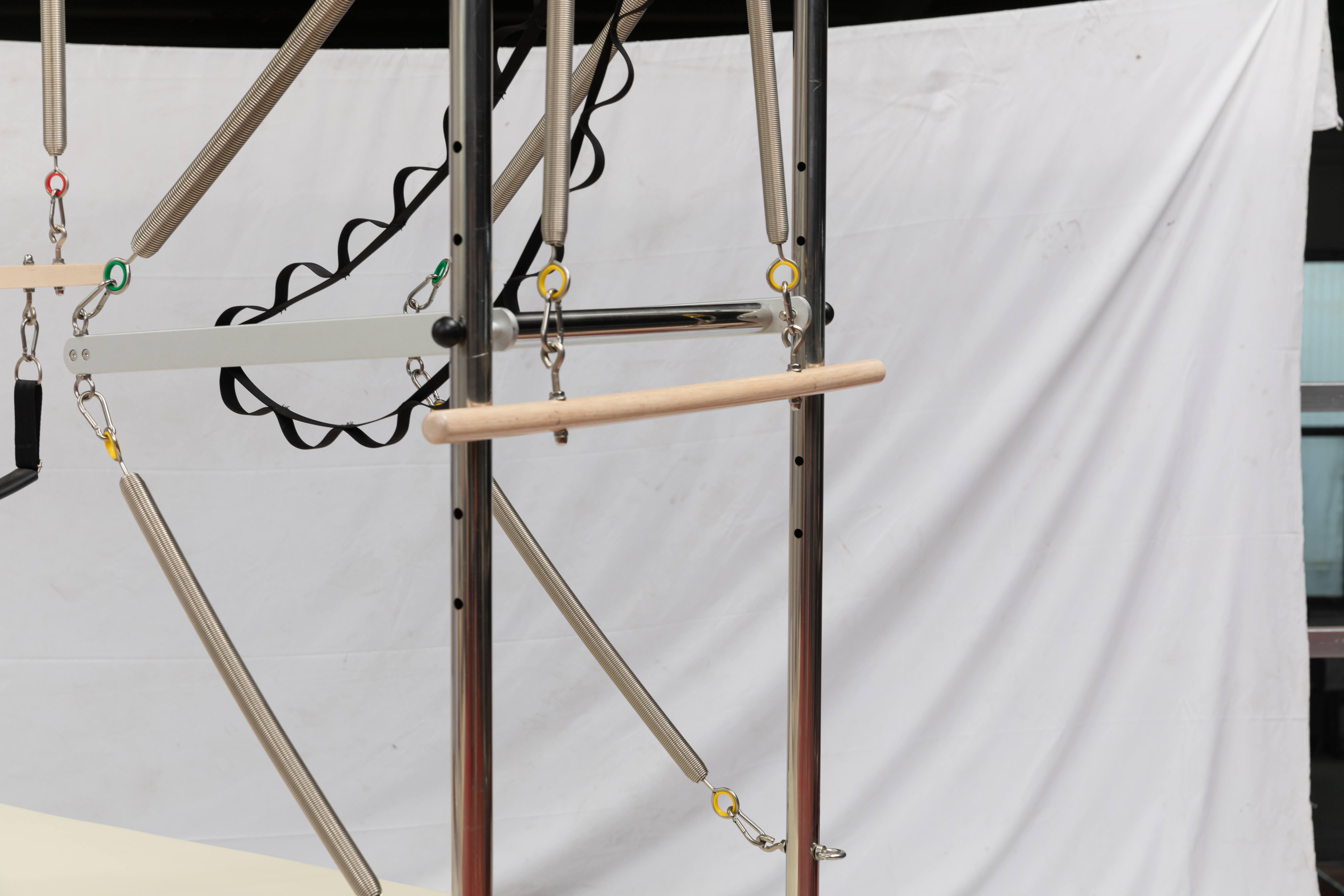
Springs are the core functional component of every Pilates reformer, responsible for providing stable resistance, smooth tension feedback and safe low-impact training. Unlike frame and upholstery parts, springs are wearable components that gradually fatigue with long-term stretching use. For studio owners and fitness operators, knowing the exact replacement cycle of Pilates springs is critical to maintaining consistent teaching effects, ensuring user safety and avoiding unnecessary equipment failures. This article explains the standard replacement cycle, key replacement signs, and factors that affect spring service life.
Standard Spring Replacement Cycle
The replacement cycle of Pilates reformer springs mainly depends on the usage scenario, divided into commercial studio use and home personal use, with obvious differences in service life and replacement frequency.
Commercial Studio High-Frequency Use
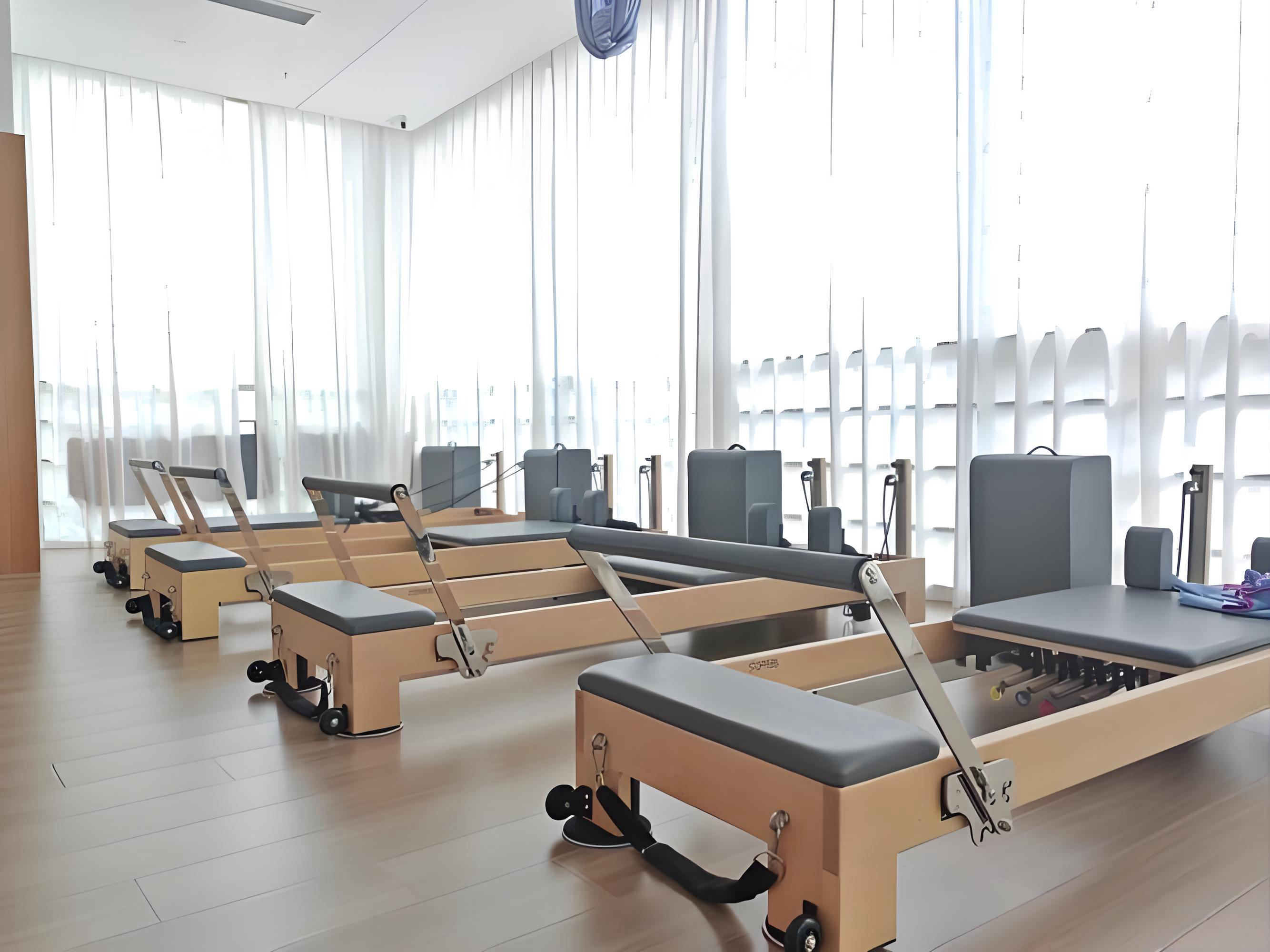
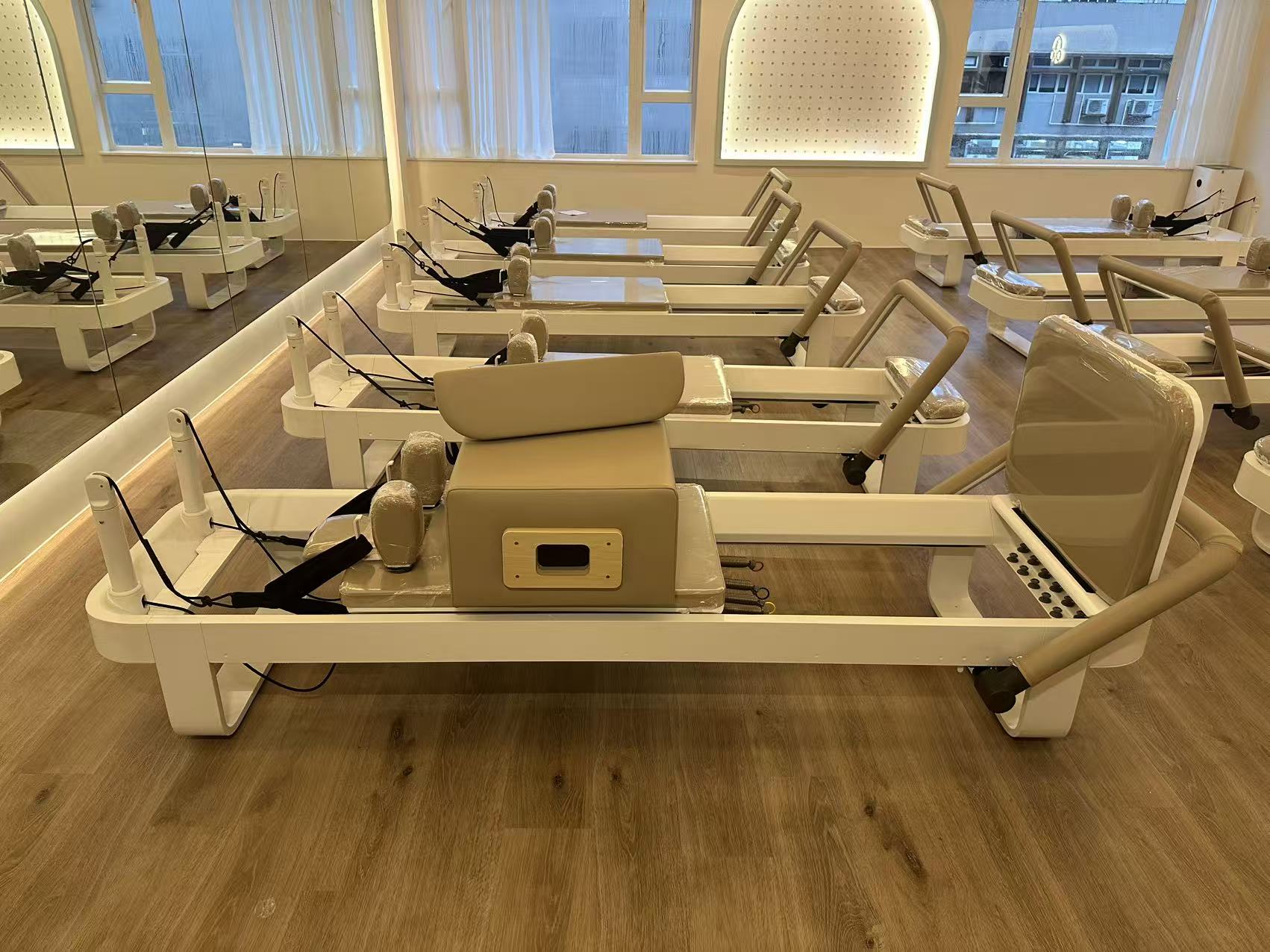
Professional boutique studios and fitness centers usually run 6 to 10 classes per day, with springs stretched and reset hundreds of times daily. Under continuous high-frequency operation, commercial-grade steel springs will gradually produce fatigue attenuation. The standard replacement cycle for commercial scenarios is 12 to 18 months. Timely replacement ensures stable tension consistency for long-term teaching and guarantees professional training effects for all students.
Home Low-Frequency Use
For personal home Pilates reformers with only 1 to 3 times of low-intensity training per day, the spring load is far lower than commercial standards. High-quality industrial springs can maintain stable performance for a long time. The recommended replacement cycle for home use is 3 to 5 years.
Key Factors That Affect Spring Service Life
Not all springs age at the same speed. Multiple factors determine their actual service life and replacement time:
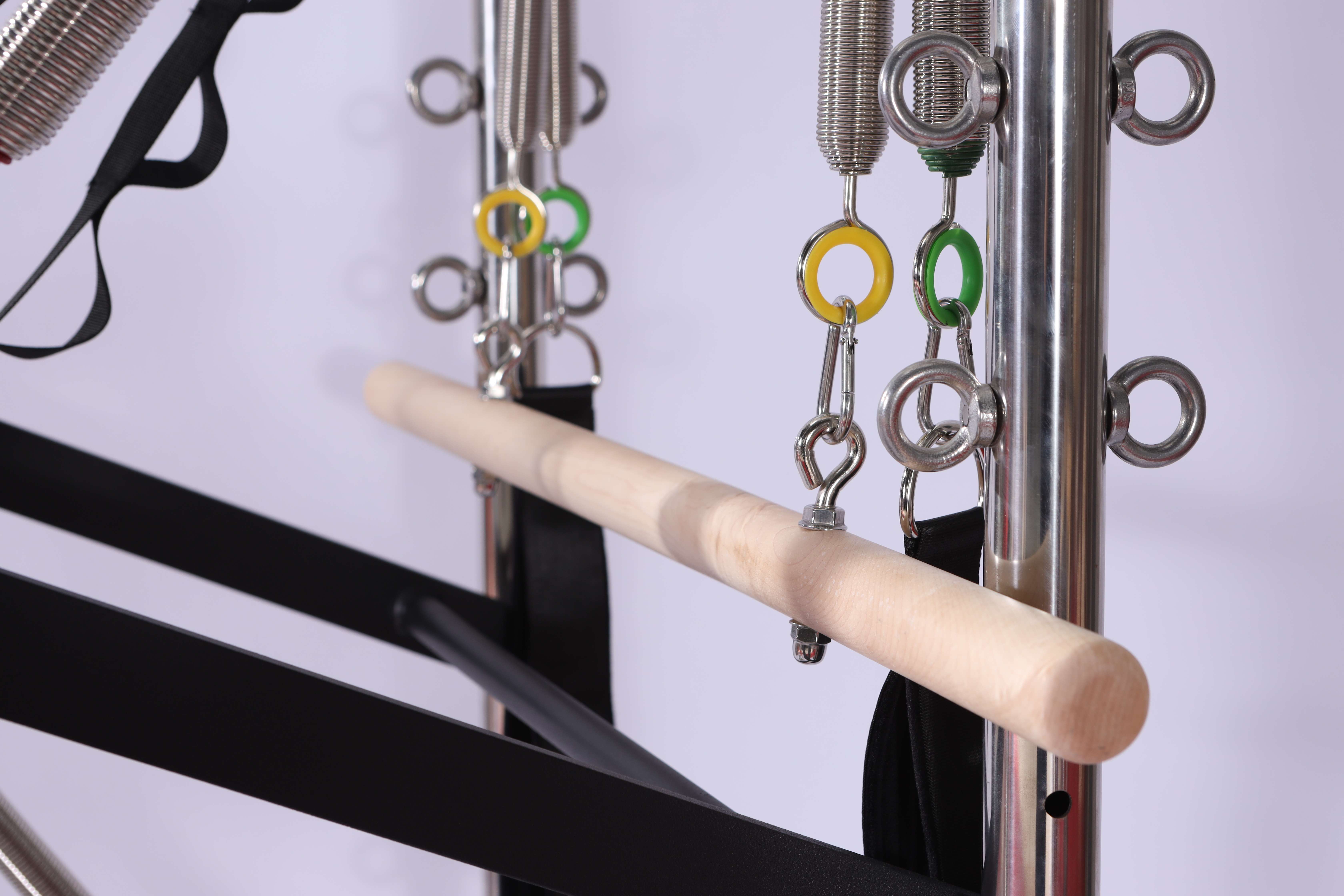
- Spring Material Grade: Premium commercial springs adopt 65Mn high-carbon steel or piano wire material, featuring strong fatigue resistance and stable tension. Inferior low-carbon steel springs fatigue rapidly and need replacement in less than one year even for normal use.
- Daily Usage Frequency: Higher class density and longer daily use accelerate spring aging. Long-term continuous stretching will cause irreversible tension attenuation.
- Operating Environment: Humid, sweaty and unventilated environments easily cause spring surface oxidation and rust, greatly shortening service life. Dry and clean conditions effectively extend spring durability.
- Training Habits: Violent pulling, sudden release and over-stretching during training will cause excessive spring load, leading to premature deformation and fatigue.
6 Obvious Signs That You Need to Replace Springs Immediately
Apart from fixed time cycles, actual equipment status is the most accurate judgment basis. Once the following problems occur, please replace the springs immediately regardless of the service time:
- Unstable Tension: The spring resistance is no longer uniform. It feels too loose at the initial stage and too tight at the later stage of stretching, resulting in inconsistent training intensity.
- Abnormal Noise: Squeaking, friction or jitter sounds during spring stretching and resetting, caused by internal fatigue and structural friction.
- Visible Deformation: Irregular bending, uneven spacing or local distortion of the spring coil, which completely damages tension balance.
- Rust and Corrosion: Surface rust spots and oxidation peeling will gradually weaken the spring structure and bring breakage risks.
- Slow Resetting: The spring cannot rebound quickly and smoothly, resulting in lagging reset and affecting movement fluency.
- Loose Elasticity: Obvious soft elasticity, unable to provide standard resistance, leading to reduced muscle activation and poor training effect.
Why Timely Spring Replacement Matters for Studios
Many studio owners ignore spring replacement and continue to use fatigued springs to save costs, which brings multiple hidden risks. First, attenuated springs lead to unstable training resistance, making it impossible for instructors to carry out standardized course teaching and reducing student training effects. Second, aging springs are prone to sudden breakage during high-intensity training, causing falls, sprains and other safety accidents. Third, inconsistent spring tension will affect the overall stability of the reformer, causing sliding jitter and abnormal noise, damaging the studio’s professional image.
Timely replacement of high-quality springs is a low-cost but high-return maintenance investment to ensure long-term stable operation of the studio.
Tips to Extend Spring Service Life
- Keep the equipment environment dry and ventilated, wipe off sweat and dust regularly to prevent oxidation and rust.
- Standardize training movements, avoid violent pulling and over-stretching.
- Regularly inspect spring status every two weeks for studios.
- Avoid excessive lubrication, which easily absorbs dust and affects elasticity.
Conclusion
To sum up, commercial Pilates reformer springs need replacement every 12–18 months, while home springs can be used for 3–5 years. Always judge the actual service status of springs through daily inspection. Timely replacement of fatigued and aging springs ensures training safety, consistent teaching quality and longer service life of Pilates equipment.
We provide high-quality commercial-grade Pilates reformer springs with stable tension, strong fatigue resistance and complete specifications. We support global studio after-sales replacement and wholesale spare parts supply, helping every customer maintain professional and stable equipment performance.