How to Clean Pilates Equipment Correctly? Step-by-Step Guide
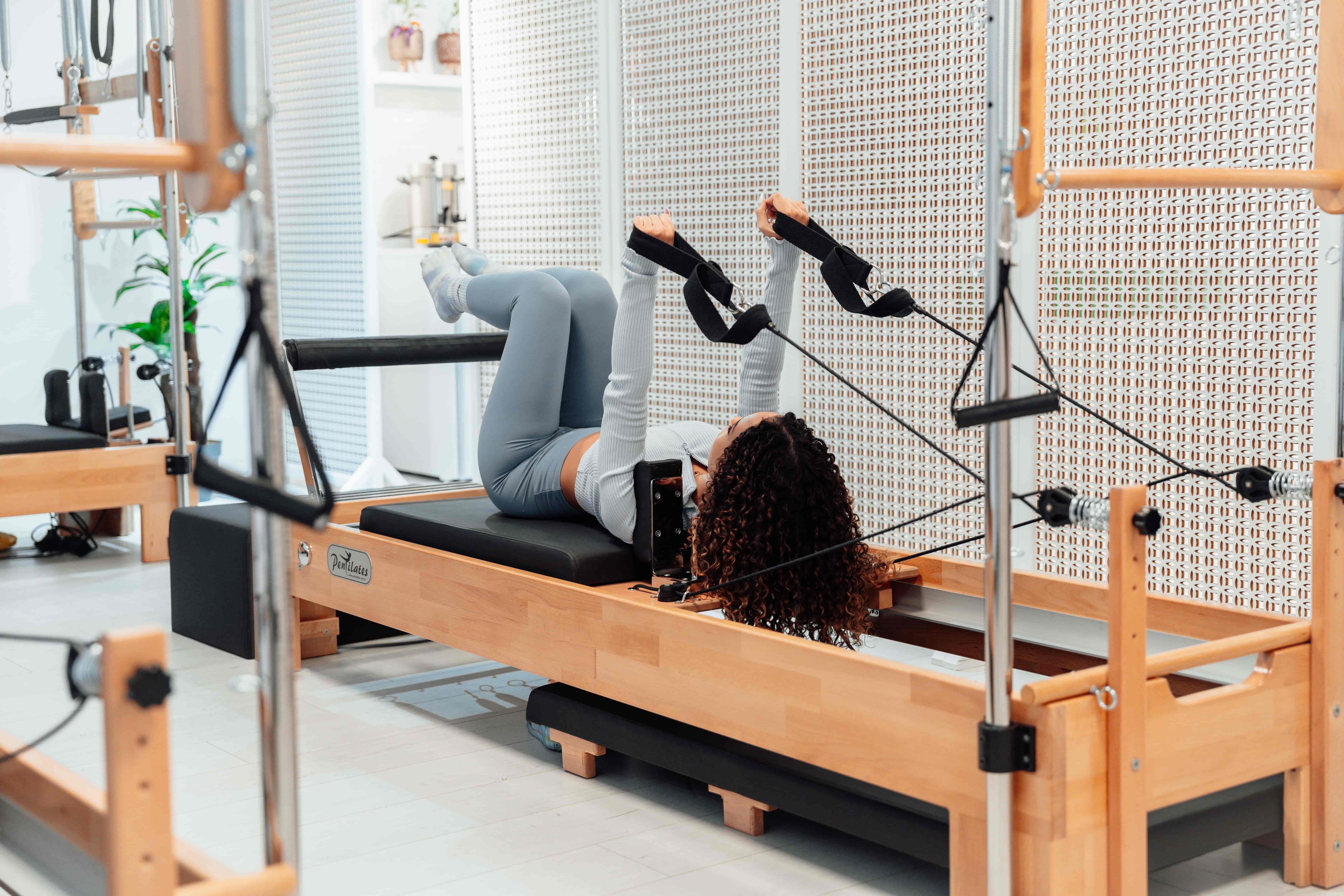
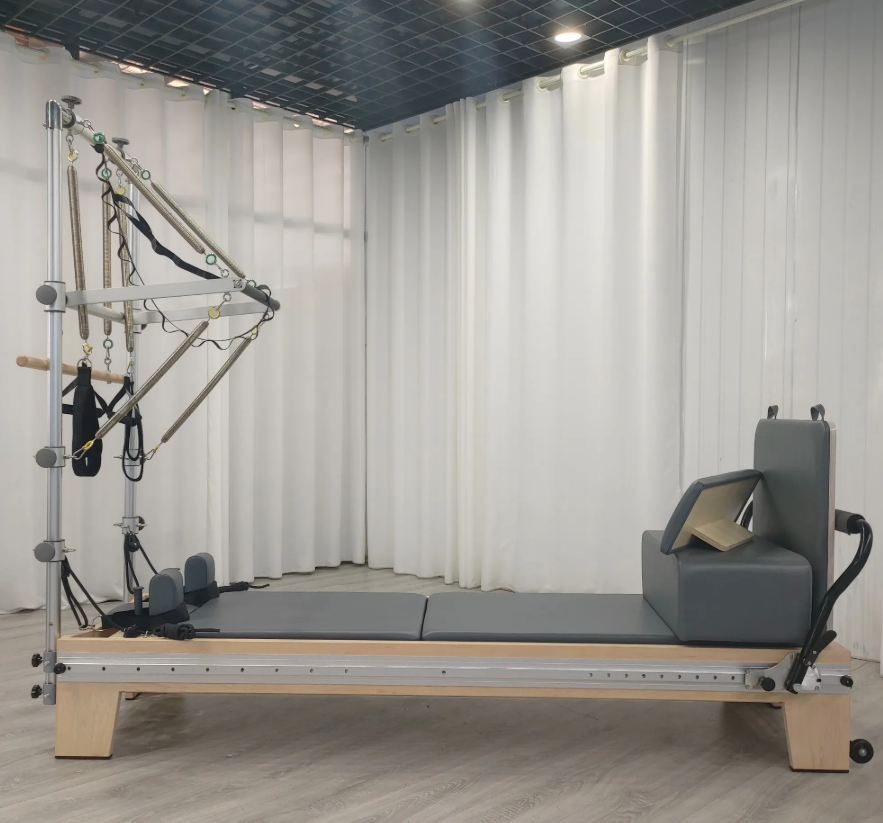
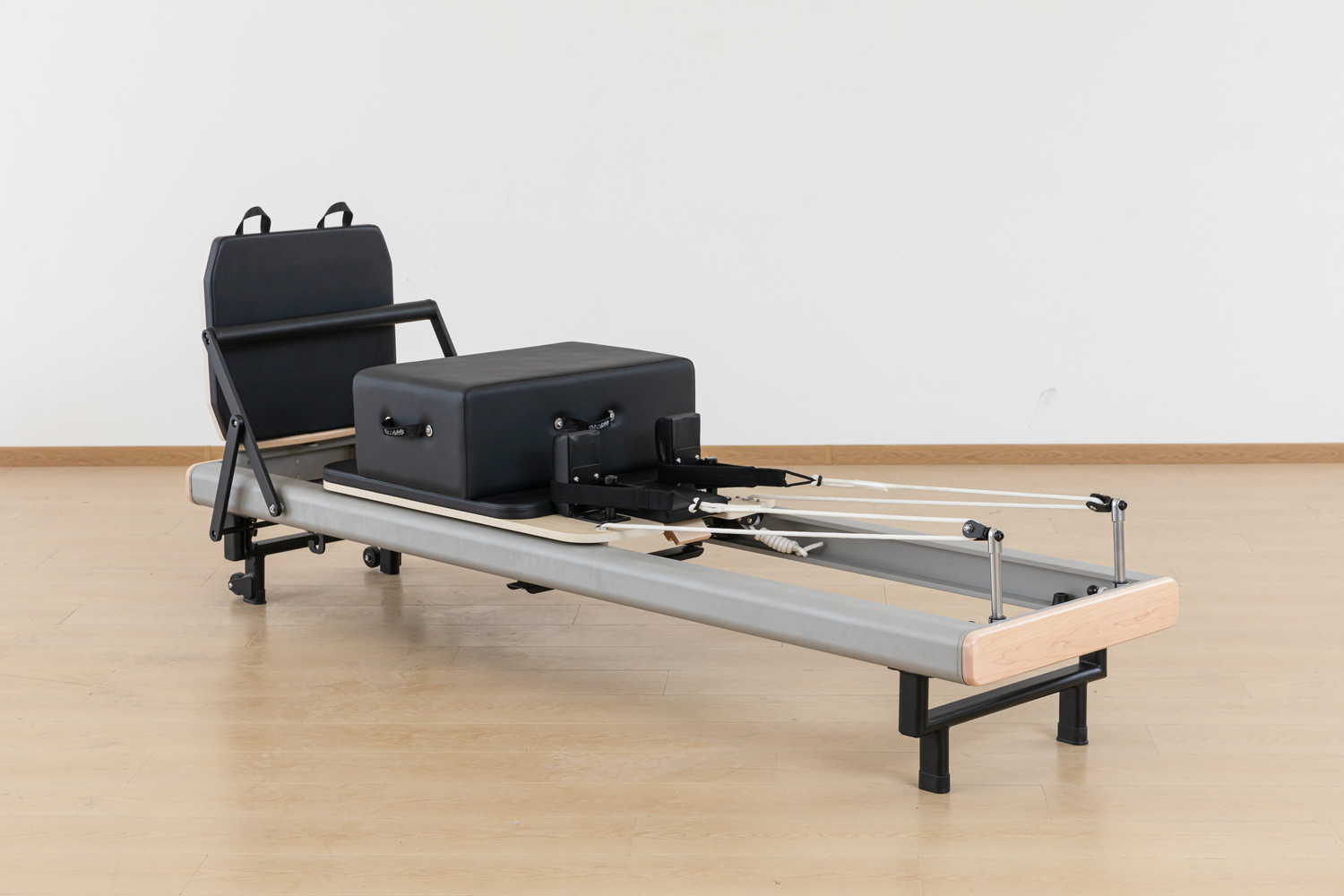
Pilates equipment is in direct contact with the human body during every training session. Sweat, oil, dust and bacteria can easily accumulate on leather surfaces, foam padding, metal frames and hardware parts. For professional Pilates studios, regular and standardized cleaning is not only related to equipment appearance and service life, but also directly affects customer experience, studio hygiene standards and brand reputation. Improper cleaning methods will cause leather cracking, frame fading, spring rust and premature aging. This article shares the correct and complete cleaning process for all types of Pilates equipment.
1. General Cleaning Principles for All Pilates Machines
Before starting daily cleaning, it is necessary to master the core principles to avoid irreversible damage:
- No strong chemicals: Avoid bleach, alcohol-based sprays, acetone and corrosive disinfectants.
- No direct water flushing: Never rinse the whole machine with water, which causes rust, wood deformation and internal circuit/hardware damage.
- Use soft tools only: Use microfiber cloths or soft sponges without hard brushes to prevent scratches.
- Keep dry at all times: Wipe off moisture immediately after cleaning to keep the equipment dry and ventilated.
2. How to Clean Leather & Foam Surfaces
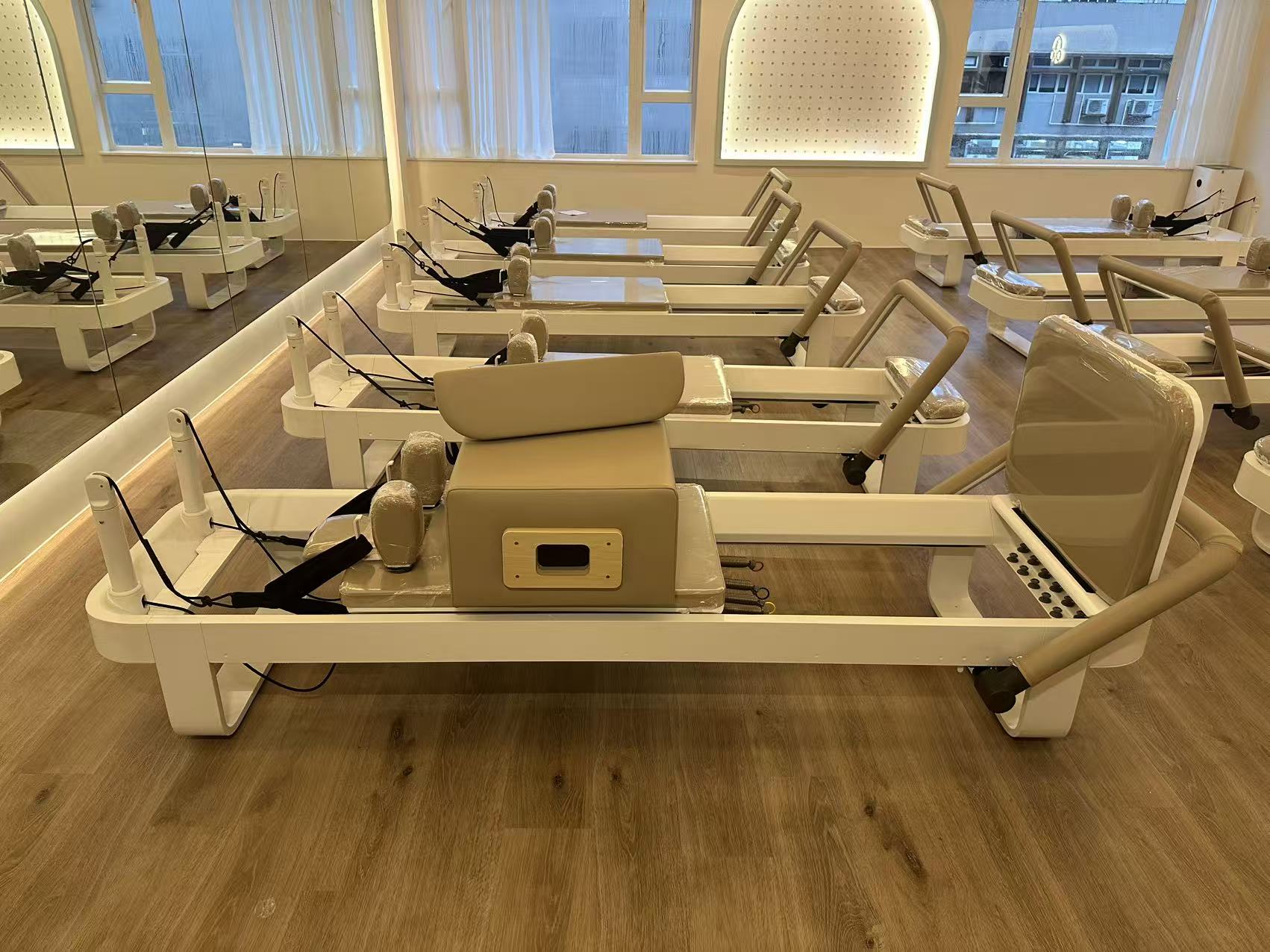
Leather upholstery and high-density foam are the most frequently touched areas and the most vulnerable parts if cleaned improperly.
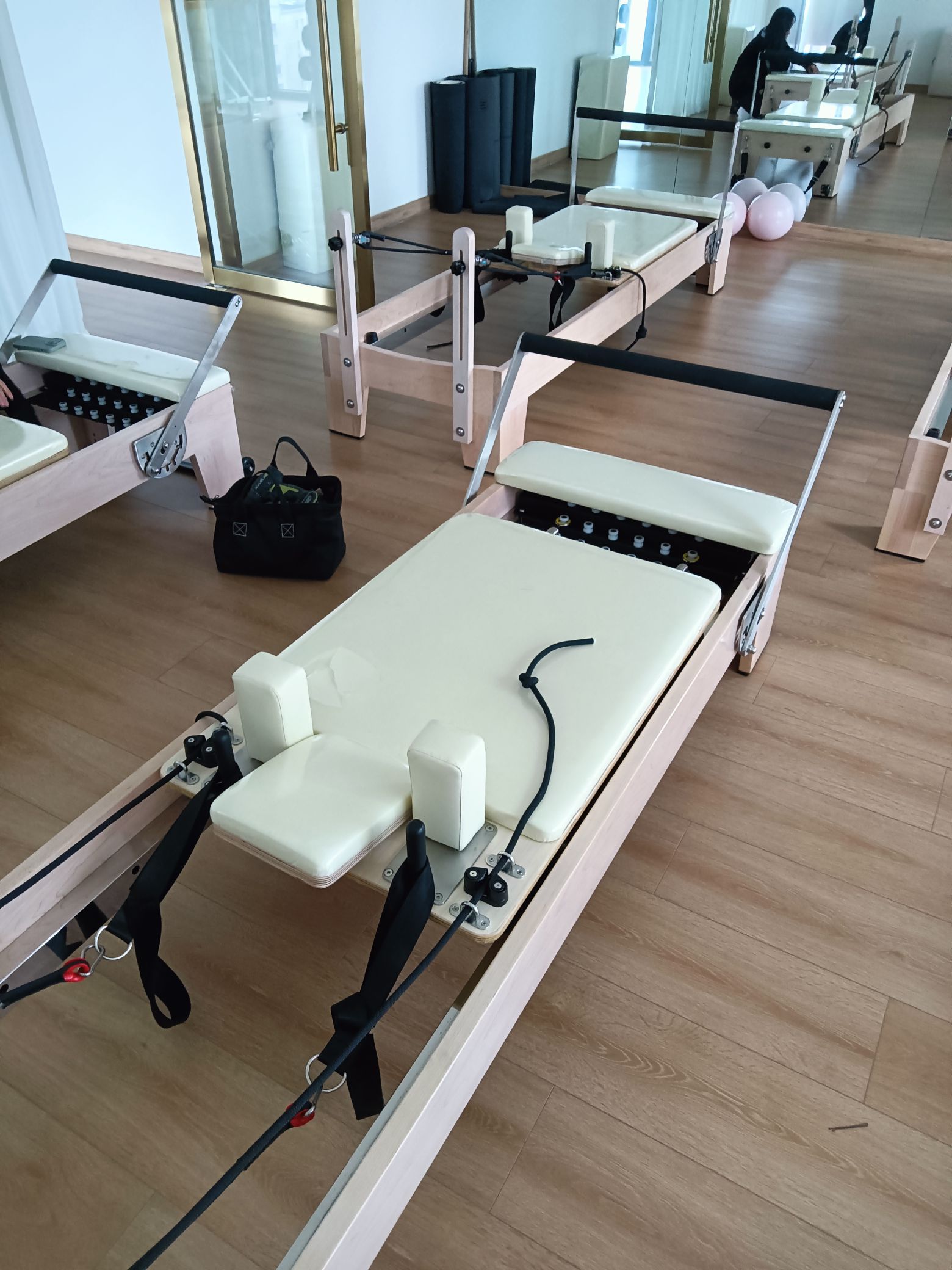
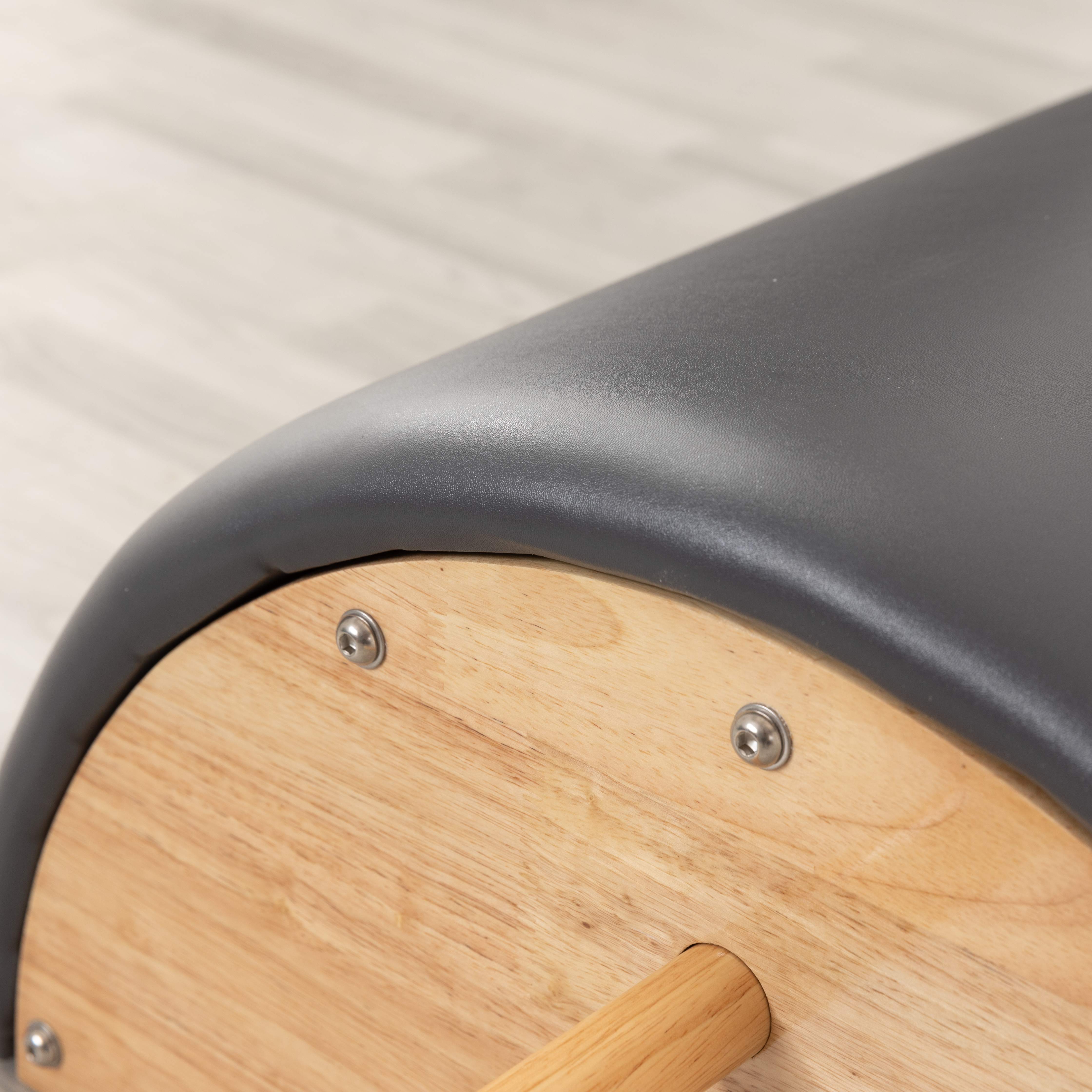
Daily routine cleaning: After each class, wipe the leather surface with a slightly damp soft cloth to remove sweat and dust. For slight stains, use neutral, mild soapy water and wipe evenly.
Deep cleaning: Do deep sanitization 2–3 times a week with alcohol-free, PH-neutral disinfectant spray designed for fitness equipment. Spray on the cloth first instead of directly spraying on the leather, then wipe the surface gently.
Maintenance tips: Do not leave disinfectant residue on the leather. After cleaning, dry the surface naturally. Apply leather conditioner every 1–2 months to keep the leather soft, elastic and anti-cracking.
3. How to Clean Wooden & Aluminum Frames
Wooden Frames
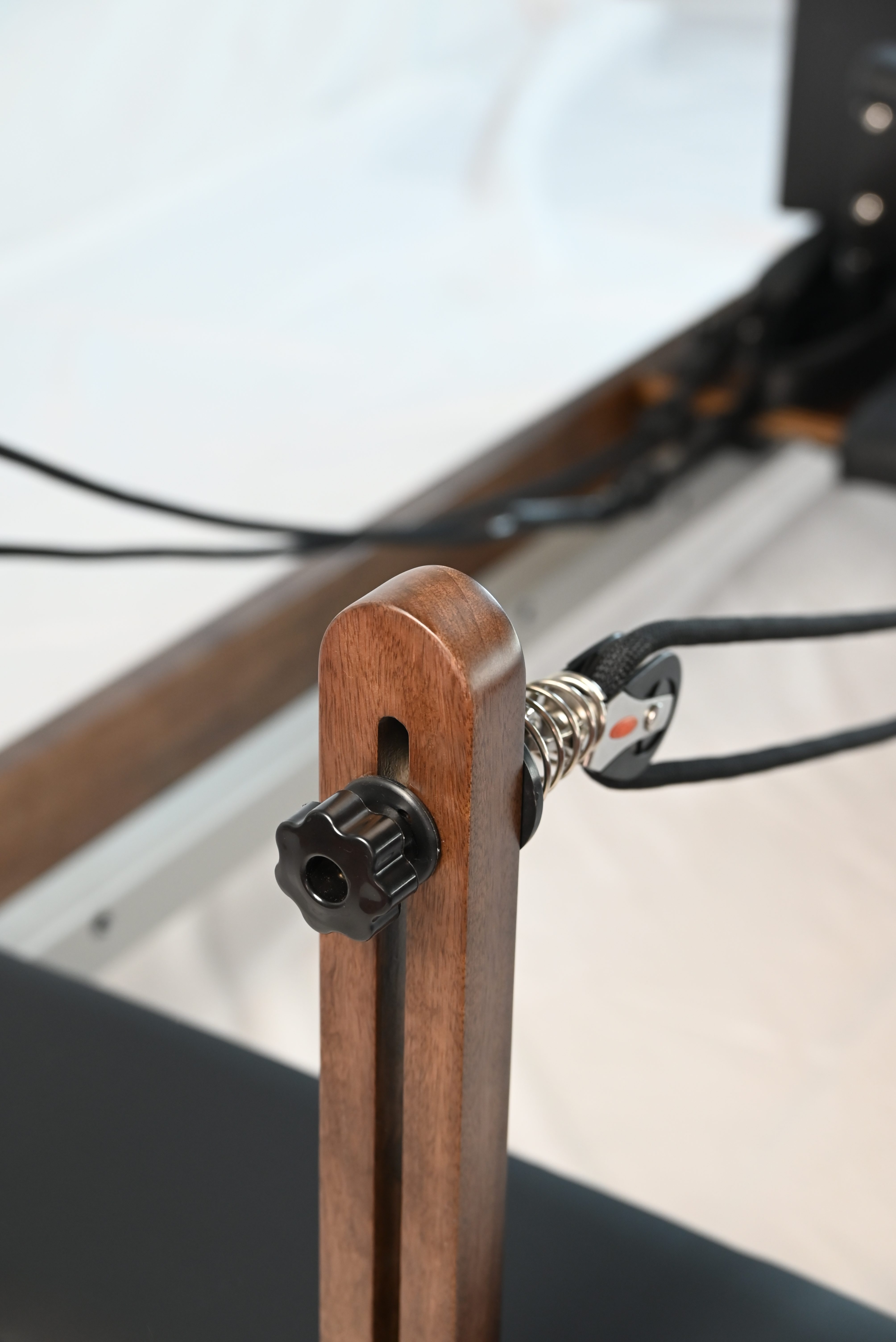
Solid wood frames require gentle maintenance. Use a dry or slightly damp cloth to wipe dust and stains. Avoid excessive water and humid disinfectant. Long-term moisture will cause wood deformation, mildew and paint peeling. After cleaning, keep the room ventilated and dry.
Aluminum Alloy Frames
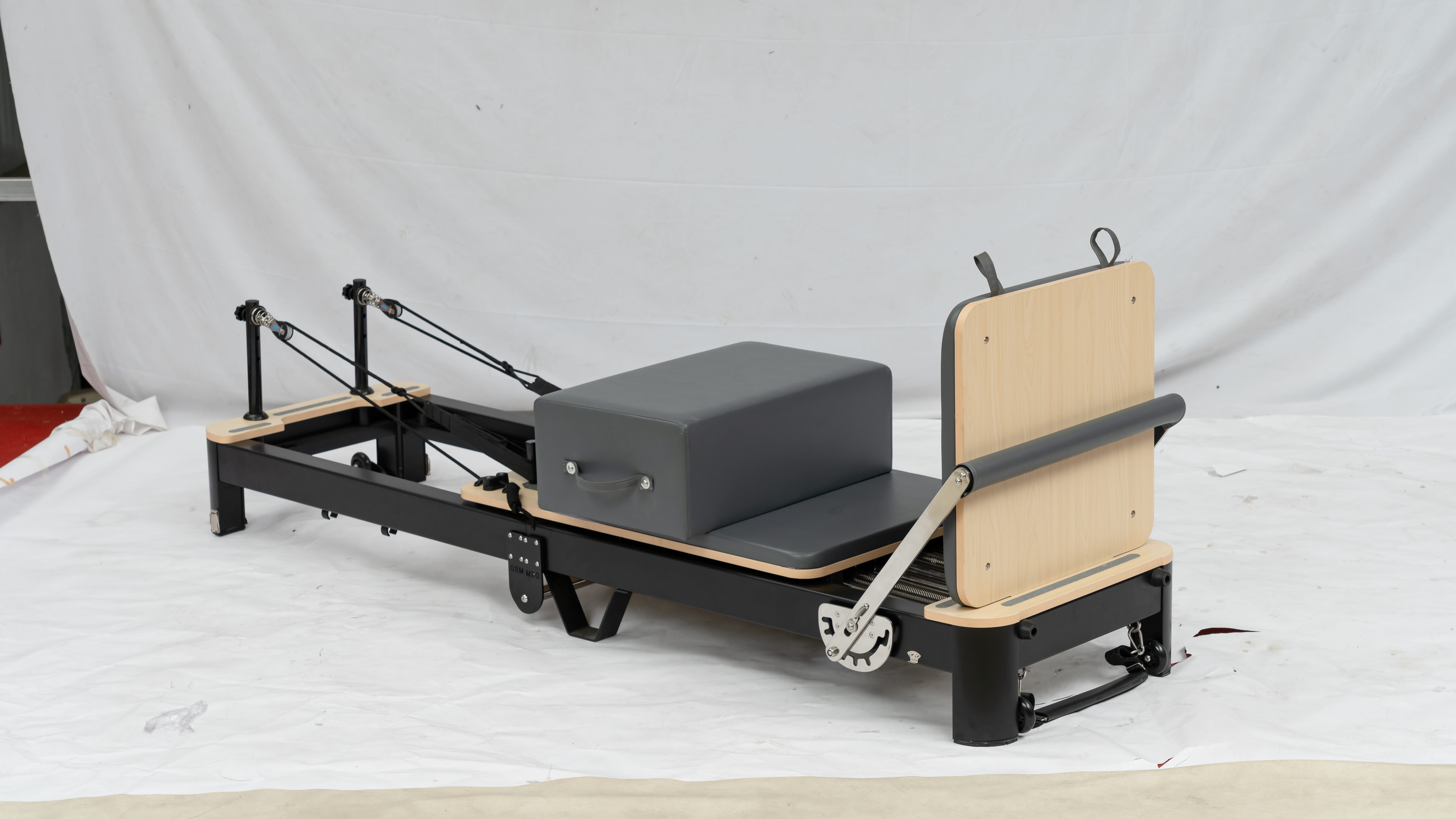
Aluminum frames are more durable and easy to maintain. Wipe with a damp cloth to remove fingerprints, dust and stains. For stubborn dirt, use neutral detergent. Do not use abrasive powder or hard tools to avoid scratching the matte surface and causing paint fading.
4. How to Clean Springs, Rails and Pulleys
The sliding system and spring system determine the smoothness and silence of the equipment, so precise cleaning is essential.
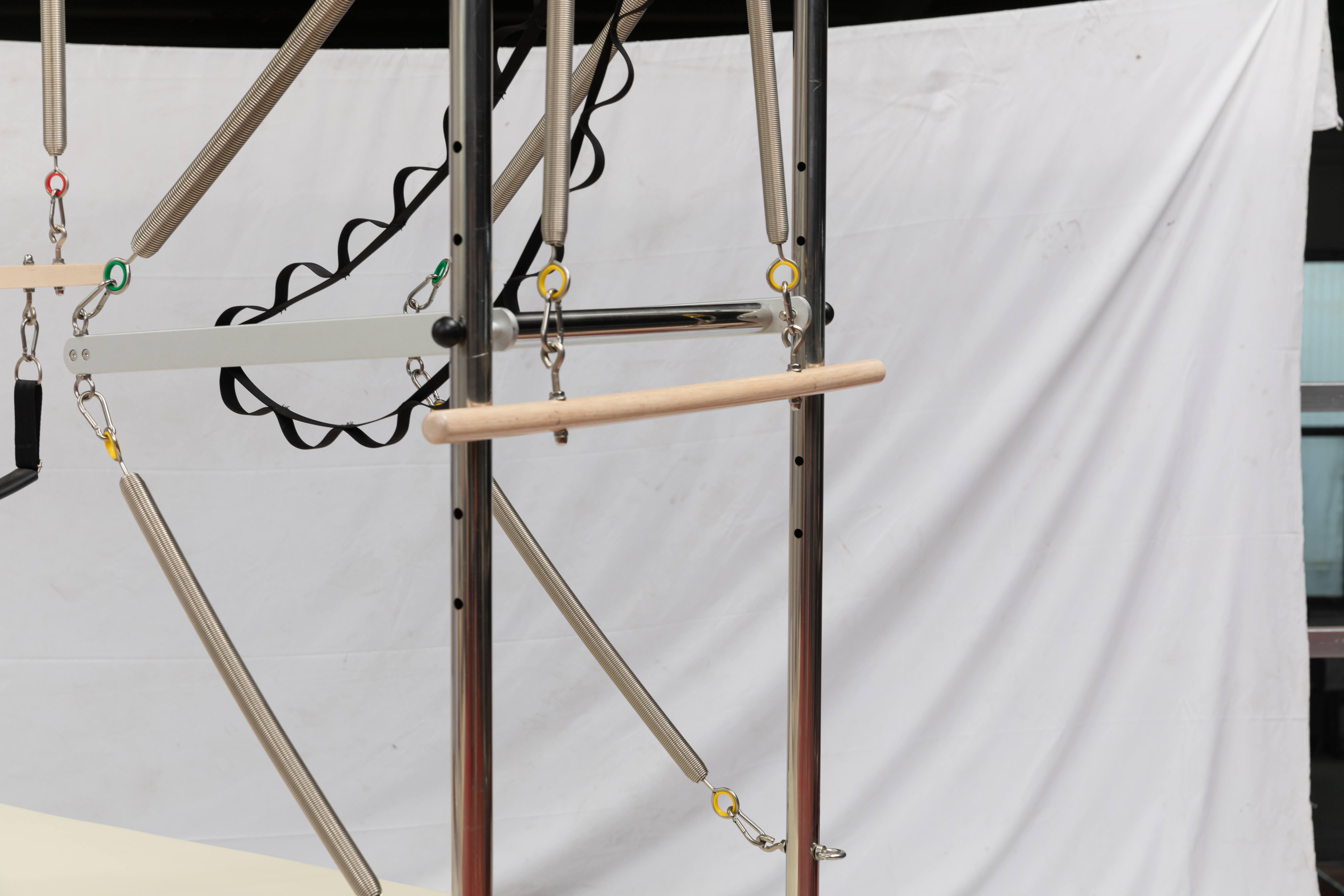
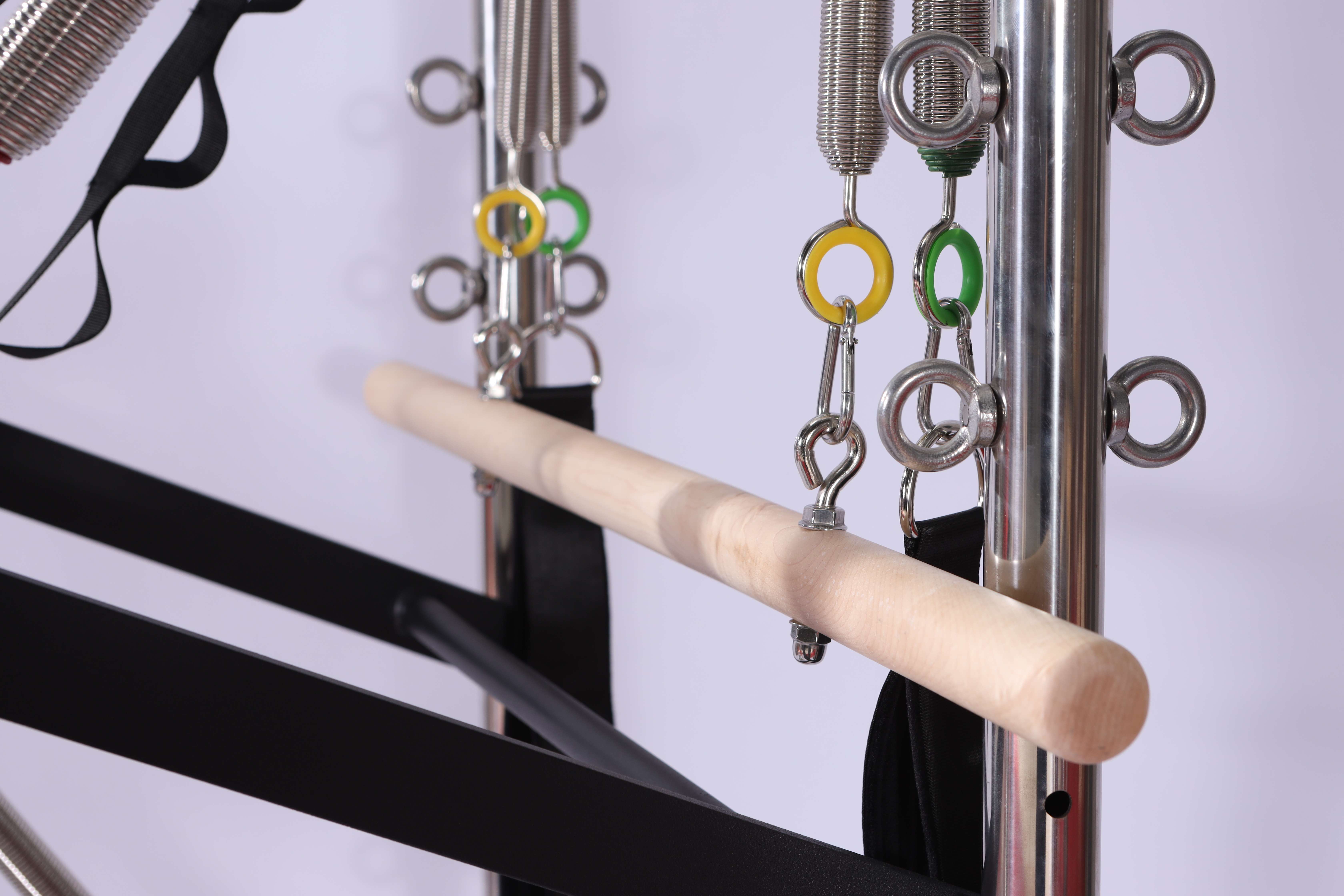
Springs: Always use a dry cloth to wipe spring surfaces to remove dust and sweat. Keep springs dry to prevent oxidation and rust. Do not spray disinfectant directly on springs, and avoid excessive oil, which will adsorb dust and affect tension stability.
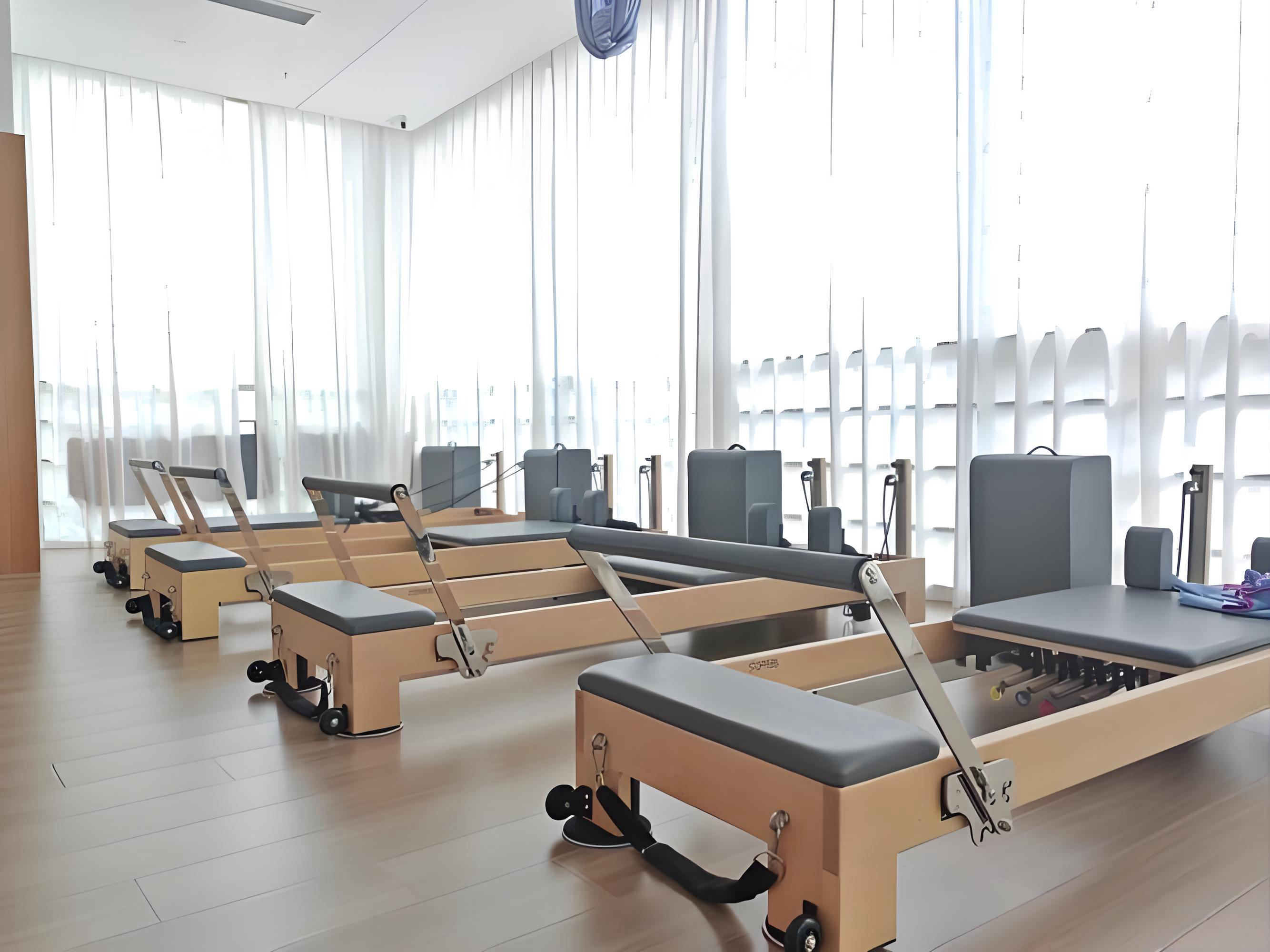
Sliding Rails: Regularly clean dust, hair and fine debris inside the track with a dry cloth. Clean rails ensure smooth sliding without jitter or noise. Do not use water to flush the track interior.
Pulleys and hardware: Wipe stainless steel pulleys and metal parts dry to keep them flexible and rust-free.
5. How to Clean Ropes, Straps and Accessories
Hand straps, foot loops, traction ropes and small Pilates accessories easily absorb sweat and breed bacteria.
Remove all straps and loops regularly. Hand wash them with neutral soap water, rinse thoroughly and air dry naturally in a ventilated place. Do not expose them to strong sunlight for a long time, which will cause fiber aging and reduced toughness. Magic circles, yoga blocks and small tools can be wiped with mild disinfectant and dried.
6. Professional Studio Cleaning Schedule
To keep studio equipment hygienic and long-lasting, follow this standardized cleaning routine:
- After every class: Wipe leather cushions, headrests and contact areas.
- Daily closing cleaning: Clean frames, rails, straps and remove surface dust.
- Weekly deep cleaning: Full disinfection of all equipment, thorough cleaning of track debris and hardware inspection.
- Monthly maintenance: Leather care, spring inspection and overall equipment debugging.
7. Common Cleaning Mistakes to Avoid
- Using high-concentration alcohol or bleach, causing leather hardening and peeling
- Flushing equipment directly with water, leading to rust and deformation
- Leaving disinfectant residue on the cushion surface
- Using hard brushes to scrub leather and painted frames
- Exposing equipment to long-term sunlight or humid environment
Conclusion
Correct and standardized cleaning is the simplest and most effective way to extend the service life of Pilates equipment and maintain studio hygiene quality. Scientific daily cleaning can prevent leather aging, metal rust, abnormal noise and bacterial growth, ensuring safe, clean and comfortable training experience for every user.
As a professional commercial Pilates equipment manufacturer, we provide high-quality, durable and easy-to-maintain Pilates machines for global studios and distributors. If you need equipment maintenance guides or wholesale support, feel free to contact us.