How to Extend the Service Life of Pilates Equipment?
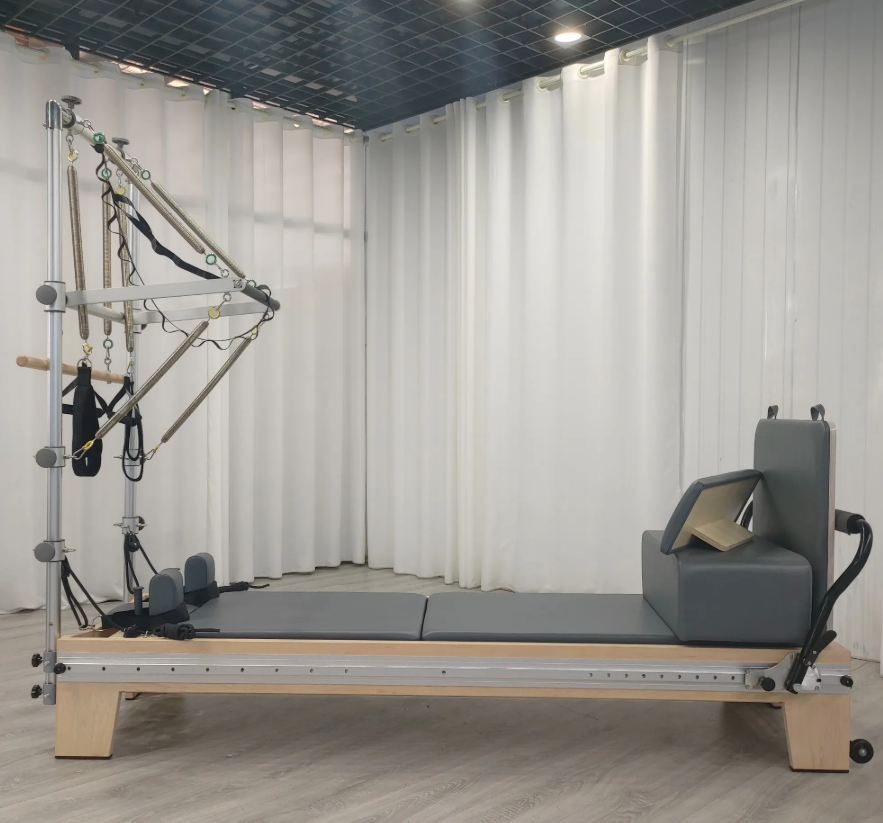
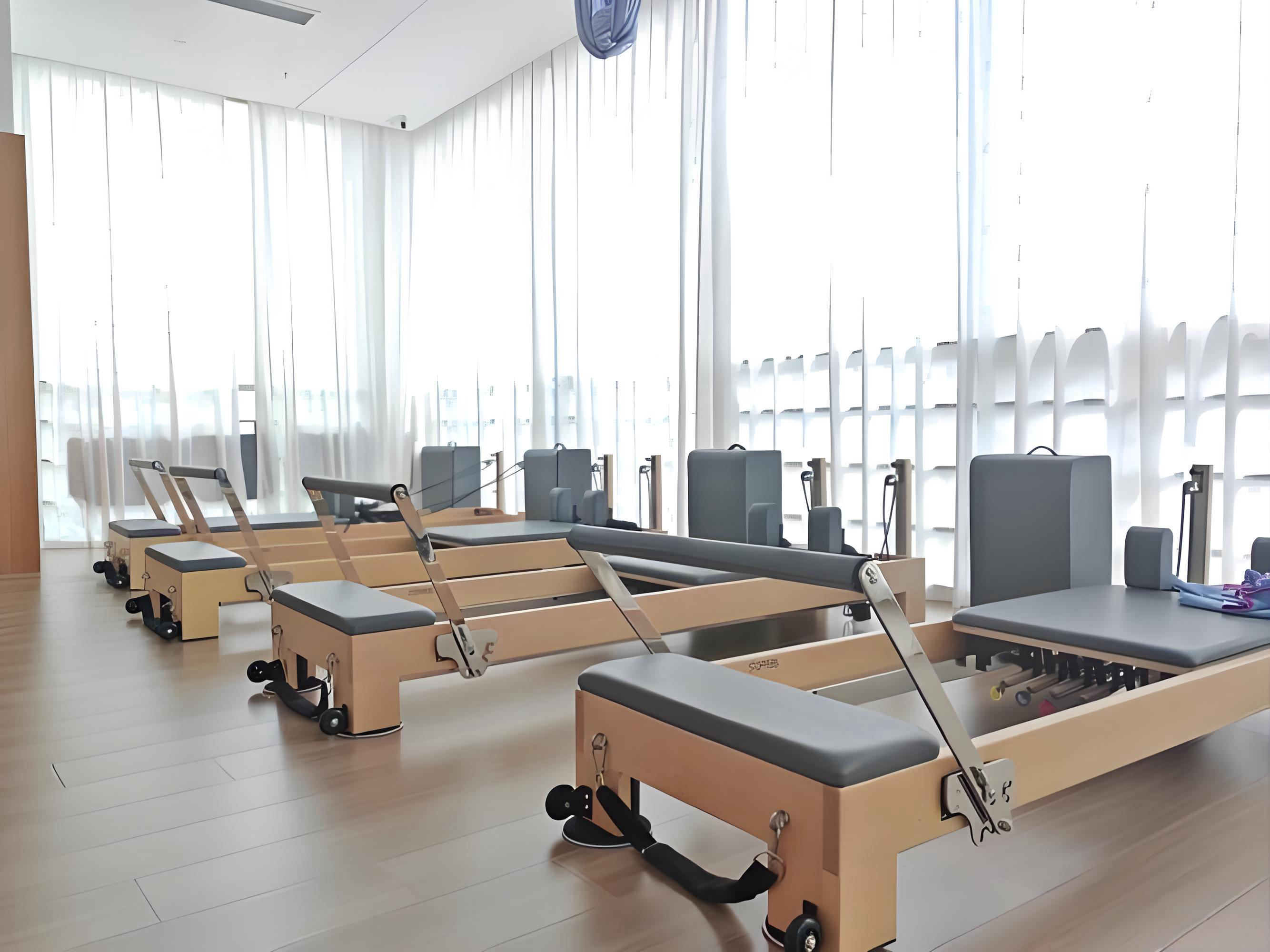
Commercial Pilates equipment is a core long-term investment for every fitness studio and training institution. High-quality reformers, Cadillac tables, stability chairs and barrels can maintain stable performance for years with proper care, while improper use and neglected maintenance often lead to premature aging, loose structures, noisy sliding, rusted springs and cracked leather. Replacing equipment frequently increases operating costs and affects studio teaching stability. Therefore, mastering scientific maintenance and usage habits is the most cost-effective way to maximize the service life of Pilates equipment. This article summarizes practical and professional methods to extend the lifespan of full-series Pilates machines.
1. Adopt Standardized and Correct Usage Habits
Most equipment damage is caused by irregular daily use rather than quality problems. Standardized operation is the first line of defense to protect Pilates equipment.
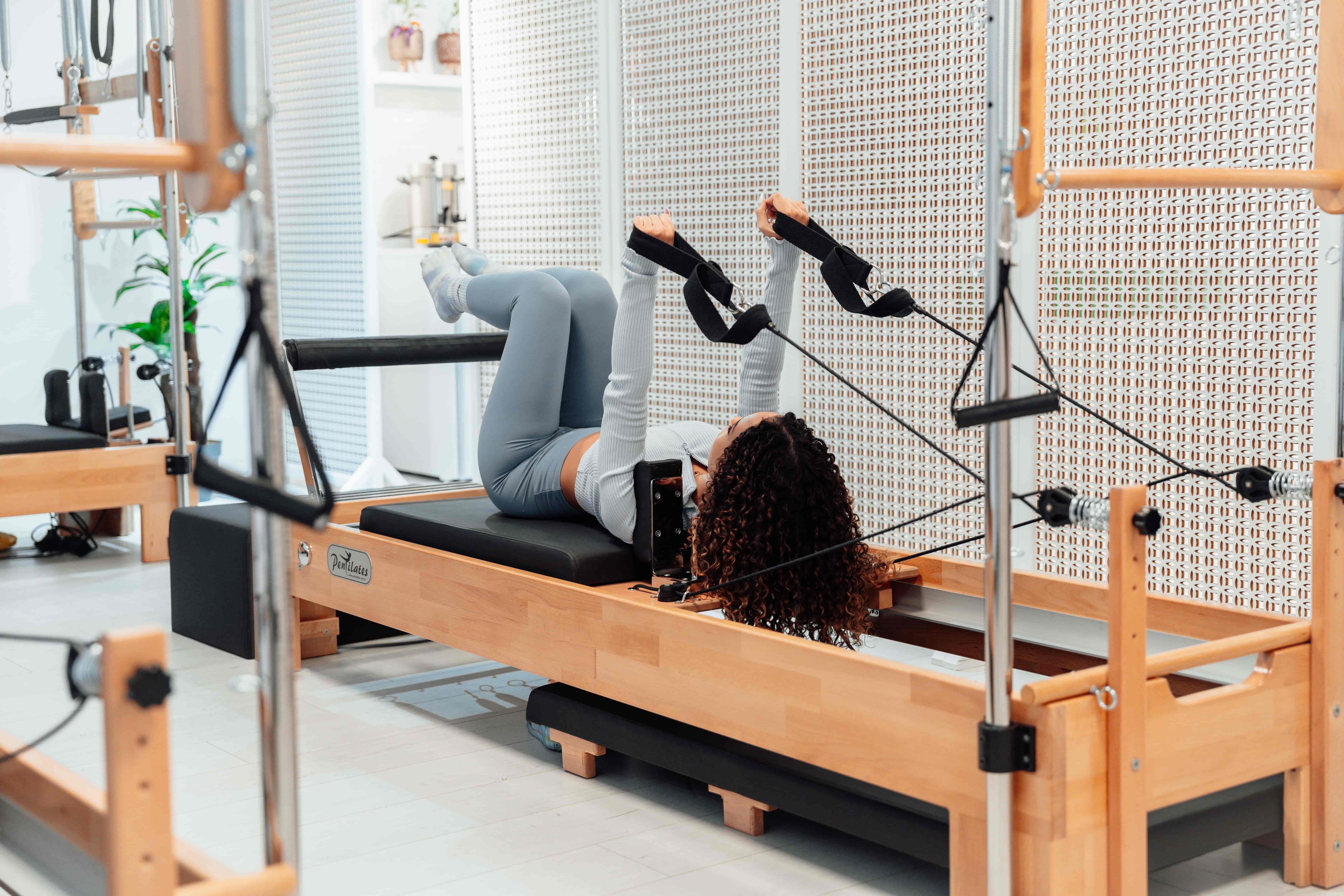
Instructors and students should avoid violent pulling, sudden spring releasing and over-stretching during training. Excessive instantaneous tension will cause irreversible spring fatigue, structural vibration and screw loosening. All training movements should be performed within the equipment’s effective sliding range and rated load limit.
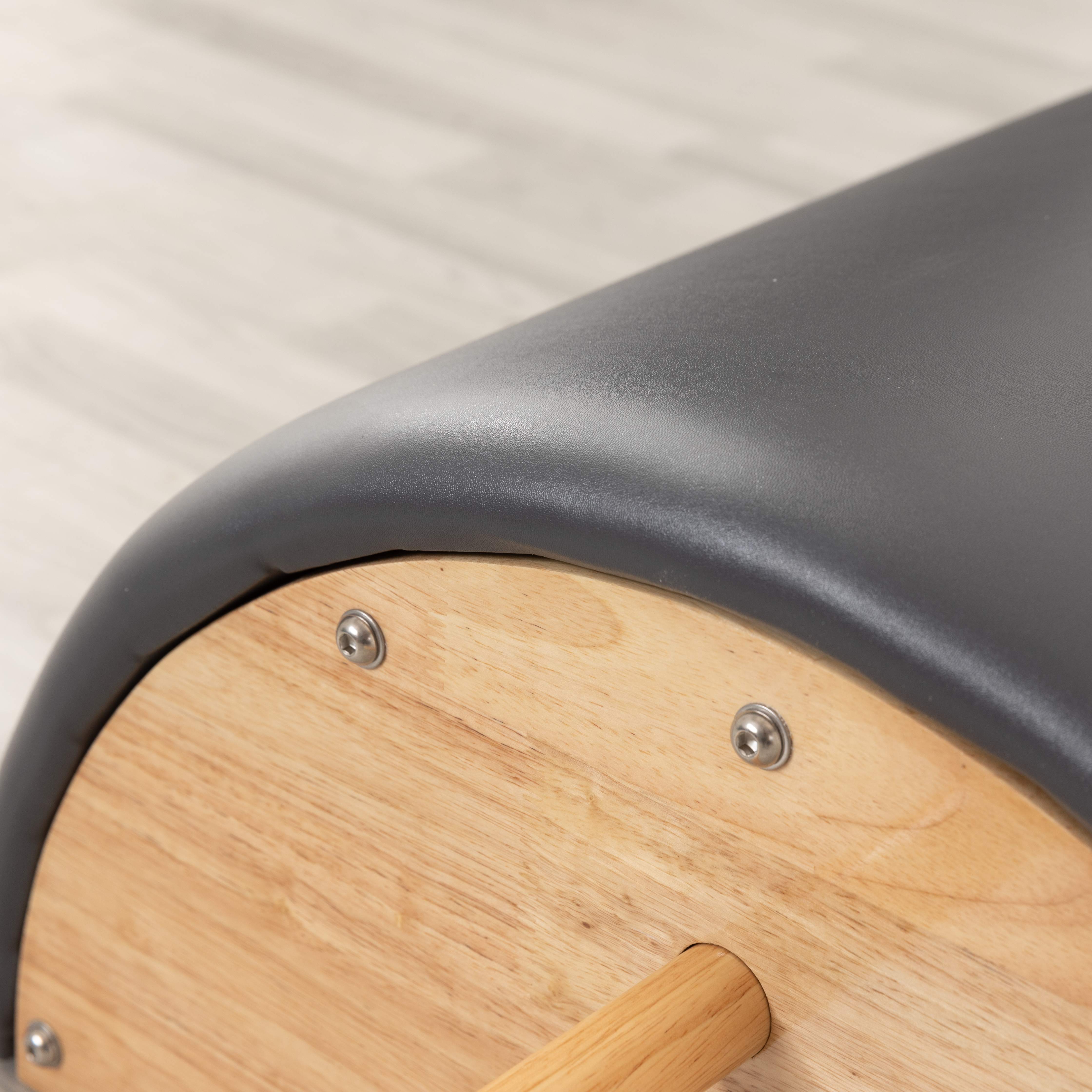
In addition, avoid standing or stepping on leather cushions, headrests and delicate accessory parts, which easily cause foam collapse, leather deformation and local damage. Standardized usage habits can greatly reduce artificial wear and tear and extend overall equipment service life.
2. Implement Scientific Daily Cleaning and Drying Management
Sweat stains, dust and residual moisture are the main causes of leather aging, metal rust and wood mildew. Daily standardized cleaning can effectively avoid long-term cumulative damage.
After each class, wipe leather upholstery, foam pads and metal frames with a soft, dry or slightly damp microfiber cloth to remove sweat and dust. Never use corrosive chemicals, strong alcohol or bleach, which will cause leather hardening, peeling and frame paint fading. Keep the training environment dry and ventilated at all times to prevent moisture from invading springs, sliding rails and wooden frames.
For studios in humid coastal areas, regular dehumidification is essential to avoid oxidation, mildew and structural deformation caused by long-term dampness.
3. Regular Inspection and Timely Fastening of Structural Parts
Long-term repeated sliding and movement vibration will gradually loosen screws, connectors and fixed parts, resulting in equipment shaking, abnormal noise and unstable structure. Regular inspection and fastening can eliminate hidden dangers in advance.
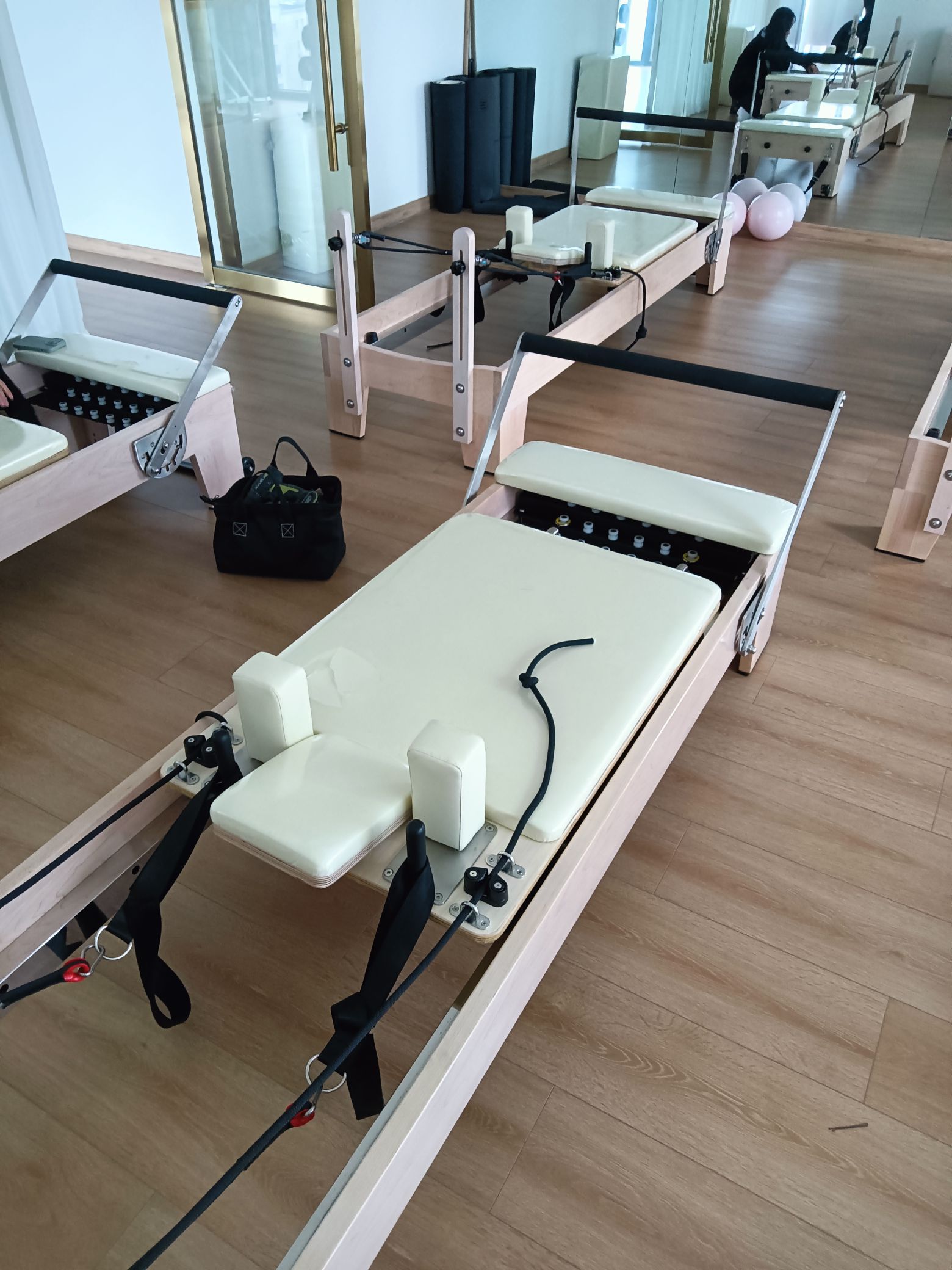
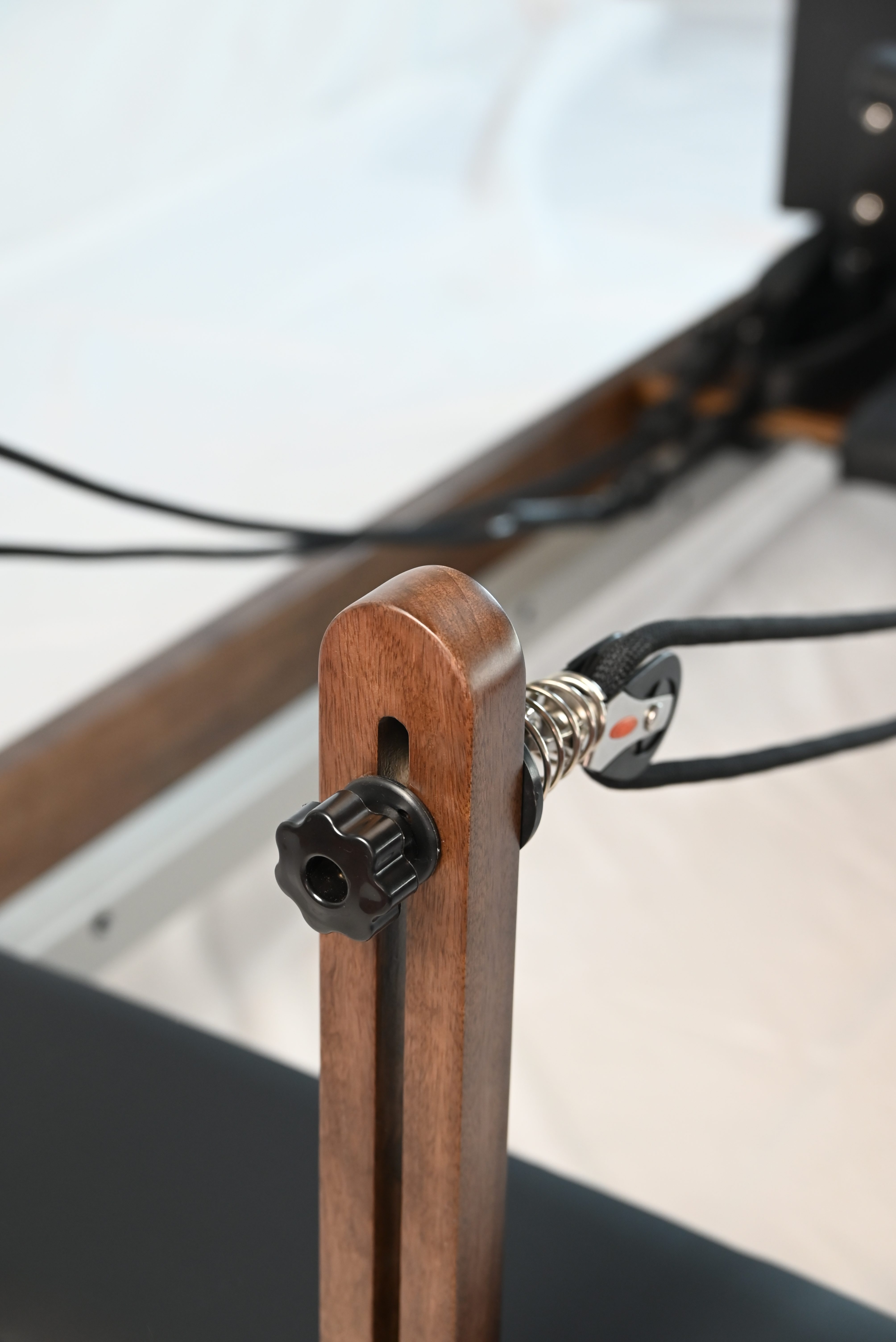
It is recommended to conduct a full structural check every month. Fasten all loose screws, support rods, foot pads and fixed brackets. Check the tightness of pulley shafts and sliding rail connectors to ensure the whole machine is stable and gap-free.
Timely maintenance of small loose parts can avoid larger structural damage caused by long-term vibration, effectively prolonging the overall service life of Pilates equipment.
4. Professional Maintenance of Core Spring System
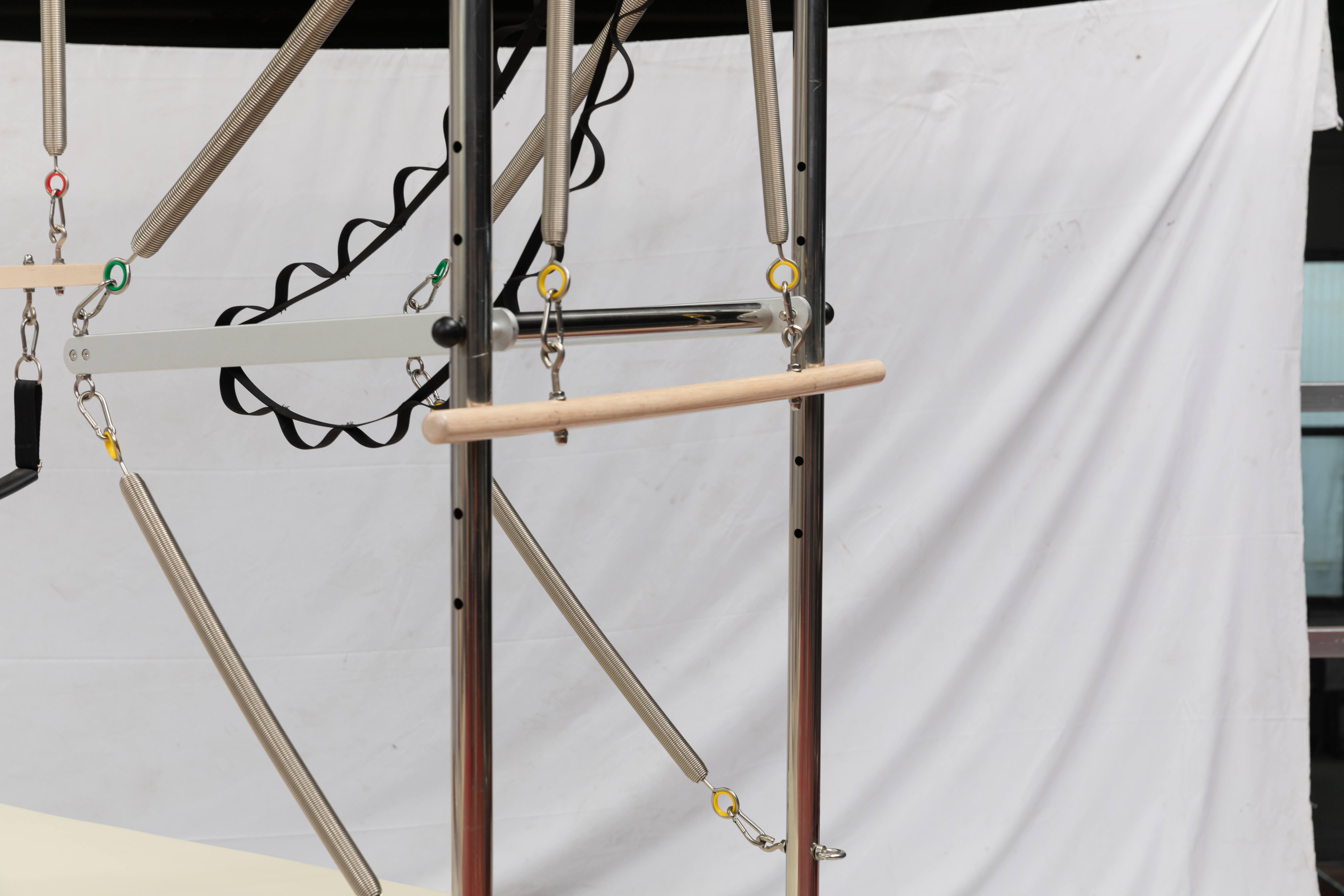
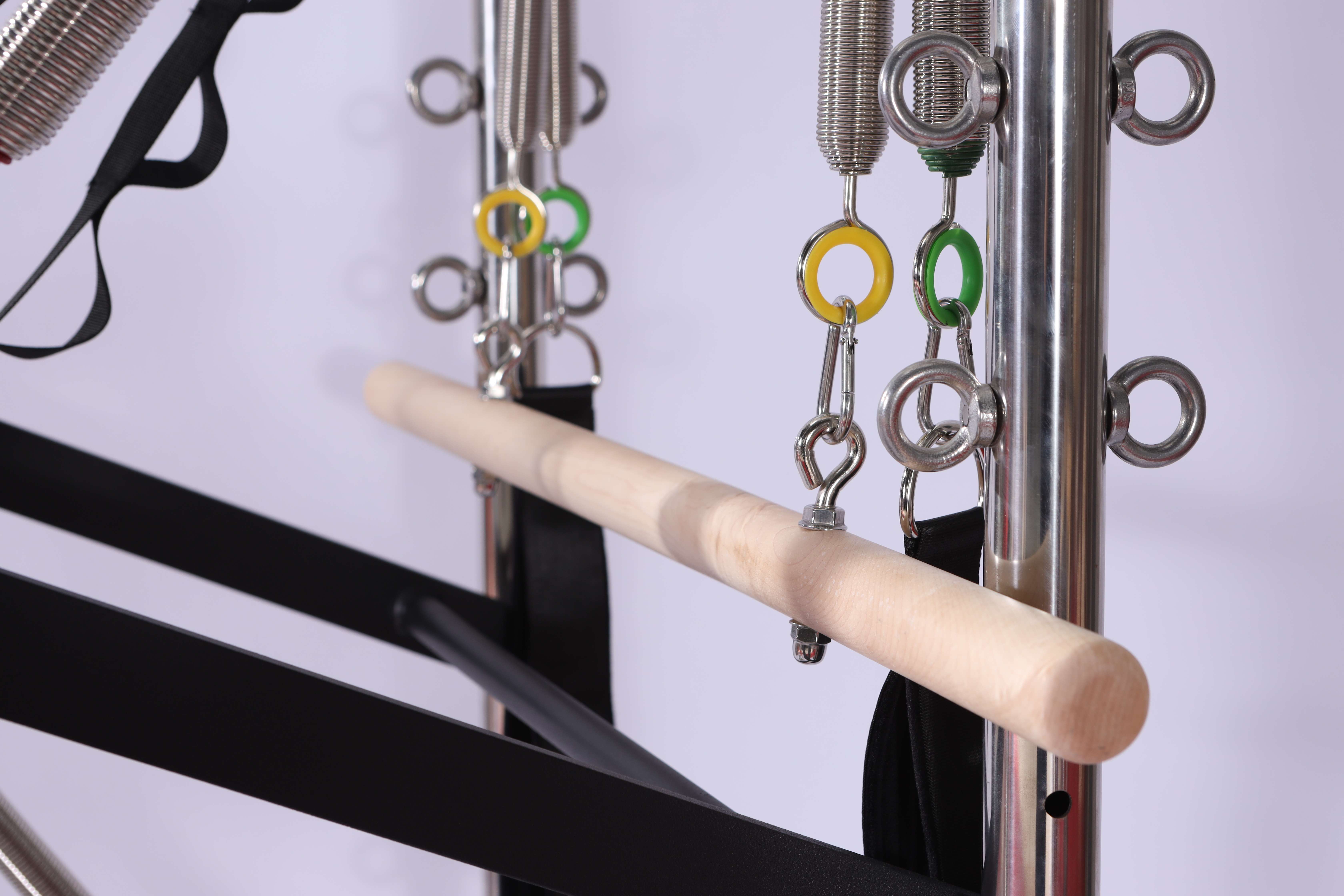
As the core functional component, springs determine the training effect and service life of Pilates equipment. Scientific spring maintenance delays fatigue attenuation and maintains stable tension.
Keep springs dry and clean all the time, regularly wipe off dust and sweat to prevent rust and oxidation. Avoid excessive lubrication, as residual oil will adsorb dust and affect sliding fluency and tension balance. Regularly observe the spring state, check for deformation, uneven spacing and slow rebound.
For commercial studios with high-frequency use, replace aging and fatigued springs regularly according to usage cycle, which can protect the frame structure and maintain long-term stable equipment performance.
5. Sliding Rail and Pulley System Maintenance
Smooth sliding rails and flexible pulleys are key to silent and stable equipment operation. Dust, hair and fine debris accumulated in the track will cause jitter, stuttering and abnormal friction, accelerating part wear.
Clean the sliding track regularly to remove internal sundries. Apply a small amount of professional neutral lubricant quarterly to keep the sliding system smooth. Check pulleys regularly to ensure flexible rotation without jamming or abrasion. Well-maintained sliding systems reduce mechanical loss and greatly extend the service life of the entire equipment.
6. Targeted Protection for Wooden and Aluminum Frames
Wooden Frame Maintenance
Beech wood frames require regular moisture-proof and anti-scratch protection. Avoid long-term humid environments and direct water contact. Conduct surface waxing and maintenance every six months to repair slight wear, maintain the integrity of the varnish layer, and prevent wood cracking, mildew and deformation.
Aluminum Frame Maintenance
Aluminum alloy frames are relatively durable, but heavy collision and scratch will damage the surface anti-oxidation layer. Avoid violent impact during equipment movement and placement. Regularly wipe and clean the frame surface to keep the anti-rust and anti-oxidation function intact.
7. Regular Replacement of Wearing Accessories
Traction ropes, hand straps, foot loops and leather cushions are vulnerable wearable parts. Long-term tension and friction will cause fiber aging, fluffing and wear. Timely replacement of aging accessories can protect the main equipment structure and avoid secondary damage.
Check wearable parts monthly and replace them once obvious wear and aging appears. Keeping auxiliary accessories in good condition ensures overall equipment stability and safety, indirectly extending the service life of core equipment.
8. Reasonable Equipment Placement and Environment Control
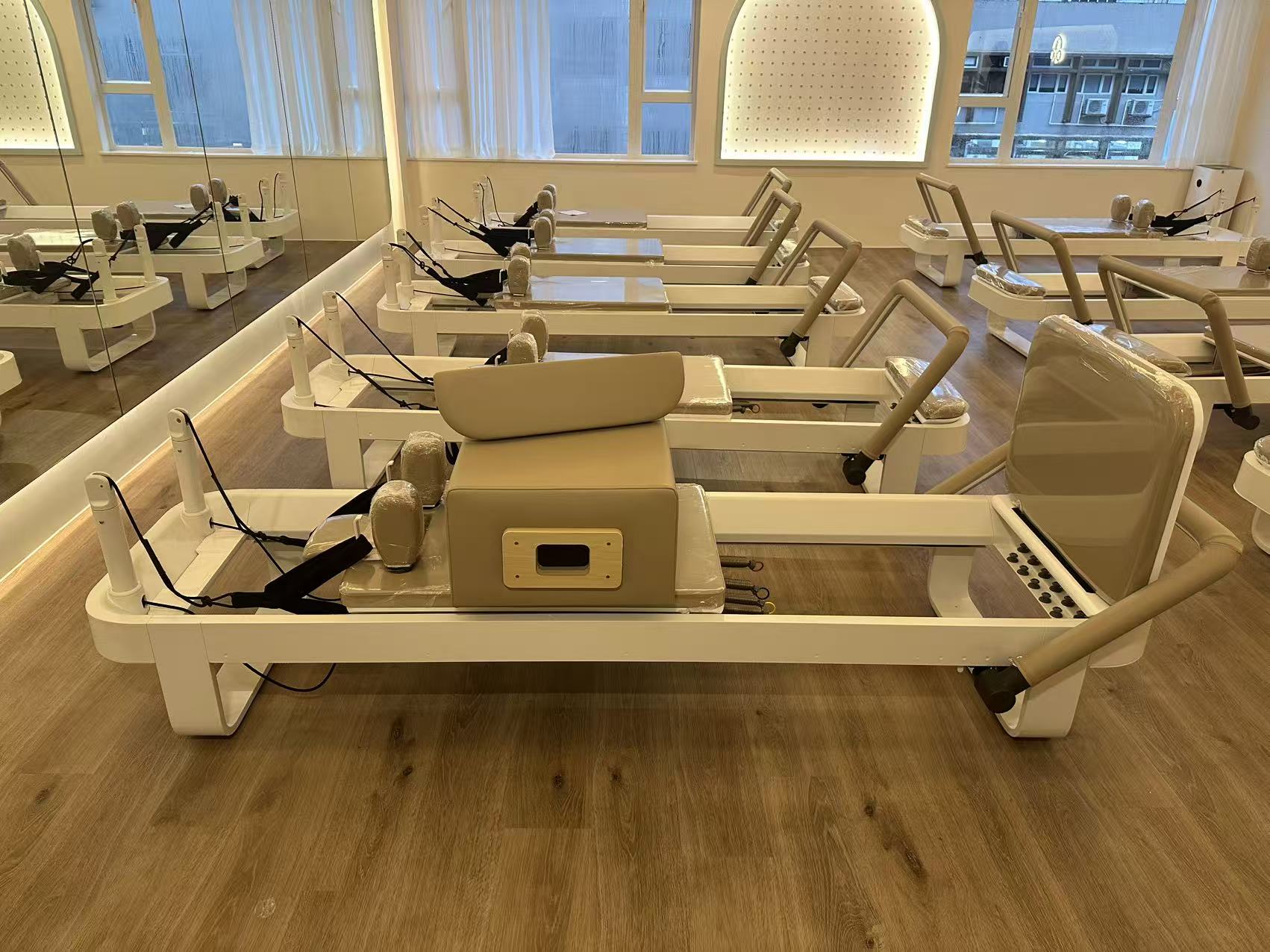
Place Pilates equipment on flat, stable ground with non-slip floor mats to avoid uneven force caused by tilted placement. Keep the indoor environment dry, ventilated and away from long-term direct sunlight, which can prevent leather fading, foam aging and material embrittlement.
A stable and suitable training environment is the basic guarantee for long-term stable operation of Pilates equipment.
Conclusion
Extending the service life of Pilates equipment does not require complex operations, but relies on standardized use, daily careful maintenance and regular professional inspection. Scientific maintenance can effectively avoid premature aging, structural failure and frequent replacement, greatly reducing studio operating costs and maintaining high-standard teaching experience.
We are a professional manufacturer of commercial-grade Pilates equipment, focusing on high-durability, stable and safe equipment production. All our machines are designed for long-term high-frequency commercial use. We provide professional after-sales maintenance guidance and full spare parts supply for global studios and distributors.