Best Foldable Pilates Bed for Small Home Studio Business
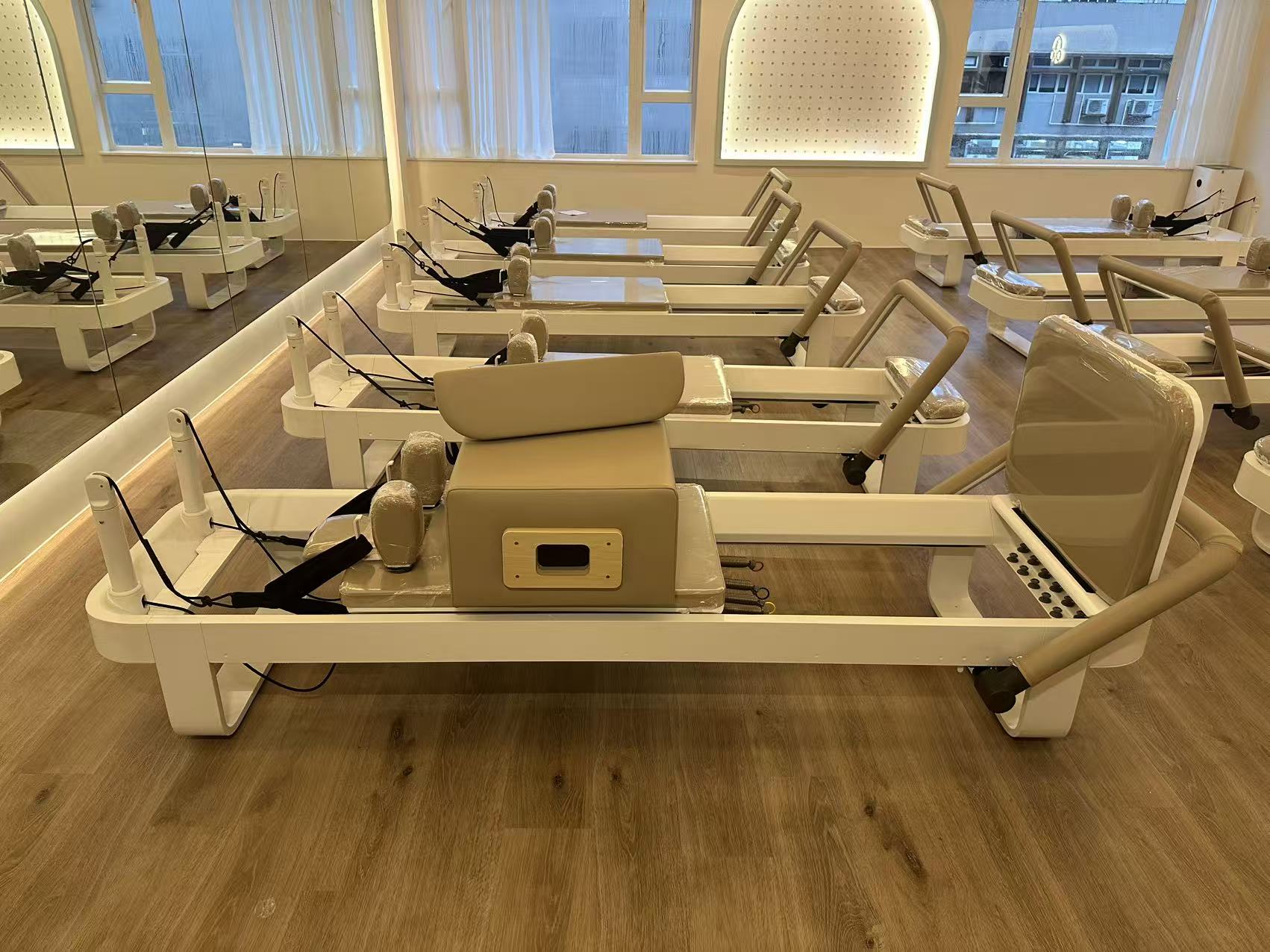
For small home studio owners, balancing space constraints with professional training quality is a persistent challenge. Standard commercial reformers are over 2.3 meters long and difficult to move, while cheap portable options fail to deliver the training experience required for professional sessions and commercial classes. Foldable Pilates reformers have emerged to fill exactly this gap — offering near-commercial-grade performance while effectively "disappearing" when not in use.
I. Core Advantages of Foldable Pilates Reformers
Revolutionary Space Efficiency
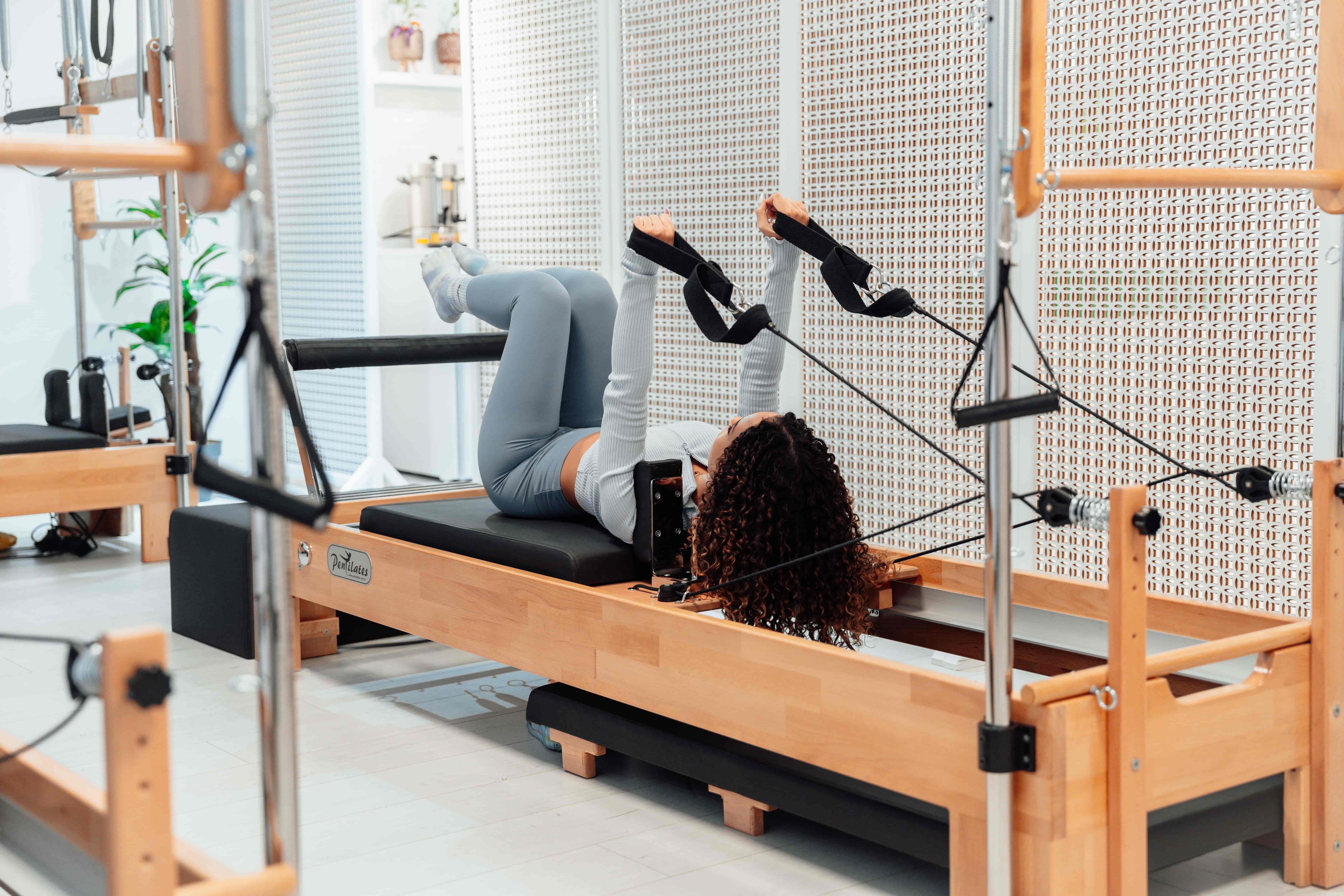
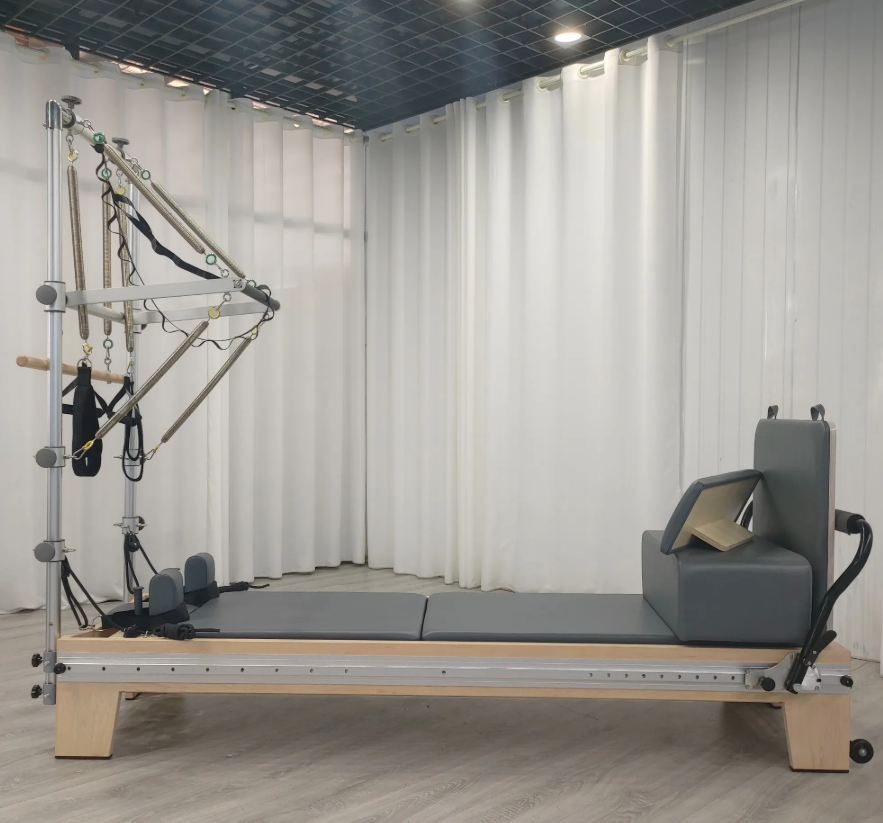
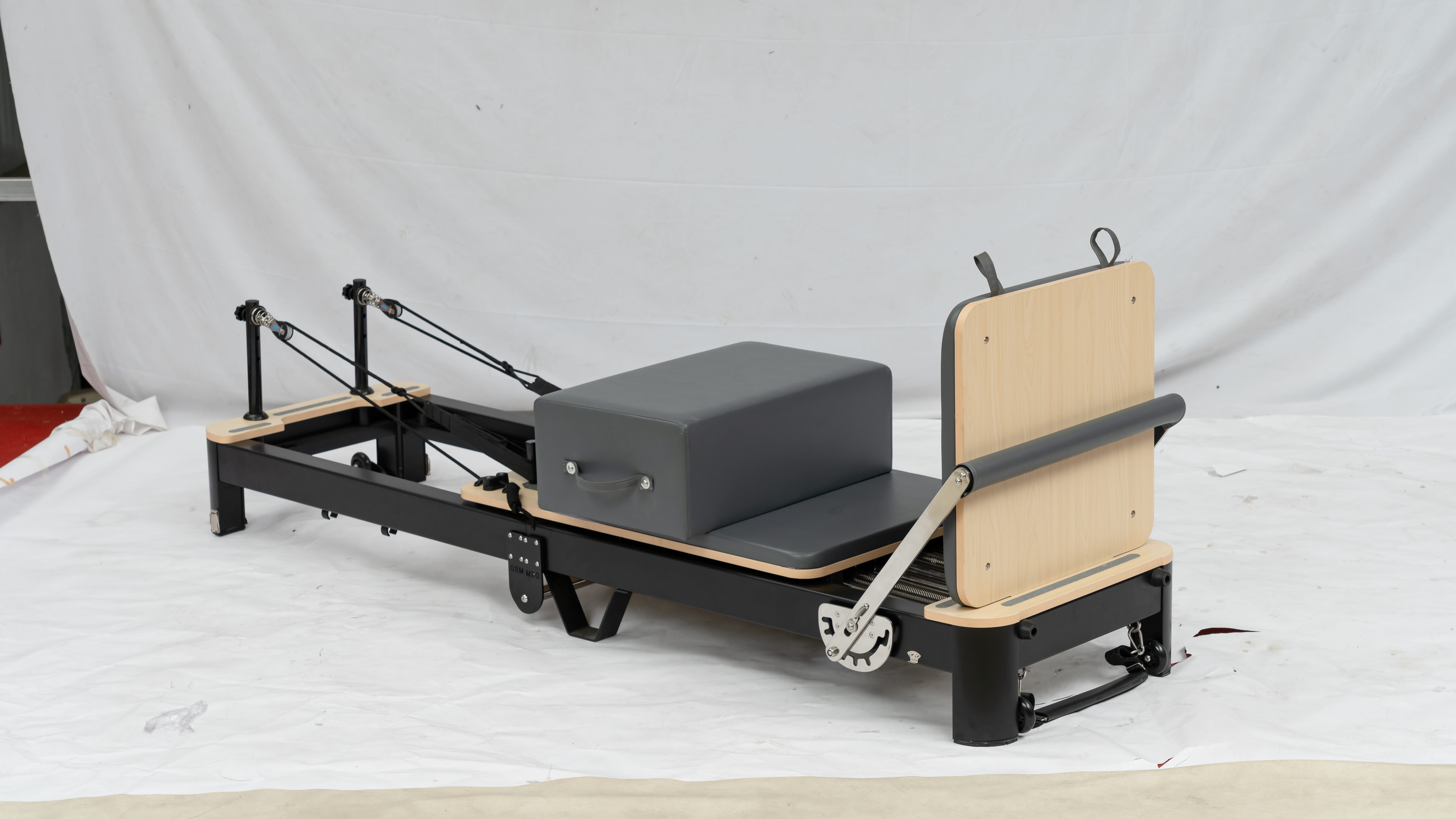
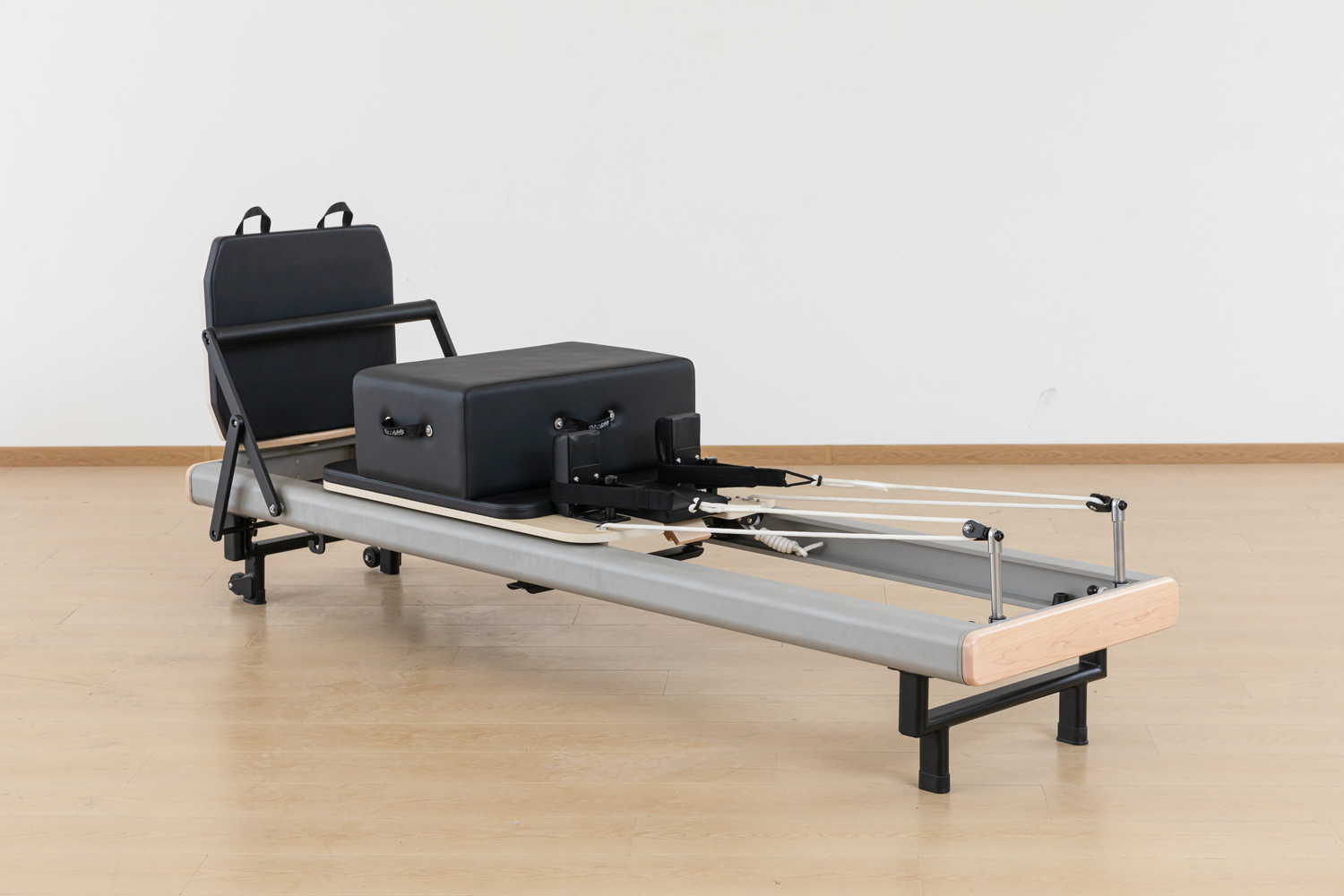
The fundamental design purpose of foldable reformers is to solve the "equipment takes over the room" problem. Quality folding models deliver full carriage length and spring tension when in use — supporting everything from foundational to advanced exercises — while folding to 15-30cm thickness for vertical wall storage or under-bed sliding . This means a small studio or home space no longer needs to sacrifice an entire living room to accommodate a reformer.
Near-Commercial Performance
By 2025-2026, the foldable reformer market has moved far beyond early cheap "portable" machines. Modern folding models feature thickened metal or hardwood frames, commercial-grade springs, and precision bearing rails — delivering stability and glide quality that closely approaches non-folding commercial equipment . The Core Collab Eco Foldable, priced at approximately $2,399 with 6 commercial-grade springs and a 10-year warranty, is repeatedly cited as the best choice for home and small studios .
Flexible Class Delivery
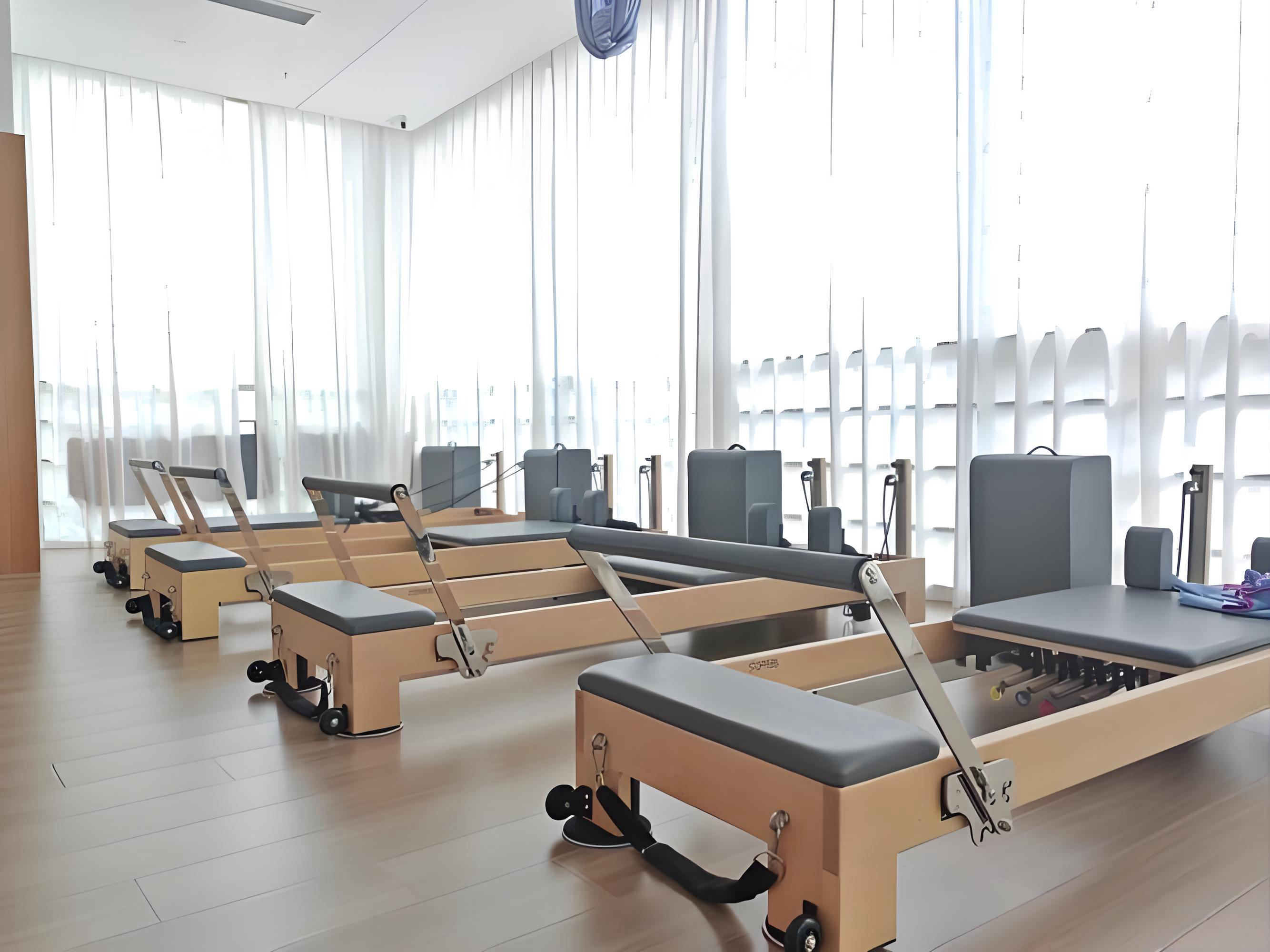
For home studio operators, the mobility and quick-storage capability of a foldable reformer mean class flexibility — equipment can be deployed and stored on demand across living rooms, bedrooms, or multi-purpose spaces, adapting to booking schedules without permanent occupation.
II. How to Choose the Right Foldable Reformer for Your Home Studio
Step 1: Assess Your Space Requirements
Different folding models vary significantly in storage method and unfolded dimensions. The Eco model uses a horizontal fold, requiring approximately 2m × 0.7m of floor space when in use, folding flat to slide under a bed . The Queen model uses a vertical fold, requiring approximately 2.4m × 0.9m when in use, folding upright against a wall like a large suitcase . Before selecting, measure your available space and confirm the folded storage location — whether under a bed, beside a closet, or behind a door.
Step 2: Distinguish Between "Foldable" and "Portable"
This is the most common beginner pitfall. Sub-$800 "portable reformers" typically use lightweight plastic or thin metal frames, elastic cords (rather than metal springs), and rough carriage movement with limited exercise range . Genuine foldable reformers sit in the $2,000-3,000 range, featuring commercial-grade metal springs or high-carbon steel springs, thickened frames, and the ability to fully replicate studio-level training . In the Japanese market, the miyabireform folding reformer retails at approximately ¥100,000 (roughly $680), weighs about 39kg, and features 5 latex tubes plus 4 metal springs — a mid-tier option .
Step 3: Non-Negotiable Core Components
These four components determine equipment quality and lifespan:
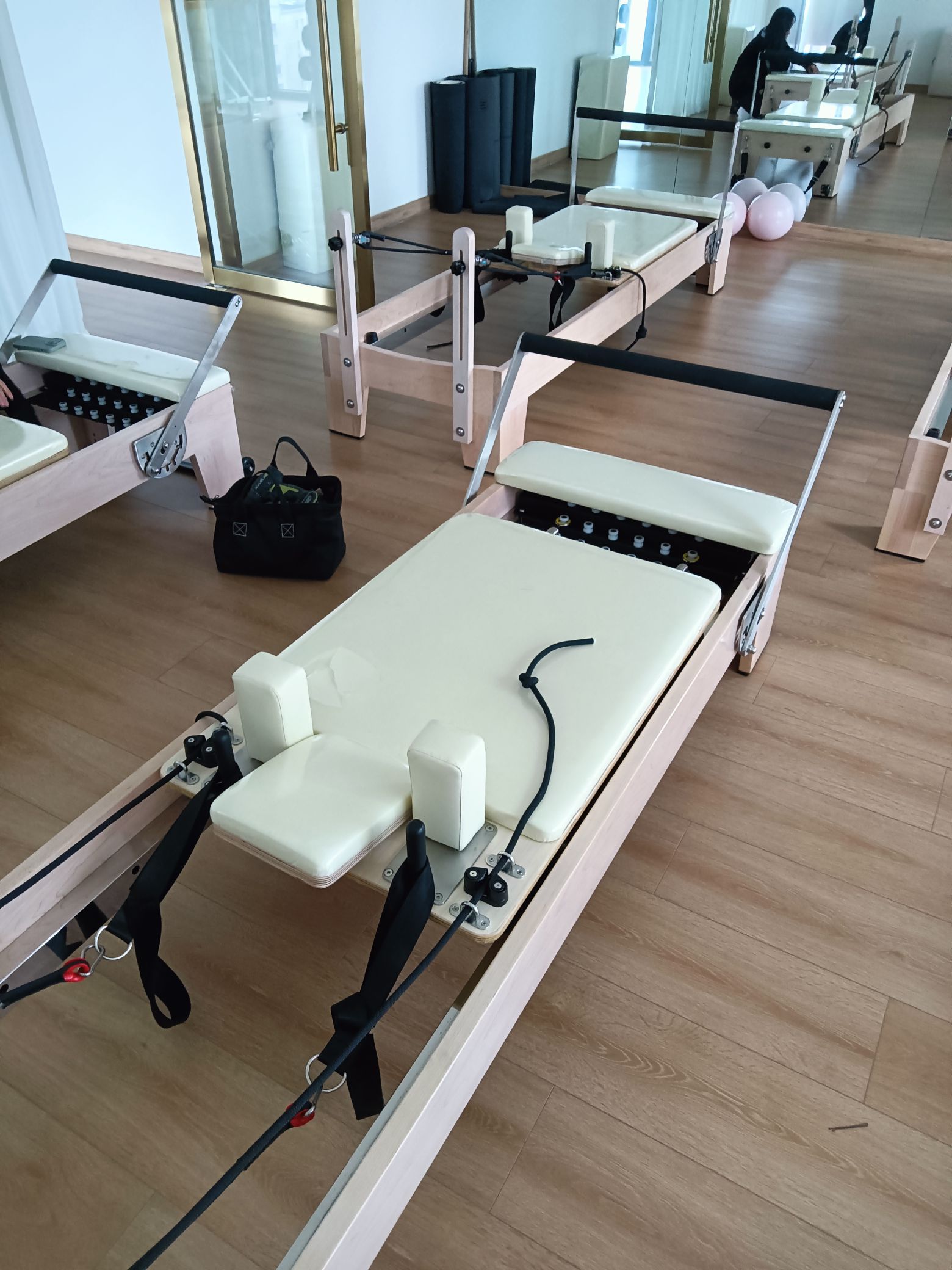
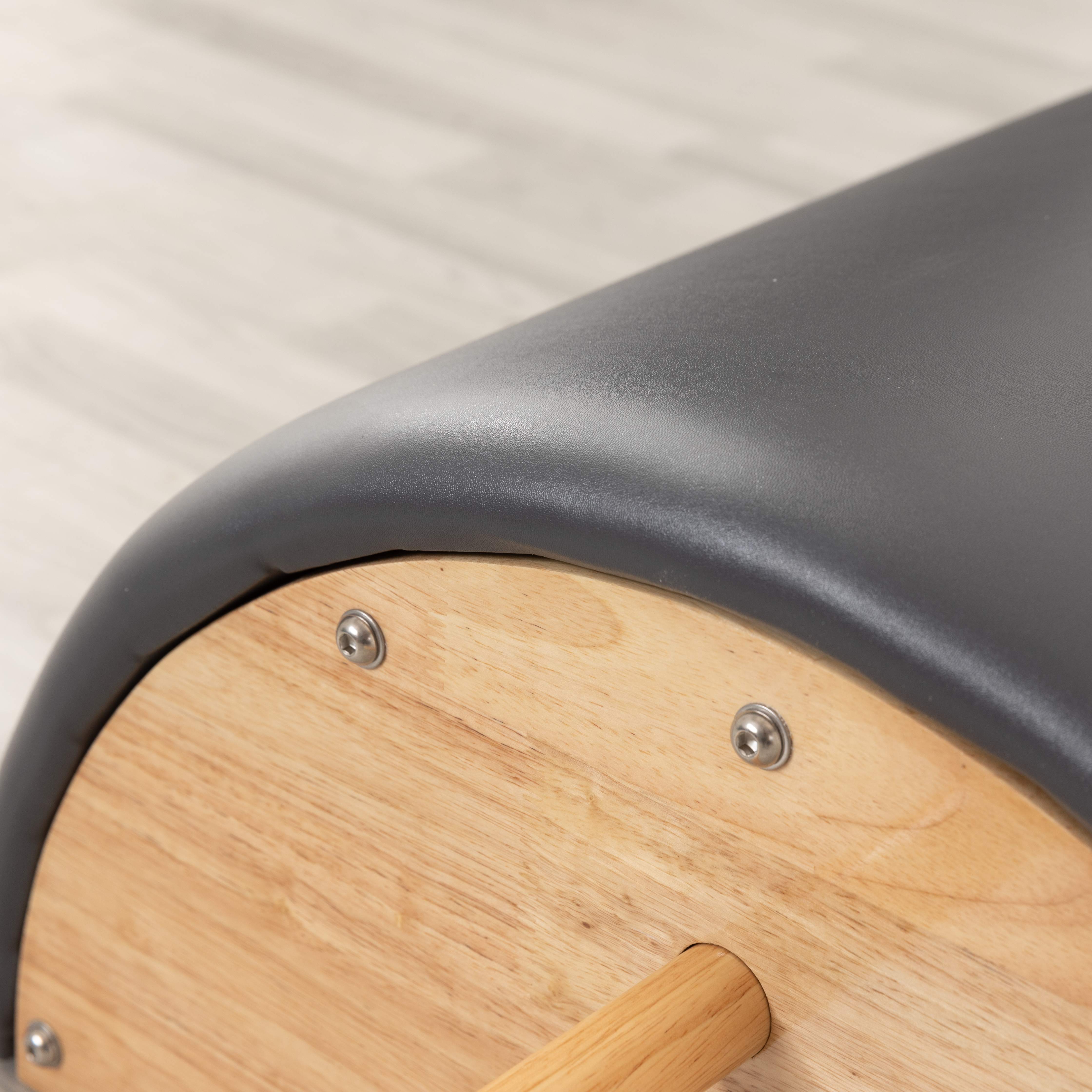
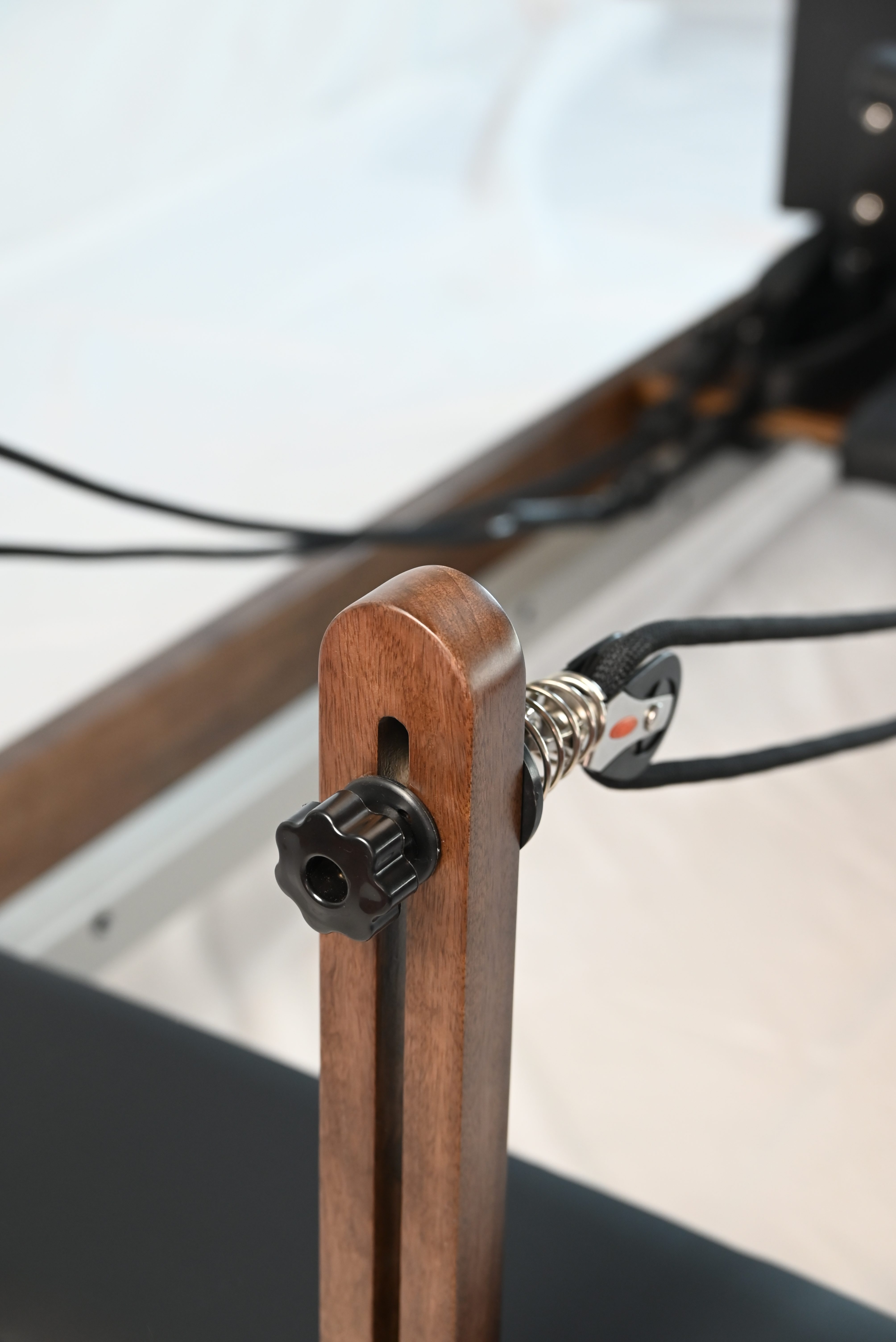
·Frame Material: Commercial-grade folding models use North American hardwoods like maple and oak, or thickened aluminum alloy. Hardwoods score significantly higher on the Janka hardness test (maple: ~1,450 lbf) than standard pine, offering superior dent and deformation resistance .
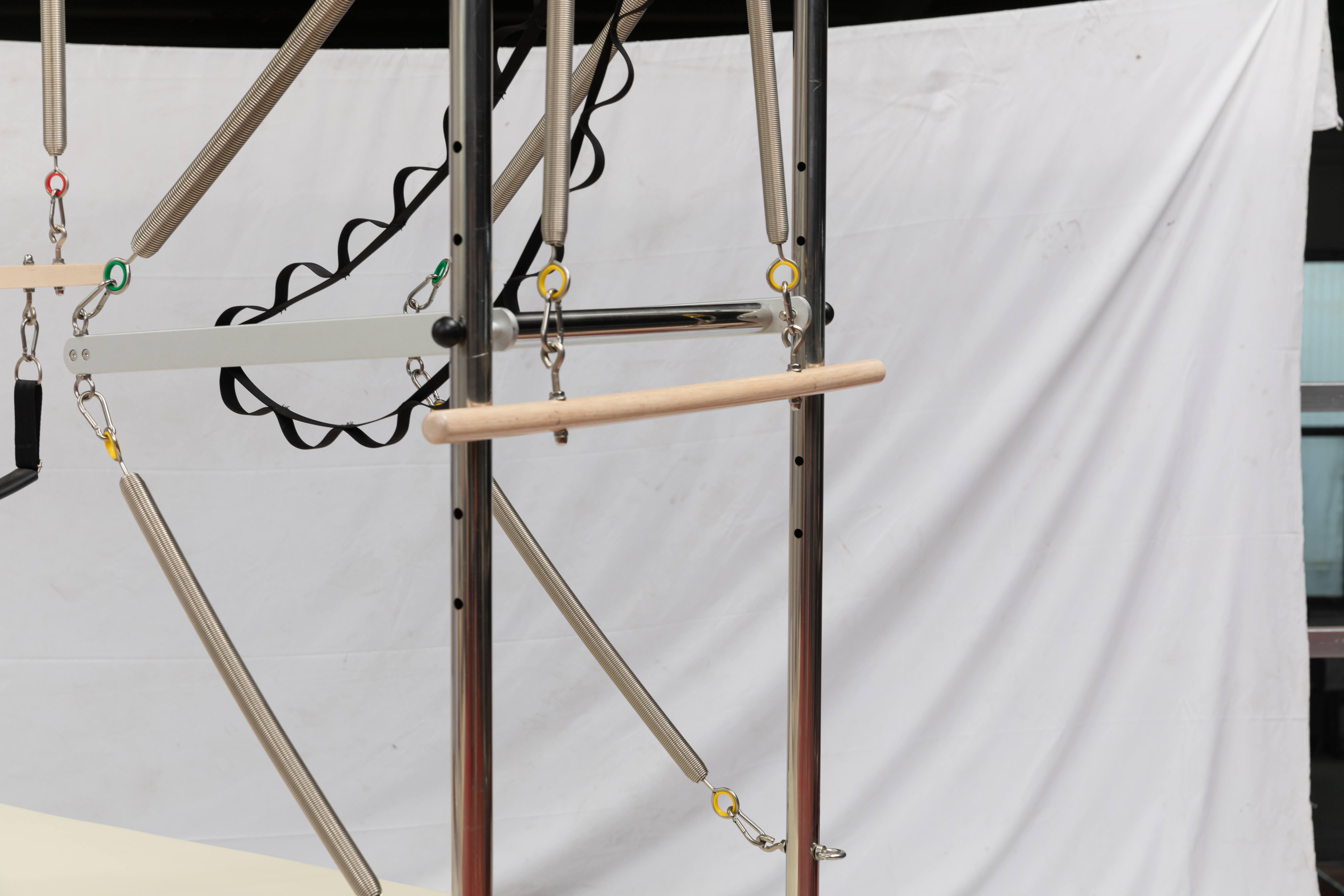
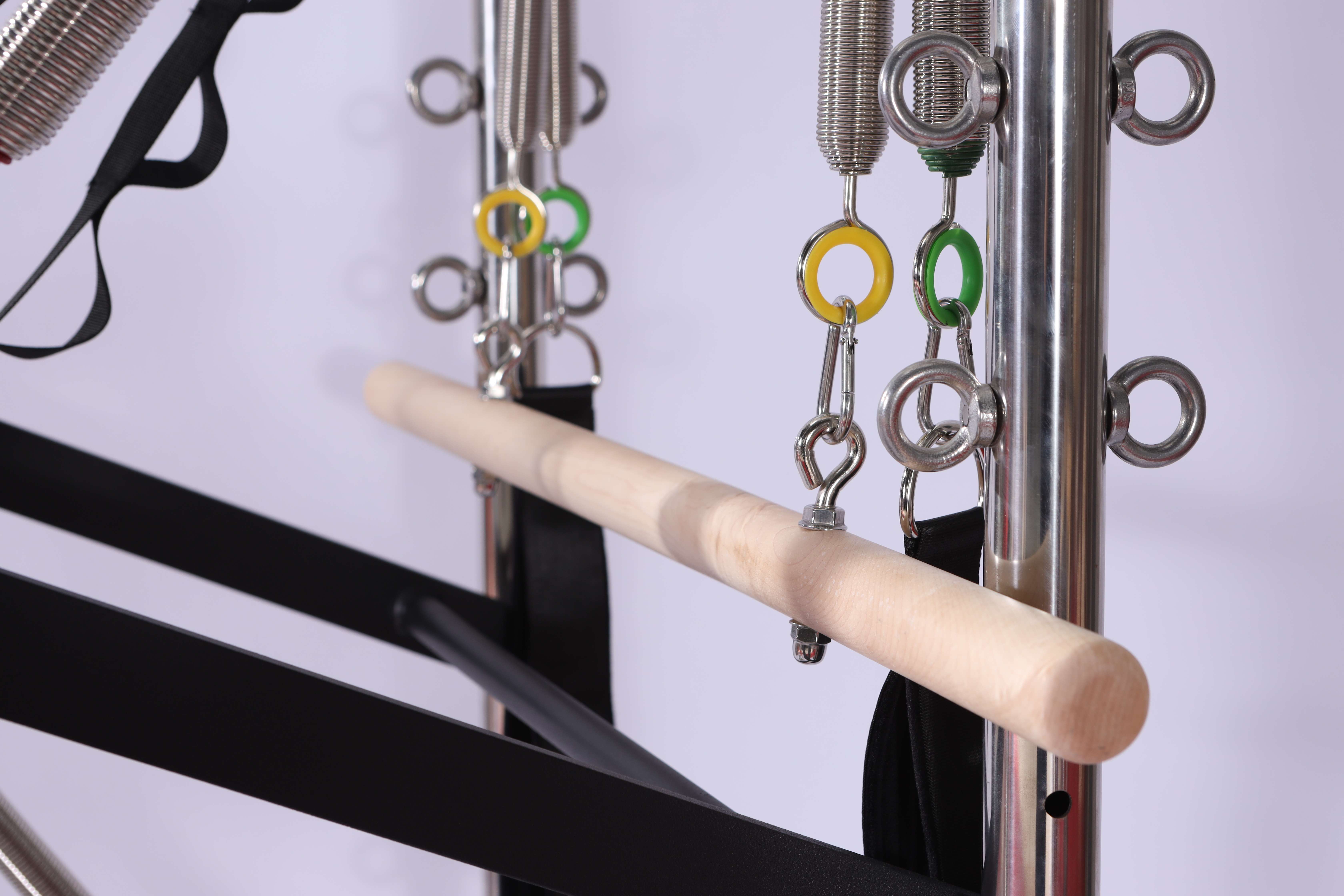
·Spring System: Must be genuine metal springs, not elastic cords or latex tubes. Commercial-grade springs should guarantee 500,000+ stretch cycles. 6-spring configurations offer richer resistance combinations than 5-spring setups .
·Rails and Wheels: Glide smoothness and quiet operation depend on precision bearings and rail surface finishing. User feedback consistently cites "quiet" and "smooth" as the keywords distinguishing near-commercial experience from budget alternatives .
·Weight Capacity: Commercial-grade equipment typically specifies 150kg+ load capacity, ensuring training safety for users of different body types .
Step 4: Evaluate Brand and Warranty Support
For commercial-use equipment, warranty terms are an important quality indicator. 10-year frame warranties and 2+ year moving parts coverage are common standards for quality brands . Purchase channels: official brand websites or authorized distributors offer better protection than the secondary market — while used equipment may be cheaper, spring and pulley wear conditions are difficult to assess accurately.
III. Recommended Models
Based on 2025-2026 market reviews, the following models are highly rated among home studio users:
The Core Collab Eco Folding Reformer: Approximately $2,399, horizontal fold, 6 springs with jumpboard included, repeatedly cited as "best beginner/small-space home reformer" .
The Core Collab Queen Folding Reformer: Vertical upright storage, includes tower and jumpboard, suitable for advanced users and instructors needing more class options .
PersonalHour Janet Plus: Maple wood frame, 6-spring configuration, upgraded cushioning and wider footbar, released February 2025, designed specifically for home and small studio use .
Fold Studio Reformer: UK brand, solid wood frame (Red Oak, Maplewood, Black Oak options), Easi-Fold technology, 6 colorways, designed for commercial and premium home settings .
IV. Business Advice: Equipment Is a Tool, Curriculum Is the Core
For small home studios, equipment selection should serve one core logic — the class experience you deliver matters more than the equipment itself. The advantage of a foldable reformer lies in flexibility and space efficiency, but true client retention depends on instructor expertise, program design quality, and personalized service. A $2,399 foldable reformer paired with 200 well-designed sessions is far more competitive than a $10,000 commercial reformer with generic programming. Prioritize equipment quality without compromise, then choose the foldable solution that best fits your space and business model — this is the key to achieving a "small but refined" home studio operation.