Commercial Pilates Equipment Maintenance Tips to Extend Lifespan

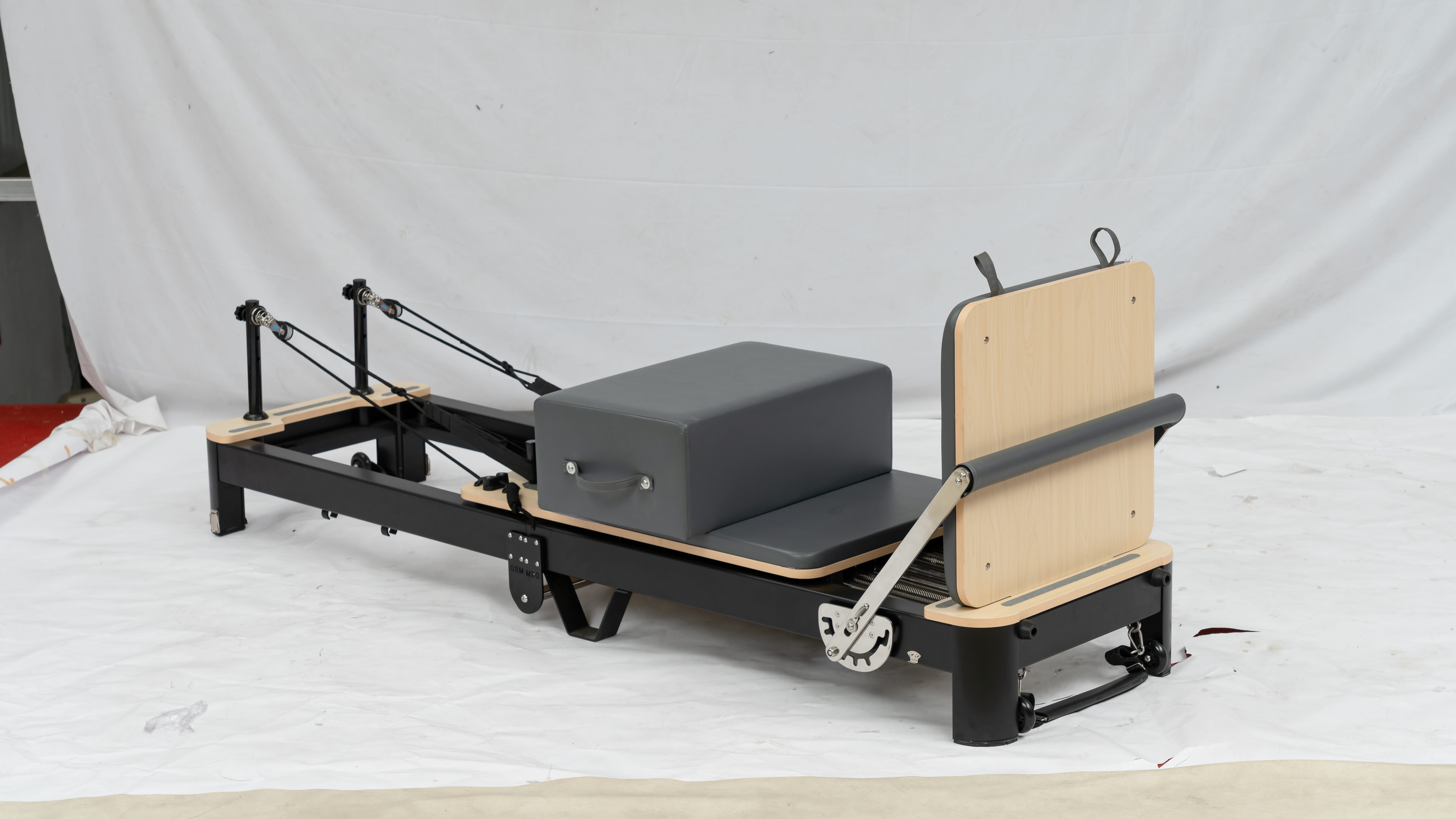
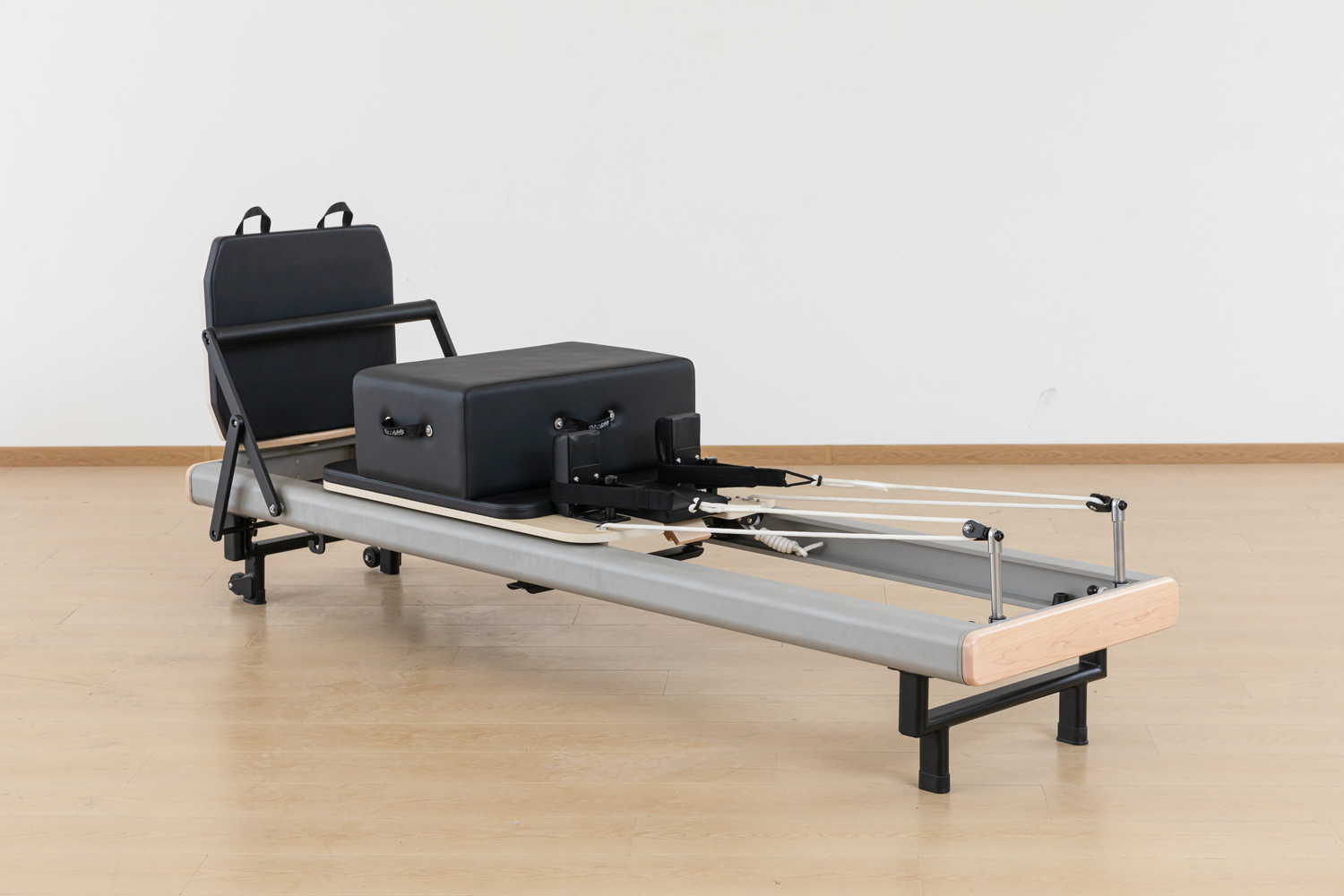
Commercial Pilates equipment represents a significant investment for studios and fitness centers. A well-maintained Reformer can serve for over a decade, while neglected equipment may develop issues within just a few years — sticking rails, spring fatigue, upholstery cracking — affecting not only client experience but also safety. For commercial operators, equipment downtime costs far exceed the equipment's purchase price. This article provides a systematic, practical maintenance guide to help commercial users extend equipment life, ensure client safety, and reduce long-term operating costs.
I. Commercial Environment Requirements and Challenges
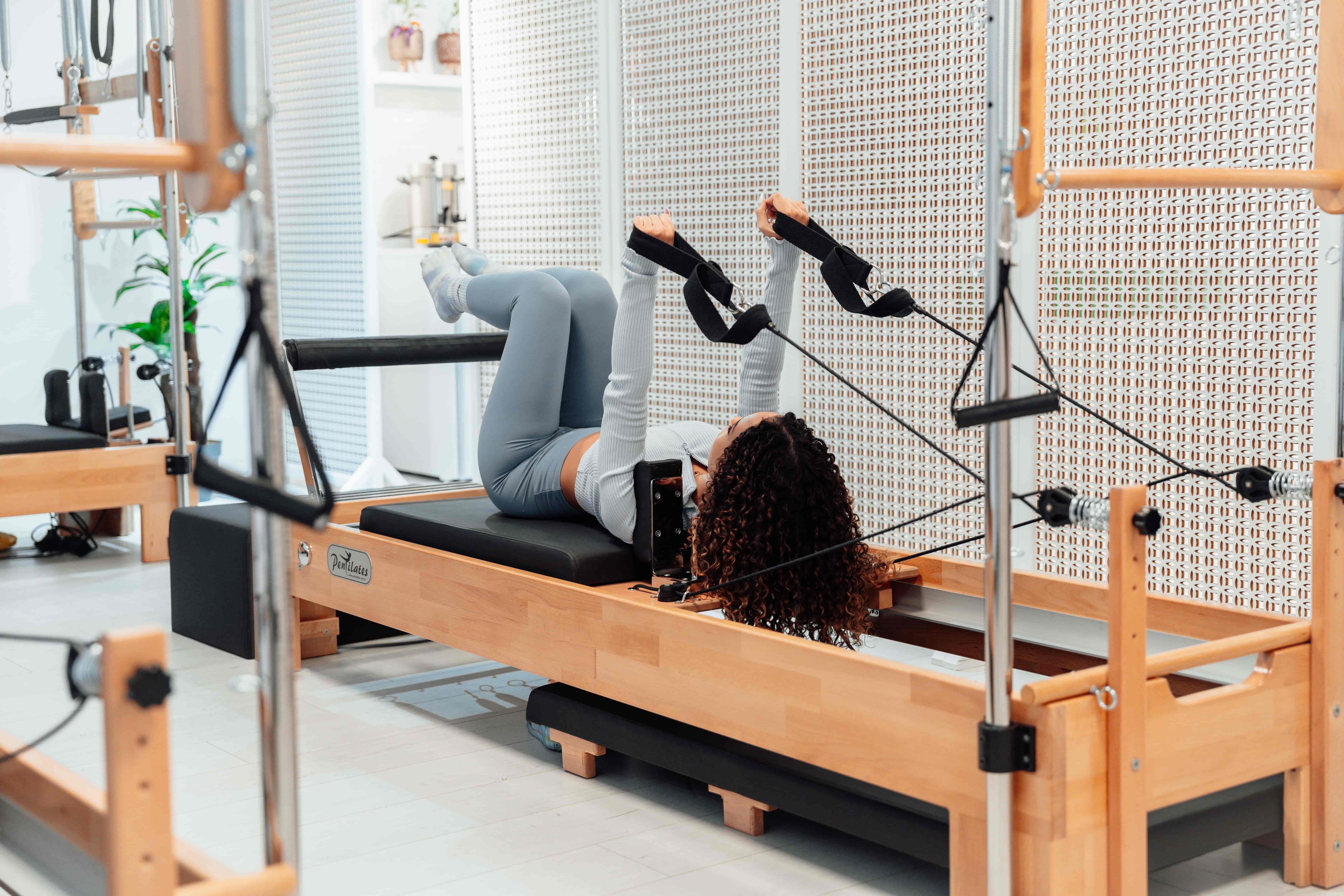
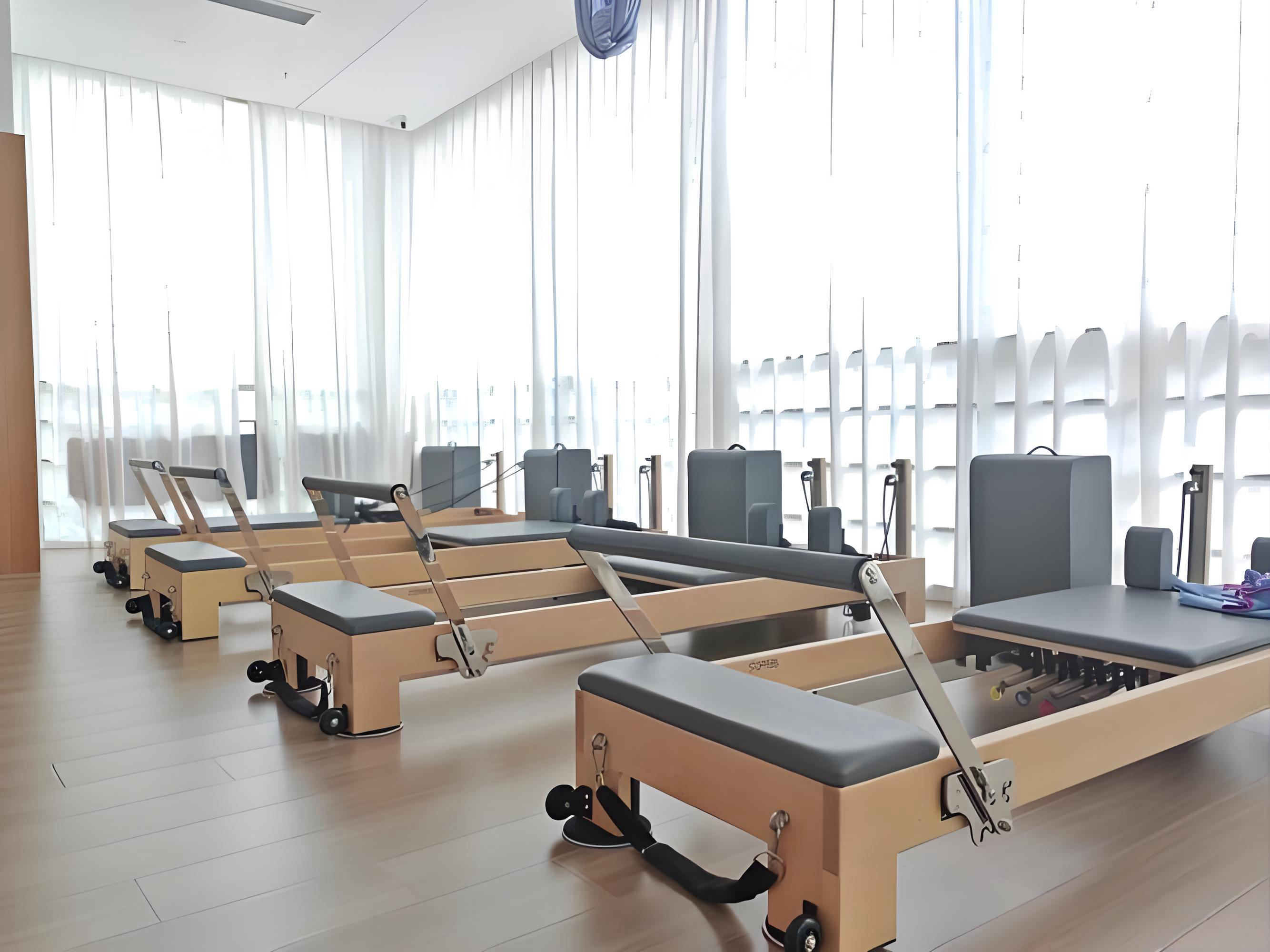
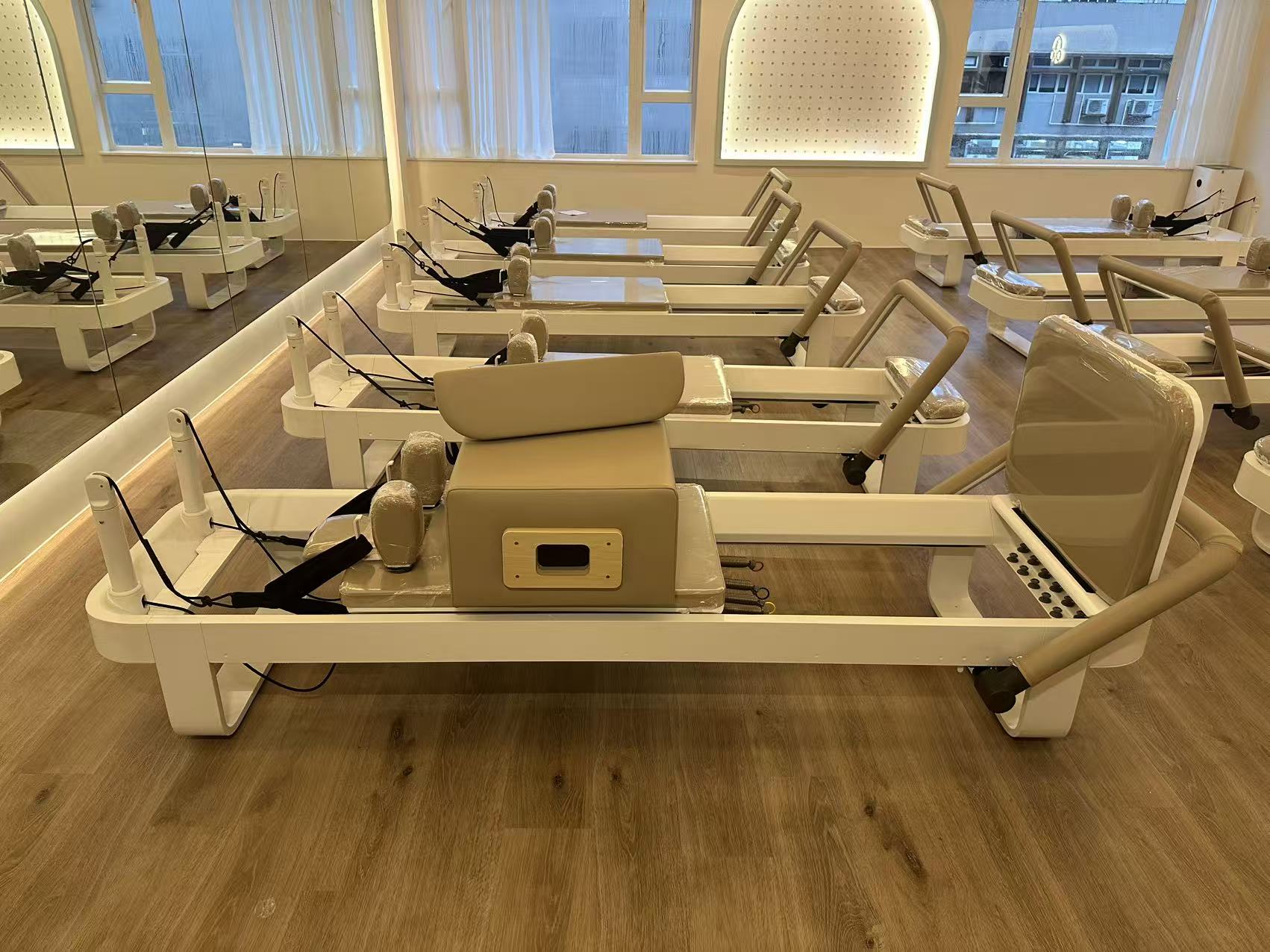
Commercial Pilates studios place far greater demands on equipment than home environments. A commercial Reformer may experience dozens of classes, hundreds of spring changes, and thousands of carriage glides each week. This high-frequency use demands greater durability — and means maintenance must be more systematic and frequent.
Key challenges in commercial environments include: accelerated wear from high-frequency use, corrosion from sweat on leather and metal, varied impacts from clients of different weights and movement patterns, and continuous operation with little "rest time." Understanding these challenges is the foundation of an effective maintenance plan.
II. Daily Maintenance: The Daily Routine
Daily maintenance is the foundation of equipment longevity — and the most easily overlooked aspect. For commercial studios, establishing standardized daily maintenance procedures is essential.
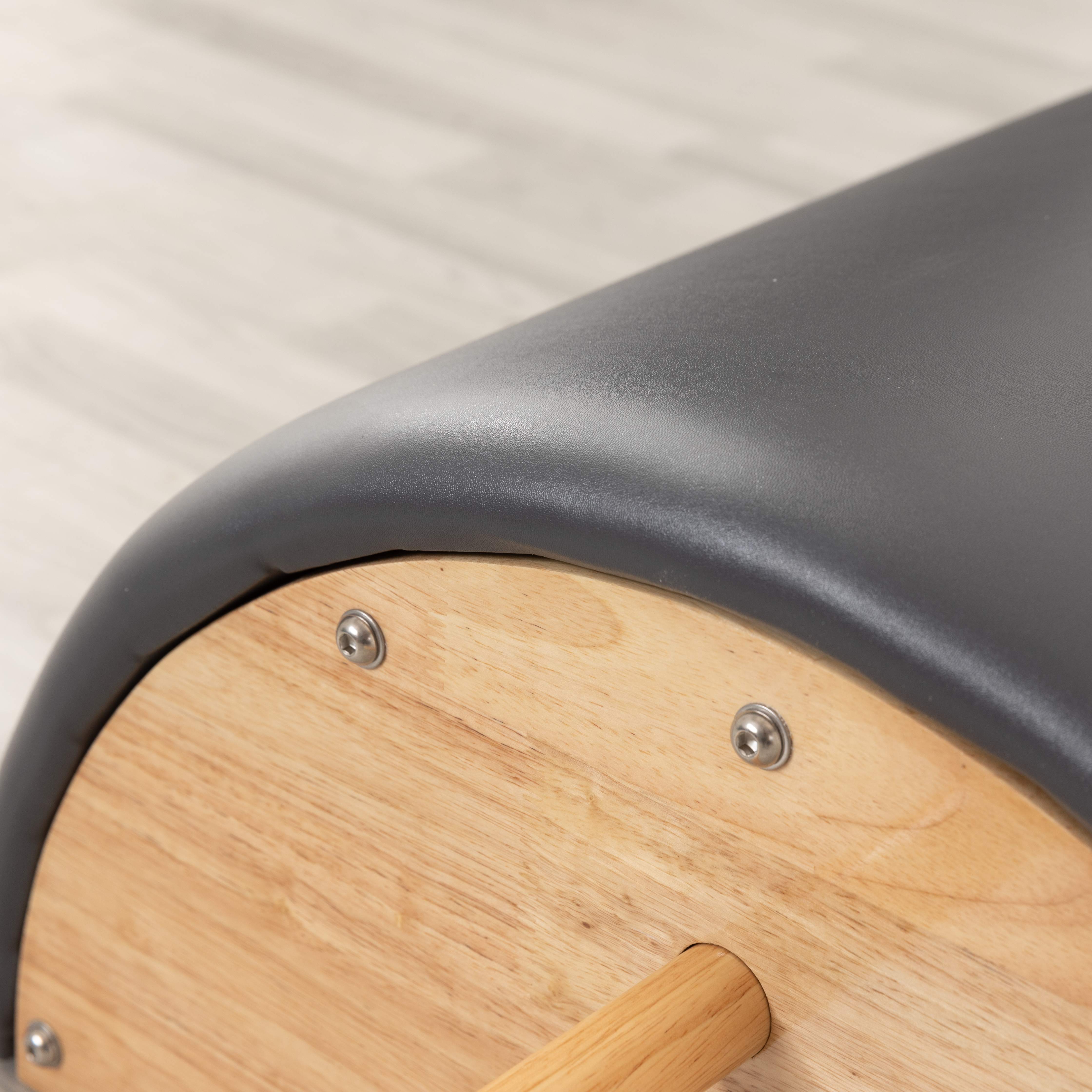
Immediate post-use cleaning: Salt and acids in sweat are corrosive to leather and metal. After each class, wipe all leather surfaces with a slightly damp microfiber cloth to remove sweat and dust. Pay special attention to shoulder rests, headrests, and the carriage surface — these areas have direct skin contact and absorb sweat most quickly.
Controlled carriage return: Remind instructors and clients to return the carriage to the stop position with controlled speed — avoid slamming it back. Repeated impact forces accelerate spring fatigue and stop mechanism wear.
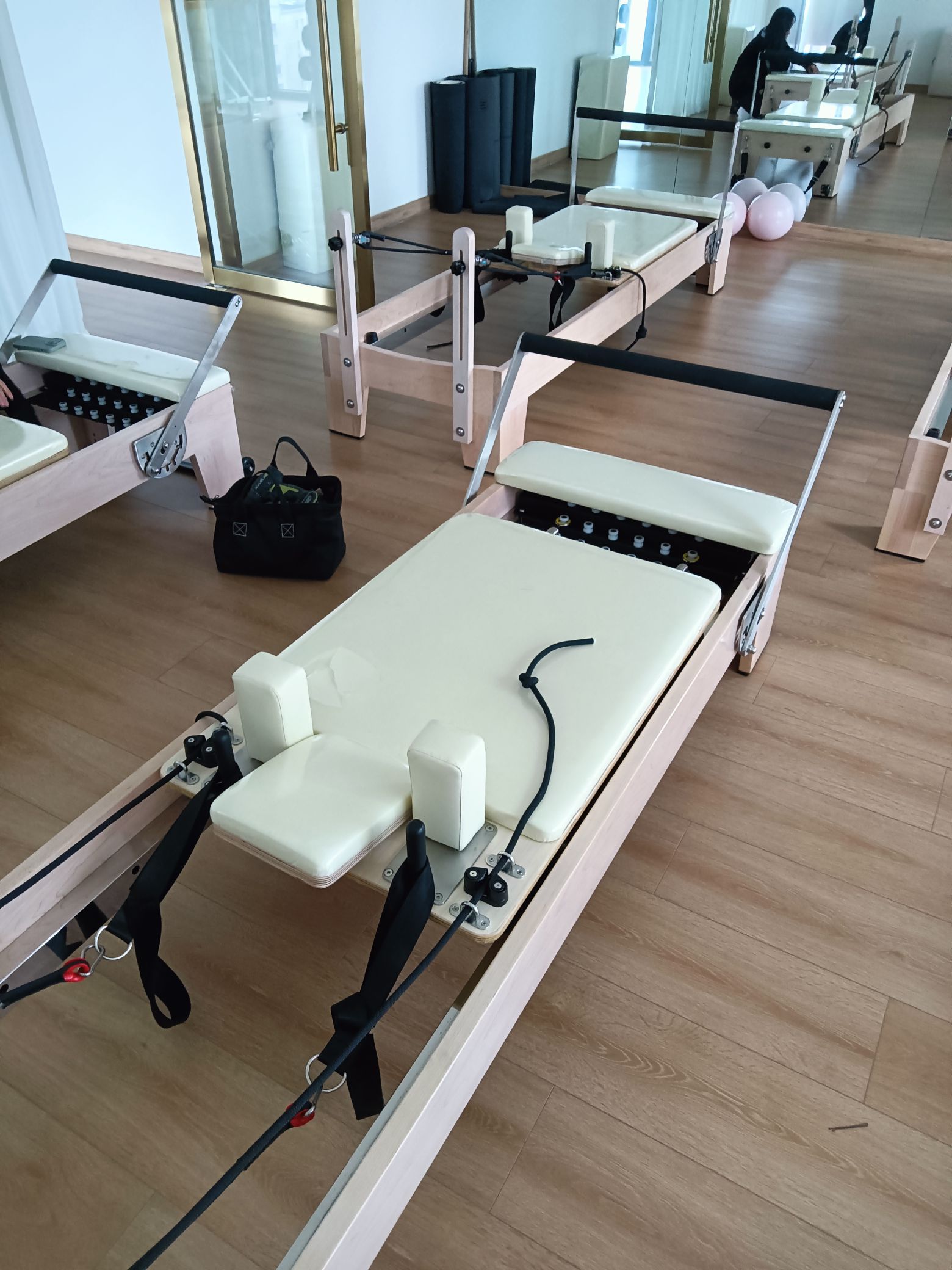
Daily visual inspection: Before opening or after closing, perform a quick visual check of each unit: springs for deformation or hook wear, rails for scratches or debris, upholstery for tears or seam separation, straps and ropes for fraying or wear. Address issues promptly before they escalate.
III. Weekly Maintenance: Systematic Cleaning and Inspection
Schedule a systematic equipment maintenance session weekly — deeper and more preventative than daily cleaning.
Deep leather cleaning: Dilute neutral soap (such as baby shampoo or specialized leather cleaner) in warm water. Apply with a soft cloth, wipe clean with plain water, and dry with a dry cloth. Never use cleaners containing alcohol, bleach, or strong acids/alkalis — these damage leather coatings and accelerate aging.
Clean metal components: Wipe metal surfaces with a dry cloth to remove fingerprints and dust. If sweat residue remains, use a slightly damp cloth and immediately dry to prevent rust.
Check fasteners: Gently shake frame connections, footbar mounts, and shoulder rest attachments — check for loose screws. Tighten with appropriate tools if needed — don't over-tighten, which can strip threads.
Inspect rail surfaces: Wipe rails with a clean dry cloth to remove dust and lint. If rails show visible scratches or dents, the wheels may be worn and need further inspection.
IV. Monthly Maintenance: Deep Care and Lubrication
Monthly deep maintenance is the core of preventative care — and the best time to identify hidden issues.
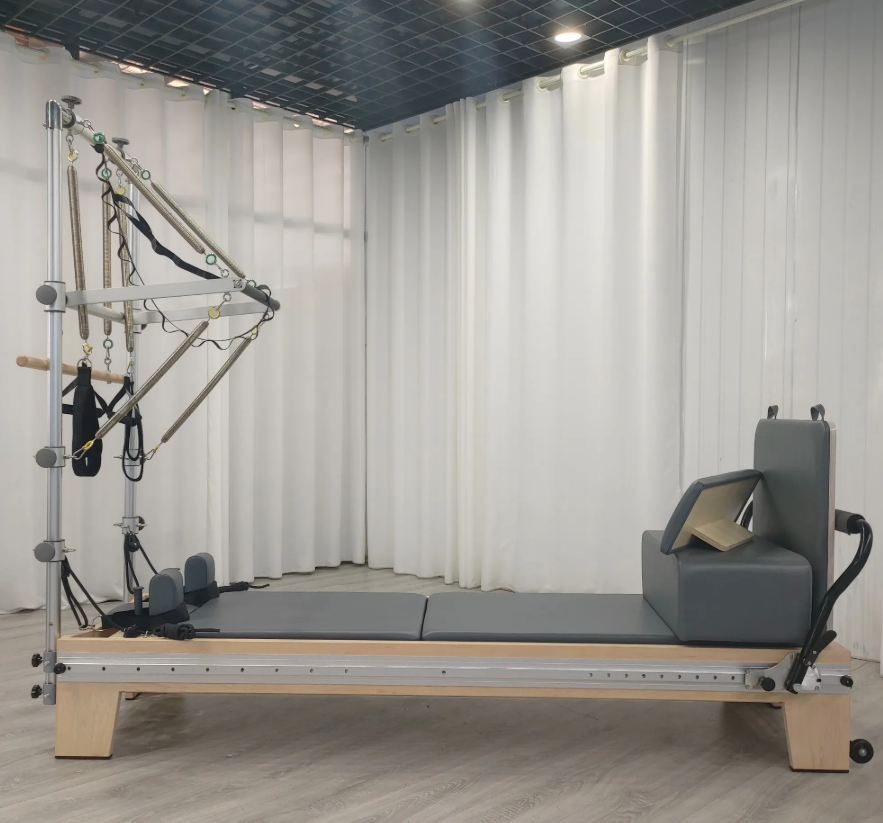
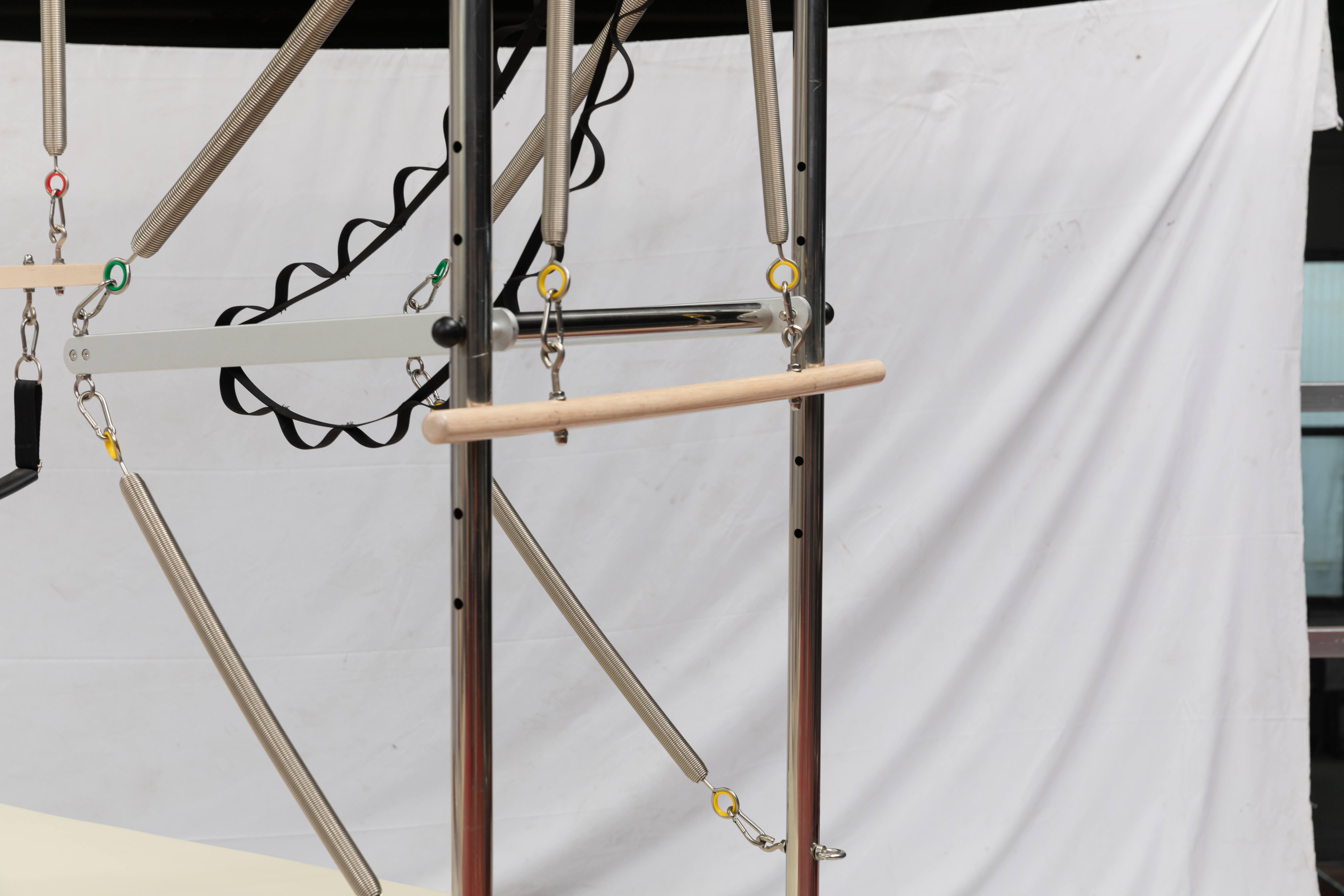
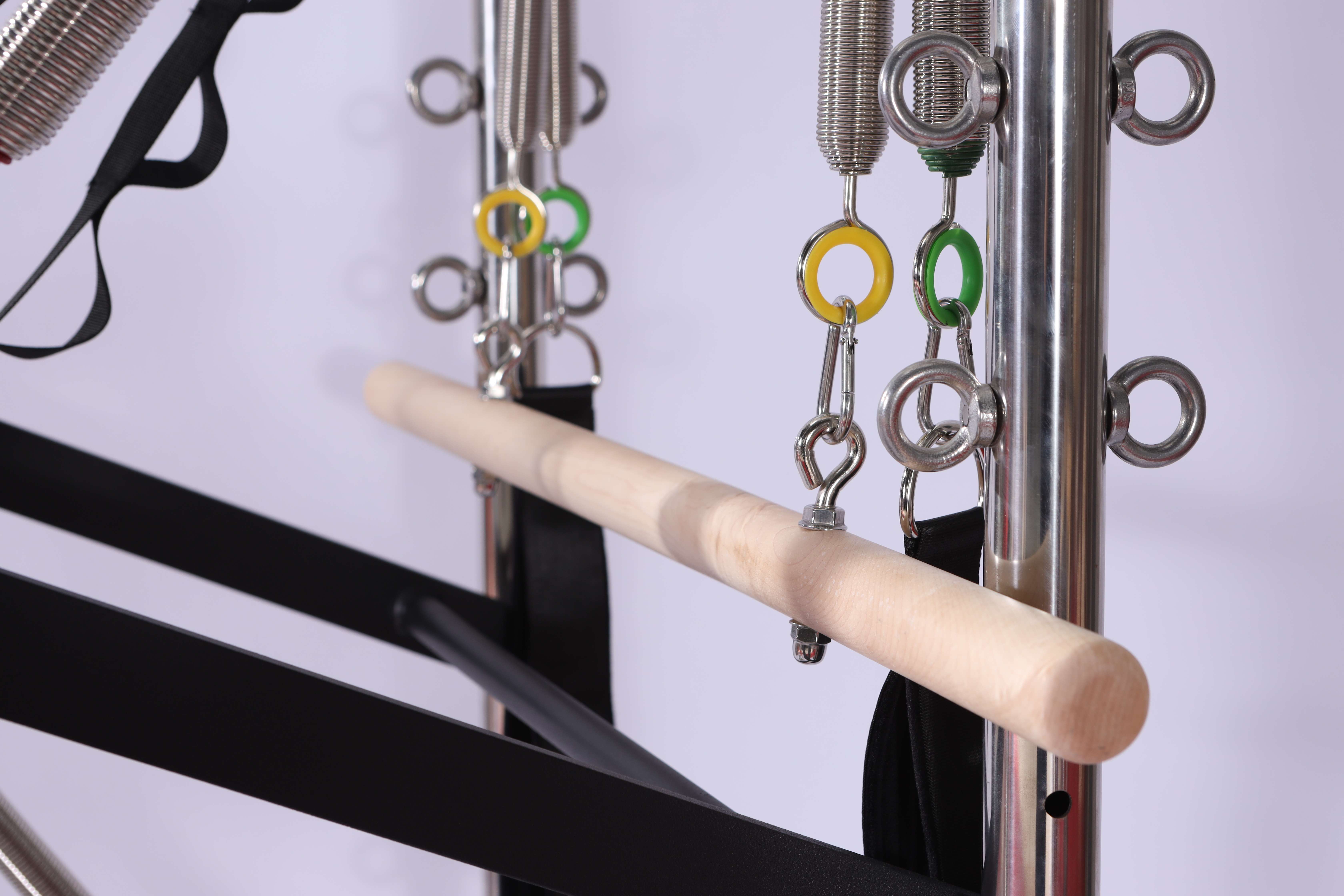
Comprehensive spring inspection: Carefully inspect every spring — check for deformation, cracks, rust, or tension loss. A simple test: push the carriage back and observe whether both sides return at the same speed — noticeable differences indicate uneven tension. Consider rotating spring replacement — replacing one side or alternating springs to spread costs.
Rail lubrication: Apply silicone spray lightly to rail surfaces, then slide the carriage back and forth to distribute evenly. Never use WD-40 or ordinary lubricating oil — these oil-based products attract dust and lint, accelerating wear.
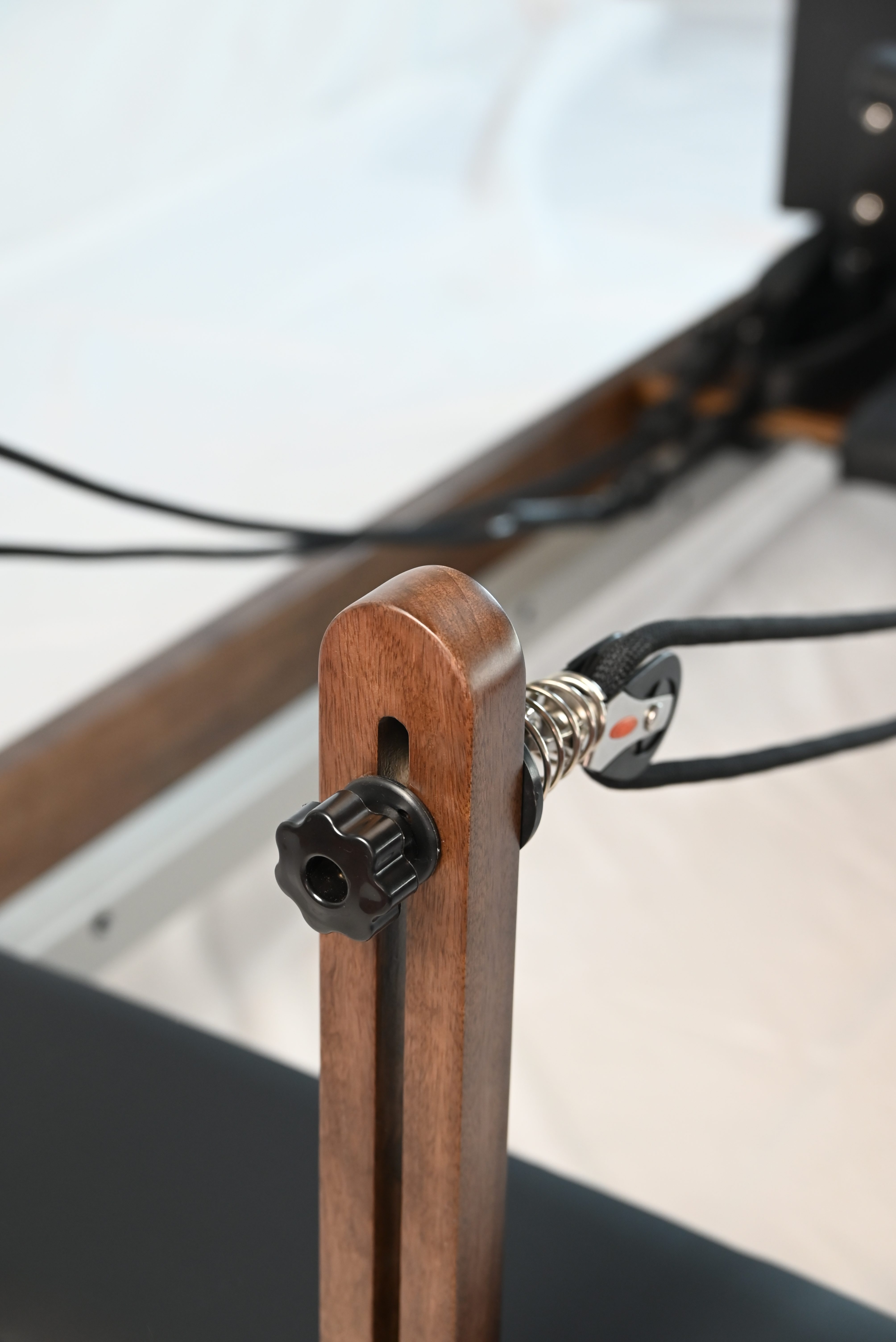
Pulley and rope inspection: Spin pulleys to check for sticking or noise; inspect surfaces for cracks or wear. Check ropes for fraying or damage — replace immediately if issues are found.
Upholstery condition check: Press the carriage and shoulder rest foam — check for sufficient rebound. If foam shows permanent compression (slow rebound after pressing), replacement is needed.
Adjustment mechanism testing: Test all adjustment functions — footbar positions, headrest angles, shoulder rest positions — confirm locking devices are secure and won't shift during use.
V. Quarterly and Annual Maintenance
Quarterly maintenance: Deep-clean wood frames (if applicable) and apply conditioning oil or varnish care products; rotate spring positions for even wear; inspect all weld points for cracks; check anti-slip feet for wear or detachment.
Annual maintenance: Engage professional technicians for comprehensive inspection — rail calibration, frame leveling, spring tension testing, torque checks on all fasteners. Also assess spring and upholstery condition and decide whether replacement is needed based on usage intensity.
VI. Replacement Schedules for Springs and Wear Parts
In commercial environments, replacement intervals for springs and wear parts should be shorter and more regular than in home settings.
Springs: Replace all springs every 24 months (two years). In high-frequency studios (5+ classes daily), intervals may shorten to 12-18 months. Replace immediately if springs show deformation, cracks, or abnormal rebound — don't wait for the scheduled interval.
Straps and ropes: Inspect monthly — replace immediately if fraying or visible wear appears. Commercial studios typically replace these every 6-12 months.
Upholstery (leather and foam) : Replace when leather shows visible wear, tearing, or foam loses resilience — typically every 2-4 years, depending on usage intensity and maintenance quality.
Pulleys and bearings: Replace when gliding produces noise or roughness. Quality pulleys typically last 3-5 years in commercial environments.
VII. Establishing Standardized Maintenance Procedures
For commercial studios with multiple units, standardized maintenance procedures are essential:
Assign responsibility: Designate specific personnel for daily, weekly, and monthly maintenance tasks — avoid issues falling through the cracks.
Maintain maintenance logs: Record maintenance dates, issues identified, actions taken, and parts replaced for each unit. Logs are not just management tools — they are the equipment's medical records.
Create a maintenance calendar: Schedule daily, weekly, monthly, quarterly, and annual tasks — ensure nothing is overlooked.
Train staff: Ensure all instructors and staff understand basic equipment care — proper cleaning methods, how to identify common issues, how to report abnormalities.
Manage spare parts inventory: Maintain safety stock of common wear parts — springs, ropes, straps — to avoid downtime due to parts unavailability.
Summary: Commercial Pilates equipment maintenance can be summarized as "daily wipe, weekly check, monthly lubricate, quarterly care, annually inspect" — clean surfaces daily, systematically inspect weekly, deep-maintain and lubricate monthly, perform long-term care quarterly, and conduct comprehensive evaluation annually. Establishing standardized maintenance procedures protects not just equipment, but also client safety, client experience, and long-term operating costs. As one experienced studio operator puts it: "Studios that maintain well keep equipment like new for ten years, with consistent client experience — that's real competitive advantage."