How Long Does Pilates Equipment Usually Last? Complete Lifespan Guide
When investing in Pilates equipment for home fitness or commercial studios, buyers always focus on one core question: how many years can Pilates machines last? As a high-value long-term fitness investment, the service life of Pilates reformers, chairs, barrels and Cadillac tables directly determines the return on investment and daily safety.
The lifespan of Pilates equipment varies greatly depending on equipment grade, material quality, usage frequency and daily maintenance. In this article, we will break down the standard service life of home-grade and commercial-grade Pilates equipment, explain the key factors that affect durability, and share practical tips to extend equipment lifespan.
1. Average Lifespan of Pilates Equipment by Grade
There is a clear difference in durability between entry-level home equipment and professional commercial equipment. Below is the industry-standard service life data for global Pilates markets.
Home-Grade Pilates Equipment: 3 – 5 Years
Entry-level foldable reformers and lightweight home Pilates machines are designed for low-frequency personal use. With casual training 2–4 times per week, their average service life ranges from 3 to 5 years.
These models adopt thin frames, ordinary low-tension springs and basic foam padding. After long-term use, they are prone to spring fatigue, rail noise, foam collapse and frame shaking. For home users with low usage intensity, this lifespan fully meets daily fitness needs.
Semi-Commercial Pilates Equipment: 6 – 8 Years
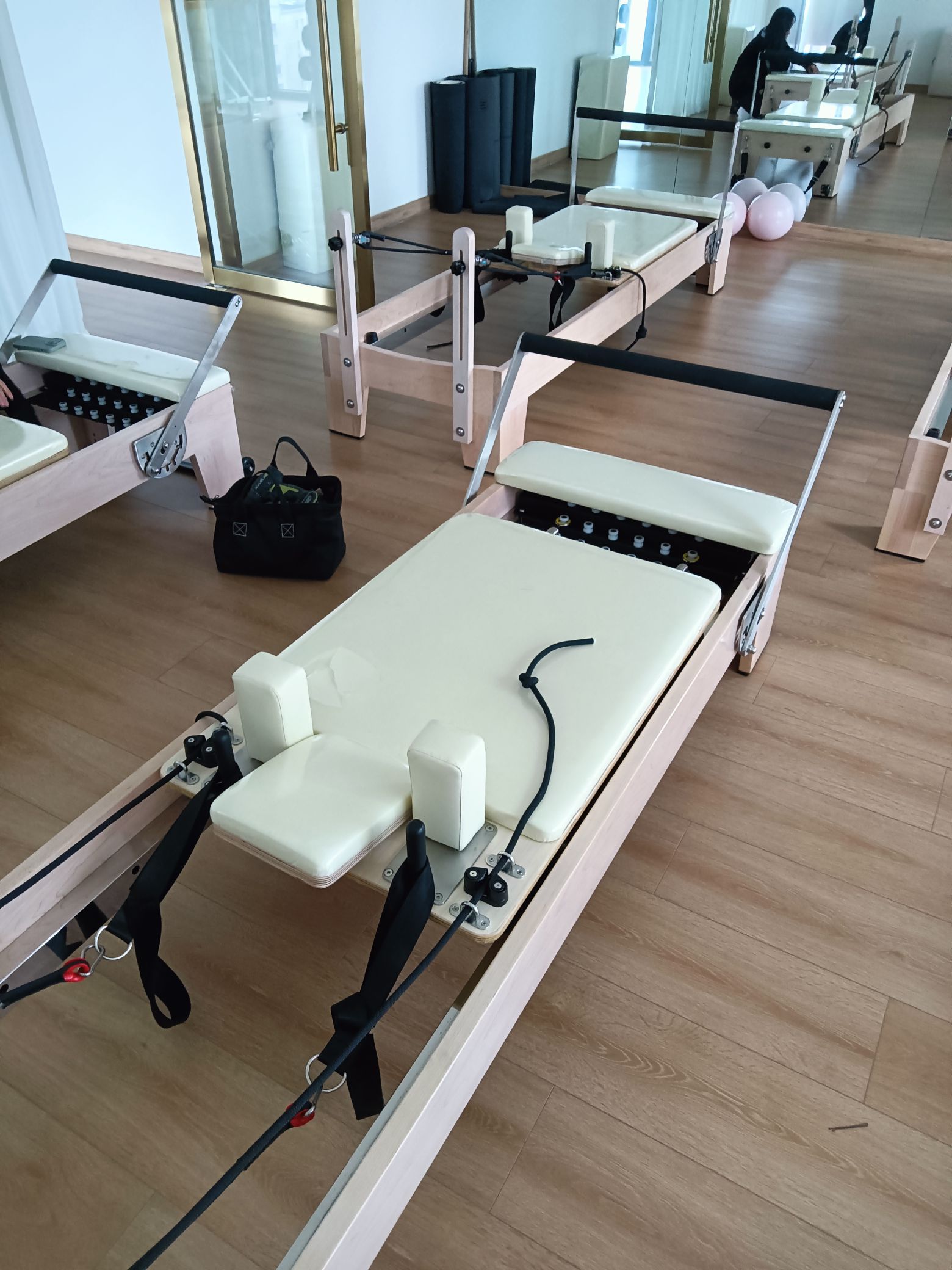
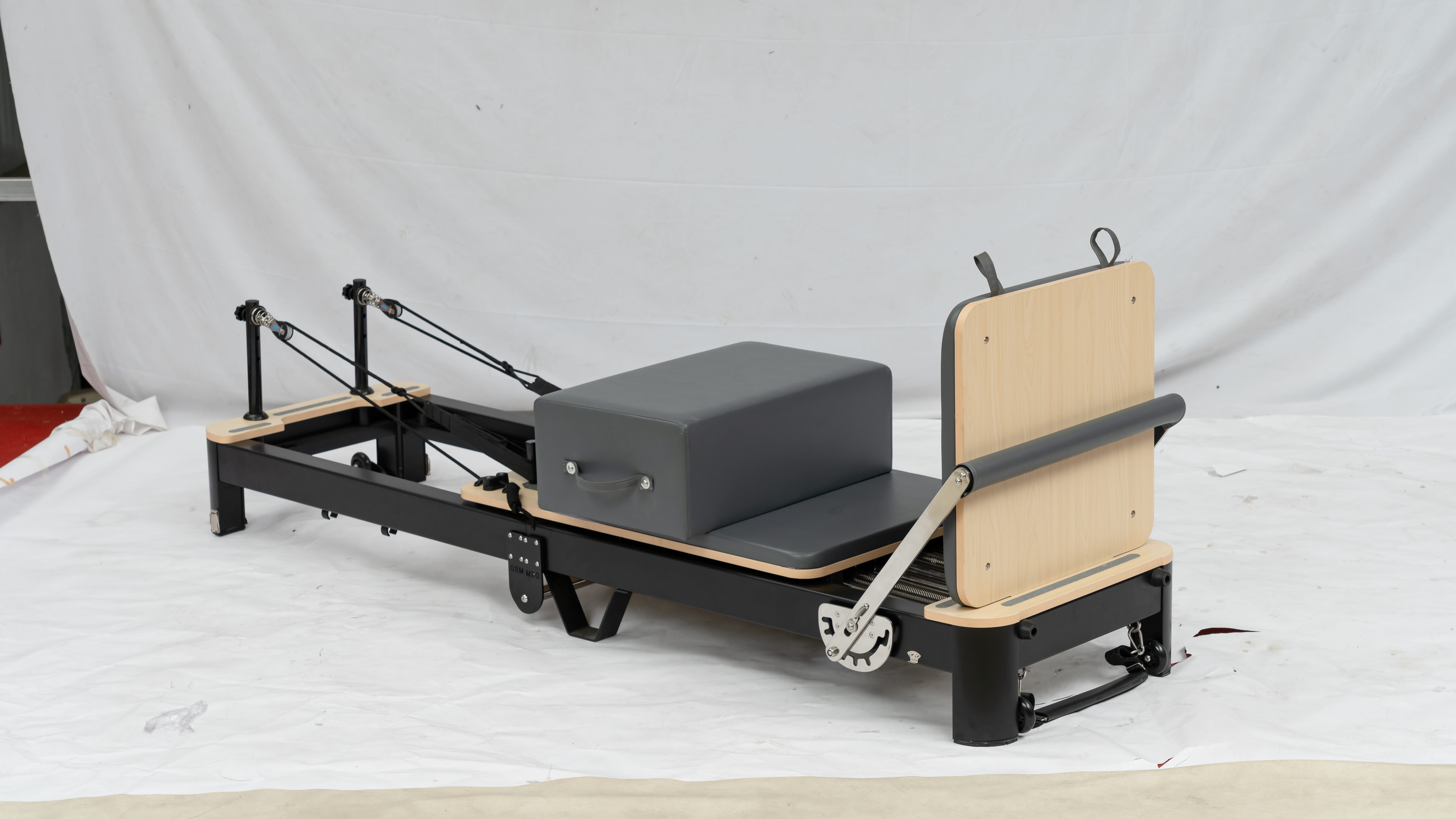
Semi-commercial aluminum Pilates machines are upgraded for frequent use. With thickened alloy frames, improved sliding systems and high-quality springs, they can stably serve 6 to 8 years. This grade is widely used for personal long-term home training and small studio low-frequency private lessons, balancing cost and durability perfectly.
Full Commercial-Grade Pilates Equipment: 10 – 15 Years+
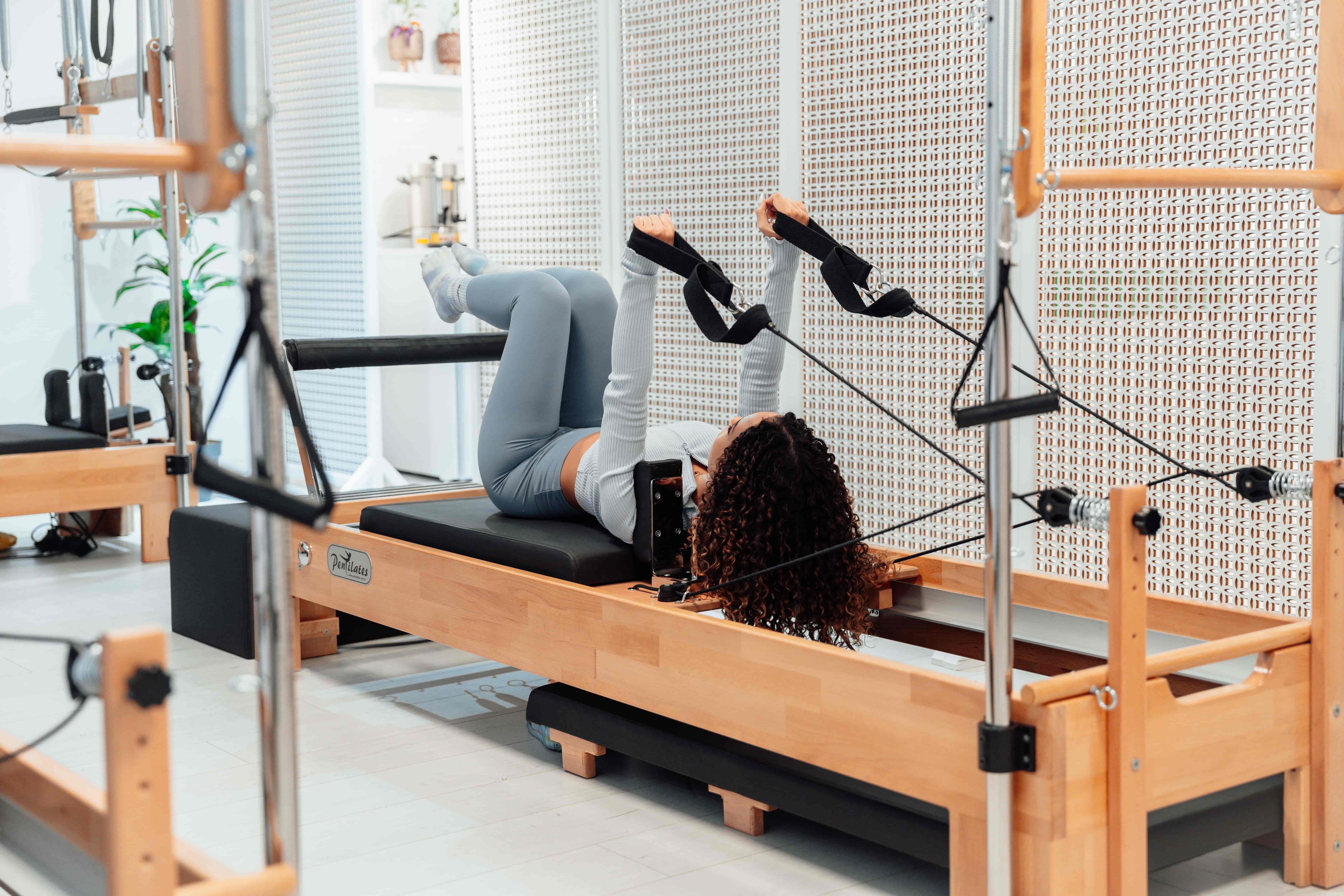
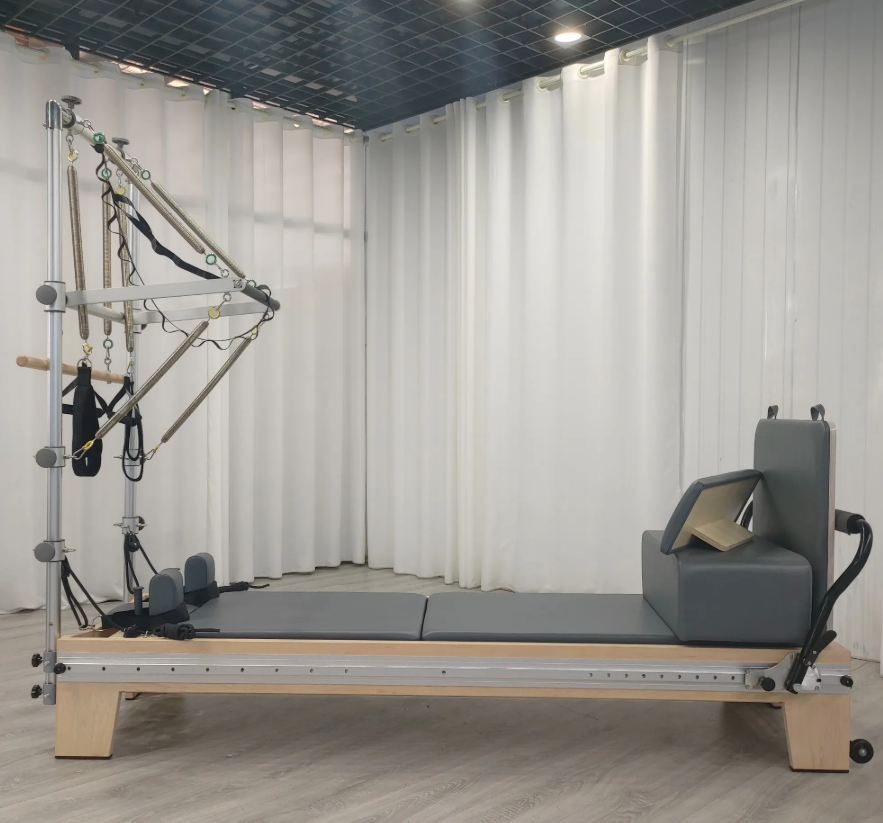
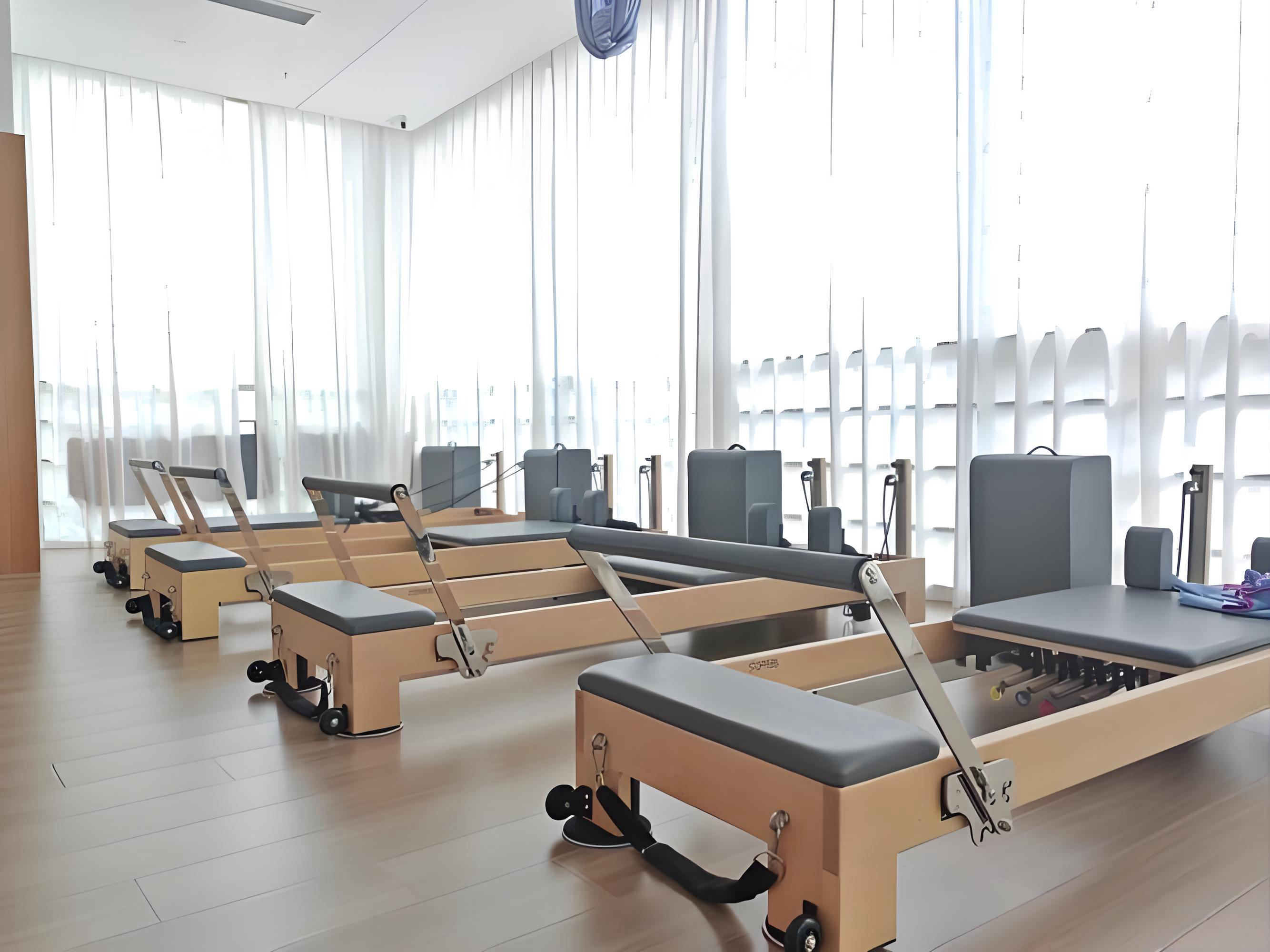
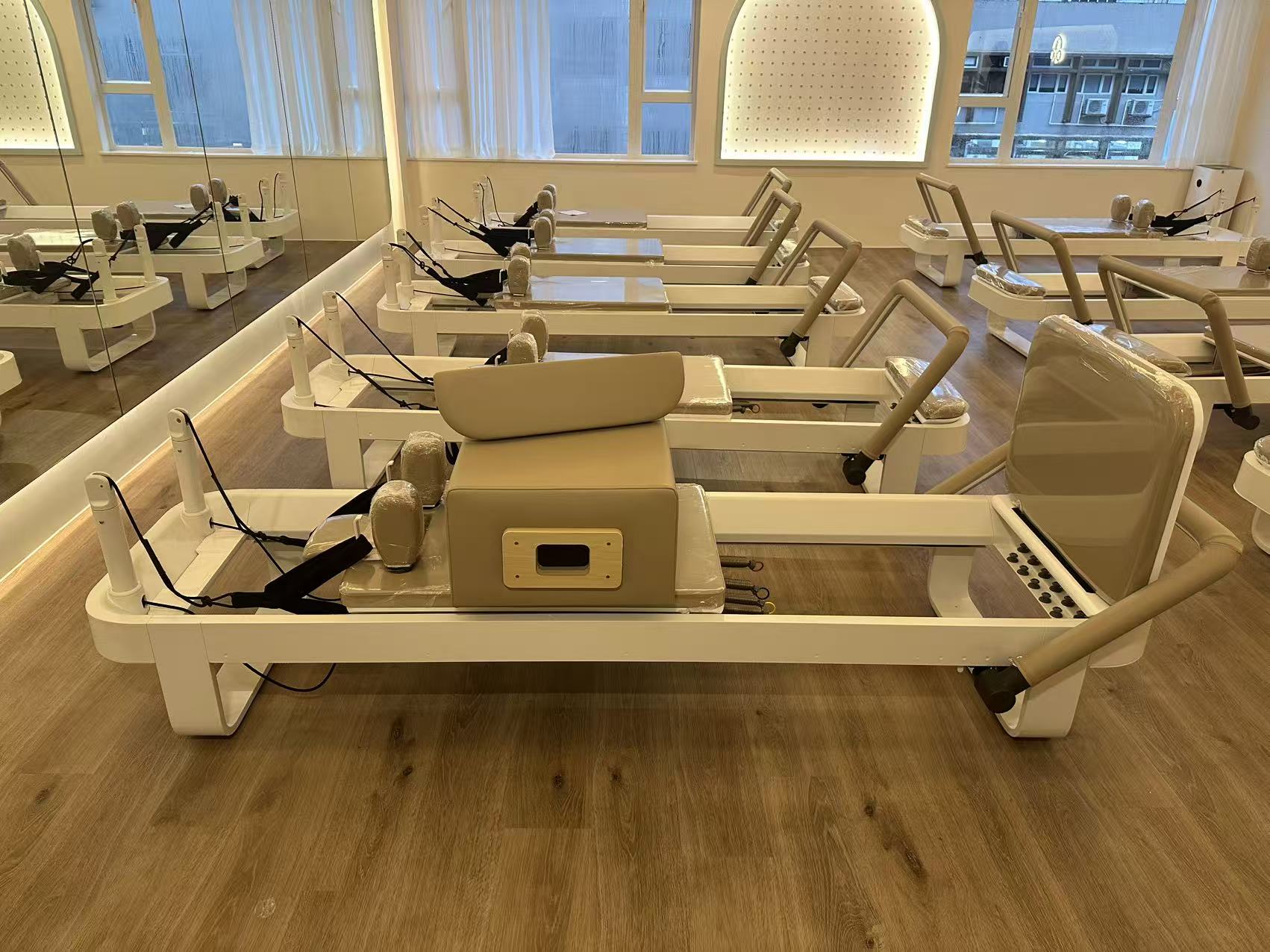
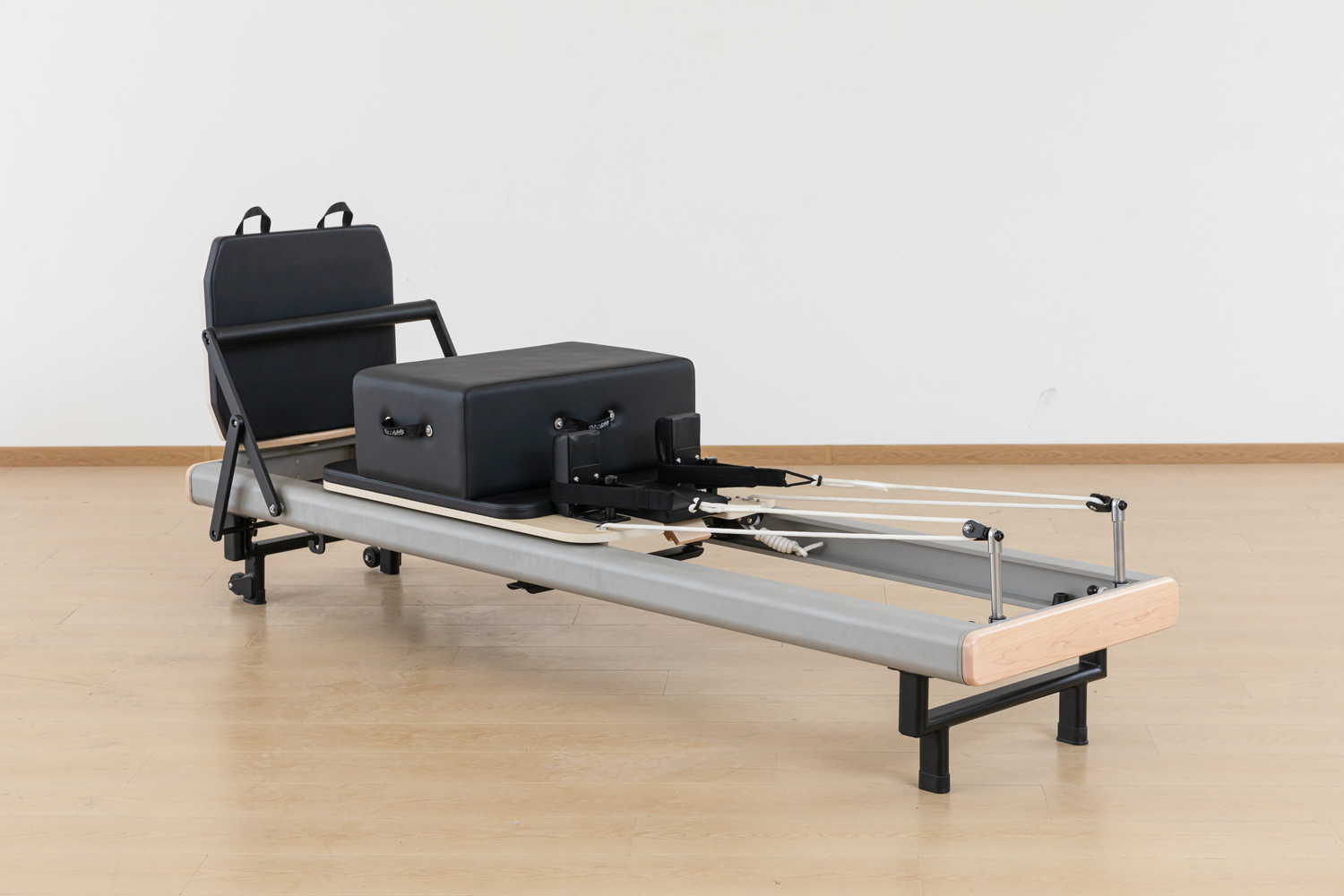
Professional commercial Pilates equipment is built for long-term high-frequency studio operation. High-end beech wood and aviation-grade aluminum reformers, Cadillac tables, stability chairs and ladder barrels have a service life of more than 10 years, and well-maintained machines can even last up to 15 years.
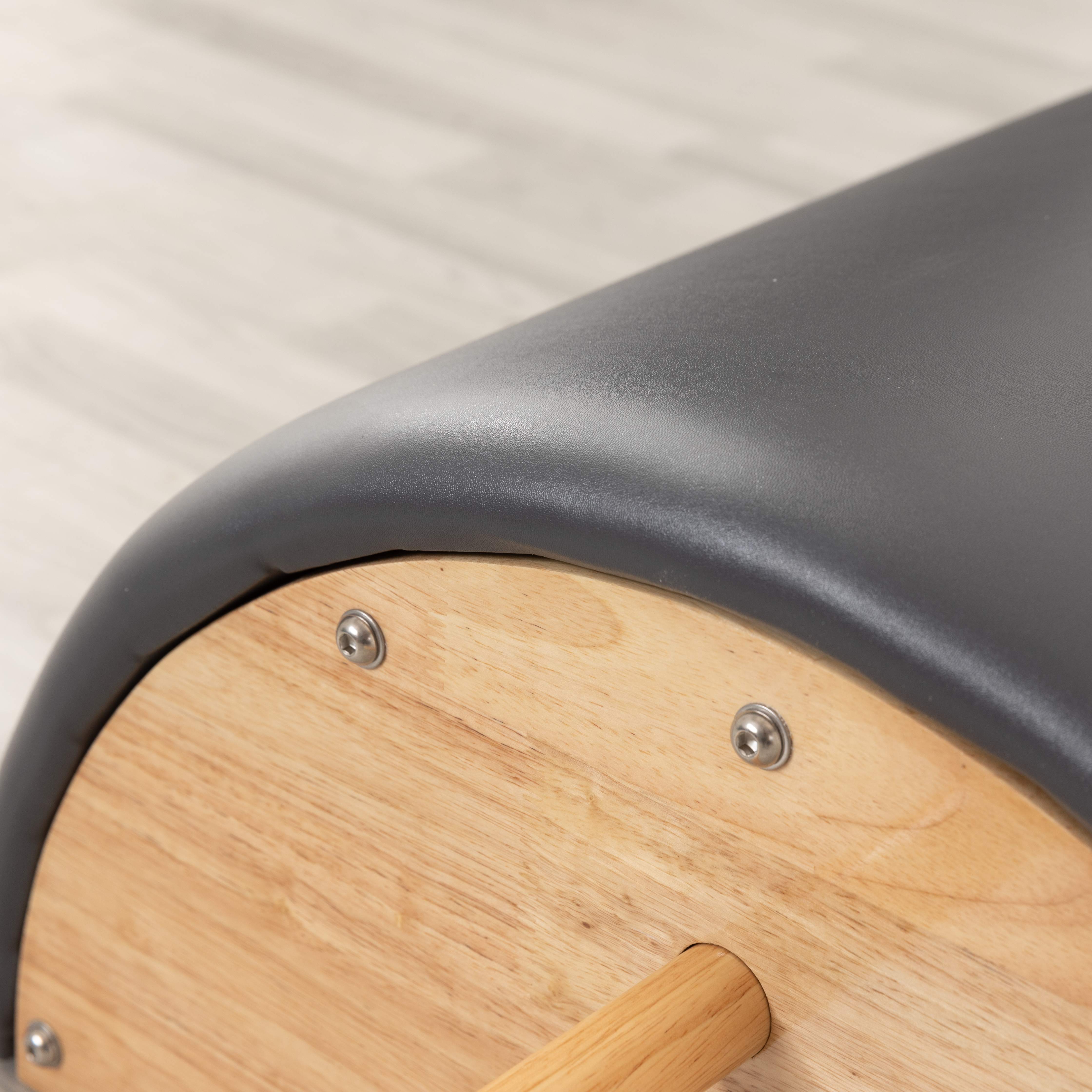
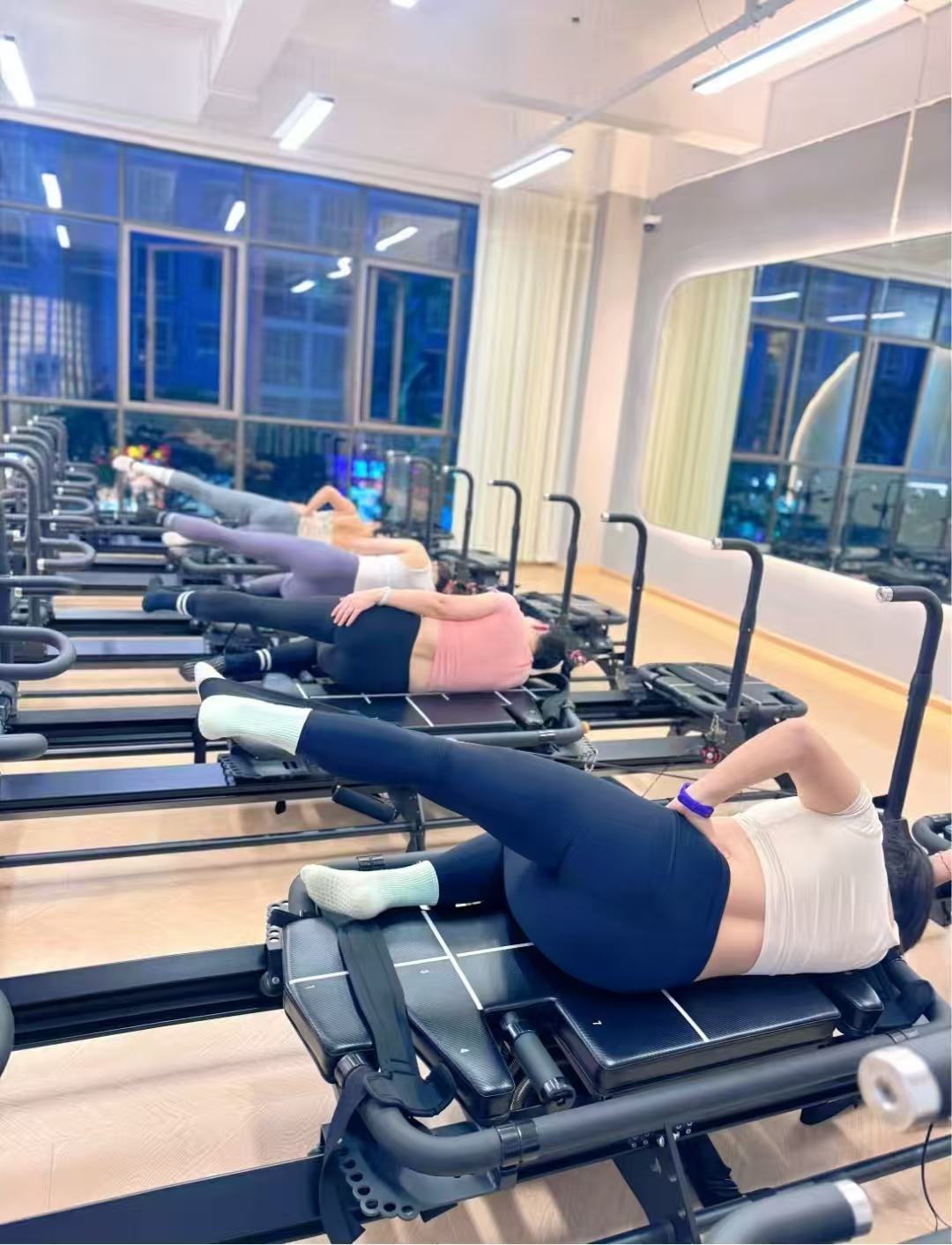
Commercial-grade machines adopt high-fatigue-resistance piano wire springs, integrated reinforced frames, silent pulley systems and wear-resistant microfiber leather. Even under 8–10 hours of daily high-intensity group classes and rehabilitation training, the equipment maintains stable tension, smooth sliding and no structural deformation.
2. Which Parts Wear Out the Fastest?
Although the main frame can last for more than a decade, some wearable accessories need regular replacement during the equipment’s service cycle:
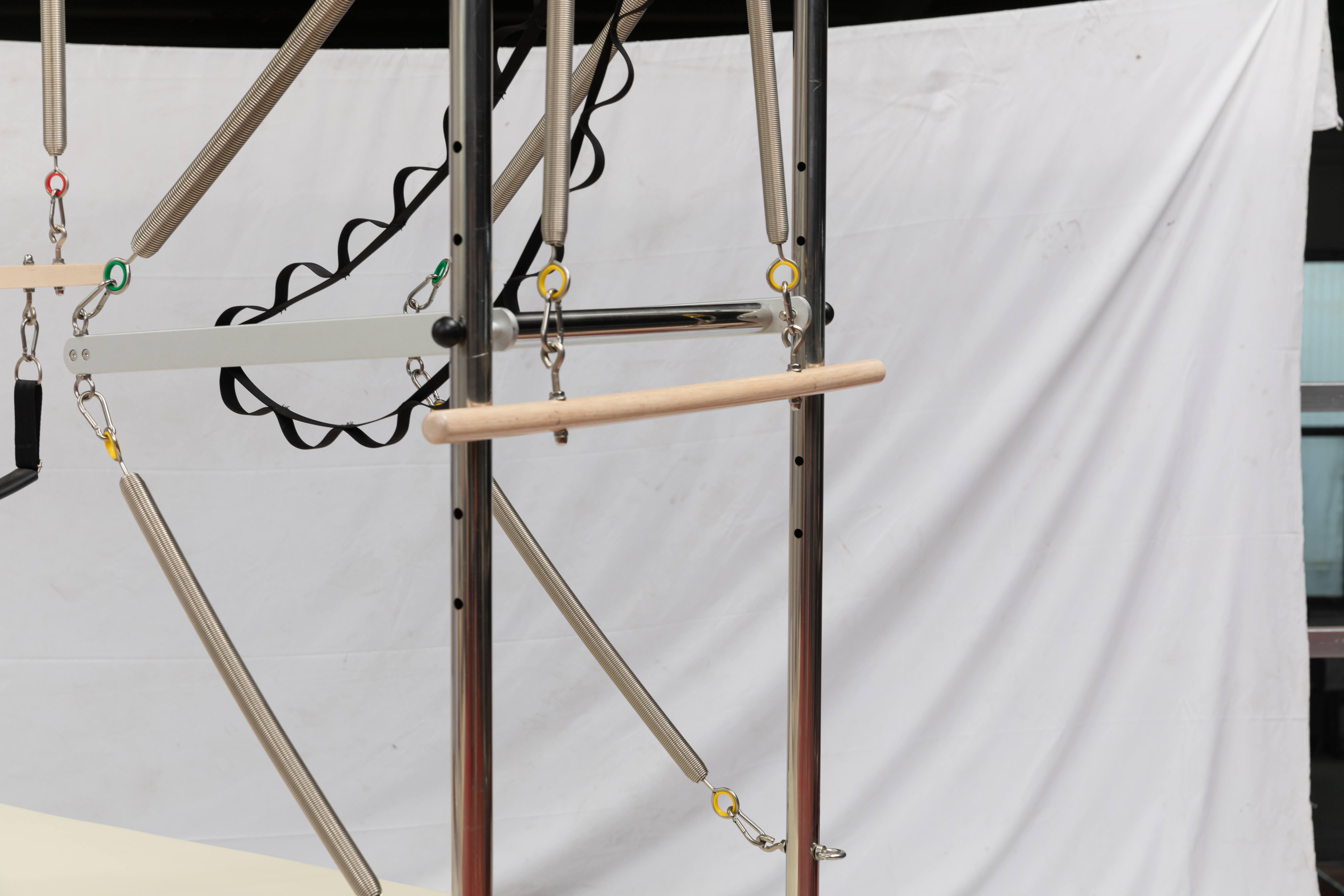
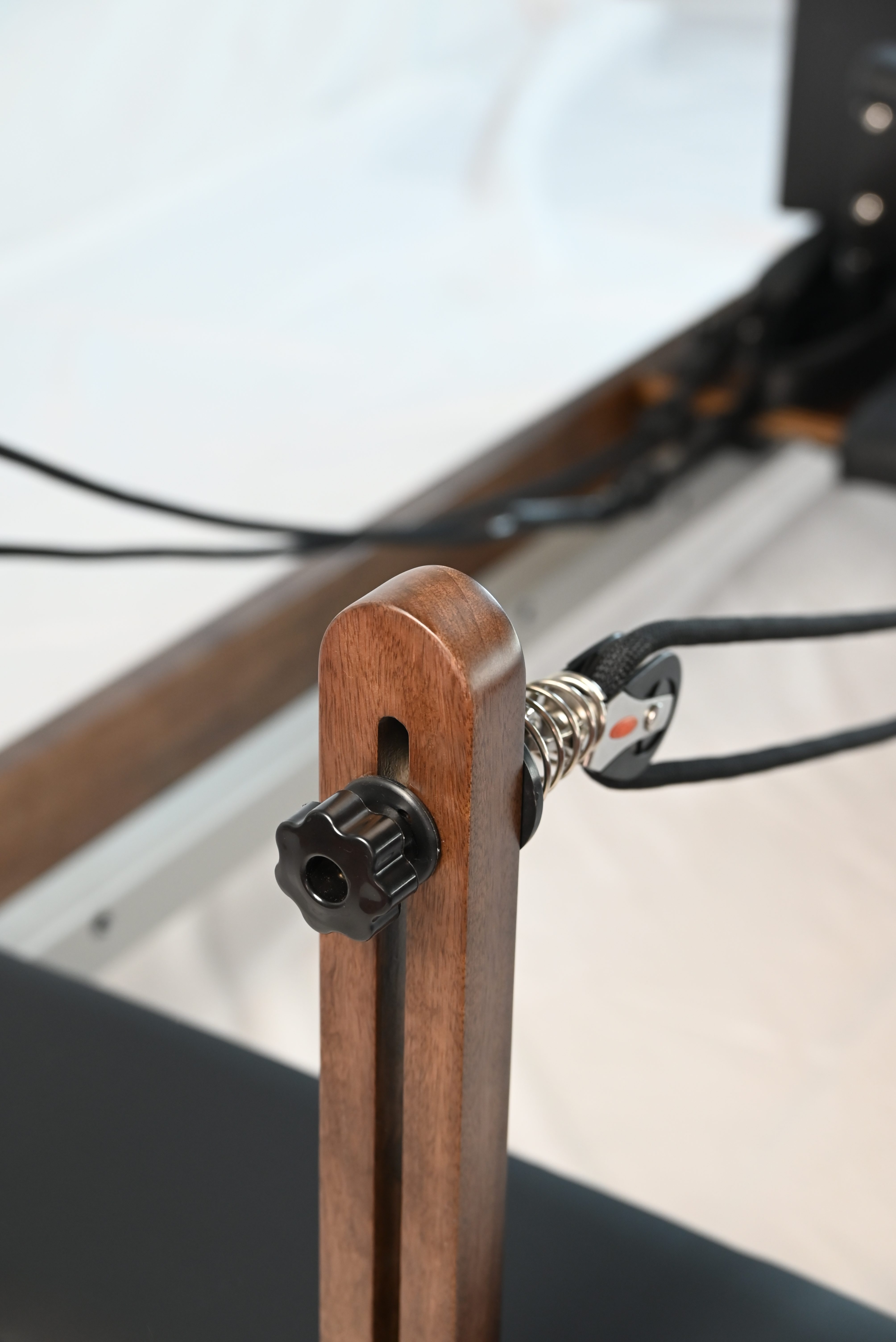
- Pilates Springs: Commercial springs need replacement every 12–18 months; home springs can last 3–5 years.
- Traction Ropes & Straps: Wear and fade after 2–3 years of frequent use, requiring regular replacement.
- Leather & Foam Padding: May harden or slightly wear after 4–6 years, replaceable for renewed appearance.
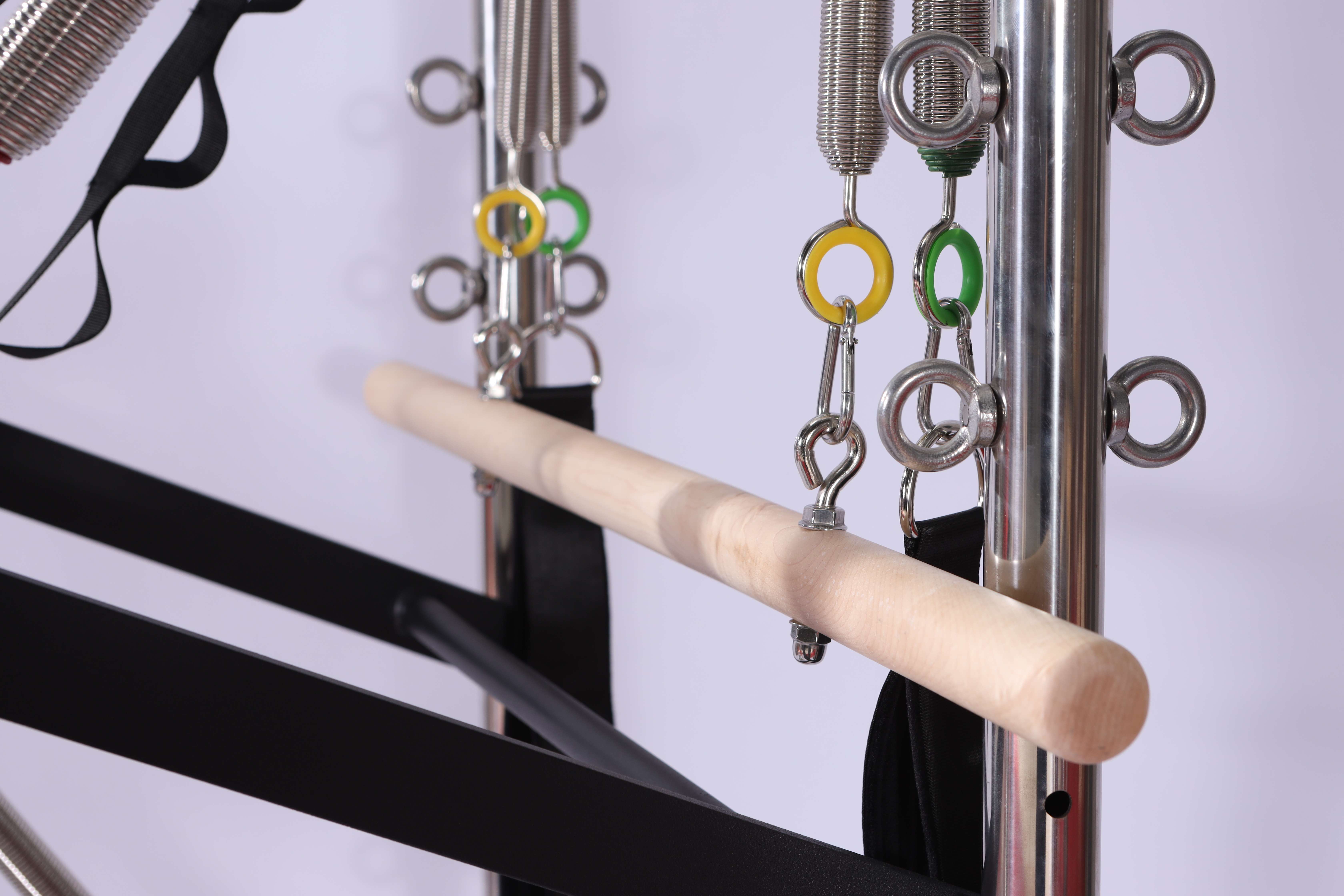
- Pulleys & Small Hardware: Minor wearing parts that can be replaced separately without changing the whole machine.
The advantage of professional Pilates equipment is that only small accessories need replacement, while the main structure remains durable for decades.
3. Key Factors That Shorten or Extend Lifespan
Improper Usage Reduces Service Life
Violent pulling, sudden spring releasing, over-stretching and overweight load will accelerate equipment aging significantly. Irregular training habits may reduce equipment lifespan by more than 40%.
Humid & Unventilated Environment Causes Aging
Moisture leads to spring rust, metal oxidation, wood mildew and leather hardening. Studios in coastal or rainy areas need regular dehumidification to protect equipment.
Lack of Regular Maintenance Accelerates Damage
Dust accumulation in sliding rails, loose screws and residual sweat stains will gradually cause noise, jitter and structural instability, greatly shortening the service cycle.
4. Practical Tips to Extend Pilates Equipment Lifespan
- Daily cleaning: Wipe sweat and dust after each class to keep leather and metal dry and clean.
- Standard operation: Avoid violent pulling and over-range stretching to protect springs and frames.
- Regular inspection: Tighten loose screws and check spring tension every month.
- Timely replacement: Replace aging springs, ropes and worn accessories in time to protect the main frame.
- Environment control: Keep the studio dry, ventilated and away from long-term direct sunlight.
5. Why Commercial-Grade Equipment Is More Worth Investing
Many new studio owners choose low-price entry-level equipment to save costs, but these machines age quickly, require frequent replacement and cause hidden safety risks. In contrast, high-quality commercial Pilates equipment has a one-time investment and ultra-long service life, with extremely low maintenance costs.
For long-term studio operation, commercial-grade equipment effectively reduces annual renewal costs, maintains stable teaching quality and improves the overall brand image of the studio.
Conclusion
To sum up, home Pilates equipment lasts 3–5 years, semi-commercial equipment can work stably for 6–8 years, and professional commercial-grade Pilates equipment can serve 10–15 years or even longer with proper maintenance. The core of long service life lies in high-quality manufacturing materials and standardized daily maintenance.
As a professional Pilates equipment manufacturer, we strictly adopt commercial-grade materials and craftsmanship for all studio machines, ensuring long-term durability, stability and safety. We provide global customers with high-quality, long-lifespan Pilates equipment and complete after-sales maintenance support.