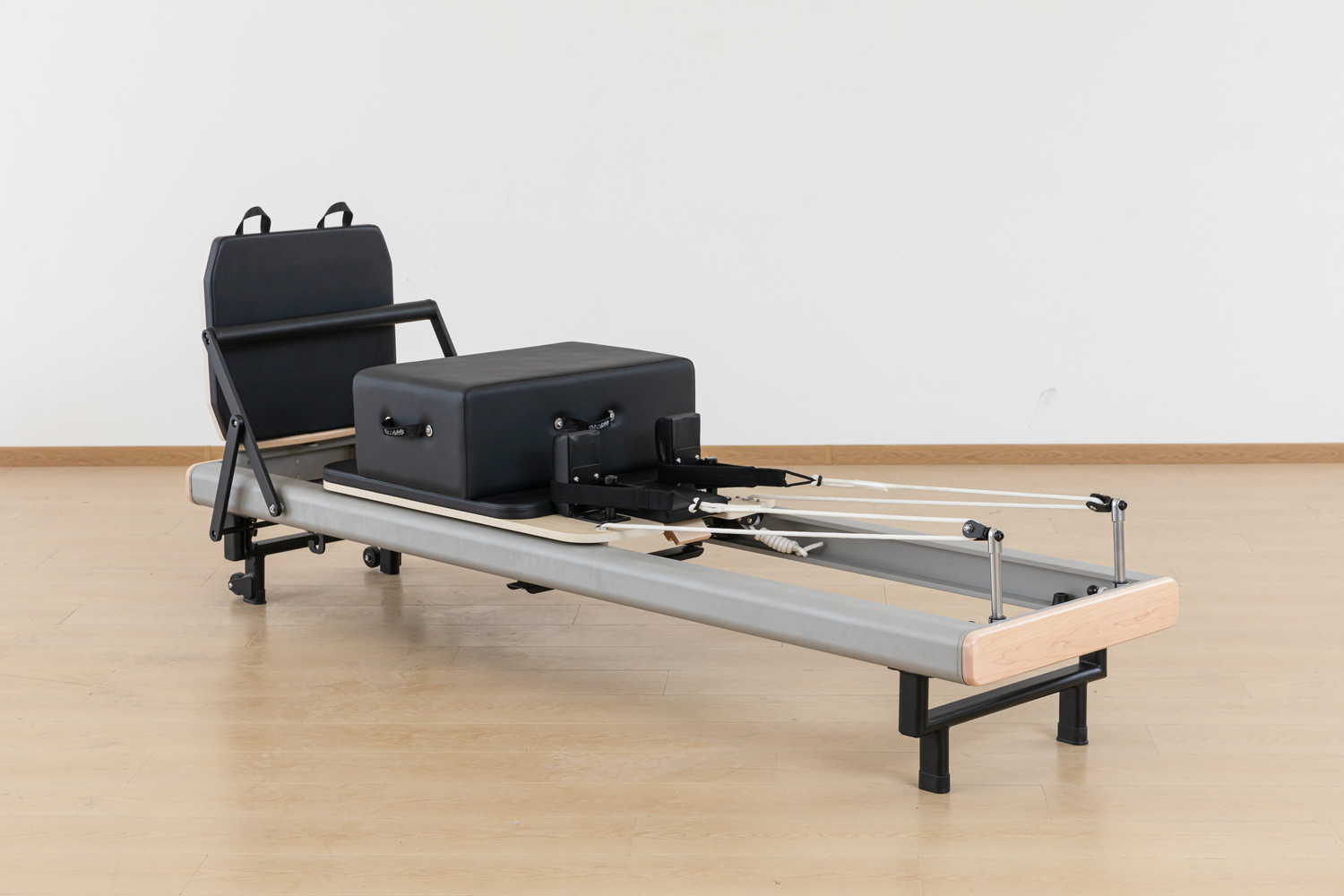
How to Judge Pilates Equipment Quality? Complete Inspection Guide
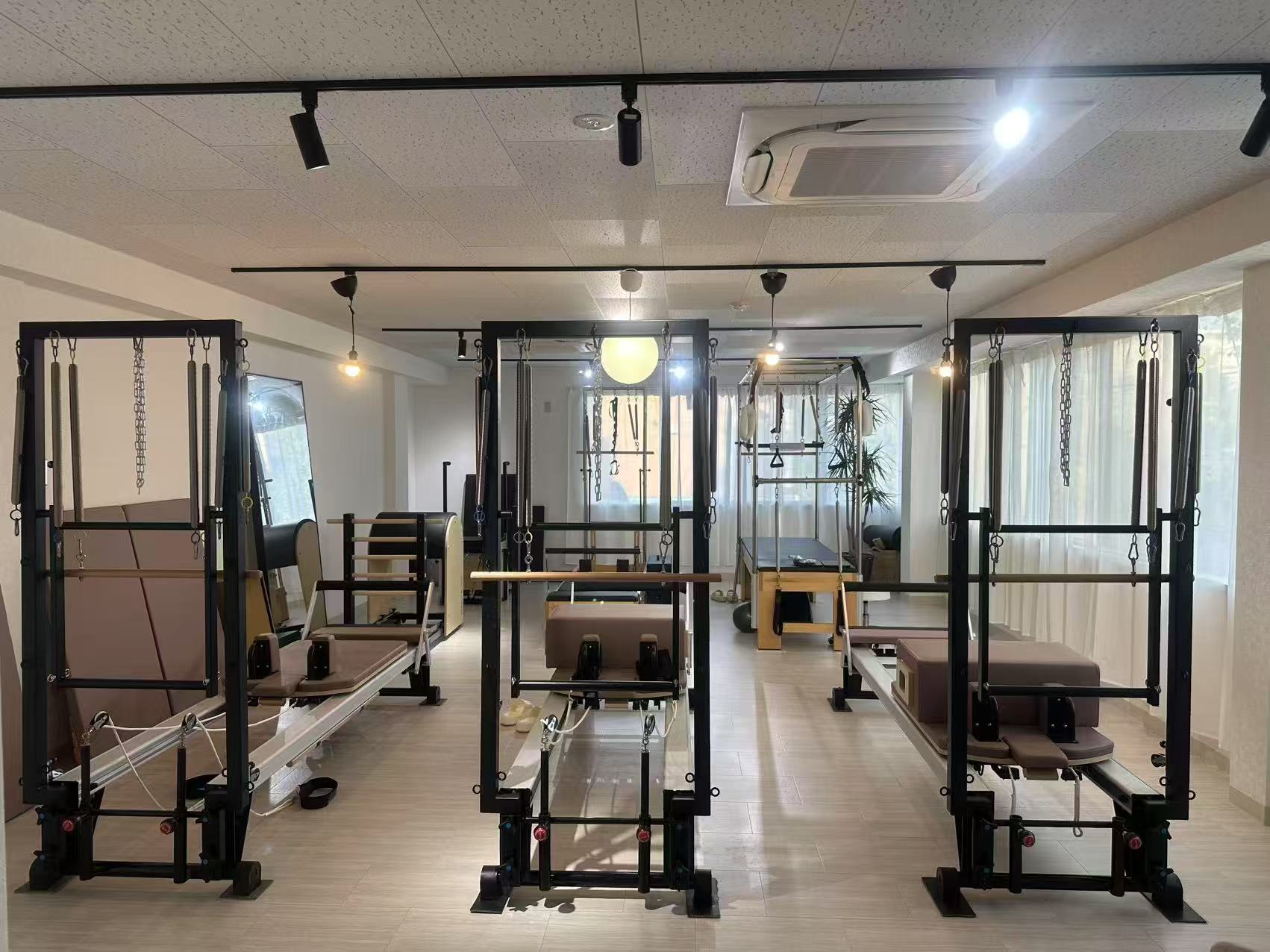
Pilates equipment quality directly determines training safety, teaching experience, service life and studio operating costs. Low-quality machines often cause noise, shaking, spring fatigue, leather peeling and structural loosening after short-term use, while high-quality commercial equipment can maintain stable performance for more than 10 years.
For global studio owners, fitness buyers and distributors, learning how to identify high-quality Pilates equipment is essential to avoid low-price traps and unqualified products. This article shares a professional and practical quality judgment guide covering frames, springs, sliding systems, leather materials, workmanship and overall stability.
1. Frame Structure & Material Quality (Core Foundation)
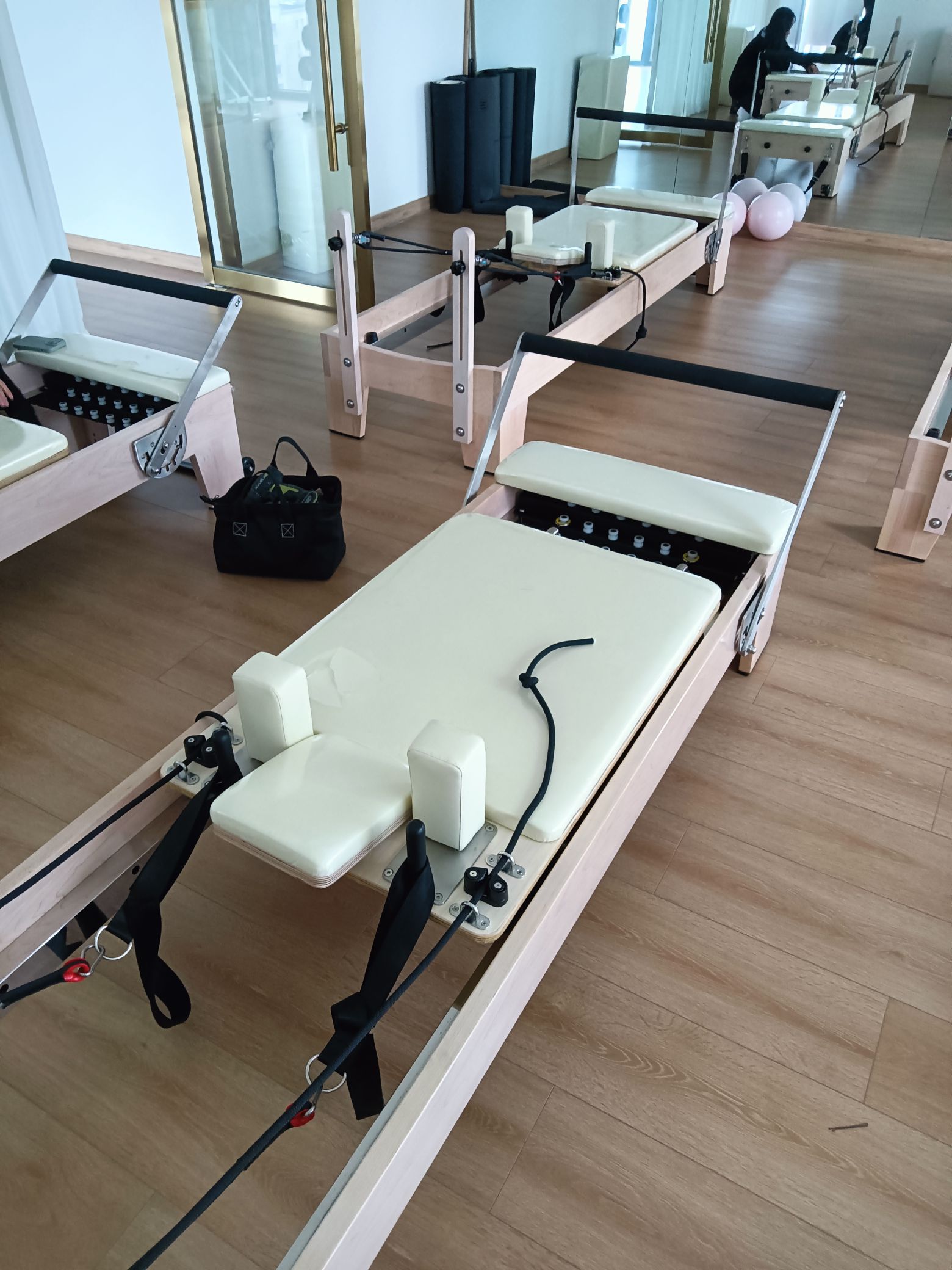
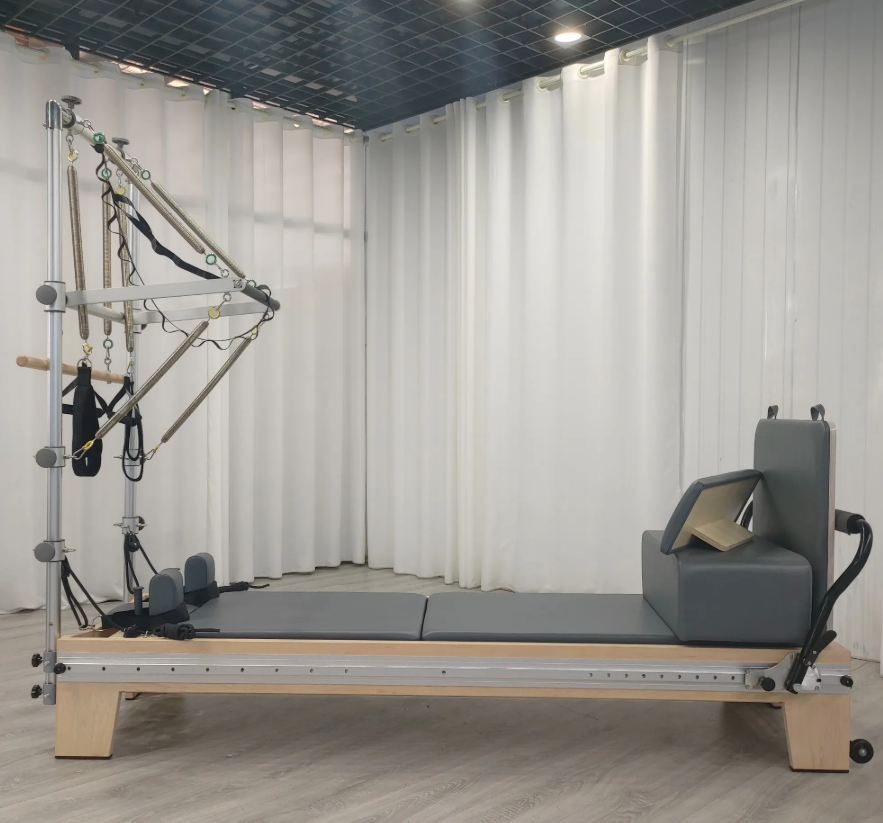
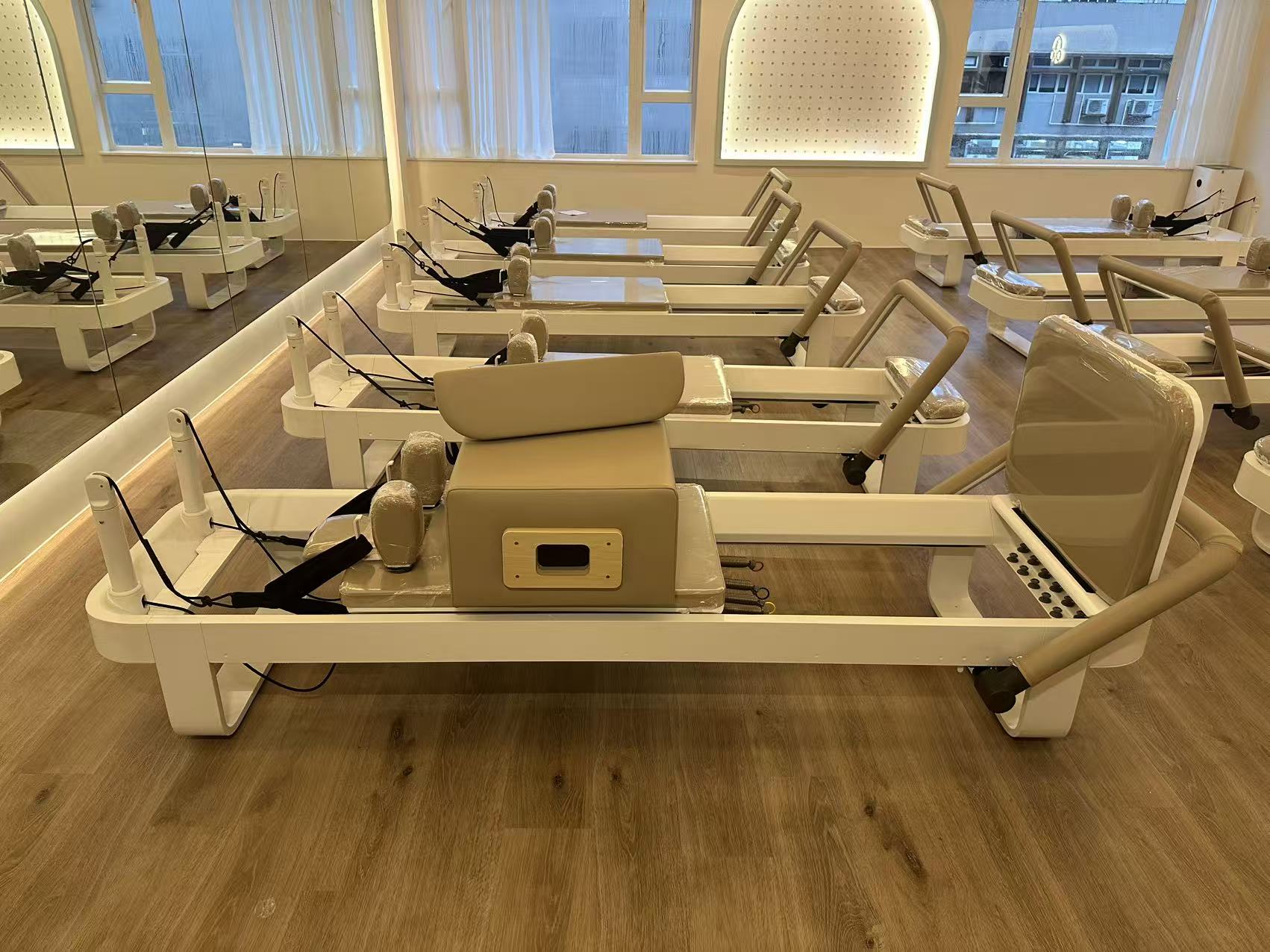
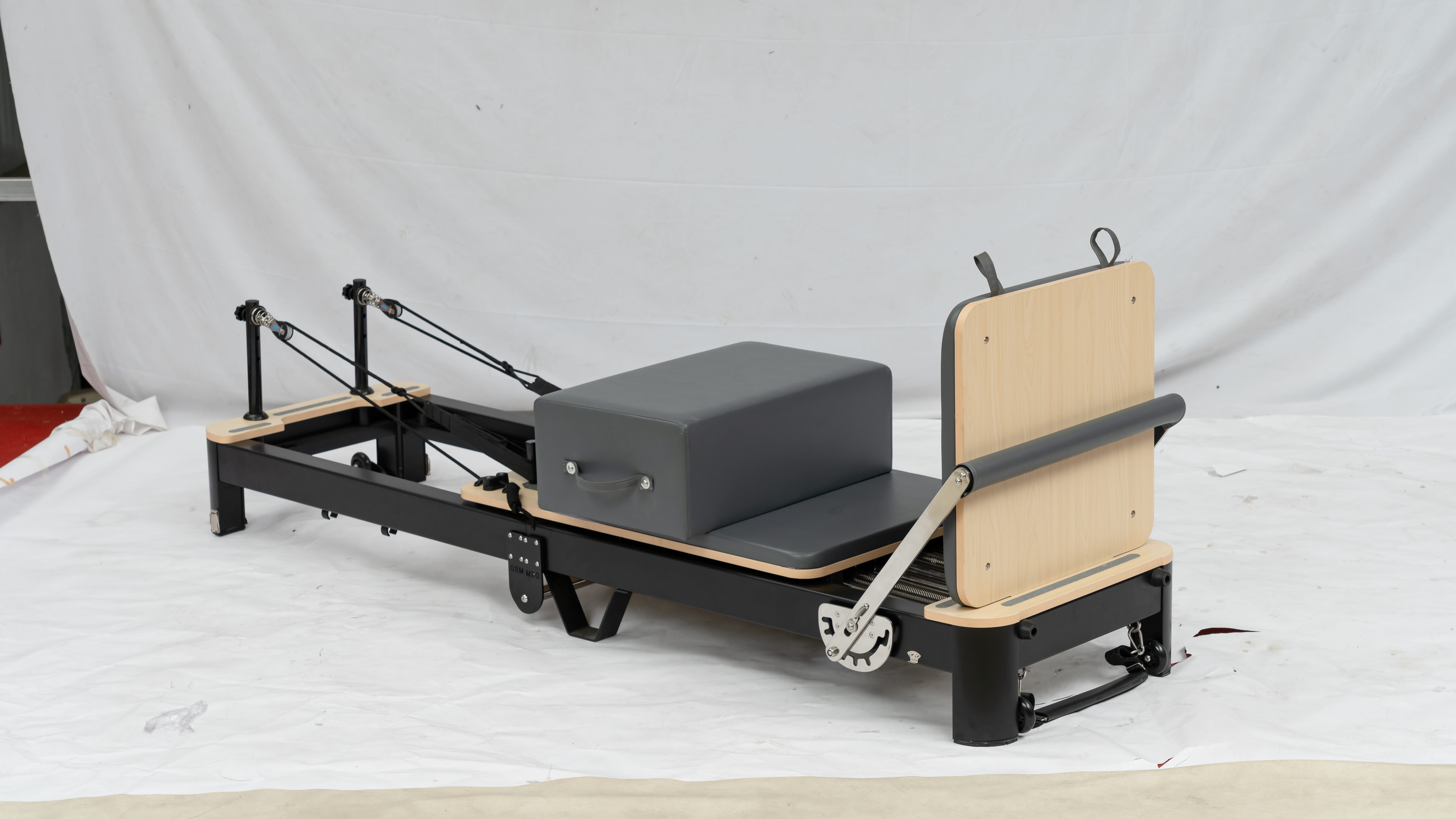
The frame is the skeleton of Pilates equipment and the most critical factor determining durability. High-quality commercial frames are divided into solid beech wood and thickened aviation aluminum alloy.
High-quality features:
- Integrated forming structure without thin splicing parts
- Uniform paint surface, smooth polishing, no burrs or sharp edges
- Strong bearing capacity, no shaking during full-range stretching
- Moisture-proof, anti-rust and anti-deformation treatment
Low-quality defects:
Thin welded frames, obvious welding traces, uneven paint, easy deformation and shaking after long-term use. Inferior frames will gradually become unstable during high-frequency studio classes, causing safety risks.
2. Spring Quality & Tension Stability (Core Performance)
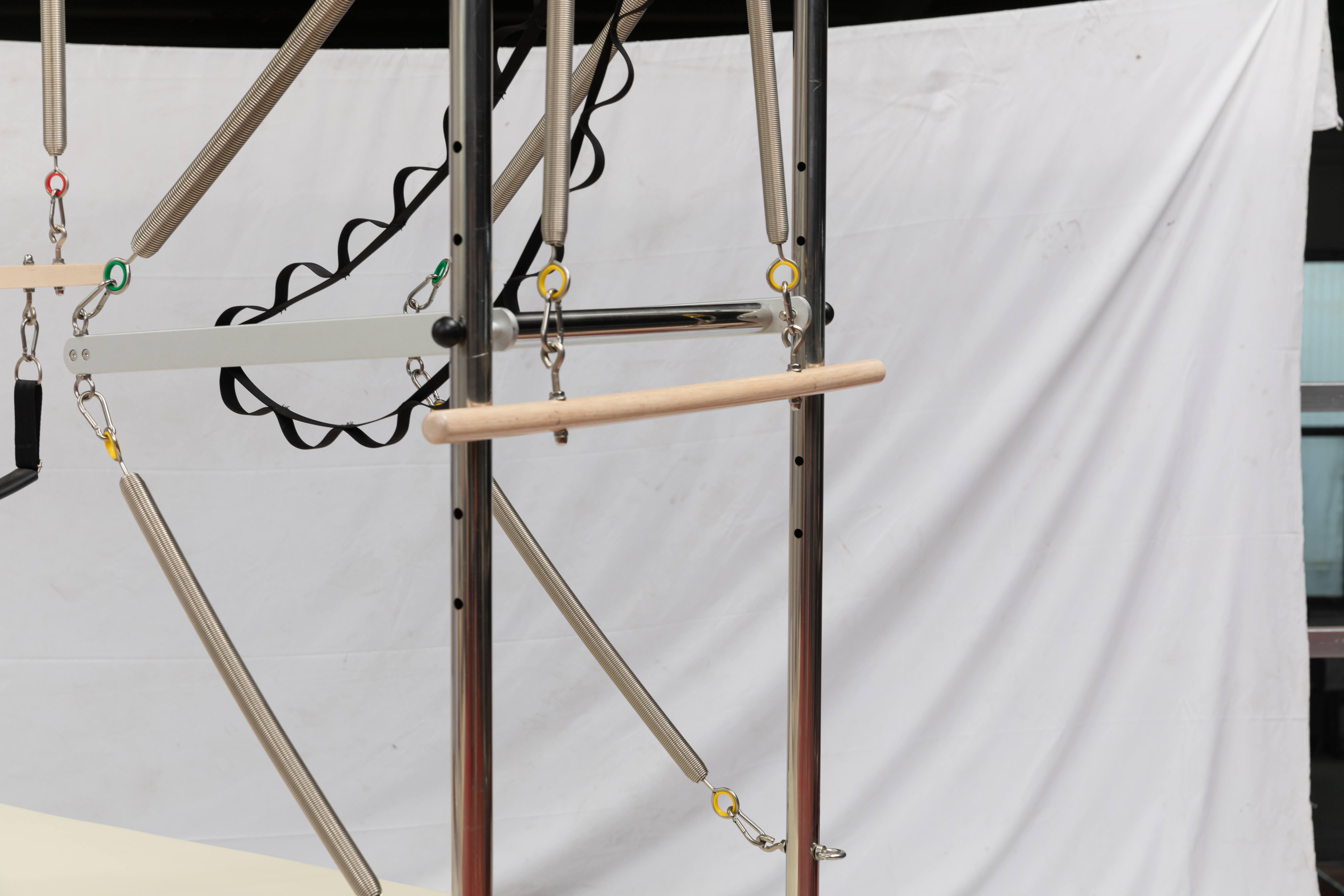
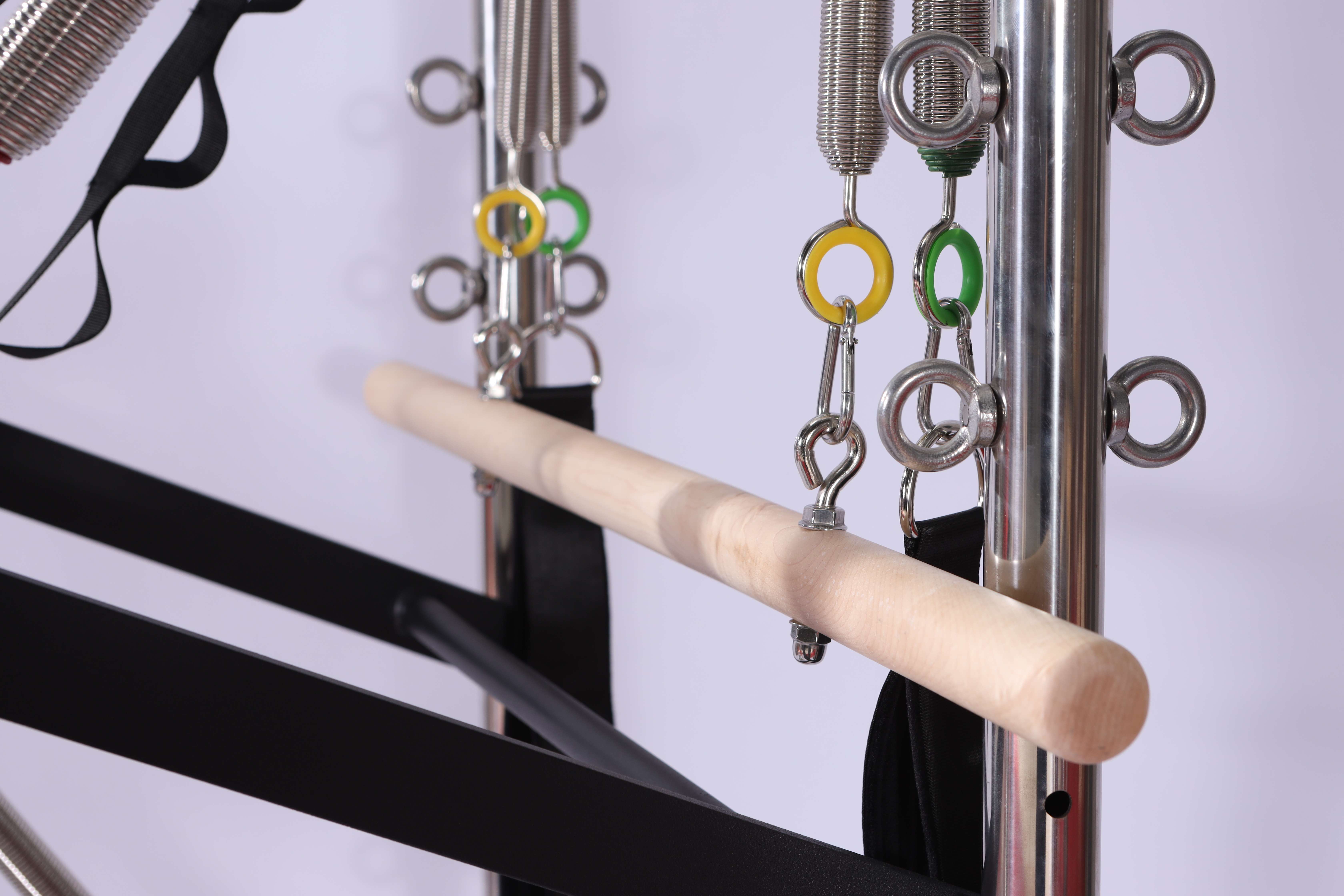
Springs determine the training feel, resistance accuracy and equipment service life. Qualified commercial springs are made of high-carbon steel or piano wire with strong fatigue resistance.
How to judge:
- Uniform spacing and smooth surface without rust or deformation
- Stable tension during the whole stretching process, no sudden tight or loose feeling
- Quick and neat reset without lag or jitter
- Can withstand tens of thousands of stretches without fatigue attenuation
Low-cost springs will become loose, weak and noisy within 3–6 months, seriously affecting teaching effects.
3. Sliding Rail & Pulley System (Silence & Smoothness)
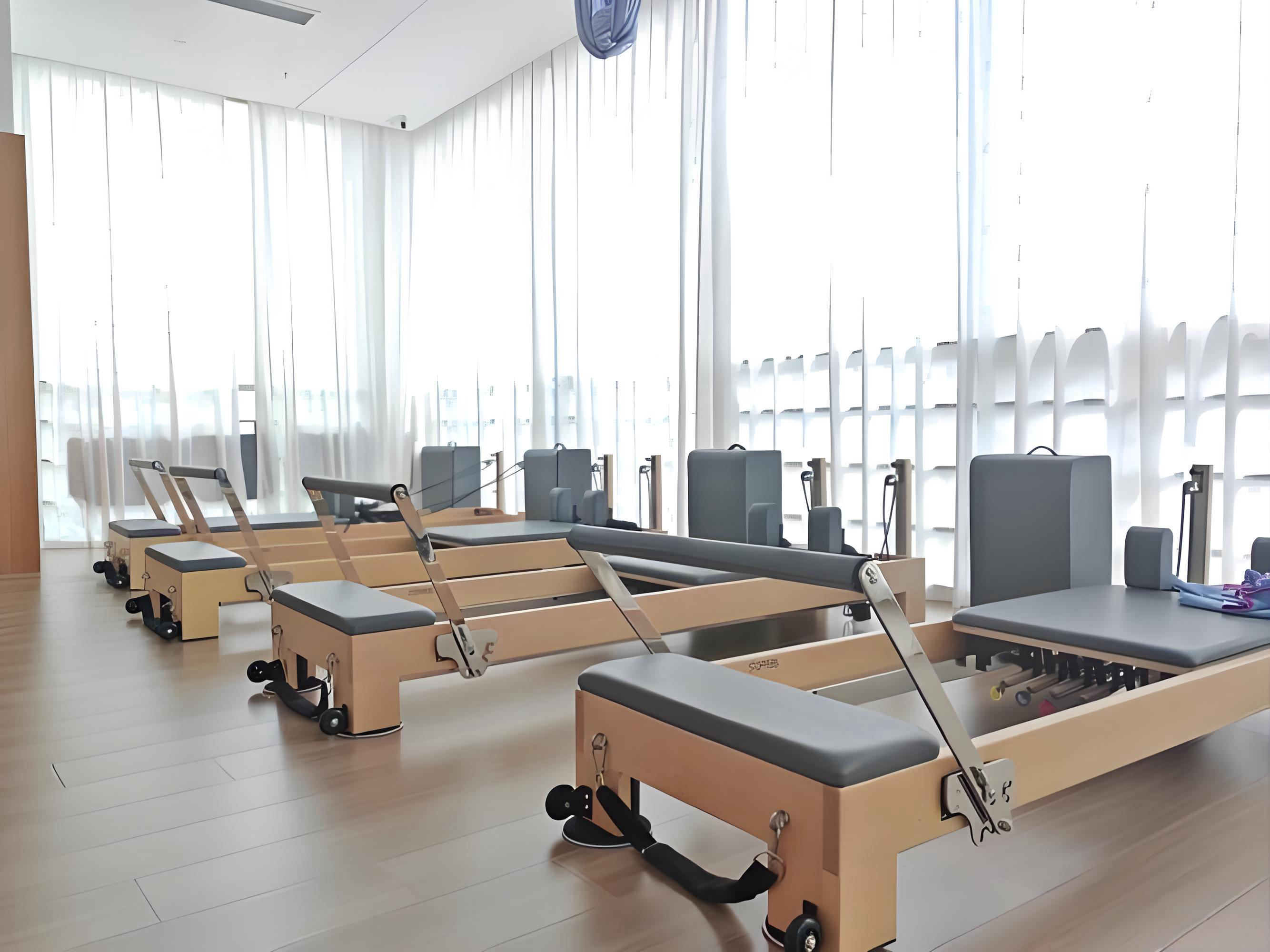
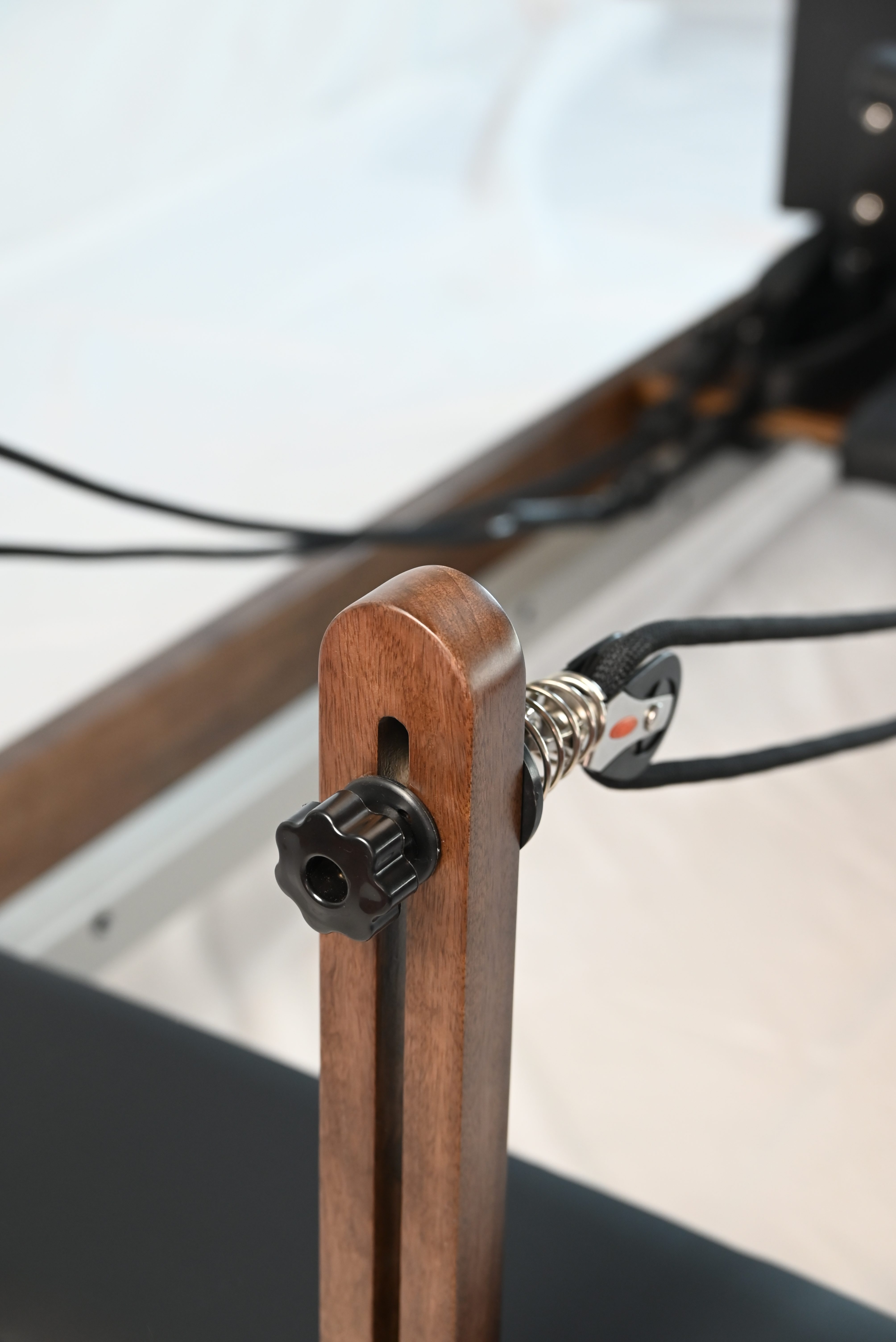
Smooth and silent sliding is the most intuitive standard to distinguish commercial-grade and household-grade equipment. High-quality reformers adopt precision-grade linear rails and silent pulley systems.
High-quality performance:
- Ultra-smooth sliding without stuttering, jitter or friction noise
- Highly matched pulley gap, flexible rotation and no abnormal sound
- Dust-proof and wear-resistant design for long-term stable operation
Poor-quality rails have rough surfaces and unbalanced gaps, producing obvious squeaking noise and sliding obstruction during training, which greatly reduces user experience.
4. Leather & Foam Padding (Comfort & Durability)
High-quality leather and foam ensure long-term comfort, wear resistance and appearance texture.
Standard quality features:
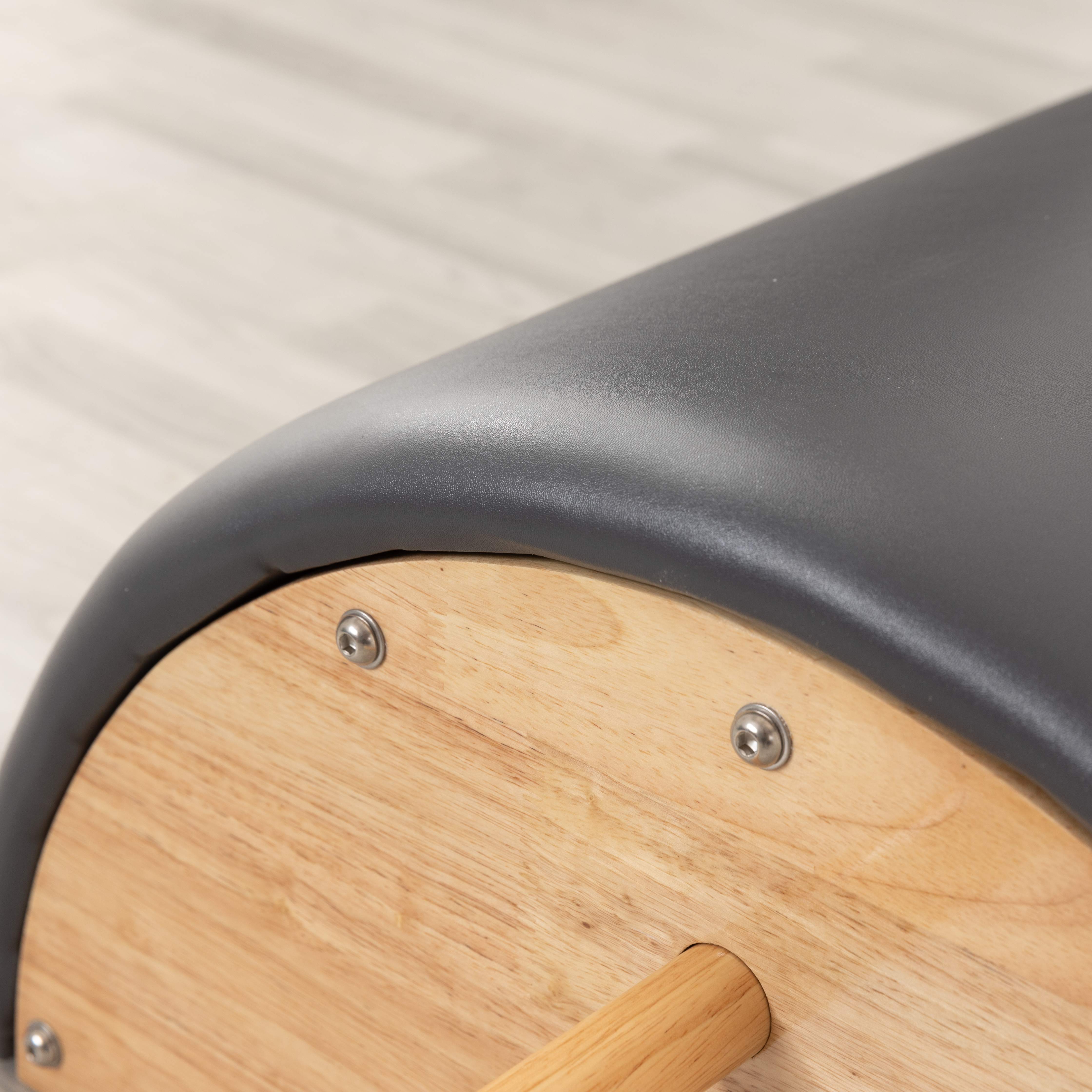
- High-density microfiber leather, scratch-resistant, wear-resistant and anti-aging
- Uniform color, tight stitching, no thread dropping or cracking
- High-rebound integral foam, not easy to collapse or deform after long-term pressing
- Skin-friendly and sweat-proof surface, easy to clean and disinfect
Inferior leather will harden, crack and peel within one year, while low-density foam will sink and deform, affecting training posture and comfort.
5. Workmanship Details & Structural Stability
High-end commercial Pilates equipment shows quality in every detail.
- Precise hole position and tight screw matching without loose gaps
- Uniform equipment level, no shaking when bearing force
- Standard strap length with wear-resistant weaving texture
- Humanized headrest, shoulder block and non-slip design
Detailed workmanship represents the overall production standard and quality control level of the factory.
6. Actual Training Experience Test
The most effective way to judge quality is through real machine operation:
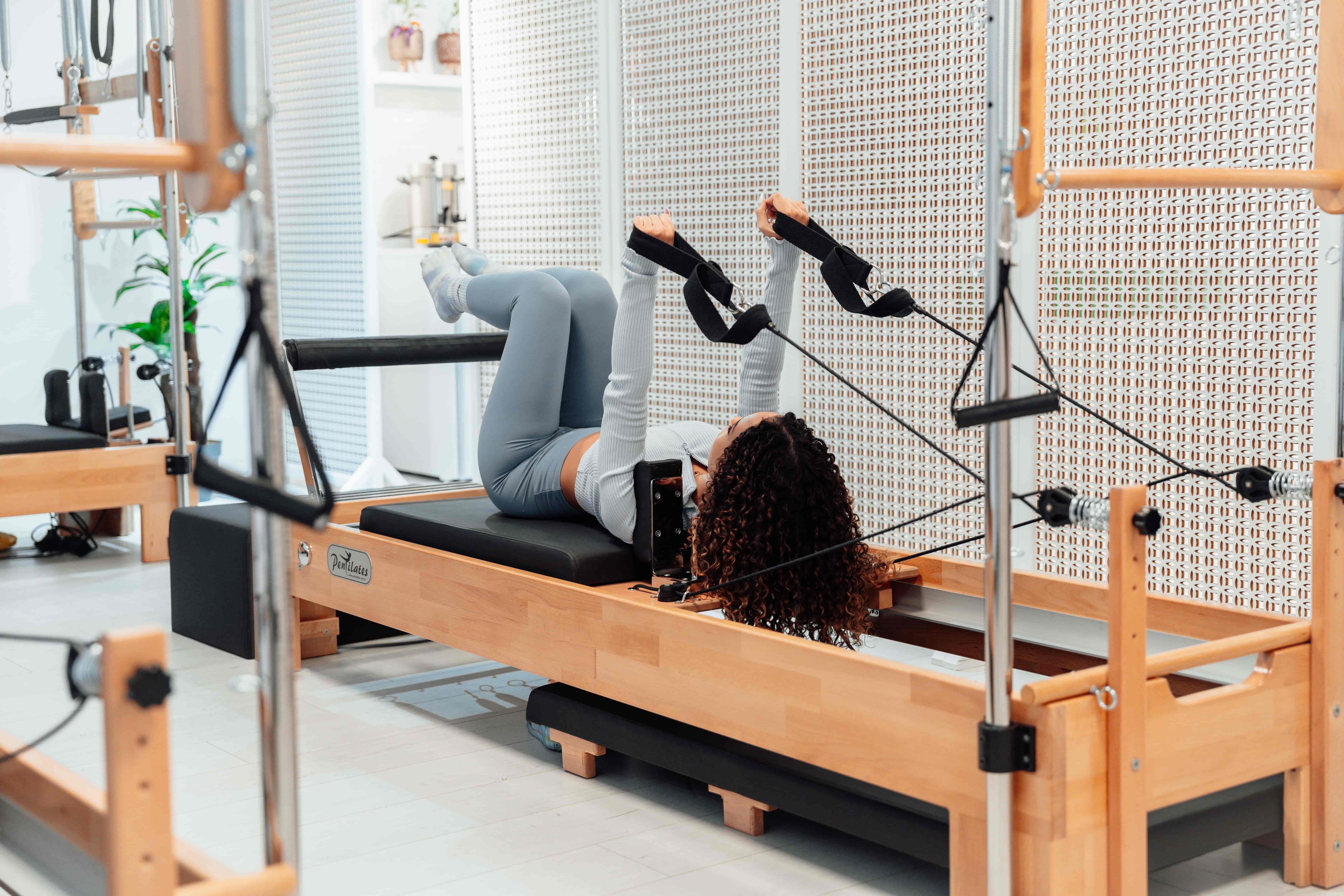
- Push and pull the sliding carriage back and forth to check smoothness and silence
- Feel whether the spring resistance is uniform and stable
- Press the cushion to test foam resilience
- Shake the whole machine slightly to check structural firmness
7. Commercial-Grade vs Low-Grade Equipment Quick Comparison
- Commercial-grade: Stable, silent, durable, uniform tension, anti-aging, 10+ years service life
- Low-grade: Noisy sliding, loose springs, easy deformation, leather peeling, frequent failures
Conclusion
Judging Pilates equipment quality mainly depends on frame stability, spring performance, sliding smoothness, leather and foam quality, as well as overall detailed workmanship. High-quality commercial equipment brings safe, comfortable and long-lasting use value, while cheap inferior products will cause continuous maintenance troubles and operating losses for studios.
As a professional commercial Pilates equipment manufacturer, we strictly control every production process to ensure all machines meet international commercial standards. We provide high-quality, stable and durable Pilates equipment and professional quality inspection support for global studios and distributors.