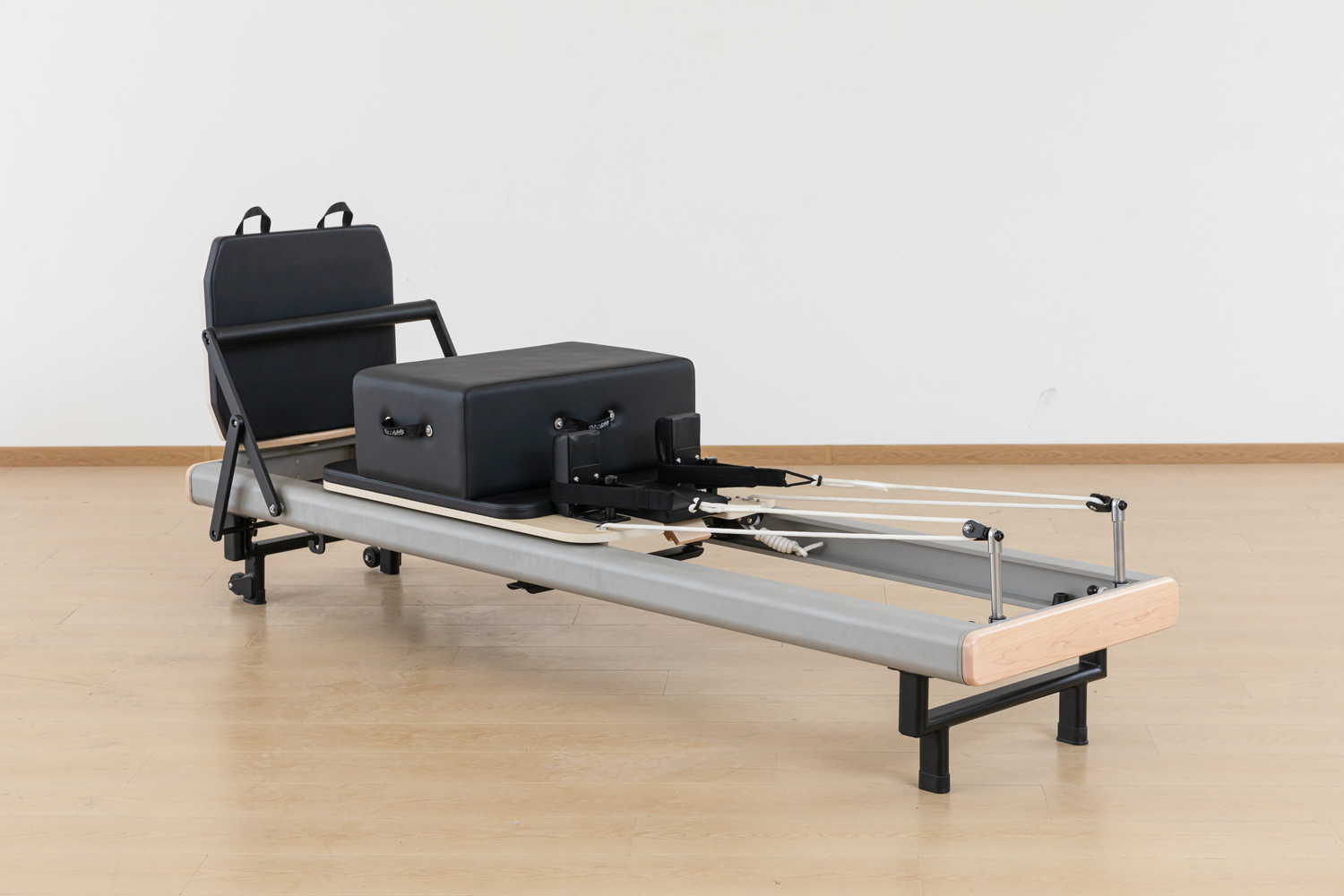
Are Foldable Pilates Reformers Suitable for Commercial Studio Use?
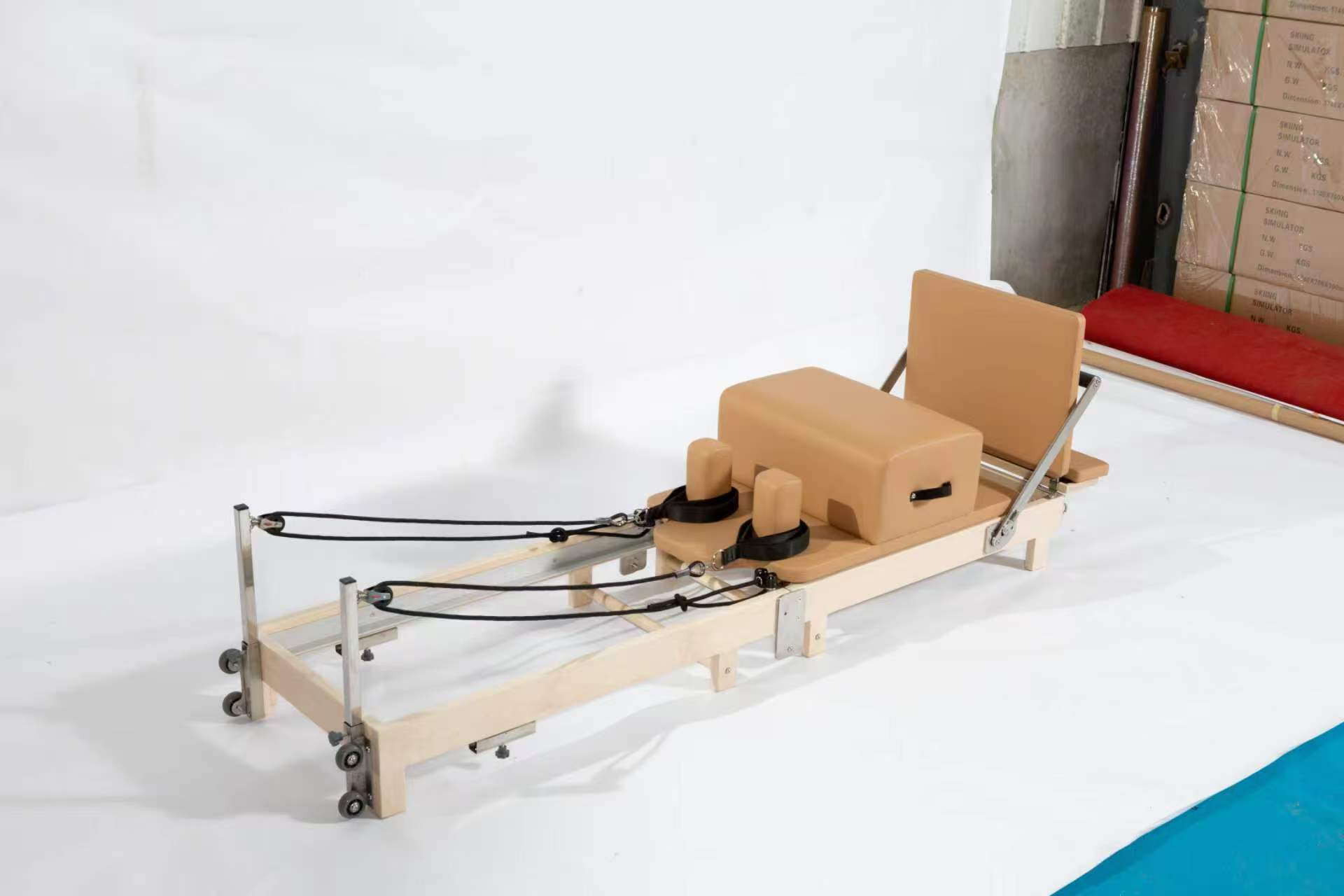
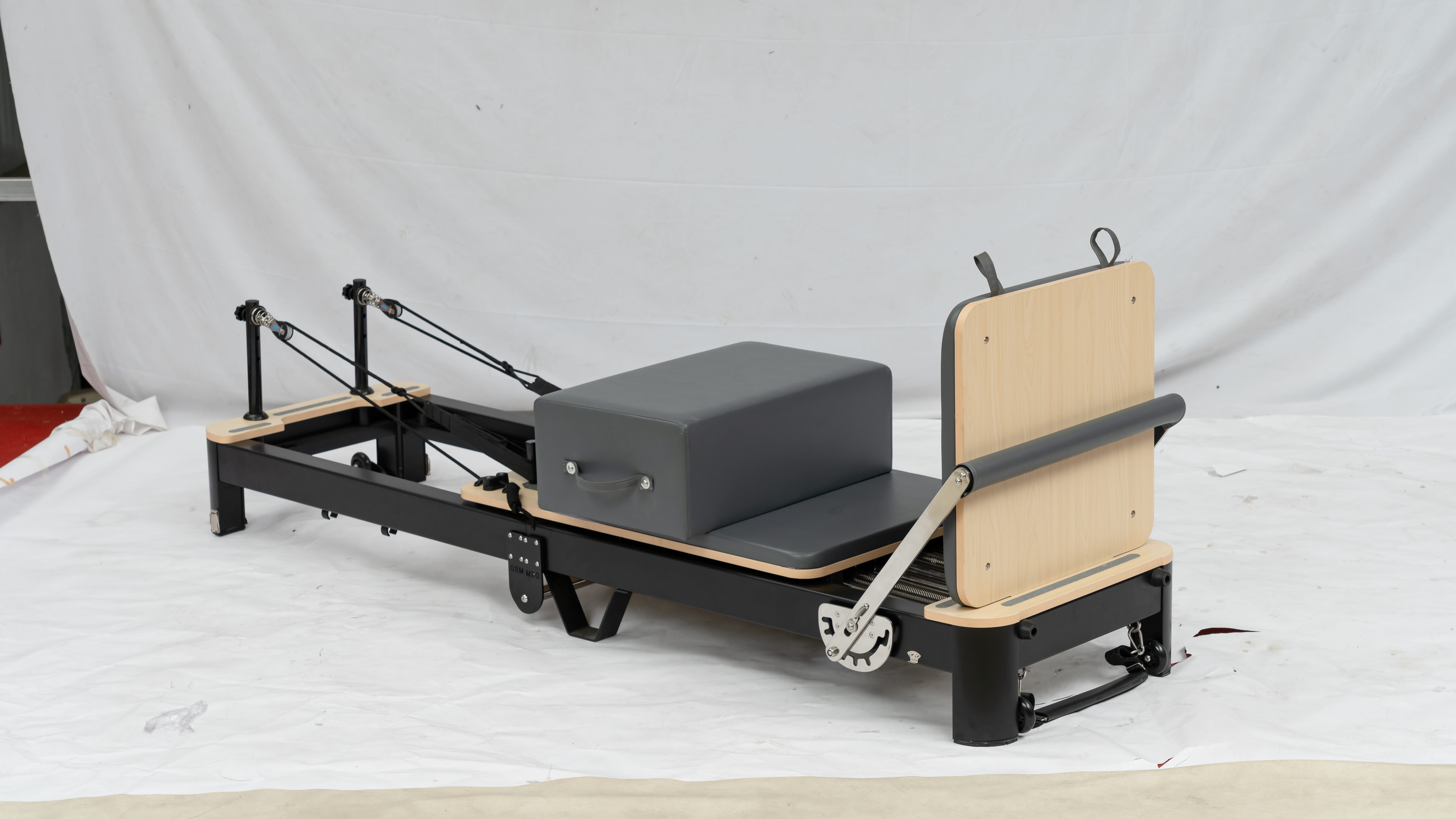
Foldable Pilates reformers have grown in popularity over recent years. They are lightweight, easy to store and take up much less floor space than standard commercial reformers. Many new studio owners are attracted by their affordable price and compact design and wonder whether foldable reformers can replace solid commercial‑grade machines for daily studio teaching.
The short answer is: foldable reformers work well for home fitness, but they are not the best long‑term choice for busy commercial studios. In this guide, we will analyze their strengths, weaknesses and ideal application scenarios, helping you make a smarter purchasing decision for your Pilates business.
1. Main Advantages of Foldable Pilates Reformers
Foldable reformers were originally designed for home users with limited room. Their obvious benefits include:
- Space‑saving design. The whole machine can be folded flat and stored in a corner when not in use. This is very helpful for small home gyms or temporary training rooms.
- Lower upfront cost. Compared with solid wooden or heavy‑duty aluminum commercial reformers, foldable models have a more budget‑friendly price tag, reducing initial investment pressure.
- Lightweight and portable. They can be moved around easily without professional tools, convenient for occasional pop‑up classes or short‑term rental projects.
These features explain why foldable reformers sell well in the home consumer market. However, these advantages cannot offset their inherent drawbacks under continuous heavy‑duty commercial operation.
2. Key Limitations for Commercial Studio Operation
Weak Frame Structure and Stability
To realize the folding function, manufacturers adopt thin, segmented frames with movable hinge joints. These connecting parts become the weakest point after repeated use. Under long‑hour daily training and frequent student changes, hinges gradually loosen. The sliding carriage shakes noticeably during movements, which affects training experience and may bring potential safety risks. Unlike integrated commercial reformers, foldable frames are not built for high‑frequency daily classes.
Shorter Service Life and Faster Wear
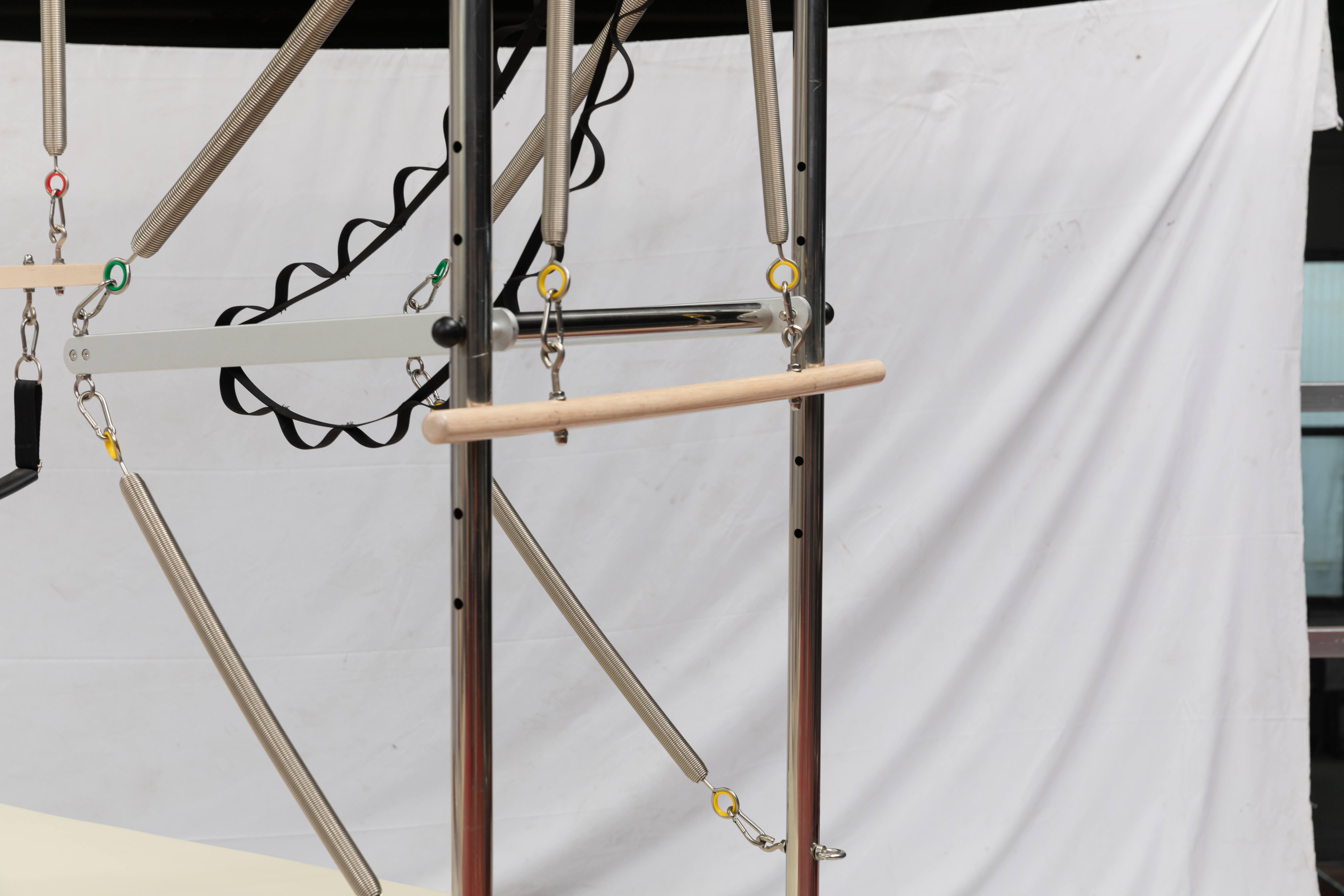
Commercial studios usually run 6‑10 hours of classes every day, five to seven days a week. Foldable reformers use entry‑level springs, simple pulley systems and low‑density foam padding. The springs lose tension quickly, the rails start squeaking, and cushions sink and deform within a short time. Constant maintenance and frequent part replacement increase long‑term running costs. Although you spend less money at the beginning, the overall cost over several years becomes higher than investing in durable solid reformers.
Limited Training Range and Teaching Experience
Most foldable reformers have a shorter sliding track. Tall clients and advanced Pilates movements cannot fully stretch on them. Professional instructors often complain that unstable sliding and uneven spring resistance reduce the quality of private lessons and small‑group sessions. If your studio aims to build a high‑end brand and charge premium membership fees, foldable machines may lower customers’ overall impression.
3. When Can Studios Use Foldable Reformers?
Foldable reformers are not completely off‑limits for commercial settings, but they fit only special situations:
- Temporary pop‑up Pilates events and short‑term workshop activities
- Very small part‑time studios with only 1‑2 low‑frequency classes per week
- Auxiliary extra equipment for beginner trial lessons, not for main daily courses
- Rental studios that frequently rearrange training layouts and need movable machines
Even in these cases, foldable reformers should serve as supplementary gear instead of your core studio equipment.
4. What Type of Reformer Should a Serious Studio Choose?
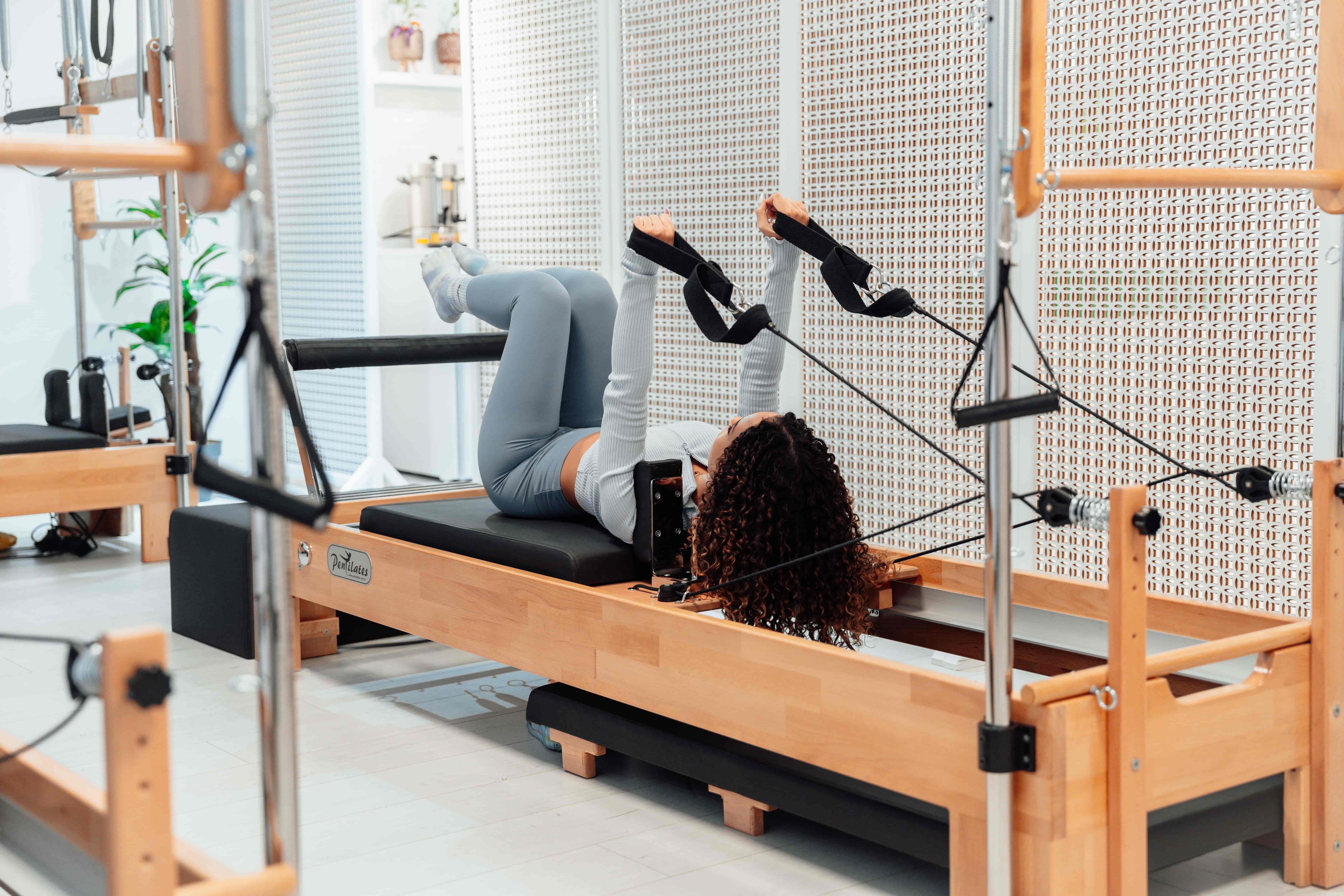
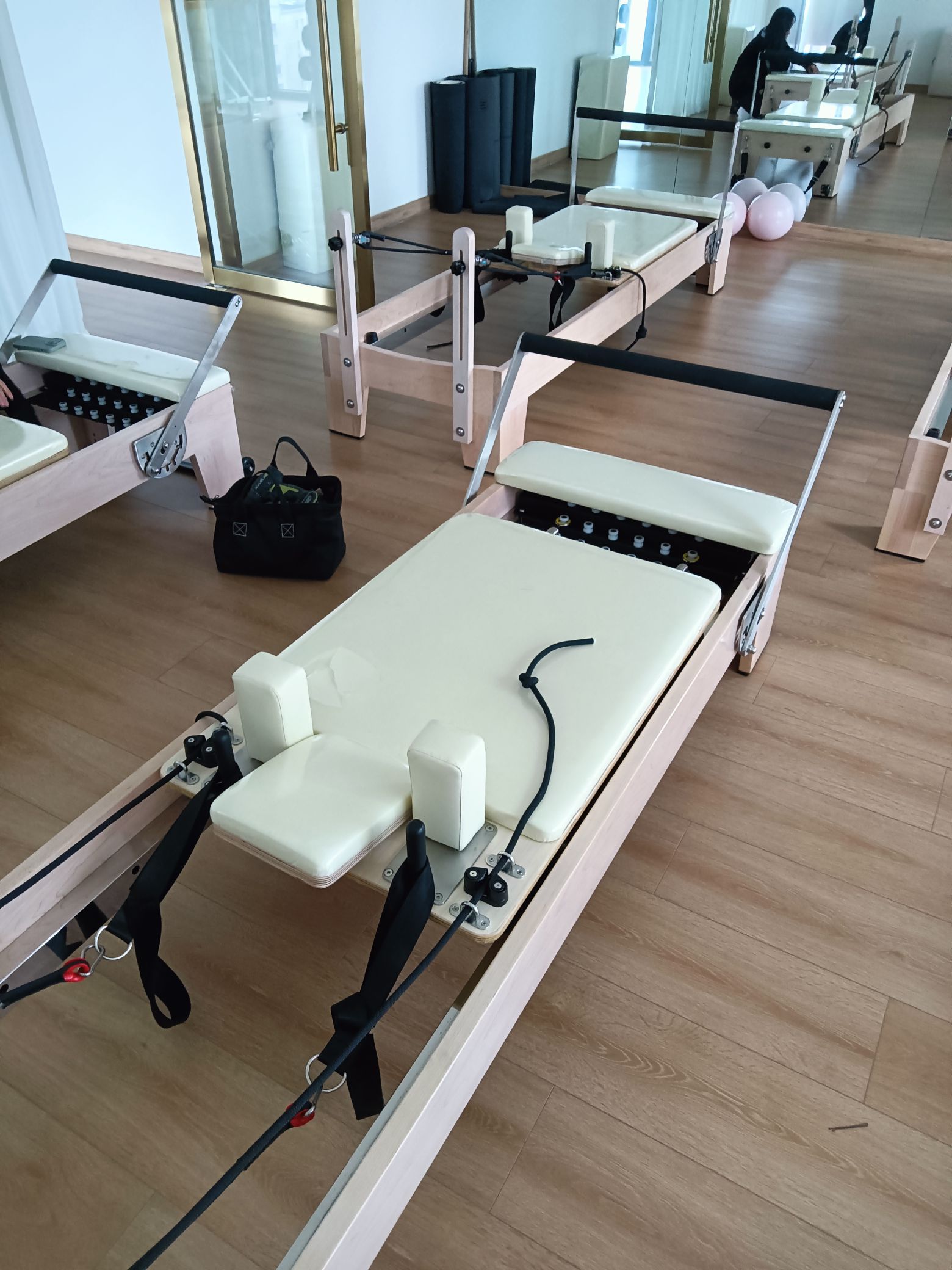
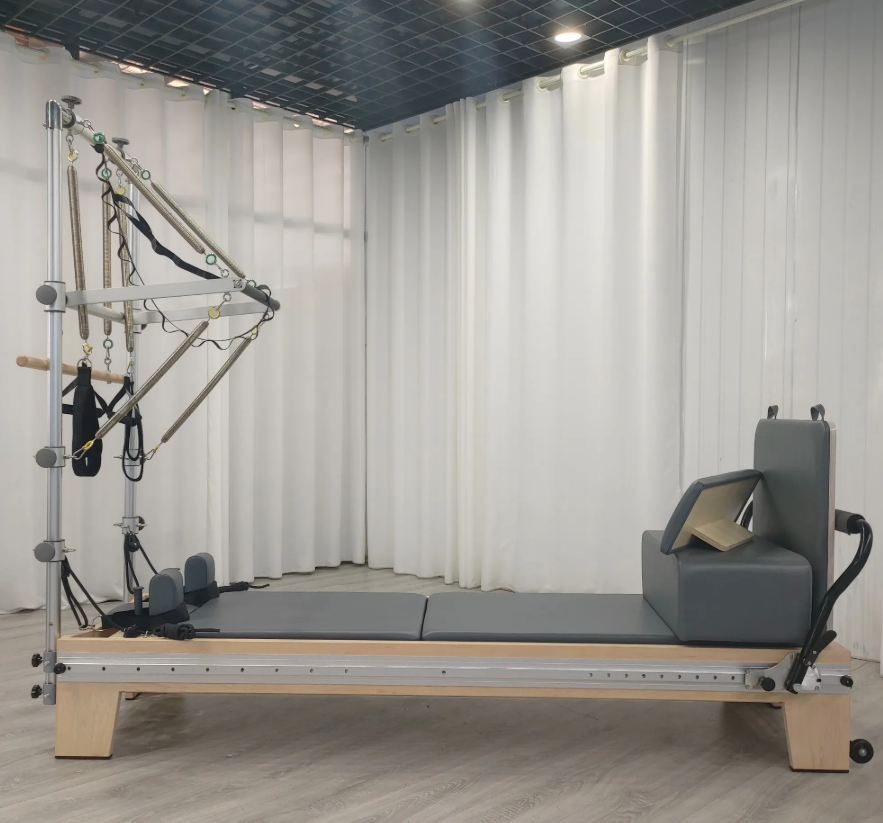
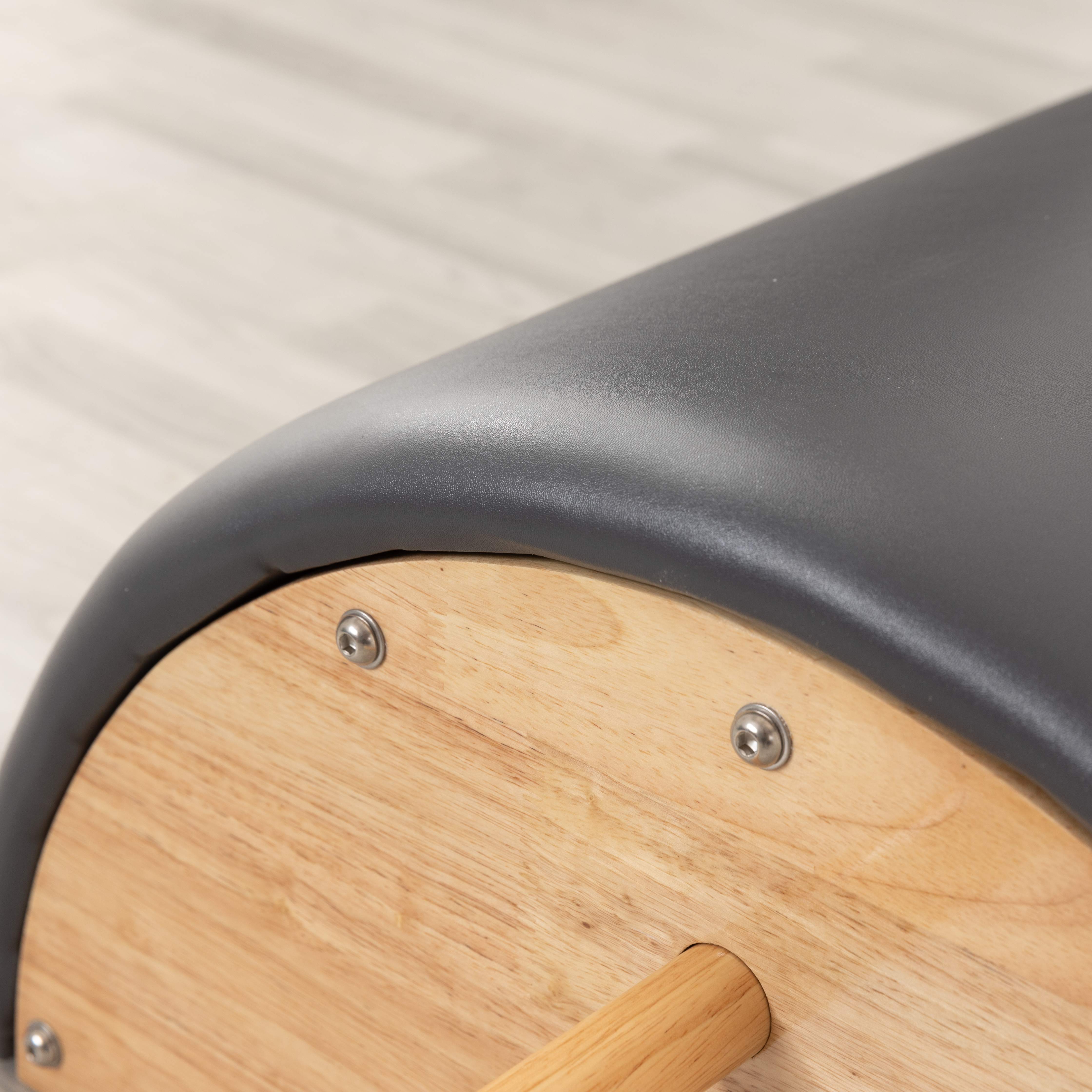
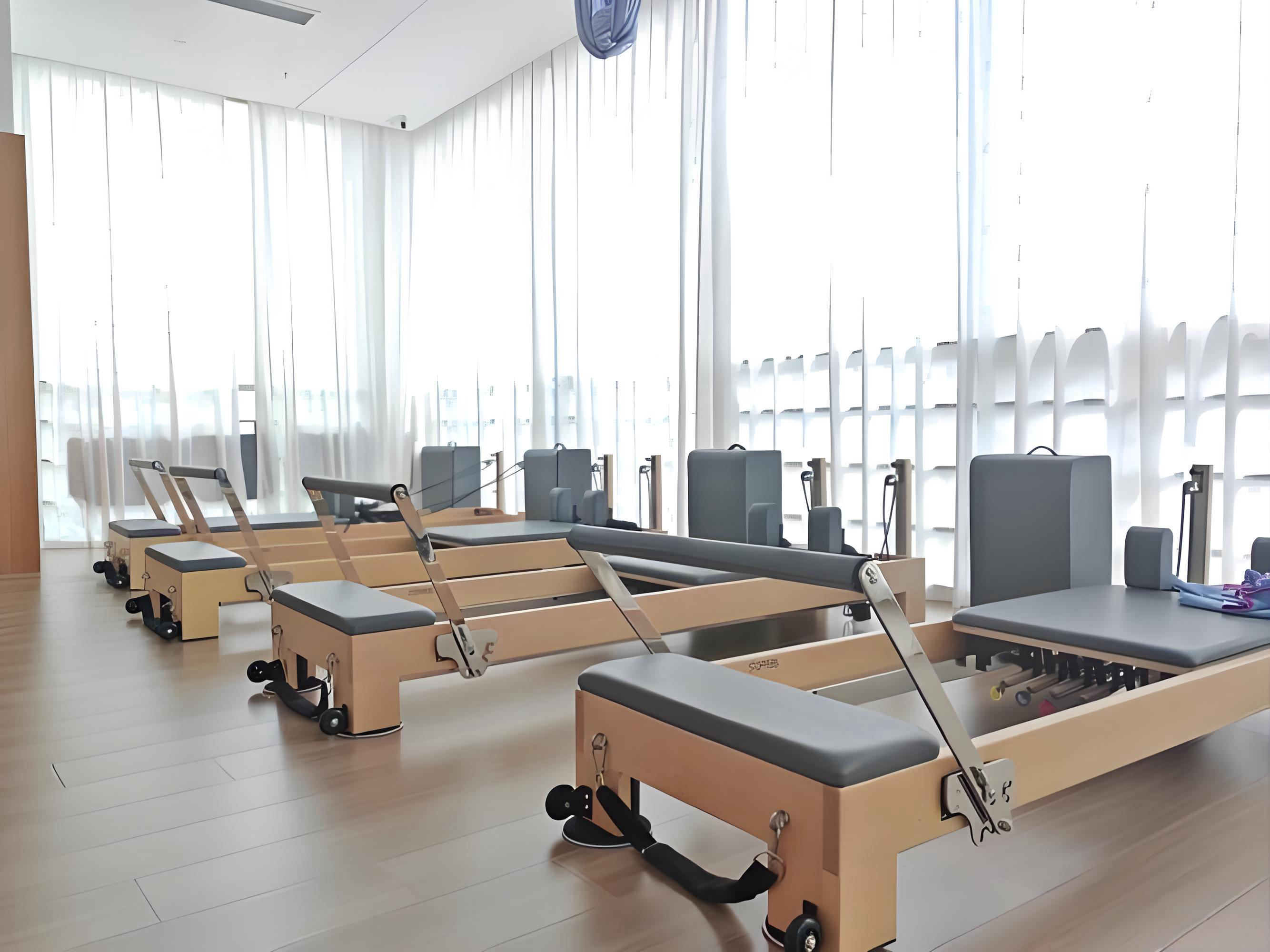
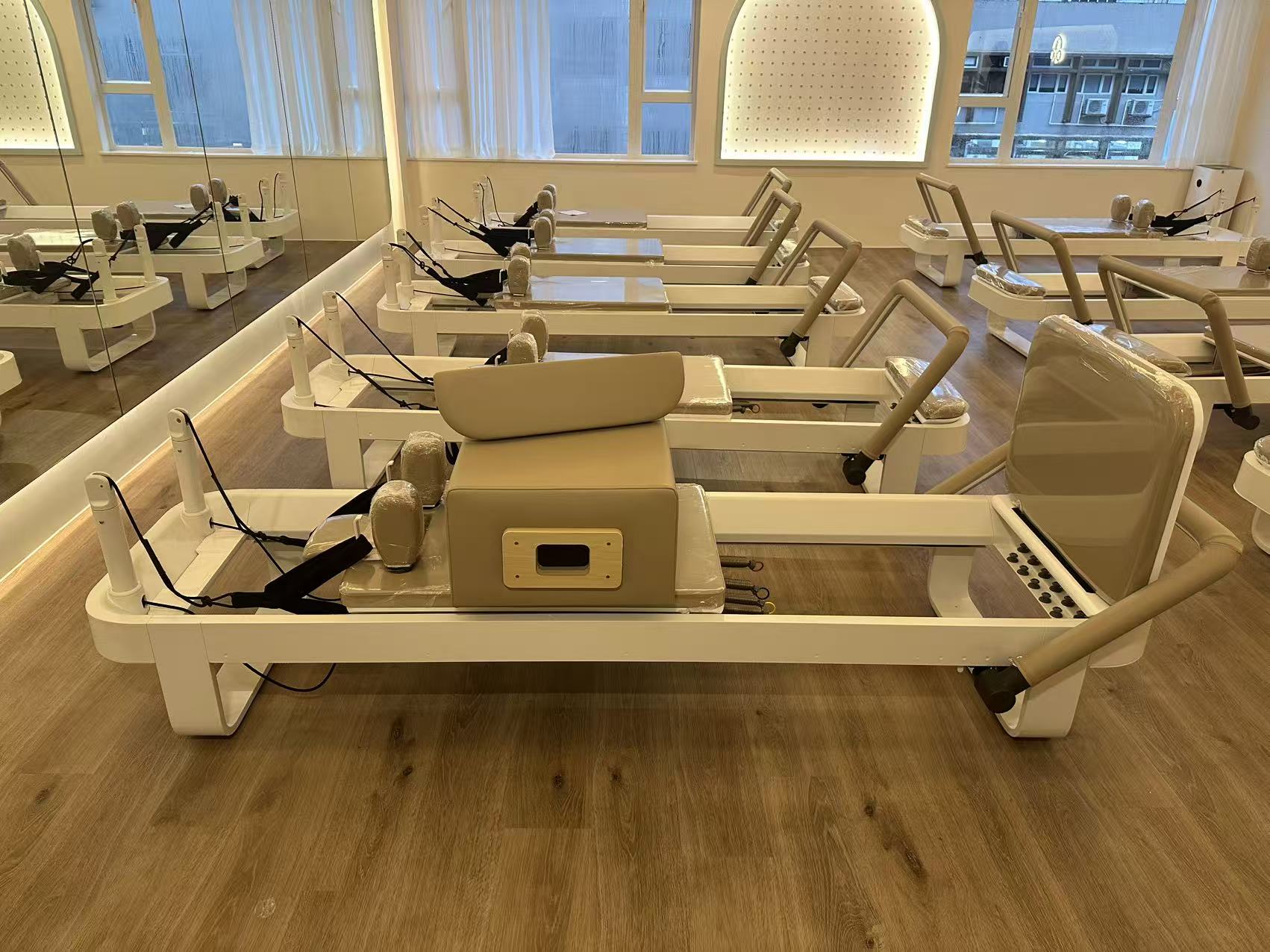
For regular boutique Pilates studios and chain brands with daily continuous classes, standard non‑folded commercial reformers remain the wisest investment. They feature thick integrated aluminum or solid wood frames, heavy‑duty fatigue‑resistant springs, precision silent sliding rails and high‑density microfiber cushions.
These machines stay stable and quiet after years of heavy use, require fewer repairs and maintain consistent teaching quality. Many studio owners find that durable commercial reformers bring better customer satisfaction, fewer complaints and higher member renewal rates.
Final Verdict
Foldable Pilates reformers are excellent for home practice and occasional temporary events, but they are generally not suitable as primary equipment for full‑time commercial Pilates studios. Their fragile folding hinges, shorter lifespan and limited performance cannot stand up to daily high‑frequency teaching.
If you run a professional studio and pursue stable operation and good reputation, choose solid commercial reformers as your main investment. If you only need extra machines for occasional events, foldable models can be added as secondary supplements.
As a professional Pilates equipment manufacturer, we supply both foldable home reformers and full‑spec commercial non‑folded reformers with OEM custom colors and logos. Contact us and tell us your studio scale and class schedule, and we can recommend the most suitable equipment combination for your business.