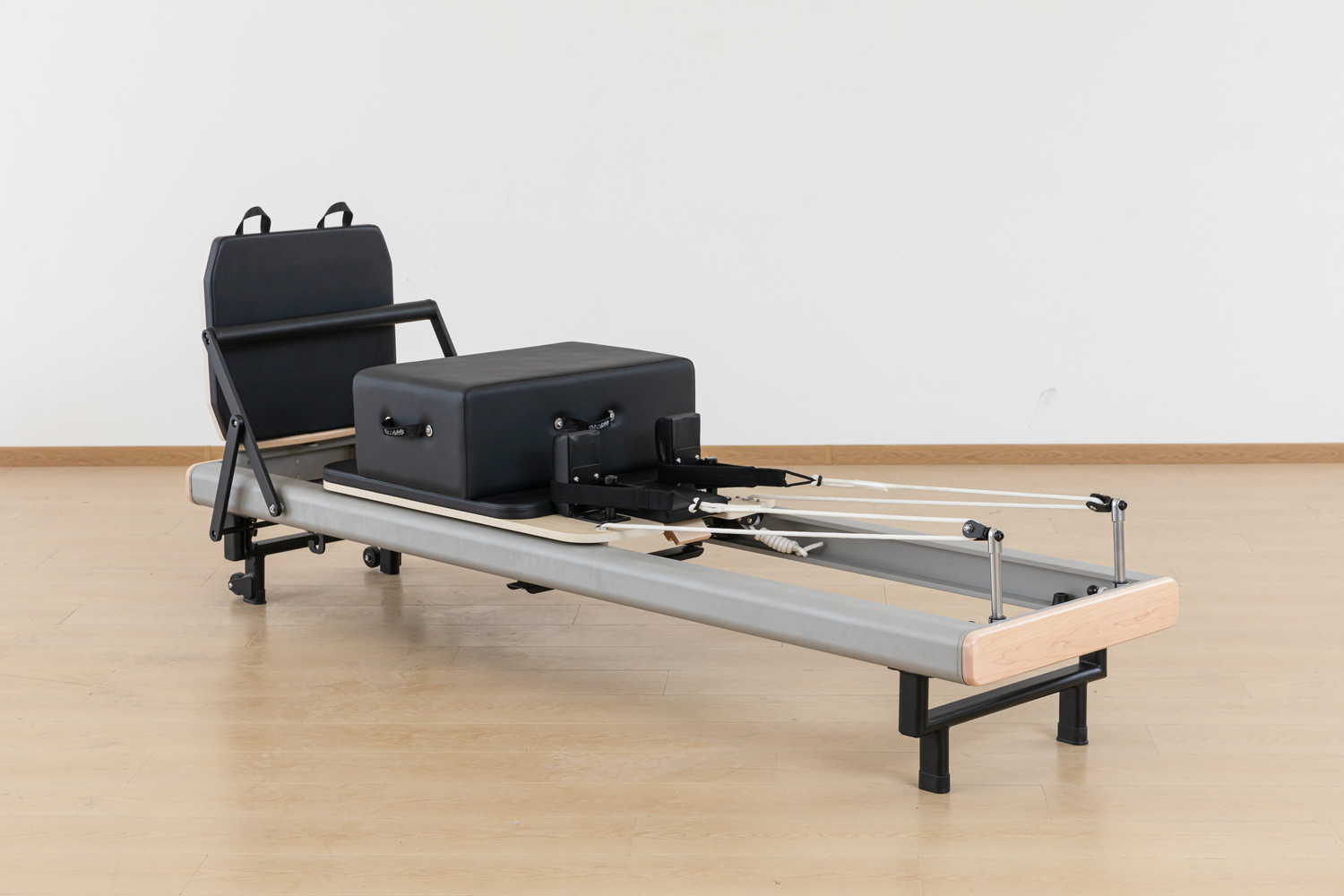
How to Maintain Commercial Pilates Reformers and Reduce Repair Costs
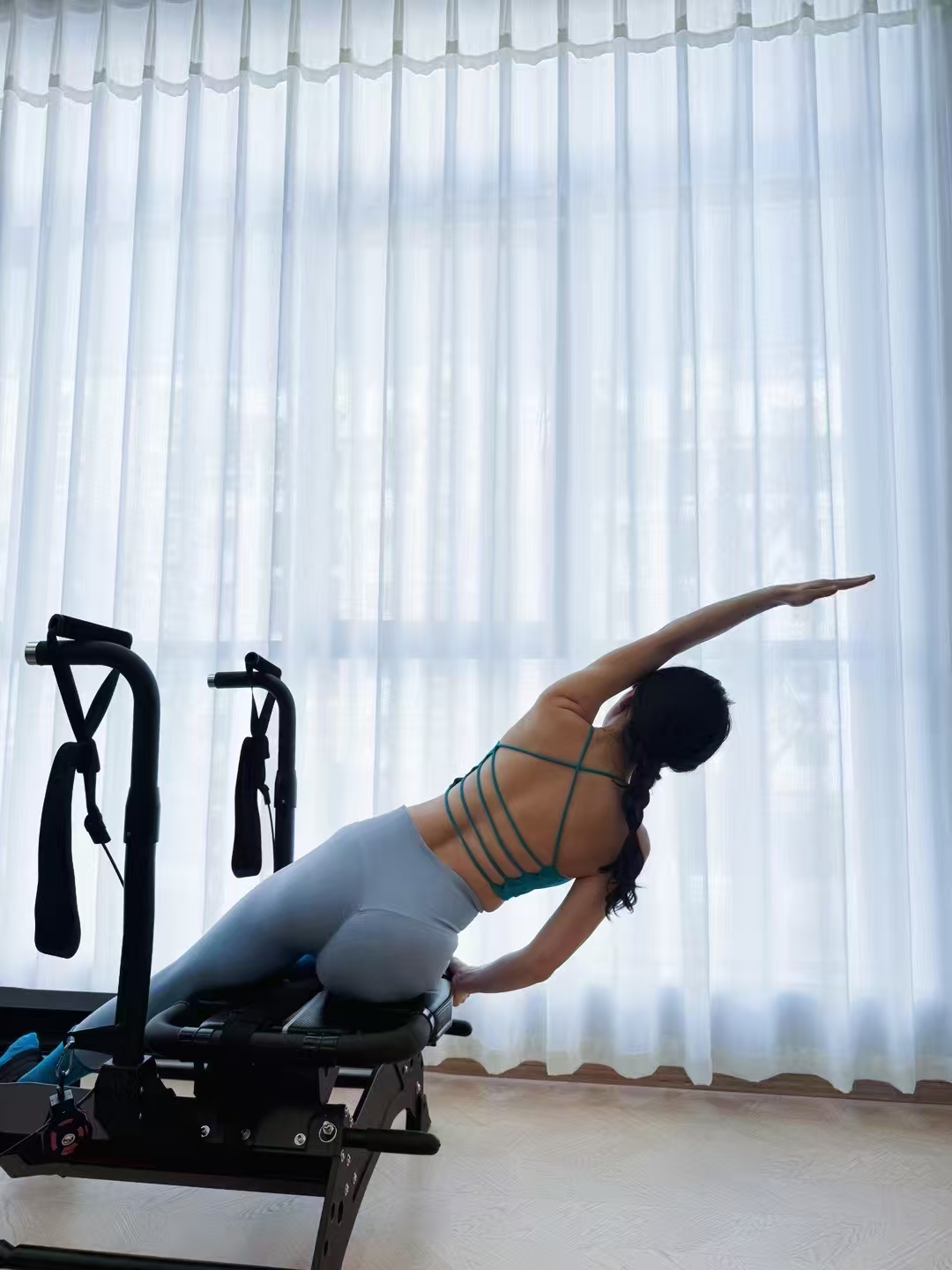
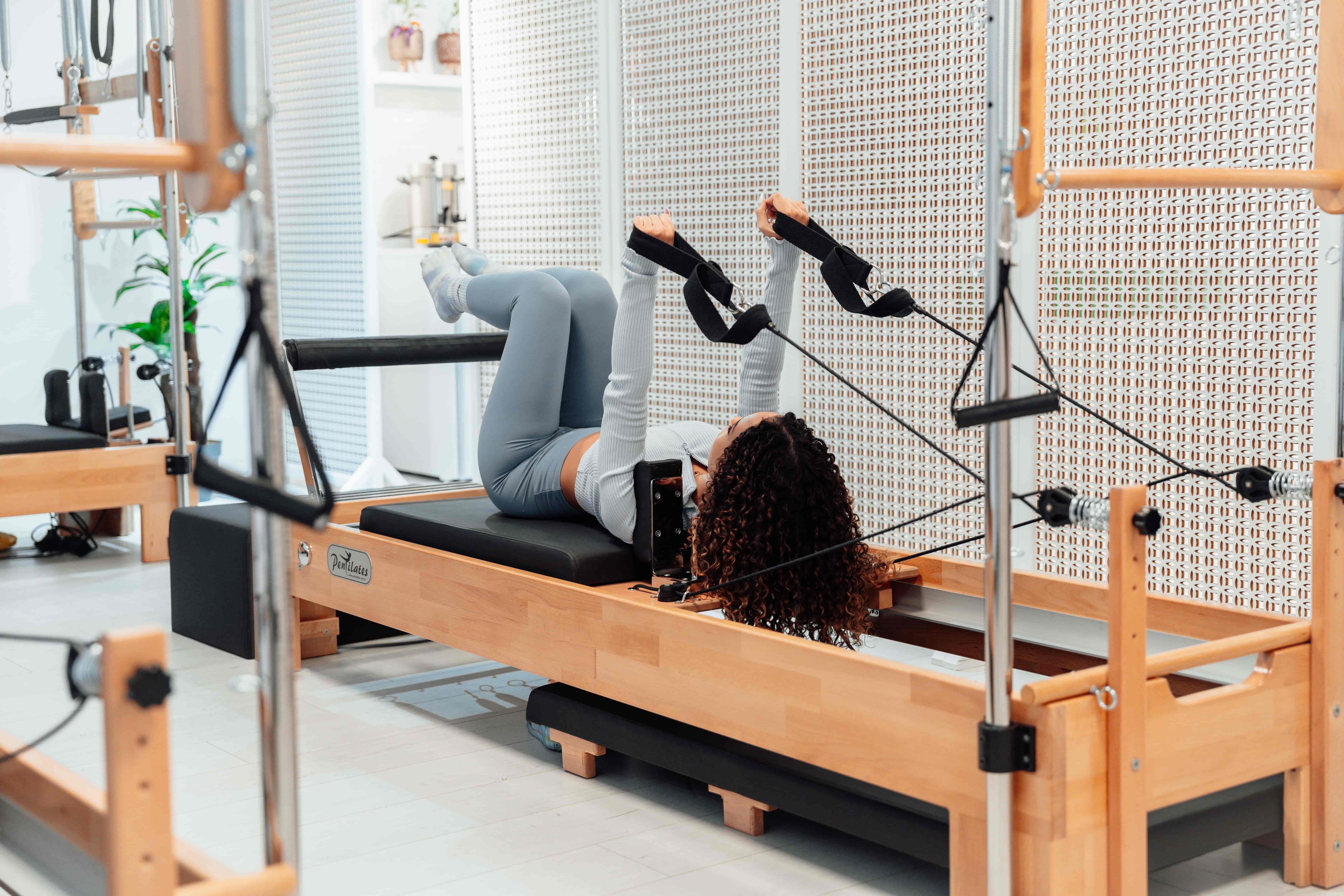
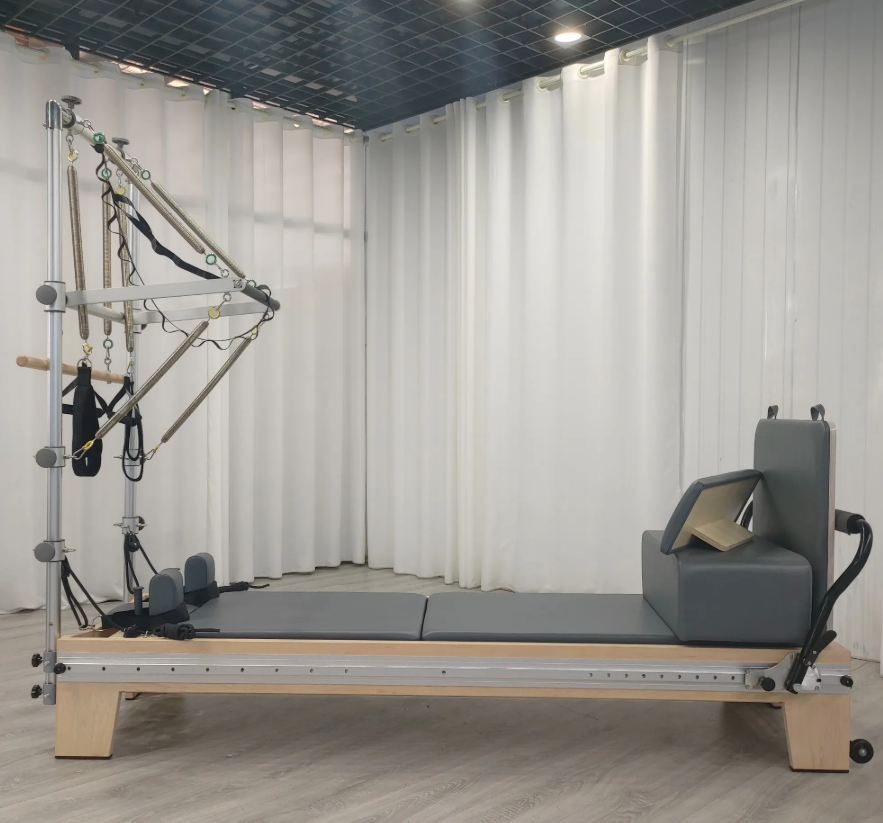
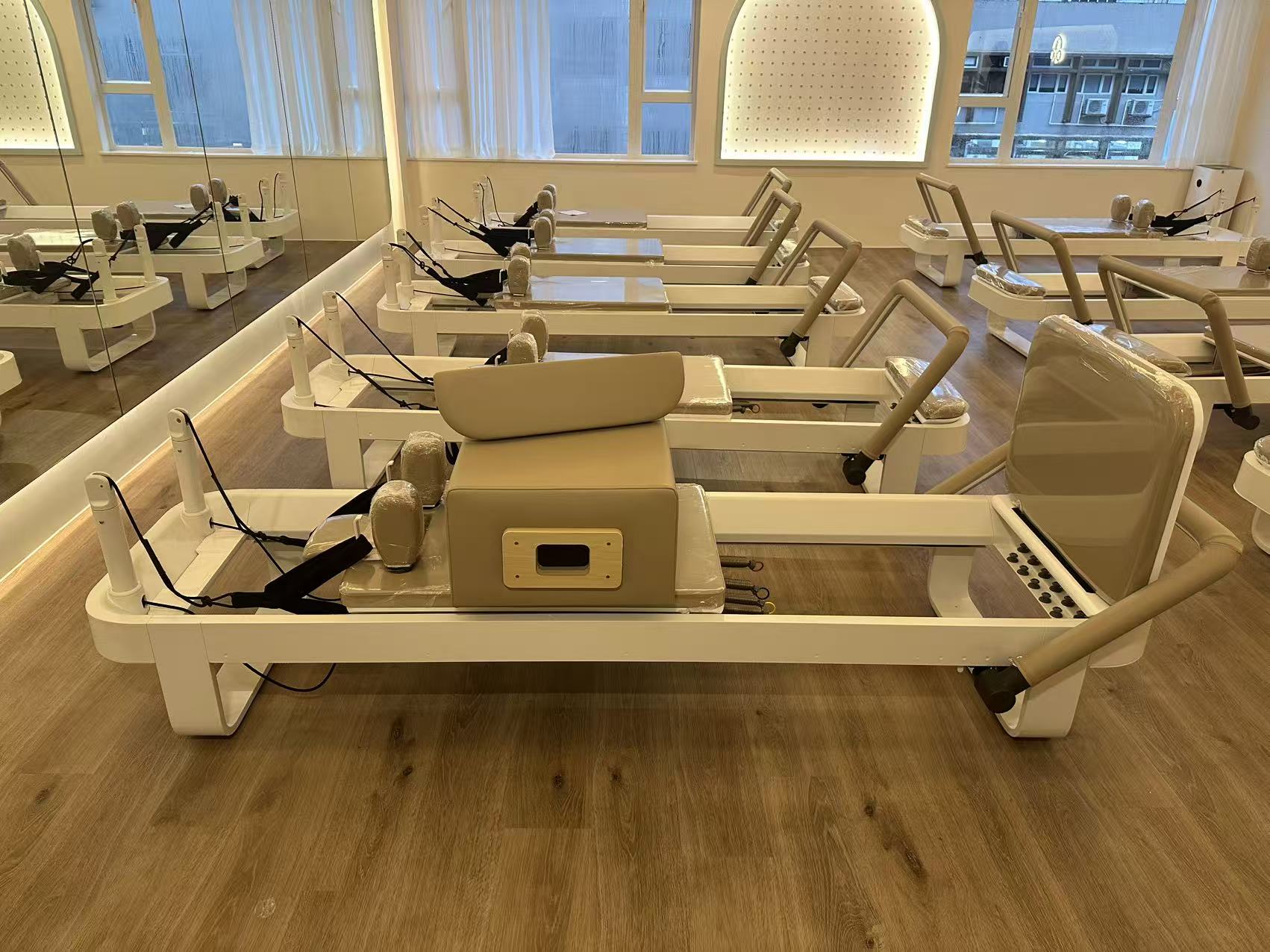
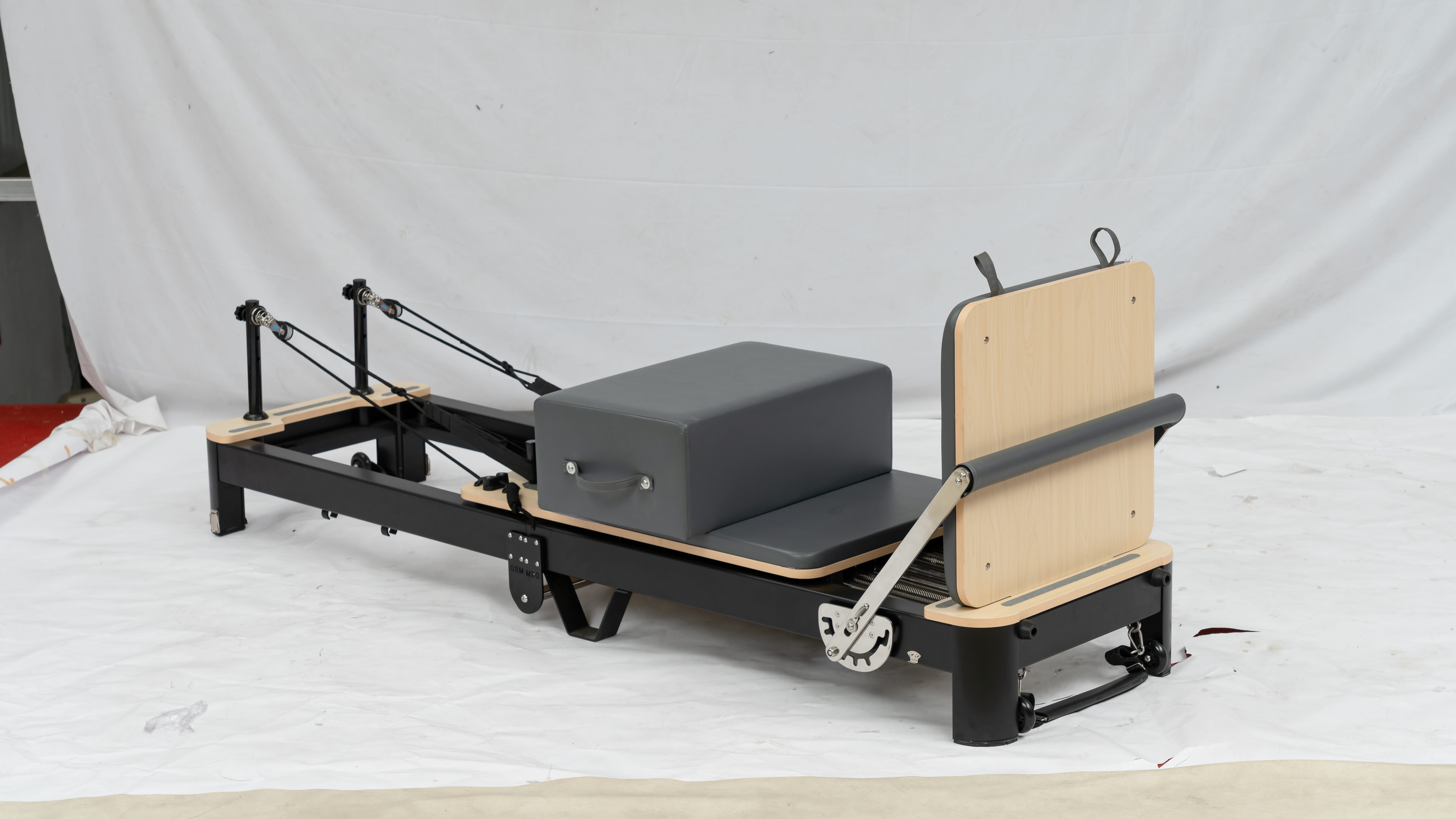
Commercial Pilates reformers are the most valuable and frequently used equipment in any Pilates studio. Running high-frequency group classes and private lessons every day puts continuous wear and tear on springs, sliding rails, pulleys, leather cushions and frame structures. Without standardized daily maintenance, commercial reformers are prone to noise, jitter, spring fatigue, stuck sliding and leather aging, leading to frequent repairs, high replacement costs and even unexpected class interruptions.
Good maintenance does not require complicated operations, but it can greatly extend the service life of commercial Pilates reformers, stabilize training experience, and effectively reduce long-term studio operating and repair costs. This article shares a complete commercial-grade maintenance routine for Pilates reformers, covering daily cleaning, regular inspection, seasonal upkeep and professional cost-saving tips.
1. Daily Cleaning: Avoid Accumulated Damage
Sweat, dust, hair and tiny debris are the biggest hidden causes of equipment aging and failure. Commercial studios must implement post-class cleaning rules to keep reformers in optimal condition.
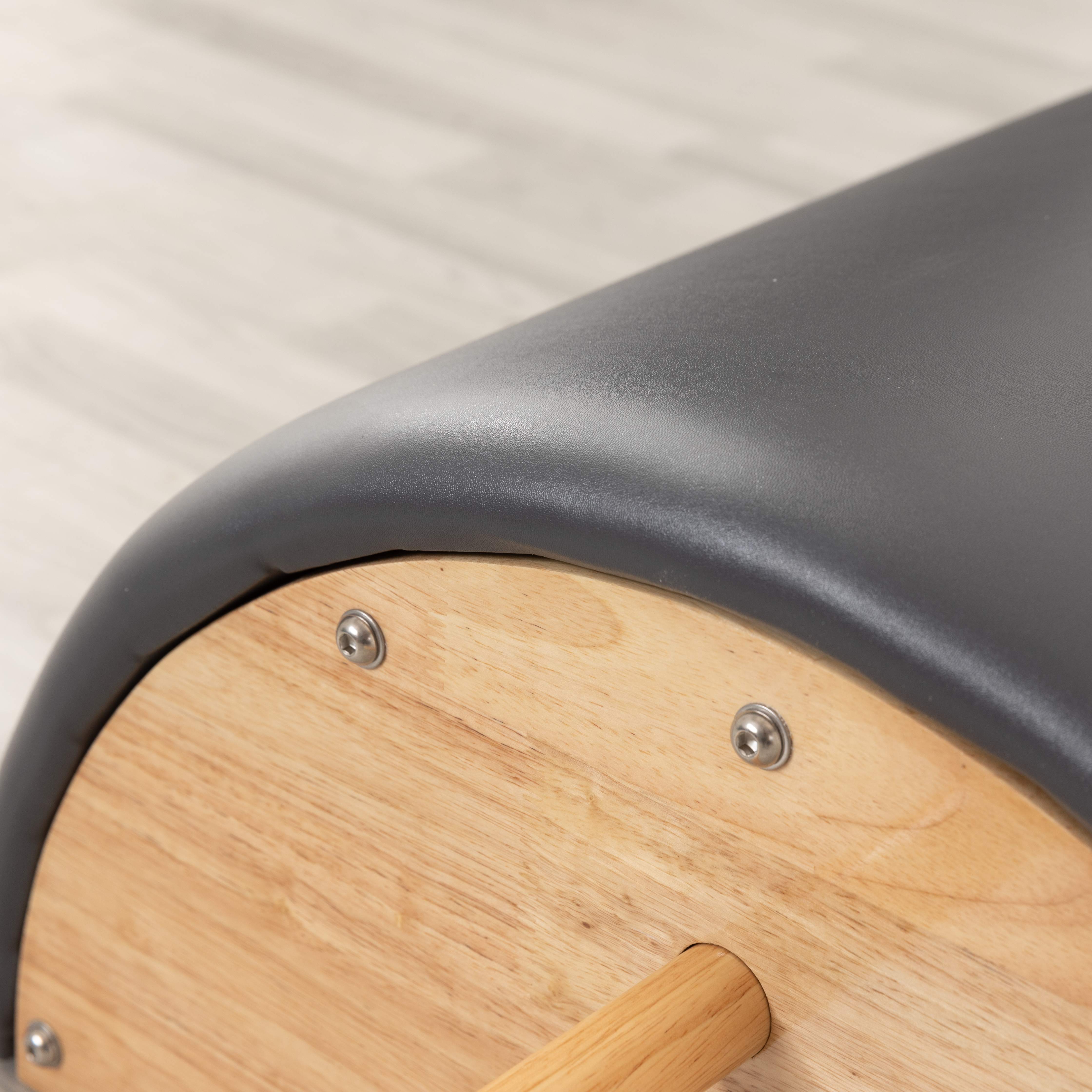
After every session, instructors or staff should wipe down the leather headrest, shoulder pads, carriage surface and foot bar with a soft, lint-free microfiber cloth. Use only pH-neutral, alcohol-free disinfectant specially designed for fitness equipment. Strong alcohol, bleach or corrosive cleaners will damage the leather surface, causing hardening, cracking and peeling over time.
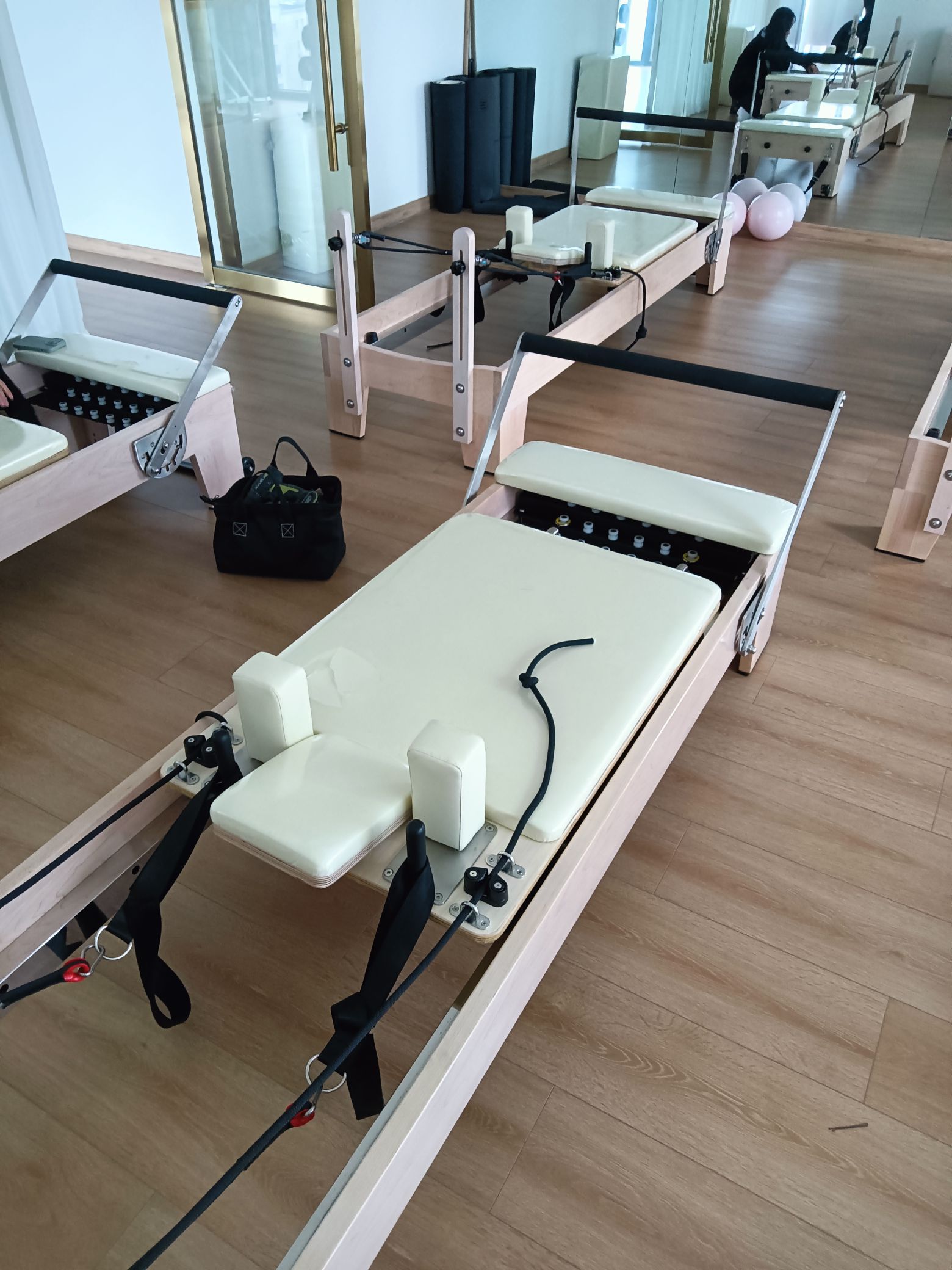
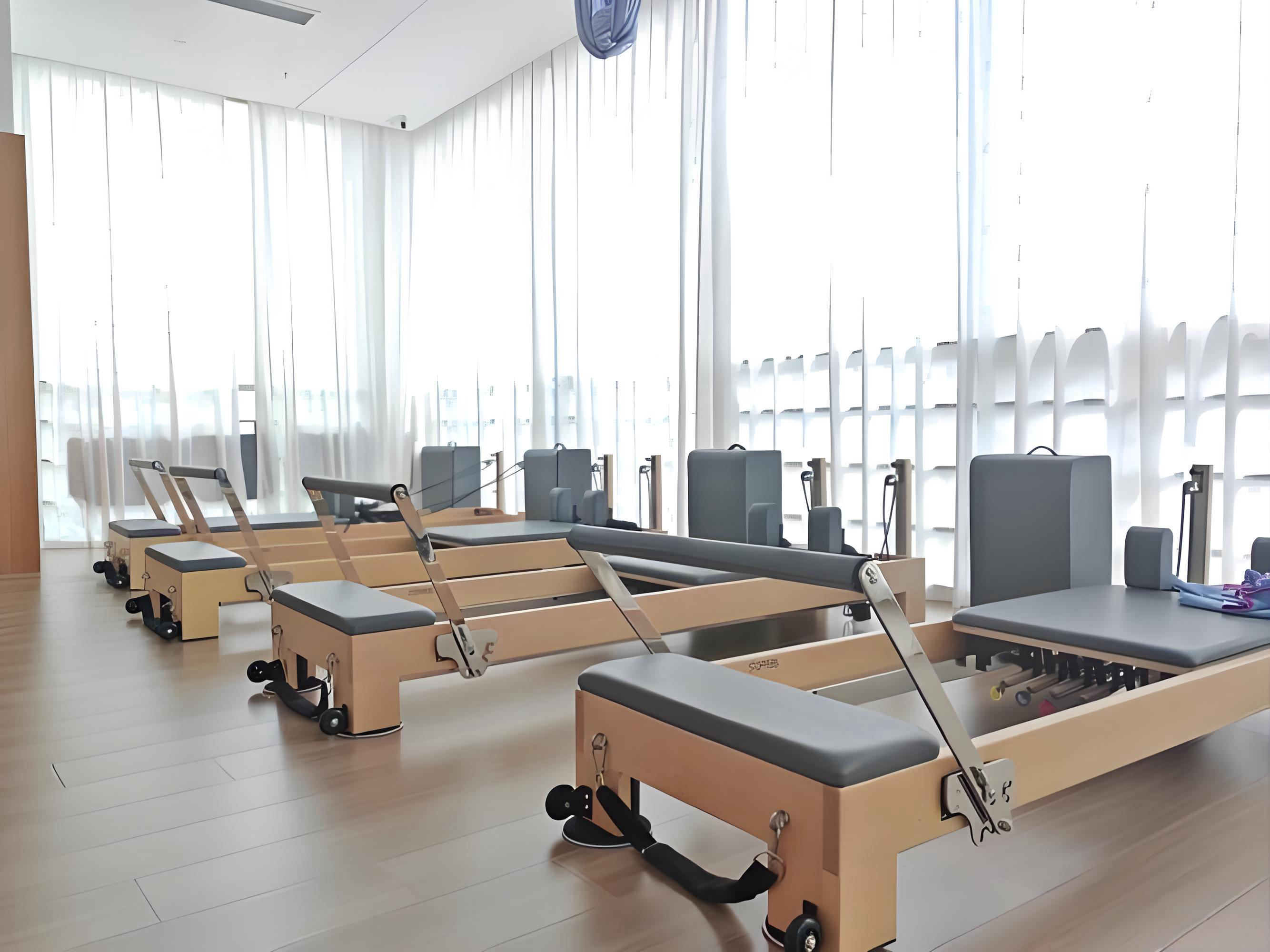
Clean the sliding rail surface regularly to remove dust and hair buildup. Debris left on the rails will cause friction noise, unsmooth sliding and pulley wear. Keep the entire equipment dry and well-ventilated to prevent spring rust and frame oxidation, especially in humid coastal areas.
2. Weekly Inspection: Eliminate Hidden Mechanical Faults
Commercial reformers work 6 to 10 hours daily, and continuous vibration will gradually loosen screws, connectors and limit parts. A full weekly inspection can prevent small problems from turning into expensive repairs.
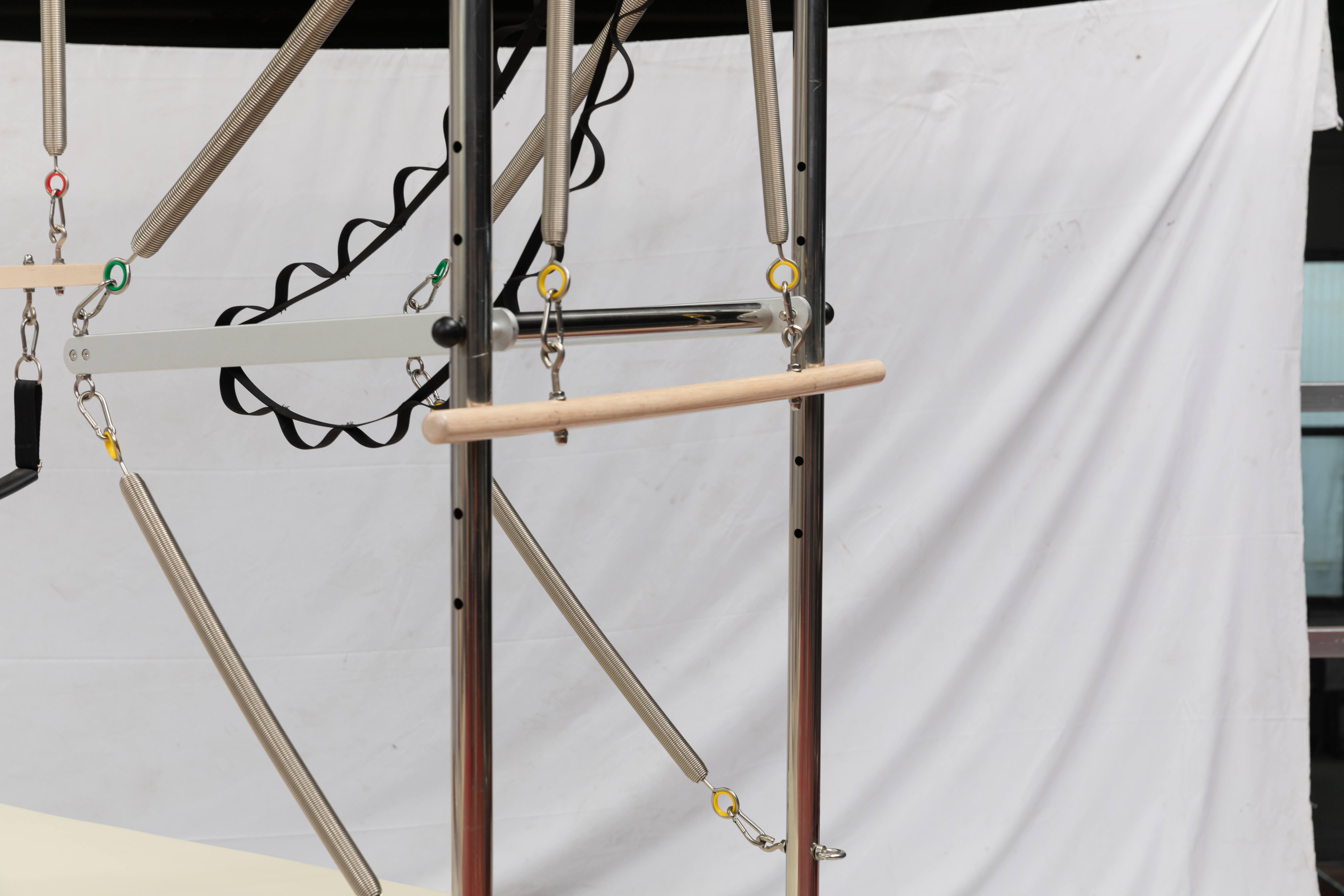
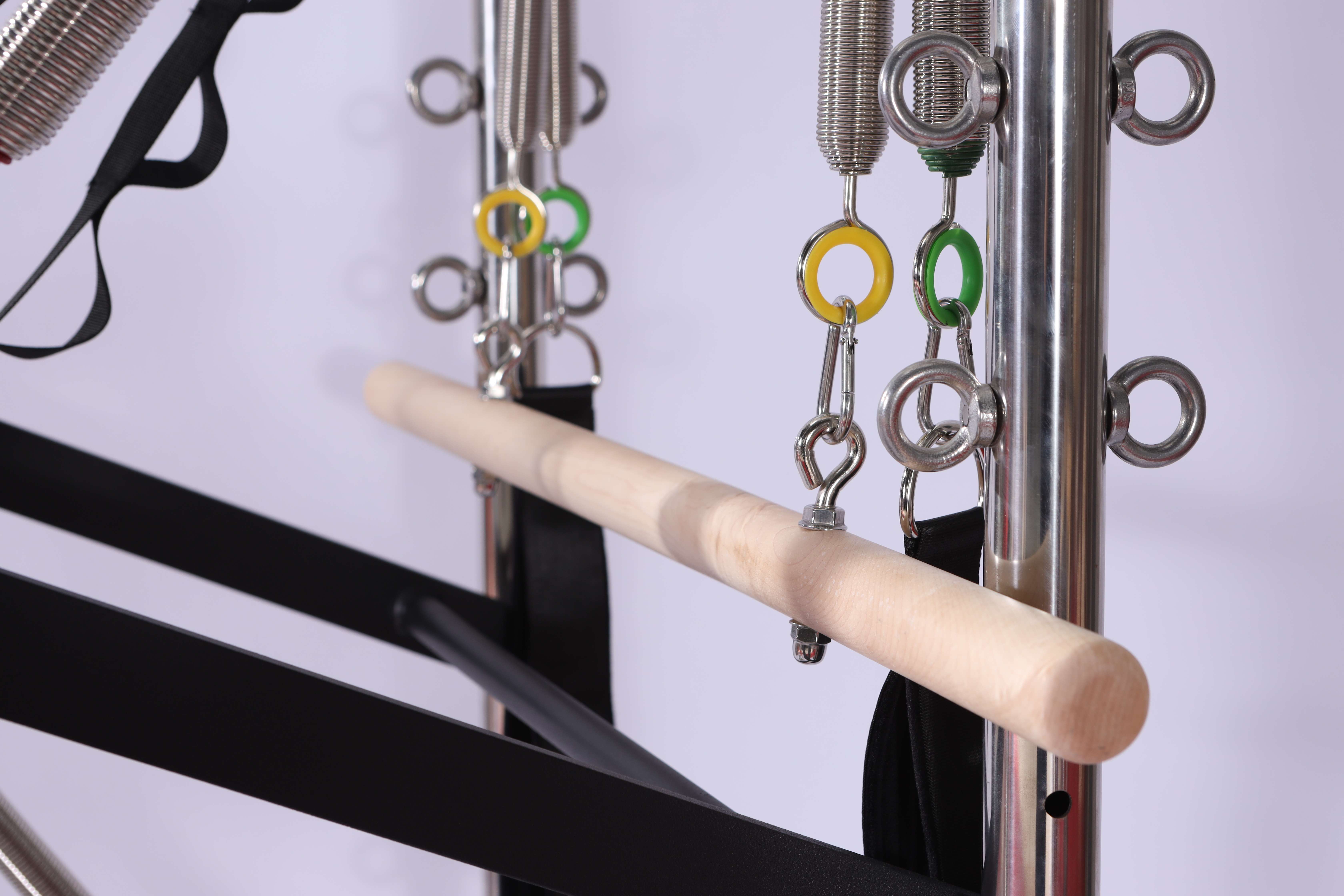
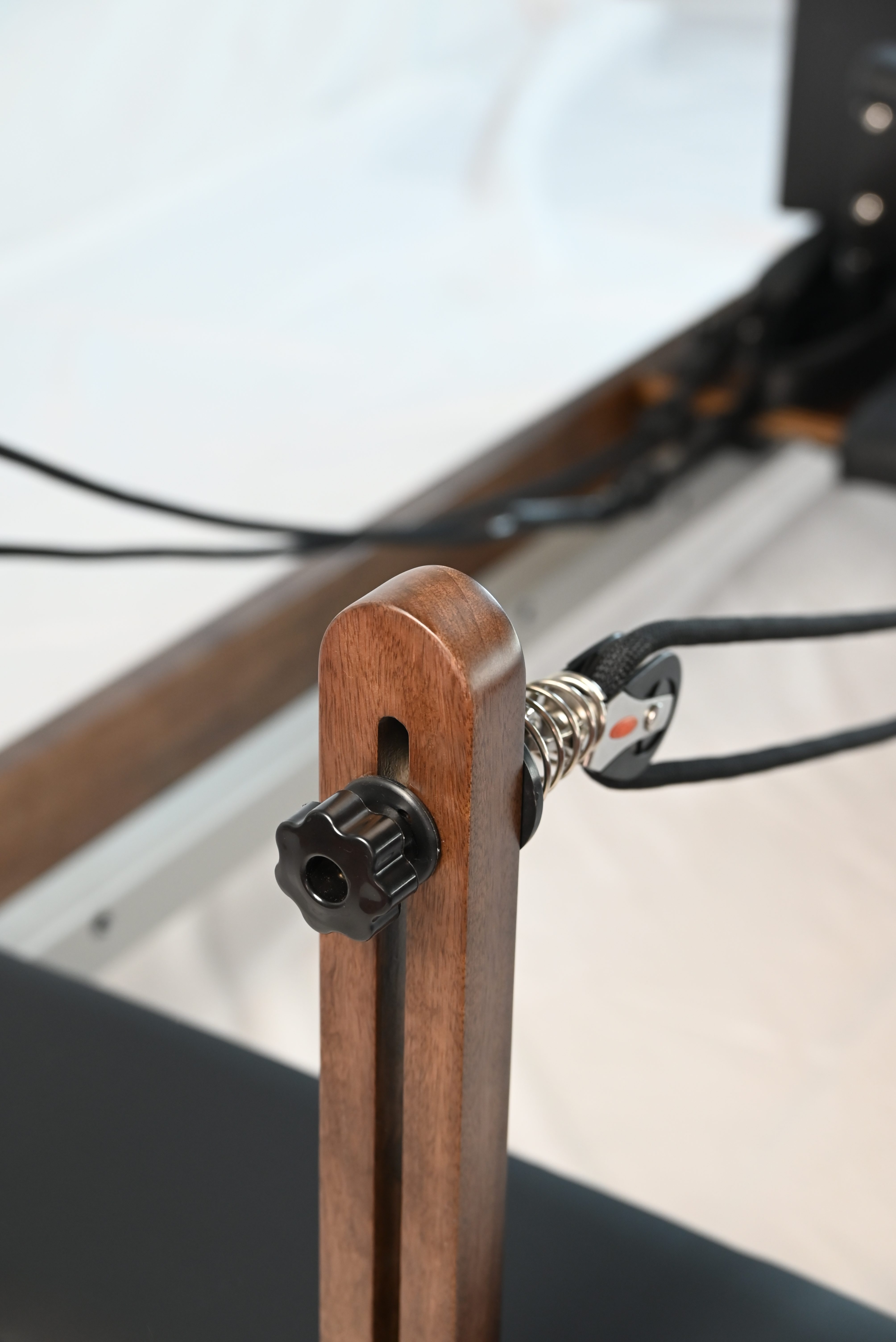
Check all locking screws, frame connection parts, foot pads and pulley fixing screws. Retighten any loose components to avoid carriage shaking and structural instability. Test spring tension and reset performance to ensure no lag, uneven stretching or abnormal noise. Inspect hand straps and foot loops for fraying, loose stitching or wear, and replace damaged accessories in time to avoid sudden breakage during training.
Weekly routine inspection greatly reduces unexpected breakdowns and avoids emergency maintenance costs during peak business hours.
3. Monthly Deep Maintenance: Keep Sliding System Smooth
The sliding system is the core of a Pilates reformer and also the most vulnerable part of long-term commercial use. Monthly deep maintenance ensures stable, silent and smooth operation.
Thoroughly clean the inside of the sliding track and pulley gaps to remove accumulated dust and oil residue. Apply a small amount of professional neutral lubricant for fitness equipment on the rails and pulley shafts. Do not over-lubricate, as excess oil will adsorb more dust and cause sliding blockage.
Check the spring hook connection points to ensure firm hanging and uniform tension. For leather surfaces, perform simple maintenance to keep the leather soft and wear-resistant, delaying aging and fading.
4. Seasonal Maintenance: Adapt to Humidity & Temperature Changes
Environmental changes are easily ignored by studio owners but greatly affect reformer durability. In humid and rainy seasons, studios need to strengthen dehumidification and ventilation to prevent metal parts from rusting and wooden frames from mildew and deformation.
In dry seasons, properly maintain leather cushions to prevent dry cracking. Avoid long-term direct sunlight exposure, which causes leather fading, foam aging and material embrittlement. Seasonal targeted maintenance can effectively avoid seasonal equipment failures and reduce seasonal repair rates.
5. Standard Usage Rules: Reduce Man-Made Wear
Most early equipment damage is caused by irregular use rather than quality problems. Standardizing instructor and student usage habits is the most cost-effective maintenance method.
- Avoid violent pulling, sudden release of springs and over-range stretching
- Prohibit standing or jumping on leather cushions and headrests
- Arrange training movements within the equipment load limit and sliding range
- Avoid heavy impact on the frame and foot bar
Standardized operation can reduce equipment loss by more than 40%, greatly extending the replacement cycle of springs, pulleys and wearable parts.
6. Timely Replacement of Wearable Parts to Avoid Secondary Damage
Many studio owners delay replacing aging accessories to save costs, which eventually leads to larger equipment failures and higher repair expenses.
Springs, straps, foot loops and pulleys are wearable consumables. After long-term commercial use, aging springs will have unstable tension and poor reset ability; worn straps will become fragile and unsafe. Timely replacement of these low-cost accessories can protect the main frame and sliding system, avoiding expensive overall maintenance and component replacement.
7. Core Benefits of Professional Reformer Maintenance
- Reduce long-term repair costs: Cut unnecessary maintenance and replacement expenses
- Prolong equipment service life: Extend commercial reformer lifespan to 10–15 years
- Stable teaching experience: Keep sliding silent, smooth and tension consistent
- Improve customer satisfaction: Avoid noise, jitter and safety hazards during classes
- Save studio operating costs: Reduce equipment downtime and class suspension losses
Final Conclusion
Scientific and standardized maintenance is the key to reducing Pilates studio operating costs. Daily cleaning, regular inspection, deep lubrication, seasonal protection and standardized use can effectively avoid premature aging and failure of commercial Pilates reformers. Good maintenance not only lowers repair costs but also maintains stable teaching quality and improves the overall professional image of the studio.
As a professional commercial Pilates equipment manufacturer, we provide durable commercial-grade reformers, complete maintenance manuals and long-term spare parts supply for global studios and distributors. If you need professional studio equipment maintenance guidelines and cost-saving solutions, feel free to contact us.