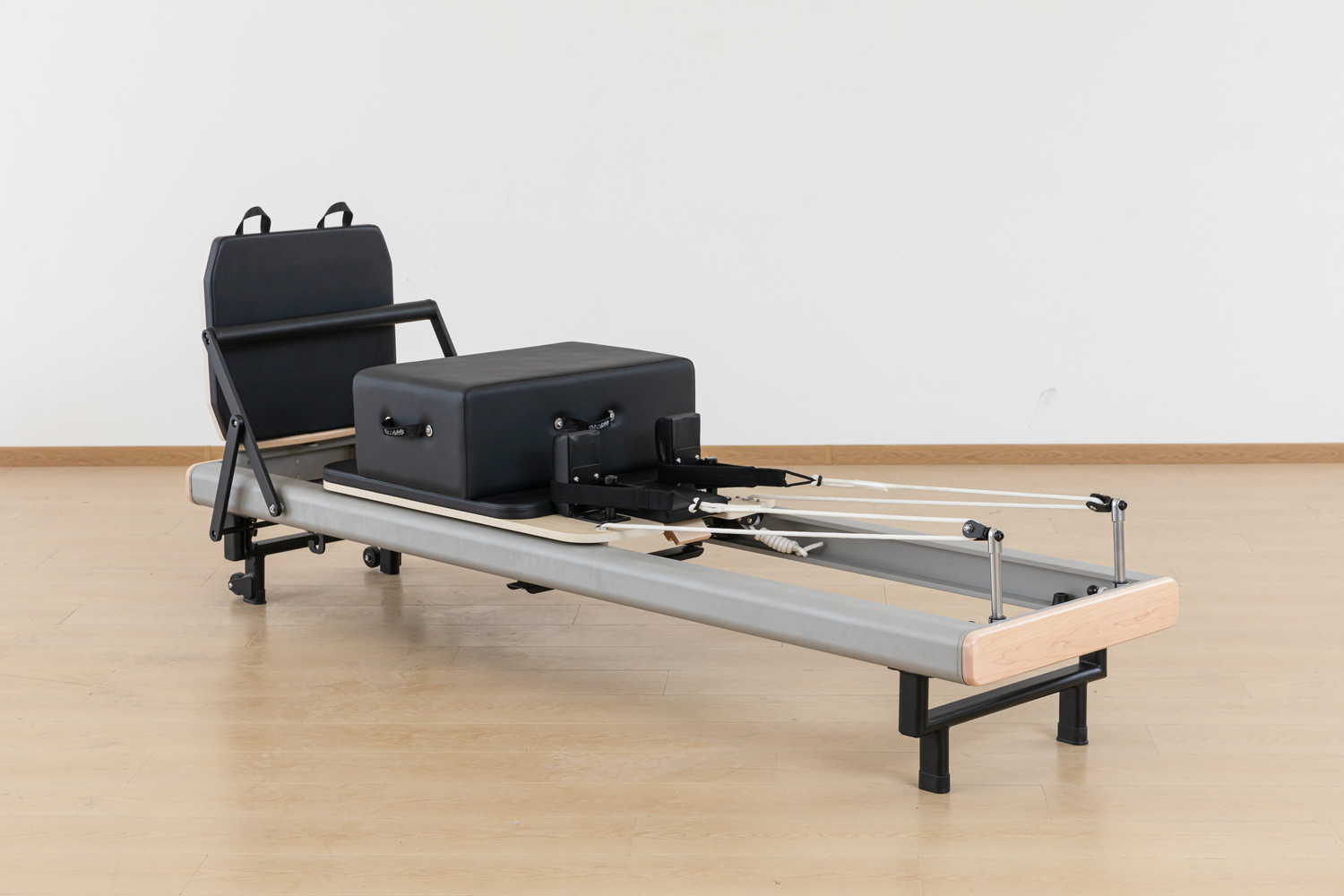
What Accessories Do You Need for a Complete Pilates Reformer Set
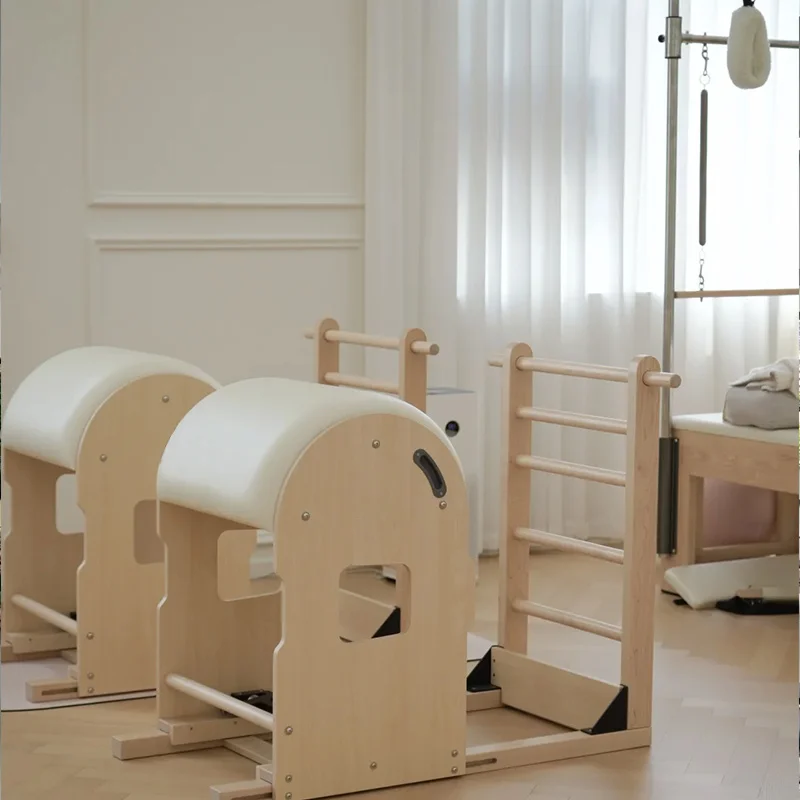
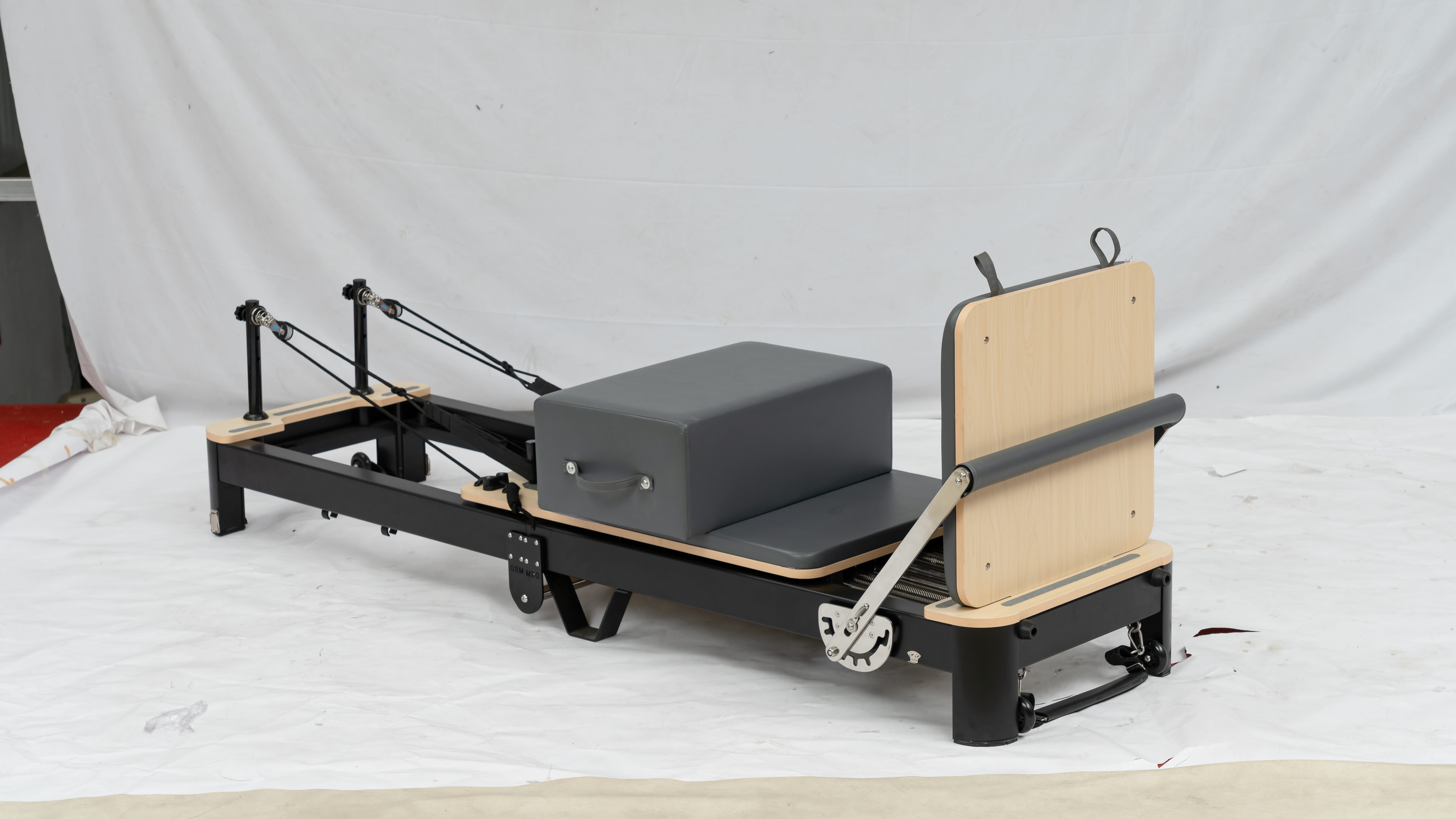
A Pilates Reformer is already a powerful training tool on its own — springs, carriage, footbar, and rope system already support hundreds of exercises. But if you want to maximize the Reformer's potential — adapting to different skill levels, training goals, and class formats — then a thoughtfully selected set of accessories is essential. This article systematically reviews the key Reformer accessories to help studio owners and home users make comprehensive equipment decisions.
I. Jumpboard: Integrating Cardio into Pilates
The Jumpboard is one of the most popular Reformer accessories. It attaches to the foot-end of the Reformer, allowing users to perform jumping-like movements with both feet. The Reformer's spring-loaded carriage resistance makes each push feel controlled and extended — not just up-and-down bouncing.
Use case: You want to incorporate cardiovascular elements into Pilates without sacrificing control training. A Jumpboard session can elevate heart rates to 60% to 75% of maximum, while maintaining core engagement and joint-friendliness — benefiting lower body strength, ankle stability, and cardiovascular endurance.
Selection advice: Commercial Jumpboards feature heavy-duty steel frames with 150kg+ load capacity and non-slip surfaces. Home models are lightweight and detachable for storage. The Jumpboard is highly recommended for both studio and home use.
II. Tower: Turning Your Reformer into a "Mini Cadillac"
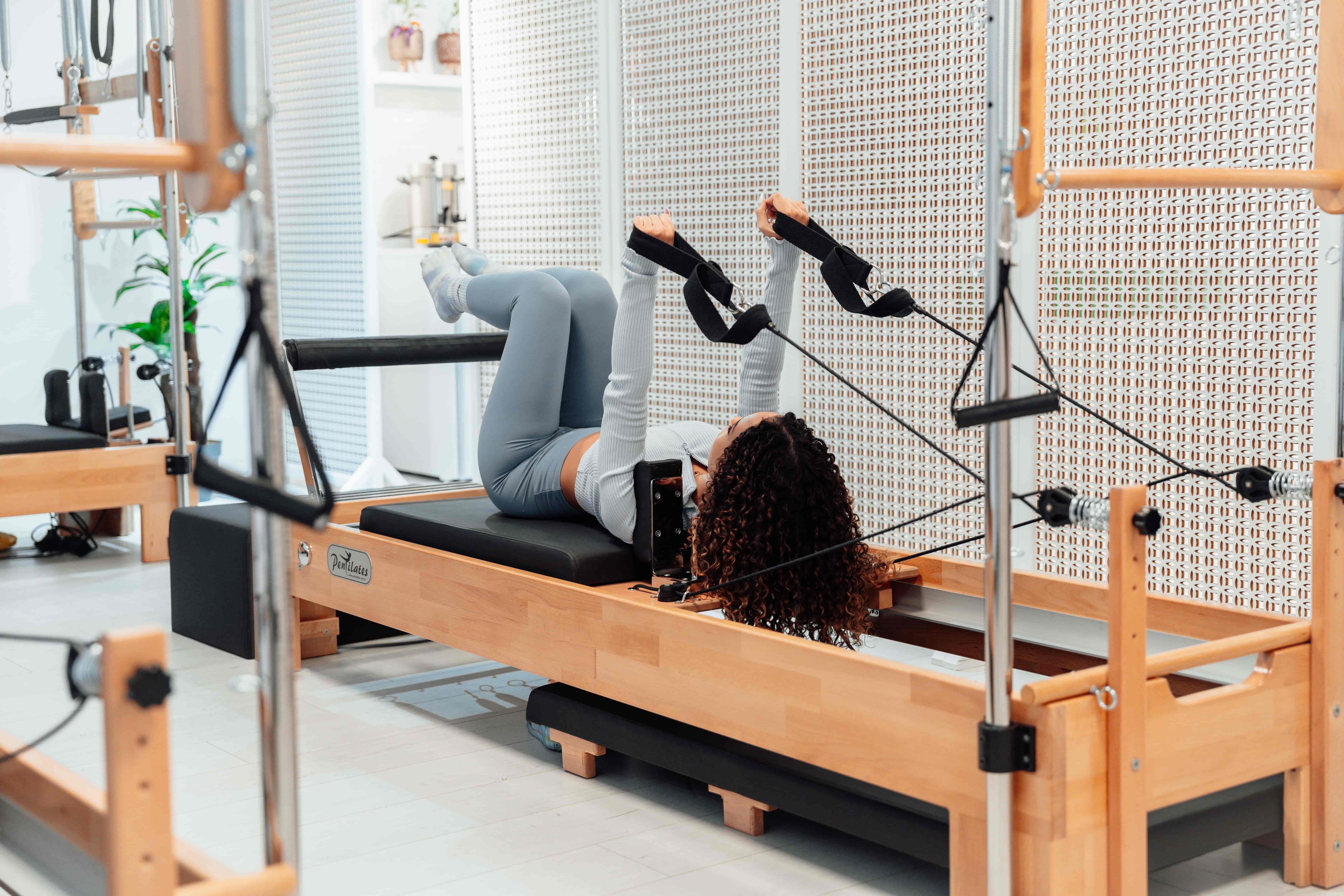
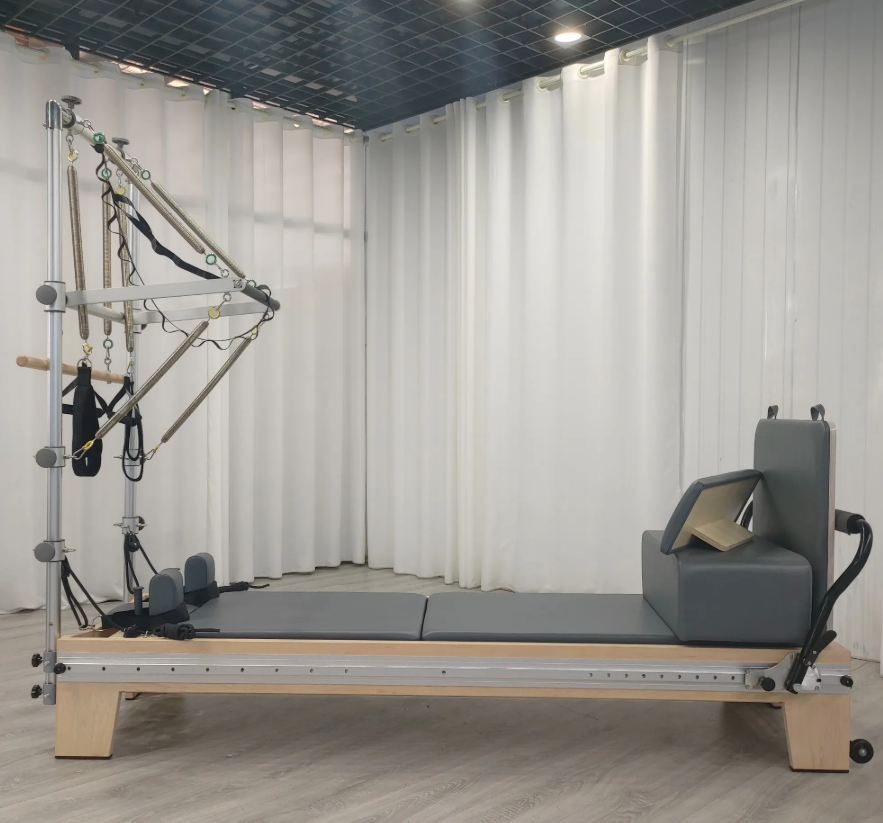
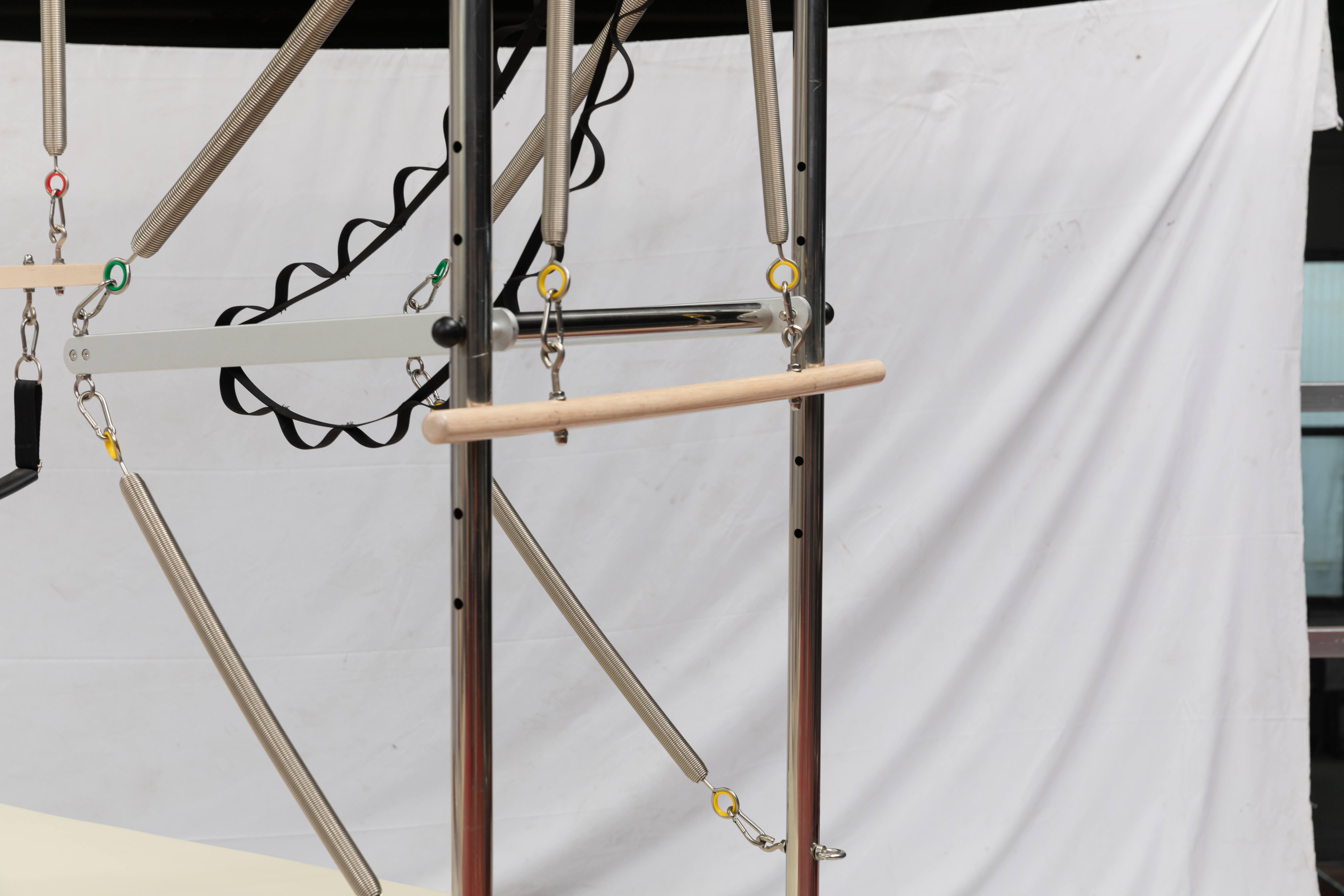
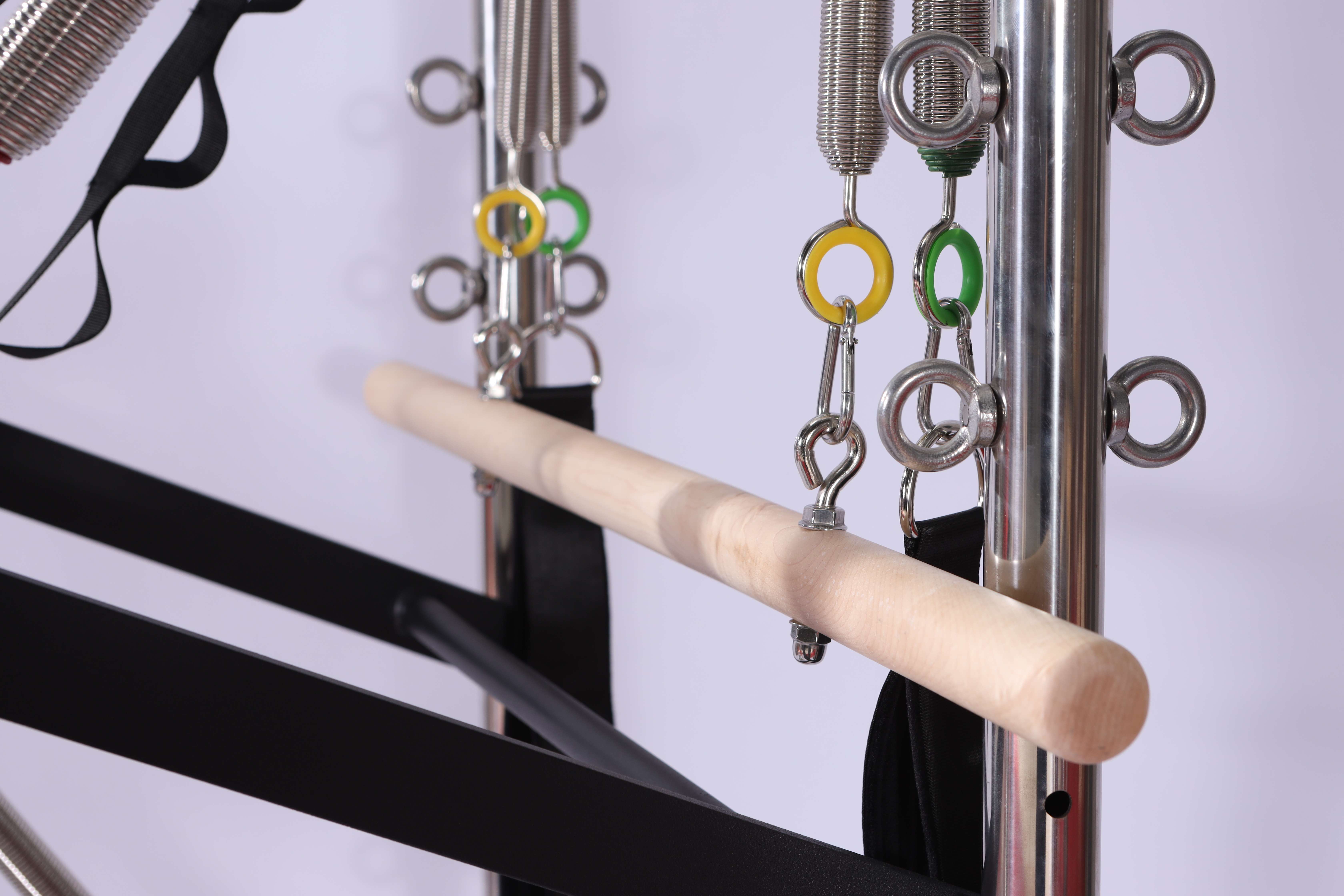
The Tower attaches to the front of the Reformer — two vertical posts and a top crossbar that supports hanging springs, straps, and push-through bars. Once a Tower is installed, the Reformer essentially becomes a "mini Cadillac" apparatus.
Tower-expanded exercises include suspended arm work, standing chest presses, seated rows, and inverted stretches. These movements leverage both the Reformer carriage resistance and Tower spring resistance, greatly enriching programming options.
Selection advice: The Tower suits existing Reformer owners who want to expand functionality without increasing floor footprint. Towers come in detachable and fixed versions — detachable can be removed when not needed but requires more effort for setup; fixed is more stable but increases the Reformer's permanent footprint.
III. Mat Converter: Seamless Reformer-to-Mat Transitions
The Mat Converter is a deceptively simple but highly practical accessory. It is a platform installed above the carriage, turning the sliding surface into a flat mat training area. This allows mat exercises that wouldn't normally work on a Reformer (side-lying leg lifts, spinal twists, etc.) to be performed directly on the Reformer.
Selection advice: If your curriculum includes substantial mat-based content, or if you frequently incorporate mat work in a Reformer classroom, the Mat Converter can significantly improve space utilization. Suitable for both studio bulk configuration and home users wanting to expand training content without buying separate yoga mats.
IV. Rope and Strap Systems: Replacement and Upgrades
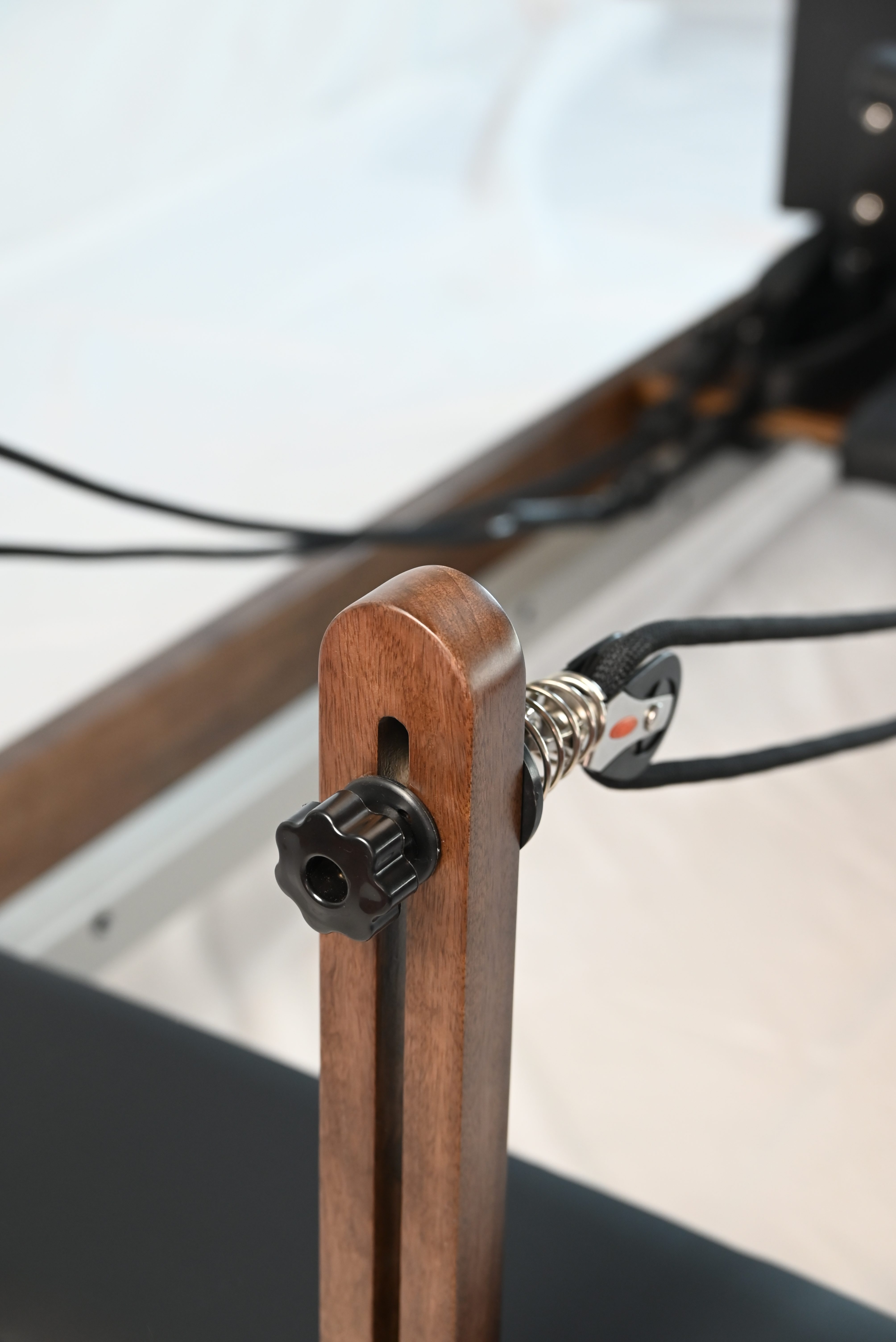
The Reformer's ropes and straps are high-frequency wear parts — and critical to both user experience and safety.
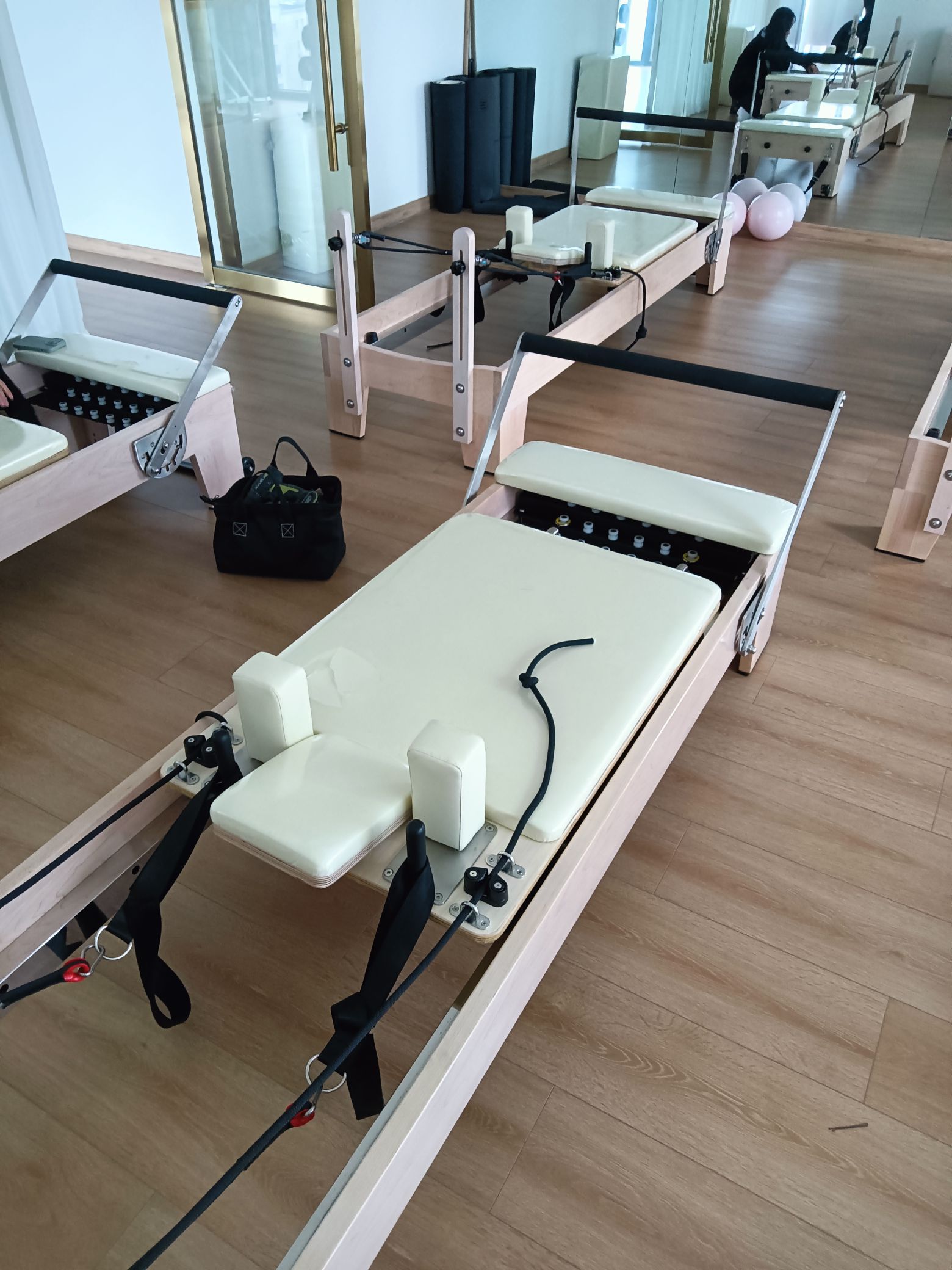
Standard configuration: Reformers typically include one pair of shoulder straps and one pair of foot straps. Shoulder straps are used for arm and upper-body exercises; foot straps for leg movements.
Spares and upgrades: Ropes and straps wear over time. Studios should keep at least 1-2 replacement sets on hand. Different materials and lengths also offer different experiences — nylon straps are more durable; cotton provides a softer feel.
V. Box and Wedge: "Combo Tools" for Assisted Training
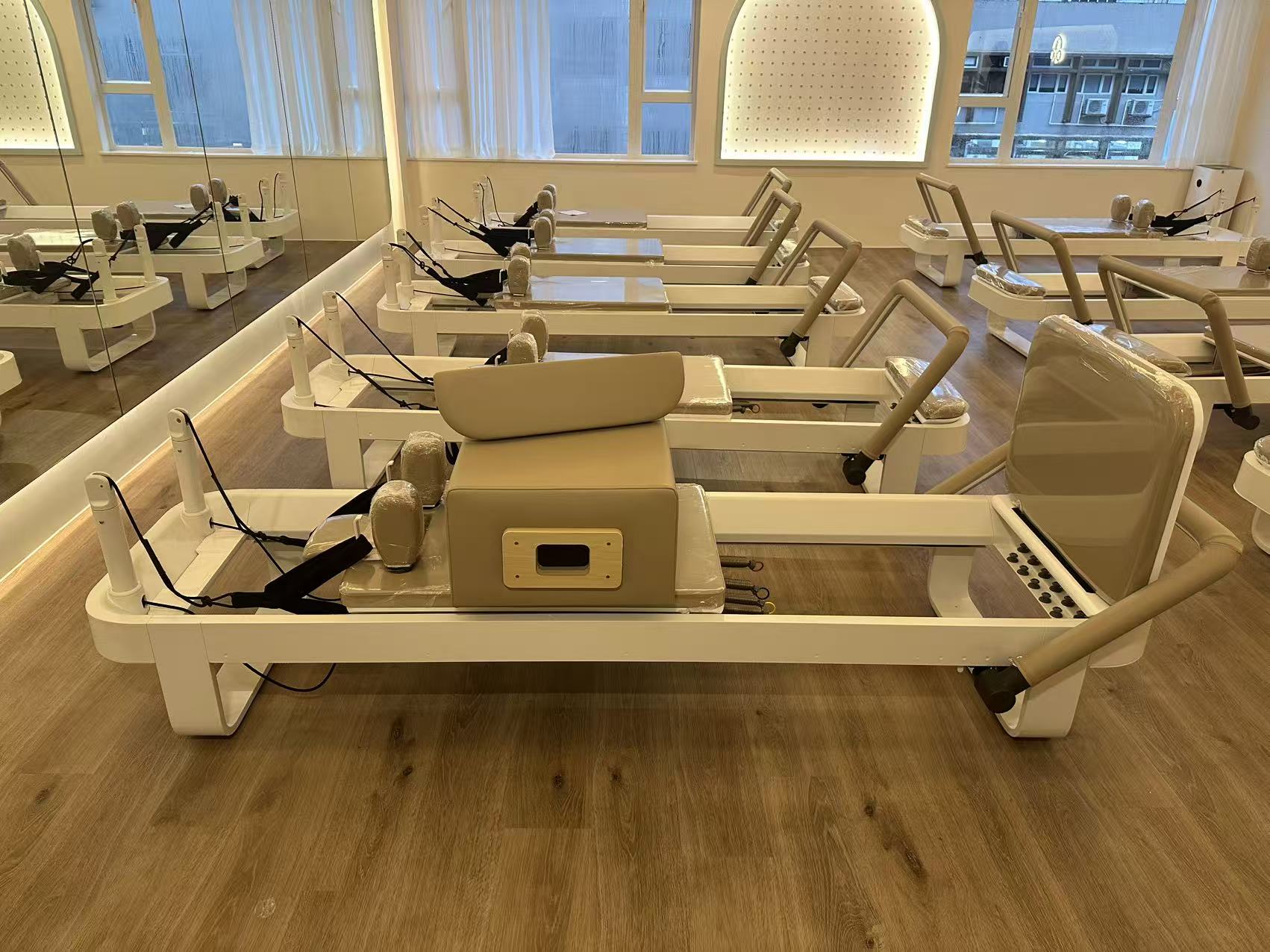
The Box is a movable platform placed on the carriage to adjust client position height for varied postures — for example, leaning over the box for standing hip extension work, or sitting on the box for arm exercises. Wedges provide angled support for ankles, knees, or wrists — highly useful in rehabilitation and posture adjustment.
VI. Other Accessories
Headrest Cushion: An extra-thick headrest for better cervical support and comfort. Footbar Sleeve: A soft cover for the footbar, reducing friction and enhancing comfort. Spring Hook Covers: Prevent spring hooks from scratching users or upholstery.
VII. Accessory Configuration by Use Case
Home Users — Core Configuration: Jumpboard + spare rope set + wedge. Covers basic expansion needs with modest cost and easy storage. Advanced Home Configuration: Box + detachable Tower. Suits home users with consistent practice habits who want more movement variety without increasing floor footprint.
Boutique Studios — Standard Configuration: Jumpboard + Mat Converter + spare rope/strap sets. Meets most class accessory needs while ensuring variety and maintenance. Complete Configuration: Full set above, plus Tower and Box. Suits studios offering comprehensive programming.
Fitness Chains — Bulk Configuration: Standard Jumpboard + Mat Converter per Reformer with centralized spare rope/strap inventory. Ensures consistent equipment across all locations and standardized maintenance.
Summary: A complete Reformer accessory set is not just about "more features" — it's about "more class possibilities." For home users, the Jumpboard and spare ropes are top priorities. For studios, the Jumpboard, Mat Converter, and spare ropes are the baseline — with Towers and Boxes as the next level. More accessories aren't always better — what matters is which training goals you're trying to achieve with them.